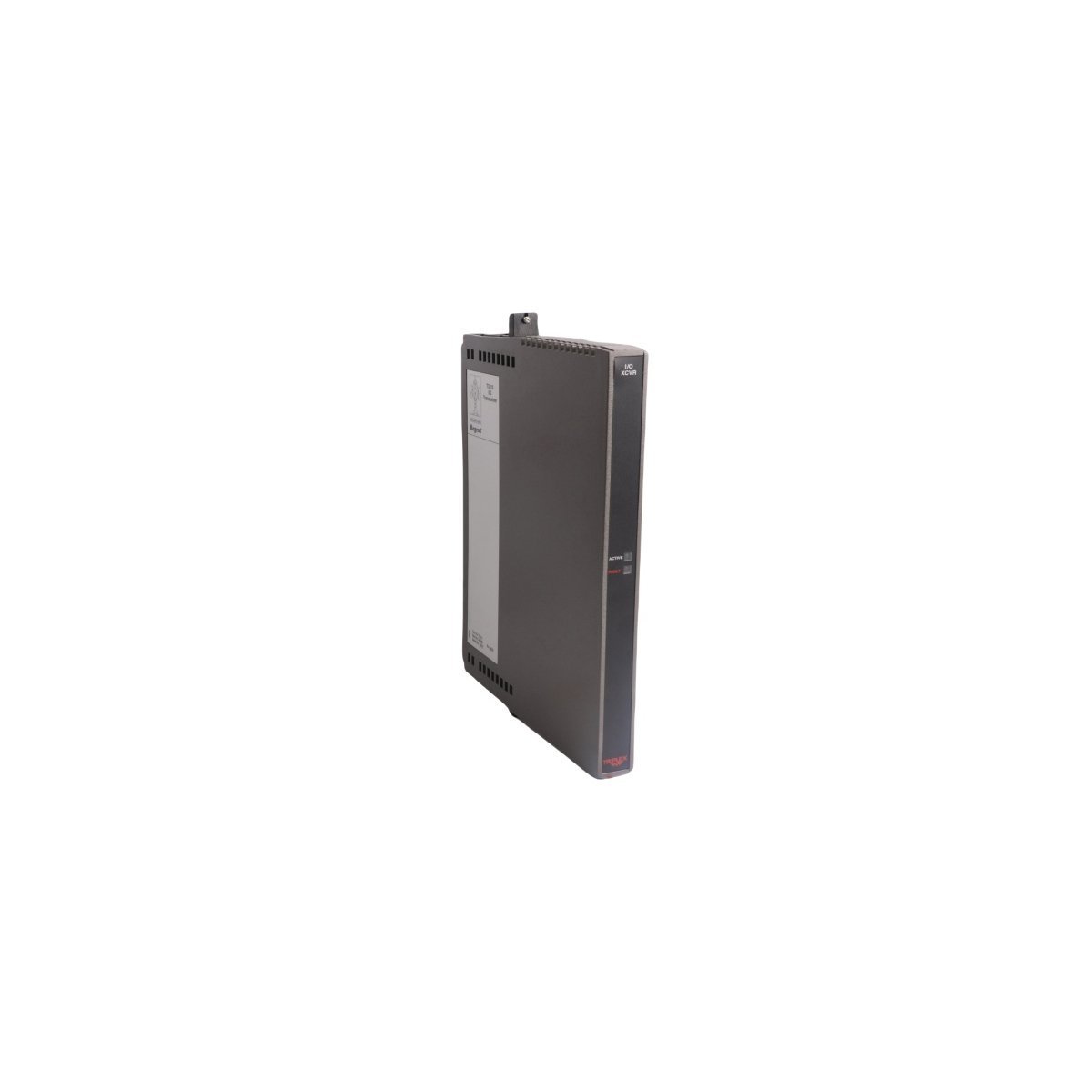
21504-00-32-10-02 | Bently Nevada | Vibration Probe
Technical Overview
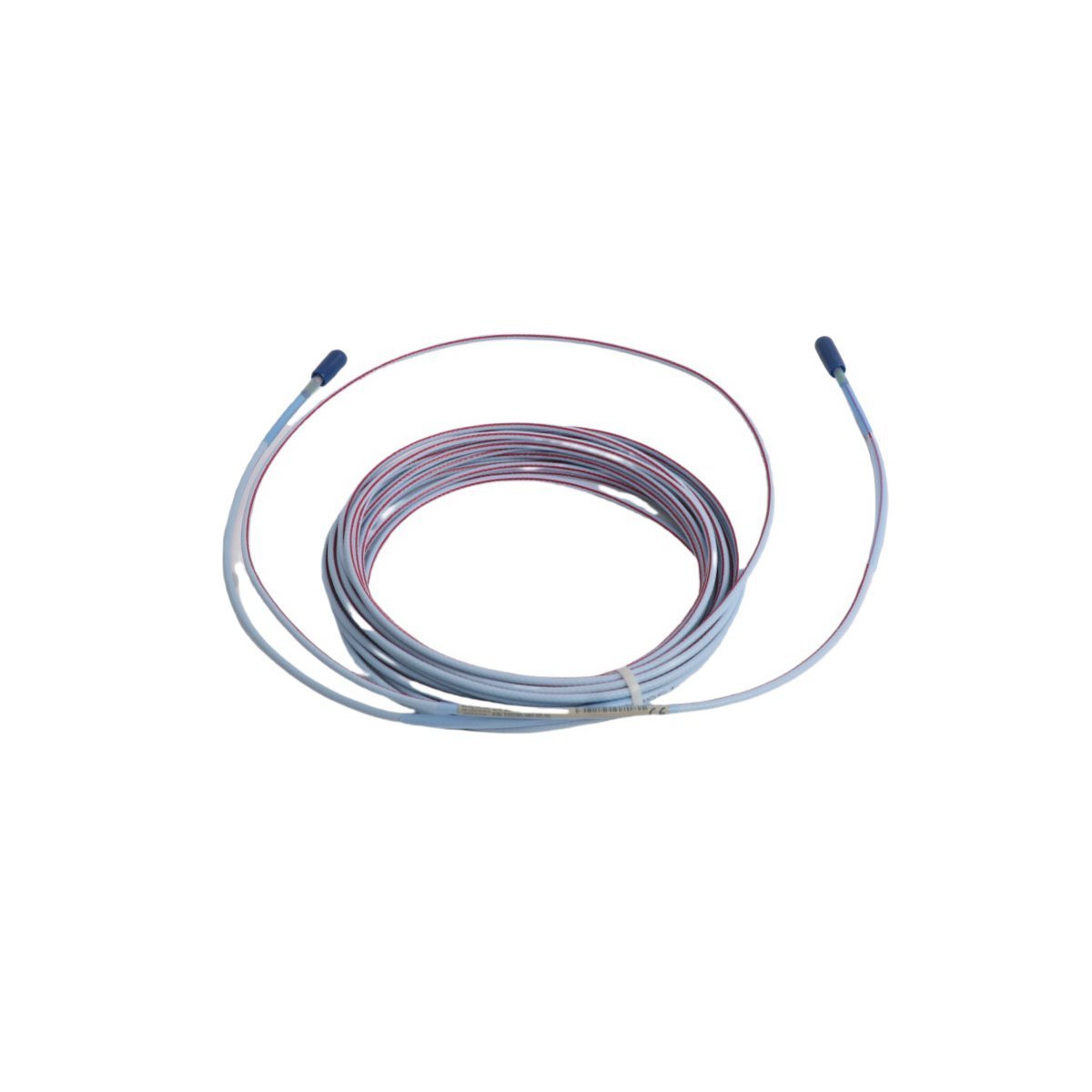
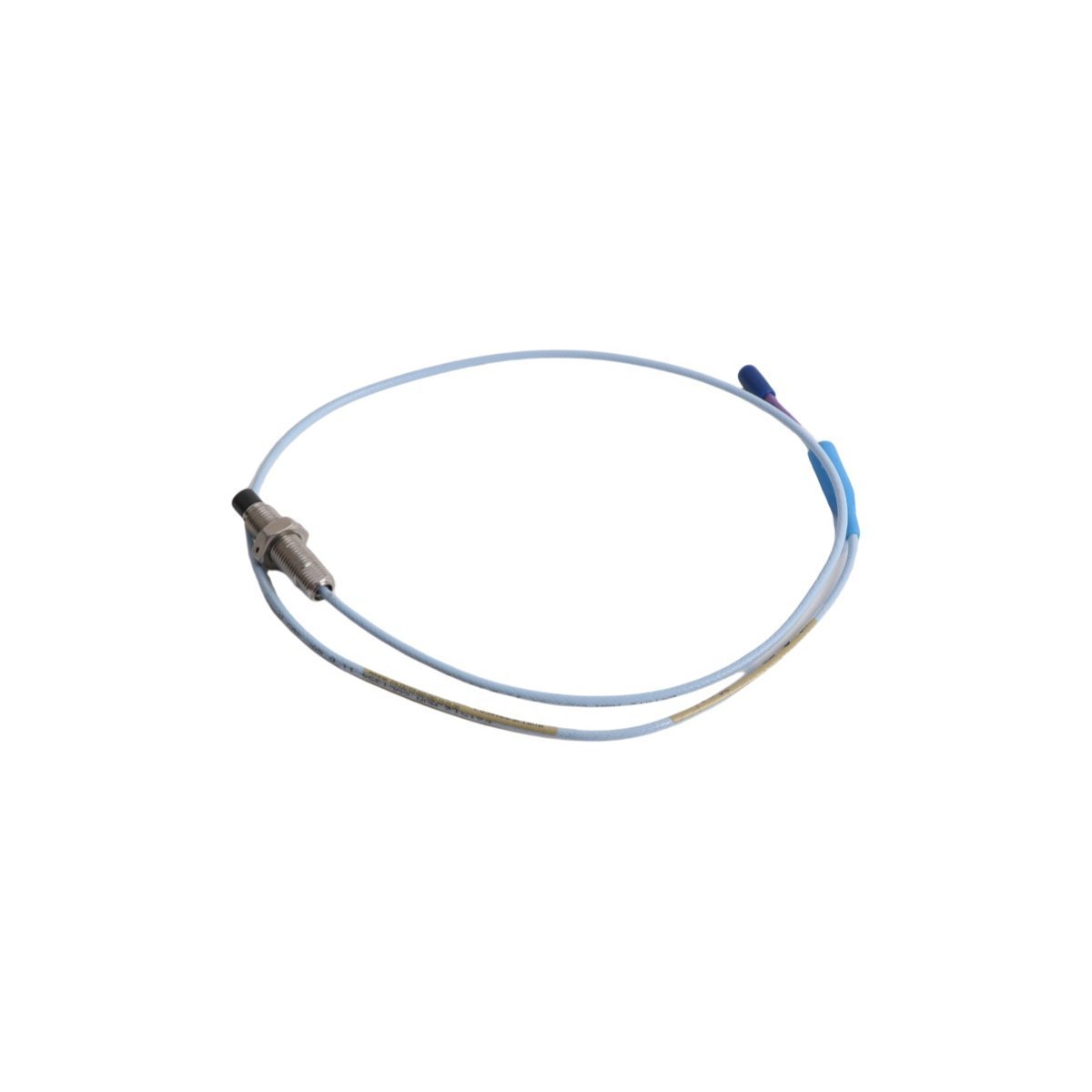
The Bently Nevada 21504-00-32-10-02 is a 3300 NSv series proximity vibration probe, a fundamental component of an eddy current transducer system designed for non-contact displacement and vibration measurement on rotating machinery. Its primary function is to measure the distance (gap) between the probe tip and a conductive target material, typically a machine shaft. The probe operates by generating a high-frequency radio frequency (RF) field from its tip coil. When brought near the conductive target, this field induces eddy currents on the target's surface. These eddy currents alter the impedance of the probe's coil system. This change in impedance is detected by an associated Proximitor Sensor, which demodulates the signal into a voltage directly proportional to the probe-to-target gap. This analog voltage signal is then transmitted to a monitoring system, such as the Bently Nevada 3500 Machinery Protection System, for real-time analysis, trending, and alarming. The 21504-00-32-10-02 is constructed with a stainless steel case for durability in industrial environments and is specifically configured with a 320 mm case length and a 1.0-meter integral cable.
Detailed Specifications
| Parameter | Specification |
|---|---|
| Manufacturer | Bently Nevada |
| Part Number | 21504-00-32-10-02 |
| Product Type | 3300 NSv Proximity Vibration Probe |
| Condition | Brand New |
| Warranty | 12 Months |
| Unthreaded Length | 0 mm |
| Case Length | 320 mm (12.6 in) |
| Total Length | 1.0 metre (3.3 feet) |
| Connector Type | Miniature coaxial ClickLoc connector, standard cable |
| Probe Tip Material | Polyphenylene Sulfide (PPS) |
| Case Material | AISI 304 Stainless Steel |
| System Linear Range | 2 mm (80 mils) |
| System Scale Factor | 7.87 V/mm (200 mV/mil) with 3300 NSv Proximitor |
Operational Capabilities
In Oil & Gas and Power Generation applications, the 21504-00-32-10-02 probe demonstrates high reliability for continuous monitoring of critical assets such as gas and steam turbines, compressors, and large pump motors. Its non-contacting measurement principle eliminates mechanical wear, contributing to a high Mean Time Between Failures (MTBF) for the overall protection system. The probe is engineered to operate reliably in harsh industrial conditions. The probe tip is rated for continuous operation from -34 °C to +177 °C (-29 °F to +351 °F). The robust stainless steel case provides protection against physical impact and contaminants common in plant environments. When installed as part of a complete 3300 NSv transducer system, it provides a stable and repeatable measurement essential for machine protection and condition monitoring programs, enabling early detection of developing faults like imbalance, misalignment, and fluid-induced instabilities.
Applications
- Power generation turbines and generators
- Oil & gas compressors and pumps
- Industrial rotating machinery monitoring
- Predictive maintenance systems
- Process automation
Technical FAQ
Q: What systems is the 21504-00-32-10-02 compatible with?
A: The 21504-00-32-10-02 probe is a component of the Bently Nevada 3300 NSv Proximity Transducer System. For correct operation, it must be used in conjunction with a 3300 NSv extension cable and a 3300 NSv Proximitor Sensor. The output from the Proximitor Sensor is compatible with Bently Nevada monitoring systems, including the 3500 and 3300 series, as well as any data acquisition system, PLC, or DCS capable of accepting a -24 Vdc powered, 7.87 V/mm (200 mV/mil) analog signal.
Q: What are the installation requirements?
A: Proper installation is critical for measurement accuracy. The probe must be mounted perpendicular to the target surface using a rigid bracket. The physical gap should be set to place the DC output voltage in the middle of the system's linear range, typically -10 Vdc. The target area on the shaft must be at least 10.7 mm (0.42 in) in diameter, smooth (0.4 to 0.8 µm / 16 to 32 µin rms), and free of any electrical or magnetic irregularities (e.g., chrome plating, magnetised spots). Cable routing must avoid high-voltage power lines and other sources of electromagnetic interference. All ClickLoc connectors must be fully engaged to ensure a secure connection.