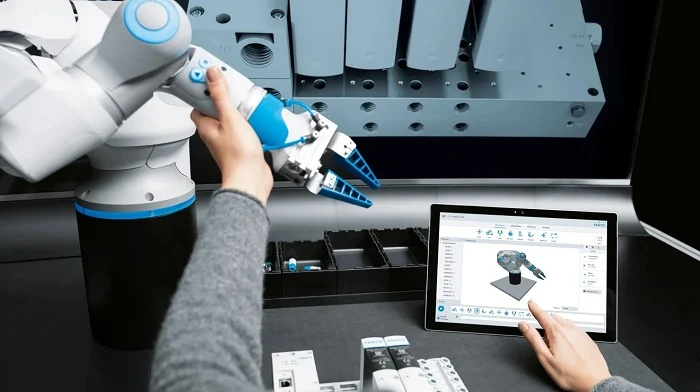
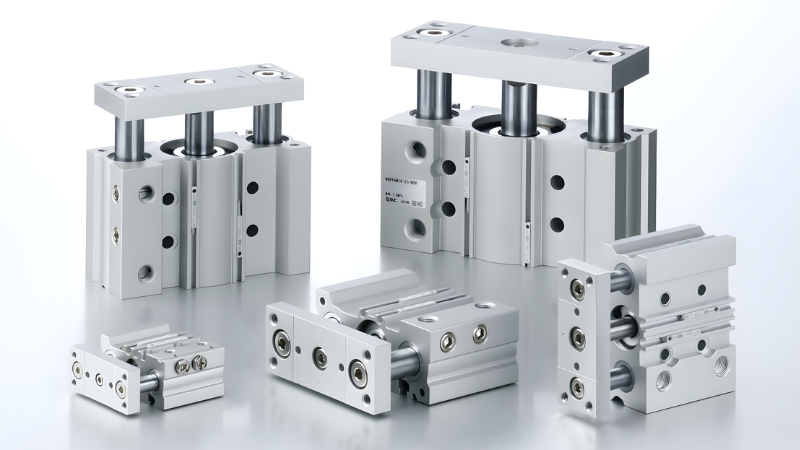
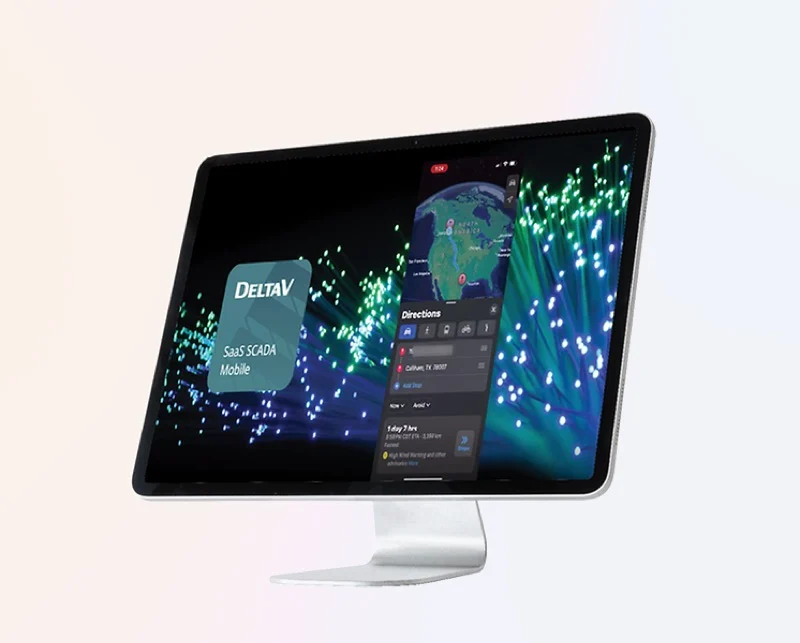
The global manufacturing landscape is currently navigating a period of profound transformation. A recent sector outlook from PricewaterhouseCoopers (PwC) suggests that industrial automation is no longer a luxury for elite firms. Instead, it has become a baseline requirement for survival in a $16 trillion industry. By 2030, half of all industrial manufacturers expect to automate their core processes to maintain a competitive edge.
Future-Fit Manufacturers Lead the Digital Charge
PwC identifies a specific group of leaders known as “future-fit” companies. These organizations represent roughly 20% of the market and prioritize integrated technology over isolated upgrades. Currently, 29% of these leaders have achieved high levels of automation. In contrast, only 15% of their peers have reached similar milestones. This gap highlights a growing digital divide in the manufacturing sector.
Strategic Integration of AI and Control Systems
Productivity remains the primary driver behind the adoption of advanced control systems. Future-fit firms focus their technological investments on two critical areas: product design and shop-floor operations. Approximately 46% of these companies utilize high-end software for development, while 37% apply it directly to production. These firms often replace legacy hardware with sophisticated PLC (Programmable Logic Controller) and DCS (Distributed Control Systems) architectures to ensure seamless data flow.
Differentiating AI Growth from Robotic Productivity
Manufacturers view Artificial Intelligence and robotics through different strategic lenses. Most executives believe AI will drive both top-line growth and internal efficiency. However, the perspective on robotics is more specialized. Roughly 78% of survey respondents view robotics primarily as a tool for boosting productivity. Therefore, the goal is often to optimize output rather than simply expanding the workforce or entering new markets.
The Evolution from Tool Ownership to Orchestration
Possessing advanced technology is no longer the ultimate advantage. Ryan Hawk, a global leader at PwC, emphasizes that success depends on “orchestration.” It is the ability to integrate factory automation tools quickly that creates value. Companies relying on “patched-up” legacy systems will likely struggle as the gap widens. Agile manufacturers focus on how these tools communicate across the entire enterprise resource planning (ERP) chain.
Author Insight: The Reality of Implementation
While the PwC study paints a bullish picture of 2030, the path to automation involves significant technical hurdles. Many facilities face the “brownfield” challenge, where new industrial automation hardware must interface with decades-old machinery. From my perspective, the winners will be those who prioritize interoperability and cybersecurity. Simply buying a robot is easy; creating a cohesive ecosystem where a DCS can interpret AI-driven analytics is where the true ROI lies.