Sale!
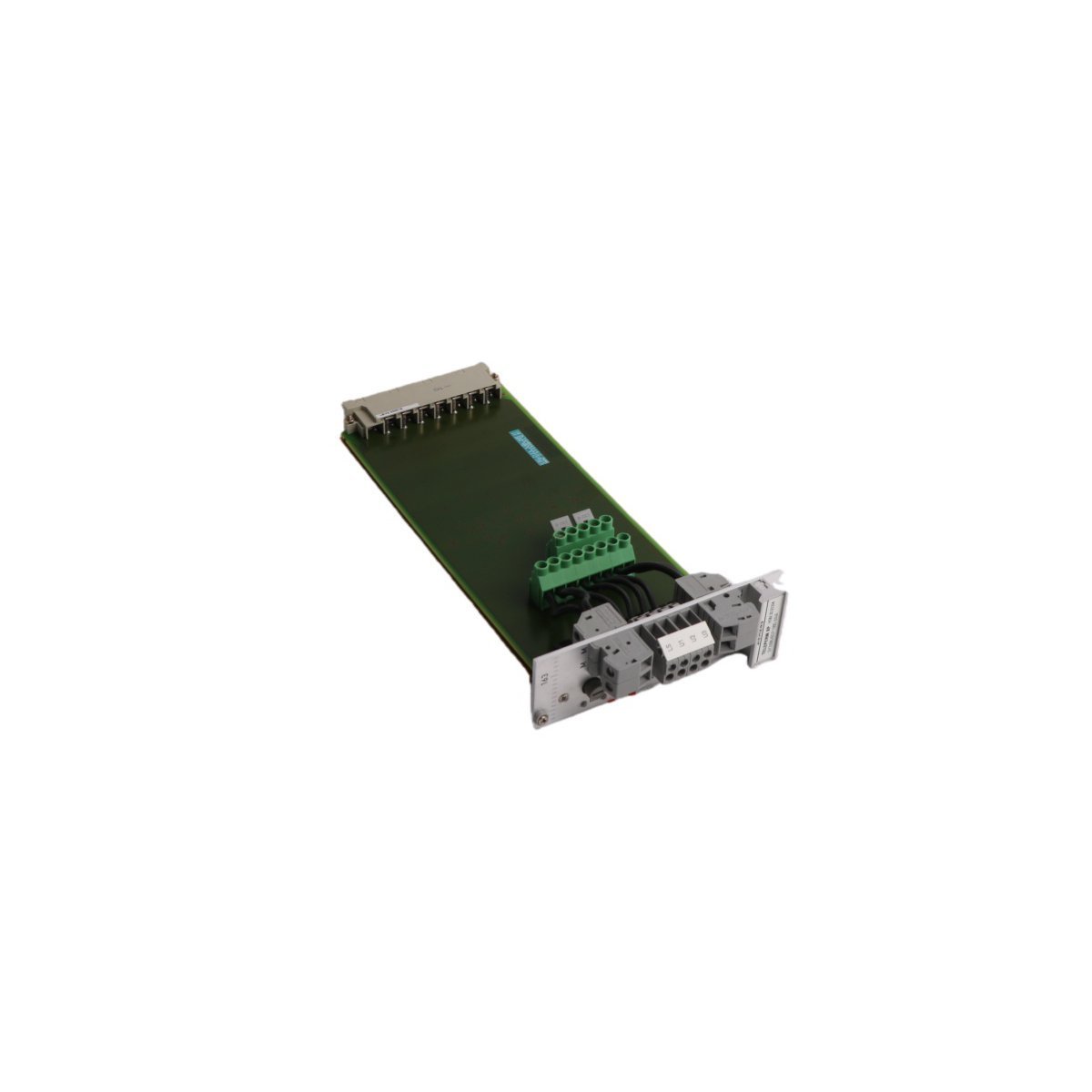
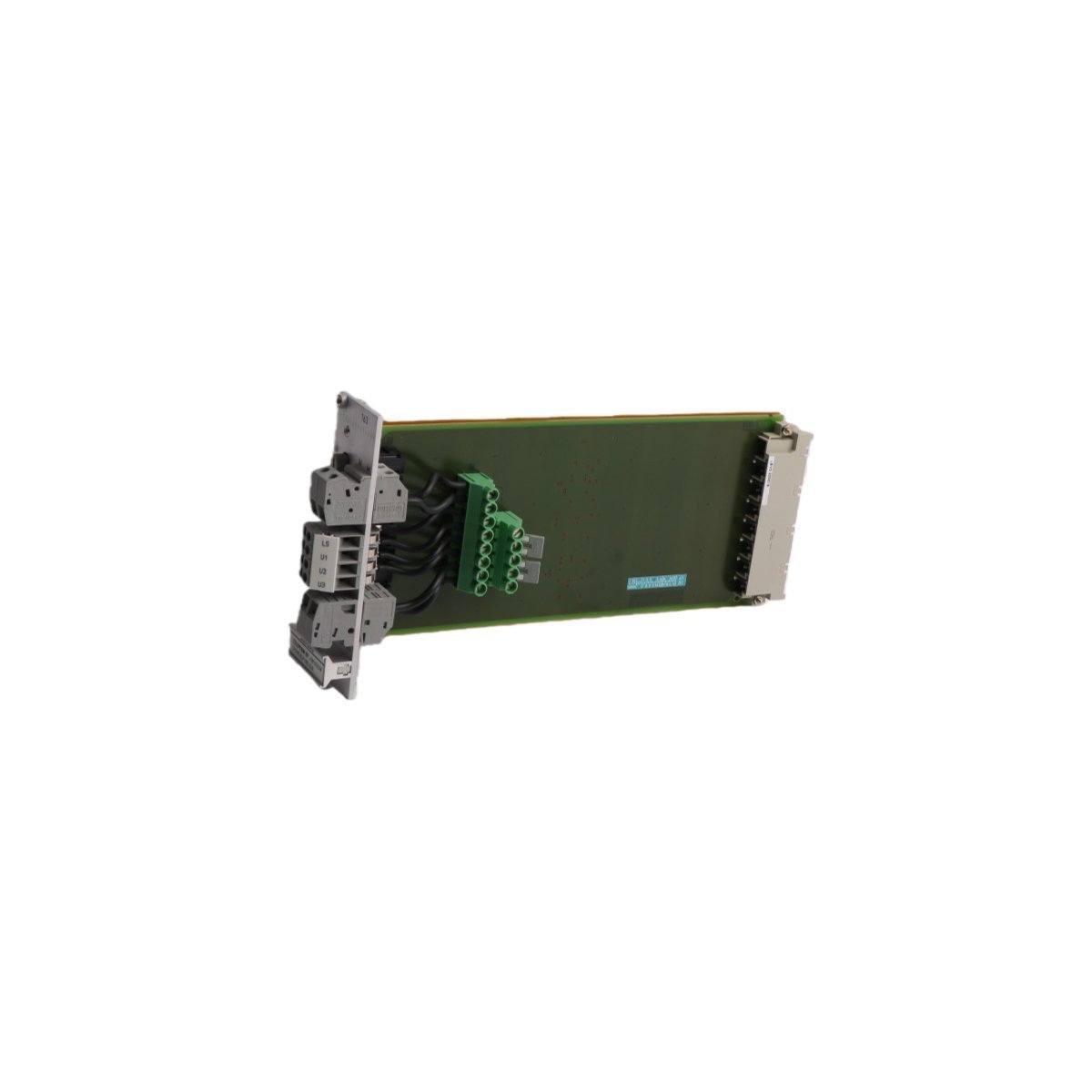
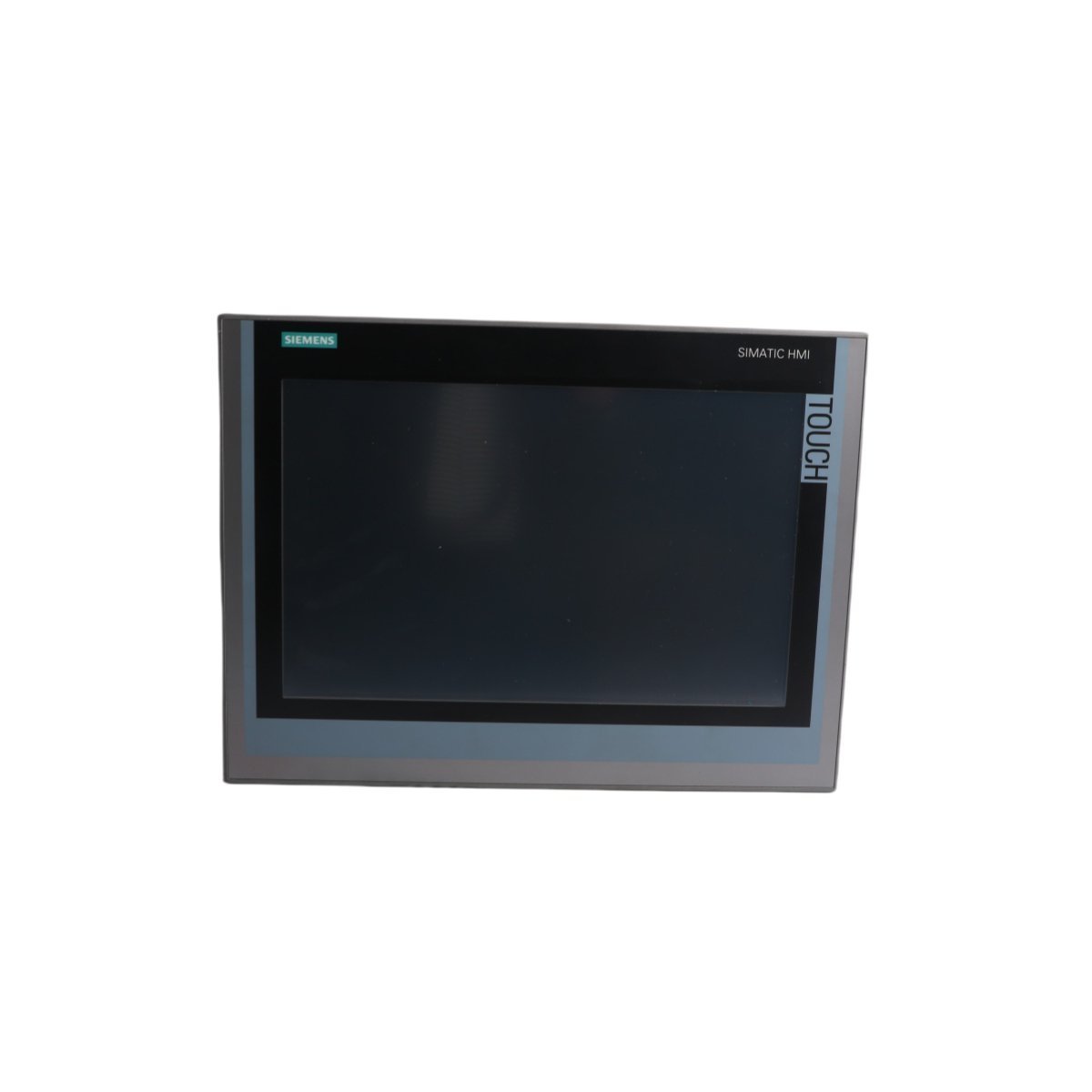
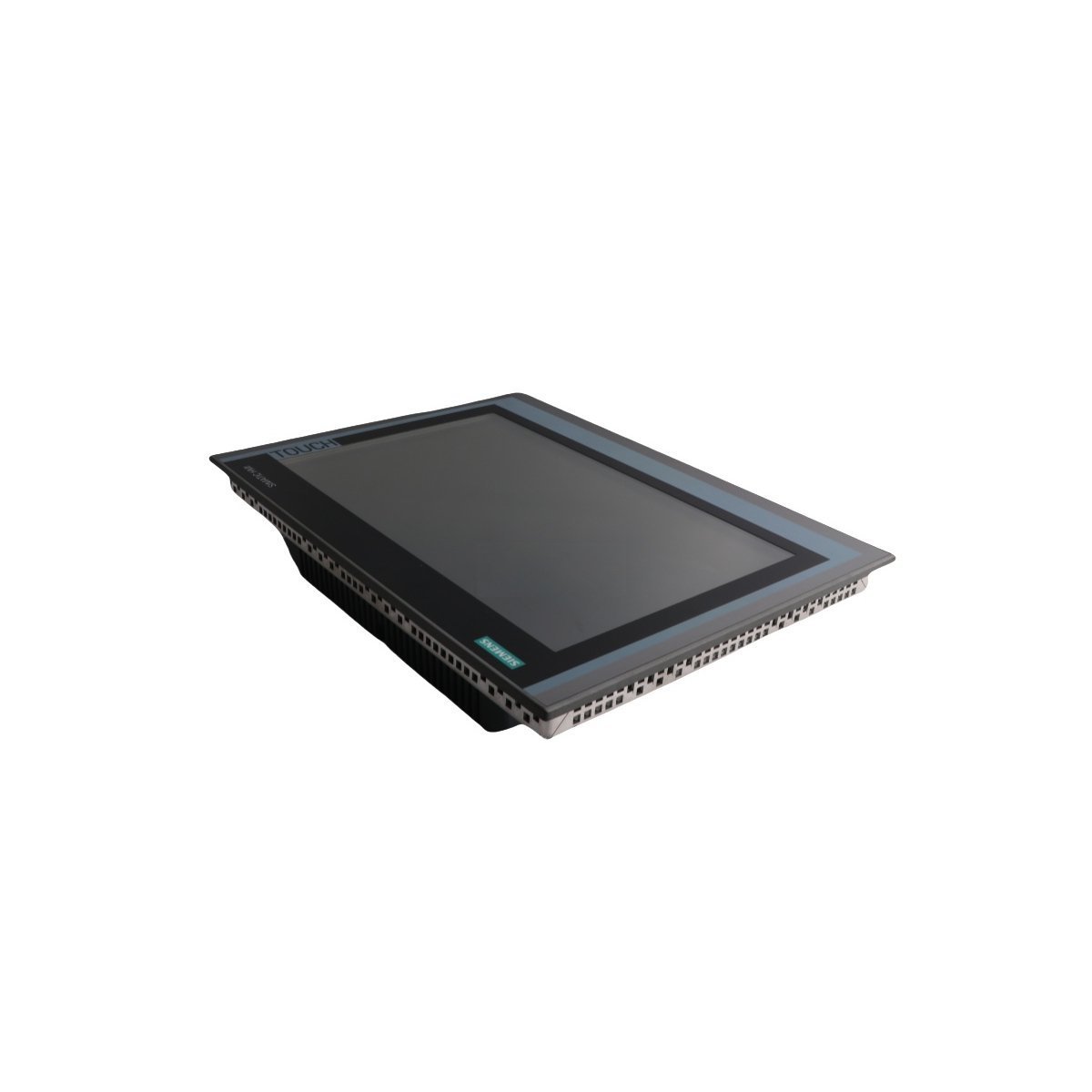
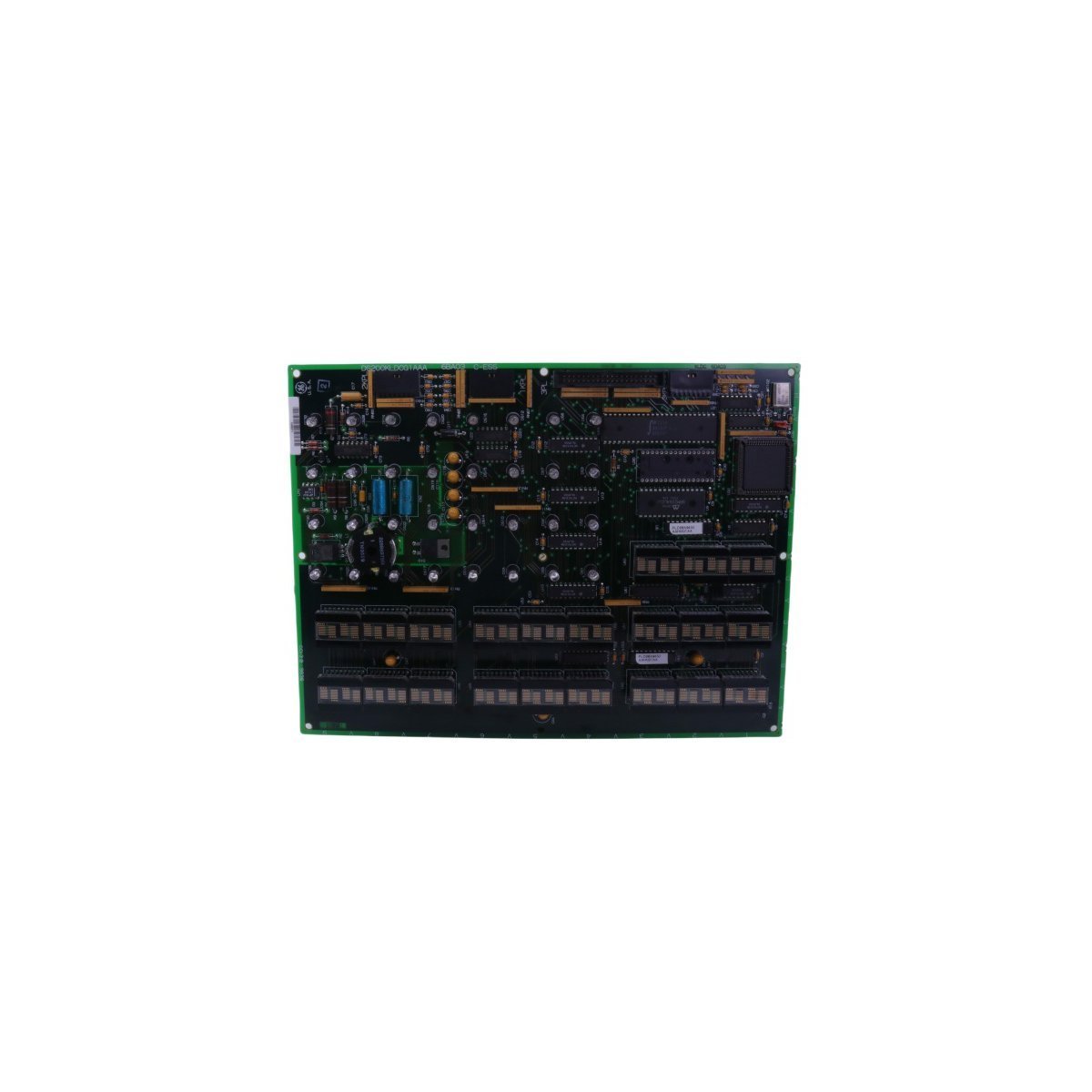
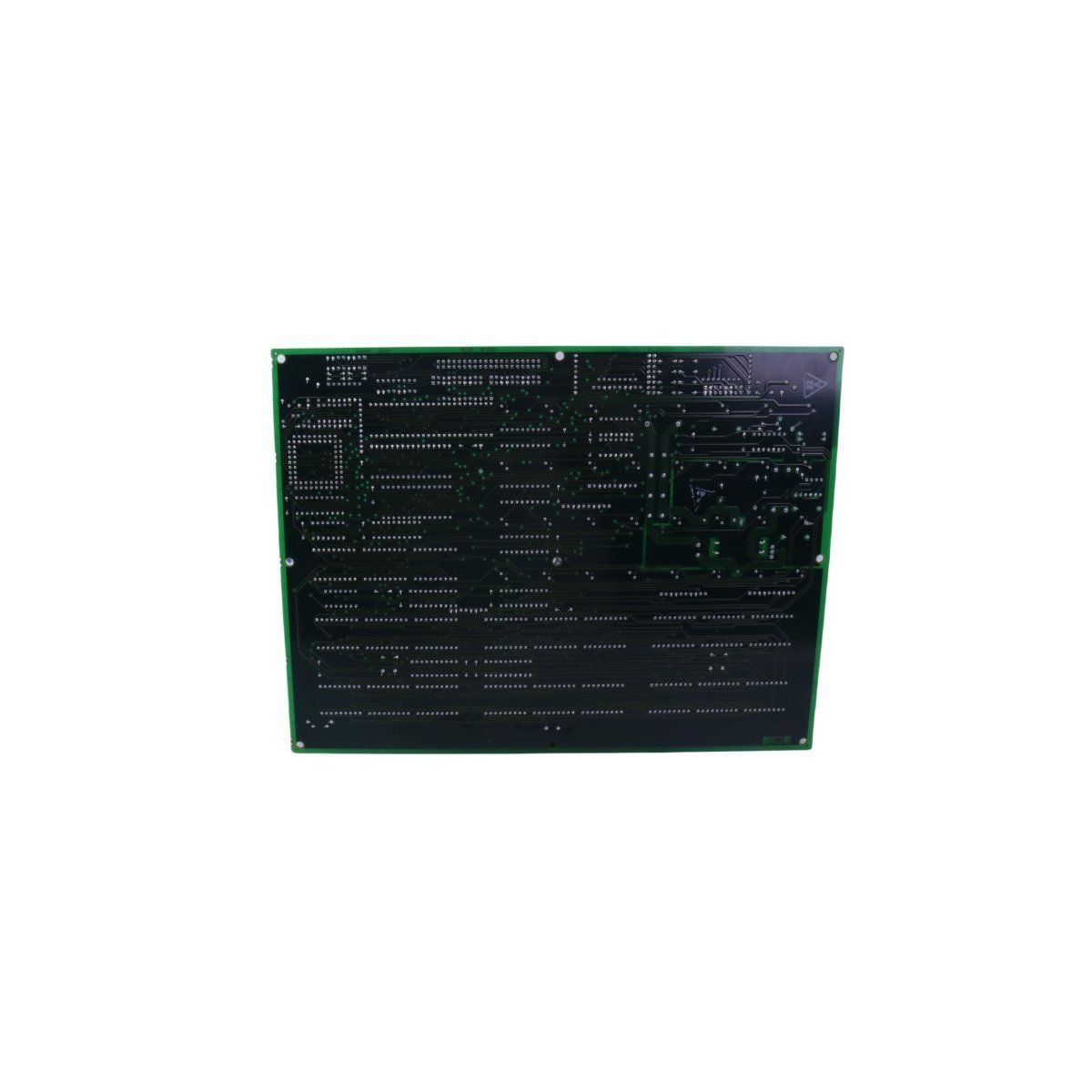
Siemens 6DP9905-8AA01 Industrial Instrument
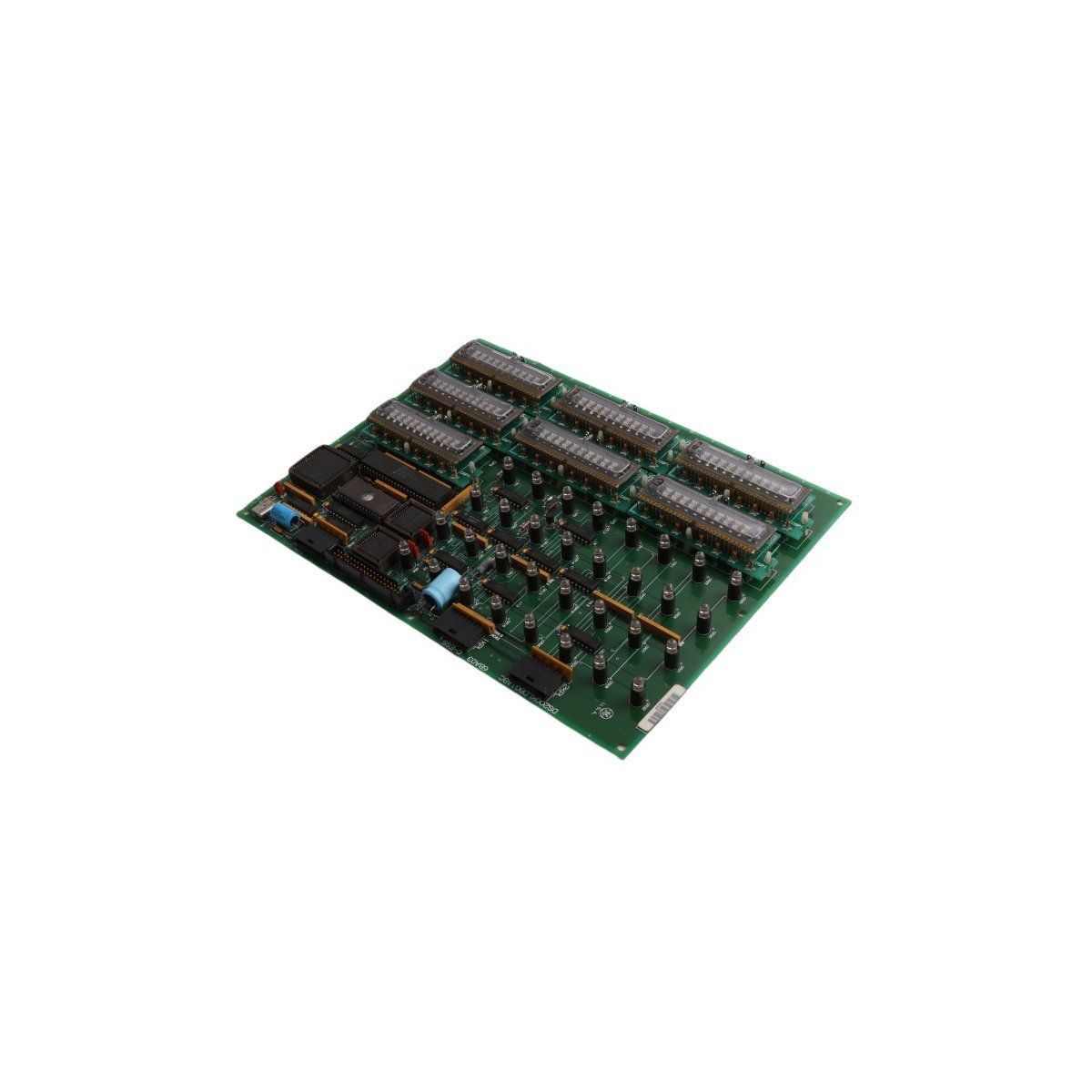
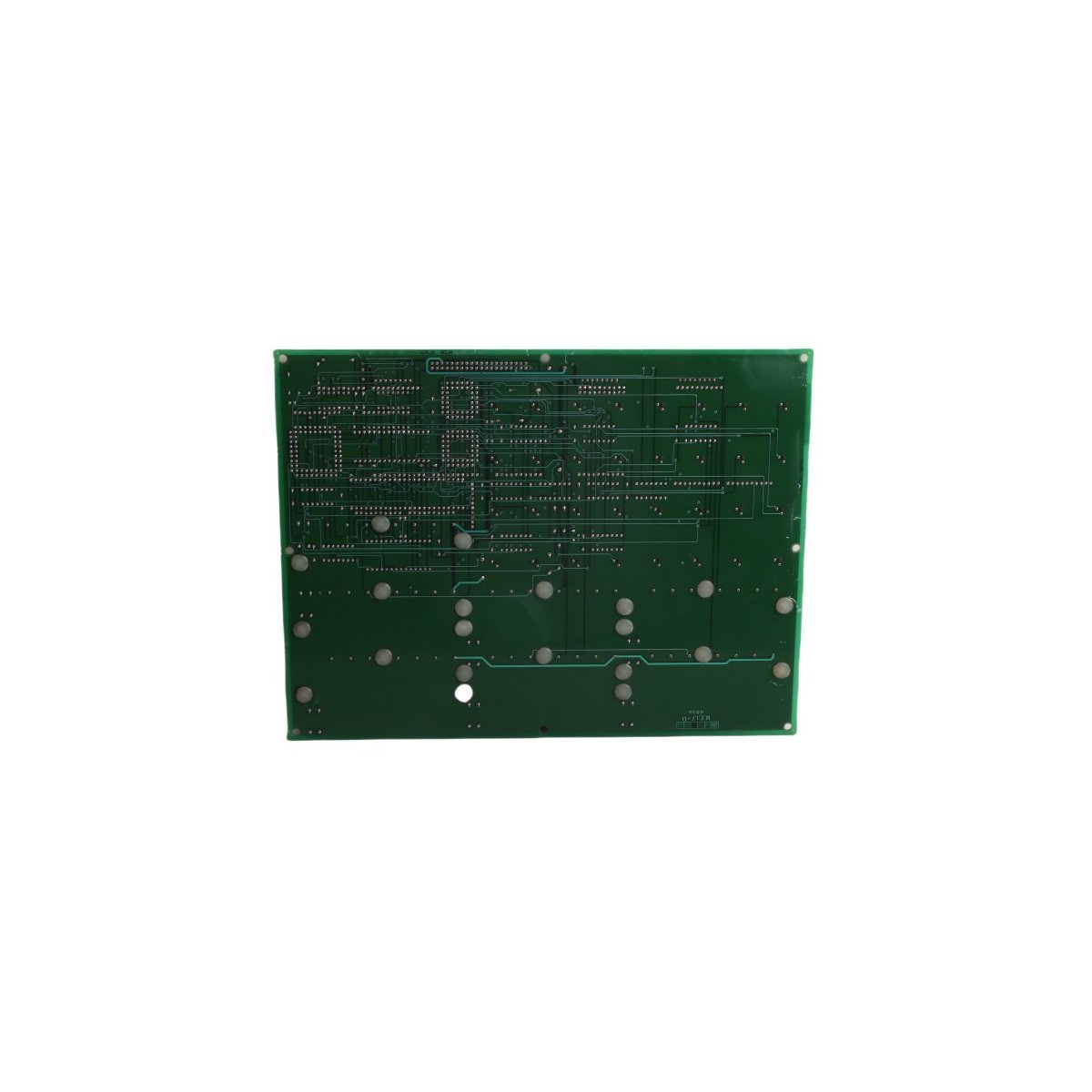
The Siemens 6DP9905-8AA01, also cataloged as the 6DP9905-8AA01 Industrial Instrument, operates as a dedicated hardware component for power management and distribution within SIMADYN D automation platforms.
Hardware Specifications
| Parameter | Specification |
|---|---|
| Model | 6DP9905-8AA01 |
| Brand | Siemens |
| Origin | GERMANY |
| Weight | 0.95 kg |
| Dimensions | 2.5 cm x 5.1 cm x 83.8 cm |
| Operating Temp | Standard Industrial Grade |
| Power Consumption | System-dependent load |
| HS CODE | 8537101190 |
| Communication | Ethernet router interface |
Industrial Control and Network Integration
The Siemens 6DP9905-8AA01 integrates with the backplane bus architecture of the SIMADYN D system. It facilitates specific I/O density scaling and provides the necessary electrical conditioning for high-dynamic control processing units. The module maintains strict backplane communication velocity, ensuring deterministic network timing required for multi-processor synchronization. Firmware compatibility is managed via the central control rack, supporting seamless integration with existing Siemens industrial controller firmware revisions.Frequently Asked Questions
Q: Does the module support hot-swapping during operation?A: No, the 6DP9905-8AA01 requires the system power to be de-energized before extraction from the rack to prevent potential backplane short-circuiting or electrical discharge.Q: What is the primary function regarding backplane current consumption?A: The module acts as a regulated power distribution unit; users must calculate the total backplane current load to ensure the aggregate consumption does not exceed the capacity of the primary power supply unit.Field Installation Guidelines
- Ensure the rack-mounted backplane is free from debris before inserting the 6DP9905-8AA01.
- Align the module carefully with the guide rails to prevent pin damage on the rear interface connector.
- Tighten the front retention screws to ensure proper grounding contact with the metal rack chassis.
- Verify that all shielded communication cables are properly routed away from high-voltage power lines to minimize induced electromagnetic interference.
- Confirm that the ambient temperature at the installation site remains within the specified limits to prevent thermal degradation of internal components.