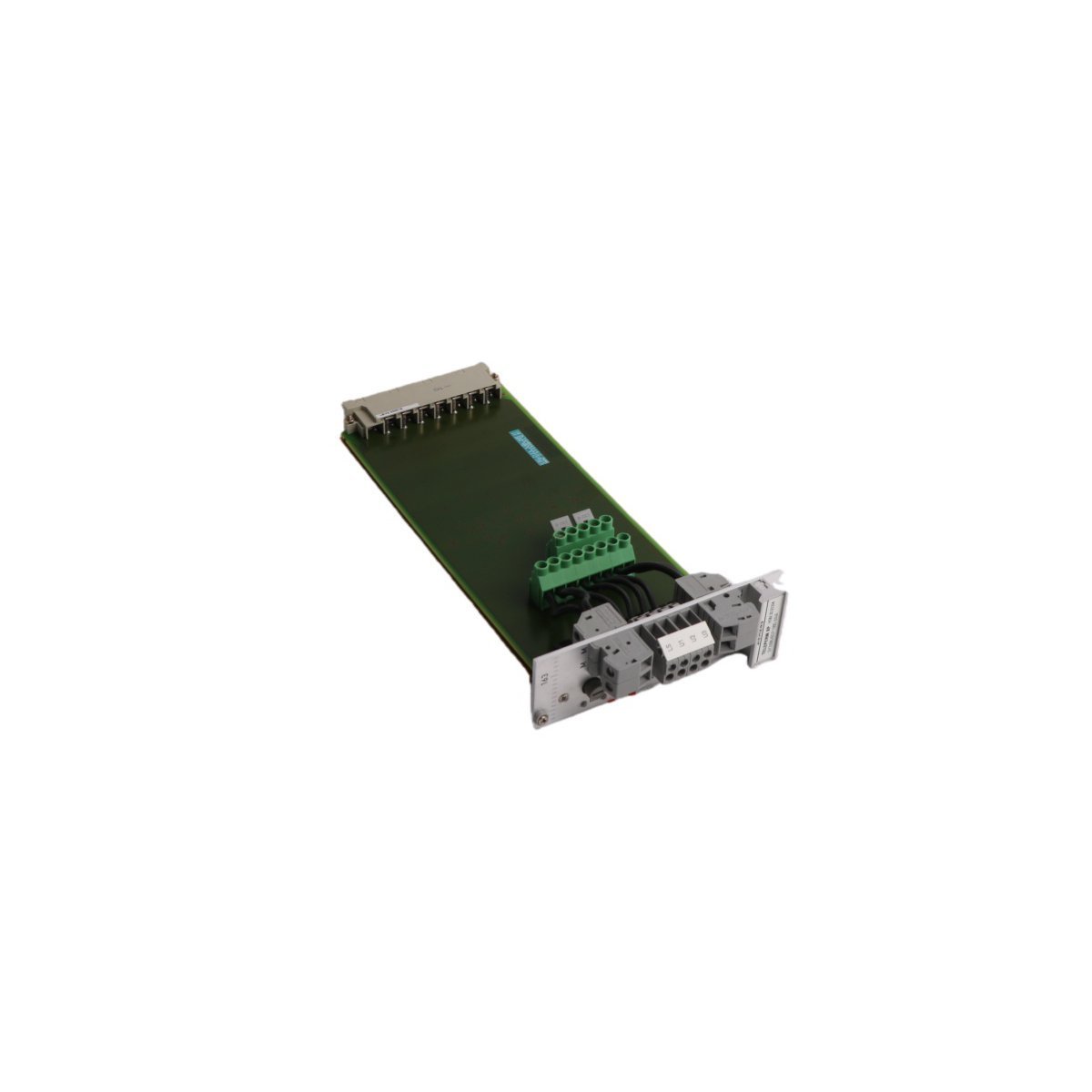
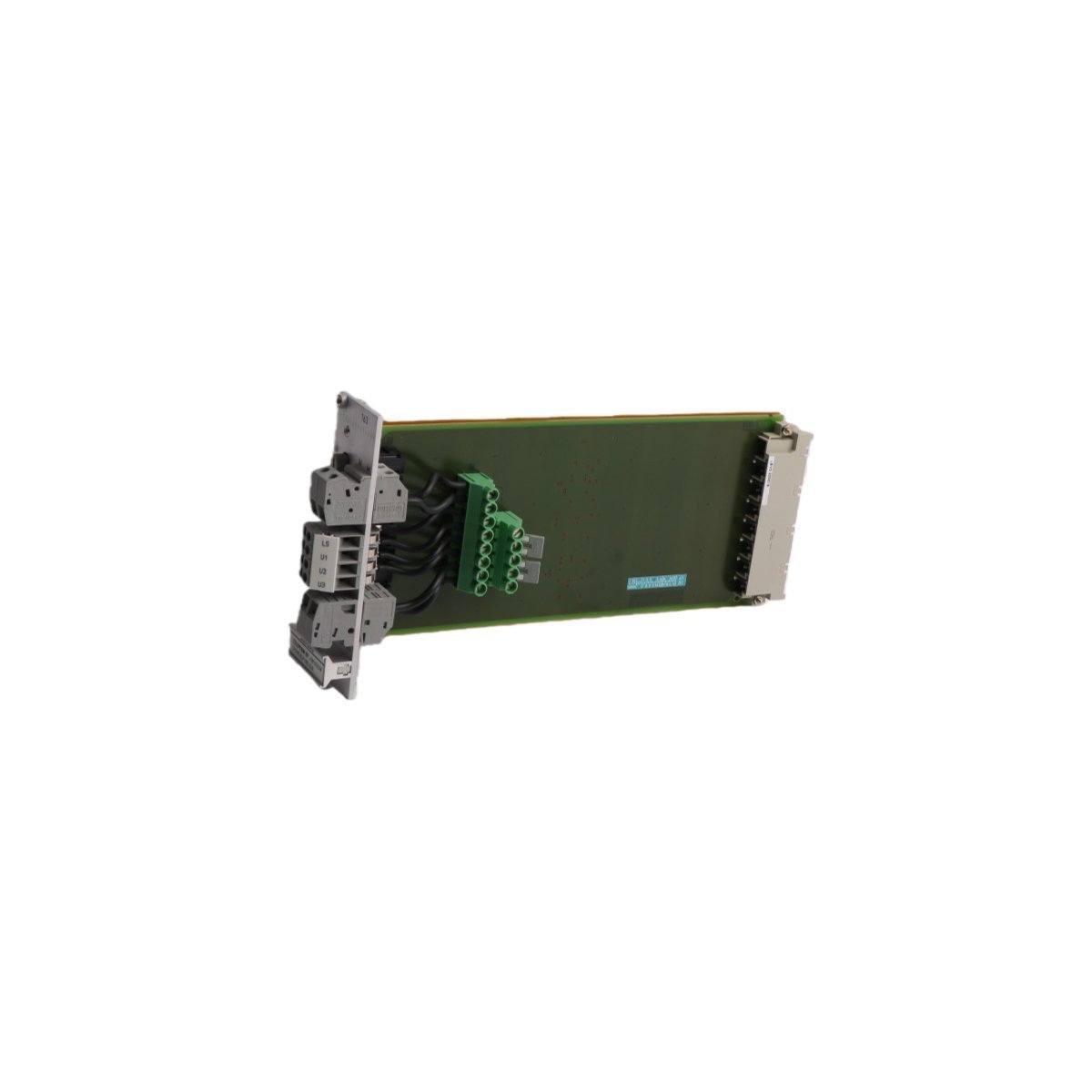
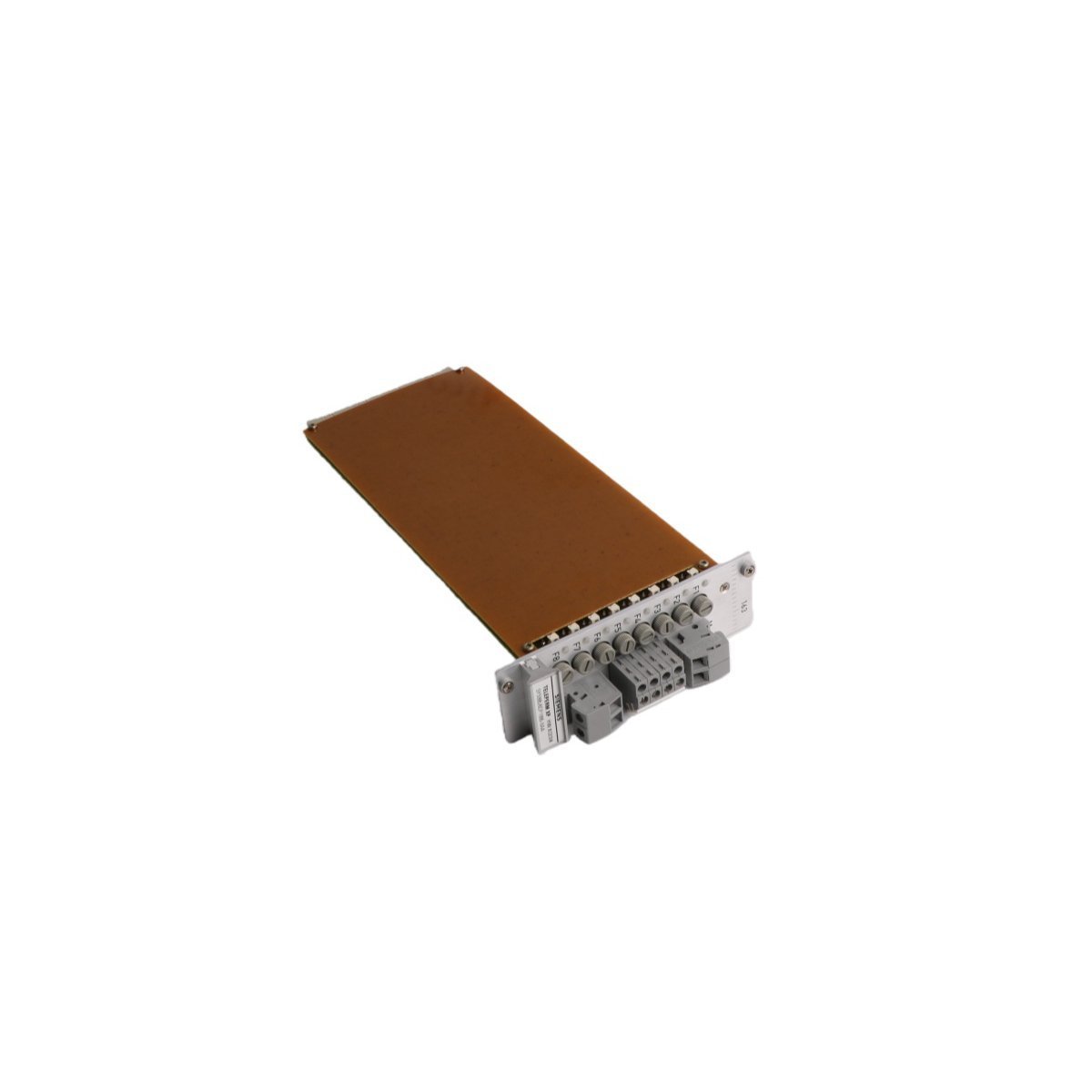
The Siemens 6DP9905-8AA01, also cataloged as the 6DP9905-8AA01 Industrial Instrument, operates as a dedicated hardware component for power management and distribution within SIMADYN D automation platforms.
Hardware Specifications
Parameter
Specification
Model
6DP9905-8AA01
Brand
Siemens
Origin
GERMANY
Weight
0.95 kg
Dimensions
2.5 cm x 5.1 cm x 83.8 cm
Operating Temp
Standard Industrial Grade
Power Consumption
System-dependent load
HS CODE
8537101190
Communication
Ethernet router interface
Industrial Control and Network Integration
The Siemens 6DP9905-8AA01 integrates with the backplane bus architecture of the SIMADYN D system. It facilitates specific I/O density scaling and provides the necessary electrical conditioning for high-dynamic control processing units. The module maintains strict backplane communication velocity, ensuring deterministic network timing required for multi-processor synchronization. Firmware compatibility is managed via the central control rack, supporting seamless integration with existing Siemens industrial controller firmware revisions.
Frequently Asked Questions
Q: Does the module support hot-swapping during operation?
A: No, the 6DP9905-8AA01 requires the system power to be de-energized before extraction from the rack to prevent potential backplane short-circuiting or electrical discharge.
Q: What is the primary function regarding backplane current consumption?
A: The module acts as a regulated power distribution unit; users must calculate the total backplane current load to ensure the aggregate consumption does not exceed the capacity of the primary power supply unit.
Field Installation Guidelines
Ensure the rack-mounted backplane is free from debris before inserting the 6DP9905-8AA01.
Align the module carefully with the guide rails to prevent pin damage on the rear interface connector.
Tighten the front retention screws to ensure proper grounding contact with the metal rack chassis.
Verify that all shielded communication cables are properly routed away from high-voltage power lines to minimize induced electromagnetic interference.
Confirm that the ambient temperature at the installation site remains within the specified limits to prevent thermal degradation of internal components.
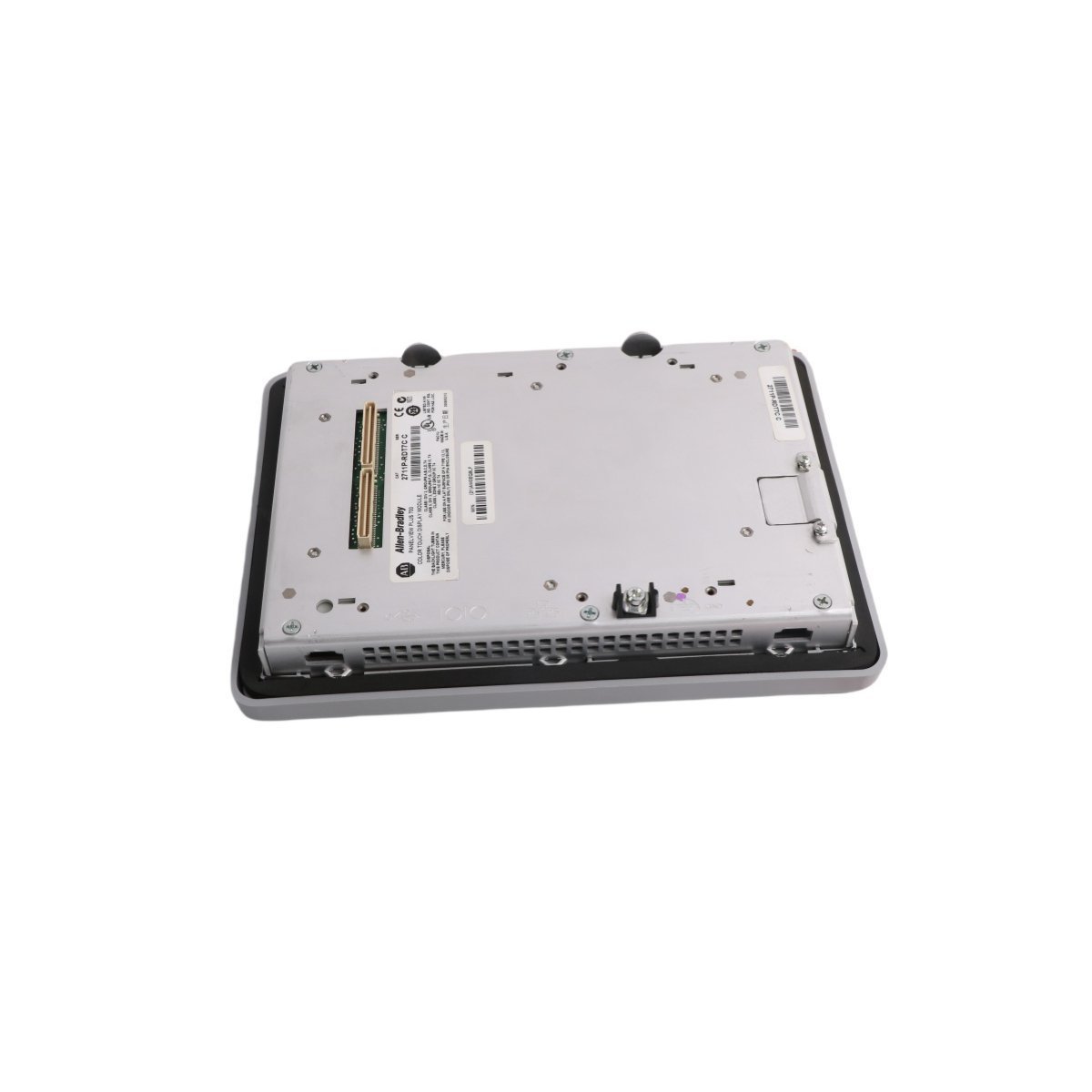
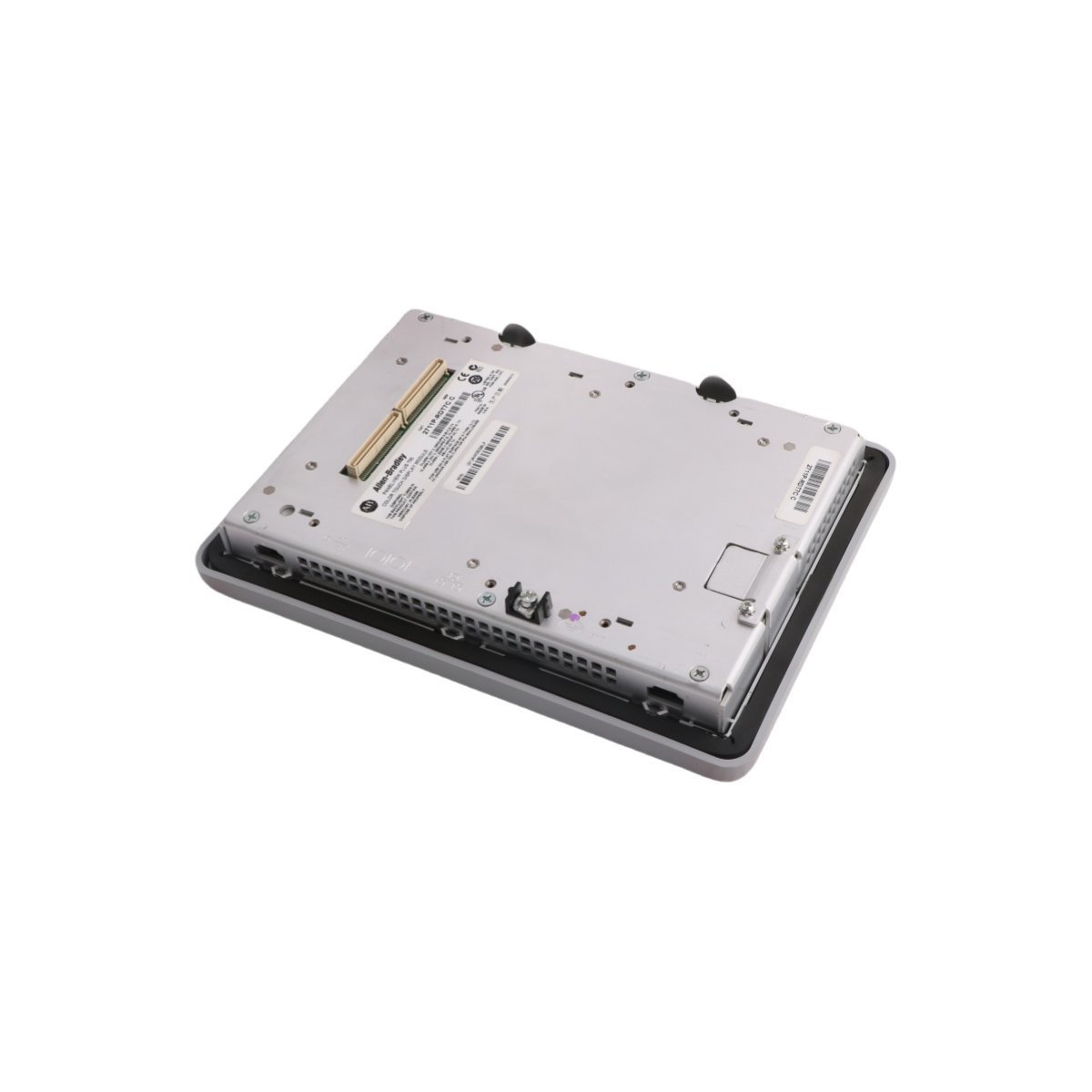
Configured for human-machine interface visualization and operator terminal control in PLC networks, the Allen Bradley 2711P-RDT7CM, also cataloged as the 2711P-RDT7CM Display Module, provides direct physical and electrical execution for graphical process management.
Hardware Specifications
Parameter
Specification
Model
2711P-RDT7CM
Brand
Allen Bradley
Origin
USA
Weight
5.1 kg
Dimensions
42 x 50 x 18.5 cm
Operating Temp
0 deg C to 55 deg C
Power Consumption
24 VDC nominal, 30 W max
Profinet and EtherNet/IP Deterministic Networks
The module integrates seamlessly into deterministic industrial Ethernet architectures, supporting robust communication protocols across distributed controller nodes. Backplane bus communication velocity and firmware flash compatibility ensure synchronized data exchanges between the visualization terminal and connected Logix controllers. High-speed packet routing via the built-in Ethernet interface minimizes command latency, maintaining real-time operational feedback loops across the automation cell.
Frequently Asked Questions
Q: What are the restrictions regarding the hot-swap capability of the display module?A: The 2711P-RDT7CM does not support live hot-swapping under power. Maintenance personnel must isolate the 24 VDC input power supply prior to disconnecting or replacing the display hardware to prevent backplane bus transceiver damage.Q: How does the module handle firmware flash memory updates across network links?A: Firmware updates are executed via structured transfer protocols over the Ethernet physical layer, requiring verified image checksum matching prior to flash sector overwriting to prevent bootloader corruption.
Field Installation Guidelines
Ensure panel cutout dimensions conform strictly to mechanical tolerance limits to maintain the integrity of the IP65 front panel gasket seal. Ground the chassis directly to the enclosure mounting plate using low-impedance braided copper straps to suppress high-frequency electromagnetic interference. Verify that incoming supply voltage remains stable within tolerance limits before energizing the terminal.
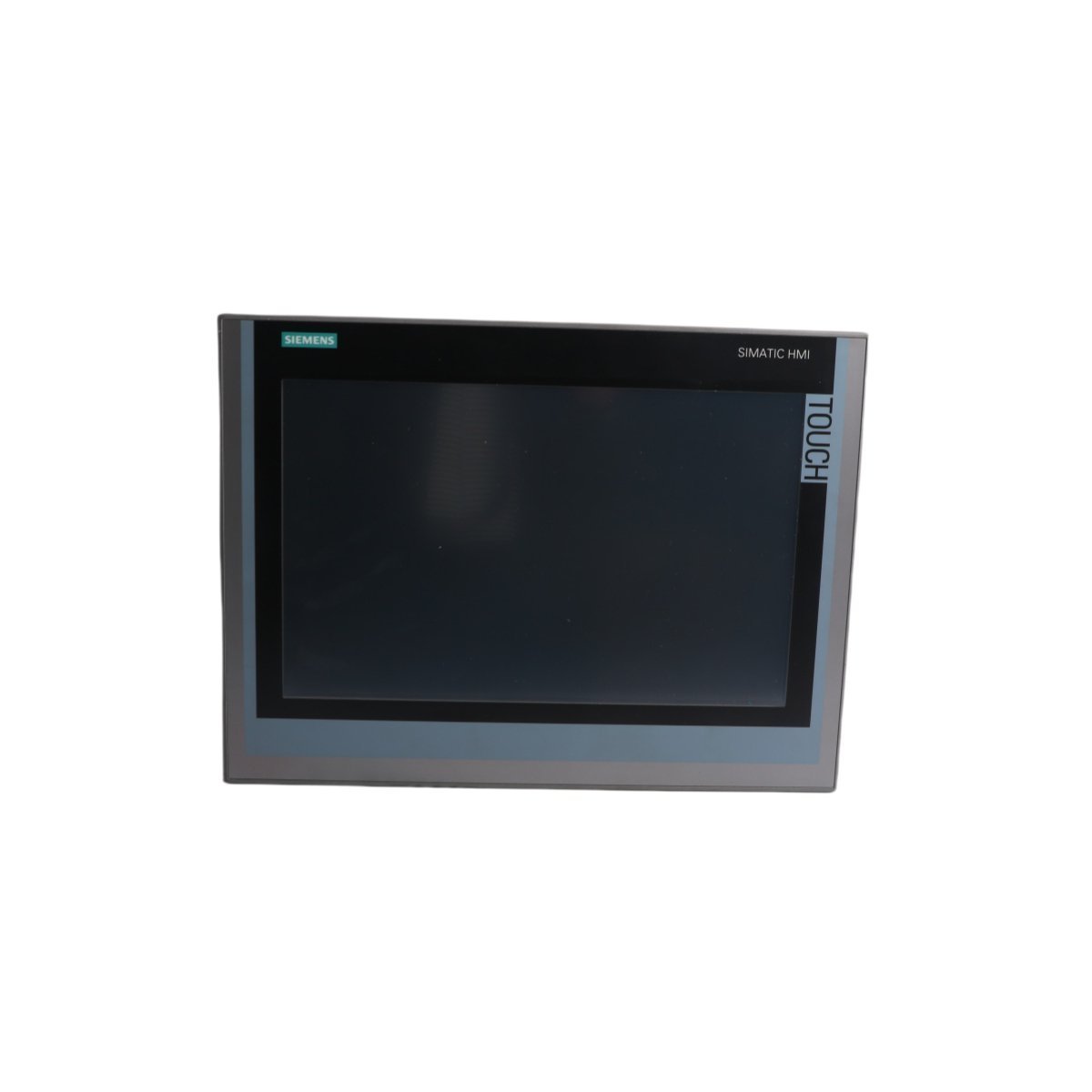
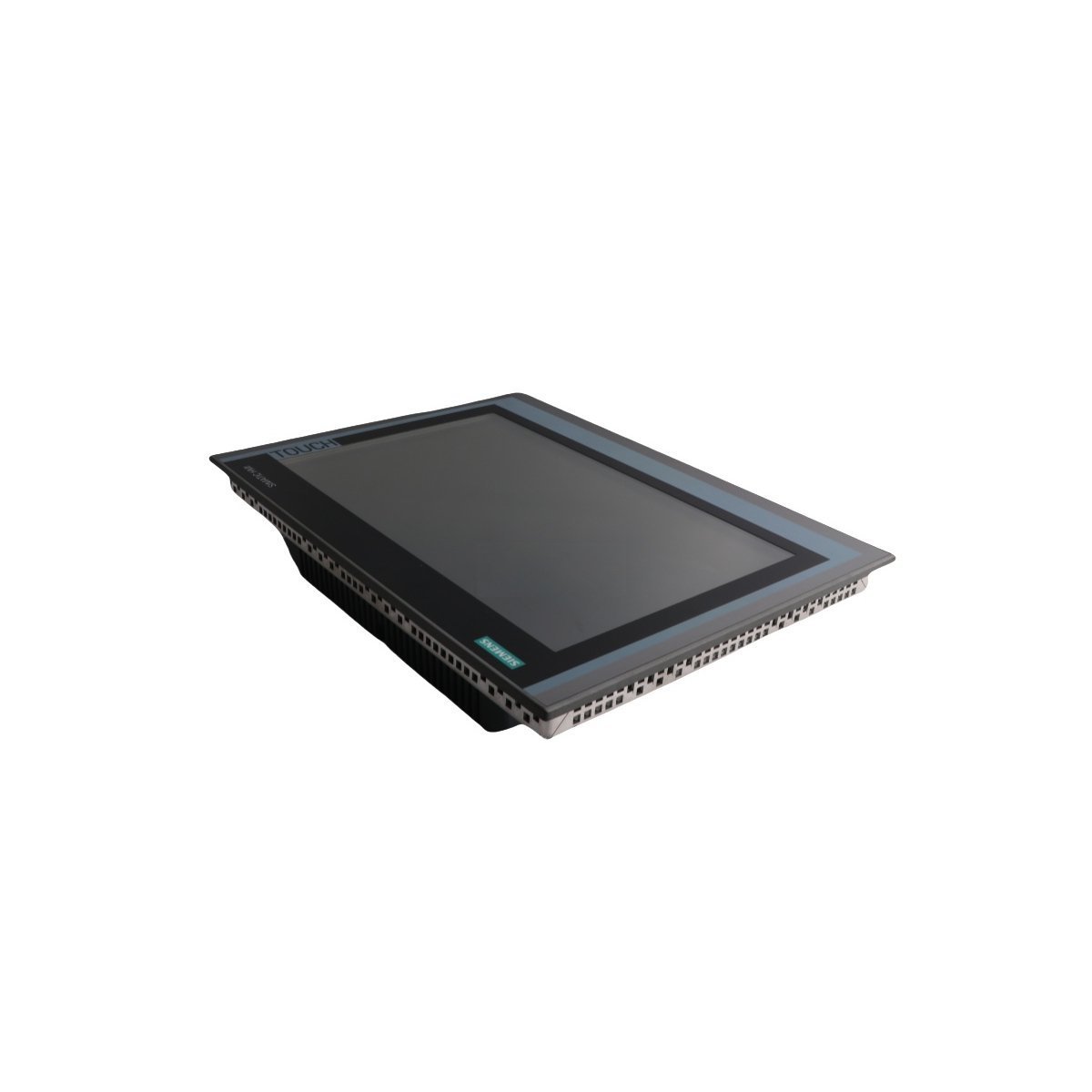
The Siemens 6AV2124-0QC02-0AX0 is a 15.4-inch SIMATIC TP1500 Comfort Panel featuring a high-resolution widescreen display and multi-protocol connectivity. It offers advanced HMI functionality, including TIA Portal integration and PROFINET/PROFIBUS support for professional industrial automation.
The ABB CMA112 3DDE300013 is a professional Diesel Control Display Panel designed for the AC500 range. This Sweden-built communication module facilitates real-time data exchange and advanced diagnostics for industrial diesel systems. Featuring a compact 15.2 cm footprint and robust protocol support, it ensures stable and efficient synchronization across complex automation networks.
The Allen-Bradley 2711P-RDT10C is a 10.4-inch color TFT touch display module designed for PanelView Plus 6 1000 terminals. This rugged HMI component features a resistive touchscreen, VGA resolution, and high-durability construction for precise machine control in harsh industrial environments.
The Triconex 9662-110 is a professional External Termination Panel designed for Tricon v9–v10 systems.This ruggedized modular panel facilitates secure field-to-I/O connectivity, ensuring high-integrity signal processing for safety-instrumented applications in harsh industrial environments.
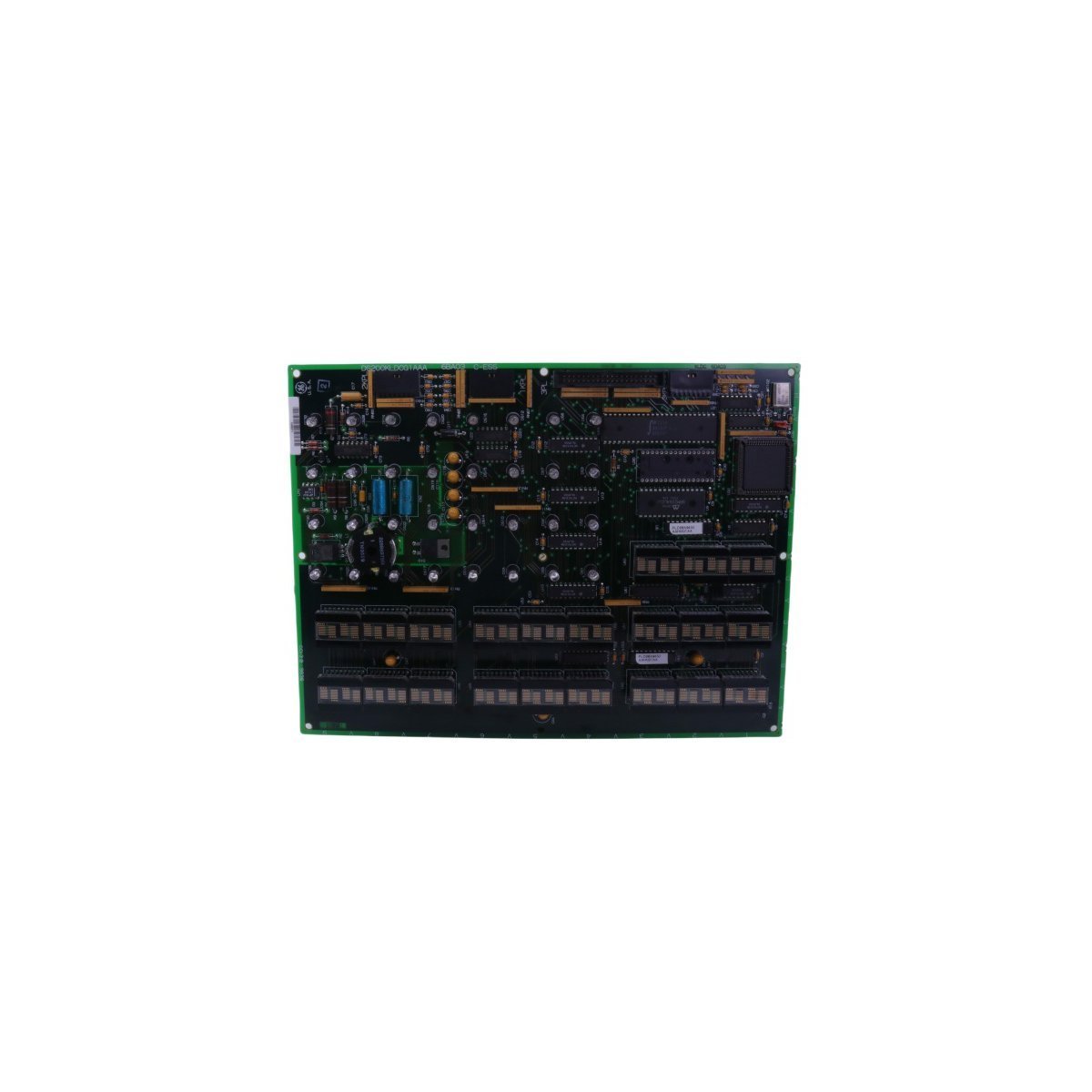
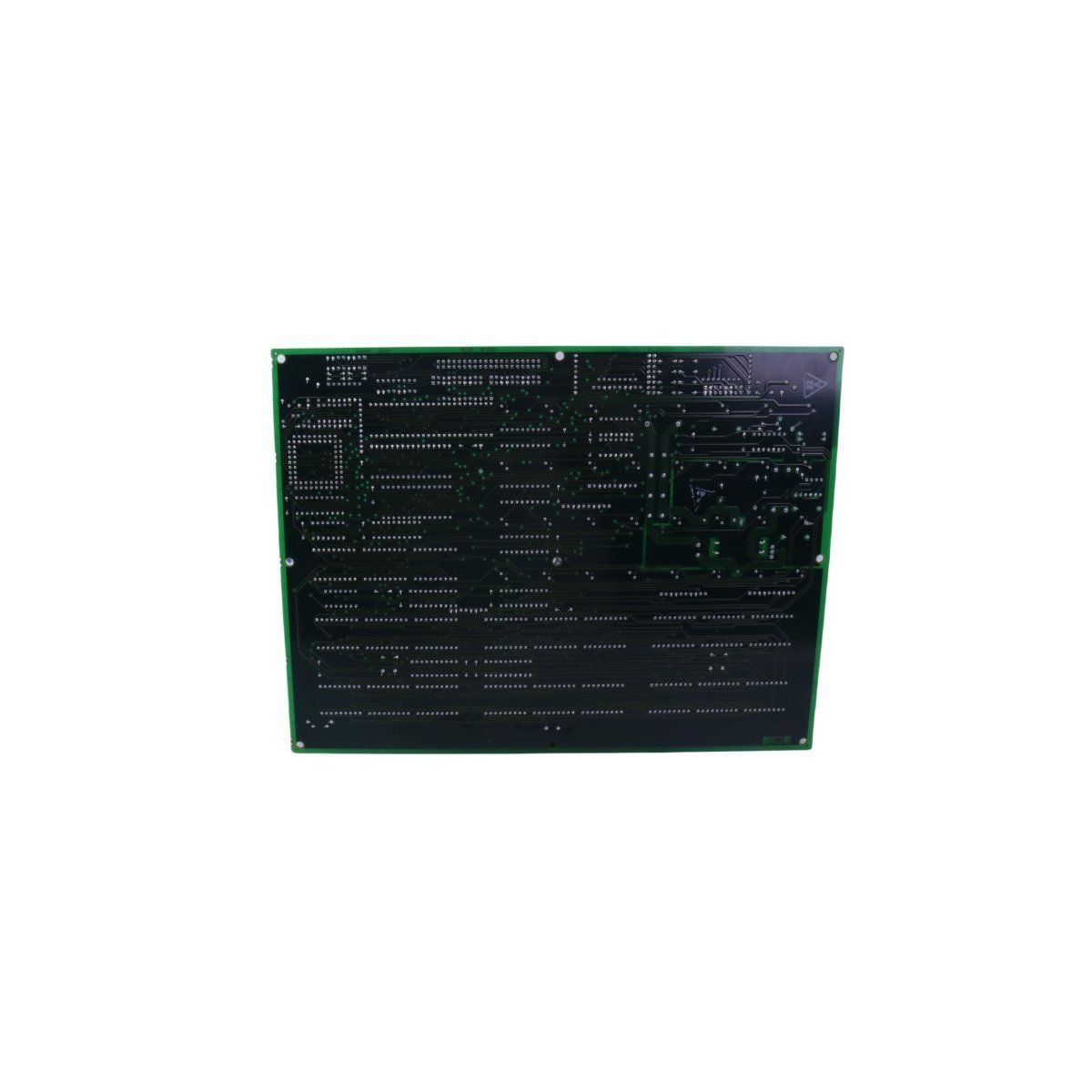
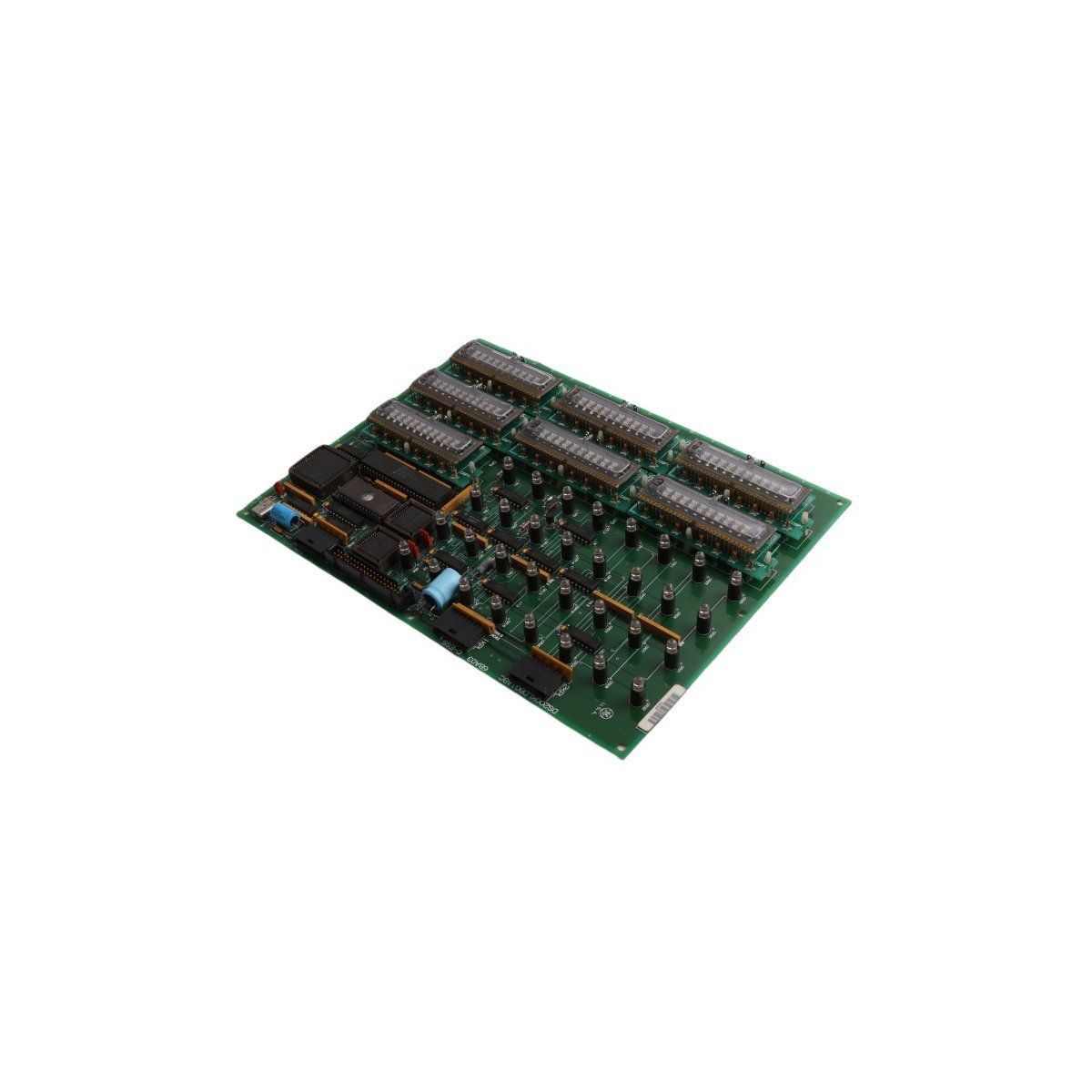
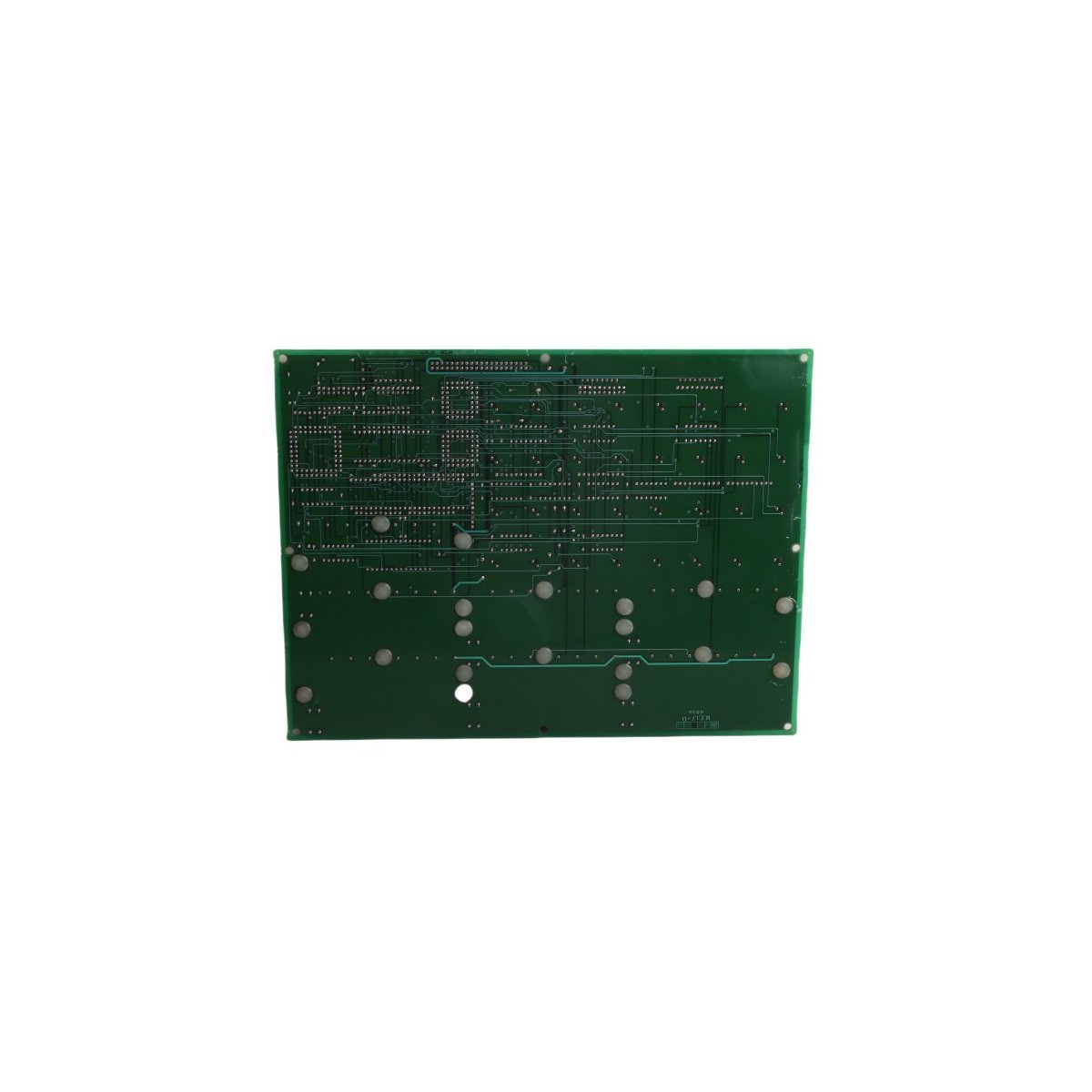
The GE DS200KLDCG1AAA is a high-performance Key/LED Display Board designed for the Mark V Speedtronic Turbine Control System. Featuring 21 alphanumeric displays and 32 status LEDs, this rugged interface board provides reliable local monitoring and control for GE gas and steam turbine assemblies.
The GE DS200KLDBG1ABC is a high-performance Display Keypad Board designed for the Mark V and EX2000 series. It features a tactical keypad, LCD interface, and 16-segment LED displays to provide comprehensive monitoring and control over 24 input and 12 relay channels in industrial excitation systems.
We are committed to protecting your privacy. The information collected here is strictly used to provide the requested quotes, technical support, and relevant industrial automation solutions.