Technical Overview
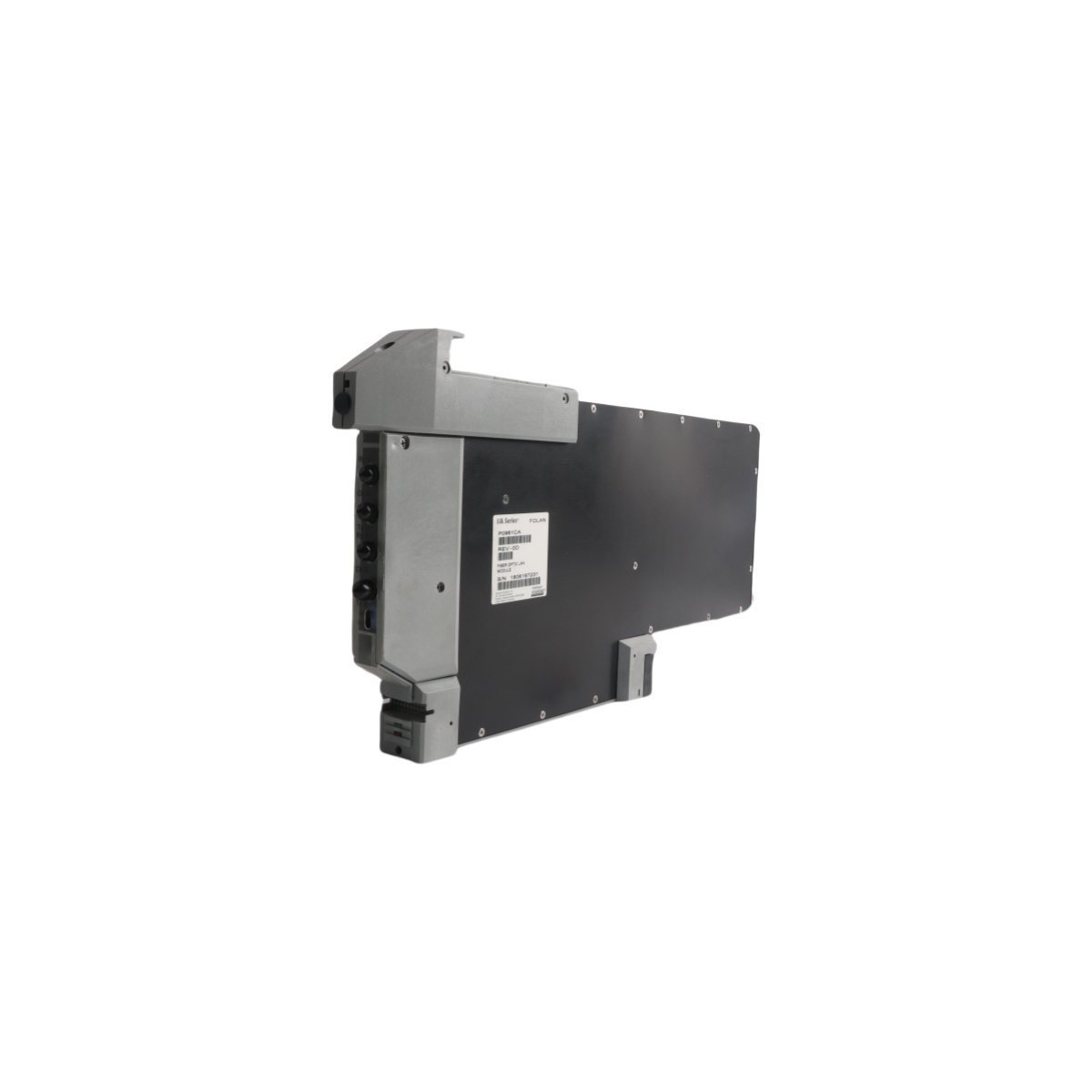
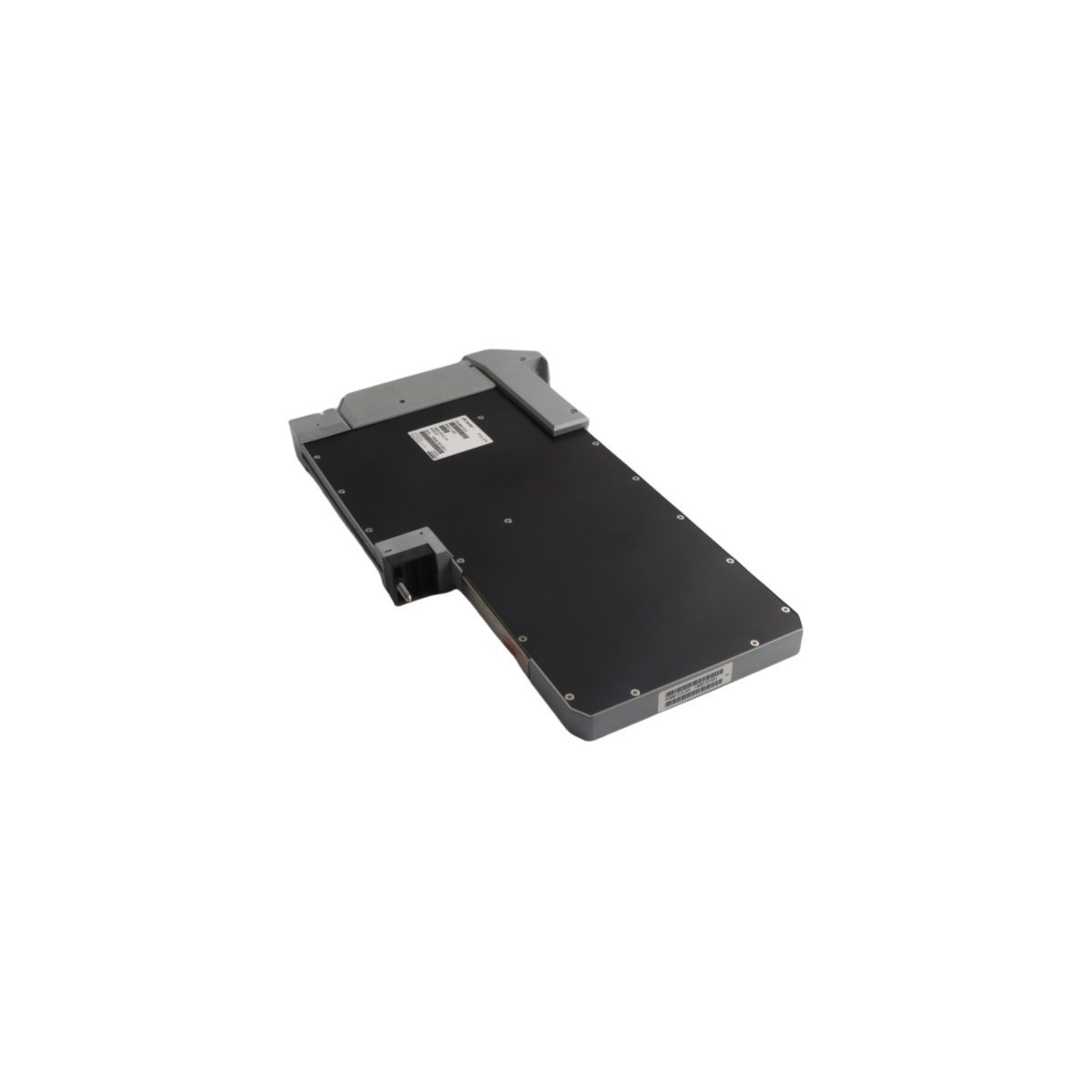
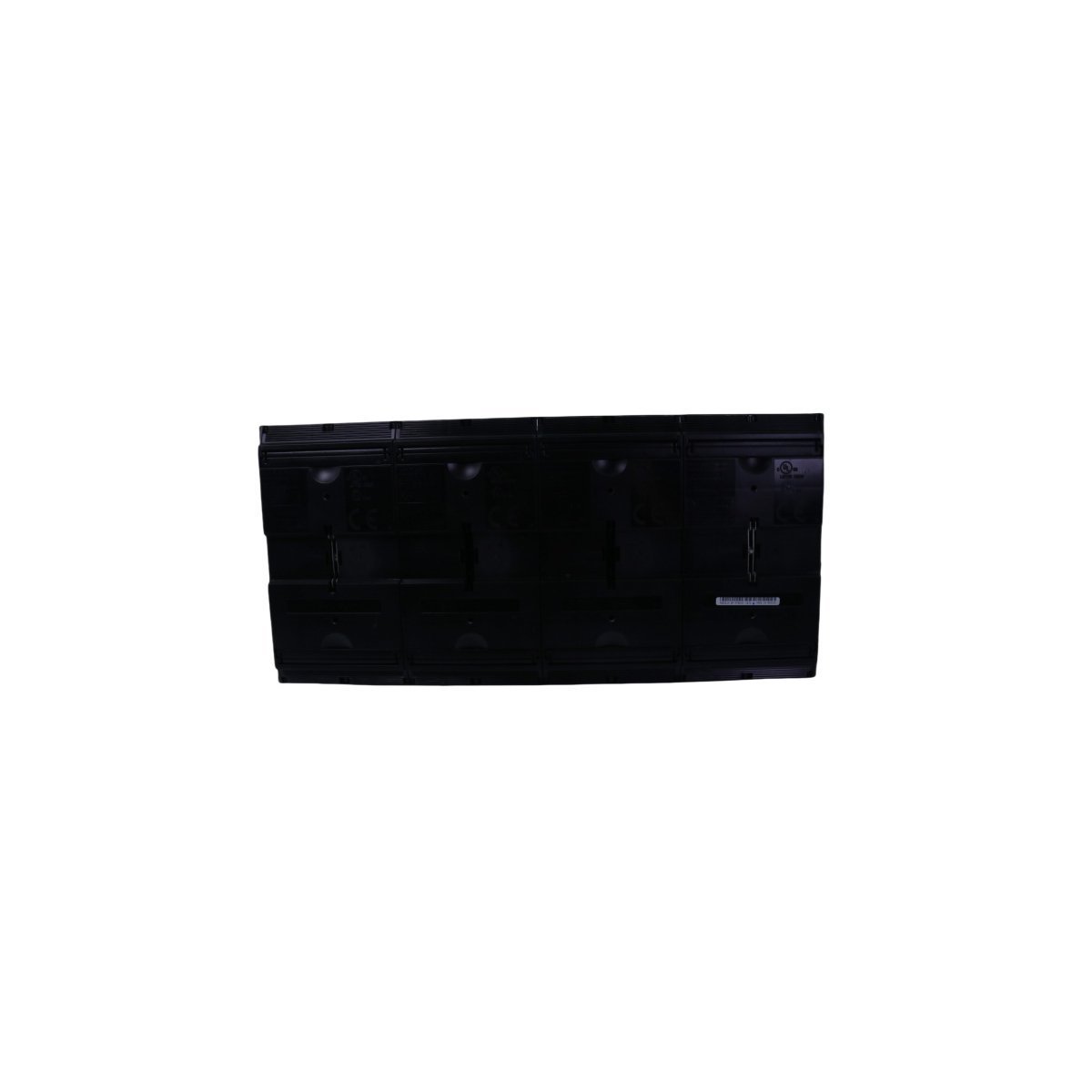
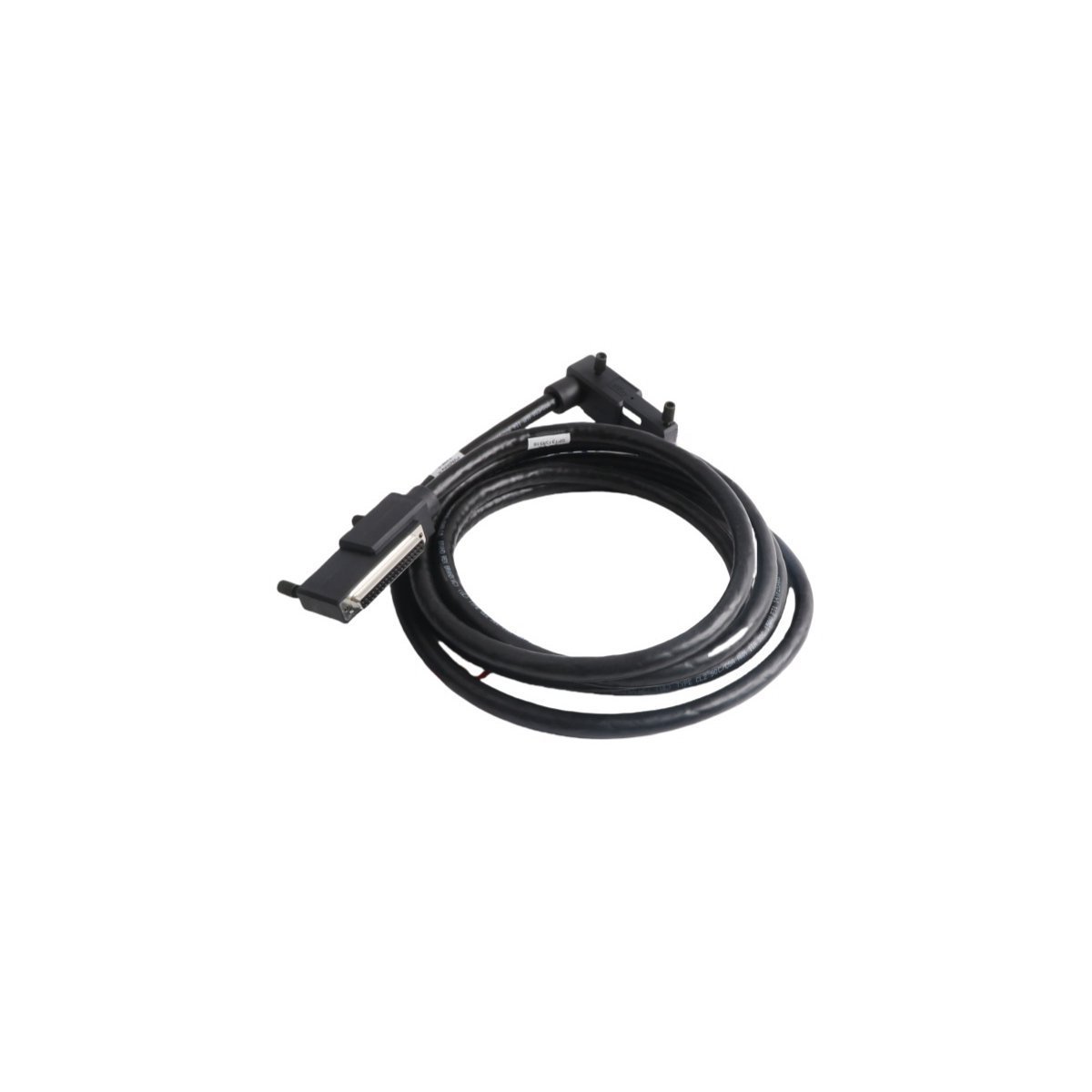
The Foxboro P0961CA serves as a high-performance communication interface within the I/A Series Distributed Control System (DCS). This Fiber Optic LAN Module facilitates the secure and rapid exchange of data between system nodes over long distances. By utilizing optical fiber rather than copper cabling, the P0961CA provides total electrical isolation and immunity to electromagnetic interference (EMI), making it an essential component for stable communication in electrically noisy industrial environments.
Functional Performance
This module manages the conversion of electrical signals into optical pulses for transmission across the system’s high-speed data bus. The P0961CA supports robust network topologies, ensuring that the control system maintains constant connectivity between workstations, controllers, and fieldbus modules. Because it uses light-based transmission, the module significantly extends the physical reach of the LAN, allowing for the connection of remote plant areas without the risk of ground loops or signal degradation typically associated with metallic conductors.
Key Technical Characteristics
- Brand: Foxboro (by Schneider Electric)
- Model Number: P0961CA
- Product Type: Fiber Optic LAN Module
- Network Compatibility: I/A Series Mesh and Nodebus architectures
- Transmission Medium: Multi-mode fiber optic cabling
- Connector Type: Standard ST-style optical connectors
- Isolation: Complete galvanic isolation via optical transmission
- Installation: Plug-in module for standard Foxboro mounting structures
- Data Rate: Optimized for high-speed industrial control networking
Primary Applications
- Plant-Wide Networking: Linking control rooms to remote process areas located several kilometers apart.
- High-Interference Zones: Providing reliable data transmission in areas with high-voltage equipment, motors, or power substations.
- Hazardous Environments: Utilizing spark-free optical signals for data transport through sensitive or explosive atmospheres.
- Redundant Communication Paths: Serving as a primary or secondary link in fault-tolerant network configurations to ensure 100% uptime.
Operational Advantages
- Superior Noise Immunity: Eliminates data corruption caused by RFI and EMI, which is critical for maintaining process stability.
- Long-Distance Connectivity: Surpasses the distance limitations of standard Ethernet or coaxial cabling, reducing the need for signal repeaters.
- Enhanced System Security: Fiber optic signals are difficult to tap or intercept, providing an inherently more secure physical layer for industrial data.
- Industrial Durability: Engineered to operate continuously in demanding temperature ranges and vibration-prone environments.