You are here:
- Home
- Product
- Others / Spares
- Allen-Bradley 1756-OX8I Isolated Contact Module
SKU: 1756-OX8I
Allen-Bradley 1756-OX8I Isolated Contact Module
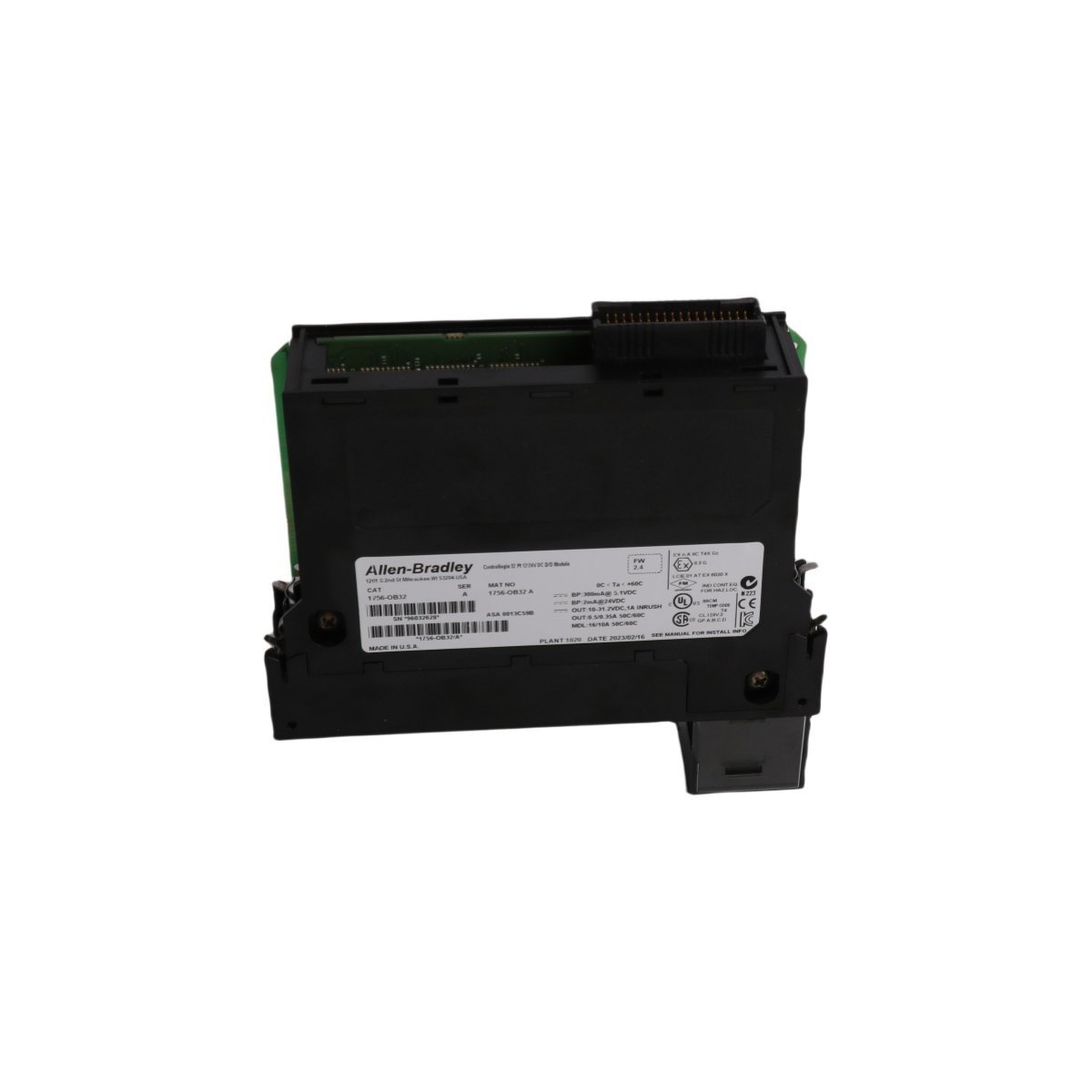
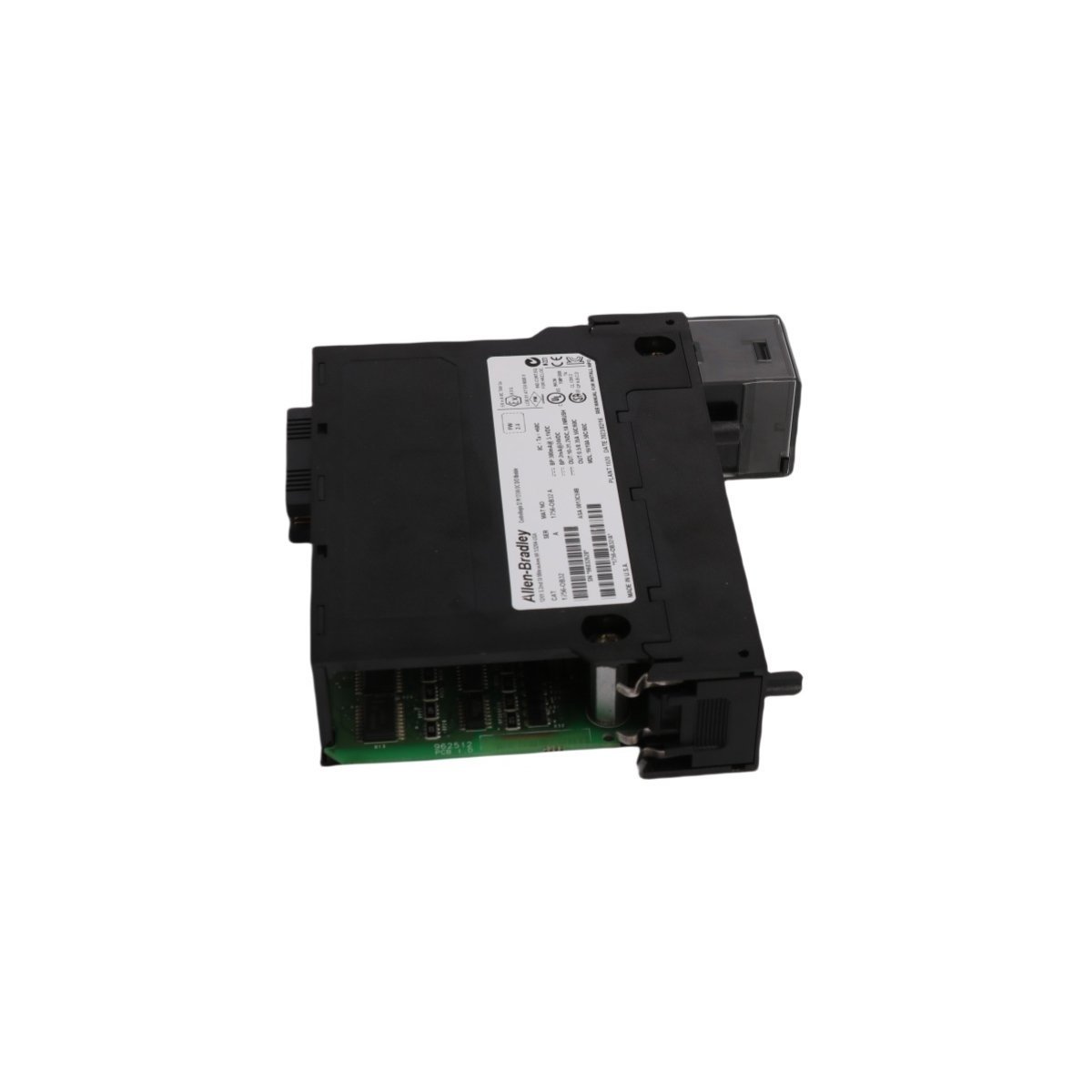
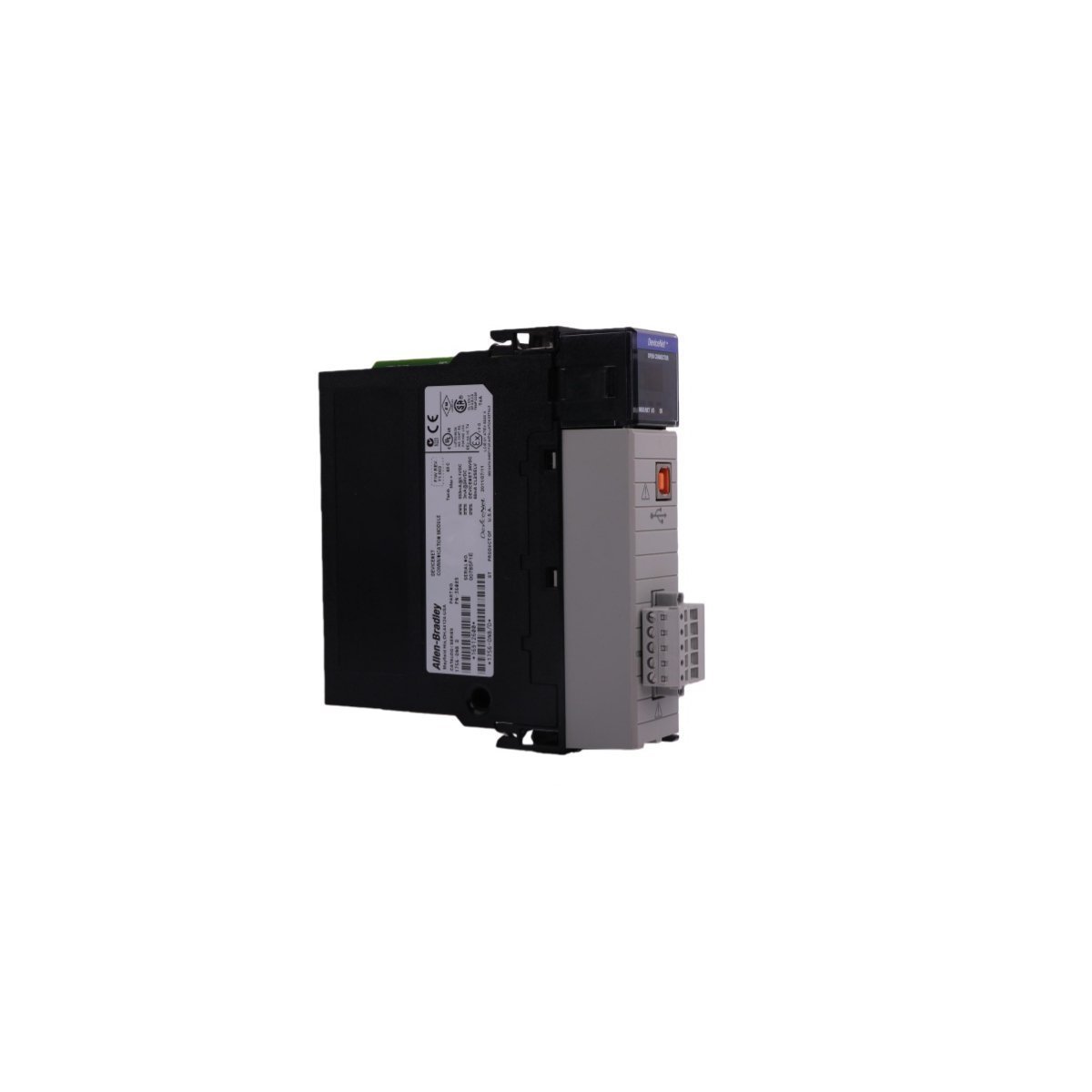
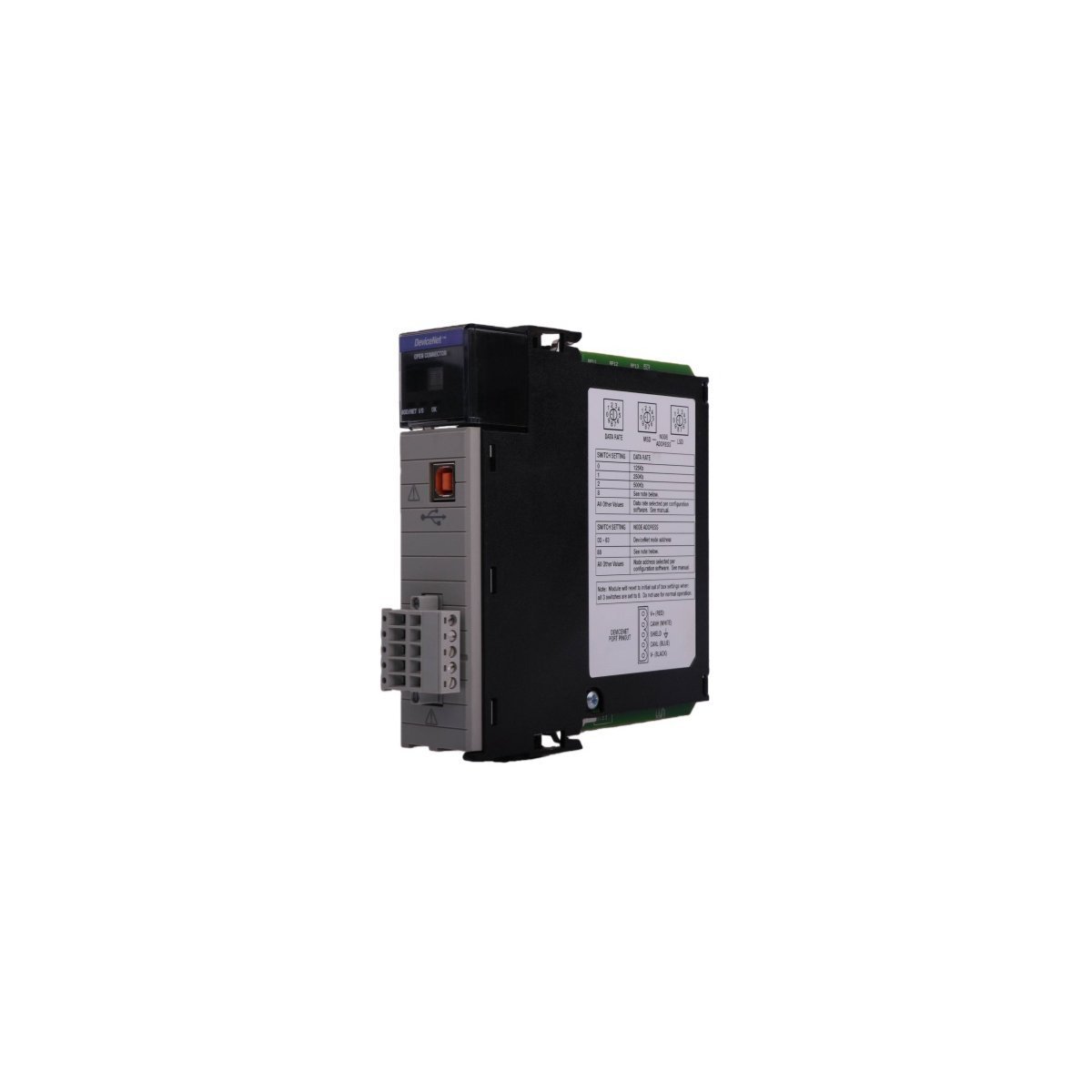
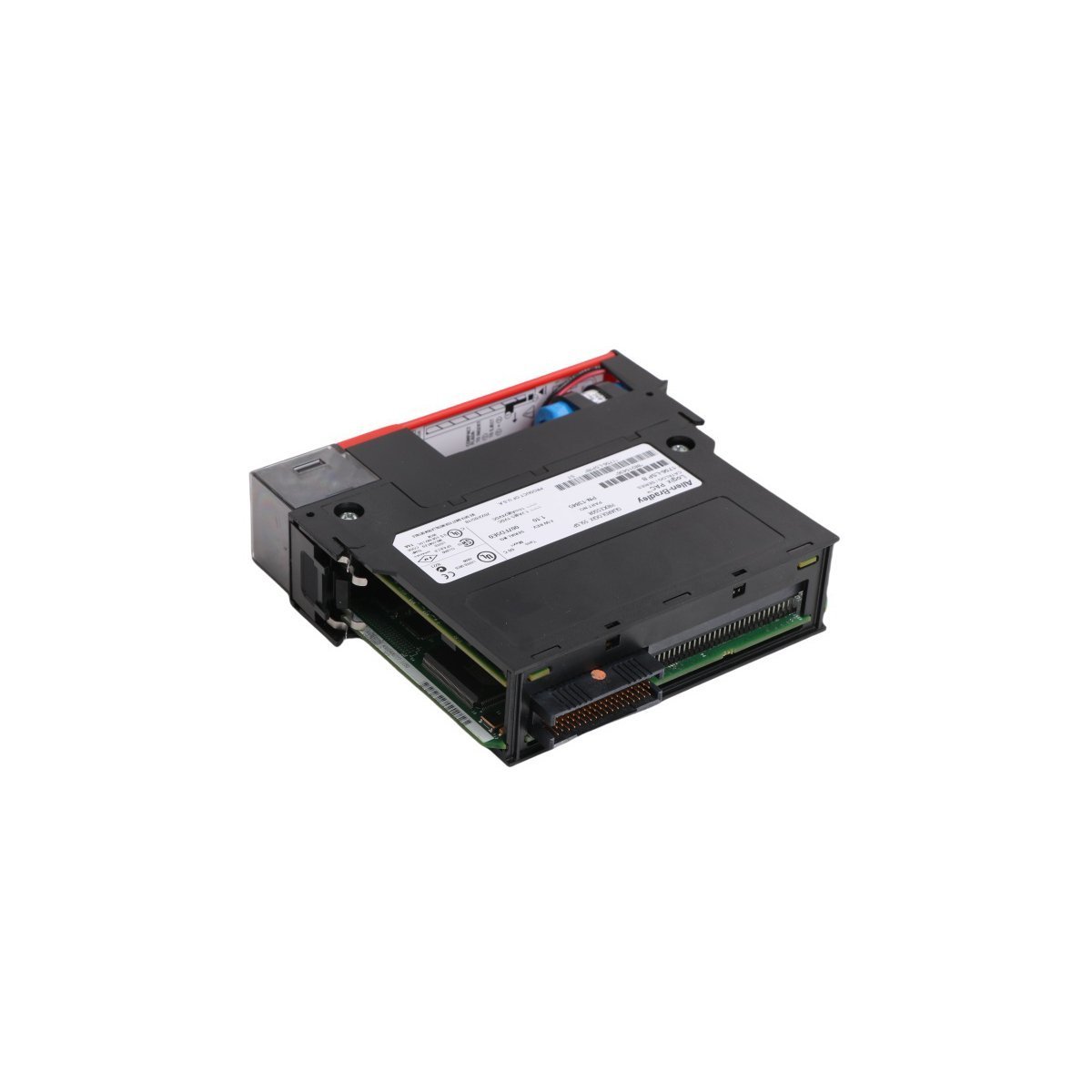
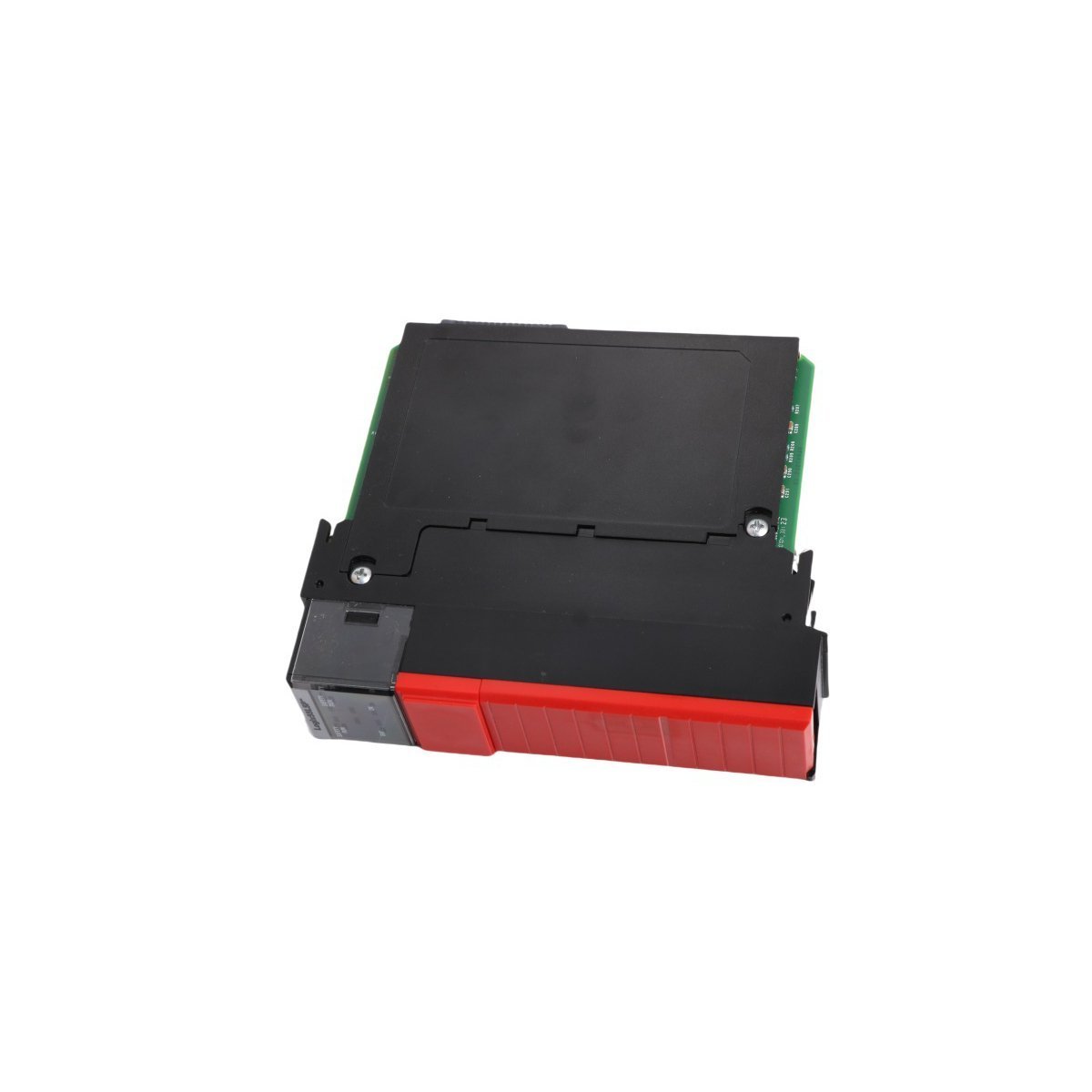
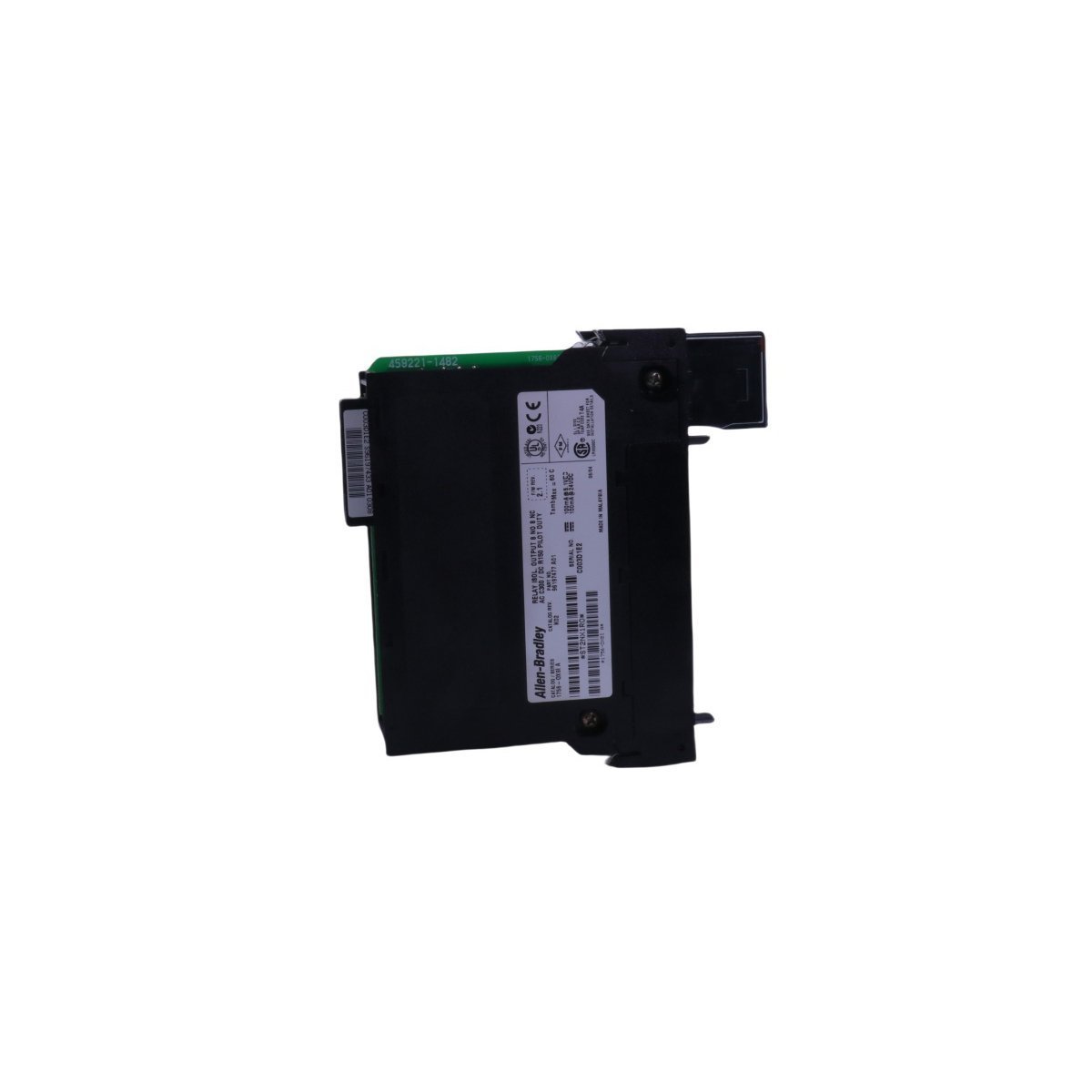
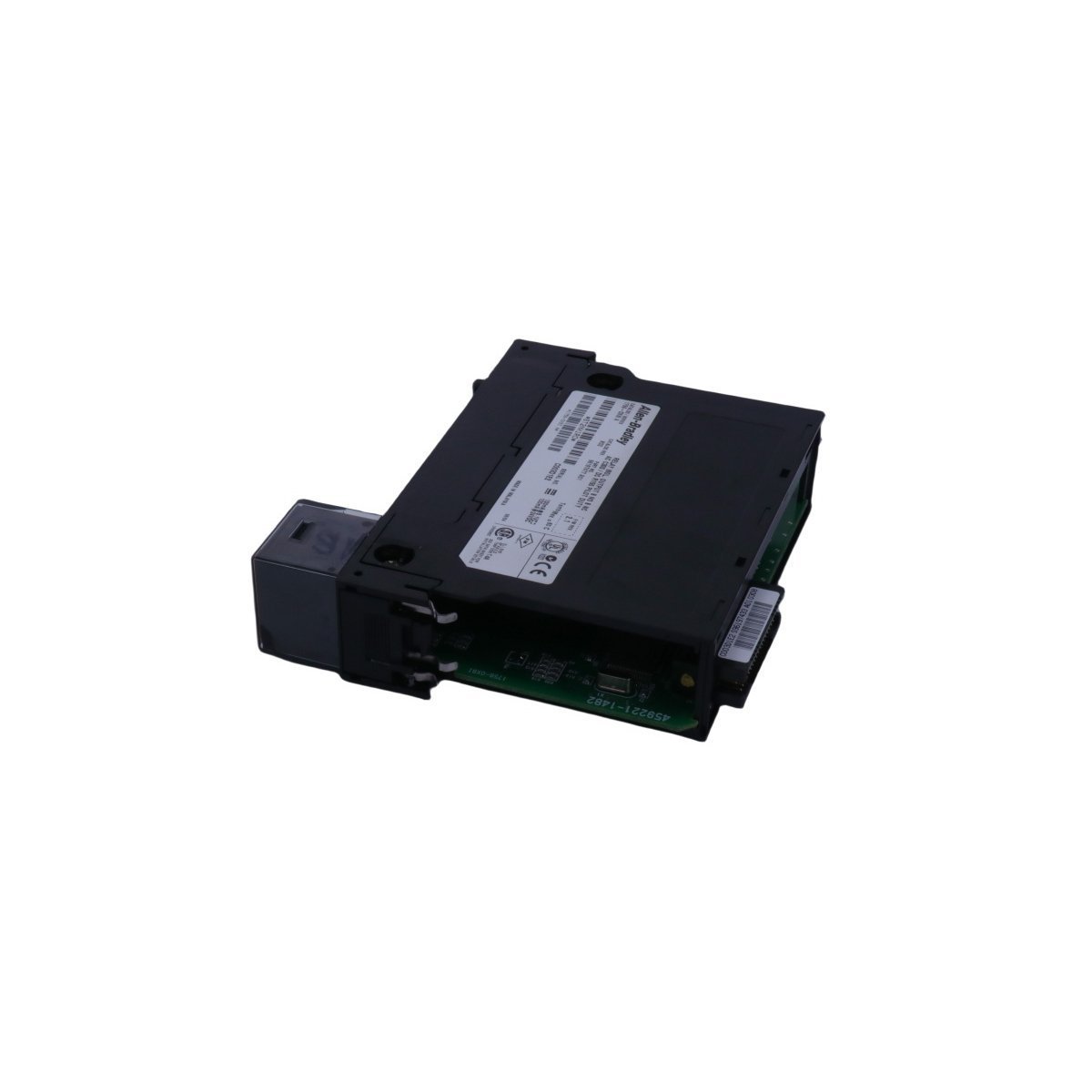
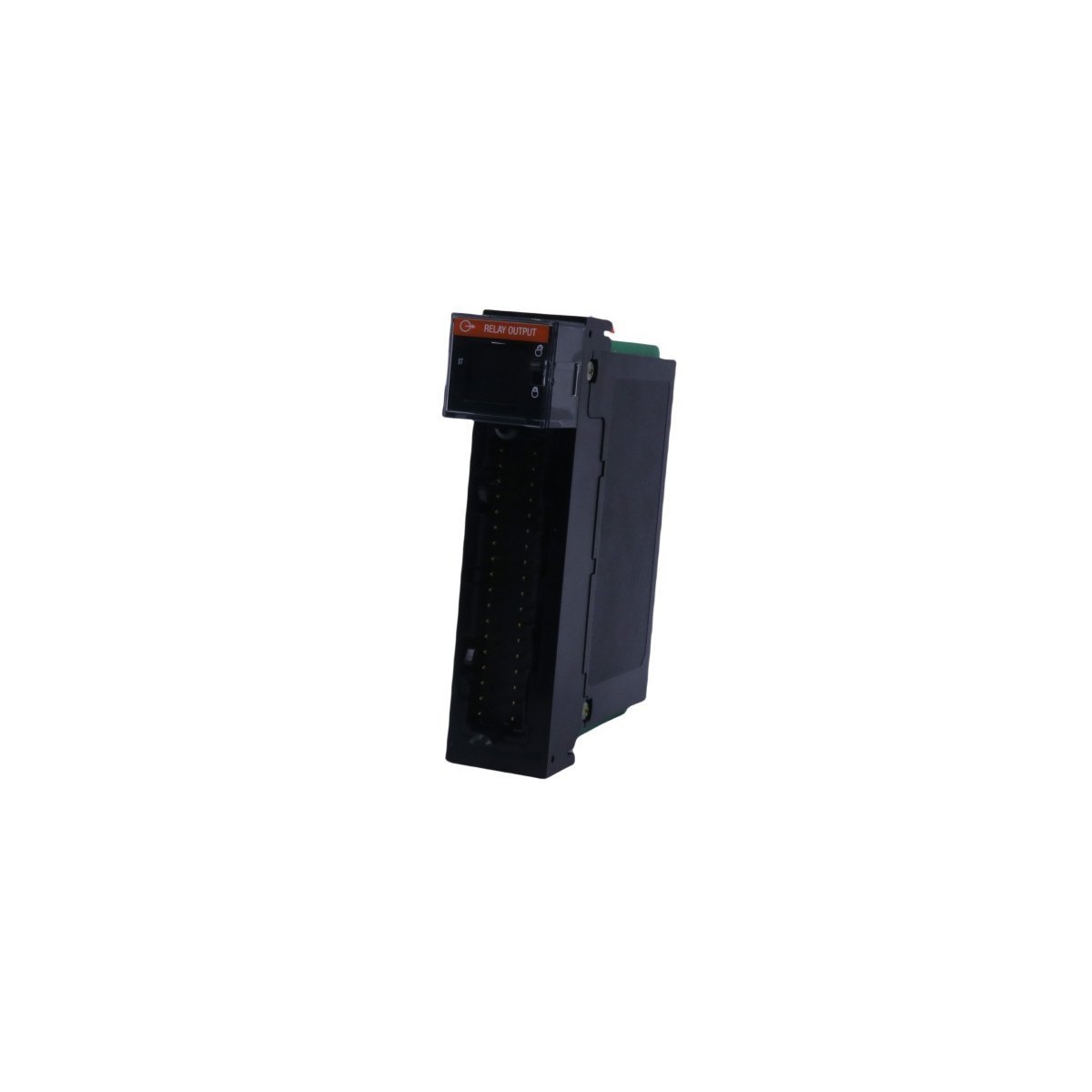
The Allen Bradley 1756-OX8I is an 8-channel isolated relay output module for ControlLogix assemblies. This brand new component is original stock and ready for global shipping.
The Allen Bradley 1756-OX8I, also cataloged as the 1756-OX8I Isolated Contact Module, operates as a dedicated hardware component for field signal switching and physical circuit break execution within ControlLogix platforms. The hardware establishes galvanic isolation between individual channels and the local chassis backplane, utilizing dry-contact electromechanical relays to open and close external circuit loops via standard removable terminal block assignments.
Hardware Specifications
| Parameter | Specification |
|---|---|
| Model | 1756-OX8I |
| Brand | Allen Bradley |
| Origin | USA |
| Weight | 0.26 kg |
| Dimensions | 3.5 x 14 x 14.5 cm |
| Operating Temp | 0 to 60 deg C |
| Power Consumption | Not specified (Dependent on active coil states across backplane rail) |
| Module Type | Isolated Contact Module |
| Control Platform | PLC |
| Outputs | 8 Normally Open (N.O.) and 8 Normally Closed (N.C.) contacts |
| Voltage Range AC | 10 to 240 VAC |
| Voltage Range DC | 5 to 125 VDC |
| Initial Contact Resistance | 100 mOhm maximum at 6 V, 1 A |
| Switching Frequency | 0.3 Hz maximum at rated load (1 operation per 3 seconds) |
| Mean Bounce Time | 1.2 ms |
| Resistive Load Life | 300000 cycles minimum |
| Inductive Load Life | 100000 cycles minimum |
| Compatible RTB | 1756-TBCH, 1756-TBS6H |
| Discontinuation Date | December 31, 2012 |
Backplane Bus Communication and Output Channel Density Scaling
The module translates electronic commands received via the ControlLogix backplane into physical coil movement across its 8 independent isolation channels. High-density trace separation and physical layout barriers prevent channel-to-channel cross-talk and structural voltage creepage, enabling the simultaneous deployment of alternating current (up to 240 VAC) and direct current (up to 125 VDC) loads on adjacent terminal lines. System firmware tracks state transitions independently per point, monitoring contact life milestones by tracking execution counts. Modularity constraints are governed by the local chassis power supply limits, with active current draw scaling based on the total number of concurrent energized relay coils.
Frequently Asked Questions
Q: Can this module be converted from an isolated architecture to a common-line configuration?
A: Yes. Channel-to-channel isolation can be eliminated by installing a 1756-JMPR jumper or an external third-party conductor across the L1 connection points on the Removable Terminal Block (RTB).
Q: What are the primary consequences of exceeding the 0.3 Hz switching frequency specification?
A: Operating the electromechanical relays at a frequency greater than 1 operation per 3 seconds causes thermal accumulation within the coil housings and accelerates mechanical contact erosion, decreasing total operational life expectancy below the rated cycle thresholds.
Q: Is a Removable Terminal Block shipped standard with the 1756-OX8I module?
A: No. Removable Terminal Blocks (such as the 1756-TBCH or 1756-TBS6H) are separate physical accessories and must be acquired independently to establish field wiring connections.
Field Installation Guidelines
- Ensure the ControlLogix chassis power supply is completely de-energized before inserting or extracting the module from the backplane slot.
- Verify structural mechanical alignment of the 1756-TBCH or 1756-TBS6H terminal block before engaging the module locking latches to prevent contact pin deformation.
- Install external suppression devices (such as RC snubbers for AC loads or commutation diodes for DC loads) directly across inductive field devices to minimize contact degradation caused by electrical arc emissions.
- Maintain separate wire routing paths for high-voltage output switching lines and low-voltage digital or analog communication cables within the enclosure ducting.
- Strip insulation from field wiring to the exact dimensions specified by the RTB installation documentation to avoid exposed copper paths and potential short circuits.
You may also like
The Allen-Bradley 1756-L65 is a high-performance ControlLogix controller offering 32 MB of memory and extensive I/O scalability for complex industrial applications.
Allen-Bradley 1756-OV16E ControlLogix 16-Point Electronically Fused DC Sinking Output Module
The Allen-Bradley 1756-OV16E is a 16-point current-sinking digital output module for the ControlLogix platform operating between 10 and 30V DC. This single-slot module features advanced onboard electronic fusing to protect circuits against overcurrent, delivers 1A per channel maximum current, and provides diagnostic feedback directly to the controller.
Allen-Bradley 1756-OA16 ControlLogix 16-Point AC Digital Output Module
The Allen-Bradley 1756-OA16 is a 16-point discrete AC output module for ControlLogix systems. It provides reliable 74-265V AC switching with integrated diagnostics, 0.5A per point capacity, and robust thermal performance for industrial automation.
Allen-Bradley 1756-L60M03SE GuardLogix Safety CPU Controller Module
The Allen-Bradley 1756-L60M03SE is a GuardLogix Safety CPU module featuring 750 KB memory and 3-axis SERCOS motion control. This ControlLogix processor supports extensive networking via EtherNet/IP and ControlNet, making it ideal for integrated safety and high-precision motion applications.
Allen-Bradley 1756-CNBR ControlLogix Communication Module
The Allen-Bradley 1756-CNBR is a redundant ControlNet bridge module for ControlLogix systems. It provides 5 Mbps deterministic communication and dual BNC ports for media redundancy. This module supports up to 64 connections and 99 nodes in mission-critical automation environments.
Allen-Bradley 1756-L83E Controllogix Controllers
The Allen-Bradley 1756-L83E is a high-performance ControlLogix 5580 controller featuring 10MB memory and an integrated 1Gbps Ethernet port. It supports 250 EtherNet/IP nodes, controller redundancy, and up to 128,000 I/O points for advanced industrial automation.
Allen-Bradley 1756-L62 ControlLogix Logix5562 Processor
The Allen-Bradley 1756-L62 is a Logix5562 processor featuring 4 MB of user memory and 128,000 I/O capacity. This ControlLogix module supports 32 tasks and redundancy for high-availability industrial control. It remains a reliable solution for maintaining legacy factory automation systems.
Allen-Bradley 1756-OA16I AC Digital Output Module
The Allen-Bradley 1756-OA16I is a 16-point isolated AC digital output module for ControlLogix systems. It supports 75-265 VAC operation and 2A per point current capacity. This reliable 120/240V module provides per-channel isolation for demanding industrial control applications.
Allen-Bradley 1756-IV16 Digital Input Module
The Allen-Bradley 1756-IV16 is a 16-point digital sourcing input module for ControlLogix chassis. It operates on 12/24V DC, featuring adjustable filter times and 250V isolation. This module provides reliable signal processing for demanding industrial automation environments.
Allen-Bradley 1756-OA8D Diagnostic Digital AC Output Module
The Allen-Bradley 1756-OA8D is an 8-point diagnostic AC output module for ControlLogix systems. It features 74-132V AC operation, 1A current per point, and electronic fusing. Integrated diagnostics identify no-load and short-circuit faults to maximize system uptime.
Allen-Bradley 1769-IF4 I/O Module
The Allen-Bradley 1769-IF4 is a 4-channel analog input module for CompactLogix systems. It supports 0-10V, ±10V, and 4-20mA signals with 14-bit resolution. This module features differential inputs and open-circuit detection for precise industrial process monitoring.
Allen-Bradley 1756-L61 ControlLogix Logix5561 Processor
The Allen-Bradley 1756-L61 is a ControlLogix Logix5561 processor featuring 2MB of user memory and high-speed logic execution. Designed for complex industrial automation, it supports 128,000 digital I/O, multi-tasking operations, and tag-based programming for seamless system integration.