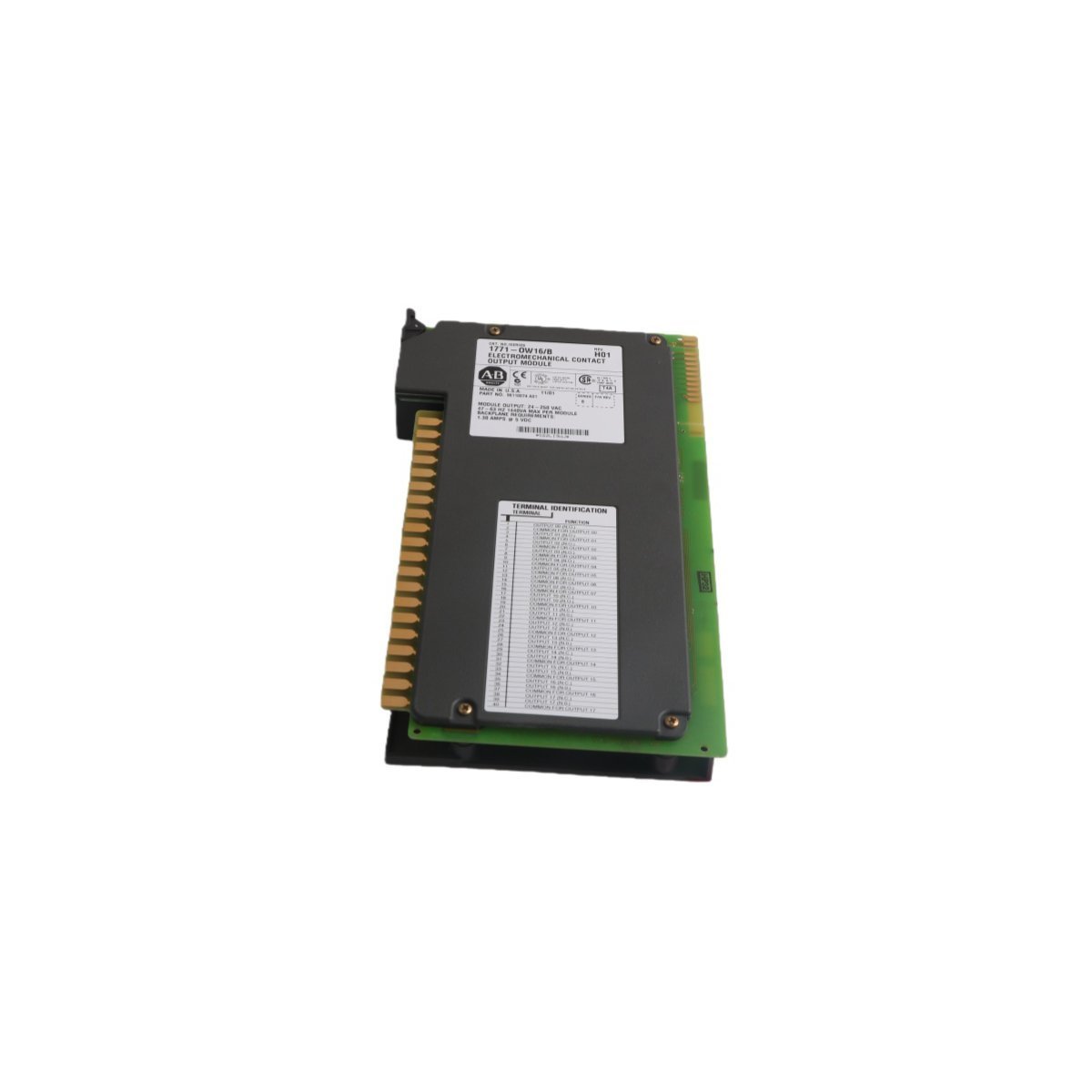
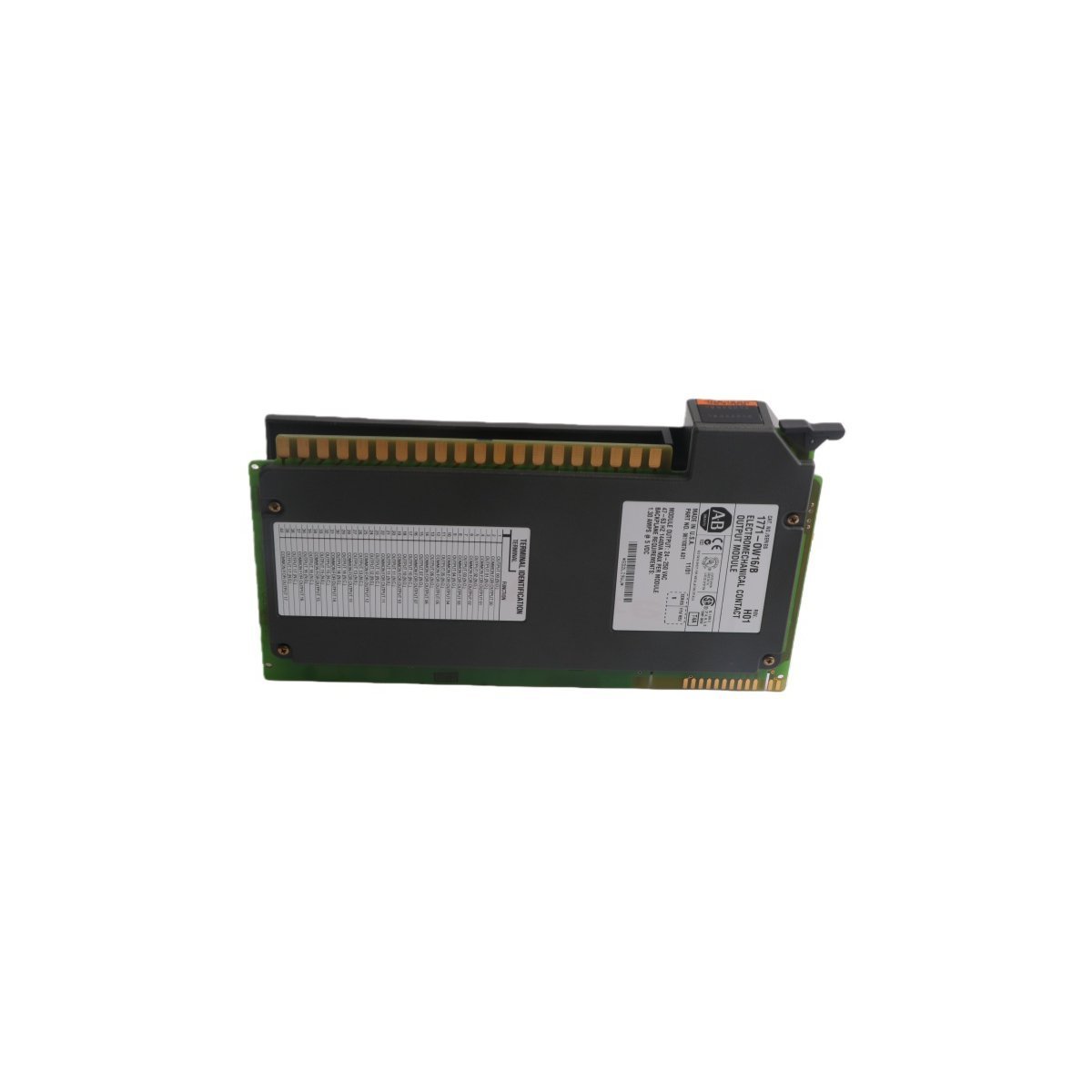
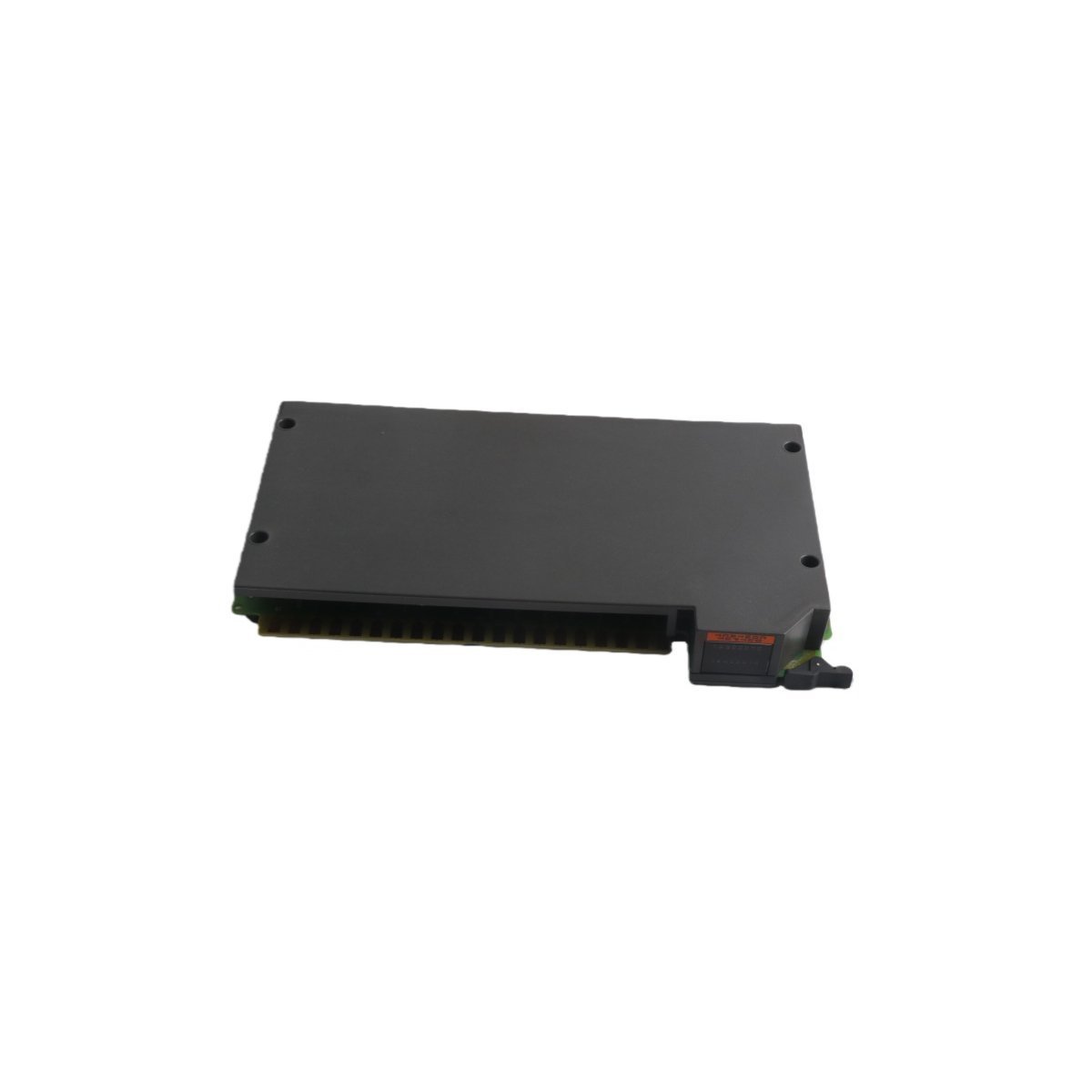
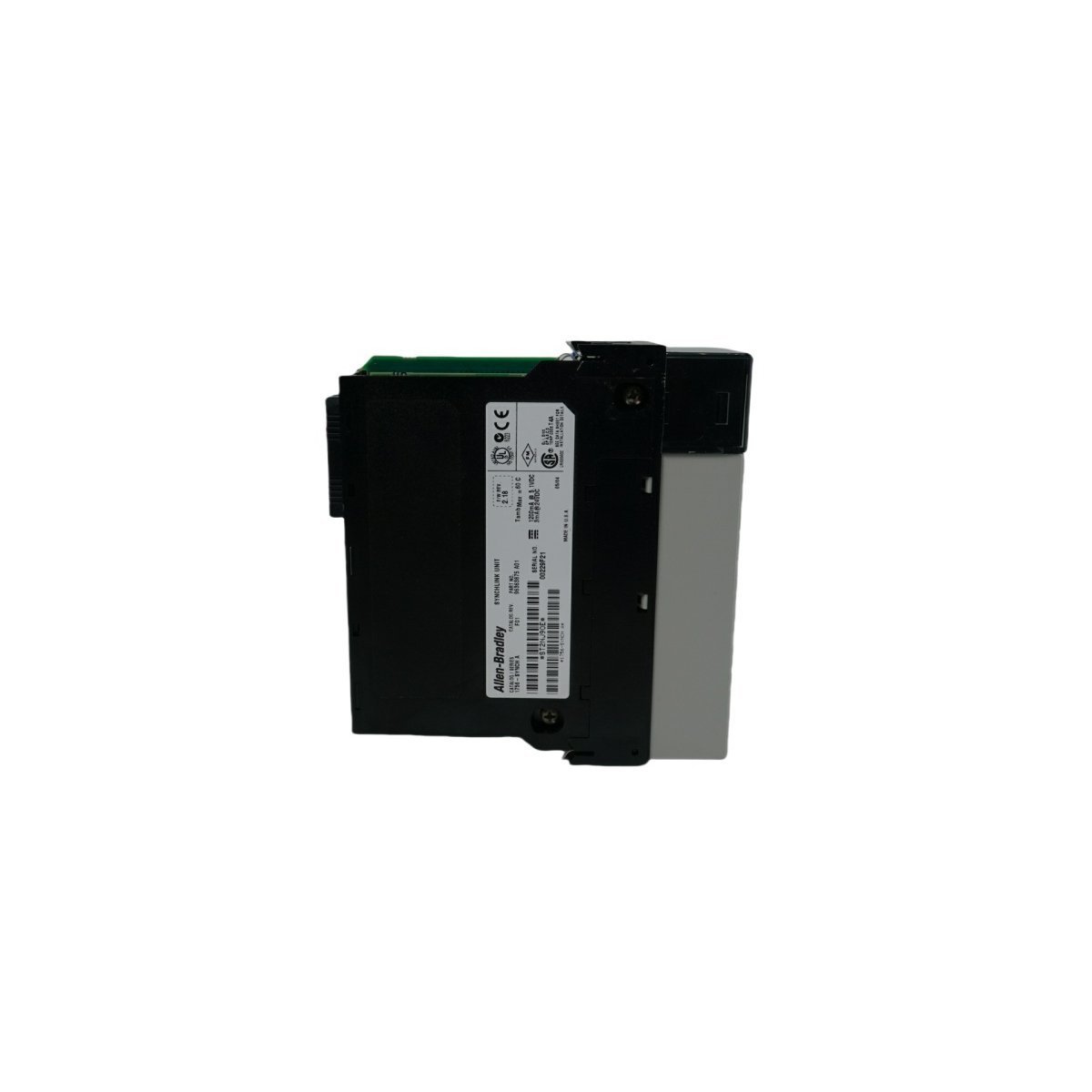
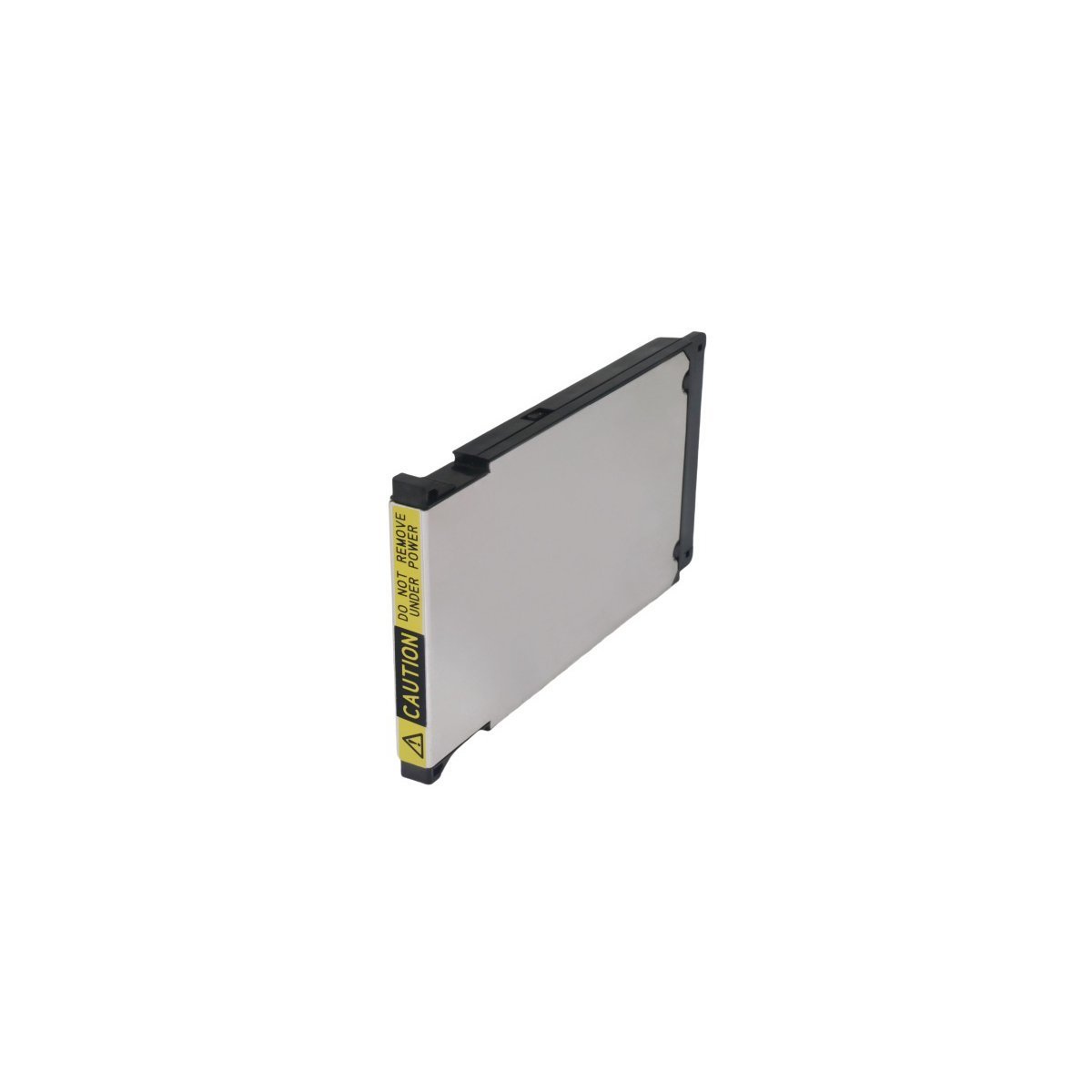
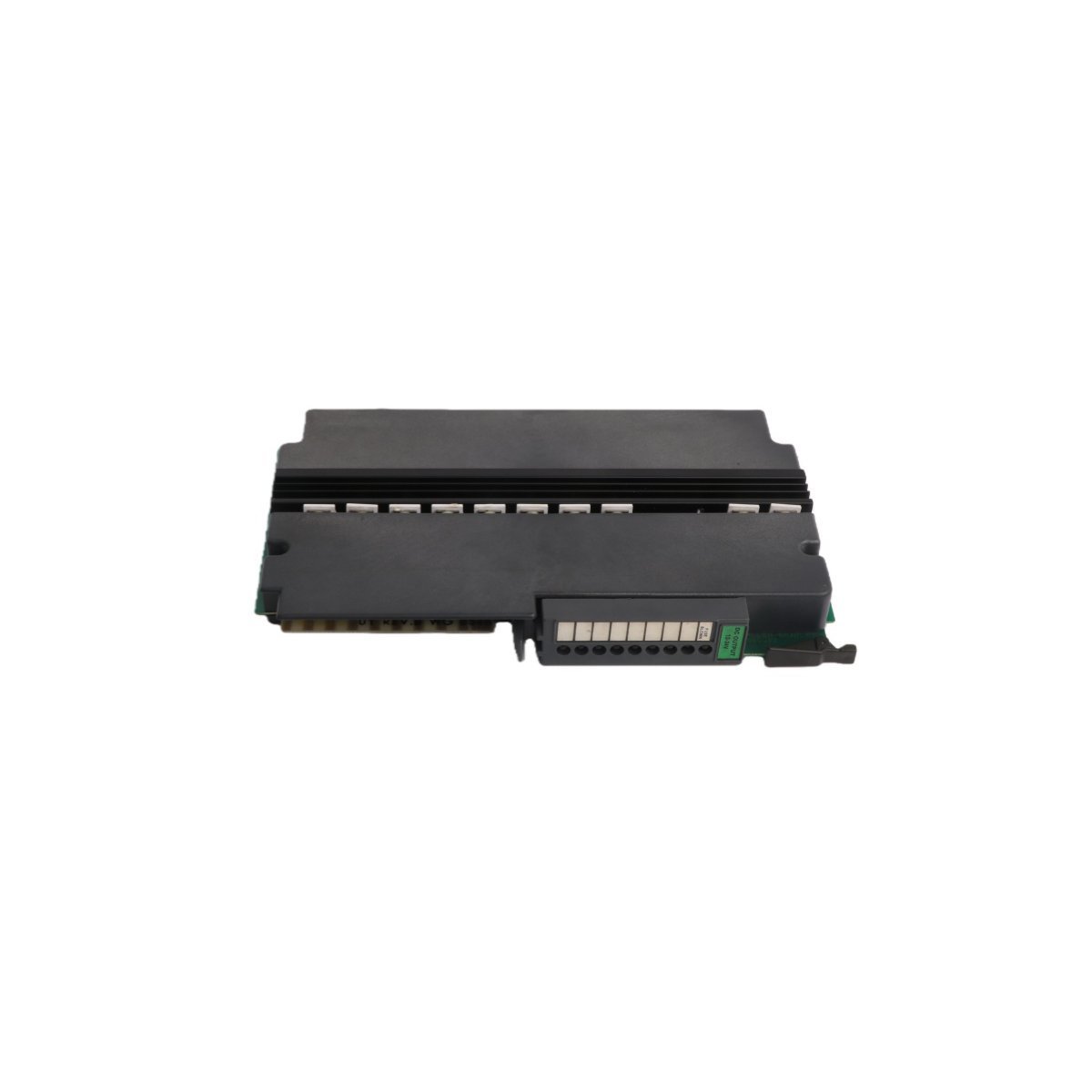
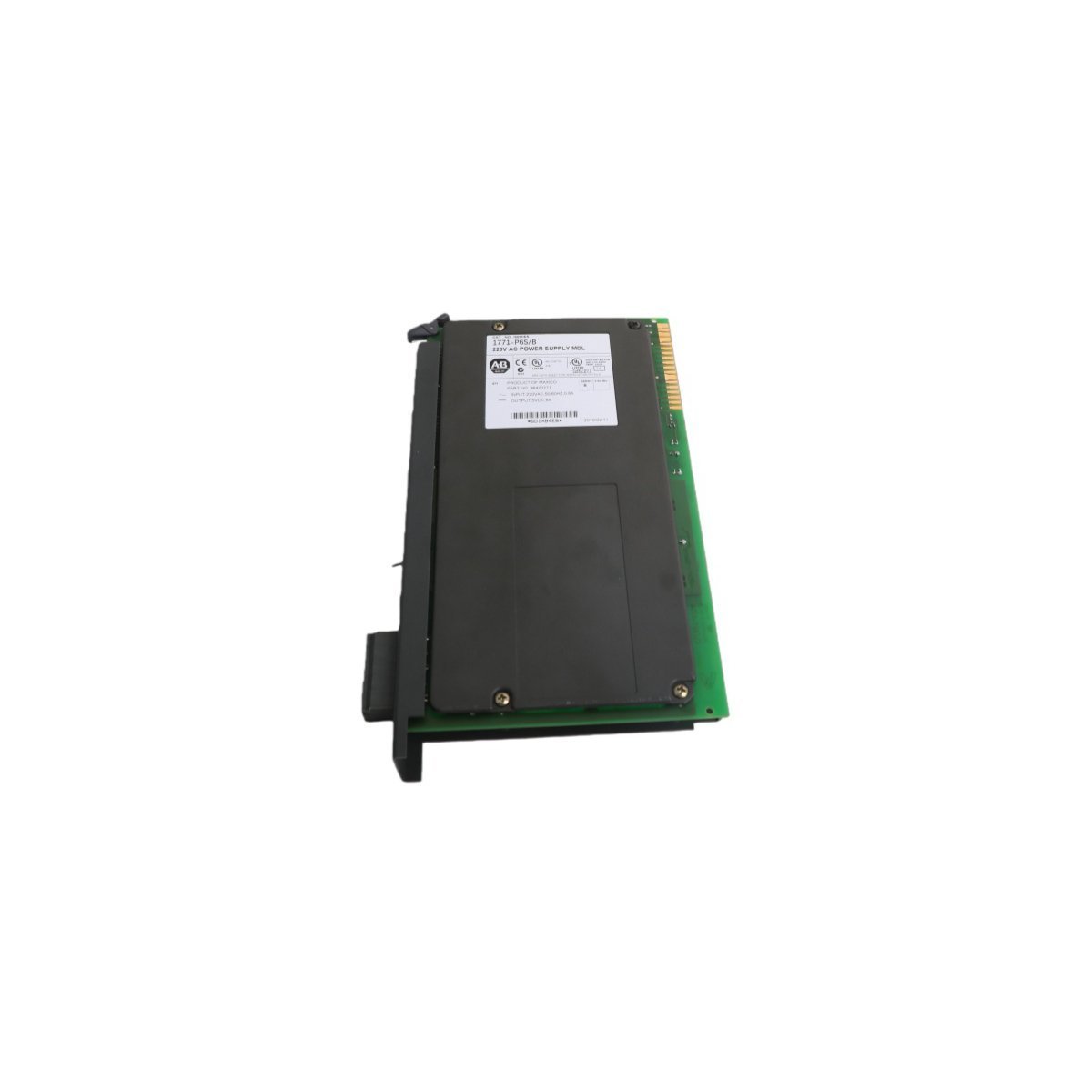
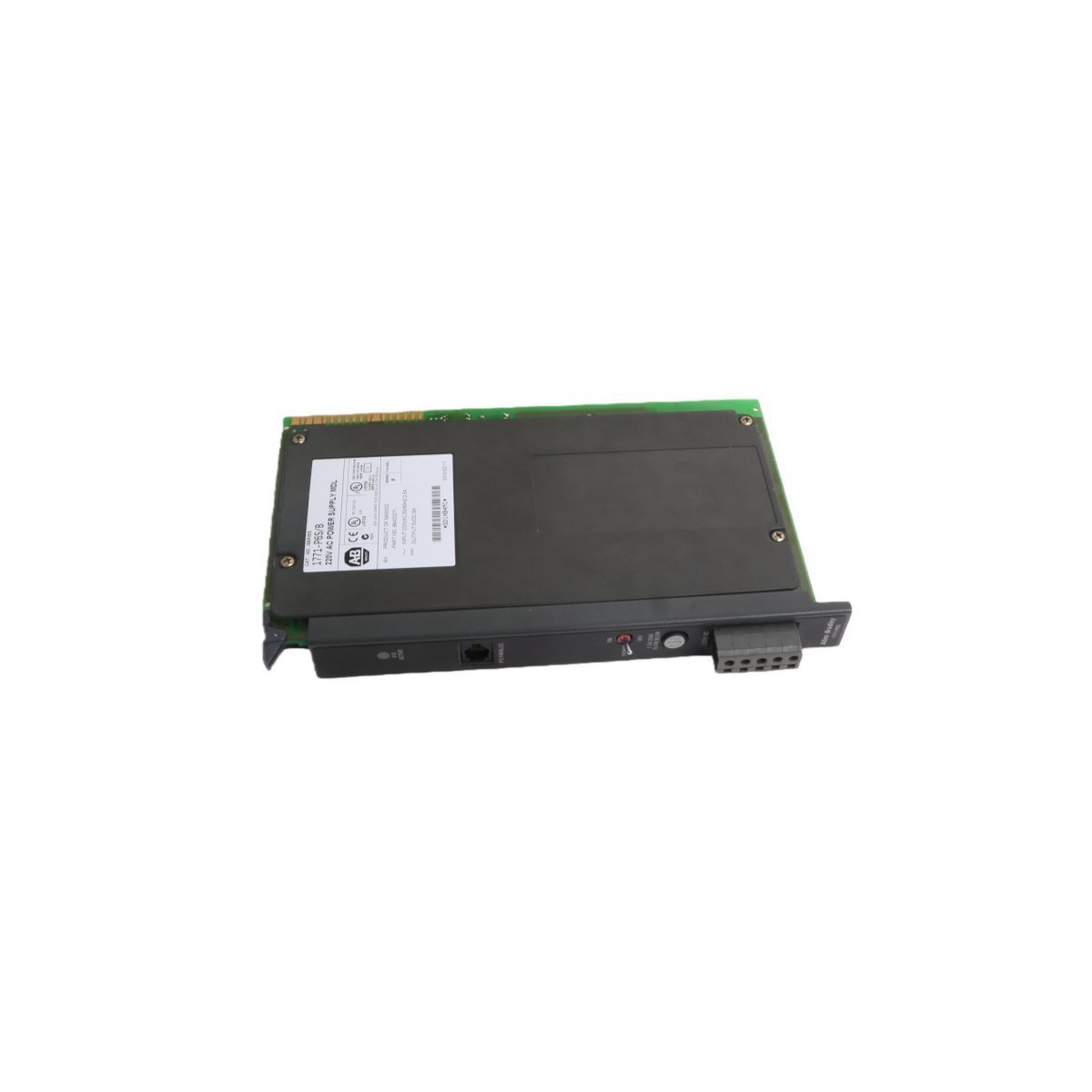
The Allen-Bradley 1771-OW is an 8-channel electromechanical relay output module engineered for the classic PLC-5 architecture. Procure this factory-original surplus hardware in brand new condition, backed by global logistics support and rapid transit options. Contact us now to secure your technical components.
The Allen-Bradley 1771-OW serves as the primary 1771-OW Selectable Contact Output Module utilized to execute physical contact closure operations across PLC-5 platforms. The hardware functions as an electromechanical switching interface, establishing direct isolated paths for external field loads using eight onboard relay channels partitioned into four distinct galvanic groups. It provides physical state modification for pilot lights, motor starters, and solenoid valves based on the logic state synchronized through the rack backplane.
Hardware Specifications
Parameter
Specification
Model
1771-OW
Brand
Allen-Bradley
Origin
USA
Weight
0.9 kg
Dimensions
3.5 x 13 x 14.5 cm
Operating Temp
0 to +60 deg C
Power Consumption
700 mA at 5 VDC maximum backplane load
Range of Product
PLC-5 / 1771 Universal I/O
System
PLC
Module Type
Selectable Contact Output Module
Communication Service
Ethernet router compatible interface
HS CODE
8537101190
Discontinued on
June 30, 2016
Configuration
8 Output Channels (4 Isolated Groups of 2 Channels)
Voltage Switching Range
24 to 138 VAC (Resistive) / 24 to 125 VDC
Continuous Current Rating
1.0 A per channel (maximum)
Industrial Control & Drive Deterministic Networks
The module interfaces with supervisory processing architectures via the internal 1771 chassis bus, translating logic demands into coil excitation commands with minimal propagation delay. This framework enables predictable I/O density scaling alongside external serial or Profinet / EtherNet/IP deterministic networks via remote I/O adapter configuration modules. High-speed backplane communication velocity synchronization guarantees that the output contact relays align directly with the primary ladder execution cycles, while onboard firmware flash compatibility checks preserve hardware status flags across system restarts.
Frequently Asked Questions
Q: Can channels within the 1771-OW be mixed between normally open (NO) and normally closed (NC) configurations?
A: Yes. Each channel features onboard physical jumpers or selectable wire termination paths that permit independent configuration as either normally open or normally closed contacts prior to wiring installation.
Q: Is hot-swapping or RIUP (Removal and Insertion Under Power) supported for this module?
A: No. The 1771 universal I/O chassis architecture requires that power to the backplane and all field wiring arms be disconnected before extraction to avoid arc flash over or disruption of adjacent I/O communication.
Field Installation Guidelines
Power down the 1771 I/O chassis and any external supply voltages routed to the field-side wiring arms before installation.
Insert the plastic keying bands into the backplane connectors between pins 4 and 6, and pins 22 and 24 to prevent insertion of incorrect module types into the designated slot.
Terminate load lines at the dedicated field wiring arm, grouping circuits to maintain strict isolation parameters between separate voltage sources.
Install suppression networks (RC snubbers for AC loads, diodes for DC inductive loads) directly across all inductive field devices to suppress voltage transients and prolong electromechanical relay life.
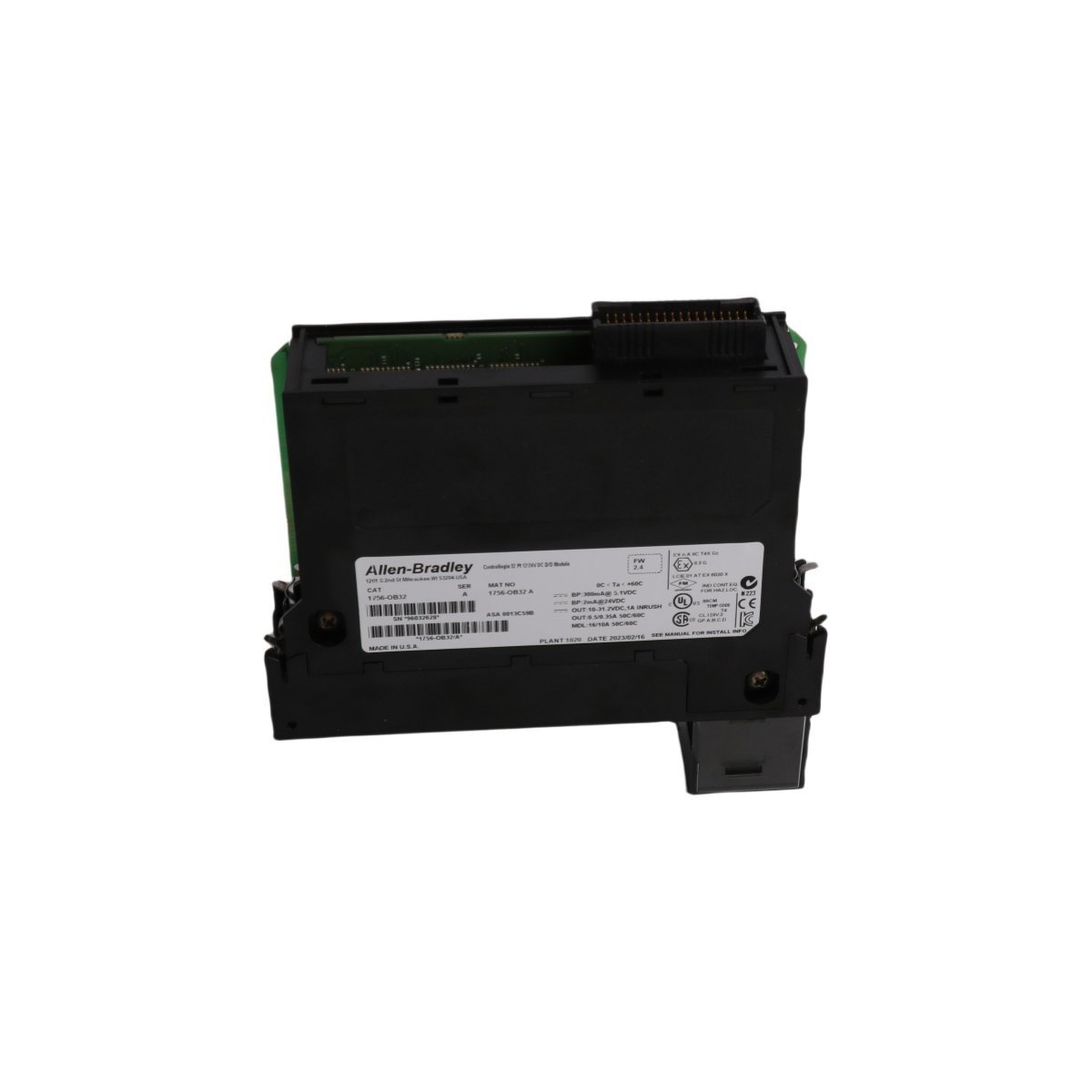
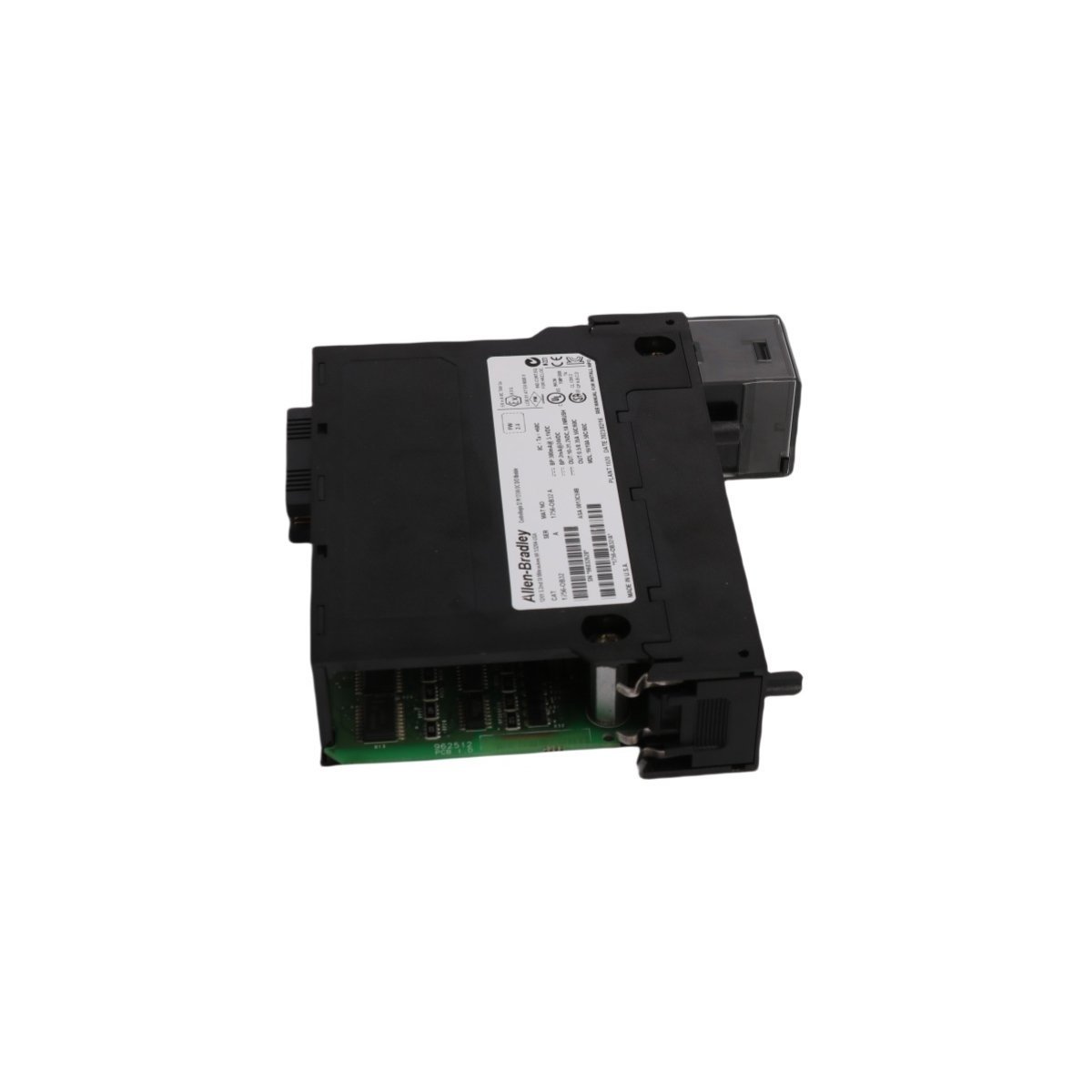
Purchase the Allen-Bradley 1756-OB32 ControlLogix Digital Output Module with 32 points and electronic fusing. Brand New, Original Stock with Global Shipping. Secure this authentic industrial automation spare now.
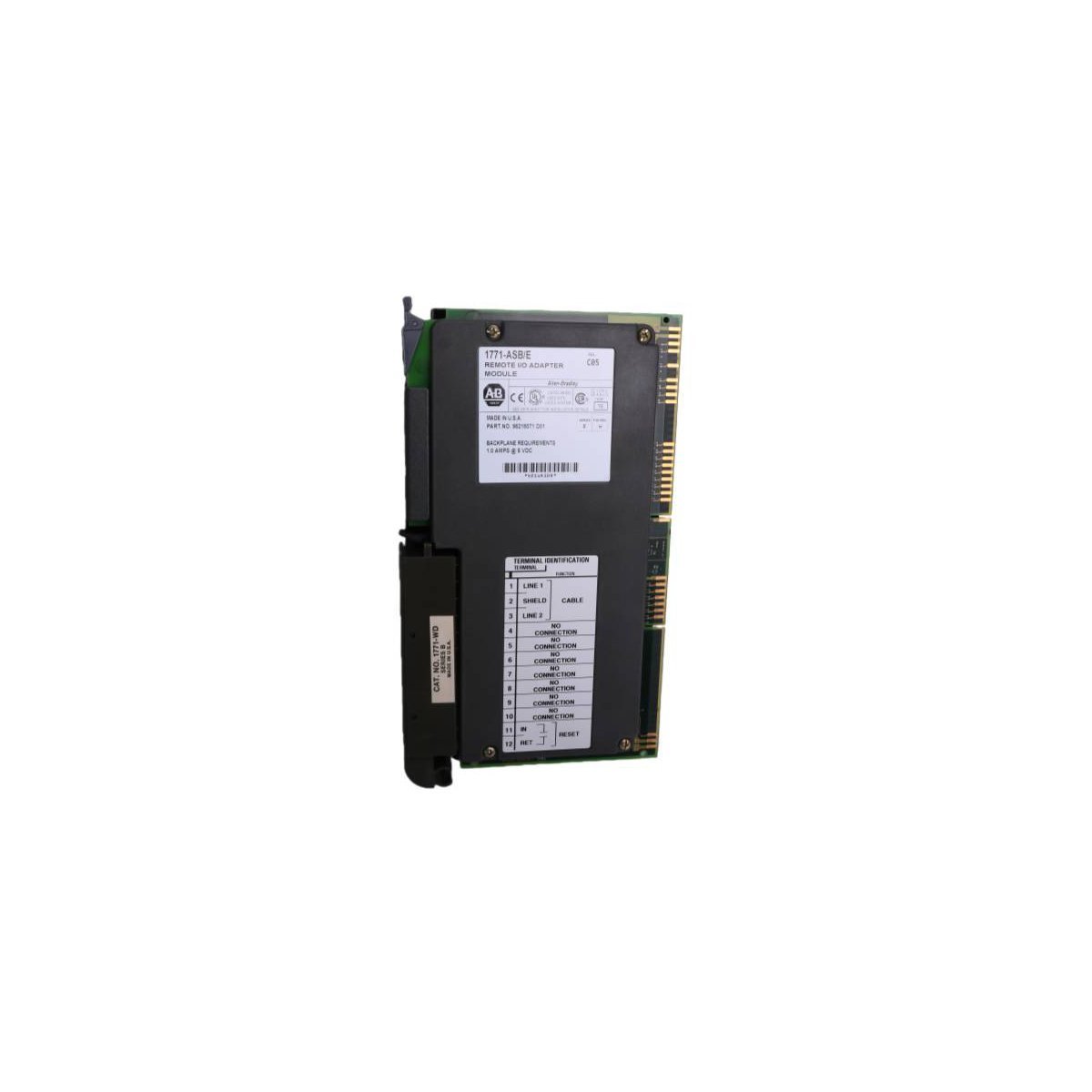
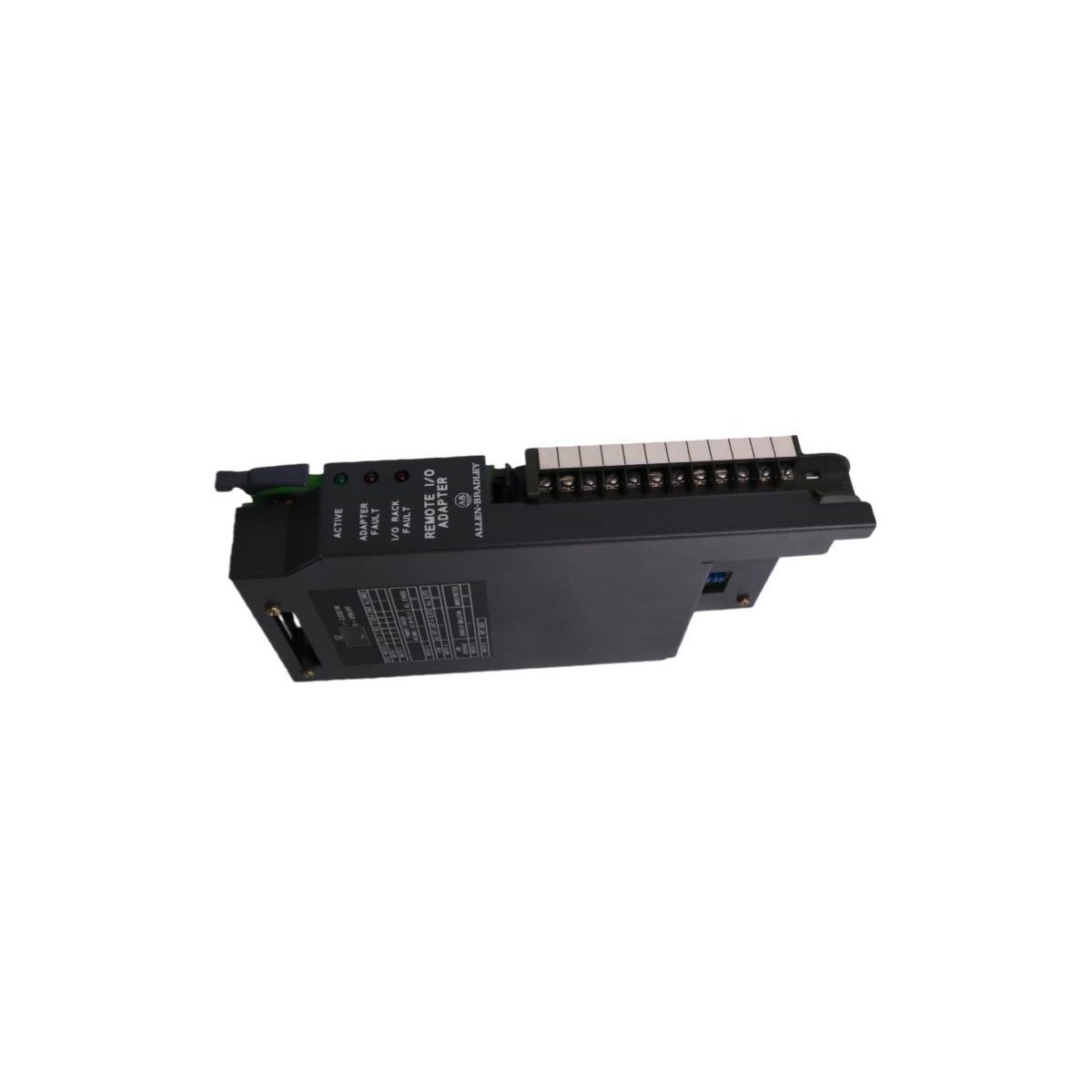
The Allen-Bradley 1771-ASB/E is a universal Remote I/O adapter module for PLC-5 systems, designed to enable efficient distributed I/O communication and diagnostics.
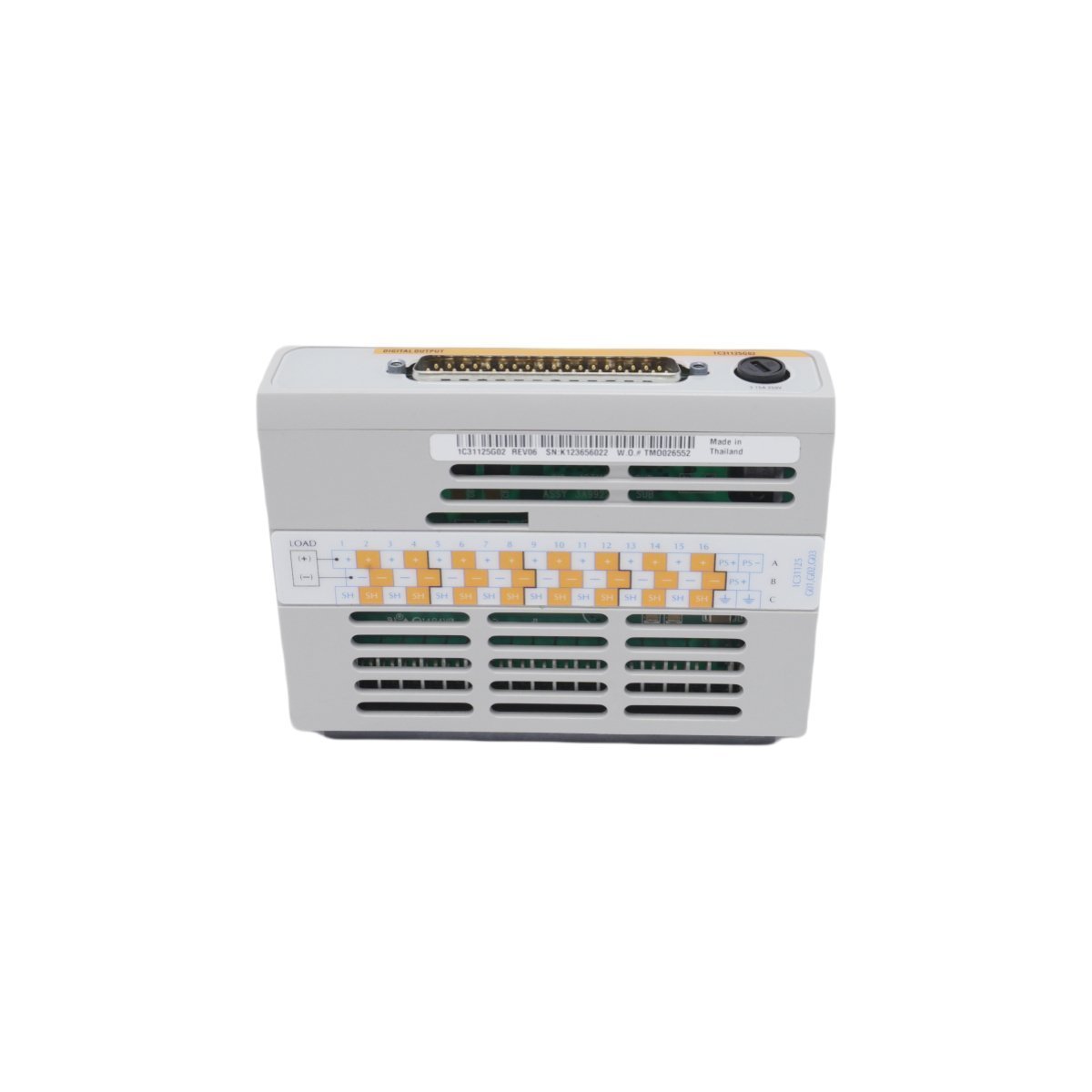
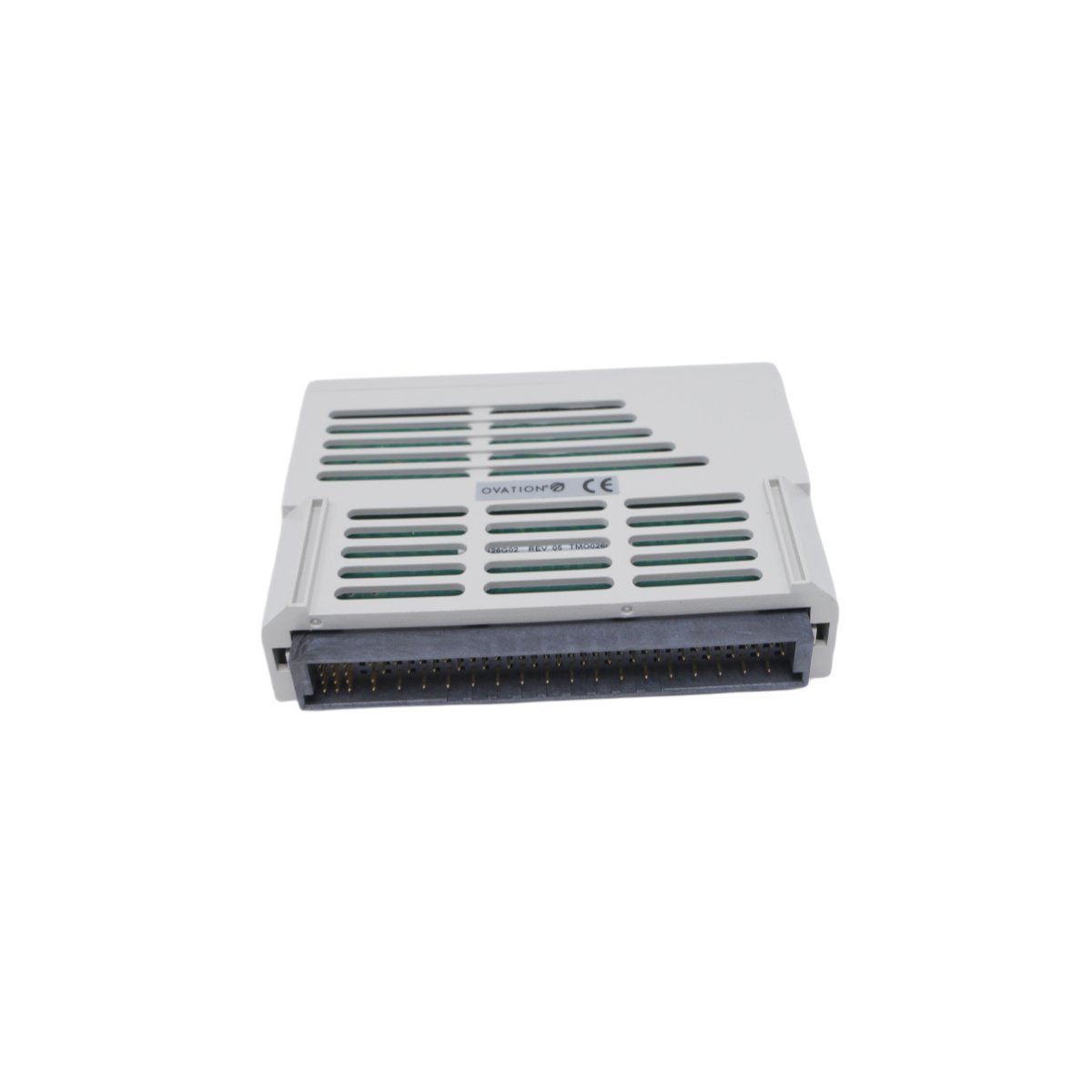
The Emerson 1C31125G02 is a high-performance Digital Output Module for Ovation DCS and DeltaV SIS systems. This 0.6kg unit provides isolated switching for industrial solenoids and relays. It ensures reliable discrete control in power and chemical processing plants.
The Allen-Bradley 1756-OA16I is a 16-point isolated AC digital output module for ControlLogix systems. It supports 75-265 VAC operation and 2A per point current capacity. This reliable 120/240V module provides per-channel isolation for demanding industrial control applications.
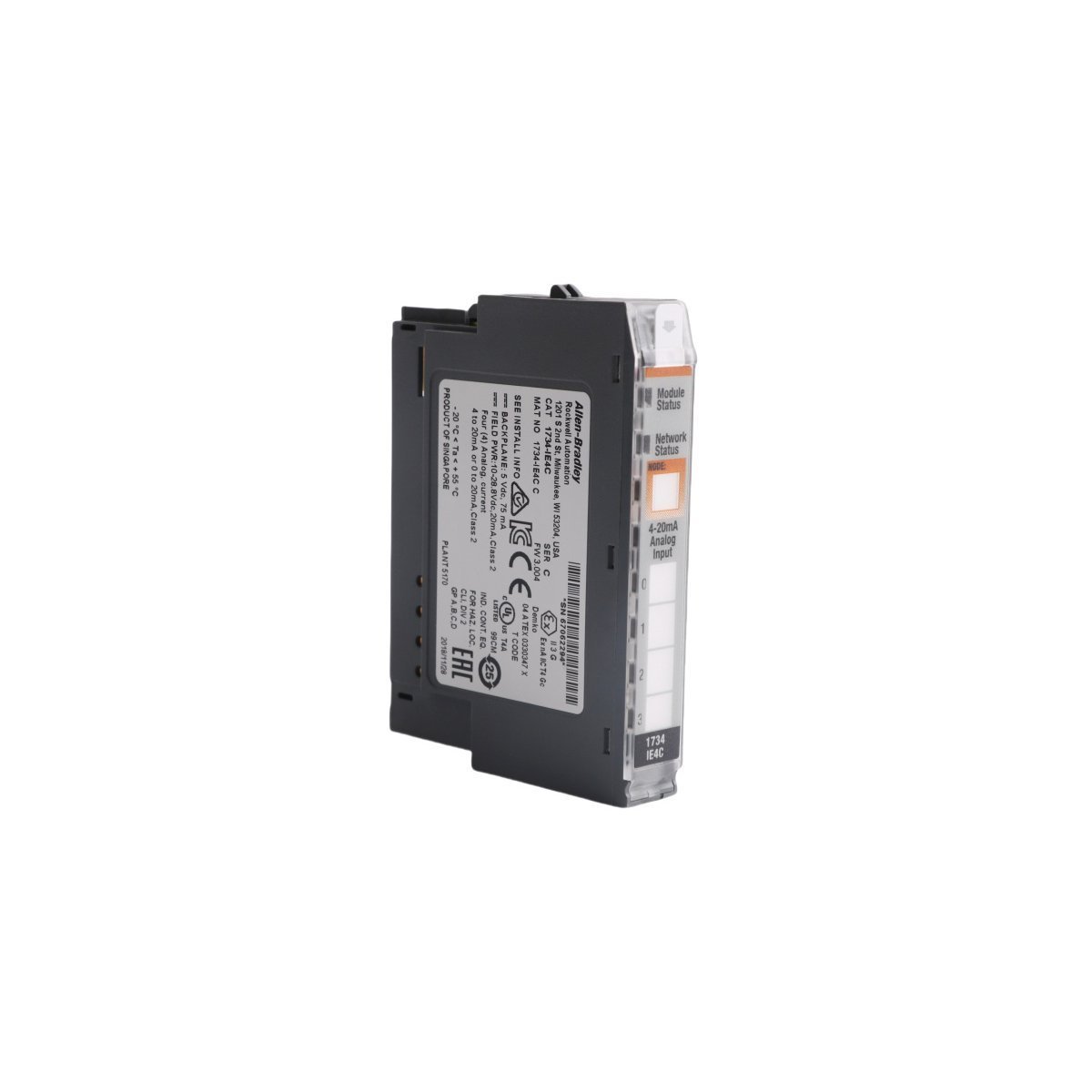
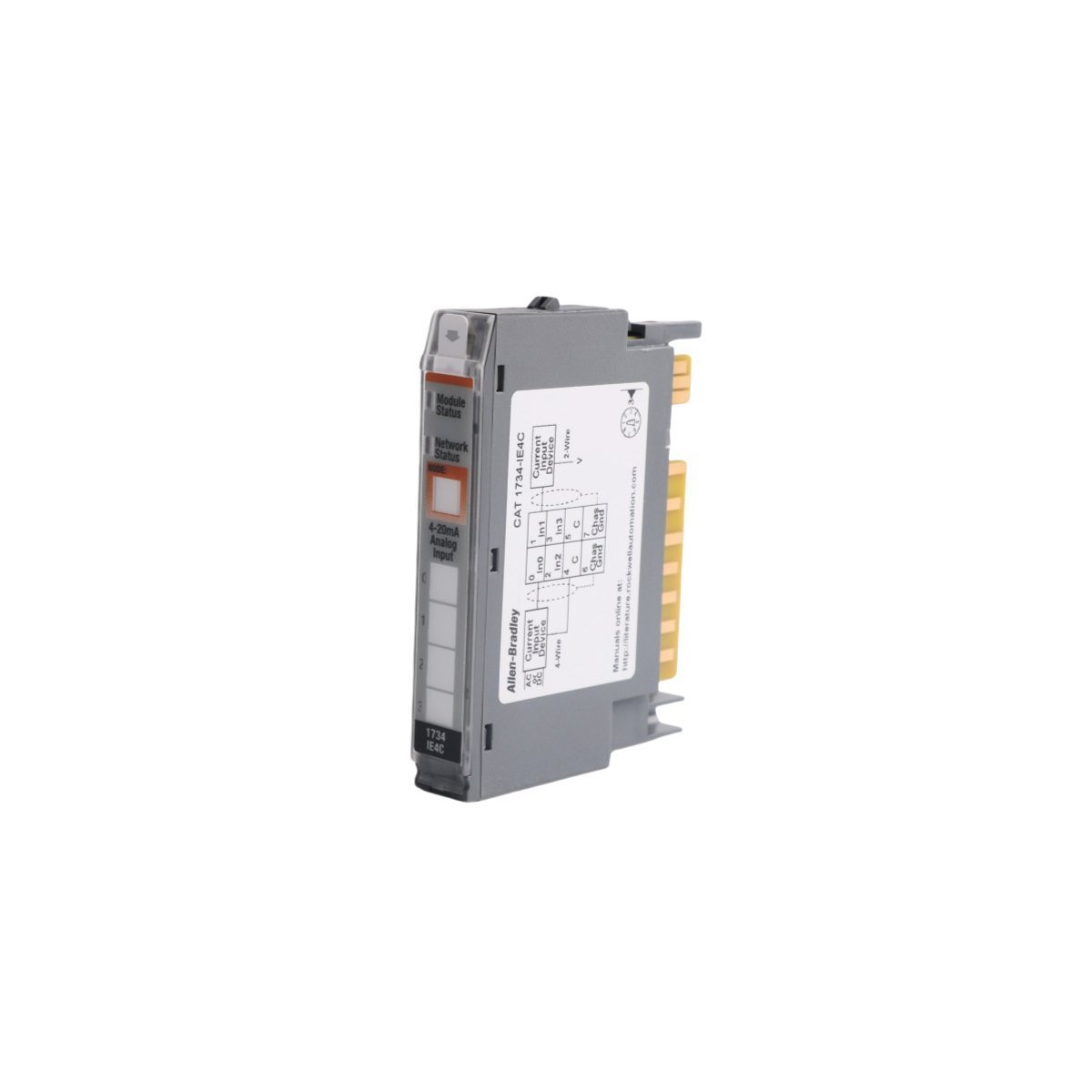
The Allen-Bradley 1734-IE4C is a 4-channel analog current input module for POINT I/O systems. It features 16-bit resolution for 0-20mA and 4-20mA signals. This compact 1734 module offers high-density monitoring and supports removal under power for continuous operation.
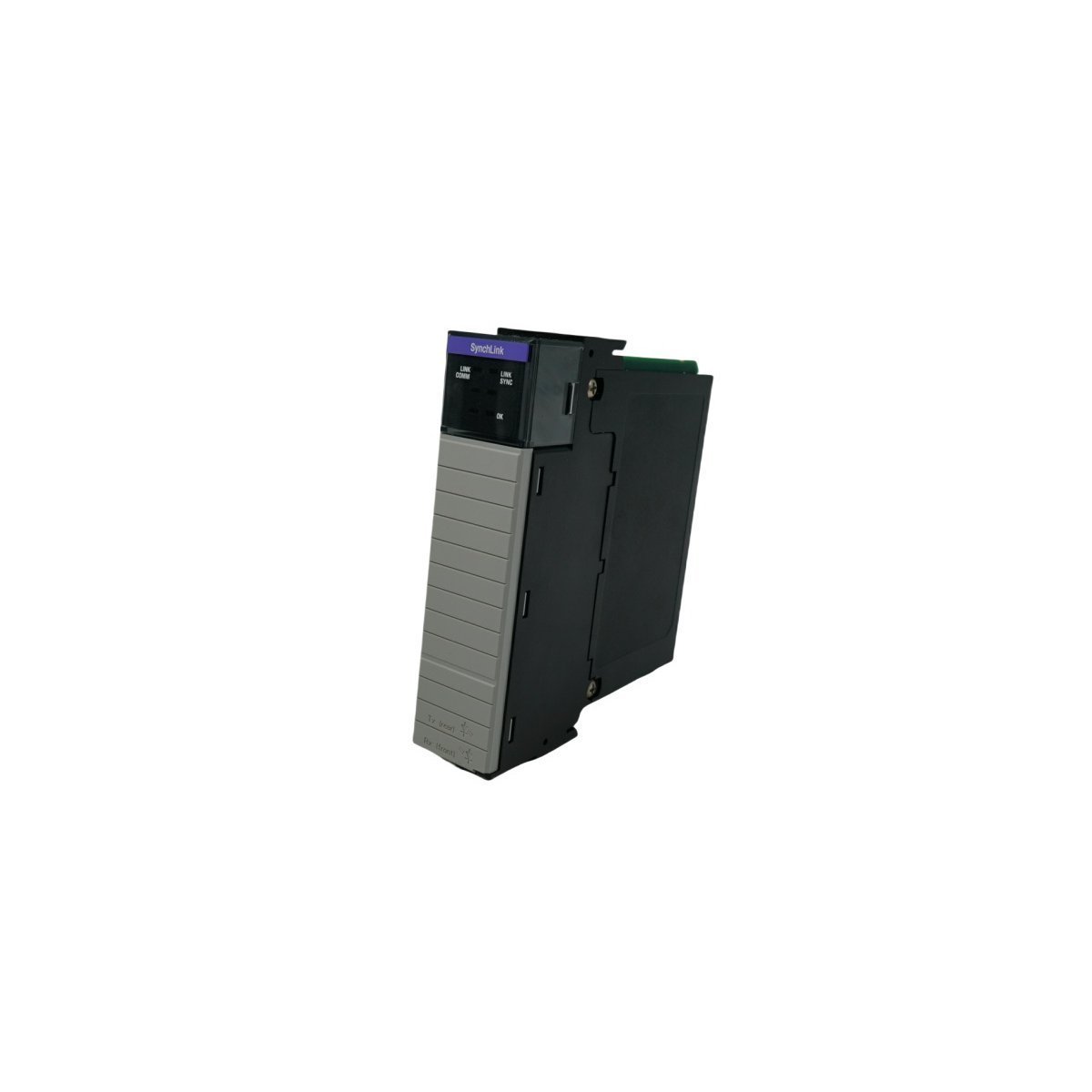
The Allen-Bradley 1756-SYNCH is a ControlLogix SynchLink module providing 5 Mbps fiber-optic communication. It enables precise time synchronization and high-speed data broadcasting between multiple chassis for coordinated motion control.
The Allen-Bradley 1785-ENET/C is an Ethernet/IP expansion module for PLC-5 series controllers. It enables high-speed networking via Channel 3A, supports BOOTP/DHCP addressing, and provides a robust bridge between legacy processors and modern Ethernet-based automation systems.
The Allen-Bradley 1756-TBCH is a 36-pin cage-clamp Removable Terminal Block (RTB) for the ControlLogix system. It provides a secure, vibration-resistant interface for 1756 I/O modules, supporting 22–14 AWG wiring and ensuring fast, tool-free module replacement without disturbing field connections.
The Allen-Bradley 1785-ME32 is a 32K-word EEPROM memory module designed for the PLC-5 series. It provides secure, non-volatile backup for control programs and device configurations, ensuring data retention during power loss and enabling easy program transfer between processors in industrial environments.
The Allen-Bradley 1771-OB provides 16 high-current DC outputs for PLC-5 systems. Featuring optical isolation, real-time LED diagnostics, and a 2A per-point rating, this module manages heavy-duty industrial loads while protecting your control backplane from electrical interference.
The Allen-Bradley 1785-L20E is an enhanced PLC-5/20E processor featuring 16K memory and integrated Ethernet communication. It supports up to 512 I/O points, providing a reliable and scalable control solution for 1771-chassis industrial systems.
The Allen-Bradley 1771-P6S/B is an 8.0A standalone power supply module for the PLC-5 1771 Universal I/O chassis.Featuring 120V AC input and 5V DC output, it delivers stabilized power for high-density I/O configurations while providing integrated short-circuit protection.
We are committed to protecting your privacy. The information collected here is strictly used to provide the requested quotes, technical support, and relevant industrial automation solutions.