Sale!
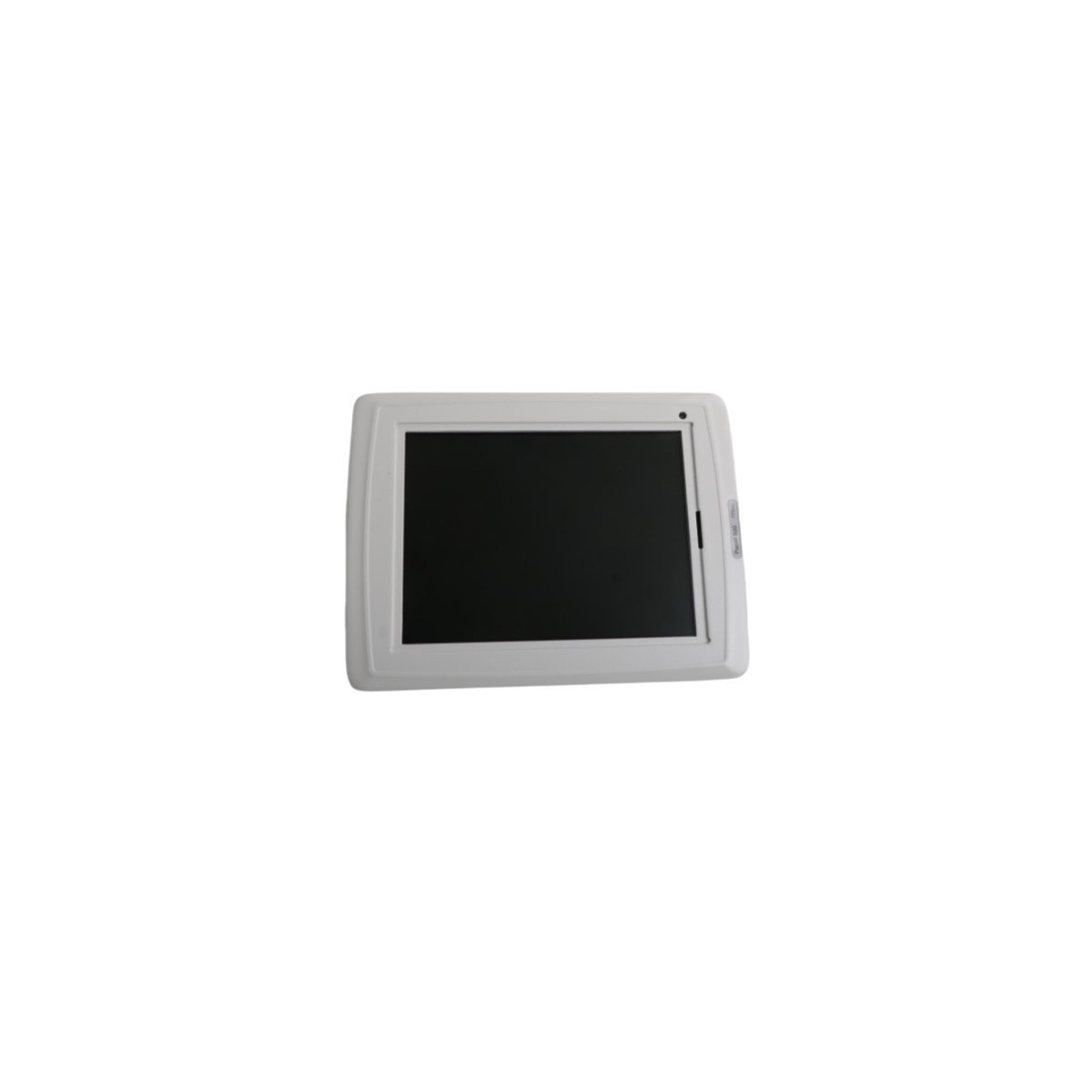
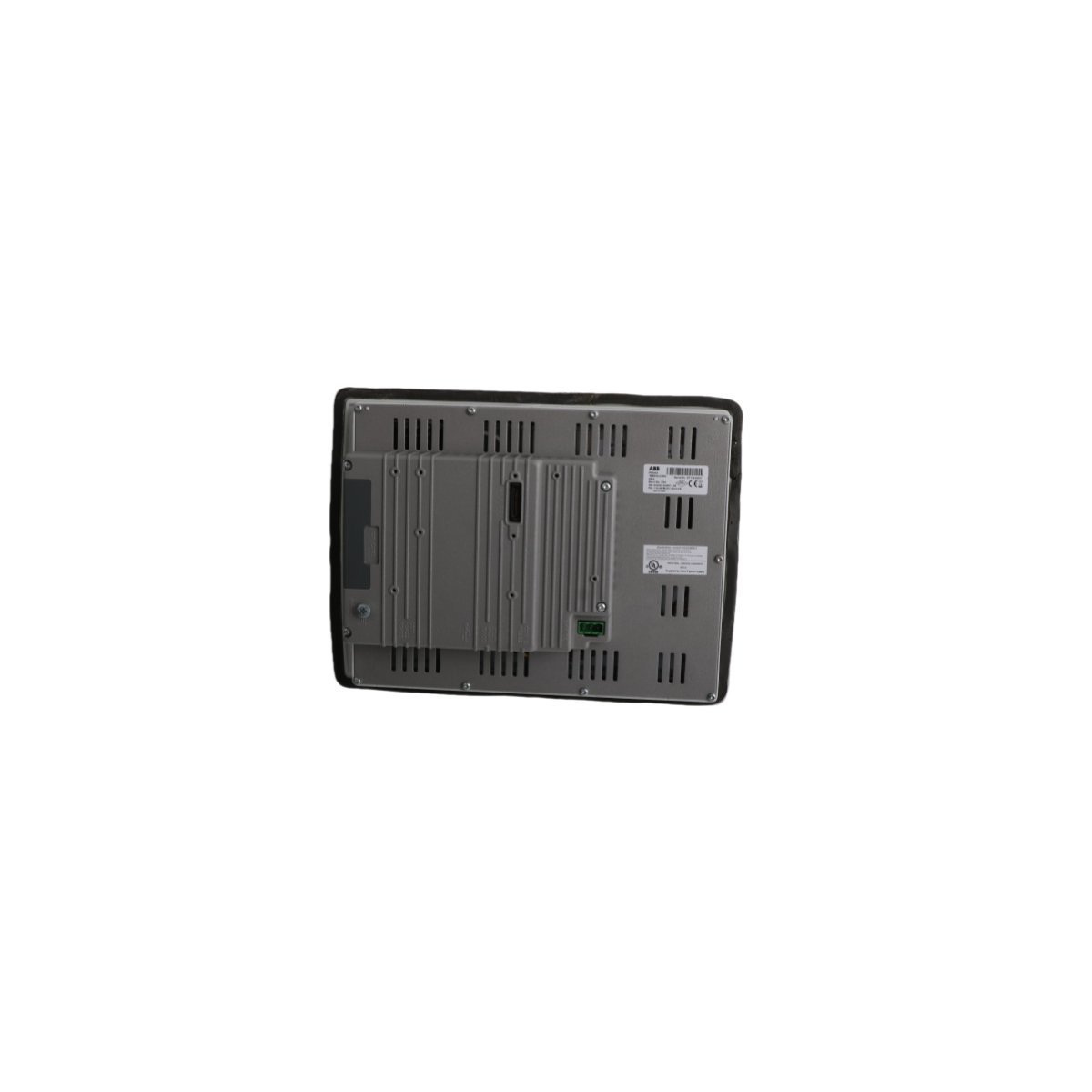
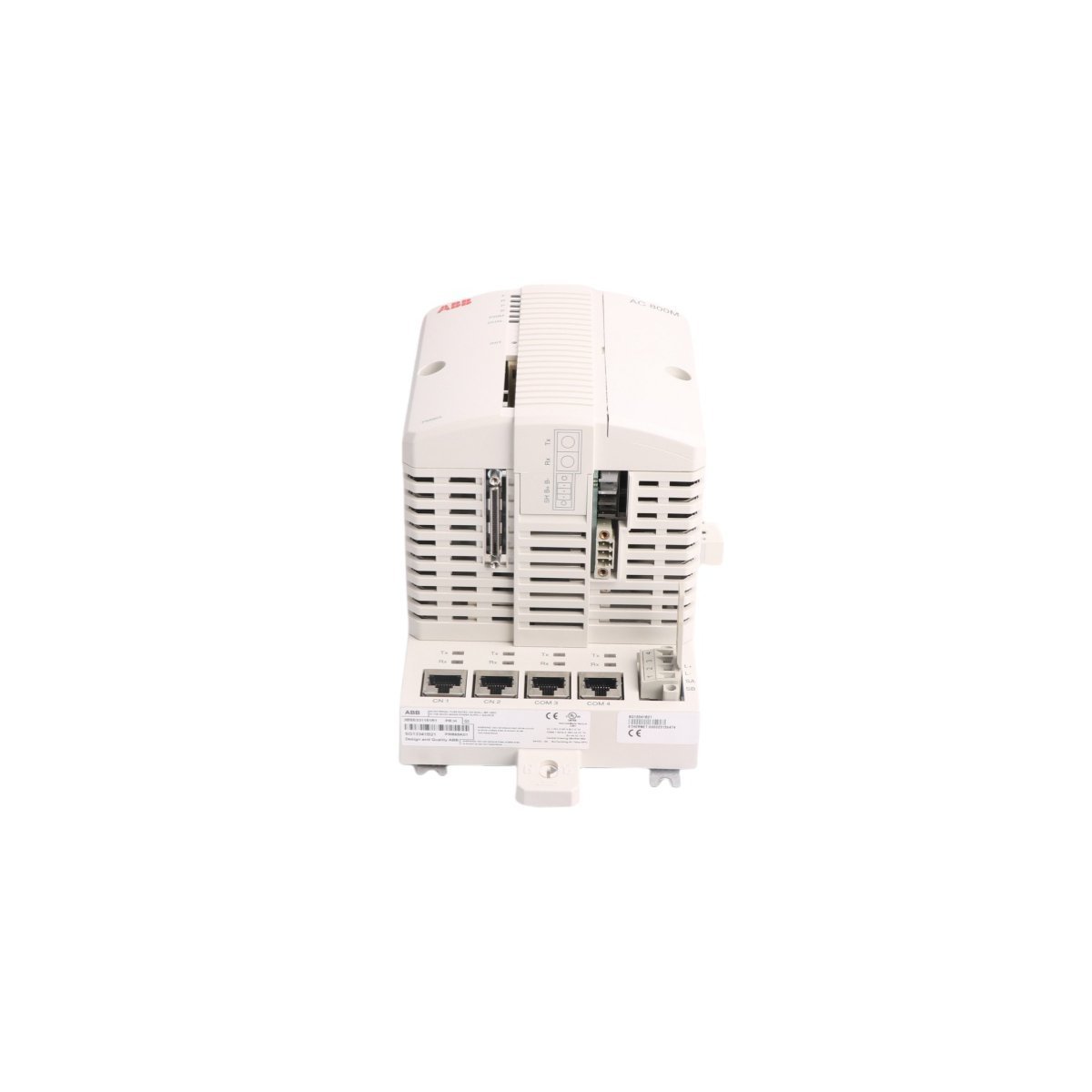
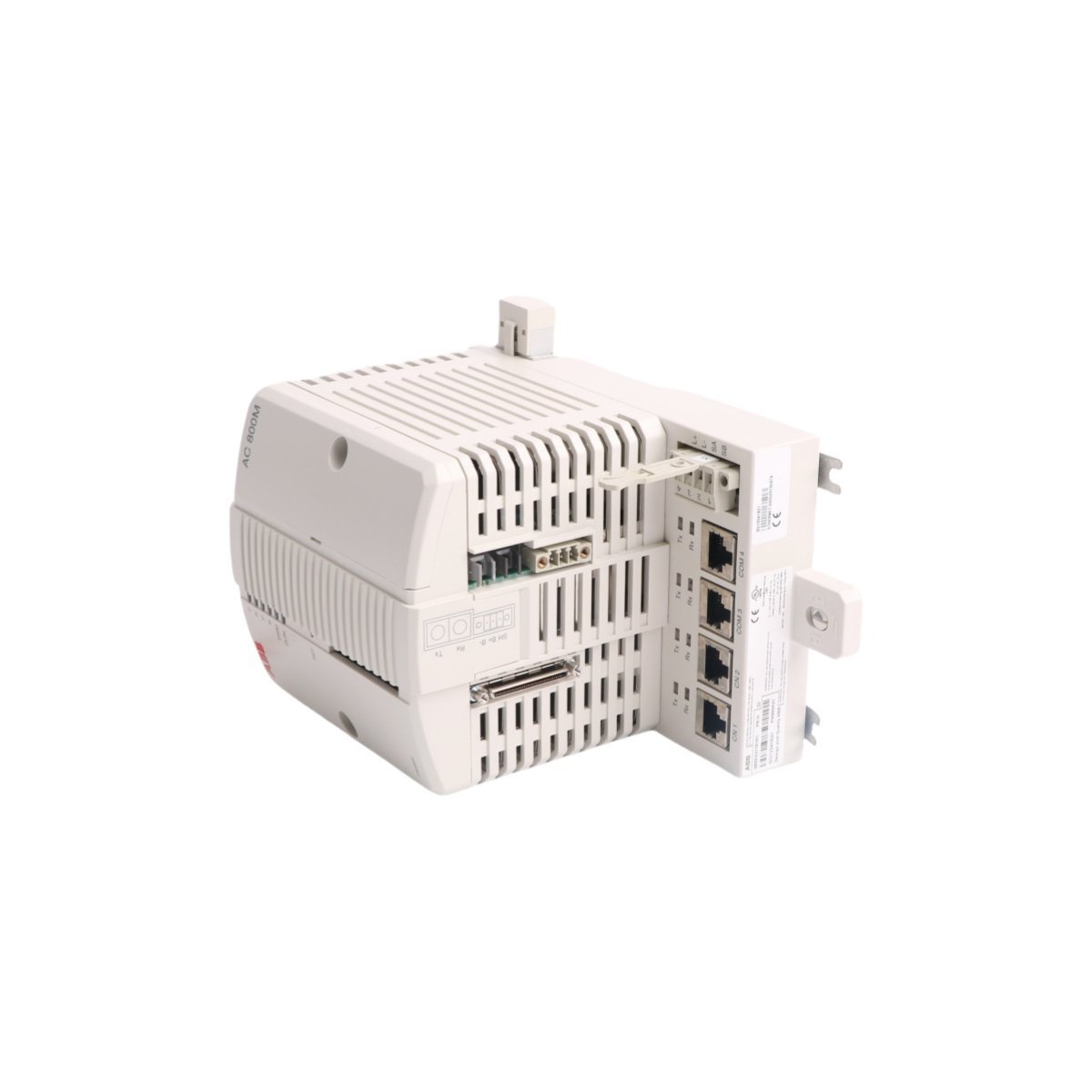
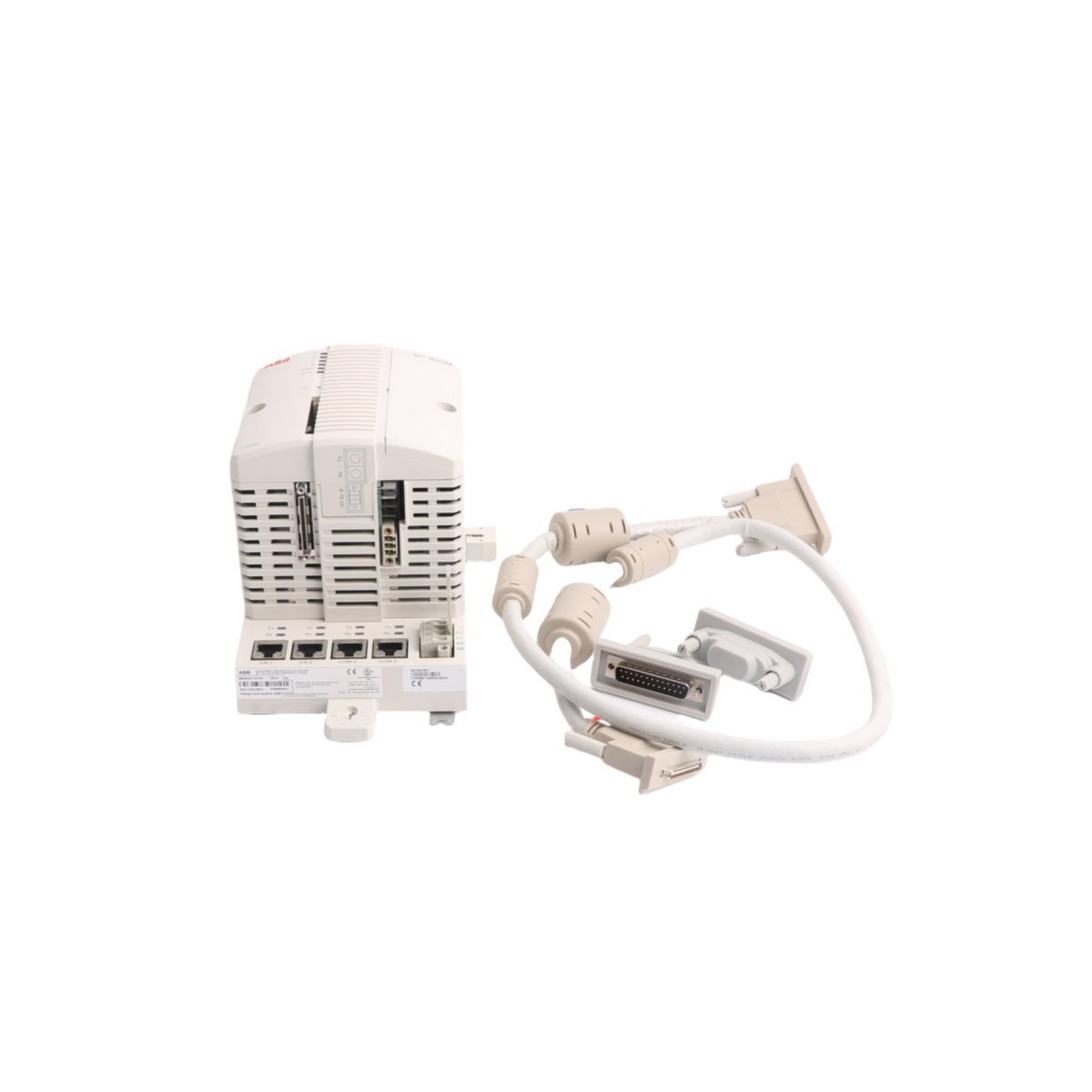
ABB PP845A 3BSE042235R2 System 800xA HMI Operator Panel
Functional Overview and System Integration
The ABB PP845A, identified by part number 3BSE042235R2, functions as a high-performance Human Machine Interface (HMI) within the System 800xA automation platform. This touch screen operator panel facilitates direct interaction between plant personnel and complex industrial processes. By utilizing advanced graphic rendering and responsive touch technology, the PP845A allows operators to visualize real-time data, manage alarm systems, and execute precise control commands across the Distributed Control System (DCS) network.This interface bridges the gap between field-level hardware and supervisory control layers. Furthermore, the unit incorporates integrated Ethernet communication capabilities, which enable it to act as a robust data node for network routing and system-wide information exchange. Because the PP845A supports various industrial communication protocols, it integrates seamlessly into existing ABB frameworks or multi-vendor environments.Technical Characteristics and Environmental Resilience
- Display Performance: High-resolution touch interface provides clear visualization of process flowcharts and diagnostic trends.
- Ruggedized Construction: An IP65-rated front panel protects the internal electronics against pressurized water jets and fine dust ingress.
- System 800xA Native Support: Optimized specifically for the System 800xA environment to ensure low-latency data synchronization and full software feature compatibility.
- Operational Efficiency: Active power management features reduce energy consumption during periods of inactivity without sacrificing rapid wake-up performance.
- Simplified Maintenance: The modular design and lightweight 2.04 kg frame allow for rapid installation or replacement in standard control cabinet cutouts.
Product Specifications
- Manufacturer: ABB
- Model Number: PP845A
- Order Number: 3BSE042235R2
- Product Category: HMI / Touch Screen Operator Panel
- Application Series: System 800xA / DCS
- Country of Origin: Sweden
- Weight: 2.04 kg
- Chassis Dimensions: 302 mm x 230 mm x 60 mm
- Protection Class: IP65 (Front) / IP20 (Rear)
- Lifecycle Status: Active