


Sale!
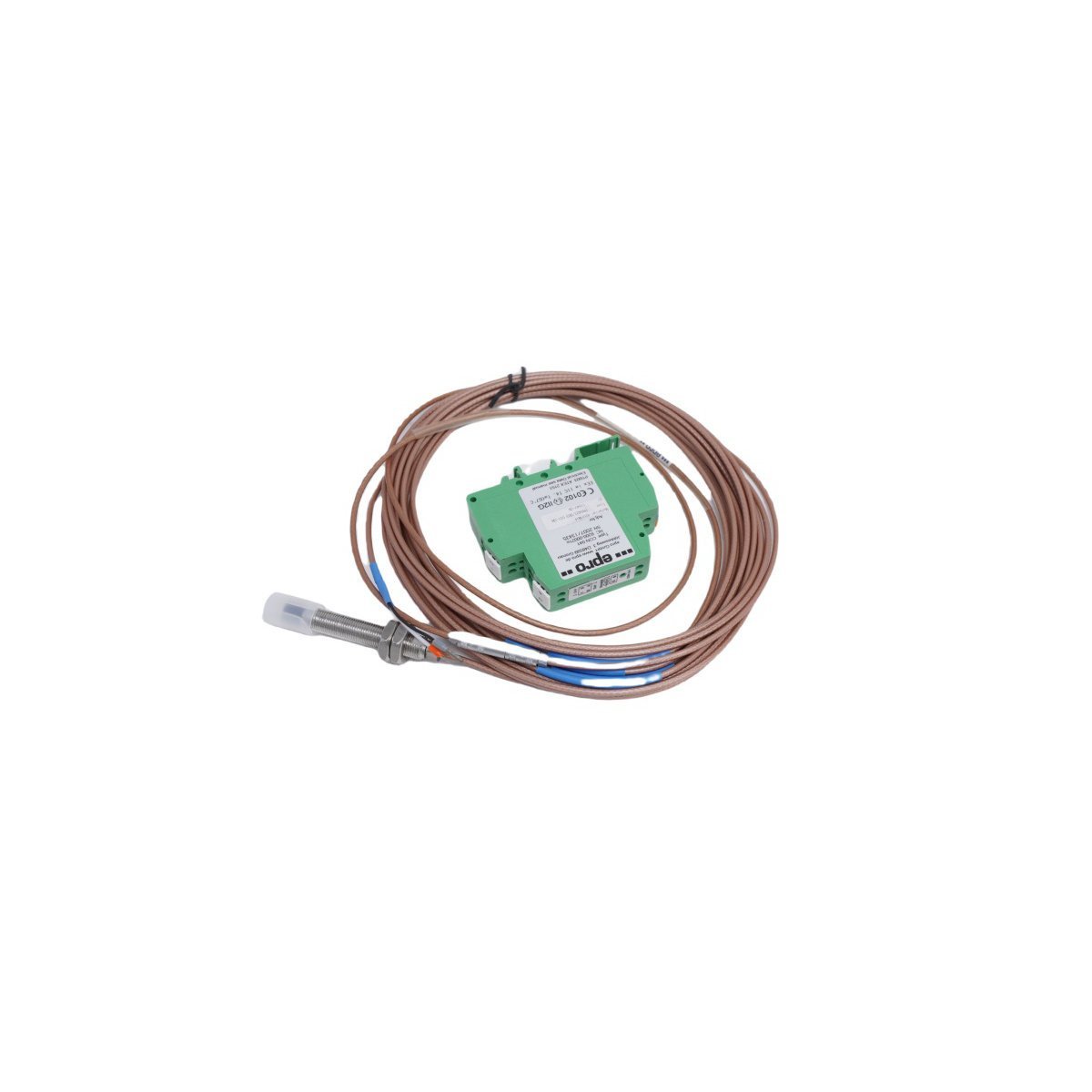
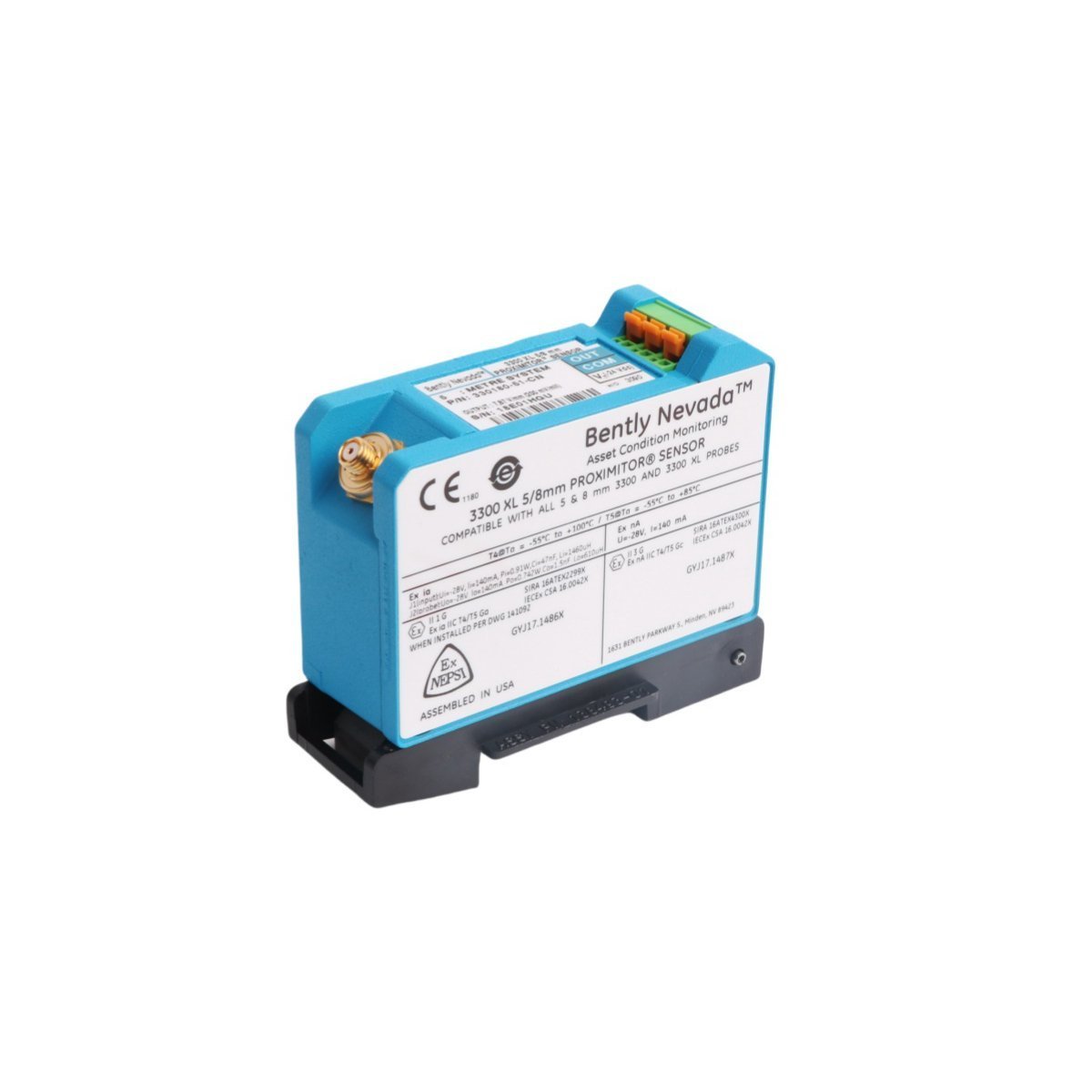
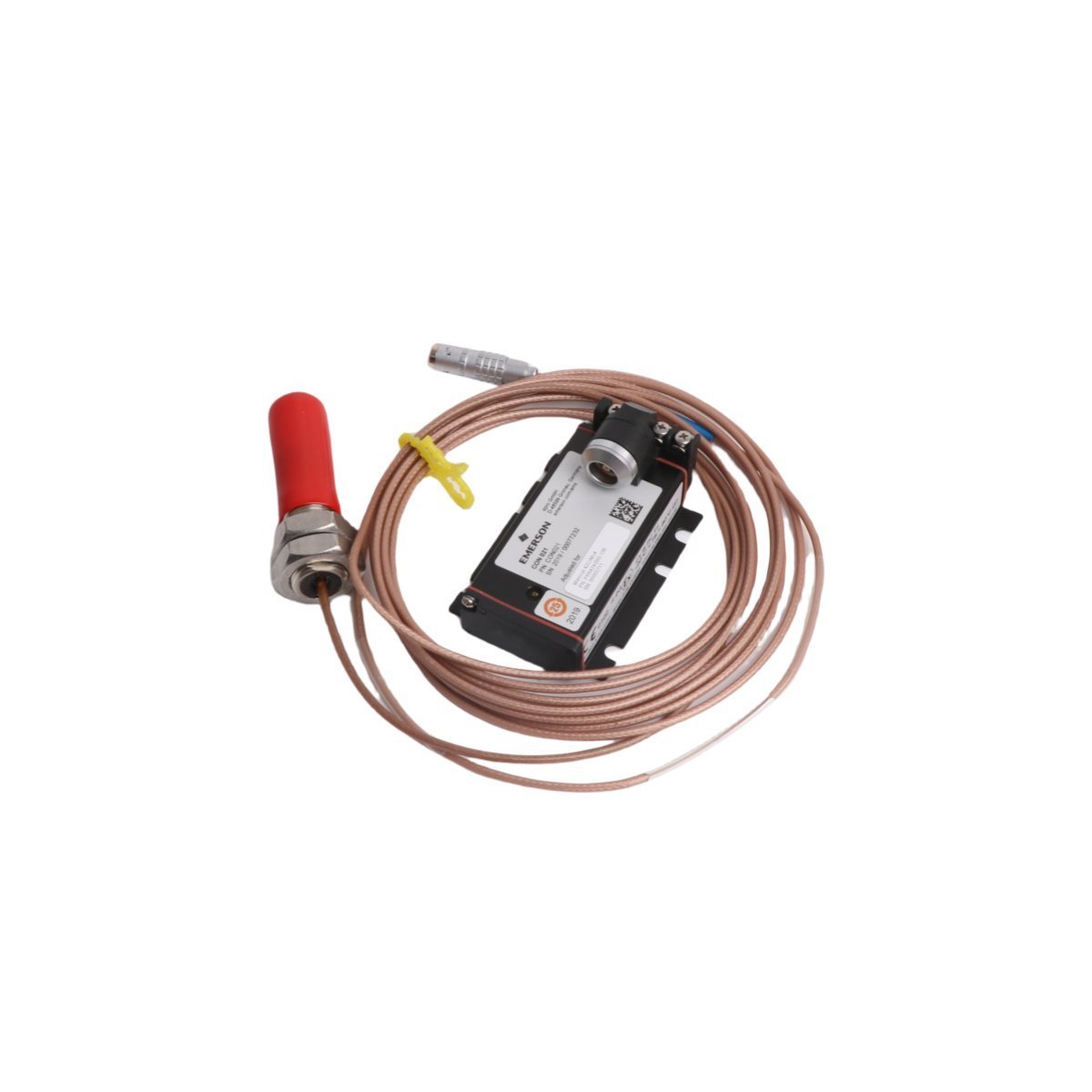
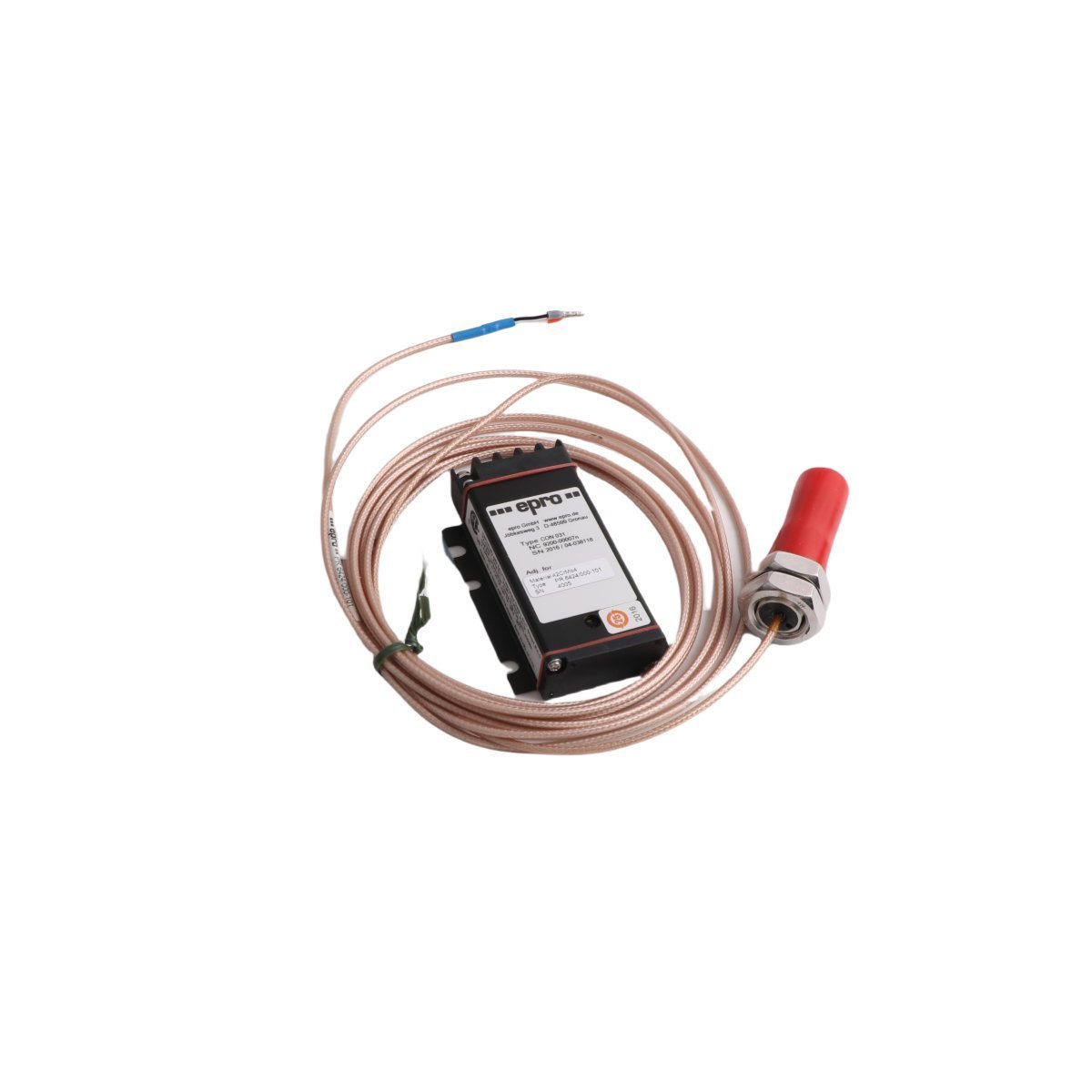
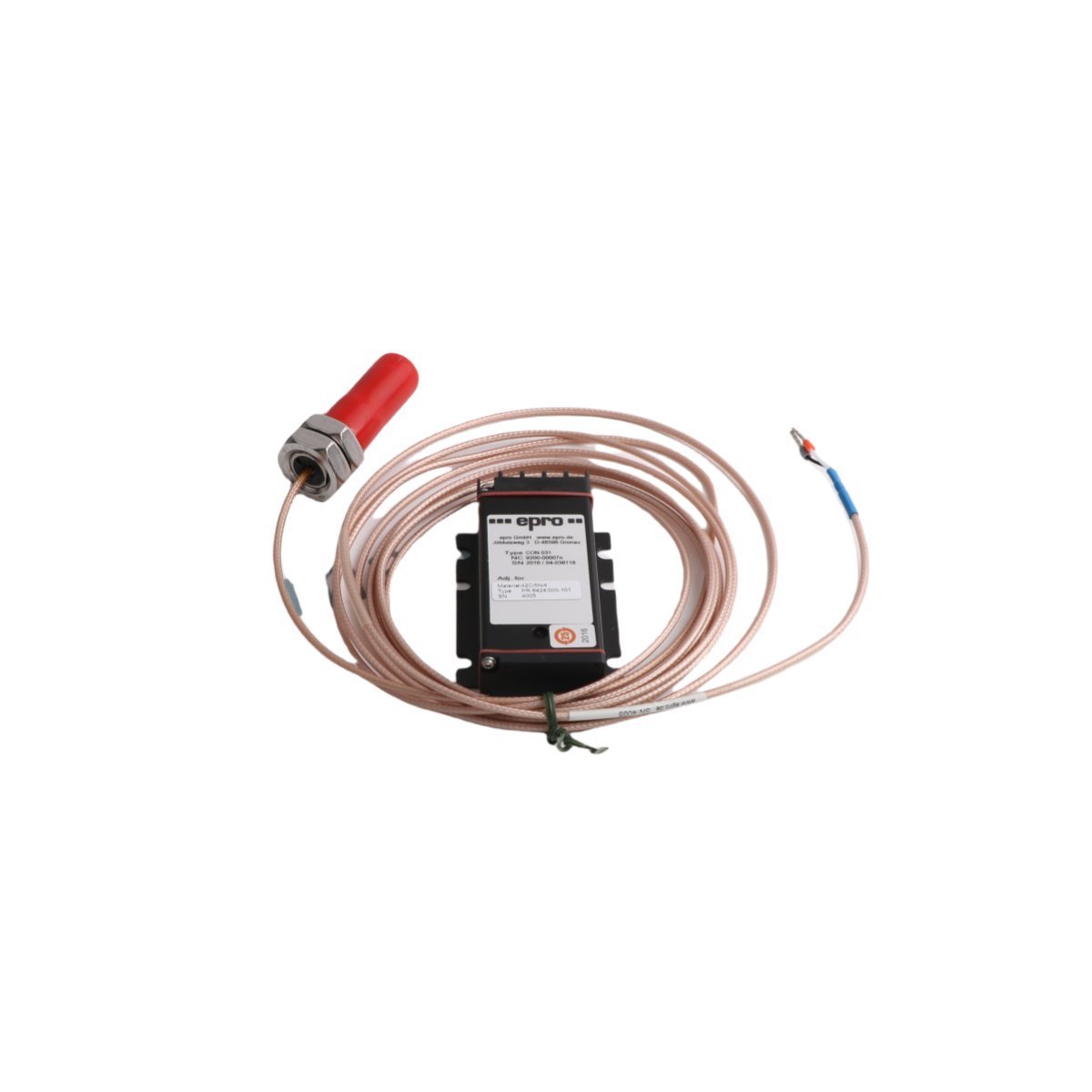
EMERSON PR6423/015-040 Eddy Current Sensor
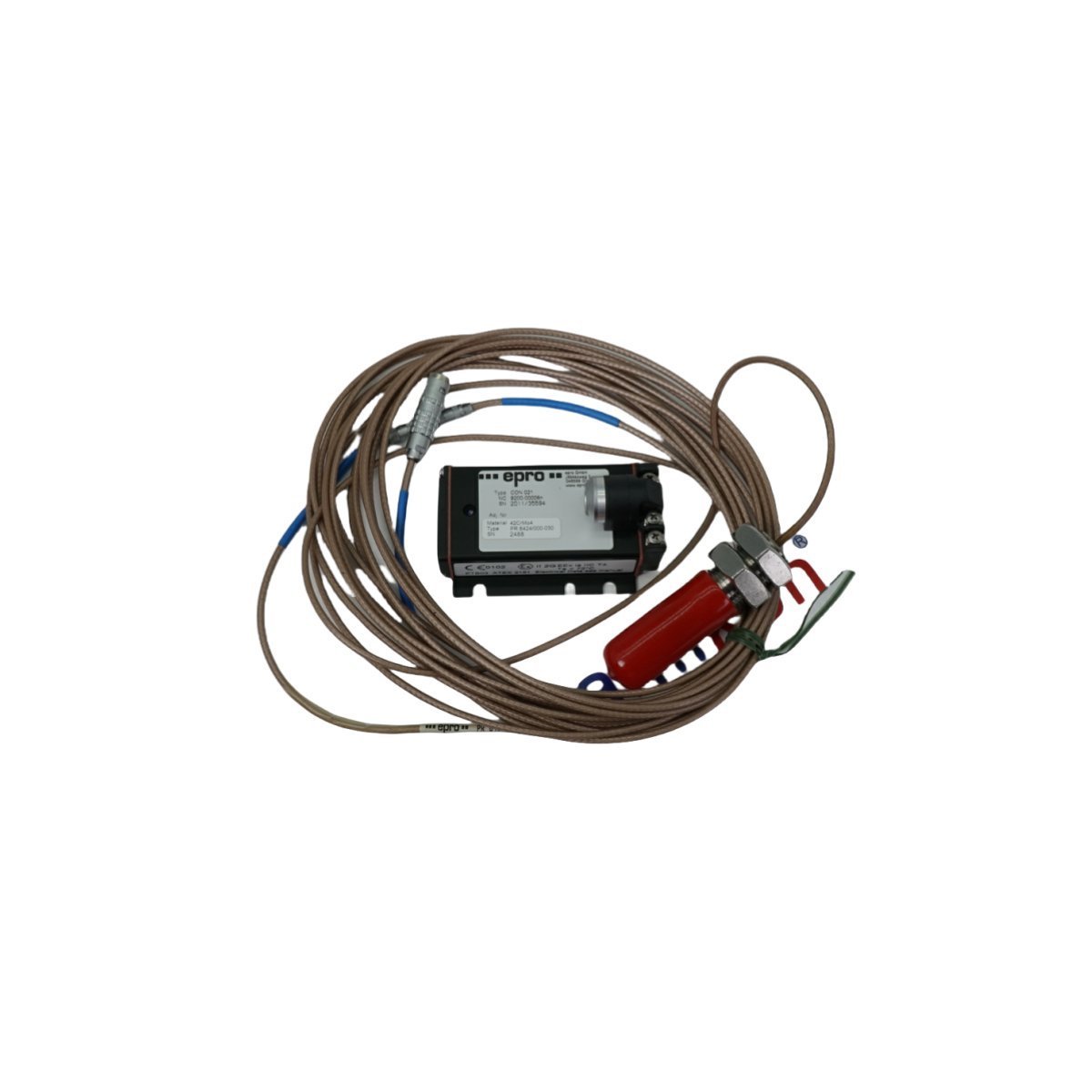
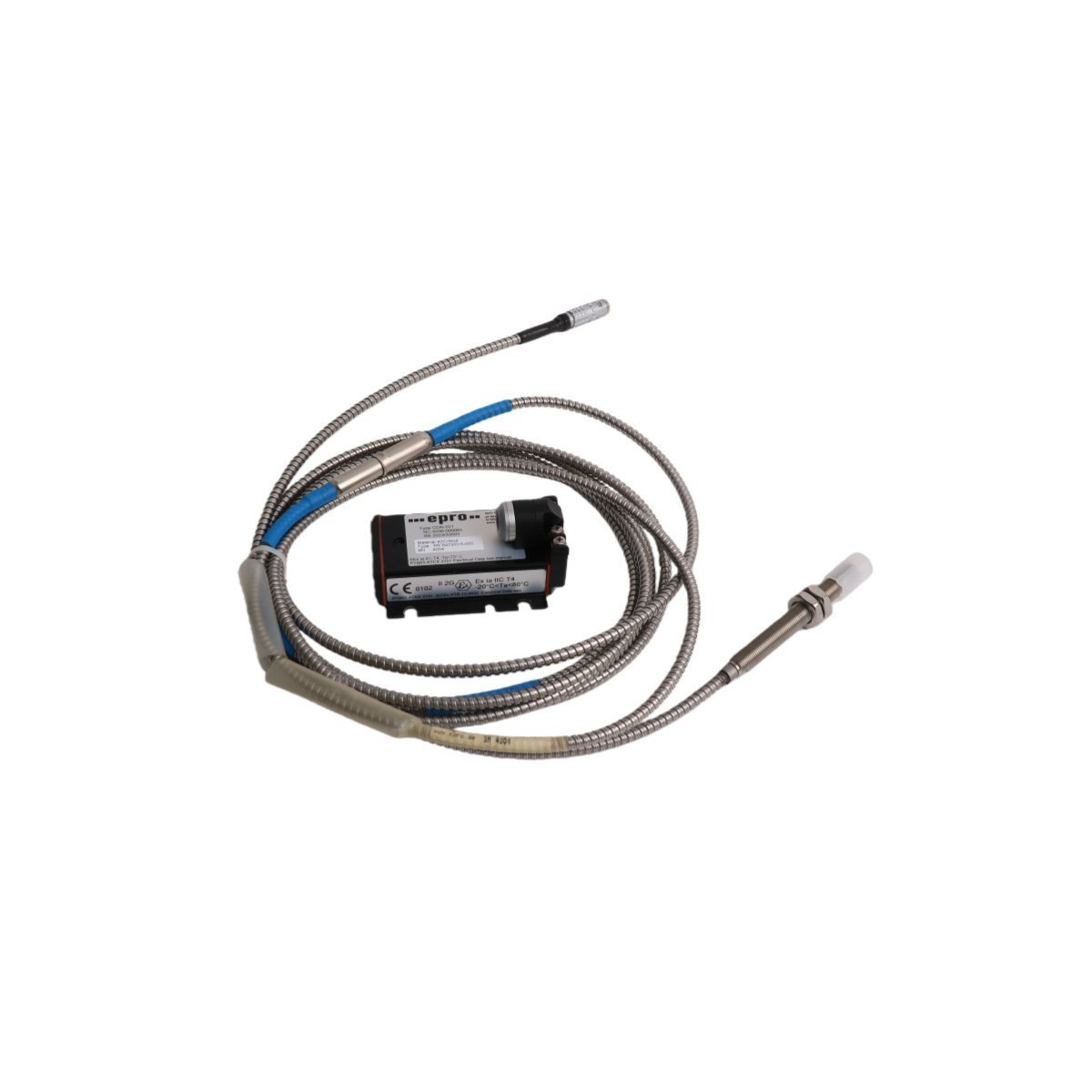
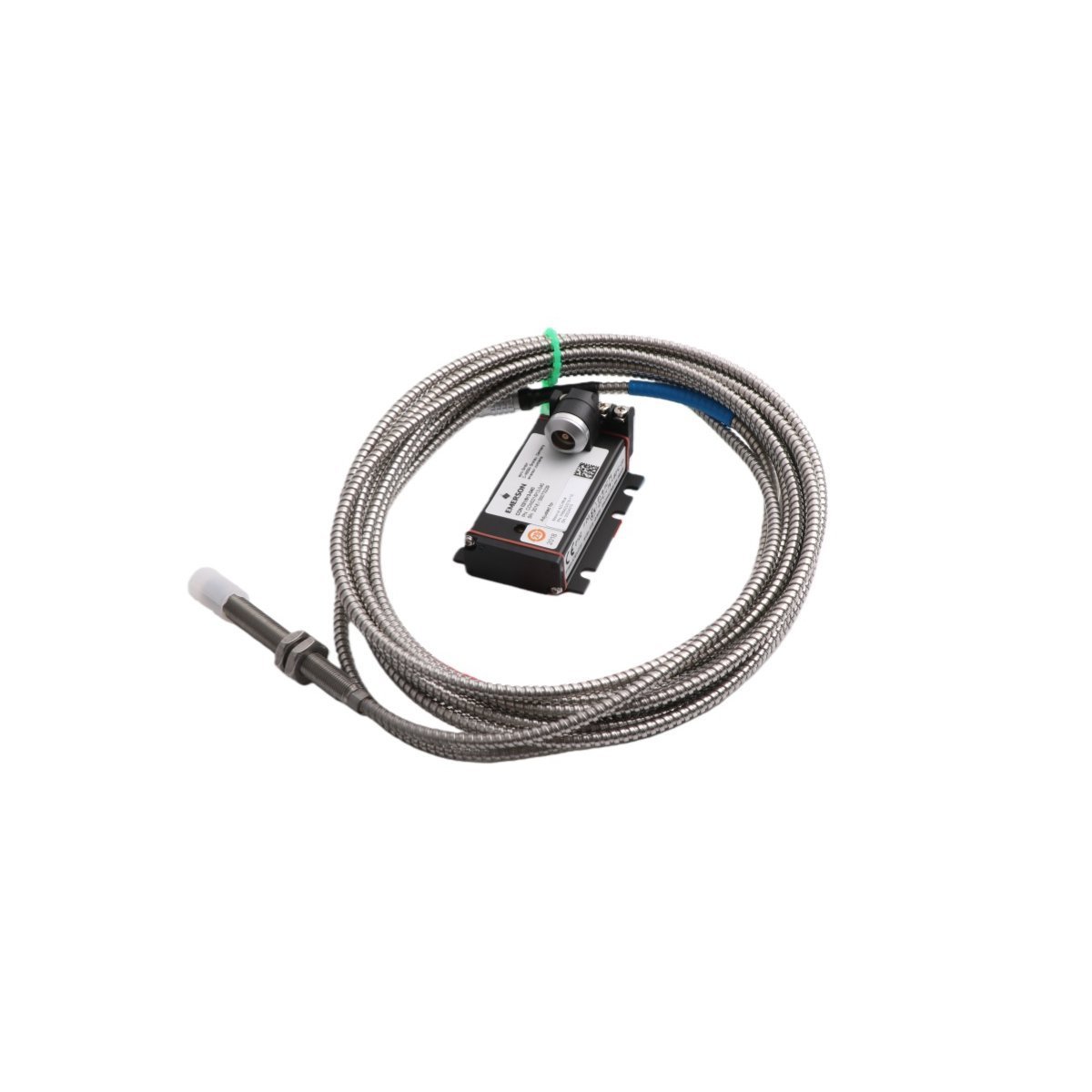
EMERSON PR6423/015-040 Eddy Current Sensor from the EPRO series. Brand New hardware in original stock with global shipping availability.
The Emerson PR6424/000-030 CON021 is an 8mm eddy current sensor for non-contact displacement and vibration monitoring. It provides high-precision shaft measurements for turbines and compressors. This rugged sensor supports multiple protocols to ensure machine safety and reliability.
The PR6424/000-030 CON021 is a non-contact displacement sensor designed for critical machinery protection. This epro-series probe utilizes eddy current technology to measure shaft vibration and position accurately. It detects the distance between the sensor tip and the target metal surface without physical contact. This measurement helps identify mechanical issues such as shaft unbalance or bearing wear early. Consequently, the system prevents catastrophic machine failure in high-speed rotating equipment.
| Parameter | Specification |
| Brand | Emerson (epro) |
| Model Number | PR6424/000-030 |
| Configuration | CON021 |
| Sensor Tip Diameter | 8 mm |
| Measurement Principle | Eddy Current |
| System Application | DCS / Machinery Monitoring |
| Cable Length | Integrated Extension Support |
| Origin | USA |
Reliability engineers install the PR6424/000-030 on large steam turbines and centrifugal compressors. It serves as a vital component in power plant vibration monitoring systems. In the oil and gas sector, the sensor tracks the health of high-speed pumps and motors. Chemical processing facilities use this displacement probe to ensure the stability of critical agitators. Furthermore, its ability to detect sub-millimeter shifts makes it essential for preventitive maintenance programs. The sensor effectively reduces unplanned downtime by providing real-time data to the central control room.
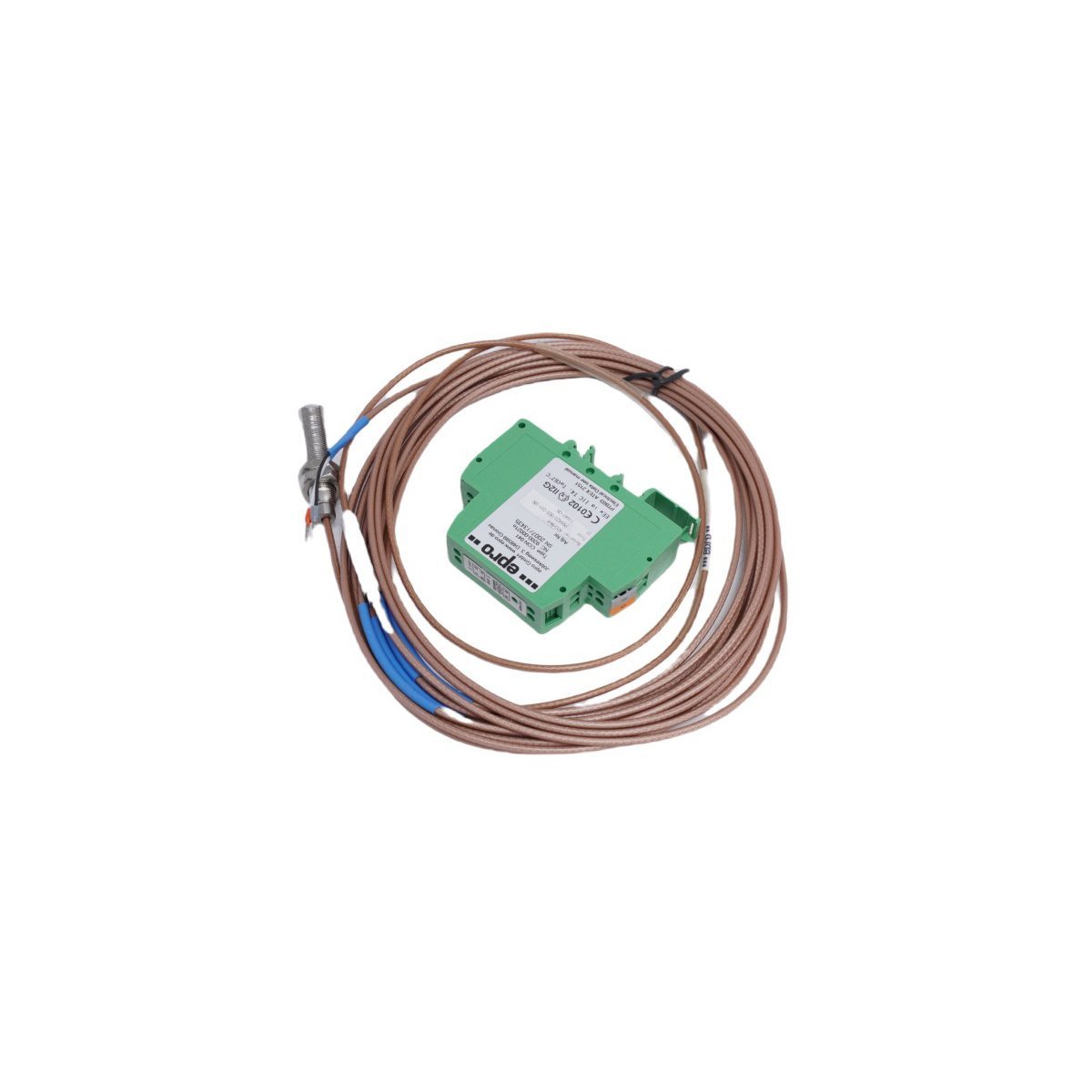


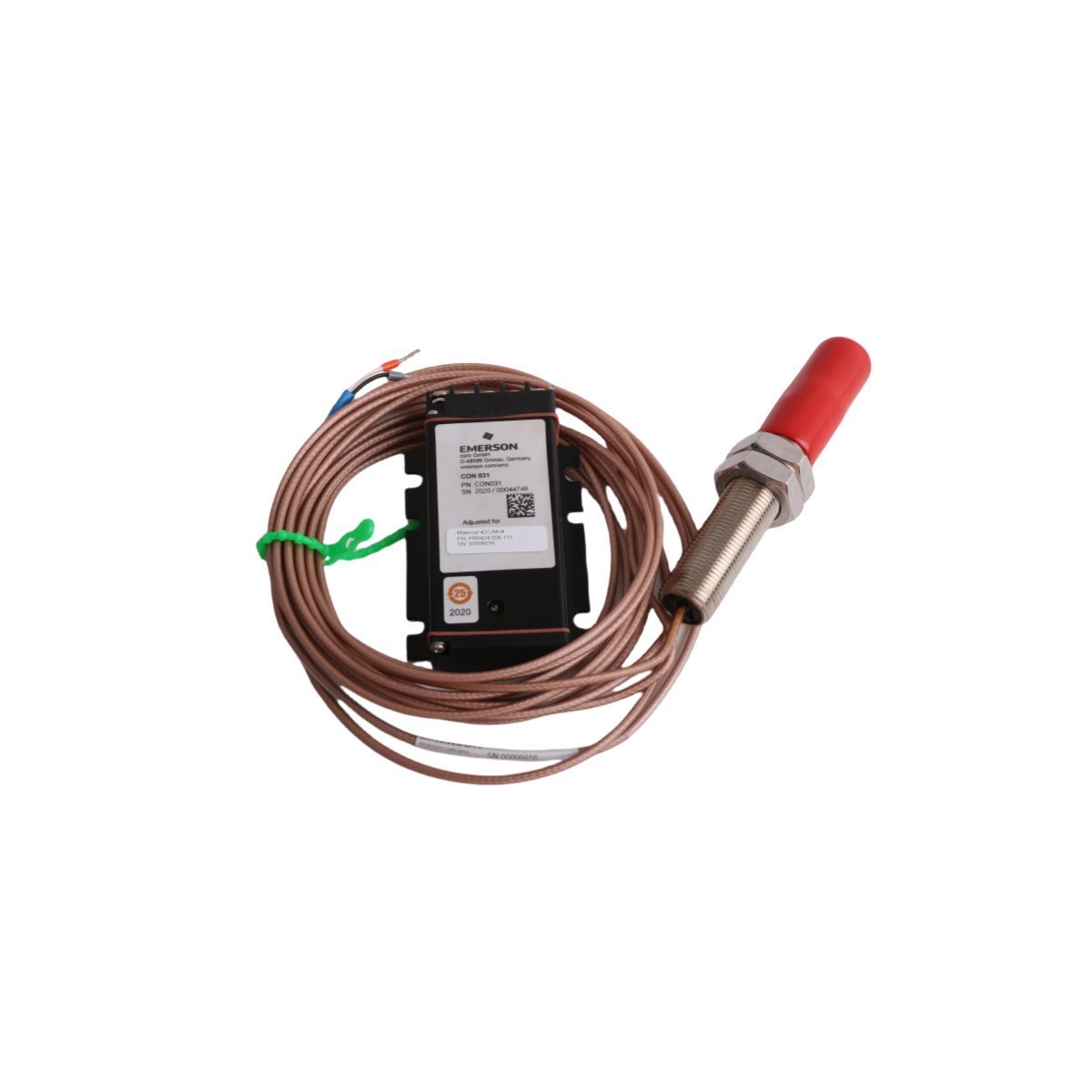

The Emerson EPRO PR6424/006-111 is a 10mm eddy current displacement sensor for non-contact shaft vibration and position monitoring. Featuring a ruggedized ceramic tip, CON031 connector, and high thermal stability, this probe provides reliable real-time diagnostics for turbines and compressors in compliance with API 670 standards.

We are committed to protecting your privacy. The information collected here is strictly used to provide the requested quotes, technical support, and relevant industrial automation solutions.