Sale!
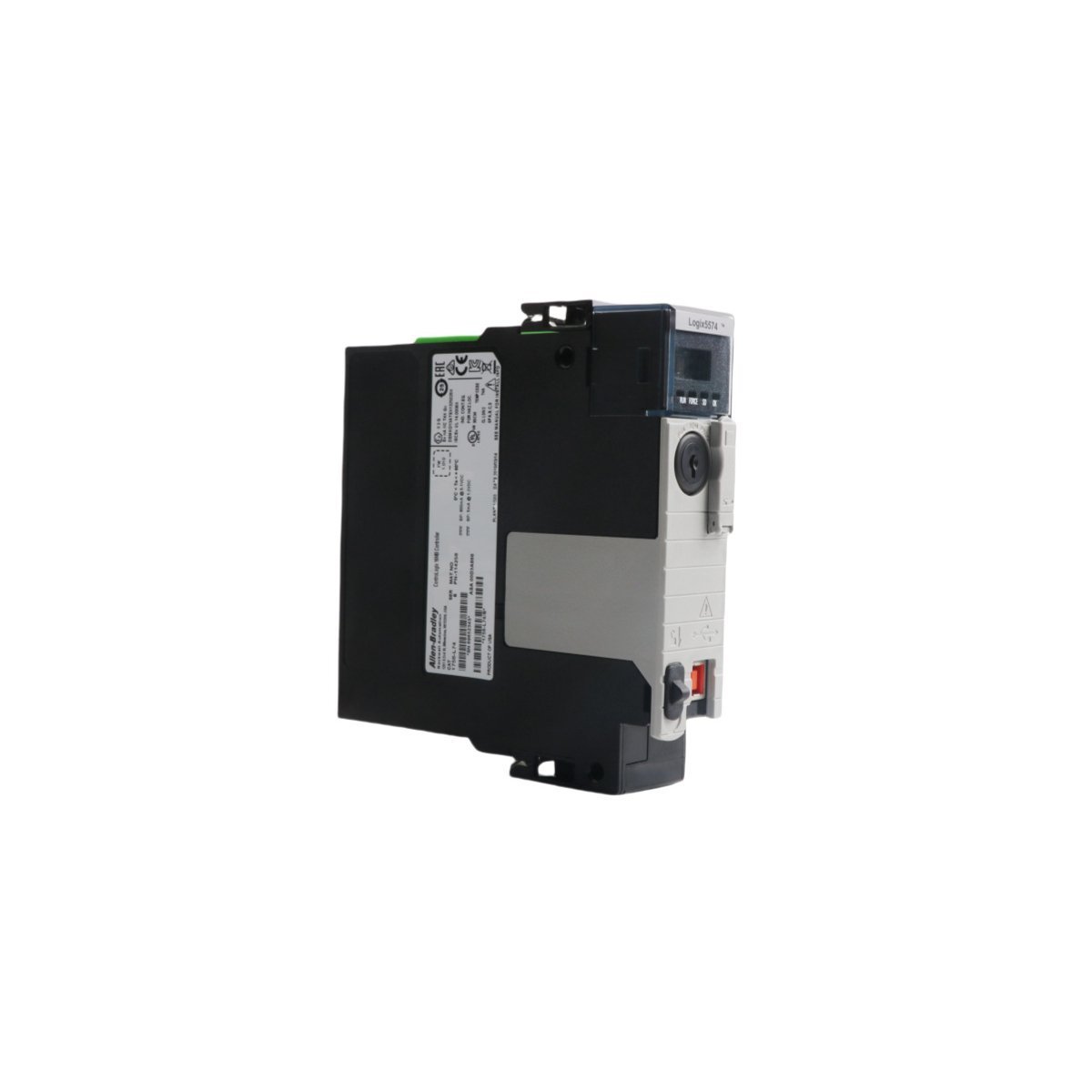
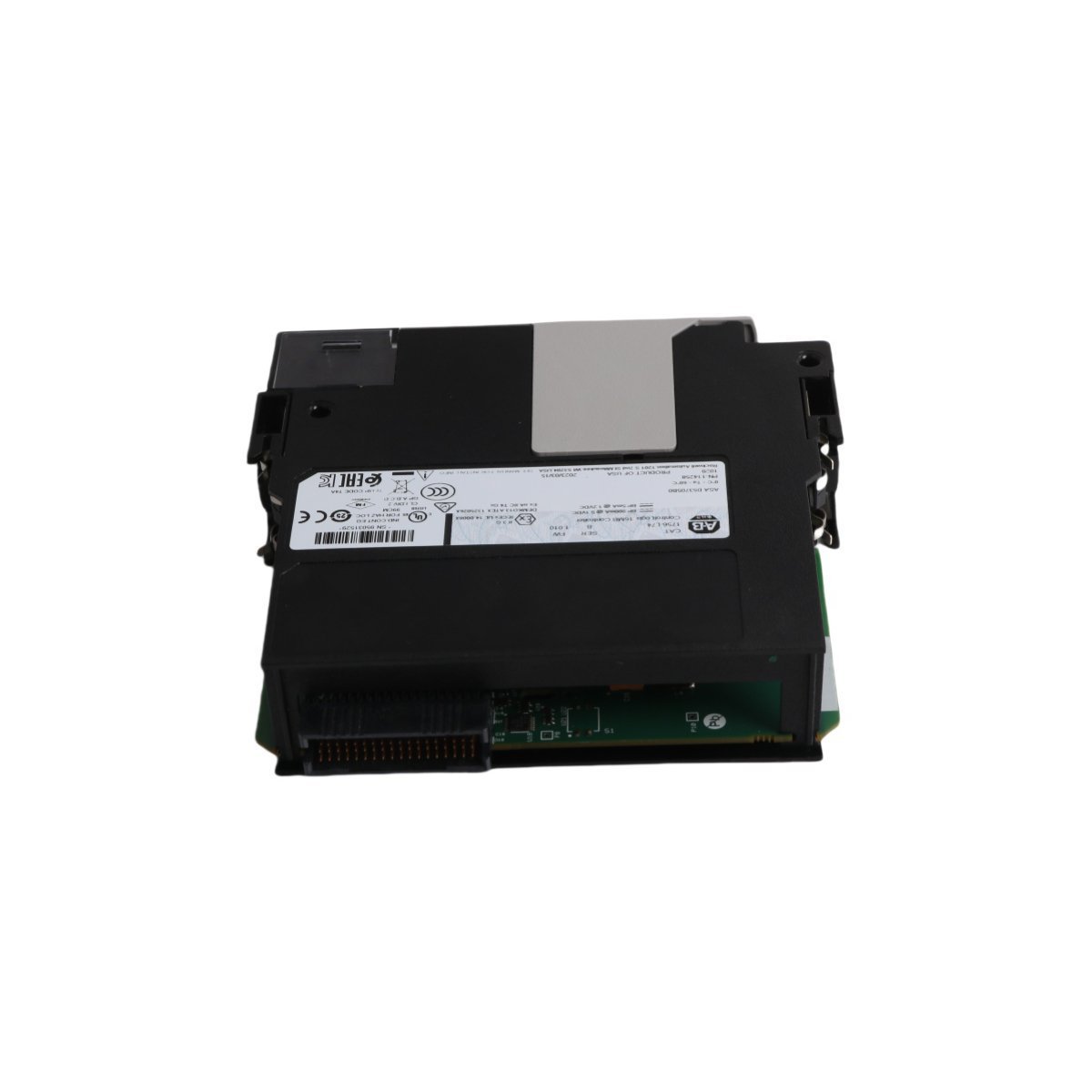
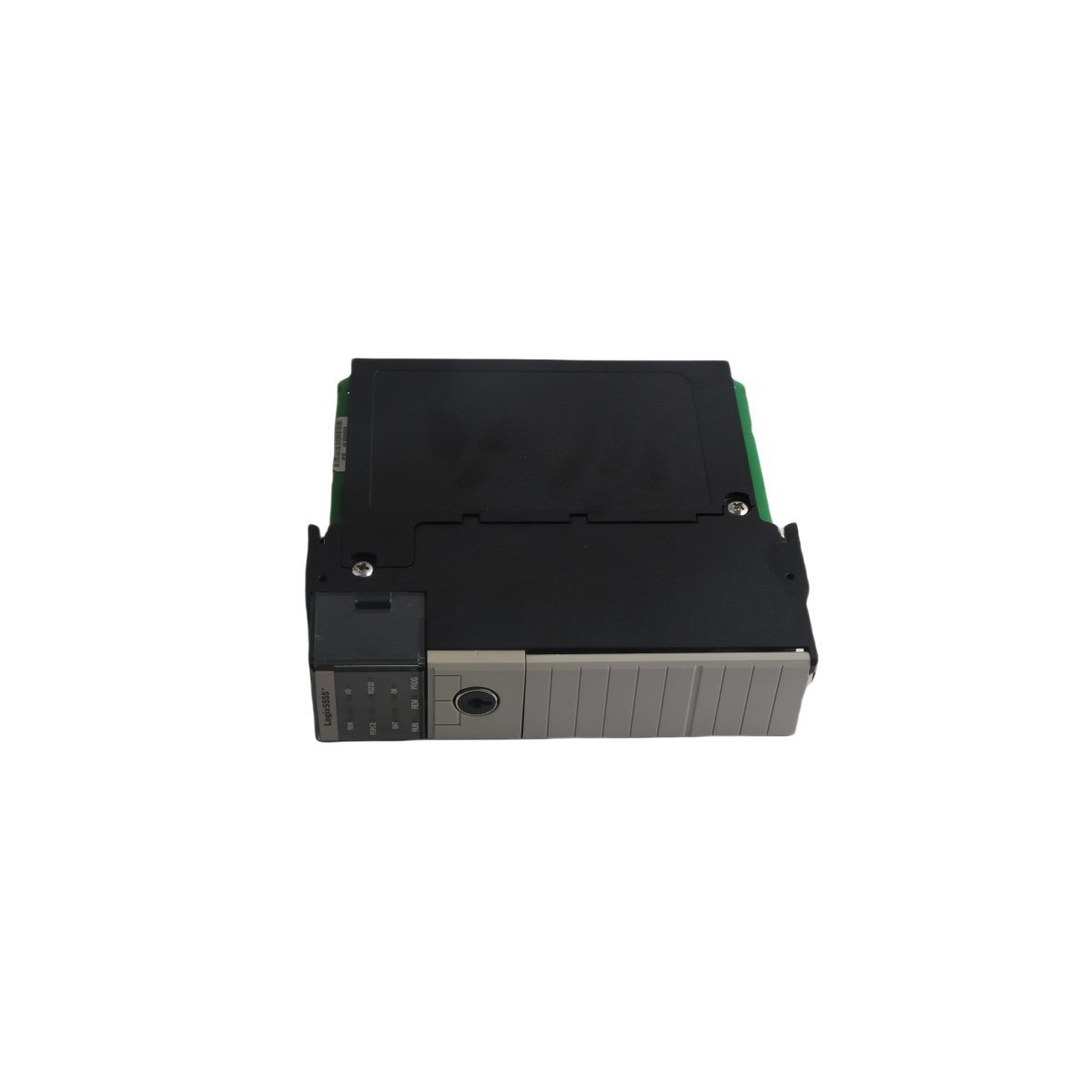
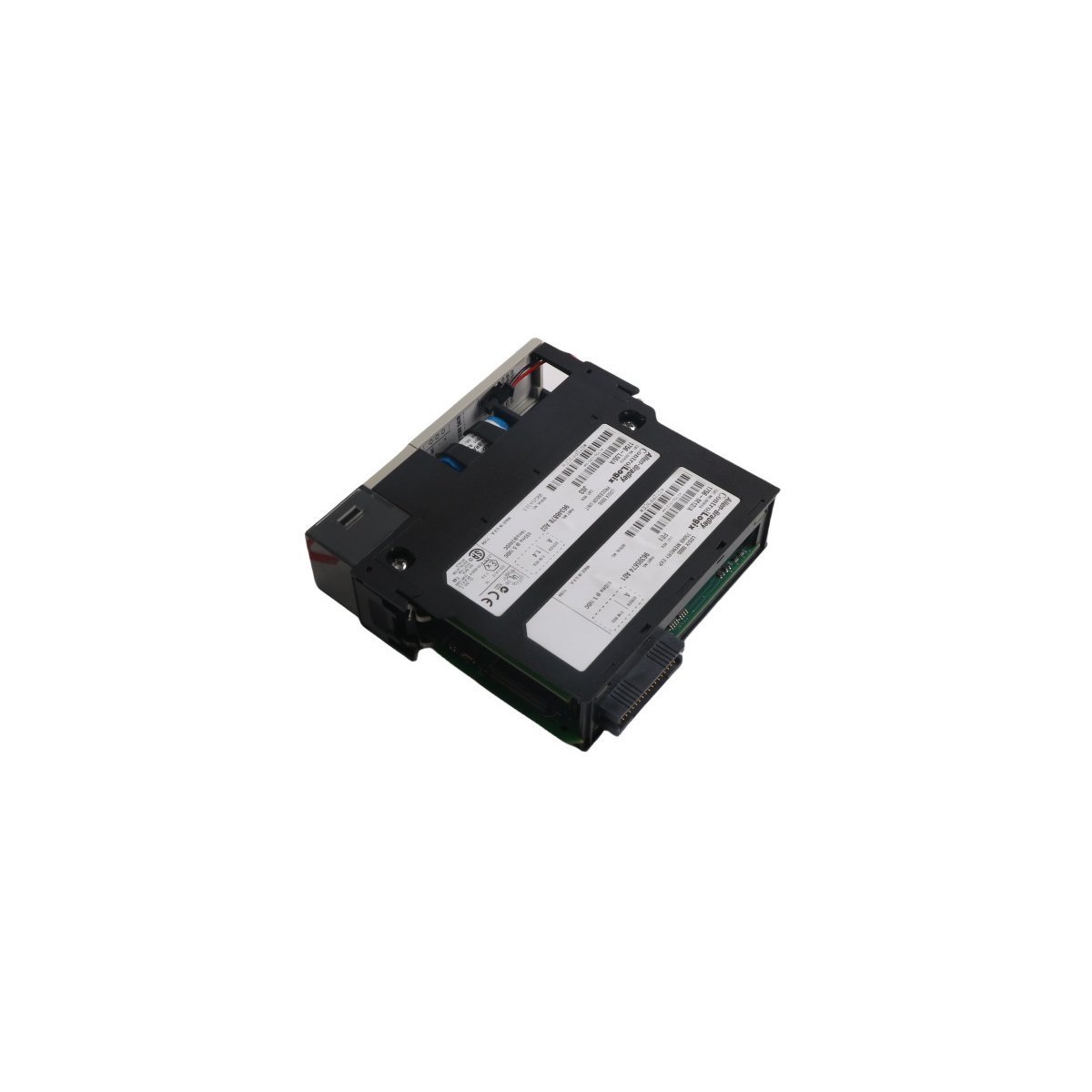
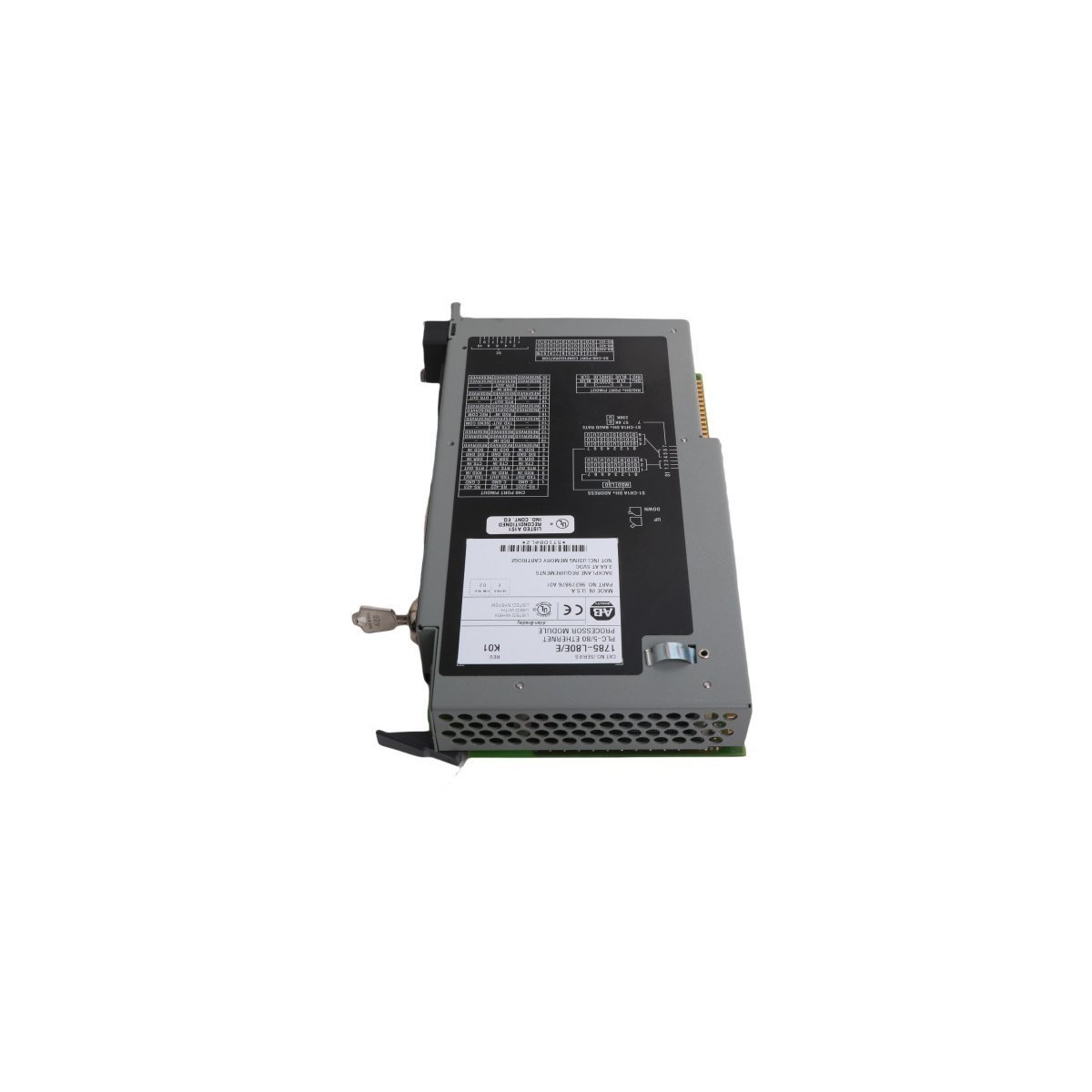
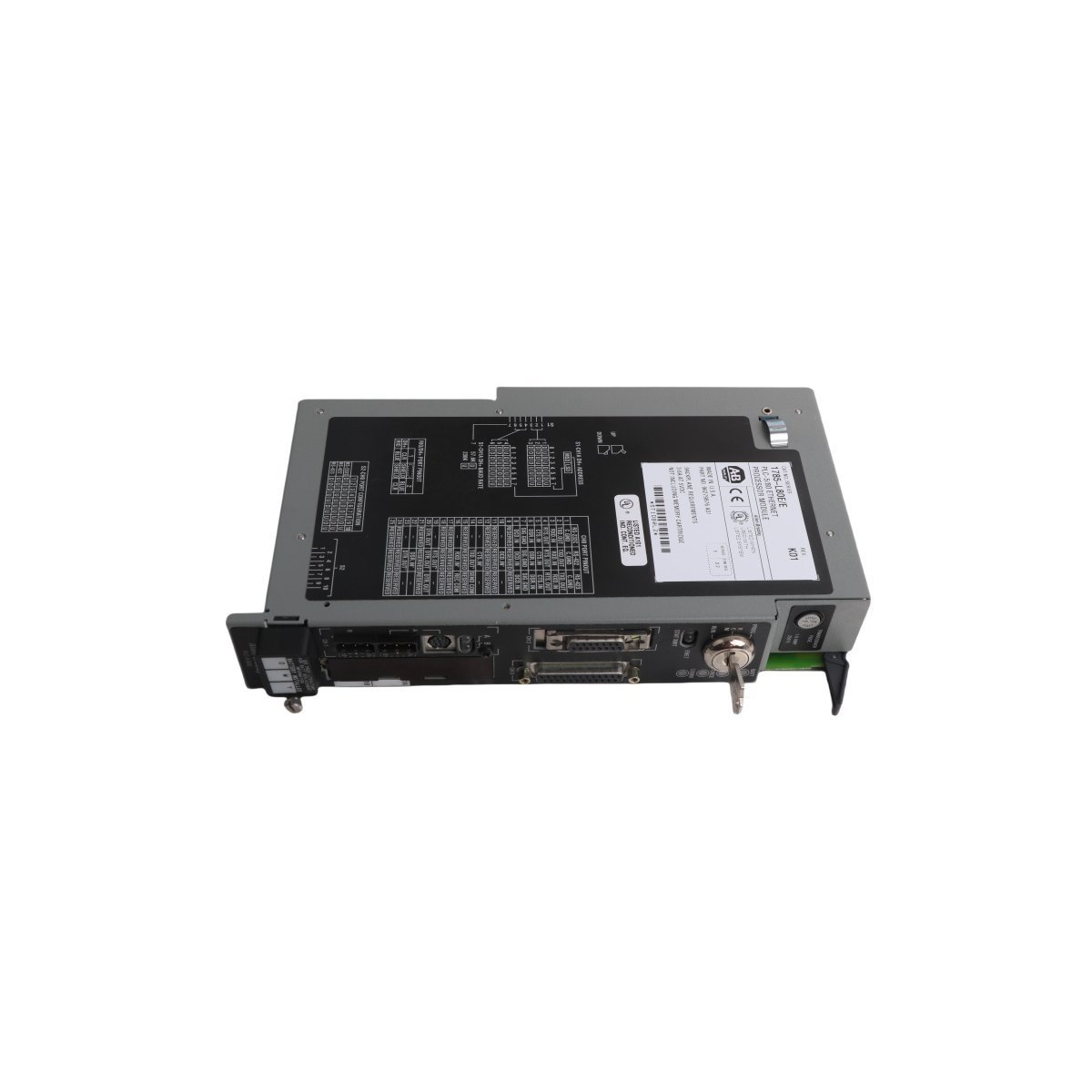
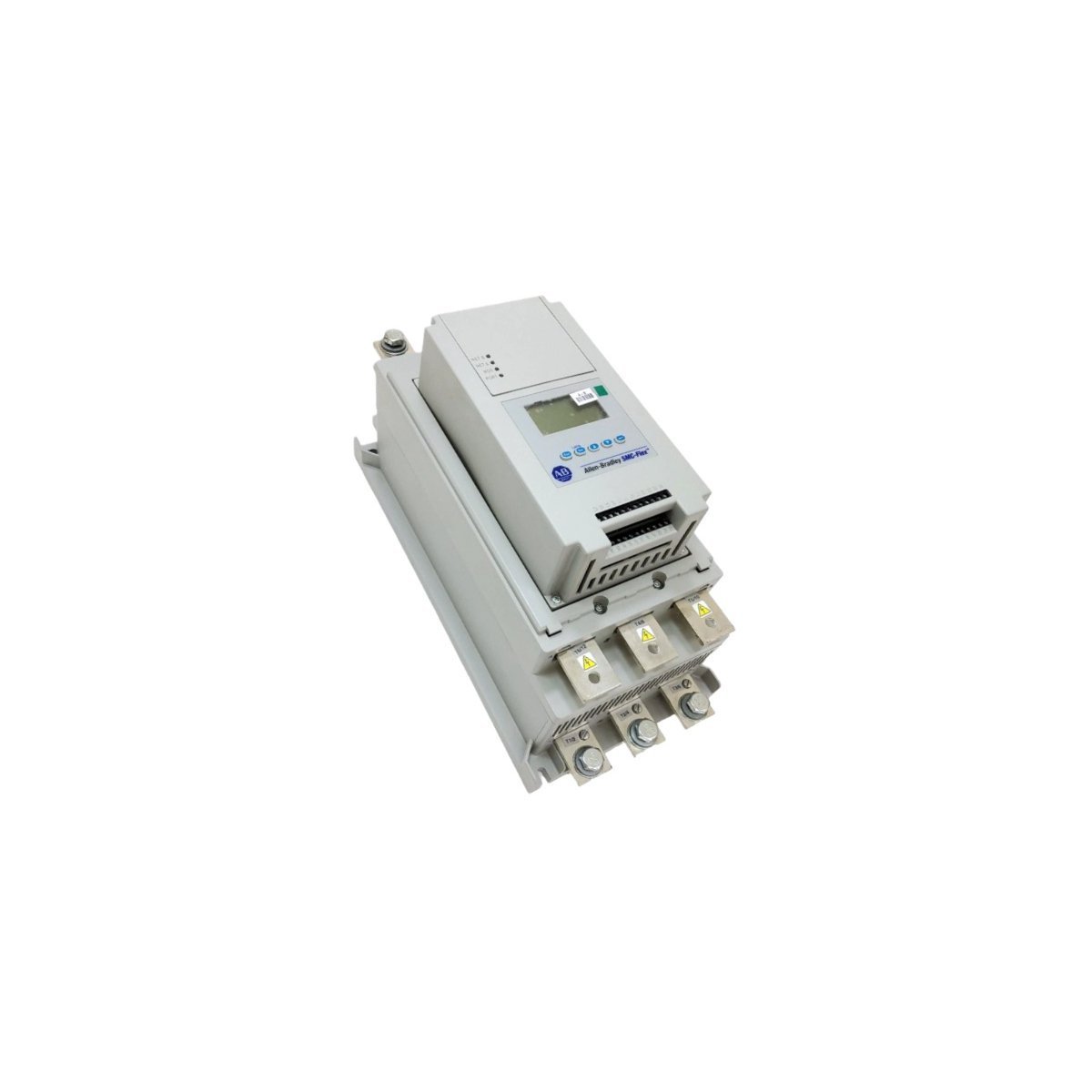
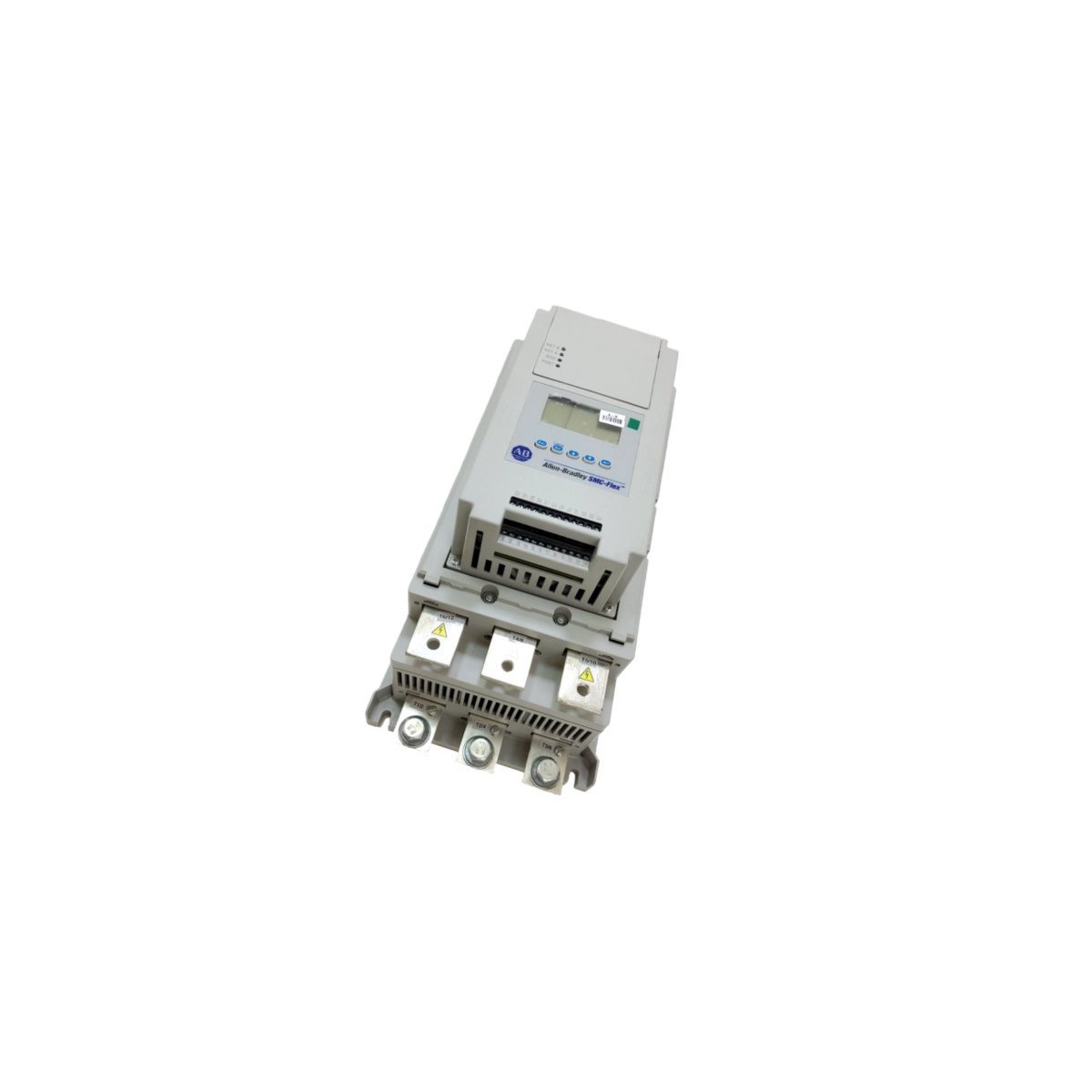
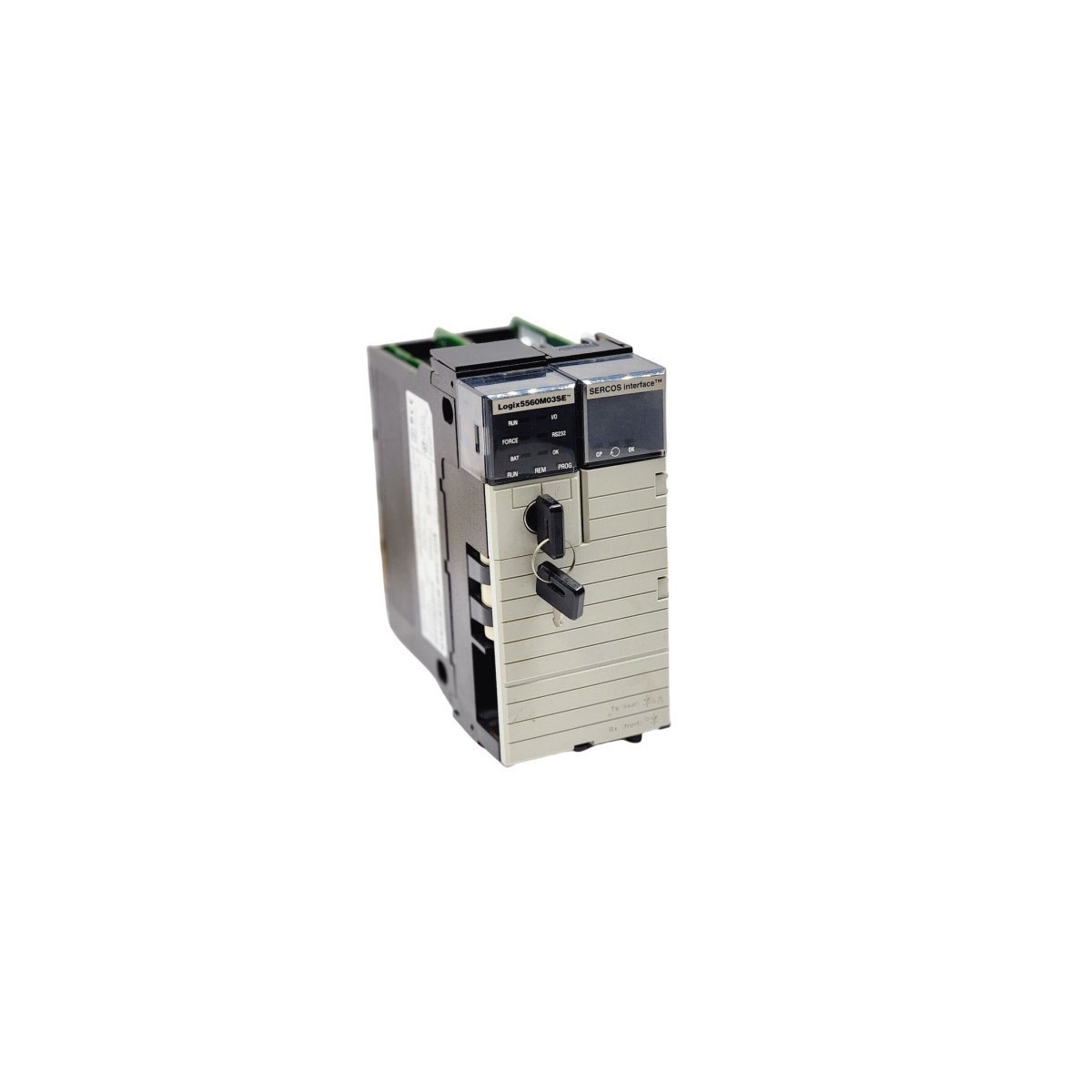
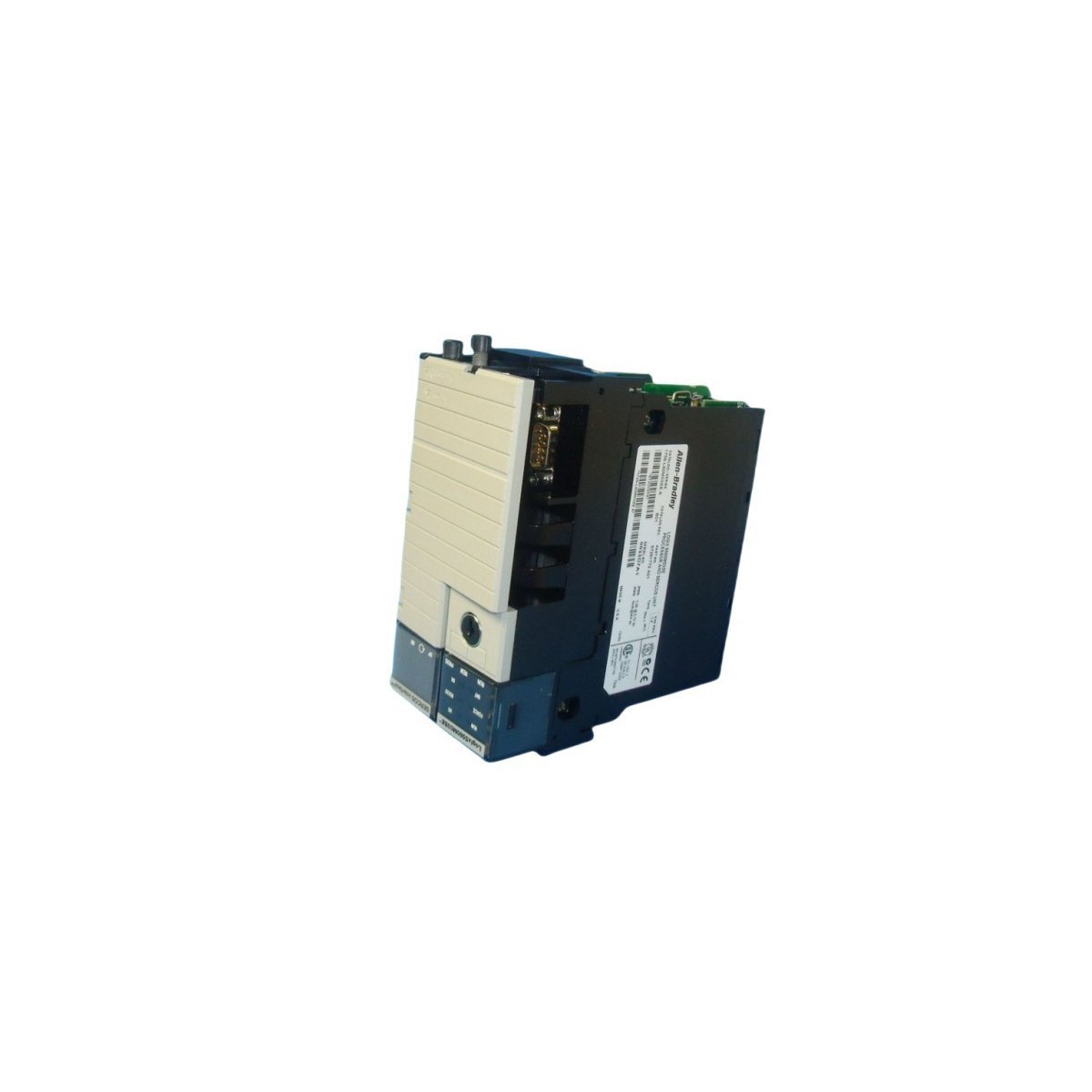
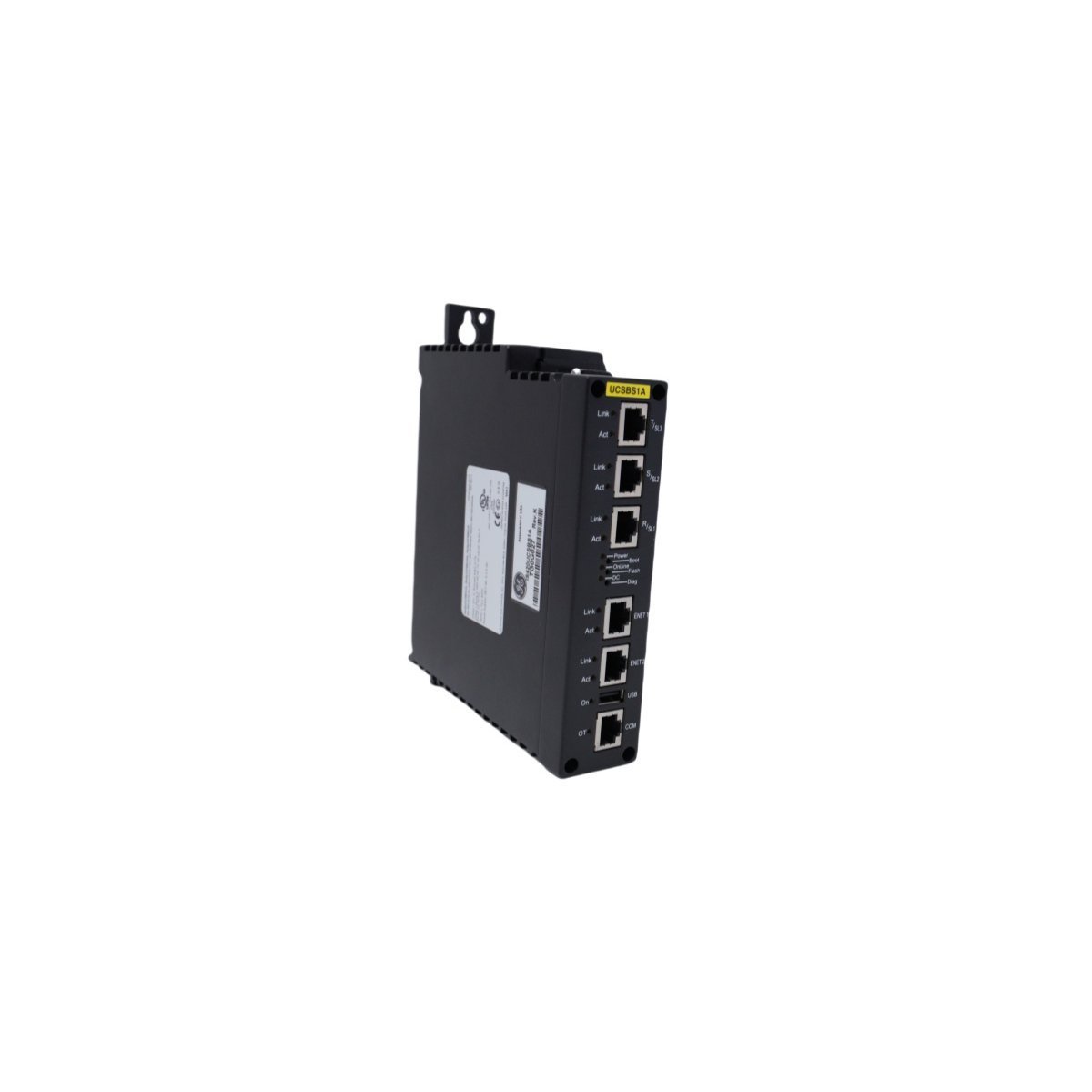
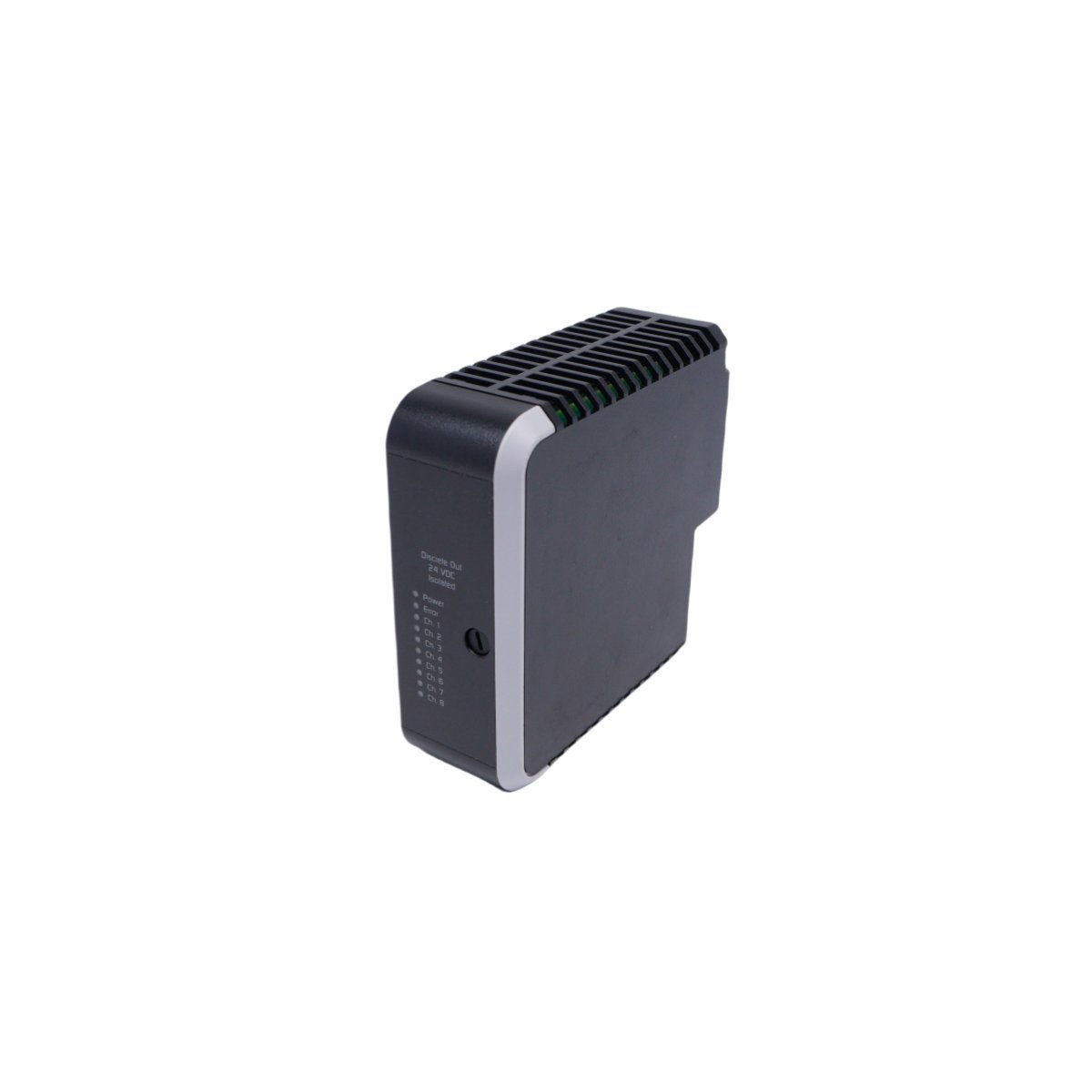
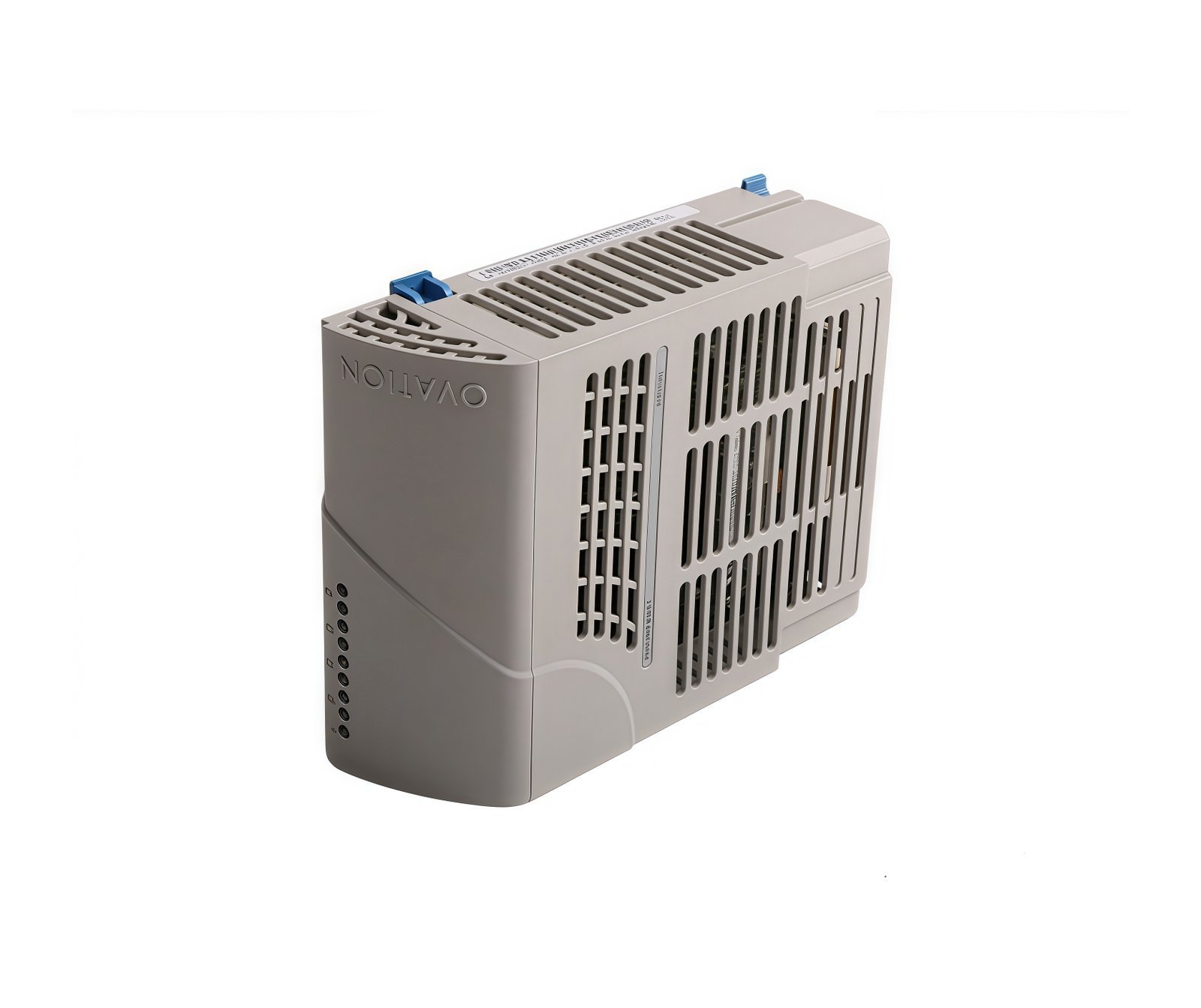
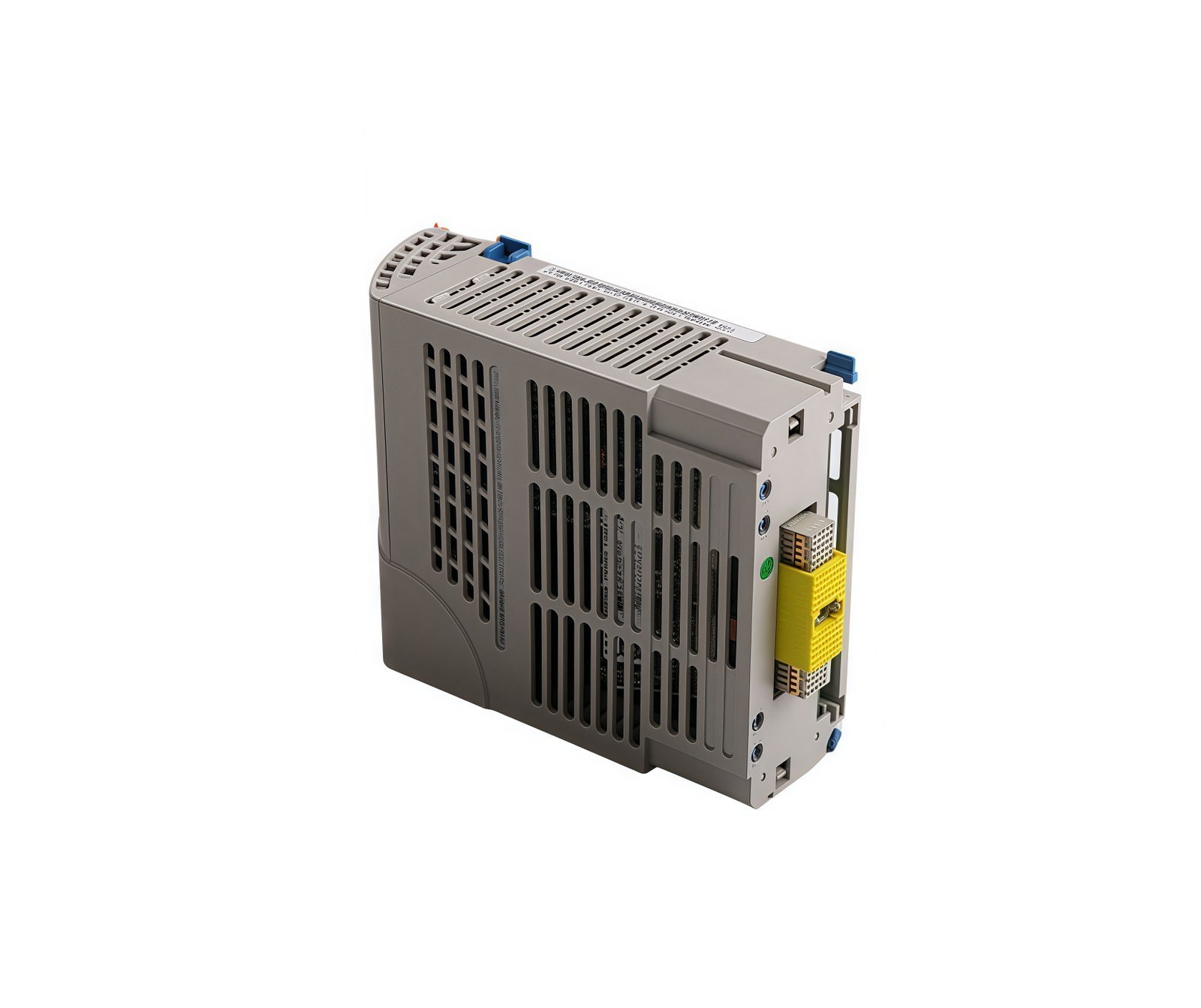
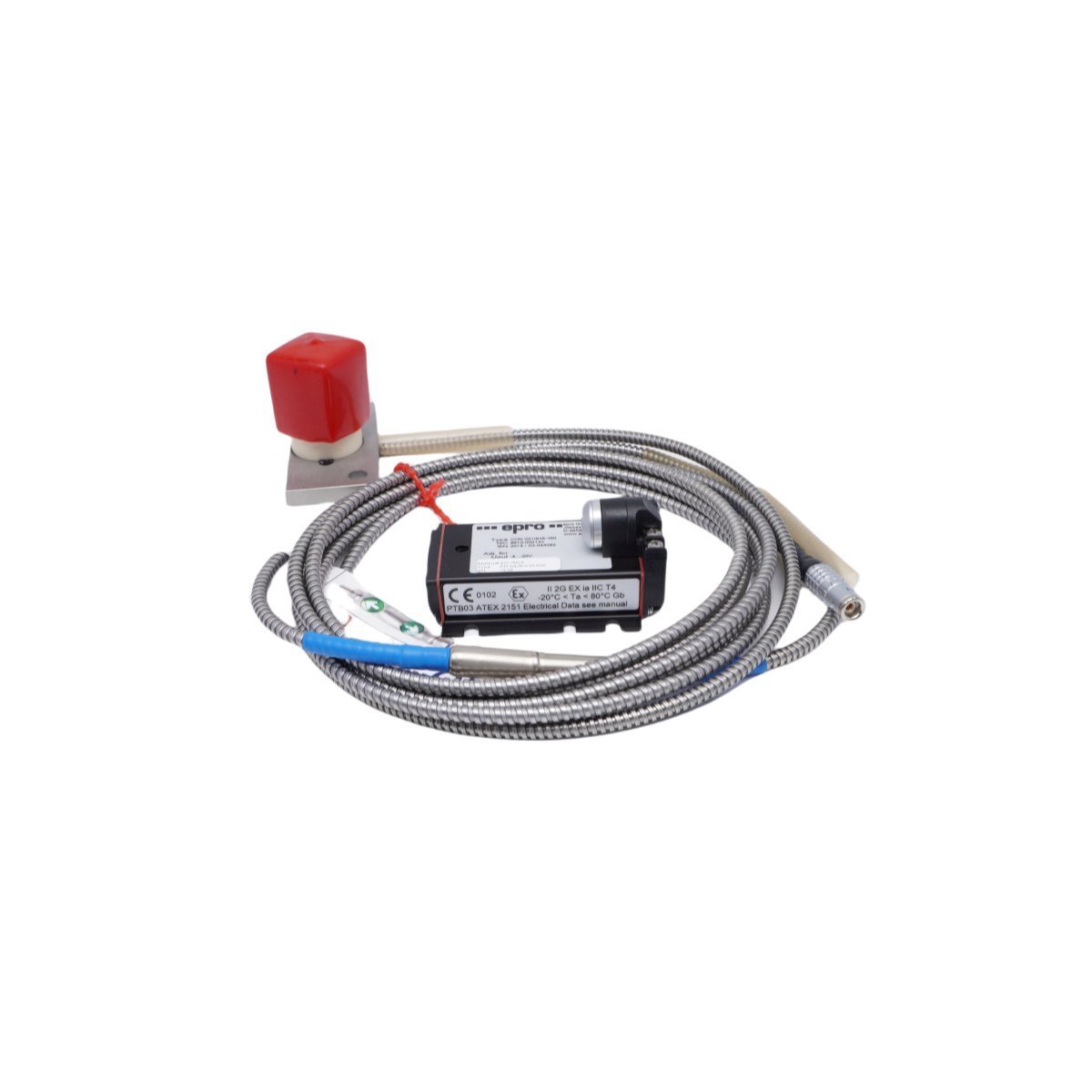
Allen Bradley 1756-L74 ControlLogix Controller
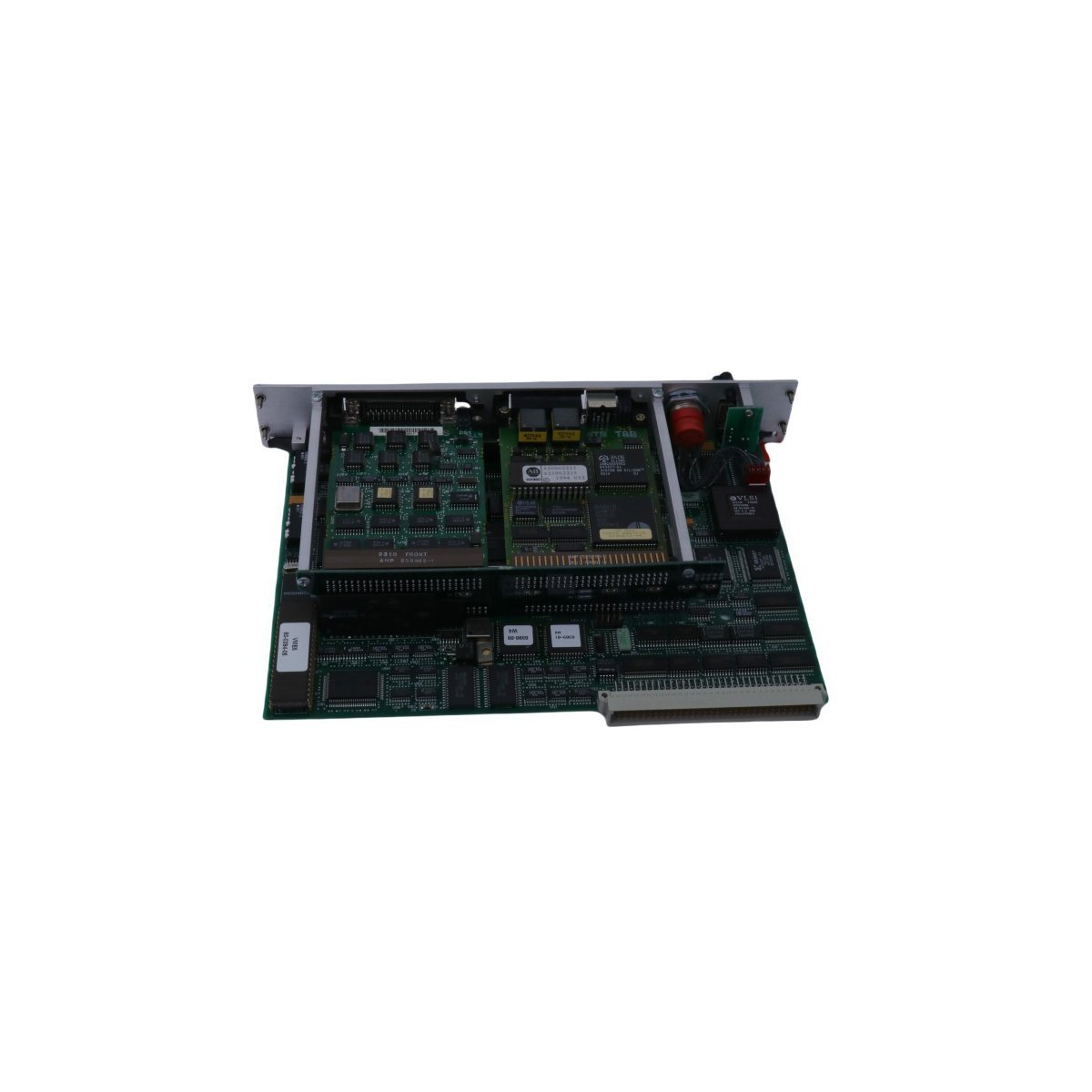
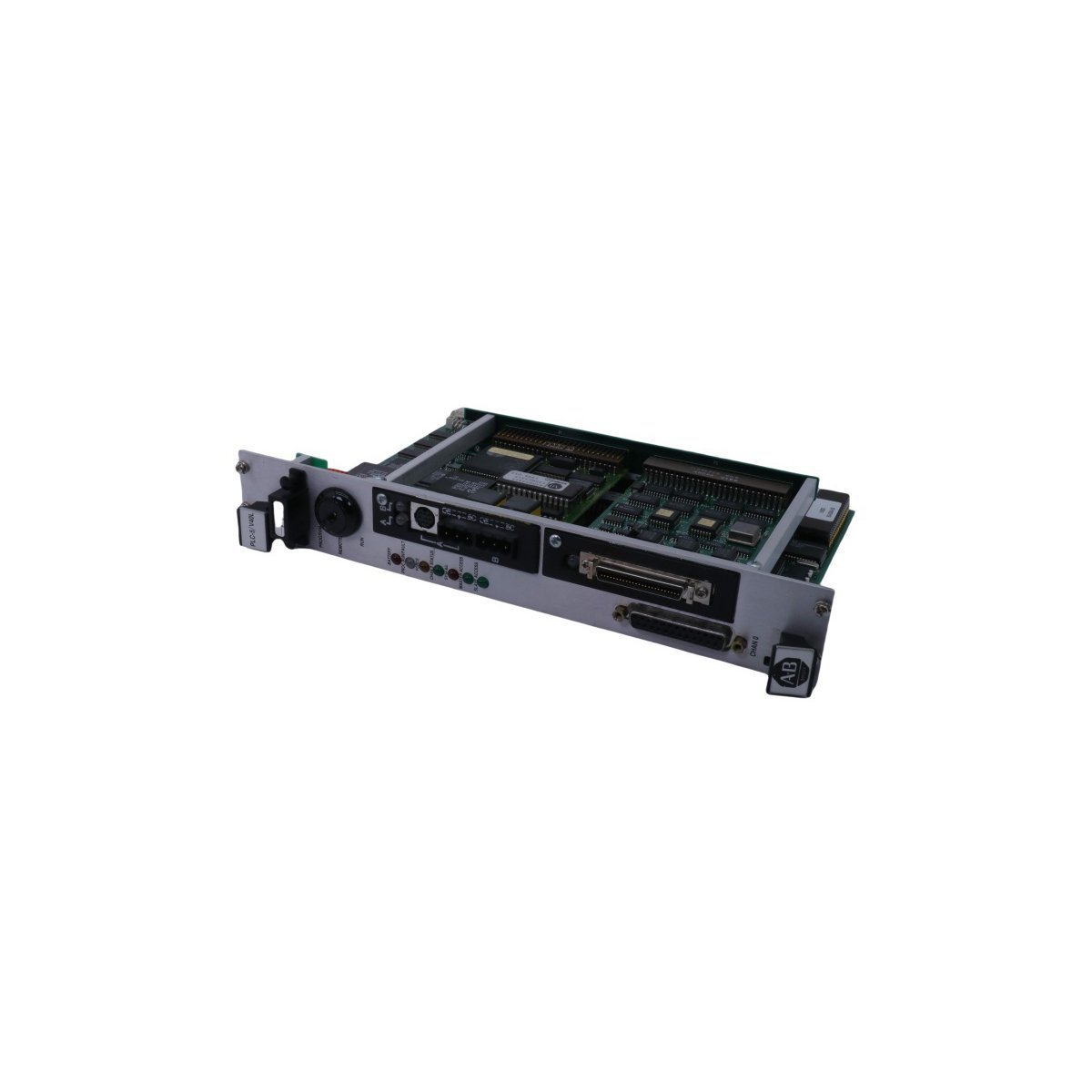
Configured for high-speed logic execution in ControlLogix automation platforms, the Allen Bradley 1756-L74 (1756-L74 Controller) provides direct physical and electrical execution of complex control algorithms.
Hardware Specifications
| Parameter | Specification |
|---|---|
| Model | 1756-L74 |
| Brand | Allen Bradley |
| Origin | USA |
| Weight | 0.26 kg |
| Dimensions | 3.5 x 14.5 x 14.5 cm |
| Operating Temp | Industrial Standard |
| Power Consumption | System Backplane Dependent |
| Memory Capacity | 16 MB |
Industrial Control and Network Characteristics
The 1756-L74 utilizes backplane bus communication velocity to manage deterministic data exchange between distributed I/O modules and the controller. Integration into EtherNet/IP deterministic networks enables synchronous command execution across modular chassis configurations. Firmware flash compatibility ensures version alignment with established control software environments, while I/O density scaling supports hardware expansion without compromising cycle time performance.Frequently Asked Questions
Q: Does the 1756-L74 support hot-swapping within the ControlLogix chassis?A: The controller supports removal and insertion under power (RIUP) if the surrounding environment is within specified parameters and the system is properly configured to handle processor transition states.Q: How is the memory managed during power-loss events?A: The controller utilizes an internal energy storage module to ensure data retention and controlled shutdown sequences when primary backplane power is lost.Field Installation Guidelines
- Ensure the ControlLogix chassis is de-energized before mounting the controller.
- Verify that the chassis backplane connector pins are free from debris or mechanical damage.
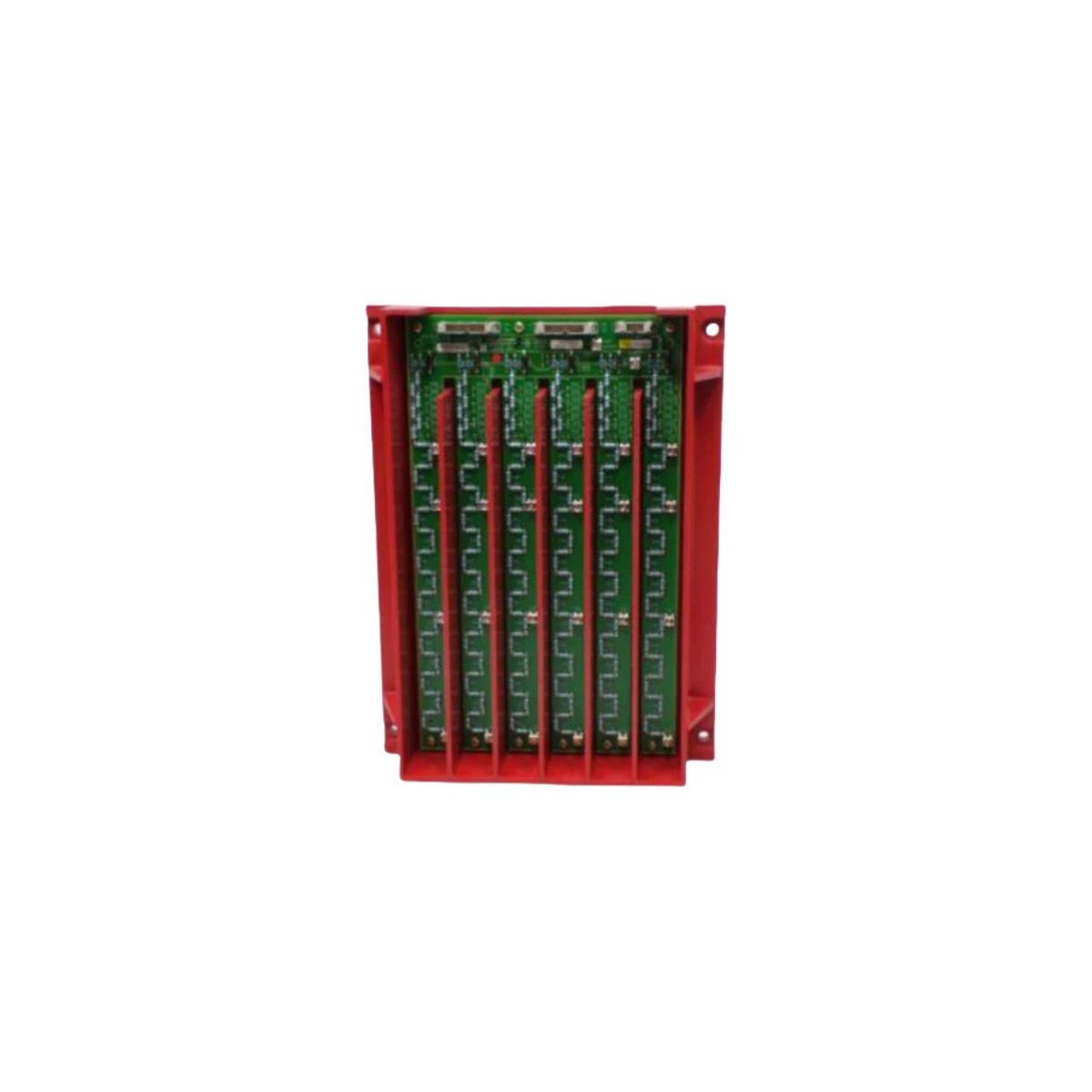
- Align the controller with the guide rails of the designated slot and insert until the connector fully seats into the backplane.
- Secure the module using the top and bottom latching mechanisms to ensure electrical contact stability.
- Connect the Ethernet communication cable to the front-panel port and ensure the cable is routed to maintain bend radius requirements.
- Confirm proper grounding of the chassis to the cabinet earth bus to minimize noise interference during operation.