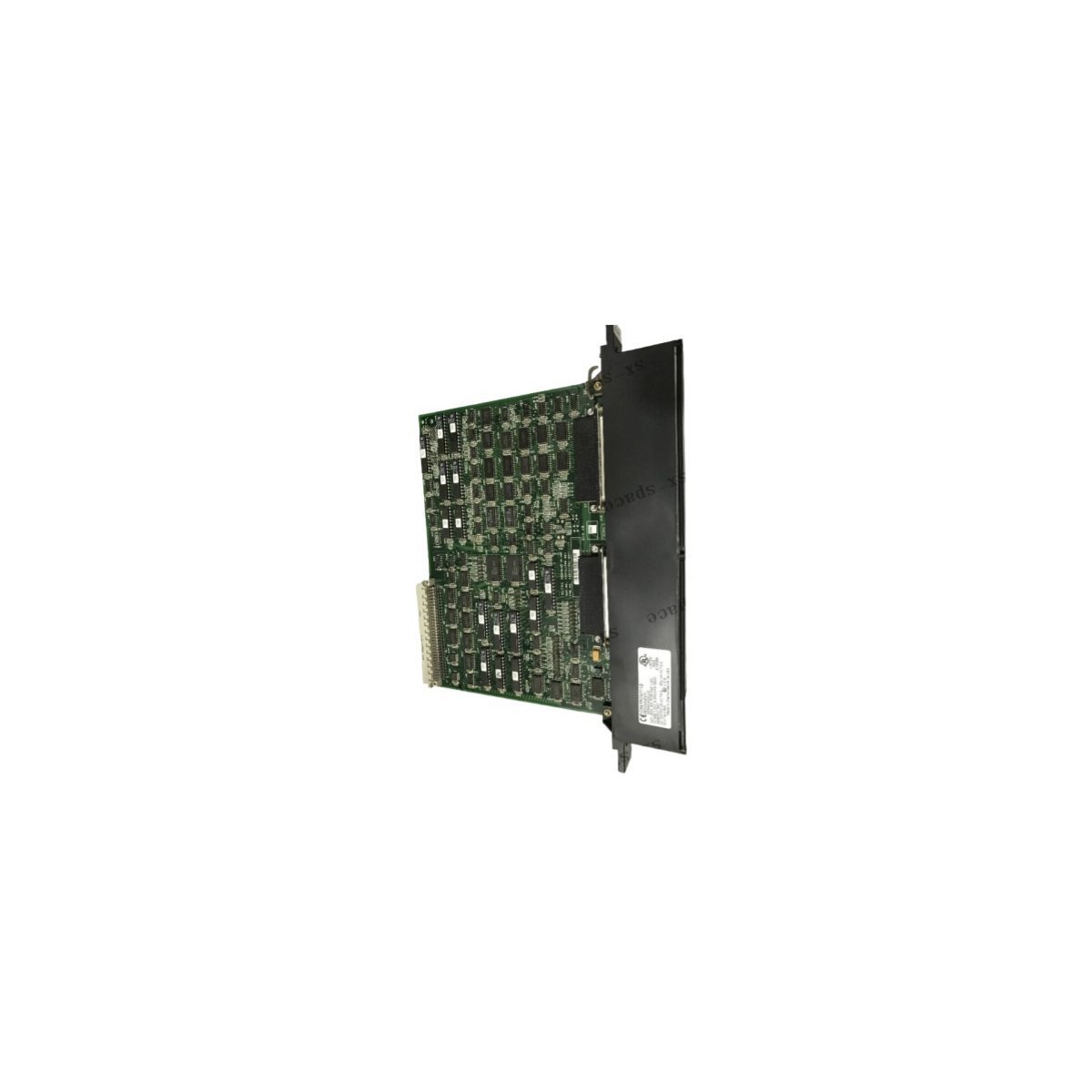
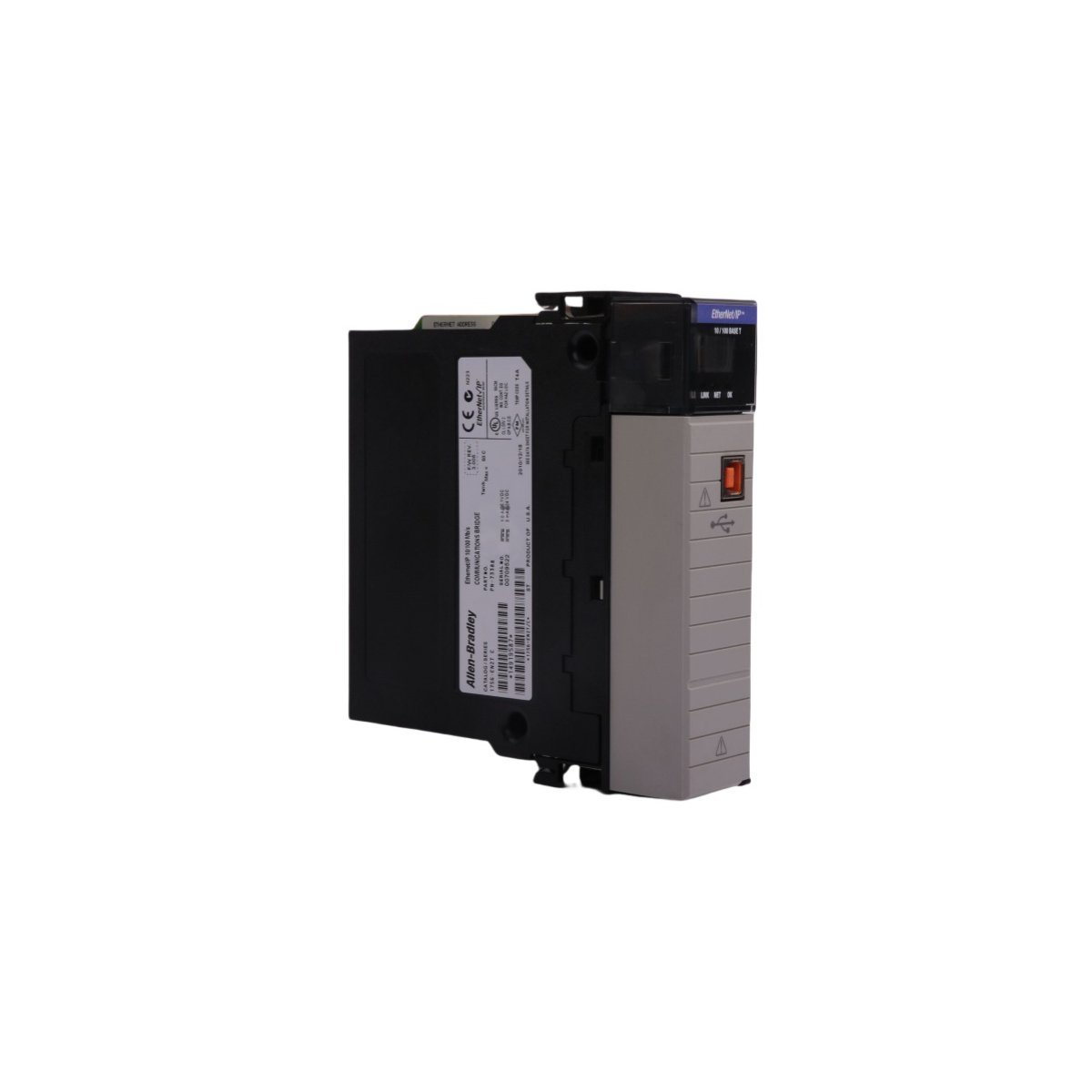
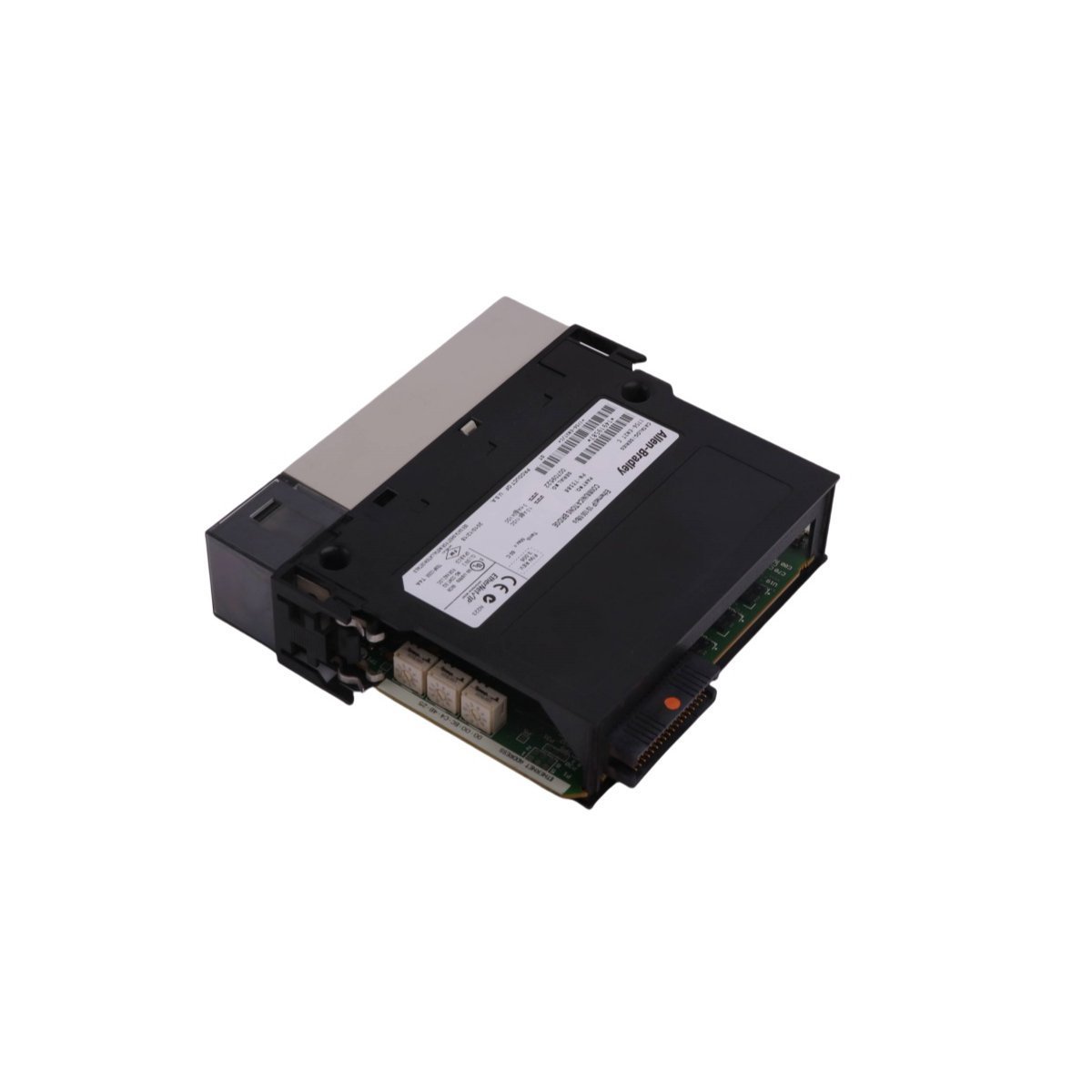
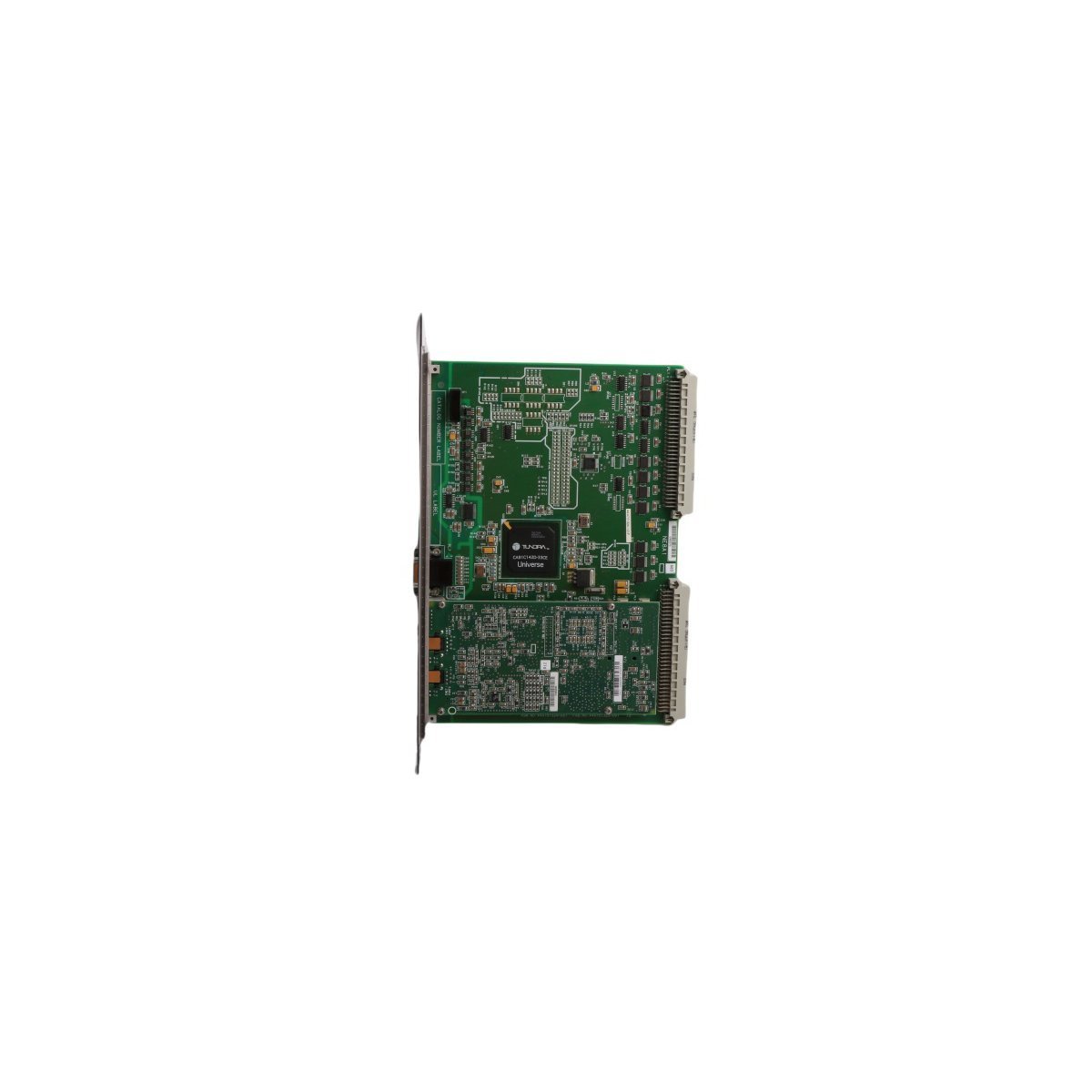
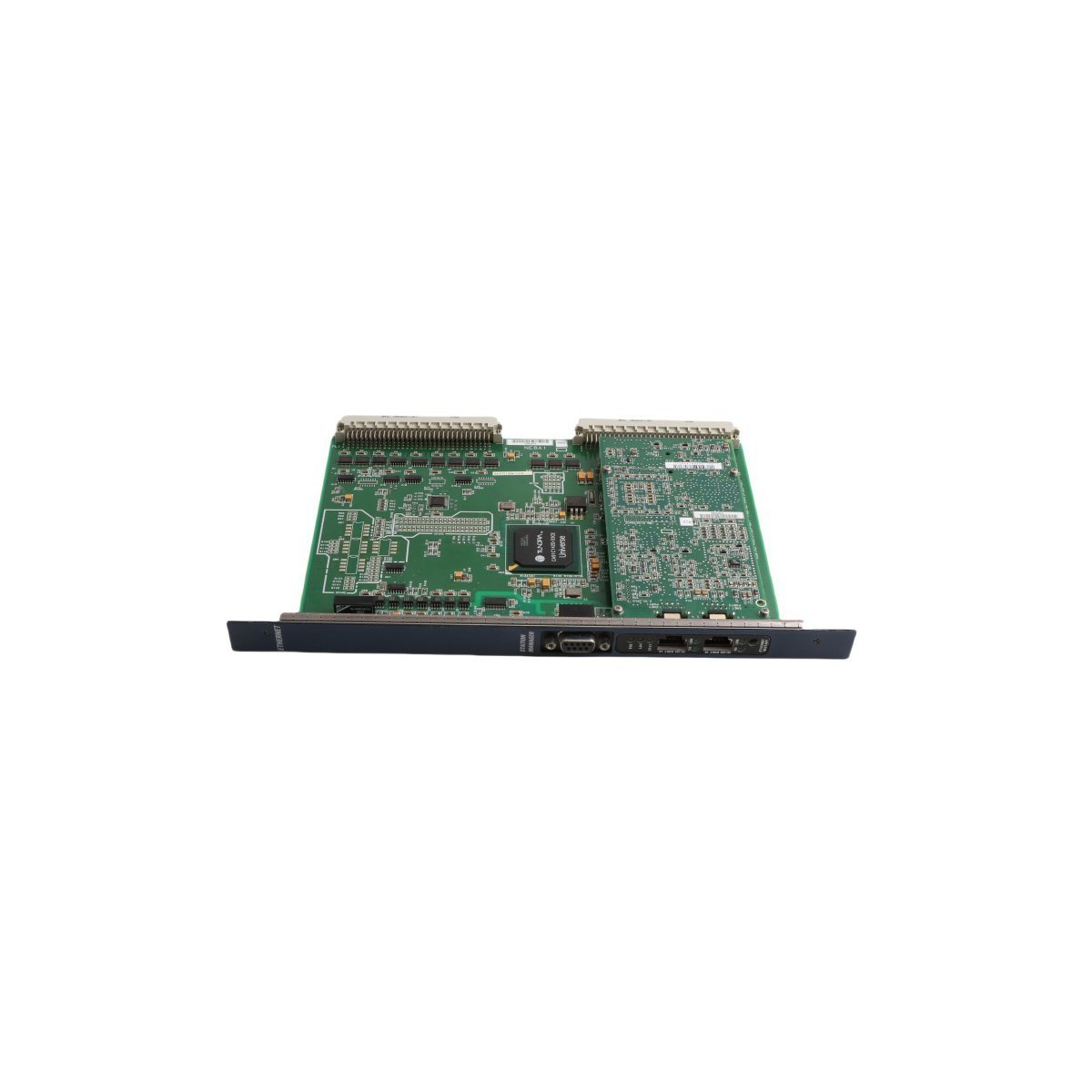
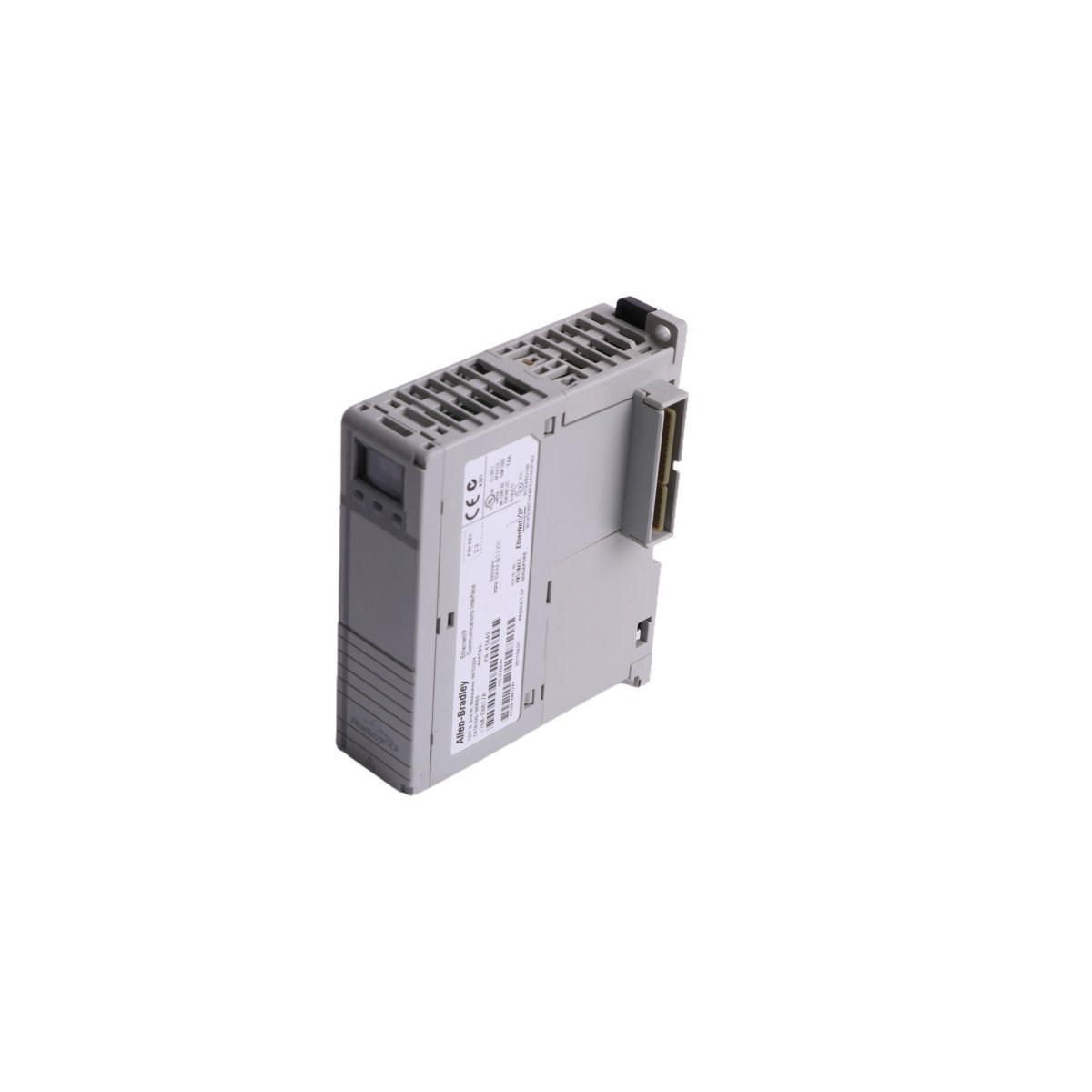
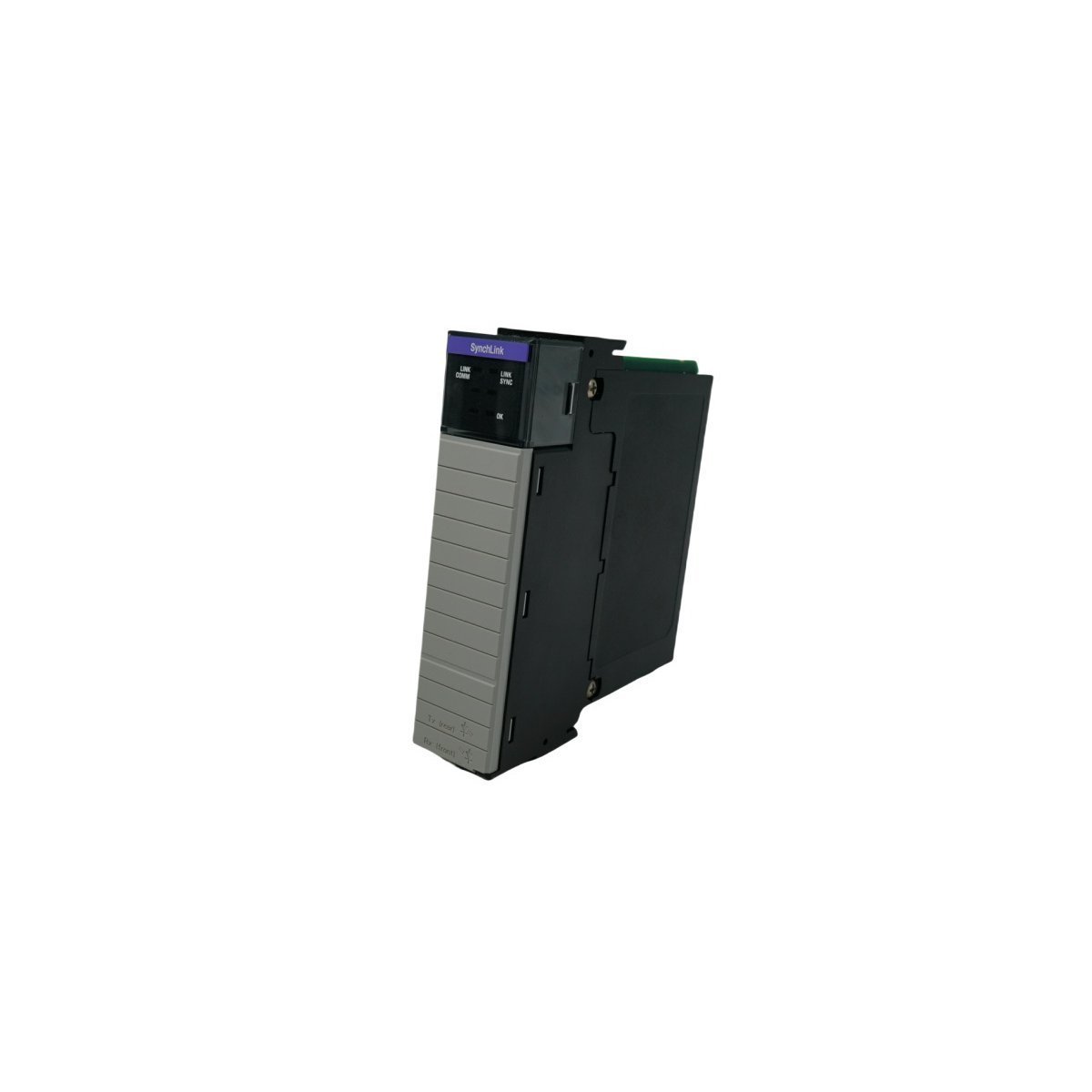
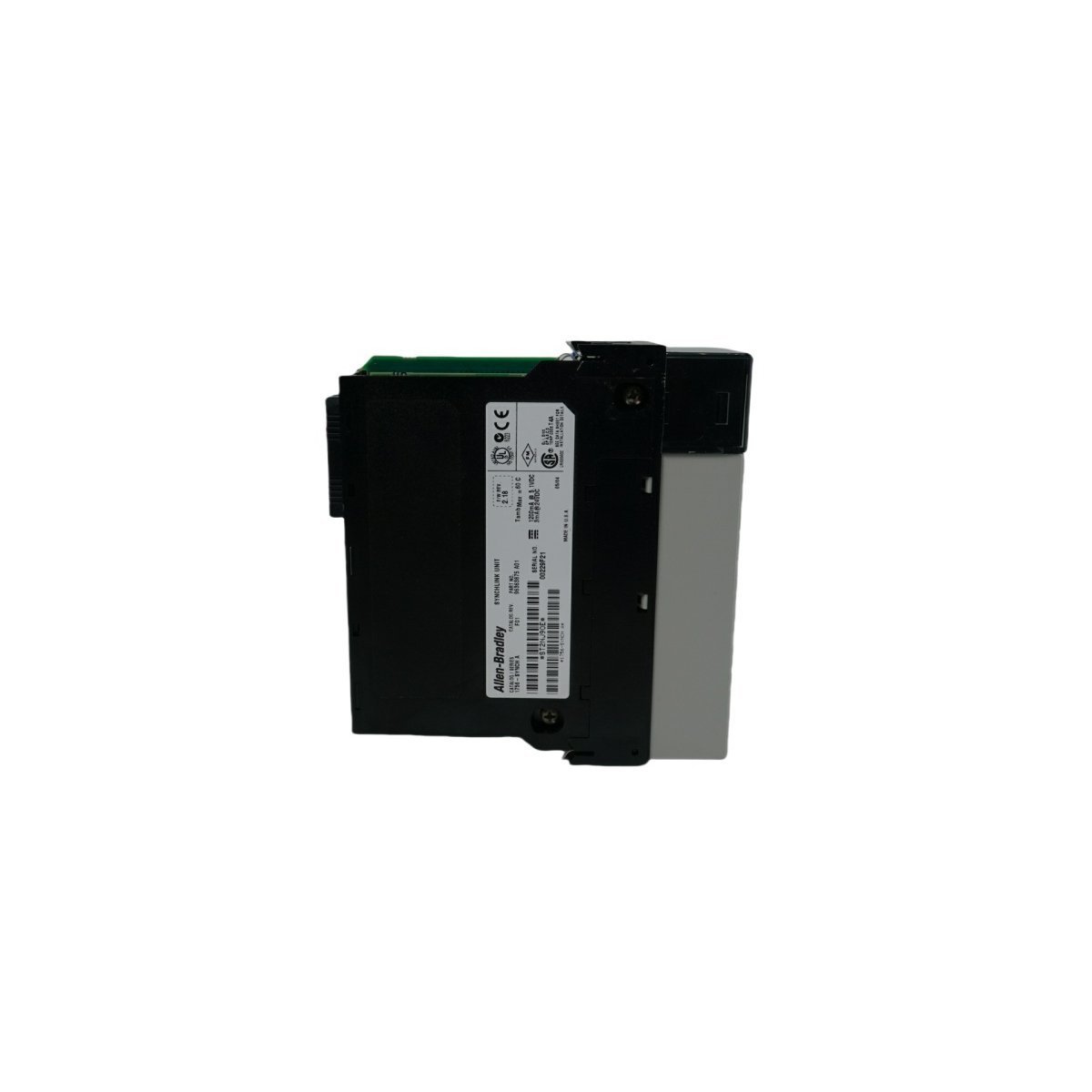
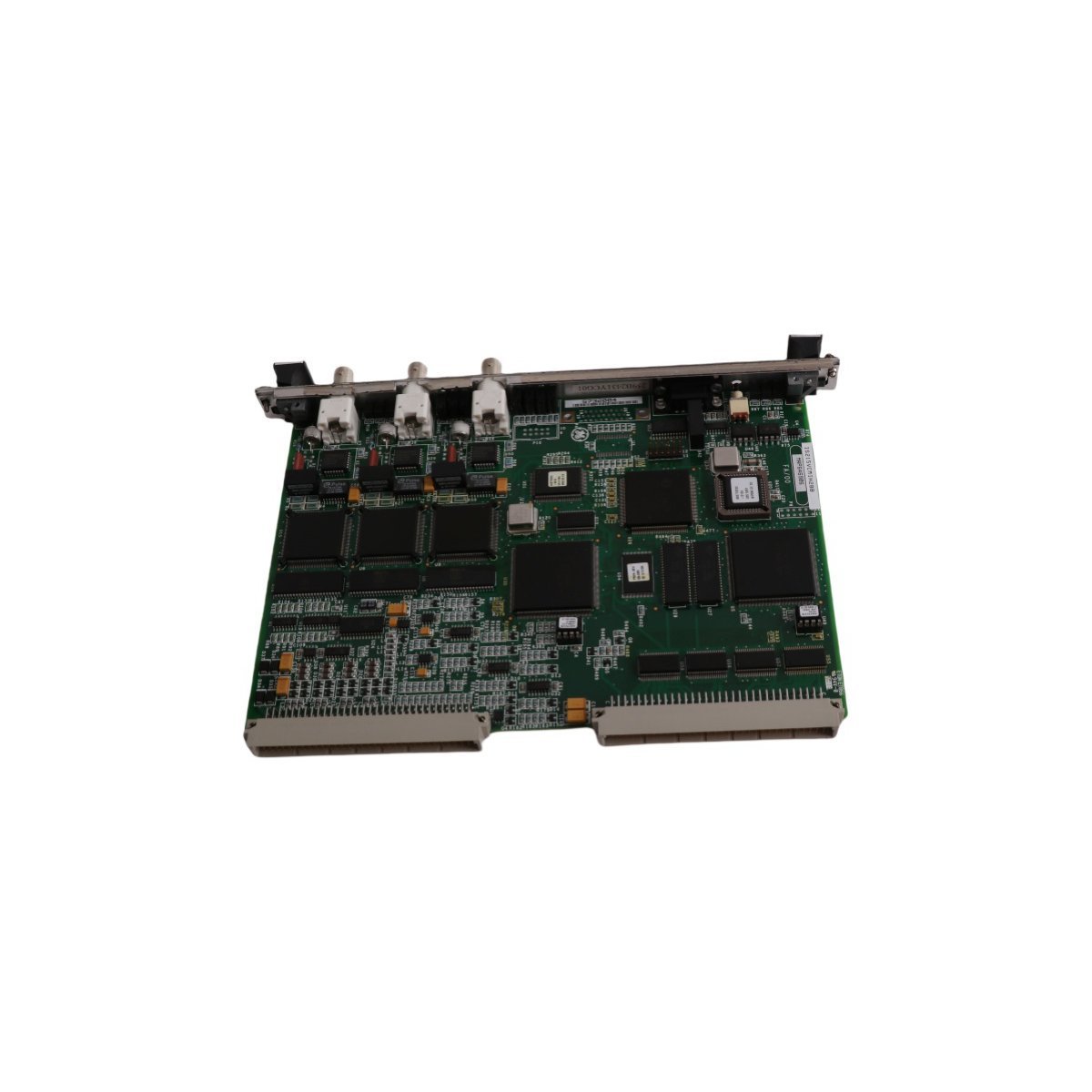
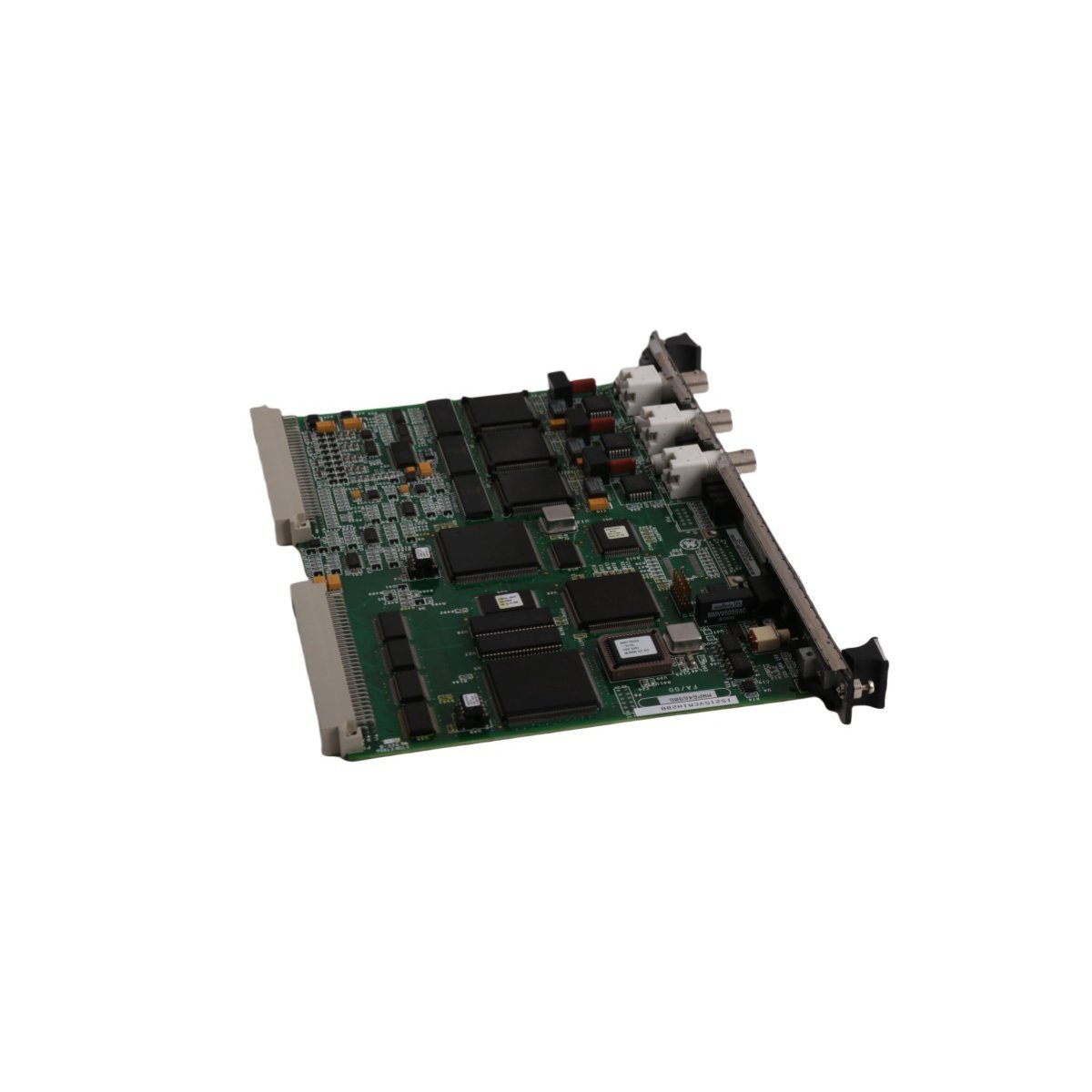
The GE IC687RCM711 is a high-performance synchronization link for Series 90-70 PLC architectures. This module facilitates Hot Standby (HSB) configurations to eliminate process interruptions. It creates a dedicated high-speed bridge between primary and secondary CPU racks. By maintaining constant data alignment, the module ensures the backup processor is always ready. This prevents costly downtime during hardware failures or maintenance cycles.
Core Technical Specifications
| Specification | Details |
| Manufacturer | General Electric (GE) |
| Model Number | IC687RCM711 |
| System Family | Mark VIe / Series 90-70 |
| Transfer Speed | Up to 500 KB per second |
| Current Draw | 1.2 Amps at 5 VDC |
| Distance Support | Up to 15 meters (cable dependent) |
| Occupancy | Single slot in PLC rack |
| Weight | 0.9 kg |
Synchronization and Data Integrity
The IC687RCM711 manages the rapid exchange of internal registers and I/O status. It keeps the backup unit in lockstep with the active controller. This constant state of readiness allows for nearly instantaneous failover. Furthermore, the module utilizes efficient protocols to minimize scan time impact. This ensures that redundancy does not degrade overall system performance.
Diagnostic Interface and Manual Control
The front panel provides immediate visual feedback through five green LED indicators. These lights monitor module health and synchronization status between the linked racks. Additionally, a physical pushbutton allows technicians to trigger a manual switchover. This feature is essential for testing the integrity of the backup system. It also allows for safe hardware swaps on the primary unit without halting production.
Operational Safety and Requirements
This module draws power directly from the 5V bus of the PLC backplane. Because it handles sensitive data links, it requires no external isolation components. After a switchover event, the system implements a brief stabilization period. This delay ensures the new master CPU settles before permitting another transition. Such logic prevents “hunting” between processors and maintains industrial process stability.
Primary Industrial Applications
- Continuous process manufacturing plants
- Critical power generation control systems
- High-availability water treatment facilities
- Safety-instrumented systems requiring high fault tolerance