Sale!
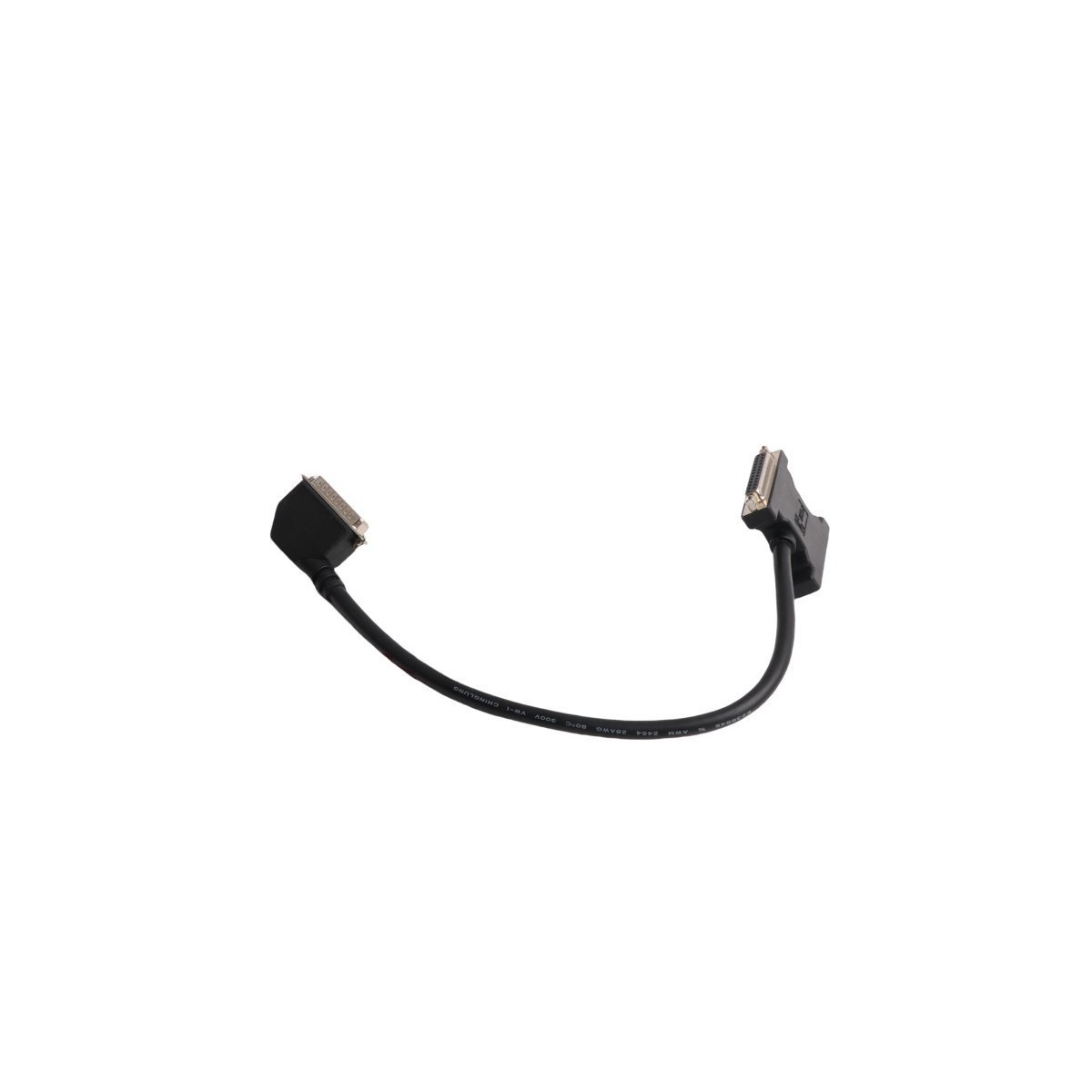
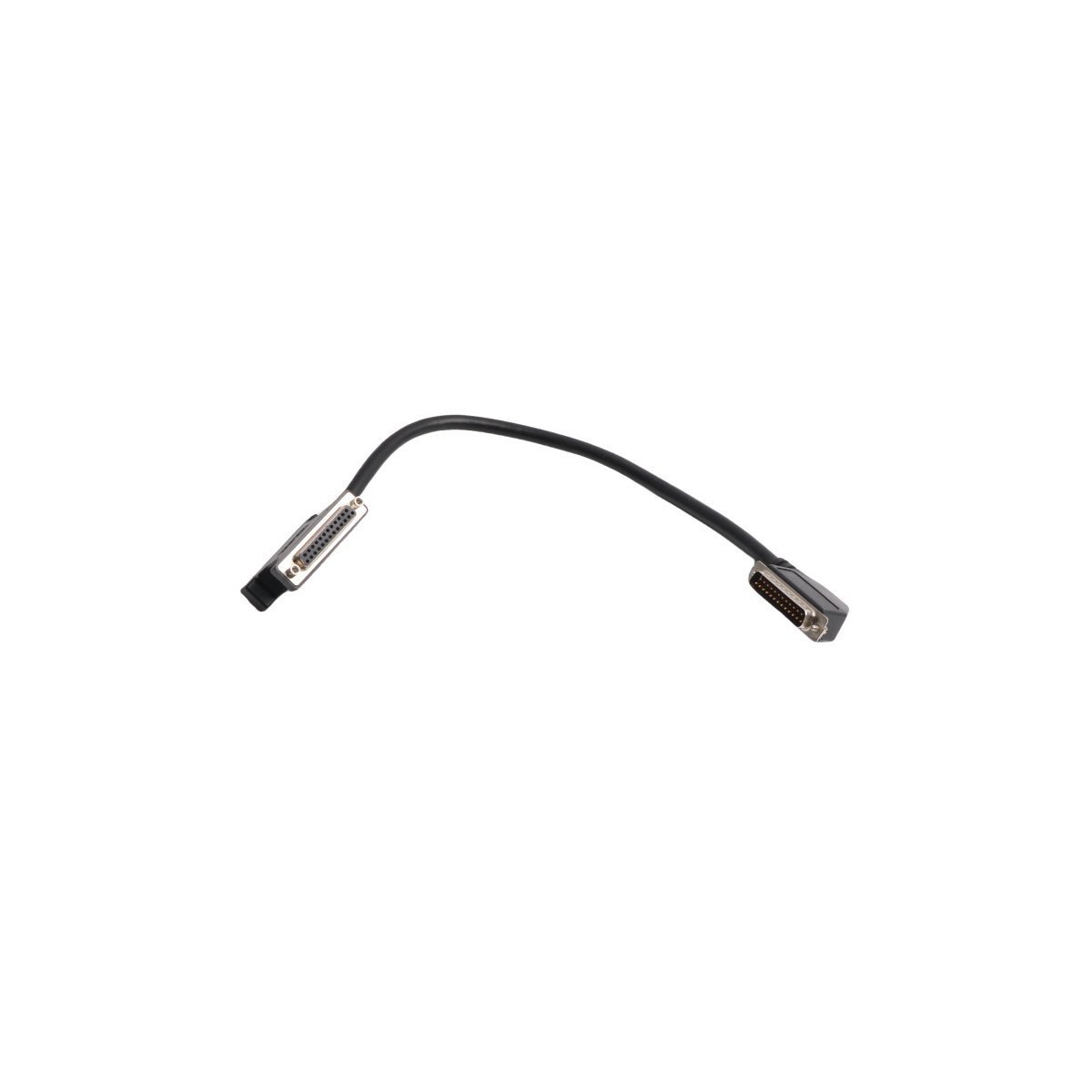
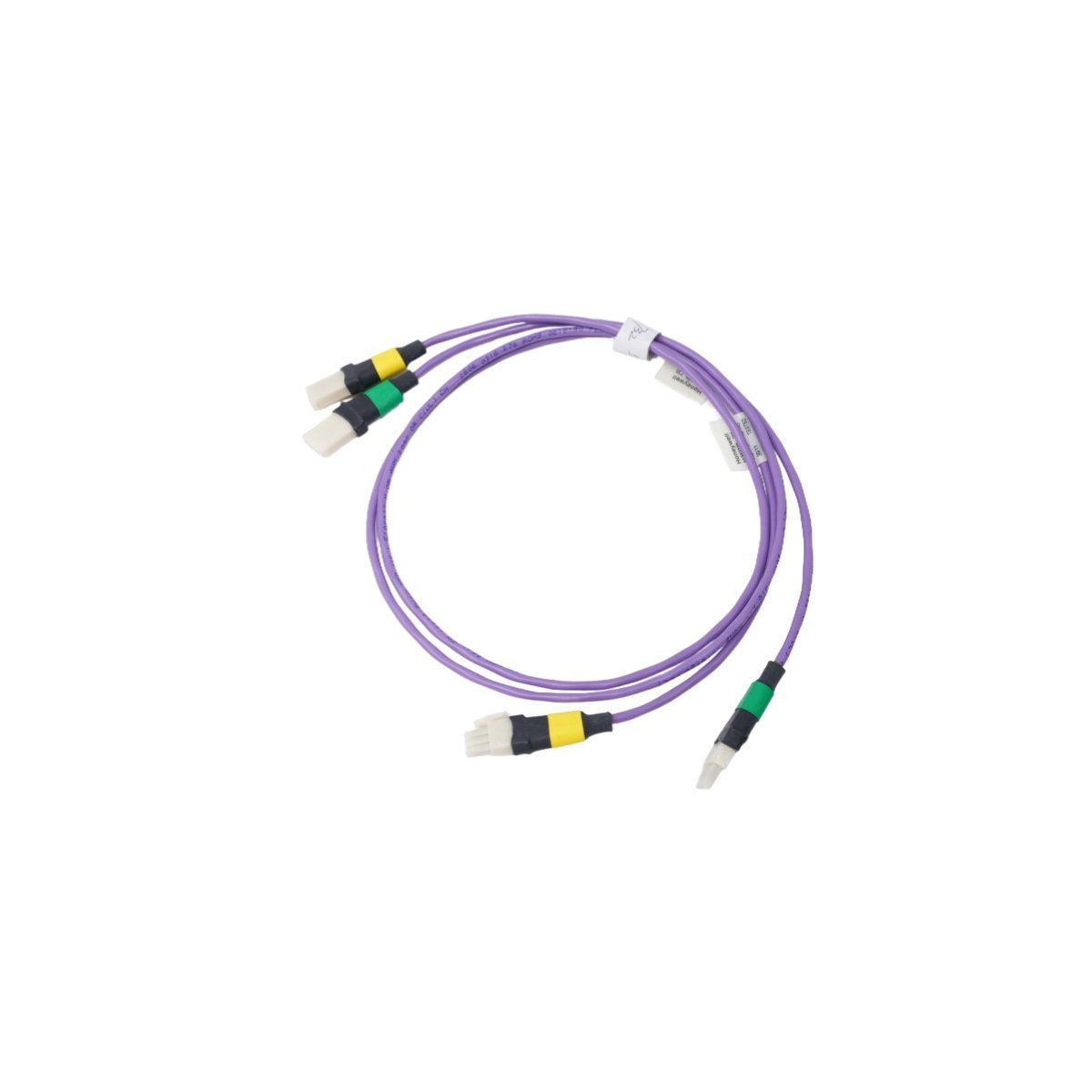
GE IC693CBL305 Wye Connection Cable
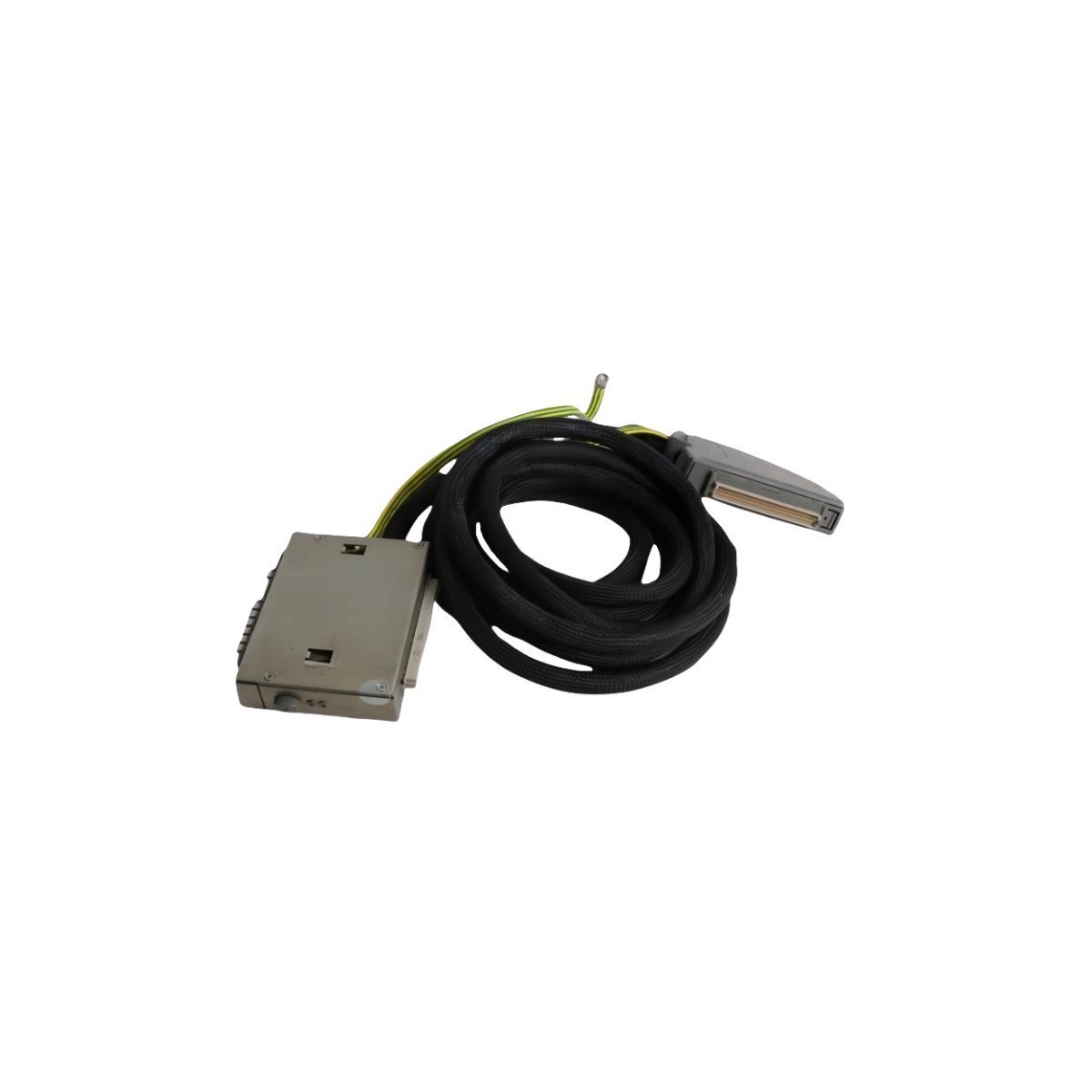
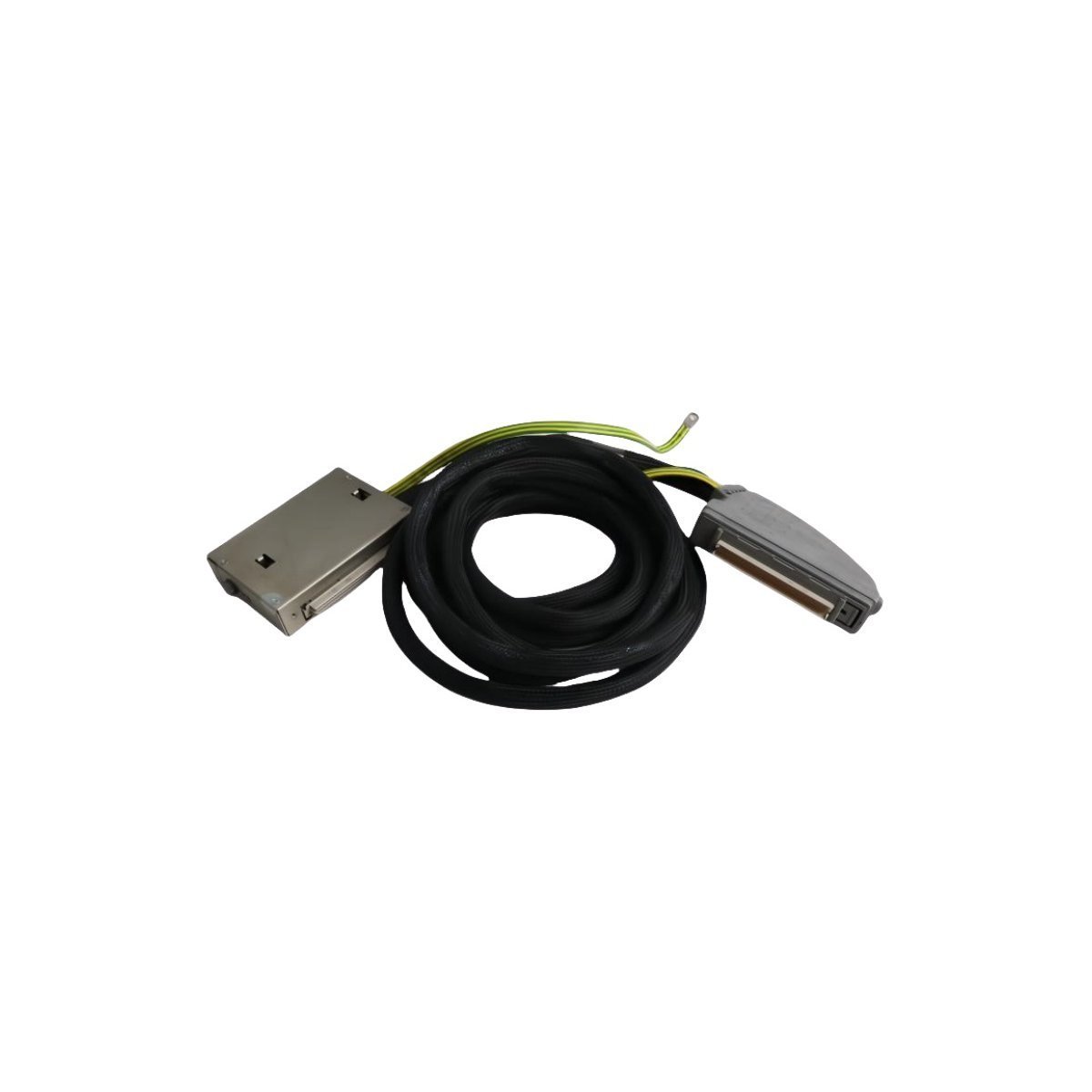
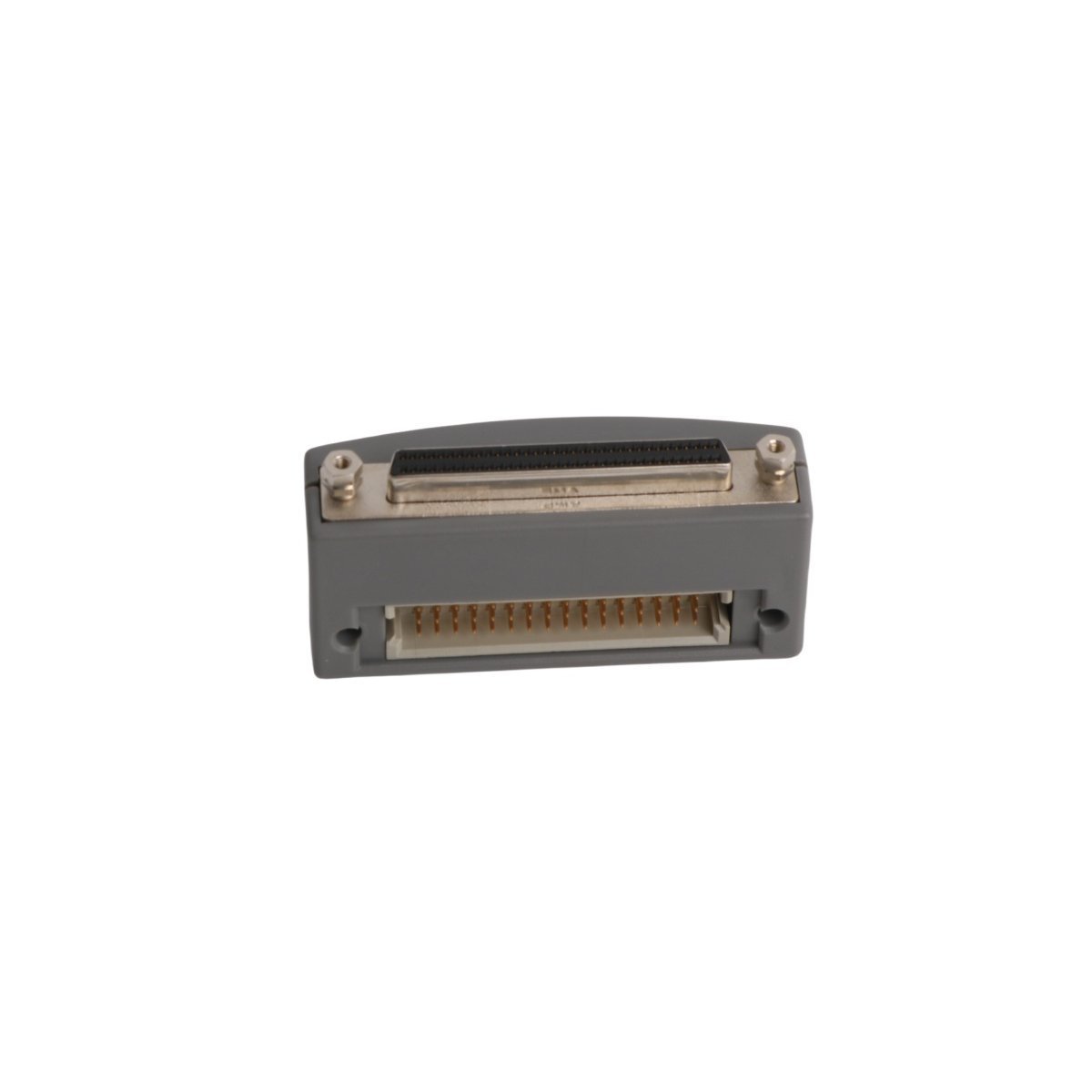
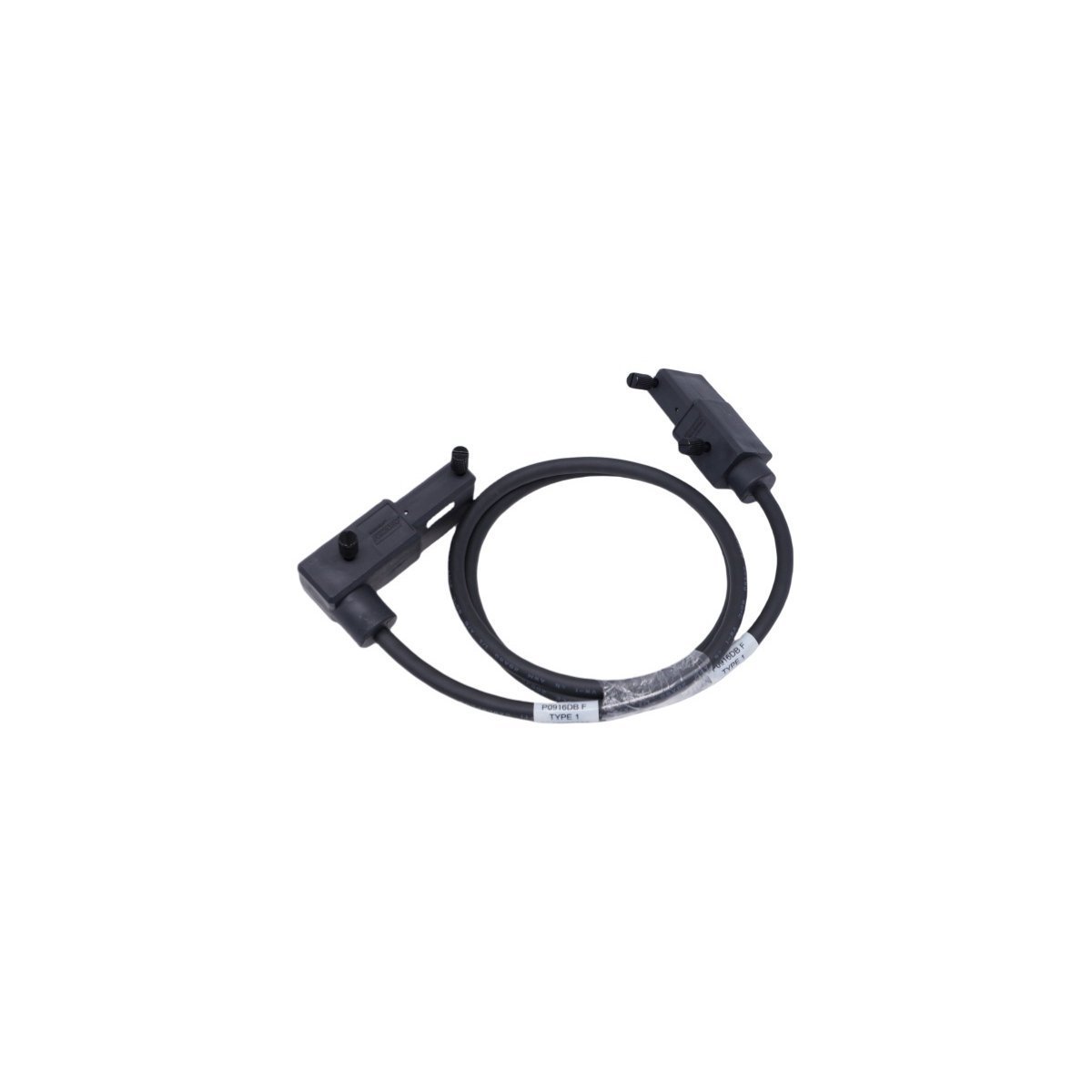
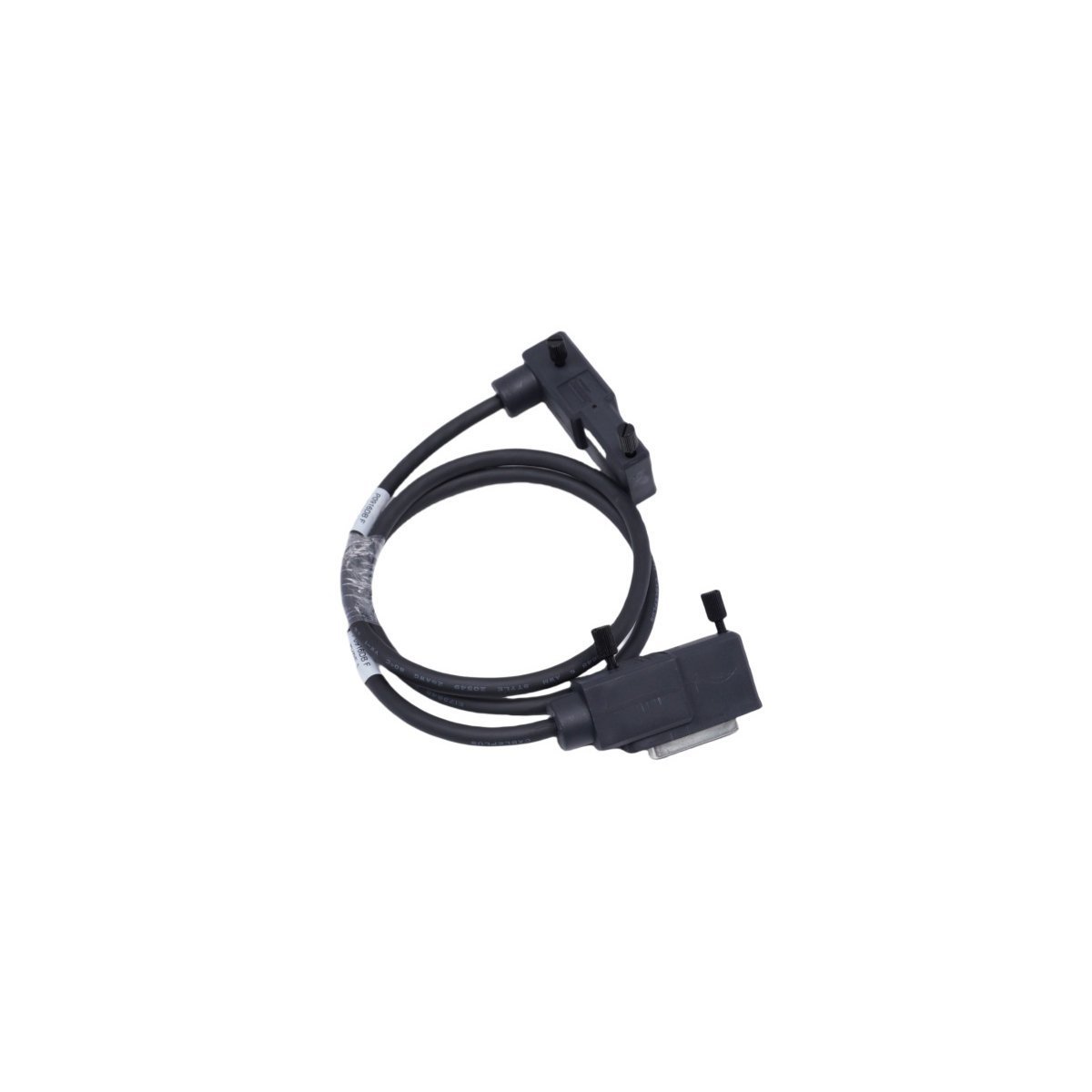
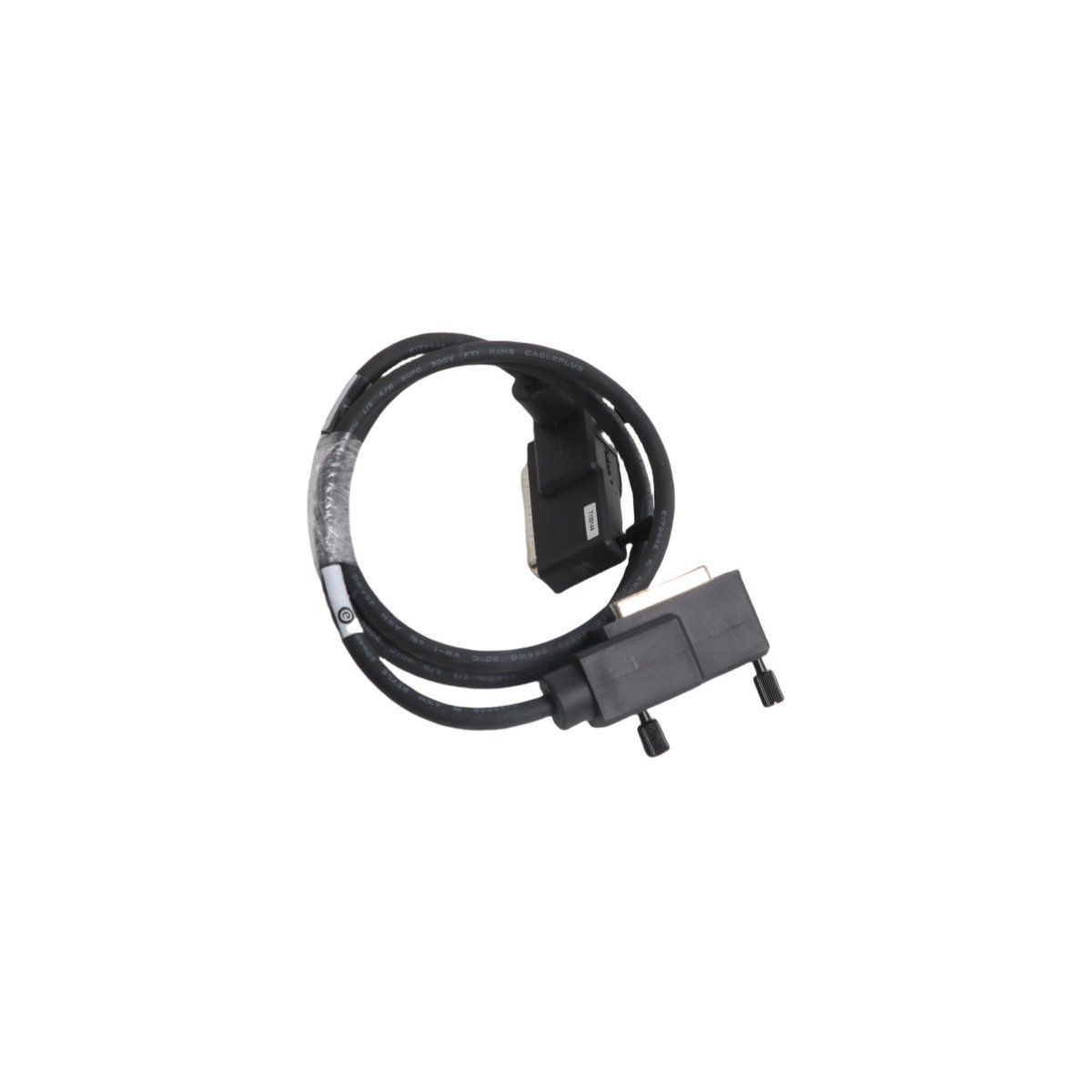
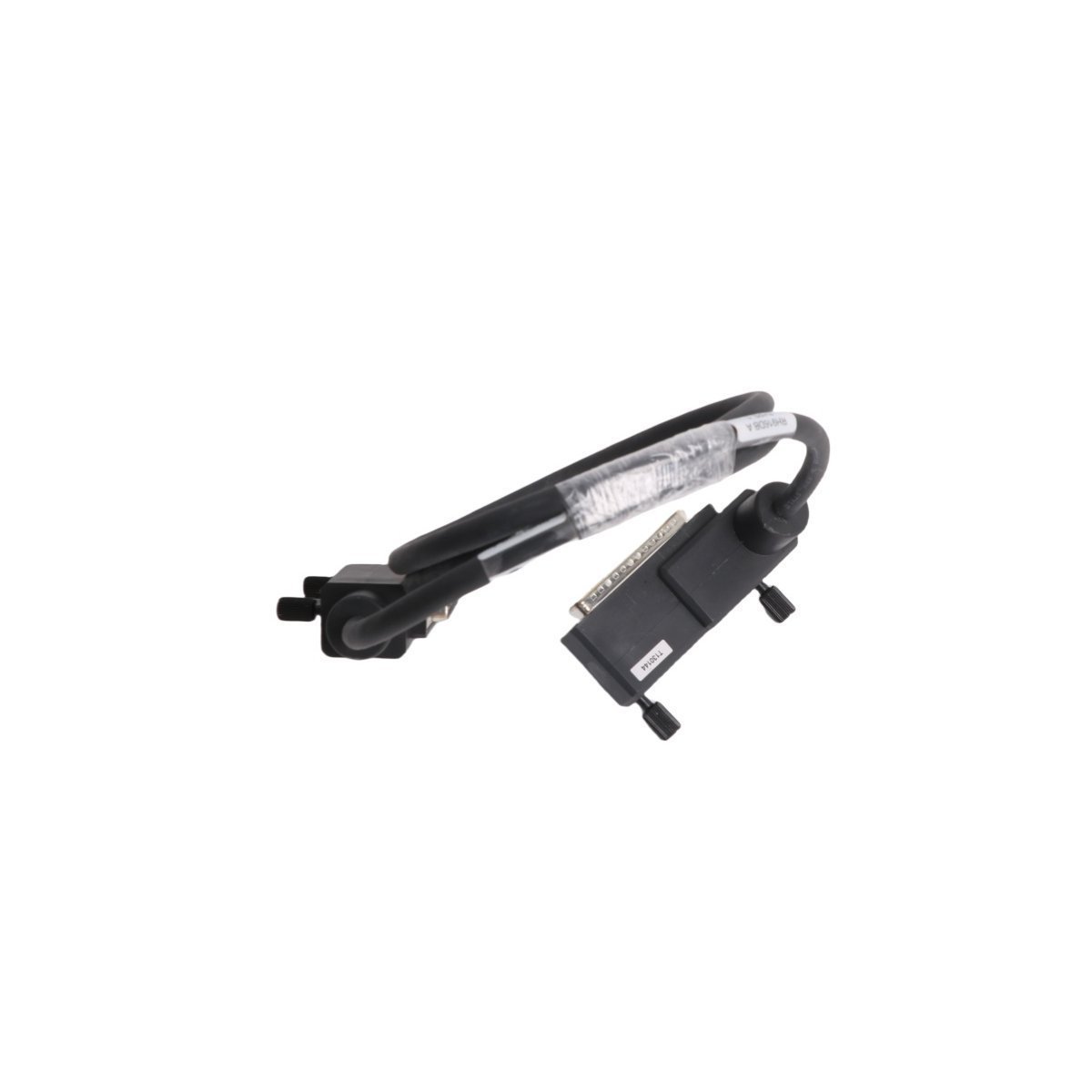
The GE IC693CBL305, also cataloged as the IC693CBL305 Wye connection cable, operates as a dedicated hardware component for serial port signal splitting within Series 90-30 PLC networks. The cable provides direct physical execution of port separation, routing dual channel data paths from a high-density host connector into two distinct 25-pin interfaces. By isolating Port 1 and Port 2 signals at the physical layer, the component facilitates structured cable management and electrical signal routing for communication coprocessor modules.
Hardware Specifications
| Parameter | Specification |
|---|---|
| Model | IC693CBL305 |
| Brand | GE |
| Origin | USA |
| Weight | 0.14 kg |
| Dimensions | 45.0 cm x 6.2 cm x 1.6 cm |
| Operating Temp | Standard Industrial Range |
| Power Consumption | Passive (No active components) |
| Cable Length | 30.5 cm (1 foot) |
| Interface Type | RS-232 / RS-485 |
PLC and Control Network Integration
Backplane bus communication velocity and deterministic synchronization for the Series 90-30 system are facilitated through the effective routing of serial data. Firmware flash compatibility within the host modules is supported, ensuring that the physical signal path provided by the IC693CBL305 maintains high integrity across logic execution cycles. Furthermore, I/O density scaling and port configuration are optimized via this hardware split, enabling the PLC to process communication packets without signal cross-talk. When utilized in complex automation architectures, the cable acts as a protocol bridge, ensuring that RS-232 and RS-485 signals are routed to their appropriate logical destinations on the coprocessor.Frequently Asked Questions
Q: Does the IC693CBL305 cable support active signal buffering or protocol conversion?A: No. The IC693CBL305 is a passive wiring accessory designed specifically for physical port splitting. It does not contain active electronic components for signal amplification or protocol translation.Q: Can the cable be used to connect different electrical standards on Port 1 and Port 2 simultaneously?A: The cable is configured to route signals from the combined host connector to the designated 25-pin outputs. While Port 1 supports RS-232 and Port 2 supports RS-232 or RS-485, the limitation is defined by the host coprocessor module's internal configuration, not the cable itself.Field Installation Guidelines
- Inspect the connectors for bent pins before insertion into the CMM or PCM module ports.
- The right-angle connector must be fully seated into the host module port to ensure consistent electrical contact.
- Ensure the dual 25-pin connectors are properly identified and labeled as Port 1 and Port 2 during installation to avoid configuration errors.
- Secure the cable using standard cable ties to prevent mechanical strain on the host module ports, as excessive tension can lead to intermittent signal loss in industrial environments.