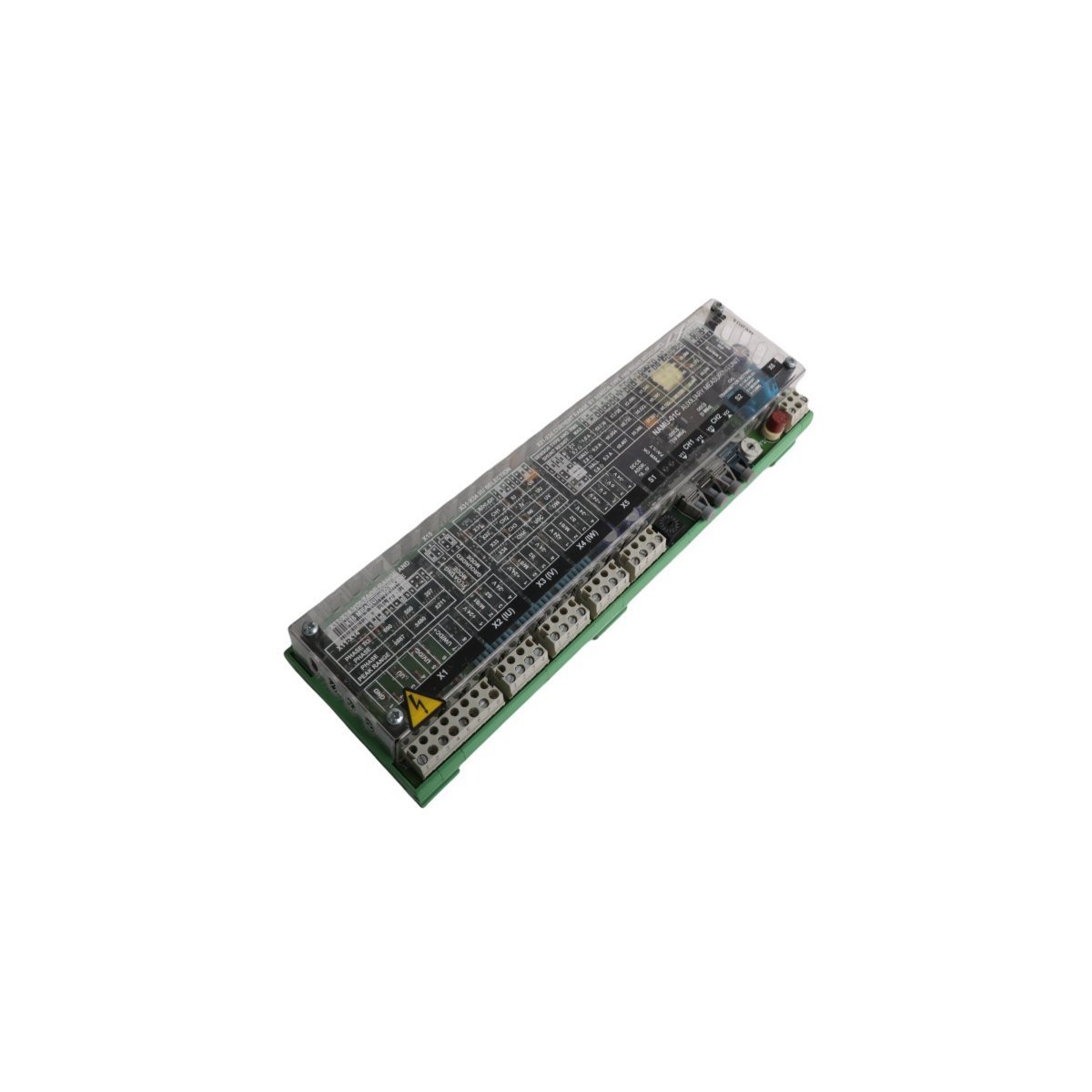
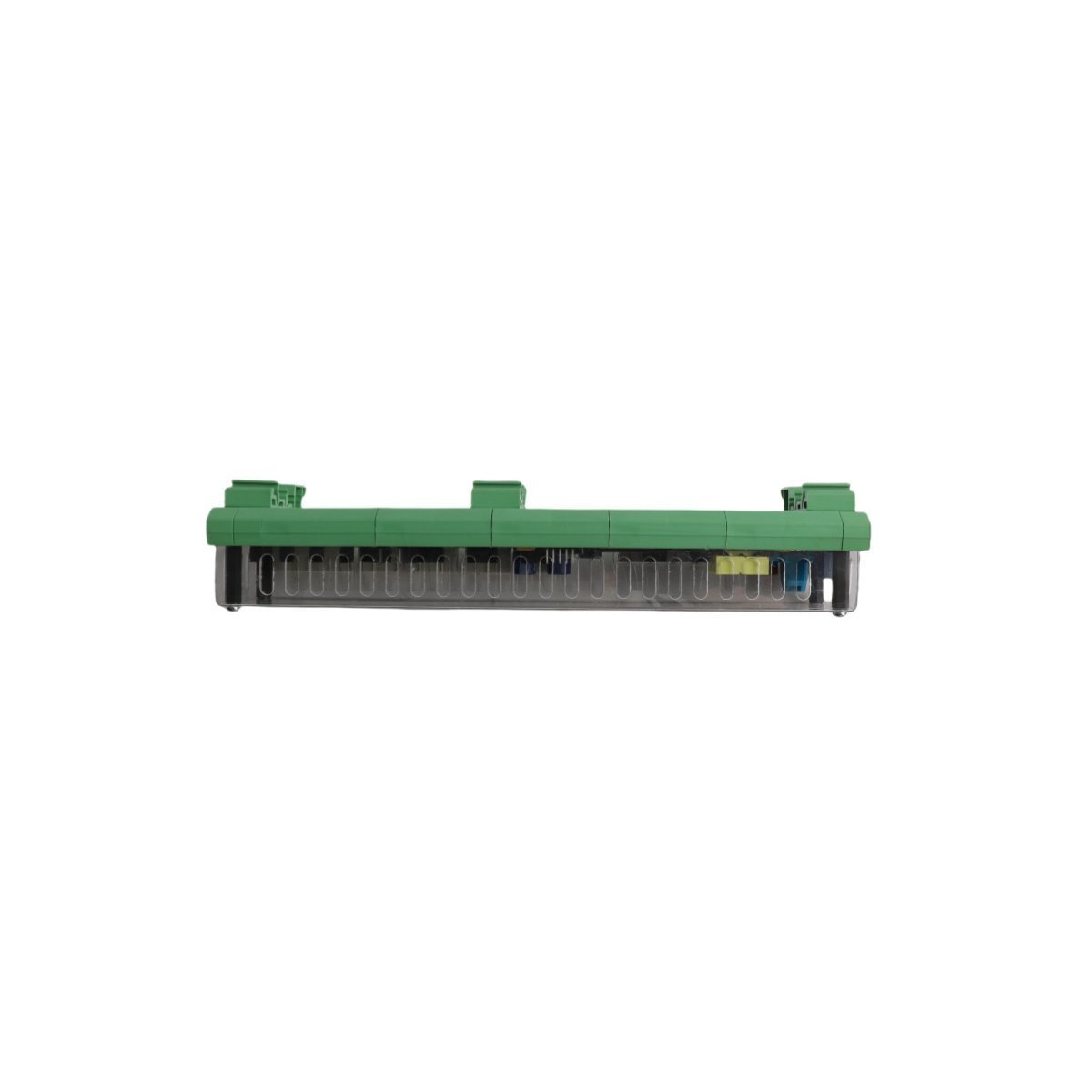
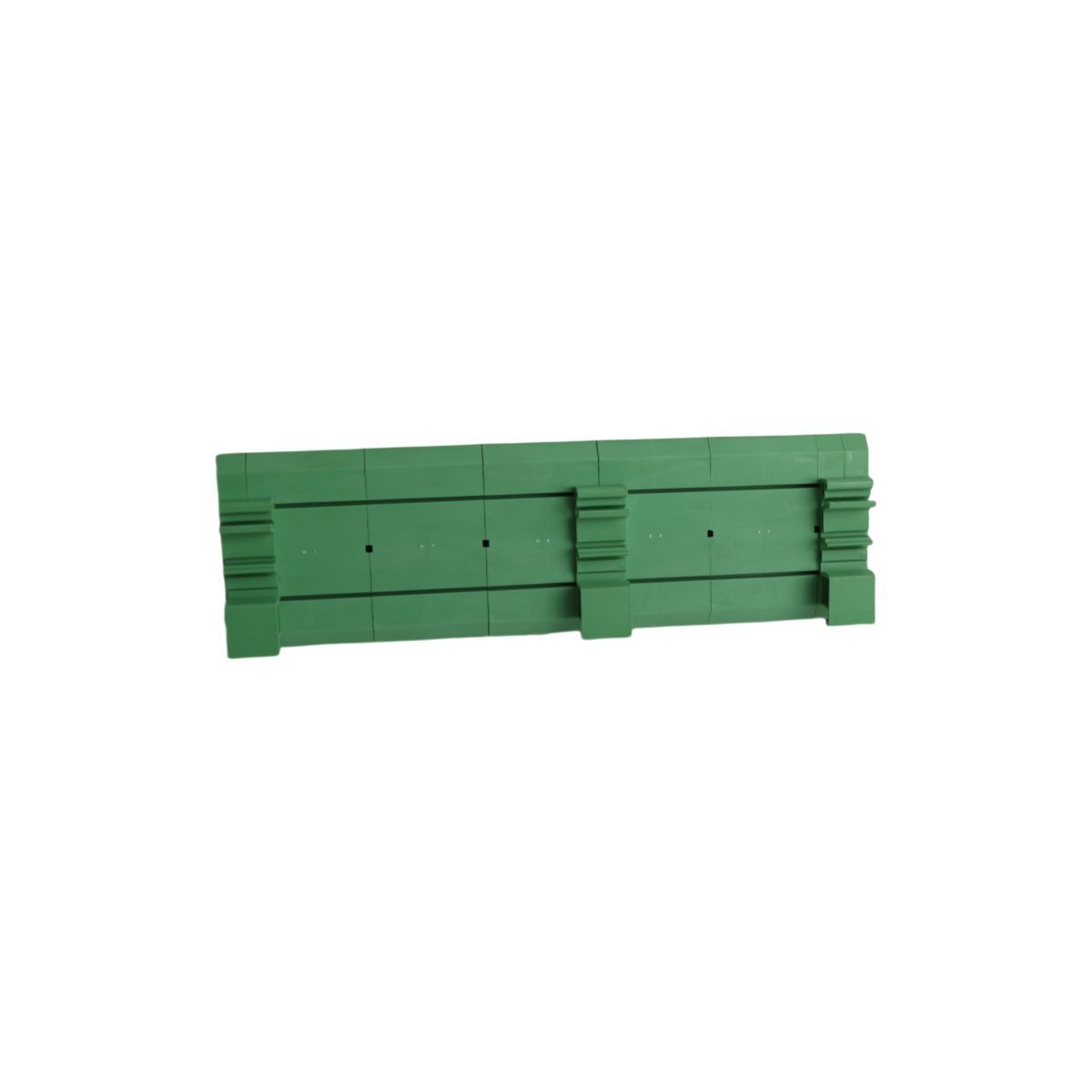
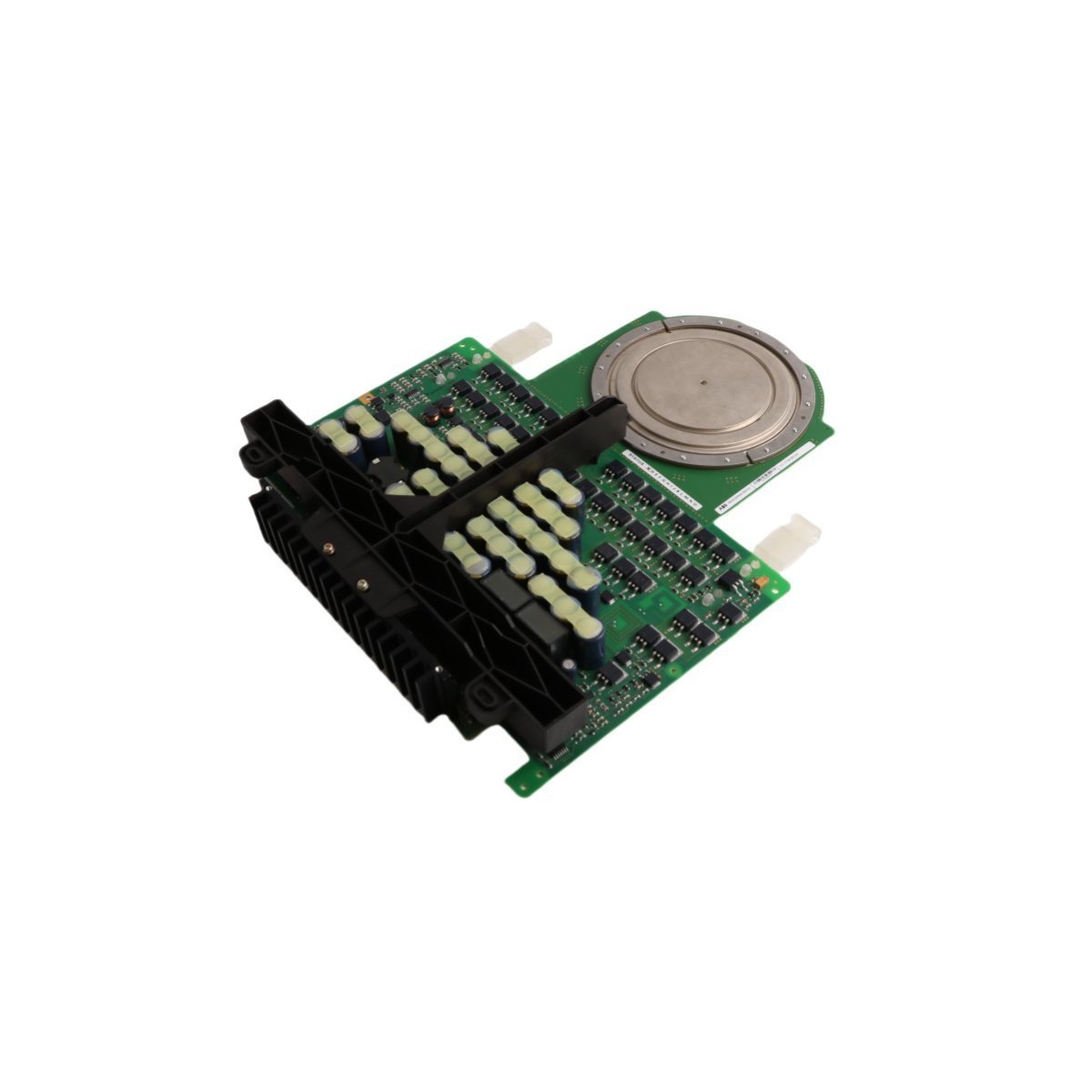
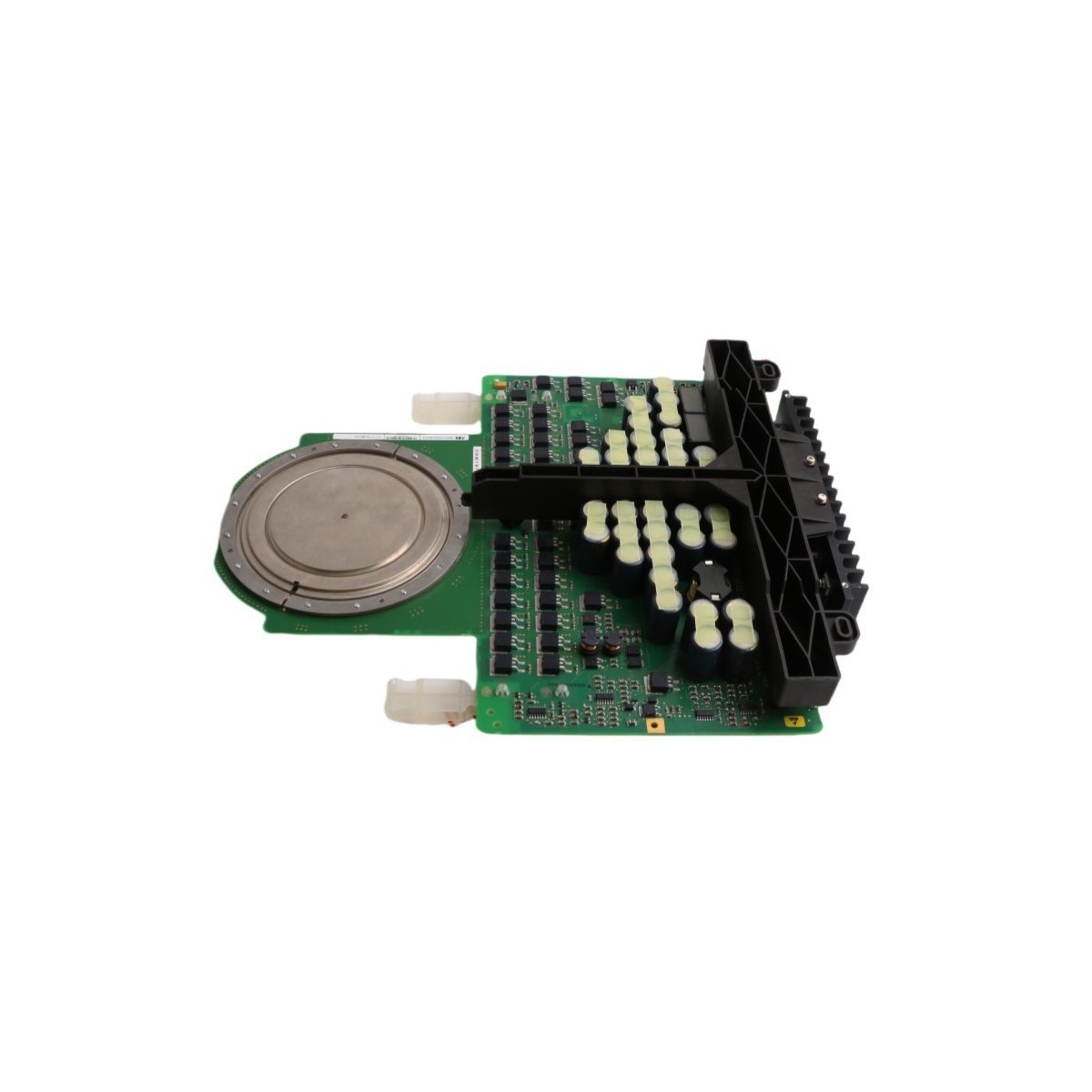
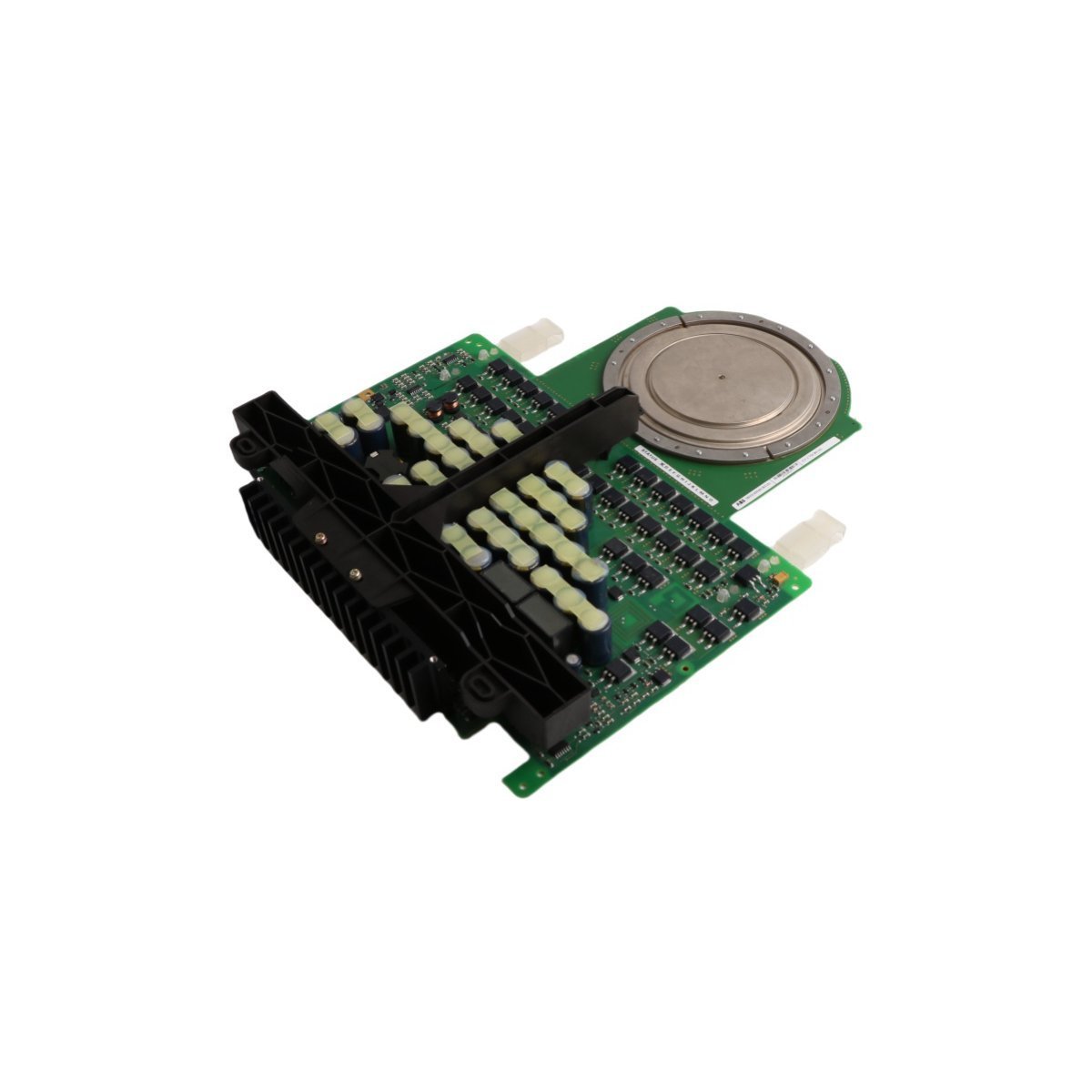
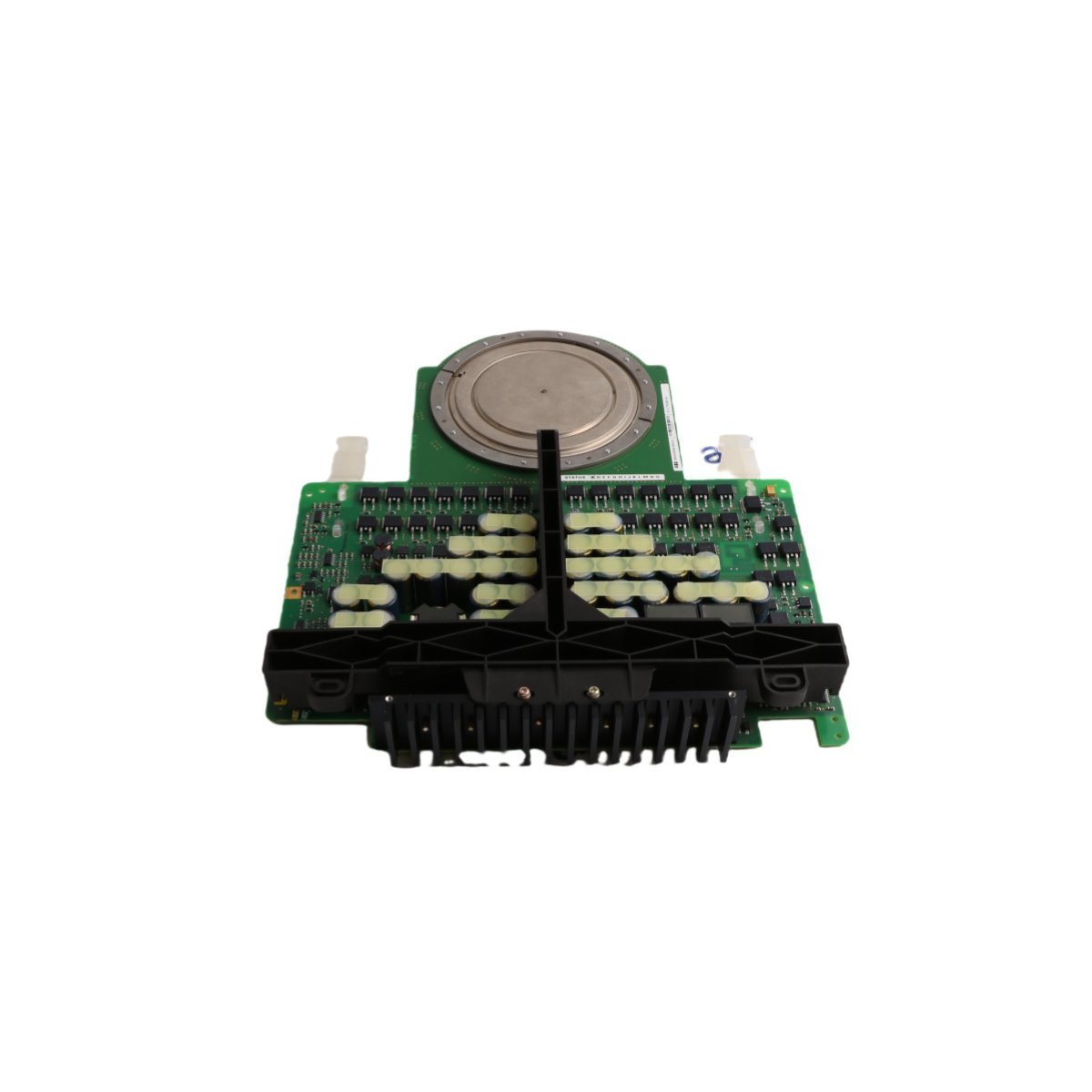
Procure the ABB NAMU-01C 64702475 Hydraulic Control Module, featuring multi-protocol bus connectivity and deterministic DCS backplane processing. Certified original surplus item with full technical warranty. Order your industrial equipment components online now.
Configured for high-density physical signal execution and fieldbus synchronization in Advant OCS/800xA distributed control networks, the ABB NAMU-01C 64702475 (NAMU-01C Hydraulic Control Module) provides direct deterministic processing for mixed I/O devices. The hardware handles direct electrical routing, processing localized hydraulic valve profiles and interface loops. Operating via a low-power internal backplane draw, the module interfaces with specialized communication pathways to function as a fieldbus routing nodes, establishing direct industrial Ethernet backplane data transfers and execution routines without adding processing latencies to the primary controller.
Hardware Specifications
Parameter
Specification
Model
NAMU-01C 64702475
Brand
ABB
Origin
Sweden
Weight
0.38 kg
Dimensions
45 mm x 110 mm x 115 mm
Operating Temp
0 to +55 deg C
Power Consumption
<= 6 W
System Platform
Advant OCS / 800xA DCS
Communication Service
Ethernet router / Fieldbus routing
Embedded Interfaces
RS-485, PROFIBUS-DP, CC-Link, DeviceNet
Depth Profile
65 mm casing depth constraints
Compliance Matrix
RoHS, WEEE
Industrial Control Determinism and Backplane Performance
The ABB NAMU-01C 64702475 utilizes dedicated backplane bus communication velocity licences to govern synchronous transmission between localized physical terminal blocks and upper-level DCS processors. By implementing optimized hardware pipelines, the unit isolates deterministic Ethernet/IP or Profinet sub-links from variable network jitter. The module features integrated firmware flash compatibility to support continuous operational field upgrades without hardware modification. This communication sub-tier maintains low cyclic timing variations, ensuring that high-density I/O configurations do not degrade processing cycle integrity under peak data throughput.
Frequently Asked Questions
Q: What are the installation restrictions concerning the onboard open network interfaces during active backplane operations?
A: While the module logic supports standard internal diagnostics, network field buses such as PROFIBUS-DP or DeviceNet must be detached only when line loop power is isolated. Disconnection under active load conditions risks inducing signal spikes or causing bus errors across shared network nodes.
Q: How does the module maintain control parameter state integrity during a complete loss of auxiliary power?
A: The device writes critical tuning profiles and protocol assignments directly to non-volatile flash components during runtime modifications. Upon total loss of 24 VDC power, the internal registers freeze and retain configurations without requiring an internal support battery.
Q: Is a manual firmware flash required when deploying this module into a multi-language platform configuration?
A: No, the core firmware architecture accommodates multi-language definitions inside the resident application image. The upper-level DCS system establishes operator localized data presentation rules automatically upon module discovery on the communication bus.
Field Installation Guidelines
Ensure the mounting environment complies with standard DIN-rail or sub-rack seating constraints, maintaining a minimum clearance of 50 mm above and below the card casing to permit natural thermal convection.
All field instrumentation cables carrying serial bus communications or valve commands must utilize twisted-pair shielded cabling. Ground the shield terminations exclusively at the control cabinet entry ground bar. Do not loop ground paths or ground both ends of the shield to eliminate ground potential loops.
Verify that the network trunk lines for PROFIBUS-DP or DeviceNet incorporate matching terminating resistors at each physical end of the link segment to suppress line signal reflections.
Strip field wiring insulation strictly to a depth of 7 mm. Insert fully into the screw terminals and torque each connection to 0.5 Nm to prevent high-resistance connection points or loose contacts.
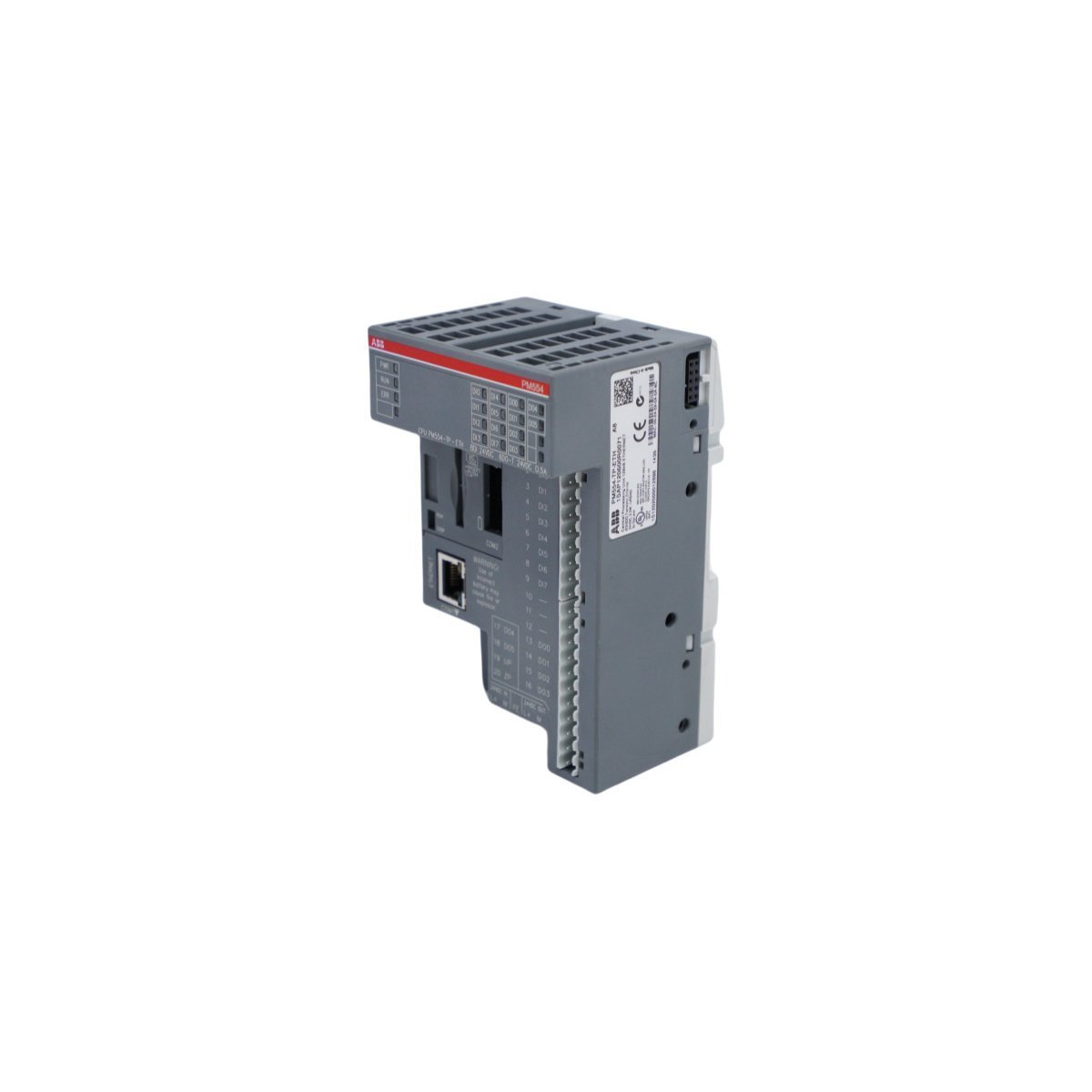
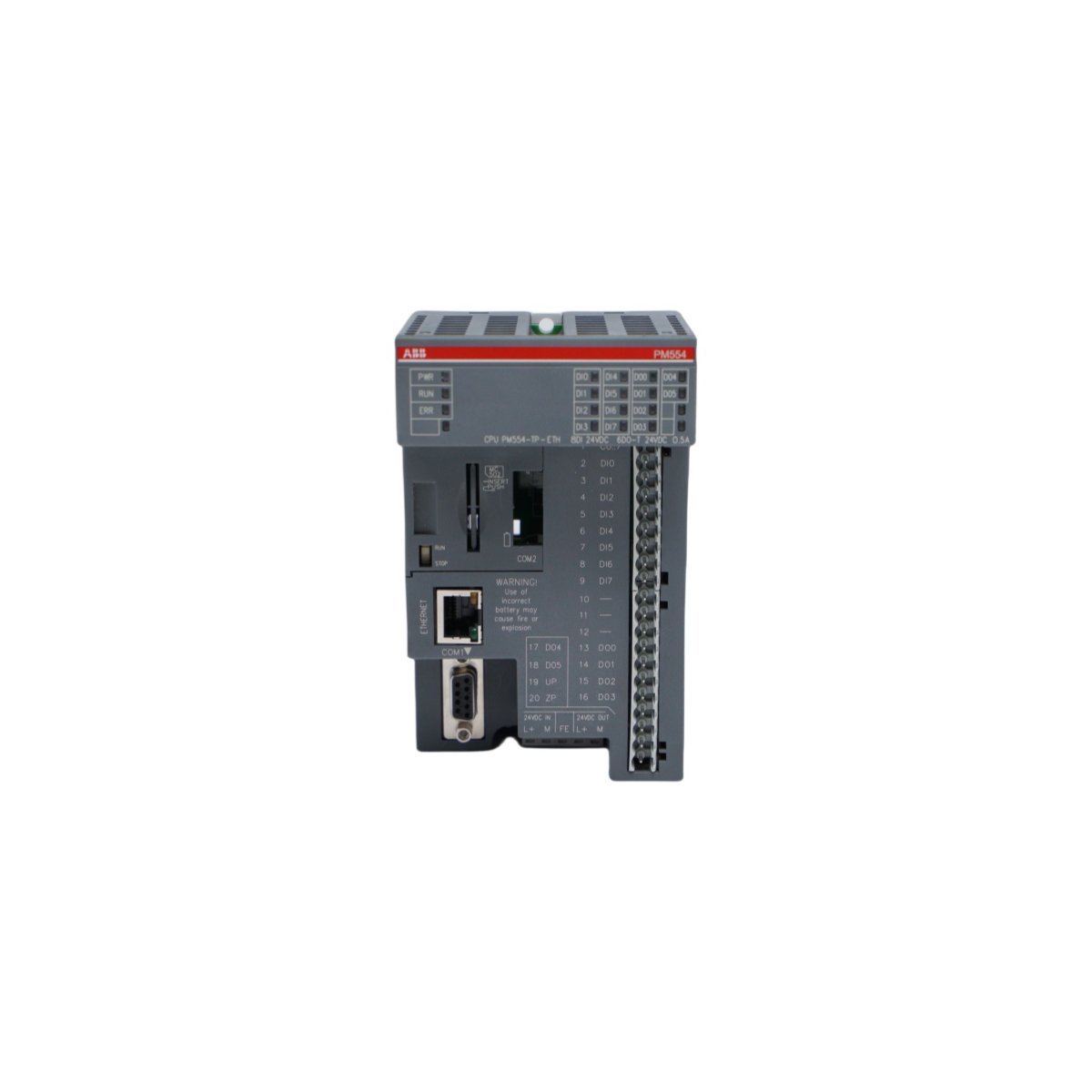
Available brand new original stock ABB PM564-TP-ETH 1SAP120900R0071 Central Processing Unit. High-speed communication processing for AC500/800xA series. Global shipping on all industrial orders. Contact us today.
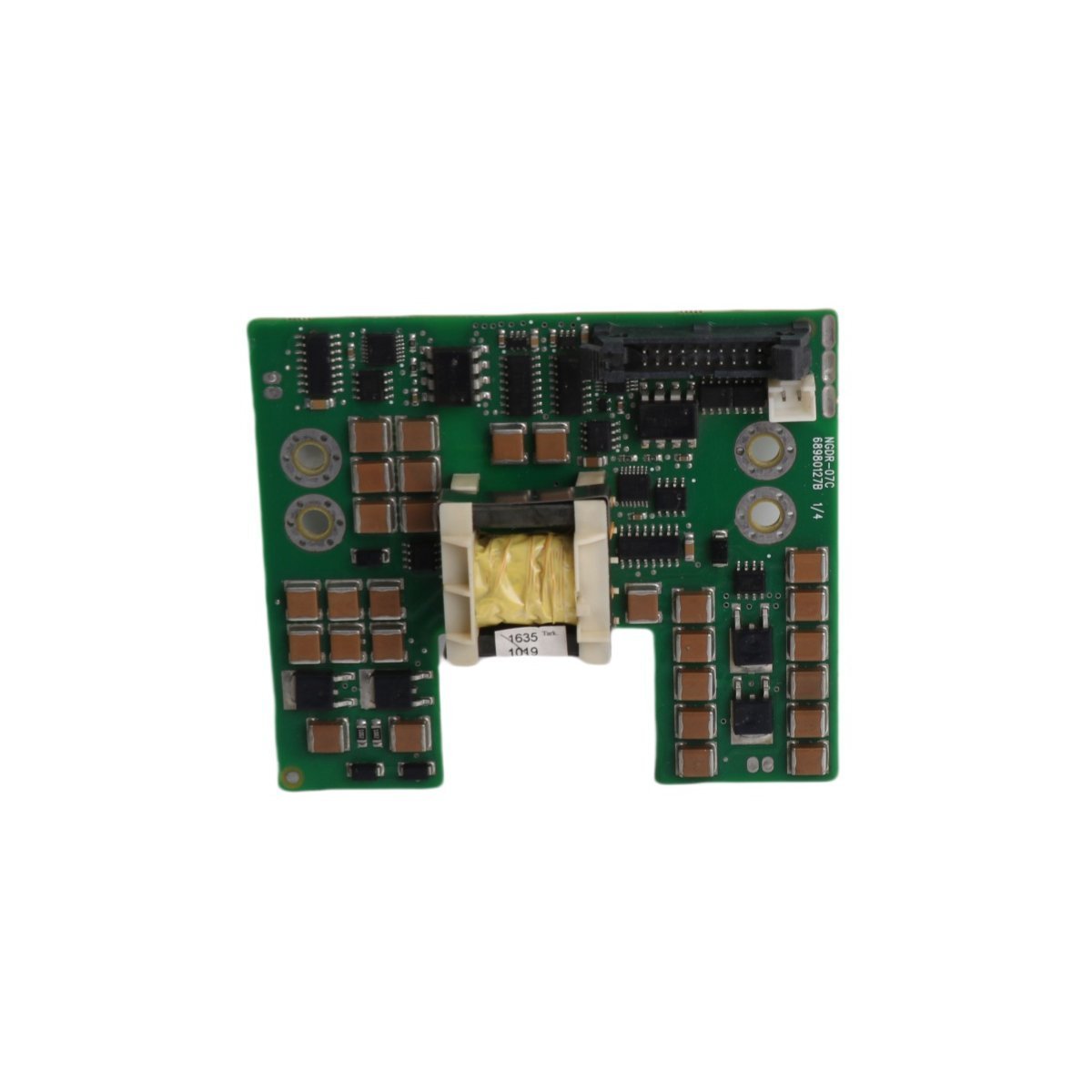
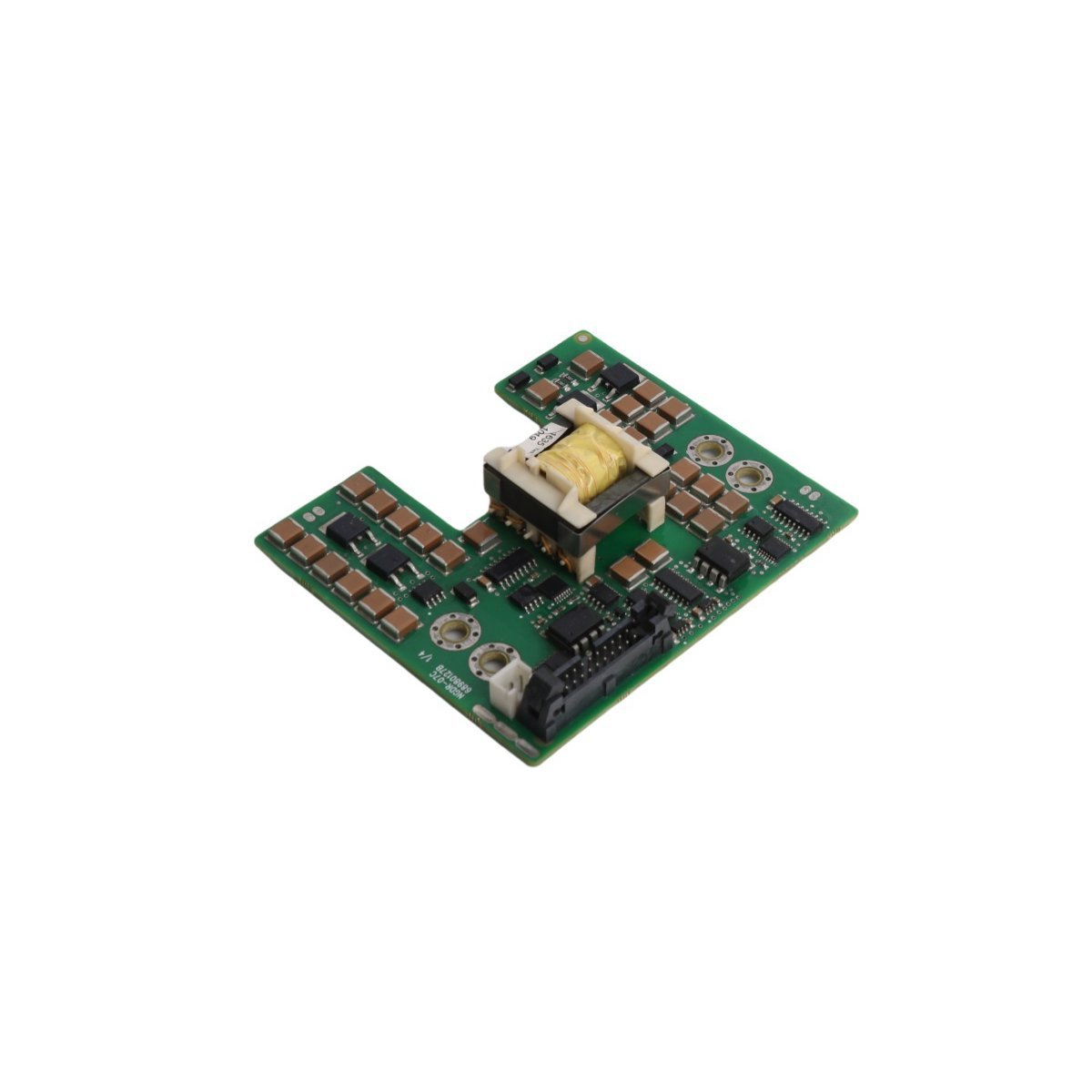
Secure the ABB NGDR-07C Protection Trigger Driver Board, featuring low power consumption and high-speed <=30ms fault protection execution for DCS networks. Factory-verified original surplus with international warranty. Request your formal technical quote today.
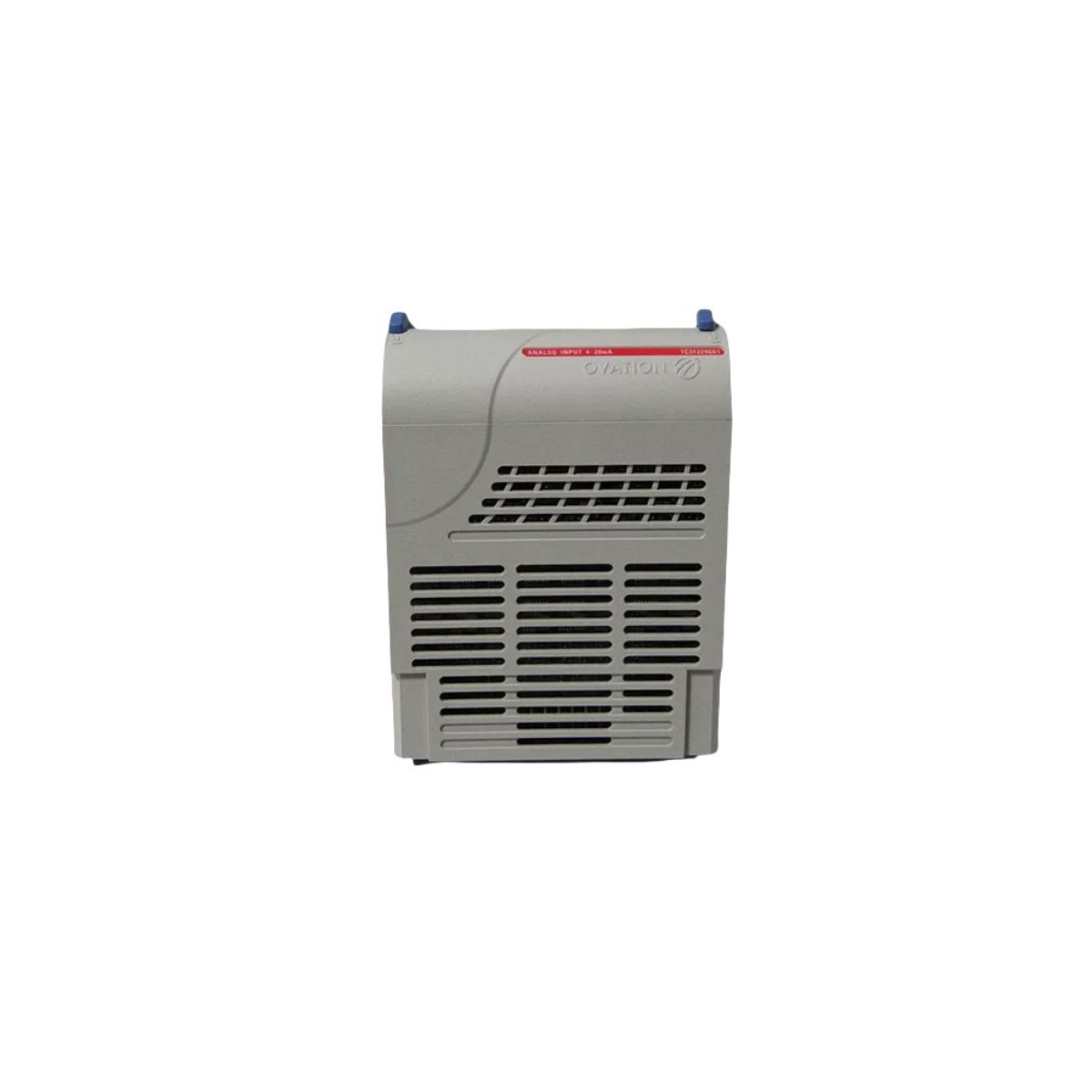
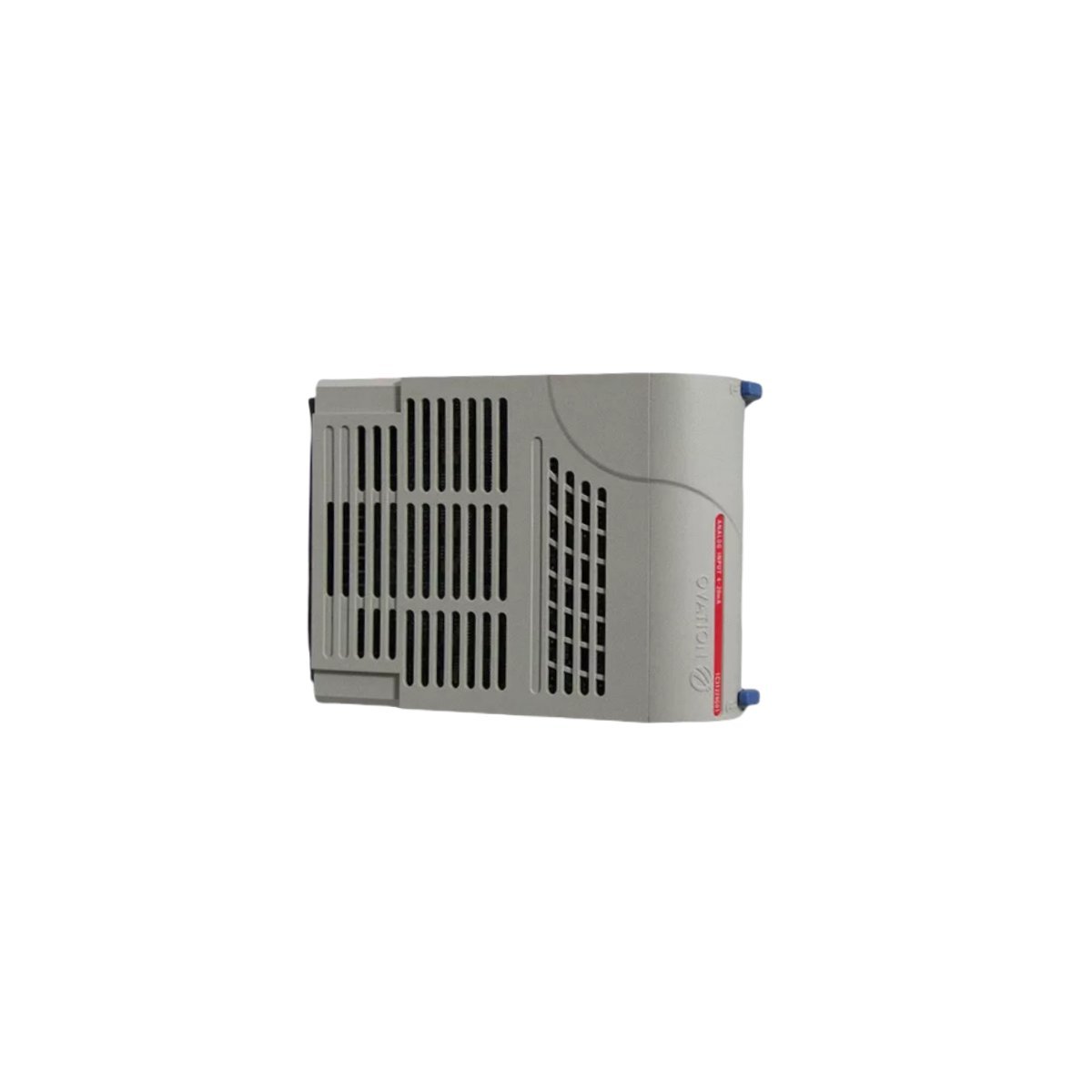
The EMERSON 1C31116G02 is a premium analog input machine control module built for the Ovation DCS platform. Original factory surplus units are available now with prompt worldwide shipping options. Safeguard your process uptime and source your necessary spare parts today.
The ABB CAO10-P 3BDH000723R1 is a 16-channel analog output module for Advant-800xA systems. It features 12-bit resolution, HART protocol support, and redundant operation for high-reliability industrial automation and DCS applications.
The ABB DI651 3BHT300026R1 is a 32-channel digital input module for the Advant OCS 800xA series. It features 24V DC operation, 1500V AC isolation, and a wide operating temperature range for professional DCS applications.
The ABB AI835A 3BSE051306R1 is an 8-channel S800 analog input module for thermocouples and mV signals. It features 0.1 μV resolution, cold junction compensation, and galvanic isolation for high-precision temperature monitoring in 800xA systems.
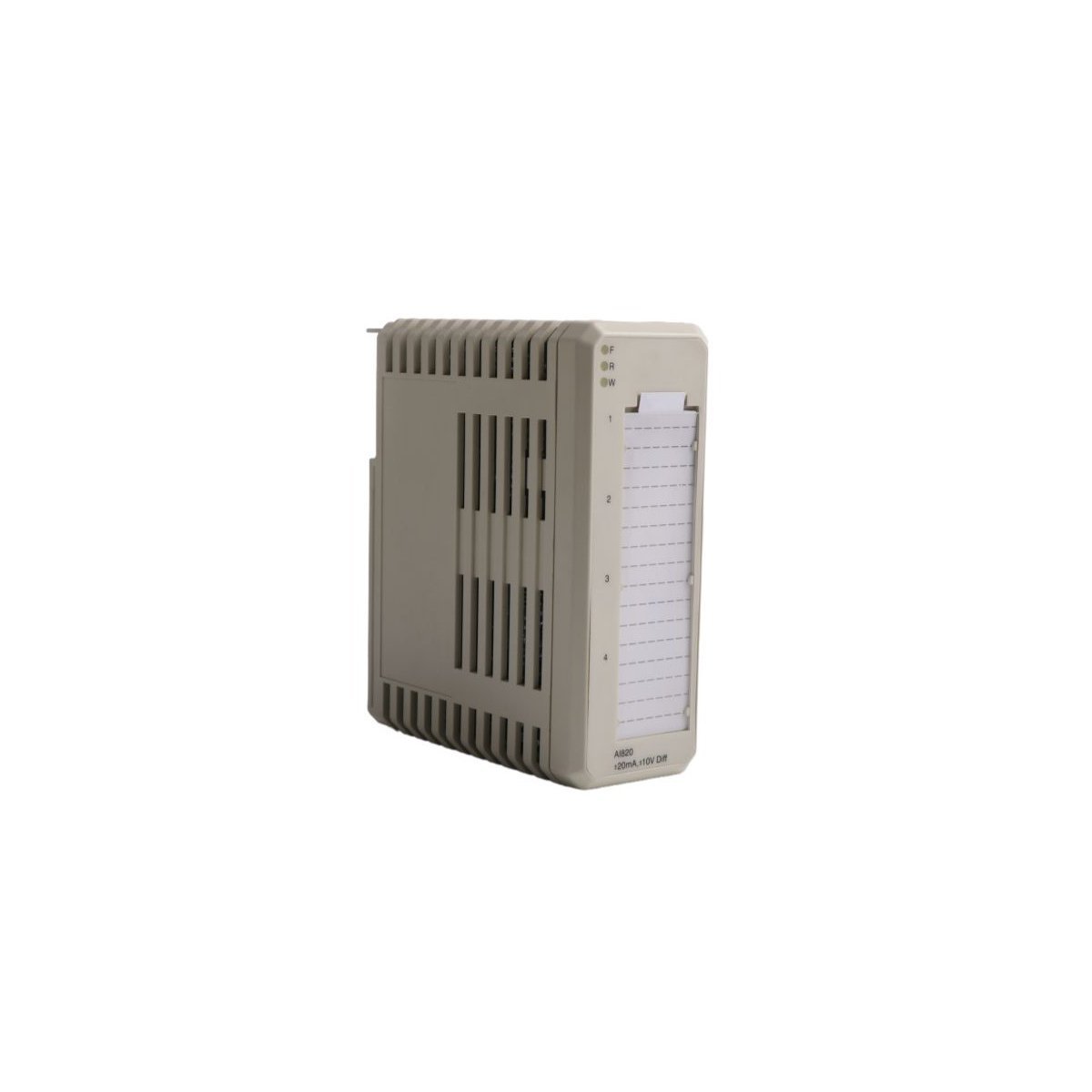
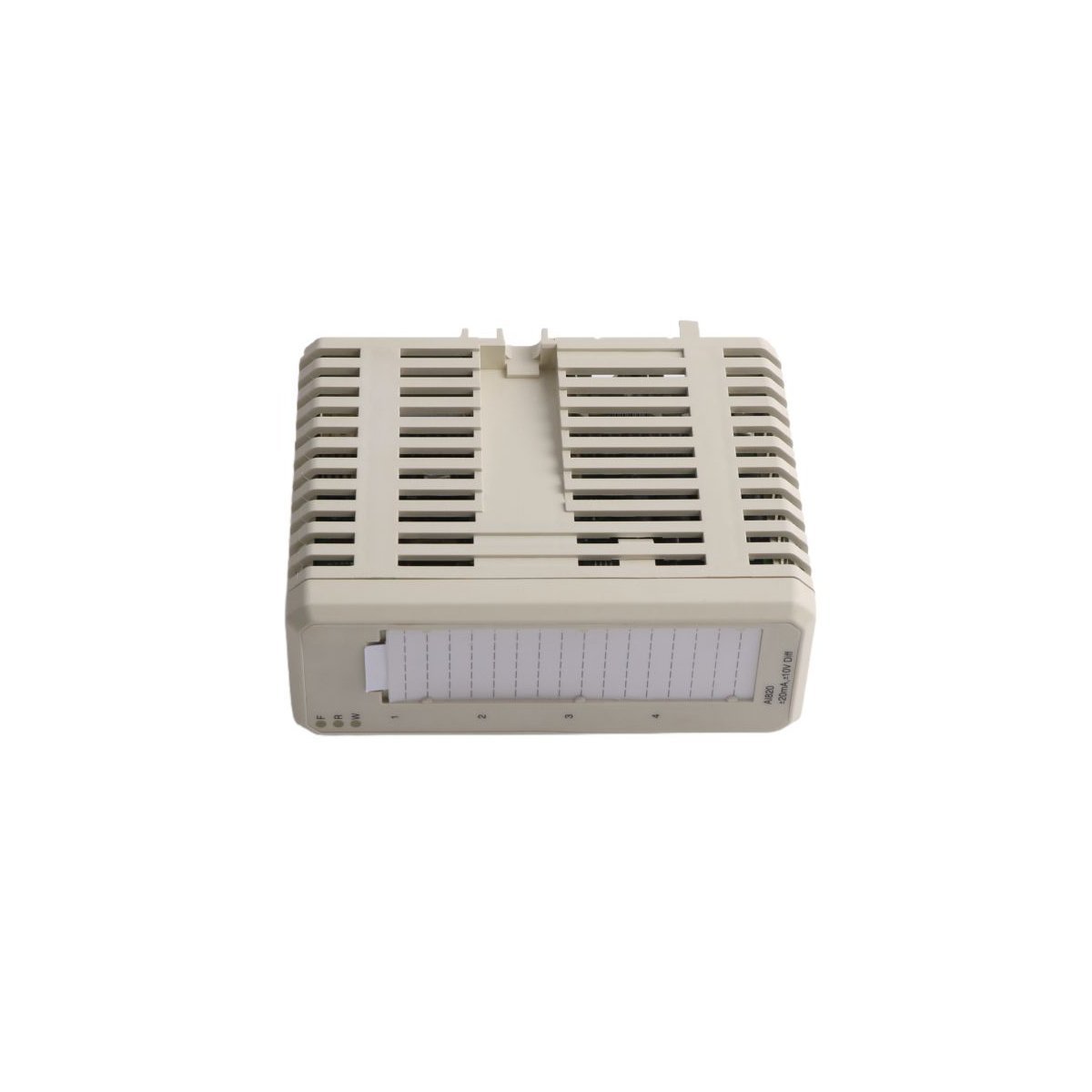
The ABB AI820 is a 4-channel bipolar analog input module for S800 I/O systems. It features 14-bit resolution, supports both voltage and current signals, and provides 30V DC overvoltage protection for reliable industrial data acquisition.
The ABB AI820 3BSE008544R1 is a 4-channel analog input module for S800 I/O systems. It features 14-bit resolution and group isolation for precision DCS monitoring.
The ABB AO810V2 (3BSE038415R1) is an 8-channel S800 analog output module featuring 14-bit resolution. It provides precise 0-20mA or 4-20mA current signals for 800xA and Advant OCS systems. This Sweden-manufactured module supports high-impedance loads and ensures reliable control for industrial actuators and valves.
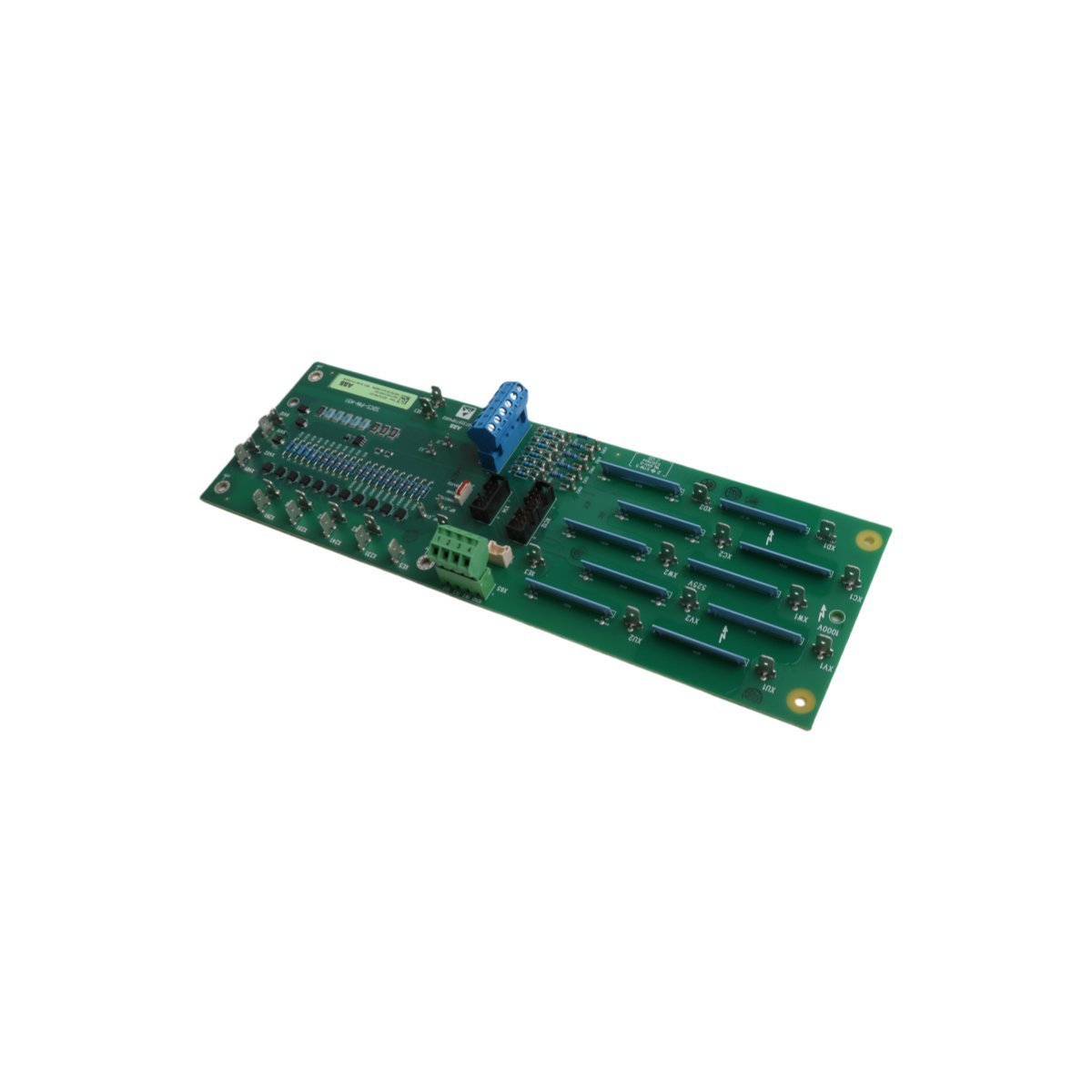
The ABB SDCS-PIN-H51 (3ADT320700R1501) is a high-efficiency 24V DC power supply board for Advant OCS and 800xA systems. It provides stable 60W-120W output with an 85% efficiency rating. This lightweight 0.15kg module ensures reliable power regulation for industrial digital inputs and critical control logic.
The ABB 5SHY3545L0010 (3BHB013088R0001) is a 4500V/3500A Integrated Gate-Commutated Thyristor module. It features an integrated gate driver for high-efficiency switching in HVDC, VFD, and SVC applications. This GVC750 GE101 unit provides 1.5μs switching speeds and 30kA surge protection for medium-voltage industrial systems.
The ABB 3BHB013085R0001 5SHY3545L0009 is a 4500V IGCT module designed for medium-voltage drives and power conversion. This Swedish-made semiconductor offers 30kA surge protection and rapid switching for Advant OCS/800xA systems.
We are committed to protecting your privacy. The information collected here is strictly used to provide the requested quotes, technical support, and relevant industrial automation solutions.