You are here:
SKU: NGDR-07C

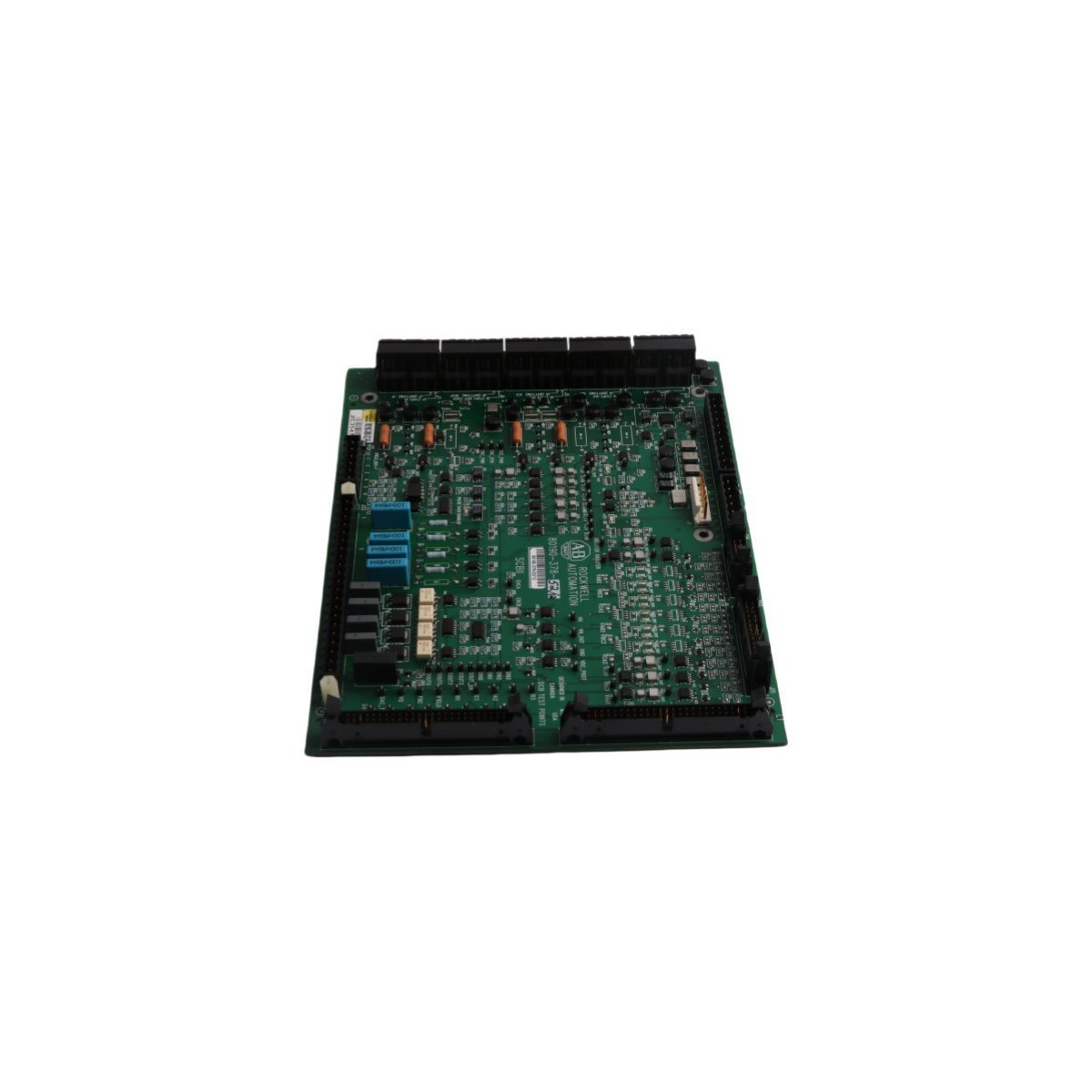
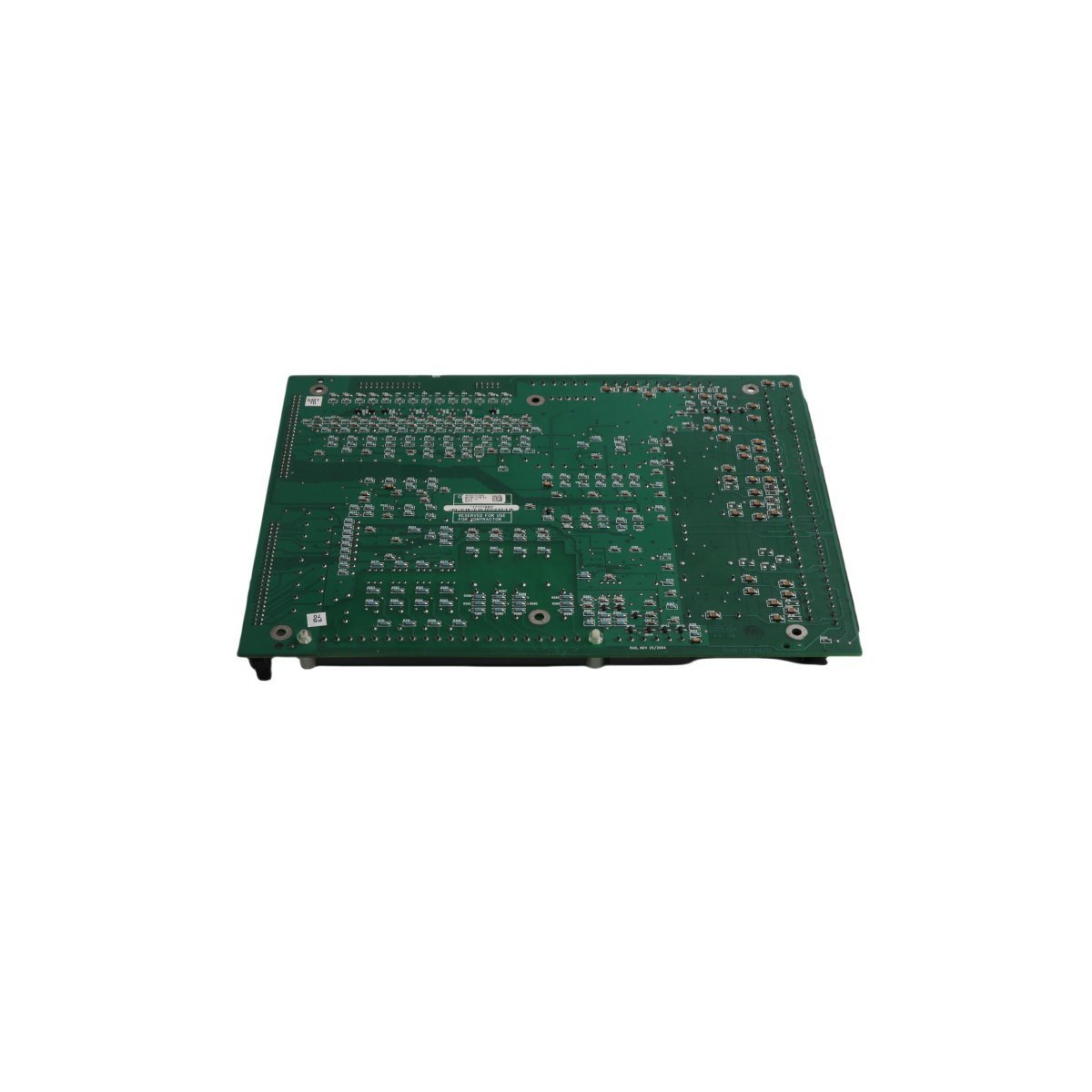
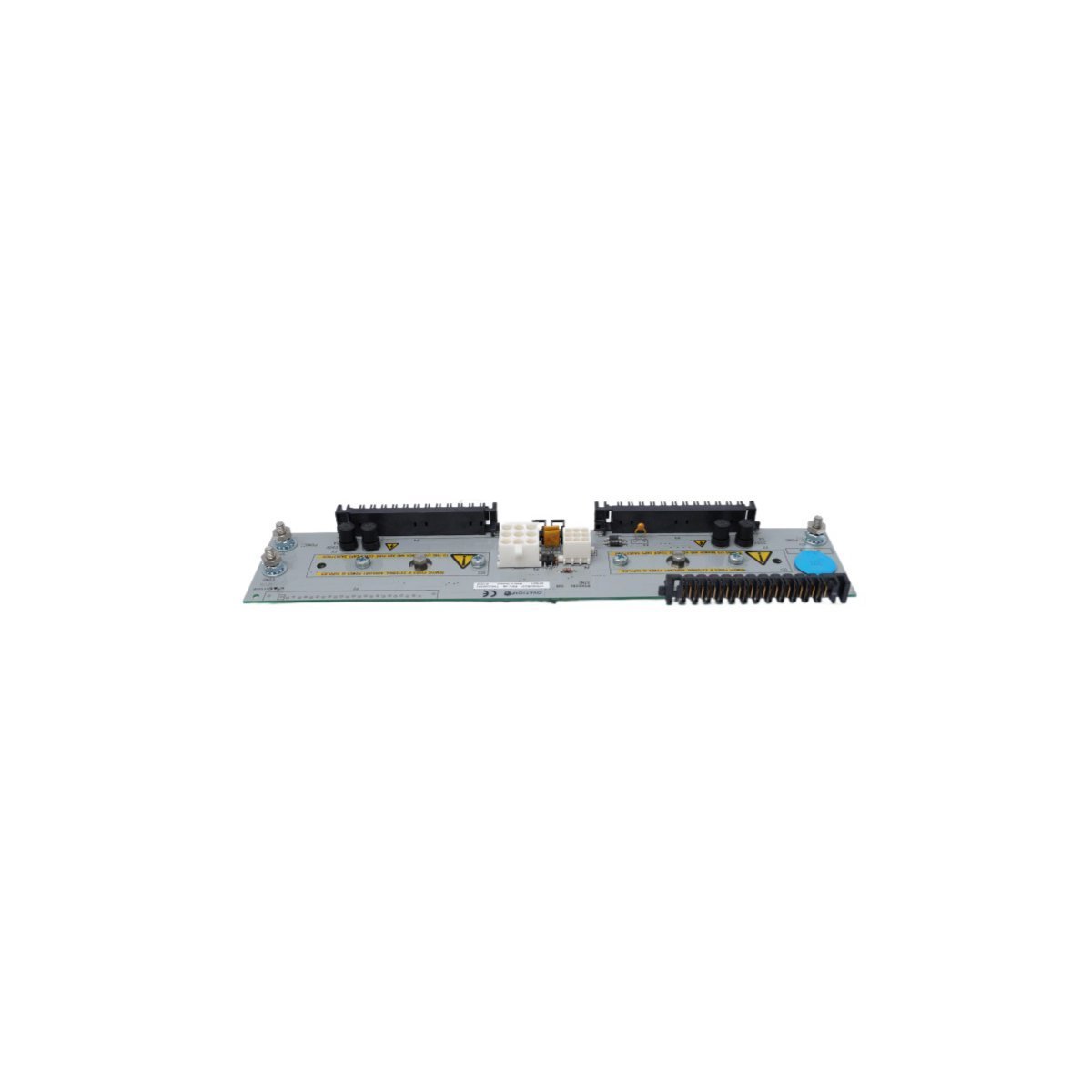
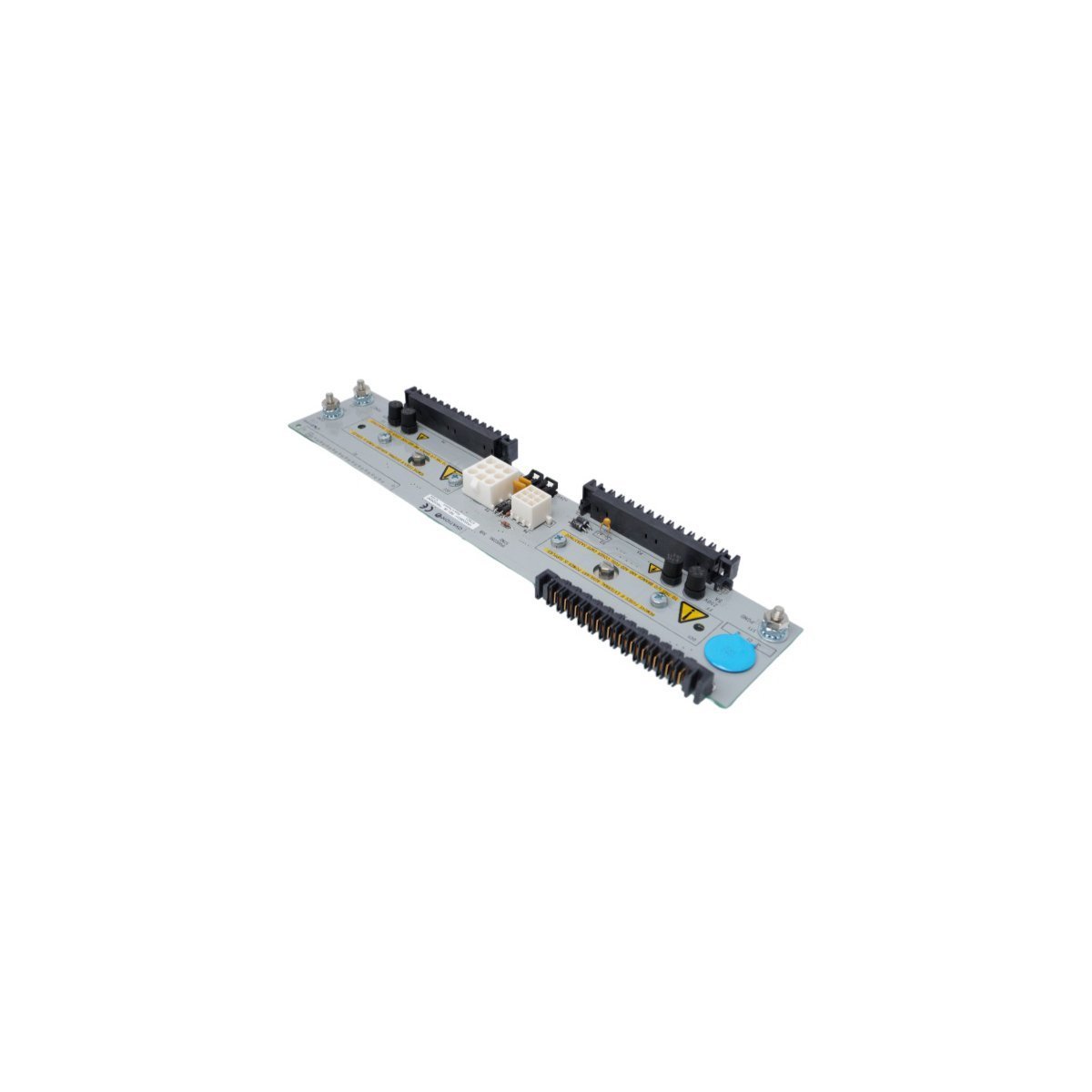
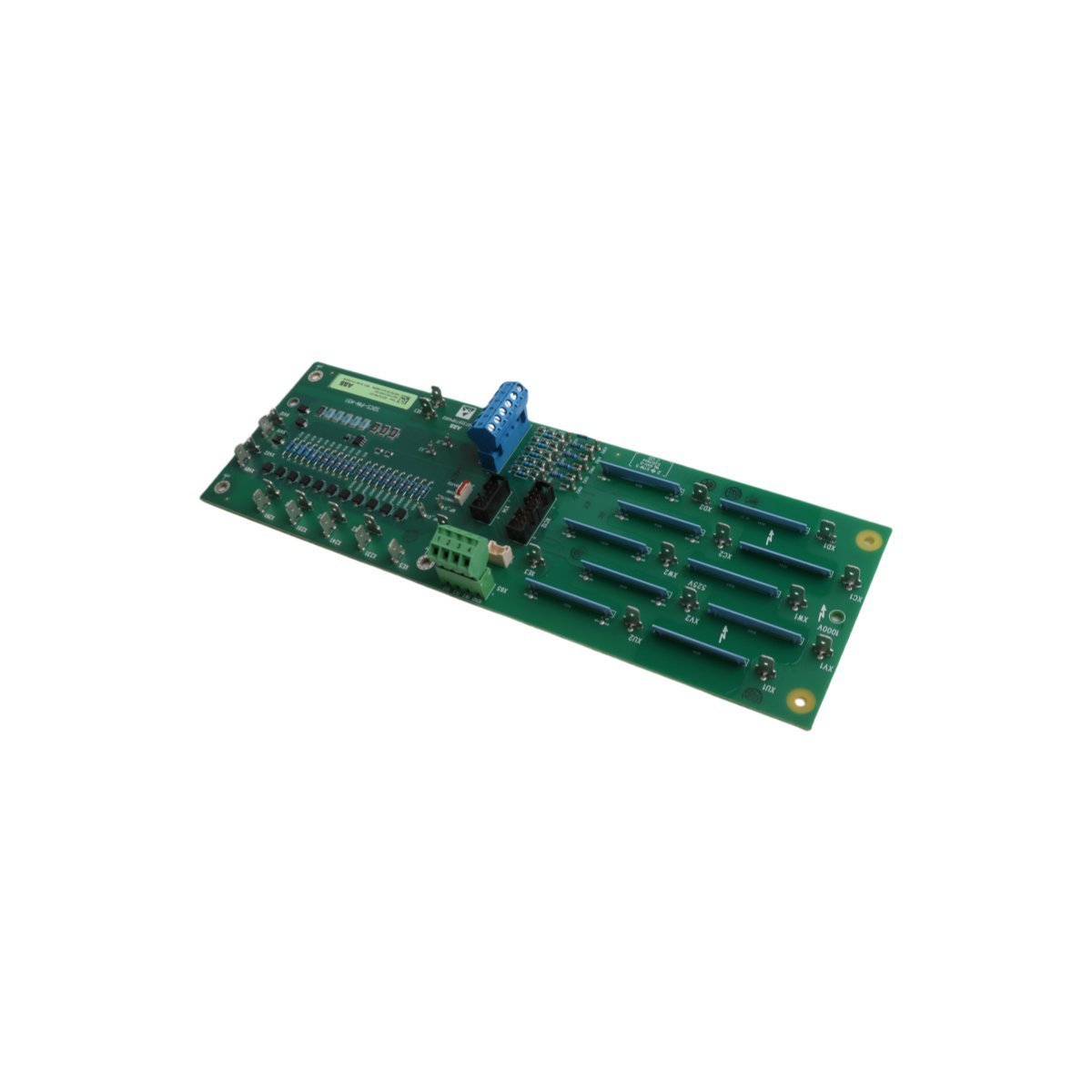
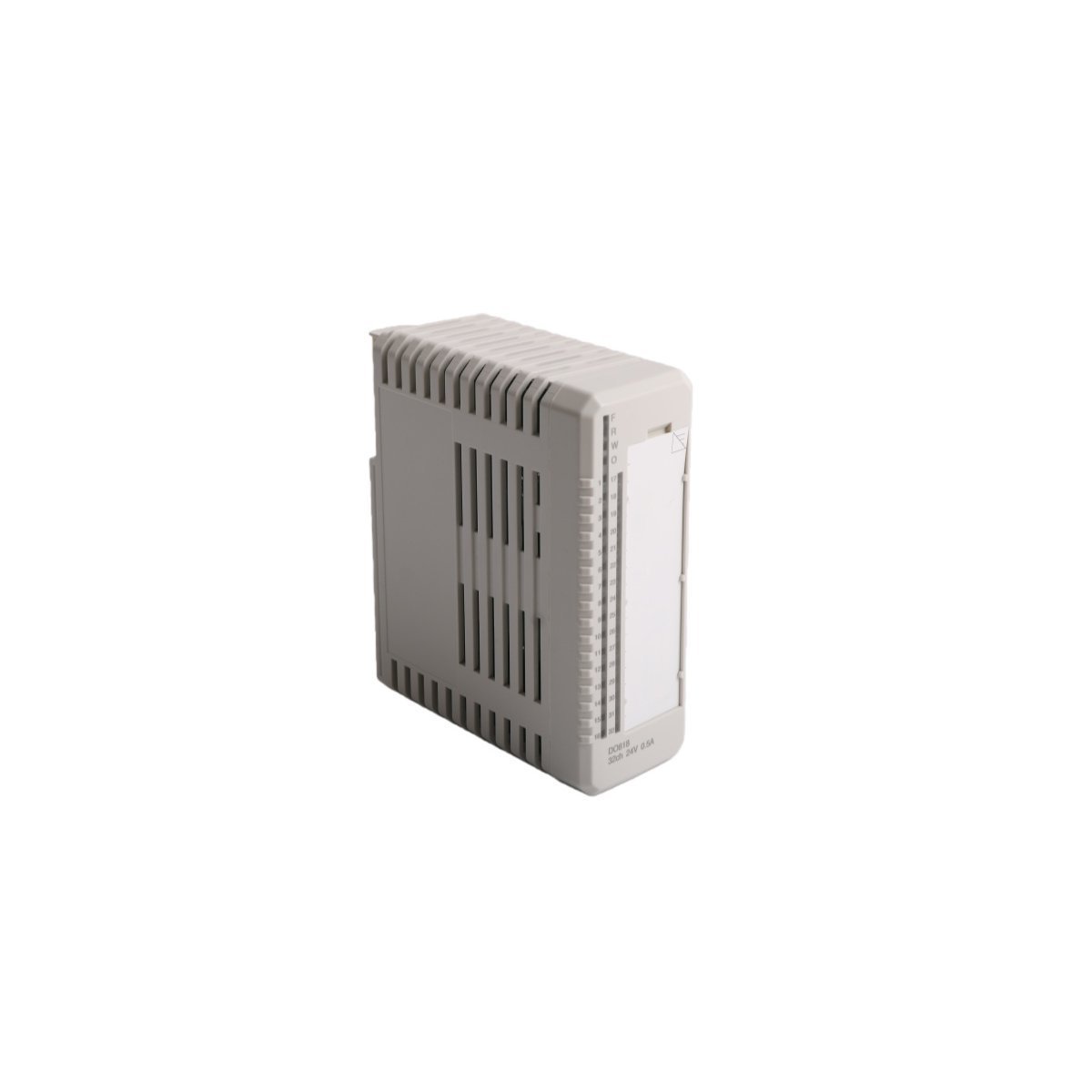
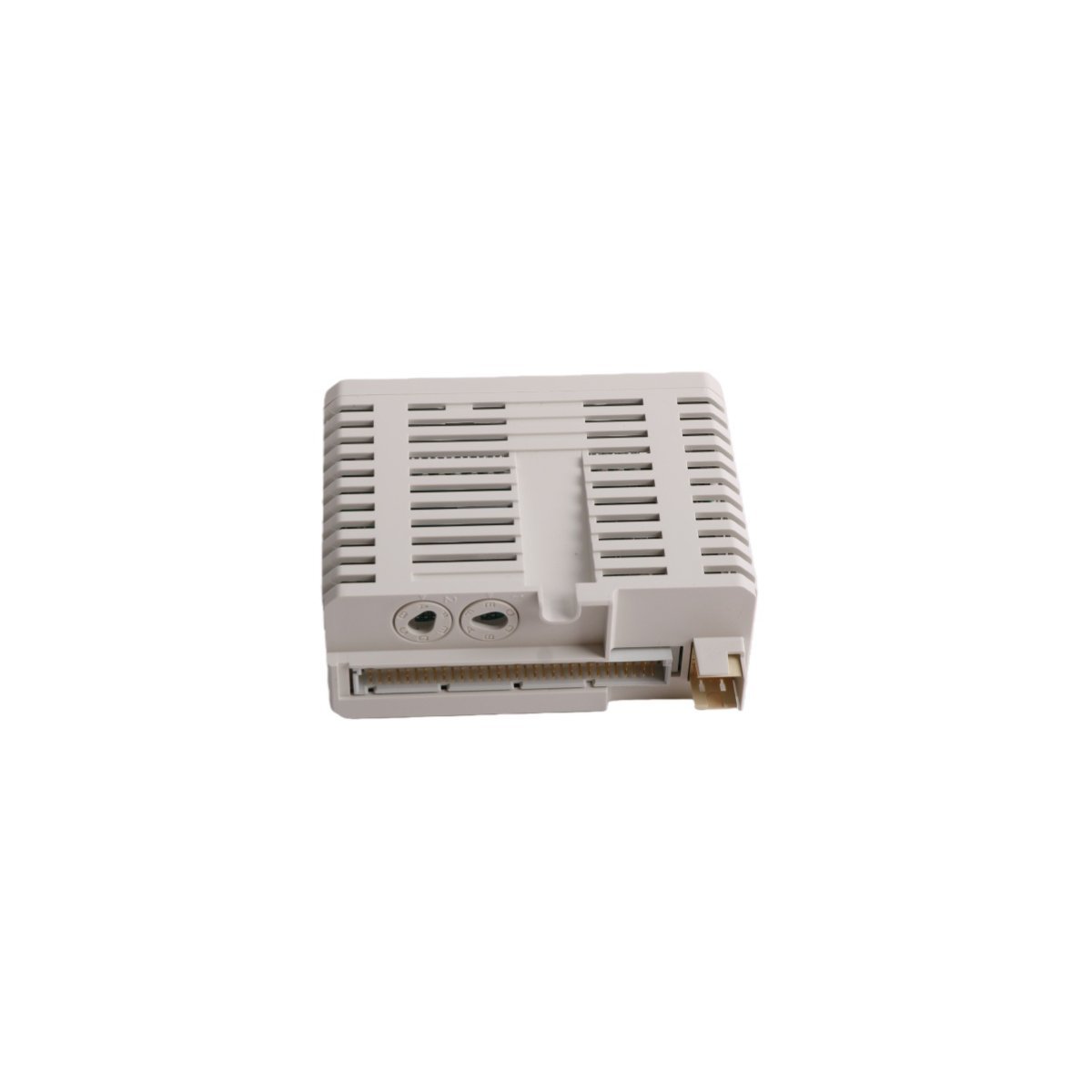
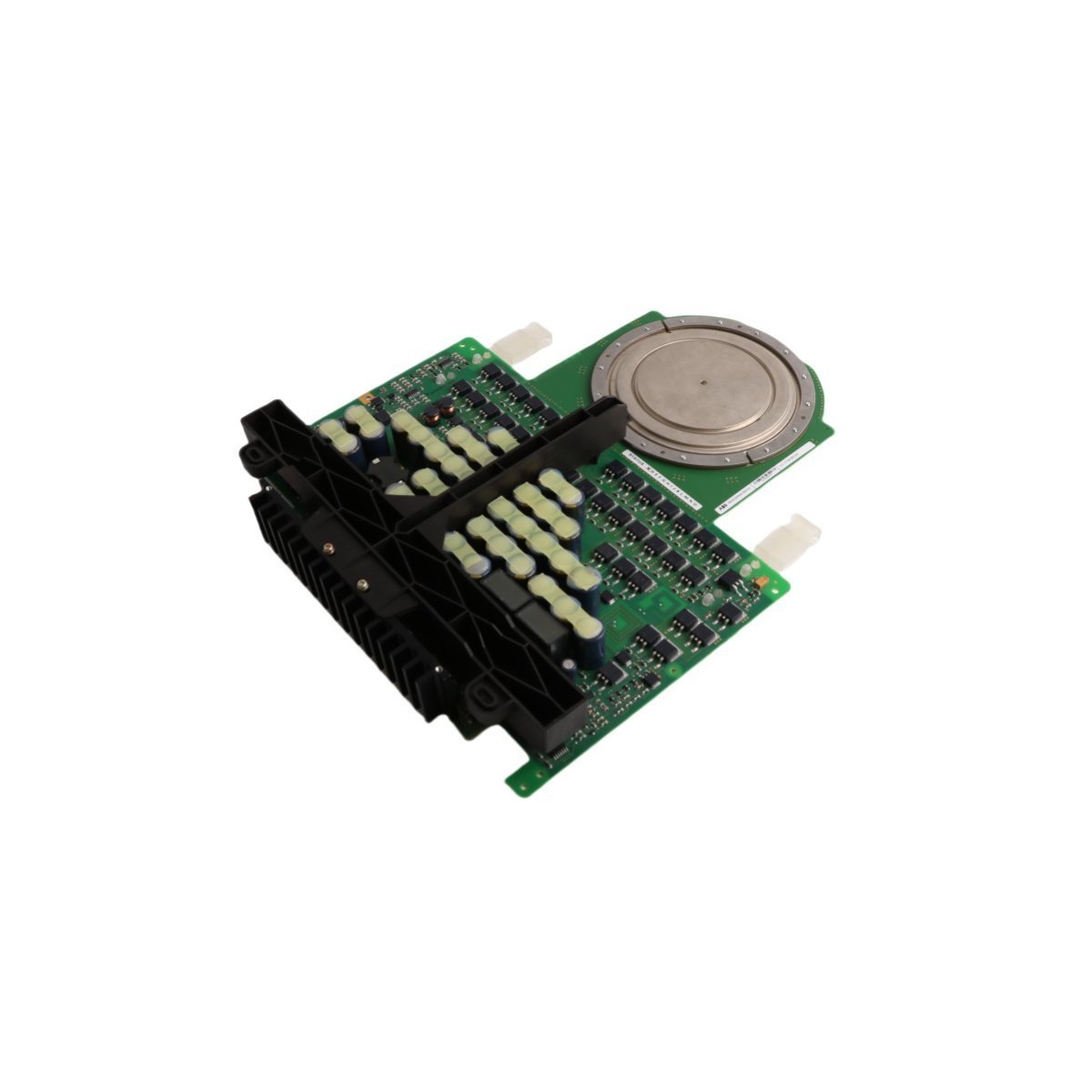
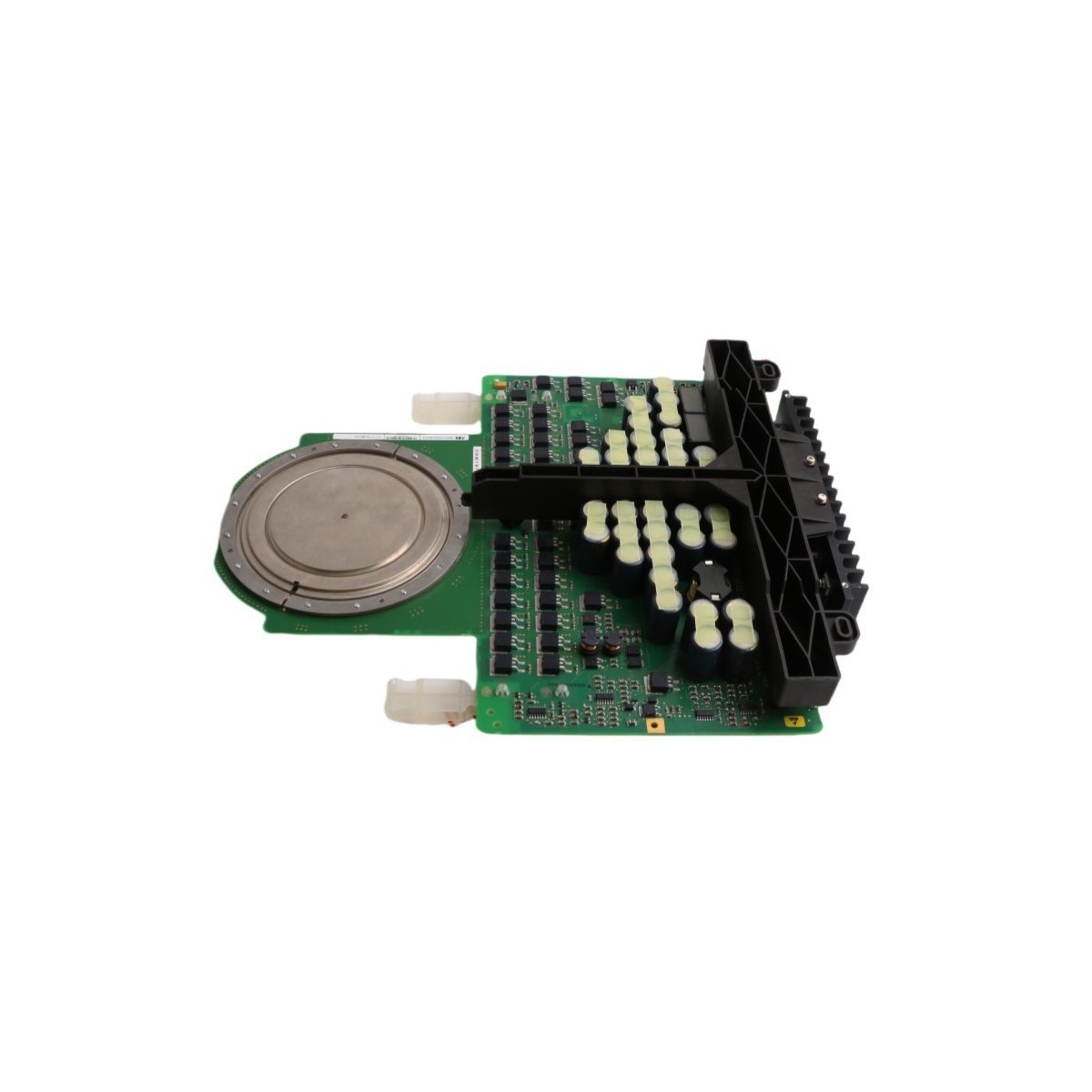
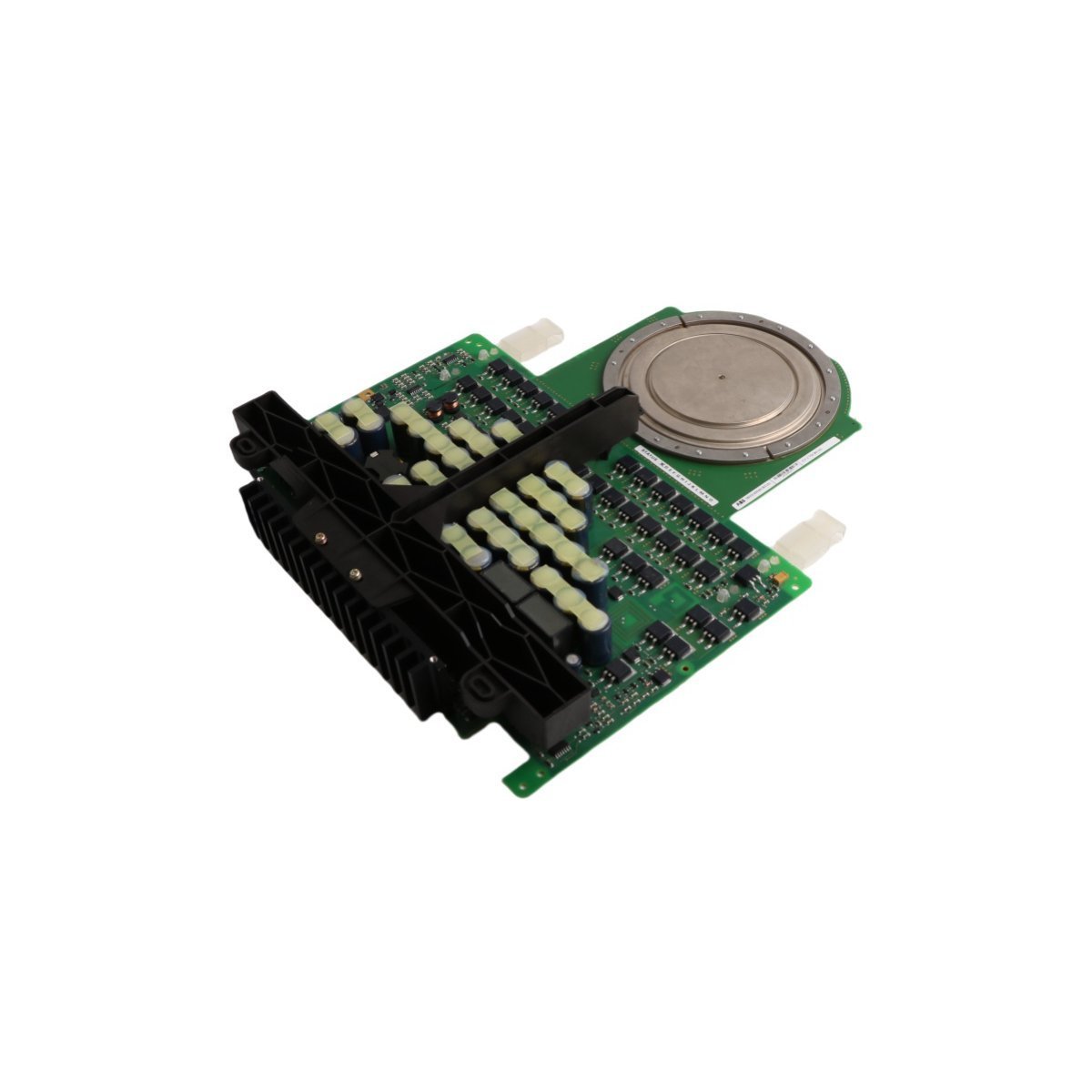
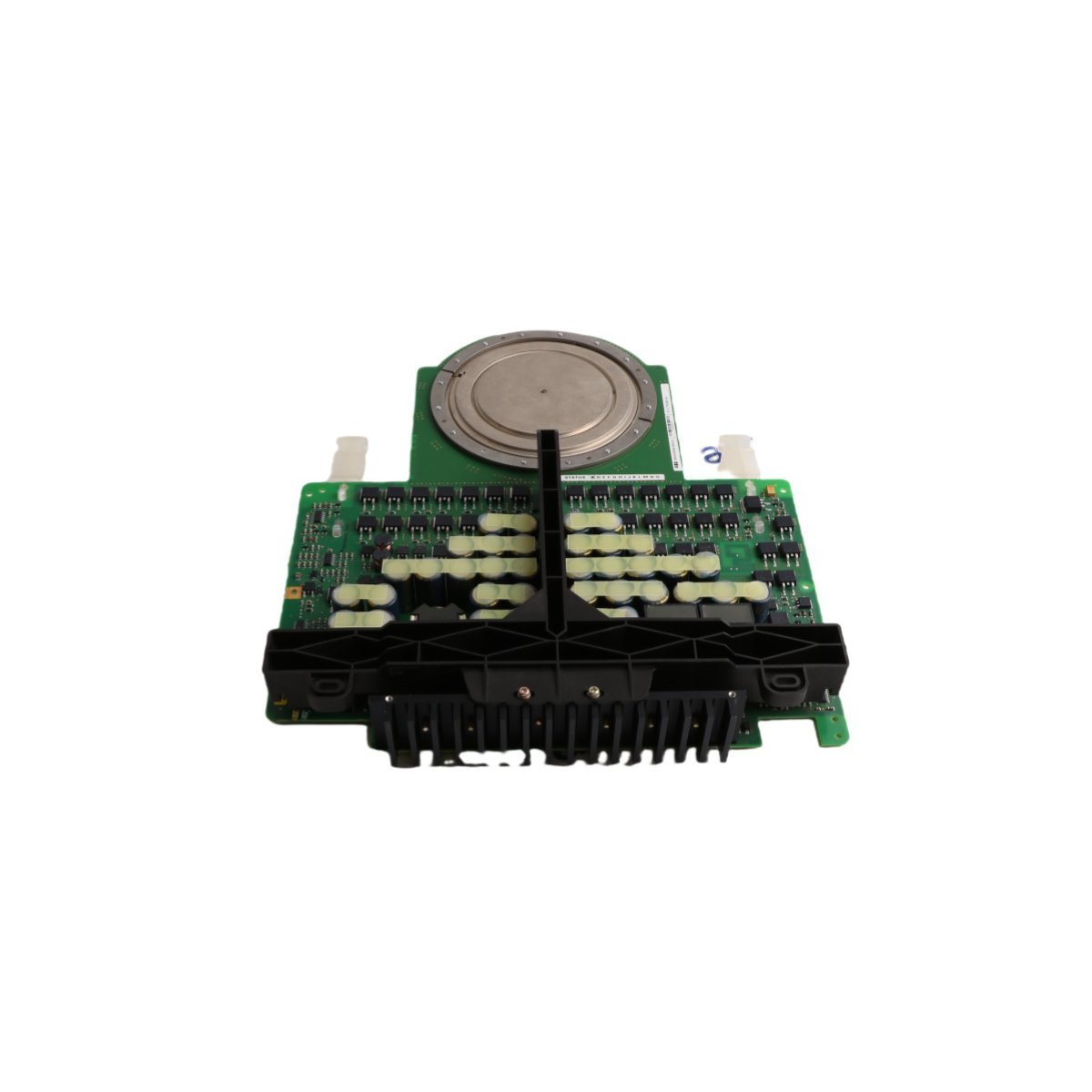
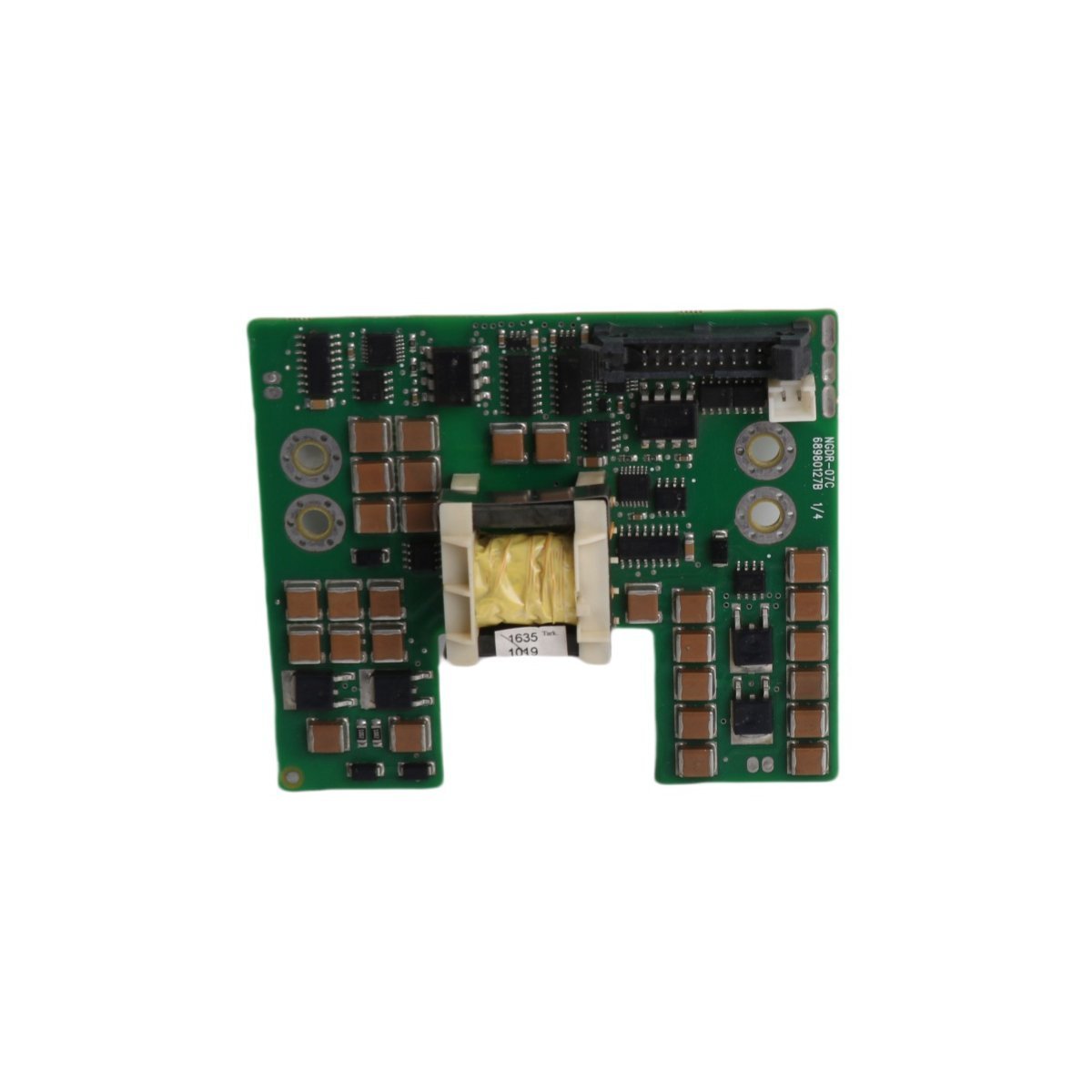
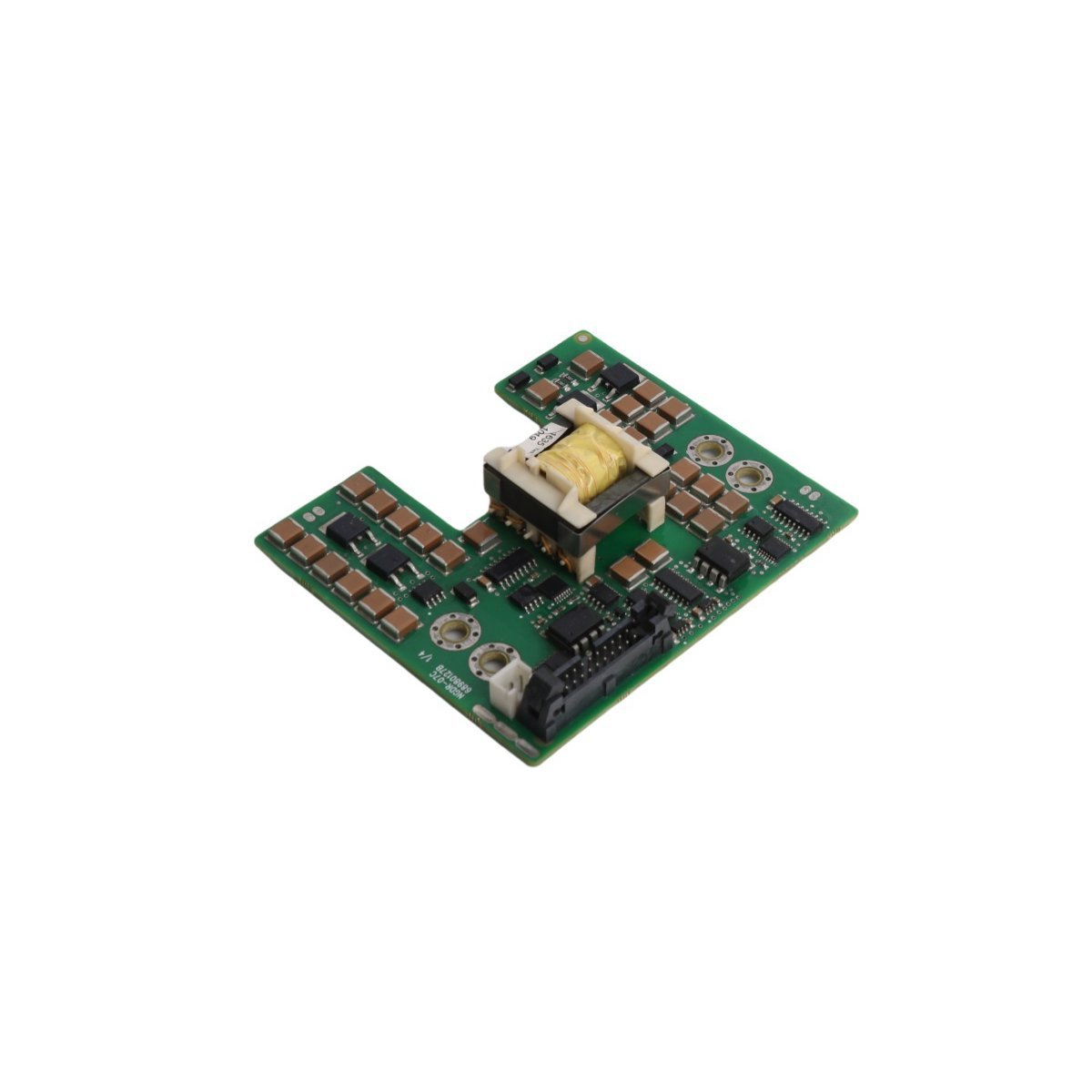
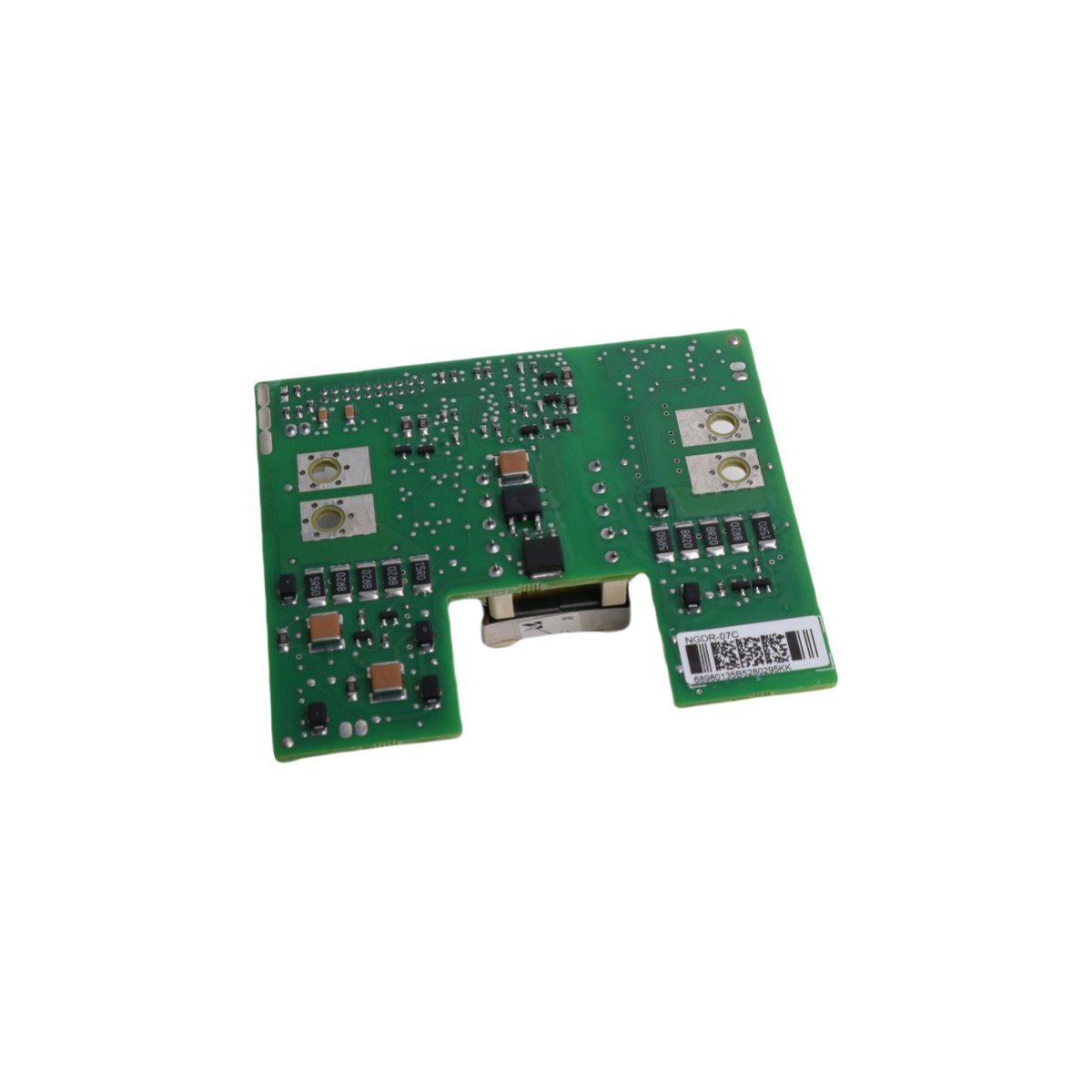
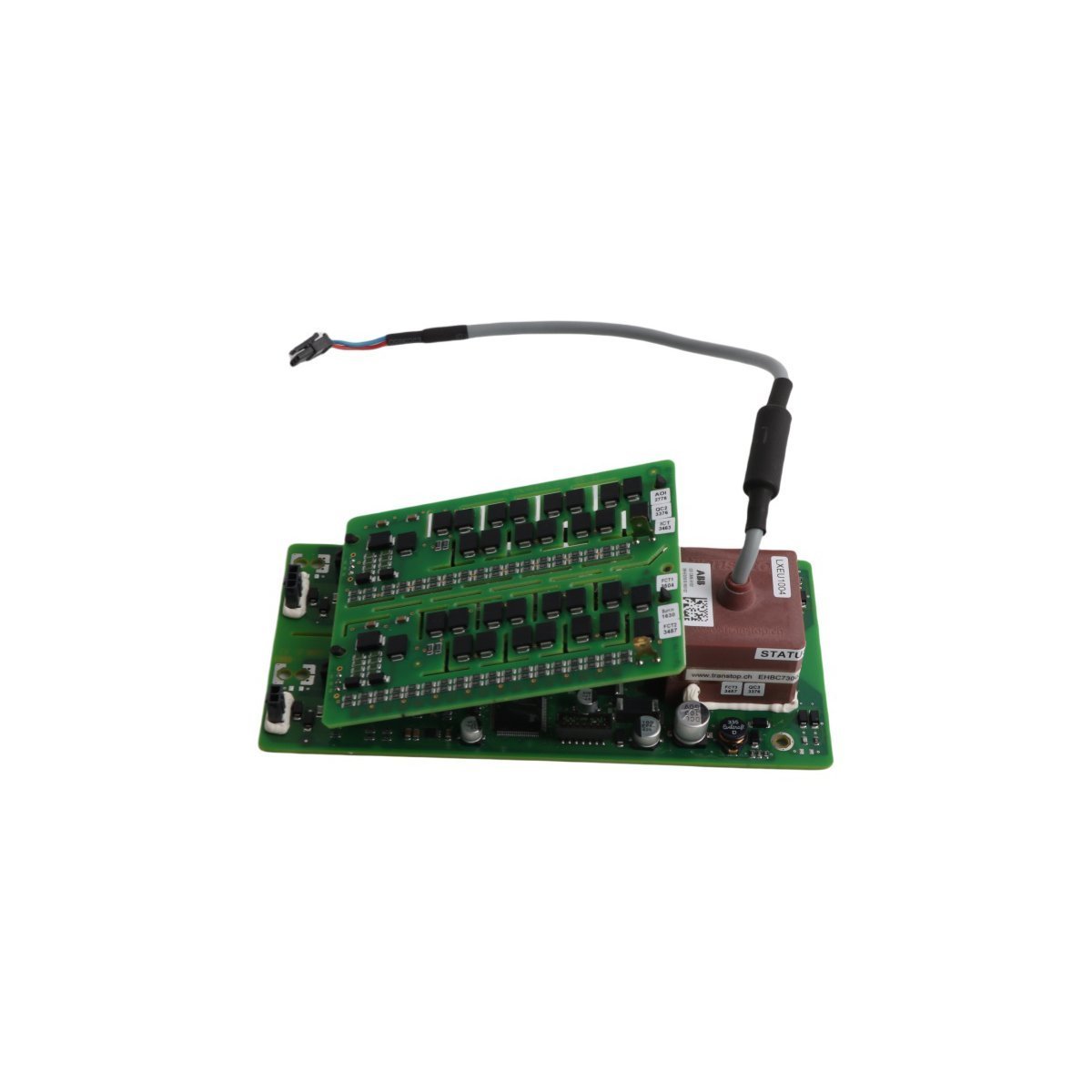
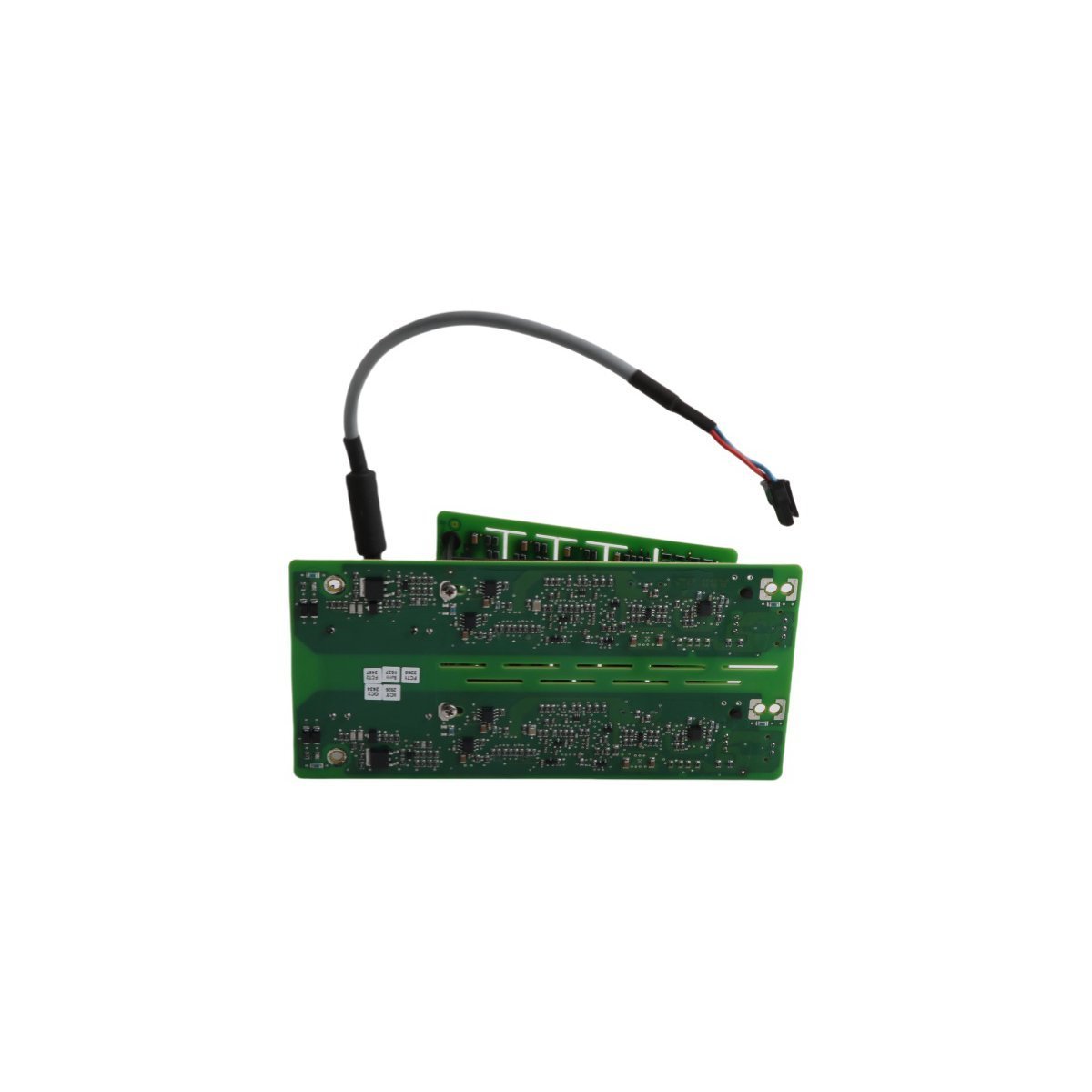
ABB NGDR-07C Protection Trigger Driver Board

Secure the ABB NGDR-07C Protection Trigger Driver Board, featuring low power consumption and high-speed <=30ms fault protection execution for DCS networks. Factory-verified original surplus with international warranty. Request your formal technical quote today.

Configured for high-density physical signal execution and fieldbus synchronization in Advant OCS/800xA distributed control networks, the ABB NGDR-07C, also cataloged as the NGDR-07C Protection Trigger Driver Board, provides direct deterministic processing for mixed I/O devices. The hardware handles direct electrical routing, processing discrete 24 VDC inputs alongside analog 4-20 mA and 0-10 V loops. Operating via a low-power internal backplane draw, the module interfaces with specialized communication pathways to function as a fieldbus routing nodes, establishing direct industrial Ethernet backplane data transfers and execution routines without adding processing latencies to the primary controller.

Hardware Specifications

ParameterSpecification
ModelNGDR-07C
BrandABB
OriginSweden
Weight0.24 kg
Dimensions230 mm x 138 mm x 20 mm
Operating Temp-25 to +55 deg C
Power Consumption<= 4 W
System PlatformAdvant OCS / 800xA DCS
Communication ServiceEthernet router / Fieldbus routing
Current Transformer Rating1 A and 5 A compatible
Fault Protection Execution<= 30 ms response time
Input Protection Limitplus/minus 30 V overvoltage protection
Mounting Interface45 mm DIN-rail compatibility

Industrial Control Determinism and Backplane Performance

The ABB NGDR-07C utilizes dedicated backplane bus communication velocity licences to govern synchronous transmission between localized physical terminal blocks and upper-level DCS processors. By implementing optimized hardware pipelines, the unit isolates deterministic Ethernet/IP or Profinet sub-links from variable network jitter. The module features integrated firmware flash compatibility to support continuous operational field upgrades without hardware modification. This communication sub-tier maintains low cyclic timing variations, ensuring that high-density I/O configurations do not degrade processing cycle integrity under peak data throughput.

Frequently Asked Questions

Q: What are the installation restrictions concerning the removable terminal blocks during live backplane operations?

A: While the module logic supports standard internal diagnostics, wiring termination blocks must be detached only when field loop power is isolated. Removal under active load conditions risks inductive kickback or signal faults across parallel sub-networks sharing the same power rail.

Q: How does the channel control unit respond to input overvoltage conditions exceeding the specified threshold?

A: The onboard clamping circuits provide sustained protection up to plus/minus 30 VDC. If a continuous fault exceeds this threshold, the integrated protective current limiters isolate the damaged sub-channel, preventing localized component failures from migrating to adjacent channels or the central system backplane.

Q: Is a manual firmware flash required when deploying this module into an existing Advant OCS system?

A: The module checks its internal firmware revision against the active master baseline during power-up initialization. If a mismatch is detected, the host DCS system determines compatibility parameters based on system configuration rules, necessitating a manual update only if a specific functional gap exists between sub-components.


Field Installation Guidelines

  • Ensure the mounting environment complies with standard DIN-rail or sub-rack seating constraints, maintaining a minimum clearance of 50 mm above and below the card casing to permit natural thermal convection.
  • All field instrumentation cables carrying 4-20 mA or 0-10 V signals must utilize twisted-pair shielded cabling. Ground the shield terminations exclusively at the control cabinet entry ground bar. Do not loop ground paths or ground both ends of the shield to eliminate ground potential loops.
  • Verify the nominal incoming voltage parameters remain within the specified operating thresholds using a calibrated digital multimeter before engaging the primary supply breaker.
  • Strip field wiring insulation strictly to a depth of 7 mm. Insert fully into the screw terminals and torque each connection to 0.5 Nm to prevent high-resistance connection points or loose contacts.