
Sale!
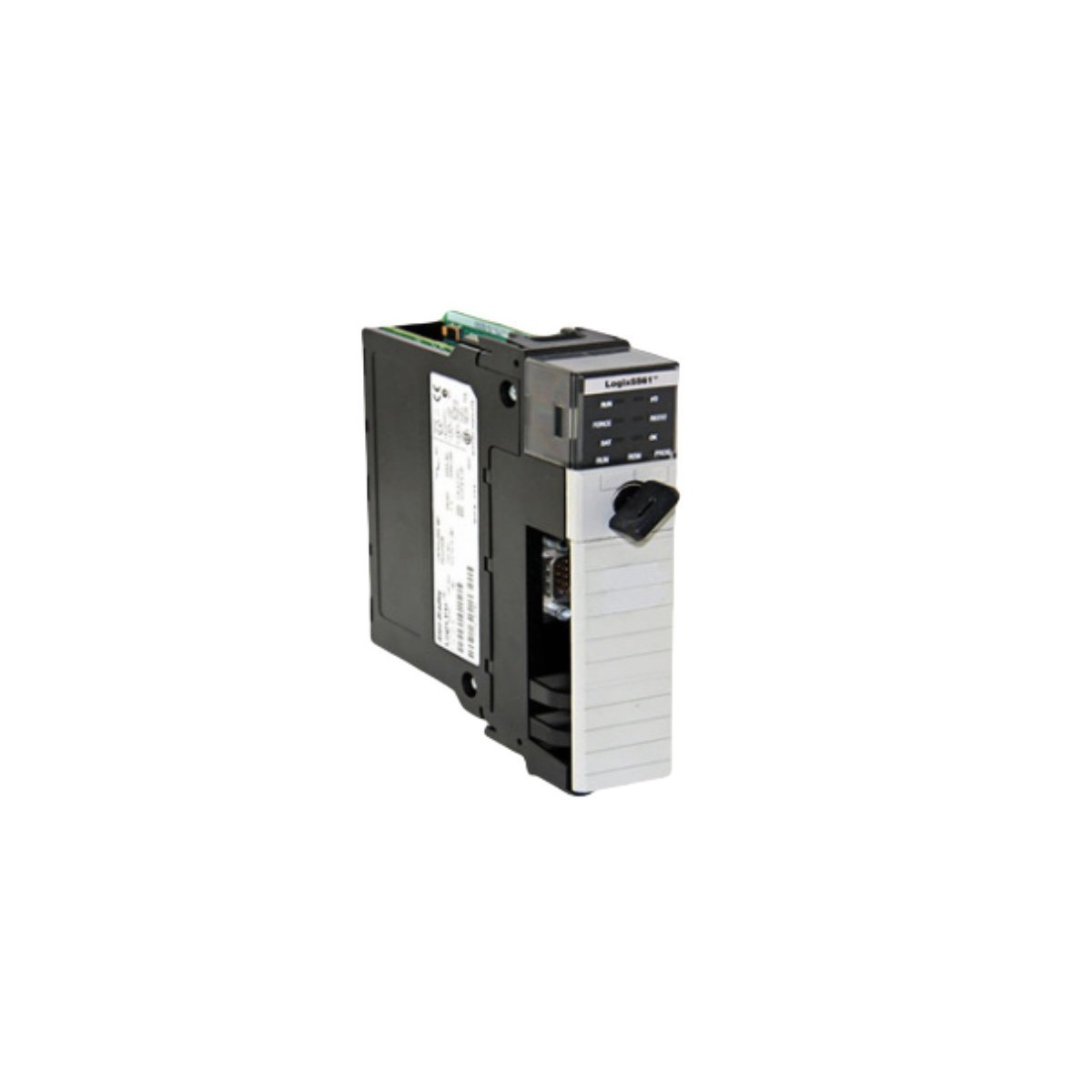
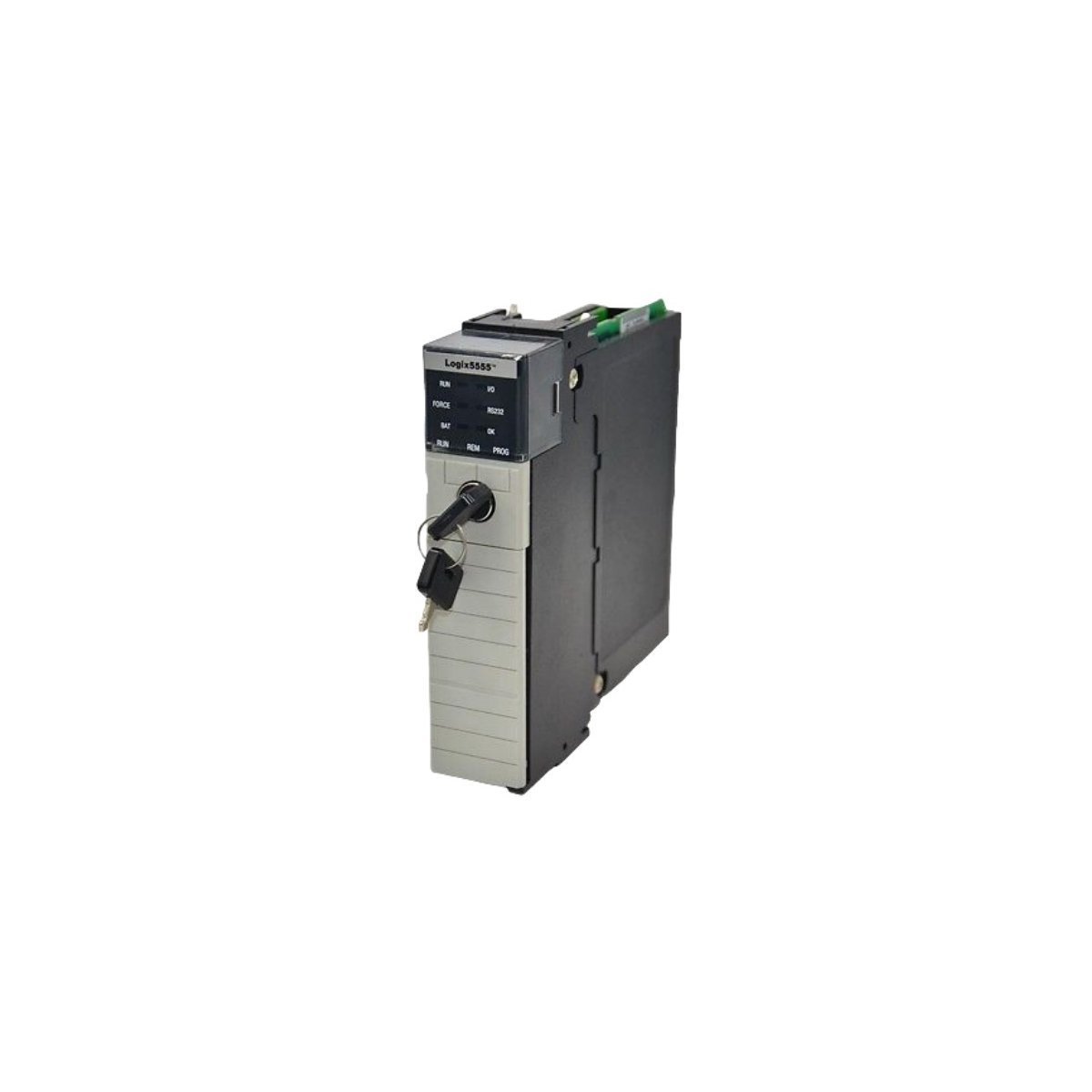
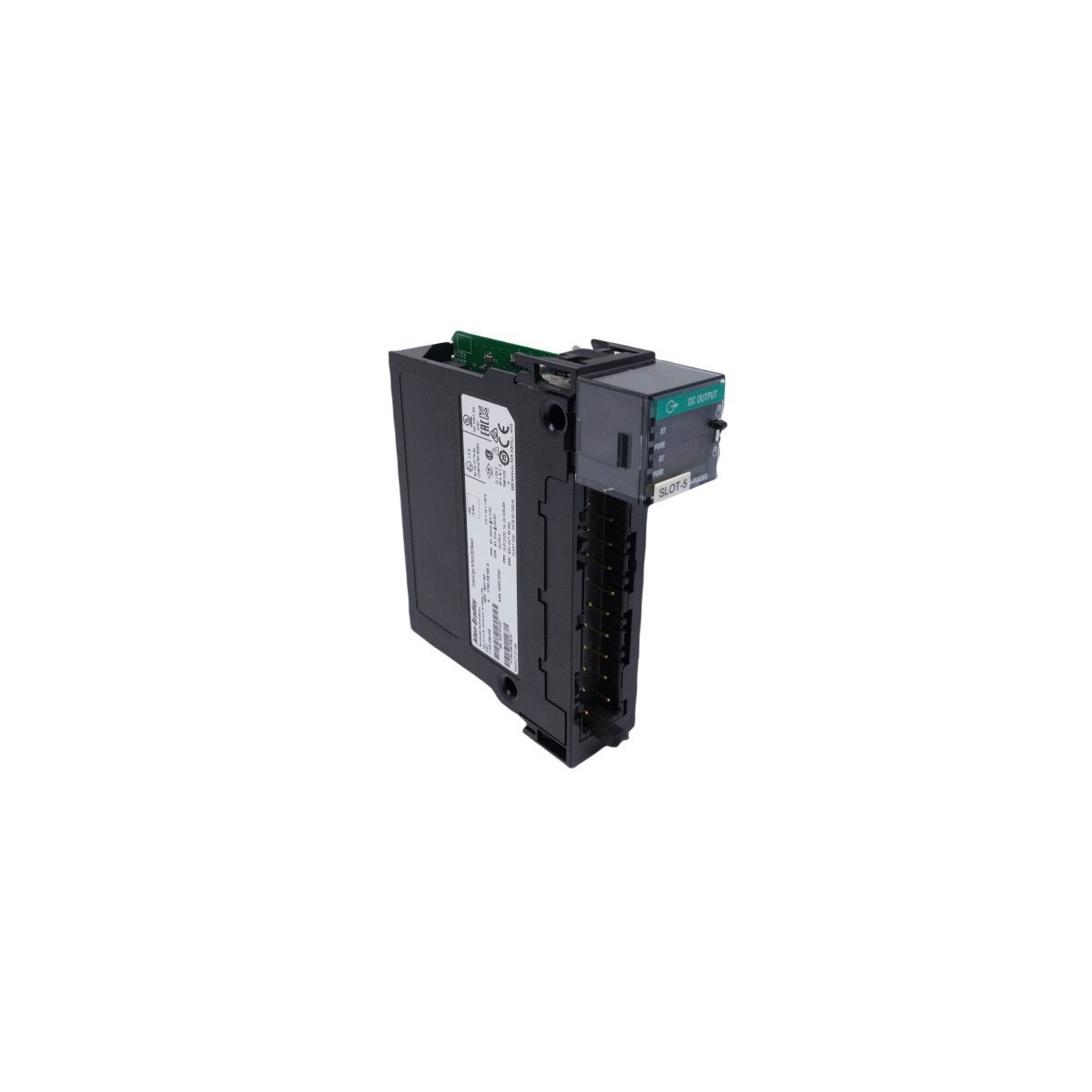
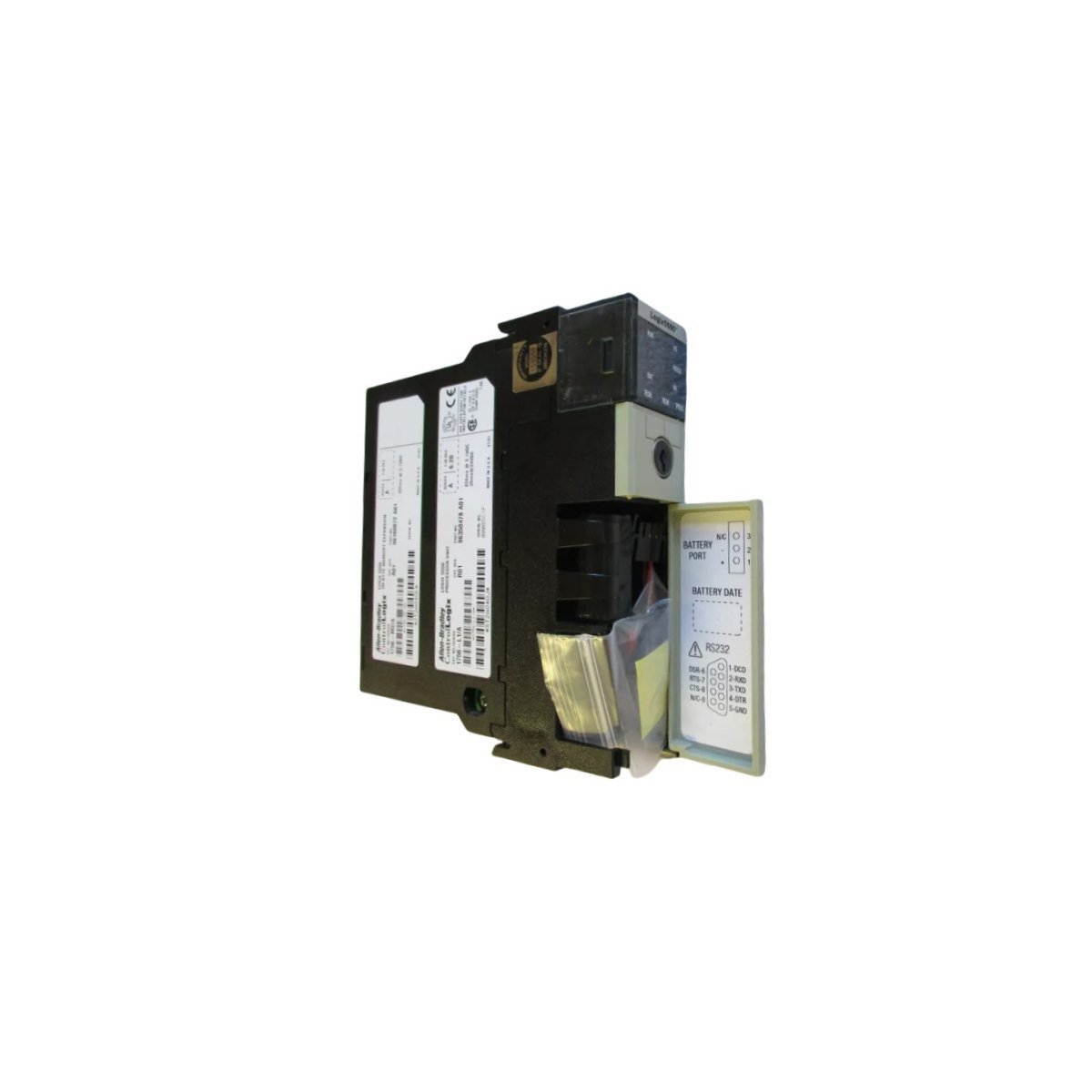
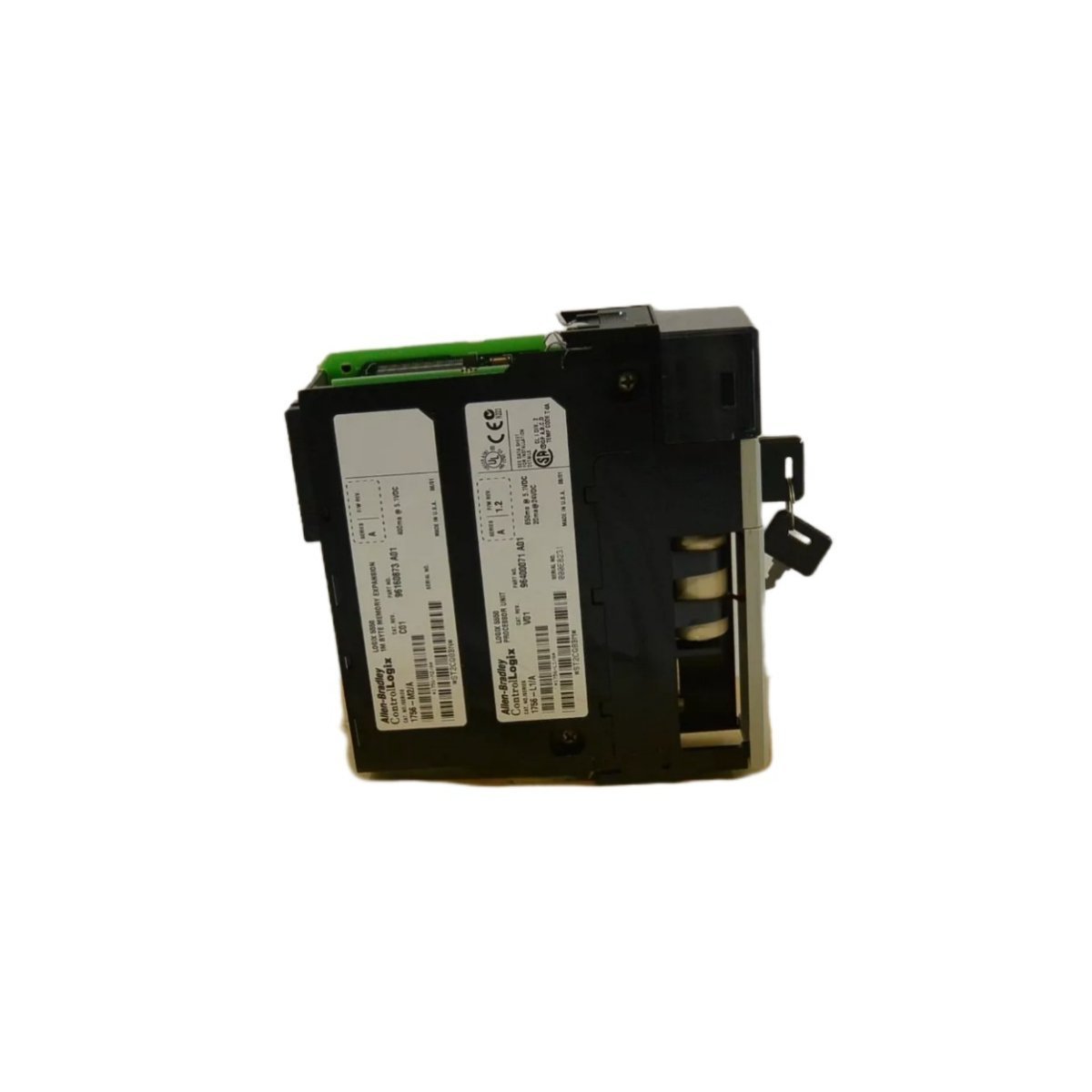
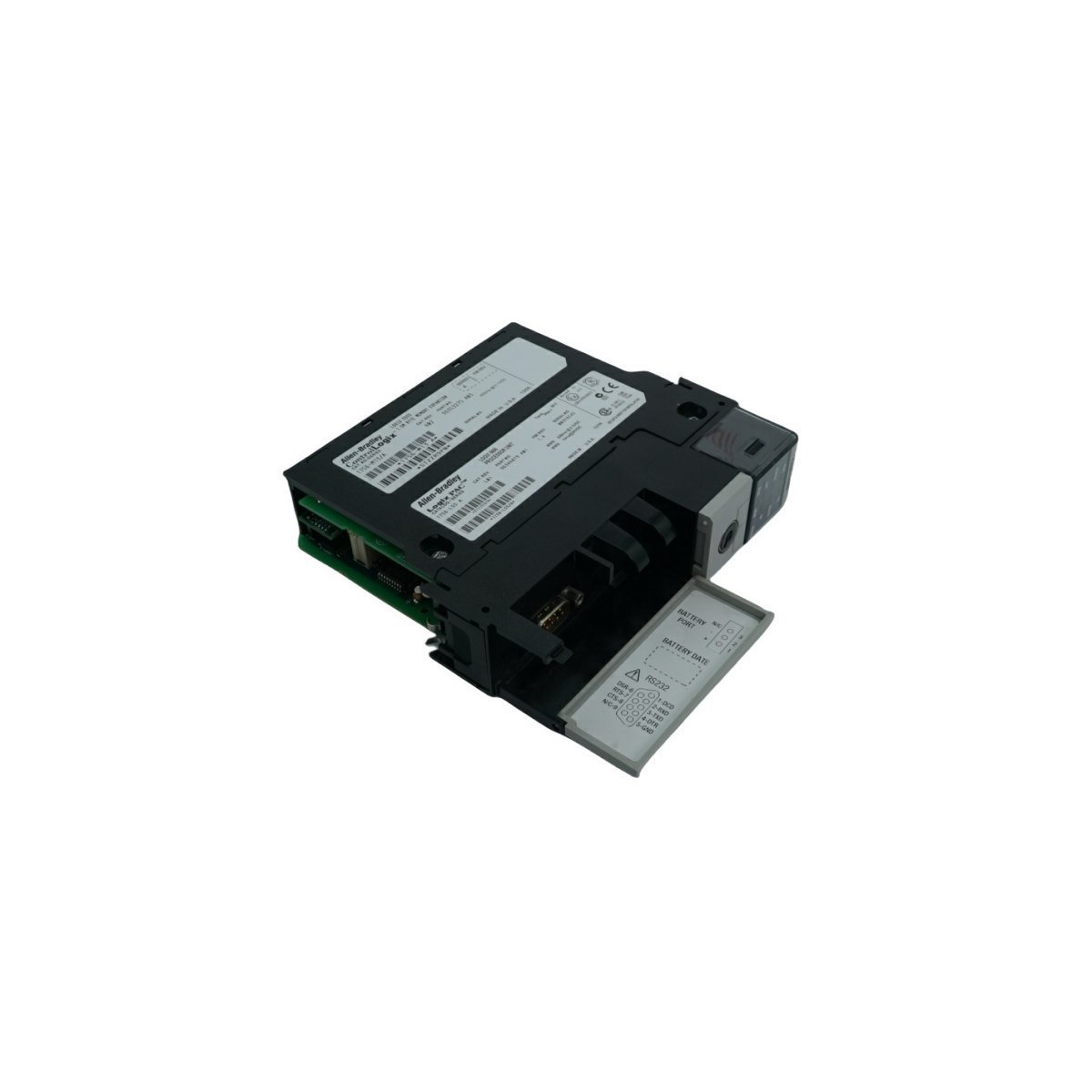
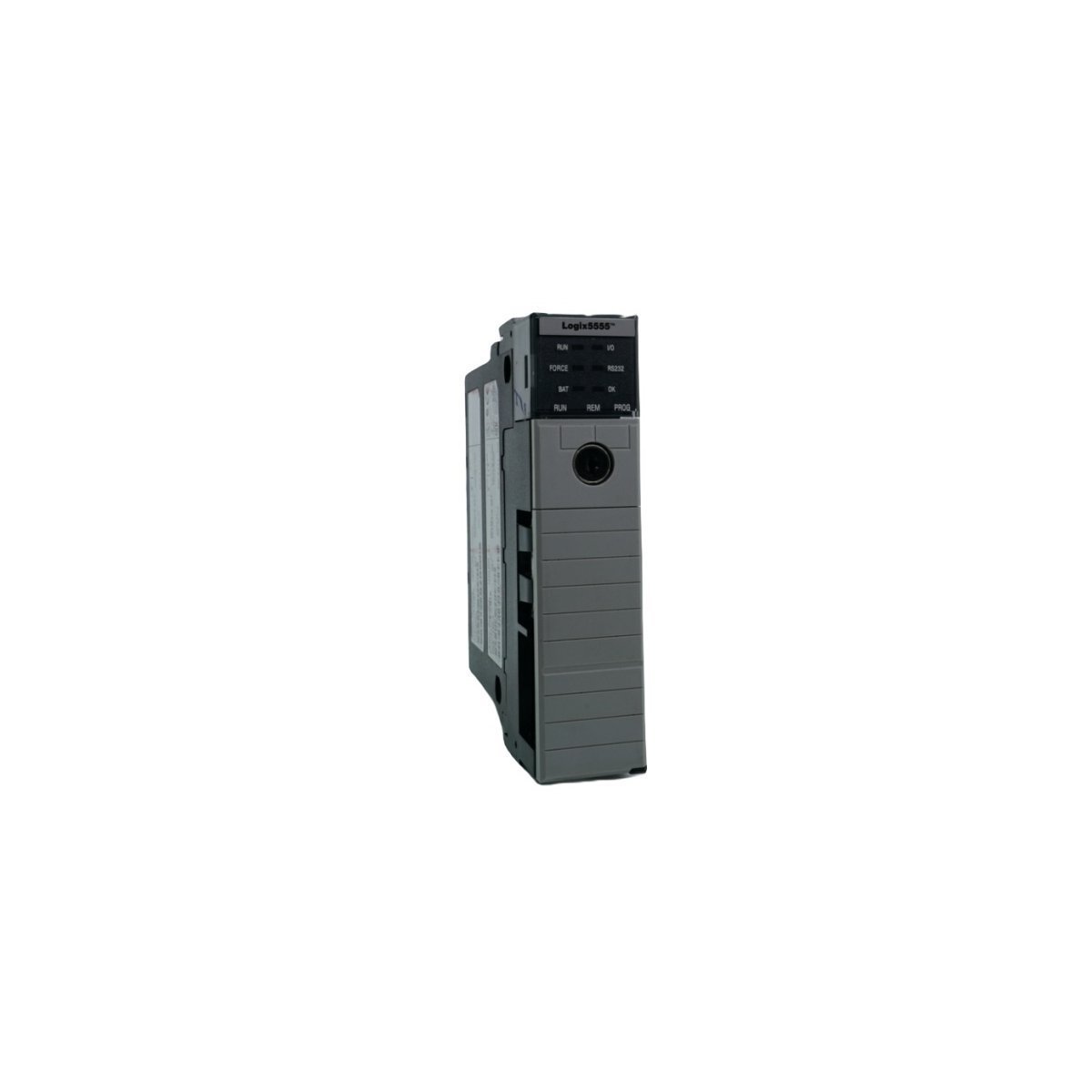
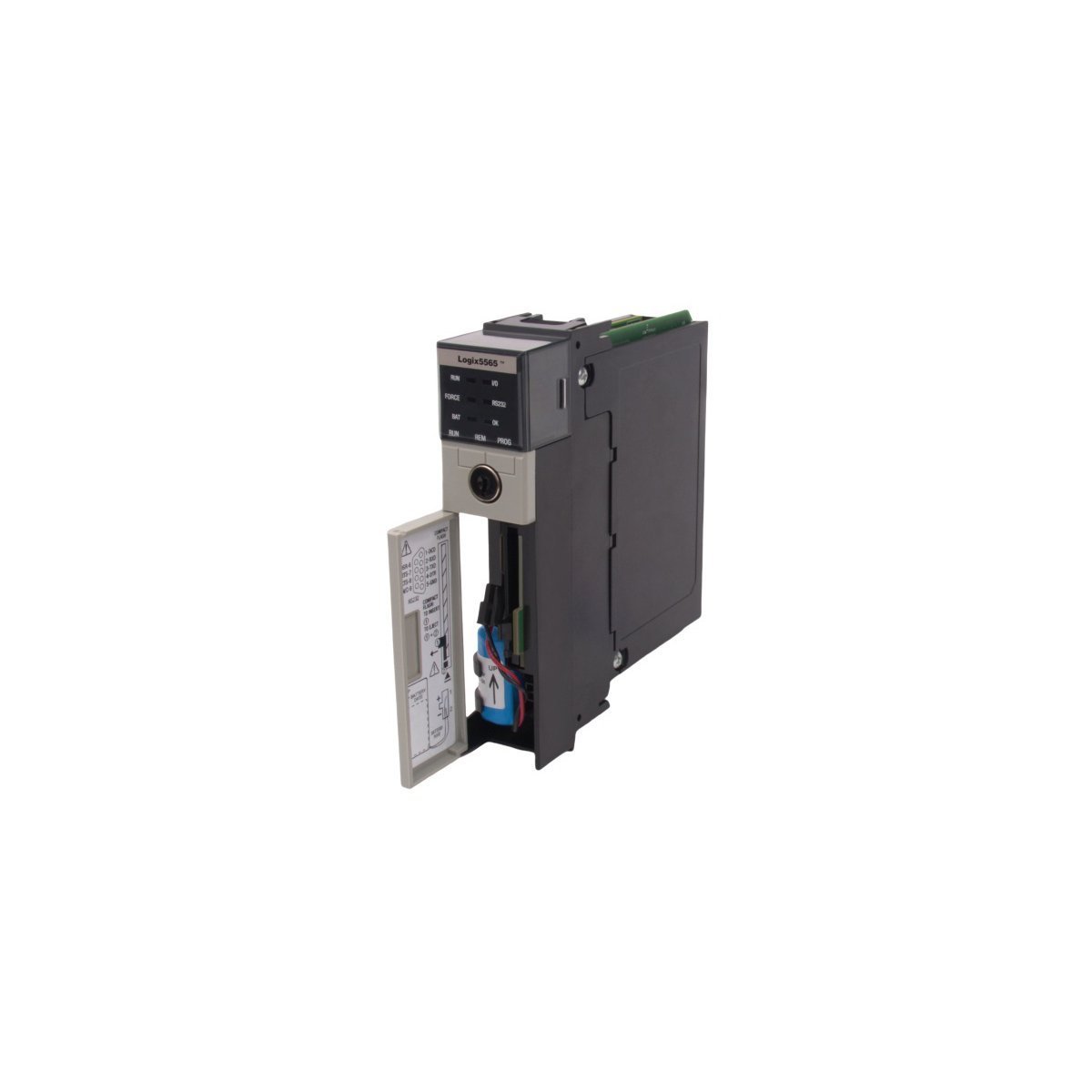
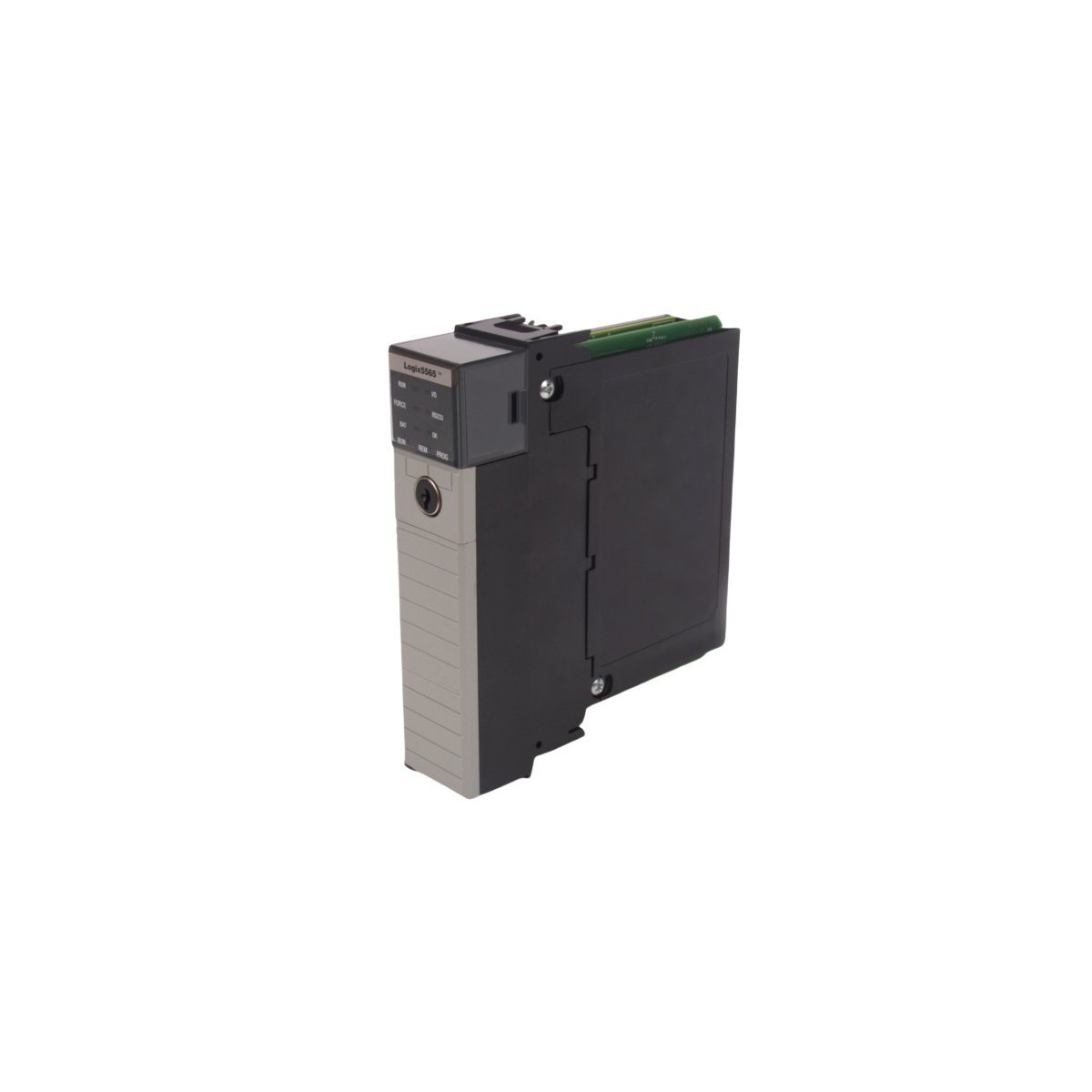
Allen-Bradley 1756-L55M24 GuardLogix Safety Controller Module
The Allen-Bradley 1756-L55M24 is a high-performance GuardLogix controller offering 3.5 MB of non-volatile memory for integrated safety, motion, and discrete control applications.
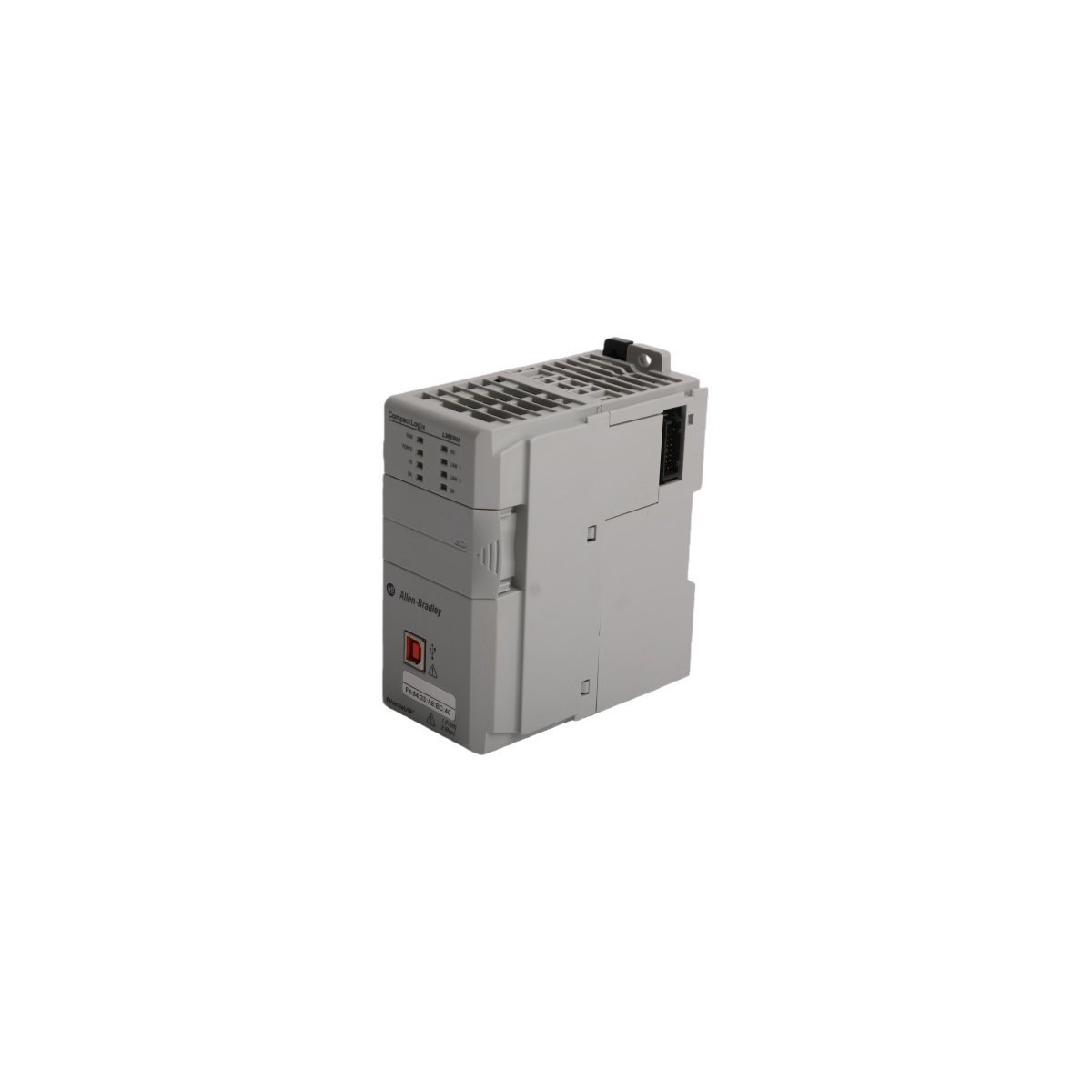
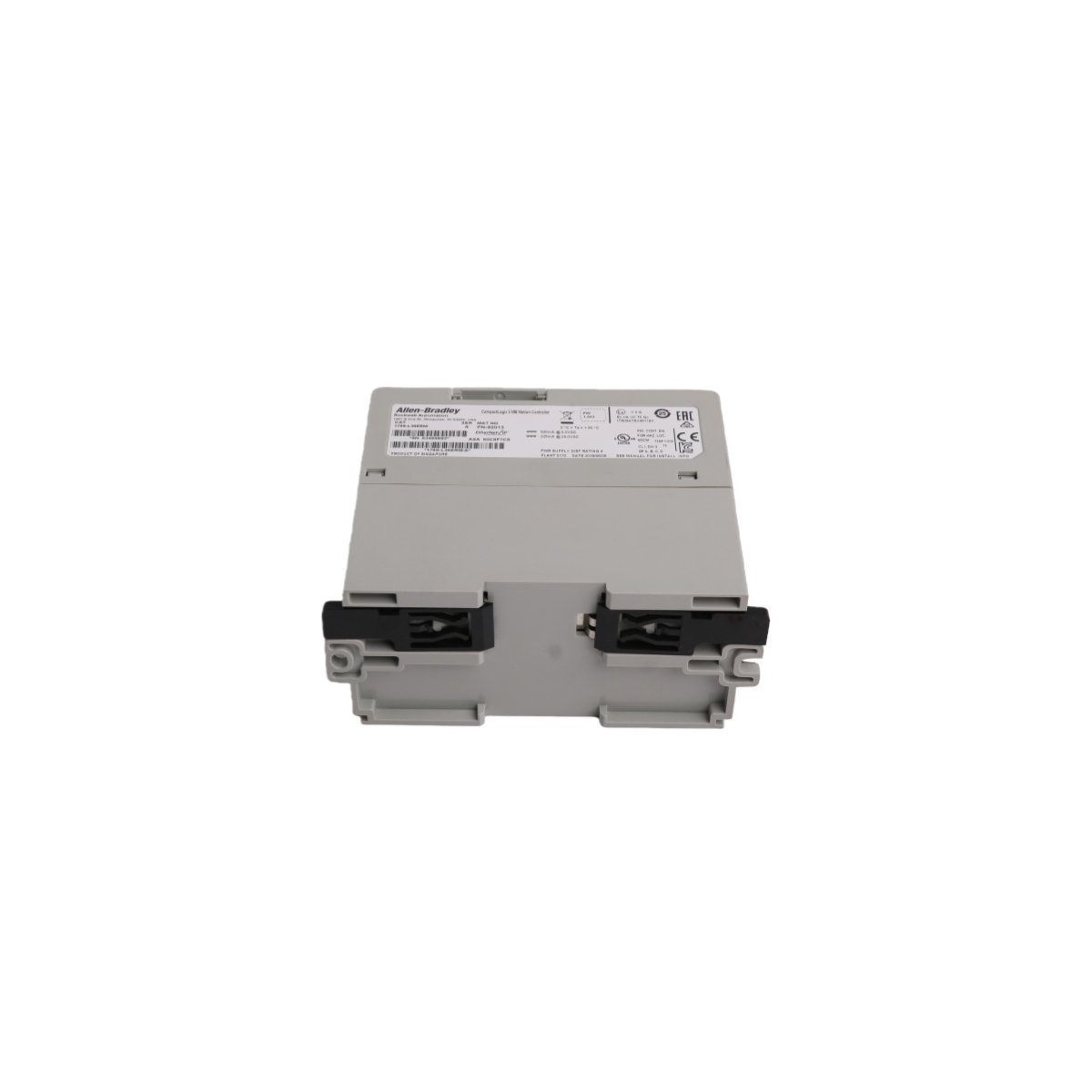
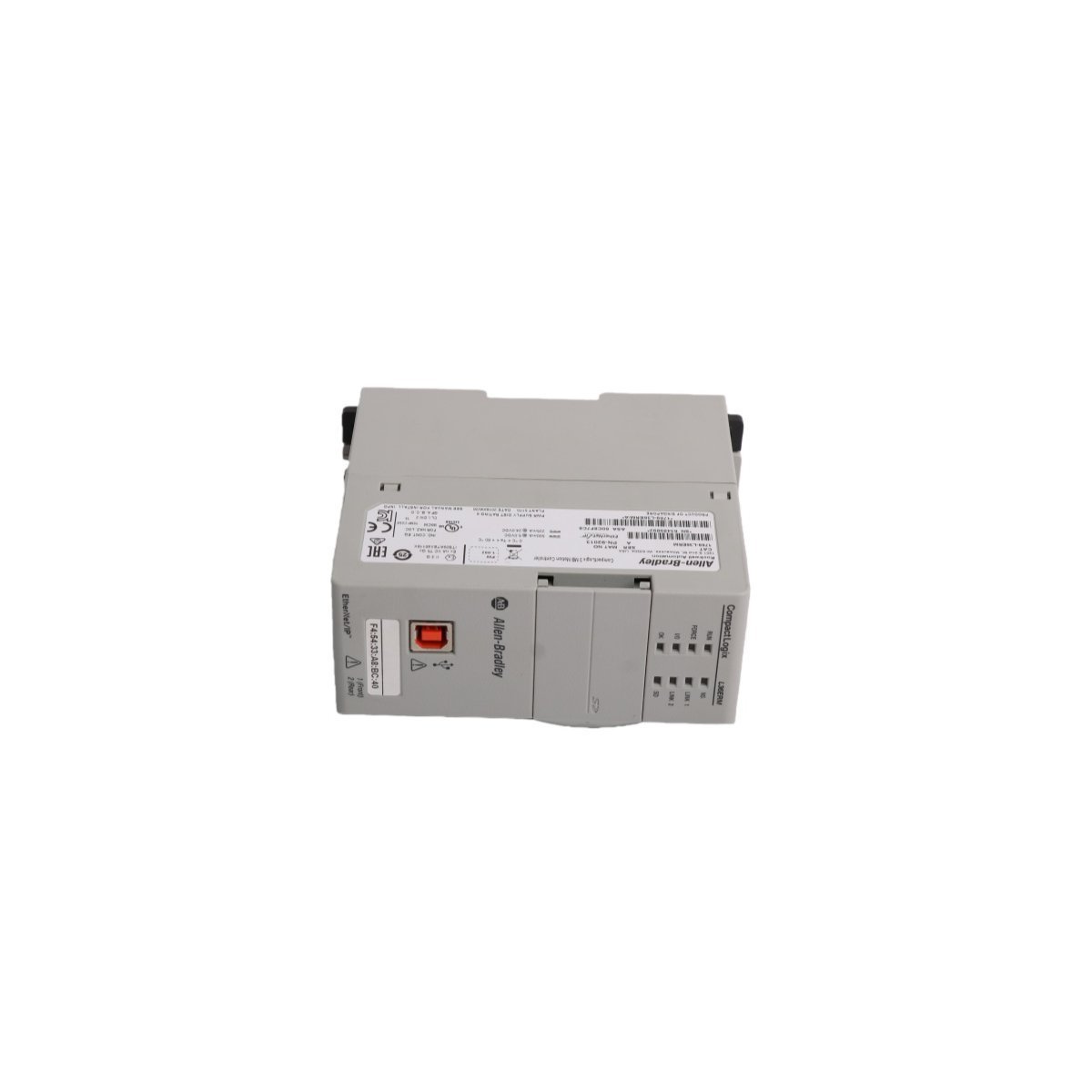
The Allen-Bradley 1769-L36ERM is a CompactLogix 5370 PAC processor featuring 3 MB user memory and 16-axis motion control. Brand New, Original Stock, ready for worldwide distribution.
The Allen-Bradley 1769-L36ERM is a high-performance Programmable Automation Controller (PAC) belonging to the CompactLogix 5370 L3 family. Engineered to deliver scalable, integrated control across a wide array of industrial applications, this processor features integrated motion capabilities over EtherNet/IP alongside a 3 MB user memory footprint. It allows standard control, distributed I/O, and multi-axis synchronized motion to run within a unified, rackless system architecture.
| Parameter | Specification |
|---|---|
| Model Number | 1769-L36ERM |
| Manufacturer | Allen-Bradley / Rockwell Automation |
| Product Line | CompactLogix 5370 |
| User Memory | 3 MB |
| Integrated Motion | Up to 16 axes of coordinated motion over EtherNet/IP |
| Local I/O Capacity | Up to 30 modules (Max 3 expansion banks) |
| Embedded Ports | Dual EtherNet/IP (Configurable for DLR or Linear topologies) |
| Supported Tasks | 32 Tasks (1 Continuous, 31 Periodic/Event); 100 Programs/Task |
| Storage Card | Ships with 1 GB 1784-SD1 Secure Digital Card (Supports up to 2 GB) |
| Operating Temperature | 0 to 60°C (32 to 140°F) |
| Weight | 0.90 kg |
| Dimensions | 3.5 x 13.0 x 14.5 cm |
The dual embedded Ethernet ports on the 1769-L36ERM act as an integrated two-port switch supporting Device Level Ring (DLR) network topologies. This provides physical media redundancy, keeping the controller connected to distributed I/O banks and servo drives even if a single point in the network ring breaks.
Motion control is executed using CIP Motion (Common Industrial Protocol over EtherNet/IP). Instead of relying on proprietary hardware modules, the 1769-L36ERM transmits deterministic time-synchronization data packets using IEEE 1588 CIP Sync. This enables precise positioning, speed, and electronic gearing commands across up to 16 synchronized axes of Kinetix servo drives on standard Ethernet cabling.
Q: Does the 1769-L36ERM require an external backup battery to maintain user memory?
A: No. The CompactLogix 5370 series utilizes an embedded energy storage module that generates sufficient internal hold-up power during an unexpected outage to automatically flash the volatile user application memory into non-volatile onboard memory.
Q: What is the maximum distance or configuration limit for local 1769 expansion banks?
A: The 1769-L36ERM can support up to 30 expansion modules across a maximum of three total banks (one local chassis plus two expansion banks). Each expansion bank requires a separate 1769 power supply and communication expansion cables (e.g., 1769-CBL). Ensure the power supply distance rating for individual modules is not exceeded (typically a maximum of 8 slots from the power supply).
Q: Is the embedded USB port intended for continuous HMI runtime communication?
A: No. The integrated front-panel USB 2.0 port is designated strictly for temporary firmware flashing, initial configuration adjustments, and application uploads/downloads using Studio 5000 Logix Designer. It is not rated for permanent network infrastructure or industrial runtime data collection.


We are committed to protecting your privacy. The information collected here is strictly used to provide the requested quotes, technical support, and relevant industrial automation solutions.