
Sale!
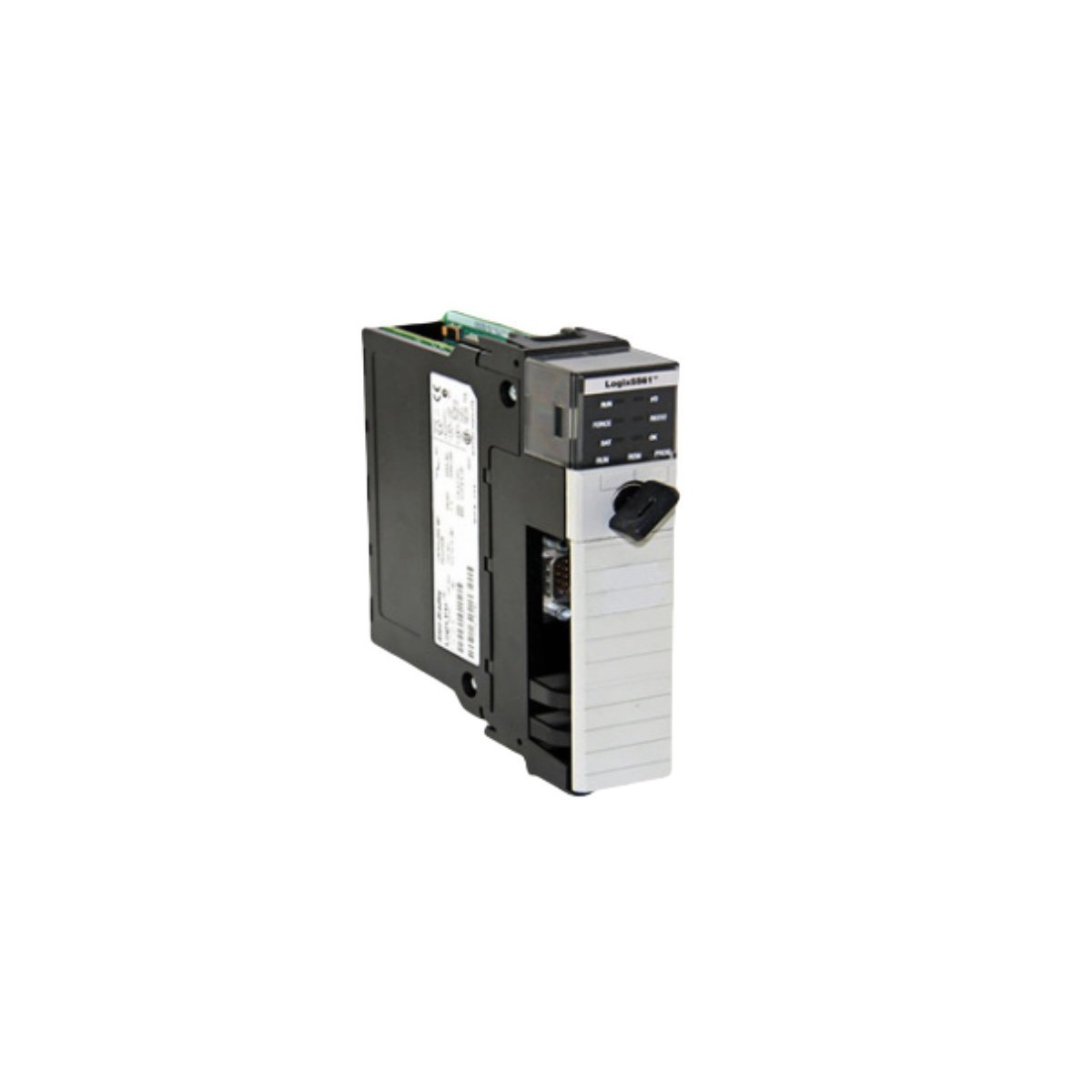
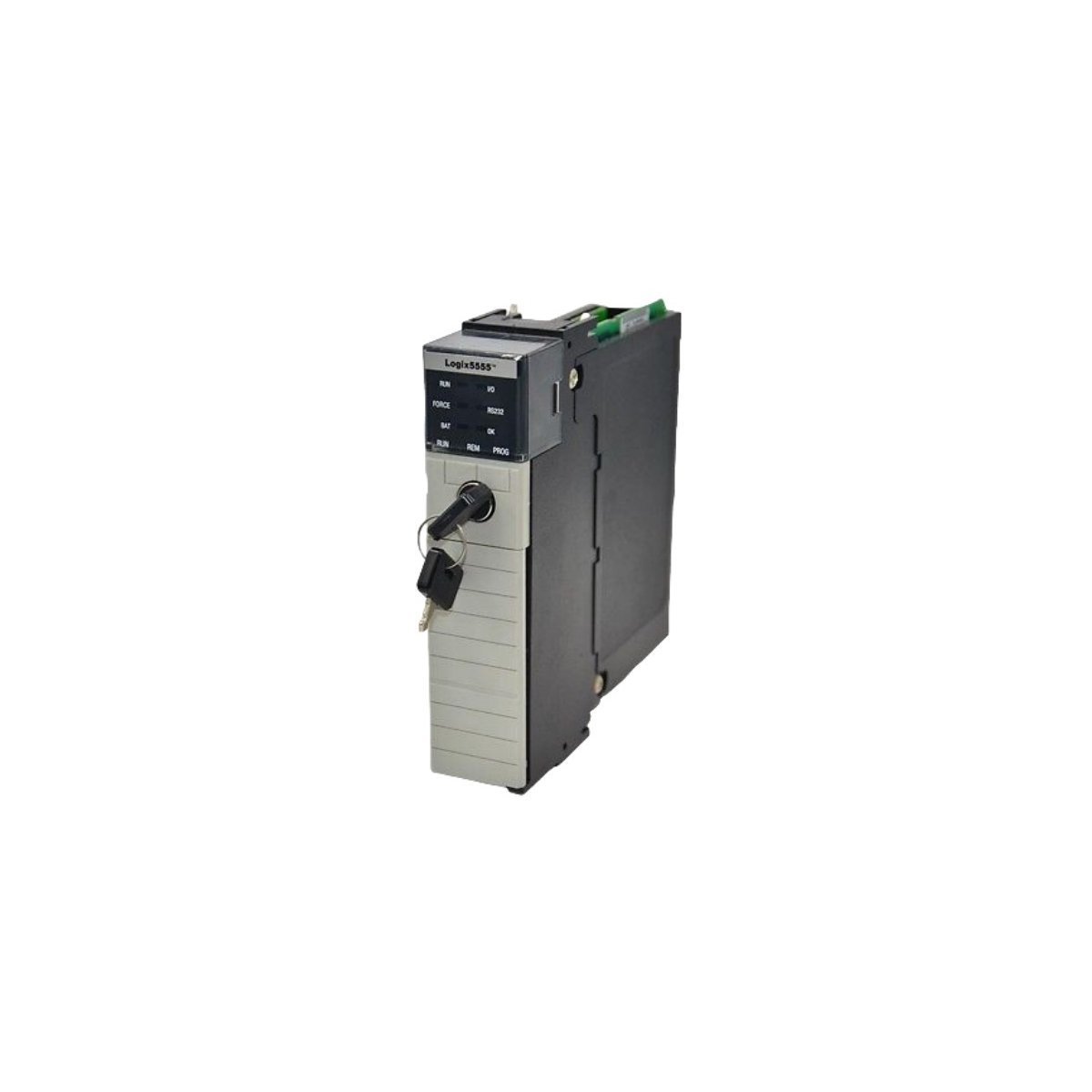
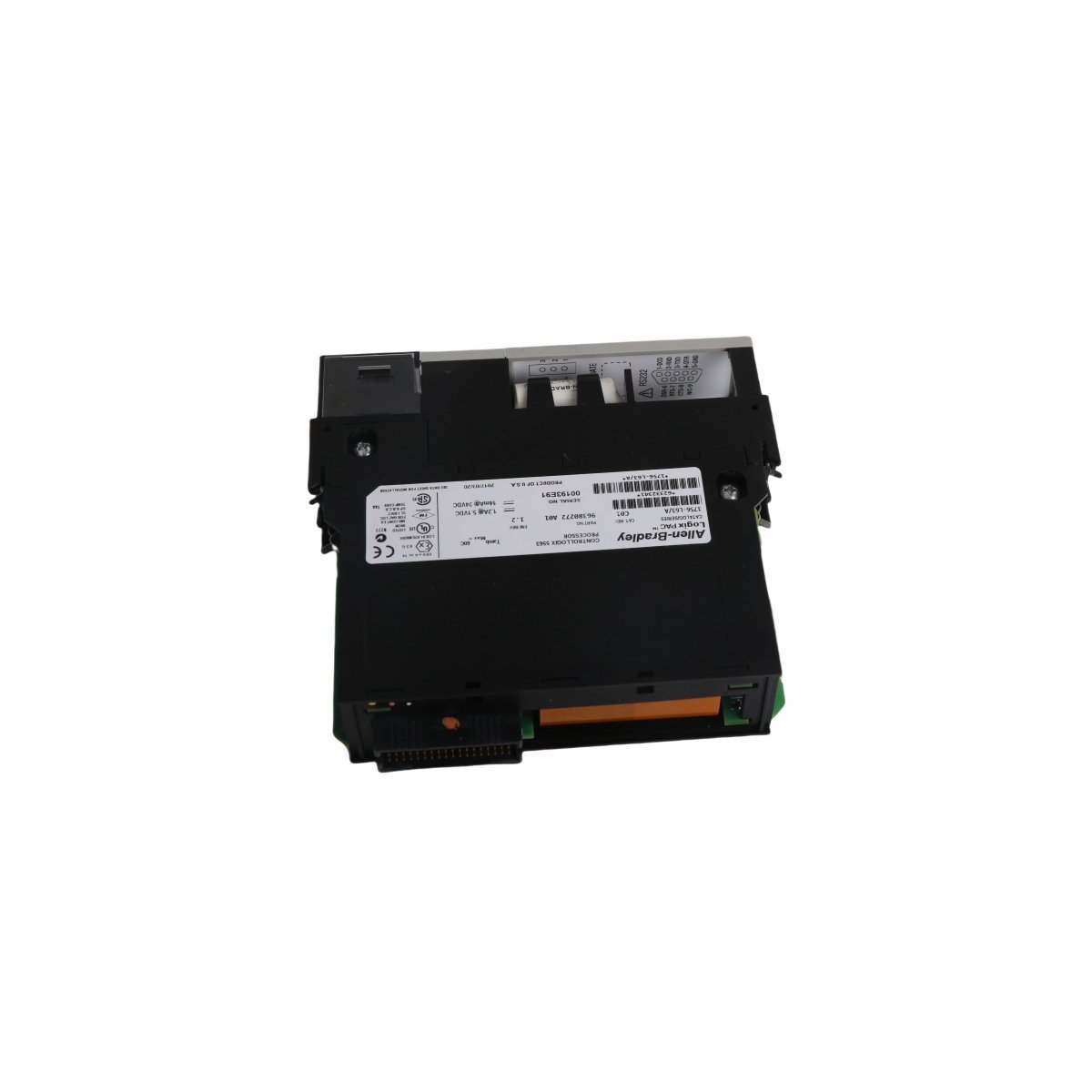
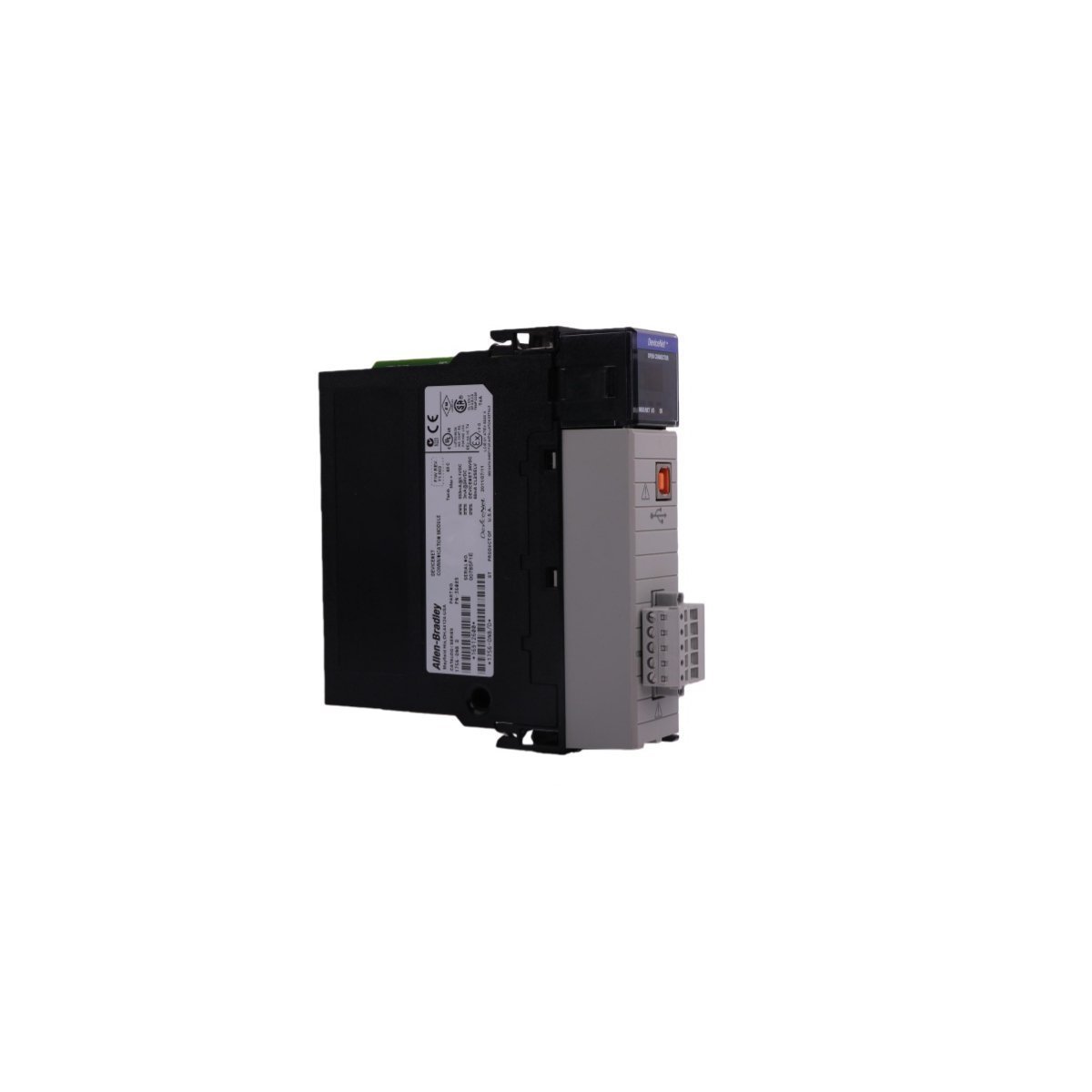
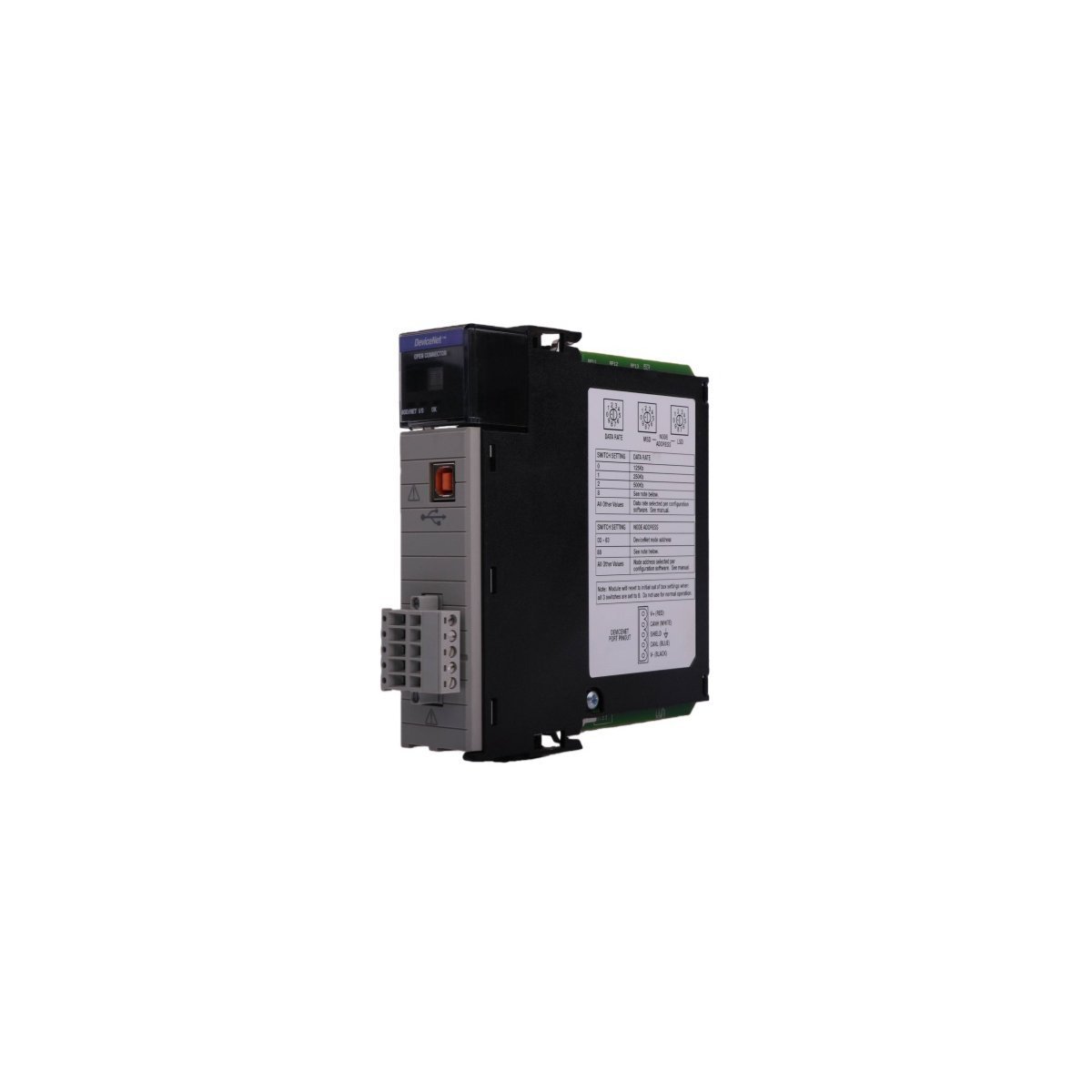
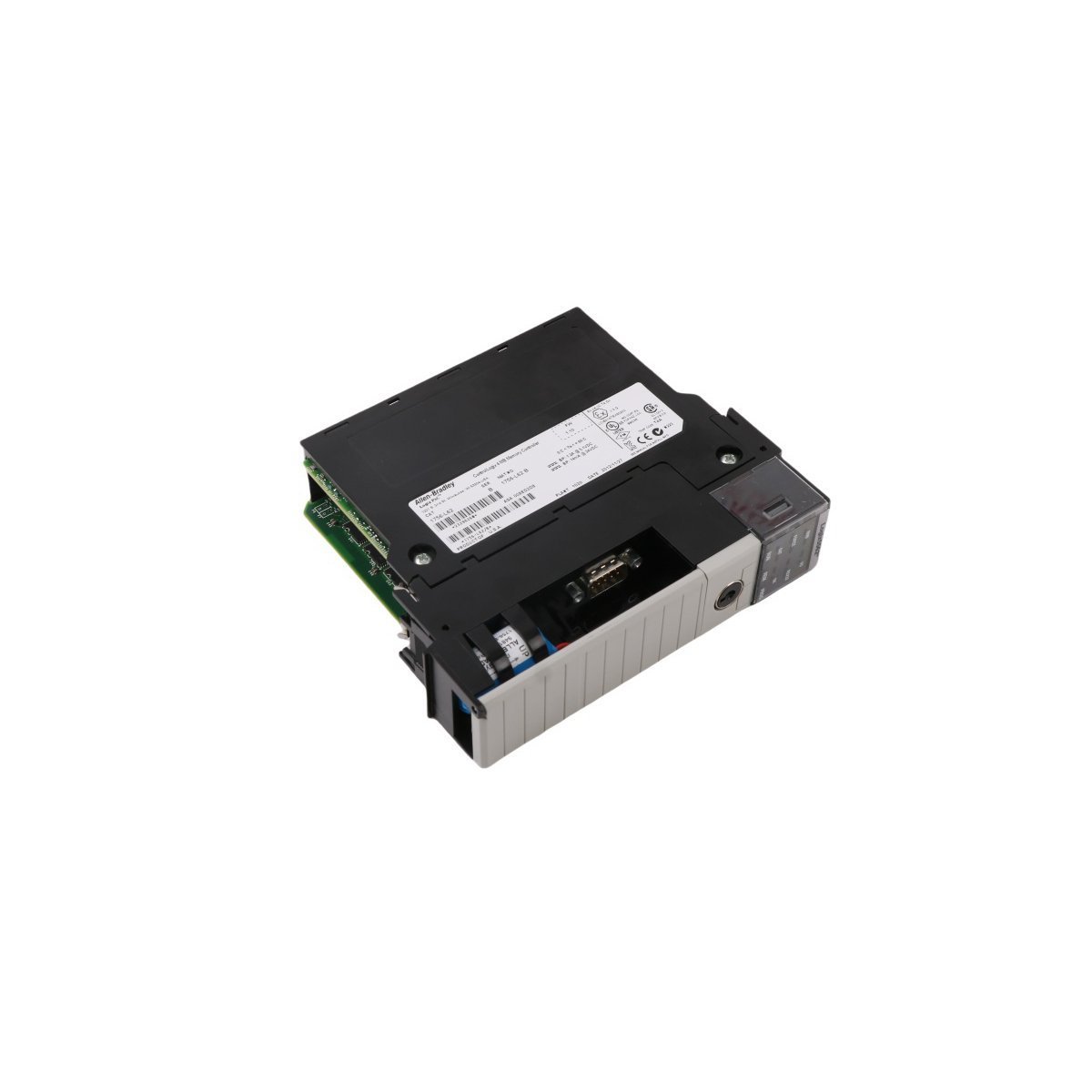
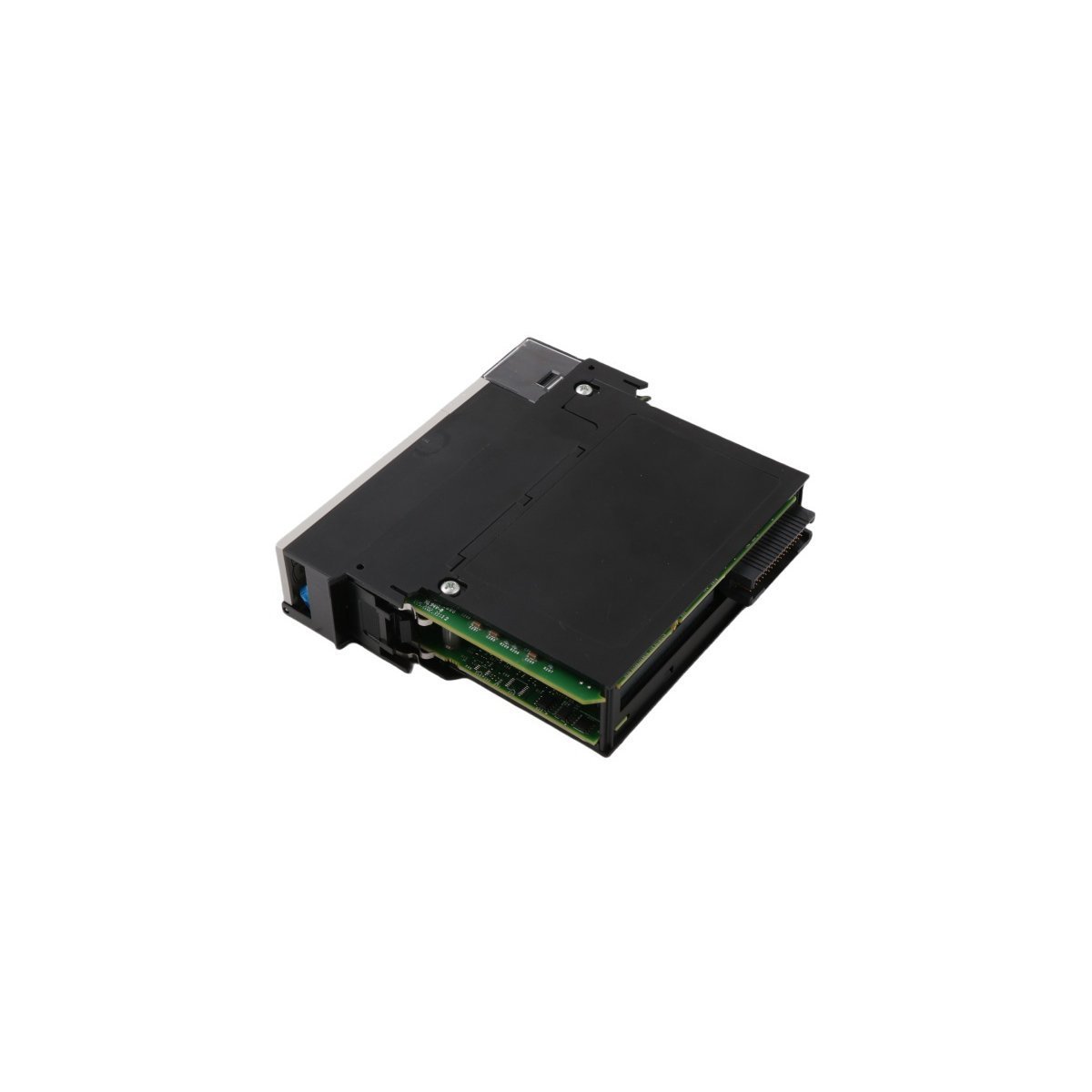
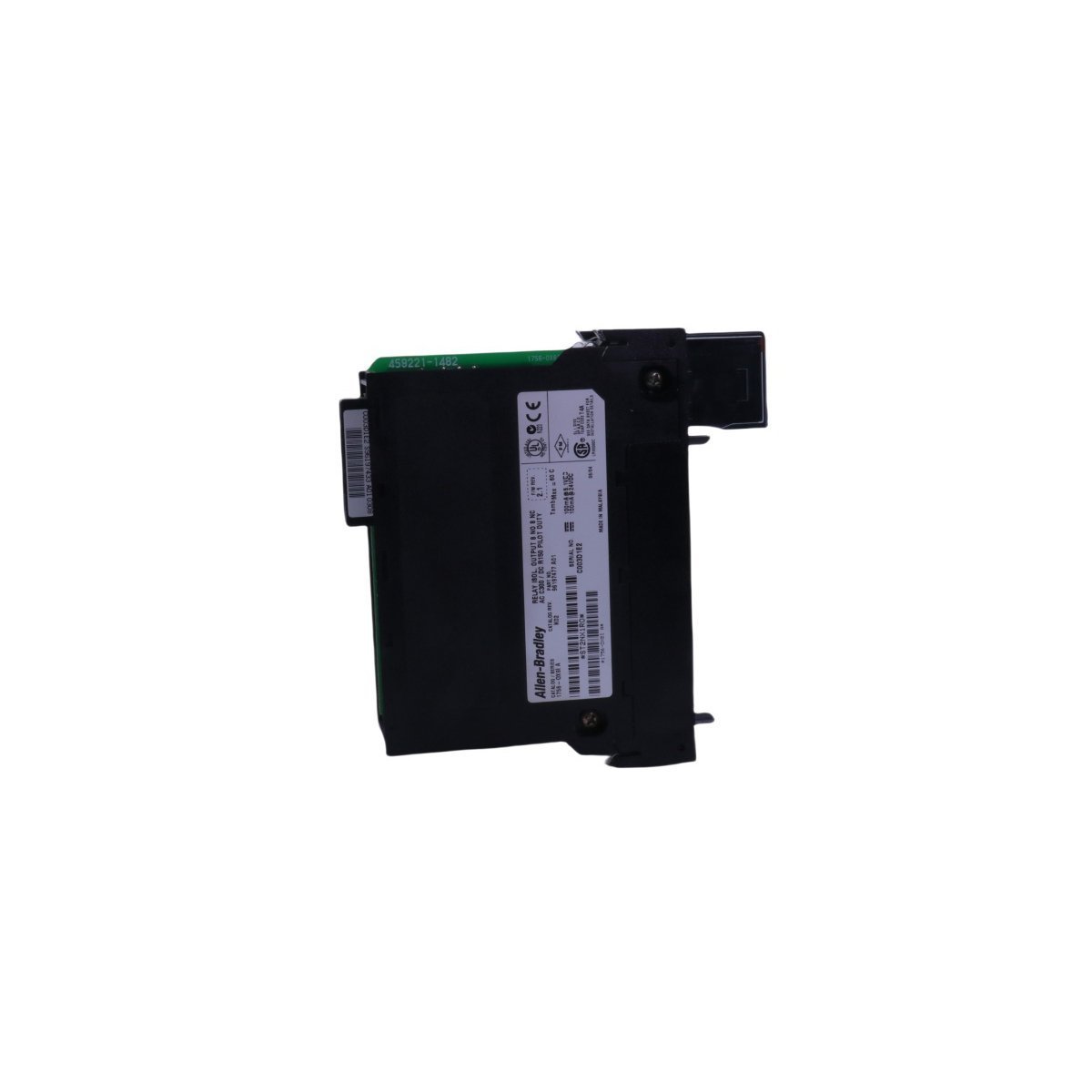
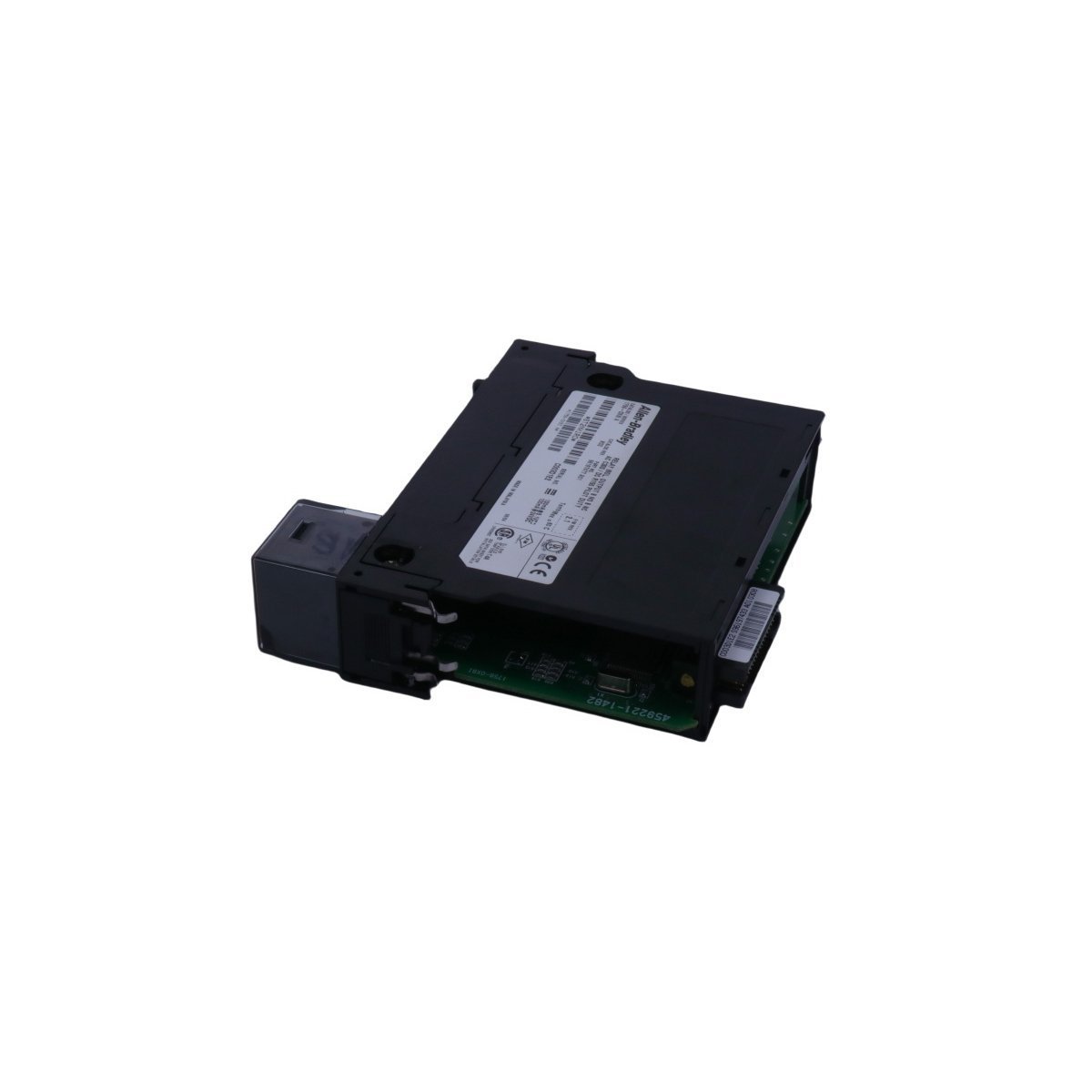
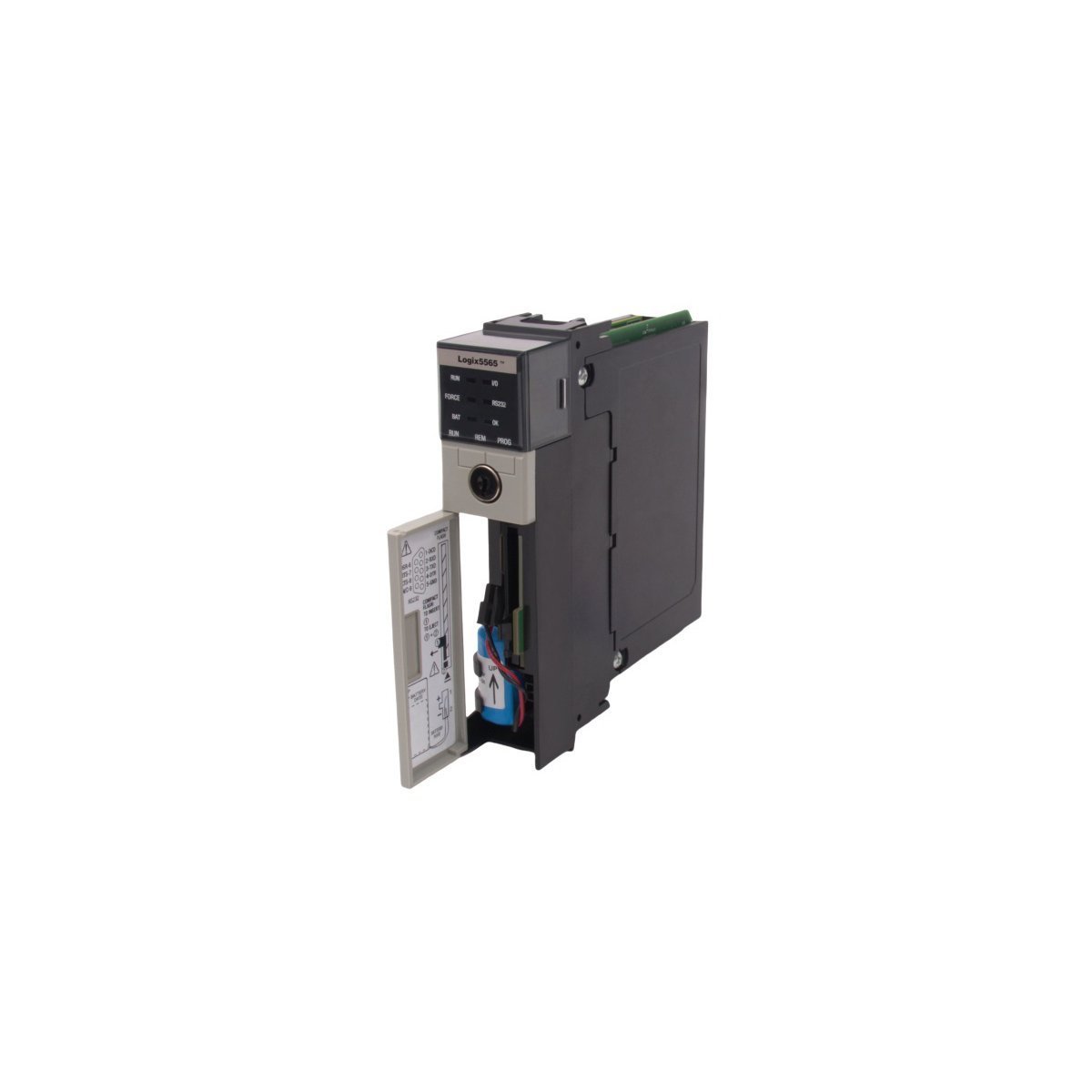
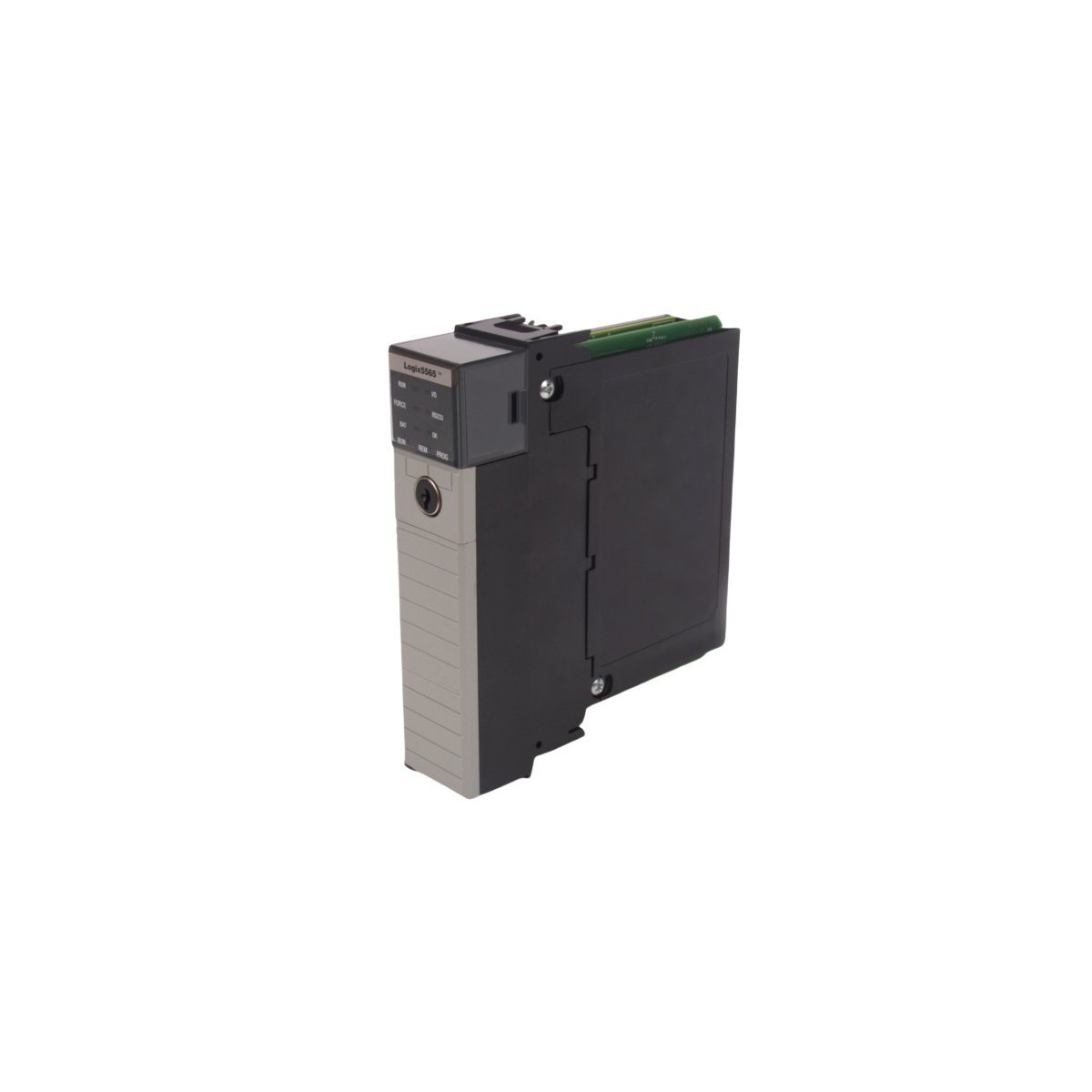
Allen-Bradley 1756-L55M24 GuardLogix Safety Controller Module
The Allen-Bradley 1756-L55M24 is a high-performance GuardLogix controller offering 3.5 MB of non-volatile memory for integrated safety, motion, and discrete control applications.
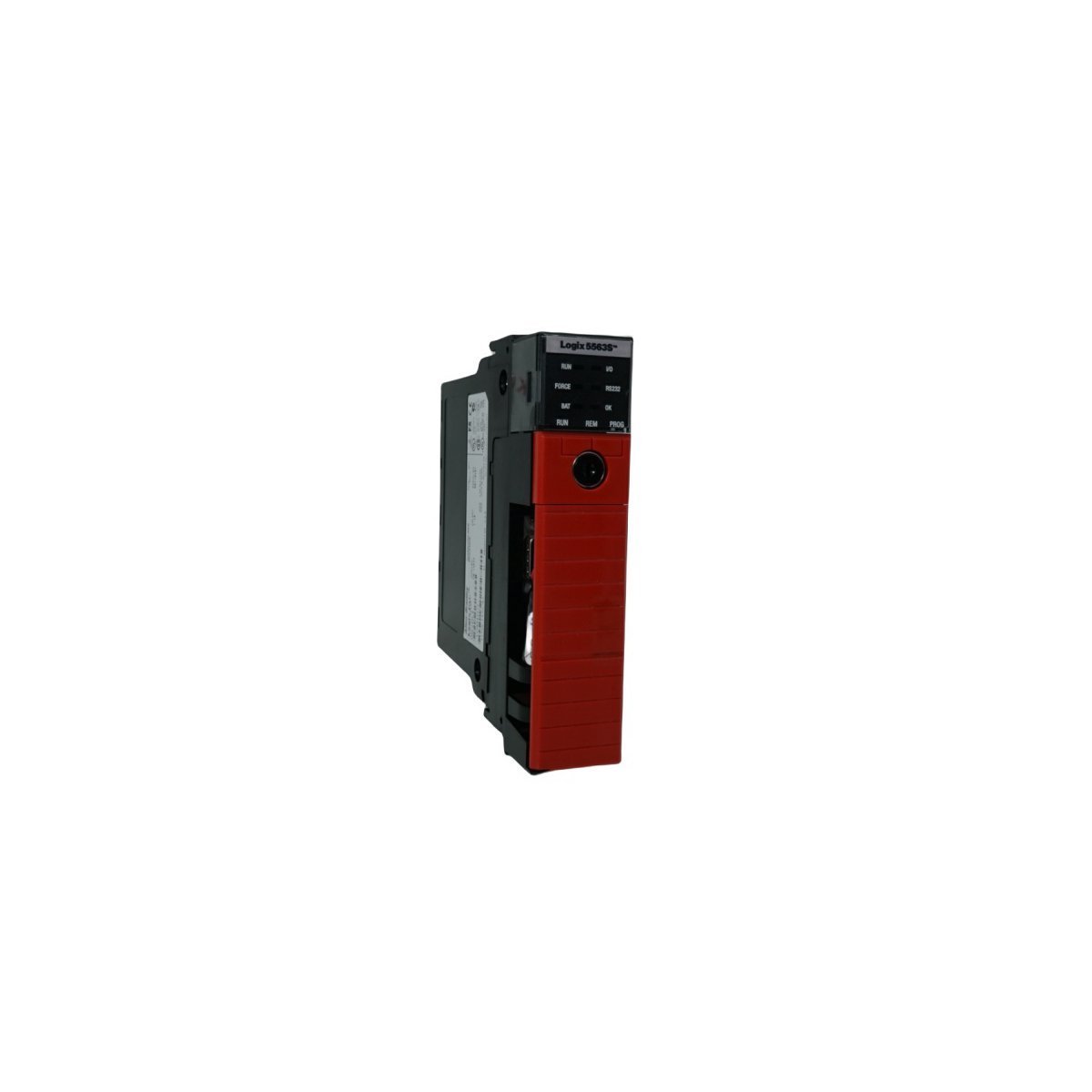
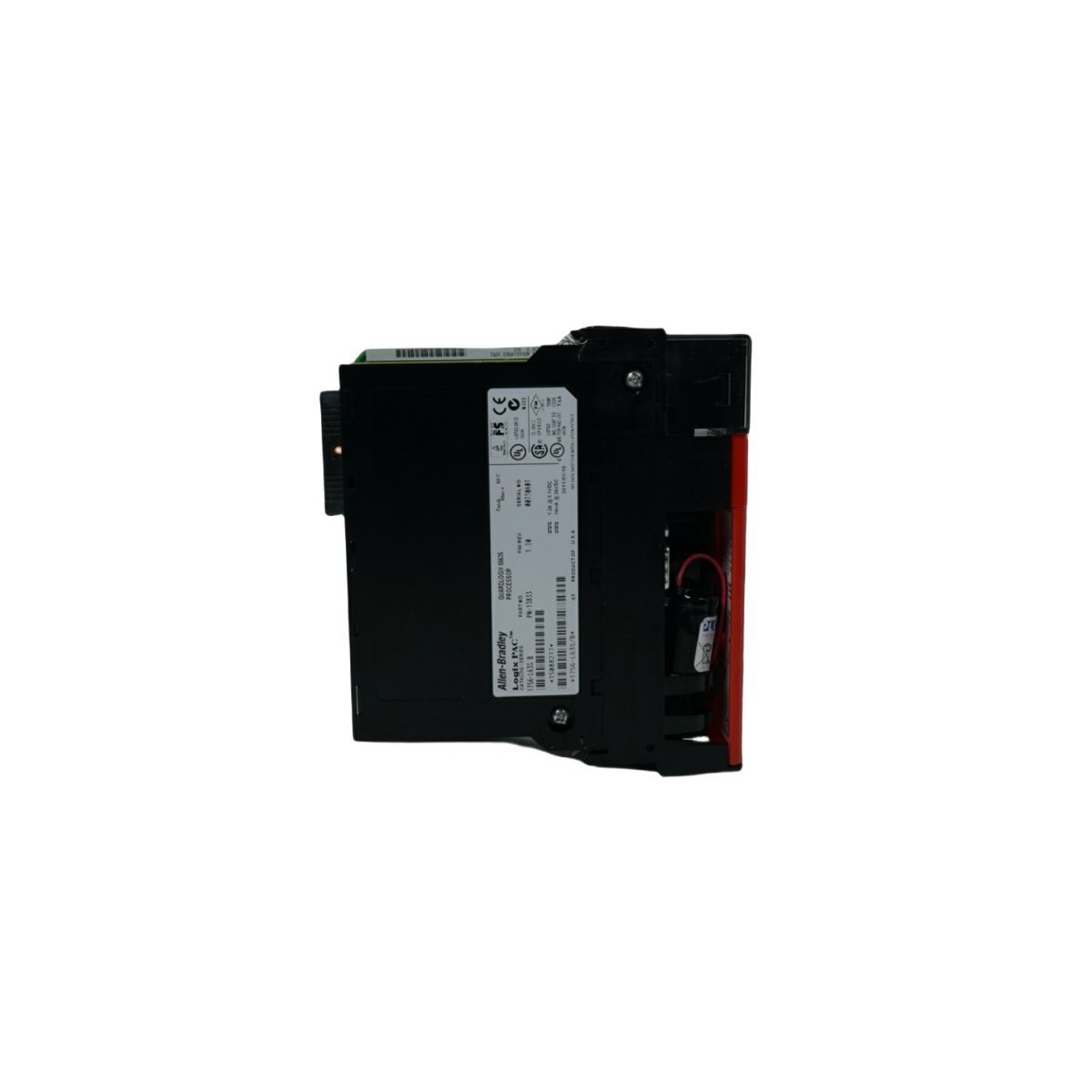
The Allen-Bradley 1756-L63S is a ControlLogix GuardLogix safety controller featuring 8MB user memory. Brand New, Original Stock, available now for global distribution.
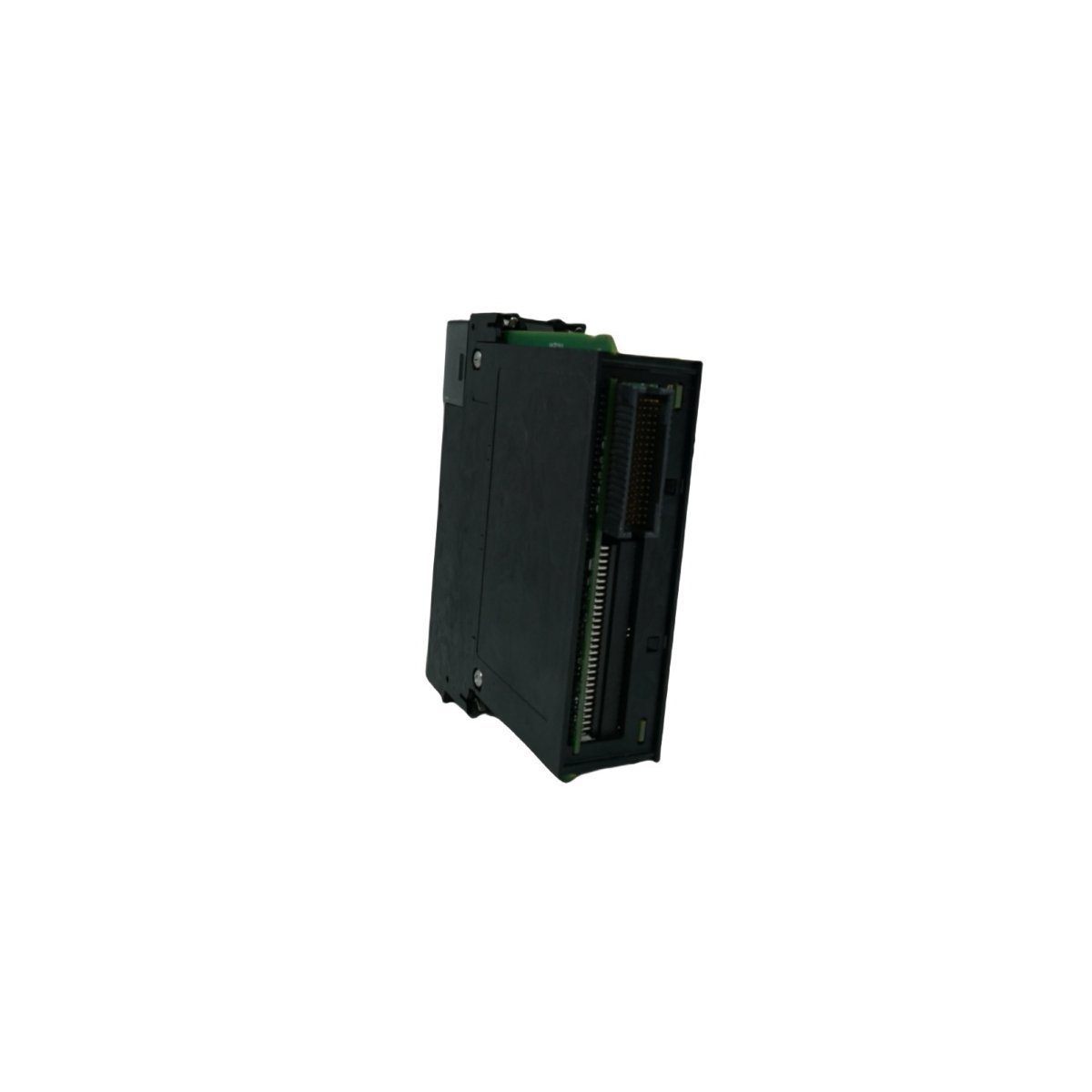
The Allen-Bradley 1756-L63S is a high-performance, chassis-based programmable automation controller belonging to the ControlLogix family. Outfitted with premium GuardLogix safety functionality, this module delivers a unified control engine capable of processing both standard automation routines and SIL 3 / PLe safety-critical tasks simultaneously. By executing redundant safety logic parallel to standard control loops, it significantly reduces panel space, structural wiring, and system architecture complexity.
| Parameter | Specification |
|---|---|
| Model Number | 1756-L63S |
| Manufacturer | Allen-Bradley / Rockwell Automation |
| Product Line | GuardLogix / ControlLogix |
| User Memory | 8 MB Standard Memory |
| Safety Memory | 3.75 MB Safety Memory |
| I/O Memory | 478 KB |
| Module Type | ControlLogix / GuardLogix Controller |
| Safety Rating | SIL 3 (IEC 61508), PLe (ISO 13849-1) |
| Current Draw | 1.2 A @ 5.1 VDC; 14 mA @ 24 VDC |
| Power Dissipation | 5.5 W |
| Weight | 0.32 kg |
| Dimensions | 3.6 x 13.9 x 15.2 cm |
Achieving a Safety Integrity Level 3 (SIL 3) classification requires structural hardware redundancy. The 1756-L63S acts as the primary safety processor and must be paired with a matching 1756-LSP Safety Partner co-processor in the adjacent backplane slot.
Together, they establish an internal 1oo2 (1-out-of-2) voting architecture. The primary controller handles standard application code and safety execution, while the safety partner redundantly mirrors the safety logic execution paths. If an instruction discrepancy or cross-checking fault occurs between the two processors, the hardware triggers a safe-state fault, instantly forcing safe digital outputs to a de-energized, safe position.
Q: Is a dedicated safety network mandatory when utilizing the 1756-L63S?
A: No. Safety data packets are encapsulated within standard industrial protocols via CIP Safety (Common Industrial Protocol). This allows safe and standard control signals to share the same physical layer, whether communicating over EtherNet/IP, ControlNet, or standard passive backplanes, without decreasing safety data integrity.
Q: Can standard ControlLogix I/O modules be controlled by the 1756-L63S?
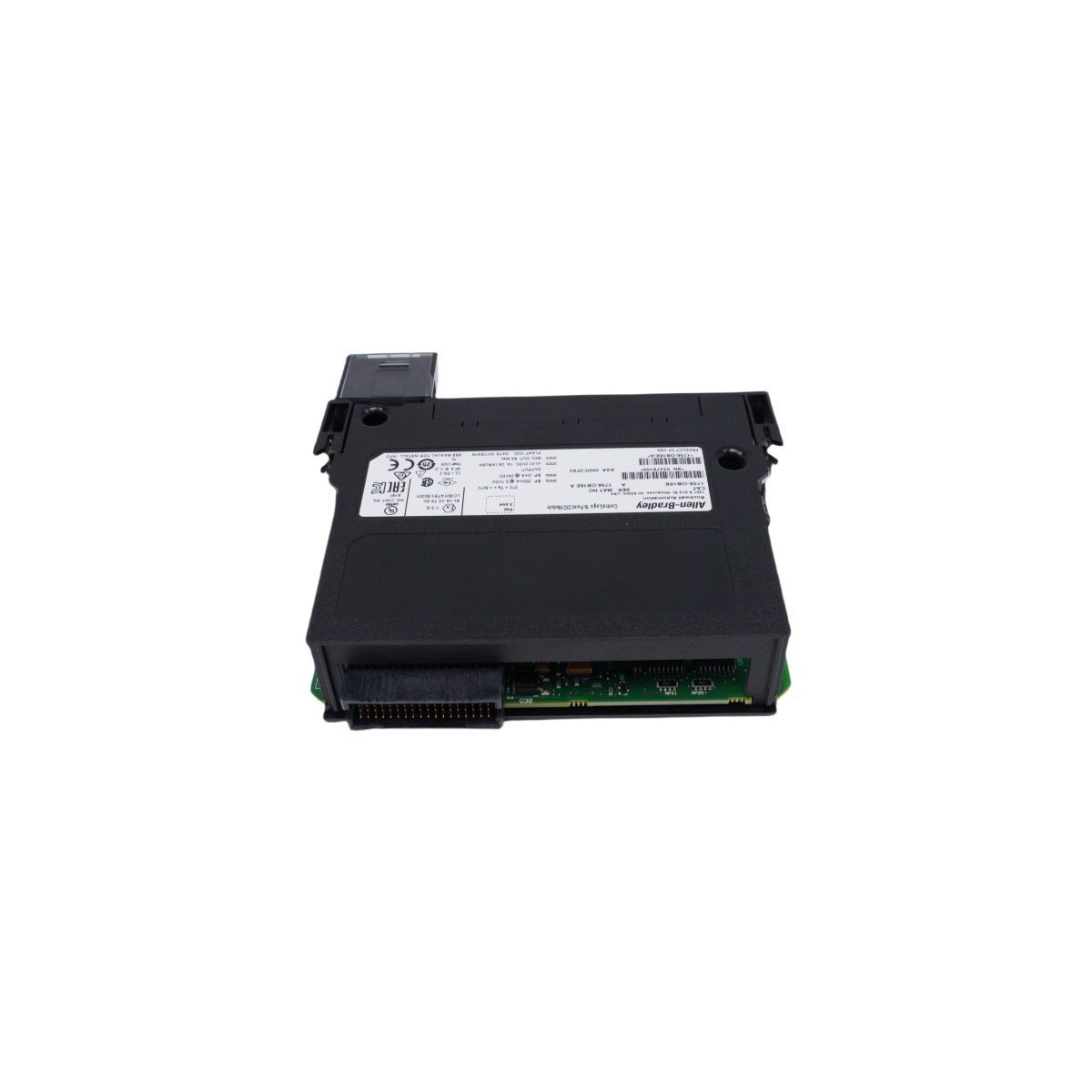
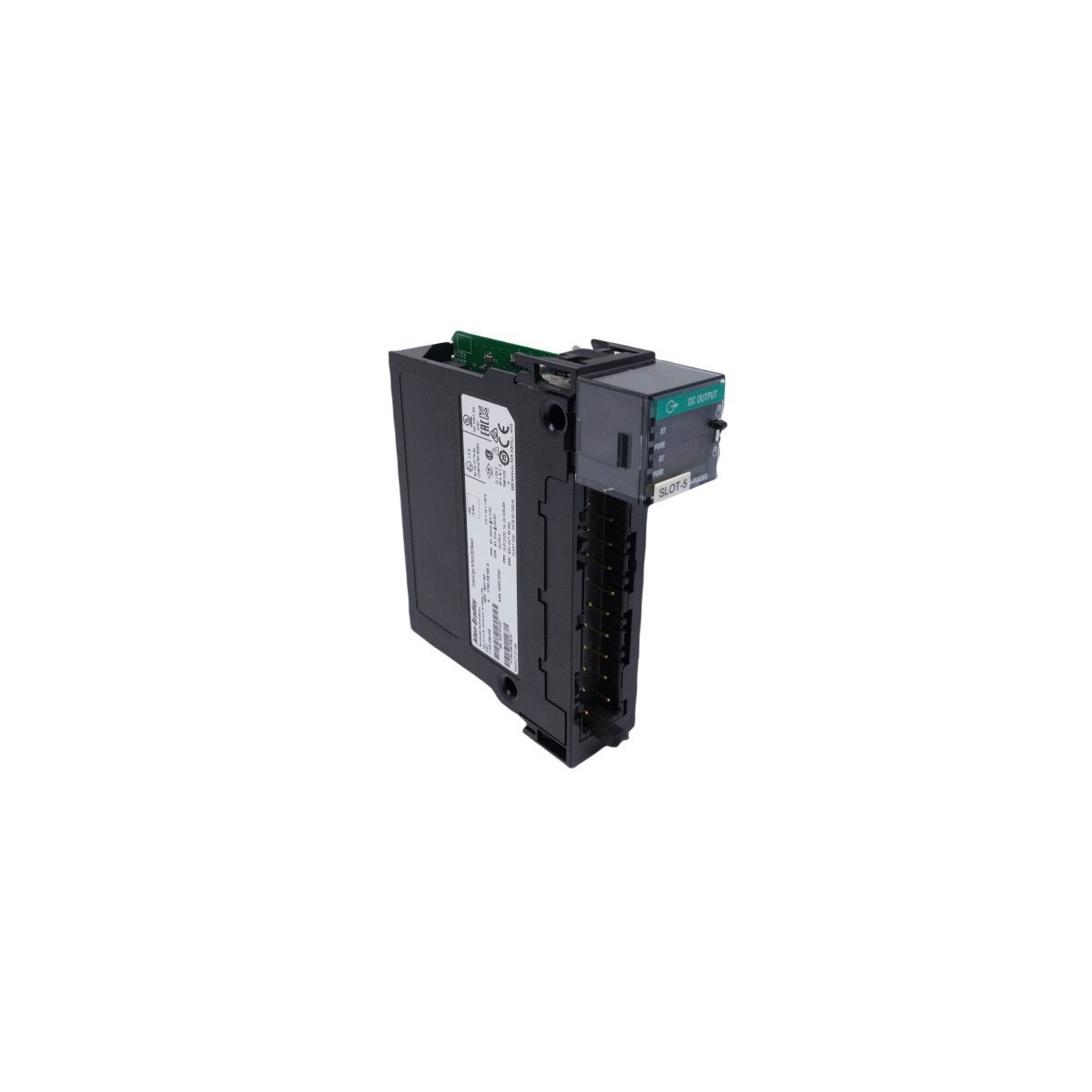
A: Yes. The standard partition of the 8 MB memory can manage standard digital, analog, and motion control modules inside the local chassis or on remote networks. Only safety interlocking functions must be wired directly to rated GuardLogix safety I/O modules.
Q: How is the non-volatile user memory backed up in case of long-term power depletion?
A: The 1756-L63S features an integrated energy storage path utilizing a battery assembly (such as the 1756-BA2) to maintain the volatile SRAM application state. For permanent, non-volatile storage without battery reliance, the controller accepts industrial CompactFlash cards (1784-CF128) to store image files and backup configuration trees.


We are committed to protecting your privacy. The information collected here is strictly used to provide the requested quotes, technical support, and relevant industrial automation solutions.