
Sale!
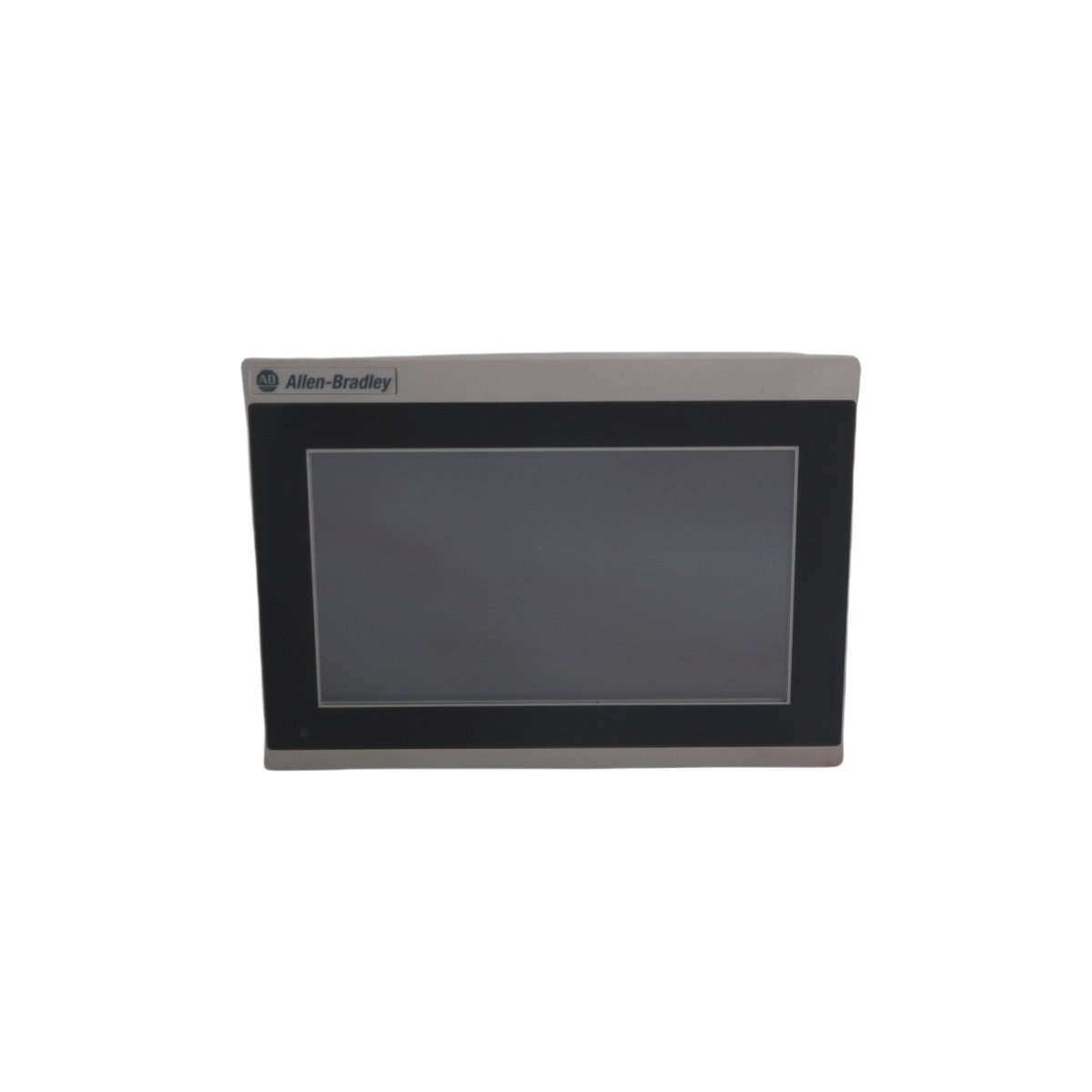
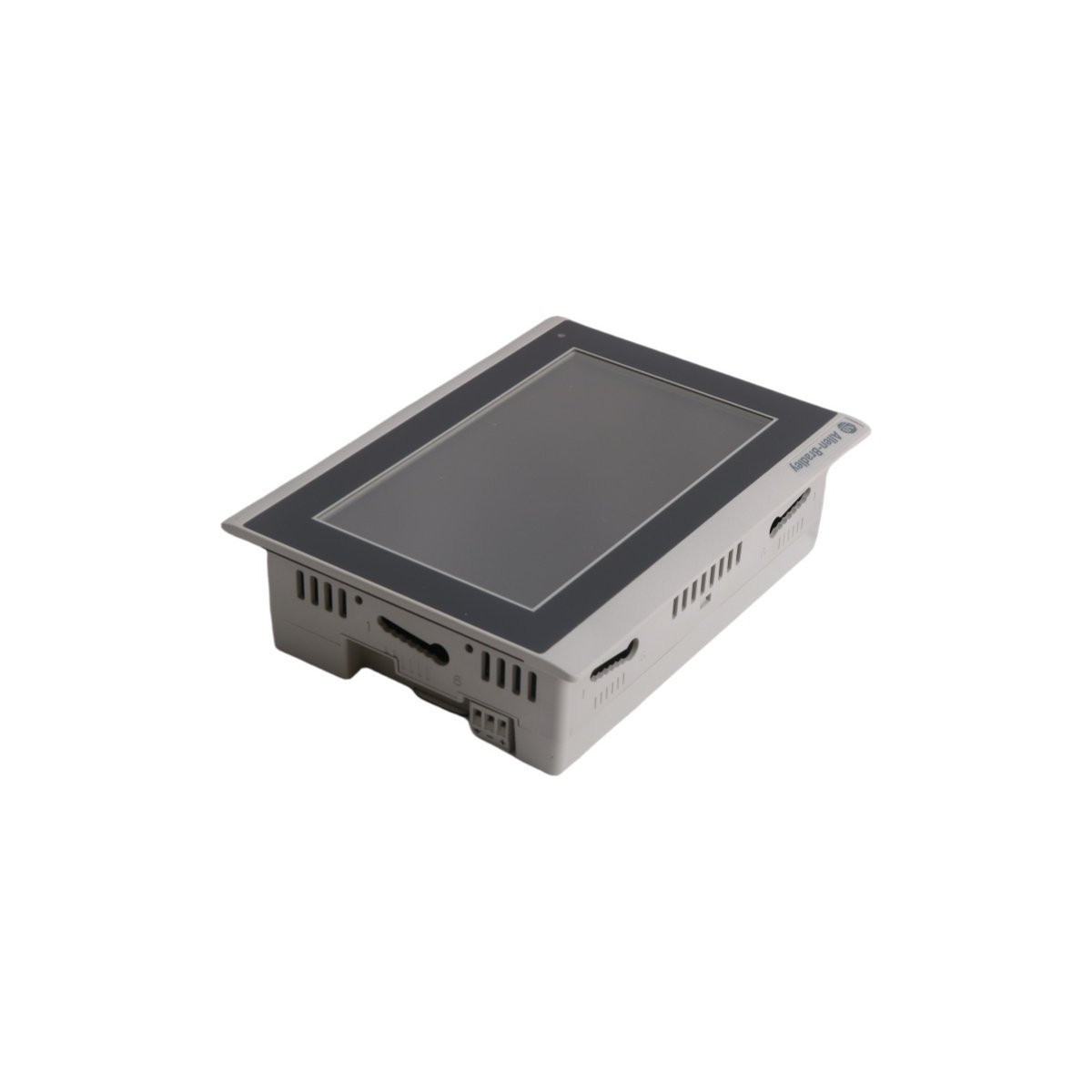
Allen-Bradley 2711R-T7T PanelView 800 Graphic Terminal
The Allen-Bradley 2711R-T7T is a 7-inch PanelView 800 HMI featuring a high-resolution touchscreen, extensive protocol support, and robust integration for industrial control systems.
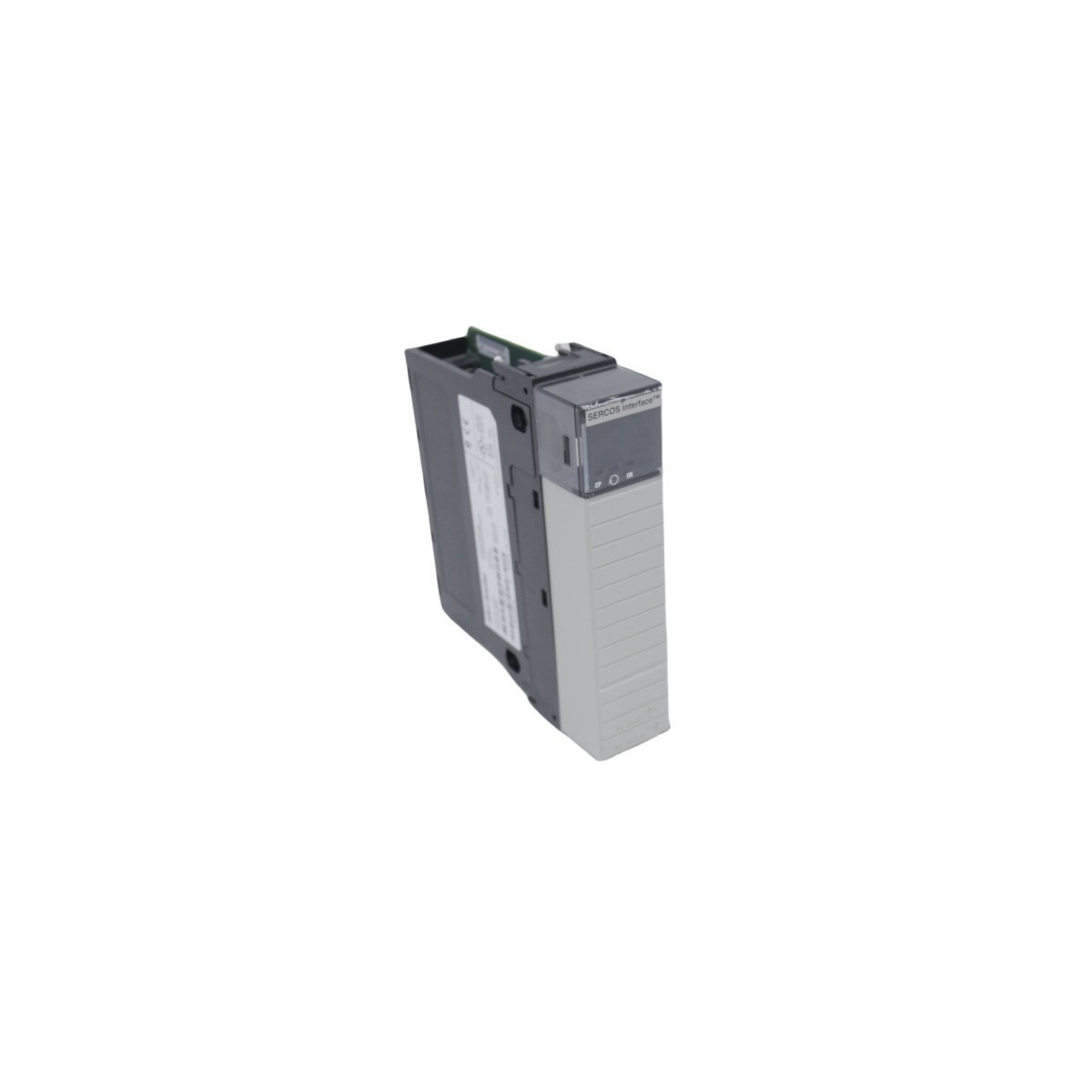
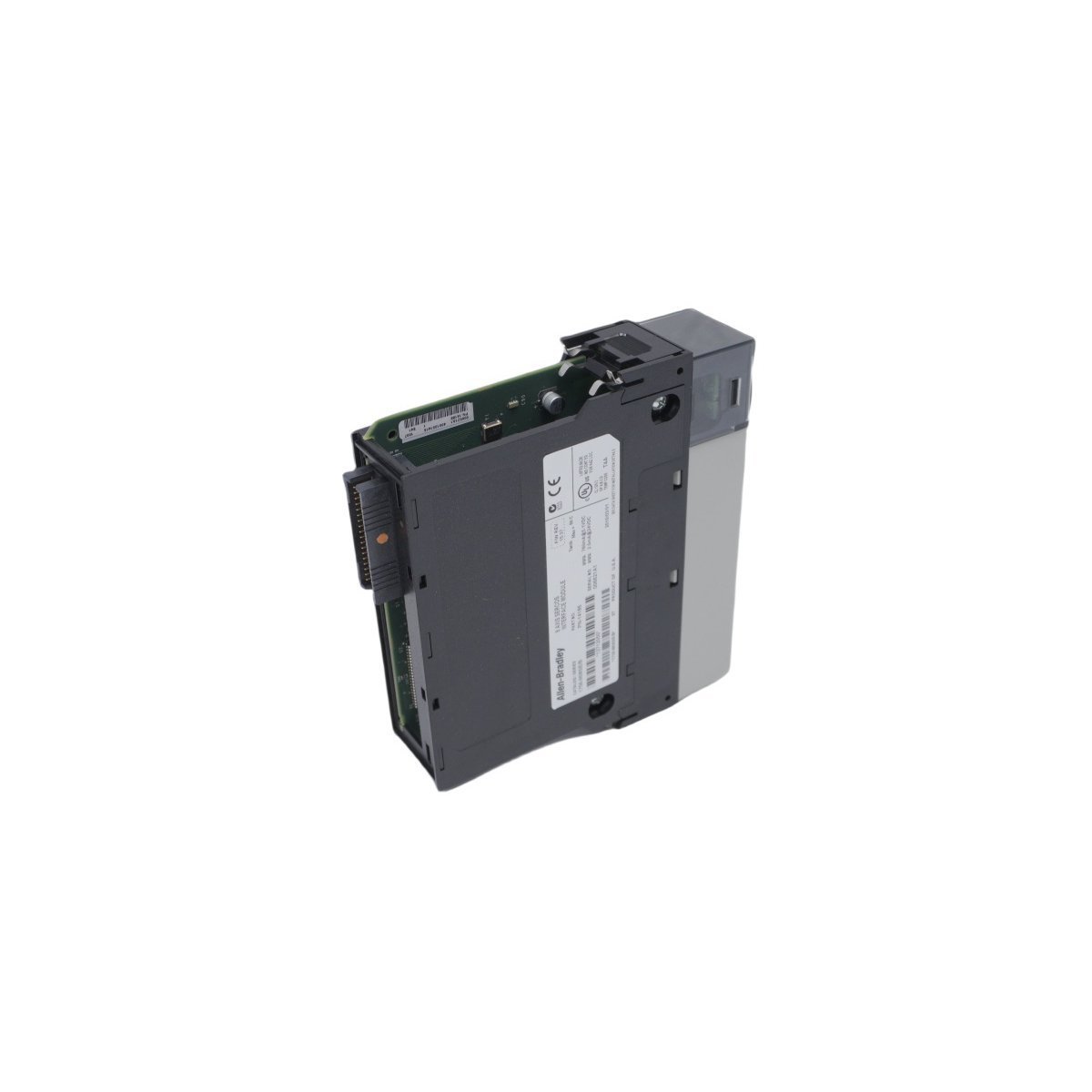
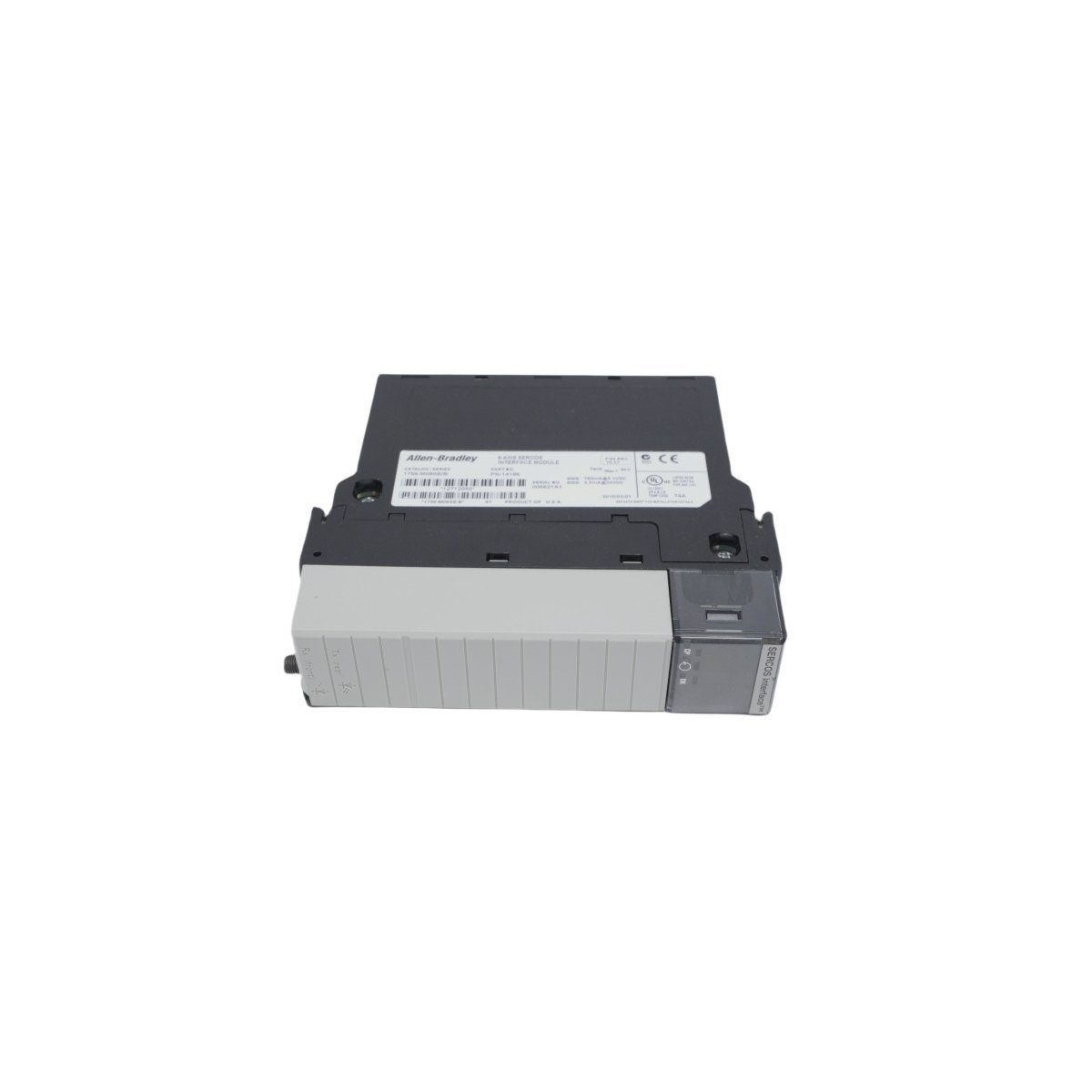
The Allen-Bradley 1756-M08SE is a high-speed SERCOS interface module for ControlLogix, enabling precise multi-axis motion control across Kinetix drive systems.
The Allen-Bradley 1756-M08SE serves as a high-performance SERCOS interface module engineered specifically for the ControlLogix automation platform. System architects utilize this module to bridge the ControlLogix backplane with SERCOS-based servo drive networks. Because the unit manages high-speed digital synchronization between the controller and up to eight Kinetix servo drives, it ensures precise coordination of motion profiles, including position, velocity, and torque control. This module provides a robust foundation for multi-axis synchronization in complex manufacturing equipment.
Allen-Bradley designed the 1756-M08SE to maintain high-speed communication integrity through fiber-optic connectivity. By utilizing 2090-series fiber-optic cables, the module effectively eliminates electromagnetic interference that often degrades signal quality in dense factory floor environments. Furthermore, the module delivers scalable cycle times; engineers configure the system for 0.5 ms, 1 ms, or 2 ms intervals depending on the data rate and the specific number of active drive nodes.
Technicians install the 1756-M08SE directly into any standard ControlLogix chassis to enable seamless interoperability with the Kinetix 2000, 6000, and 7000 drive families. Because the module incorporates advanced diagnostic reporting, maintenance teams monitor communication status and axis performance in real-time through the studio 5000 environment. Consequently, operations personnel achieve faster troubleshooting cycles and improved system availability during critical production runs.
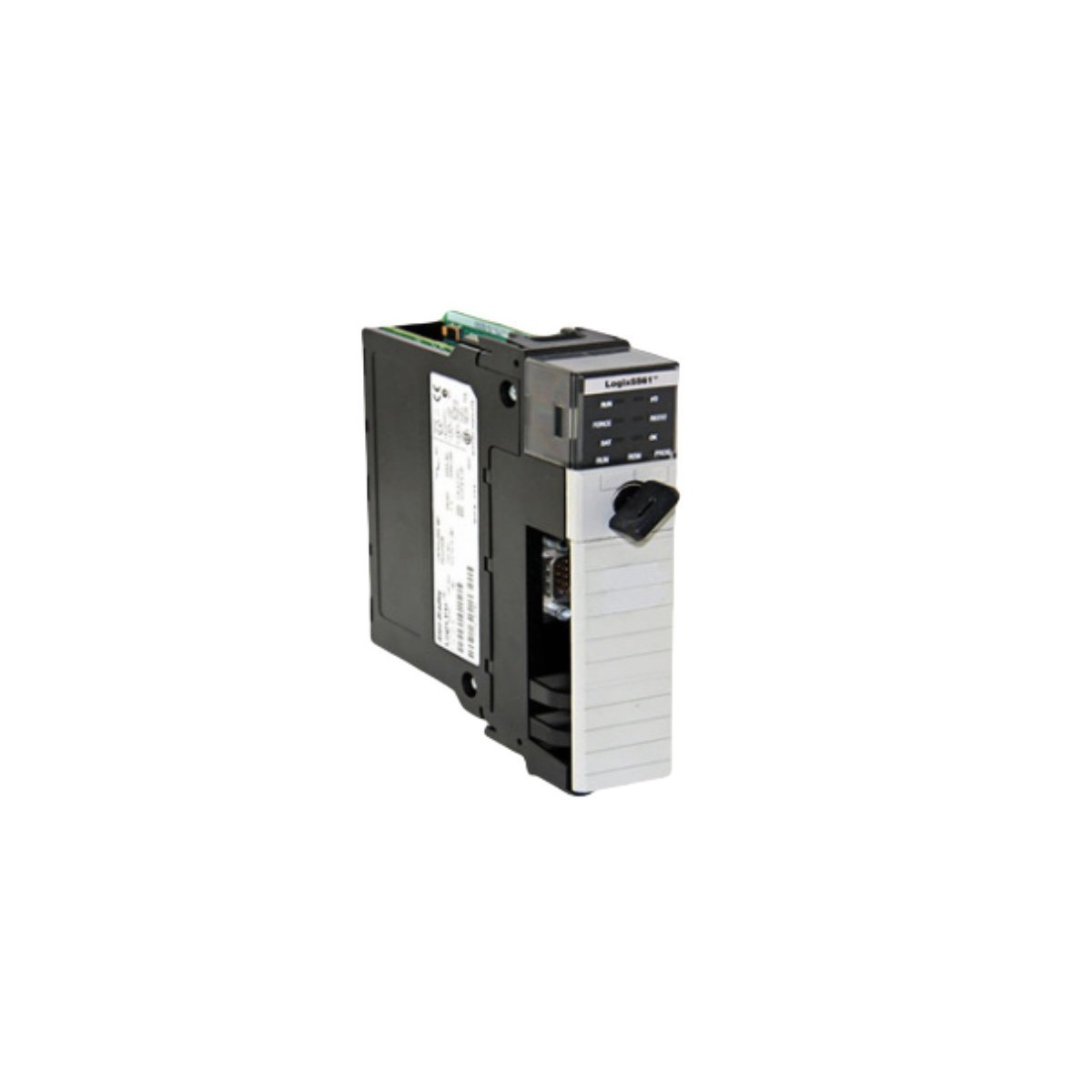
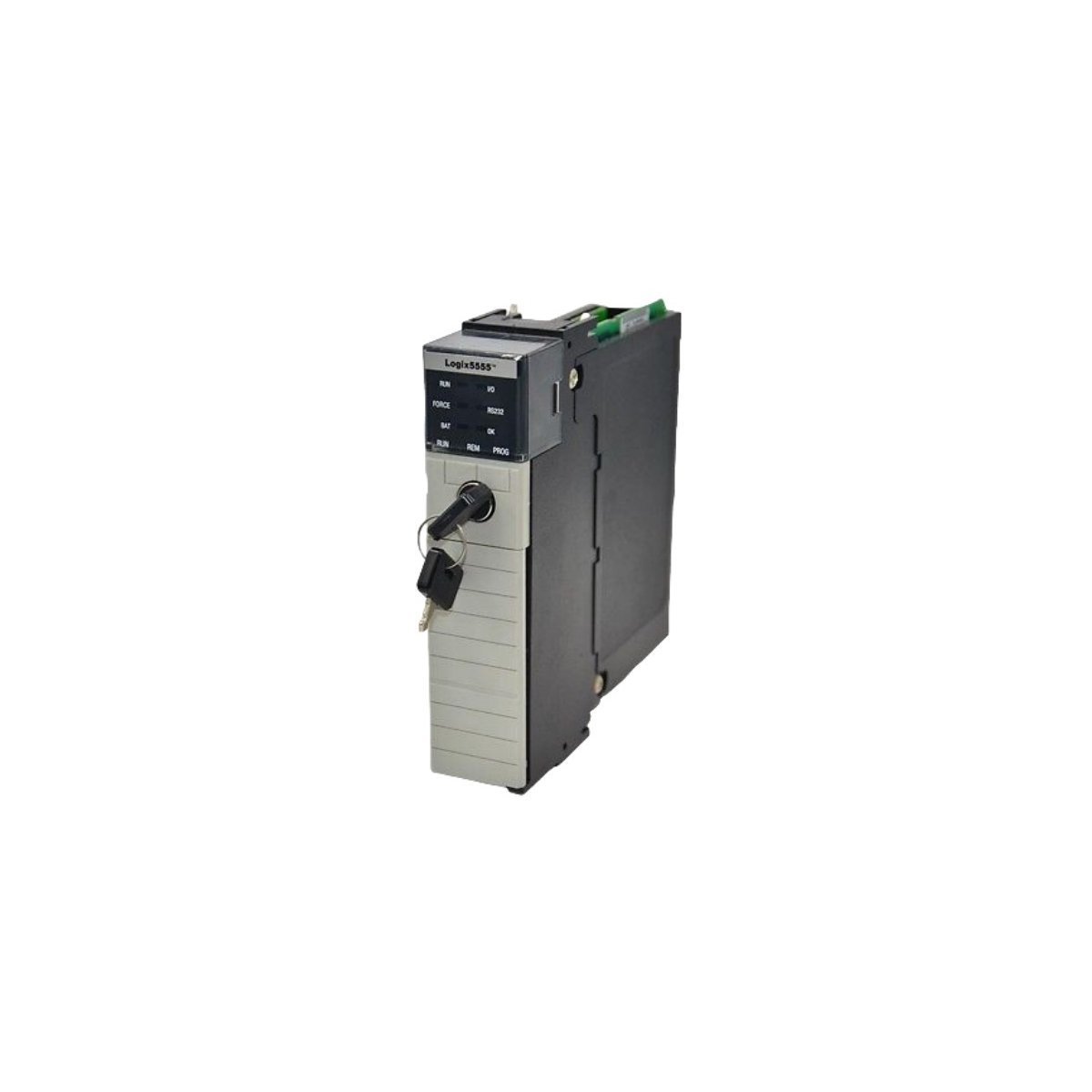
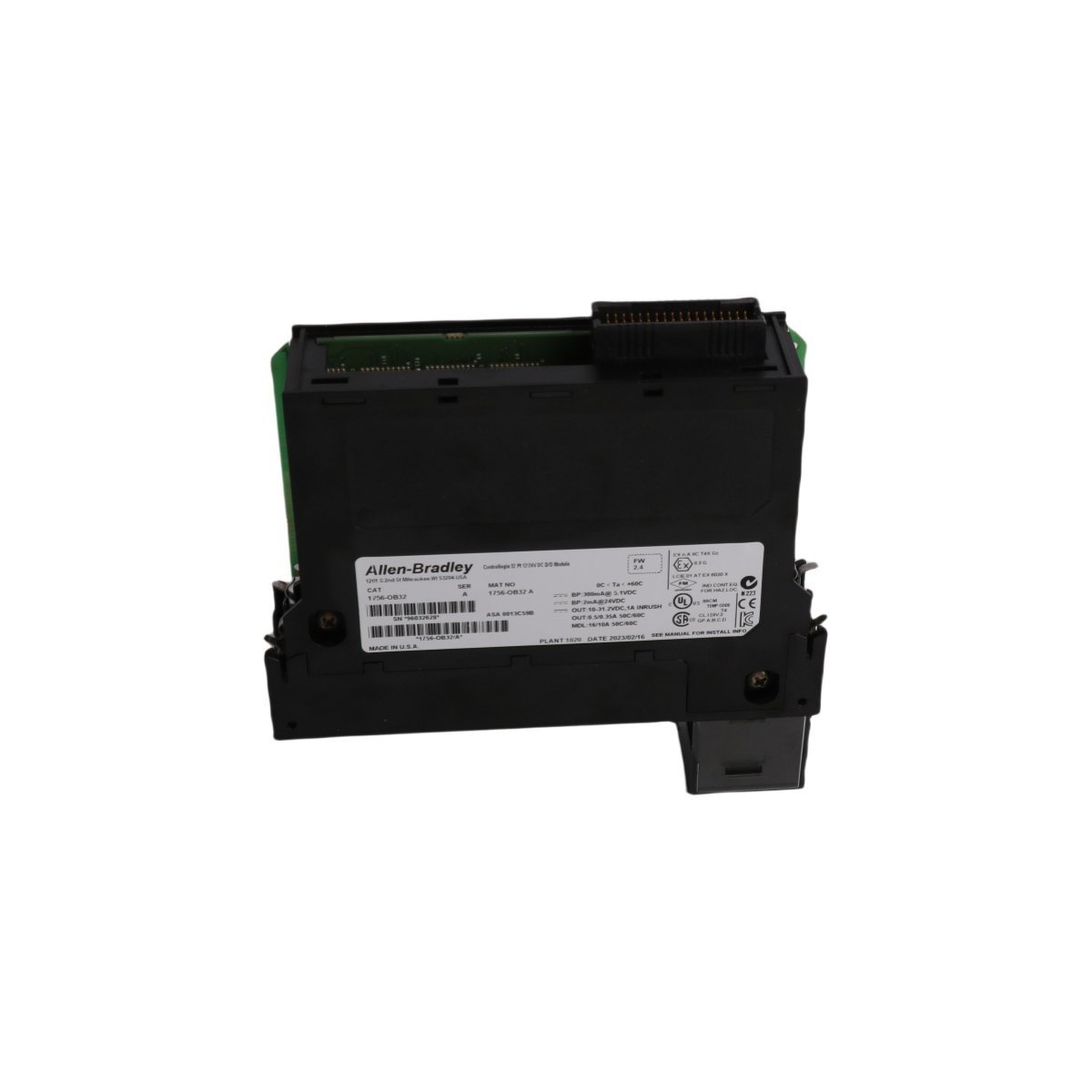
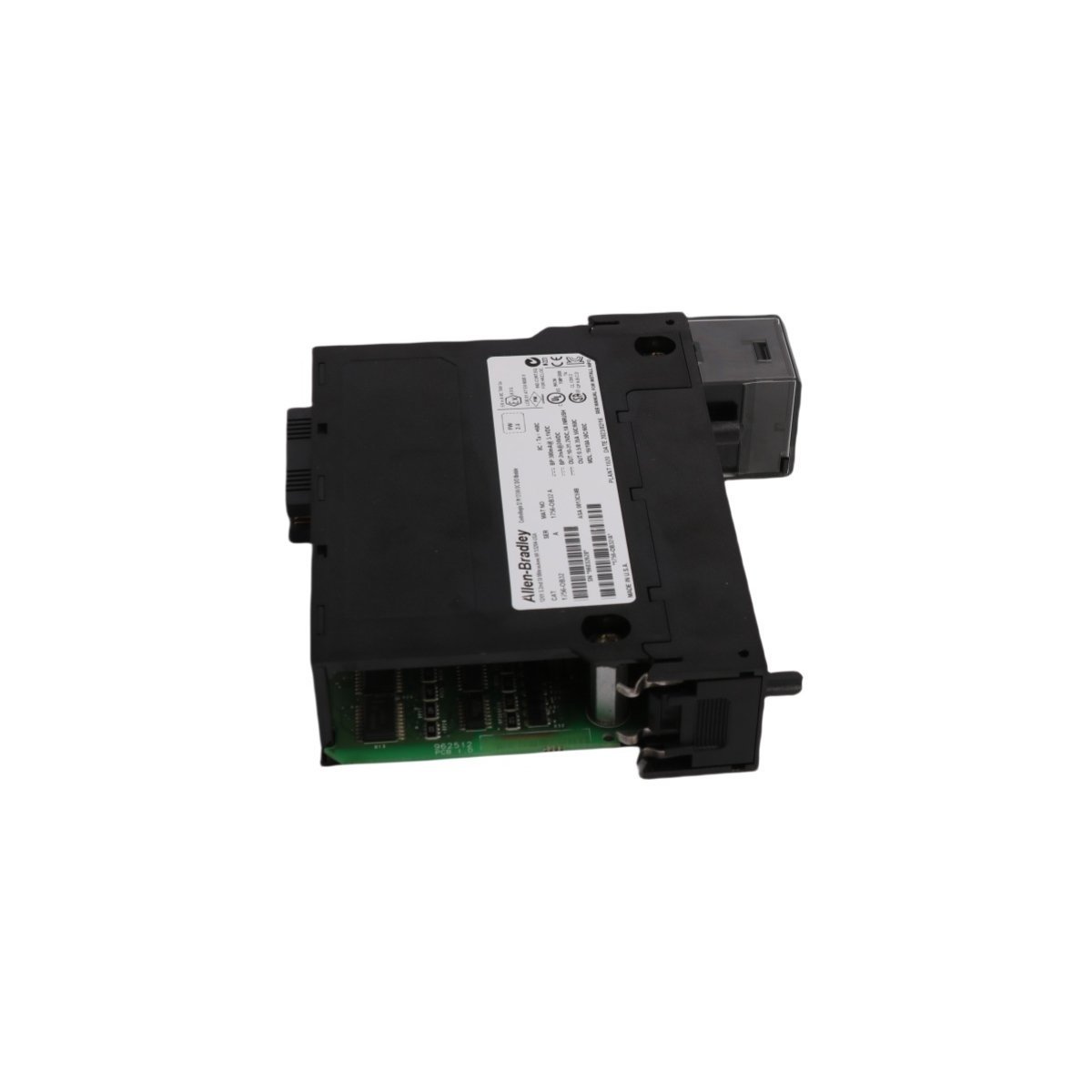
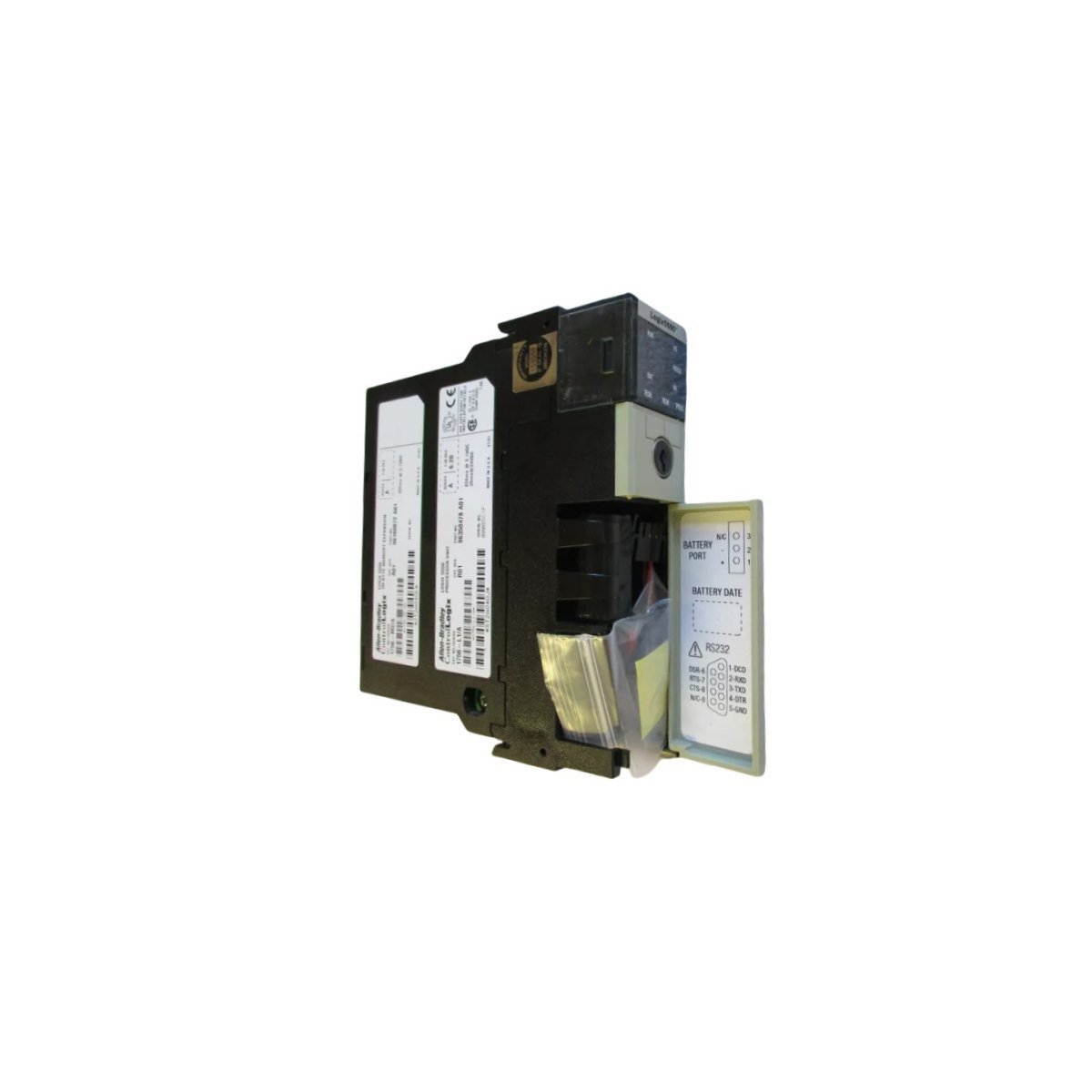
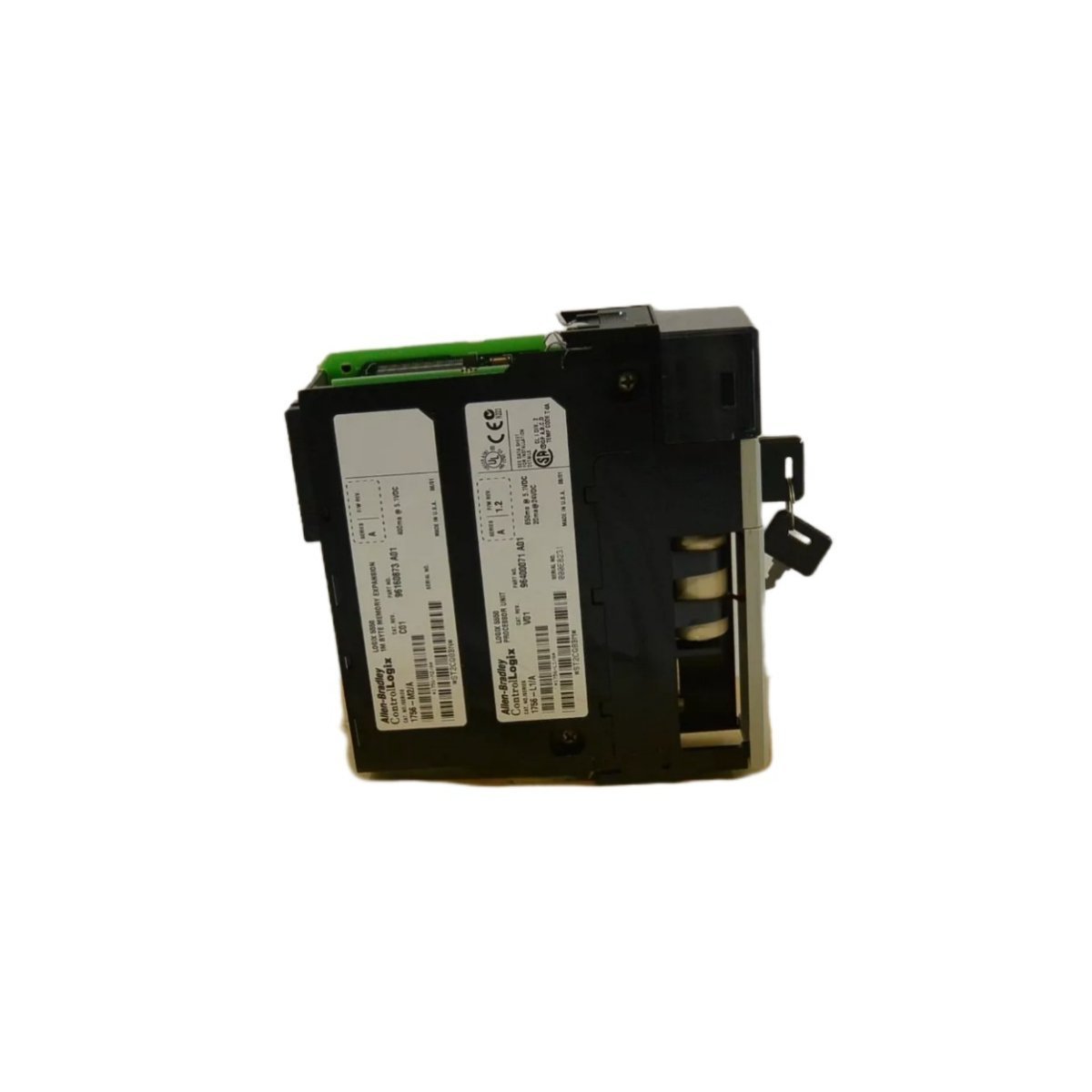
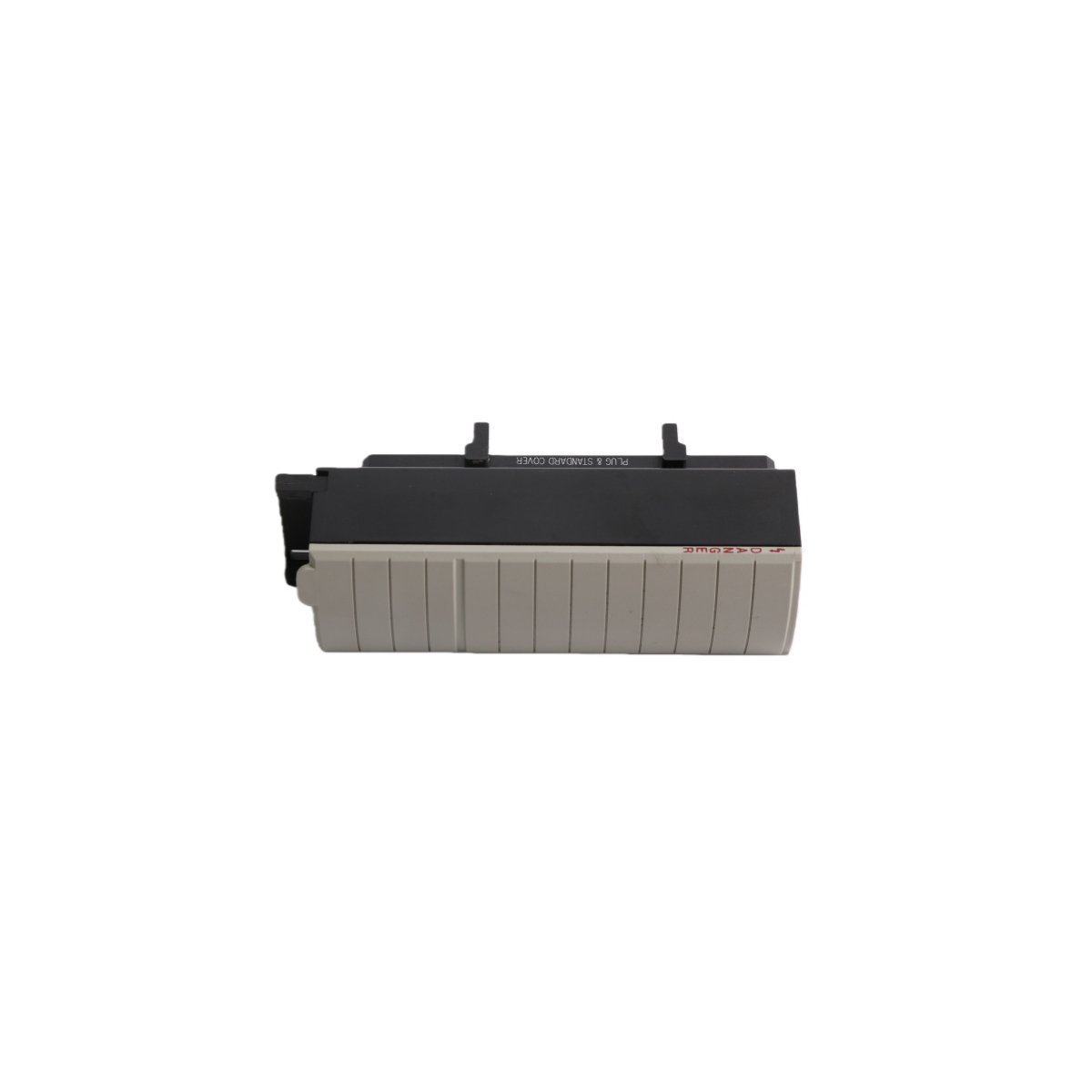
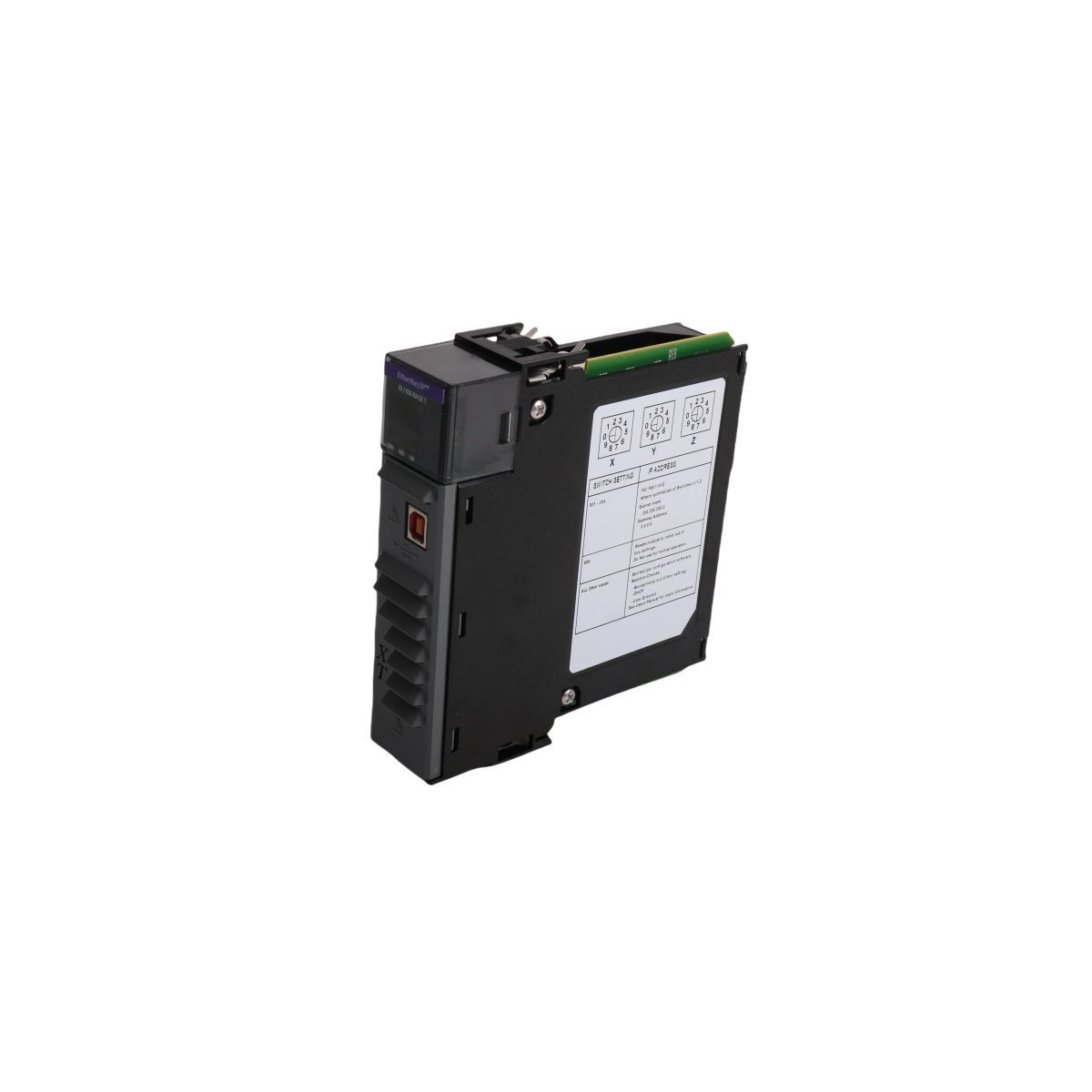
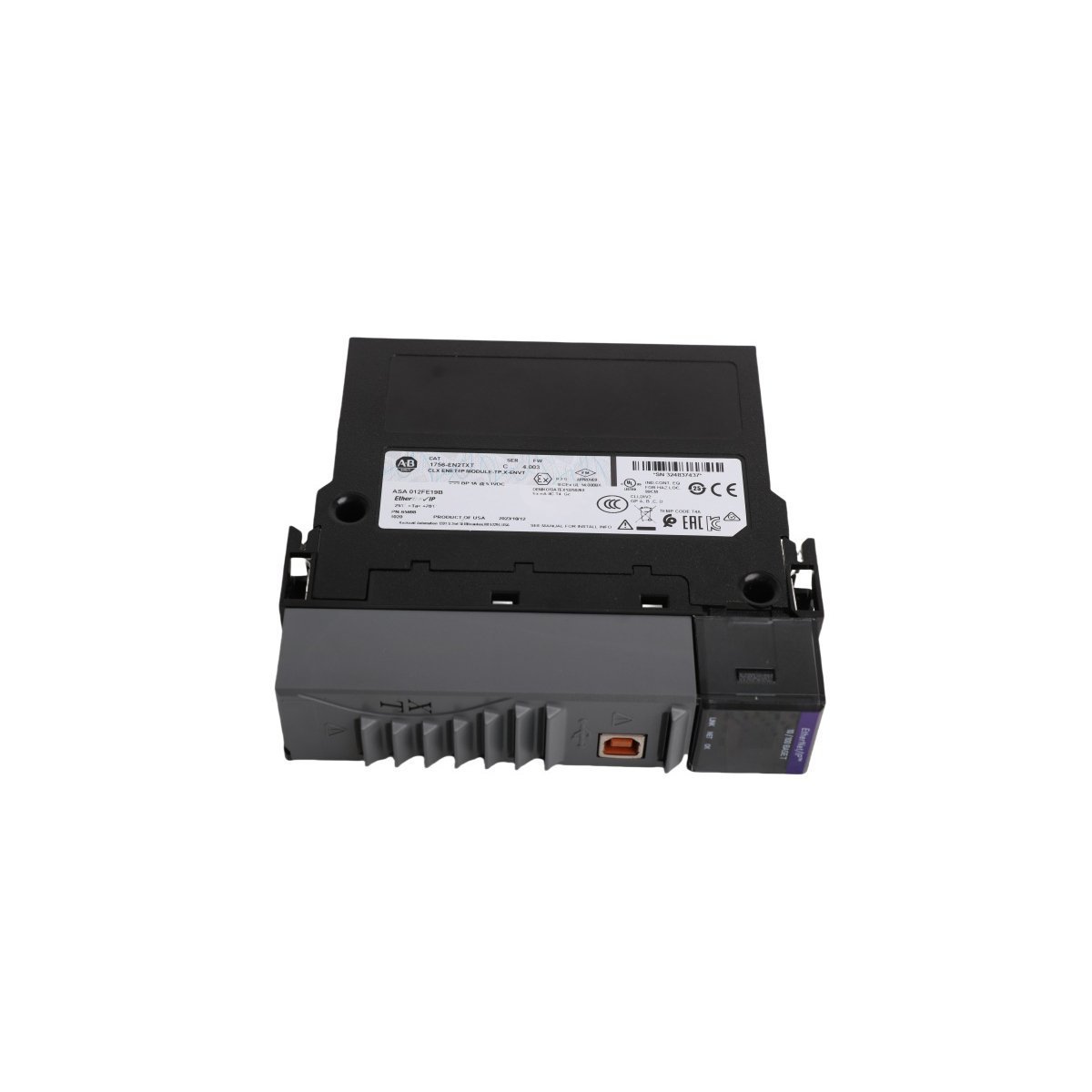
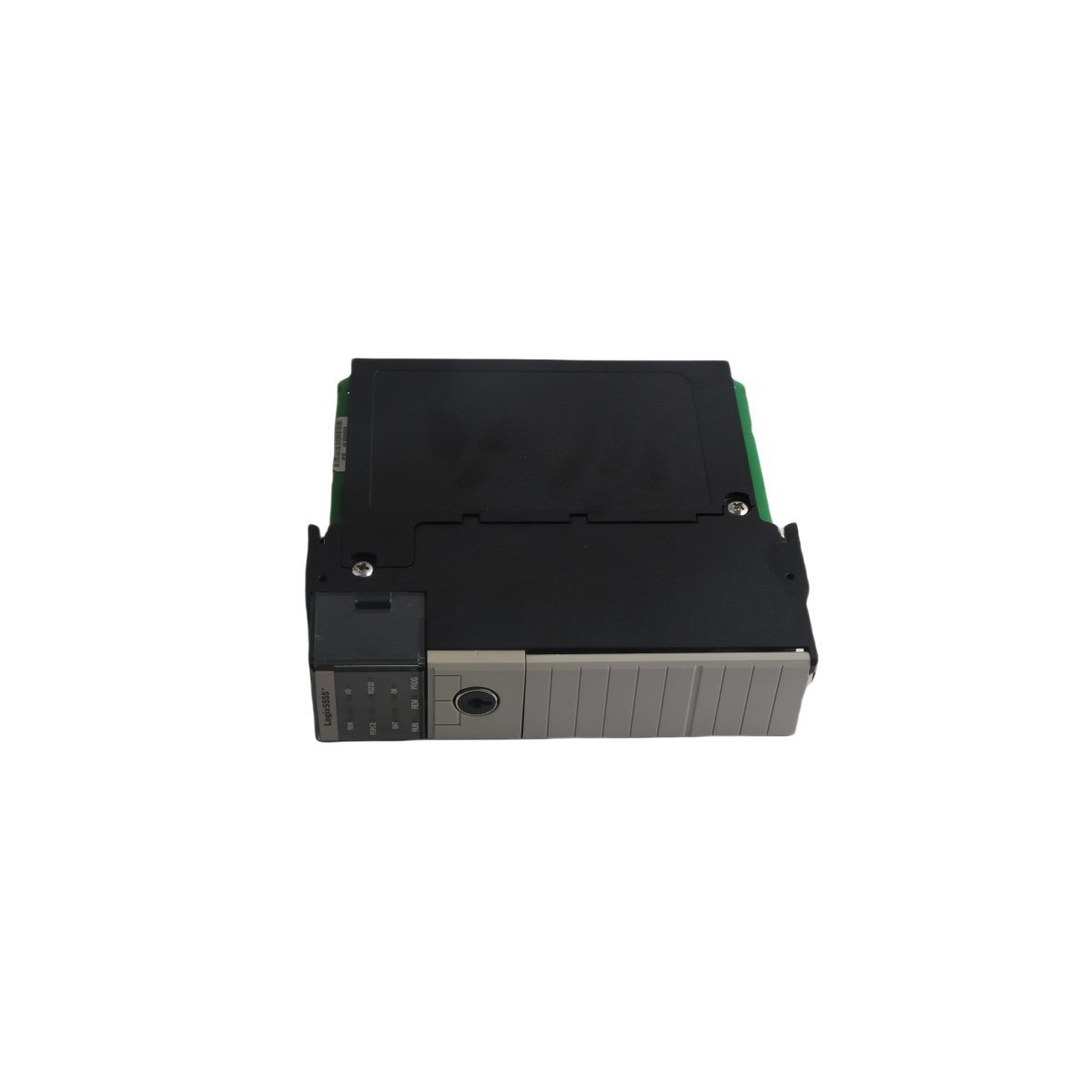
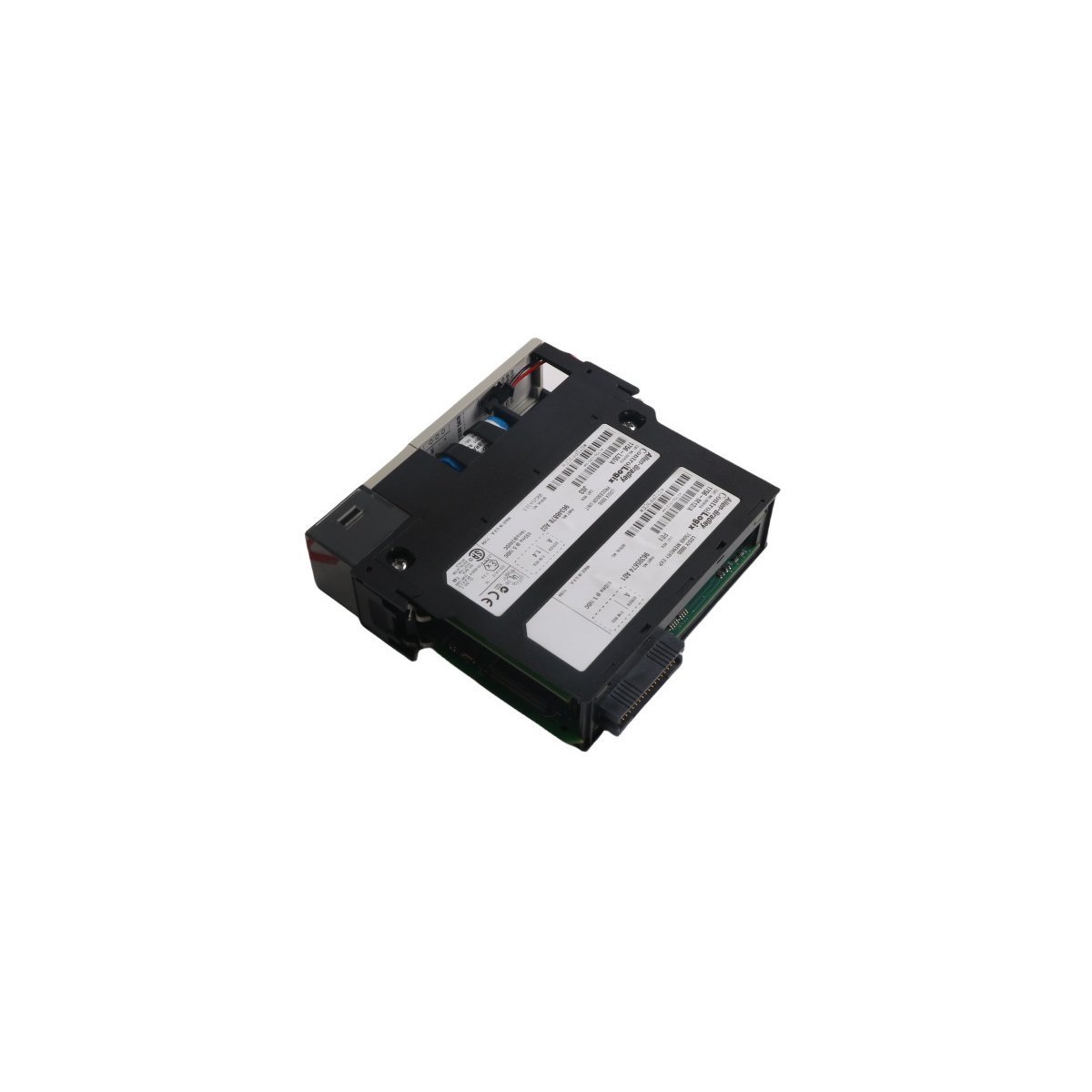
The Allen-Bradley ControlLogix 1756-L55M16 is an advanced industrial controller from the Logix5000 family, equipped with 7.5 MB of user logic memory, 208 KB of dedicated I/O memory, and a dual-CPU processor architecture that optimizes logic execution separate from chassis backplane traffic. Built for heavy-duty automation systems, it manages up to 128,000 total digital I/O points with a blistering 0.08 ms program scan time. Supporting multi-network connectivity across EtherNet/IP, ControlNet, and DeviceNet alongside producer/consumer data tag broadcasting, this processor provides the ultimate scalability, multi-language scheduling, and reliable multitasking control for complex, modern factory floor operations.


We are committed to protecting your privacy. The information collected here is strictly used to provide the requested quotes, technical support, and relevant industrial automation solutions.