
Sale!
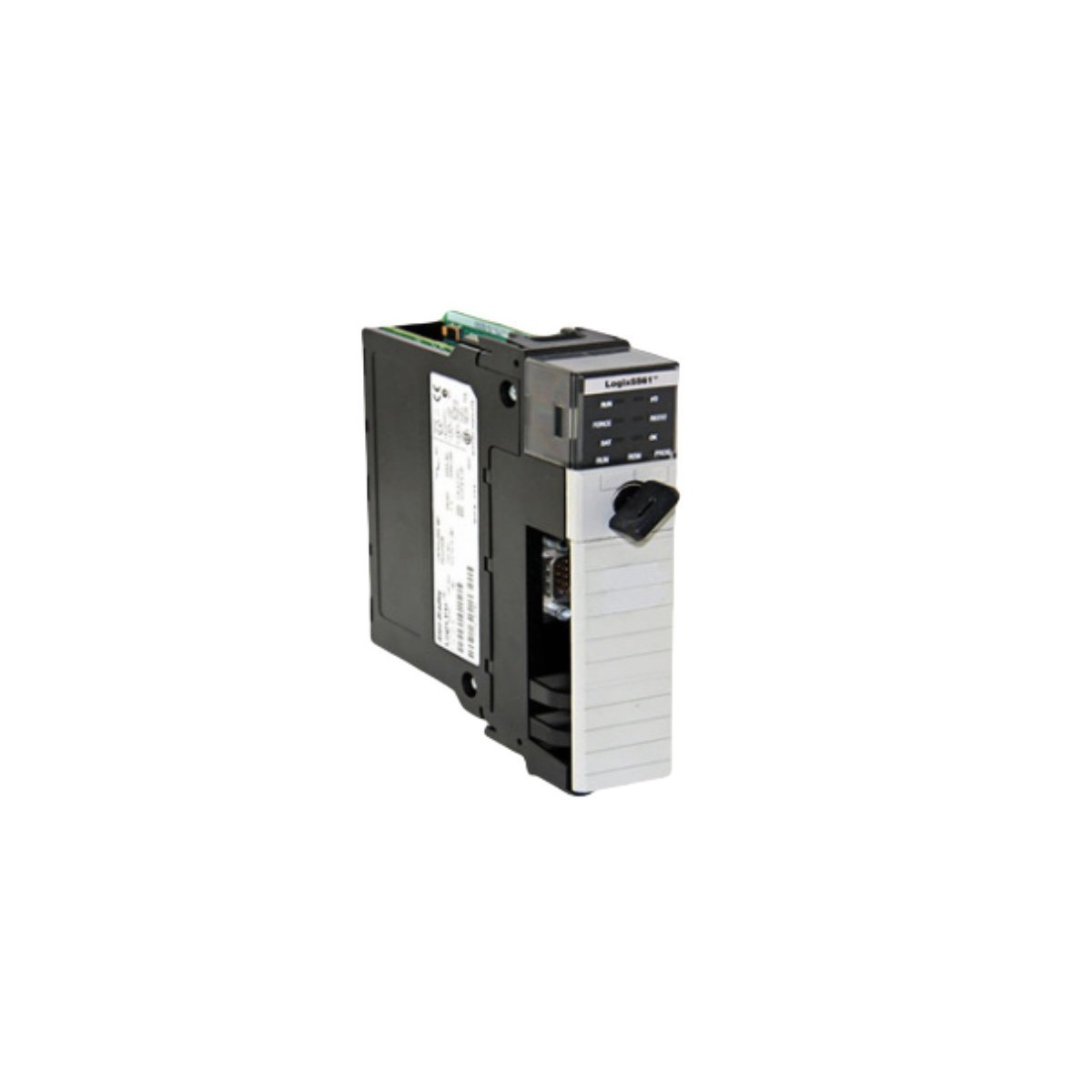
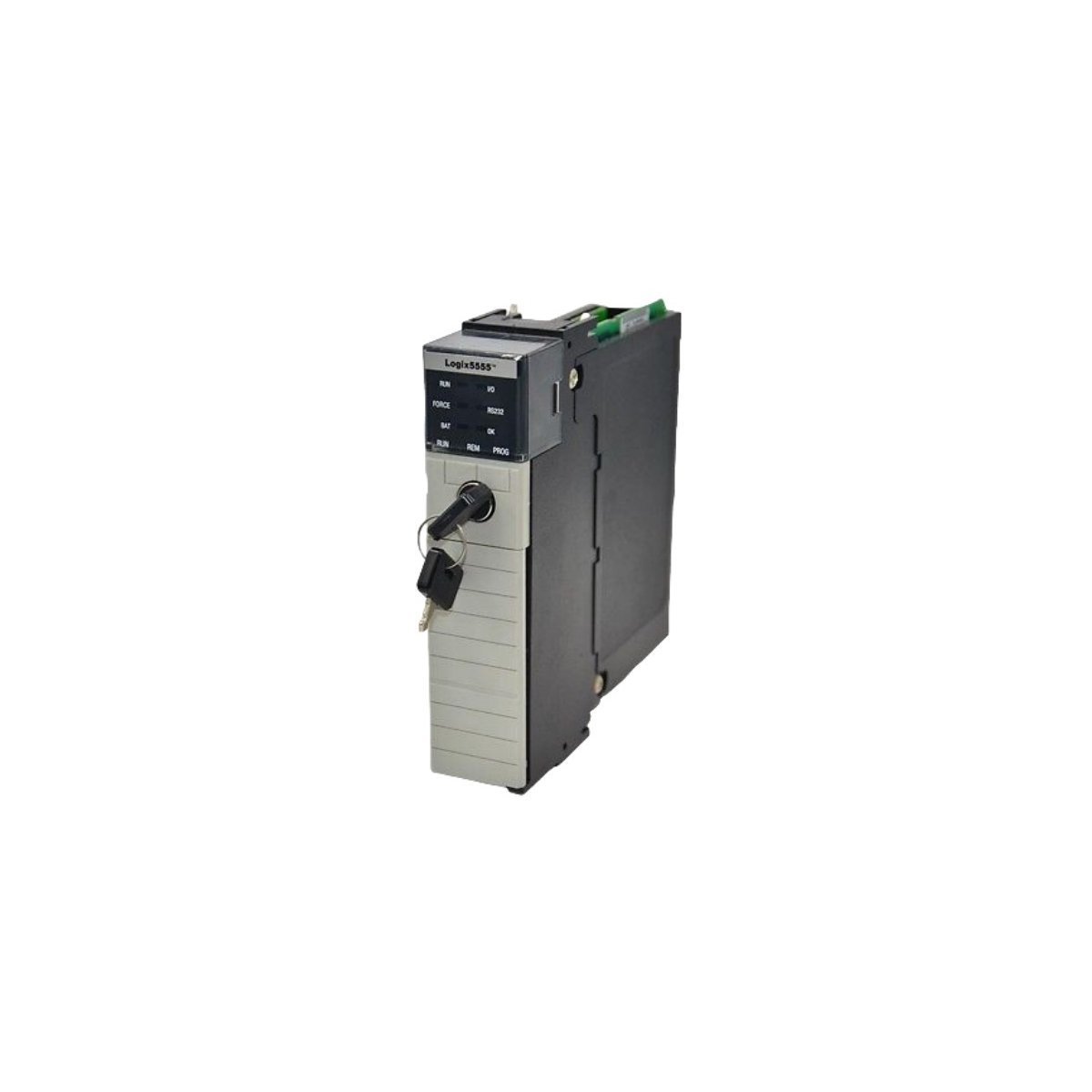
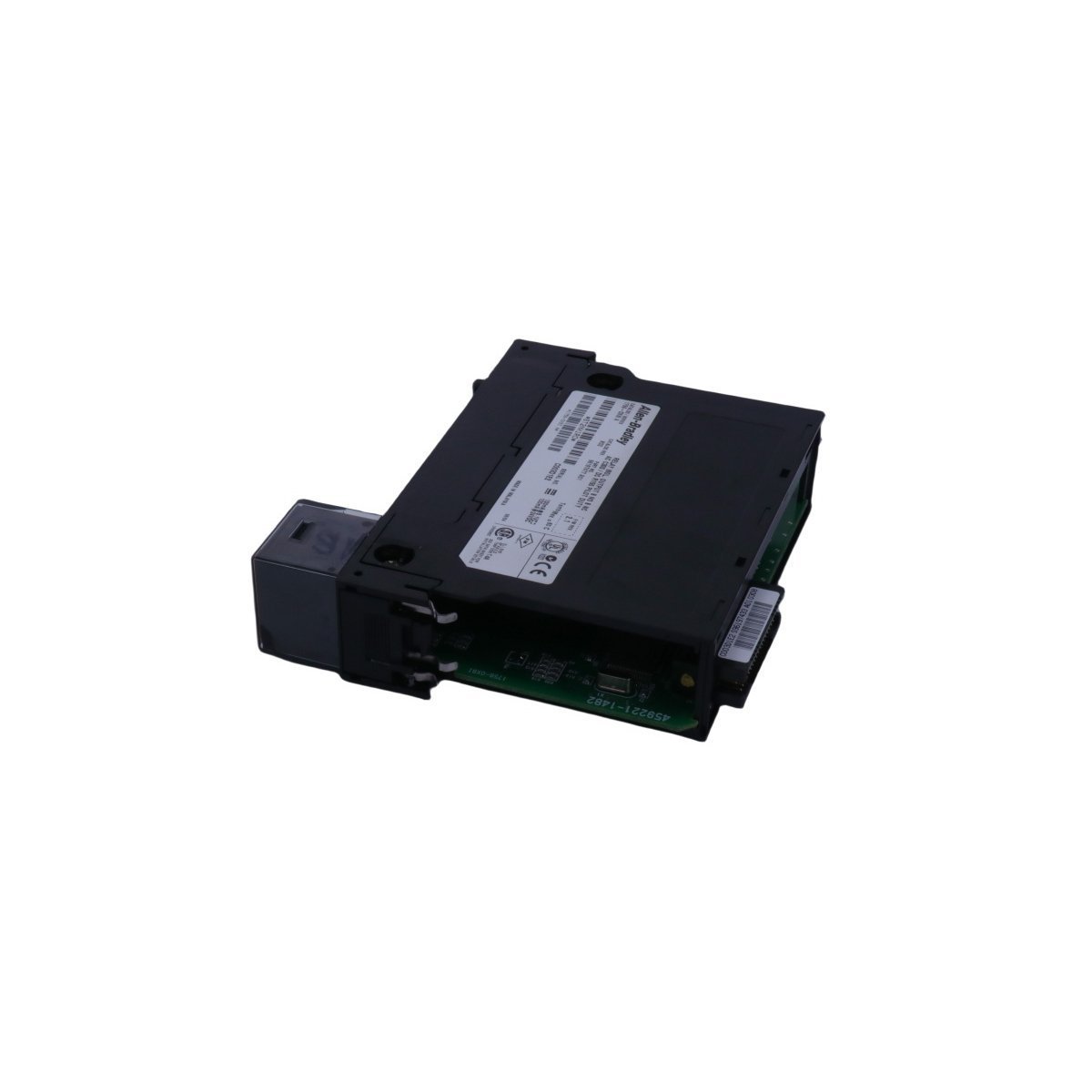
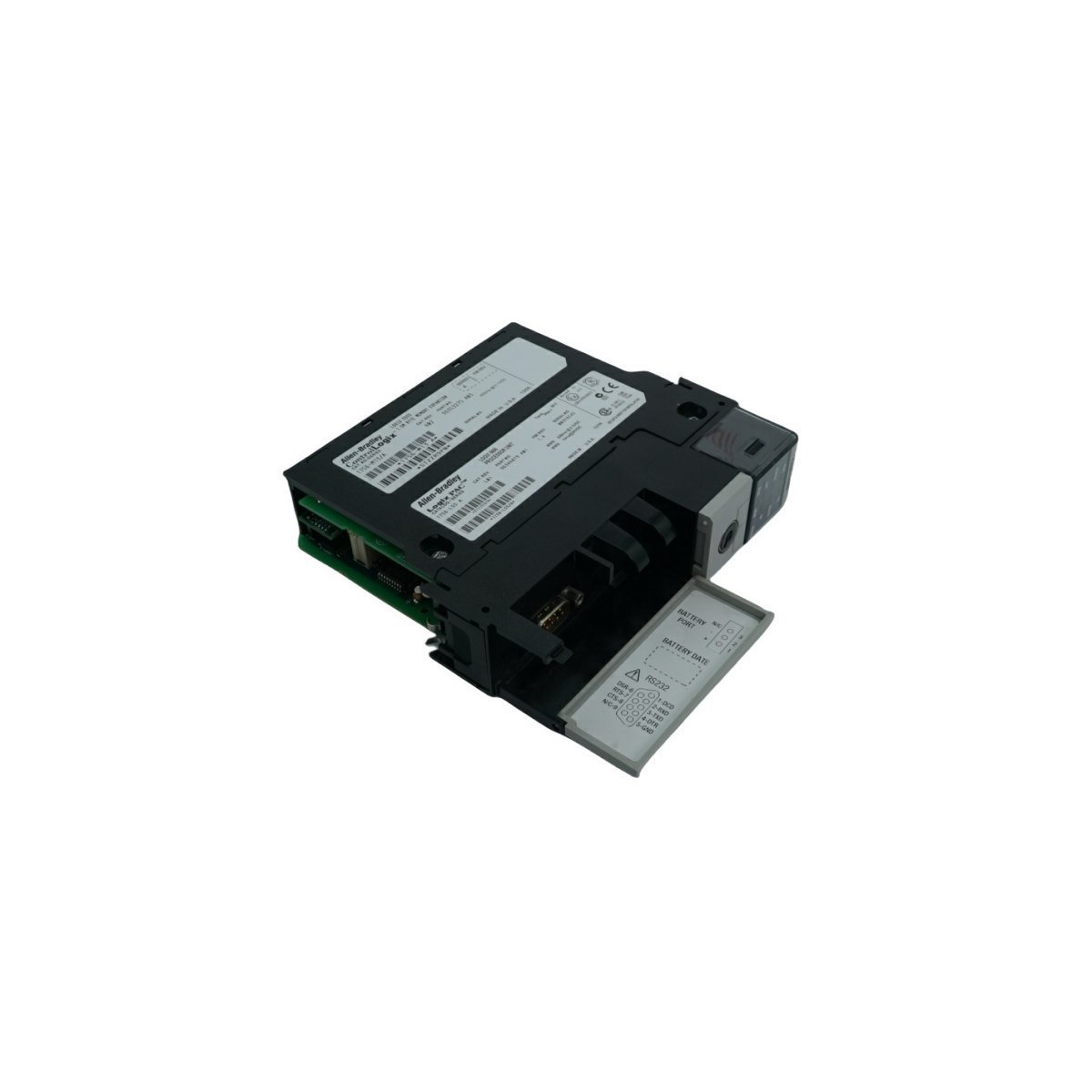
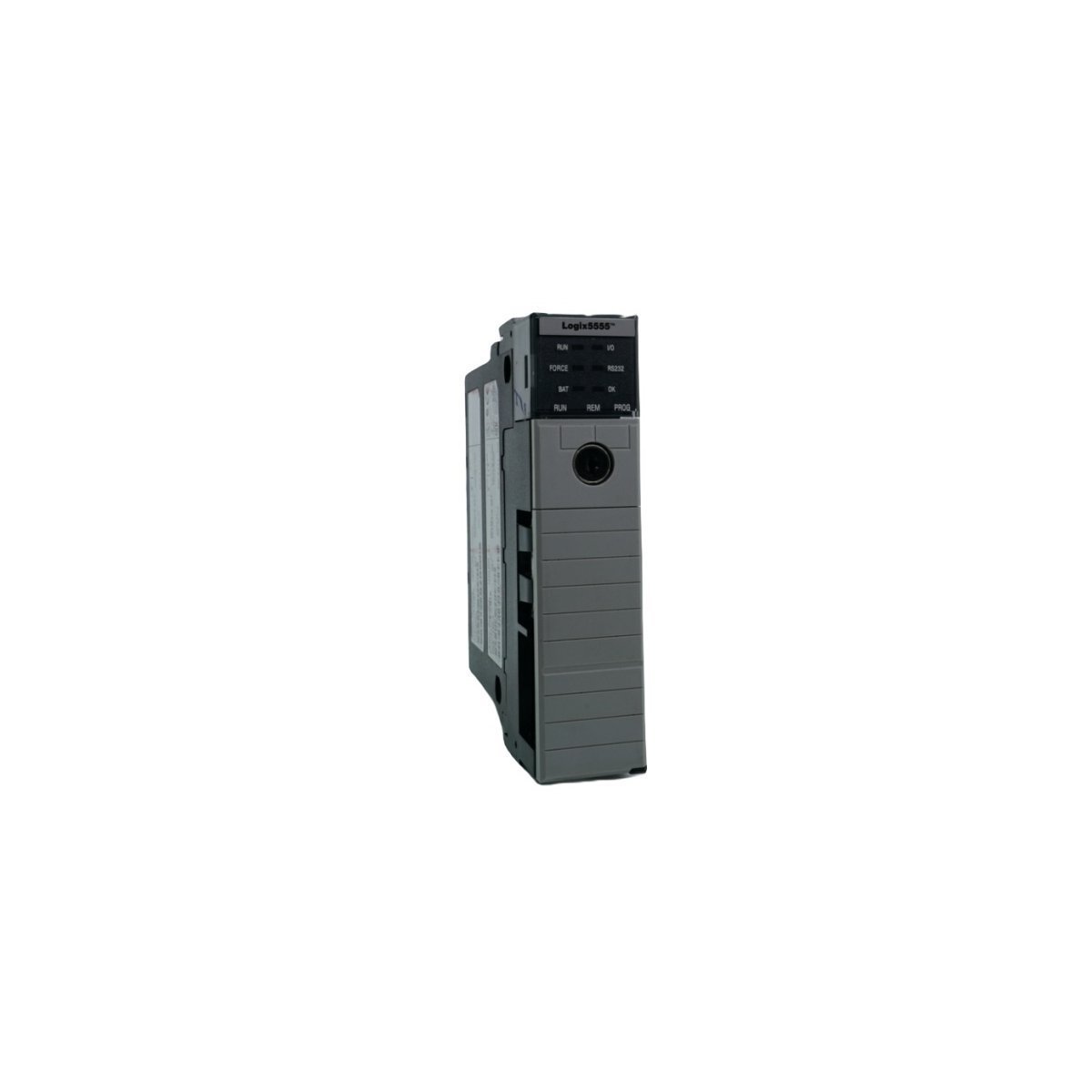
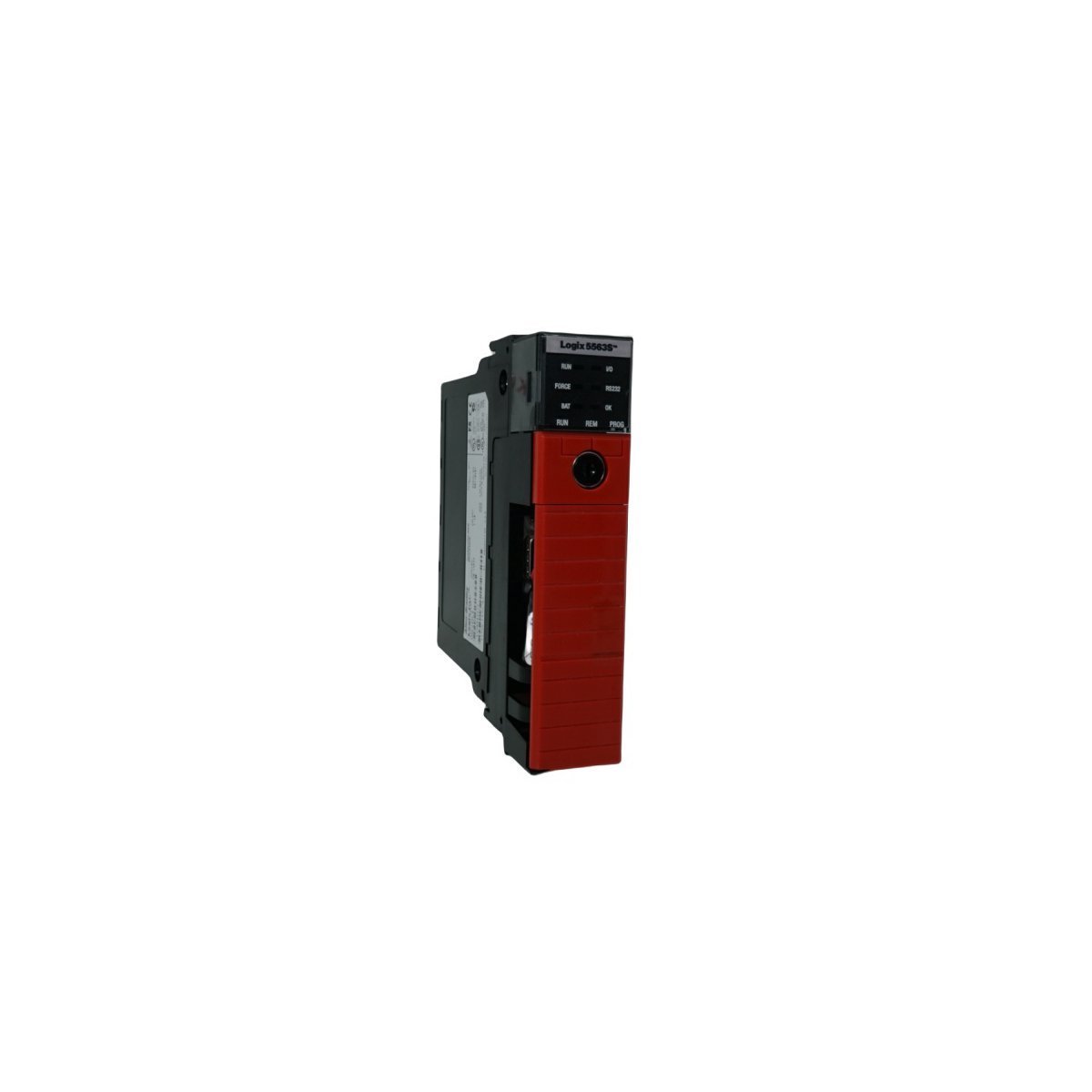
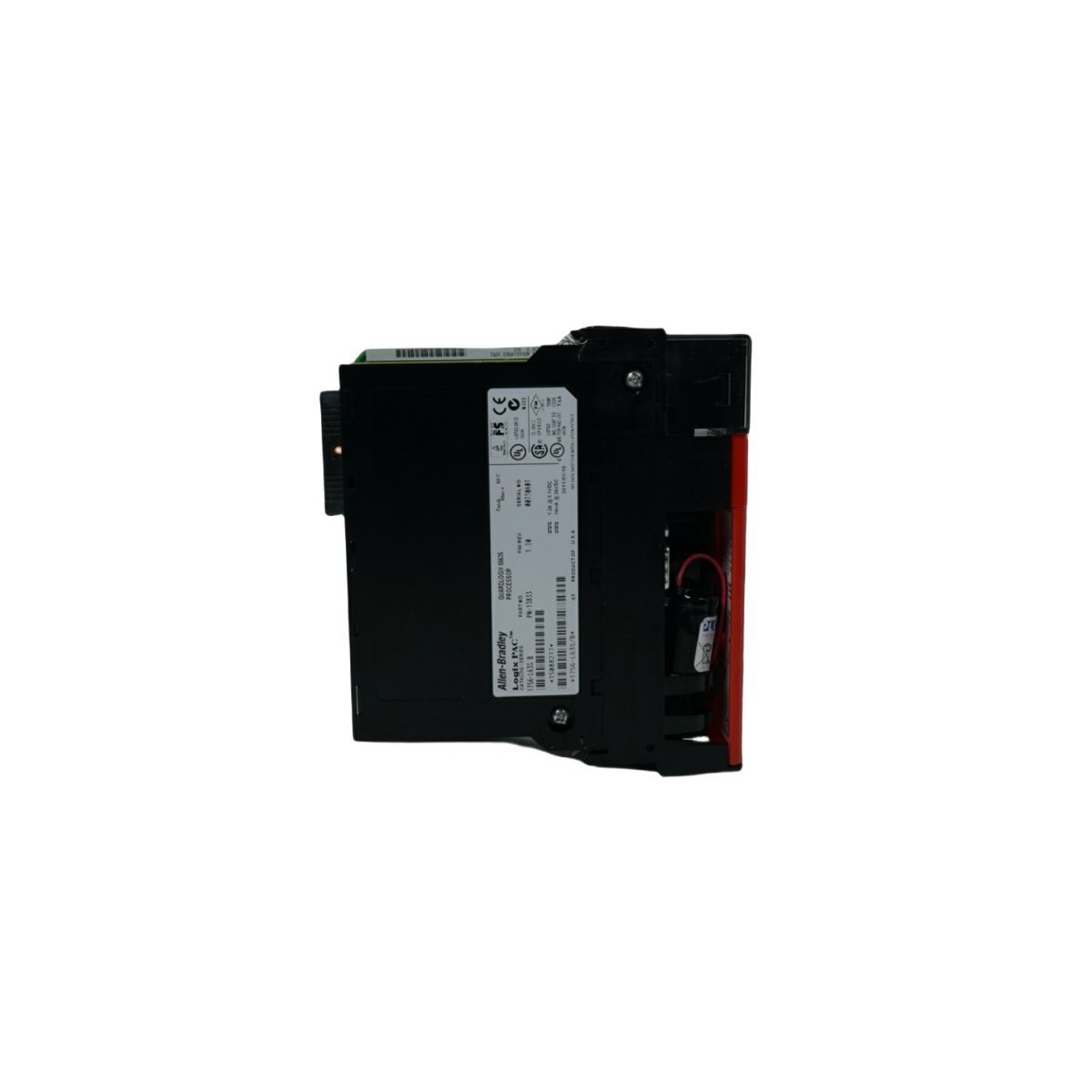
Allen-Bradley 1756-L55M24 GuardLogix Safety Controller Module
The Allen-Bradley 1756-L55M24 is a high-performance GuardLogix controller offering 3.5 MB of non-volatile memory for integrated safety, motion, and discrete control applications.
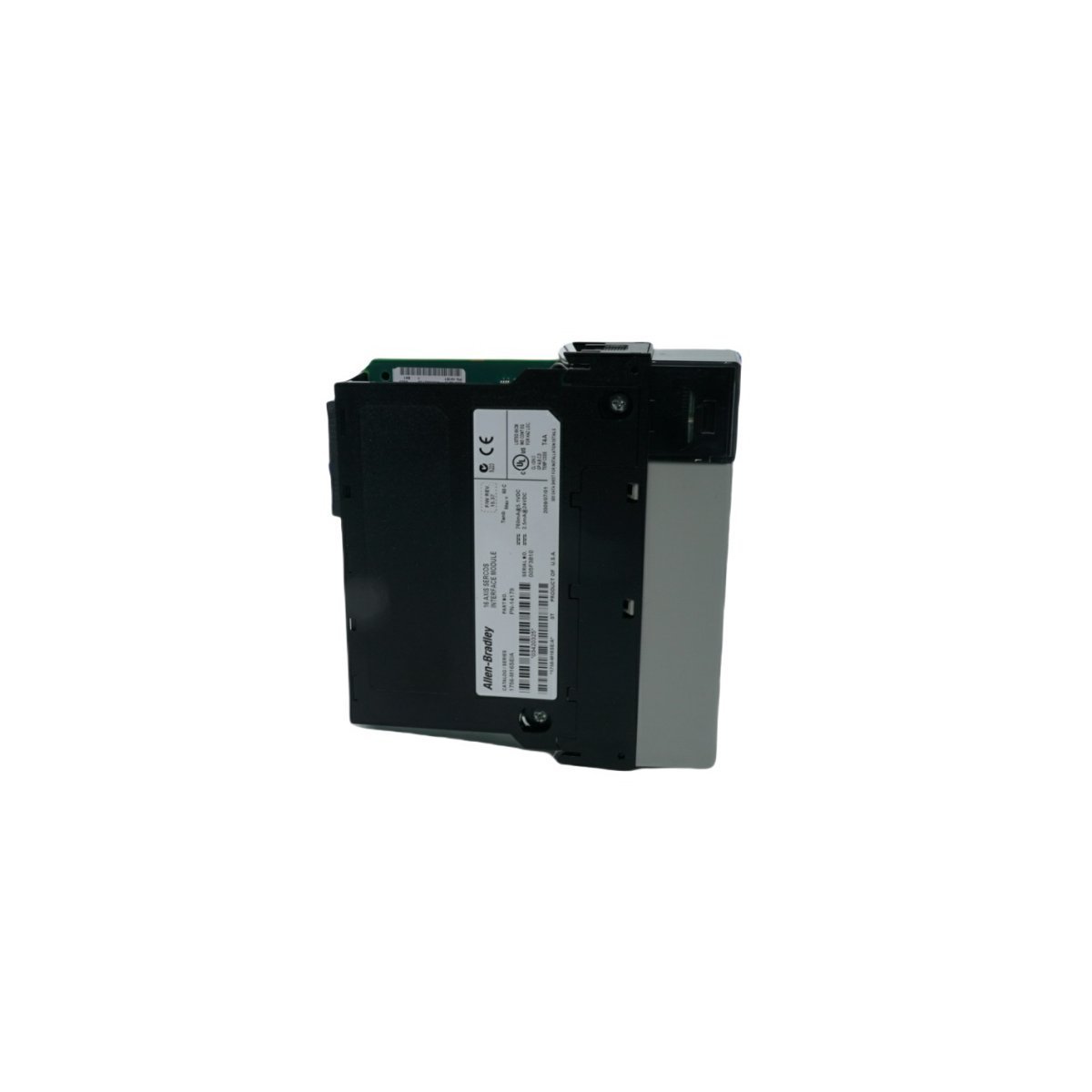
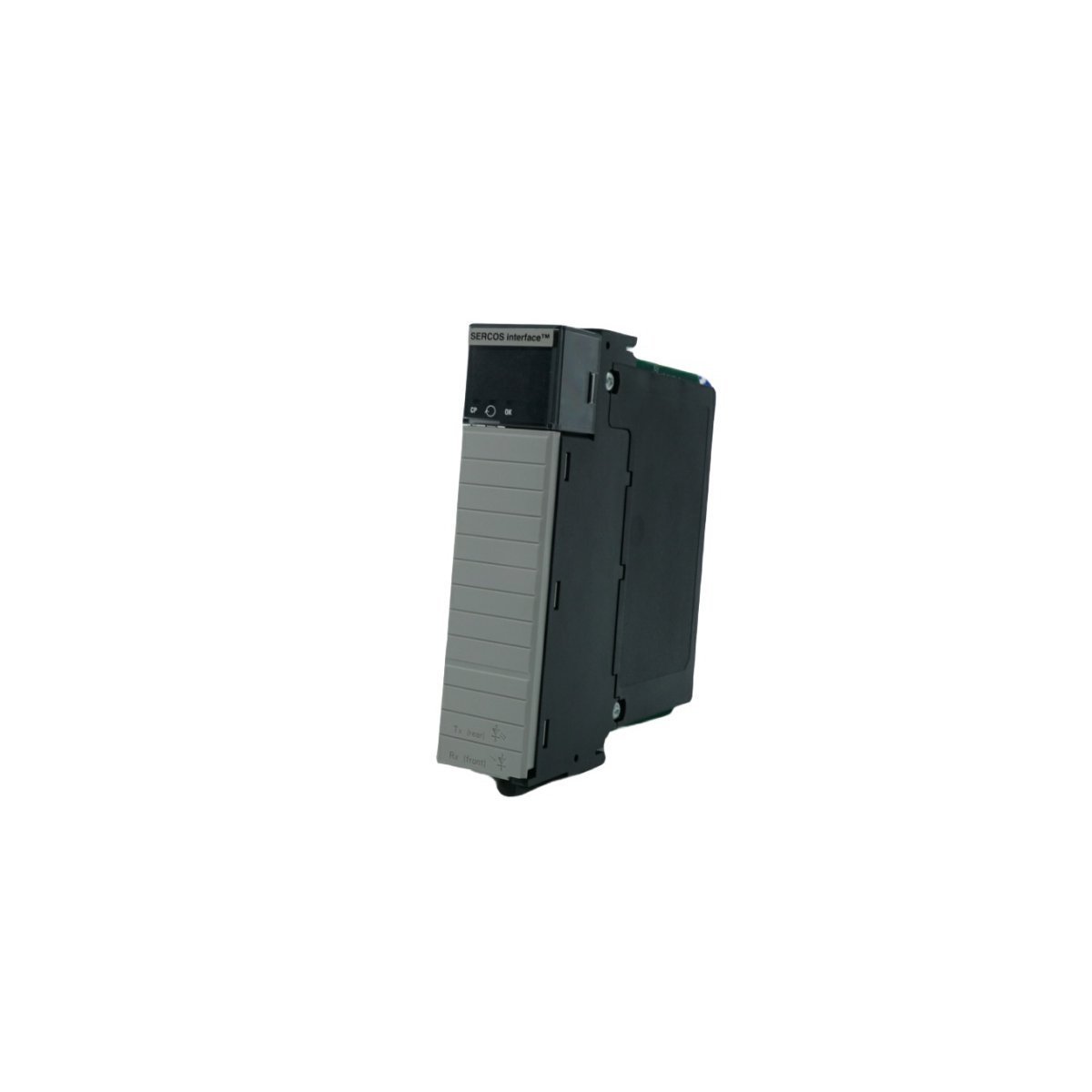
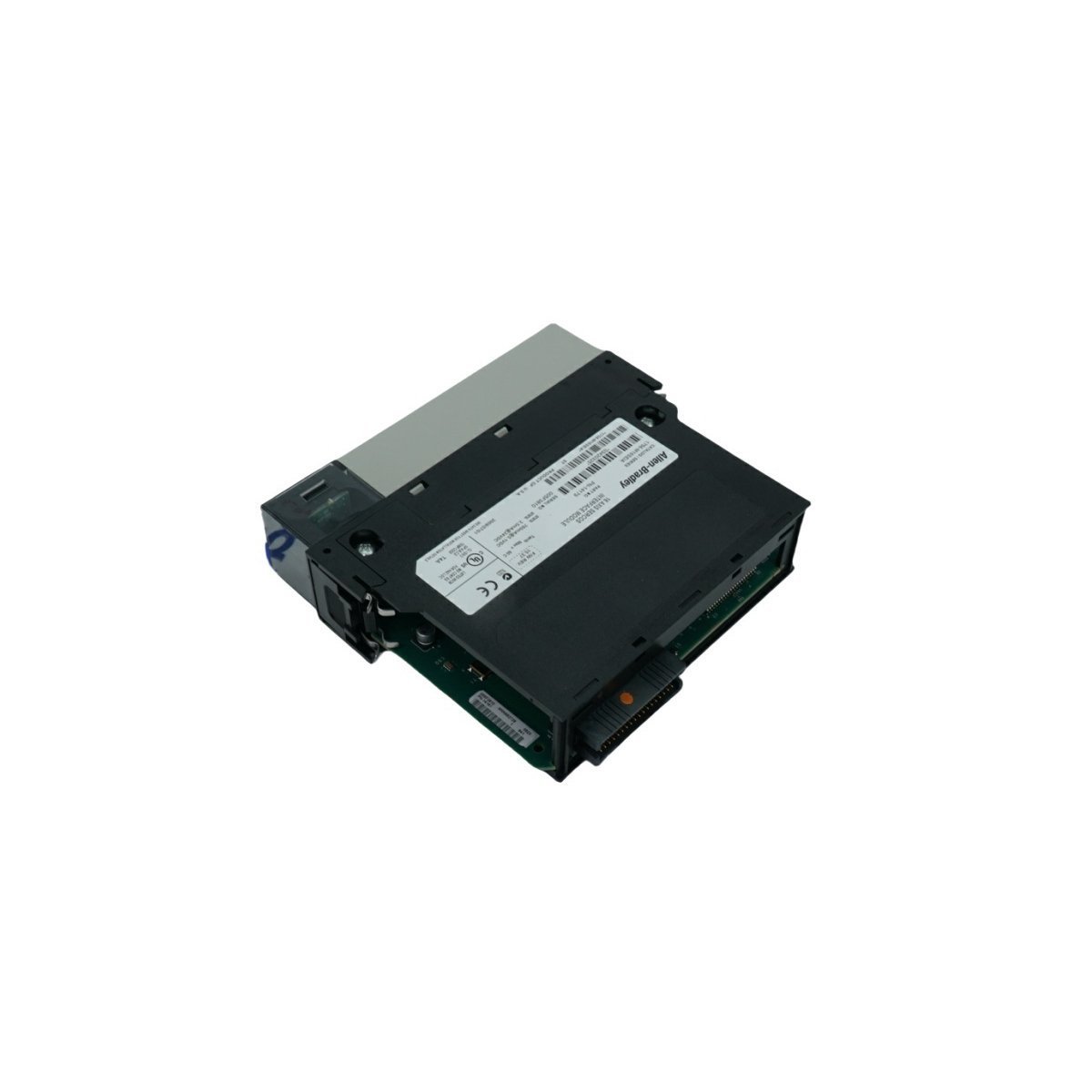
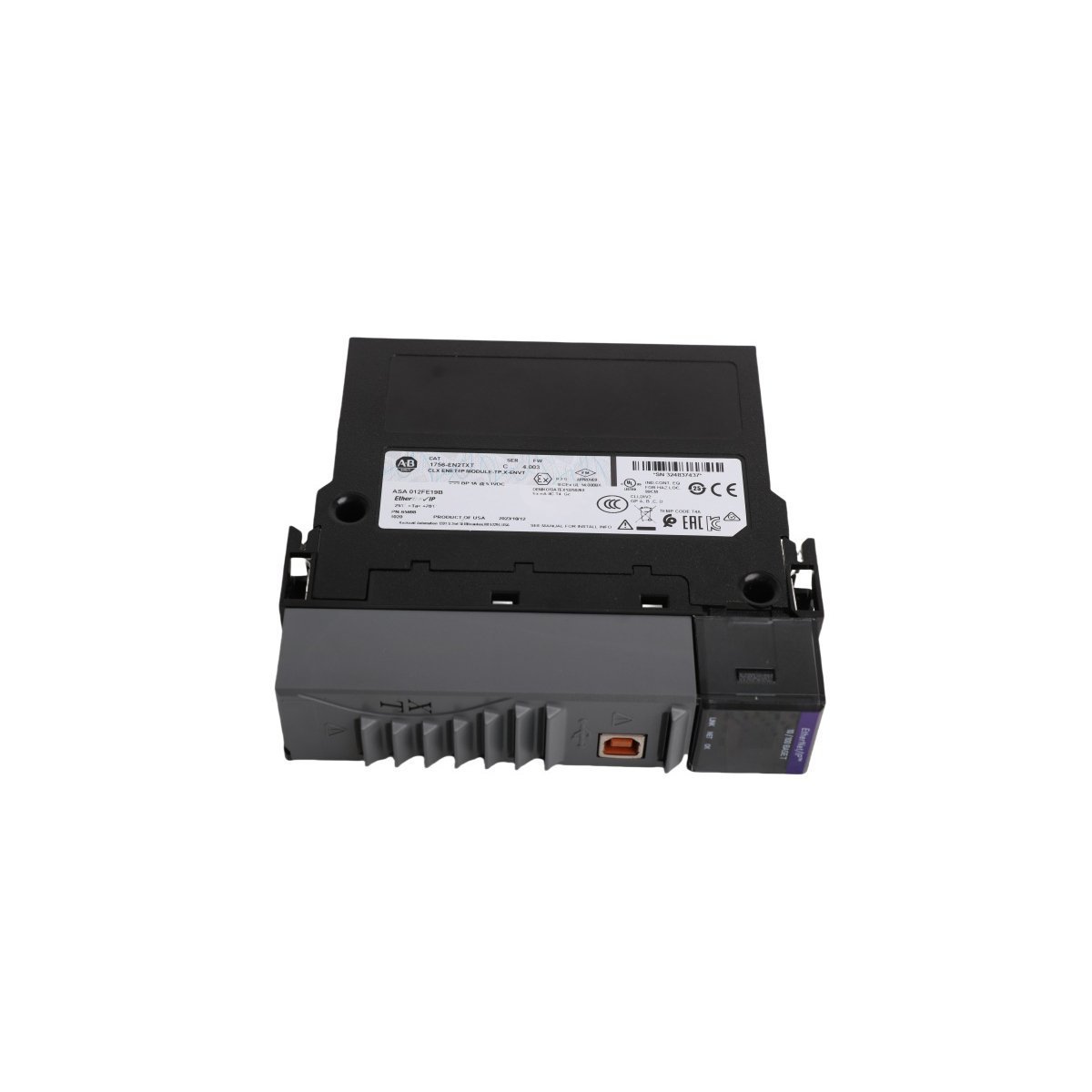
Configured for high-speed motion synchronization in ControlLogix systems, the Allen-Bradley 1756-M16SE (1756-M16SE SERCOS interface Module) provides direct physical and electrical execution for multi-axis servo drive command distribution.
| Parameter | Specification |
| Model | 1756-M16SE |
| Brand | Allen-Bradley |
| Origin | USA |
| Weight | 0.22 kg |
| Dimensions | 3.5 cm x 14 cm x 14.5 cm |
| Operating Temp | Standard industrial range |
| Power Consumption | Backplane dependent |
| Data Rate | 4 Mbps or 8 Mbps |
| Axis Capacity | 16 axes per module |
The 1756-M16SE utilizes high-speed backplane bus communication velocity to manage deterministic data exchange between the ControlLogix CPU and remote servo drive nodes. By leveraging digital fiber-optic SERCOS interfaces, the module achieves I/O density scaling that minimizes signal propagation latency across 16 managed axes. Furthermore, the module supports firmware flash compatibility, which allows for site-specific motion algorithm updates without physical hardware replacement. This deterministic network structure ensures that position, velocity, and torque command loops maintain sub-millisecond synchronization even in high-density drive configurations.
Q: What are the primary limitations when configuring the SERCOS ring topology for the 1756-M16SE?
A: The ring topology is limited by the physical length of the fiber-optic cabling and the total number of connected nodes; you must ensure the total loop latency does not exceed the configured cycle time (0.5 ms or 1.0 ms) to maintain deterministic operation.
Q: Is the 1756-M16SE module capable of hot-swapping within an active ControlLogix chassis?
A: The module supports standard ControlLogix hot-swap procedures; however, removing the module will immediately drop the SERCOS ring communication, causing all connected servo drives to transition to their programmed fault state.
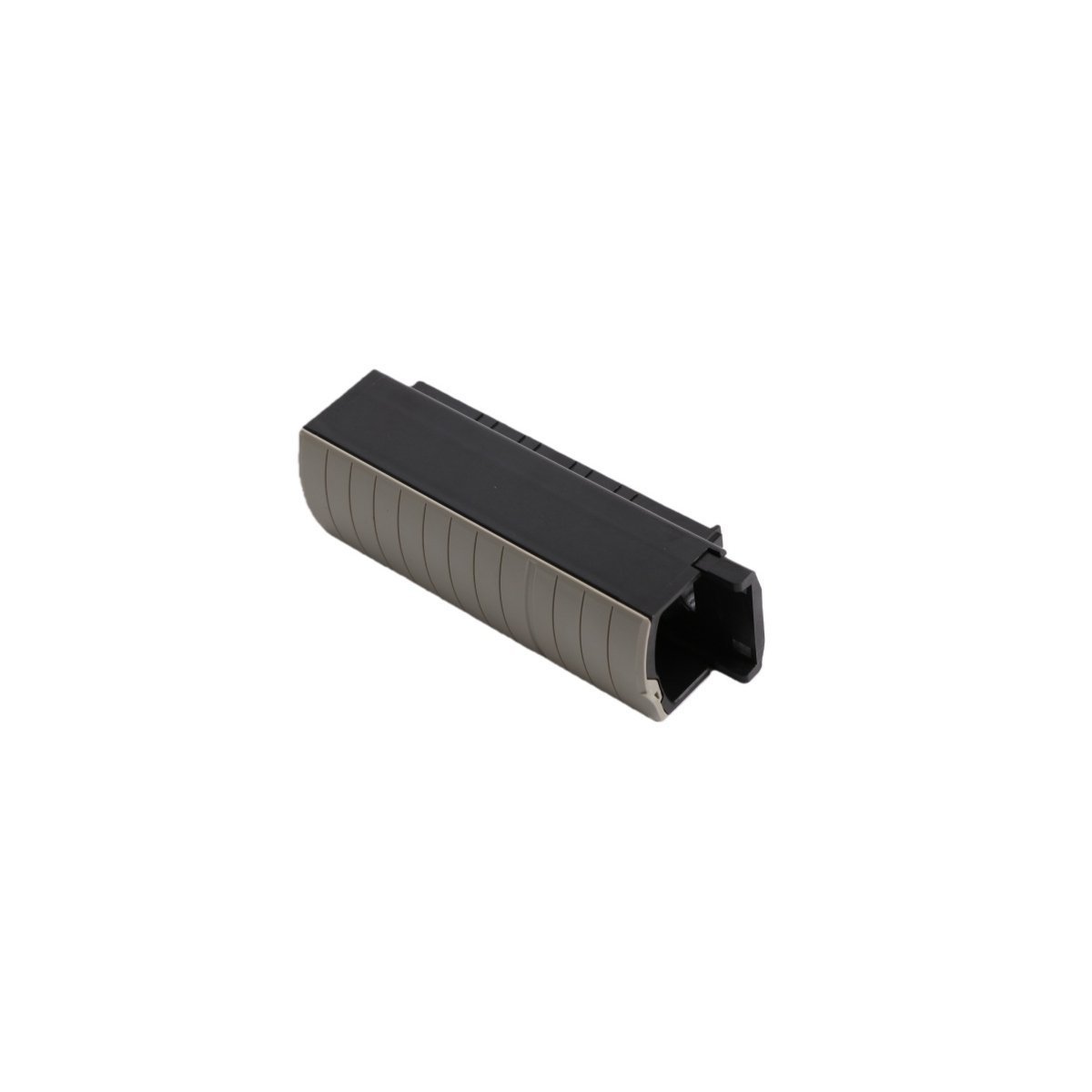
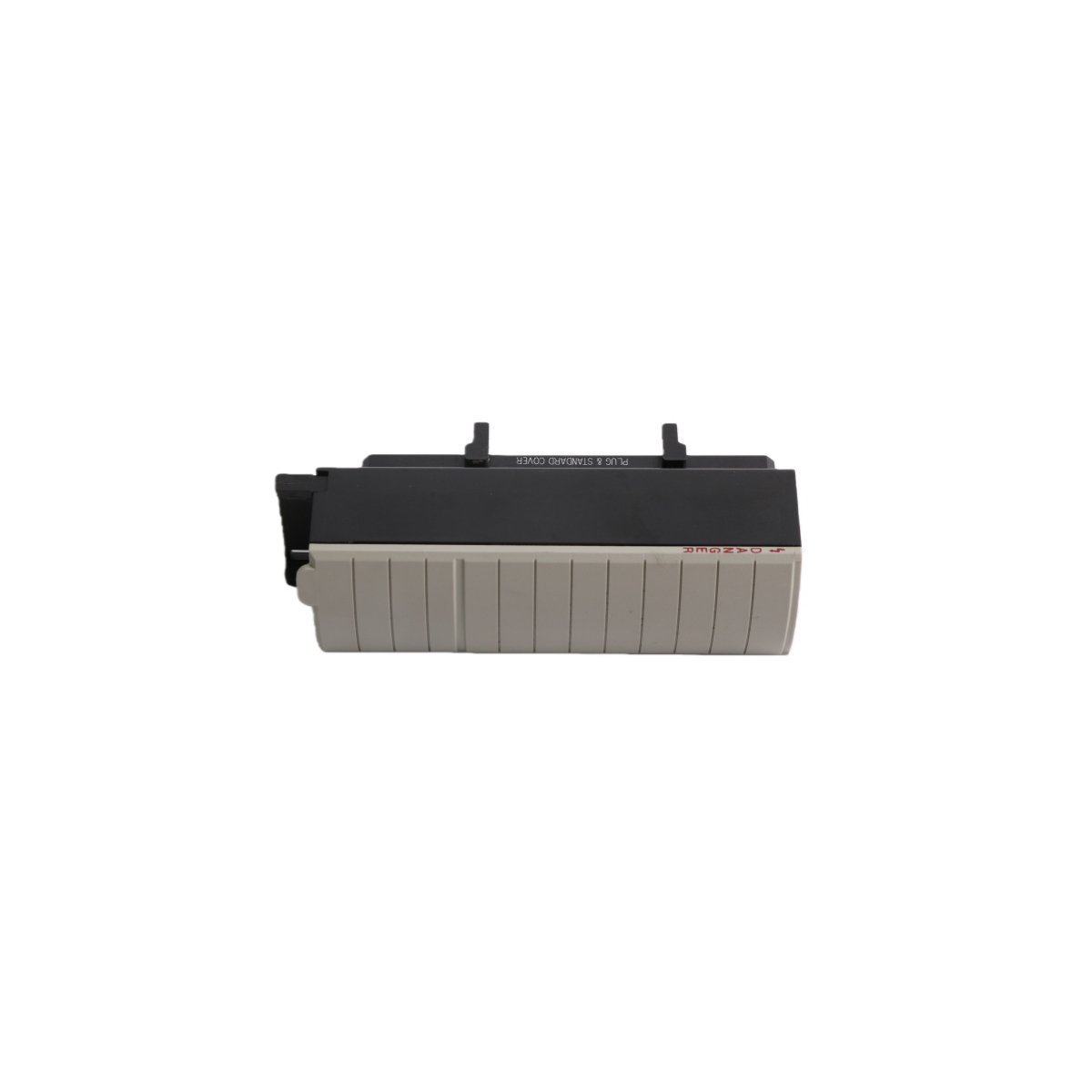
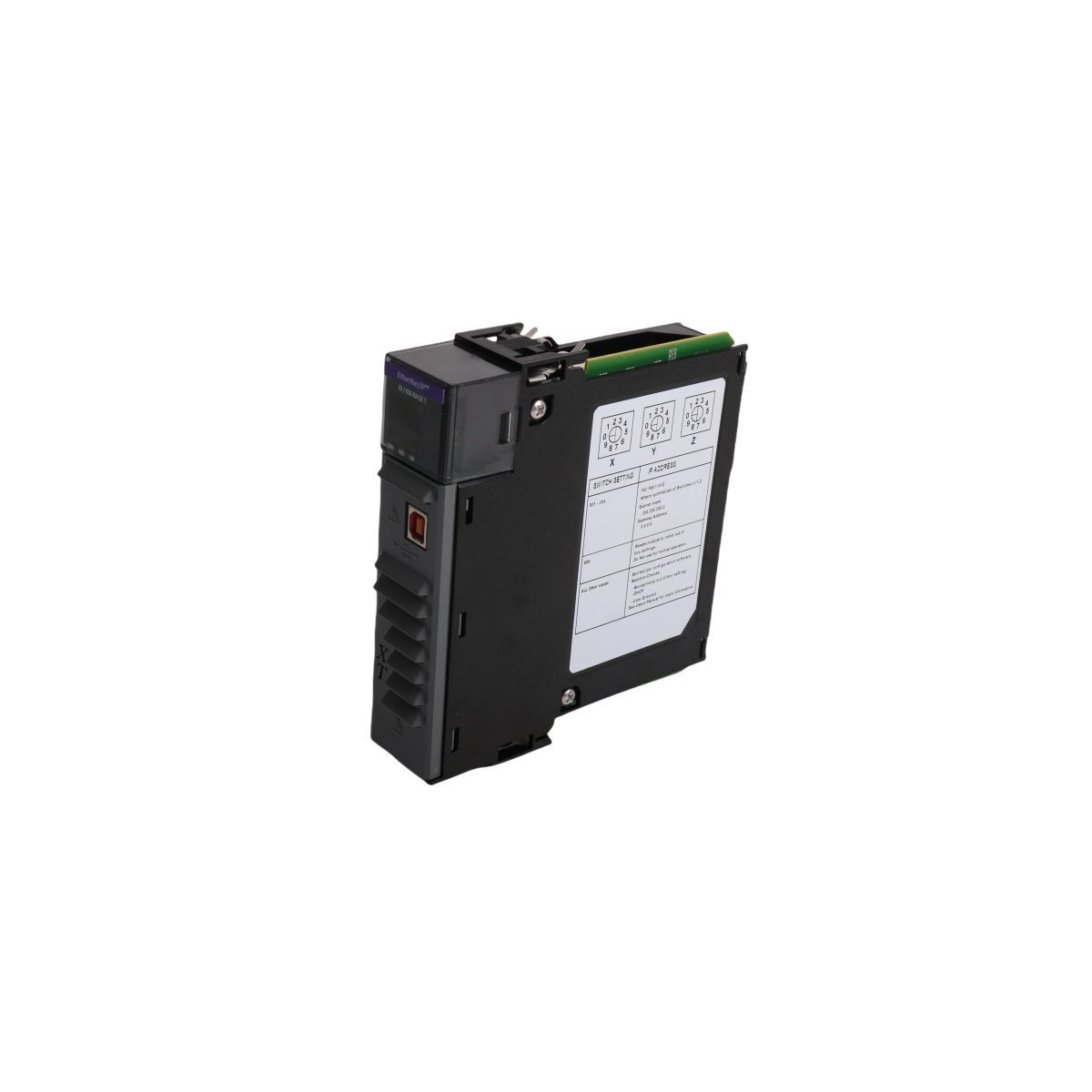
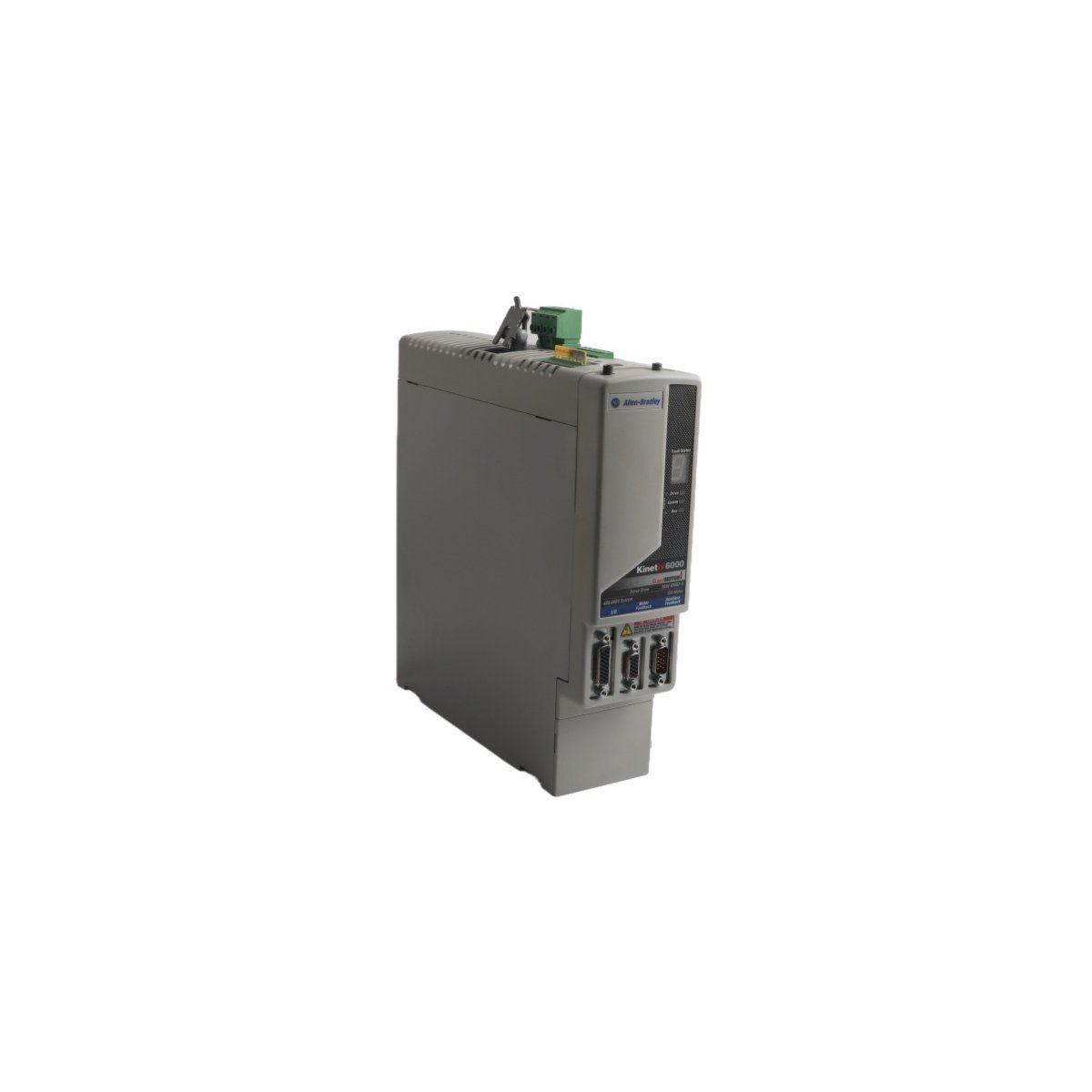
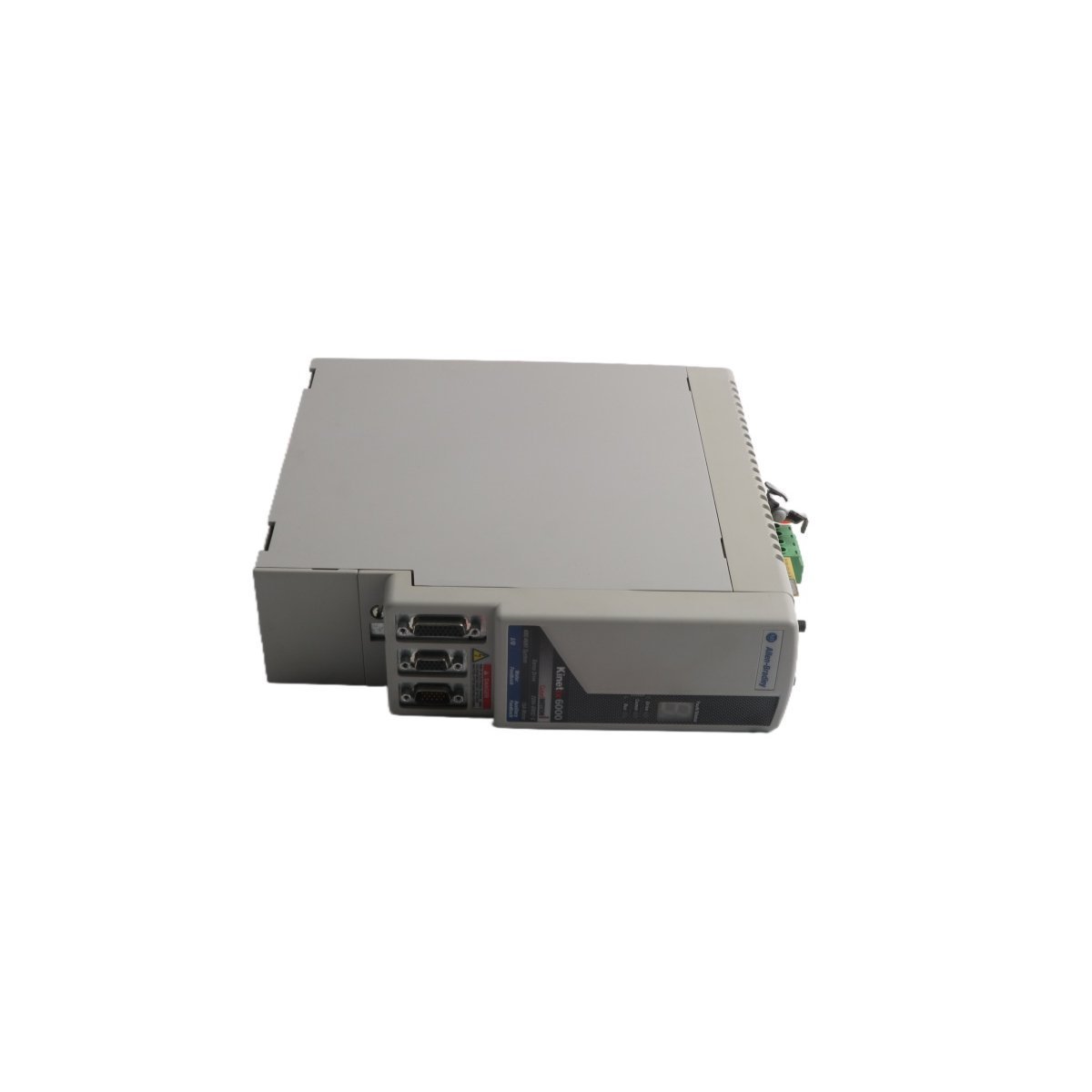
| Parameter | Specification |
|---|---|
| Model | 2094-BM02-S |
| Brand | Allen-Bradley |
| Origin | USA |
| Weight | 0.9 kg |
| Dimensions | 3.5 x 13 x 14.5 cm |
| Operating Temp | 0 to +50 deg C (Standard Industrial Range) |
| Power Consumption | 650 VDC nominal input / 115 Ohm internal shunt resistor |
| Module Type | Servo Drive (Axis Module) |
| Product Range | ControlLogix / Kinetix 6000 |
| System Classification | PLC Motion Control |
| Continuous Current | 10.3 A (RMS), 14.6 A (Sine Peak) |
| Velocity Loop Bandwidth | 500 Hz |
| Current Loop Frequency | 1300 Hz |
| Efficiency Rating | 98% |


We are committed to protecting your privacy. The information collected here is strictly used to provide the requested quotes, technical support, and relevant industrial automation solutions.