You are here:
SKU: 21747-045-01

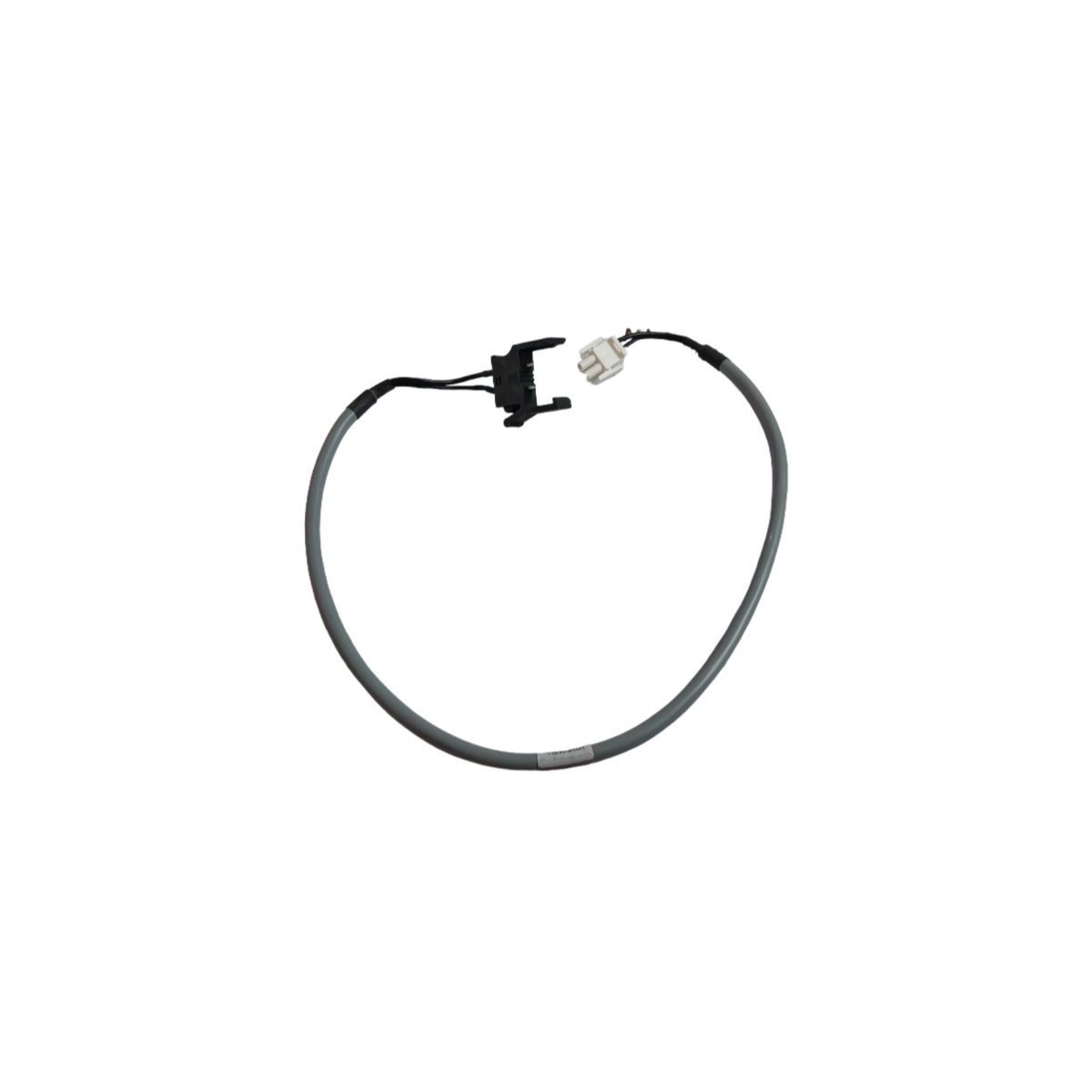
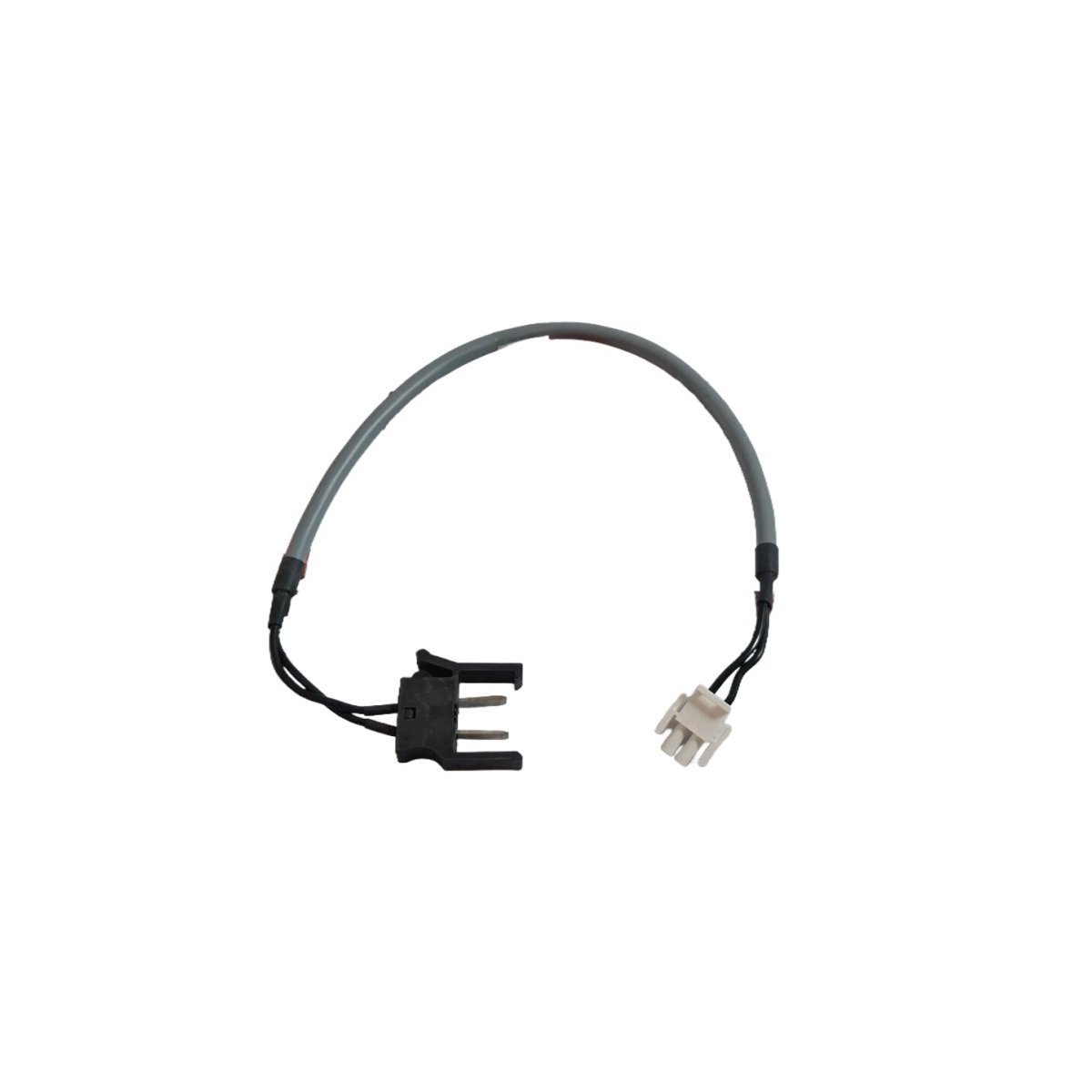
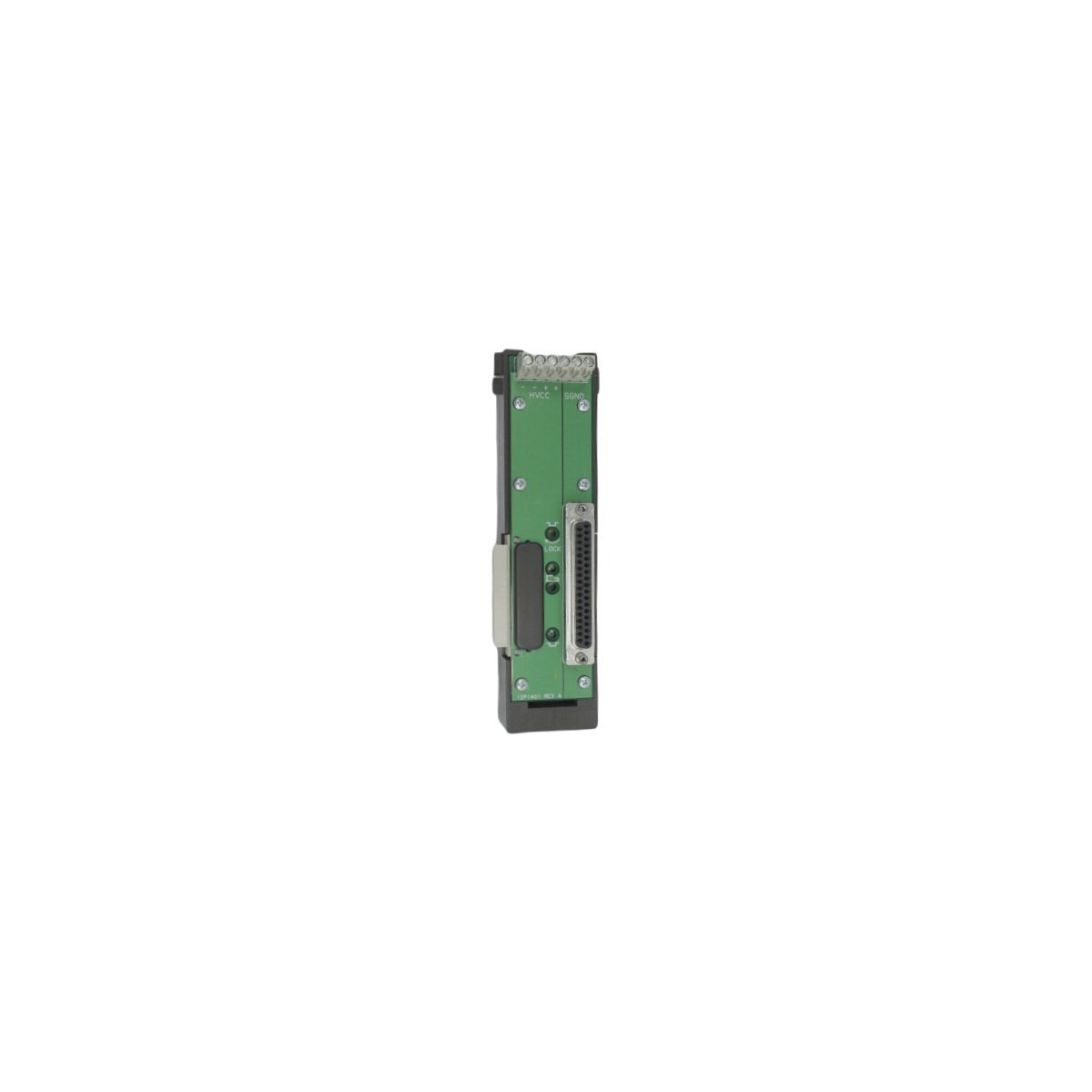
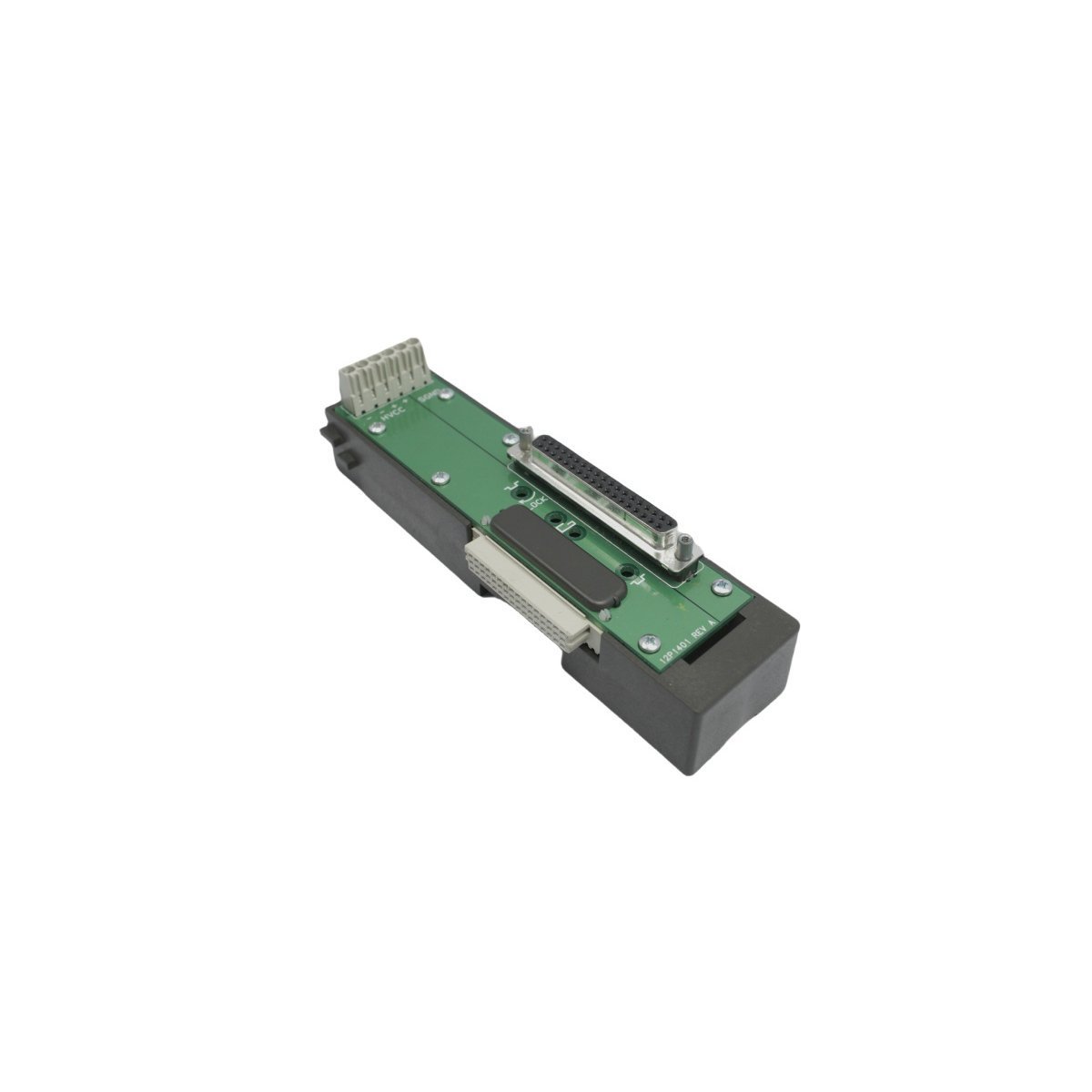
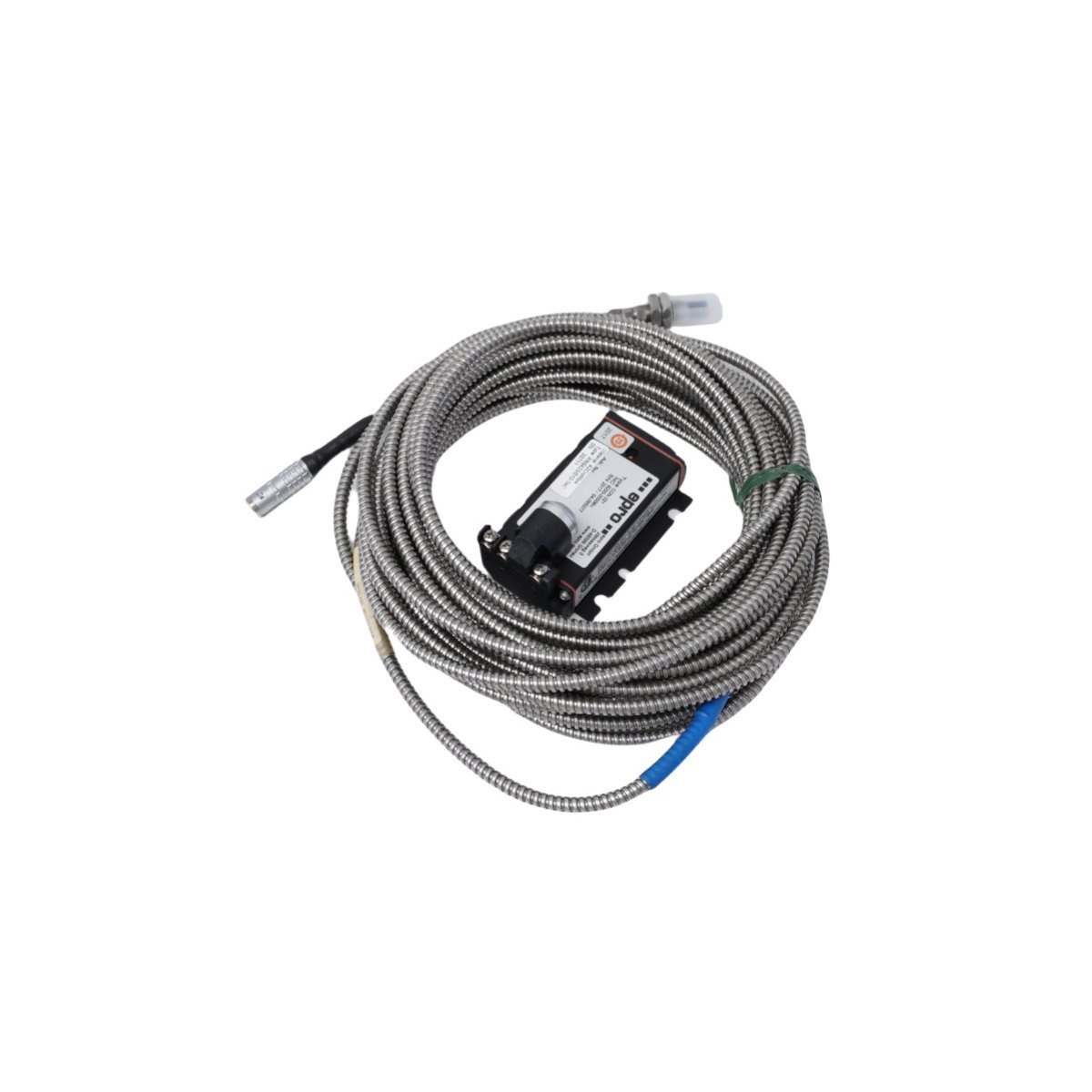
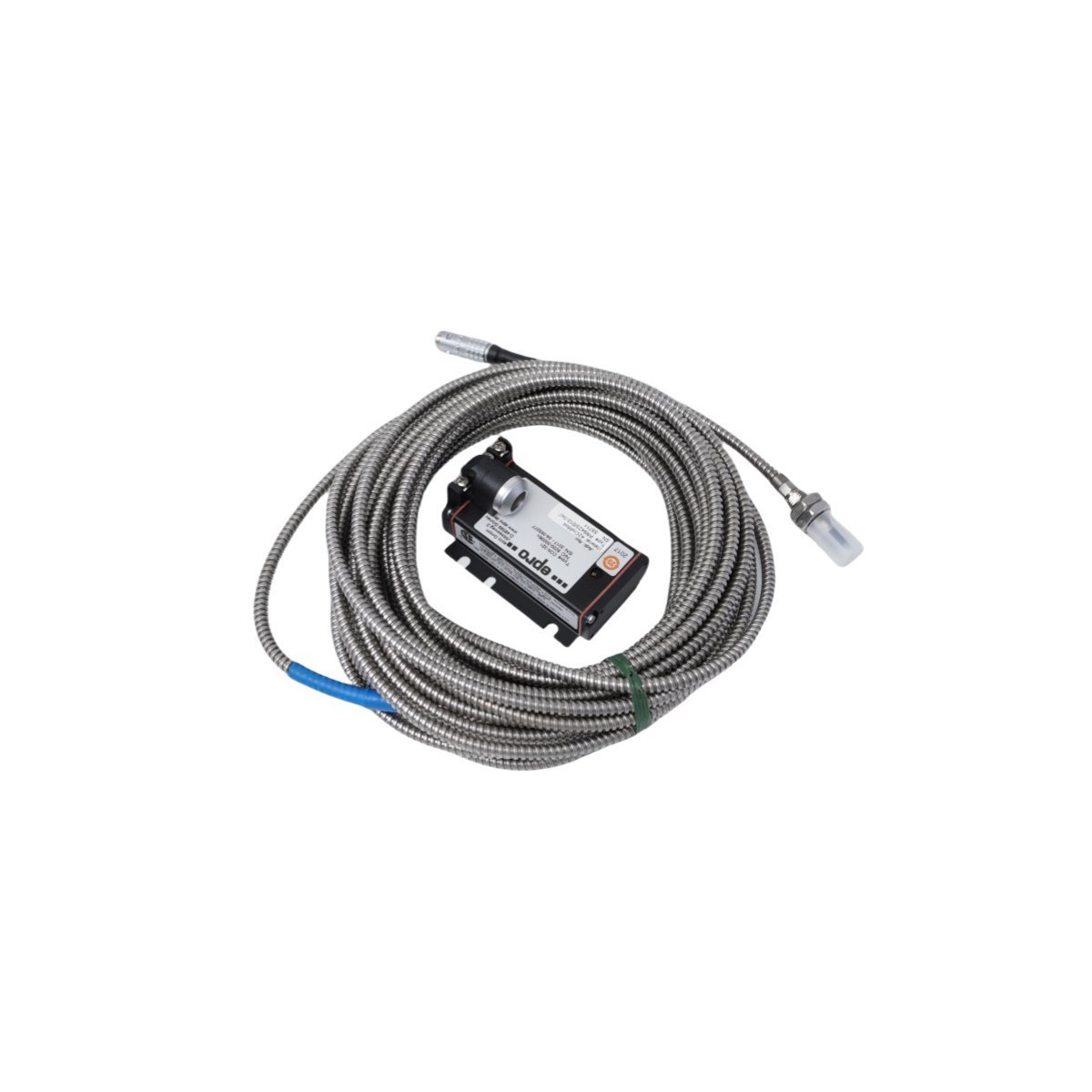
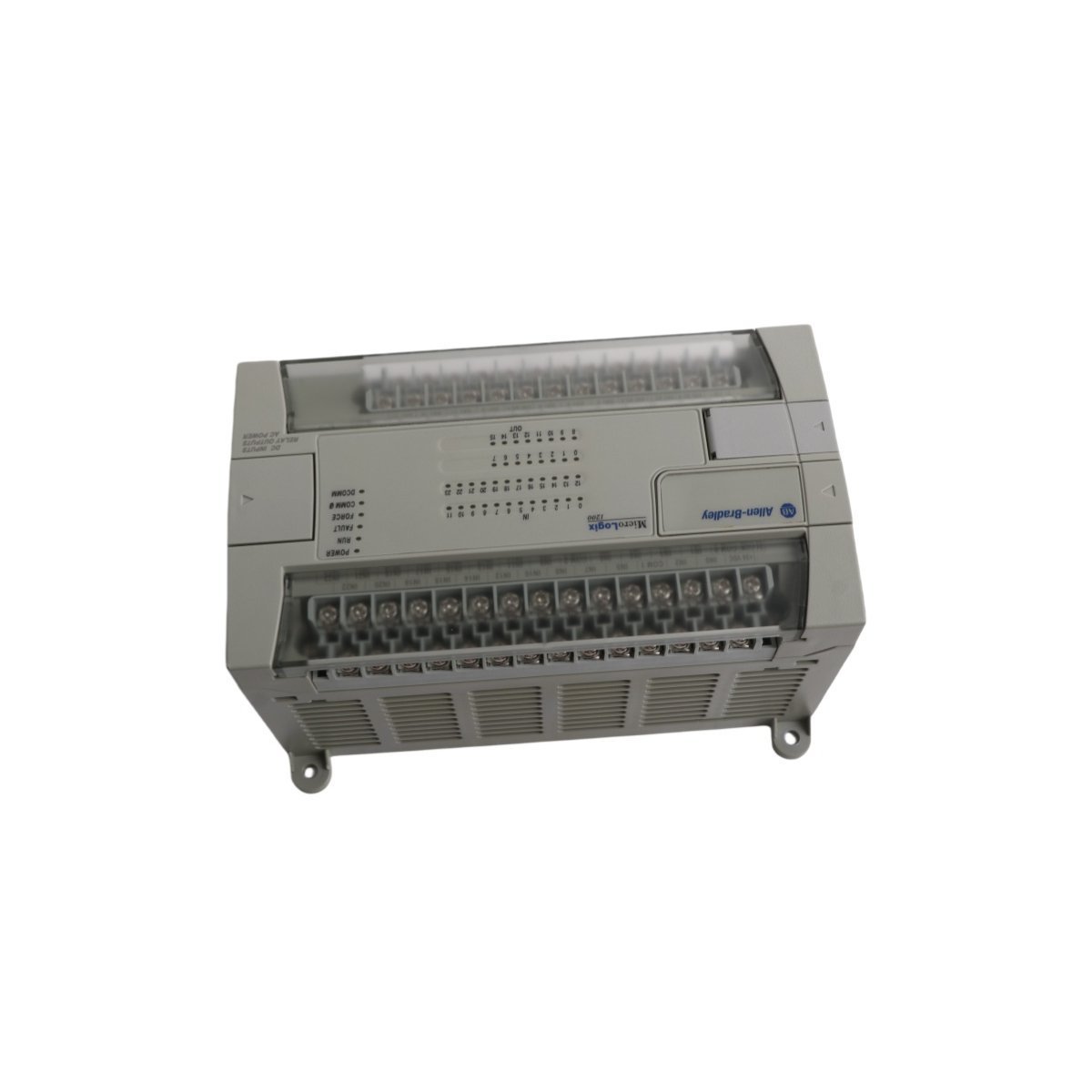
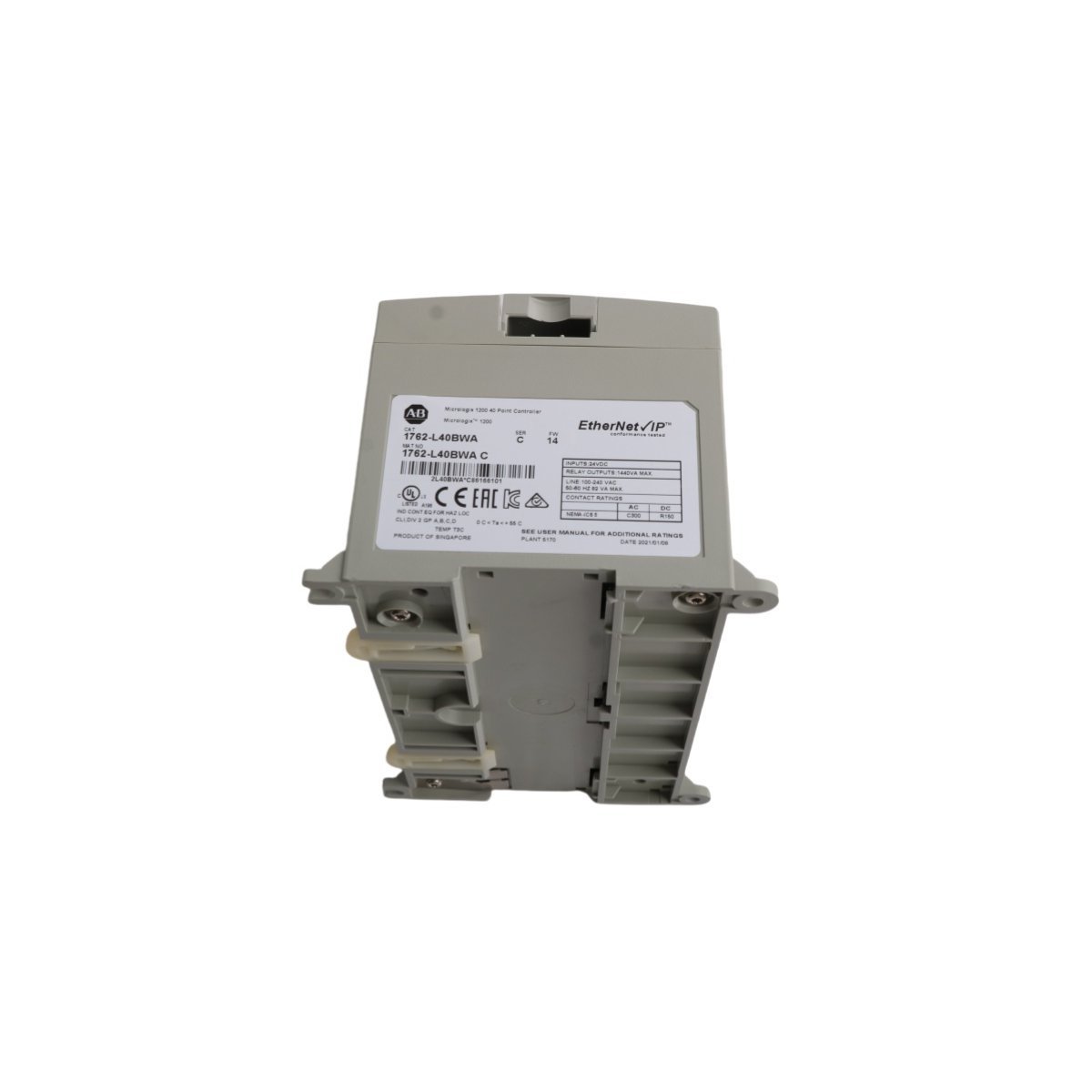
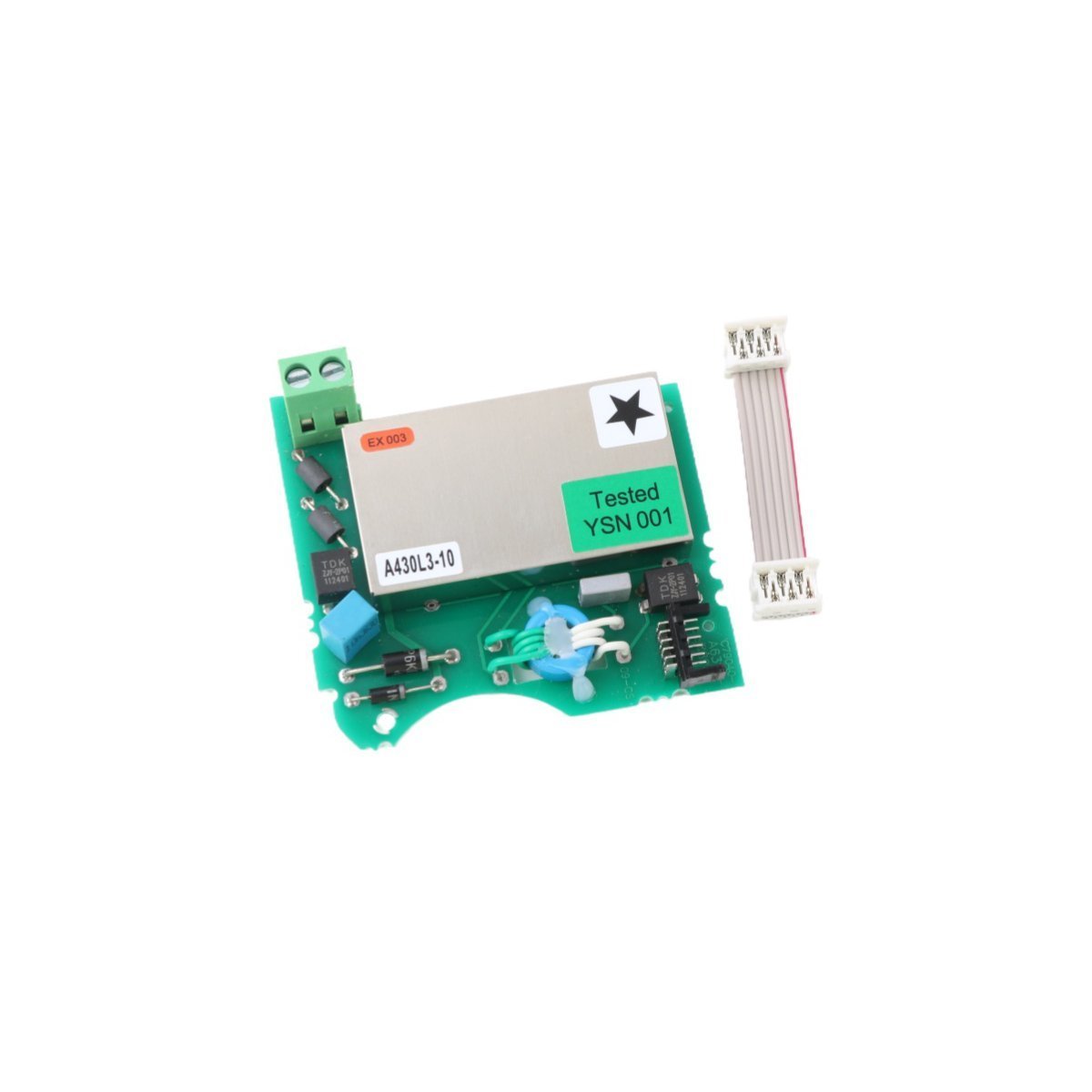
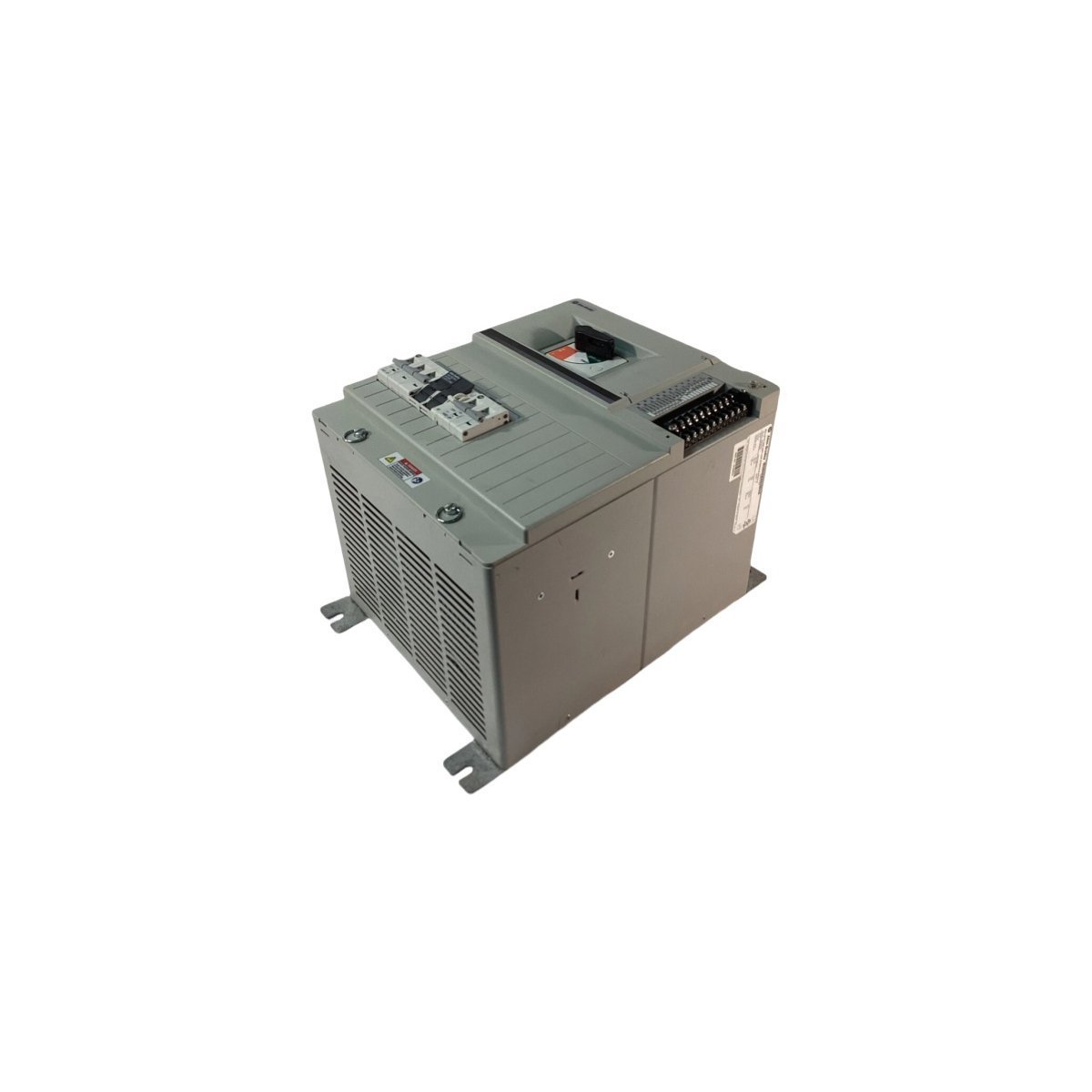
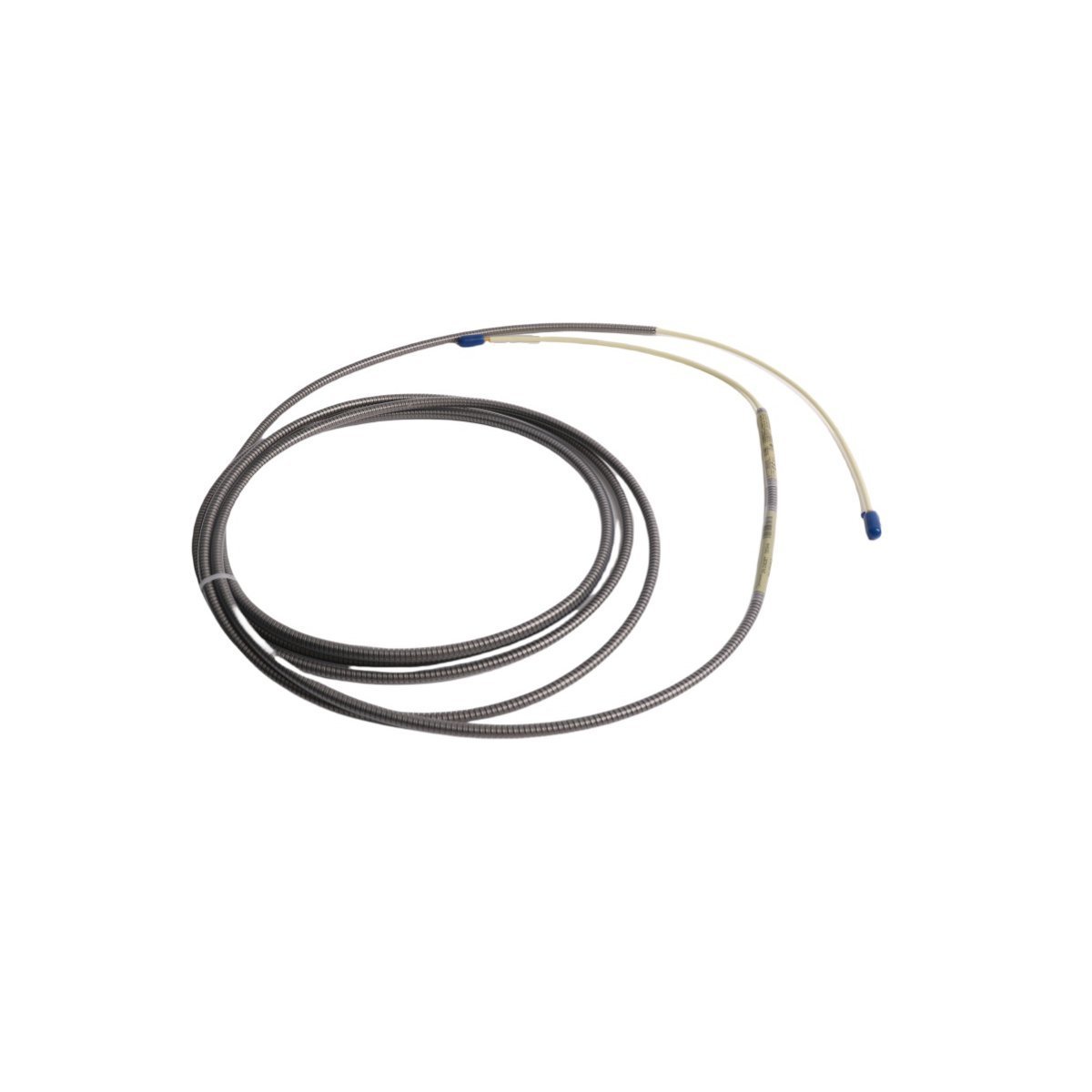
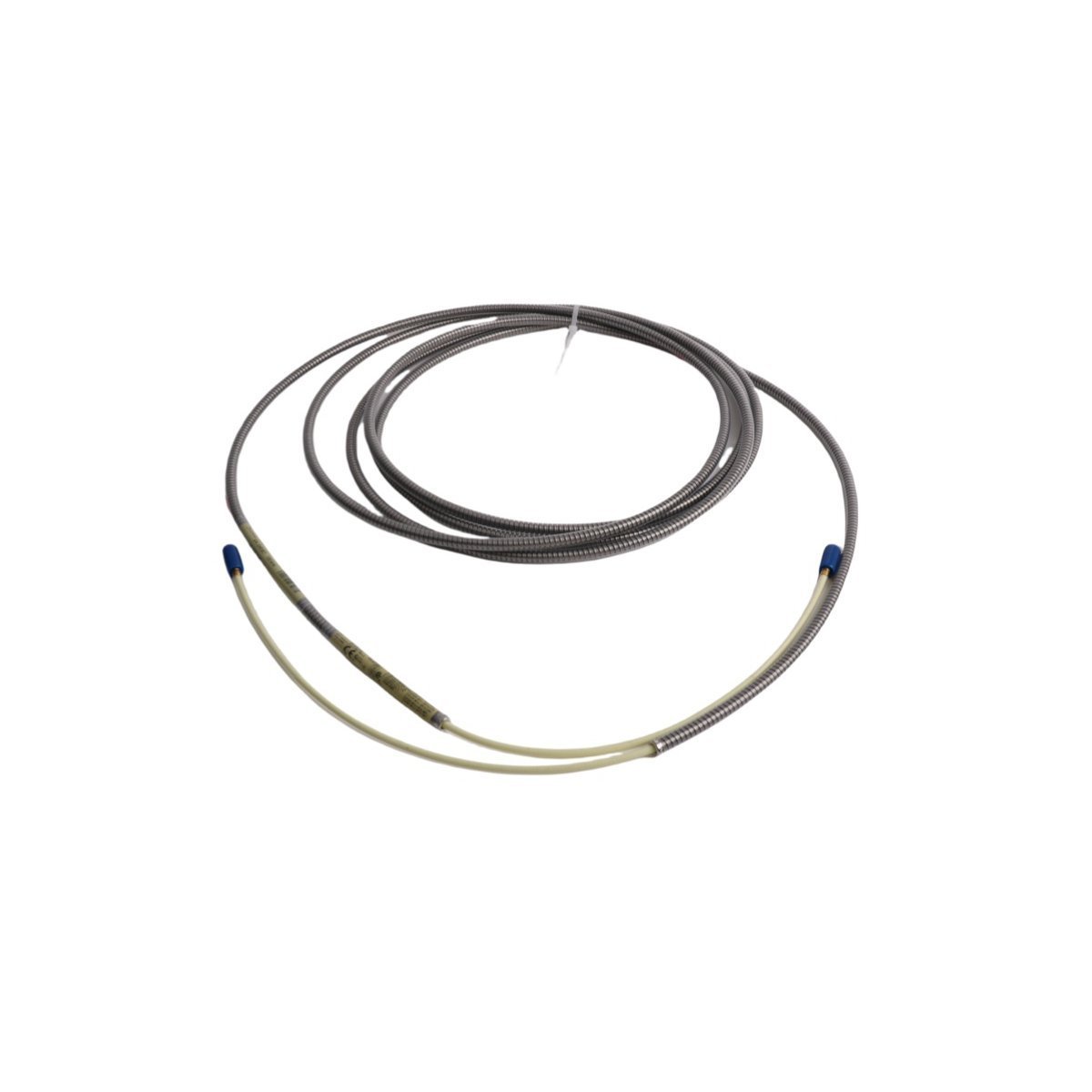
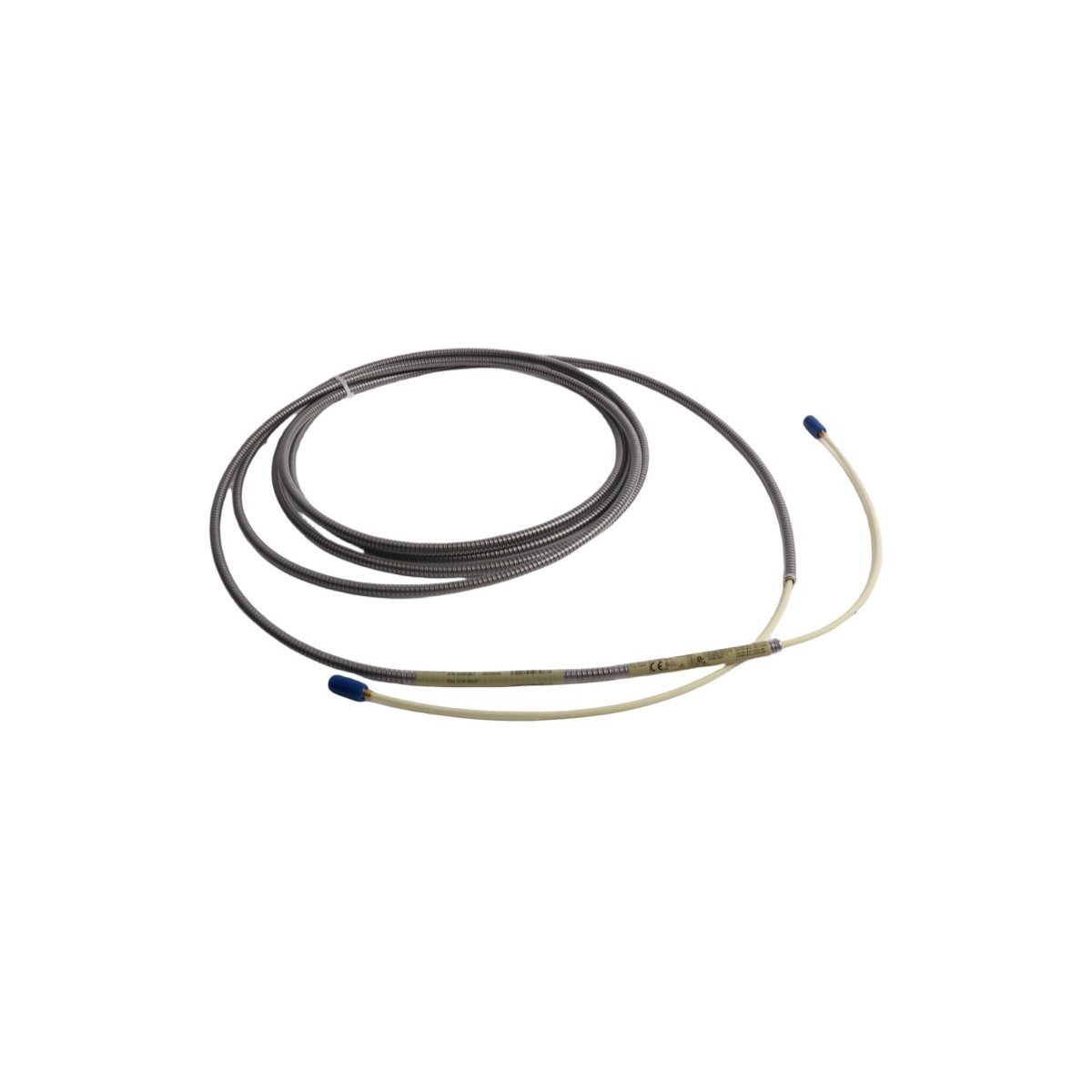
Bently Nevada 21747-045-01 Proximitor Probe Extension Cable

Purchase the genuine Bently Nevada 21747-045-01 4.5-meter armored Proximitor probe extension cable from our factory-certified component stock. Complete with stainless steel armor, verified impedance matching, and fast global shipping.

The Bently Nevada 21747-045-01, also cataloged as the 21747 Proximitor Probe Extension Cable, operates as a dedicated hardware component for high-frequency signal transmission within Bently Nevada TSI machinery protection platforms. The physical coaxial assembly connects non-contacting eddy-current proximity probes to external Proximitor sensor modules, establishing a continuous tuned impedance loop. By extending physical boundaries up to a factory-calibrated length, it preserves raw electrical displacement metrics generated near critical rotating machinery elements.

Hardware Specifications

ParameterSpecification
Model21747-045-01
BrandBently Nevada
OriginUSA
Weight0.45 kg
Dimensions30 x 28 x 2 cm
Operating Temp-51 to +177 deg C
Power ConsumptionPassive physical high-frequency signal link
Module TypeProximitor Probe Extension Cable
System PlatformTSI (Turbine Supervisory Instrumentation) / 3500 Series
Cable Length4.5 meters (177 inches)
Armor OptionHeavy-duty stainless steel protective armor (“01” suffix)
System ImpedanceMatched electrical impedance loop specification
Connector TypeMiniature high-frequency coaxial connectors
HS Code8537101190

Eddy-Current Probe Scaling and Gap Voltage Validation

The 21747-045-01 assembly possesses precise electrical capacitance and inductance parameters matching specific eddy-current probe scaling configurations. This calibrated matching is critical to achieve correct linear voltage slopes during gap voltage validation steps, targeting a -10 VDC nominal center point on the calibration line. The mechanical armor layer prevents raw measurement attenuation and eliminates physical path degradation from external compression stresses. Furthermore, the specialized outer shield design provides cross-talk suppression between high-density parallel sensor paths traversing hot-oil machine housings and complex rotor dynamics monitoring zones.

Frequently Asked Questions

Q: What parameters do the “045” and “01” suffixes define in this model configuration?

A: The “045” suffix designates a factory-calibrated length of exactly 4.5 meters (177 inches), while the “01” suffix specifies the inclusion of heavy-duty stainless steel protective armor encapsulating the internal coaxial line.

Q: Can this 4.5-meter extension cable be paired with any random length proximity probe?

A: No. The extension cable must be matched with the specific proximity transducer length required by the Proximitor system configuration (typically creating a total loop length of 5.0 meters or 9.0 meters) to maintain tuned circuit impedance calibration.

Q: Is it permissible to shorten or patch this cable in the field if physical damage occurs?

A: No. Cutting or splicing the coaxial line alters the circuit’s total electrical length, capacitance, and impedance, resulting in major calibration drift, corrupted vibration data, and the loss of accurate fault metrics.


Field Installation Guidelines

  • Minimum Bend Radius Limits: Do not exceed the minimum physical bend radius of 25 mm during path installation. Sharper bends can kink the inner conductor, alter internal capacitance parameters, and damage the protective stainless steel armor.
  • Connector Isolation and Sealing: Connect the miniature coaxial unions tightly using a factory-certified connector wrench tool. Insulate the exposed connection point completely with self-amalgamating tape or clear heat-shrink sleeves to block ground loops and hot-oil fluid contamination.
  • Conduit Path Separation: Route the armored cable length through dedicated low-voltage instrumentation trays or conduits. Isolate the signal path from high-voltage motor feeds or variable frequency drive (VFD) lines to suppress electromagnetic noise injection.
  • Terminal Box Stress Relief: Secure the cable entry points with matching strain-relief glands where the line transitions into terminal boxes, preventing physical tension from damaging the internal miniature terminal connectors.