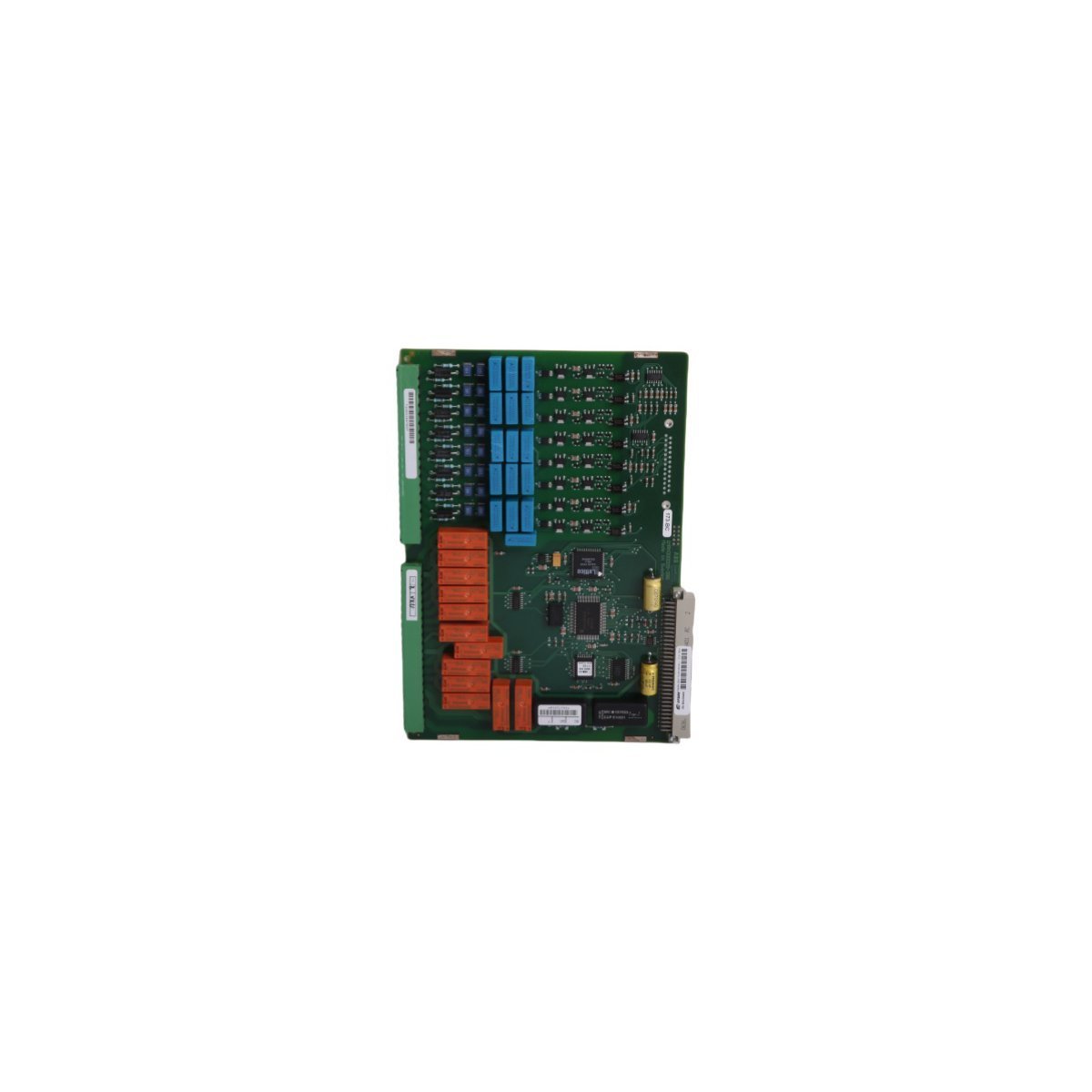
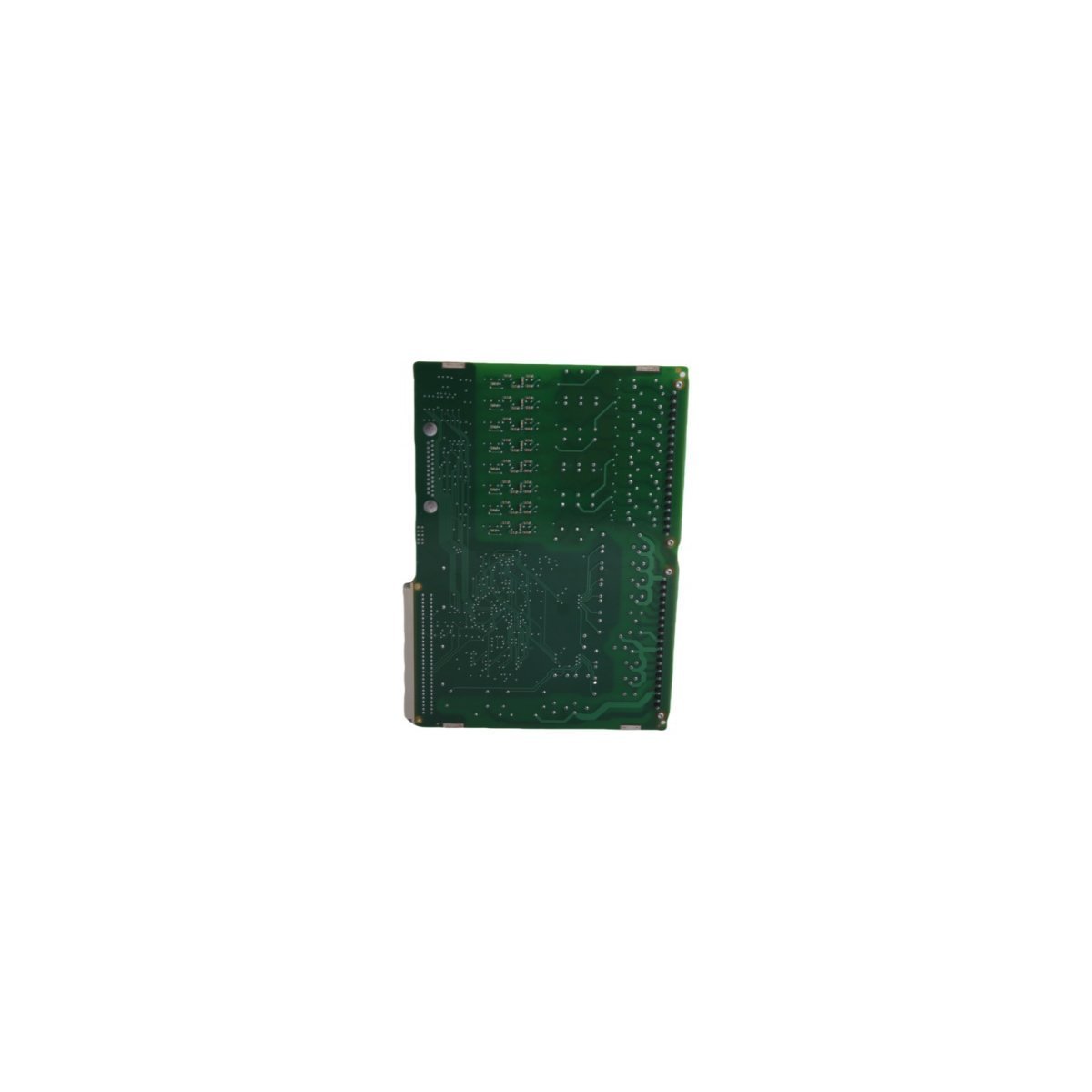
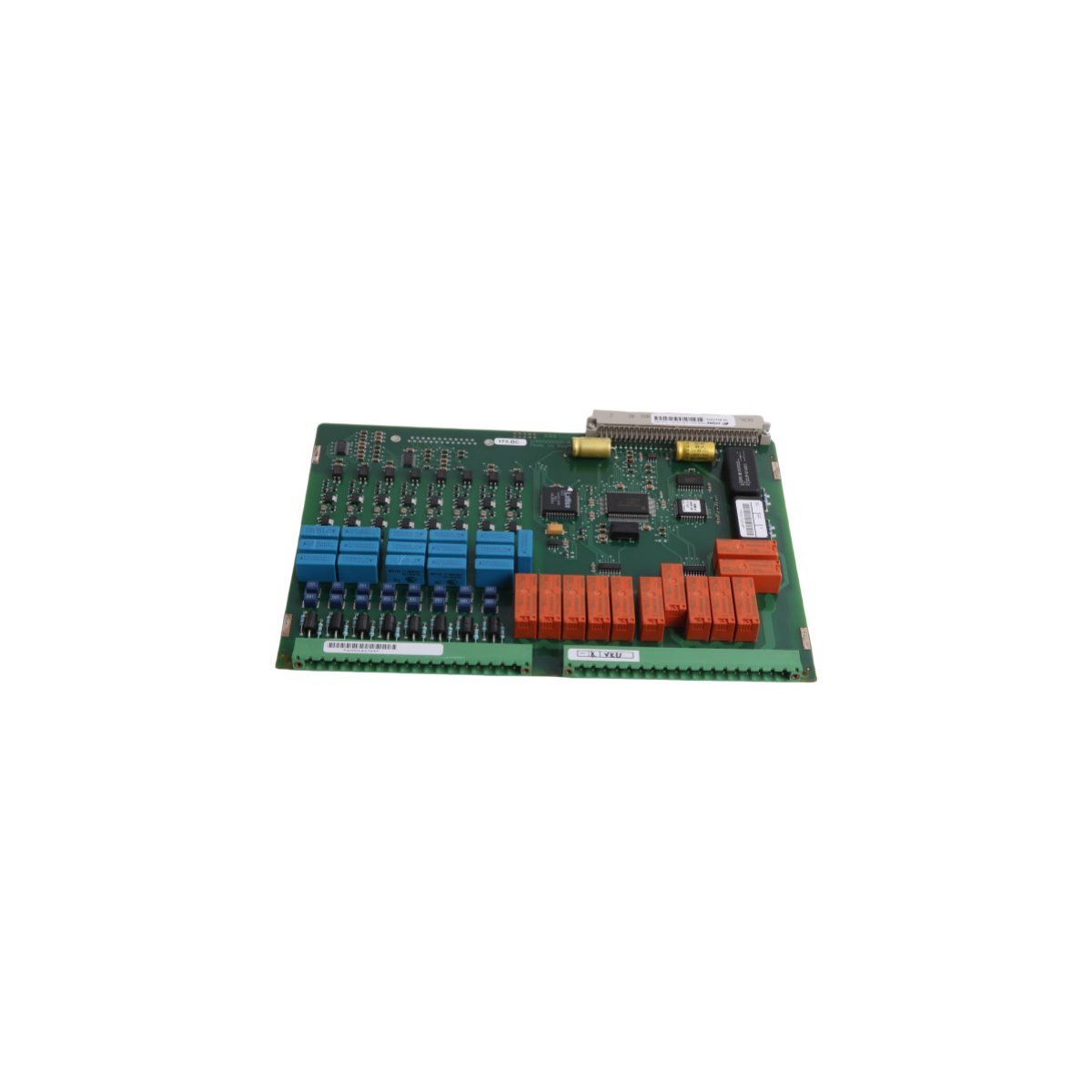
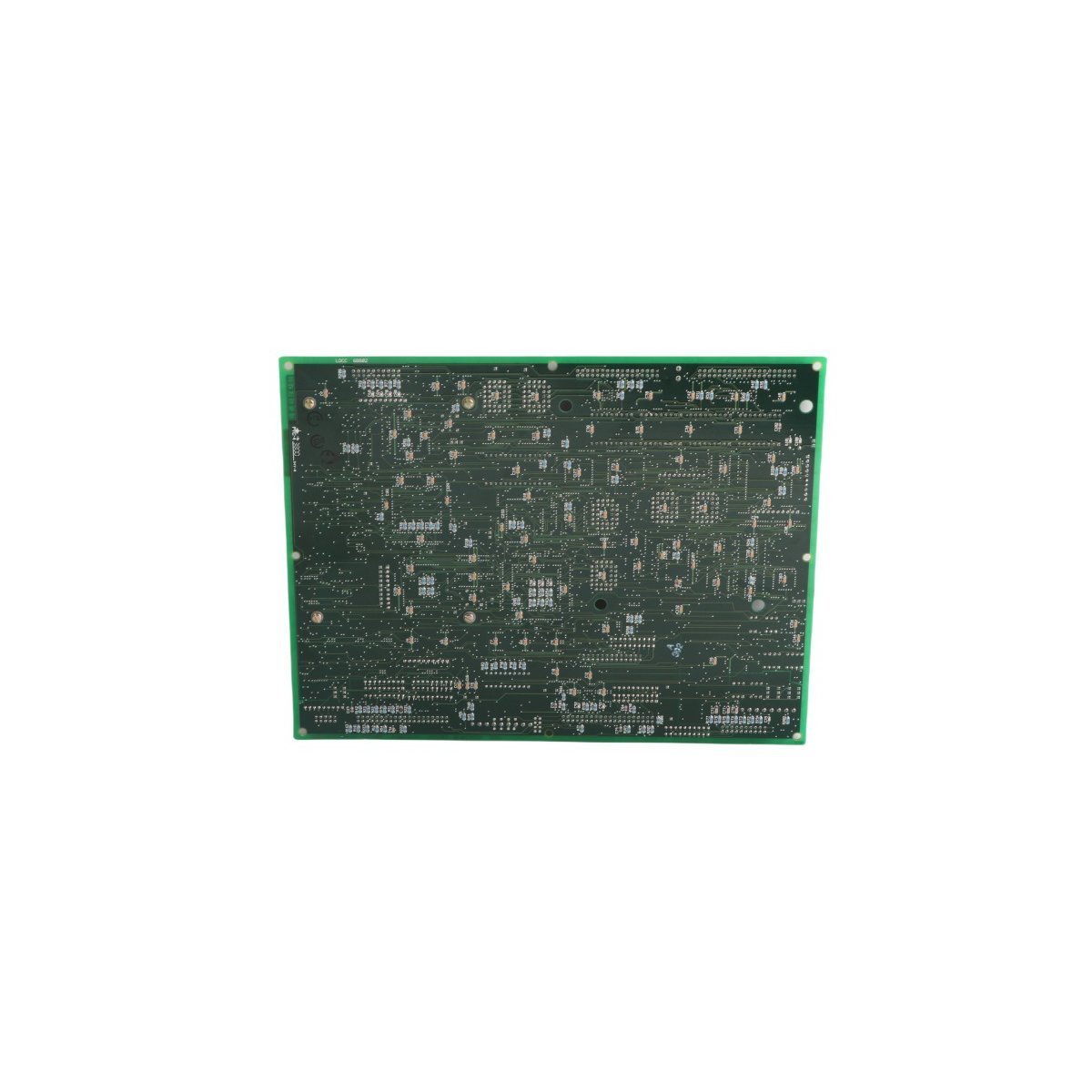
Get the original ABB 1MRK000173-BCR00 binary input circuit board for protective relays and bay control systems. Brand New original stock with global shipping. Maintain your substation automation reliability today.
The ABB 1MRK000173-BCR00 (1MRK000173-BCR00) is a high-density, optically isolated binary input card developed for ABB’s substation automation platforms, bay control assemblies, and Relion® series Intelligent Electronic Devices (IEDs). This hardware monitors discrete field states—such as circuit breaker auxiliary contacts, disconnector switches, and external trip commands—converting raw high-voltage substations telemetry into deterministic digital signals.
High-speed intra-device serial/parallel bus backplane
Isolation Rating
Galvanic isolation up to 2.5 kV AC between channels and logic
Debounce Filtering
Software/hardware adjustable (1 to 50 ms default range)
Protective Coating
Standard conformal coating for harsh environments
Optocoupler Isolation and Transient Suppression Mechanics
The 1MRK000173-BCR00 utilizes a rugged channel architecture where every independent binary input circuit is protected by its own optocoupler. When an external DC voltage loop closes (e.g., a breaker contact closes), current passes through an internal current-limiting resistor network and illuminates an internal LED, passing the state change across a physical gap to a phototransistor.
This optical barrier prevents extreme high-voltage surges, lightning transients, and inductive switching spikes from passing into the sensitive microprocessor bus.
Frequently Asked Questions
Q: What is the main difference between a standard PLC input card and this substation-grade binary module?
A: Substation binary input modules like the 1MRK000173-BCR00 are built to meet strict IEC 60255 standards. They handle high ambient temperatures, wide DC battery voltage fluctuations, and severe electromagnetic interference (EMI) without generating ghost trips or dropping data packets.
Q: How do you adjust the input threshold voltage to match station battery banks?
A: The activation threshold is set using physical jumpers on the board or through software configuration in ABB’s PCM600 tool. Proper threshold adjustments ensure that the card ignores induced AC leakage voltages across long field cables while cleanly reading legitimate DC battery signals.
Q: Can this specific card be hot-swapped while the main protective IED is monitoring an active feeder?
A: No. Removing or inserting an IED module while the bay controller is powered can disrupt the internal processor bus, cause a temporary watchdog reset, or drop protection loops. Always power down the subrack before replacing the card.
Field Installation Guidelines
Anti-Static (ESD) Handling: This high-speed computing board contains static-sensitive logic components. Work only on a certified ESD mat and attach a grounded wrist strap before extracting the module from its protective shielding.
Guide Rail Seating: Align the card accurately within the slot channels of the main IED or bay control chassis. Smoothly push the module back until the multipin header engages with the backplane bus, then secure the front-panel mounting screws.
Input Cable Shielding: Connect all digital input lines using twisted, shielded control cables. Ground the cable shields at the cubicle’s entry earth bulkhead panel to drain away high-frequency noise from high-voltage switchgear operations.
Adjusting Debounce Software Filters: Configure the debounce filter timers in the IED software to match your target contact mechanics. Setting a 3 to 5 ms filter prevents mechanical contact bounce from creating false double-trigger events in your event logging timeline.
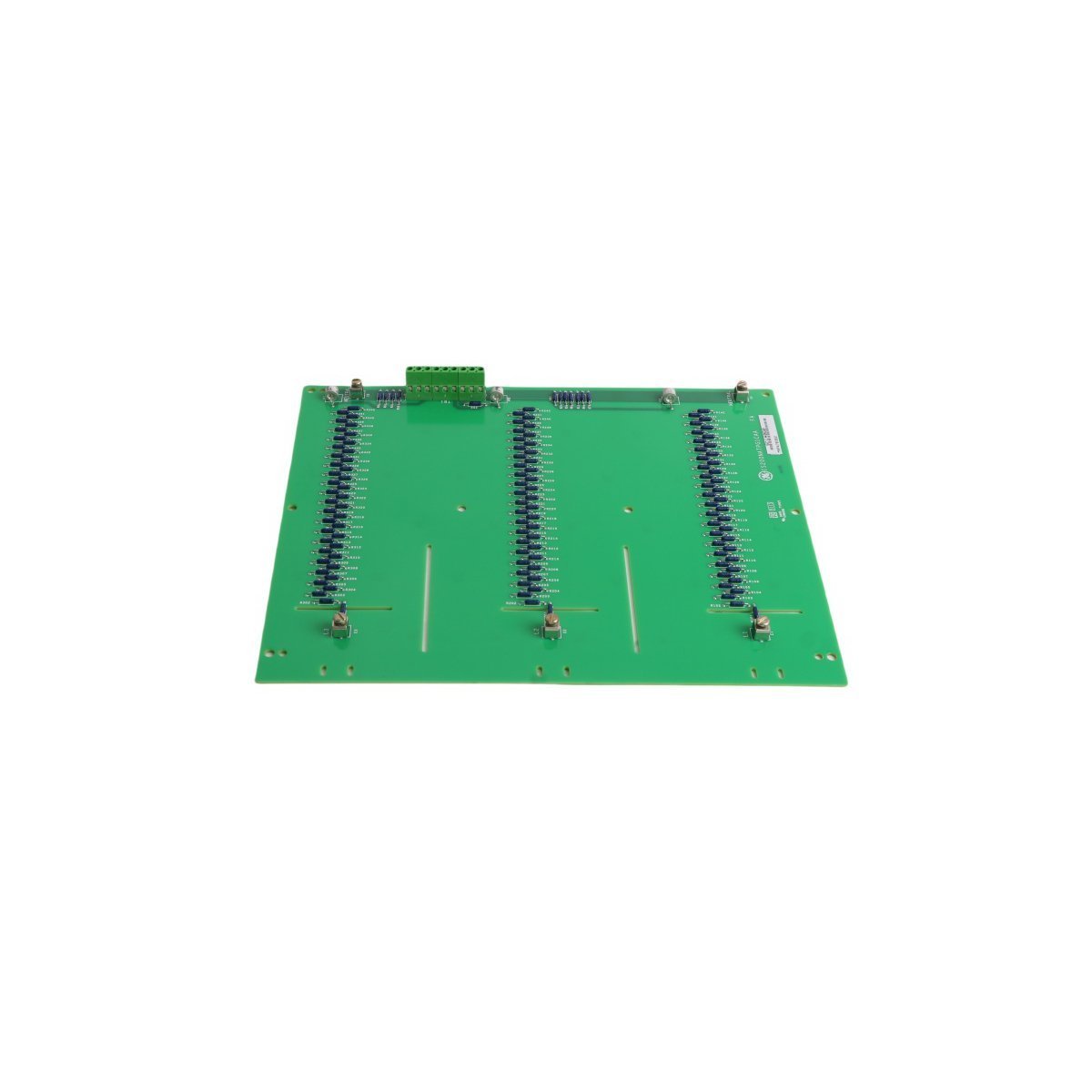
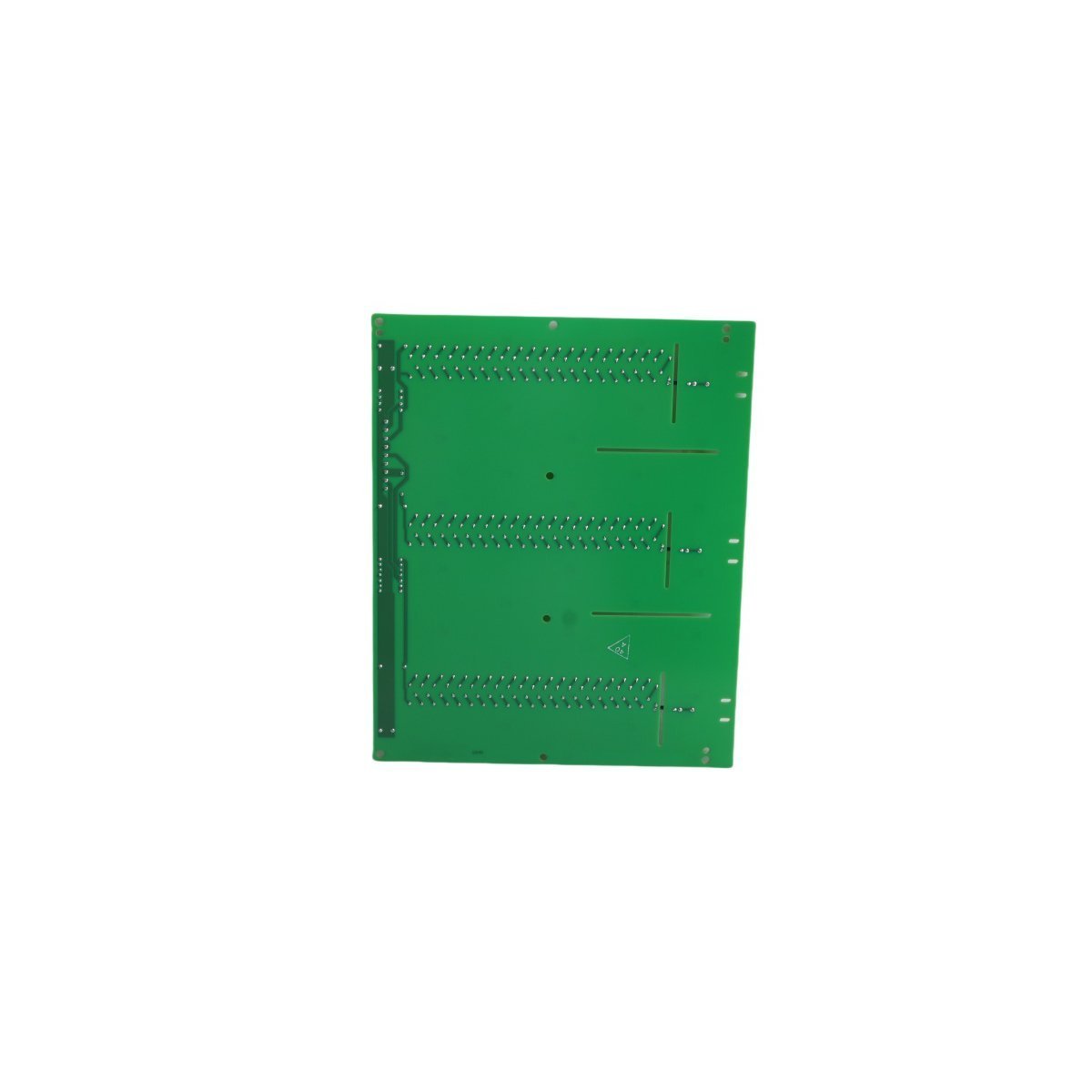
The GE IS200NATPG1CAA is a robust Precision Control Assembly Backplane for the EX2100 excitation system. This module provides stable signal routing and power distribution, ensuring reliable communication between control components in demanding industrial environments.
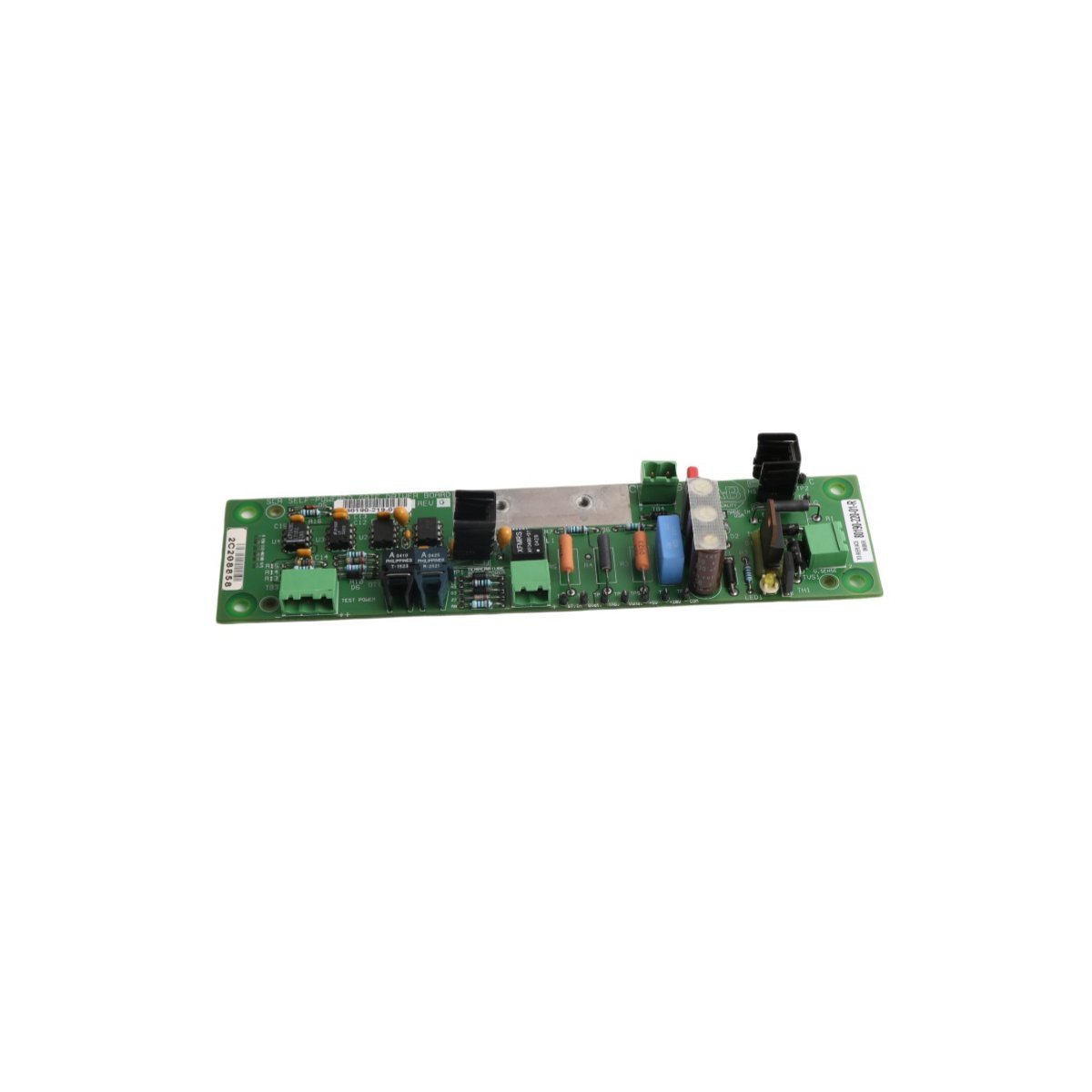
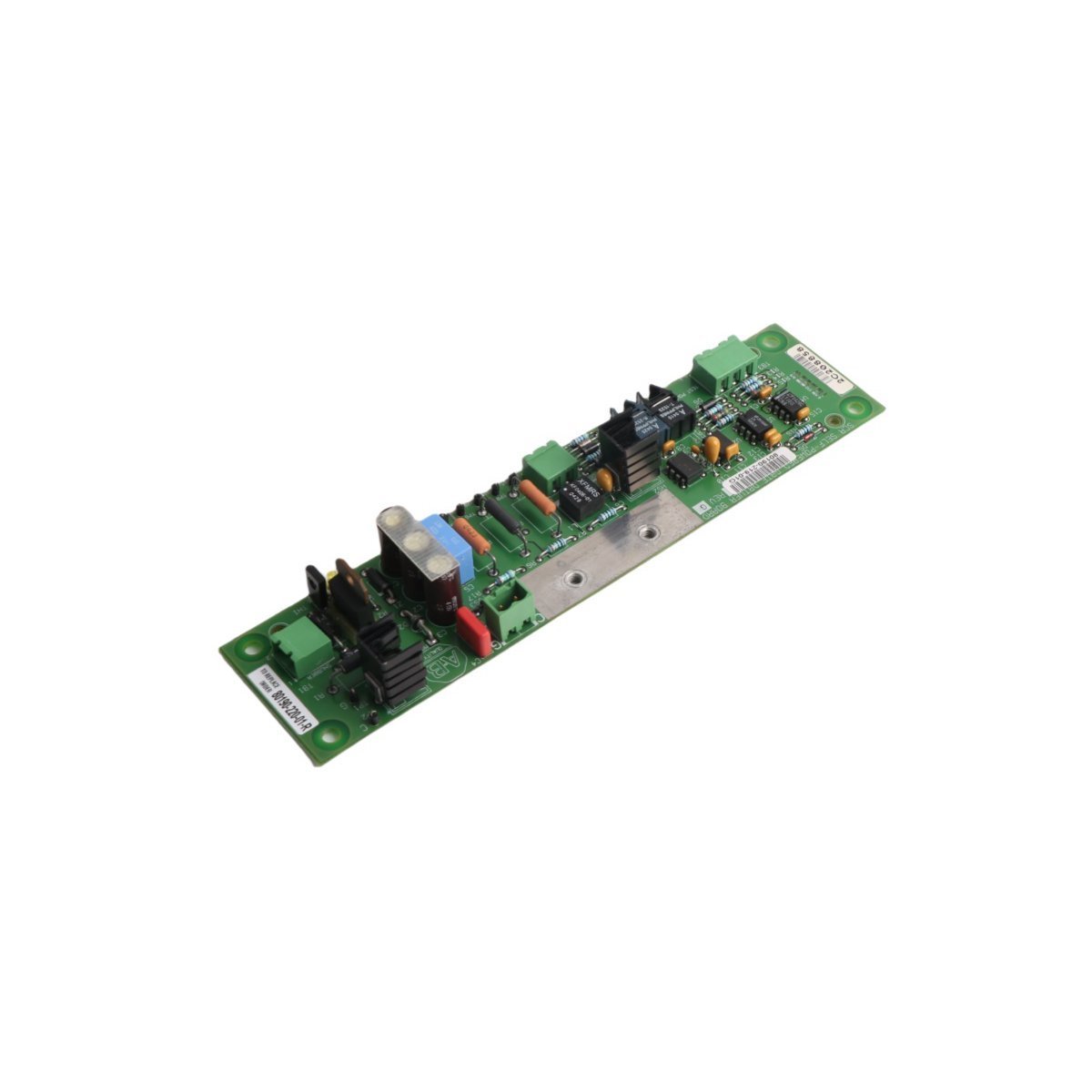
The Allen-Bradley 80190-240-02-R is a high-performance control board for PowerFlex 700S drives, engineered for precise motor regulation and system stability.
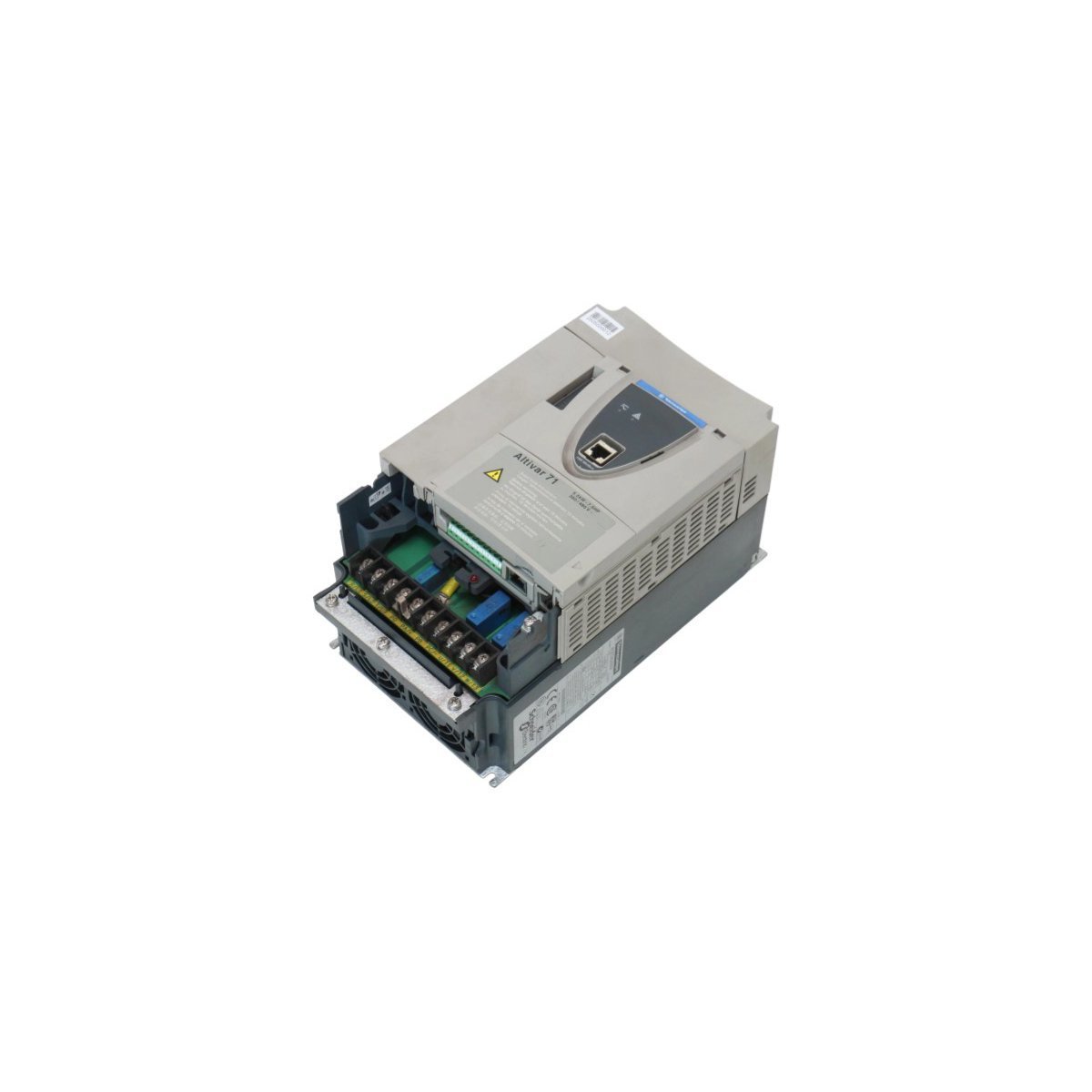
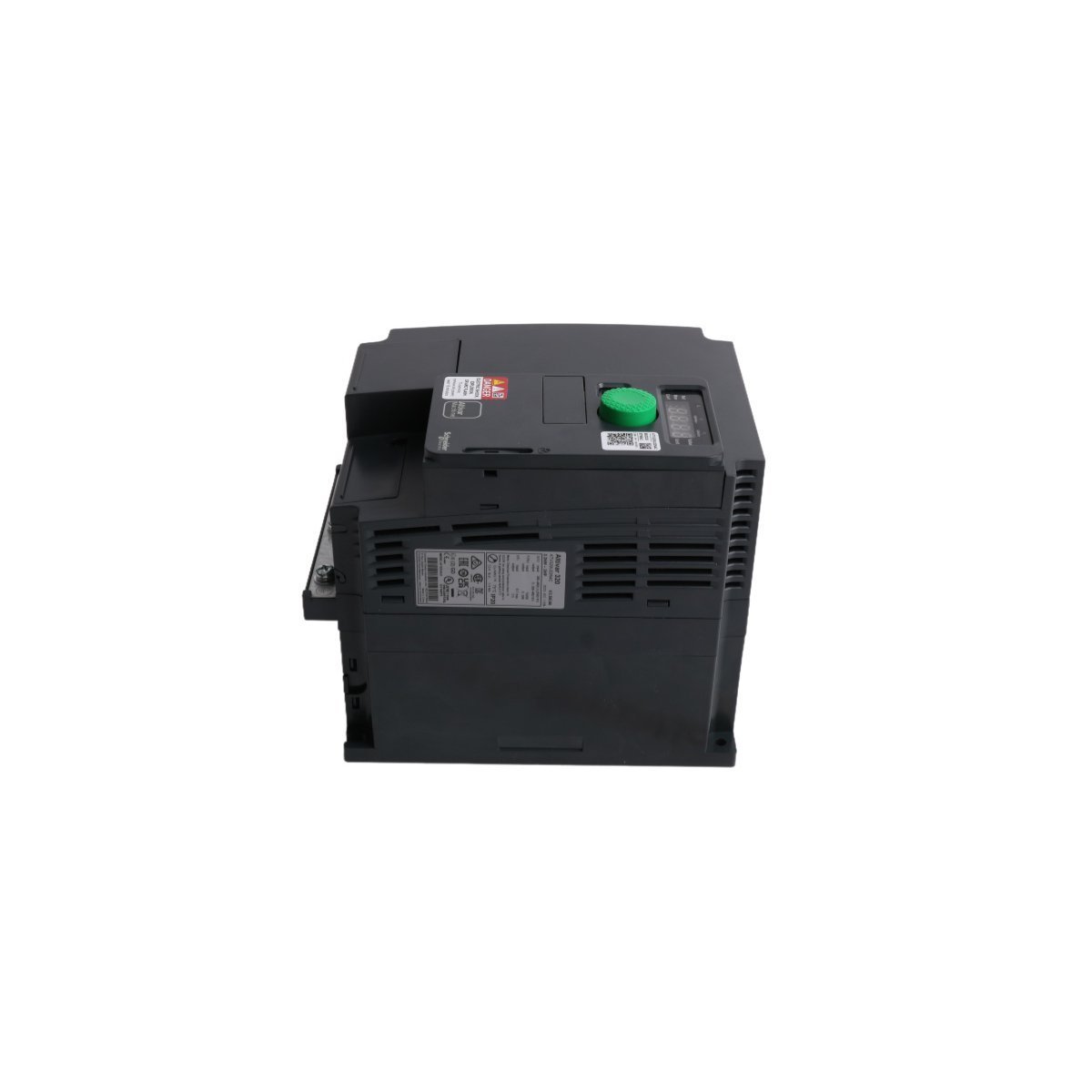
The Schneider Electric ATV71HU55N4 is a 5.5kW (7.5HP) Altivar 71 variable speed drive designed for 380-480V three-phase motors.Built for high-torque applications, it features advanced flux vector control, integrated EMC filters, and a graphic terminal for precision industrial automation.
The Allen-Bradley 80190-580-01-R is a high-performance Drive Processor Module and Analog Control Board.Designed for industrial motor management, it features a 14-pin header and four on-board connectors to provide precise control and high-speed data processing for complex drive systems.
The Schneider Electric ATV71HC25N4 is a premium Altivar 71 variable speed drive engineered for high-torque industrial applications. It supports 380-480V three-phase motors, offering precision speed regulation, advanced energy optimization, and robust protection for heavy-duty process machinery and hoisting systems.
The GE 531X207LCSAMG1 is a LAN current source card designed for the 531X drive and exciter series.It converts 115 VAC input into regulated 5 VDC and 15 VDC outputs to power network communication boards, featuring an adjustable potentiometer and jumper-selectable settings for precise industrial control.
The Schneider Electric ATV71HC16N4 is a 160 kW variable speed drive from the Altivar 71 series. Designed for 380-480V three-phase motors, it offers advanced vector control, integrated Modbus/CANopen communication, and SIL2-rated safety features. This high-performance AC drive ensures precise torque management and energy efficiency for heavy-duty industrial applications.
The Schneider Electric ATV630D90N4 is a 90kW (125HP) Altivar Process 600 Variable Speed Drive.Optimized for fluid management, it features integrated Ethernet, energy-saving "Stop and Go" technology, and IP21 protection for demanding industrial motor control.
The Schneider Electric ATV630C22N4 is a 220kW (300HP) Altivar Process drive designed for high-power fluid and process management. Featuring SIL 3 safety compliance and native Ethernet connectivity, it provides elite efficiency and control for heavy-duty industrial pumps and fans.
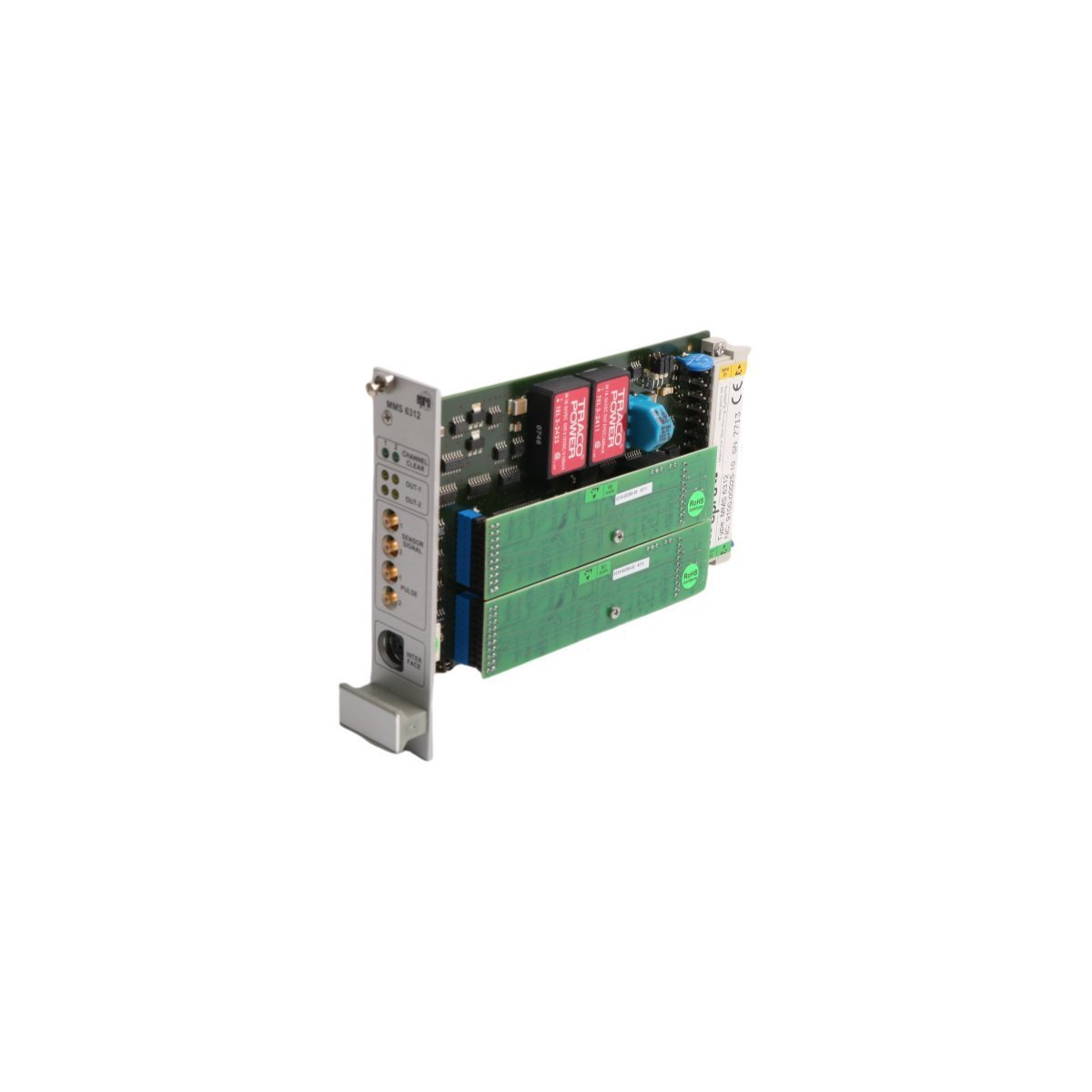
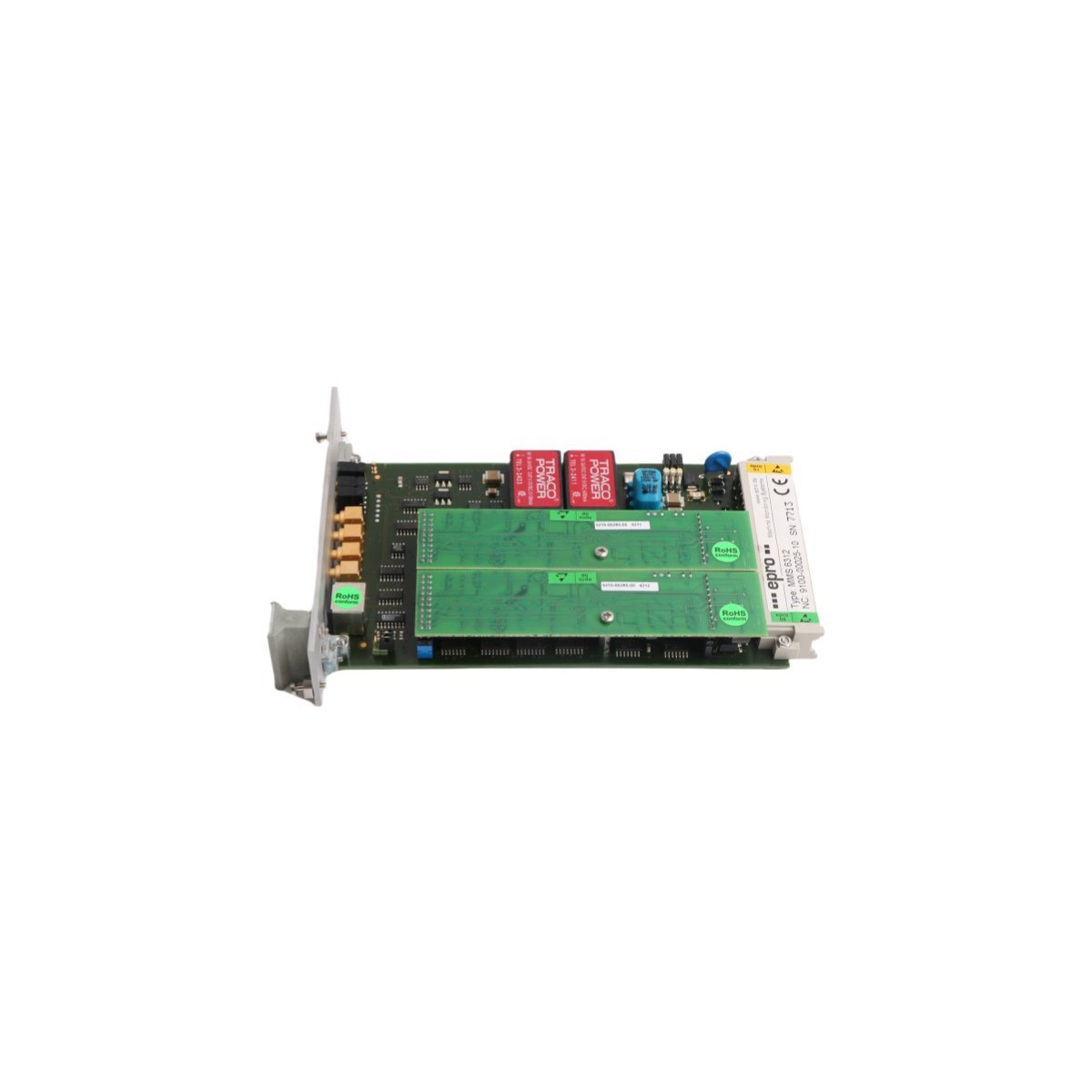
The Emerson MMS6312 is a professional dual-channel rotational speed monitoring module designed for the MMS6000 system. It provides high-precision speed measurement, direction detection, and overspeed protection for critical rotating assets, ensuring maximum safety in power and process industries.
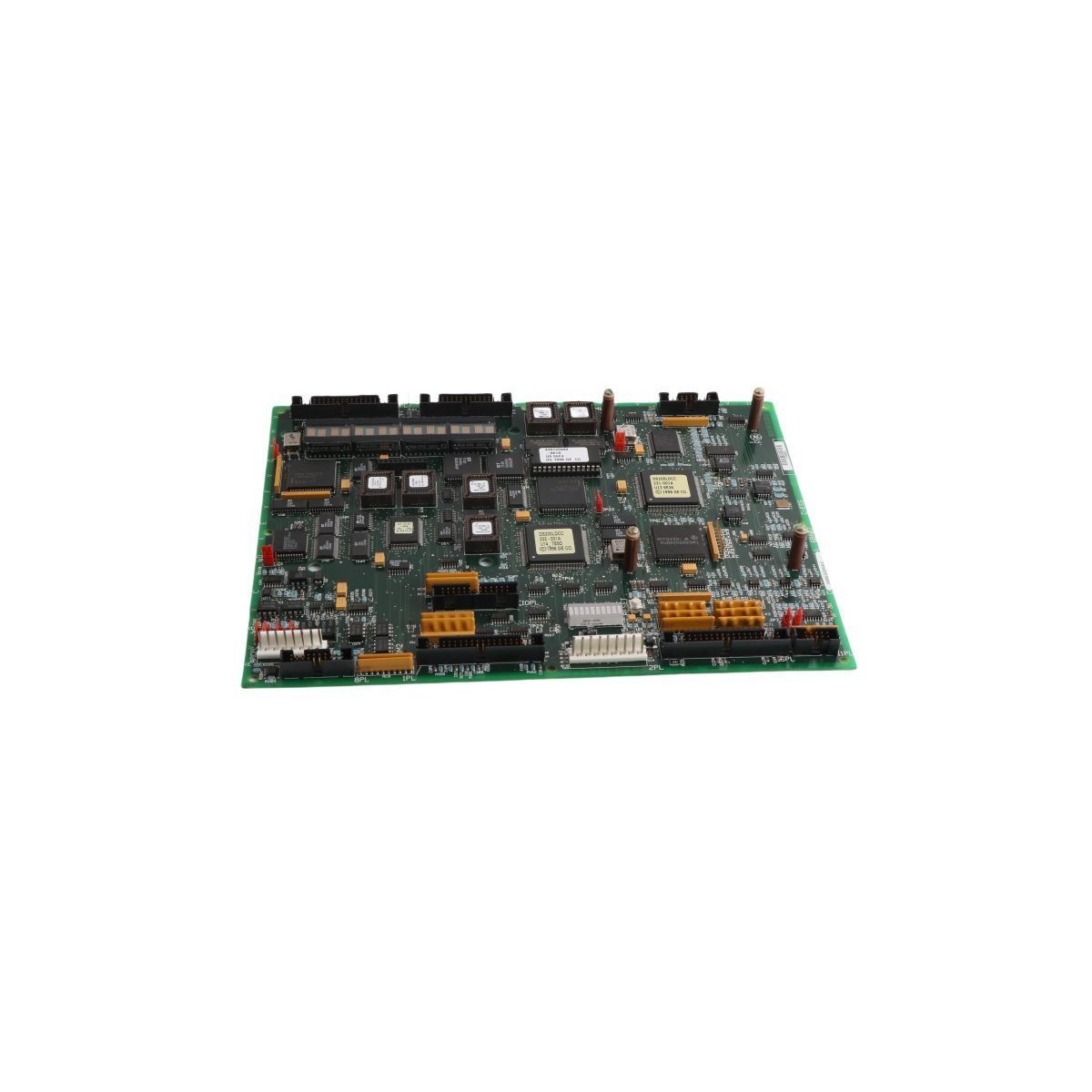
The GE DS200LDCCH1ALA is a high-performance Drive Control and LAN Communications Board designed for the Mark V Speedtronic system. Featuring four dedicated microprocessors (DCP, MCP, LCP, CMP), it provides advanced motor control and multi-protocol bus support for DIRECTO-MATIC 2000 industrial drives.
The General Electric DS215SDCCG1A is a high-performance Drive Control Card (SDCC) for the Mark V Speedtronic system. Featuring a dual-processor architecture and robust communication interfaces, it provides the computational intelligence required for precise motor regulation and turbine drive control in mission-critical applications.
We are committed to protecting your privacy. The information collected here is strictly used to provide the requested quotes, technical support, and relevant industrial automation solutions.