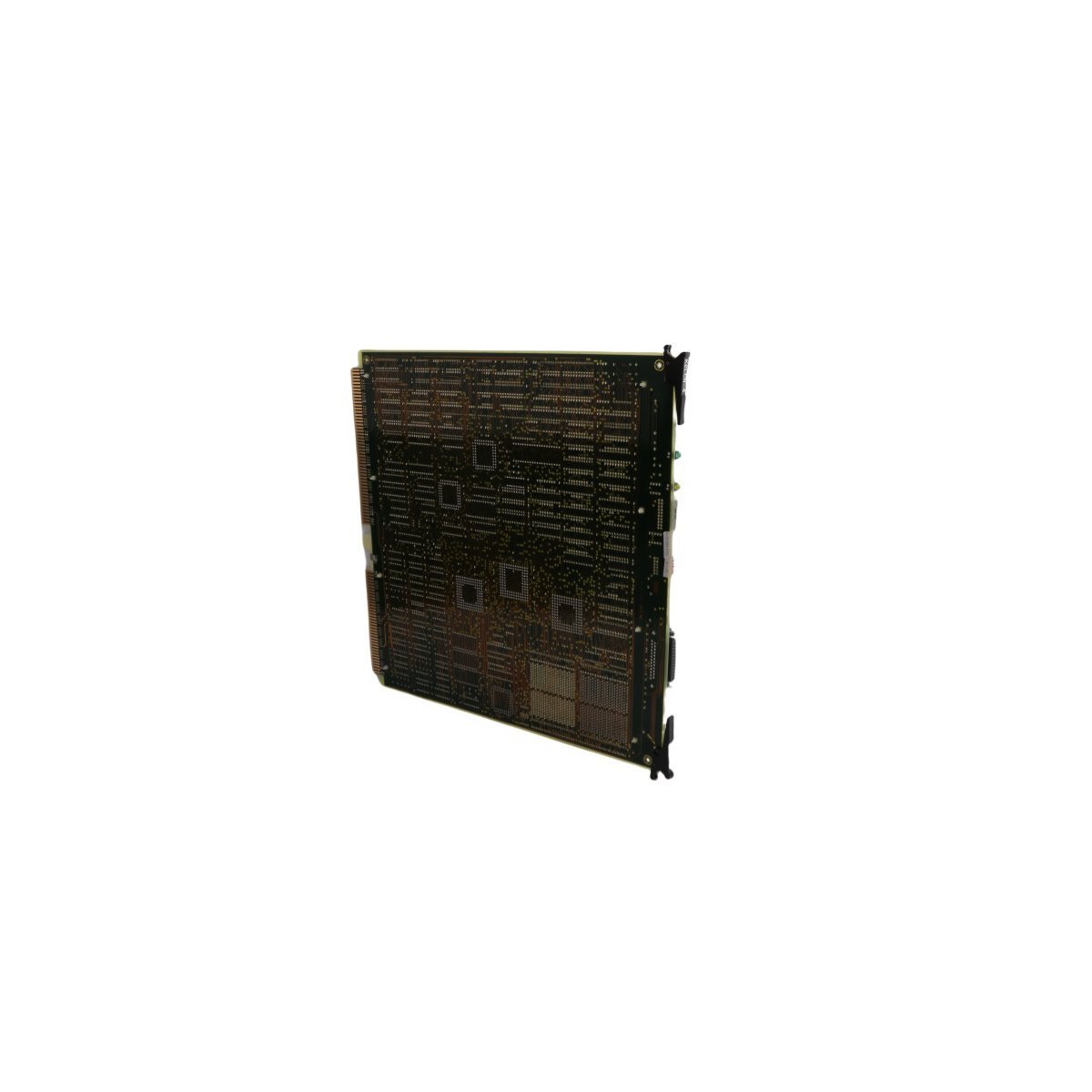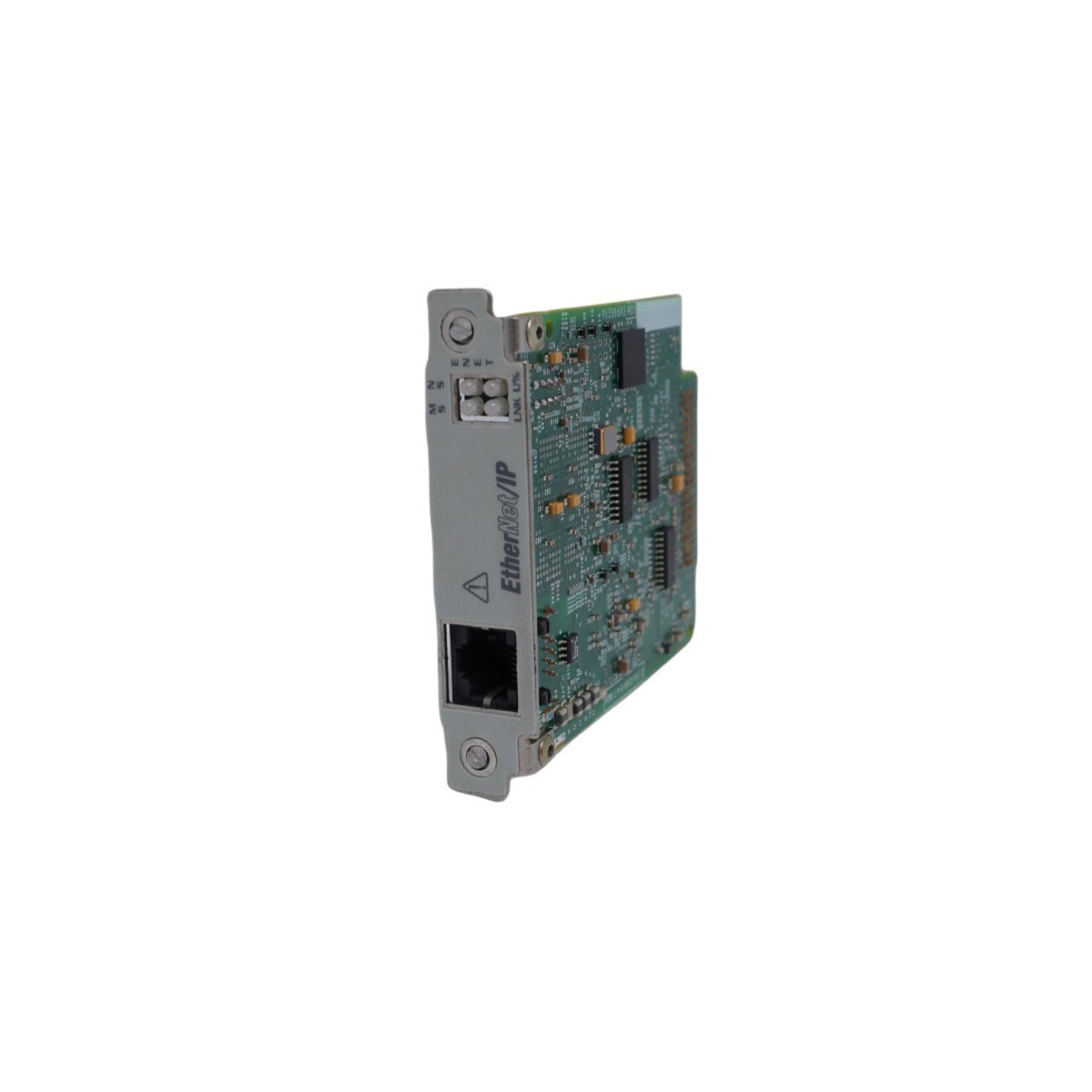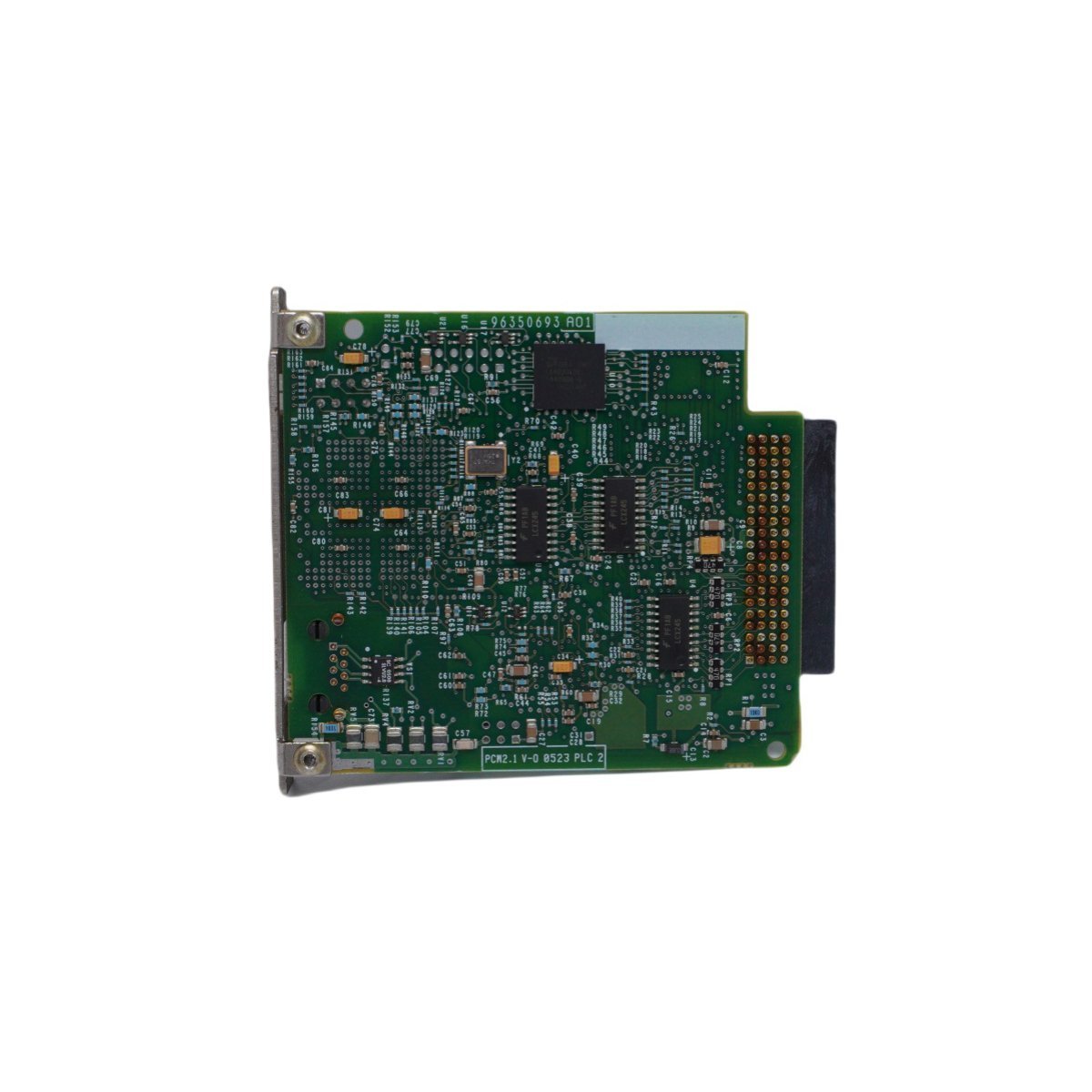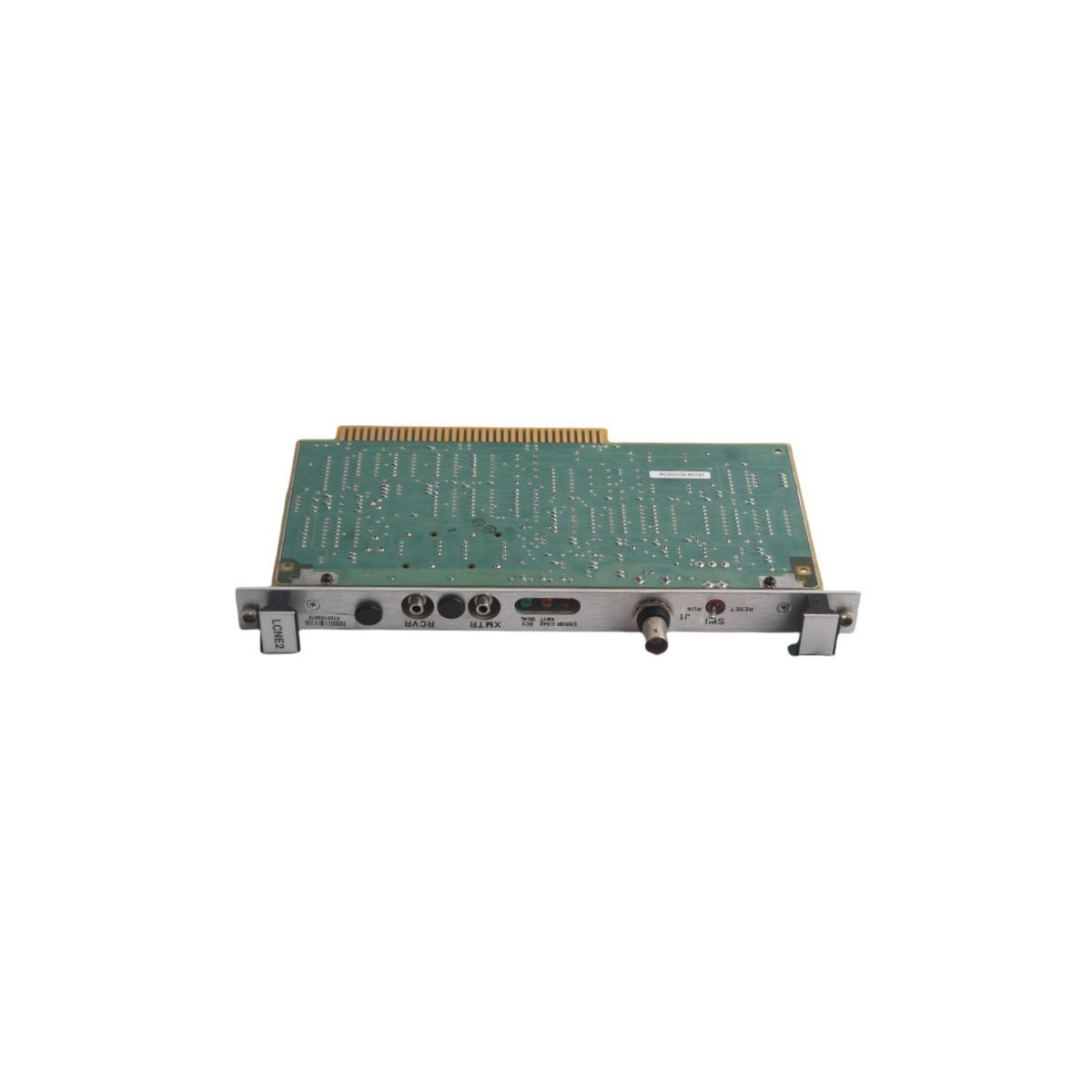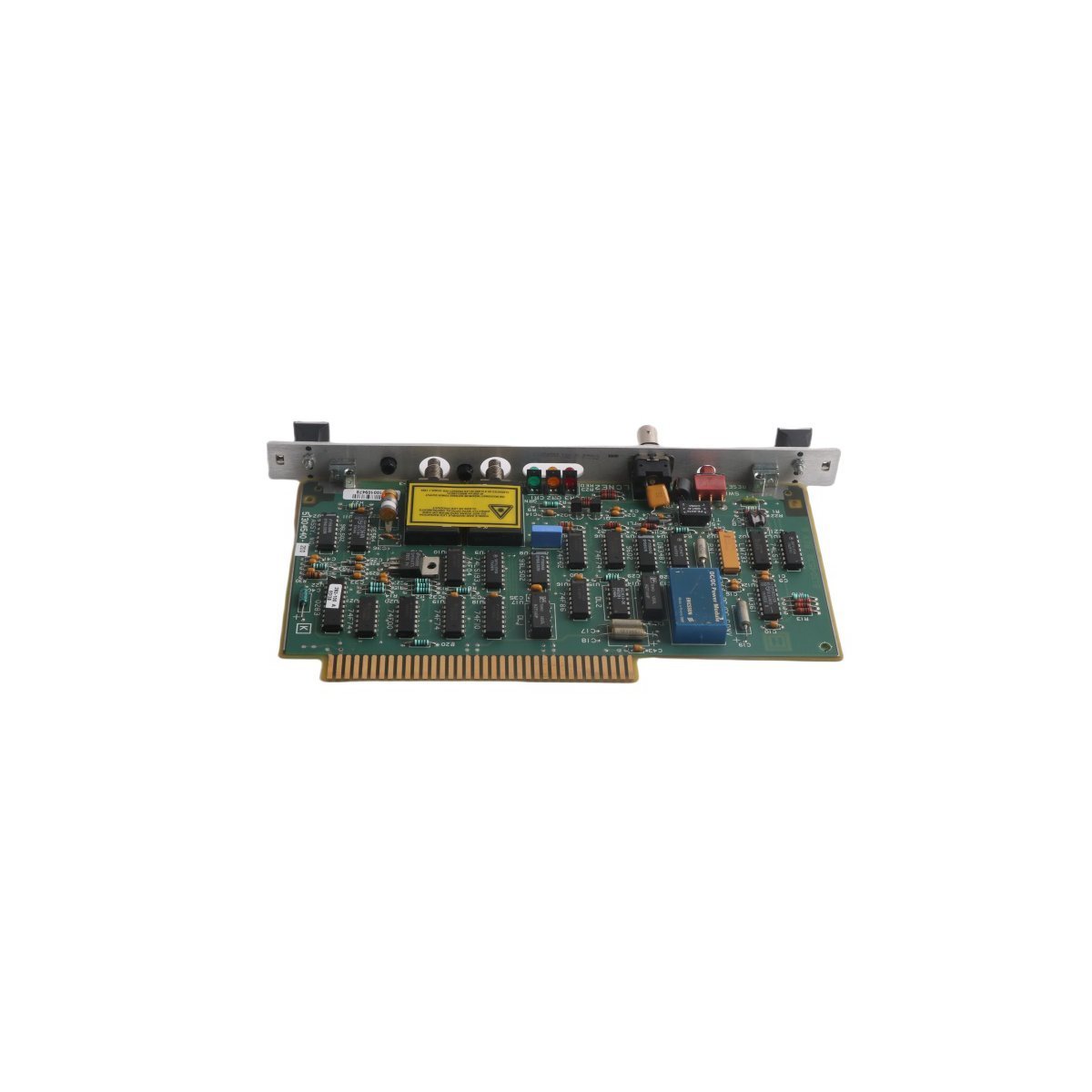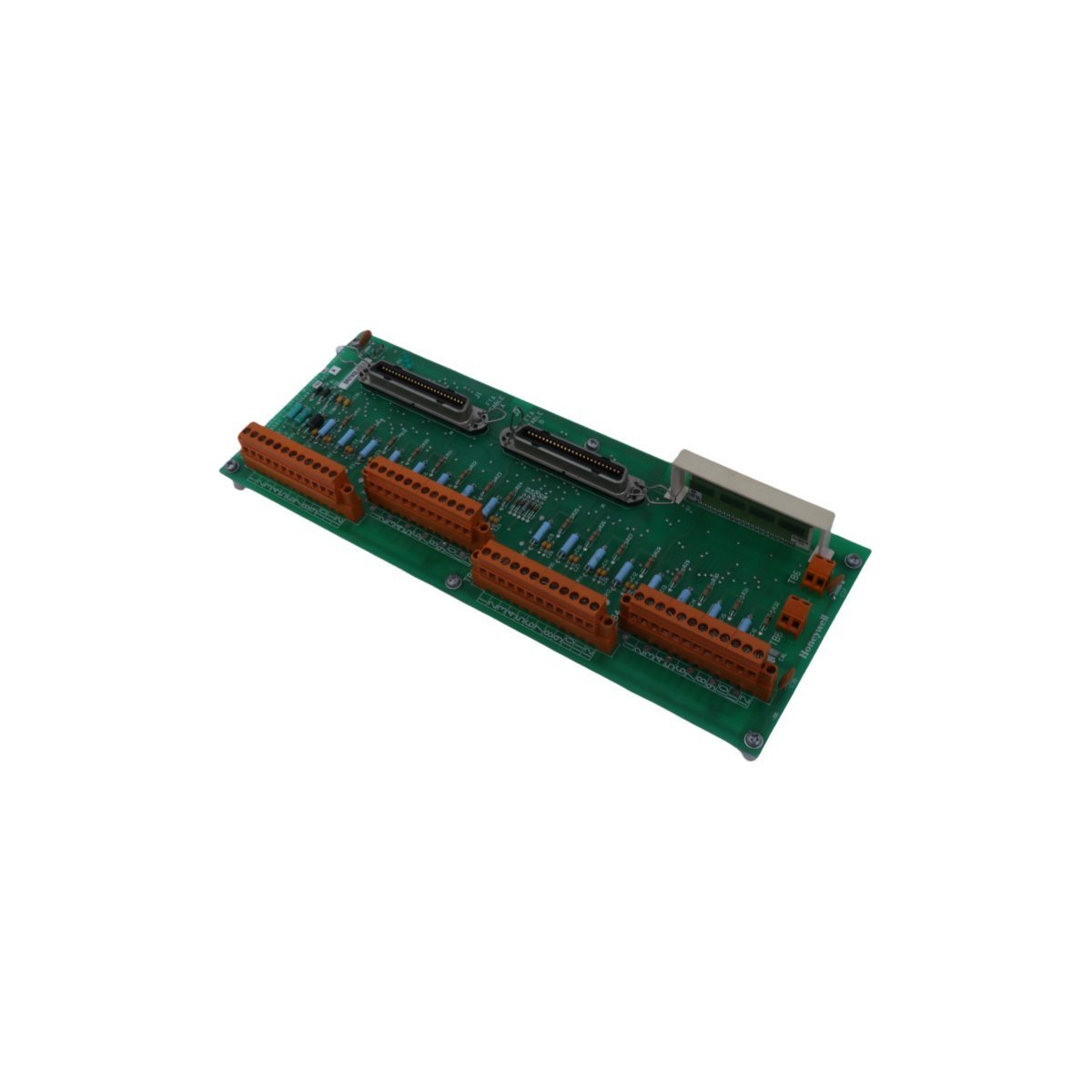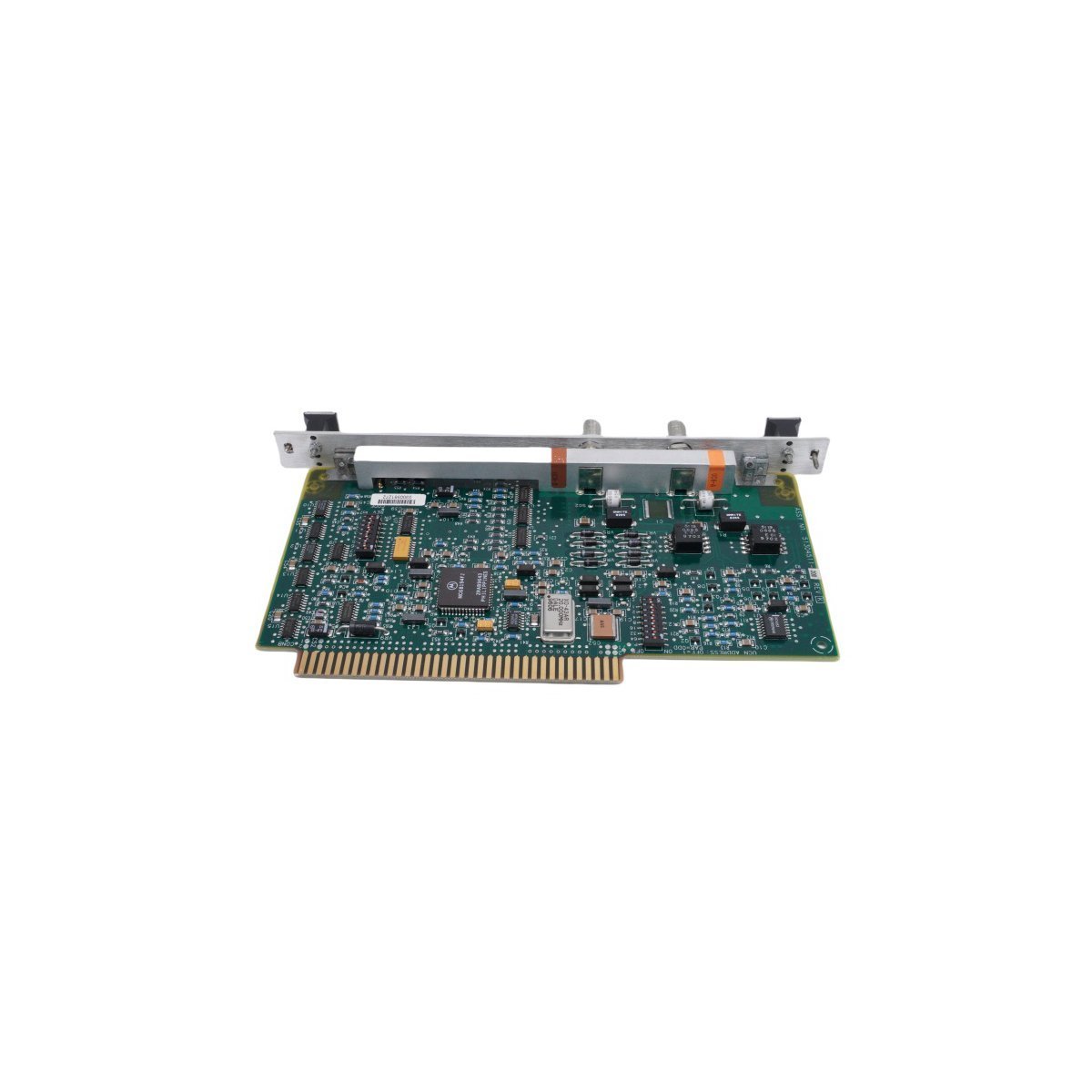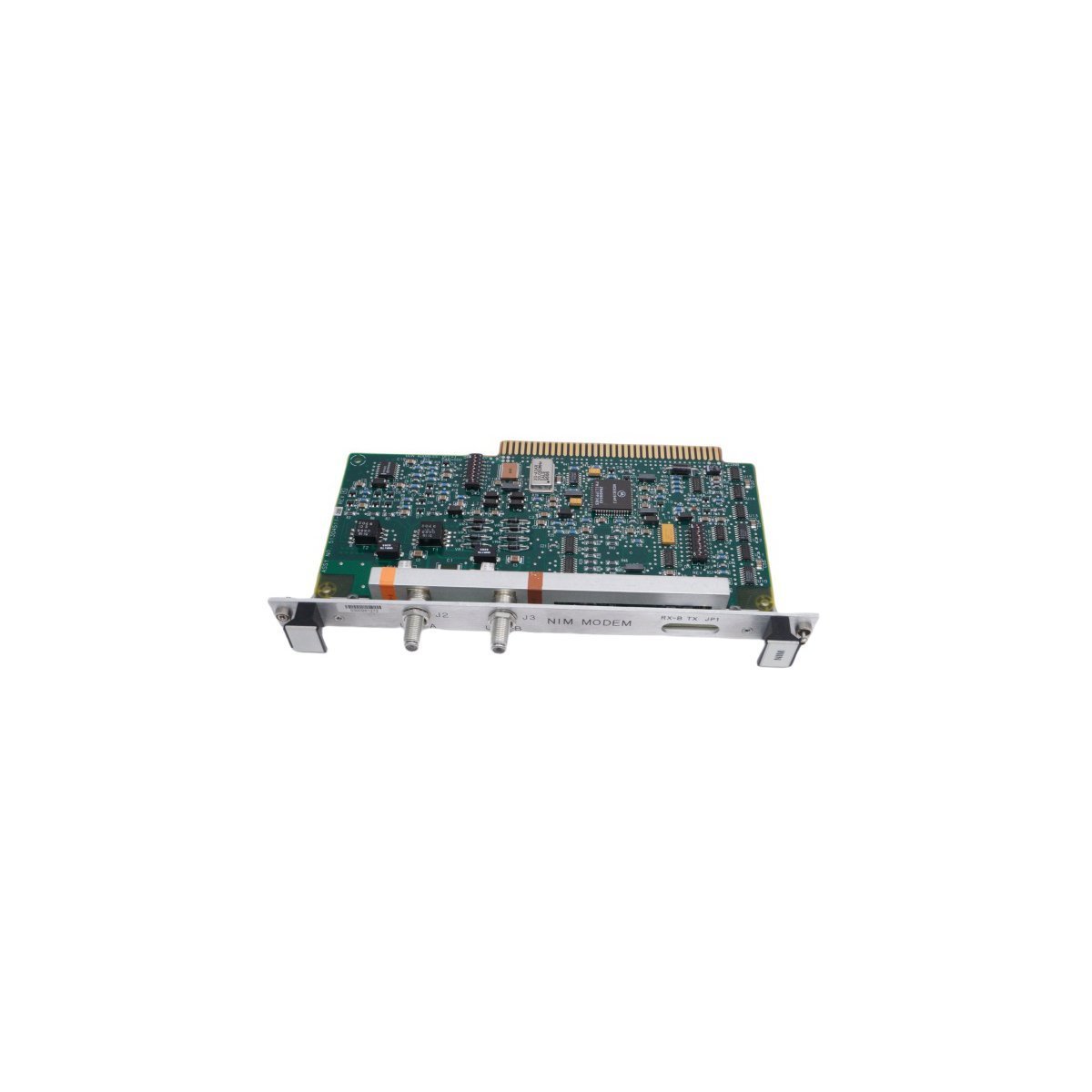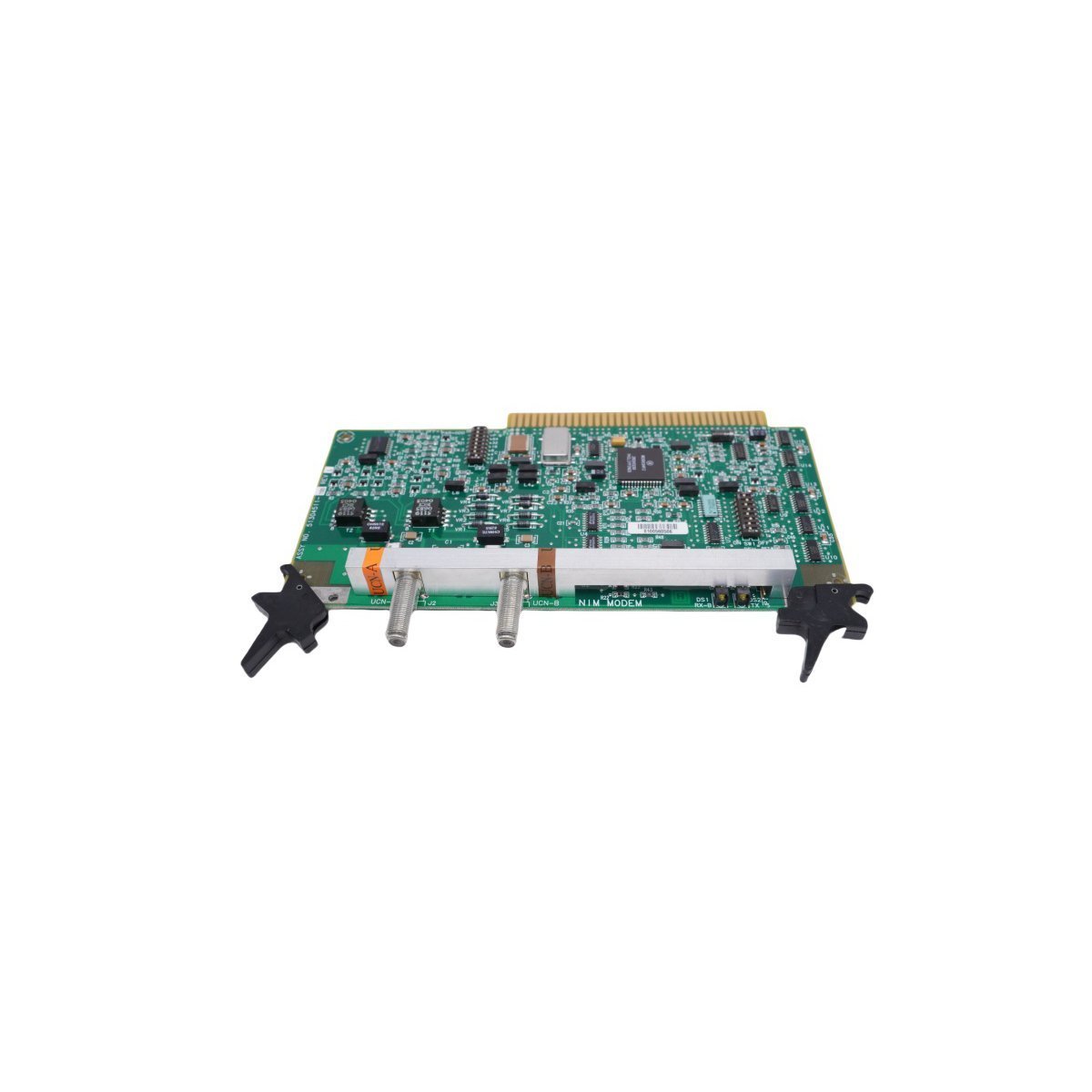
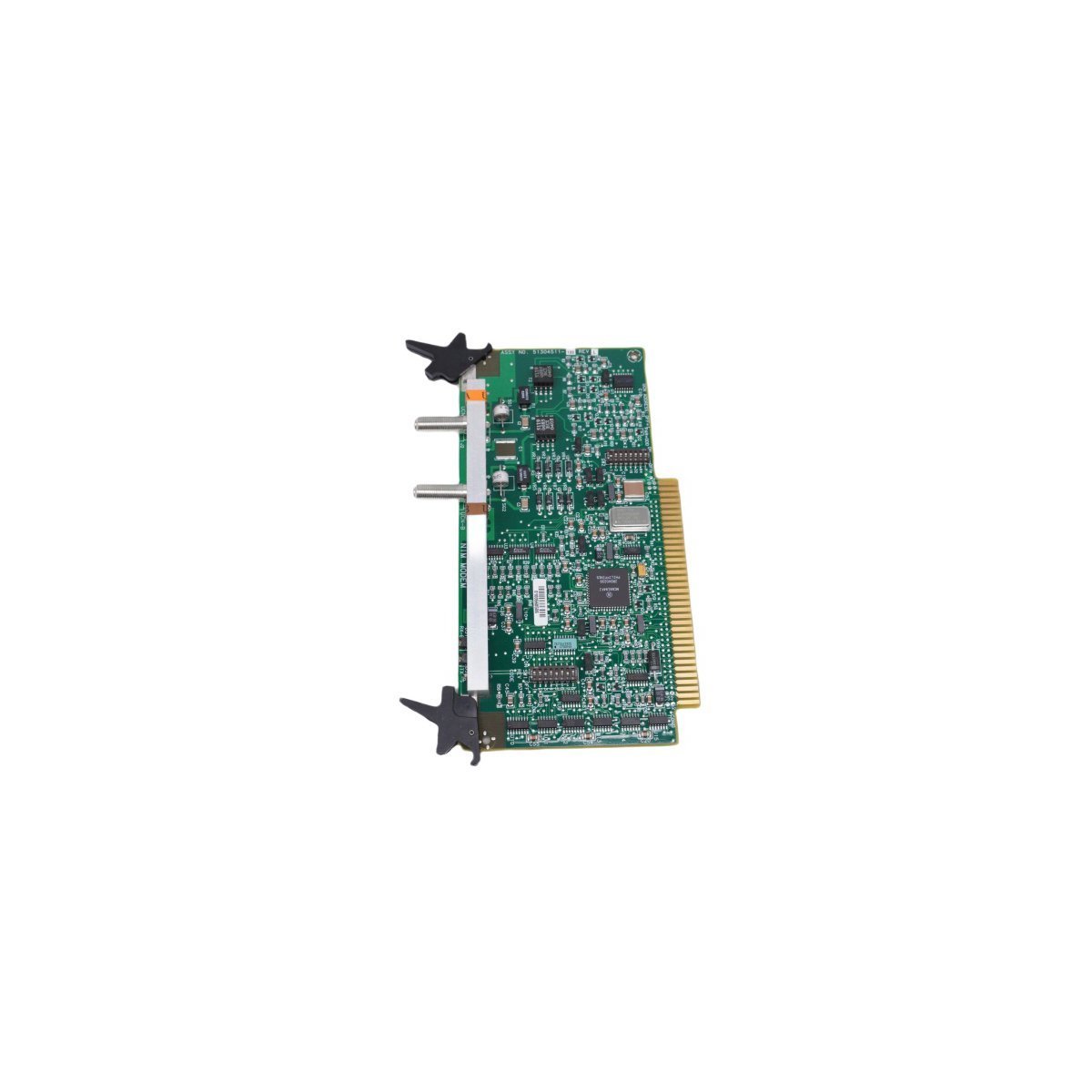
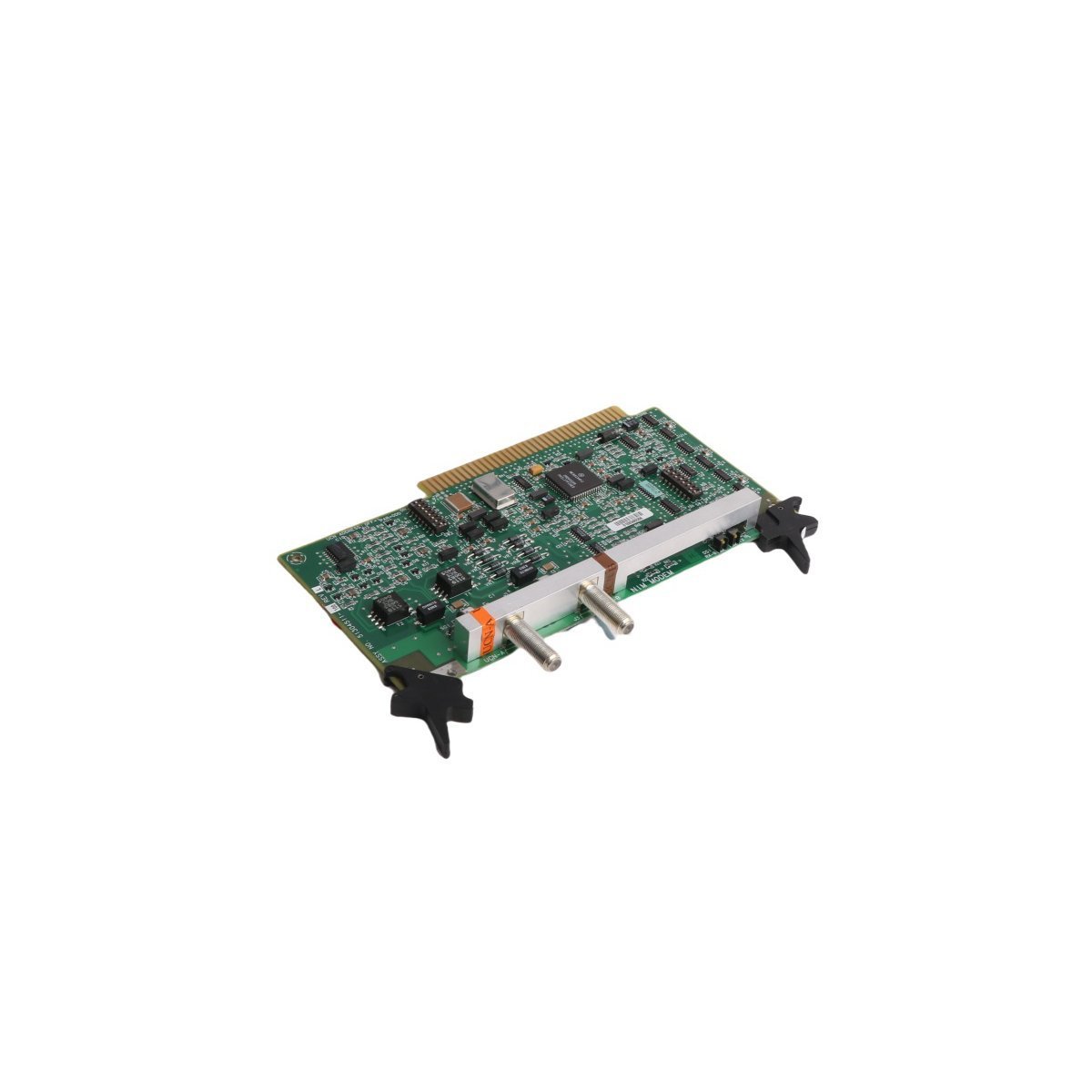
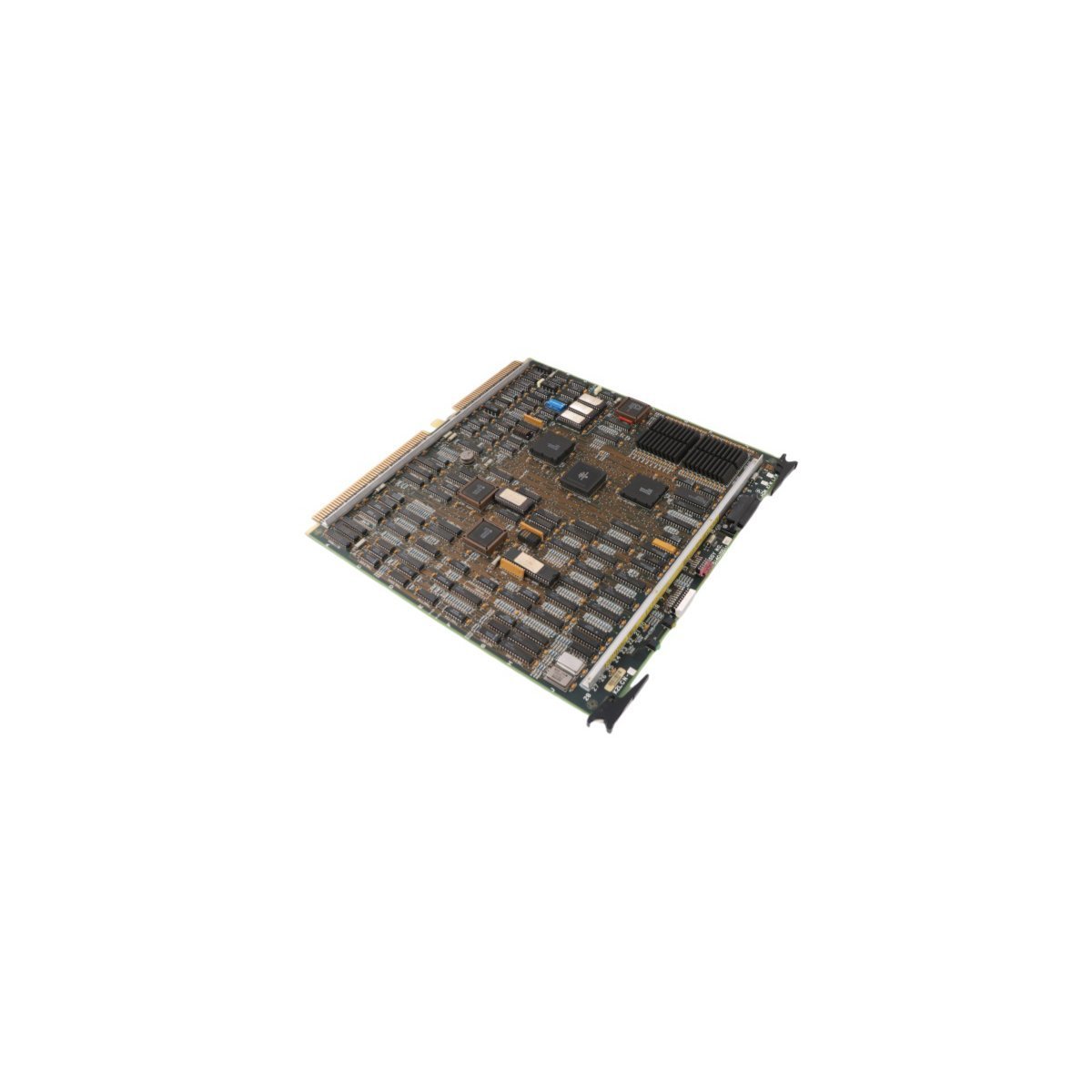
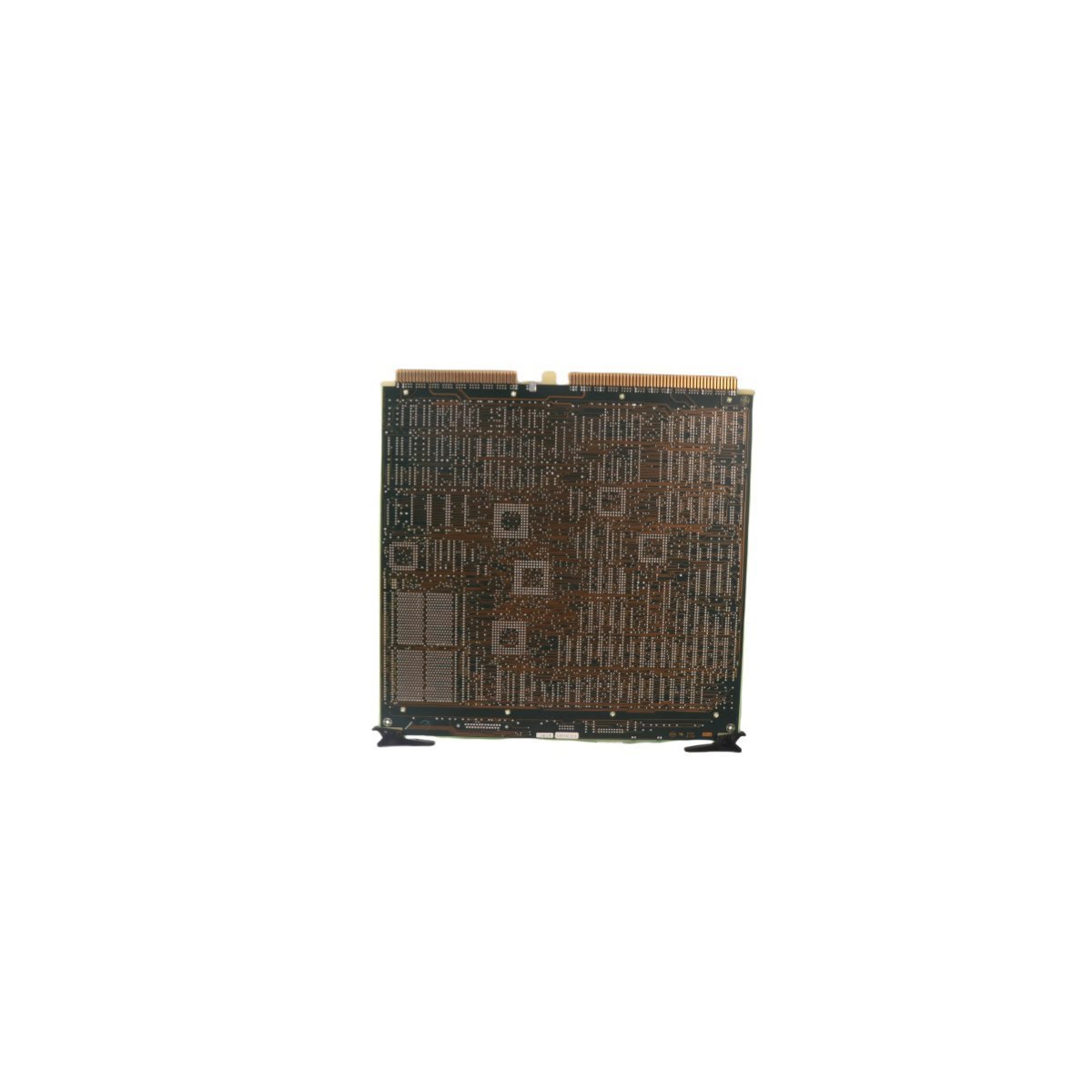
Configured for signal distribution and UCN communication management in TDC 3000 system architectures, the Honeywell 51304511-100 (51304511-100 Network Interface Module) provides direct physical/electrical execution for data routing between control nodes.
Hardware Specifications
Parameter
Specification
Model
51304511-100
Brand
Honeywell
Origin
USA
Weight
0.24 kg
Dimensions
2 x 13.3 x 23.7 cm
Operating Temp
Standard Industrial
Power Consumption
Not Specified
Module Type
Network Interface Module
Process Control and DCS Connectivity
Signal integrity is primarily maintained within the DCS environment through the systematic implementation of dedicated input termination pathways. Consequently, data acquisition is facilitated by the 51304511-100, whereby field sensor signals are processed and subsequently routed to the control cabinet backplane. Furthermore, channel-to-channel isolation is consistently utilized so that, as a result, common-mode noise propagation is effectively prevented. In this manner, it is ensured that 4-20 mA HART loop protocol signals or discrete inputs are accurately translated. Additionally, cold junction compensation (CJC) is managed via the associated termination logic; meanwhile, loop impedance is calibrated to match specific field requirements. Moreover, data transmission is executed through standardized backplane interfaces. In addition, these interfaces are continuously monitored, thereby minimizing signal attenuation across long-distance field wiring. Furthermore, by adhering to these protocols, system stability is enhanced; likewise, operational accuracy is preserved throughout the signal path.
Frequently Asked Questions
Q: Is the 51304511-100 supported for hot-swapping procedures within an active UCN chassis?
A: Hot-swapping is not permitted for this module. Power must be removed from the backplane segment prior to the insertion or extraction of the card to prevent electrical transients from damaging the communication bus circuitry.
Q: How is the physical grounding of the Network Interface Module established?
A: Grounding is established through the mechanical connection of the module mounting hardware to the chassis backplane, ensuring a common reference potential for all signal shielding.
Field Installation Guidelines
The 51304511-100 must be installed within a standard control cabinet environment, strictly adhering to industrial hardware mounting practices.
Mounting: Ensure the module is fully seated within the designated backplane slot. Secure the module using the integrated retention clips to minimize mechanical displacement caused by vibration.
Wiring: To maintain signal integrity, shielded twisted-pair cabling is required for UCN communication runs to mitigate electromagnetic interference (EMI). Cable shields must be terminated at the designated chassis ground busbar to maintain signal reference integrity.
Environmental Control: Maintain ambient temperatures below 50 deg C. If the local rack temperature exceeds defined thresholds, forced air ventilation must be provided to ensure the thermal dissipation of the module is sustained.
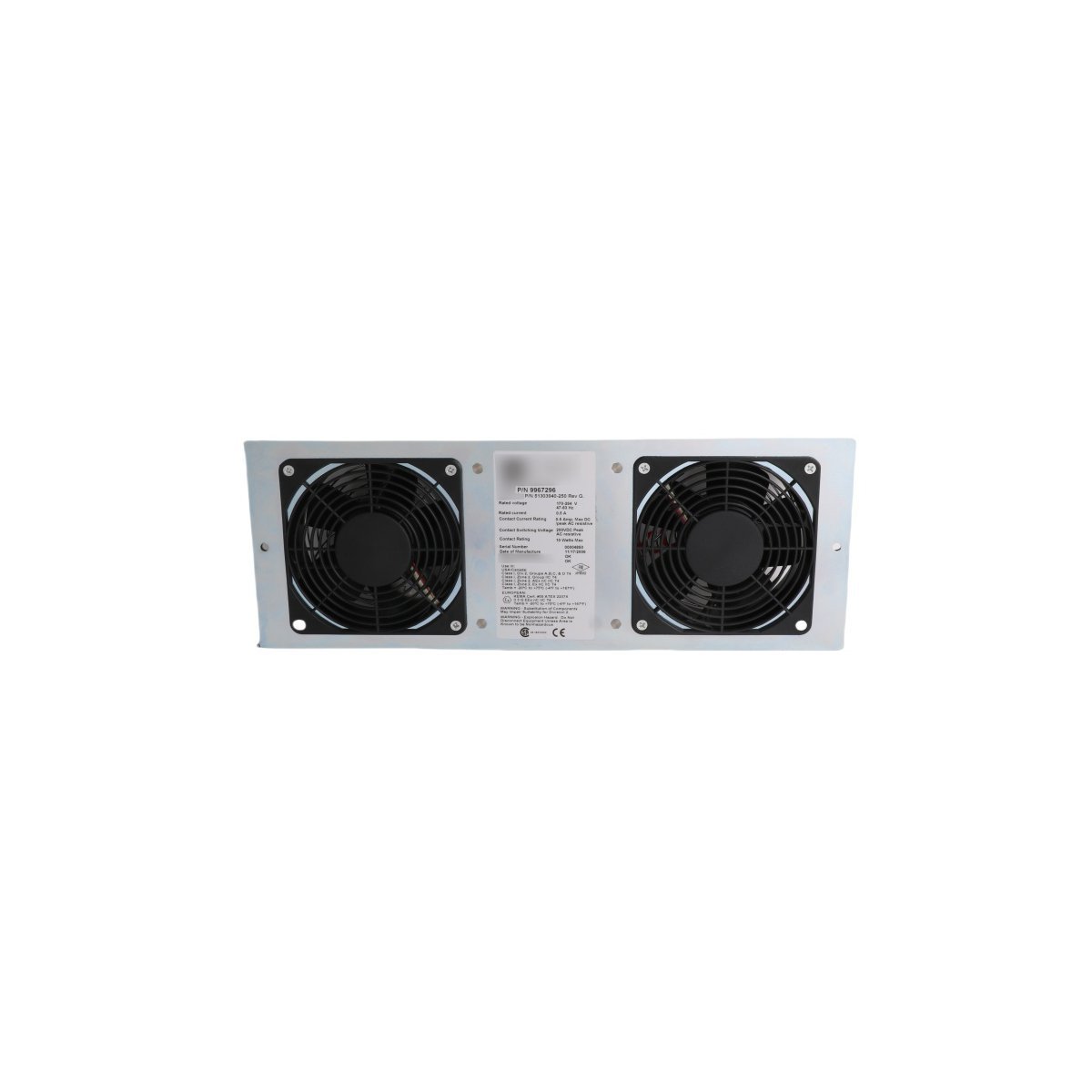
The Honeywell K2LCN-4 51401551-400, also cataloged as the K2LCN-4 51401551-400 Ten-Slot Modules, operates as a dedicated hardware component for multi-slot chassis expansion and communication routing within TDC 3000 platforms.
Hardware Specifications
Parameter
Specification
Model
K2LCN-4 51401551-400
Brand
Honeywell
Origin
USA
Weight
0.96 kg
Dimensions
36.2 x 36.6 x 1.5 cm
Operating Temp
-20 deg C to 70 deg C
Power Consumption
24 VDC nominal
Module Type
Ten-Slot Modules
Range of Product
TDC 3000
System
DCS
Communication Service
Ethernet router
Status
Active
Process Control and Signal Isolation Architecture
The module manages loop-level data transmissions utilizing 4-20 mA HART loop protocol frameworks to maintain high signal fidelity across distributed automation nodes. Dedicated channel-to-channel isolation prevents ground loops and eliminates electromagnetic interference within complex industrial enclosures. Additionally, built-in cold junction compensation (CJC) maintains thermocouple accuracy, while integrated network architecture ensures deterministic execution and reliable packet routing.
Frequently Asked Questions
Q: What precautions should be taken regarding backplane current consumption when populating multiple slots with the K2LCN-4 51401551-400?A: System engineers must verify that the total cumulative current draw across the ten slots does not exceed the maximum power supply rating allocated for the node chassis.Q: Can expansion modules be inserted into the K2LCN-4 51401551-400 backplane while the system is energized?A: Live insertion is restricted unless specific hot-swap protocols and redundancy safeguards are active to prevent voltage spikes or control loop disruption.
Field Installation Guidelines
Secure the hardware module firmly within the specified chassis slot, ensuring proper pin alignment to prevent backplane damage.
Route all communication and signal cabling away from high-voltage power lines to minimize electrical noise coupling.
Ensure proper system grounding by connecting all chassis earth terminals to the central control room grounding bus.
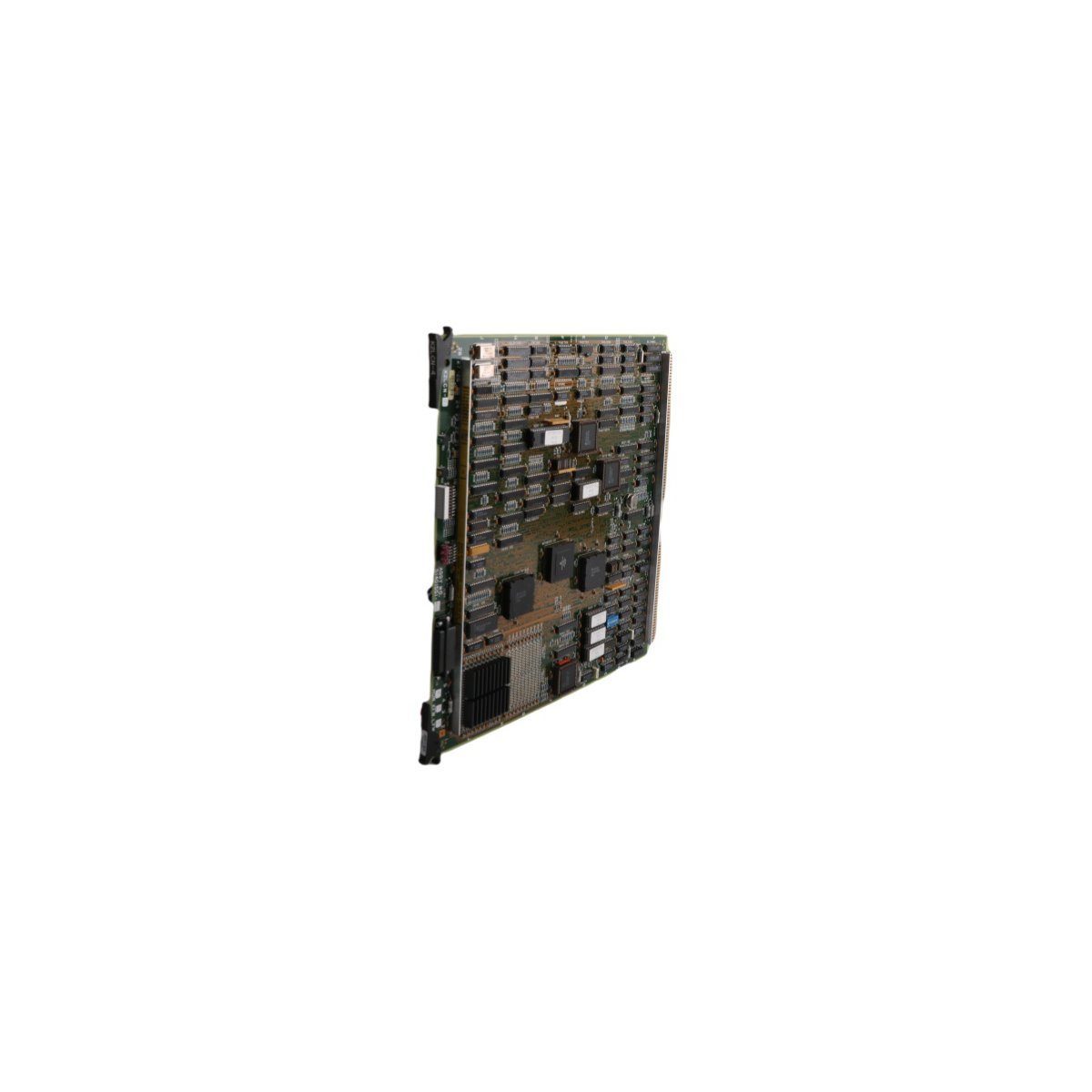
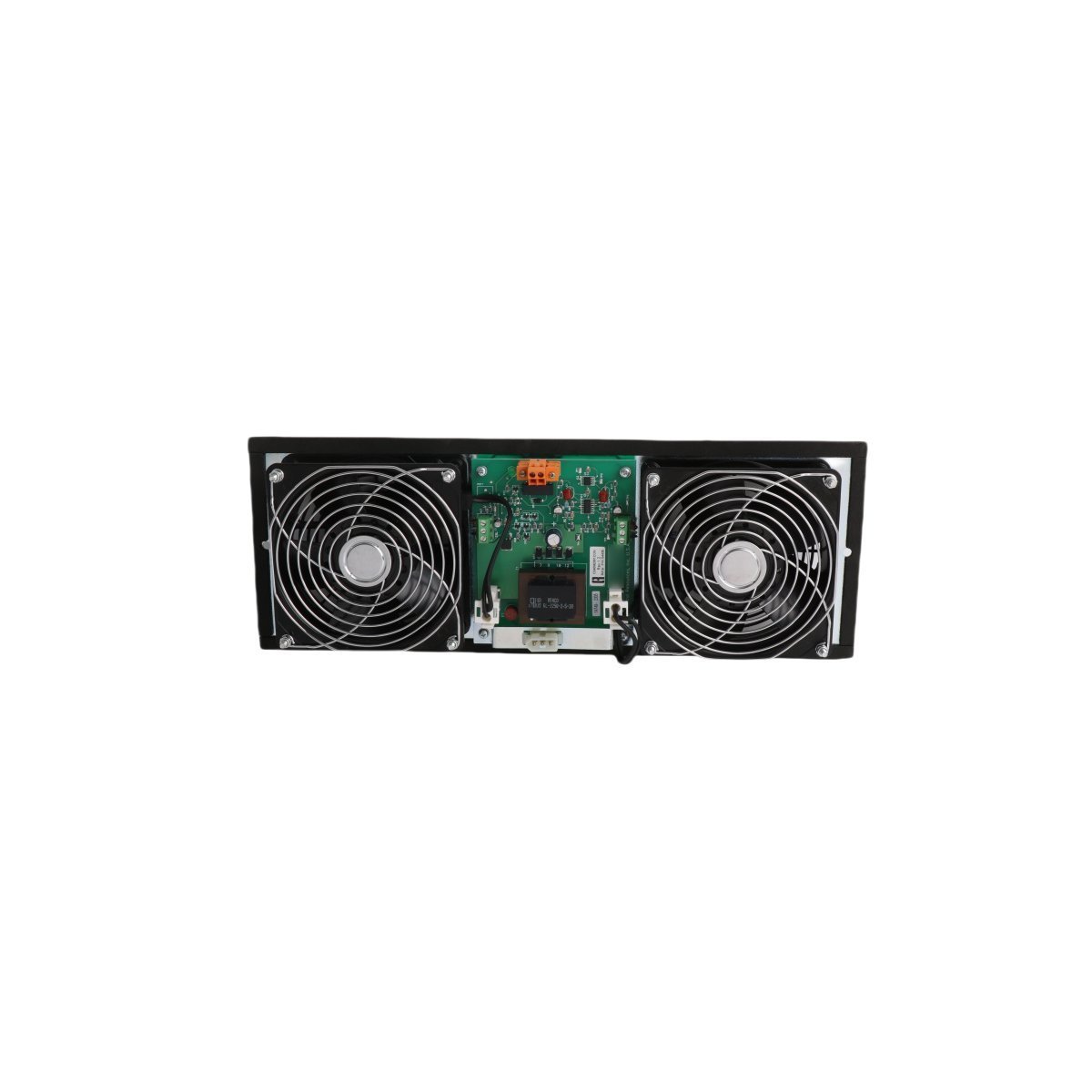
Configured for local control network routing and high-density memory processing in Honeywell TDC 3000 DCS node chassis, the Honeywell K2LCN-4 51402615-400 (K2LCN-4 PCB Card) provides direct physical/electrical execution. It handles real-time node interaction and high-speed data transfer across the local control network infrastructure, serving as an integrated local control network board configured with 4 megawords of onboard memory.
Hardware Specifications
Parameter
Specification
Model
K2LCN-4 51402615-400
Brand
Honeywell
Origin
USA
Weight
0.92 kg
Dimensions
36.6 x 36.3 x 2 cm
Operating Temp
0 to 60 deg C
Power Consumption
Standard TDC 3000 Backplane Power
Module Type
PCB Card
System
TDC 3000 DCS
Memory Capacity
4 Megawords
Communication Service
Ethernet / LCN Router Board
HS Code
8537101190
Process Control & Channel Isolation
The Honeywell K2LCN-4 51402615-400 integrates within the TDC 3000 backplane to facilitate deterministic channel-to-channel communication across industrial process networks. Utilizing onboard memory capacity combined with dedicated transceiver paths, the assembly supports 4-20 mA HART loop protocol routing and multi-node synchronization while maintaining galvanic separation to suppress electrical noise and ground loops across node drops.
Frequently Asked Questions
Q: What is the primary function of the 4 megawords memory allocation on the board?A: The onboard 4 megawords memory provides local storage for execution code, communication buffer queues, and network state management required for real-time node routing within the Local Control Network (LCN).Q: Can the K2LCN-4 card be inserted while the node chassis is powered?A: Insertion or removal must follow Honeywell TDC 3000 maintenance procedures. Power down the card slot or rack segment prior to removal to prevent transient current surges on the backplane bus.
Field Installation Guidelines
Ensure main chassis power is disconnected before sliding the module into the designated TDC 3000 card cage slot.
Align the board edges strictly with the card cage guide rails to prevent mechanical pin bending on the rear connector matrix.
Apply firm, even pressure on the card edge ejector levers until the board seats fully into the backplane socket.
Fasten all retention screws to secure chassis grounding continuity and mechanical stability under vibration.
Verify shield ground terminations on external communication cables to maintain proper channel-to-channel isolation and noise immunity.
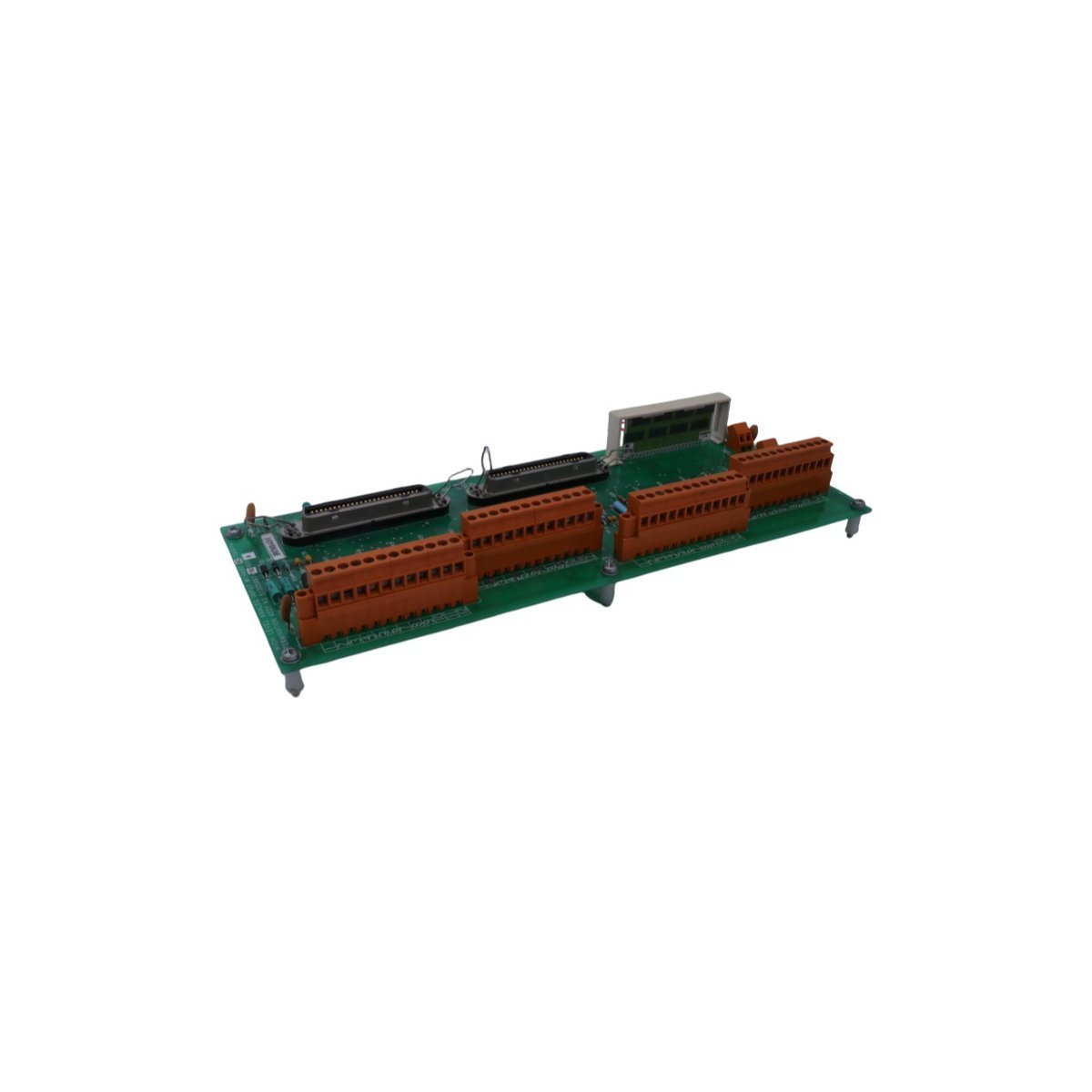
Configured for optical signal routing in TDC 3000 systems, the HONEYWELL 51304540-200 (51304540-200 Paddle Board) provides direct physical signal transition execution within the Universal Control Network architecture.
Hardware Specifications
Parameter
Specification
Model
51304540-200
Brand
HONEYWELL
Origin
USA
Weight
0.24 kg
Dimensions
2 cm x 13.5 cm x 23.8 cm
Operating Temp
Standard Industrial Range
Power Consumption
System Backplane Dependent
Module Type
Paddle Board
System Compatibility
TDC 3000 DCS
Process Control and DCS Connectivity
The 51304540-200 functions as an interface layer within the TDC 3000 infrastructure, facilitating data exchange between UCN nodes. It supports standard electrical and optical signal routing, ensuring integrity for process loops. The module provides physical channel-to-channel signal paths, reducing latency in communication cycles. It maintains signal consistency across the DCS backplane, minimizing attenuation in distributed I/O network topologies.
Field Installation Guidelines
First, the control cabinet power supply must be verified for stability, and the connection between the grounding bus bar and the rack chassis must be confirmed prior to module insertion.
Subsequently, the board must be aligned with the designated TDC 3000 slot guide rails so that pin misalignment and backplane connector damage are avoided.
Once this alignment is achieved, the module must be secured firmly by the integrated mechanical retention tabs.
Furthermore, all signal cabling must be routed away from high-voltage AC lines so that electromagnetic interference is mitigated; additionally, dedicated wire ducts must be utilized for all DCS signal conductors.
Finally, signal continuity at the termination points must be checked after installation so that a valid physical link to the UCN is confirmed.
Frequently Asked Questions
Q: What is the primary function of the 51304540-200 in a TDC 3000 loop? A: It is utilized as a physical layer paddle board for the routing of signals within the Universal Control Network (UCN), and the required electrical interface between field bus components and the controller backplane is provided by this module.
Q: Is hot-swapping supported by this module in an active DCS rack? A: Physical replacement should be performed in accordance with TDC 3000 cabinet maintenance protocols, and the local segment of the UCN must be isolated or bypassed so that control disruption is prevented.
The Honeywell 51304672-150 is an EPDGP board for the TDC 3000 DCS, providing robust processing for regulatory control and process data management in industrial automation.
The Honeywell IP-PI-OI24 is a brand-new Advanced Process Control Module for the TDC 3000 DCS series. Featuring integrated Ethernet routing and Modbus RTU support, this 2.8kg industrial unit provides high-accuracy digital signal processing and robust environmental protection for complex automation environments.
The Honeywell 51304690-100 is a Digital Input Sequence of Events (SOE) card for the TDC 3000 system. It provides high-resolution timestamping for digital state changes, enabling precise root cause analysis and safety monitoring in complex industrial environments.
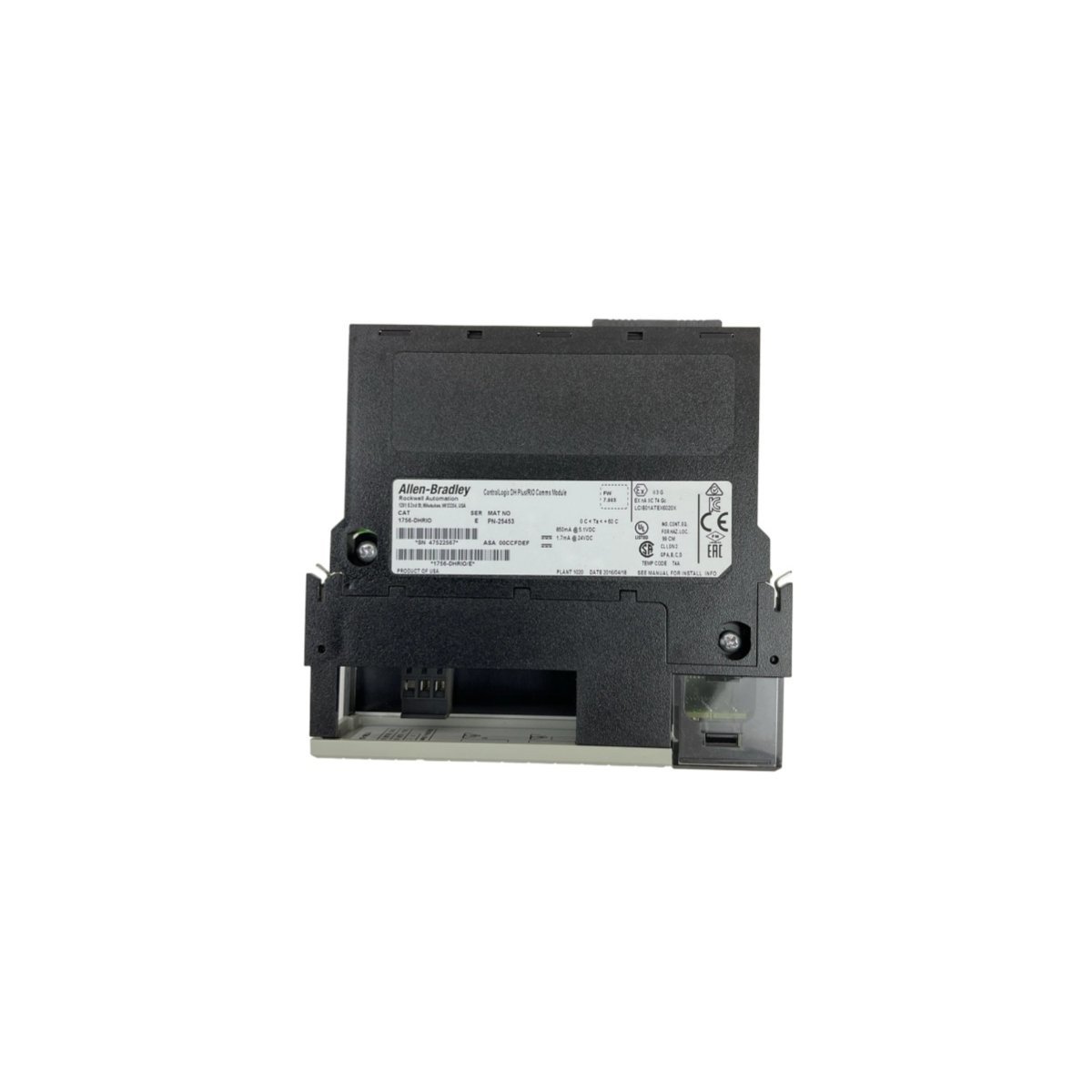
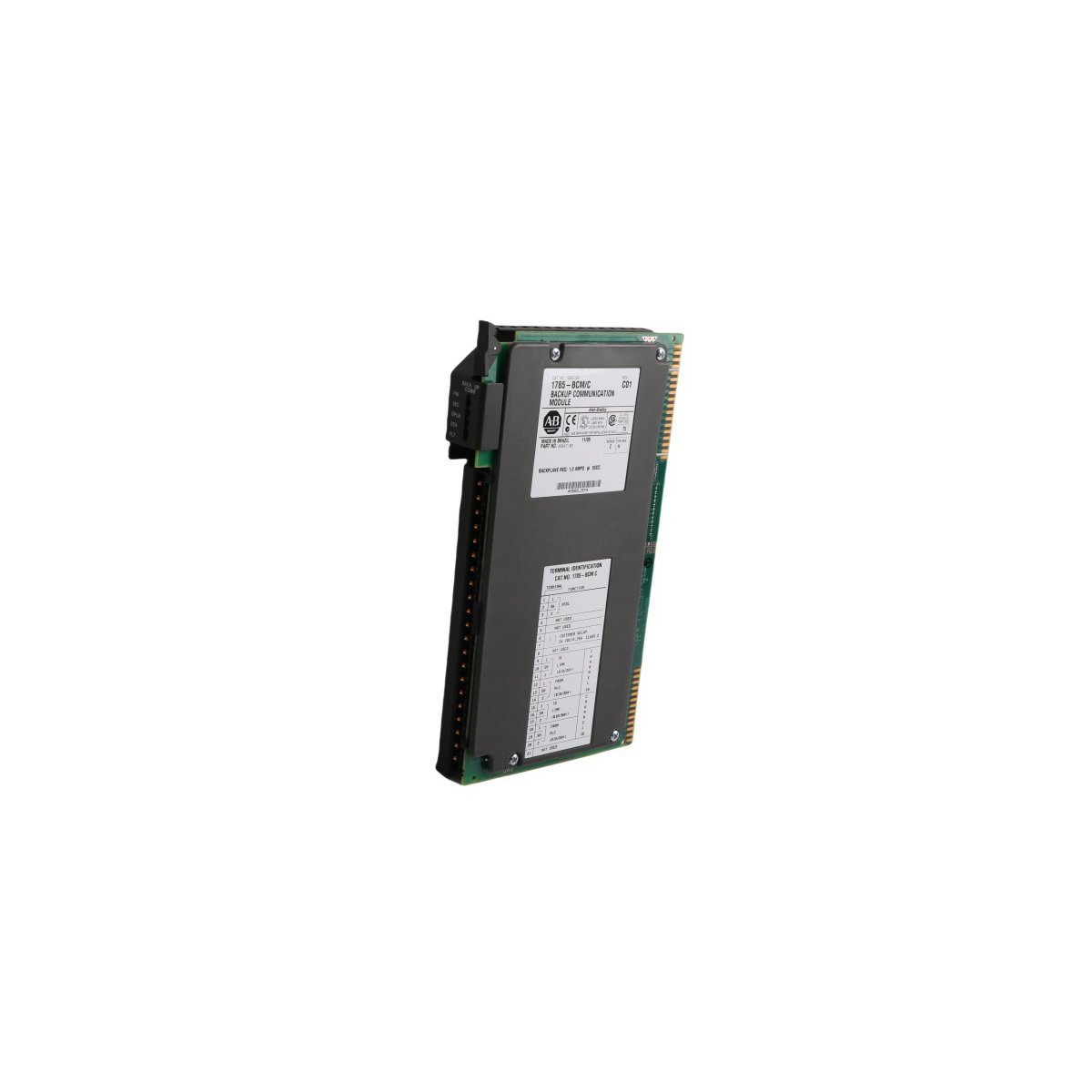
The Allen-Bradley 1785-BCM is a high-speed backup communication module for PLC-5 systems. It enables processor redundancy for DH+ and Remote I/O networks, featuring 1.2 Megabaud switchover speeds and a 4K-word buffer to ensure maximum system uptime.
The Allen-Bradley 1785-BEM is a PLC-5 Backup Communication Expansion Module. It provides high-speed redundancy for DH+ and Remote I/O networks with 1.2 MBaud transfer rates. This 1771-chassis module ensures continuous data synchronization for mission-critical automation systems.
The Allen-Bradley 1756-SYNCH is a ControlLogix SynchLink module providing 5 Mbps fiber-optic communication. It enables precise time synchronization and high-speed data broadcasting between multiple chassis for coordinated motion control.
The Honeywell 51304511-200 is a dedicated Network Interface Module (NIM) for the TDC 3000 DCS.It facilitates secure communication over the Universal Control Network (UCN) with built-in dual-cable redundancy, providing a consolidated solution to replace older PNM and PNI hardware components.
The Honeywell K4LCN-16 51403519-160 powers the TDC 3000 DCS by managing high-speed LCN communications and memory processing. It ensures seamless data synchronization and peak system performance, making it the ideal choice for maintaining legacy industrial automation infrastructures.
The Honeywell 51304542-100 is a high-reliability Interface Converter Board for the TDC 3000 and TPS control systems. It provides essential protocol translation, galvanic isolation, and real-time signal conditioning to ensure seamless communication across industrial automation networks. This modular board features diagnostic LEDs and a rugged design, making it ideal for critical process control in refineries and power plants.
We are committed to protecting your privacy. The information collected here is strictly used to provide the requested quotes, technical support, and relevant industrial automation solutions.