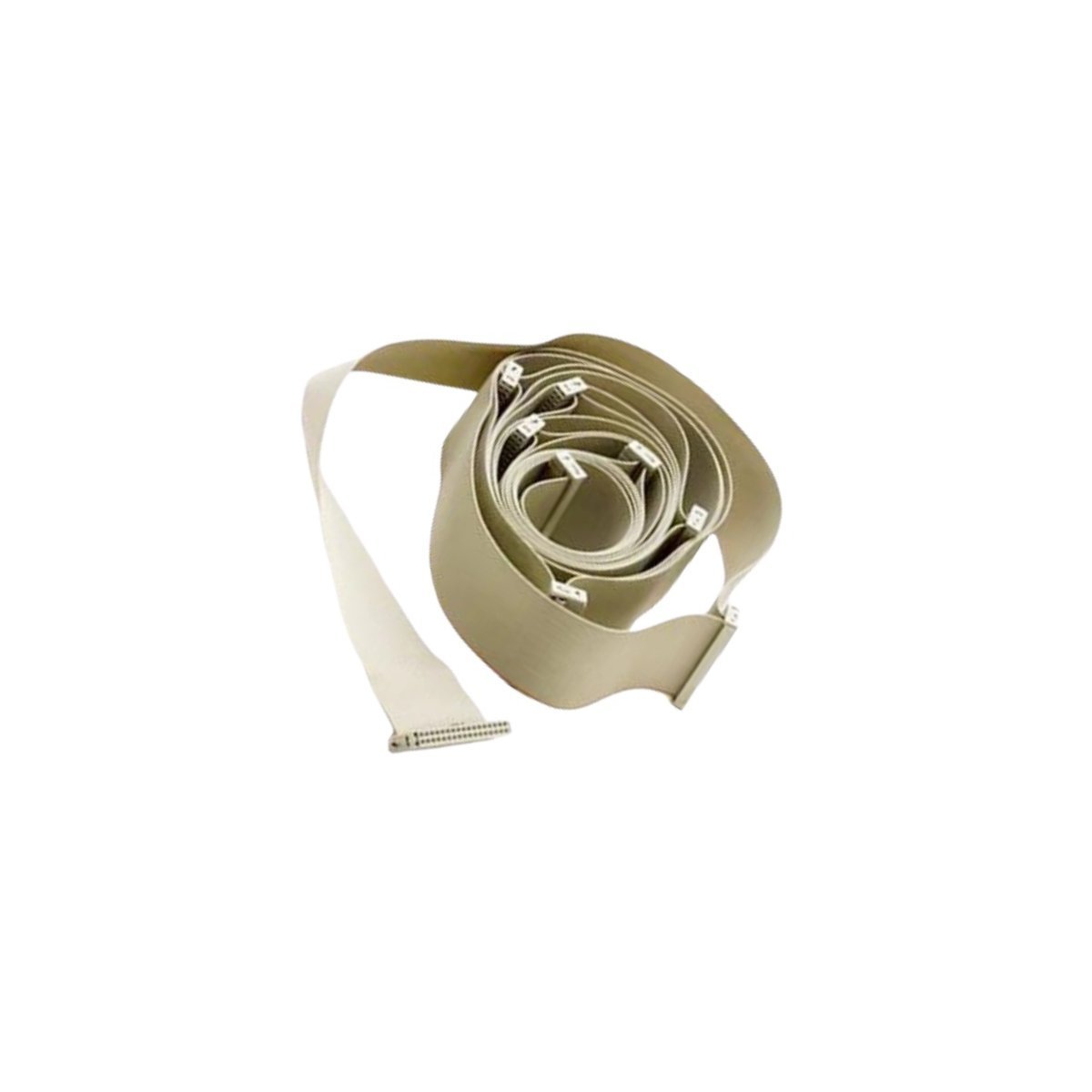
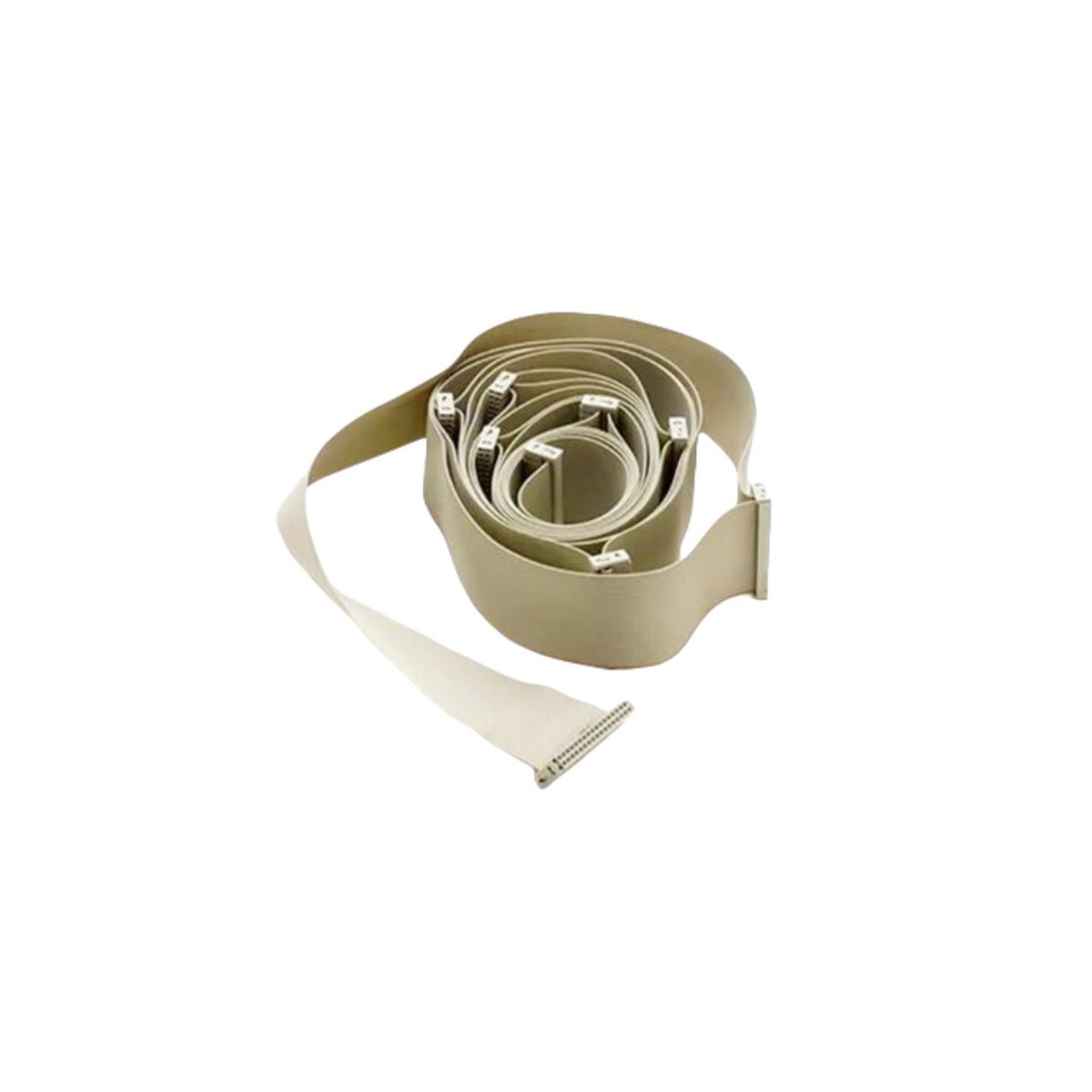
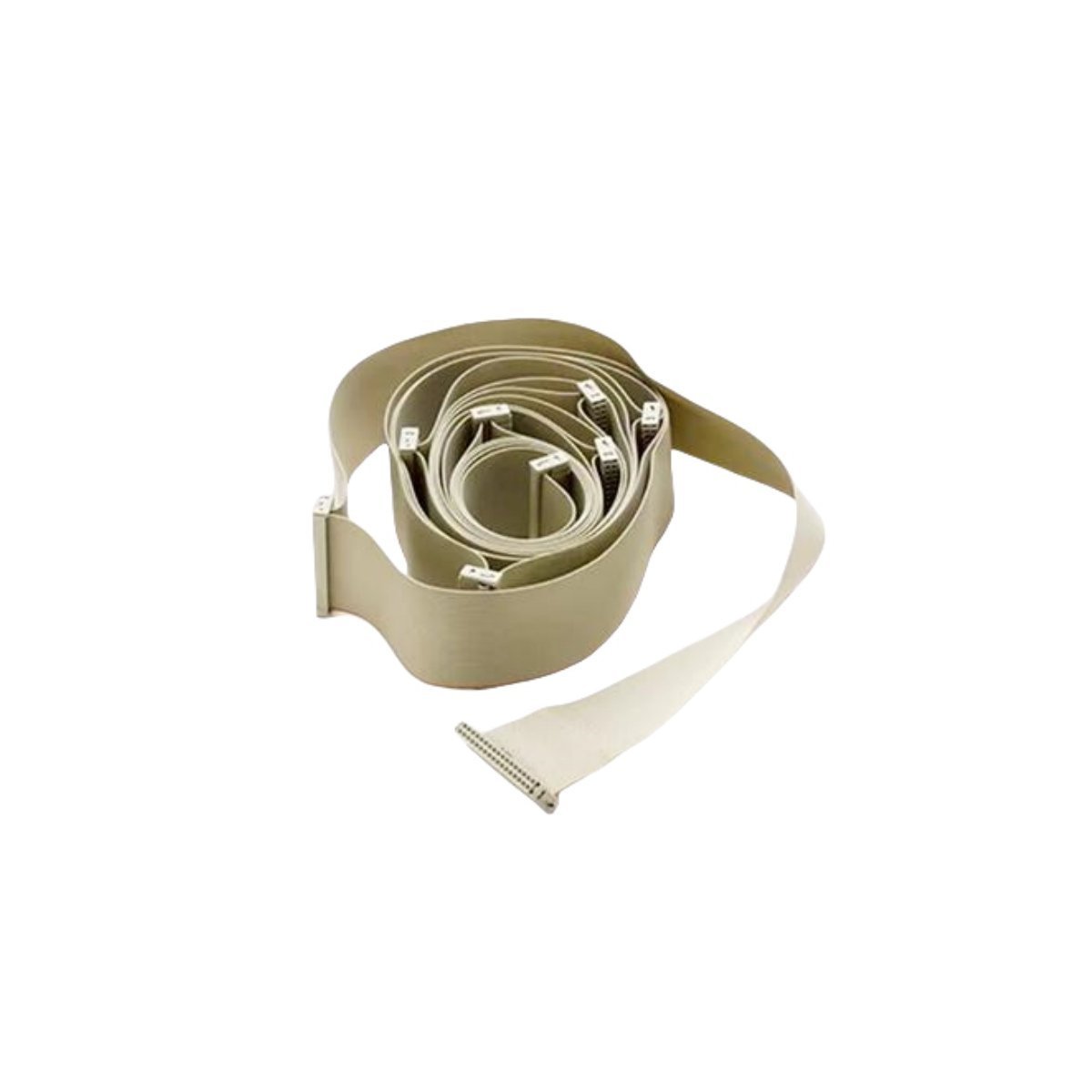
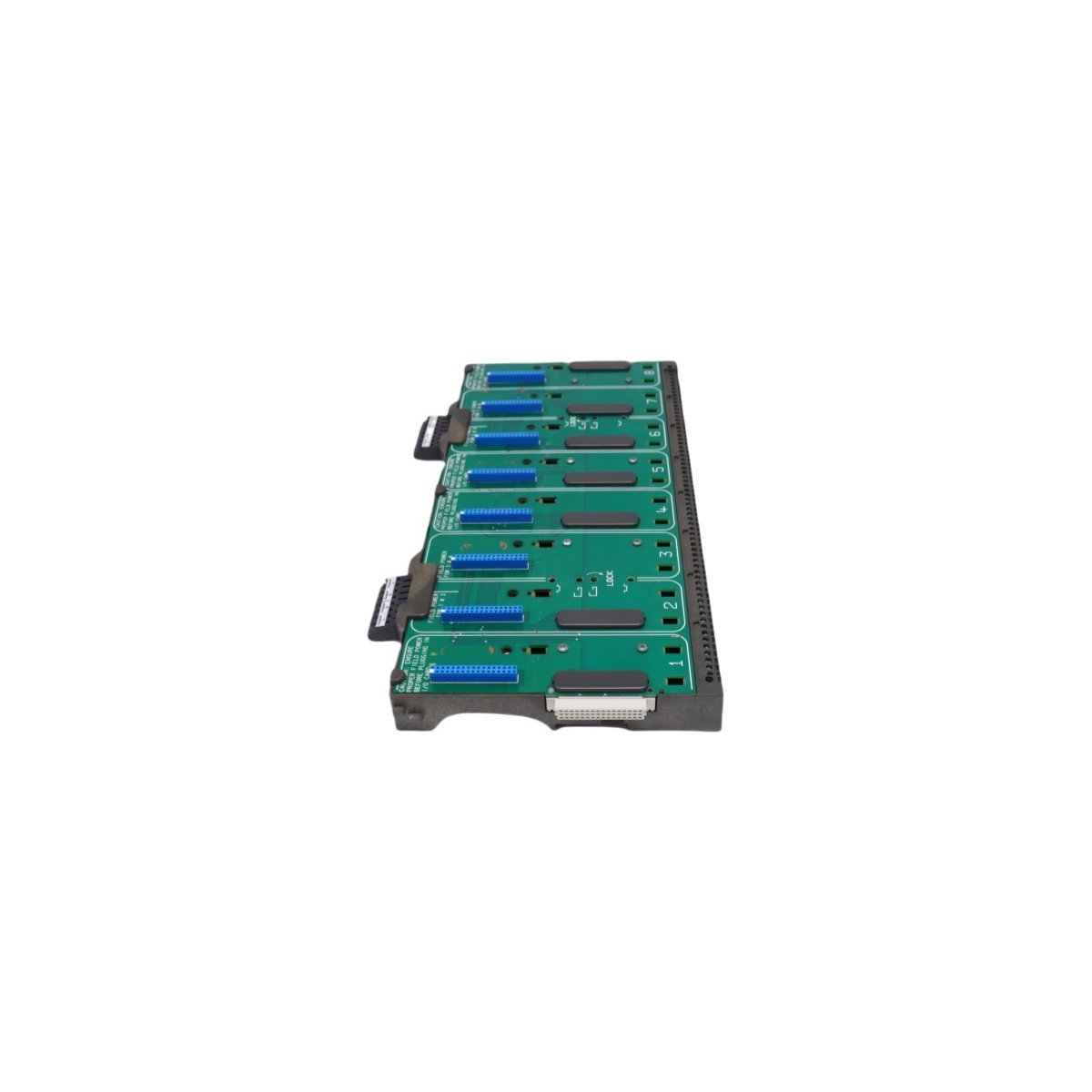
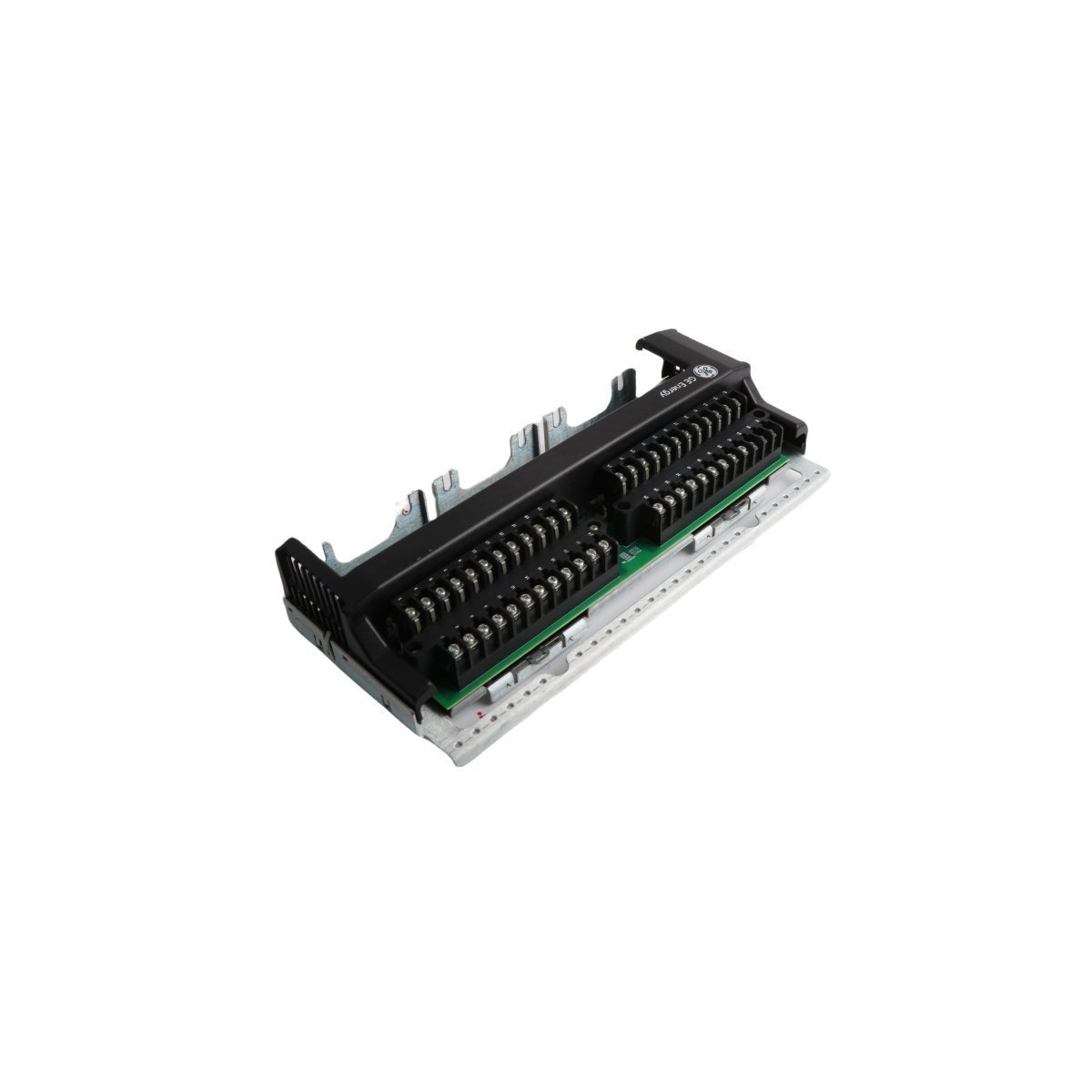
Buy new Honeywell FS-IOBUS-CPIO6 I/O Bus module. Essential for extending controller-to-I/O chassis communication in Safety Manager platforms. Features 34-pole latch connectors for positions 1 to 6. Secure original surplus ready for immediate export.
The HONEYWELL FS-IOBUS-CPIO6 is a robust I/O Bus control chassis engineered specifically for Honeywell Safety Manager systems. It acts as a vital communication link between the core controller chassis and remote or localized I/O chassis, facilitating safe, deterministic data transfer across critical industrial automation environments.
This specific module is designated for installation inside extension cabinets, handling I/O routing pathways for positions 1 through 6. It manages high-integrity signaling to expand system capacity while maintaining the stringent timing margins necessary for safety-instrumented systems (SIS).
Technical Specifications
Parameter
Specification
Model Number
FS-IOBUS-CPIO6
Manufacturer
Honeywell
Product Range
Safety Manager
Module Type
I/O BUS In Extension Cabinet (Positions 1 to 6)
Physical Dimensions
24 x 18.8 x 6.5 cm
Weight
0.4 kg
Connector Configuration
34-pole latch connectors (Male on top, Female on remaining sides)
Communication Profile
Dedicated high-speed synchronous I/O bus
Compliance & Approvals
UL Listed, CSA Certified
System Classification
Distributed Control System (DCS) / Safety Instrumented System (SIS)
Lifecycle Status
Legacy (Discontinued by manufacturer on Dec 31, 2018)
HS Code
8537101190
Functional Design & Bus Routing
The mechanical and electrical architecture of the FS-IOBUS-CPIO6 is optimized for modular multi-chassis configurations. It utilizes high-density 34-pole latch connectors to chain I/O signals through physical equipment racks.
Top Connector: Features a male 34-pole latch interface designed to receive the upstream bus link coming from the main controller or previous extension node.
Side Connectors: Feature female latching sockets to pass the buffered I/O bus signals downward or laterally to consecutive chassis racks in positions 1 through 6.
This structured vertical/lateral interconnect design eliminates complex field terminal wiring, minimizes signal attenuation, and guarantees low-latency communication loops across long, multi-rack cabinet enclosures.
Frequently Asked Questions
Q: Can the FS-IOBUS-CPIO6 be used interchangeably in any cabinet position?
A: No. The FS-IOBUS-CPIO6 is specifically mapped and electrically optimized for extension cabinet arrangements covering positions 1 through 6. Installing the module outside its designated positions can cause addressing mismatches or signal degradation on the safety bus.
Q: Since this part was discontinued in 2018, how can I ensure compatibility with existing systems?
A: As a standard hardware component of the legacy Honeywell Safety Manager platform, the FS-IOBUS-CPIO6 maintains direct drop-in backward compatibility with active Safety Manager systems using identical physical slot spacing and 34-pole ribbon cables.
Q: Does this chassis module require an independent IP address for configuration?
A: No. The FS-IOBUS-CPIO6 operates as a deterministic hardware routing layer for the internal I/O bus. It is configured transparently via the master Safety Manager engineering software through the parent controller’s hardware tree, requiring no individual network IP assignment.
Field Installation Guidelines
Chassis Alignment & Seating: Mount the module securely onto the cabinet subpanel or DIN rail support frame. Ensure all locking tabs are engaged to prevent vibration-induced signal dropouts.
Cable Strain Relief: When routing the heavy 34-pole flat ribbon cables into the male and female latch connectors, always apply proper strain relief loops. Avoid tight bends that can damage the internal conductor foil.
Bus Termination Verification: Always verify that the final downstream chassis in the extension loop is terminated properly according to Honeywell Safety Manager specifications to suppress signal reflections on the I/O bus.
Static Discharge Precautions: Handle the module using appropriate ESD (electrostatic discharge) wrist straps during installation or replacement to prevent damage to the backplane communication logic.
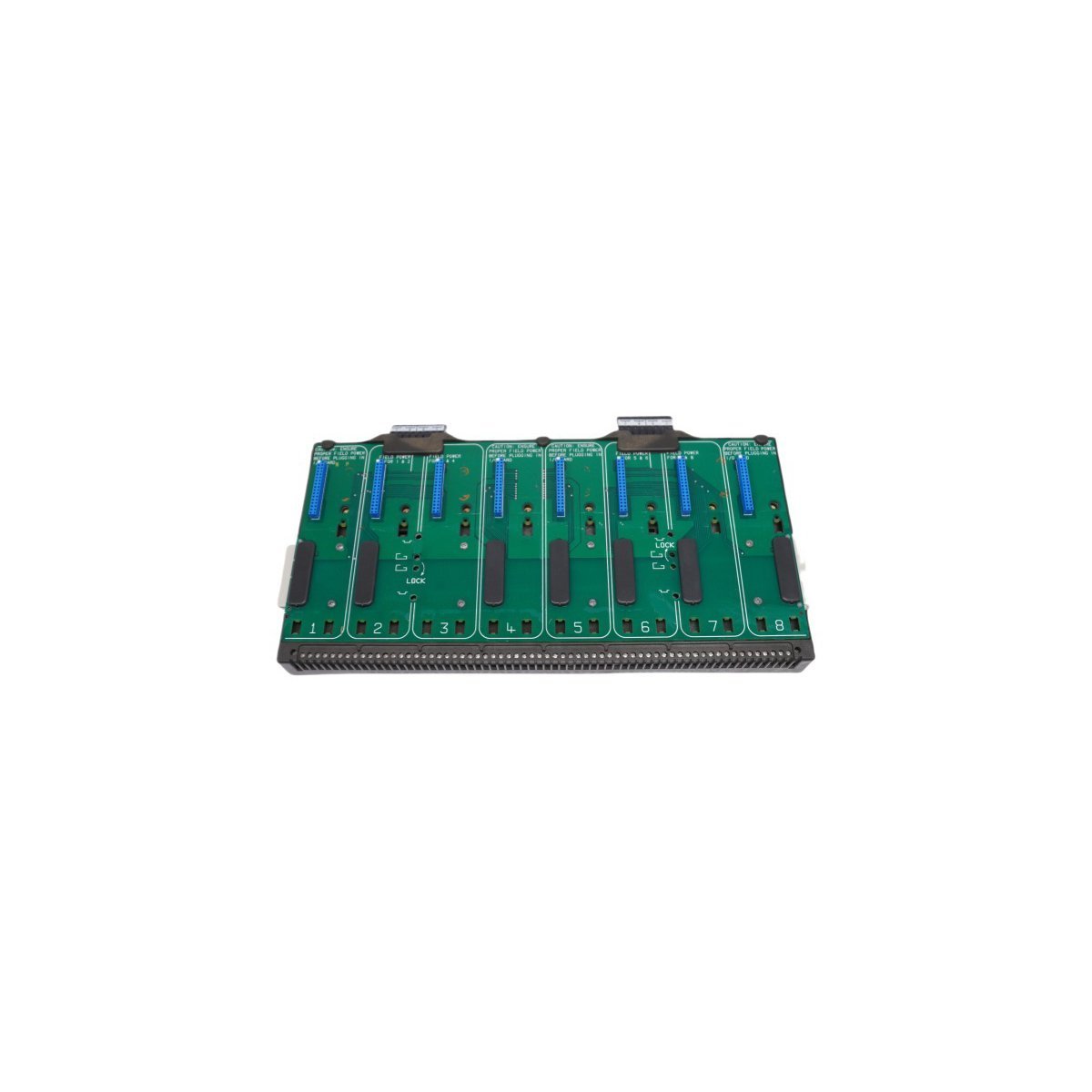
Configured for high-density signal distribution in DeltaV M-series I/O Subsystem networks, the Emerson KJ4001X1-BE1 12P0818X072 (KJ4001X1-BE1 8-Wide IO Carrier) provides direct physical/electrical execution.
Suffix Breakdown & Model Matrix
Model
Description
KJ4001X1-BE1
DeltaV M-series 8-wide I/O carrier with integrated shielding
The KJ4001X1-BE1 acts as the physical backbone for M-series I/O card mounting and signal termination. This carrier features a shielded design to isolate backplane communications from external electromagnetic interference (EMI). It supports 8-wide module placement, facilitating high-density I/O configurations while maintaining strict electrical separation between signal loops. The carrier integrates with the DeltaV system bus to manage data throughput and power distribution across all installed I/O modules. Users must adhere to proper shielding ground practices to ensure the 4-20 mA HART loop protocol signals maintain their rated accuracy during transmission.
Frequently Asked Questions
Q: Does the carrier support hot-swapping of I/O modules?A: Yes, the DeltaV M-series backplane architecture supports the removal and insertion of I/O modules while the carrier is energized, provided the specific I/O module type allows for such operations under the defined safety and process conditions.Q: How does the integrated shielding function?A: The carrier incorporates a conductive chassis plane that connects to the system earth ground. This plane acts as an EMI shield for the underlying bus communication traces, preventing noise coupling into sensitive analog input circuits.
Field Installation Guidelines
Mount the carrier horizontally on a standard DIN-rail or chassis plate within the control cabinet.
Verify that the carrier backplane ground lug connects securely to a low-impedance earth ground to satisfy EMI protection requirements.
Ensure all I/O modules seat firmly into the connector slots to prevent backplane bus communication timeouts or intermittent signal loss.
Maintain adequate clearance above and below the carrier to facilitate heat dissipation and cabling access.
Inspect all terminal blocks for loose connections after installation to ensure low-resistance contact for all signal and power circuits.
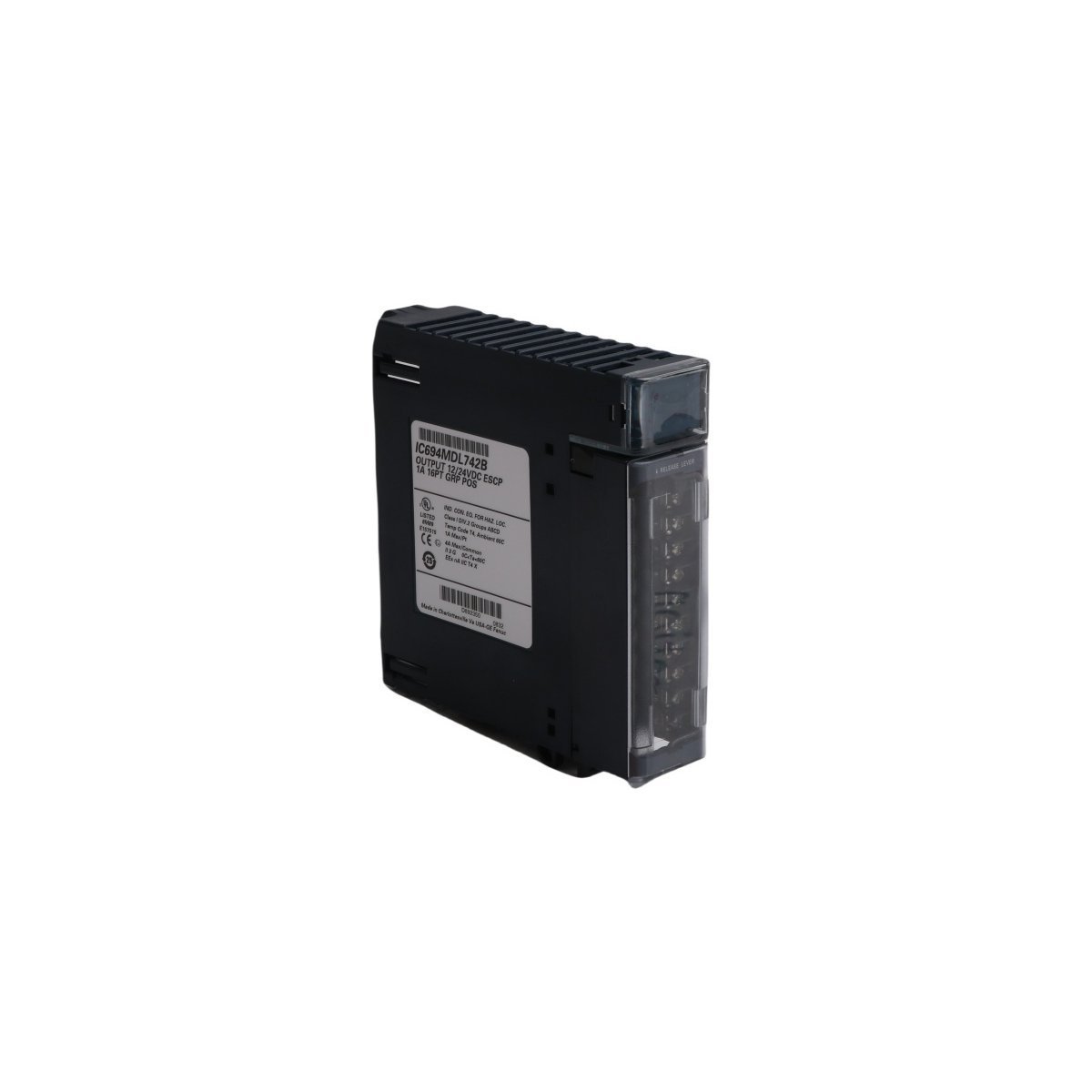
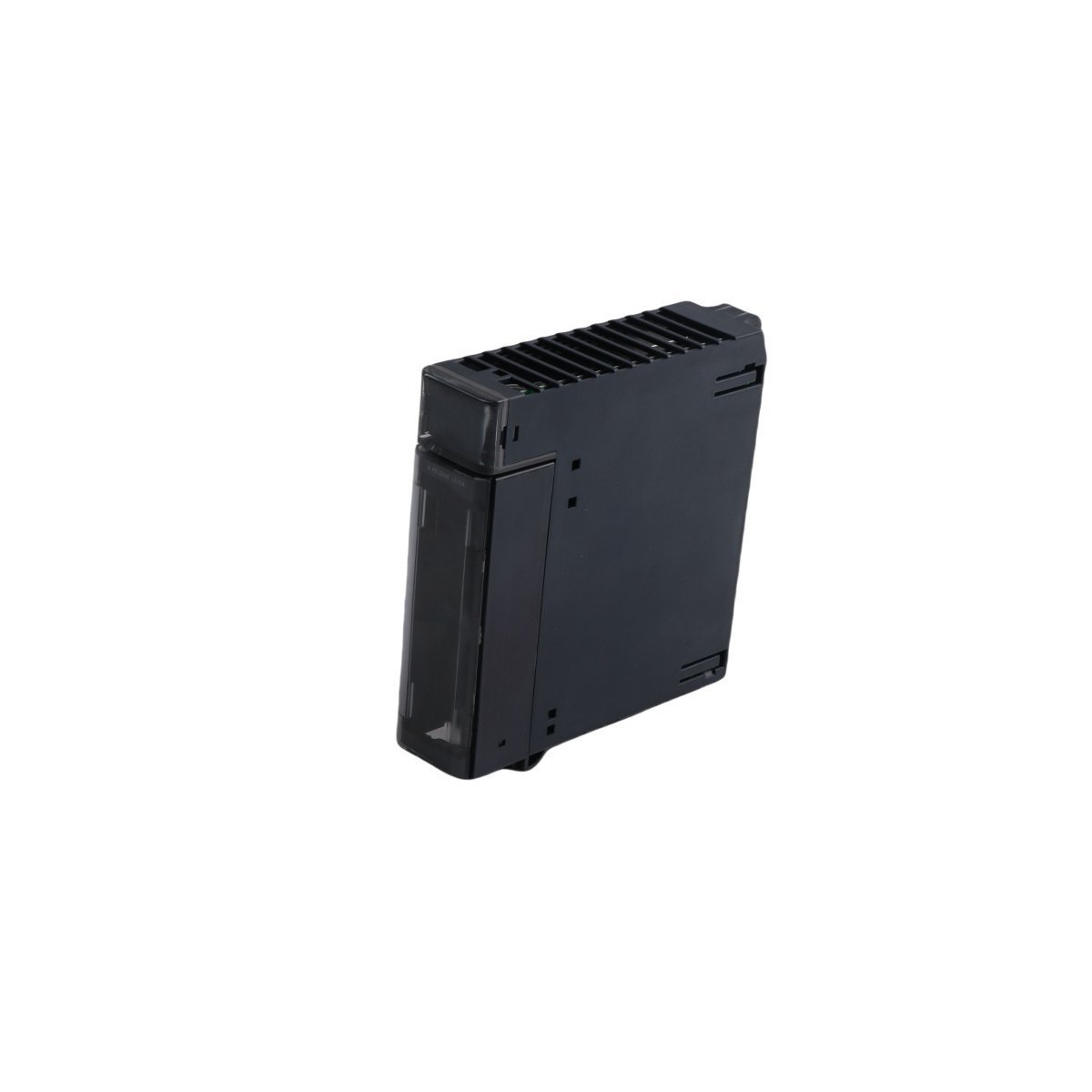
Purchase the genuine GE IC694MDL742 PACSystems RX3i discrete sinking voltage output module. Available in brand new original stock condition with global shipping availability. Contact technical support to secure fully tested industrial control hardware.
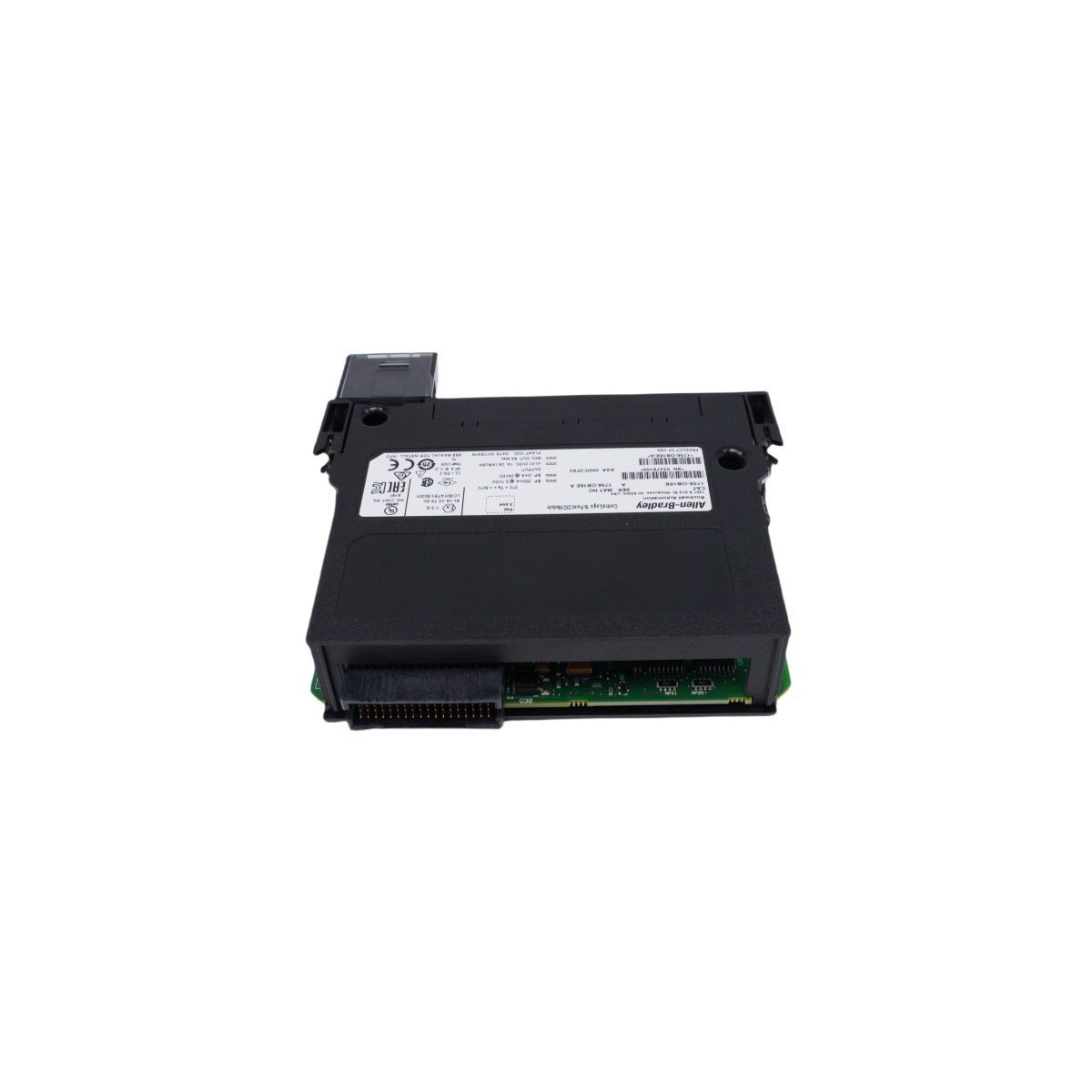
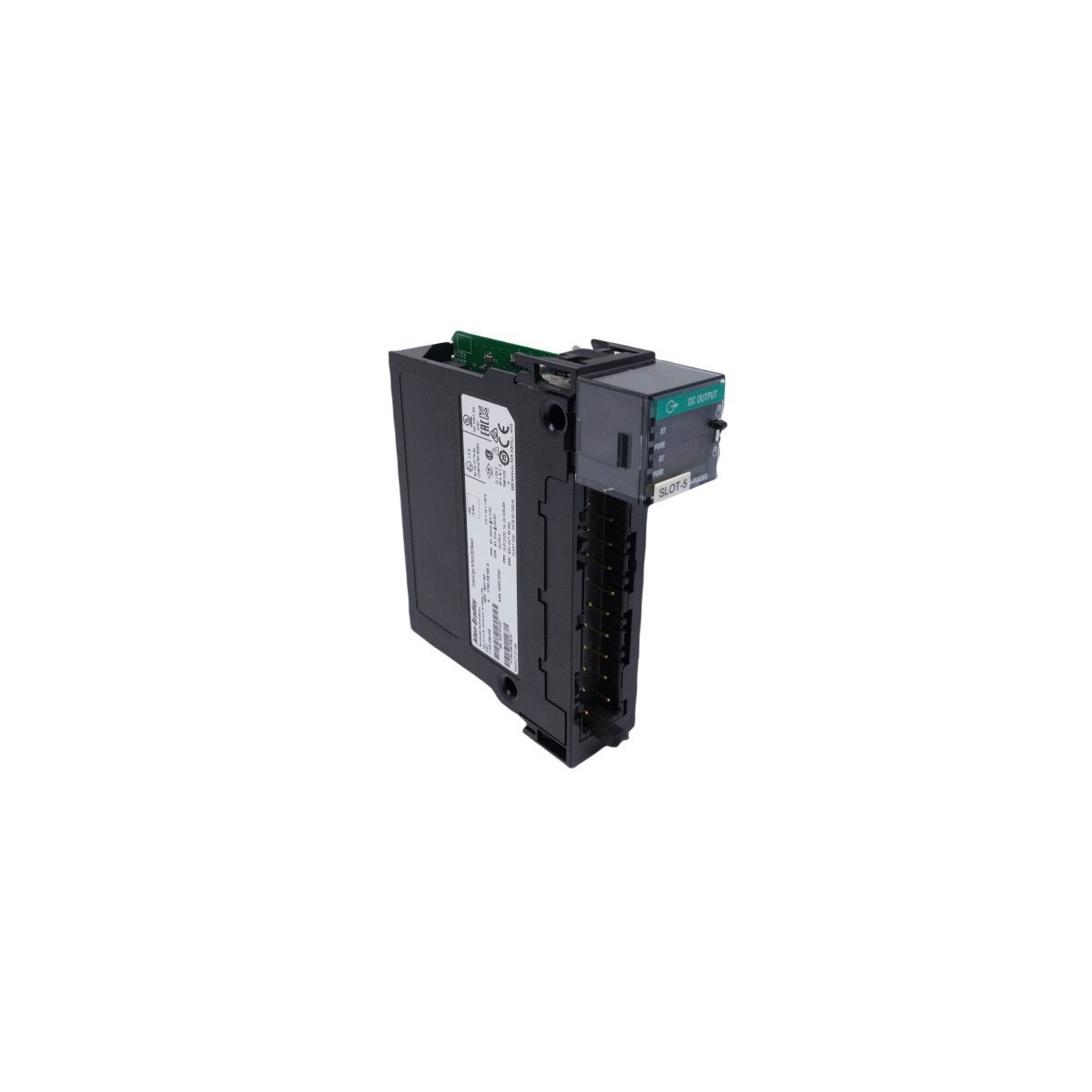
Get the genuine Allen-Bradley 1756-OB16E ControlLogix Discrete Output Module featuring 16 electronically fused points and 24 VDC sourcing outputs. Discontinued Spare, Original Surplus with Global Shipping. Minimize automation downtime now.
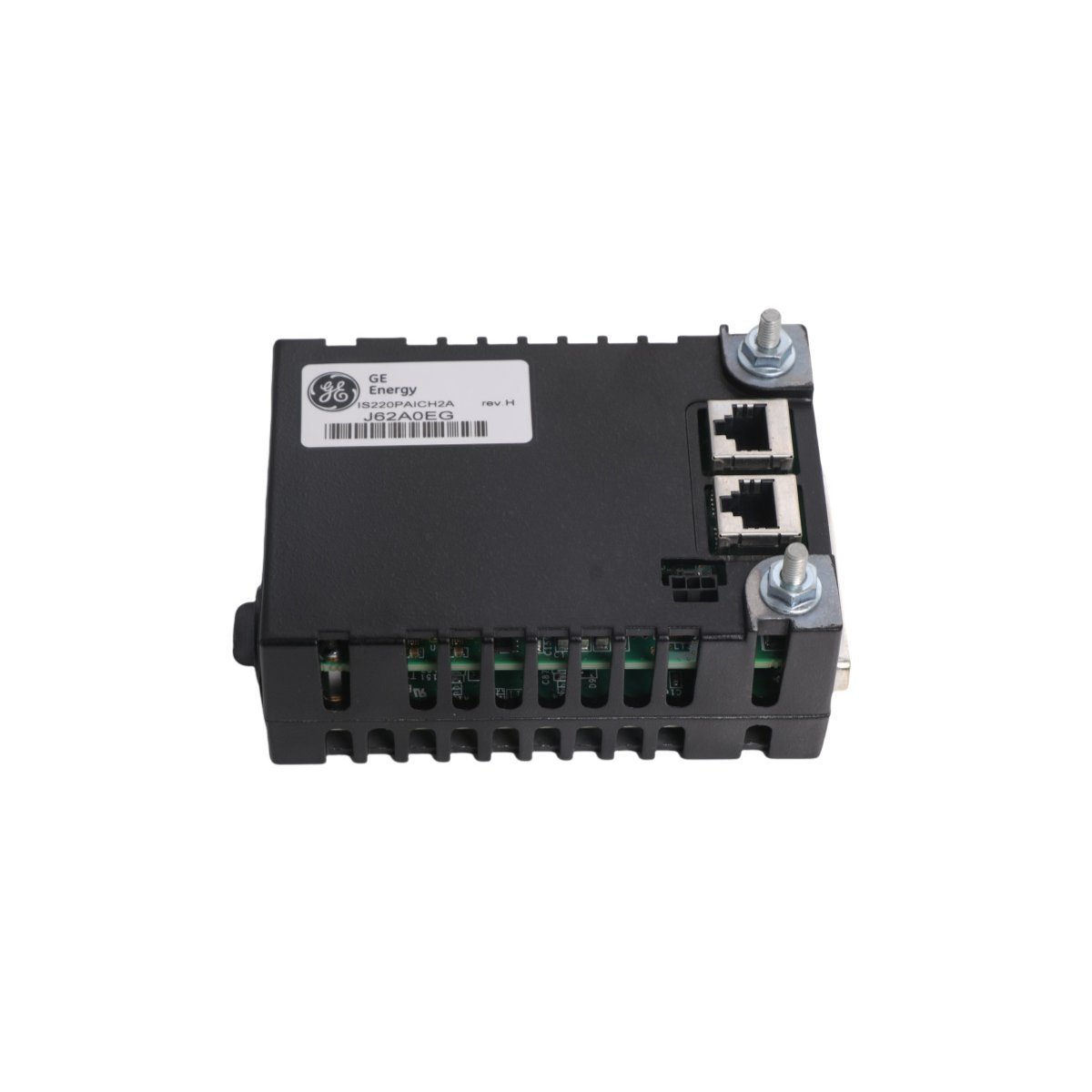
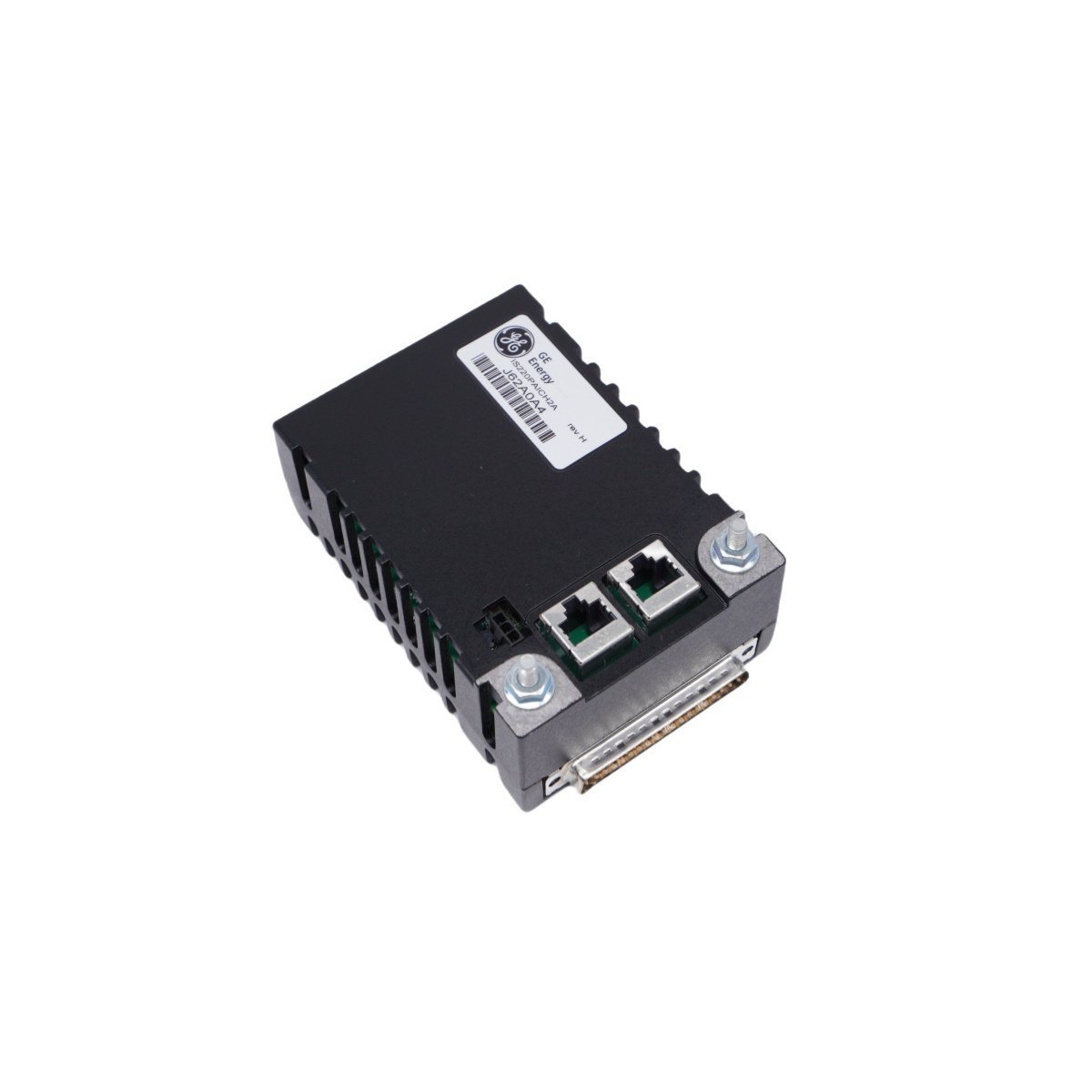
The GE IS220PAICH2A is a high-performance analog I/O pack for Mark VIe turbine control systems. It features 10 configurable analog inputs and 2 current loop outputs, supporting both simplex and TMR configurations for critical process control and monitoring.
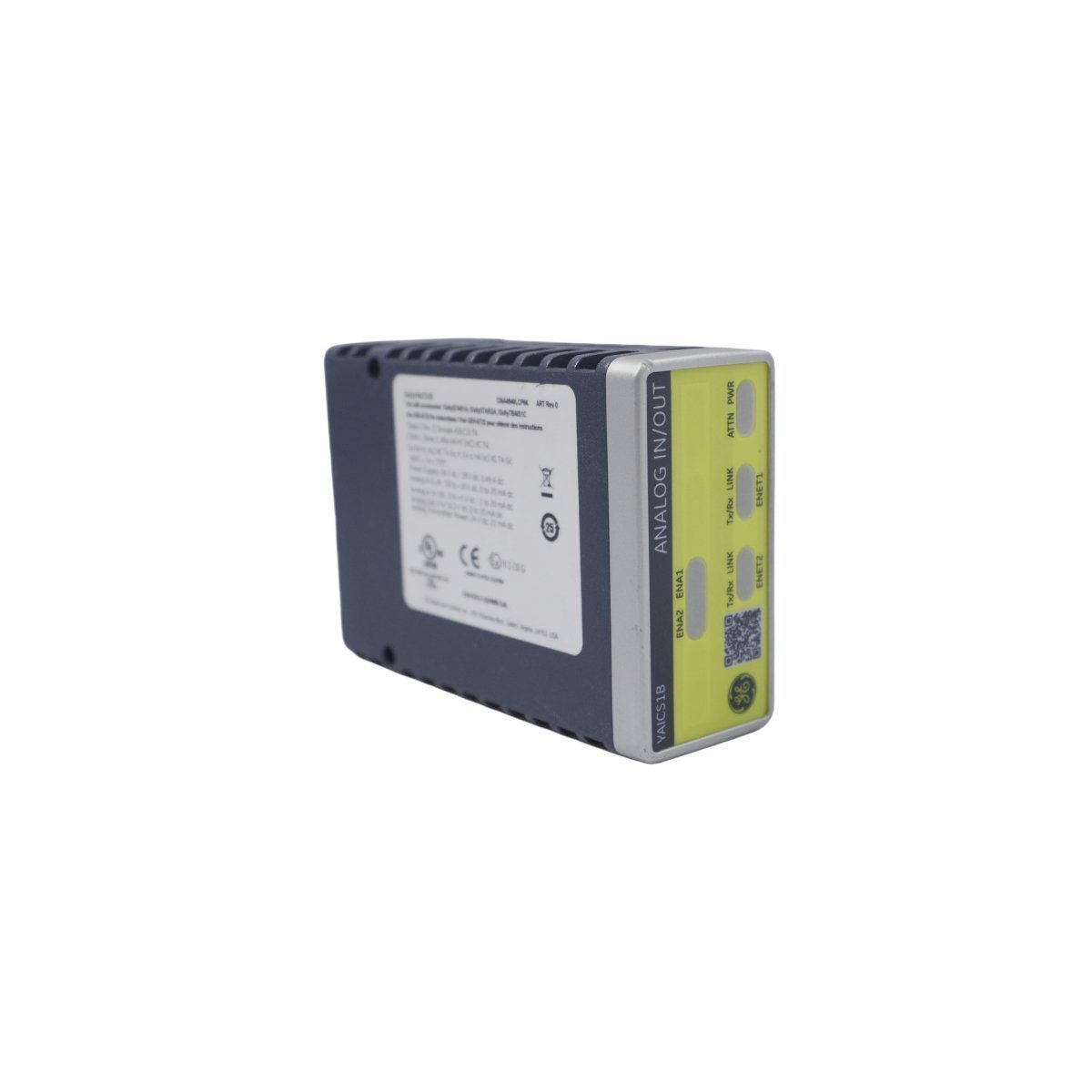
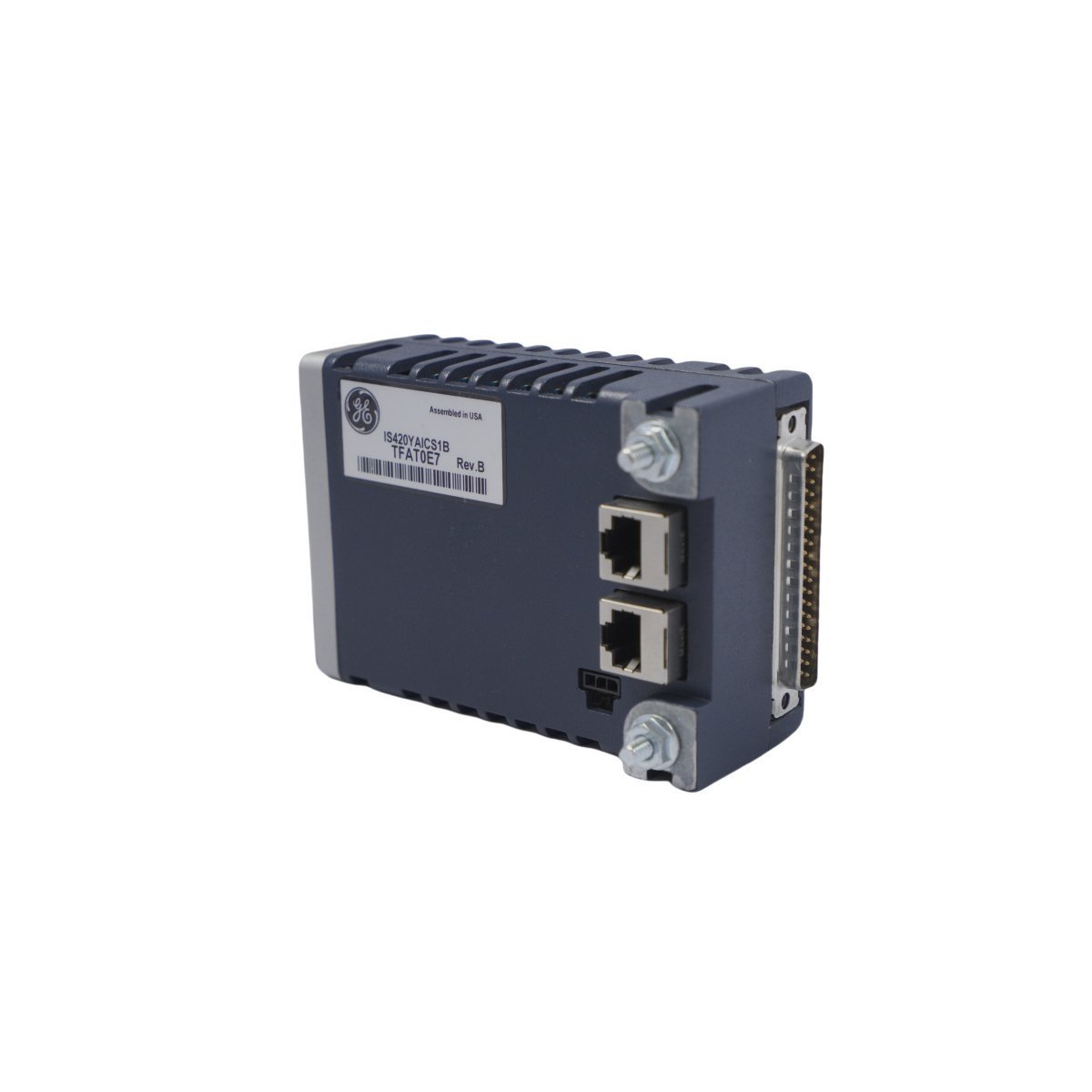
The GE IS420YAICS1B is a high-performance analog I/O pack designed for Mark VIe and EX2100 turbine control systems. It features 10 configurable input channels, dual Ethernet connectivity, and advanced self-diagnostic capabilities to ensure reliable signal acquisition.
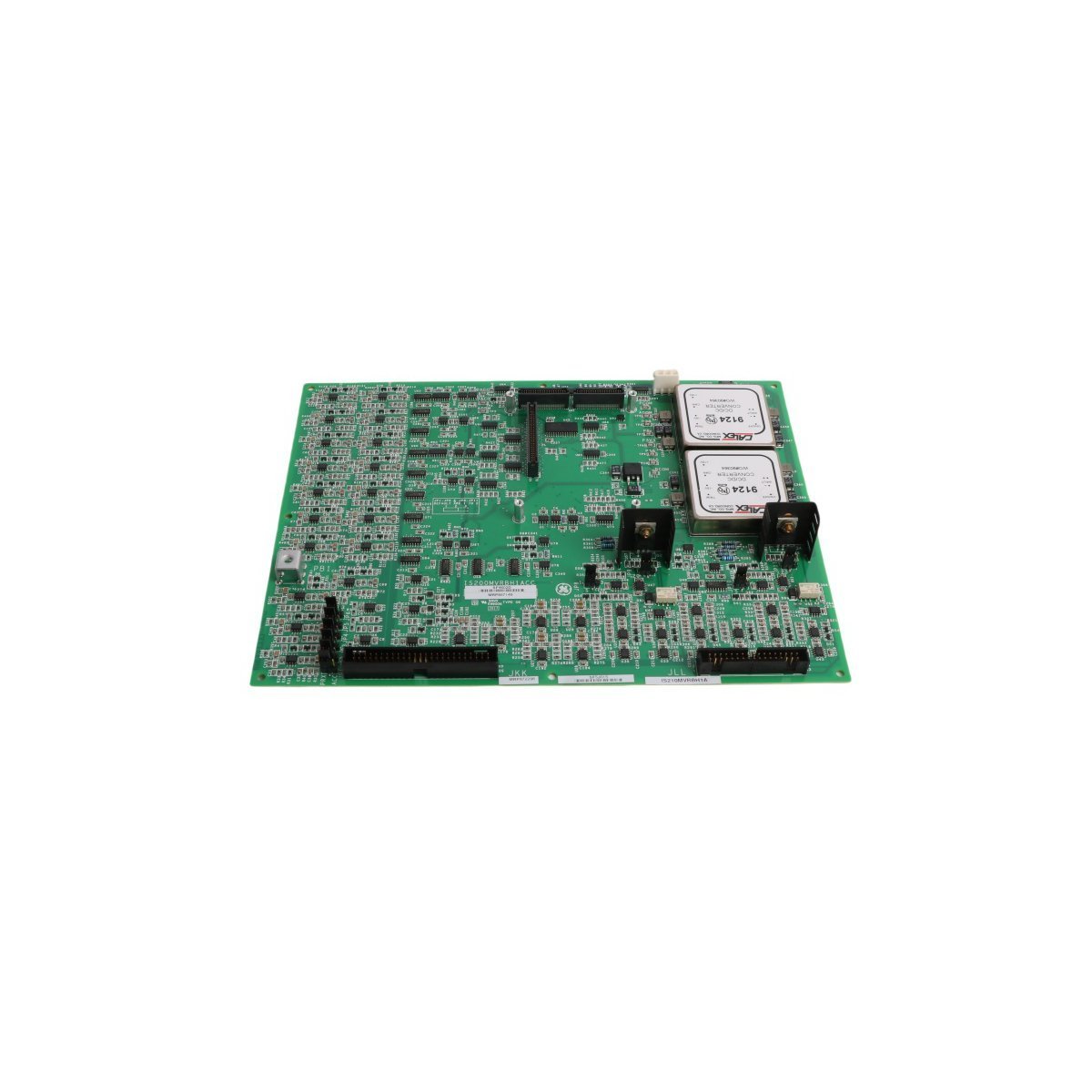
The GE IS210MVRBH1A is a high-accuracy I/O interface board for Mark VIe systems. It supports R/S/T signal processing, real-time thermal monitoring, and IONet connectivity.
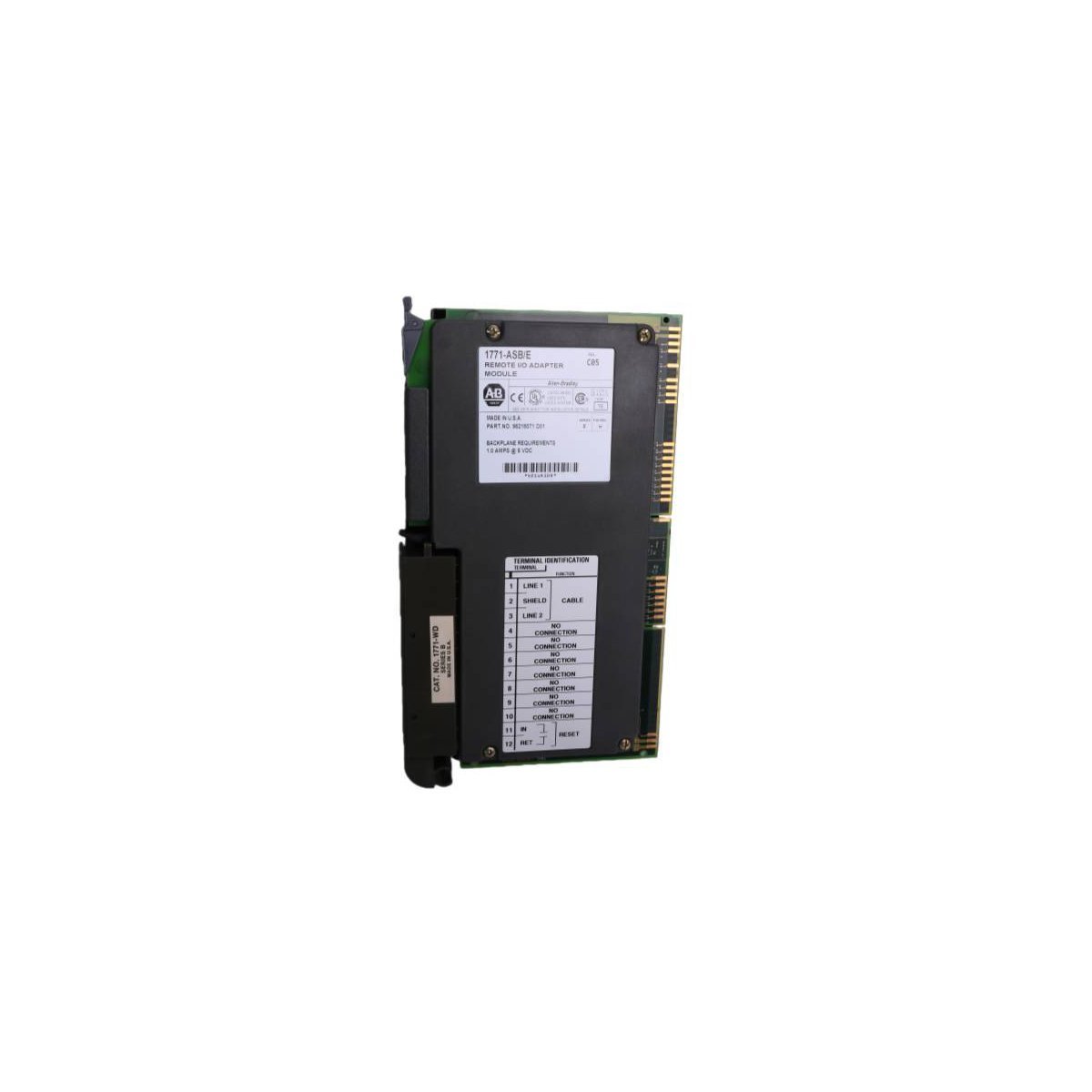
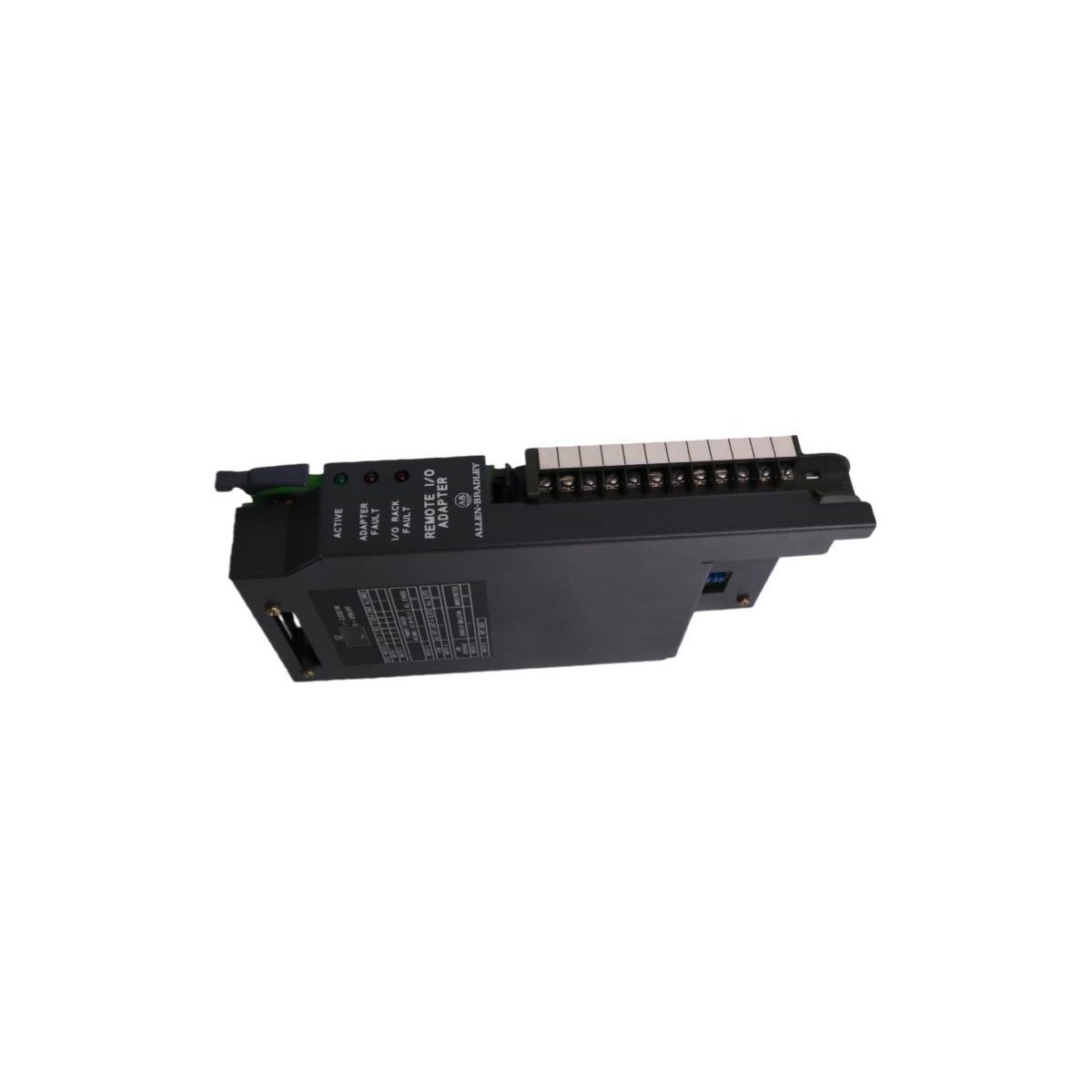
The Allen-Bradley 1771-ASB/E is a universal Remote I/O adapter module for PLC-5 systems, designed to enable efficient distributed I/O communication and diagnostics.
The GE IS200SCSAS1AEB is a Simplex Serial Communication (SSCA) I/O board for Mark VIe systems. It supports six channels of RS-232, RS-485, and RS-422 communication, featuring an on-board ID chip for automated diagnostics and flexible DIN-rail or cabinet mounting options.
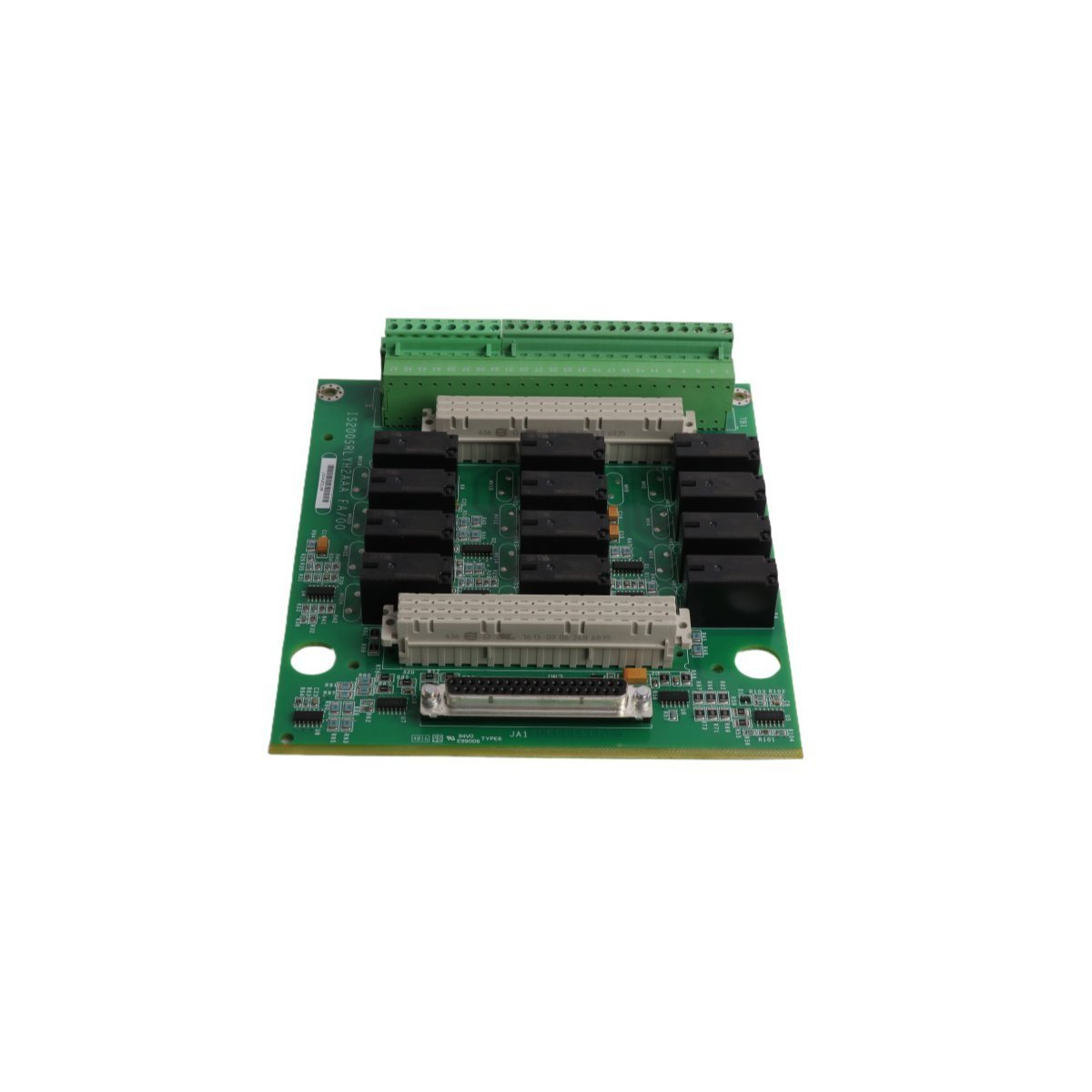
The GE IS220PDIOH1A is a high-performance Mark VIe Discrete I/O module providing 24 contact inputs and 12 relay outputs. Featuring dual Ethernet redundancy and opto-isolation, it ensures reliable digital signal management for gas turbine and DCS applications.
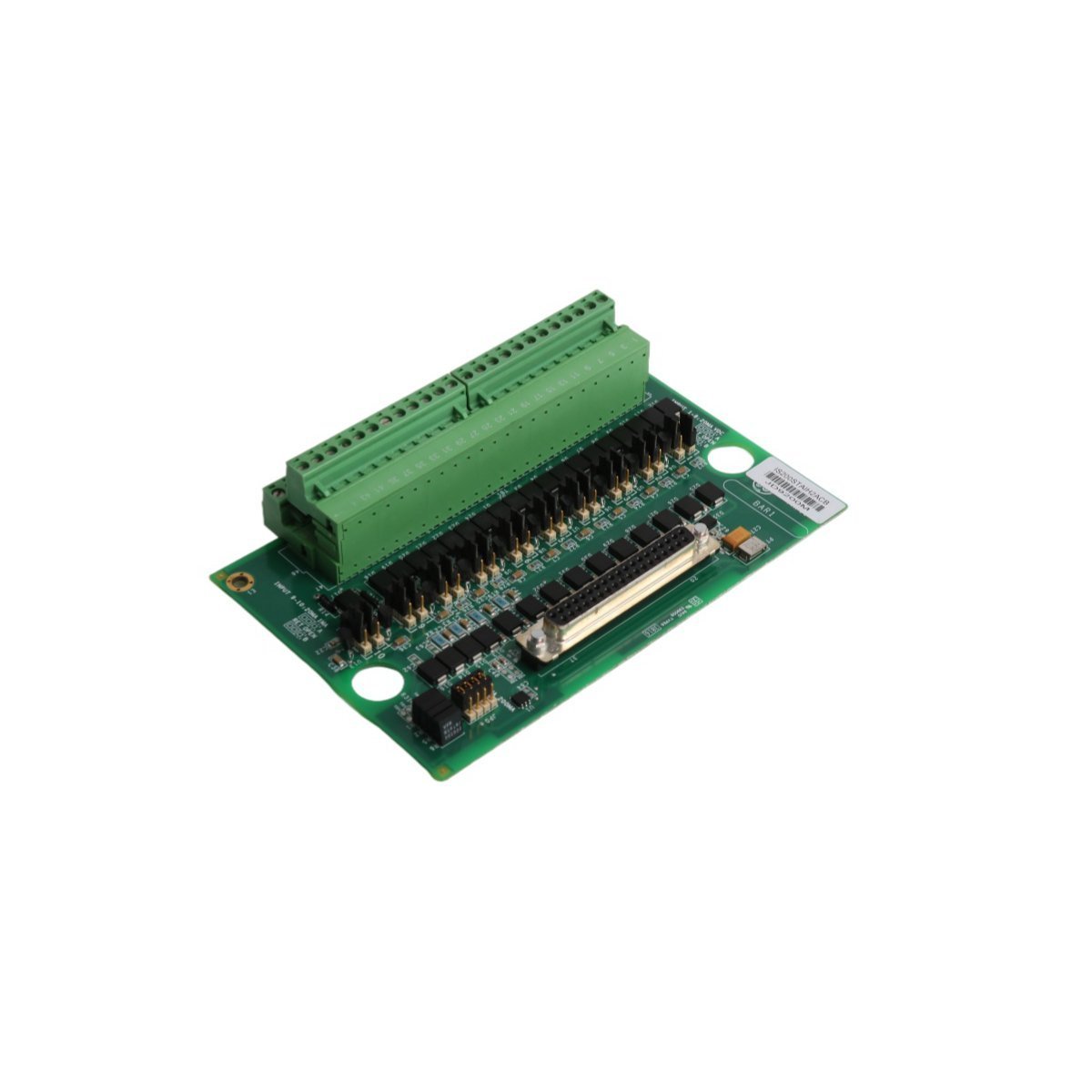
The GE IS200TBAIS1C is a versatile Analog I/O Terminal Board for the Mark VIe series, supporting both Simplex and TMR configurations. It features three DC-37 pin connectors, an integrated ID chip for automated diagnostics, and high-precision current monitoring, making it an essential component for reliable turbine control and signal processing.
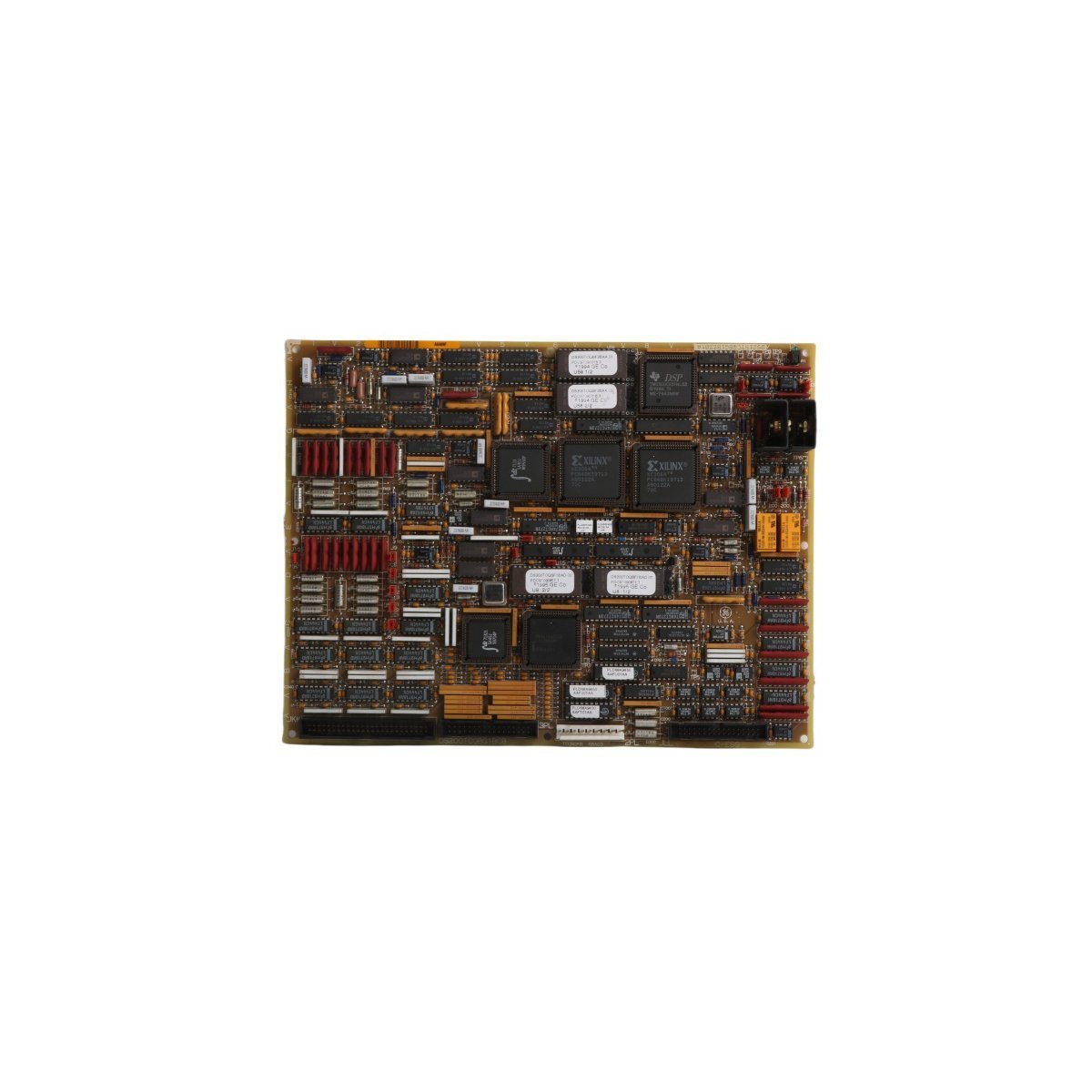
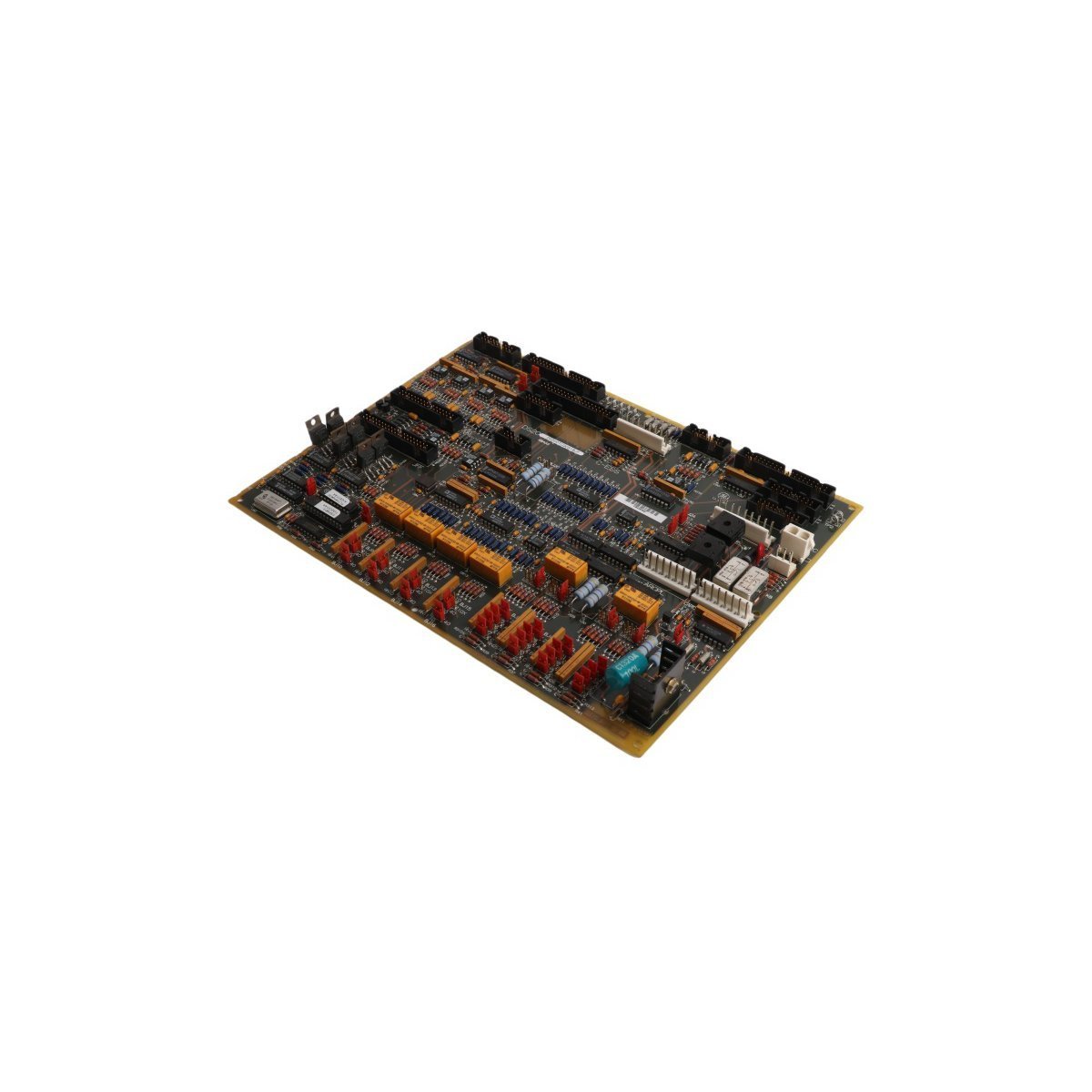
The GE DS200TCQBG1BCB is a 12-channel RST Extended Analog I/O Board for the Speedtronic Mark V turbine control system. It features a programmable logic device, EPROM modules, and support for proximity and accelerometer sensors. This G3-rated board ensures precise data acquisition and supports Triple Modular Redundancy for mission-critical industrial applications.
The GE DS200TCQCG1BJF (TCQC) is a 32-channel Analog I/O Expander Board for the Speedtronic Mark V control system. It provides LVDT/LVDR excitation, scales 4–20 mA megawatt signals, and manages pulse rate inputs for turbine shaft speed. This RST Overflow board supports redundant architectures and features 24 jumpers for precise hardware configuration in demanding power generation environments.
We are committed to protecting your privacy. The information collected here is strictly used to provide the requested quotes, technical support, and relevant industrial automation solutions.