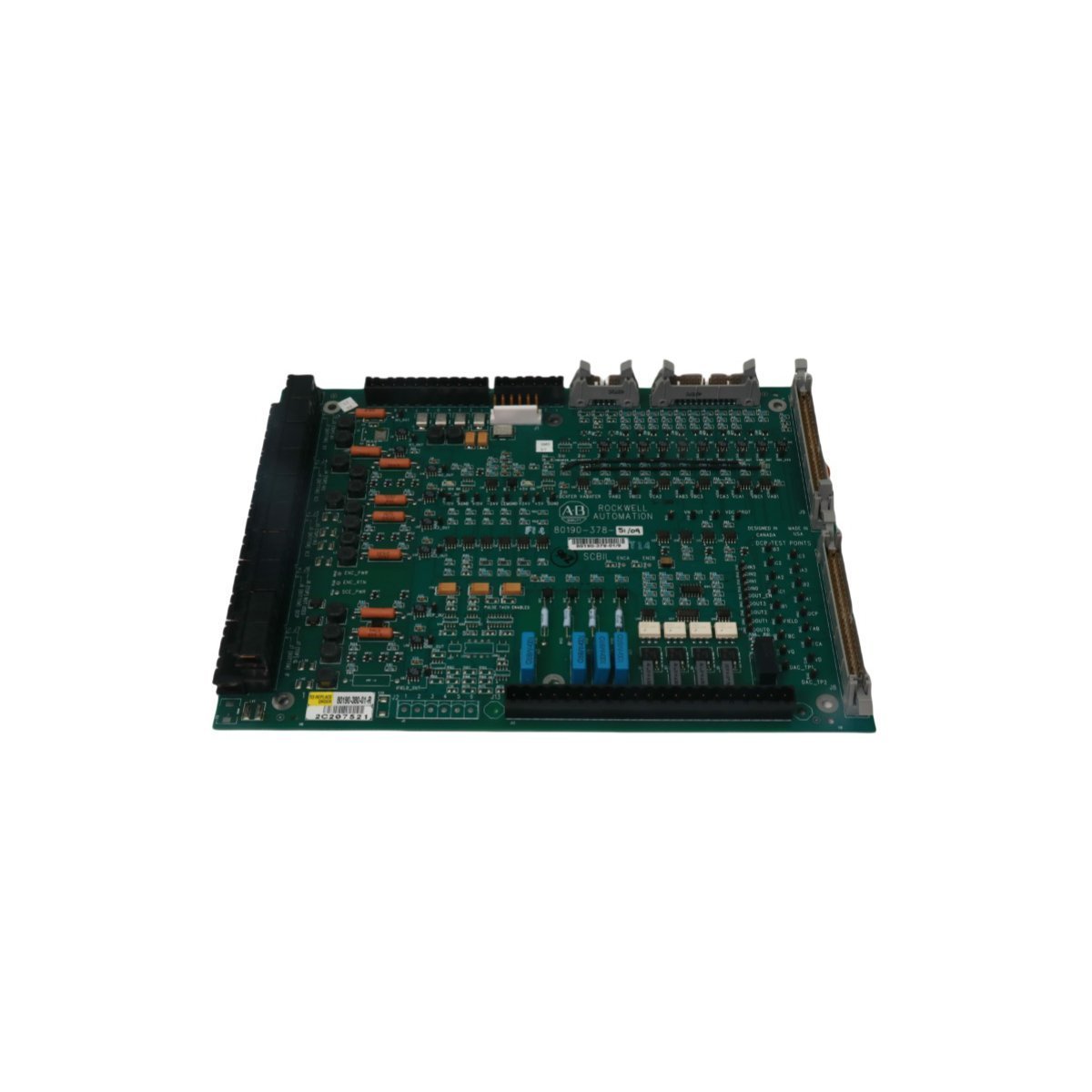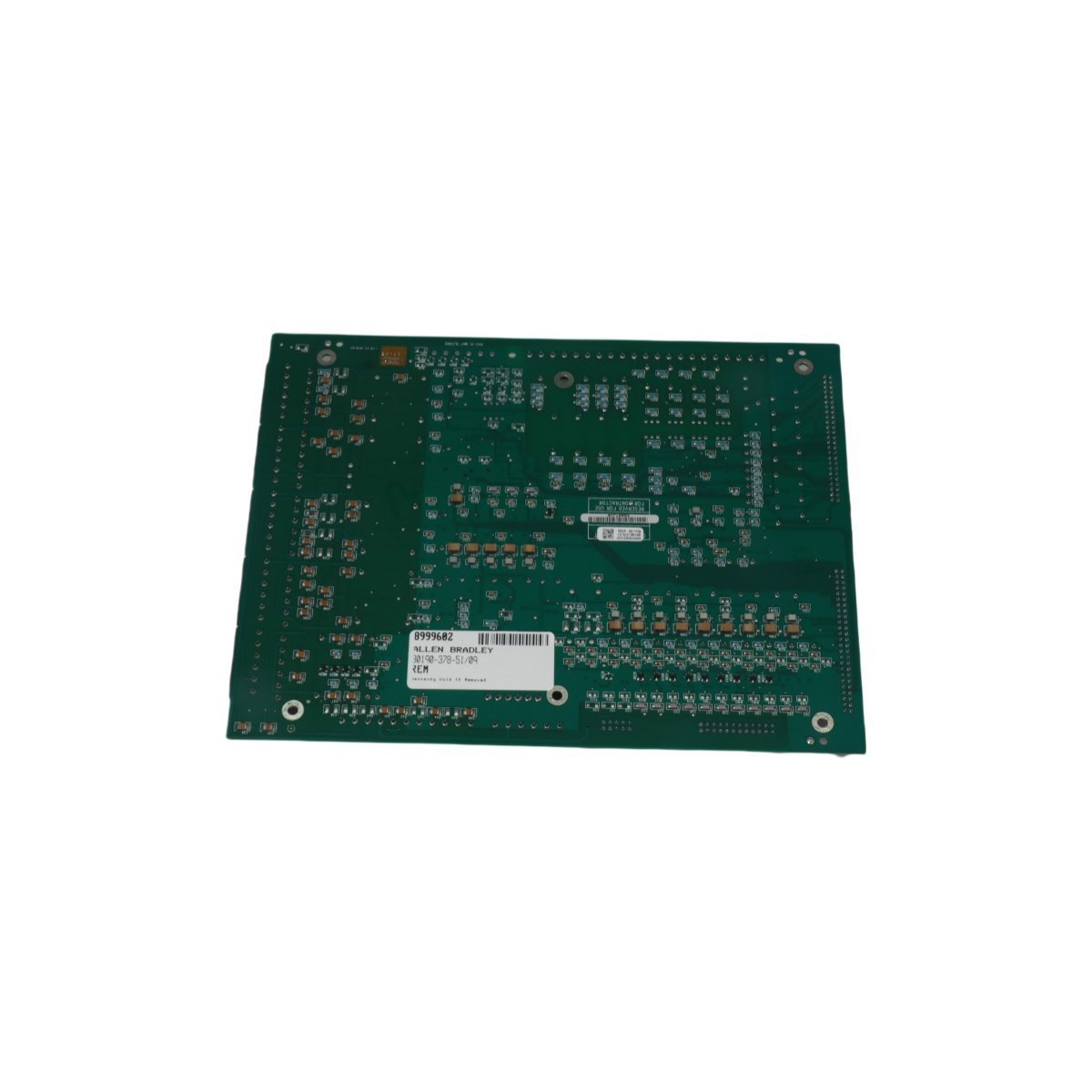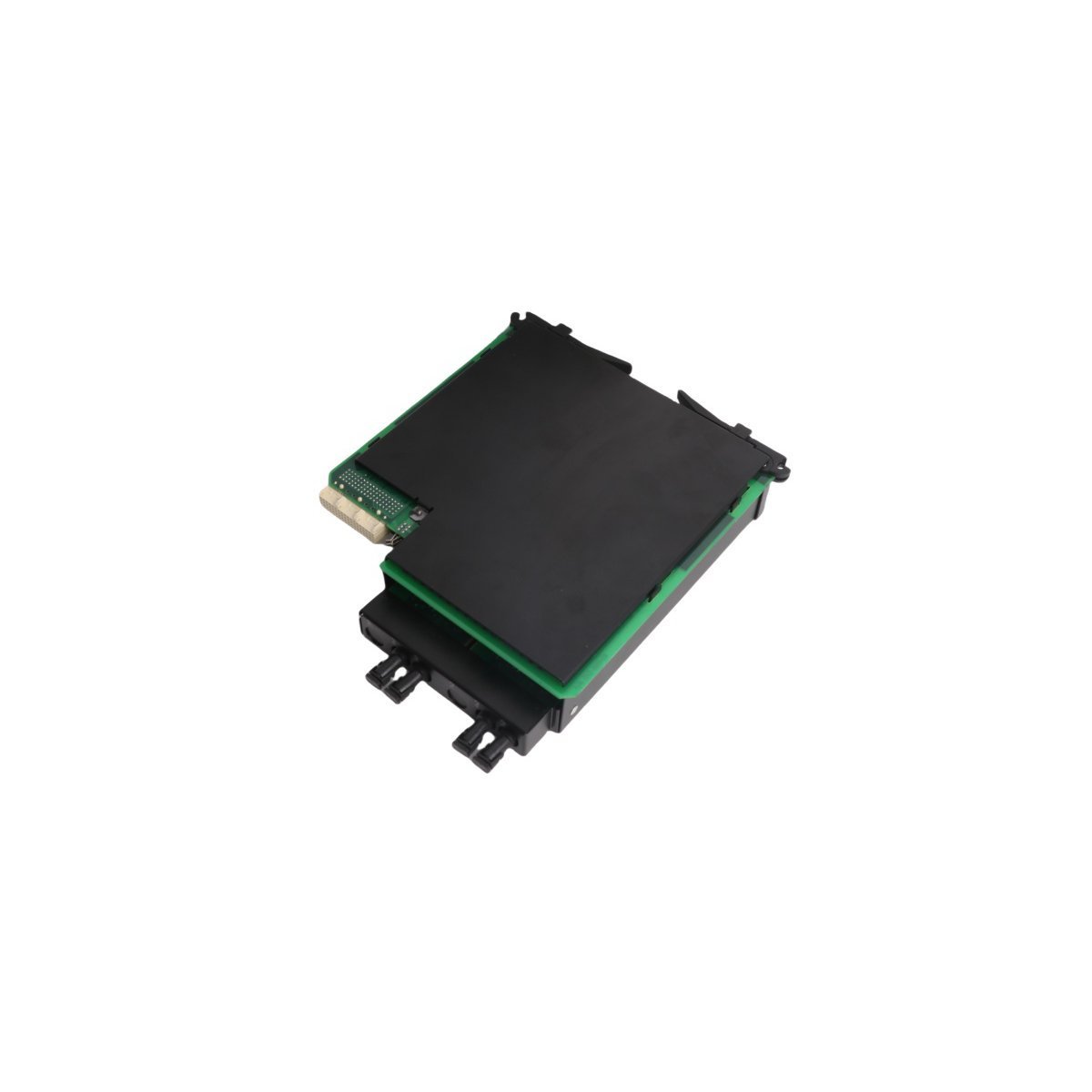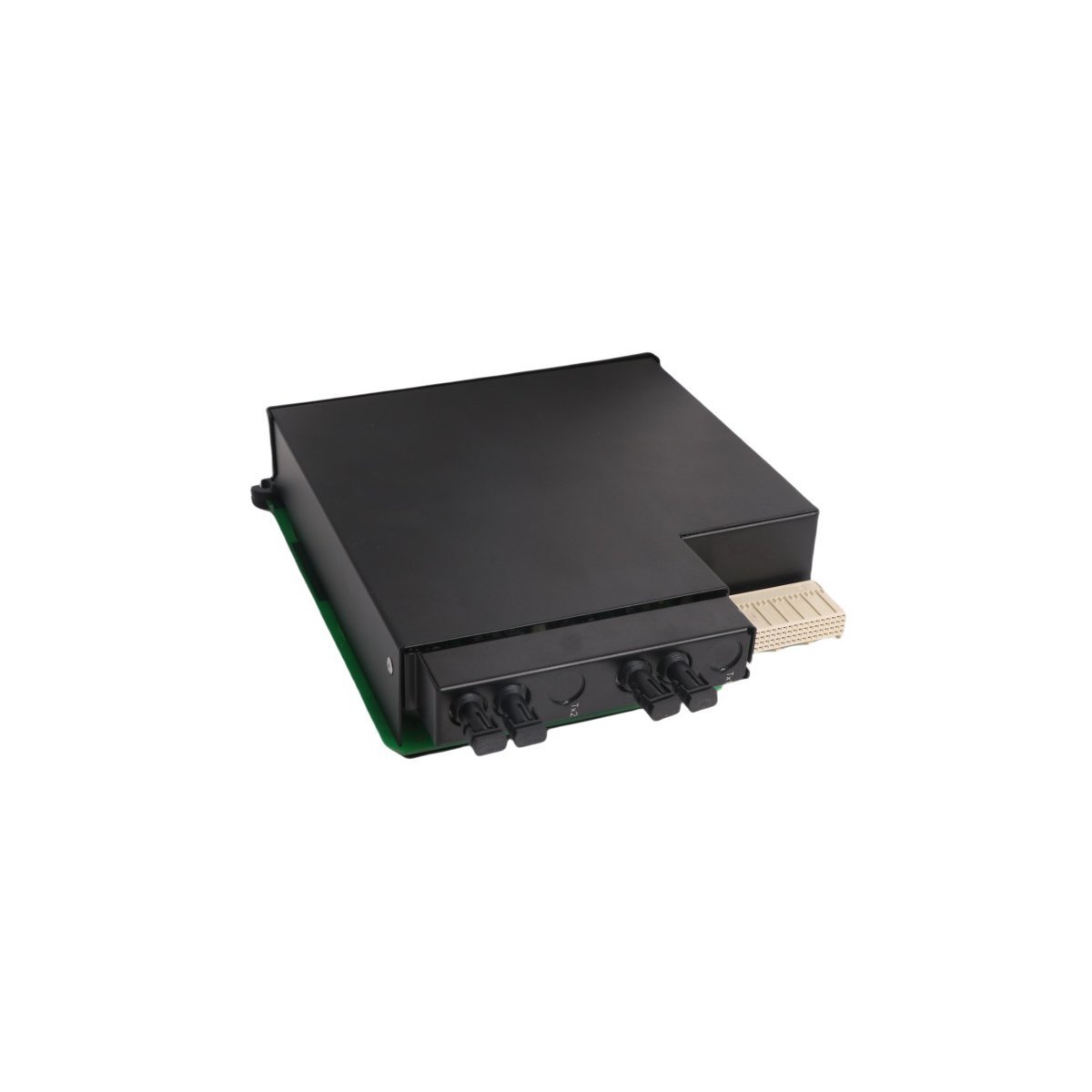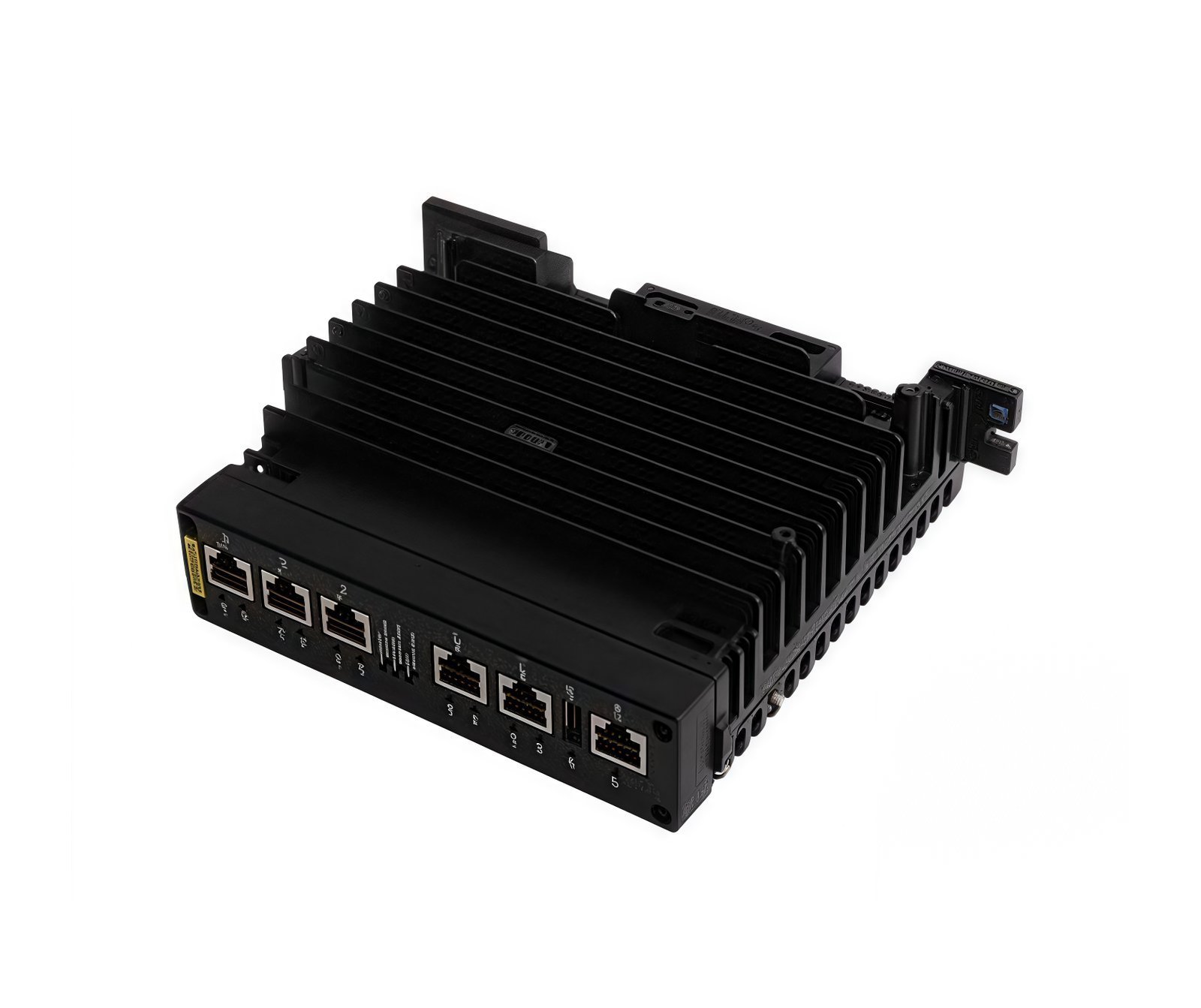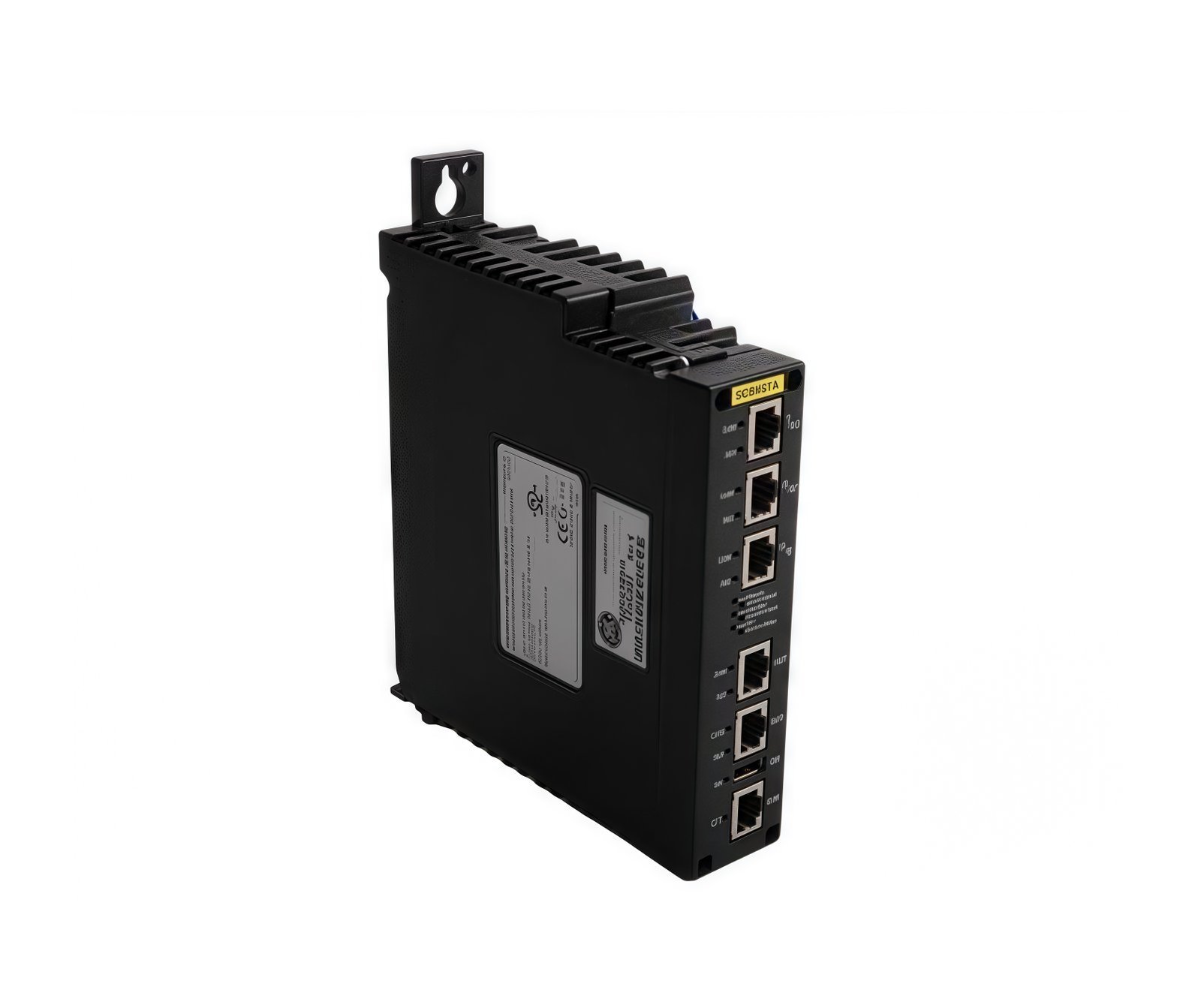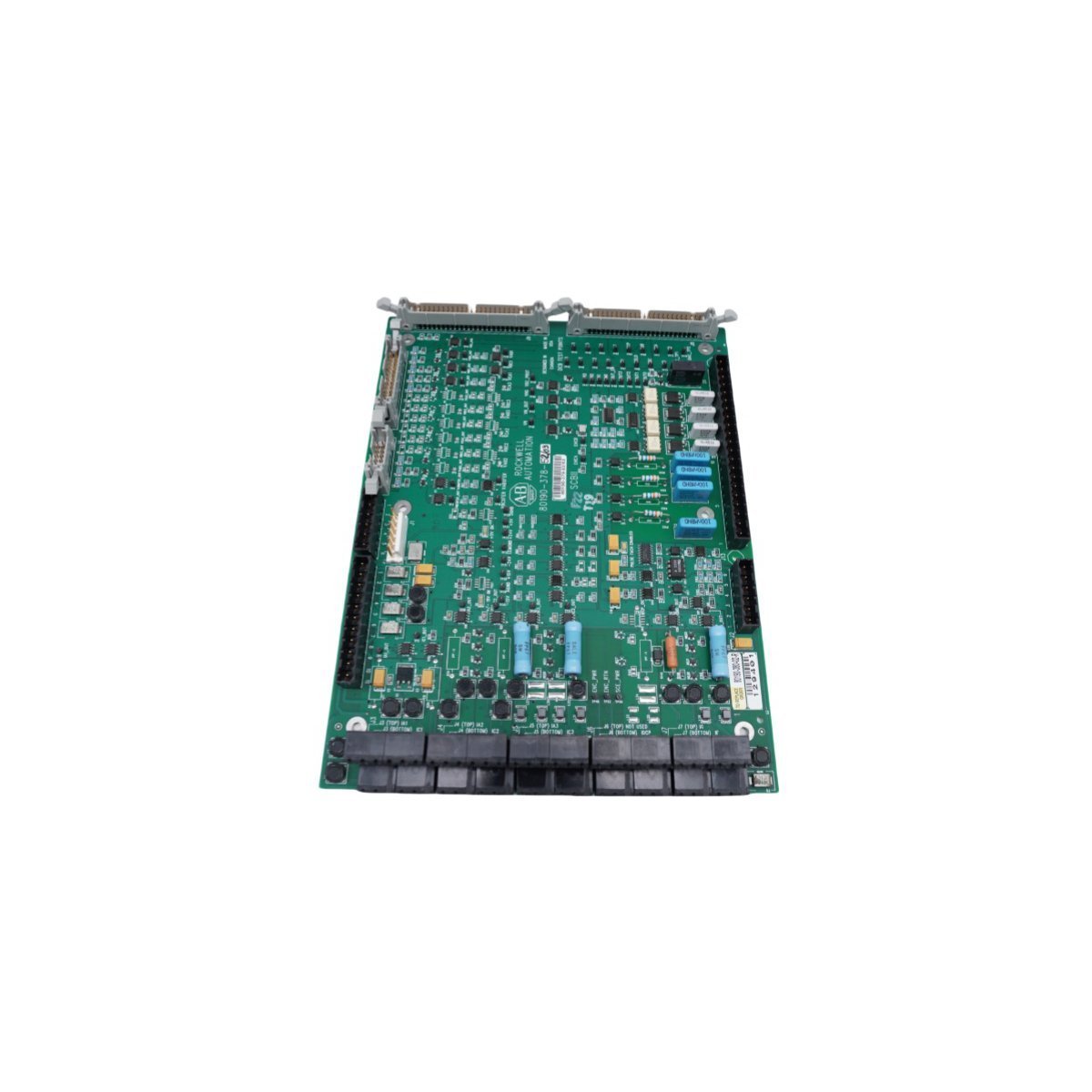
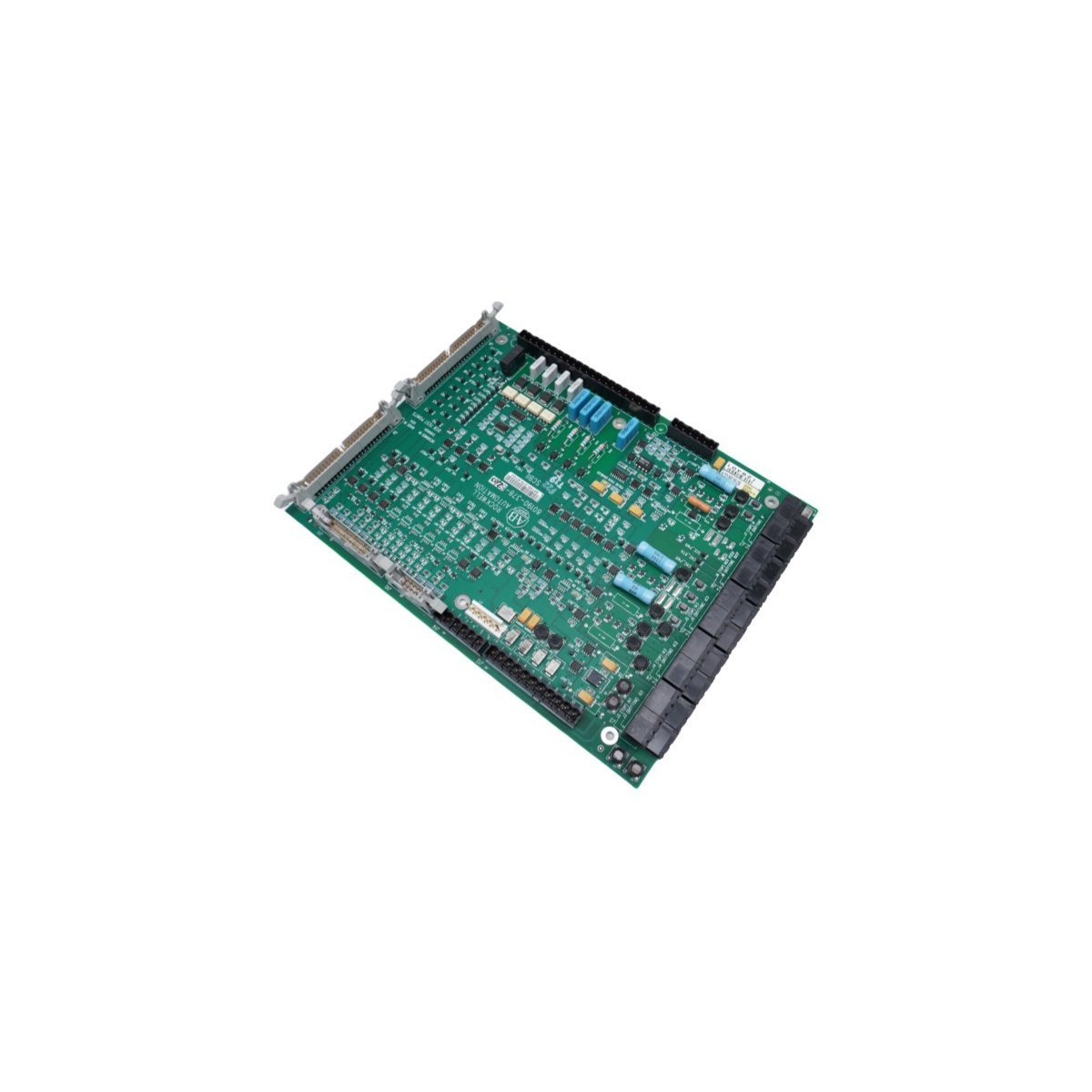
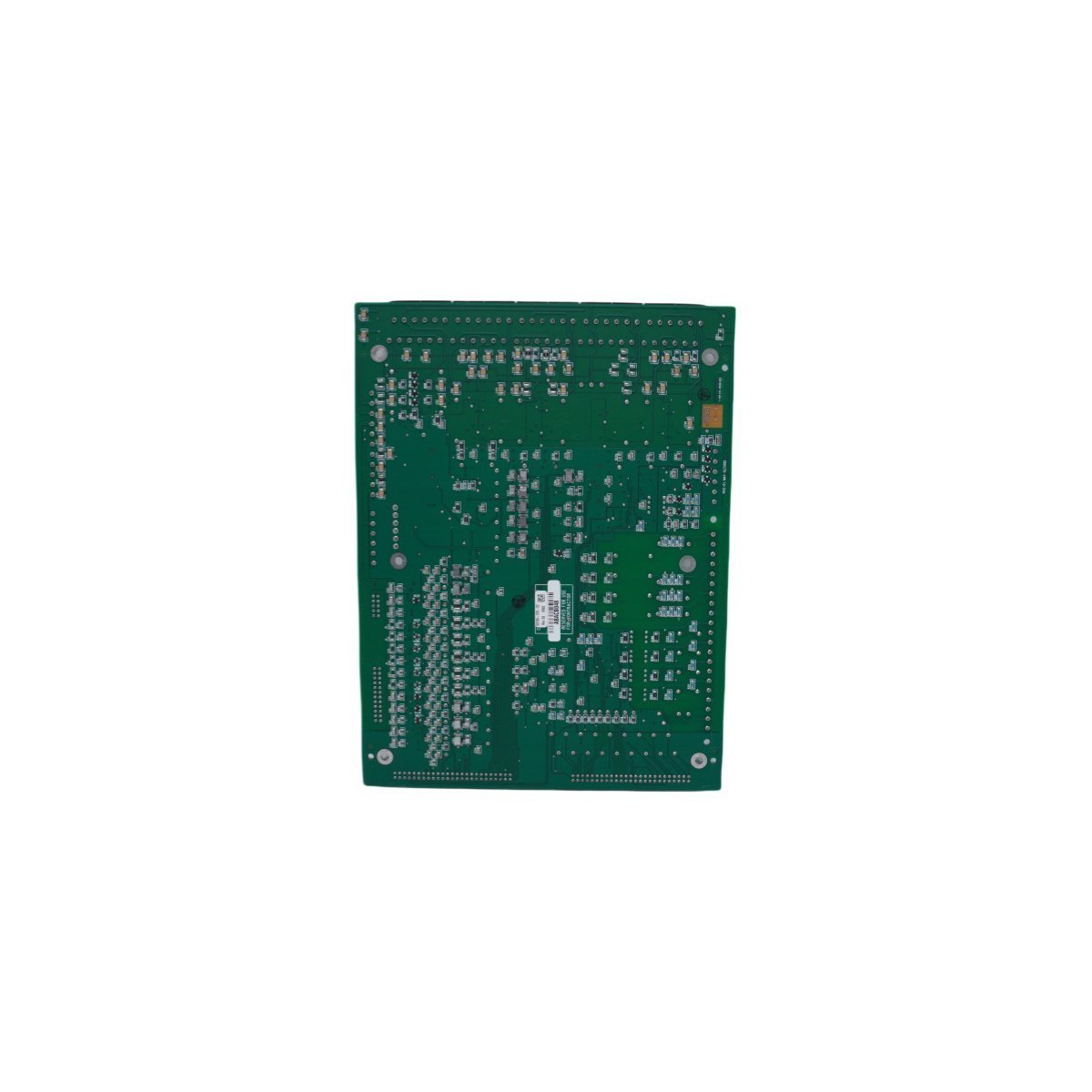
The Allen Bradley 80190-378-52, also cataloged as the 80190-378-52 Inverter Control Board, operates as a dedicated hardware component for inverter logic processing and signal regulation within PLC-5 platform networks.
Hardware Specifications
Parameter
Specification
Model
80190-378-52
Brand
Allen Bradley
Origin
USA
Weight
0.46 kg
Dimensions
27.8 x 21.4 x 2.8 cm
Operating Temp
Standard Industrial Range
Power Consumption
System Dependent
Module Type
Inverter Control Board
Industrial Control System Integration
The Allen Bradley 80190-378-52 utilizes backplane bus communication protocols designed for integration with PLC-5 control architectures. The module supports deterministic network timing, ensuring low-latency state feedback and synchronization within complex I/O density configurations. Compatibility with field-programmable firmware allows for flash updates to align with evolving backplane bus communication velocity requirements, maintaining bus traffic integrity and reducing collision potential in high-speed control loops.
Frequently Asked Questions
Q: What are the restrictions regarding the installation of the 80190-378-52 in an active PLC-5 backplane?
A: Ensure that backplane power is cycled off before module insertion or removal to prevent electrical arcing on connector pins. The module must be firmly seated in the chassis slot to maintain signal integrity across the backplane bus.
Q: Is this module capable of firmware field-upgrades?
A: Yes, the unit supports firmware flash compatibility via the primary control bus interface. Verify the current revision against the specific PLC-5 processor requirements before initiating any update sequence.
Field Installation Guidelines
Mount the control board into the designated PLC-5 chassis slot. Tighten the mounting screws to the specified torque to guarantee a secure electrical chassis ground connection.
Avoid exposing the component to electrostatic discharge (ESD). Utilize a grounded wrist strap at all times when handling the board.
Ensure all backplane pins are clean and free of debris or oxidation prior to installation.
Maintain ambient operating temperature within the specified industrial limits to prevent thermal degradation of on-board components.
Verify that the backplane power supply capacity is sufficient for the total I/O density load when the module is fully initialized.
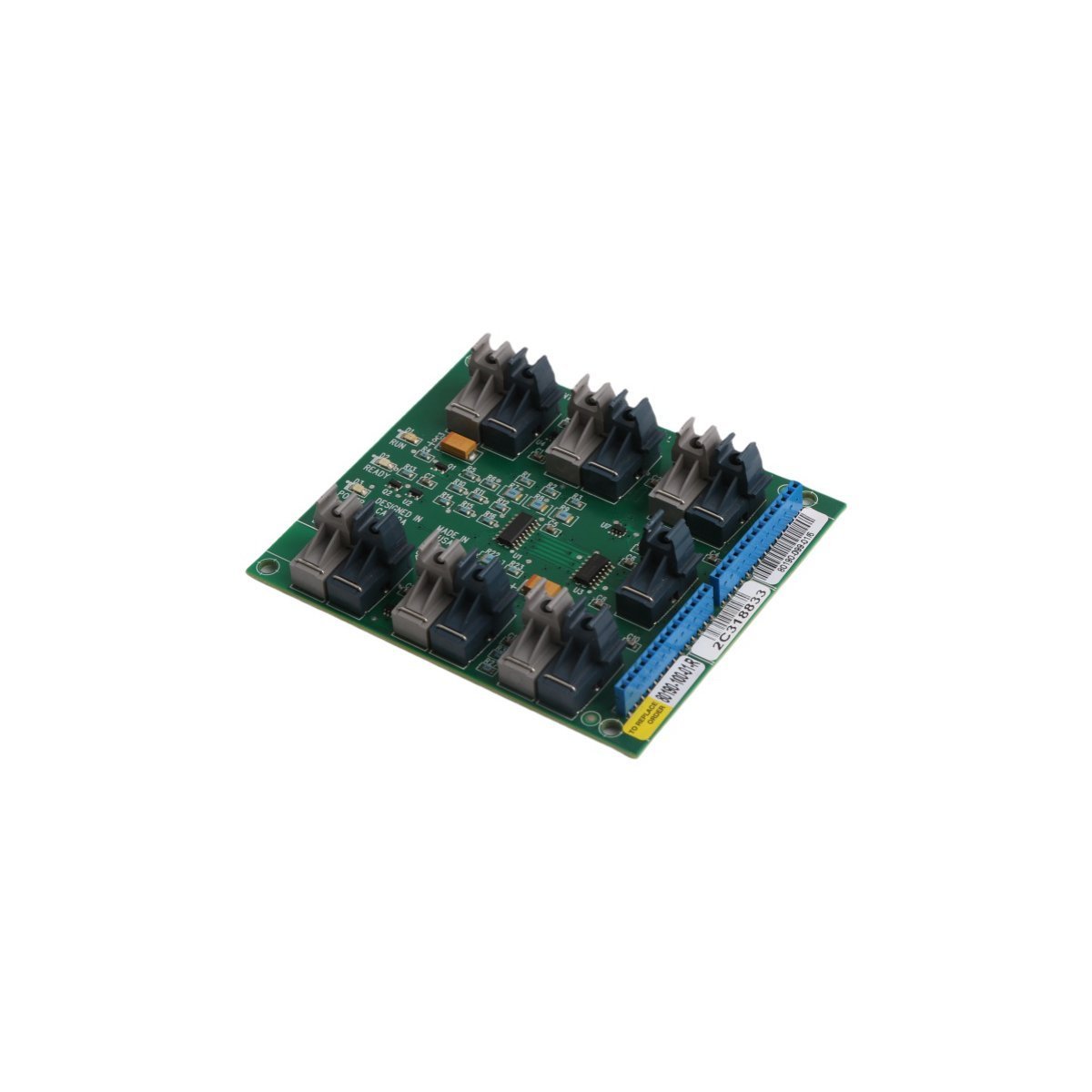
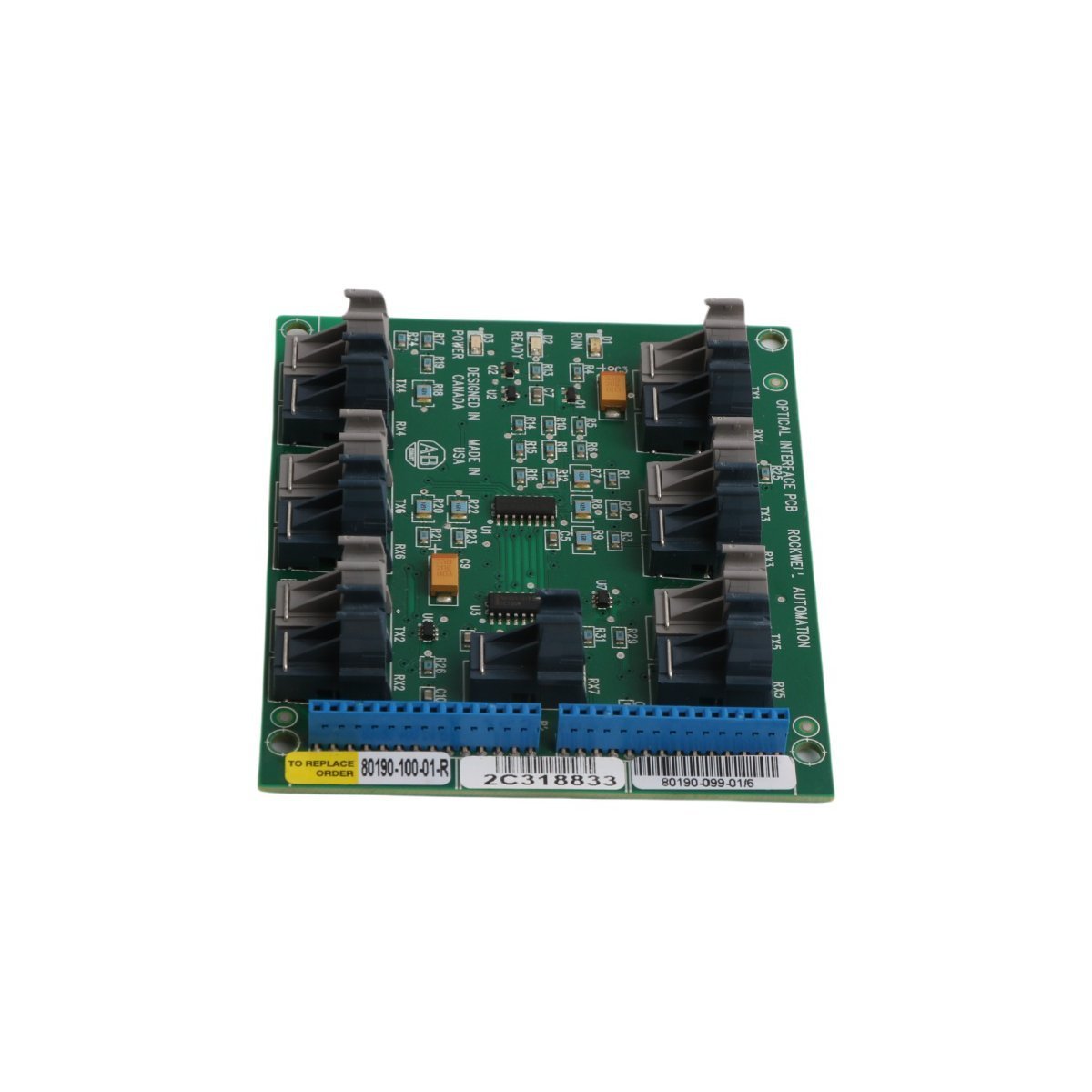
The Allen Bradley 80190-100-01-R, also cataloged as the 80190-100-01-R Fiber Optic Board, operates as a dedicated hardware component for optical signal conversion and transmission within PLC-5 network environments. The unit processes optical waveforms to establish reliable point-to-point physical links across extended industrial topologies, eliminating electromagnetic interference vulnerabilities typical of standard copper cabling.
Suffix Breakdown & Model Matrix
The model nomenclature follows structured revision tracking conventions established by the manufacturer:
80190: Core hardware series identifier designating fiber optic transceiver and interface board architecture.
-100: Standard bandwidth and optical wavelength variant configuration.
-01: Revision tier indicating base hardware layout and component tolerances.
-R: RoHS compliance designation denoting restriction of hazardous substances adherence in electronic manufacturing.
Hardware Specifications
Parameter
Specification
Model
80190-100-01-R
Brand
Allen Bradley
Origin
USA
Weight
0.06 kg
Dimensions
10.3 x 8.8 x 2 cm
Operating Temp
0 deg C to 60 deg C
Power Consumption
2.5 W max
Range of Product
PLC-5
Communication Service
Ethernet router / Fiber optical interface
Condition
Brand New
Backplane Bus Communication Velocity and Firmware Integration
Data transmission across the PLC-5 chassis interface relies on deterministic timing parameters managed by the onboard transceiver logic. The optical conversion circuitry regulates signal attenuation to maintain bit error rates below 10-12 over specified fiber attenuation windows. Firmware flash compatibility ensures alignment with legacy backplane bus communication velocity requirements, supporting multi-drop network synchronization without packet jitter escalation.
Frequently Asked Questions
Q: What are the primary hot-swap limitations when replacing this fiber optic board in an active PLC chassis?A: Hot-swapping is restricted unless designated system slot power isolation procedures are executed. Live extraction without rack power down can induce transient voltage spikes across backplane communication pins.Q: How does the module handle optical link loss during runtime?A: Loss of light signal triggers an immediate hardware interrupt flag on the local bus interface, prompting the primary CPU controller to transition redundant communication loops within deterministic fallback time bounds.
Field Installation Guidelines
Observe standard electrostatic discharge (ESD) mitigation protocols prior to handling the printed circuit board assembly. Secure the unit within the designated rack slot using retention screws torqued to manufacturer specifications. Ensure optical patch cables match the correct core diameter and connector polishing parameters to prevent insertion loss exceeding nominal thresholds. Maintain bend radii above minimum thresholds for all connected fiber optic cabling.
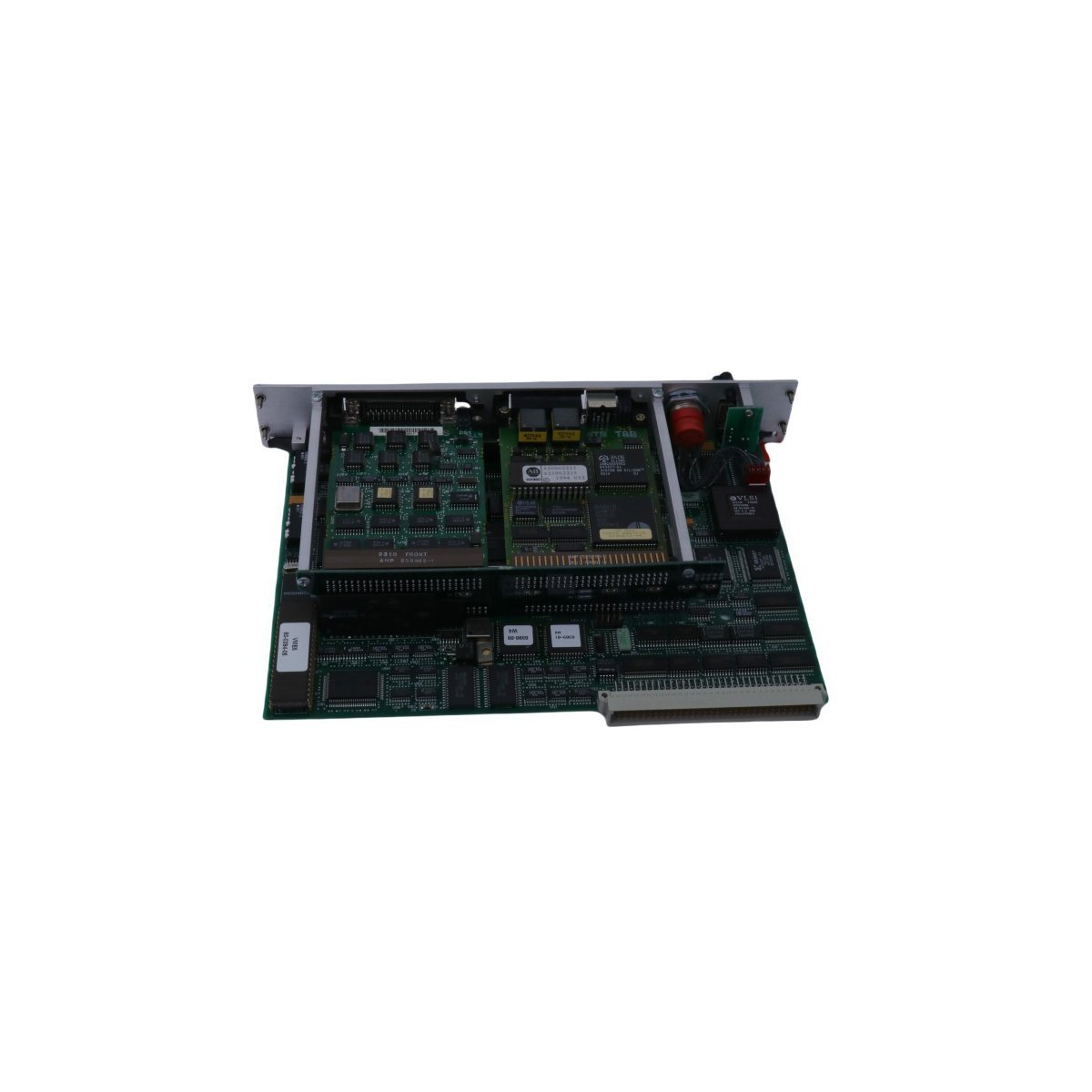
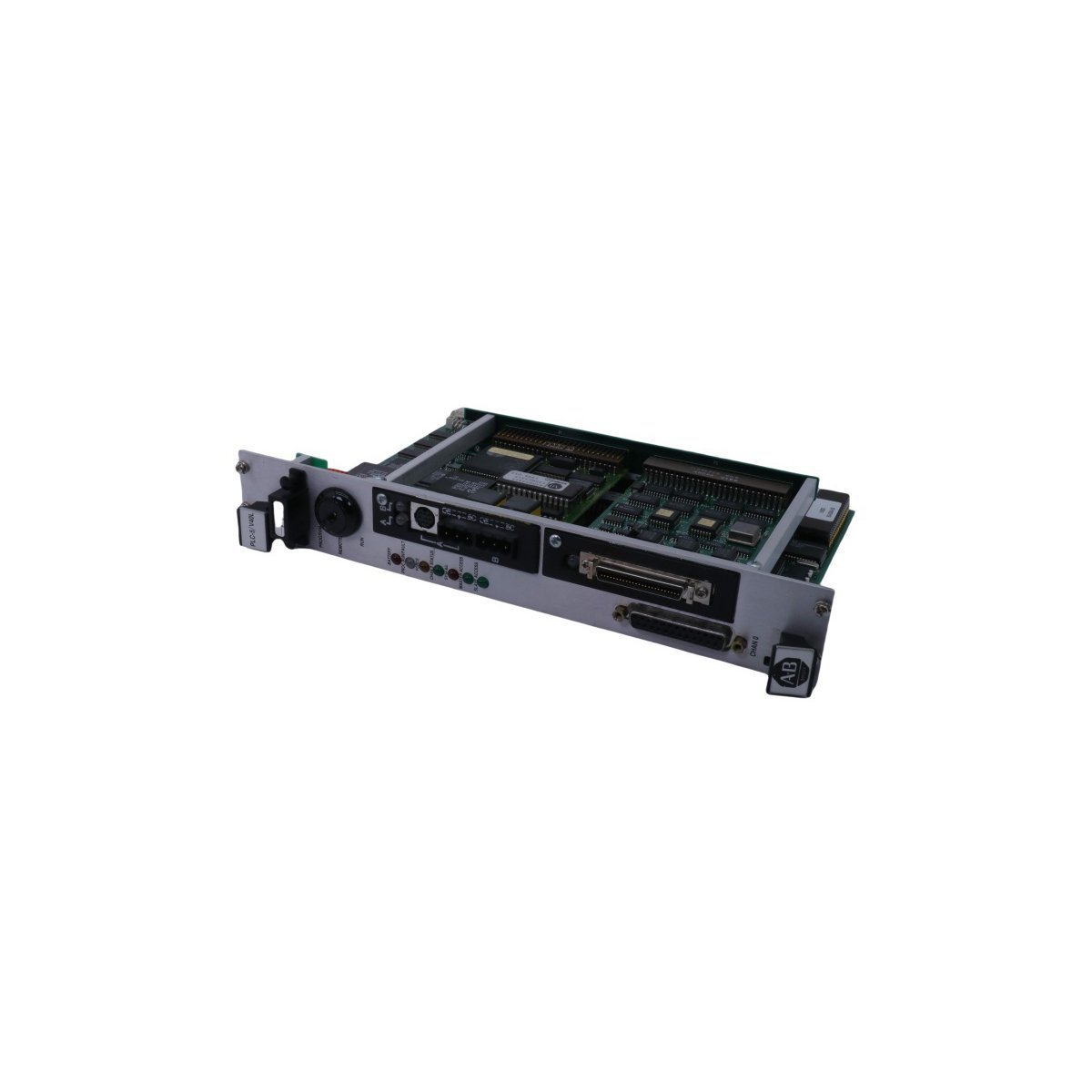
The Allen Bradley 80190-320-03-R, also cataloged as the 80190-320-03-R Control Motherboard, operates as a dedicated hardware component for system-level logic management and signal distribution within PLC-5 architecture platforms.
Hardware Specifications
Parameter
Specification
Model
80190-320-03-R
Brand
Allen Bradley
Origin
USA
Weight
0.48 kg
Dimensions
25 x 21.8 x 3.5 cm
Operating Temp
-20 deg C to 60 deg C
Power Consumption
System Backplane Dependent
Product Range
PLC-5
Industrial Control and Network Characteristics
The 80190-320-03-R utilizes backplane bus communication velocity to maintain deterministic signal paths within the chassis. Integration into automation networks supports multi-protocol data exchange, ensuring synchronization between I/O modules and the primary processor. Firmware flash compatibility allows for system version alignment, while the modular architecture facilitates scalable I/O density within the PLC-5 environment to meet specific application requirements.
Frequently Asked Questions
Q: Does the 80190-320-03-R support hot-swapping within the PLC-5 chassis?A: The module is designed for fixed installation within the backplane; hot-swapping is not recommended unless explicitly supported by the specific chassis revision and power distribution unit.Q: What are the grounding requirements for the motherboard to ensure signal integrity?A: The motherboard must be securely fastened to the chassis to establish a common ground plane, and all I/O shields must be terminated at the designated cabinet grounding point to suppress noise.
Field Installation Guidelines
Isolate all power sources to the PLC-5 chassis prior to hardware installation.
Inspect the motherboard backplane connector pins for oxidation or mechanical deformation.
Align the motherboard into the chassis guide rails and apply firm, even pressure until the backplane connector is fully seated.
Secure the board using the integrated locking mechanisms or chassis screws to ensure mechanical stability.
Connect all ribbon cables and field wiring interfaces, ensuring proper strain relief to prevent tension on the board-to-board connections.
Verify electrical continuity and ground bonding before restoring power to the system.
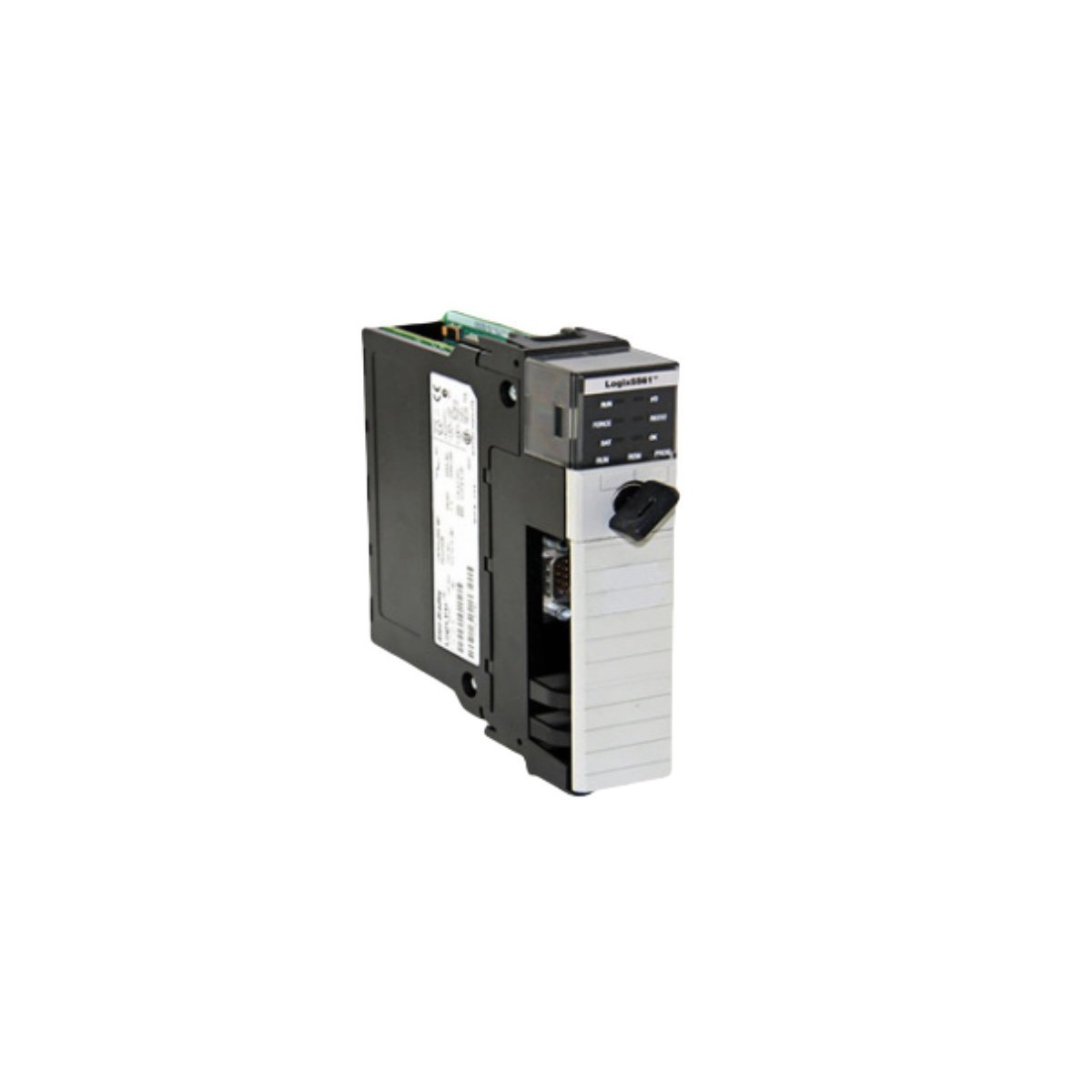
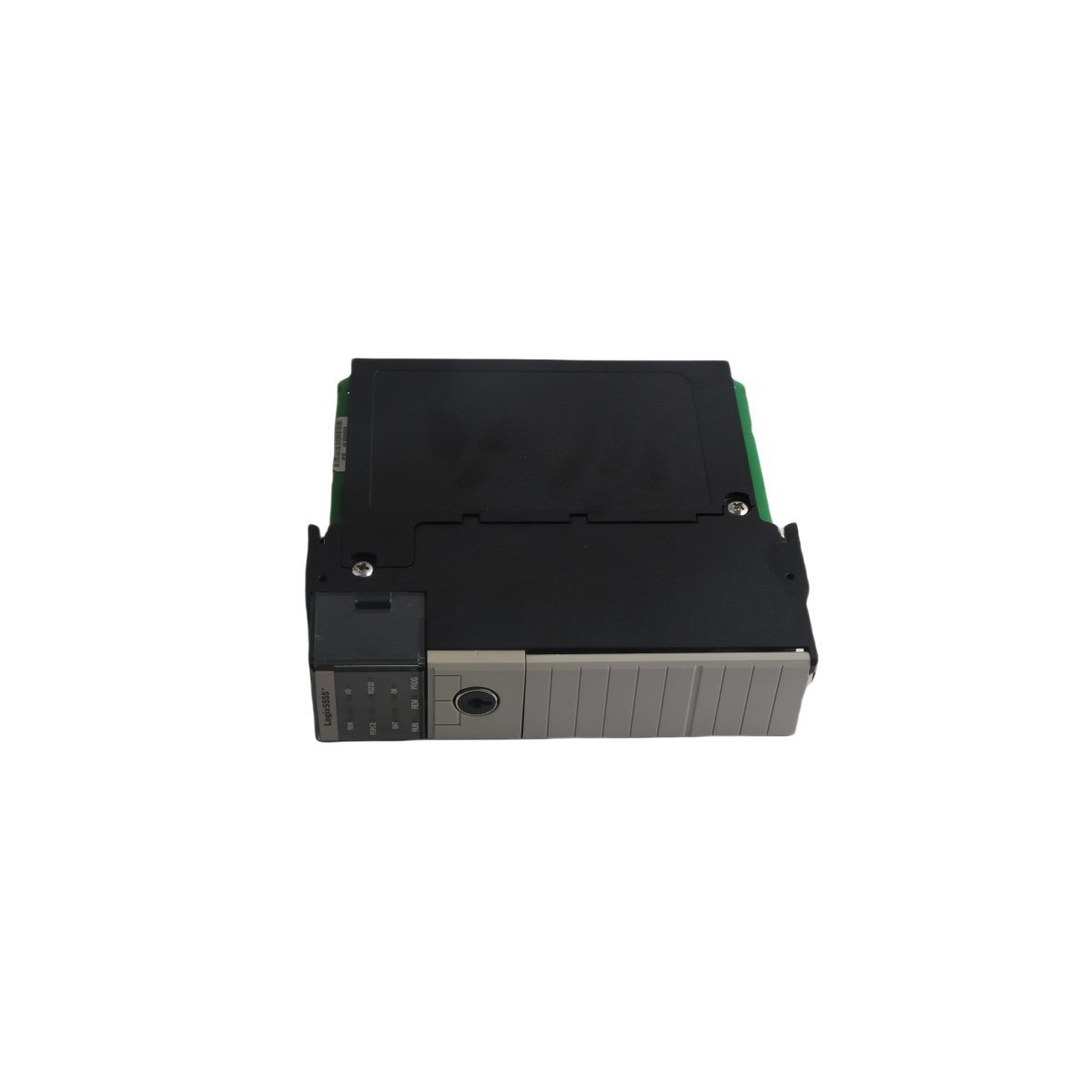
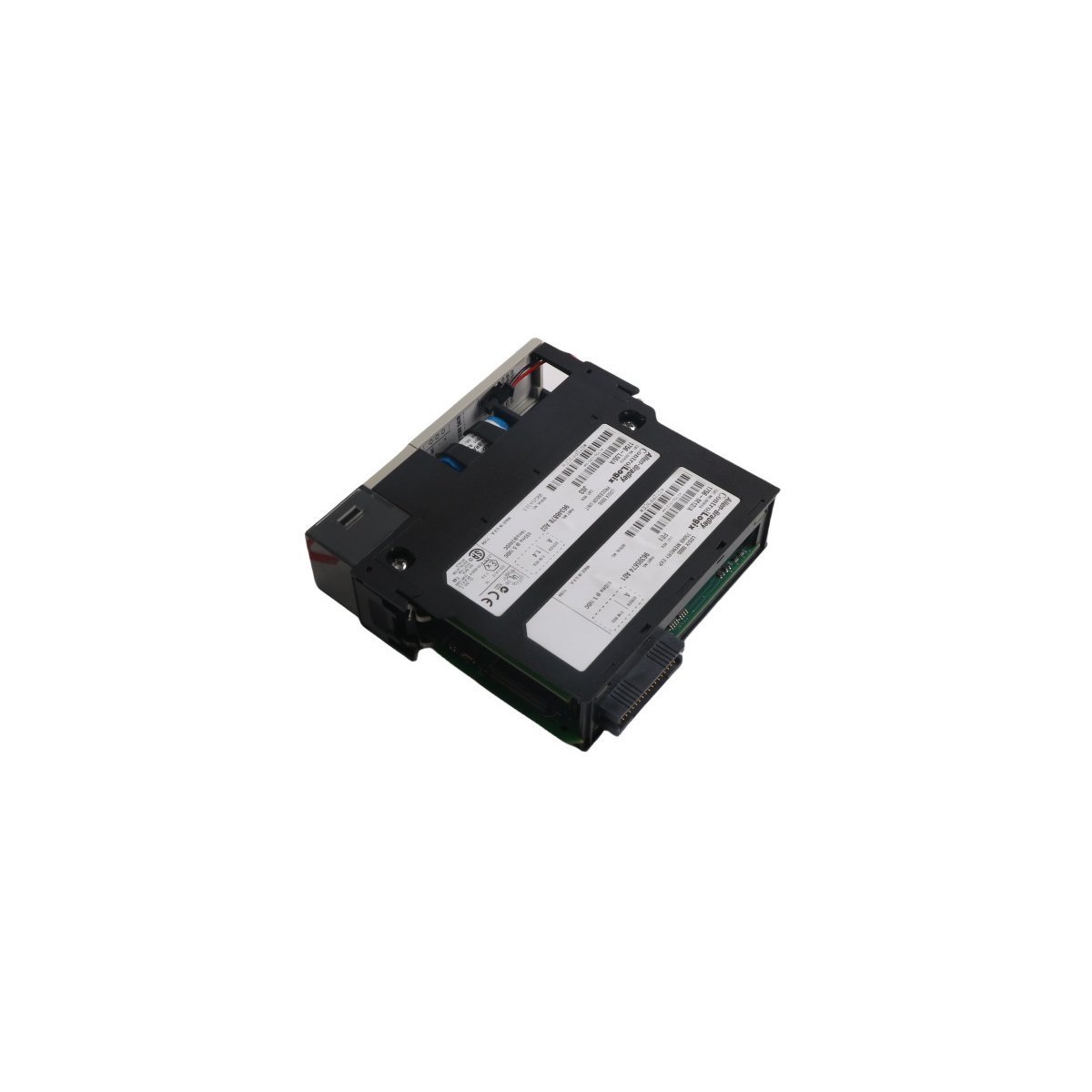
Configured for high-speed logic execution in ControlLogix automation platforms, the Allen Bradley 1756-L74 (1756-L74 Controller) provides direct physical and electrical execution of complex control algorithms.
Hardware Specifications
Parameter
Specification
Model
1756-L74
Brand
Allen Bradley
Origin
USA
Weight
0.26 kg
Dimensions
3.5 x 14.5 x 14.5 cm
Operating Temp
Industrial Standard
Power Consumption
System Backplane Dependent
Memory Capacity
16 MB
Industrial Control and Network Characteristics
The 1756-L74 utilizes backplane bus communication velocity to manage deterministic data exchange between distributed I/O modules and the controller. Integration into EtherNet/IP deterministic networks enables synchronous command execution across modular chassis configurations. Firmware flash compatibility ensures version alignment with established control software environments, while I/O density scaling supports hardware expansion without compromising cycle time performance.
Frequently Asked Questions
Q: Does the 1756-L74 support hot-swapping within the ControlLogix chassis?A: The controller supports removal and insertion under power (RIUP) if the surrounding environment is within specified parameters and the system is properly configured to handle processor transition states.Q: How is the memory managed during power-loss events?A: The controller utilizes an internal energy storage module to ensure data retention and controlled shutdown sequences when primary backplane power is lost.
Field Installation Guidelines
Ensure the ControlLogix chassis is de-energized before mounting the controller.
Verify that the chassis backplane connector pins are free from debris or mechanical damage.
Align the controller with the guide rails of the designated slot and insert until the connector fully seats into the backplane.
Secure the module using the top and bottom latching mechanisms to ensure electrical contact stability.
Connect the Ethernet communication cable to the front-panel port and ensure the cable is routed to maintain bend radius requirements.
Confirm proper grounding of the chassis to the cabinet earth bus to minimize noise interference during operation.
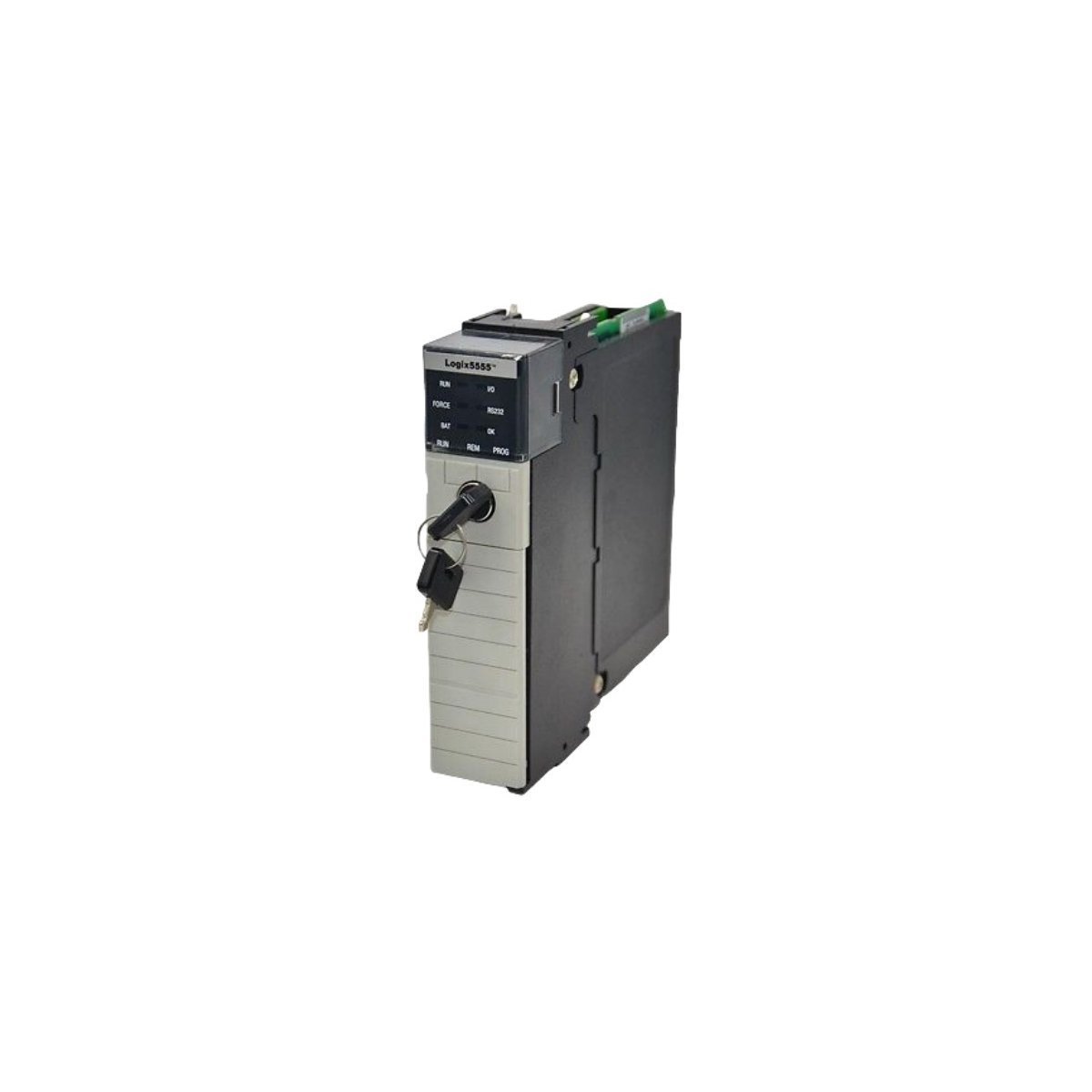
The Allen-Bradley 1756-L55M24 is a high-performance GuardLogix controller offering 3.5 MB of non-volatile memory for integrated safety, motion, and discrete control applications.
The Allen-Bradley 1756-L1M2 is a 1 MB ControlLogix 5550 processor module designed to manage high-speed logic and network communication in industrial control systems.
The Allen-Bradley 1756-L65 is a high-performance ControlLogix controller offering 32 MB of memory and extensive I/O scalability for complex industrial applications.
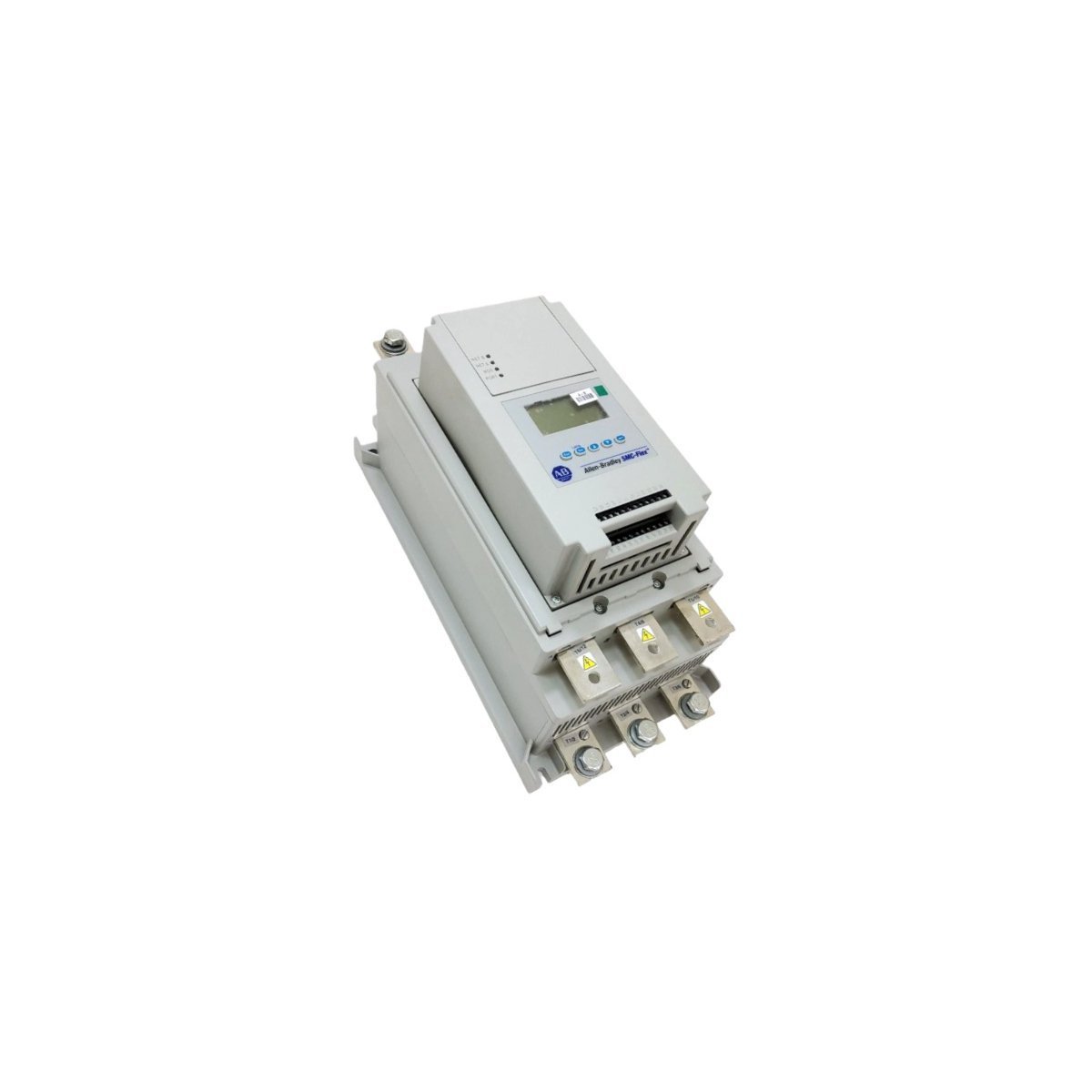
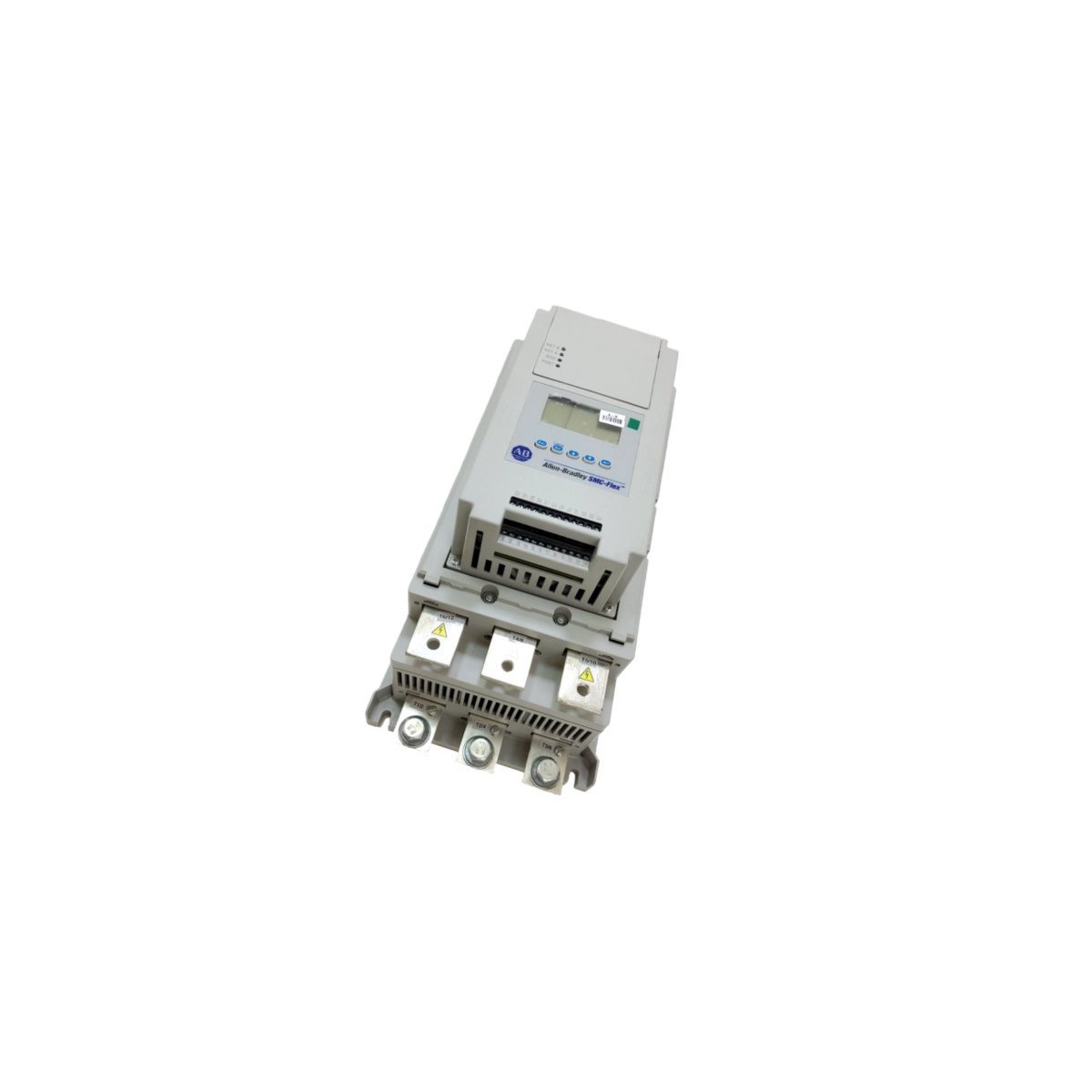
The Allen-Bradley 81001-355-71-R is a high-performance Silicon Controlled Rectifier module engineered for reliable power regulation and industrial switching tasks.
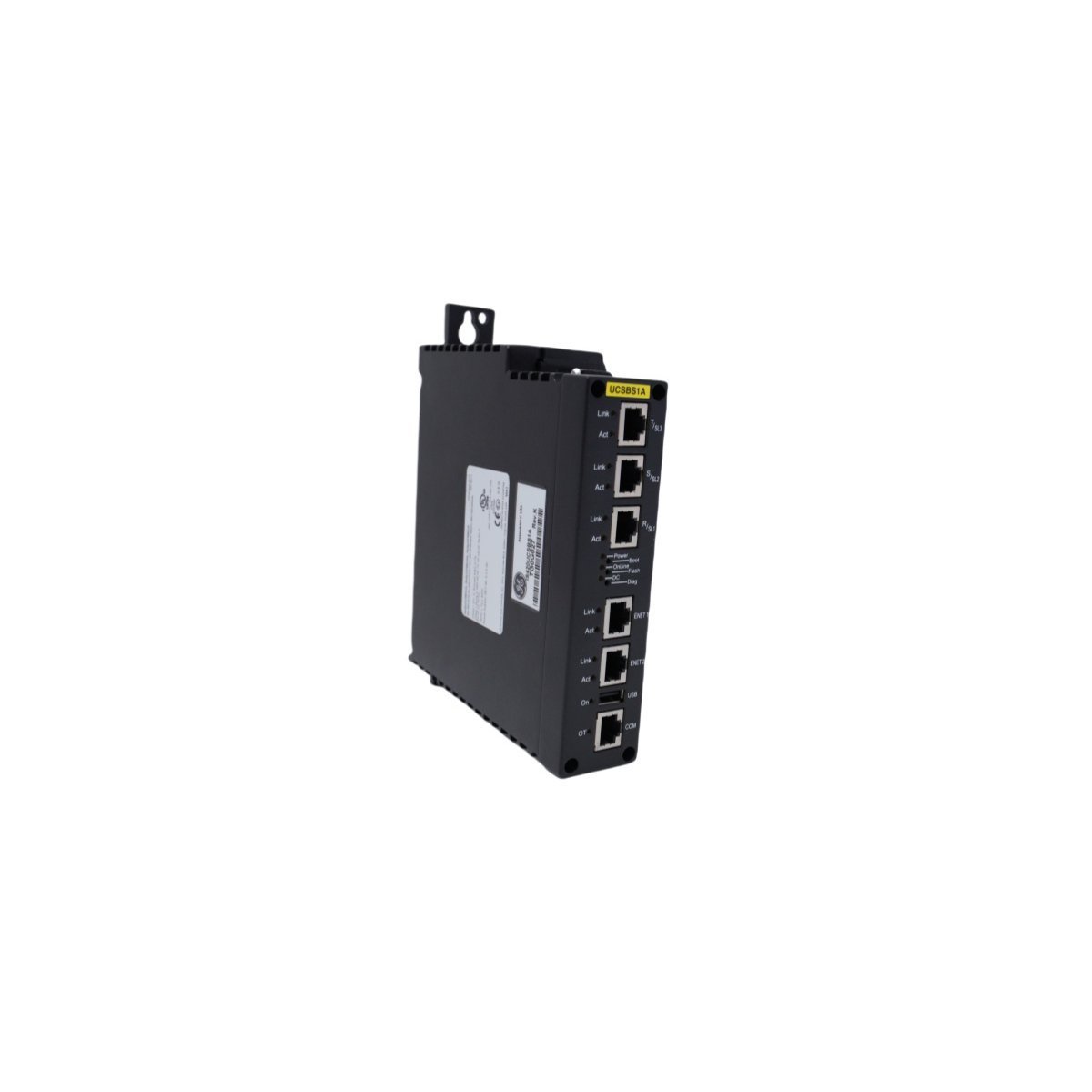
The GE IS421UCSBS1A is a SIL3-certified Safety Controller Module for the Mark VIeS series. Designed for high-reliability turbine protection and industrial emergency shutdown systems, it features a fanless UCSB architecture, CompactFlash storage, and robust RS-232/Ethernet communication for critical DCS safety functions.
The GE IS215UCCCH4A is a 1.6 GHz Intel Pentium M-powered VME controller board for Mark VIe systems. Featuring 256MB DRAM and QNX Neutrino OS, this 3U CPCI module provides high-speed processing and robust diagnostics for gas turbine control.
The Allen-Bradley 1756-L950TPSXT is a 40MB ControlLogix 5590 Process XT controller designed for high-availability process automation. This ruggedized unit features conformal coating for harsh environments and supports redundant configurations to ensure continuous uptime in critical industrial applications.
The Allen-Bradley 1785-L30B is a 32K-word PLC-5/30 controller module designed for high-density automation.It supports 1024 I/O points and features dual DH+/Remote I/O ports alongside a multi-protocol serial interface, ensuring reliable distributed control for complex industrial applications.
We are committed to protecting your privacy. The information collected here is strictly used to provide the requested quotes, technical support, and relevant industrial automation solutions.