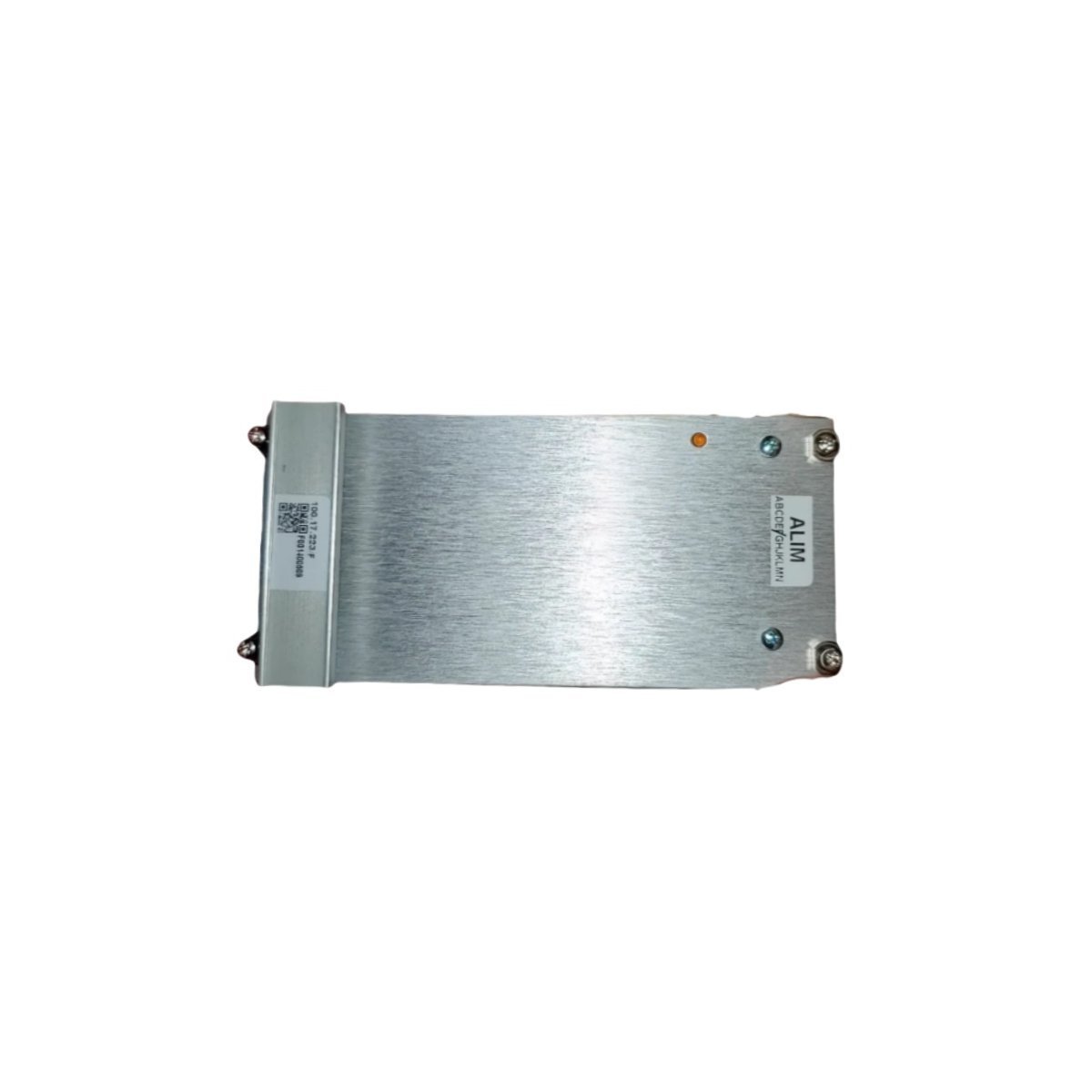
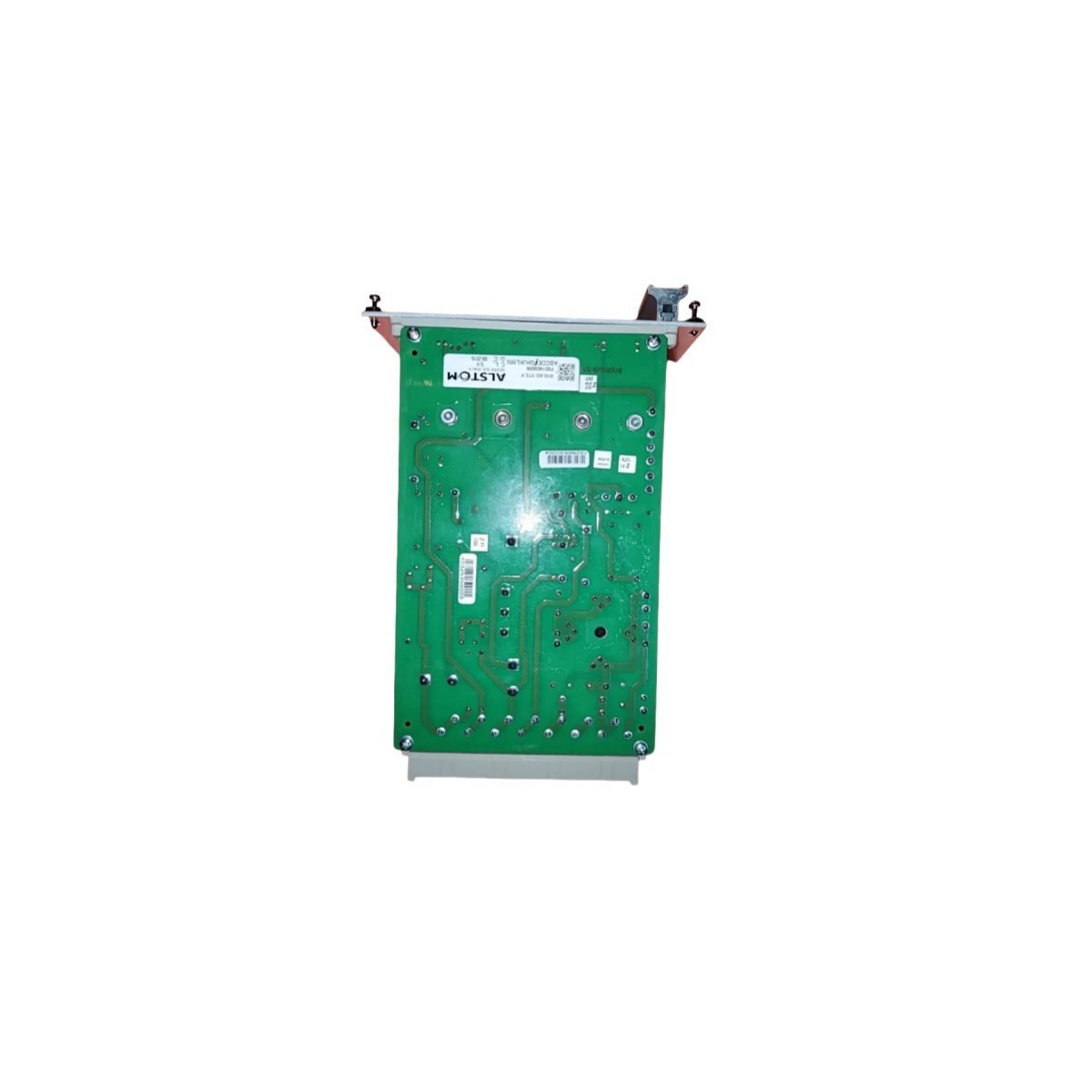
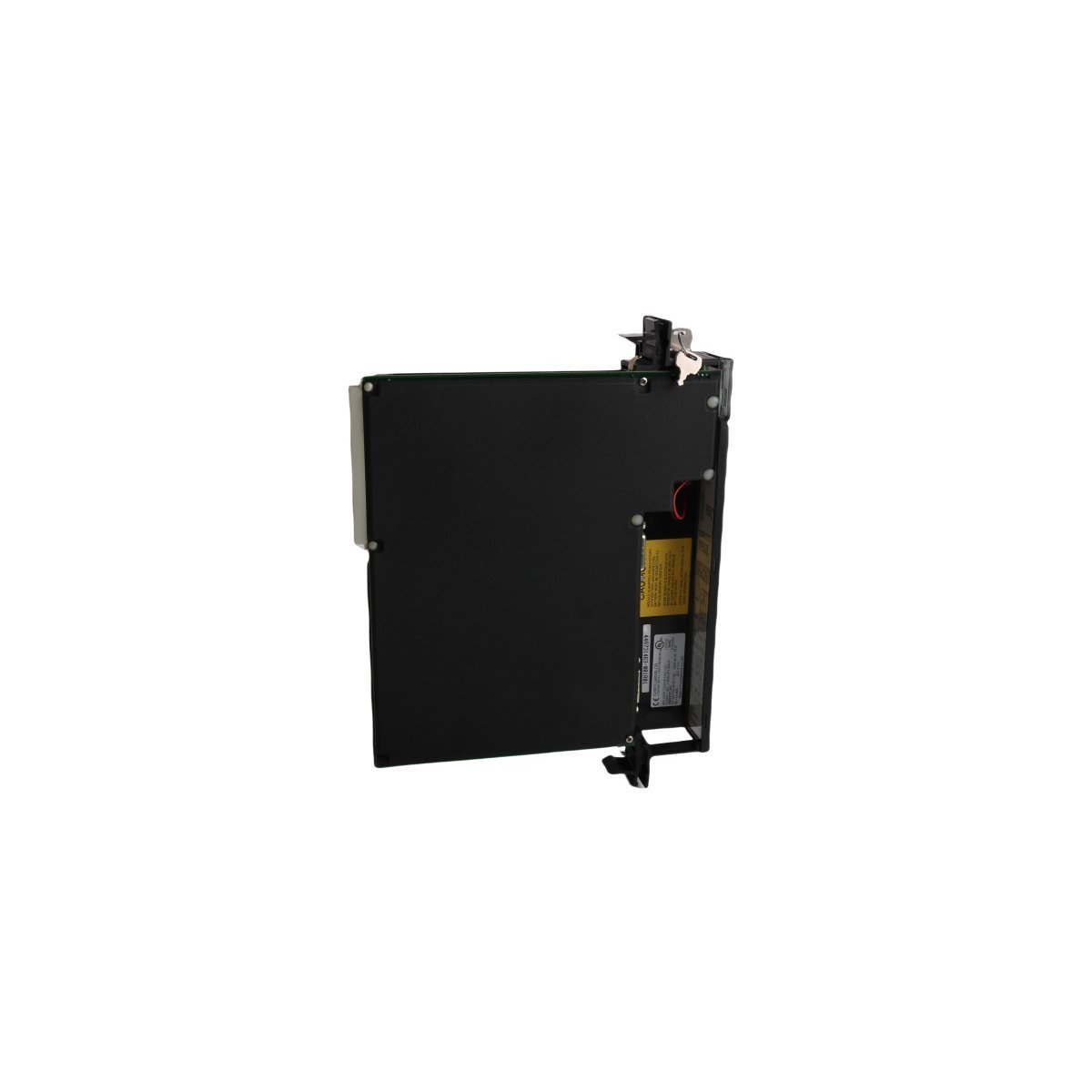
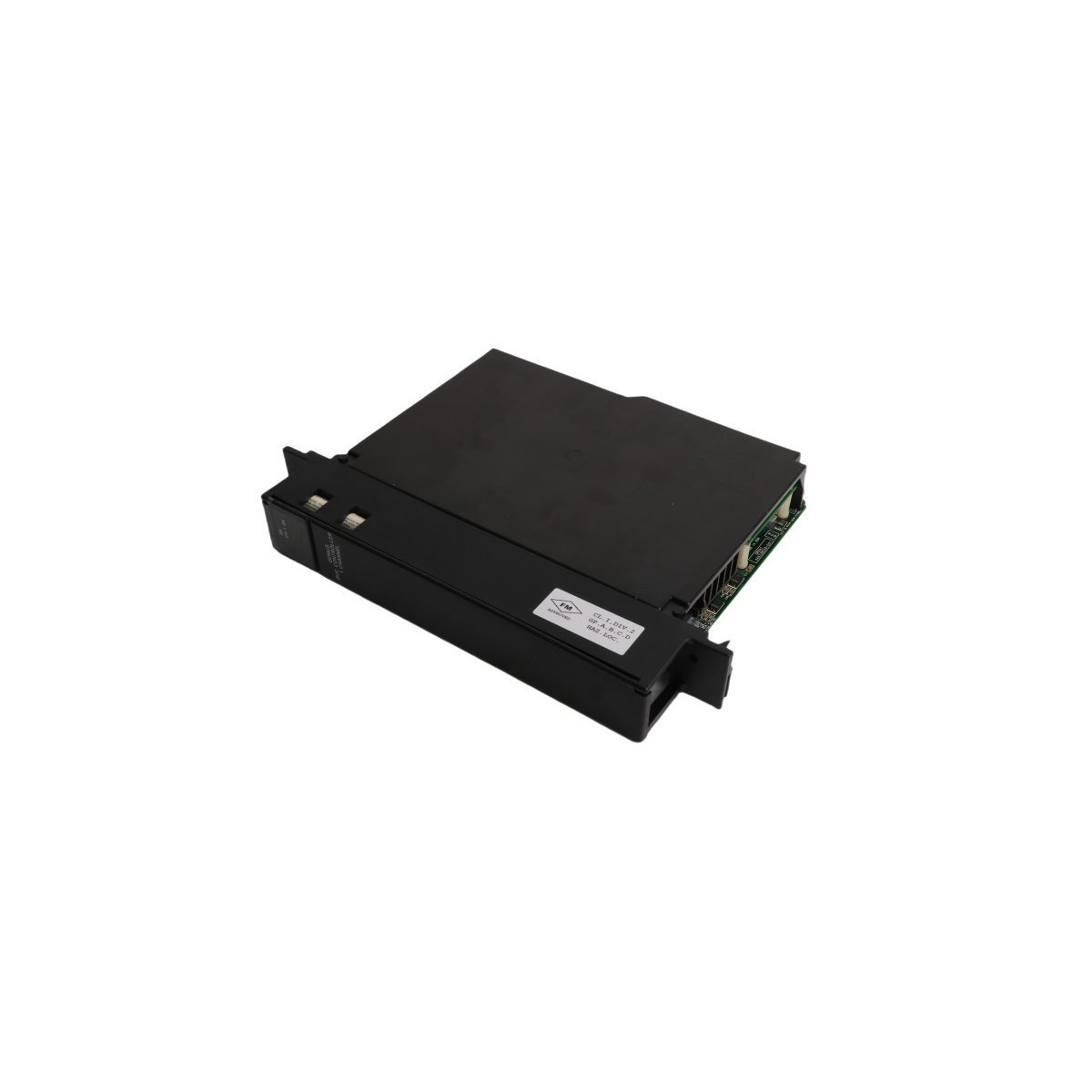
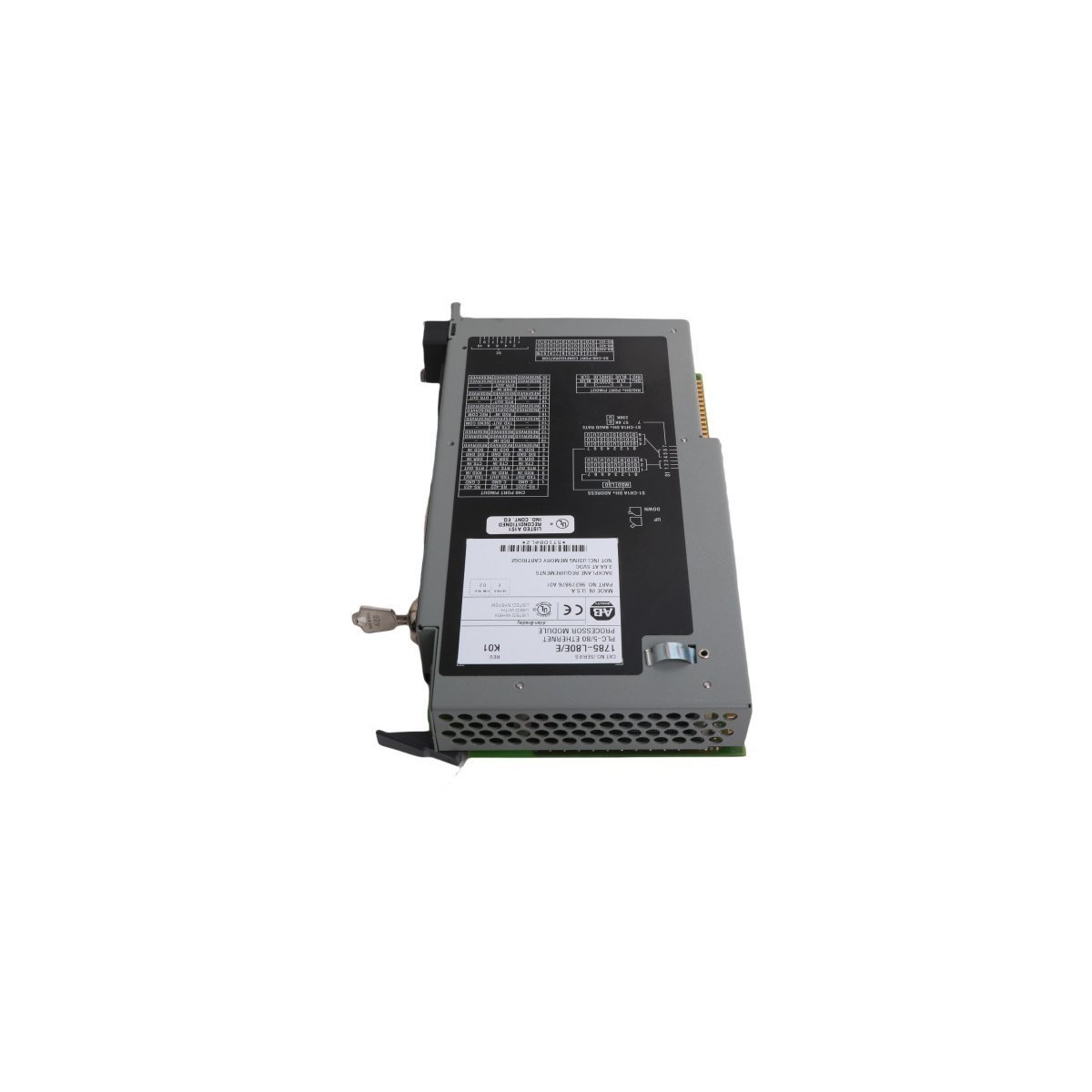
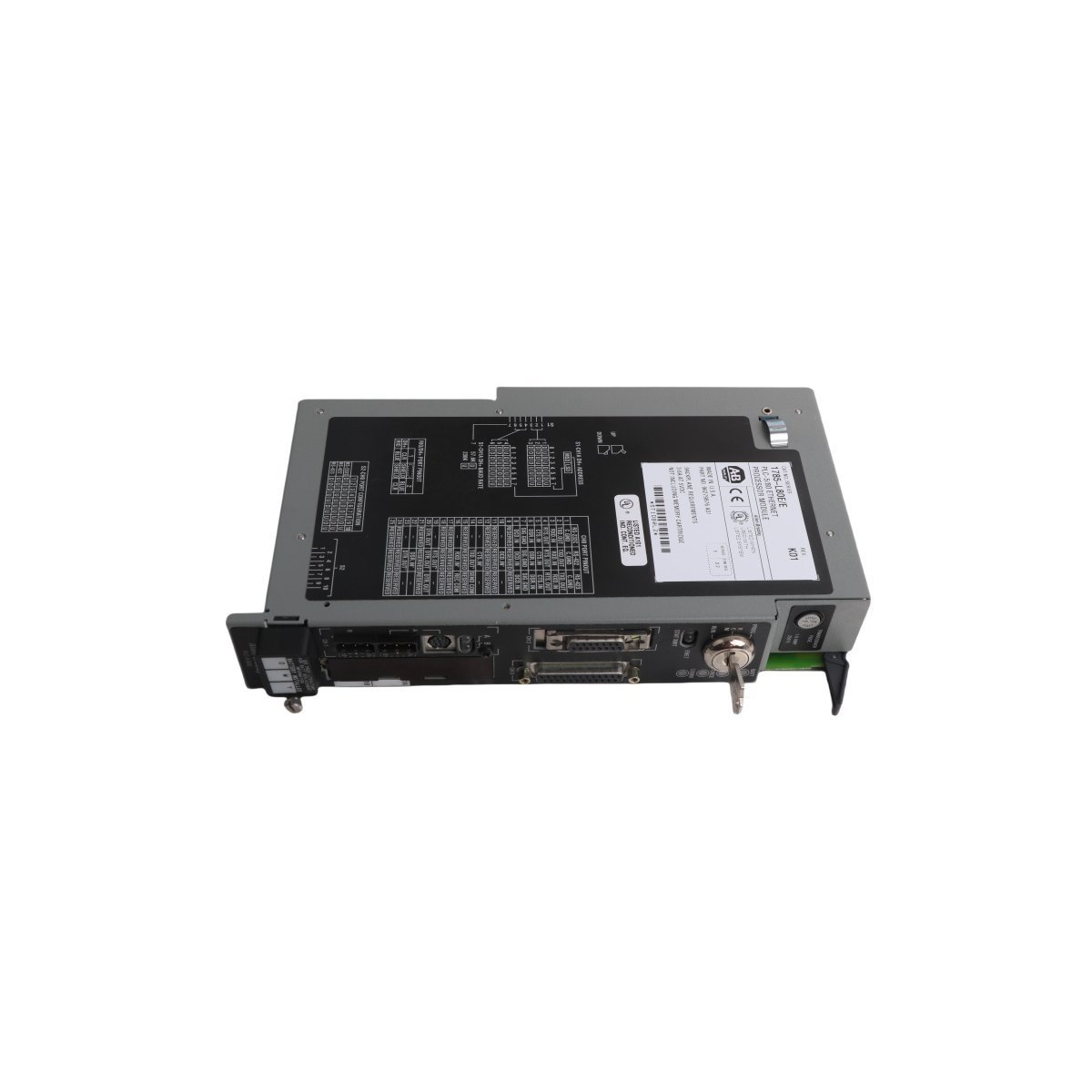
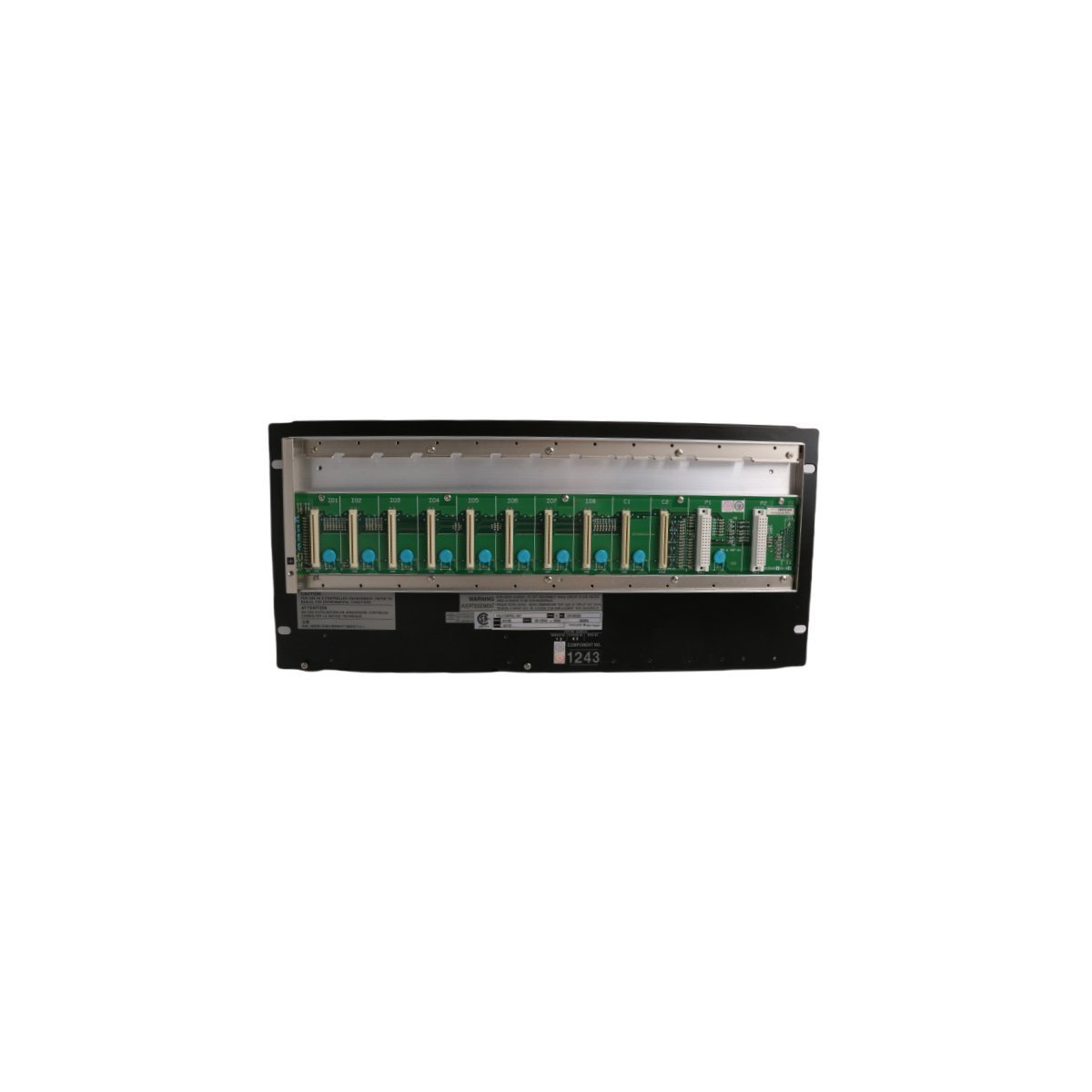
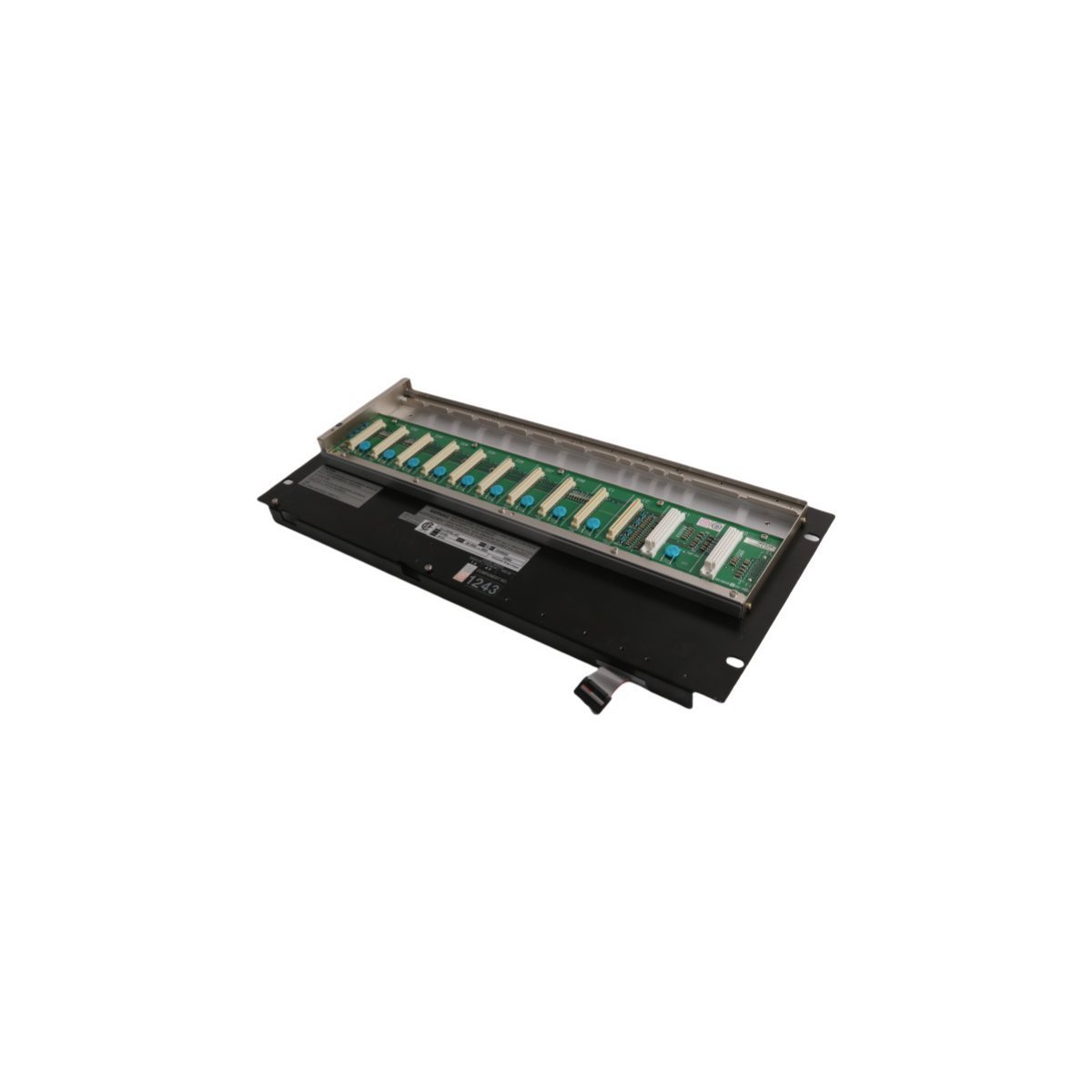
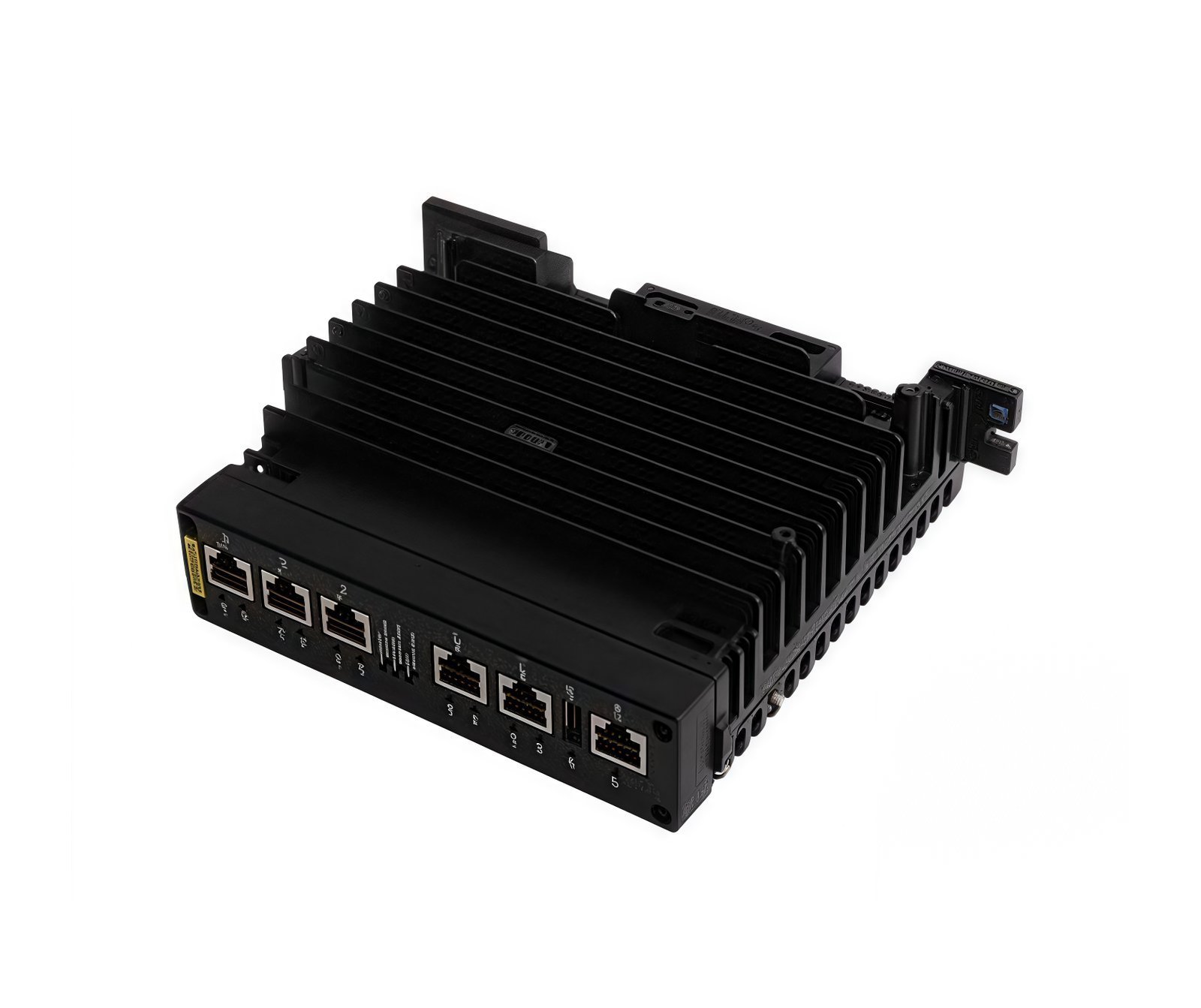
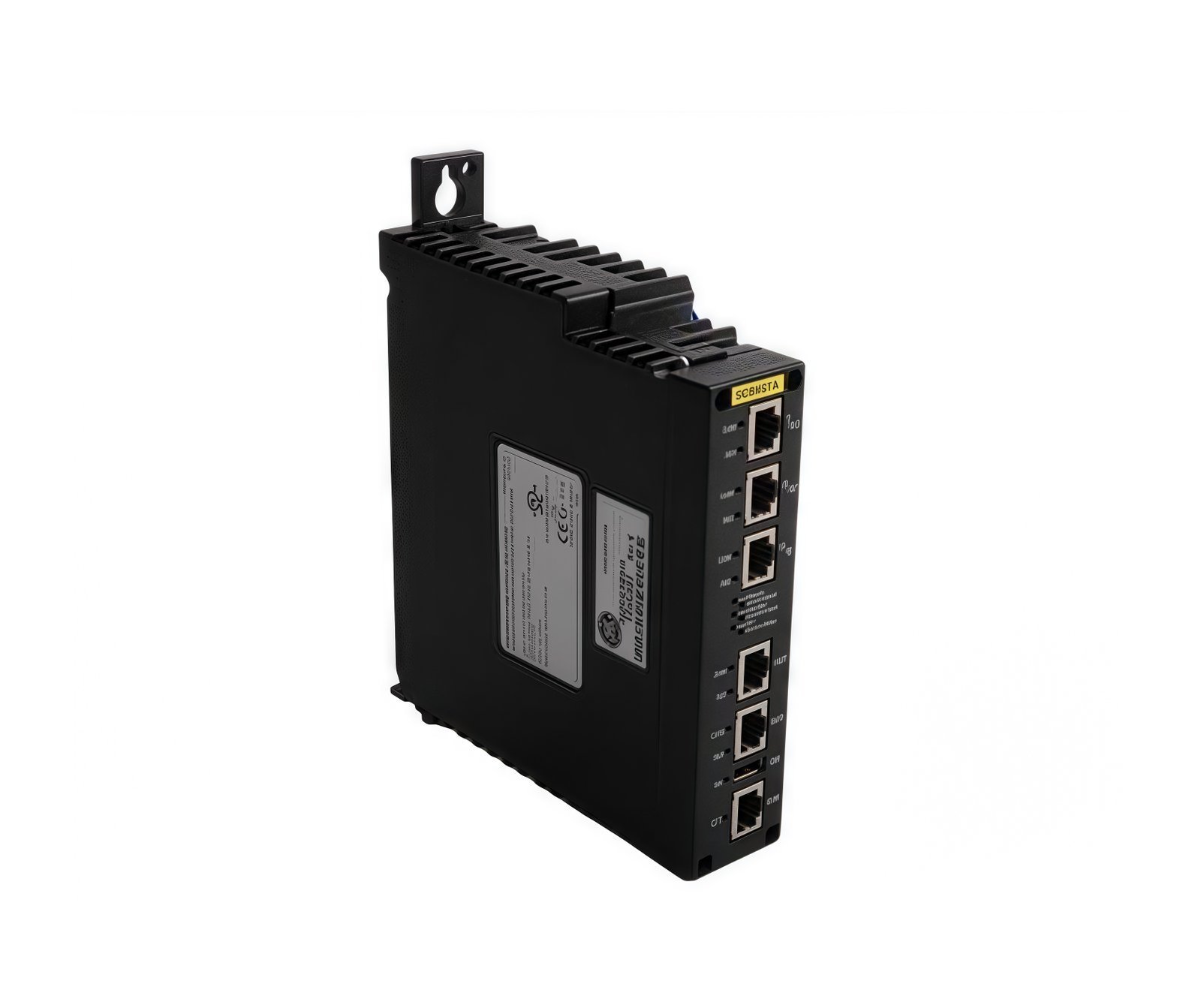
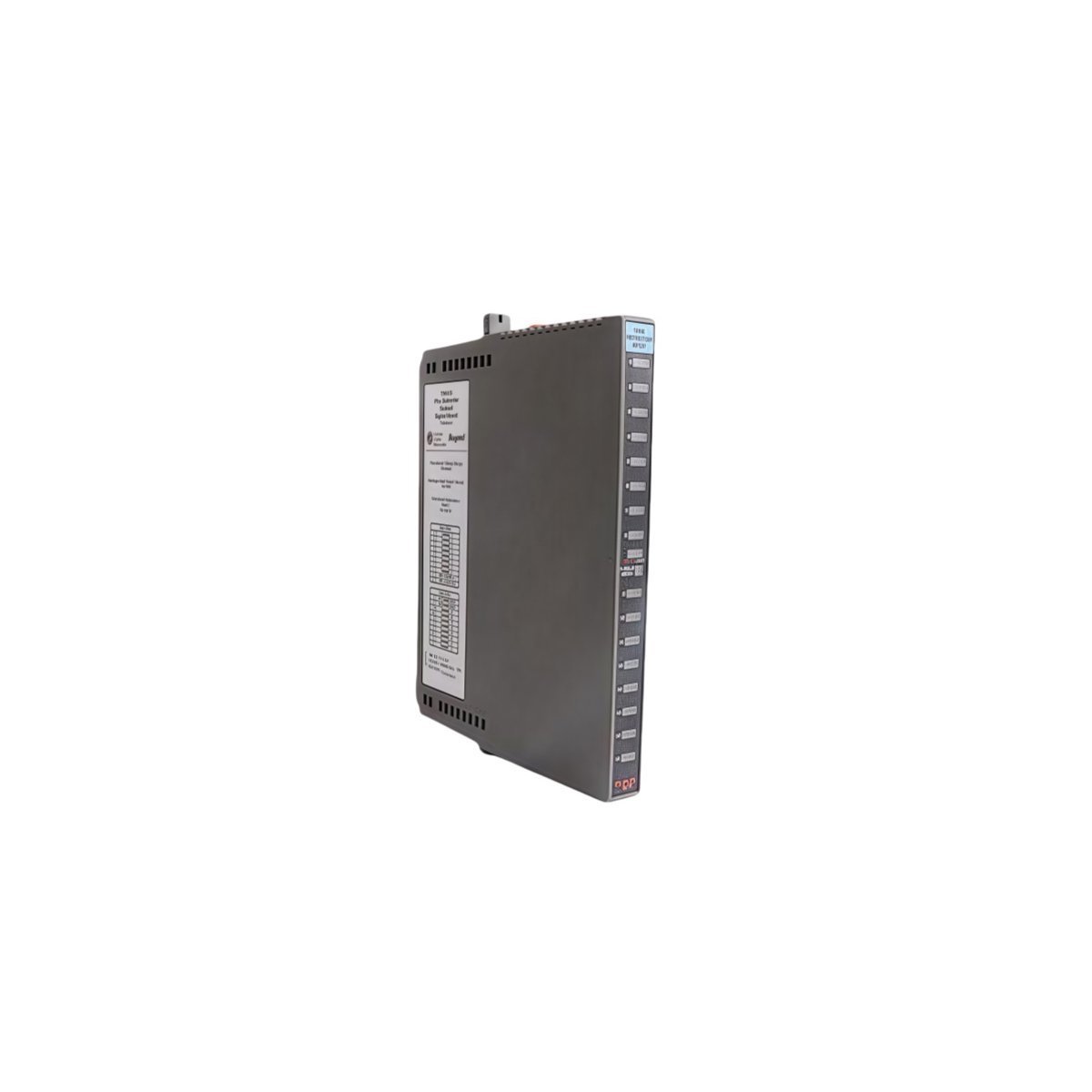
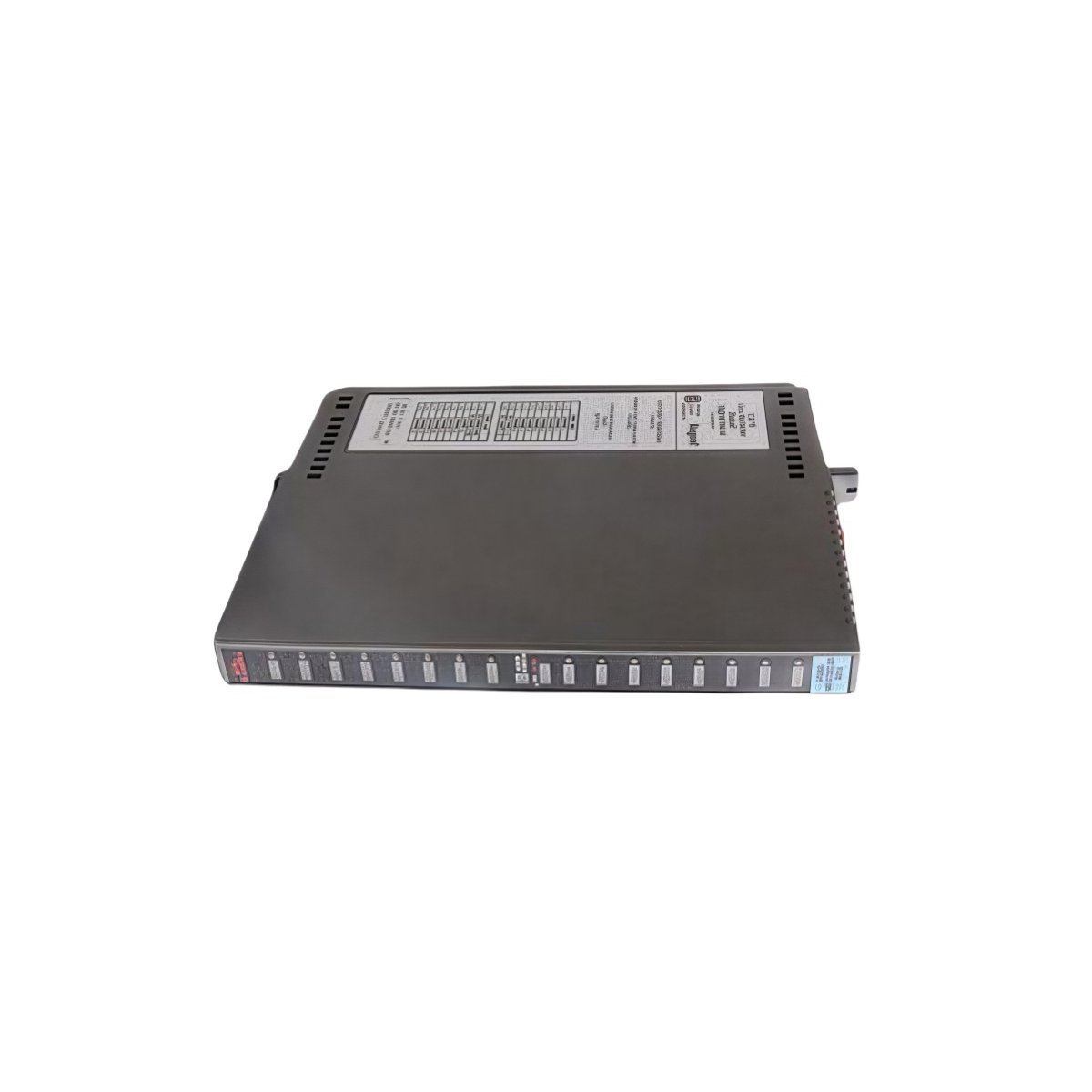
The ALSTOM 100.17.223/F is a high-performance control processor for the ALSPA DCS series. Designed for turbine and power plant automation, this module provides deterministic logic execution, robust network communication, and integrated hardware diagnostics for critical machinery protection.
High-Reliability Processing for Power Plant Control
The ALSTOM 100.17.223/F functions as a core processing and control module within the legacy ALSPA series distributed control systems (DCS). This module is specifically engineered to manage critical automation sequences and regulatory control loops in power generation environments, such as steam and gas turbine systems. By executing deterministic logic at high speeds, the 100.17.223/F ensures that mechanical parameters remain within safe operational limits. Furthermore, this hardware serves as a central node for data coordination between field instrumentation and the supervisory station. Consequently, it is a vital component for maintaining the stability and efficiency of large-scale utility assets.
Robust Communication and System Synchronization
Beyond its primary logic execution, the 100.17.223/F incorporates dedicated communication interfaces designed to handle high-traffic data exchange across the ALSPA network bus. In addition to managing local I/O data, the module synchronizes its internal clock and process variables with other controllers to ensure system-wide consistency. Because the module utilizes a specialized real-time operating system, it can prioritize safety-critical interrupts over standard background tasks. Moreover, this communication capability allows for the seamless integration of remote I/O units, effectively extending the reach of the control system across the entire plant. Therefore, the unit acts as a reliable bridge between field-level sensors and high-level management software.
Industrial Durability and Fault Diagnostics
ALSTOM has designed the 100.17.223/F revision to withstand the rigorous thermal and electrical stresses common in turbine halls and electrical substations. The module features enhanced electronic shielding to protect against electromagnetic interference (EMI) and power surges. Additionally, the unit includes comprehensive self-diagnostic routines that continuously monitor the health of the CPU, memory, and bus interfaces. If a hardware anomaly is detected, the module can trigger pre-defined fail-safe states to prevent damage to the turbine or generator. Because of this focus on fault tolerance and reliability, the 100.17.223/F remains a trusted solution for extending the lifecycle of existing ALSPA installations.
Technical Specifications
Manufacturer: ALSTOM (now GE Power / GE Vernova)
Product Series: ALSPA P320 / ALSPA Series 100
Model Number: 100.17.223/F
Function: Central Control / Logic Processor Module
System Compatibility: ALSPA Distributed Control Systems
Power Supply: Standard ALSPA rack power (Typically 24VDC or 5VDC internal)
Operating Temperature: 0°C to +60°C
Cooling: Natural convection or rack-assisted airflow
Diagnostic Interface: Front-panel LED status indicators
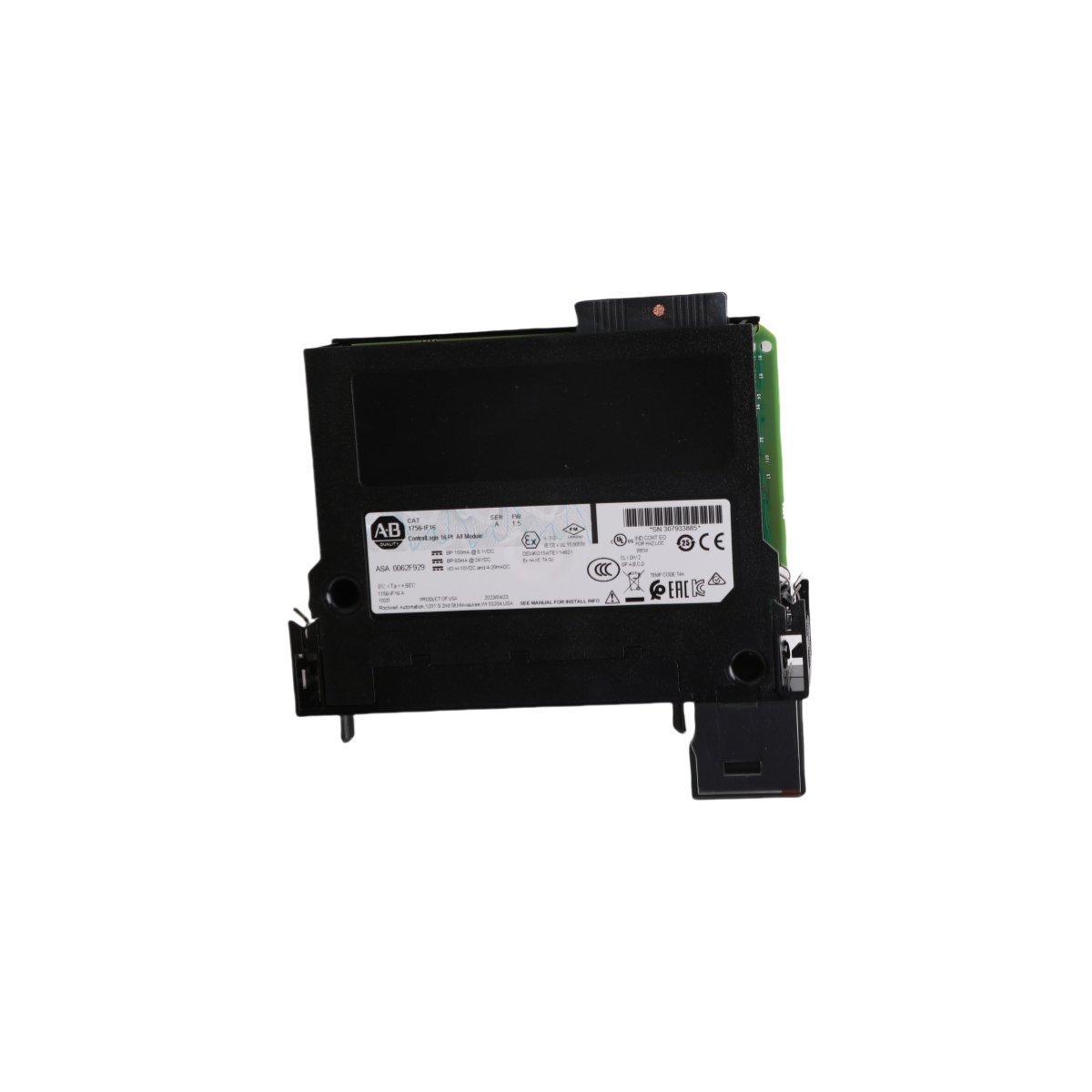
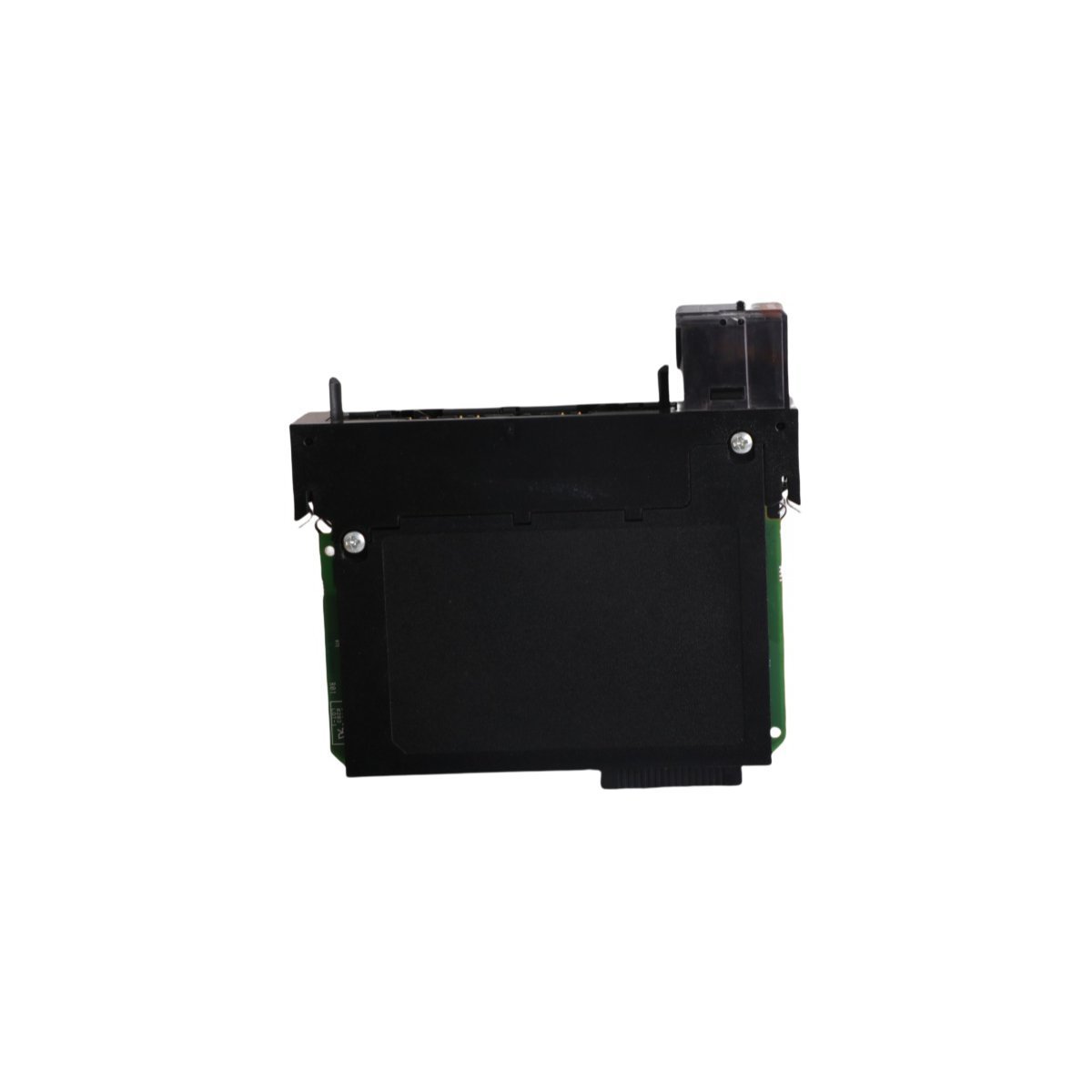
The Allen Bradley 1756-IF16, also cataloged as the 1756-IF16 ControlLogix 16 Pt A/I Module, operates as a dedicated hardware component for analog signal acquisition within industrial programmable logic controller architectures.
Hardware Specifications
Parameter
Specification
Model
1756-IF16
Brand
Allen Bradley
Origin
USA
Weight
0.35 kg
Dimensions
23.3 x 18.2 x 5.3 cm
Operating Temp
0 deg C to 60 deg C
Power Consumption
1 W (backplane current draw at 5.1 VDC: 150 mA)
Profinet / EtherNet/IP Deterministic Networks
The module integrates seamlessly into deterministic industrial network topologies through ControlLogix backplane communication, supporting Producer/Consumer technology to broadcast input data across multiple controllers without polling overhead. Network update intervals are configured via Logix Designer, ensuring synchronous multi-channel sampling schedules across distributed chassis architectures.
Frequently Asked Questions
Q: Does the module support removal and insertion under power (RIUP)?A: Yes, the 1756-IF16 supports RIUP when installed in a standard ControlLogix chassis, allowing hardware replacement without powering down the entire rack system.Q: What is the backplane current consumption profile?A: The module draws 150 mA from the 5.1 VDC backplane rail and 20 mA from the 24 VDC backplane rail during standard operation.Q: How is individual channel filtering configured?A: Digital filter frequencies ranging from 1 Hz to 60 Hz can be independently assigned to each of the 16 channels via software configuration to attenuate industrial line noise.
Field Installation Guidelines
Mount the module into any available slot within a standard ControlLogix chassis using the chassis guide rails, ensuring the latching mechanism engages securely. Connect shielded twisted-pair cables to the removable terminal block (RTB) to mitigate electromagnetic interference. Terminate cable shields to the nearest functional earth ground bar using grounding lugs. Verify backplane power status prior to seating the module to prevent electrical transients.
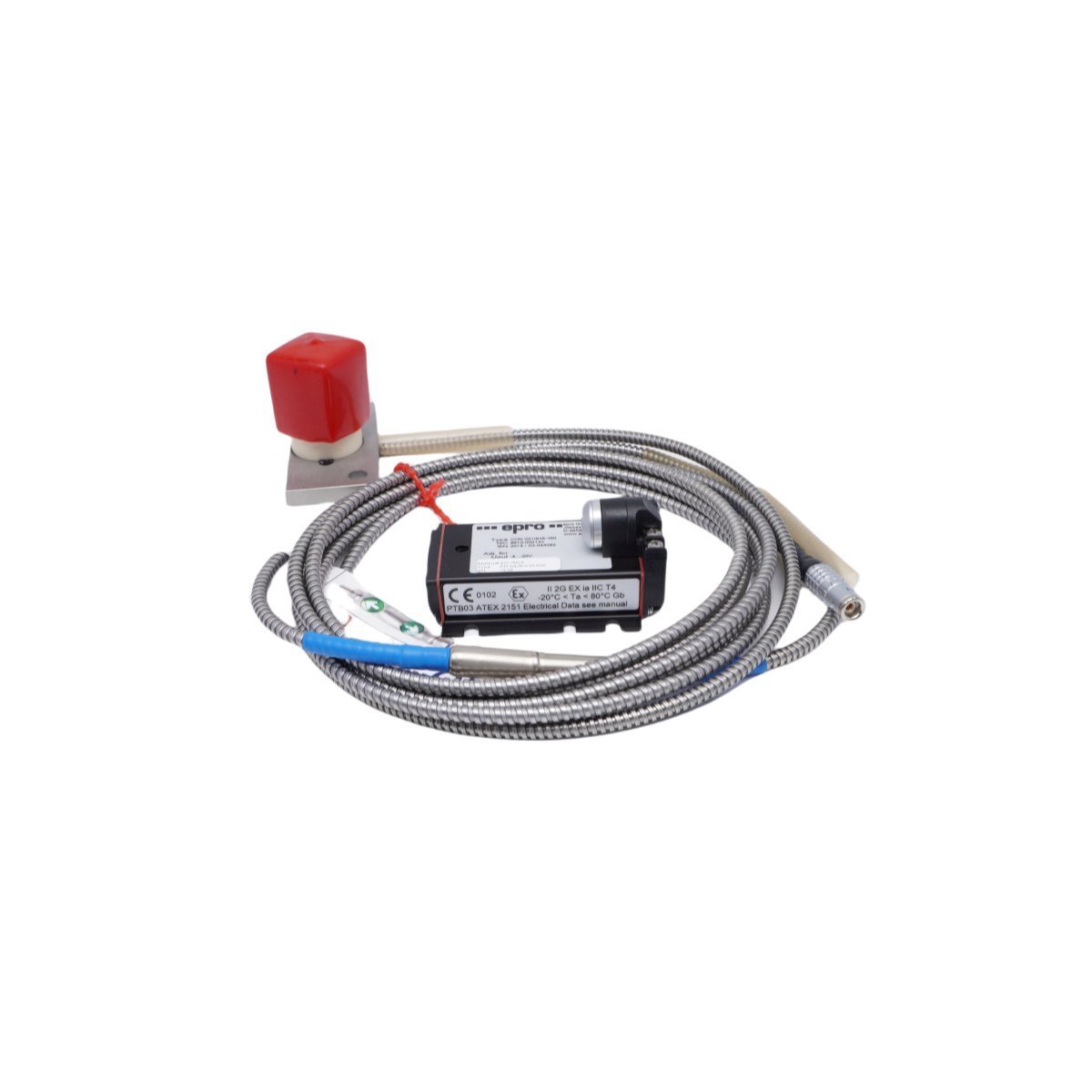
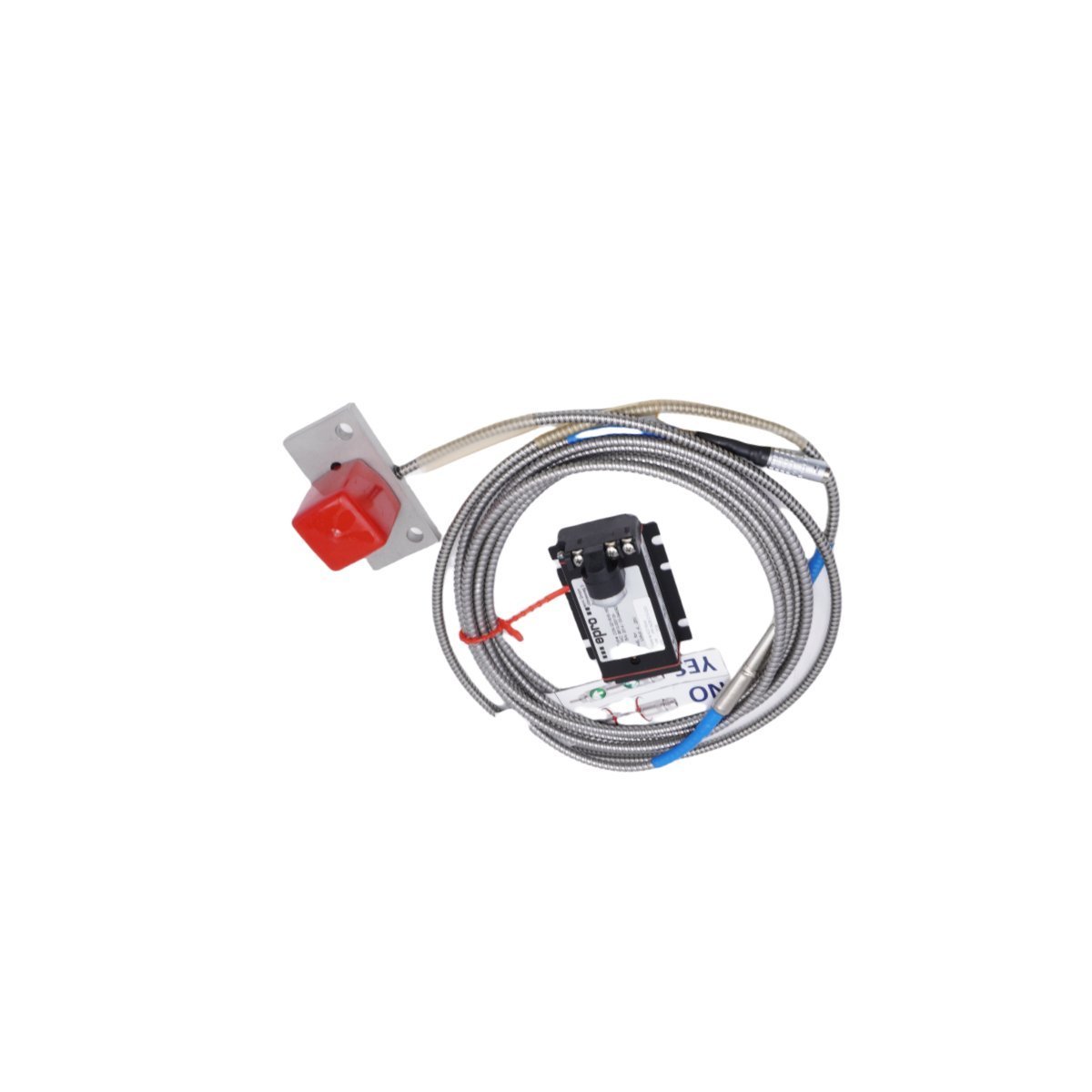
The Emerson PR6426/010-000 CON021, also cataloged as the PR6426/010-000 CON021 Controller Module, operates as a dedicated hardware component for analog process signal conditioning and control loop execution within distributed control platforms.
Hardware Specifications
Parameter
Specification
Model
PR6426/010-000 CON021
Brand
Emerson
Origin
USA
Weight
0.54 kg
Dimensions
22 x 18 x 4.5 cm
Operating Temp
0 deg C to 60 deg C
Power Consumption
24 VDC nominal
Process Loop Integration and Signal Isolation
The module processes analog inputs through dedicated signal conversion channels while maintaining channel-to-channel isolation to prevent electrical interference across loops. The internal circuitry supports 4-20 mA HART loop protocol integration for remote transmitter calibration and real-time diagnostic polling. Cold junction compensation (CJC) maintains thermocouple measurement accuracy across ambient temperature shifts, while FOUNDATION Fieldbus communication layers execute deterministic field device updates without loop degradation.
Frequently Asked Questions
Q: Does the module support live insertion and removal under power?A: System backplane specifications dictate whether hot-swapping is permitted; verify rack-level power status before extracting the module to prevent backplane bus faults.Q: How are field wiring errors isolated from internal processor components?A: Channel-to-channel galvanic isolation circuits prevent transient overvoltages from propagating across adjacent analog input channels or damaging internal logic planes.
Field Installation Guidelines
Mount the unit securely within designated enclosure slots, ensuring that shielded twisted-pair cables terminate at the proper grounding bars to minimize electromagnetic interference. Verify loop supply voltage levels prior to terminal block connection to protect analog input stages against overvoltage conditions.
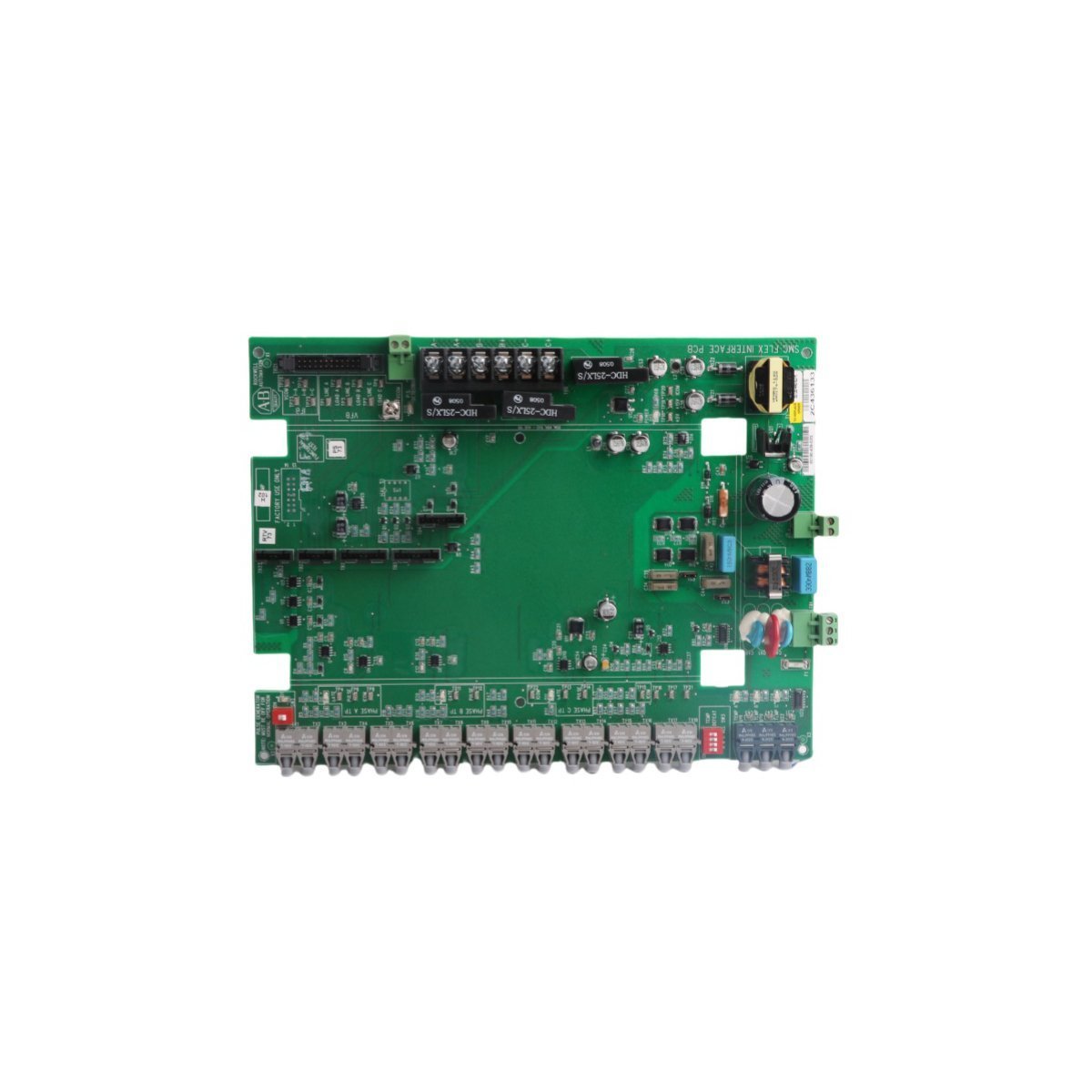
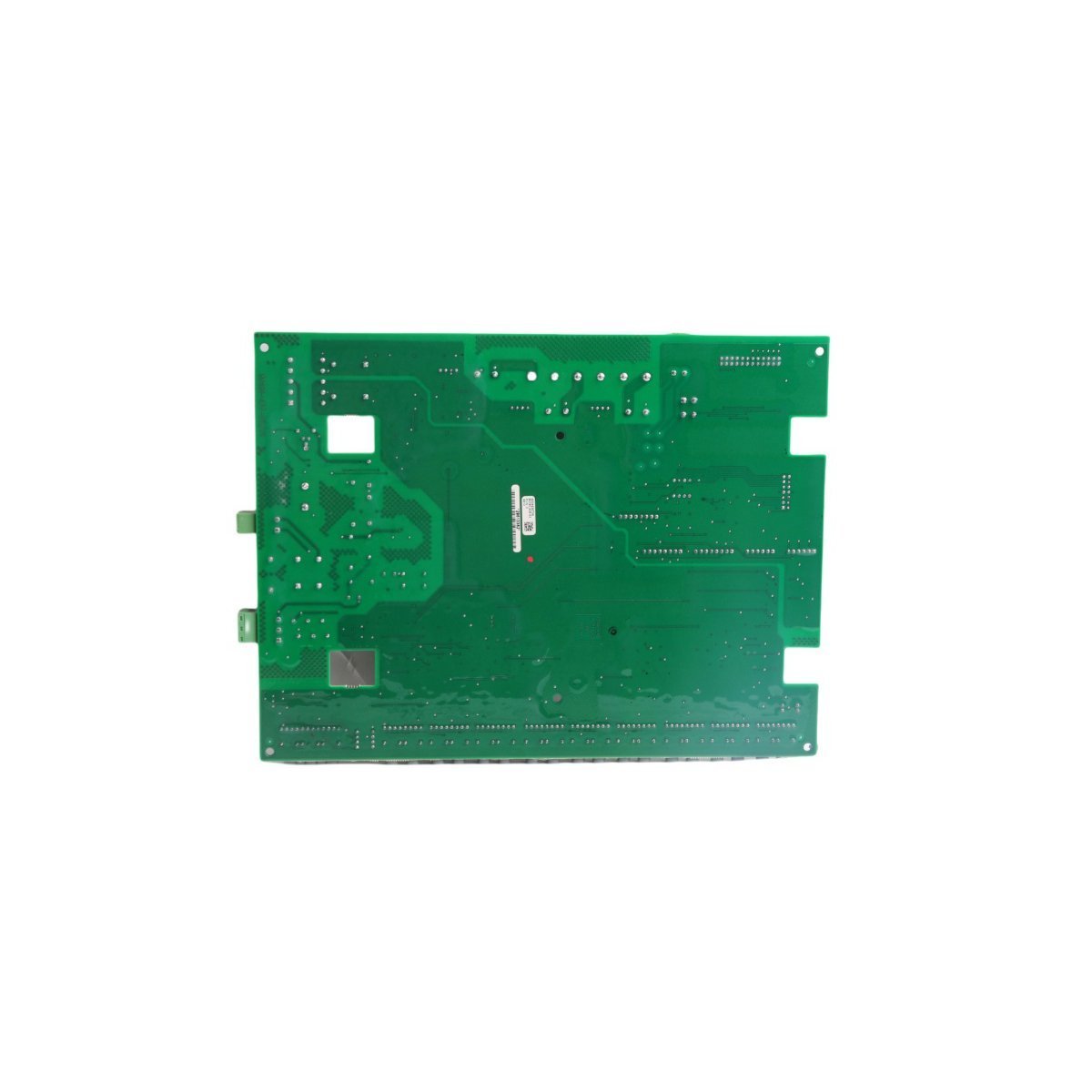
Configured for signal interfacing and communication management in PLC-based automation systems, the Allen Bradley 80190-440-03-R (80190-440-03-R Interface Board) provides direct physical and electrical execution for motor control coordination.
Hardware Specifications
Parameter
Specification
Model
80190-440-03-R
Brand
Allen Bradley
Origin
USA
Weight
0.46 kg
Dimensions
27.8 x 21.4 x 2.8 cm
Operating Temp
Standard industrial range
Power Consumption
System dependent
Module Type
Interface Board
Control System Integration Characteristics
The Allen Bradley 80190-440-03-R is engineered to facilitate deterministic data exchange within control architectures. It supports robust backplane bus communication, ensuring signal integrity for soft-start and drive-control peripherals. The module's circuitry is optimized for I/O density scaling, allowing for consistent signal propagation across complex, multi-node network topologies. Firmware compatibility ensures this hardware remains responsive to system-level configuration changes, maintaining timing precision required for synchronized motor start-up and protection sequences.
Frequently Asked Questions
Q: What precautions should be taken during the physical installation of this interface board to prevent signal interference?A: Ensure that the board is securely mounted to the chassis to maintain a continuous electrical ground. When terminating control cables, utilize shielded twisted-pair cabling and ensure shields are terminated at a single point to minimize electromagnetic interference (EMI) impact on data signals.Q: Does the 80190-440-03-R require specific backplane initialization procedures?A: Before energizing the backplane, verify that the module is fully seated and that all terminal connections are tight. Upon system power-up, ensure the host processor acknowledges the module presence on the bus to confirm correct address assignment and communication link establishment.
Field Installation Guidelines
Verify that all power sources to the chassis are disconnected before module installation or removal.
Use appropriate ESD protection, including a grounded wrist strap, when handling the board to prevent damage to sensitive CMOS components.
Inspect the connector pins for any signs of oxidation or physical damage prior to inserting the board into the backplane slot.
Ensure adequate ventilation around the chassis to maintain ambient temperatures within the hardware rating.
Once installed, perform a point-to-point signal verification to ensure that the interface board correctly maps control signals between the soft-start controller and the host system.
Configured for redundant processing tasks in Series 90-70 networks, the GE IC697CGR935 (IC697CGR935 One Slot Controller Module) provides direct physical and electrical execution of logic in hot-standby architectures. This controller operates with a 96 MHz 80486DX4 microprocessor to manage up to 12K discrete I/O points and 8K analog I/O points. Synchronization between primary and secondary units is maintained through backplane communication, facilitating seamless failover transitions.
Hardware Specifications
Parameter
Specification
Model
IC697CGR935
Brand
GE
Origin
USA
Weight
0.75 kg
Dimensions
4.0 cm x 21.8 cm x 29.1 cm
Operating Temp
0 deg C to 60 deg C
Power Consumption
3.1 A
Processor
96 MHz 80486DX4
Memory
1 MB
Execution Speed
0.4 microseconds (Boolean)
Industrial Control System Performance
The IC697CGR935 relies on high-velocity backplane bus communication to ensure deterministic synchronization between redundant modules. Furthermore, firmware flash compatibility allows for controlled version updates within the Series 90-70 environment, thereby maintaining consistency across logic execution cycles. In addition, I/O density scaling is supported through the backplane interface, which enables the controller to process large datasets without exceeding defined timing constraints. Finally, Profinet and EtherNet/IP deterministic network integration requirements are managed via specific communication coprocessors when utilized in integrated automation architectures.
Frequently Asked Questions
Q: What is the failover behavior if the primary controller experiences a fault?A: In a redundant pair, the secondary controller monitors the heartbeat of the primary. Upon detection of a primary fault, the secondary transitions to the active state instantaneously to prevent interruption of the process control loop.Q: Are there specific thermal requirements for operation at ambient temperatures above 50 deg C?A: Yes. Forced air cooling is required when the operating environment exceeds 50 deg C to ensure the heat dissipation of the 80486DX4 microprocessor and internal circuitry remains within specified safe limits.
Field Installation Guidelines
Ensure the rack slot is free of debris before inserting the module to guarantee proper contact with the backplane connector.
The module must be seated flush against the rack frame and secured using the provided mounting hardware to ensure electromagnetic compatibility and grounding.
Shielded serial cables connected to the RS232 or RS485 interfaces should be grounded at the controller end to mitigate noise interference in high-EMI environments.
Upon initial power-up, verify that the 3-position switch is set to the correct mode (Run/Stop) and that status LEDs indicate valid processor health before establishing field I/O connectivity.
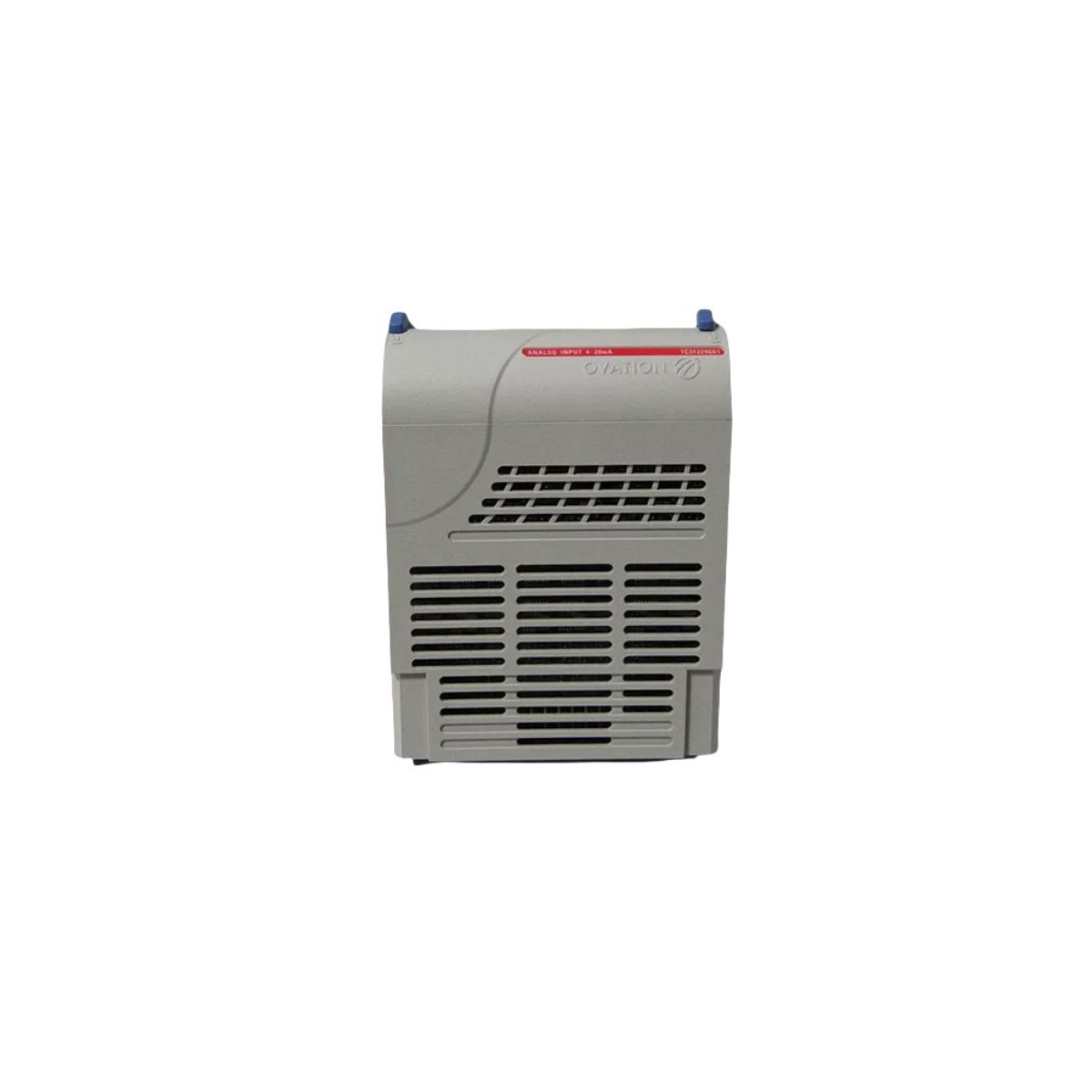
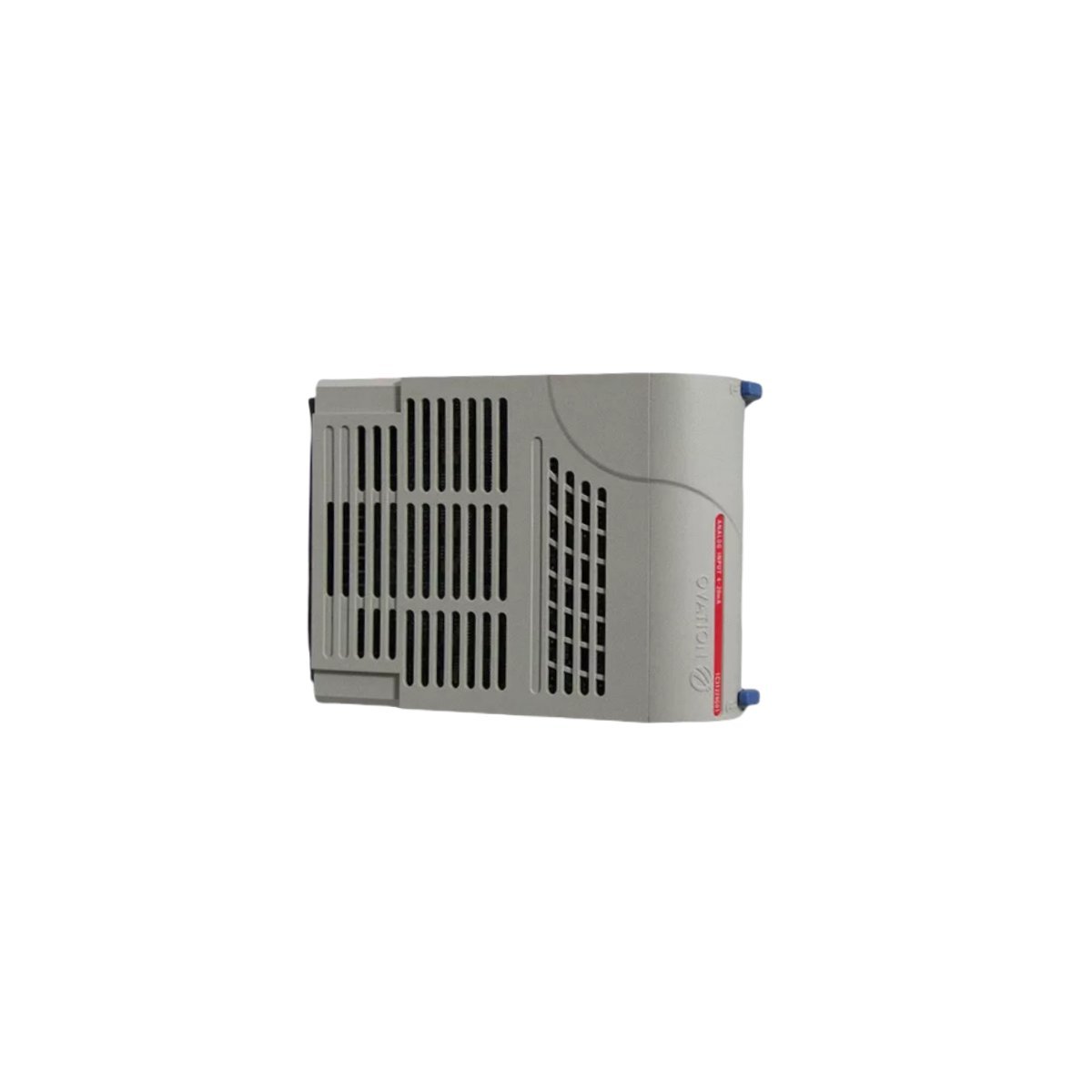
The EMERSON 1C31116G02 is a premium analog input machine control module built for the Ovation DCS platform. Original factory surplus units are available now with prompt worldwide shipping options. Safeguard your process uptime and source your necessary spare parts today.
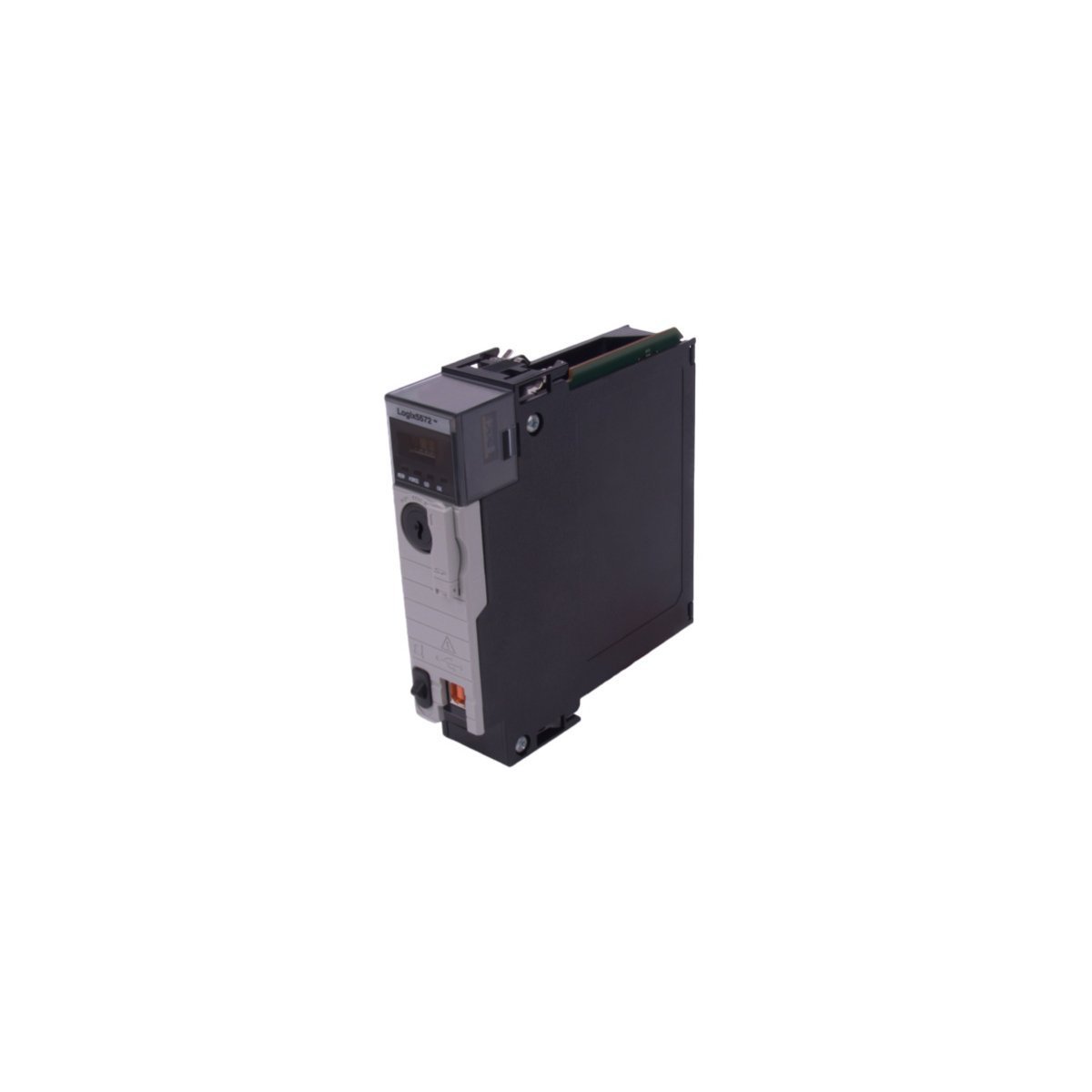
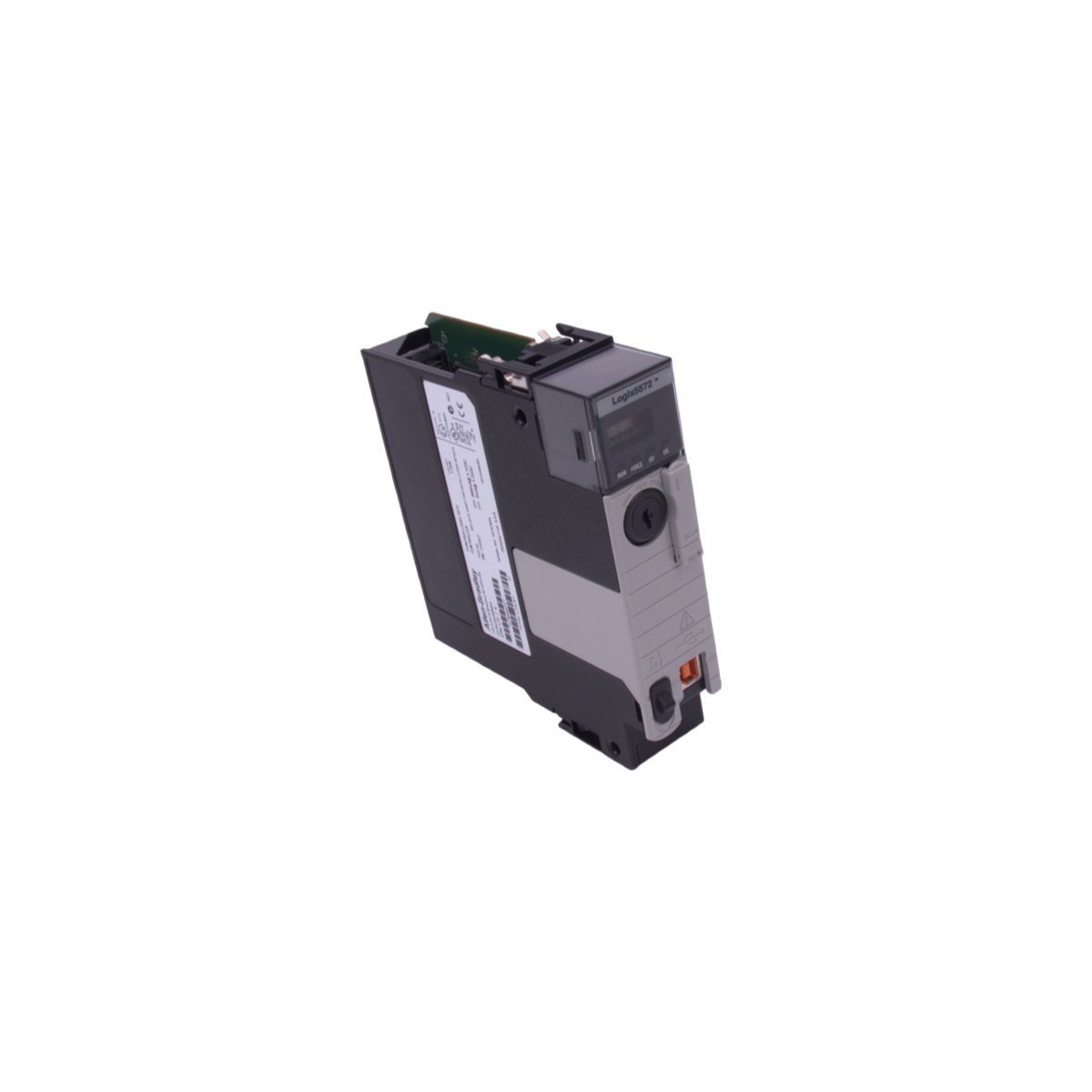
The Allen-Bradley 1756-L72 is a 4 MB ControlLogix 5570 controller designed for high-speed logic execution, motion control, and multi-network integration.
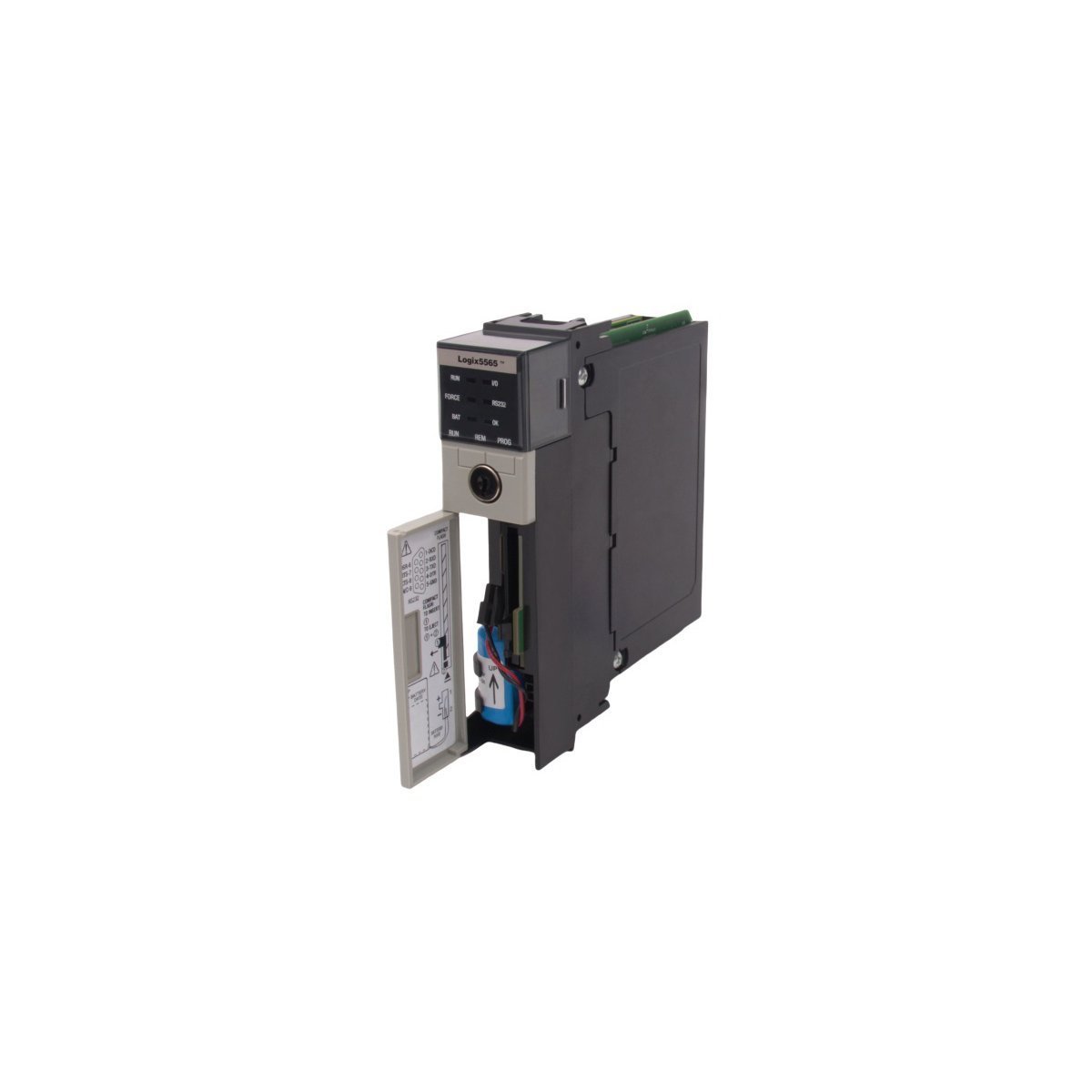
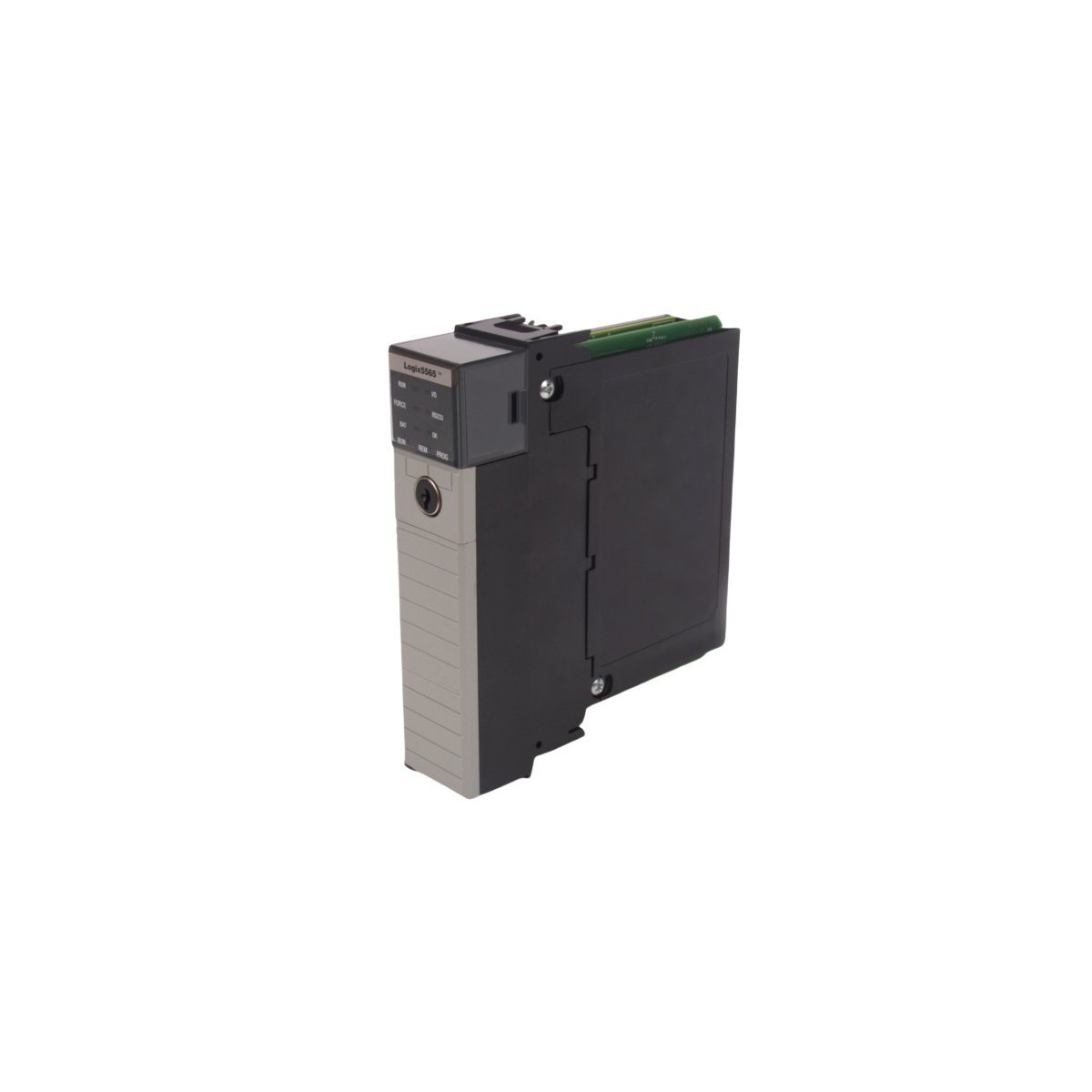
The Allen-Bradley 1756-L65 is a high-performance ControlLogix controller offering 32 MB of memory and extensive I/O scalability for complex industrial applications.
The Allen-Bradley 1785-L80B is a powerful PLC-5 processor module featuring a high-capacity memory architecture and five integrated communication channels. It supports flexible Data Highway Plus (DH+) and Remote I/O configurations alongside a dedicated RS-232C serial port, making it a reliable processing hub for complex, large-scale industrial automation environments.
The Yokogawa AFV10D is a high-performance Duplexed Field Control Unit designed for the CENTUM VP DCS. It features redundant processor modules and high-speed Vnet/IP communication to ensure continuous process control and maximum reliability in critical industrial automation applications.
The GE IS420UCSDS1 is a 600 MHz UCSB controller module for the Mark VIe system. Designed for high-reliability turbine control, it features an Intel processor, dual/TMR redundancy support, and ATEX Zone 2 certification for demanding industrial environments.
The ICS Triplex T8100C is a high-integrity Trusted Controller Chassis designed for SIL3-rated safety systems. It features a TMR-ready backplane and redundant power distribution to eliminate single points of failure. This 19-inch rack-mountable unit provides the essential foundation for fault-tolerant PLC operations in critical industrial environments.
The Allen-Bradley 1785-L30B is a 32K-word PLC-5/30 controller module designed for high-density automation.It supports 1024 I/O points and features dual DH+/Remote I/O ports alongside a multi-protocol serial interface, ensuring reliable distributed control for complex industrial applications.
We are committed to protecting your privacy. The information collected here is strictly used to provide the requested quotes, technical support, and relevant industrial automation solutions.