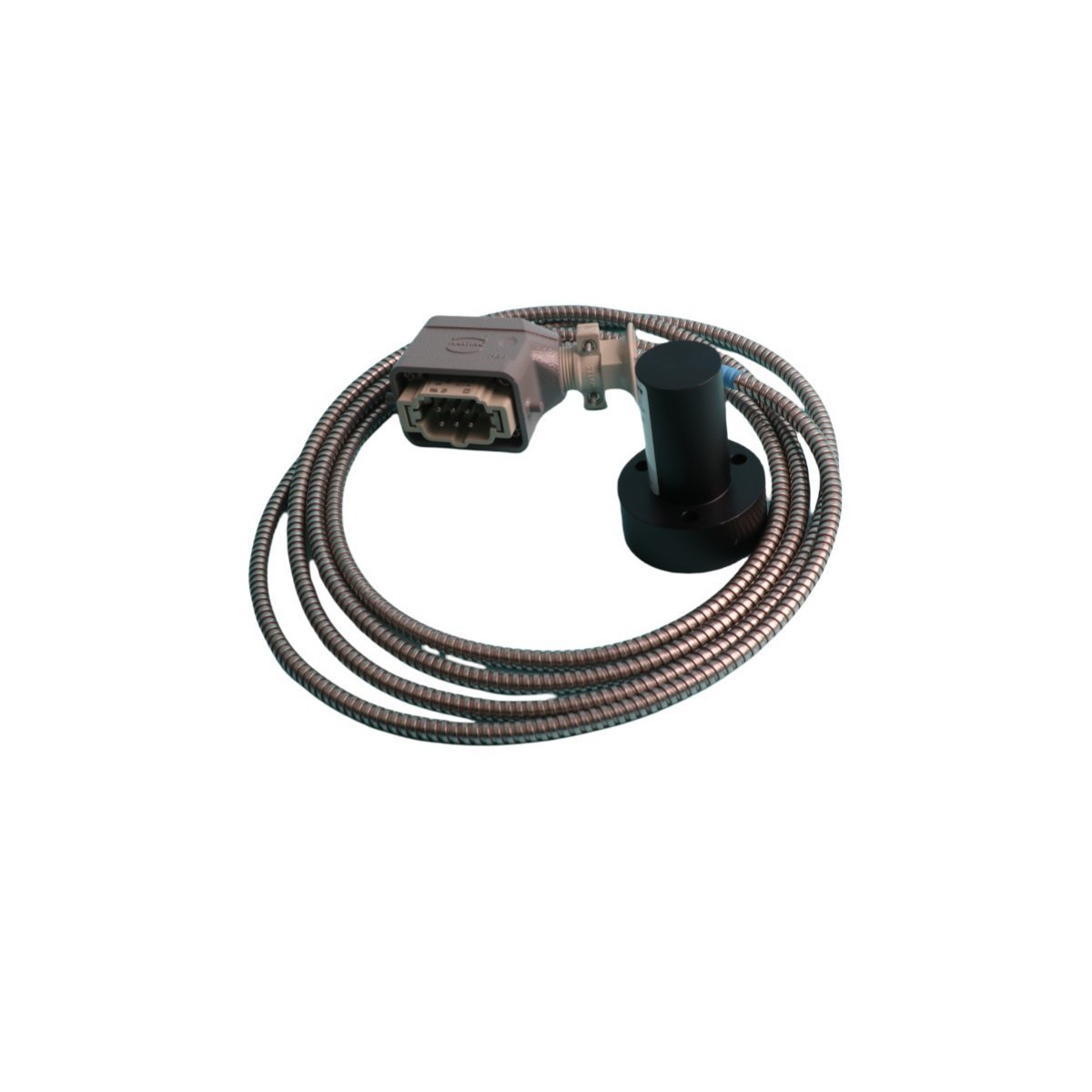
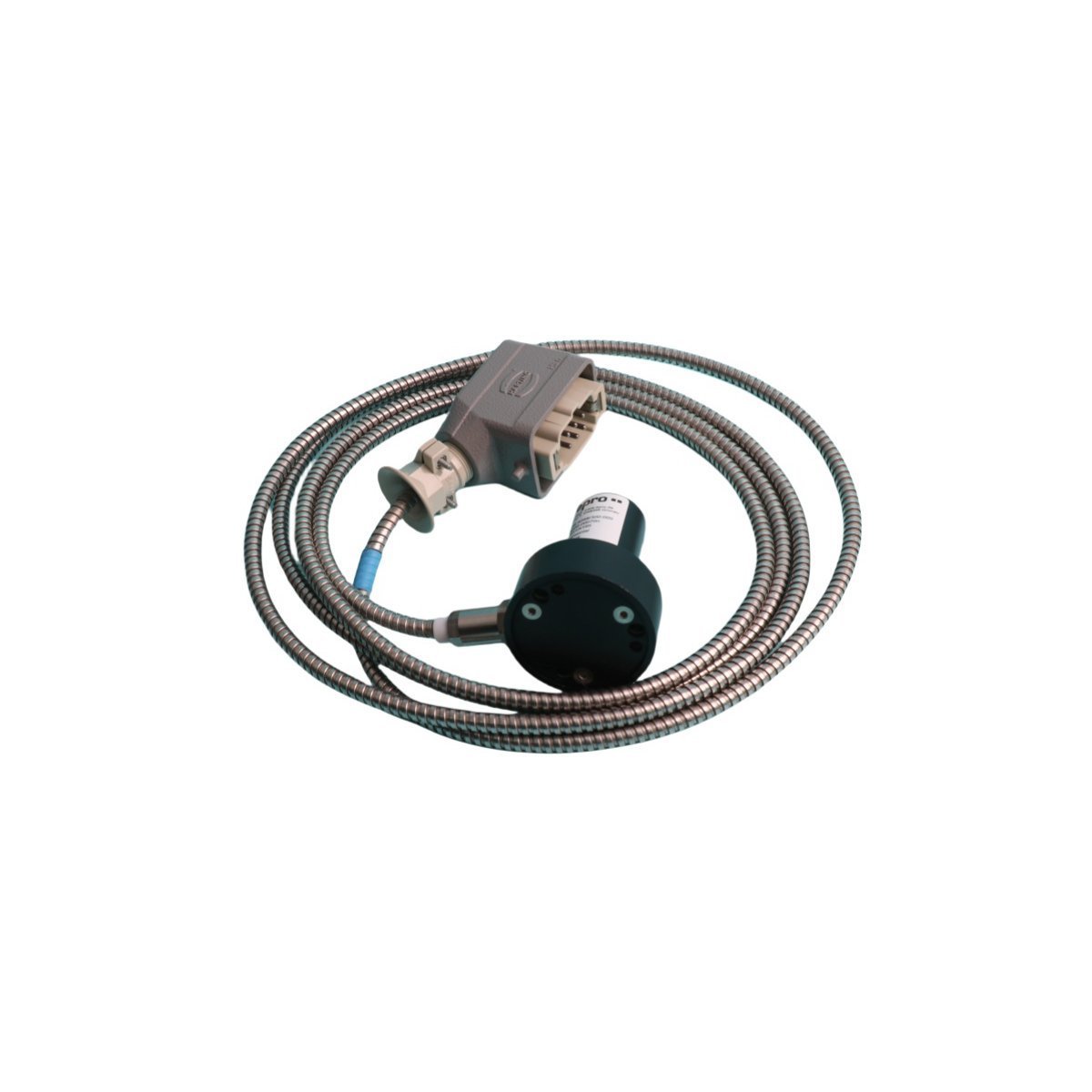
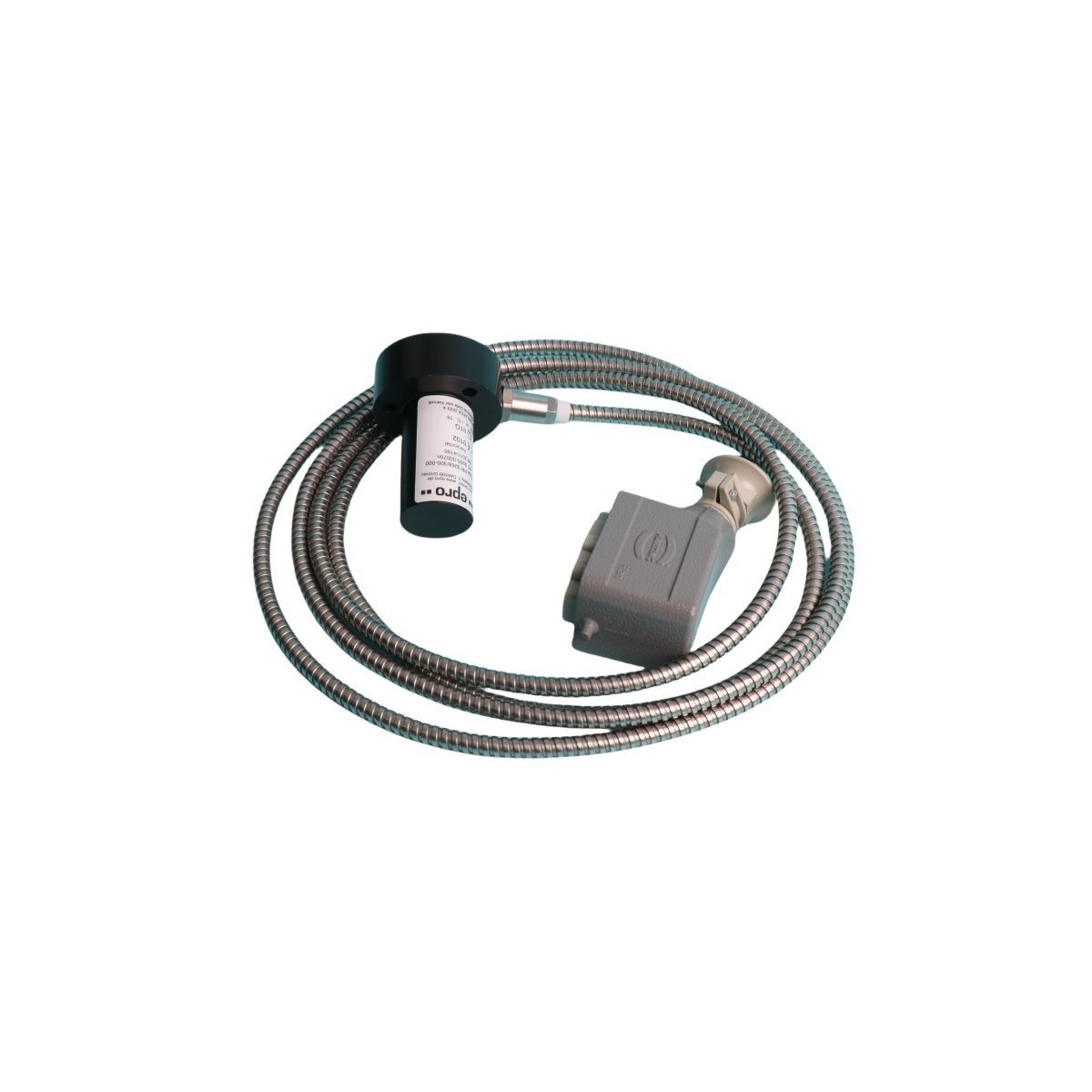
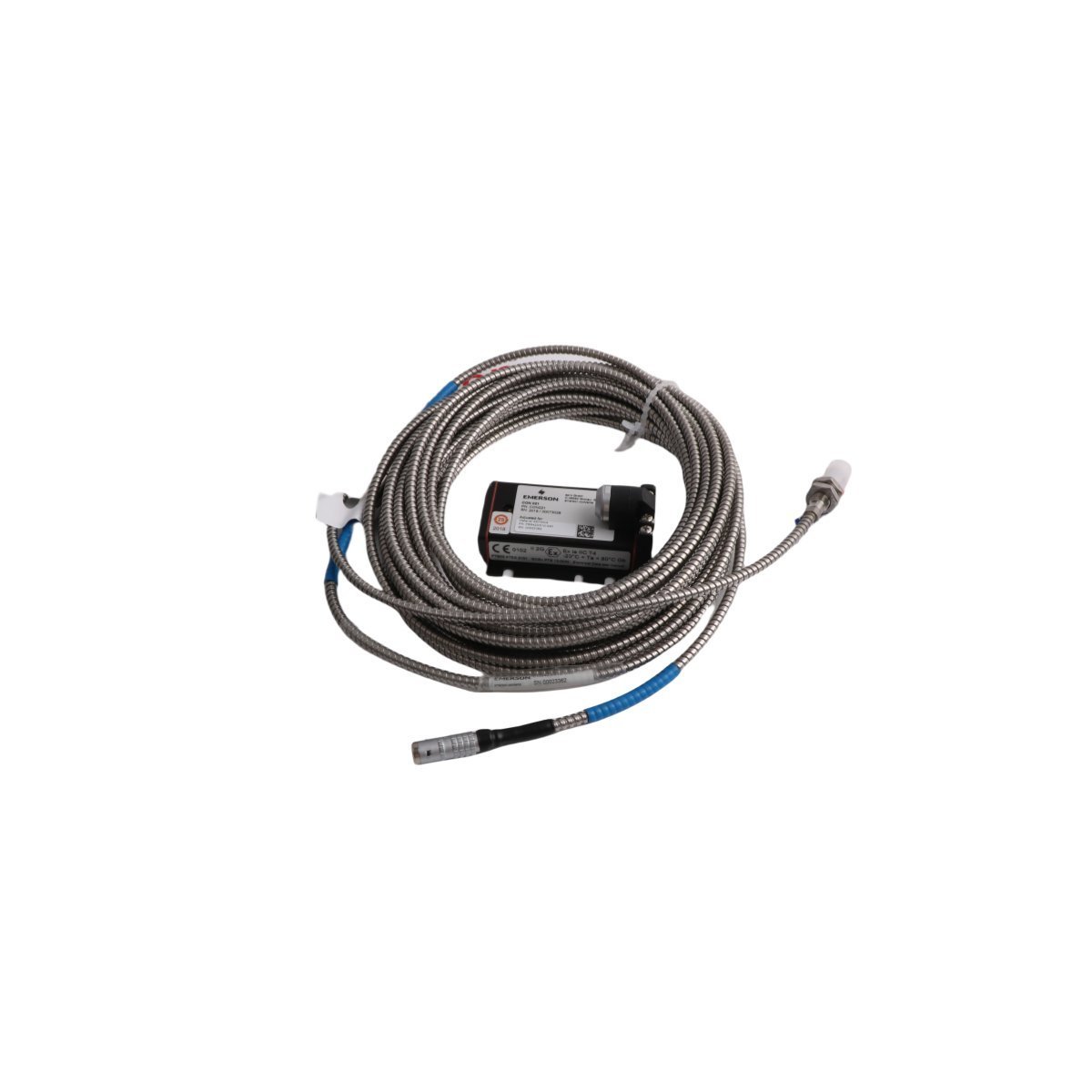
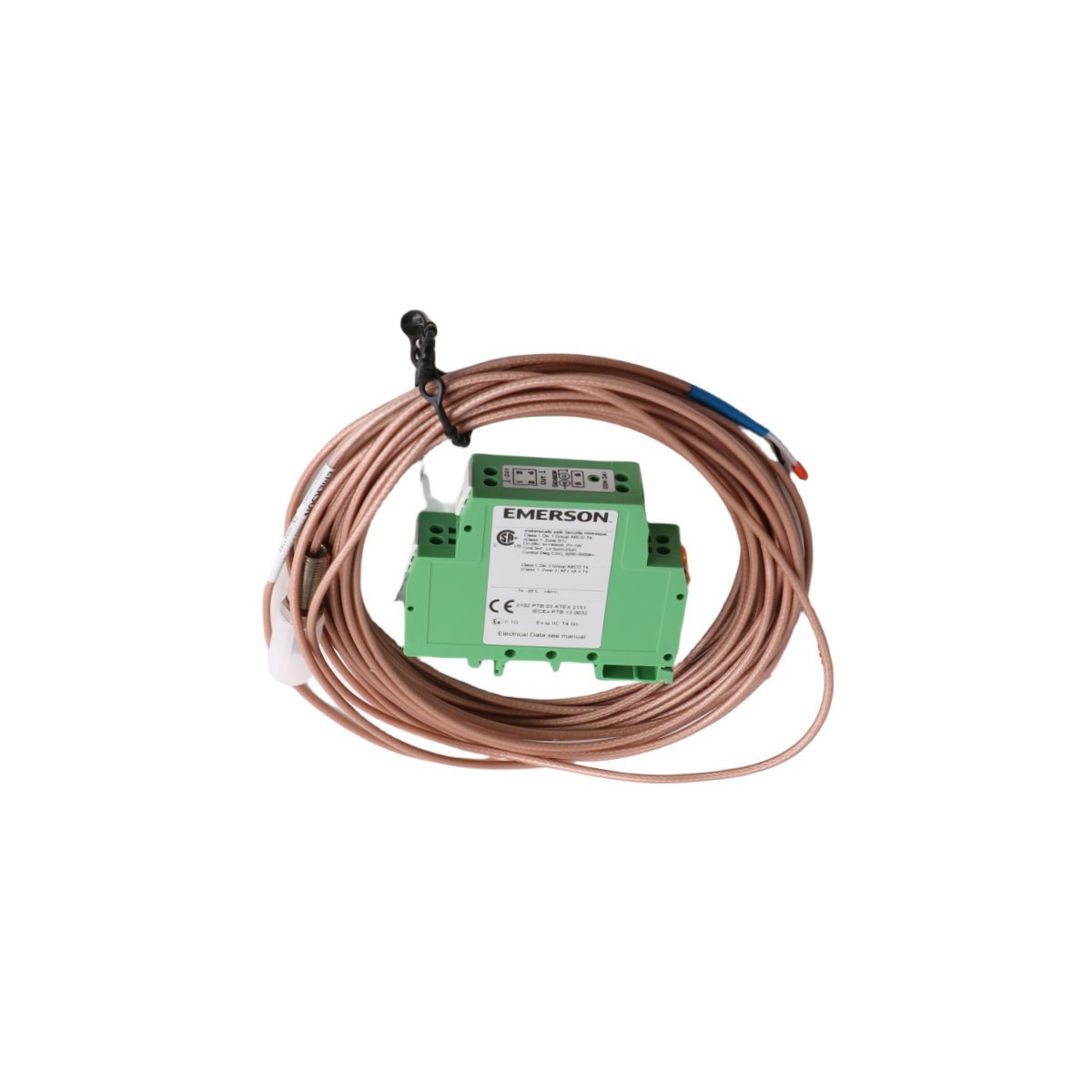
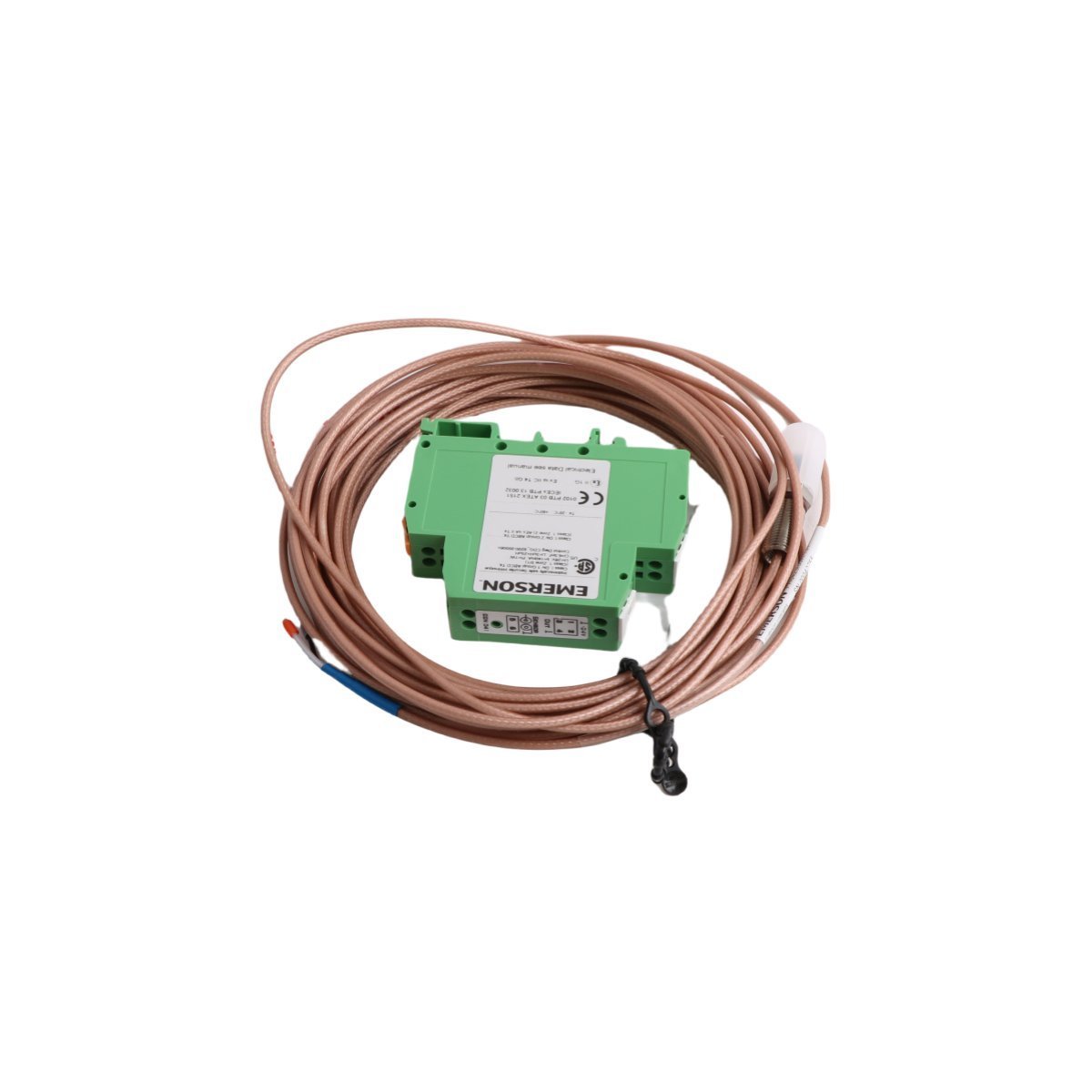
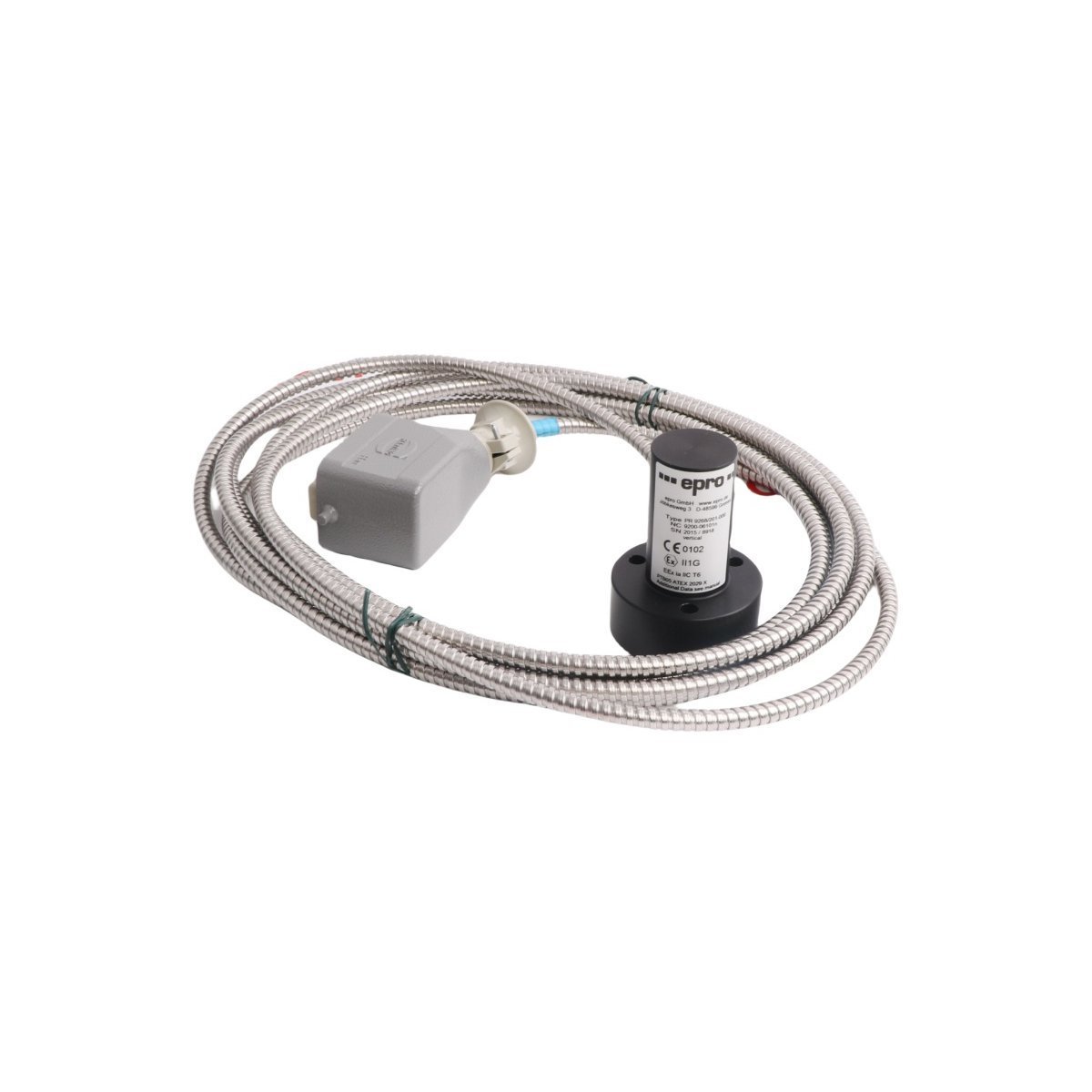
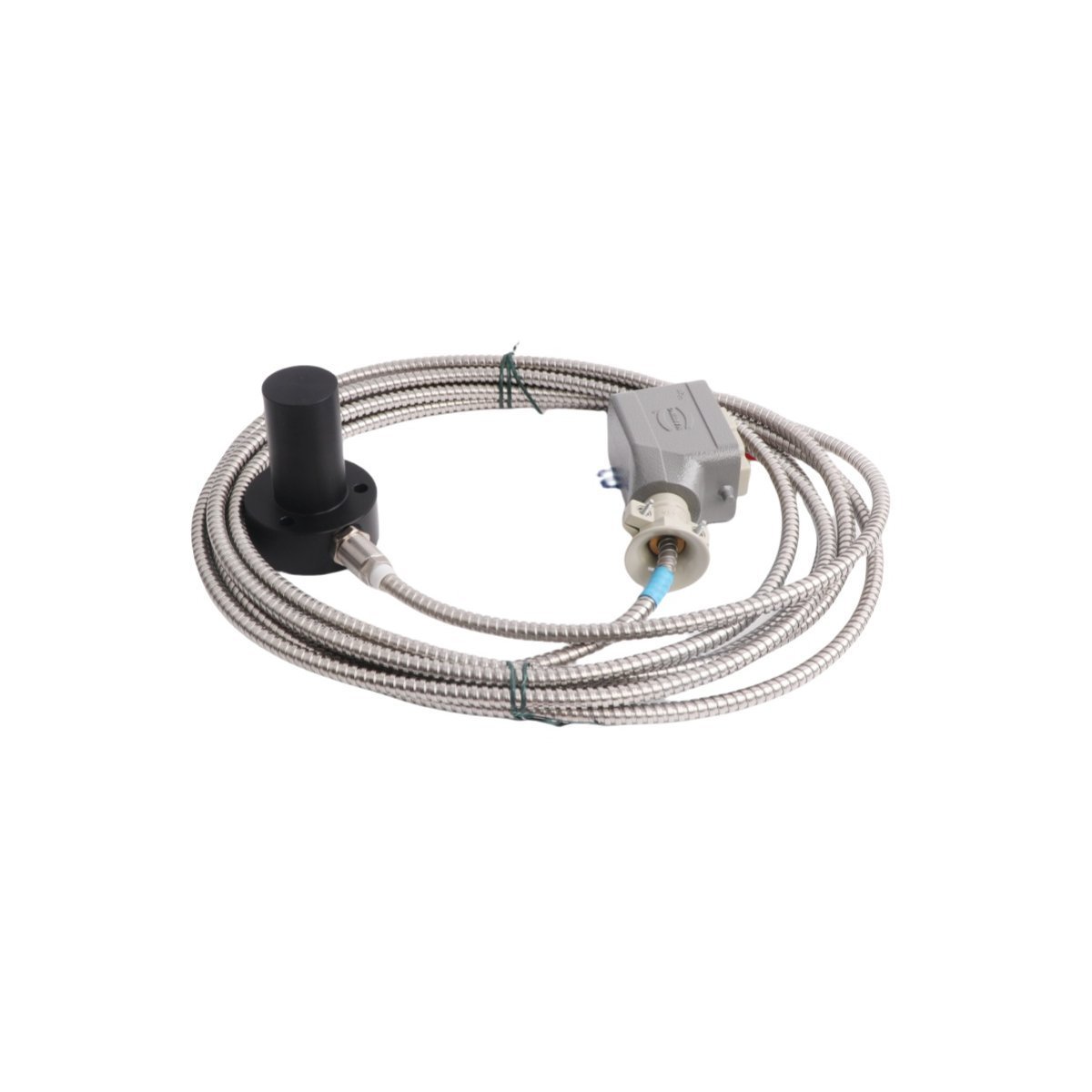
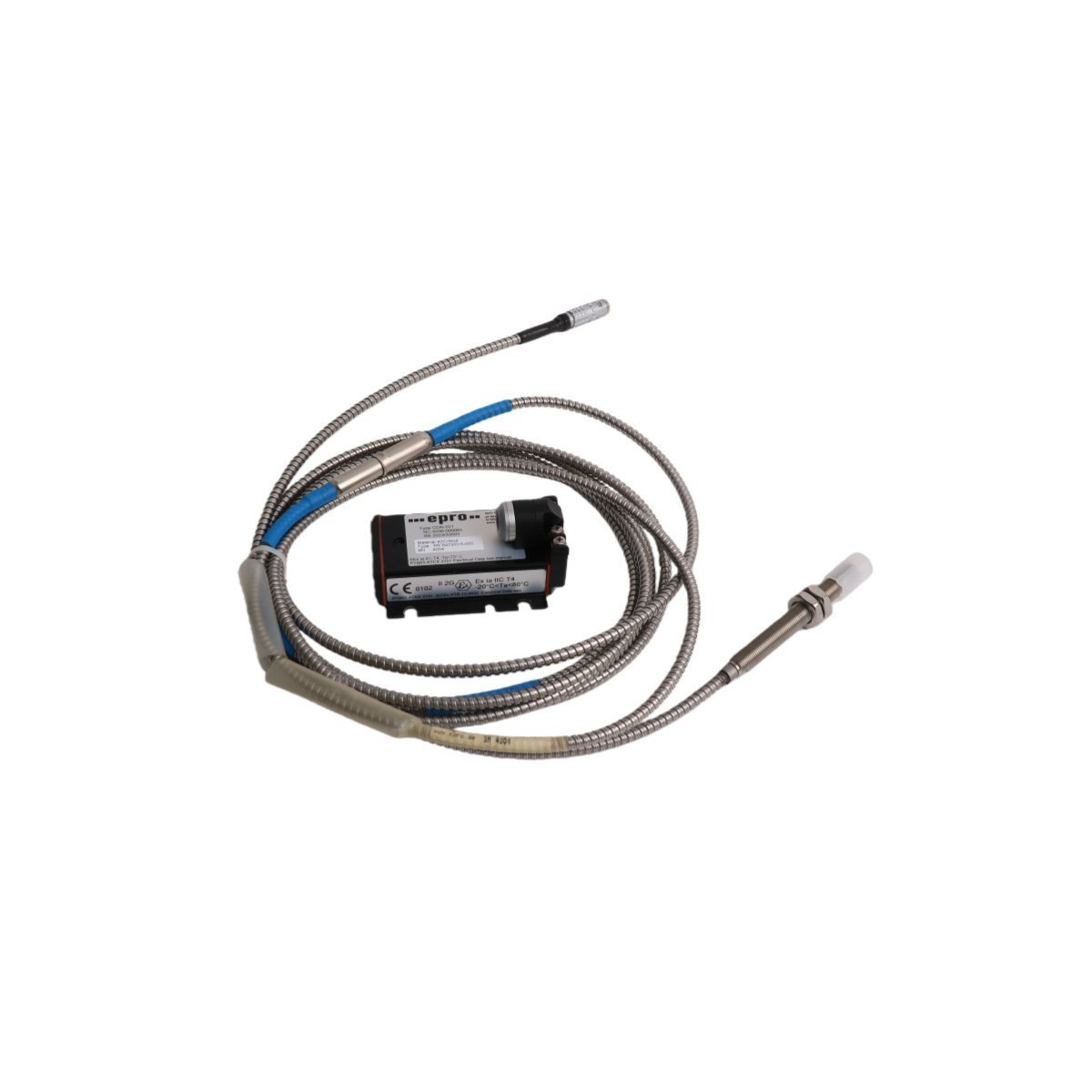
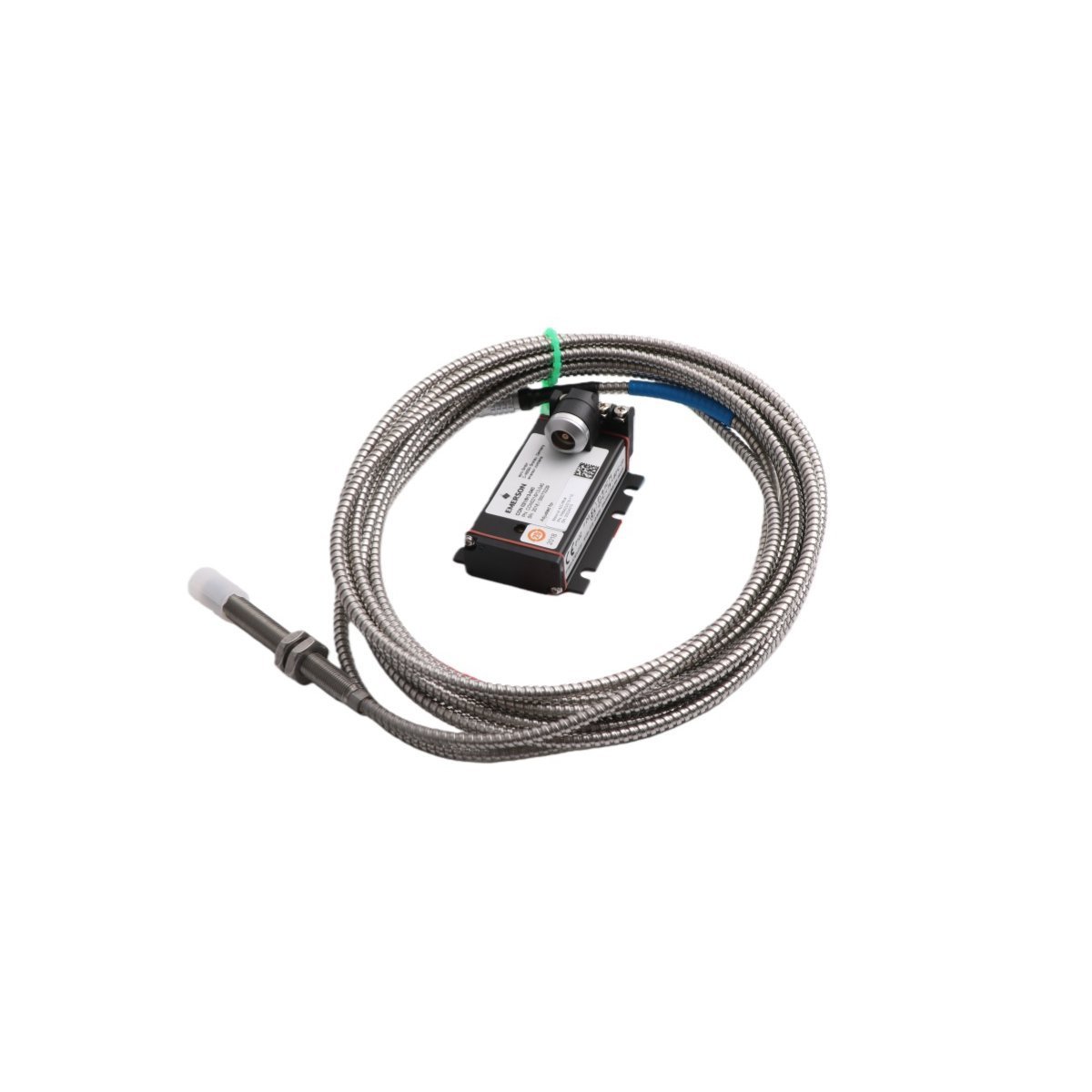
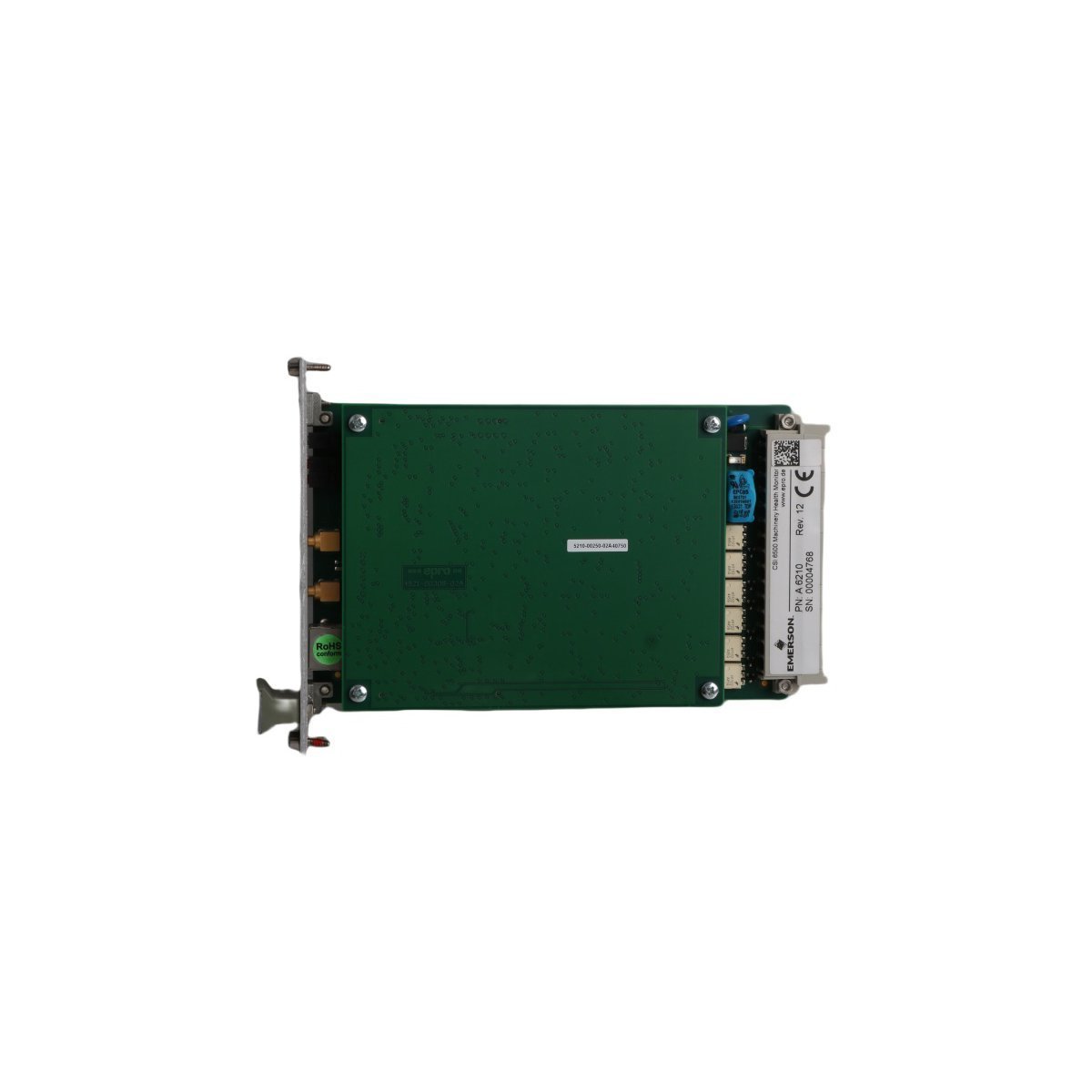
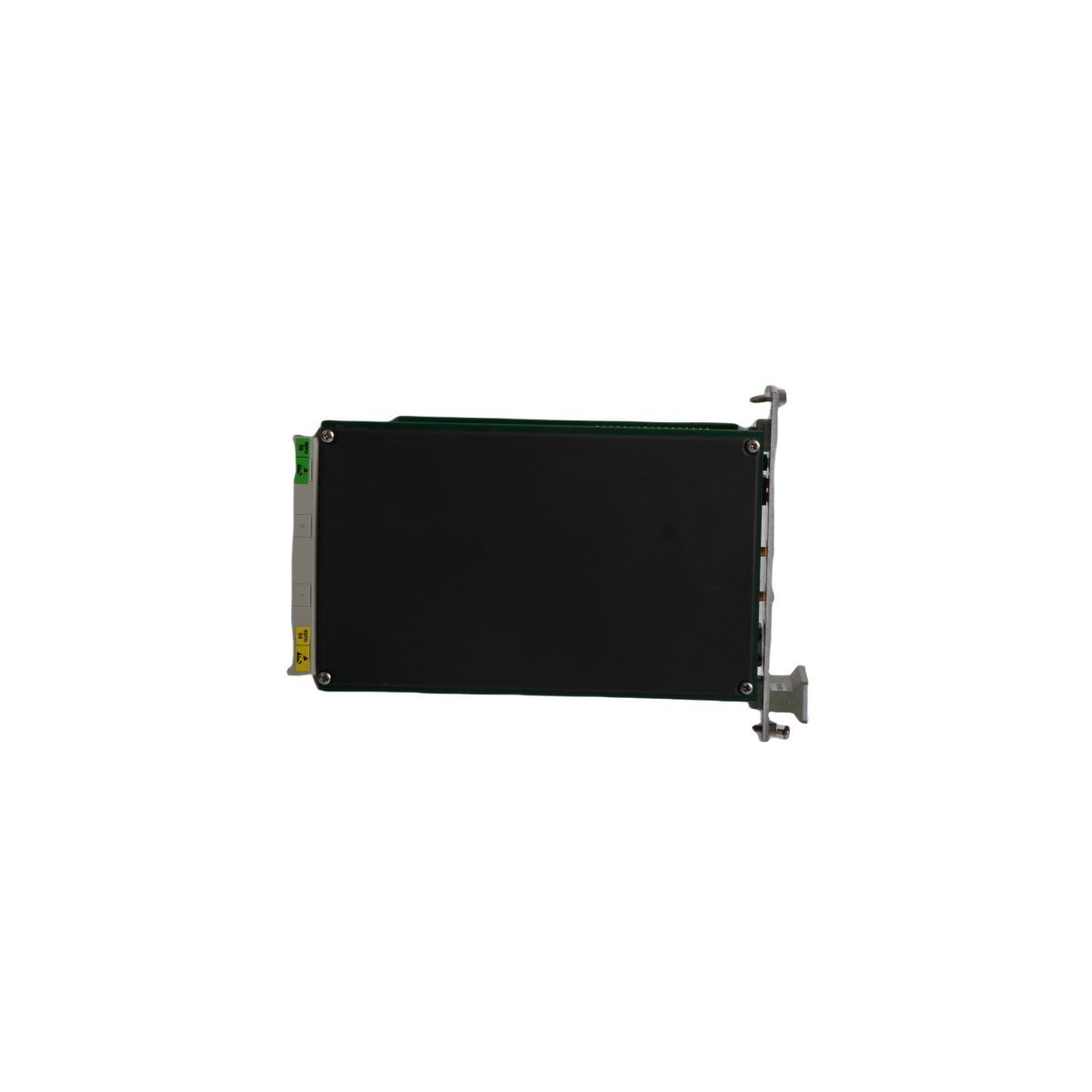
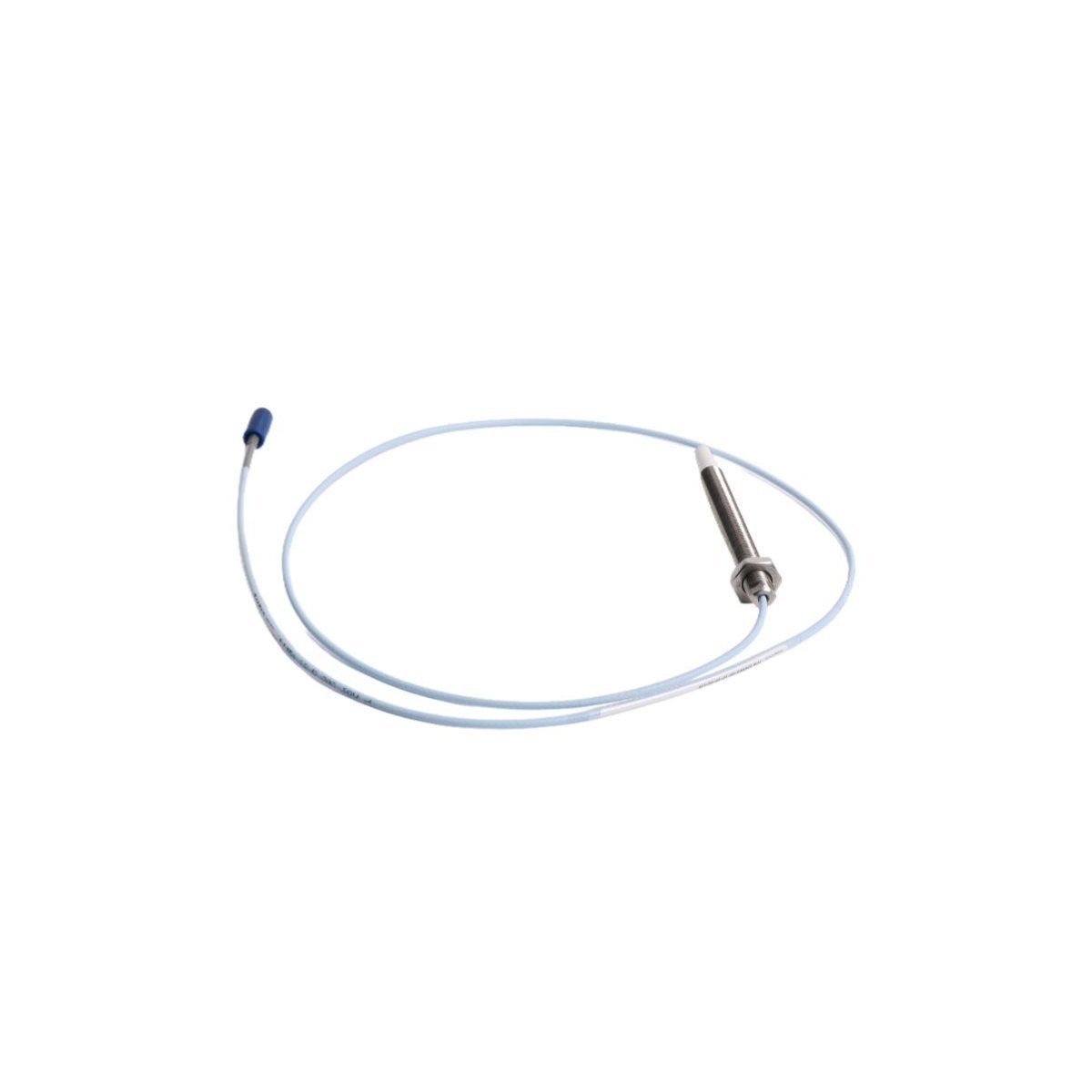
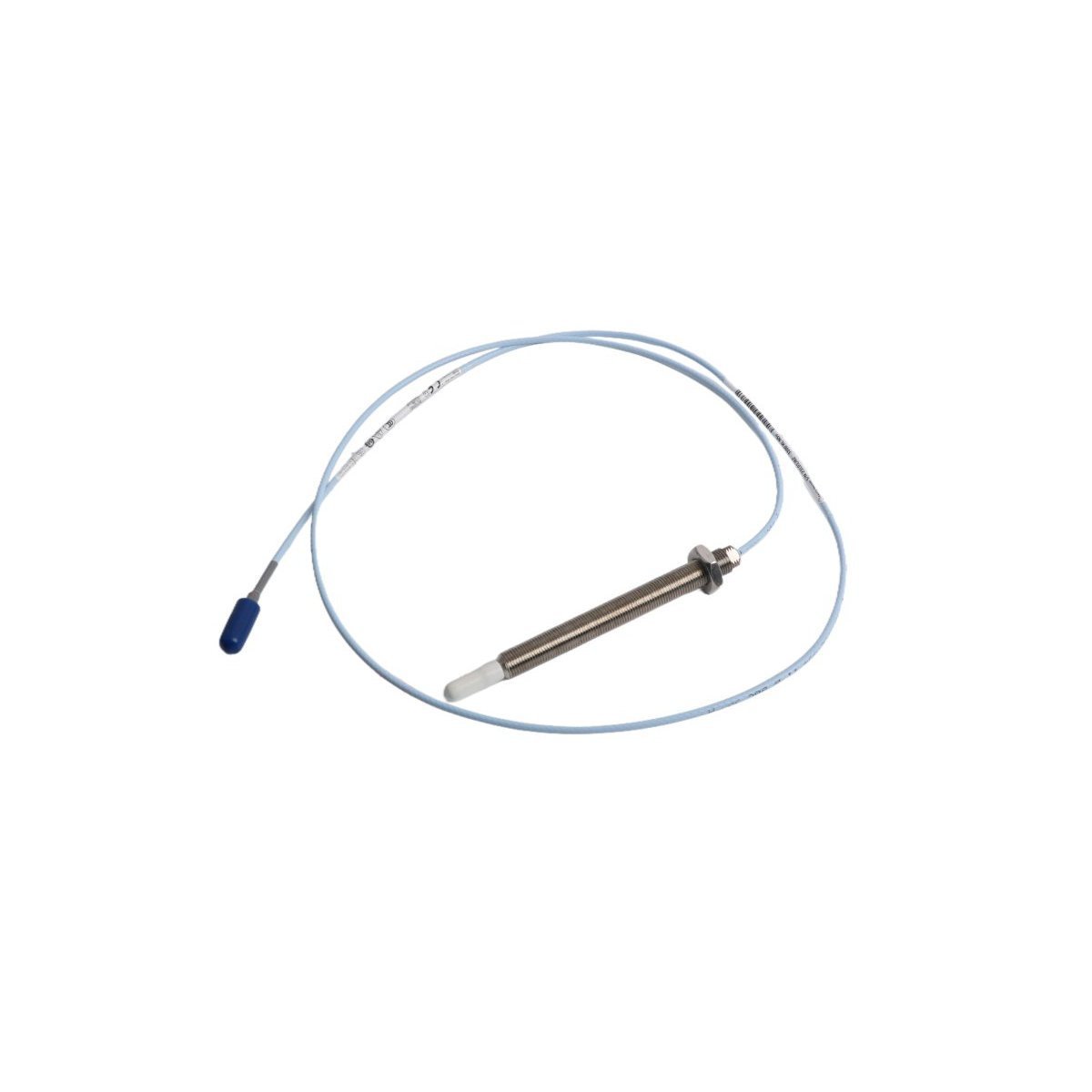
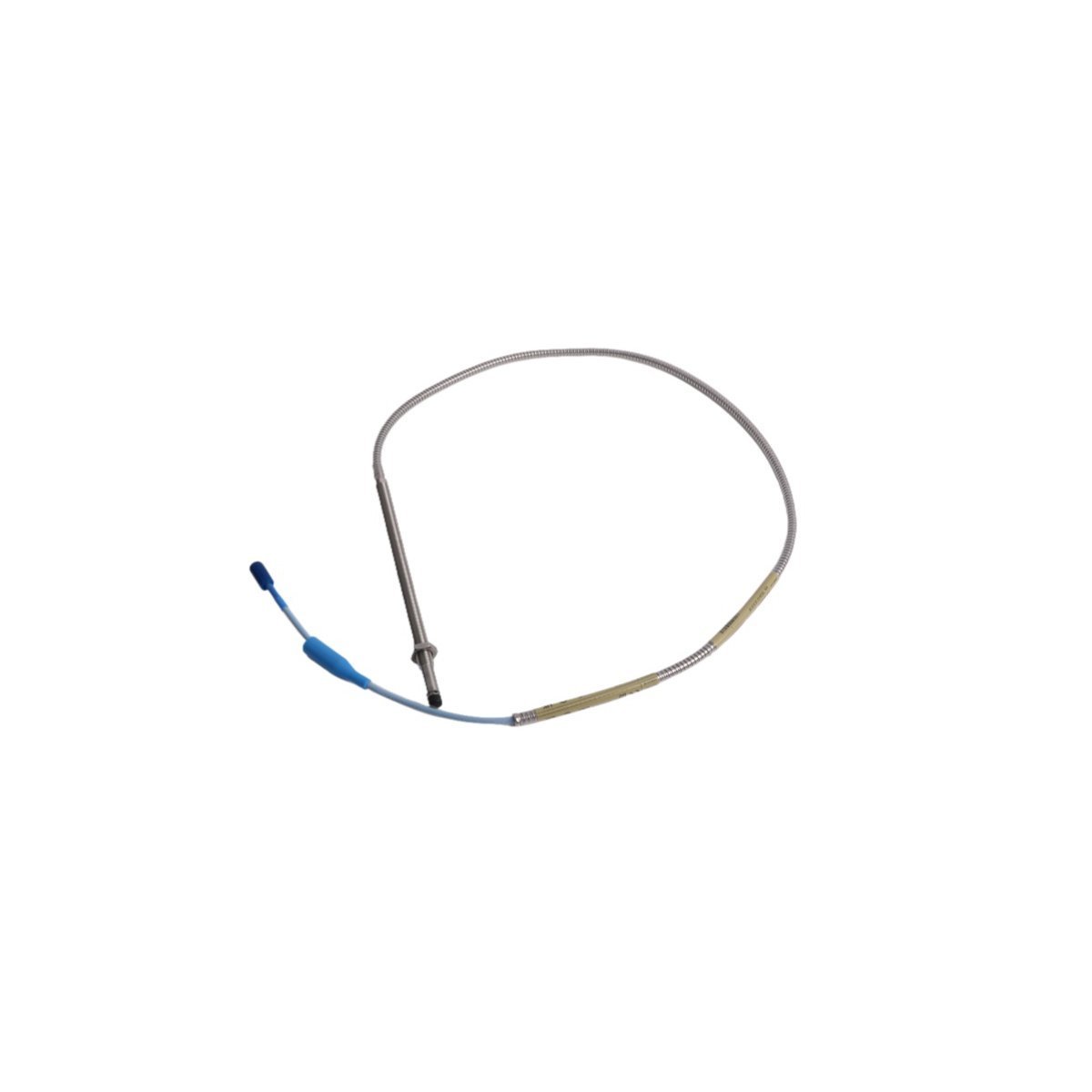
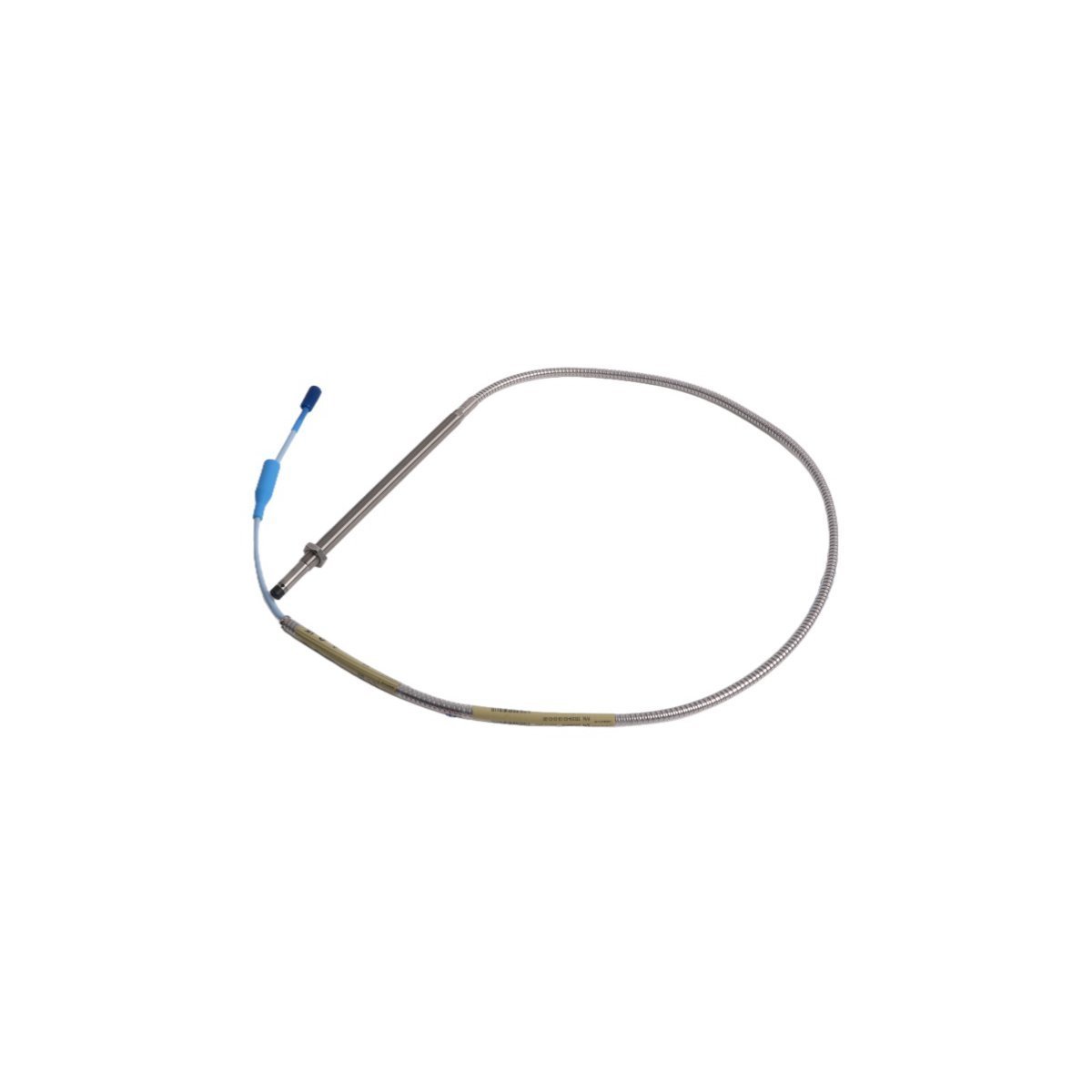
The EMERSON PR9268/017-100 is an electrodynamic seismic velocity sensor. Available as Brand New, Original Stock, with Global Shipping for asset protection.
Configured for precise absolute vibration measurement in turbomachinery components, the EMERSON PR9268/017-100 (PR9268 Mechanical velocity sensor) provides direct physical/electrical execution. The instrument operates via an electrodynamic seismic mass coil measuring structural velocity down to 4 Hz across critical rotating asset bearing housings.
Hardware Specifications
Parameter
Specification
Model
PR9268/017-100
Brand
EMERSON
Origin
USA
Weight
0.74 kg
Dimensions
23.0 x 22.0 x 3.0 cm
Operating Temp
-20 to +100 deg C
Power Consumption
Loop-powered, 4-20 mA interface
Frequency Response
4 Hz to 10 kHz
Measurement Axis
Single axis, vertical or horizontal depending on alignment
Enclosure Rating
IP67
Housing Material
Stainless steel
4-20 mA HART Loop Protocol and Channel-to-Channel Isolation
The PR9268/017-100 integrates internal transducer electronics designed to convert seismic mass relative displacement directly into a linear 4-20 mA HART loop protocol signal. The loop interface utilizes channel-to-channel isolation parameters within the companion monitoring racks to eliminate systemic ground loops across separate machine housings. The frequency response characteristic is linear within +/- 5% tolerances over the 4 Hz to 10 kHz band. This ensures that sub-synchronous faults and high-frequency structural harmonics are preserved during processing inside the monitoring rack without signal degradation from thermal variations or electromagnetic field interference.
Frequently Asked Questions
Q: What are the primary orientation restrictions for mounting this electrodynamic velocity sensor?
A: Electrodynamic sensors with the /017 suffix are calibrated for specific internal spring suspension orientations. The orientation must match the targeted measurement axis (vertical or horizontal) to prevent internal coil scraping against the permanent magnet assembly.
Q: Is external power configuration needed for raw signal transmission?
A: No. The internal circuitry uses a two-wire loop-powered architecture. The loop derives its operating power directly from the 24 VDC supply provided by the input channels of the machinery protection system or DCS.
Q: How does the IP67 housing handle local atmospheric humidity and chemical exposure?
A: The hermetically sealed stainless steel housing prevents the ingress of moisture, oil mist, and industrial solvents. Interfacing requires matching IP67-rated industrial cables and sealed connector boots to maintain environmental specifications at the connection interface.
Field Installation Guidelines
Mounting Plane Rigid Alignment: The mounting surface must be machined flat within 0.05 mm and tapped perpendicular to the asset axis. Ensure the stud engagement achieves a minimum of 5 full threads to prevent high-frequency signal attenuation caused by structural resonance.
Shielding and Common Grounding: Route the two-wire twisted pair cable inside a dedicated, grounded flexible conduit. The cable shield must be terminated at a single point inside the instrument rack terminal panel; the sensor side of the shield must remain ungrounded to avoid parasitic loops.
Mechanical Stress Relief: Allow a distinct loop radius in the flexible conduit directly adjacent to the sensor body. This minimizes structural tension on the connector pin block caused by continuous machine expansion and thermal cycling.
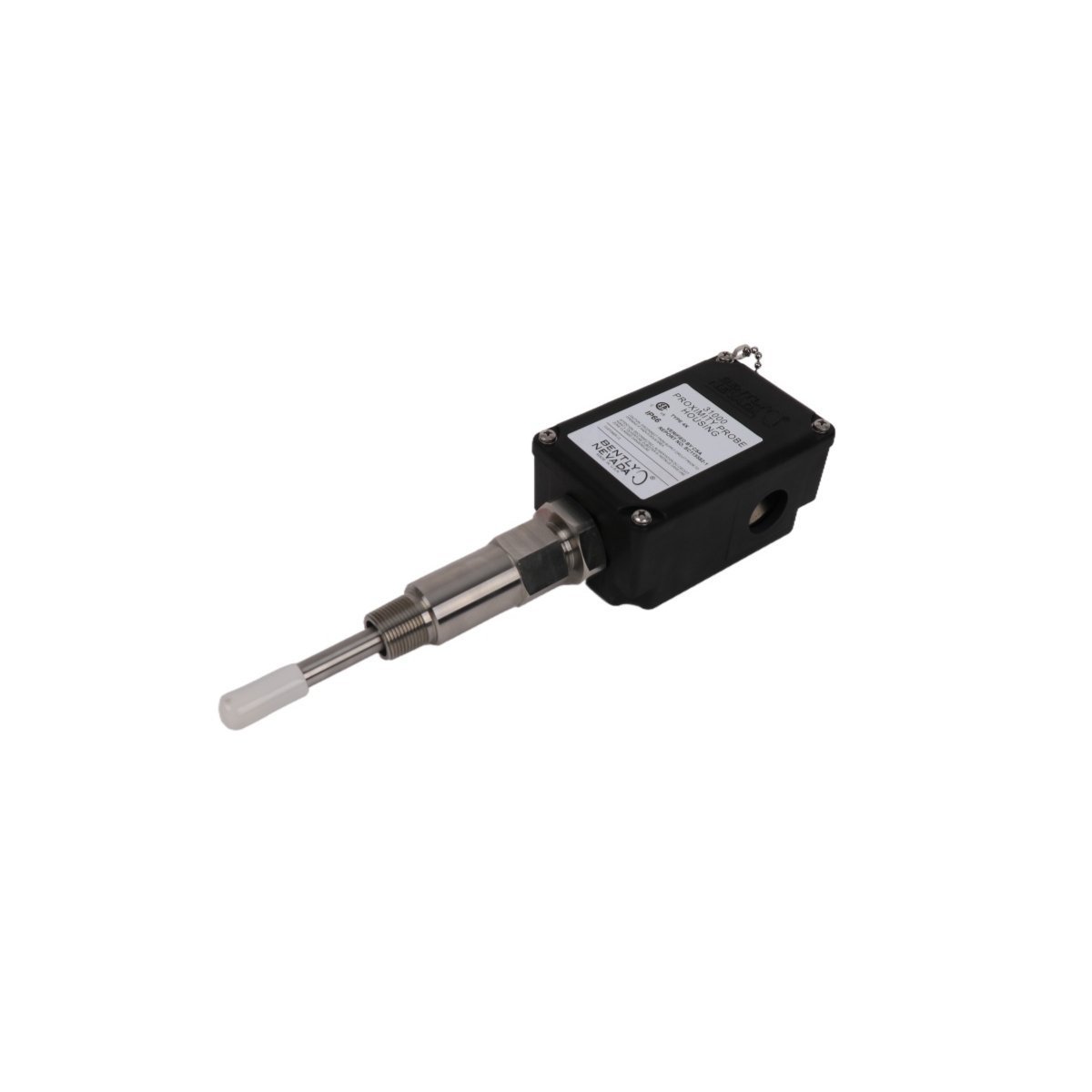
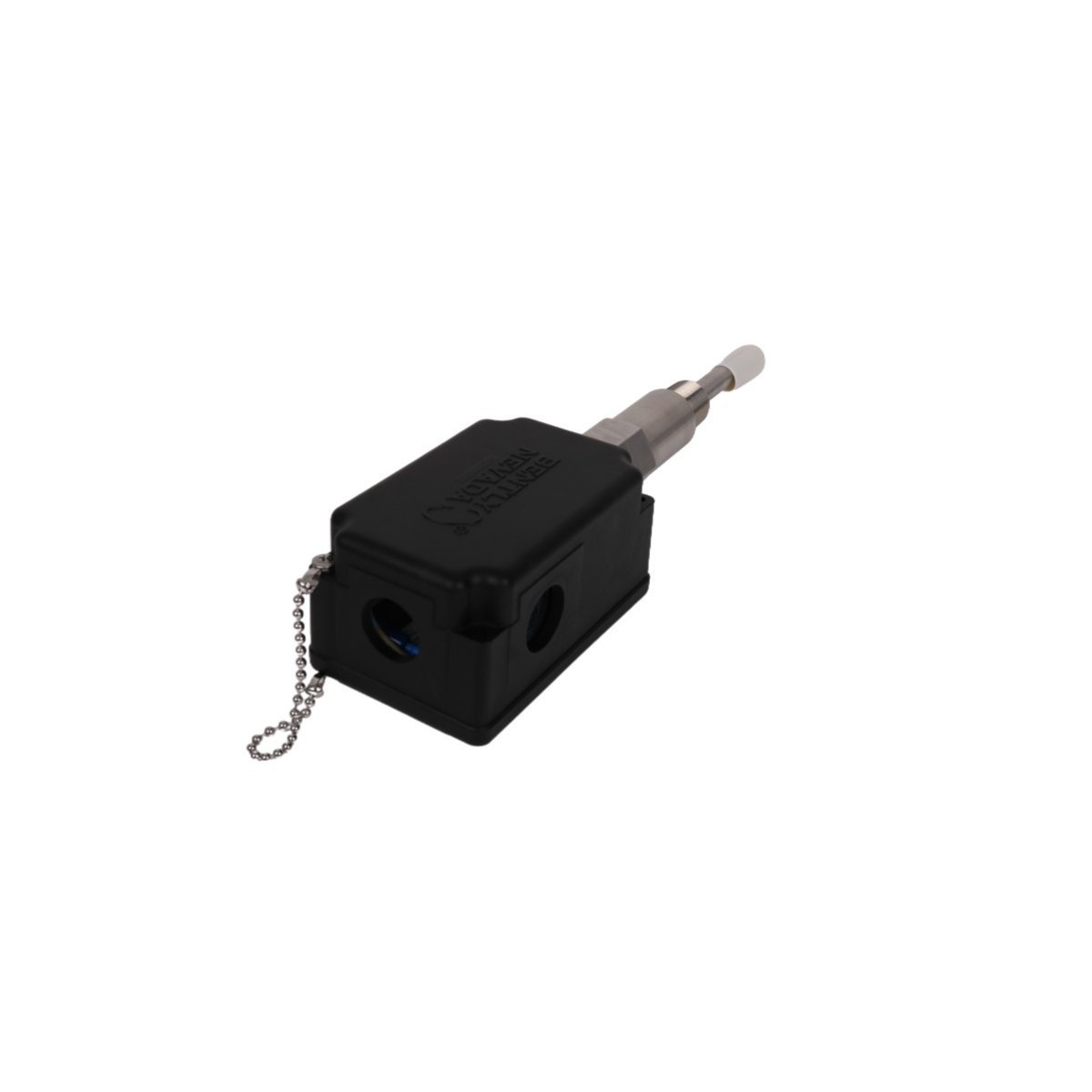
The 31000-16-10-00-050-03-02 Bently Nevada Proximity Probe Housing Assembly is supplied in Brand New condition with Original Stock verification and Global Shipping. Lock in reliable TSI transducer protection now.
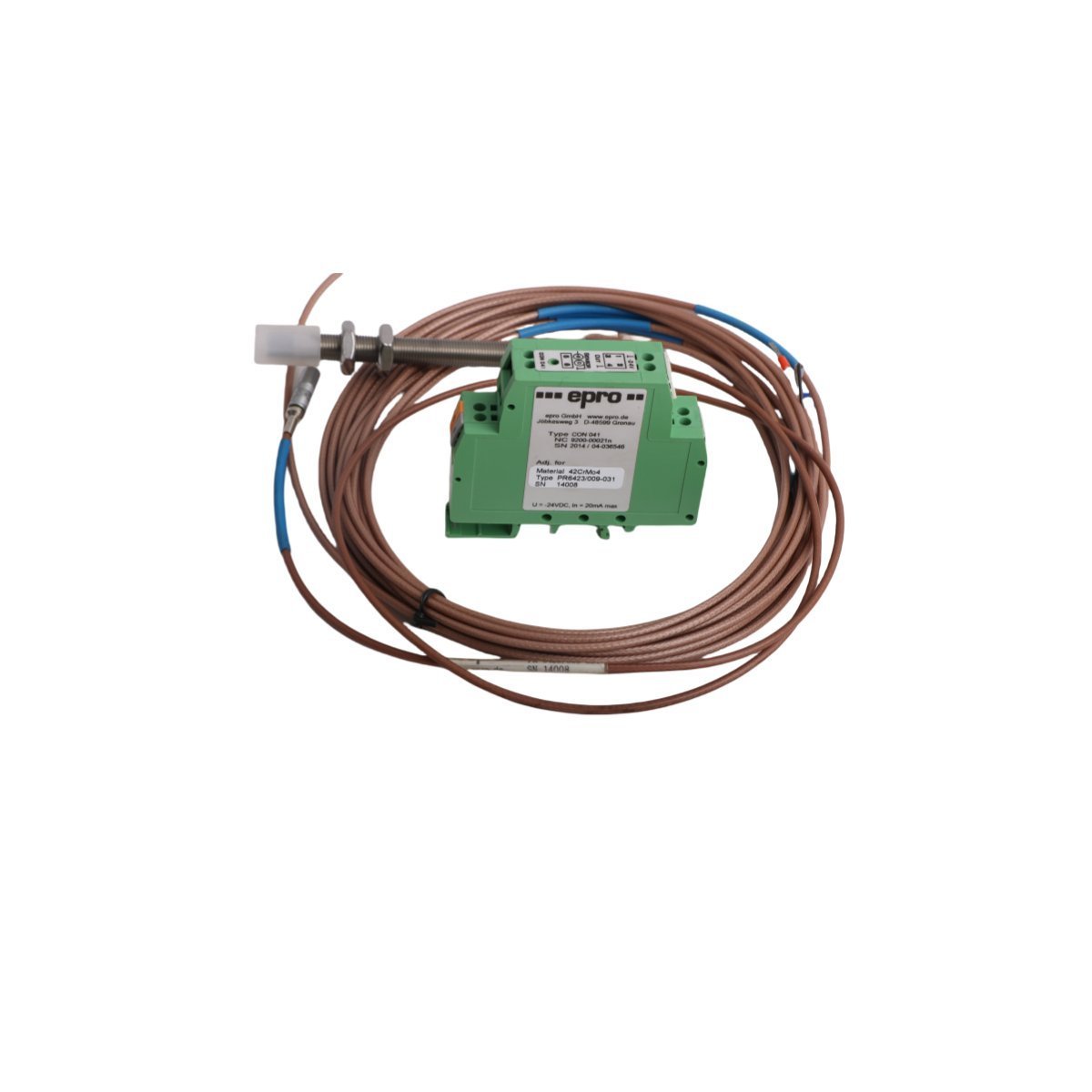
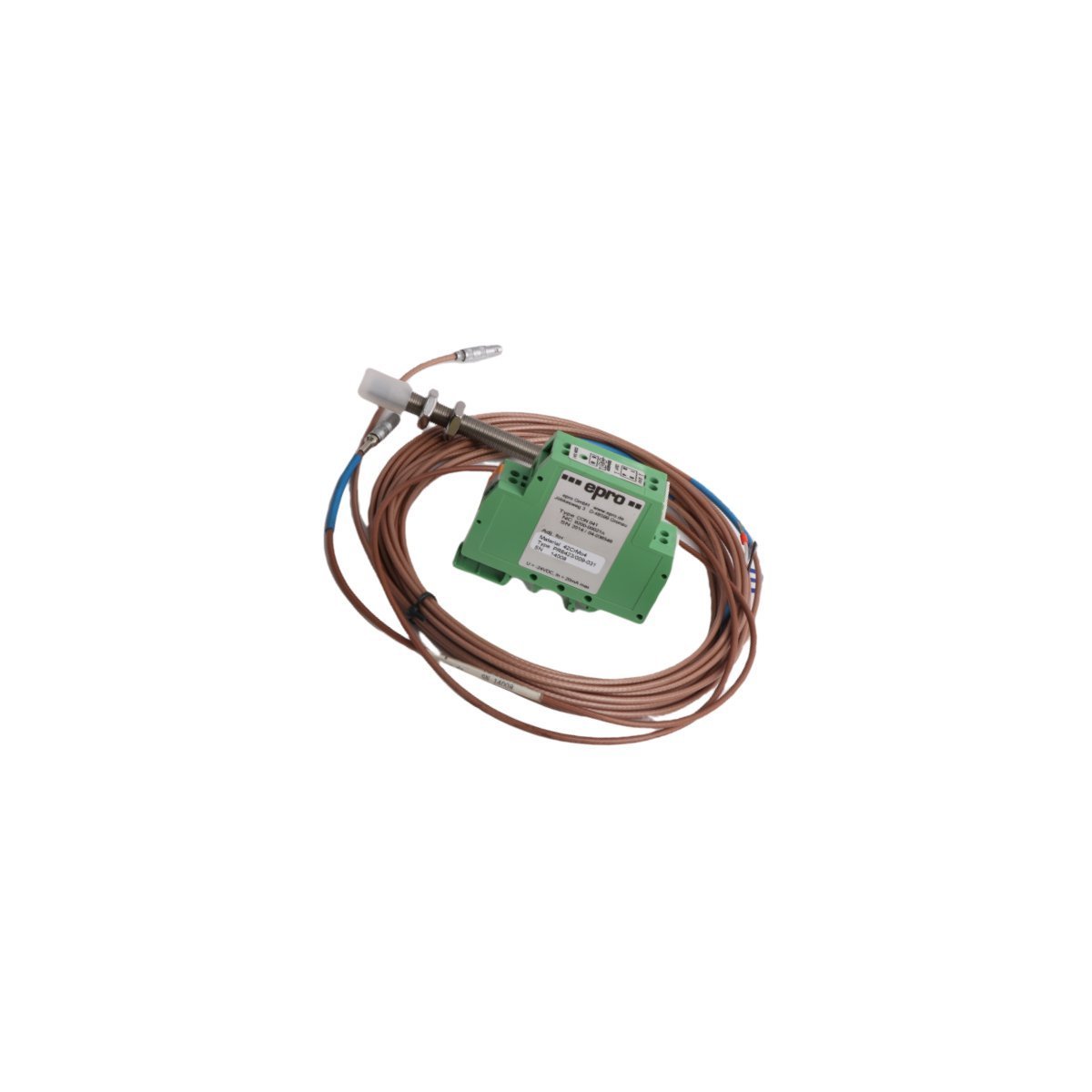
The EMERSON PR6423/009-031 CON041 delivers stable eddy-current transformation for shaft dynamic tracking. Brand New, Original Stock, fully certified with Global Shipping. Minimize critical machine downtime—Request a quote now.
The EMERSON PR6423/010-010 CON021 is an industrial 8mm eddy current displacement probe engineered for critical machine vibration monitoring. Original factory surplus stock is available now with quick international shipping options. Maintain absolute machine protection and order your specialized replacement spares today.
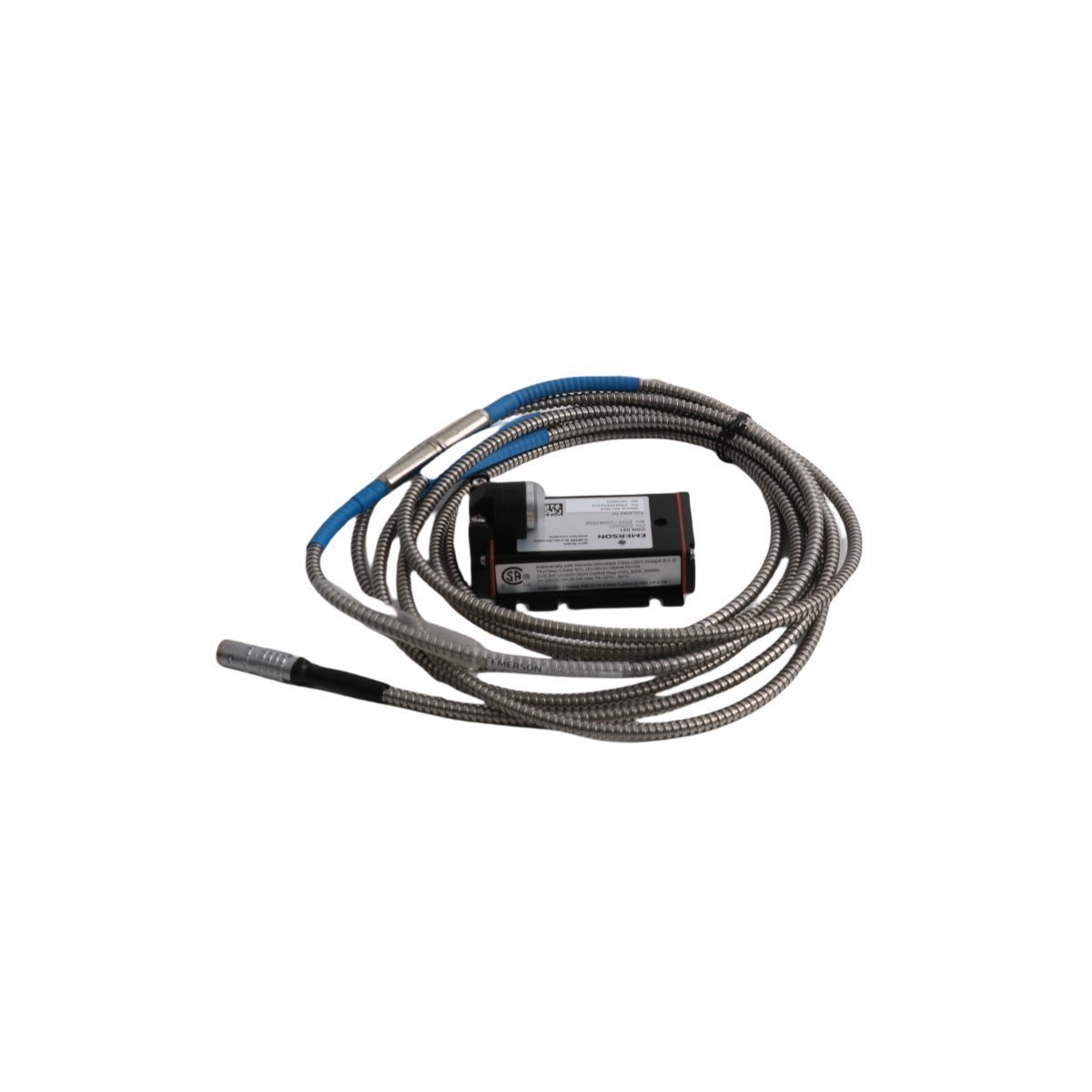
The EMERSON PR6423/00R-131 CON041 is a factory-original eddy current signal converter designed for high-accuracy displacement monitoring. Acquire this brand new, original stock component with secure worldwide shipping options and guaranteed hardware verification. Contact our technical team today to finalize your industrial replacement requirements.
Factory-original EMERSON PR9268/201-000 vibration velocity transducer. High-precision machinery health monitoring hardware with global logistics tracking.
The Bently Nevada 330905-00-25-05-02-00 is a 3300 NSv proximity probe designed for vibration and position monitoring. This 0.06kg sensor provides high-temperature resistance and precision distance measurement for industrial TSI systems.
The Bently Nevada 330104-02-08-10-01-00 is a 3300 XL 8mm proximity probe with M10x1 threads. This 1.0-meter sensor provides precision vibration monitoring for industrial machinery in hazardous areas.
The Emerson PR6423/010-030 CON021 is a high-precision 8mm eddy current sensor. It provides non-contact vibration and displacement monitoring for industrial turbines and compressors in harsh environments.
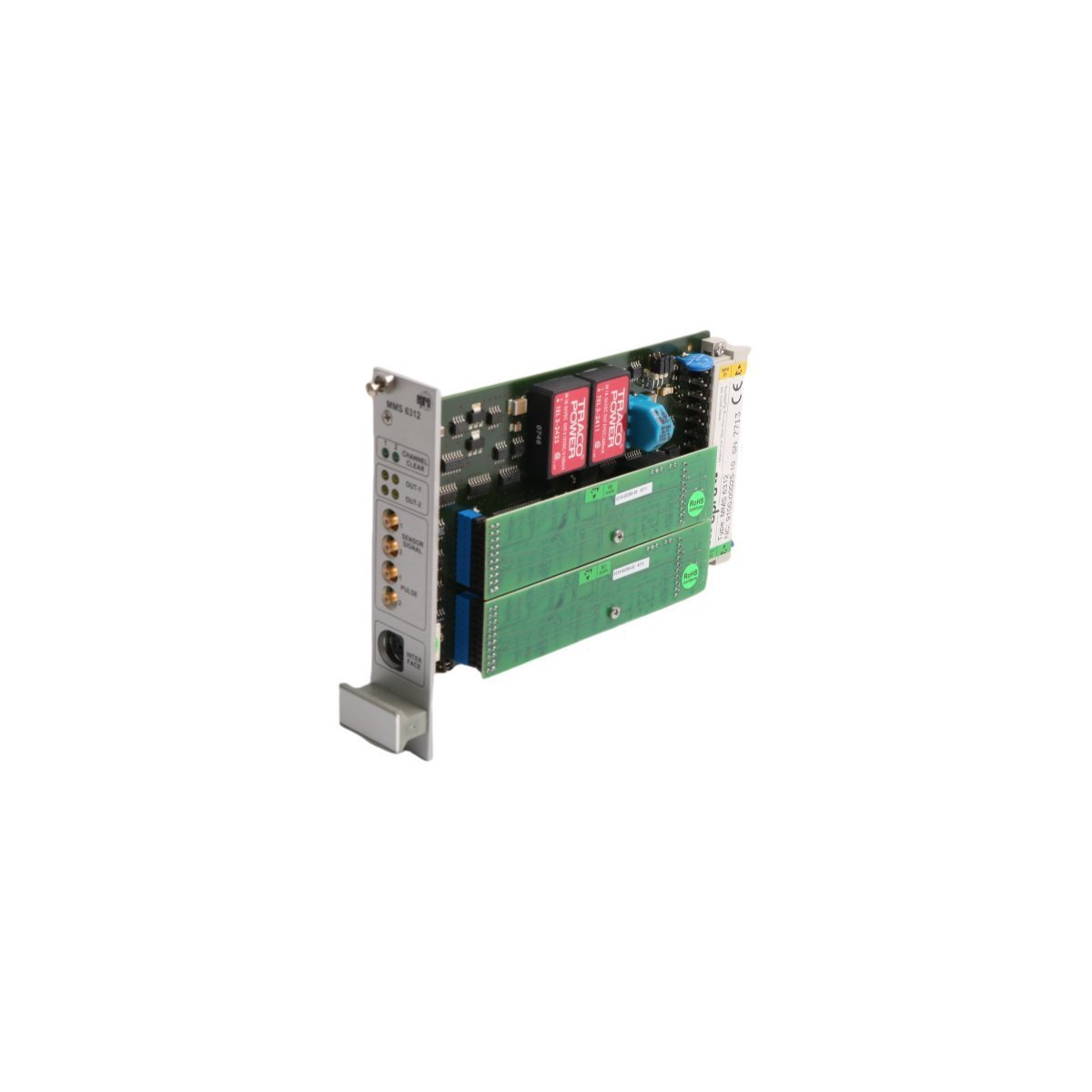
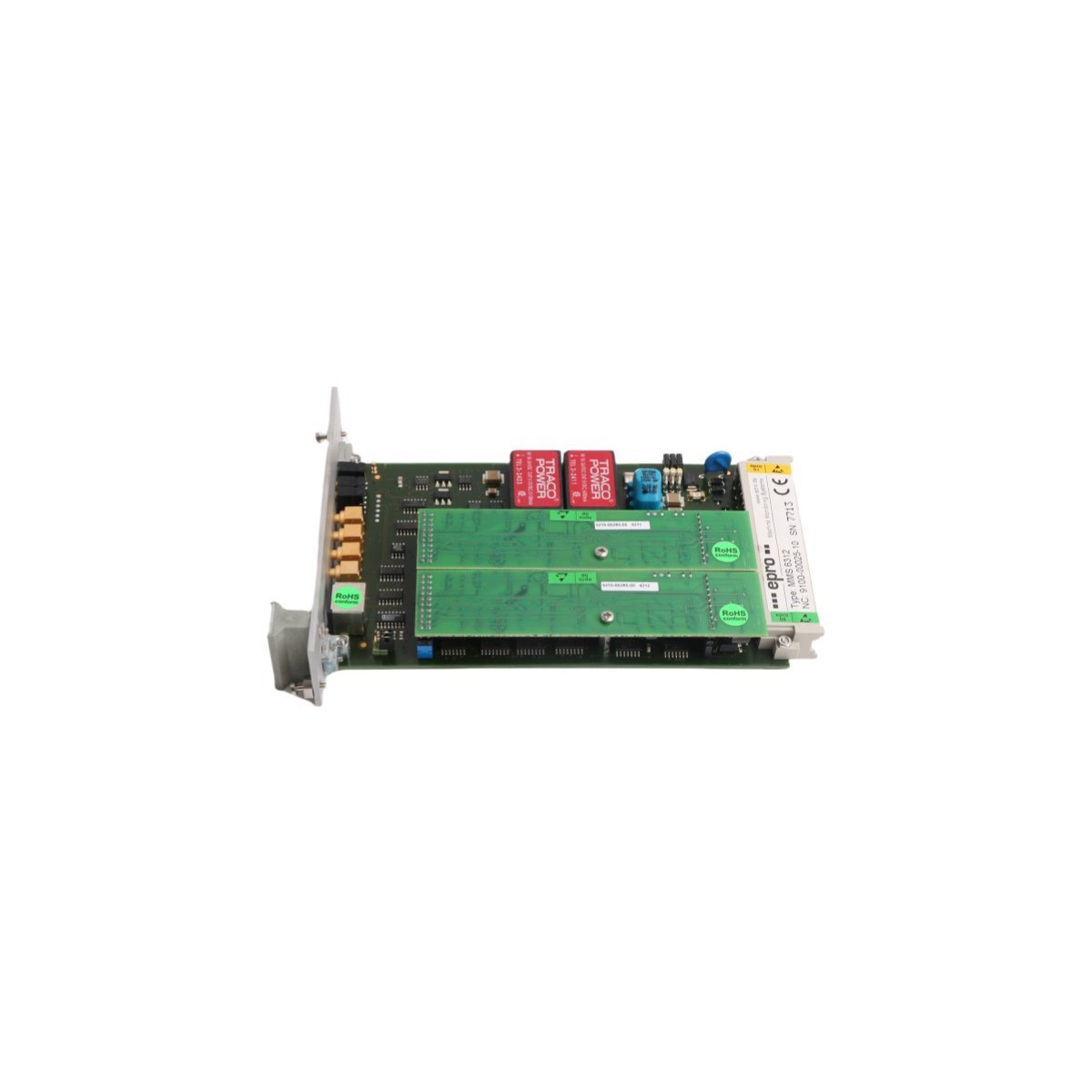
The Emerson MMS6312 is a professional dual-channel rotational speed monitoring module designed for the MMS6000 system. It provides high-precision speed measurement, direction detection, and overspeed protection for critical rotating assets, ensuring maximum safety in power and process industries.
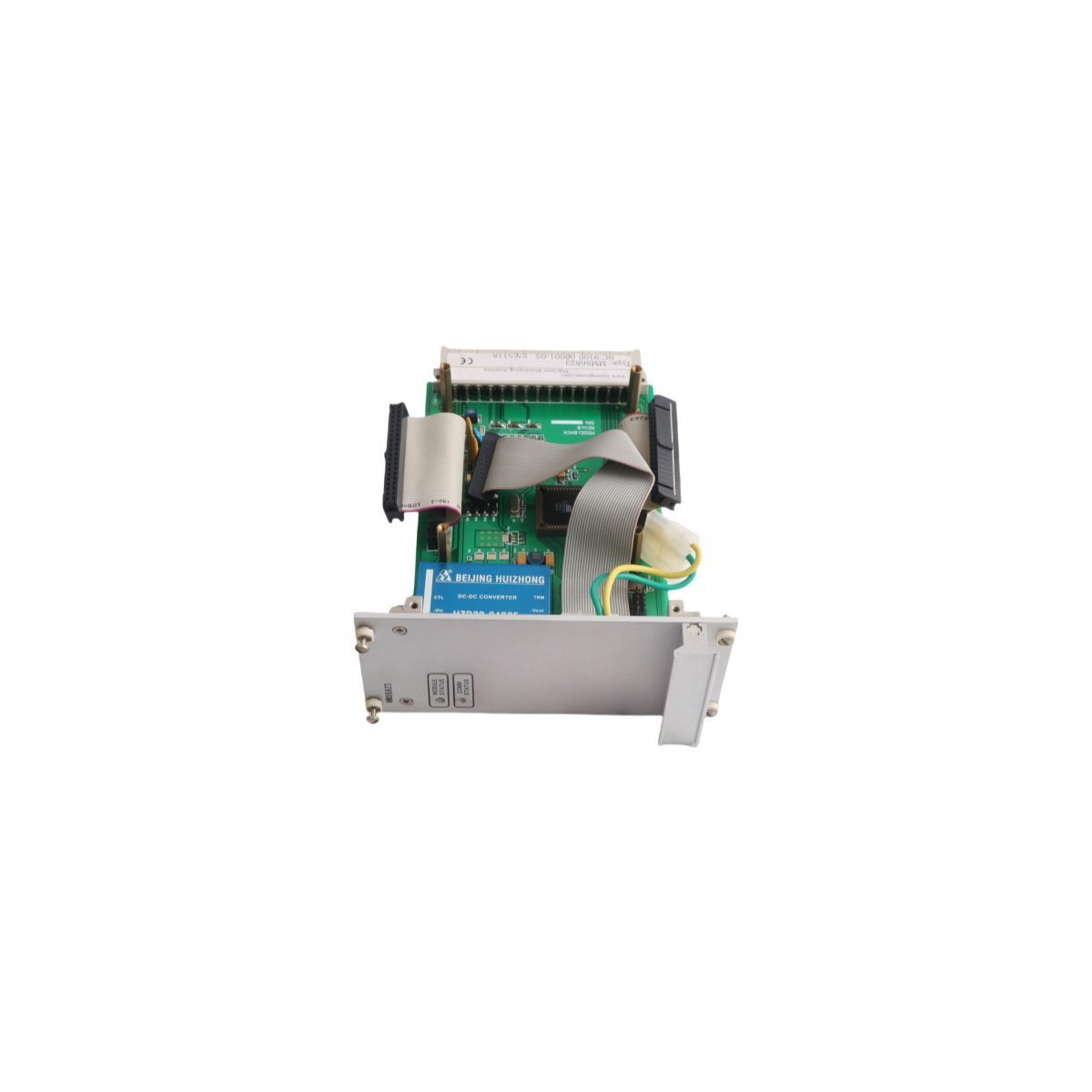
The Emerson MMS6823 is a central data acquisition module for the epro MMS 6000 machine monitoring system.It provides high-speed communication, centralized parameterization, and seamless data integration for turbine and rotating equipment protection racks.
We are committed to protecting your privacy. The information collected here is strictly used to provide the requested quotes, technical support, and relevant industrial automation solutions.