Sale!
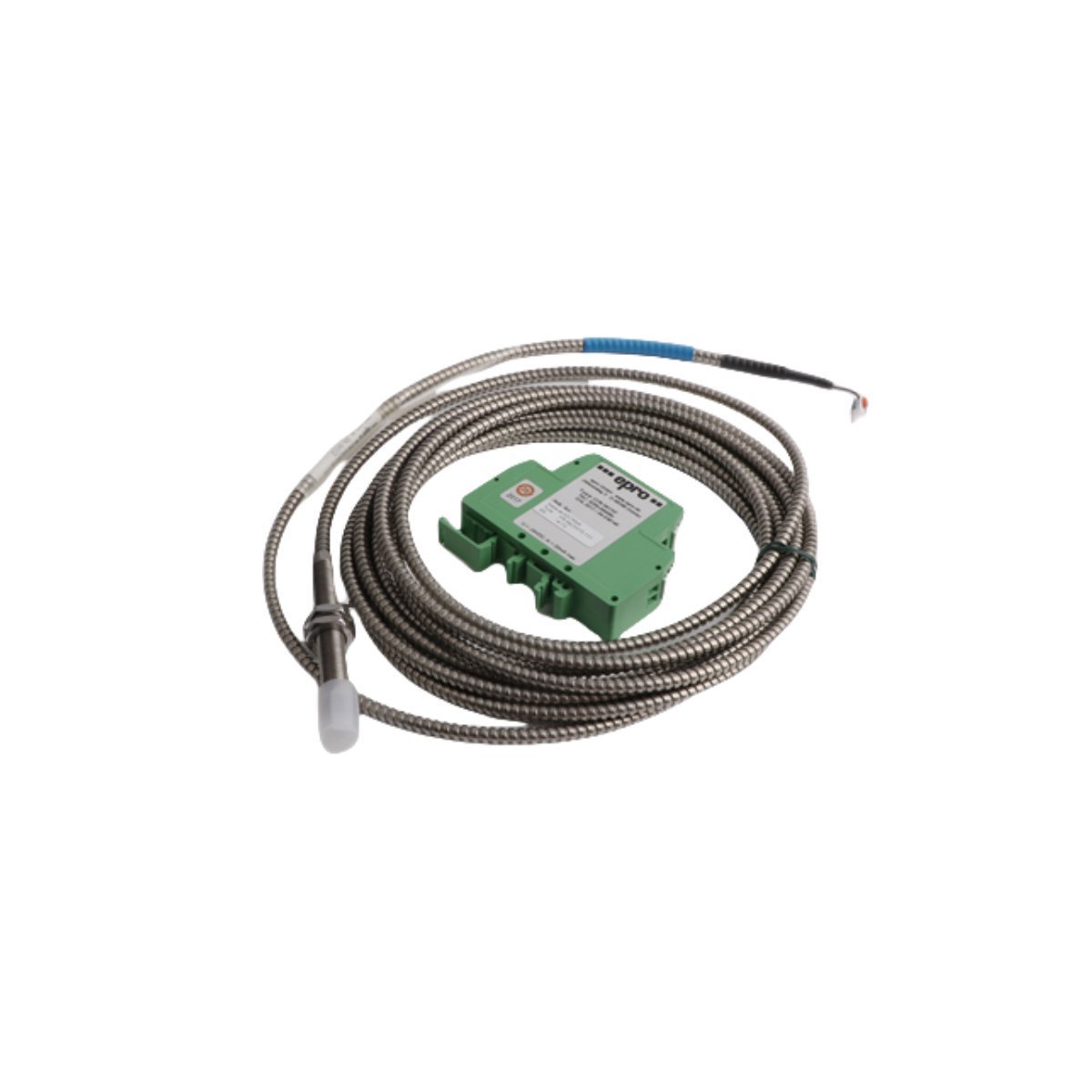
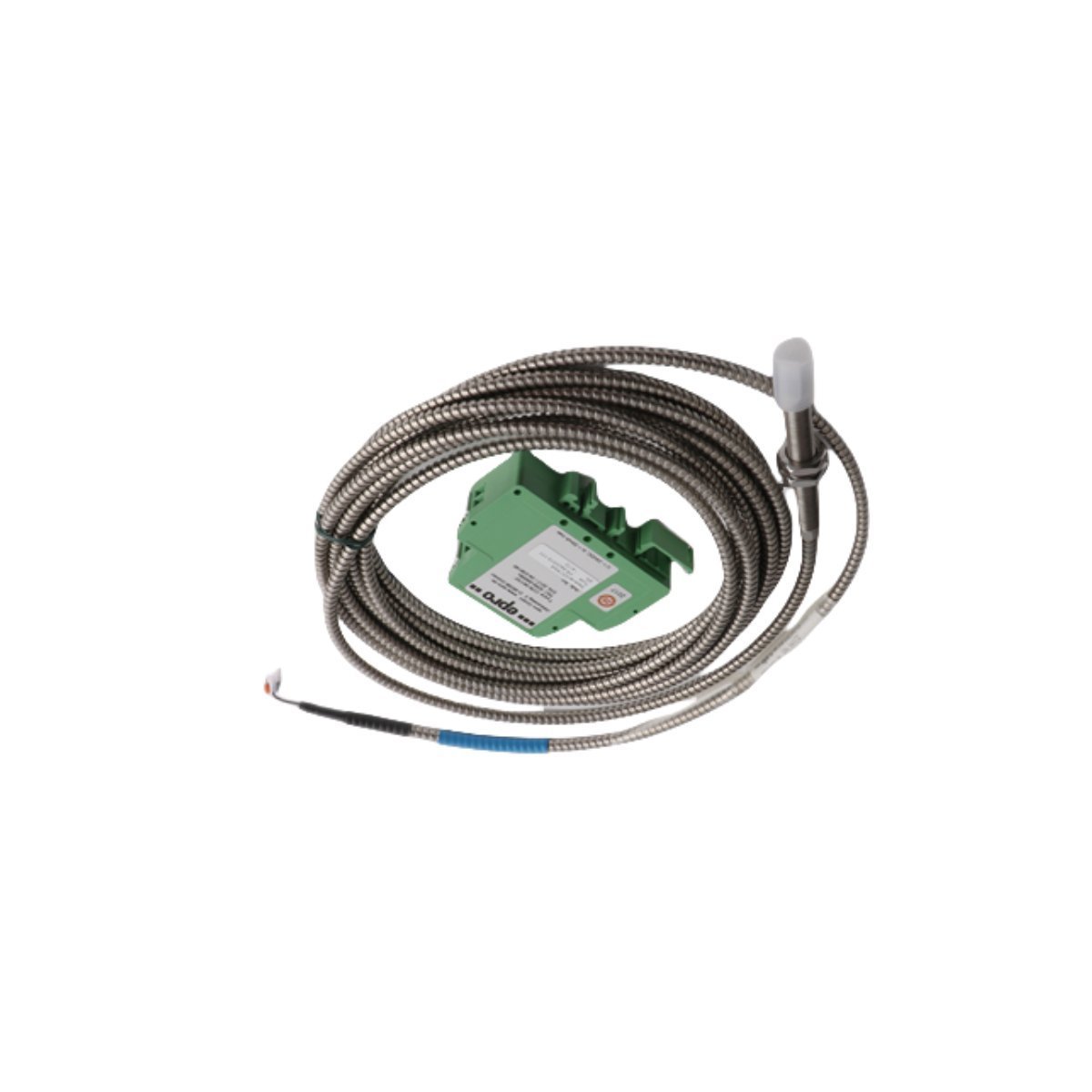
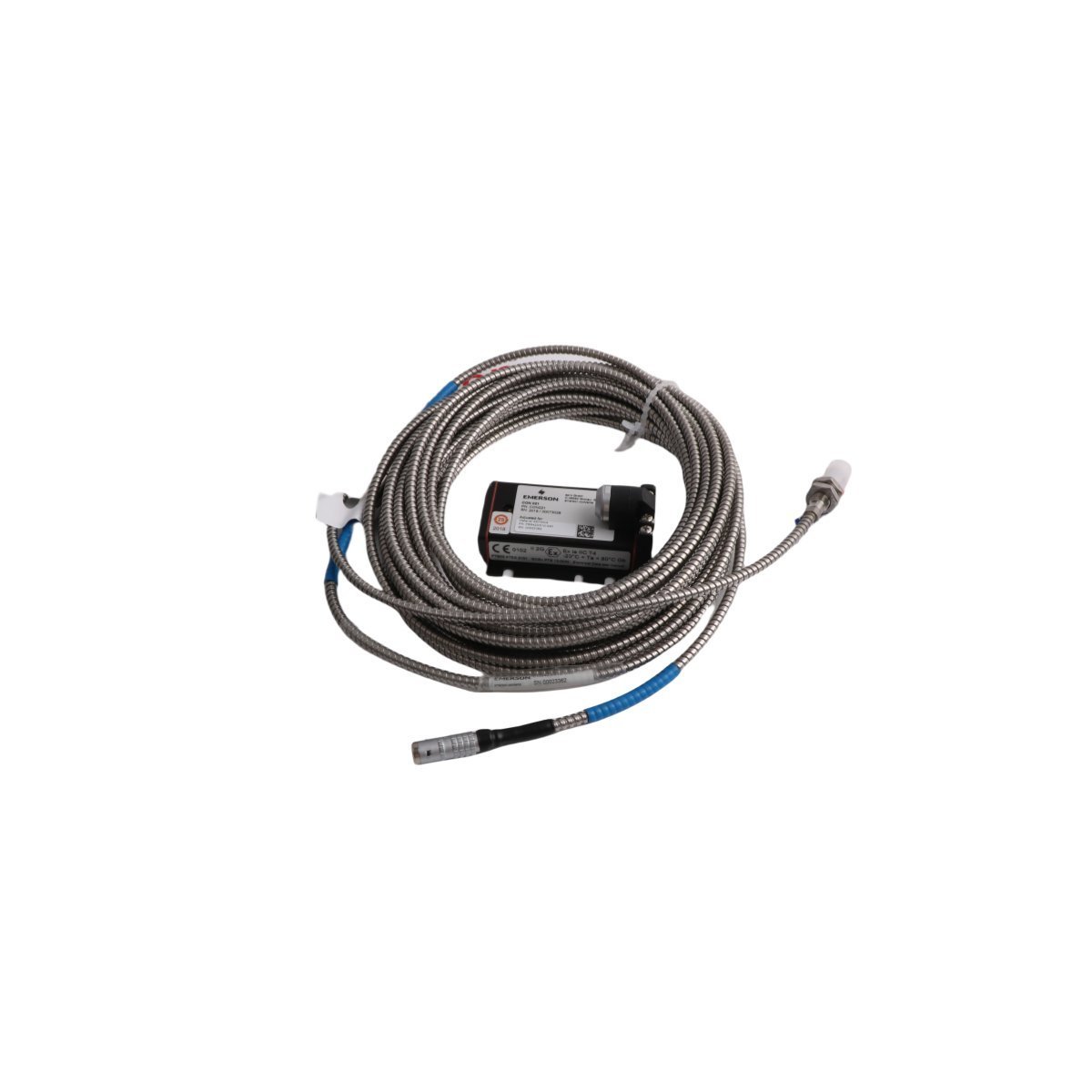
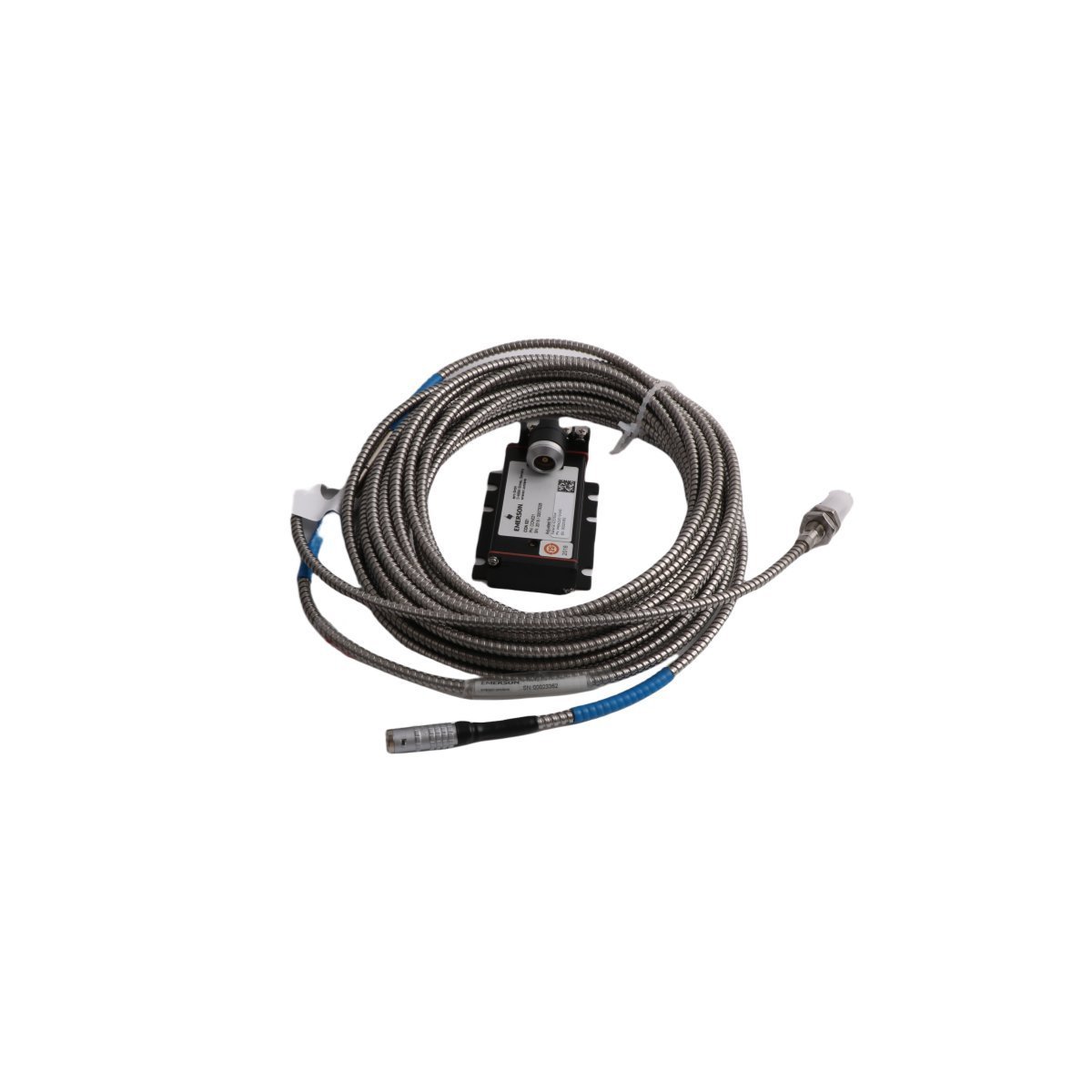
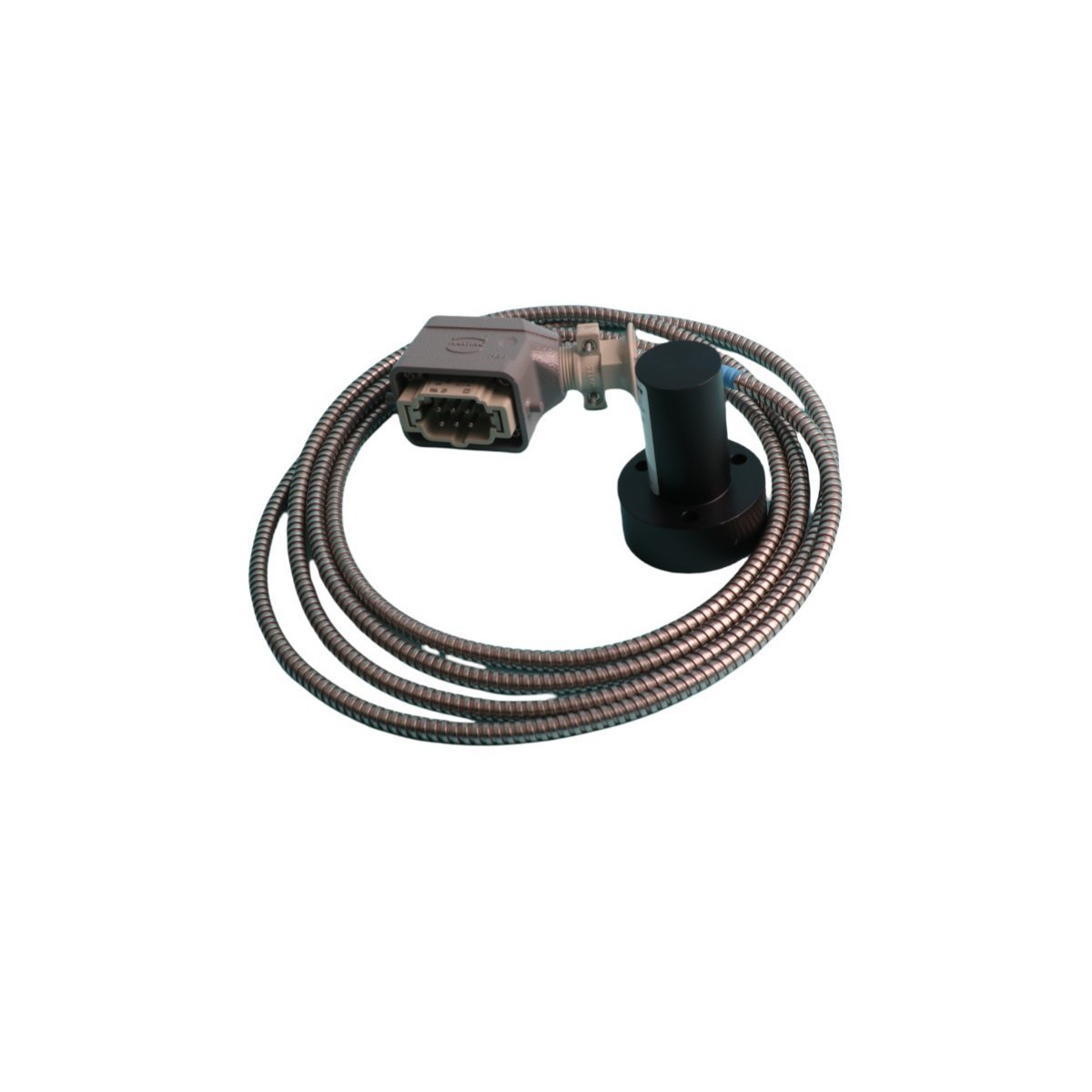
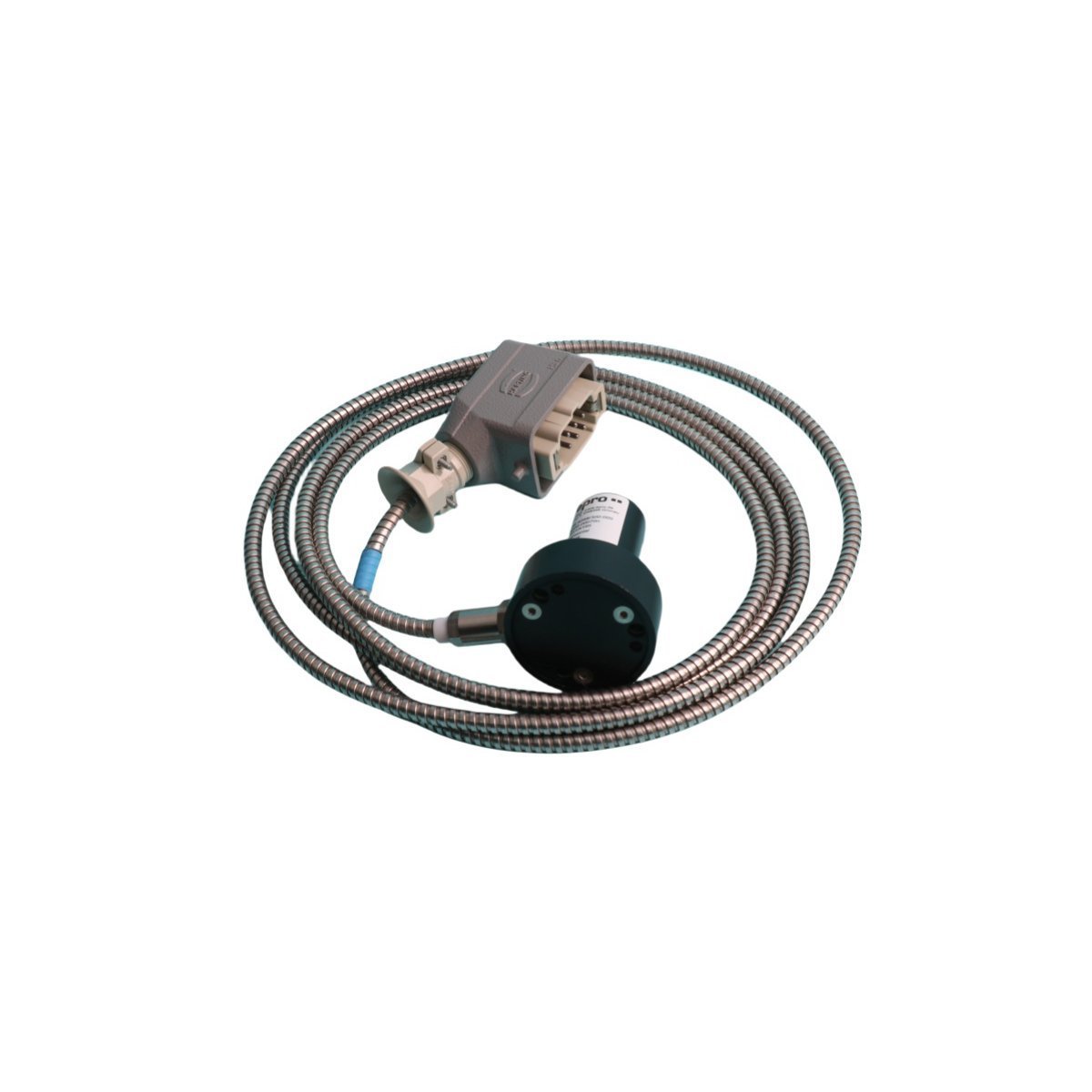
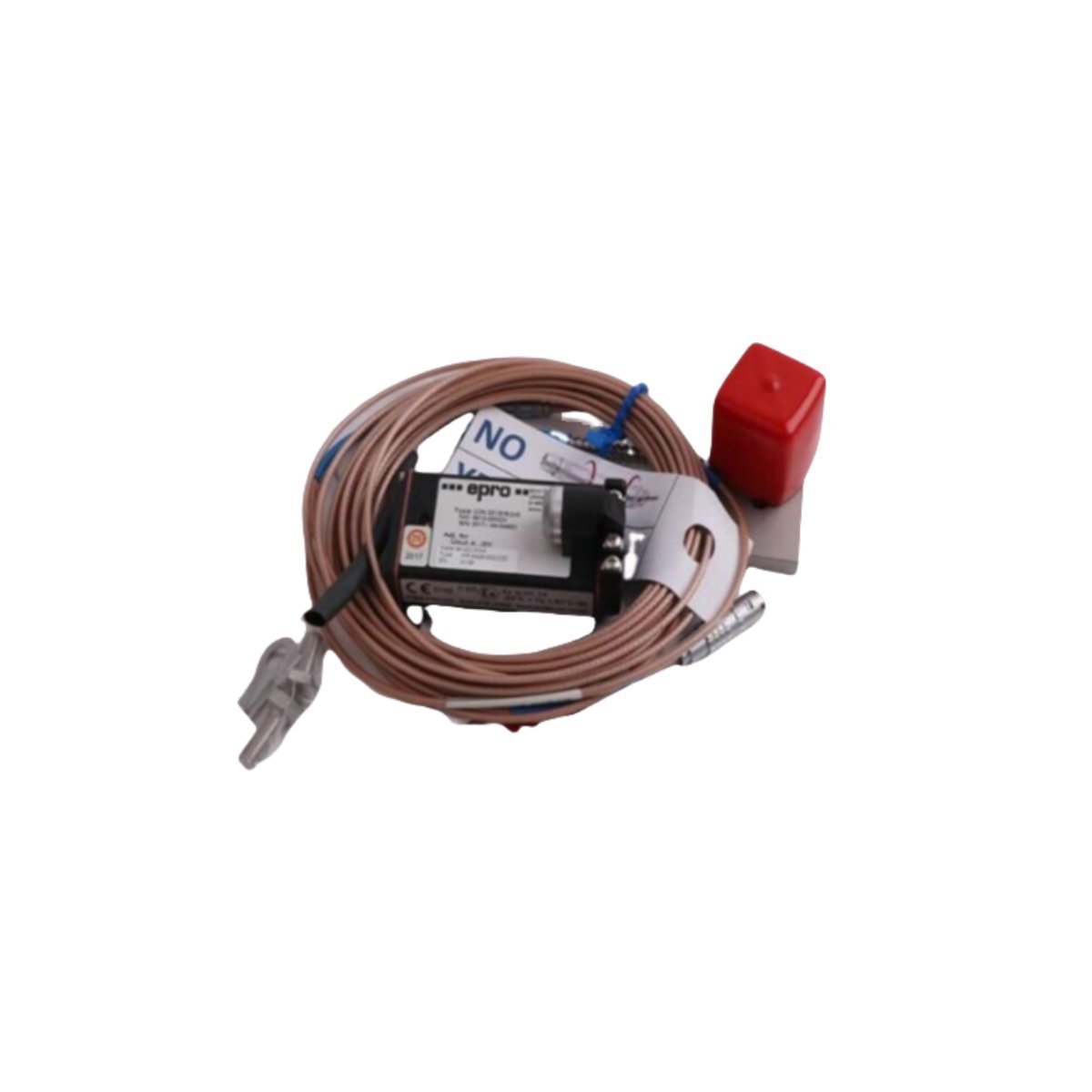
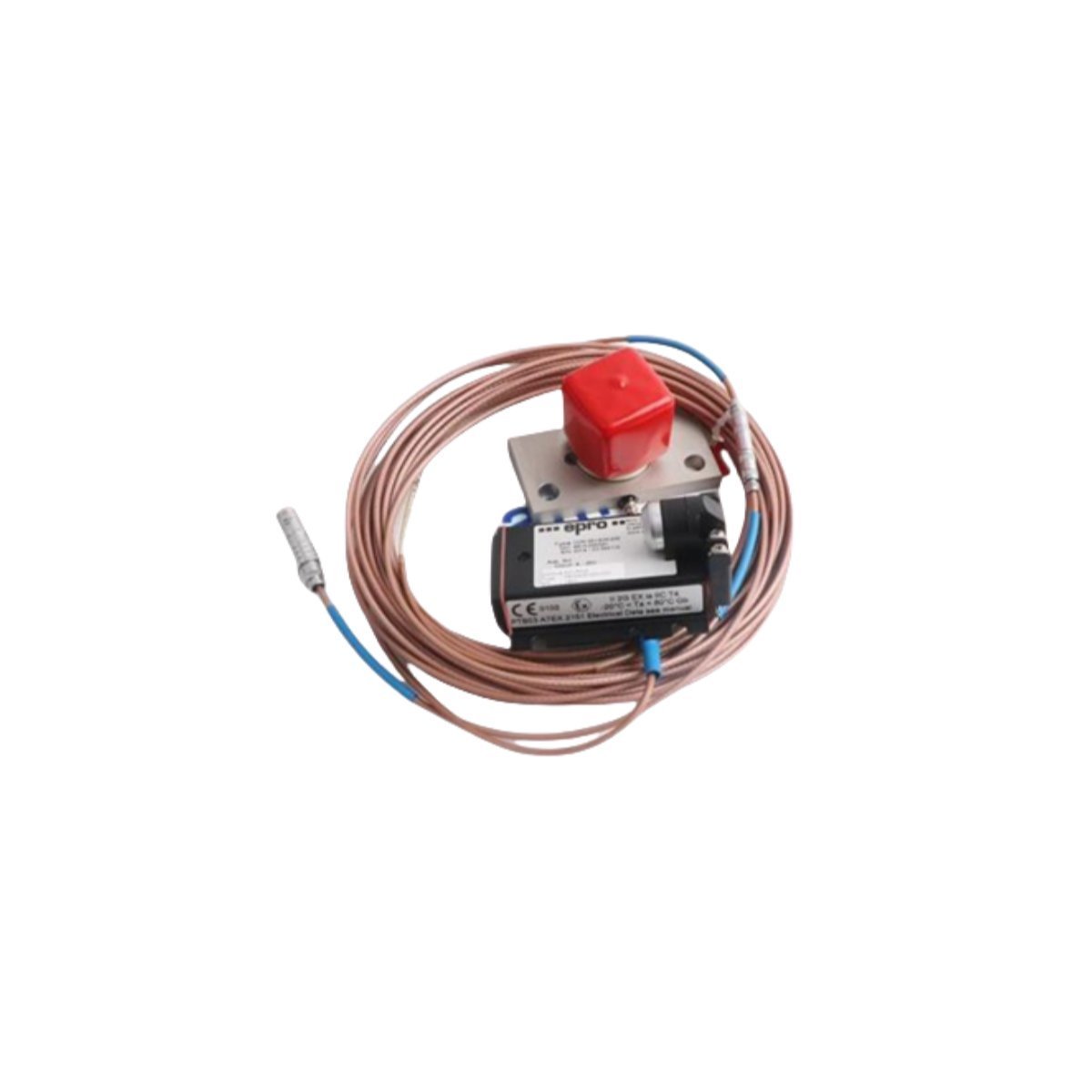
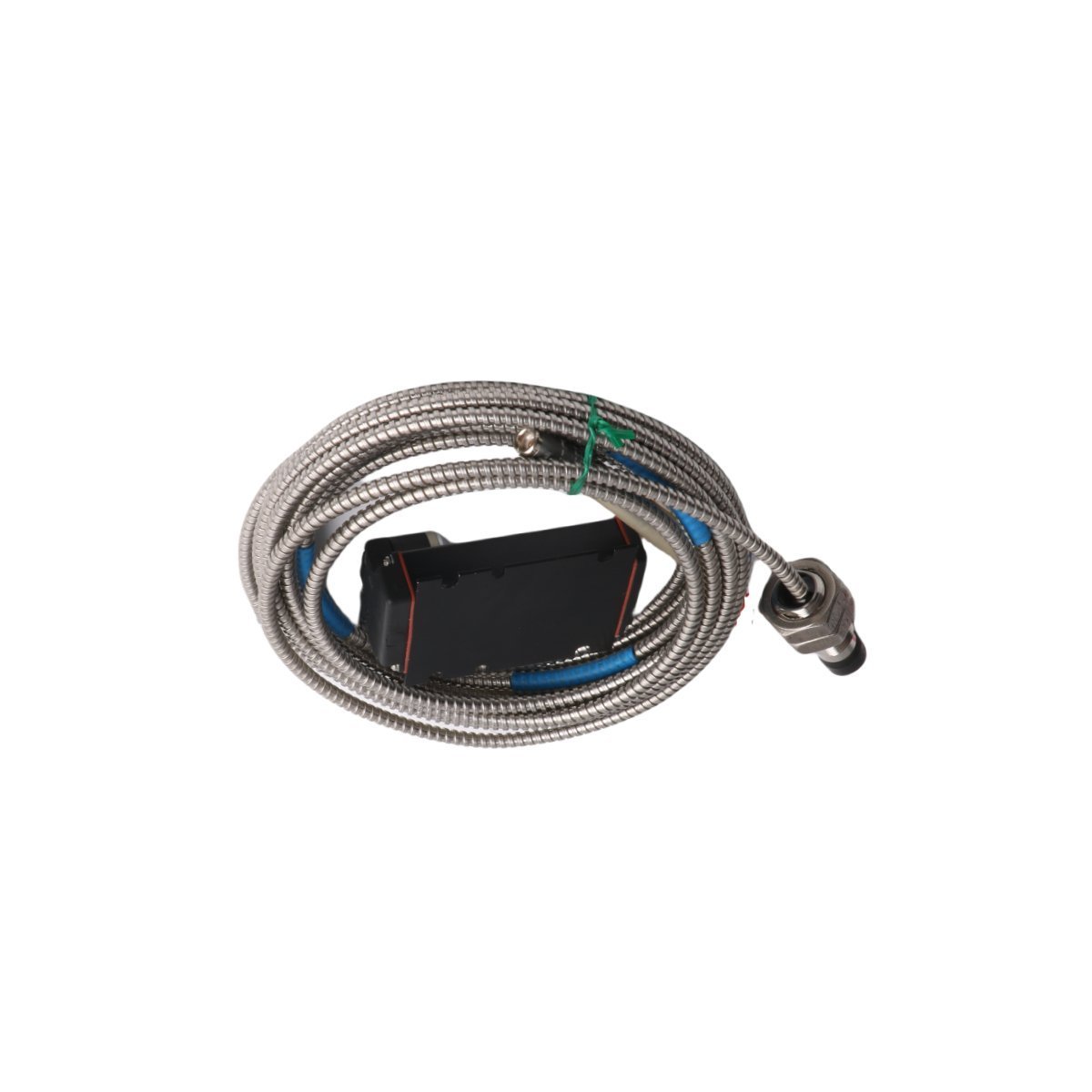
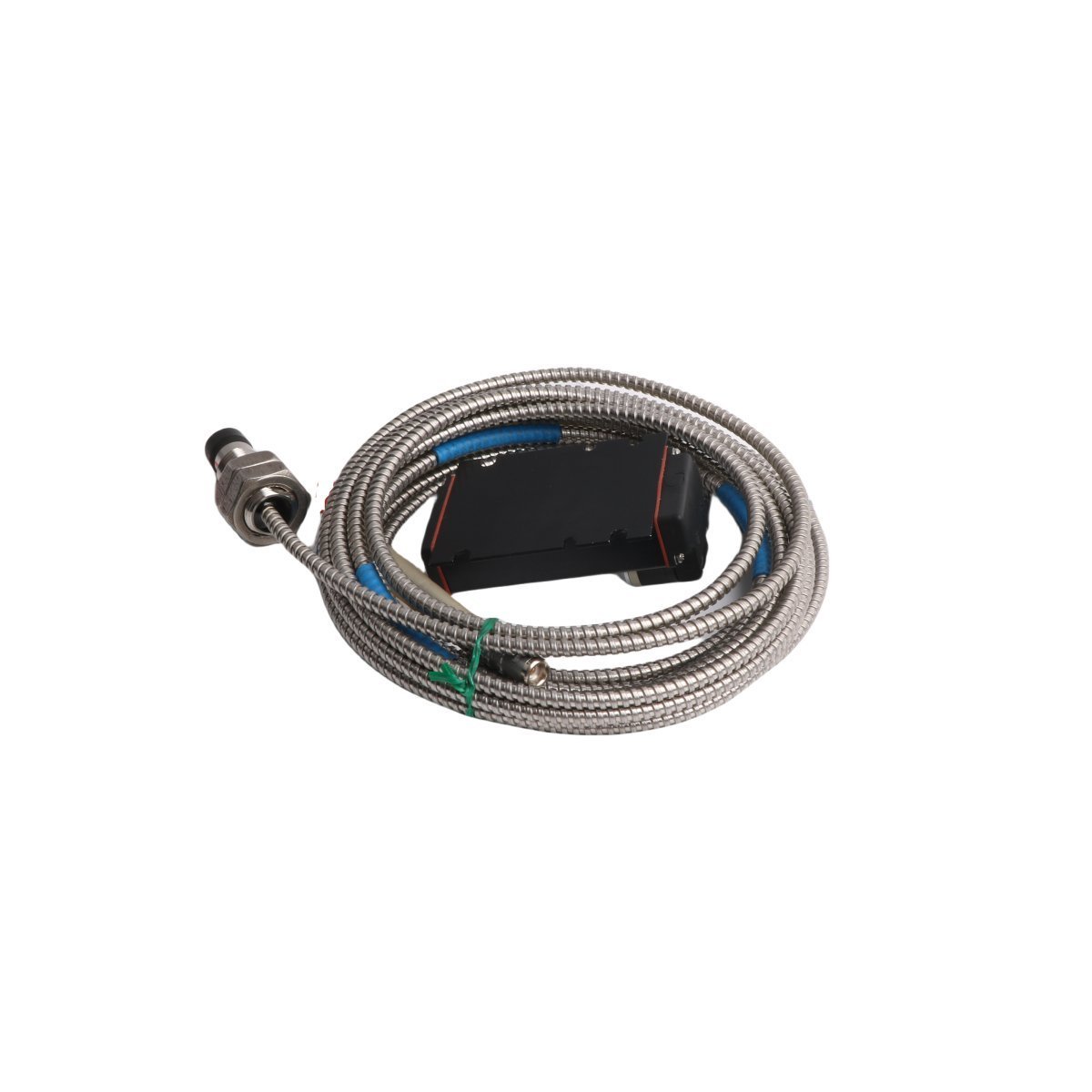
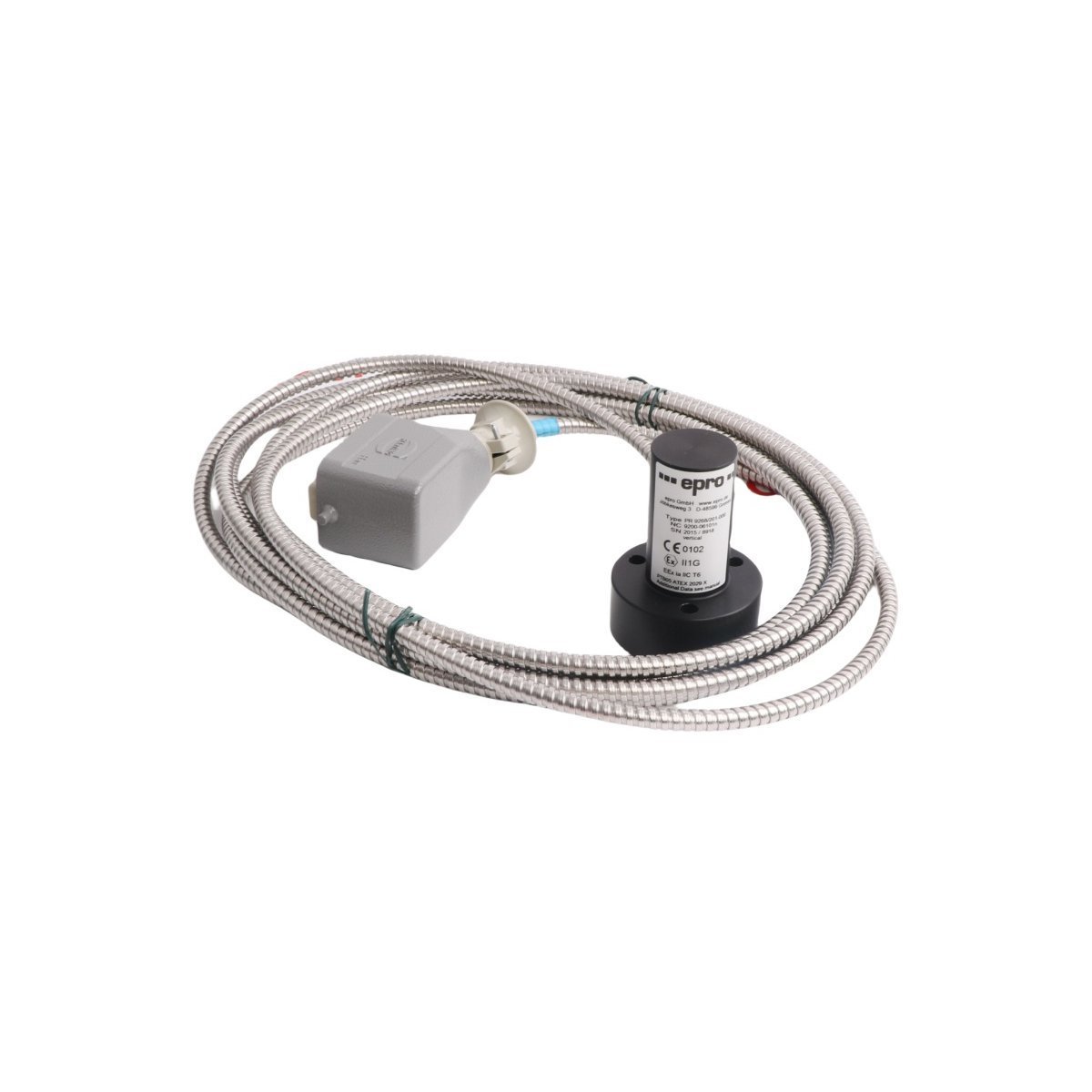
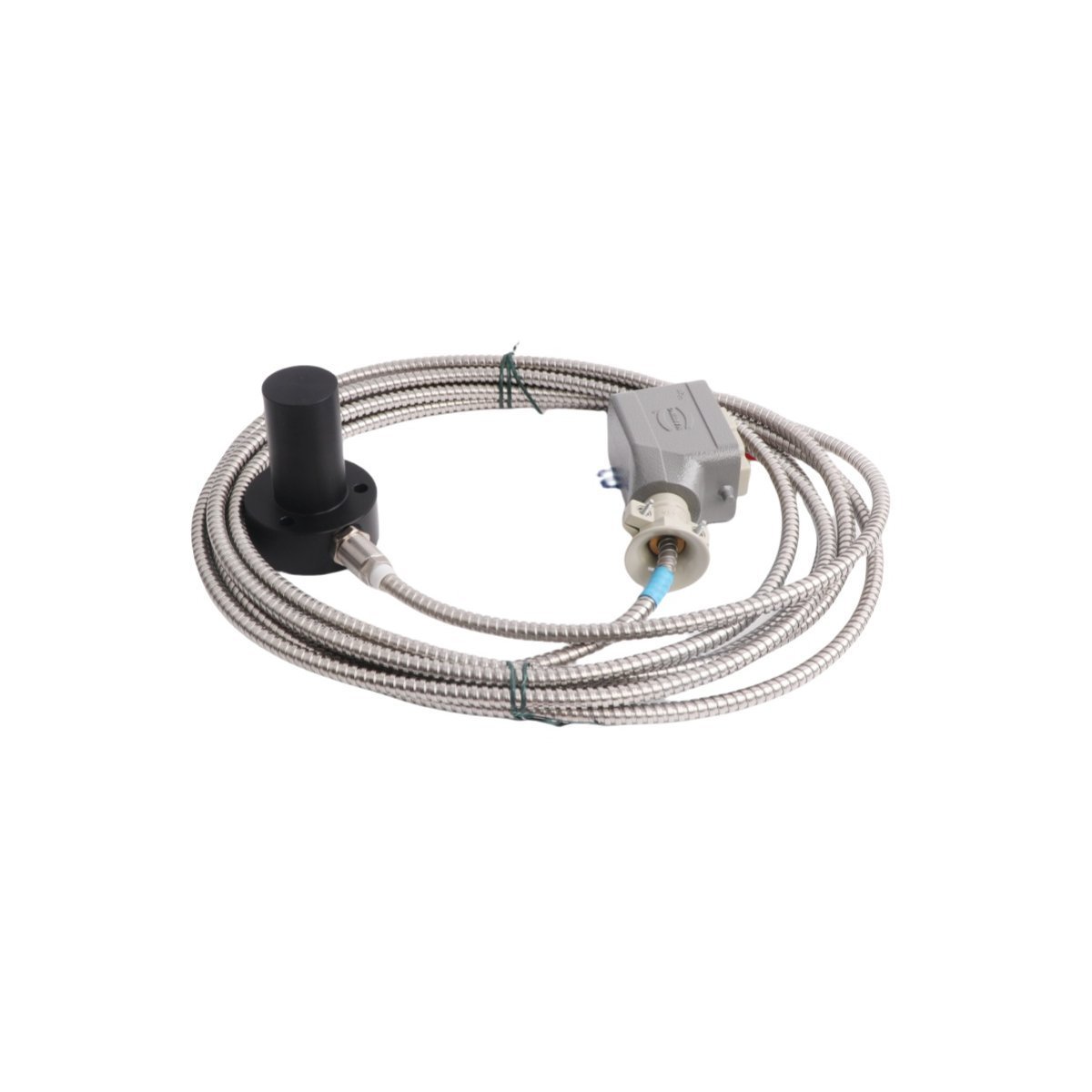
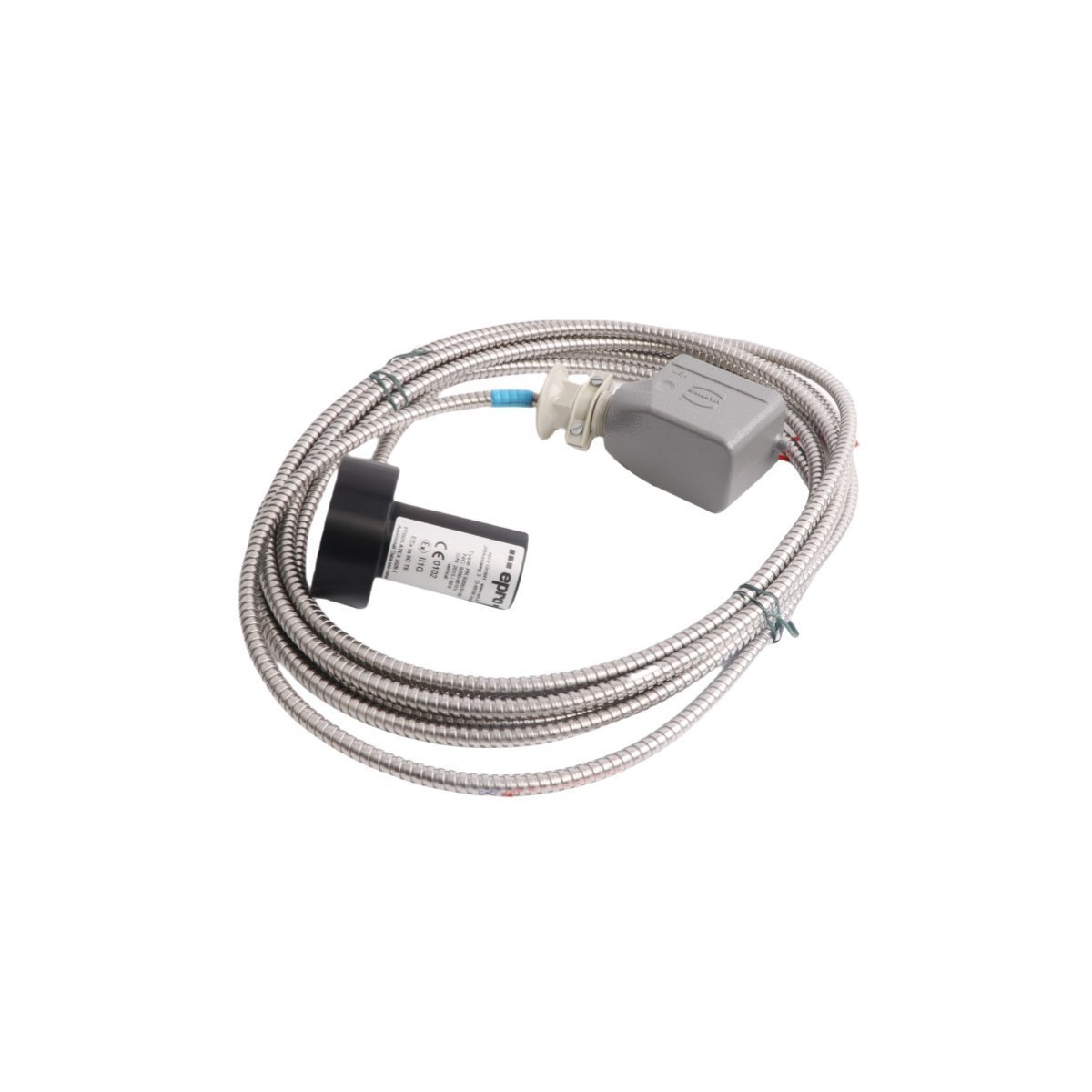
Emerson PR6424/000-000 CON21 EPRO Proximity Sensor
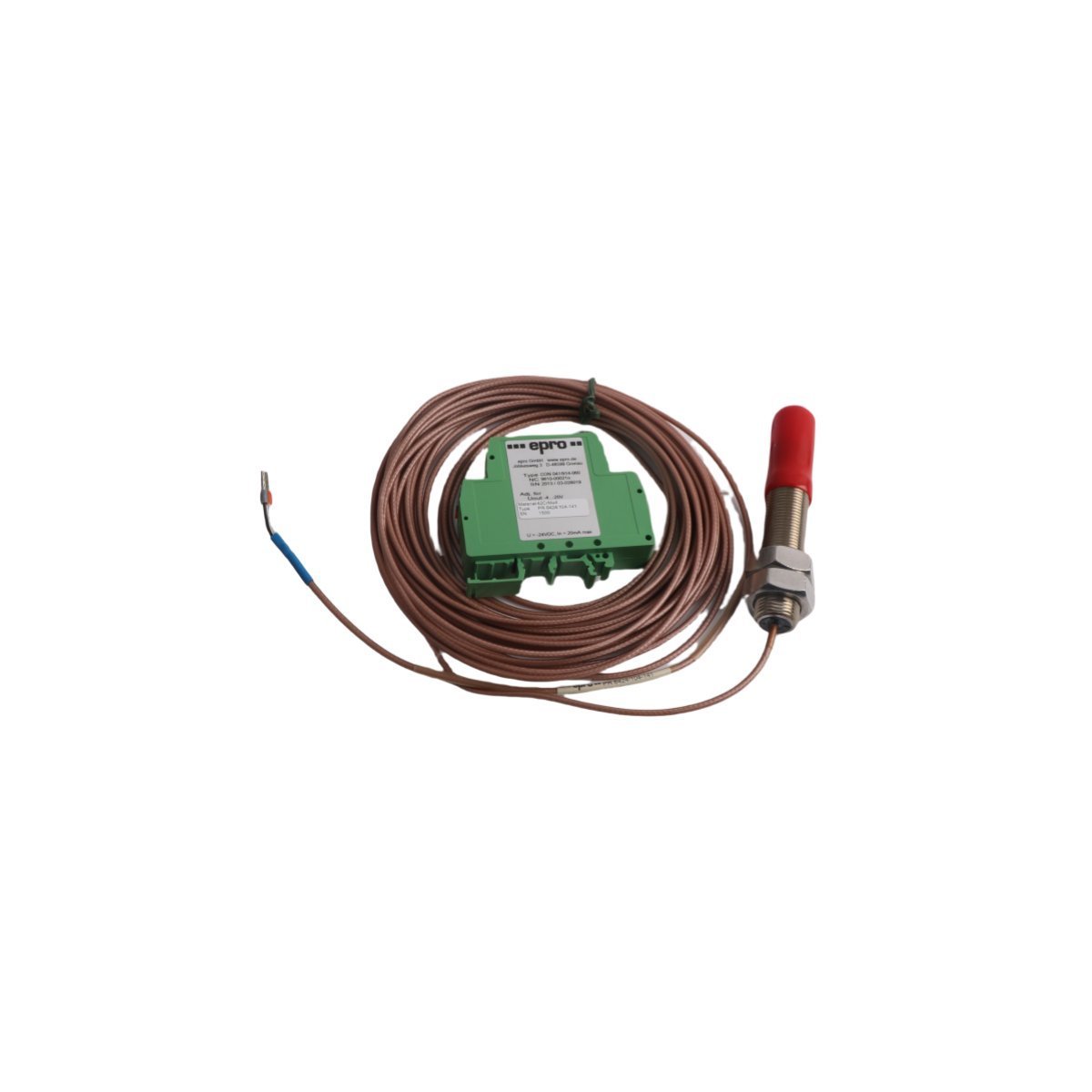
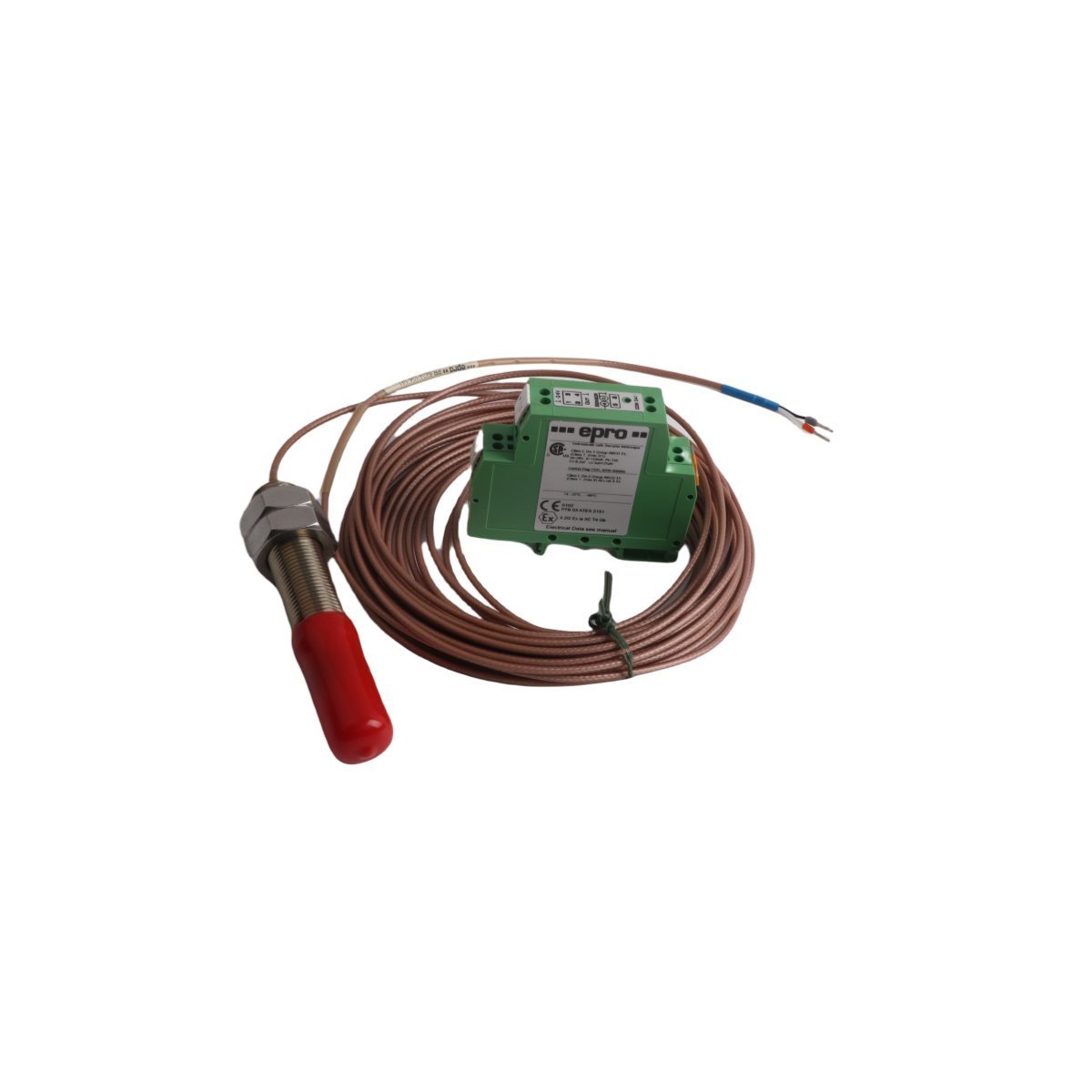
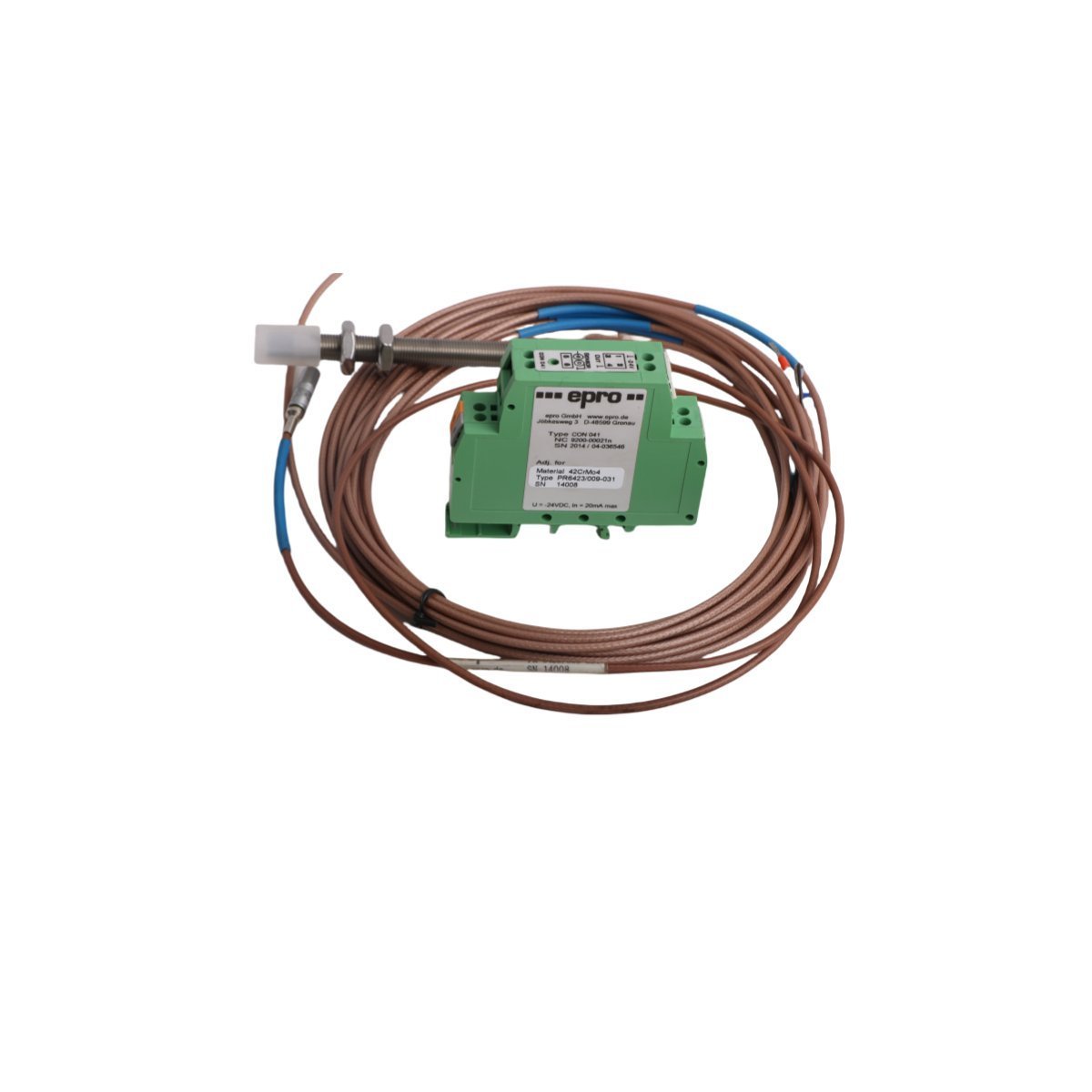
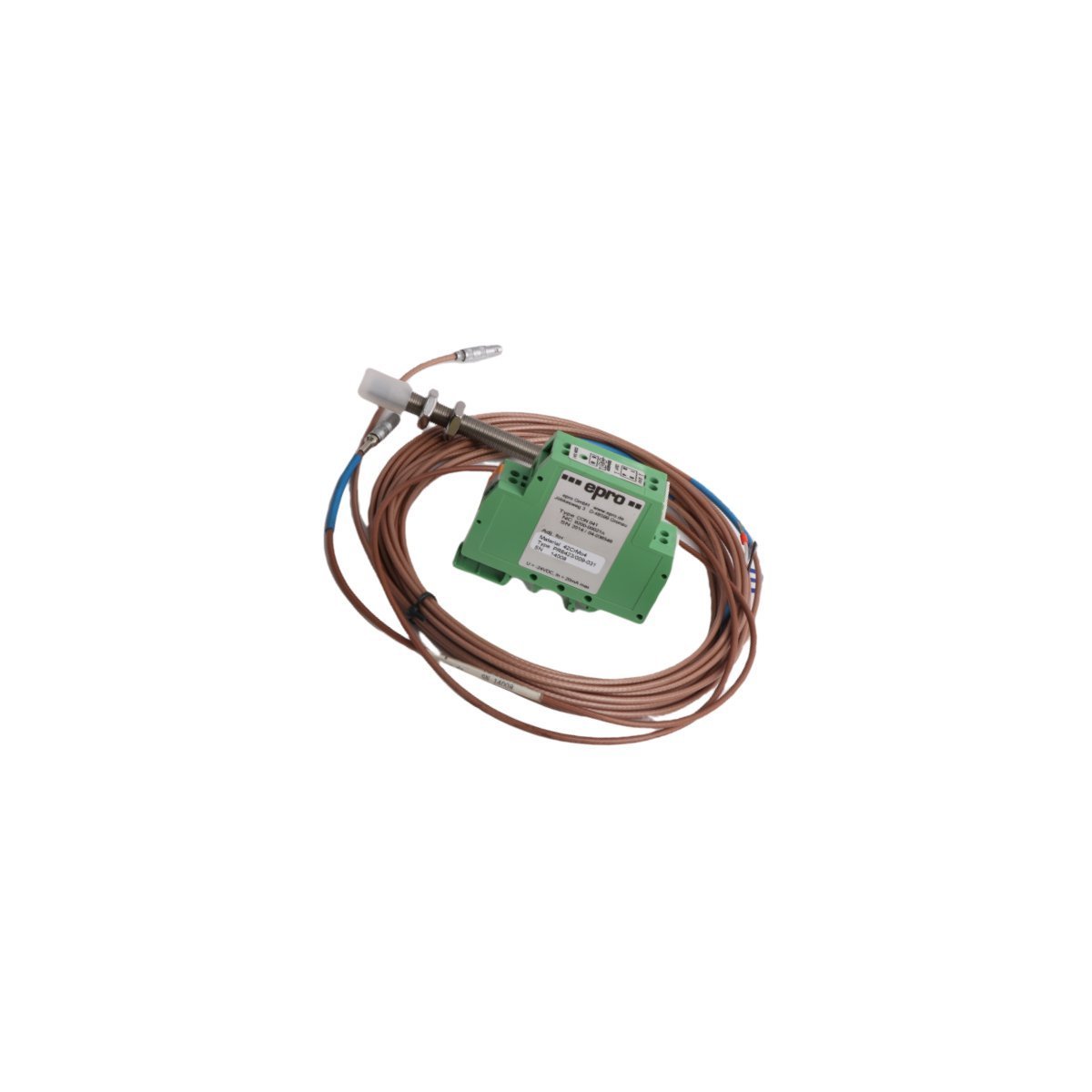
The Emerson PR6424/000-000 CON21, also cataloged as the PR6424/000-000 CON21 Proximity Sensor, operates as a dedicated hardware component for non-contact vibration and displacement measurement within machinery protection systems.
Hardware Specifications
| Parameter | Specification |
|---|---|
| Model | PR6424/000-000 CON21 |
| Brand | Emerson |
| Origin | USA |
| Weight | 0.26 kg |
| Dimensions | 16 x 16 x 2 cm |
| Operating Temp | Standard industrial range |
| Power Consumption | Passive/Loop powered |
| System Compatibility | EPRO Machinery Protection |
Mechanical Monitoring & Eddy-Current Performance
The PR6424 series utilizes eddy-current principle-based sensing to detect shaft displacement and vibration relative to the probe tip. Operators must calibrate the system to ensure correct scaling, as the proximity to the target surface directly alters the output voltage. Validation of the gap voltage within -10 VDC targets remains necessary during the initial installation to guarantee linear sensor response. Proper shielding and implementation of cross-talk suppression techniques between adjacent probes prevent signal interference and ensure data integrity within the rotor dynamics monitoring architecture.Frequently Asked Questions
Q: Does this sensor require external signal conditioning for operation?A: Yes, the probe requires an associated EPRO driver or signal converter to translate the raw eddy-current signal into a proportional 4-20 mA or voltage output for the monitoring system.Q: Can the probe tip be mounted in contact with the rotating shaft?A: No, the sensor functions on a non-contact basis. Direct contact will damage the probe tip and disrupt the eddy-current field, leading to inaccurate measurement data.Field Installation Guidelines
- Mount the sensor probe securely using the specified mounting bracket to prevent mechanical resonance or unintended movement.
- Ensure the target area on the rotating shaft is free of scratches, burrs, or material discontinuities to maintain measurement linearity.
- Install the coaxial signal cable away from high-voltage power lines to minimize electromagnetic interference (EMI) ingress.
- Verify the physical gap between the probe tip and the target surface using a calibrated feeler gauge before system energization.
- Ground the cable shield at the monitoring system terminal block only to prevent ground loop currents.