Sale!
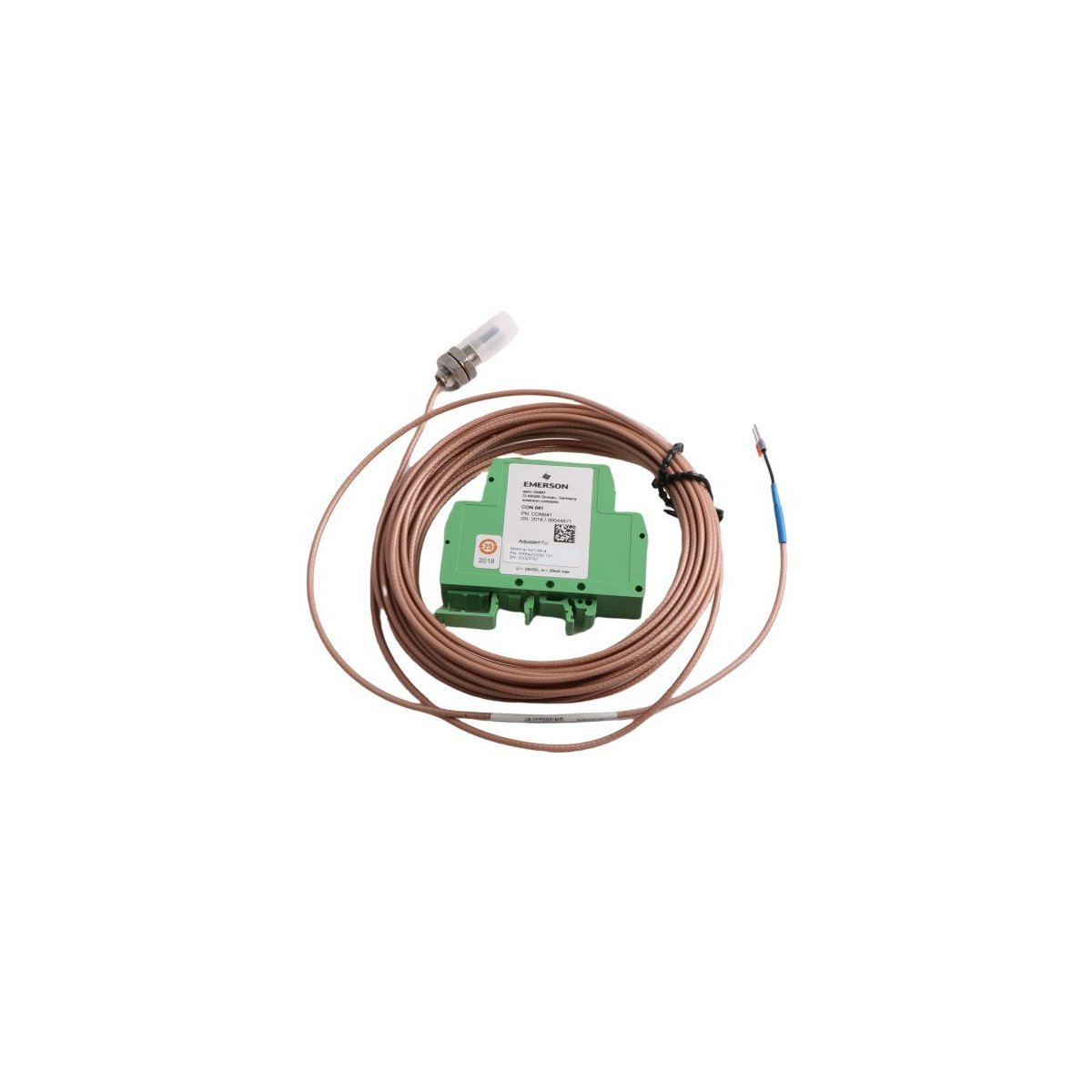
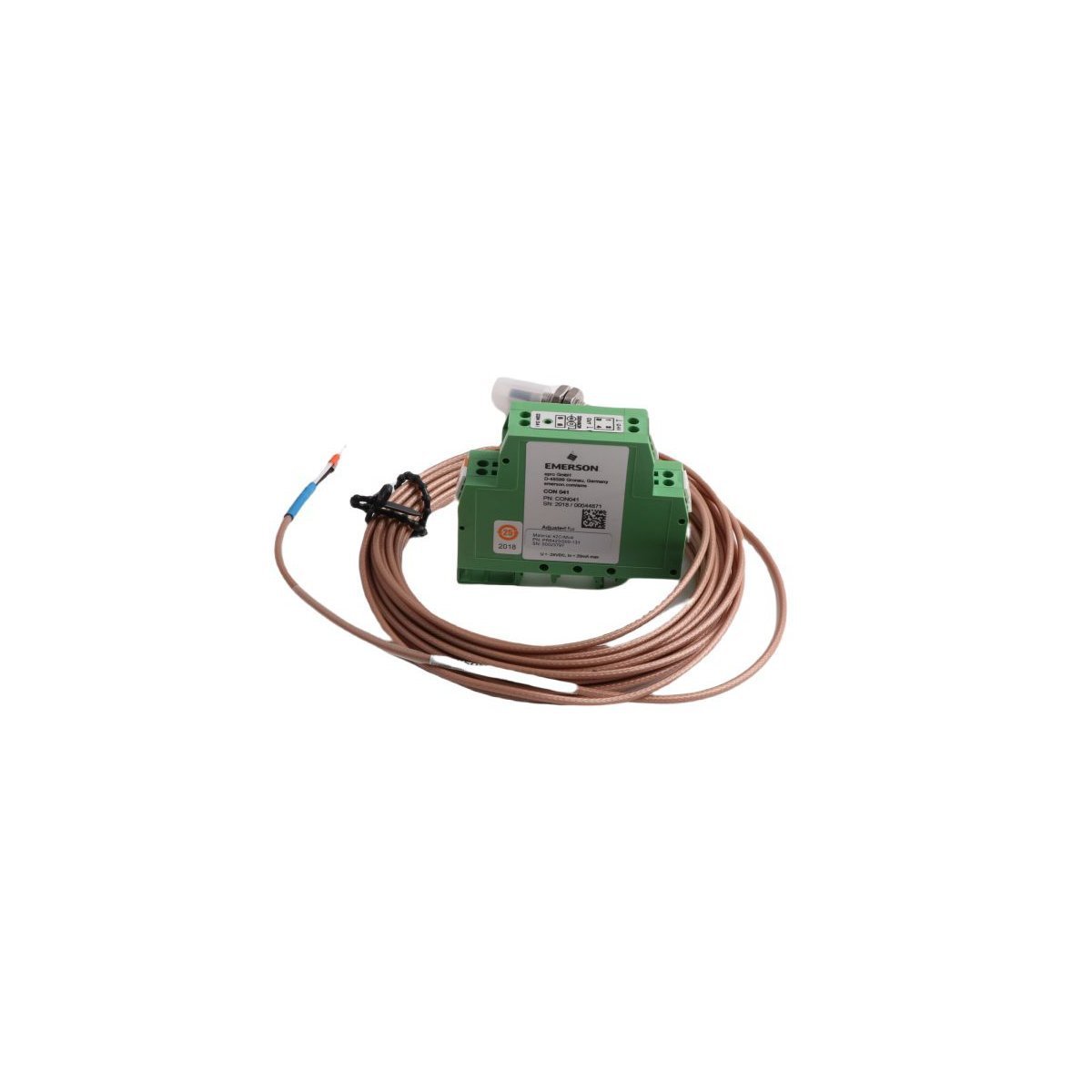
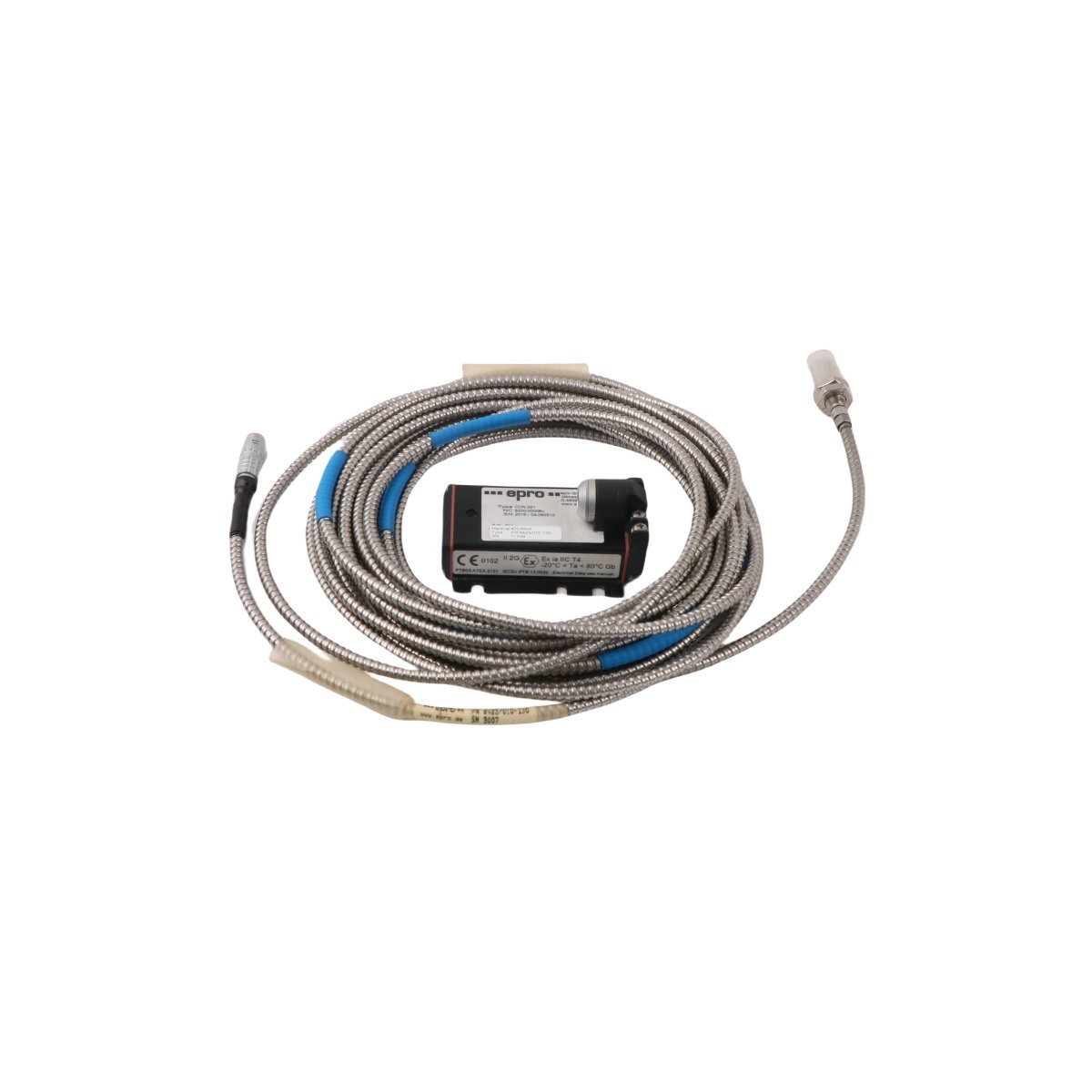
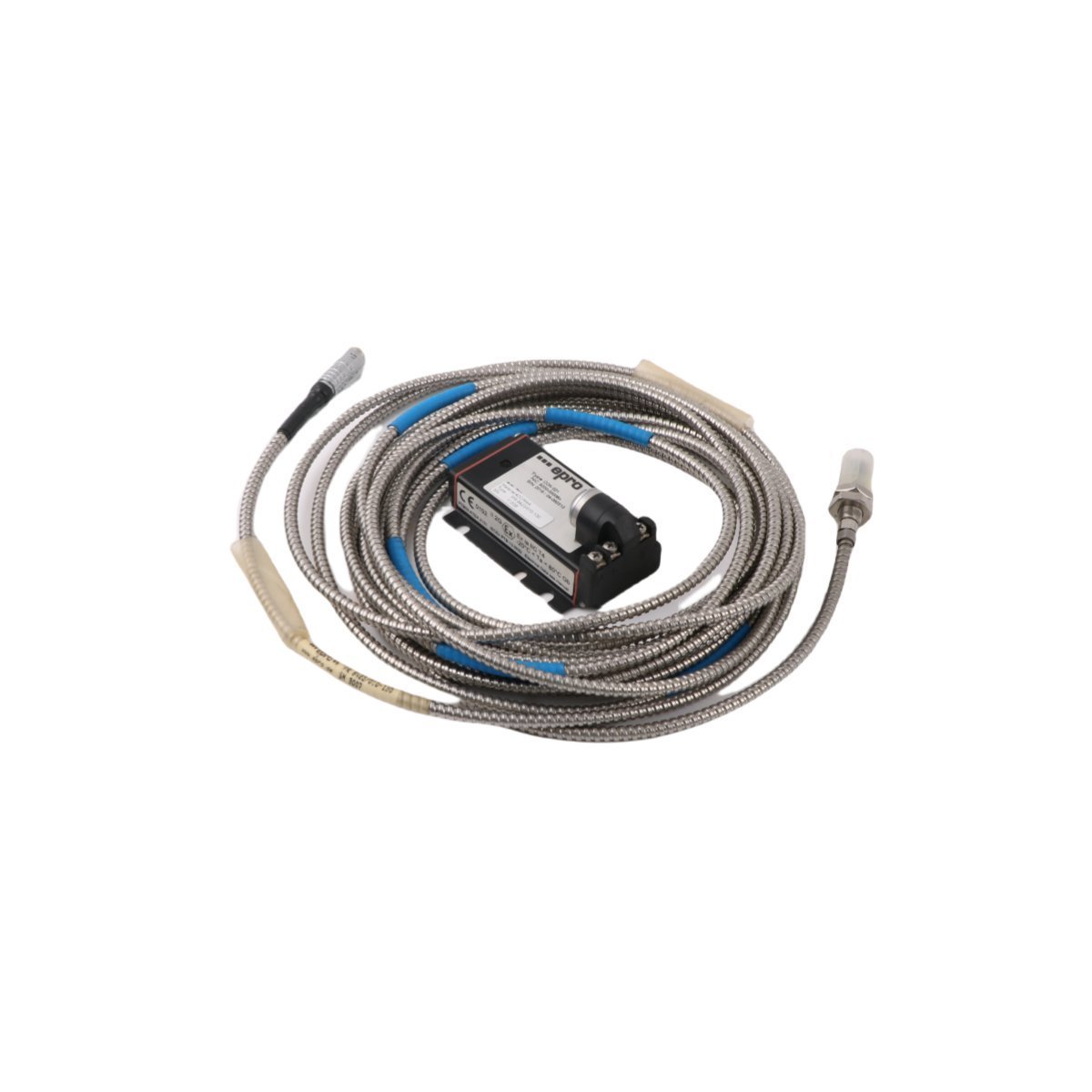
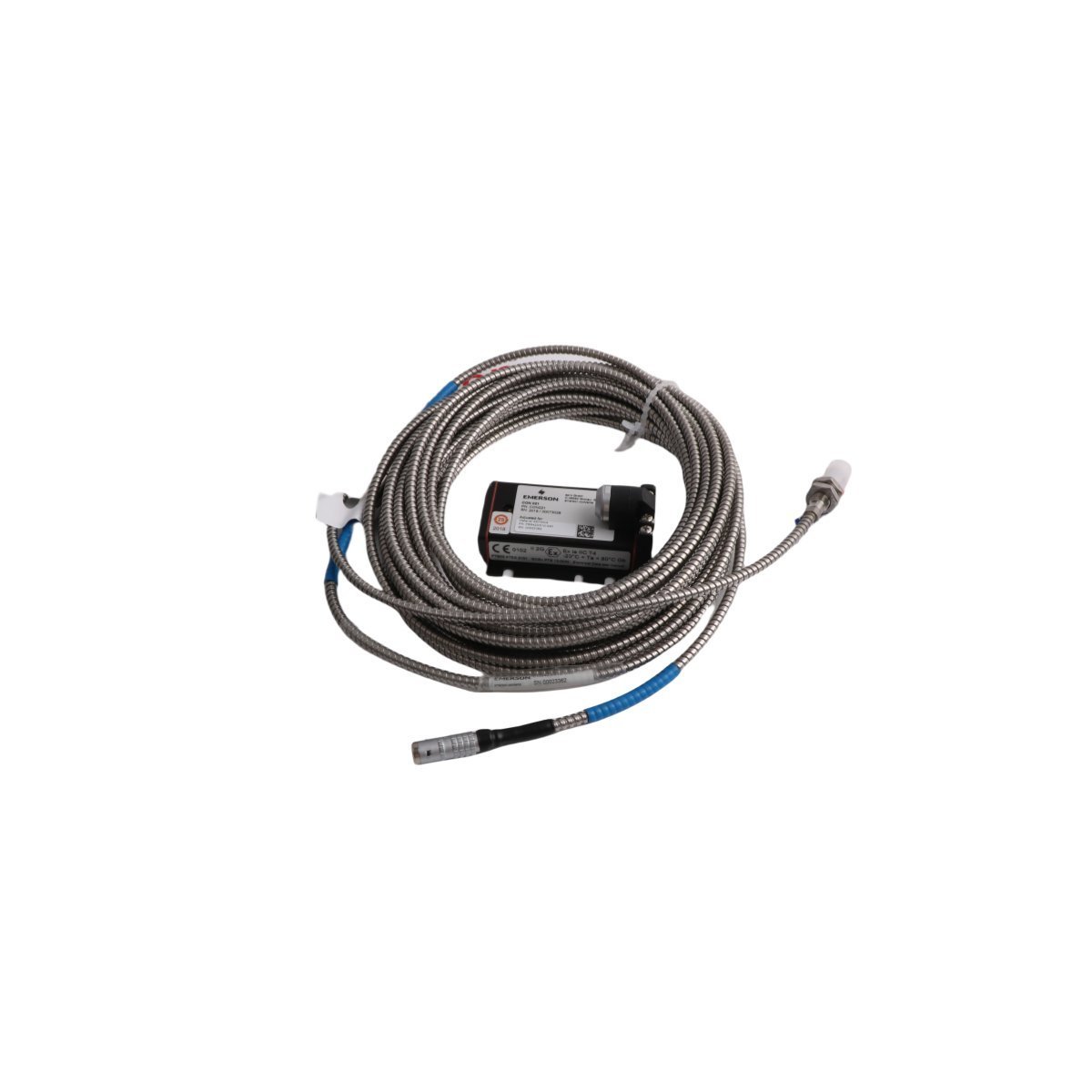
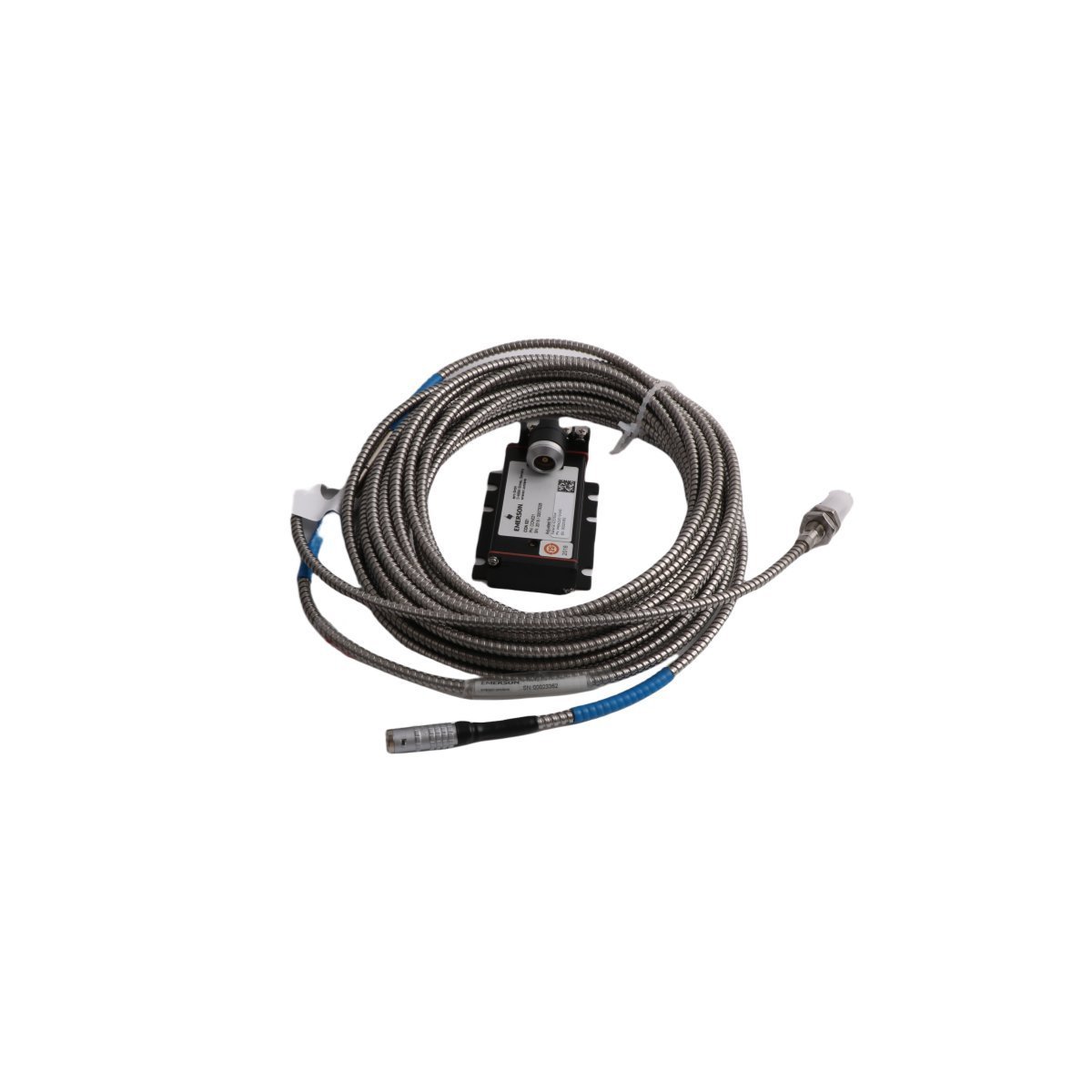
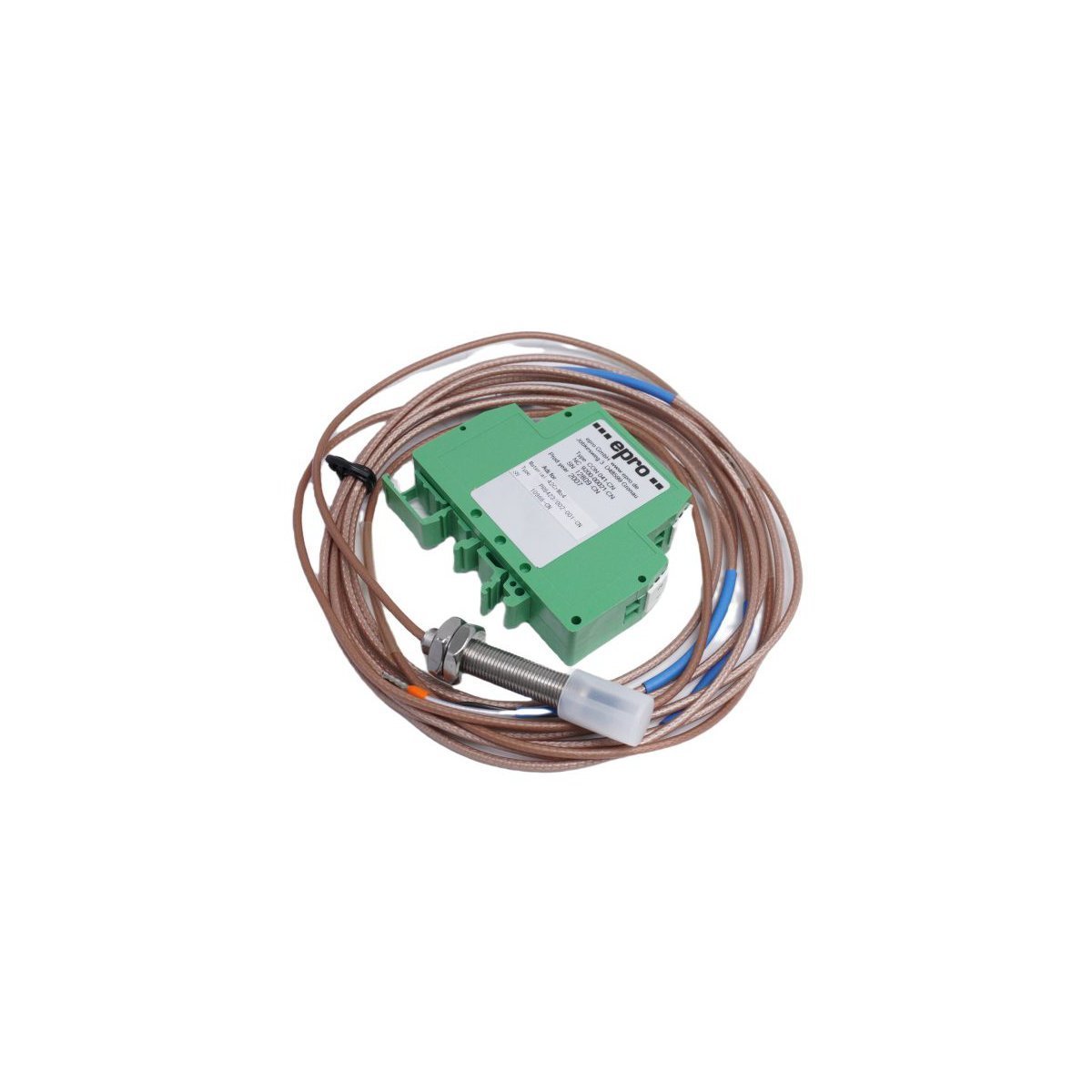
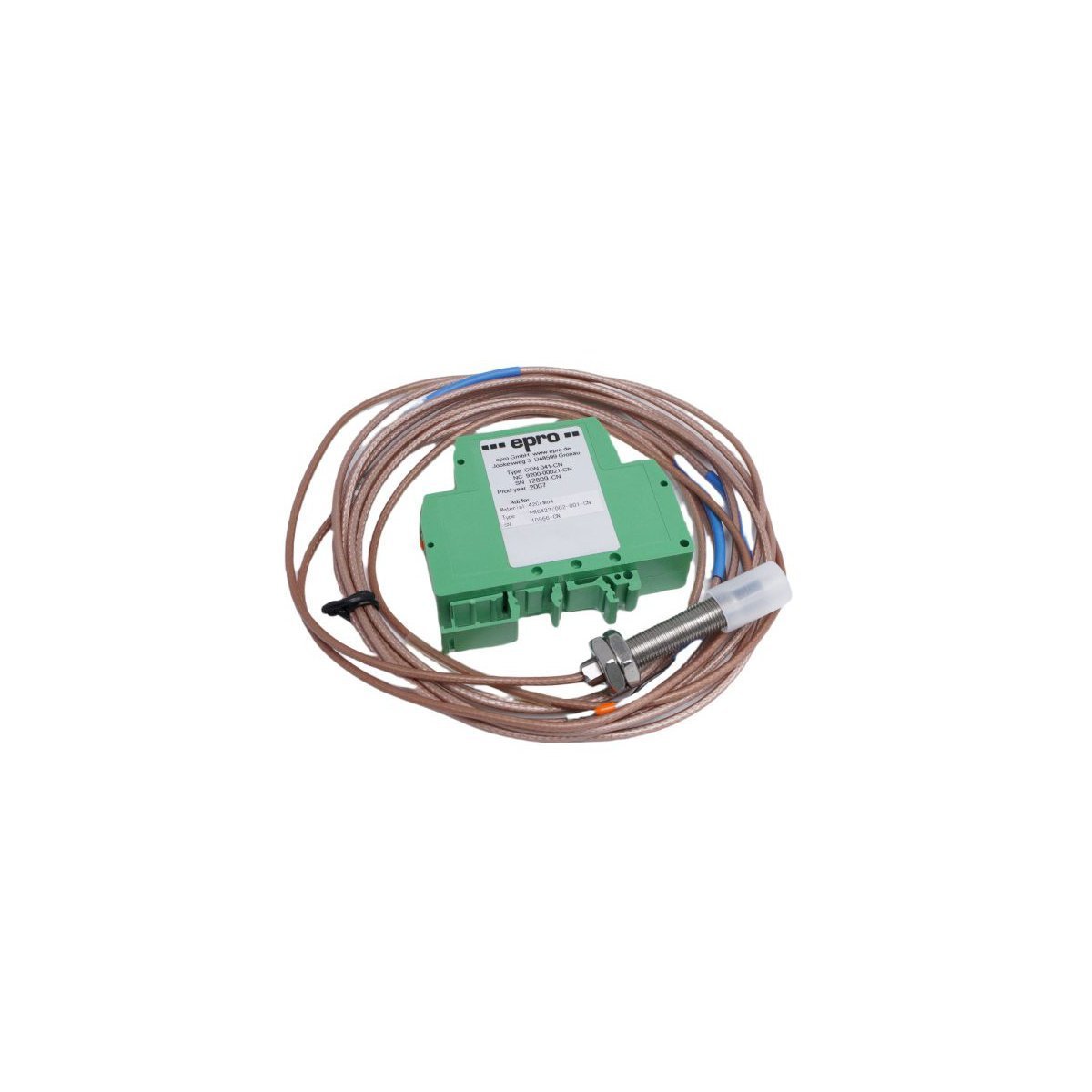
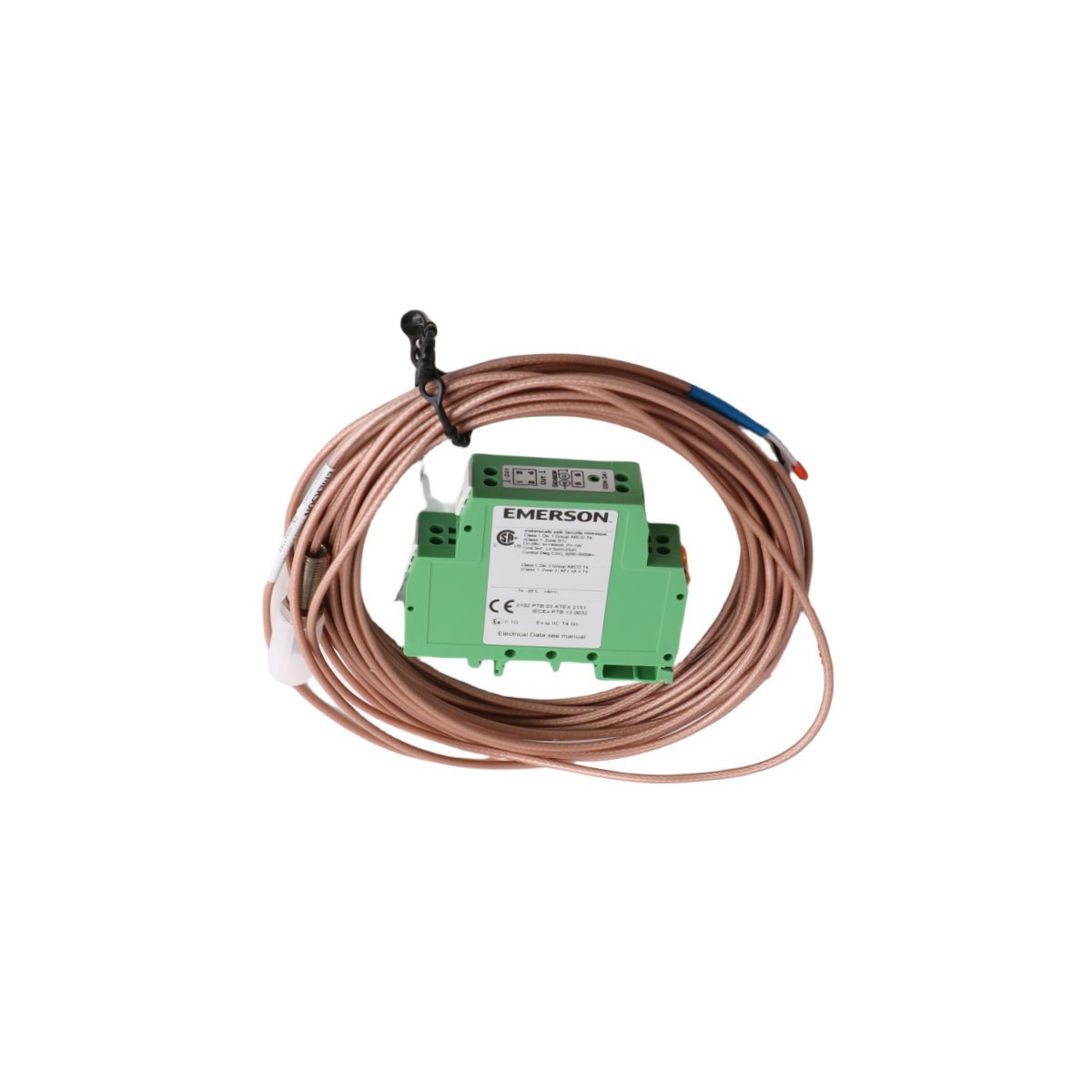
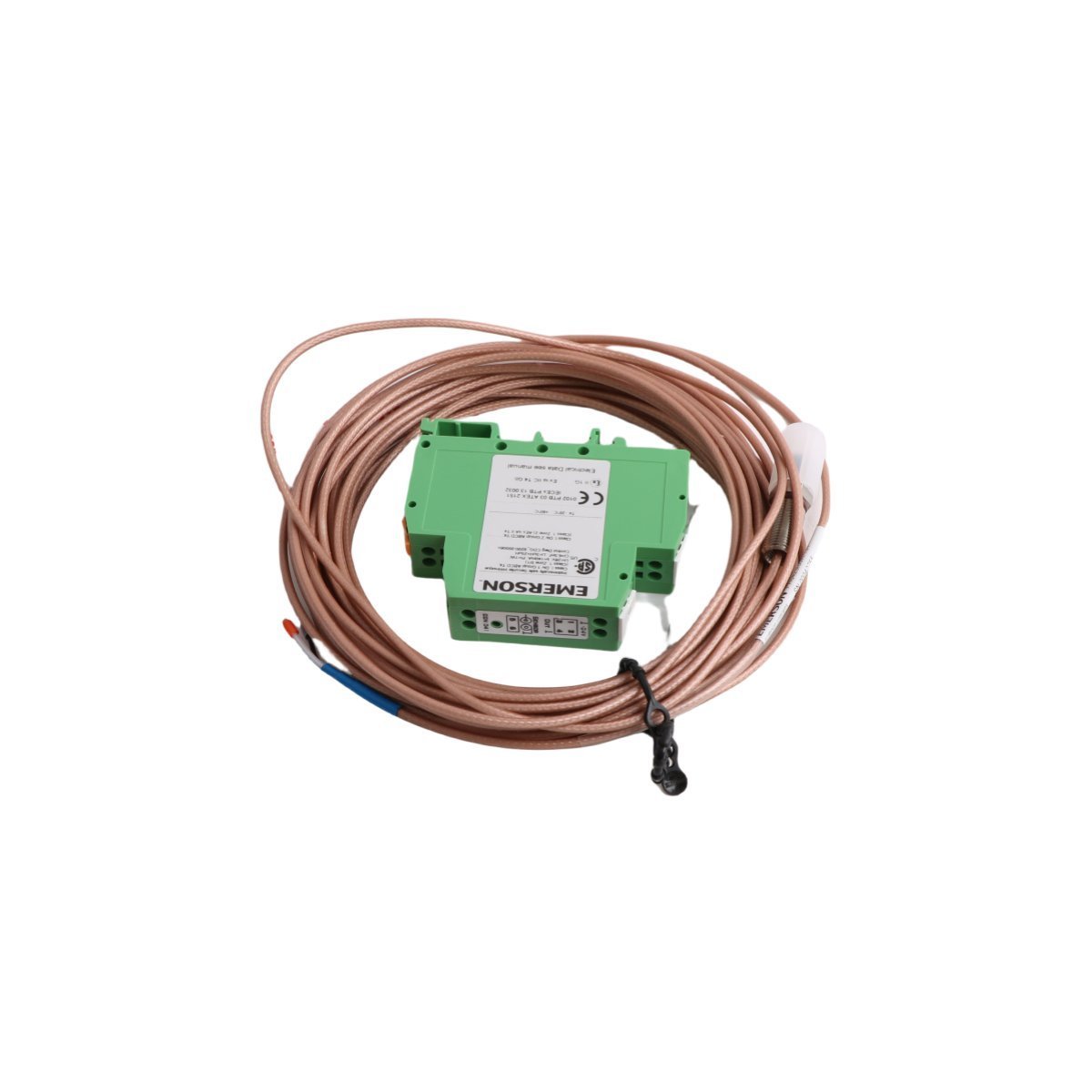
Emerson PR6423/000-131 CON041 EPRO Eddy Current Sensor
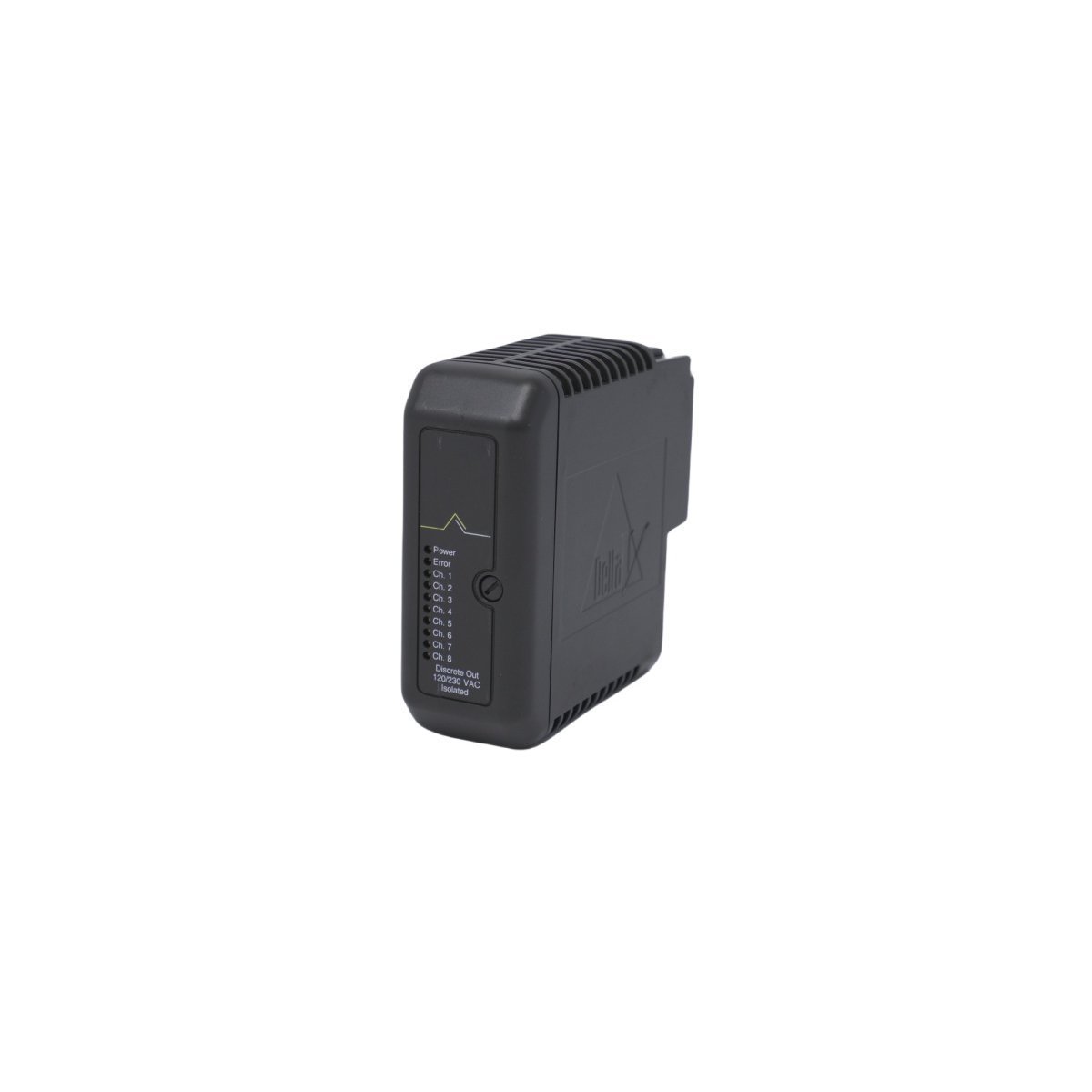
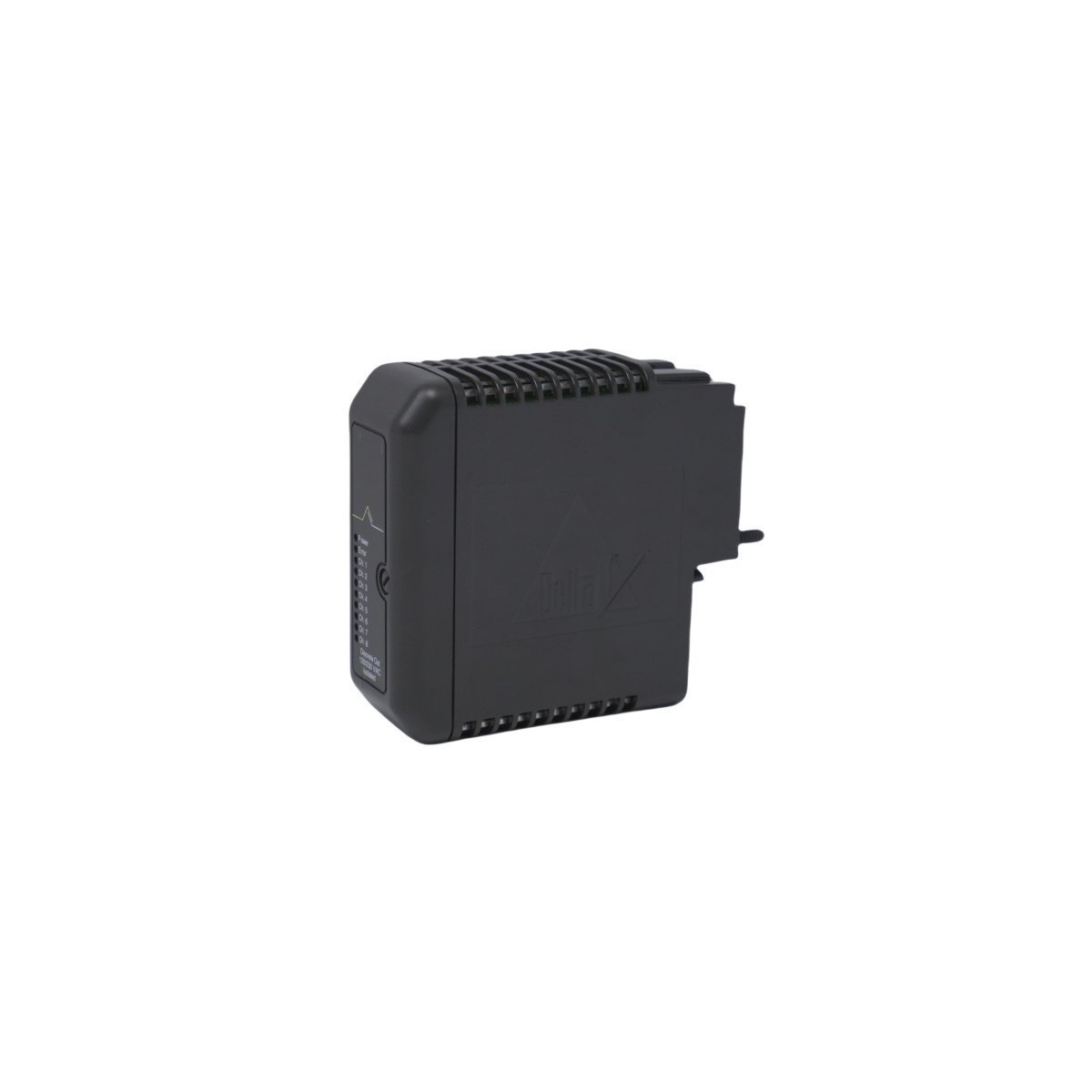
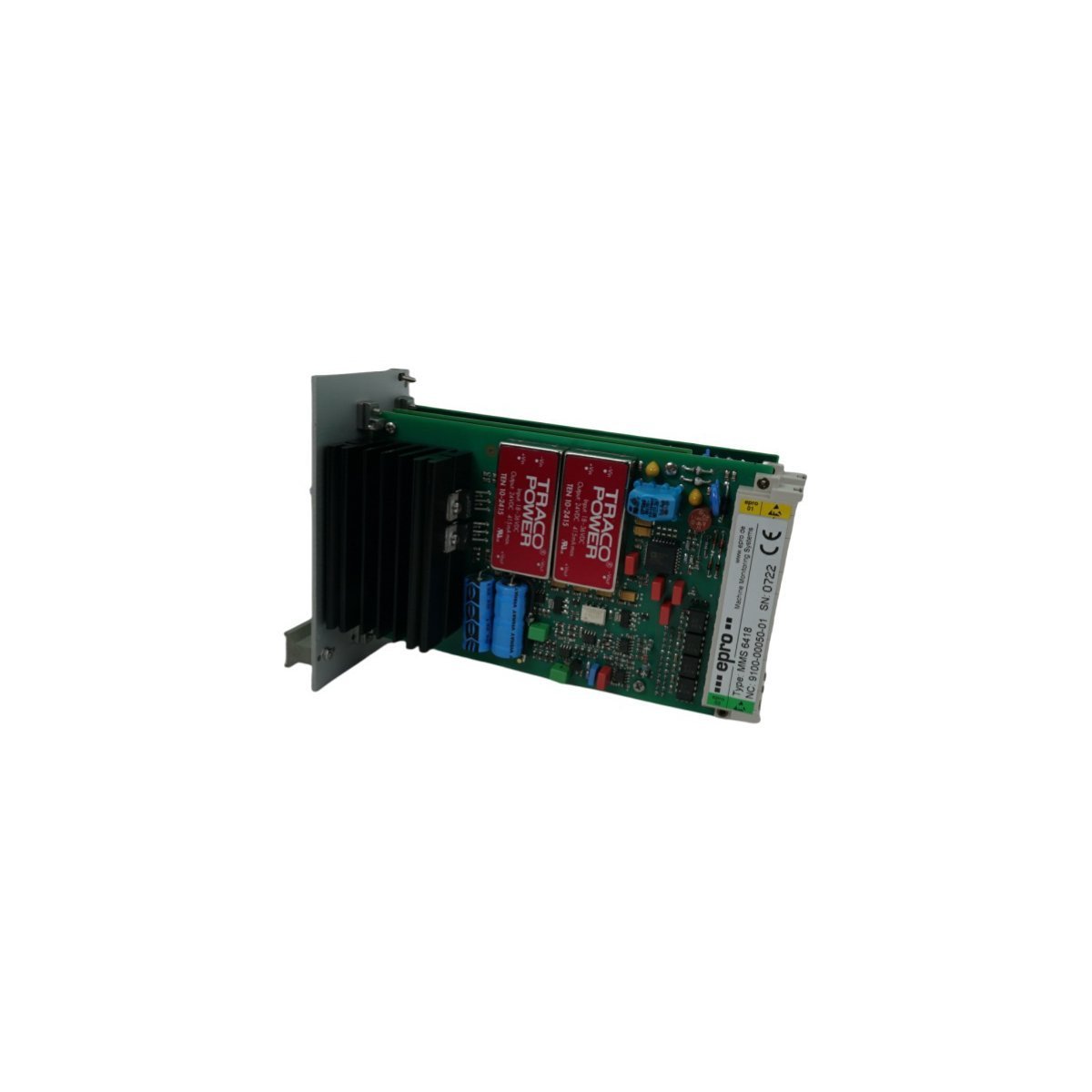
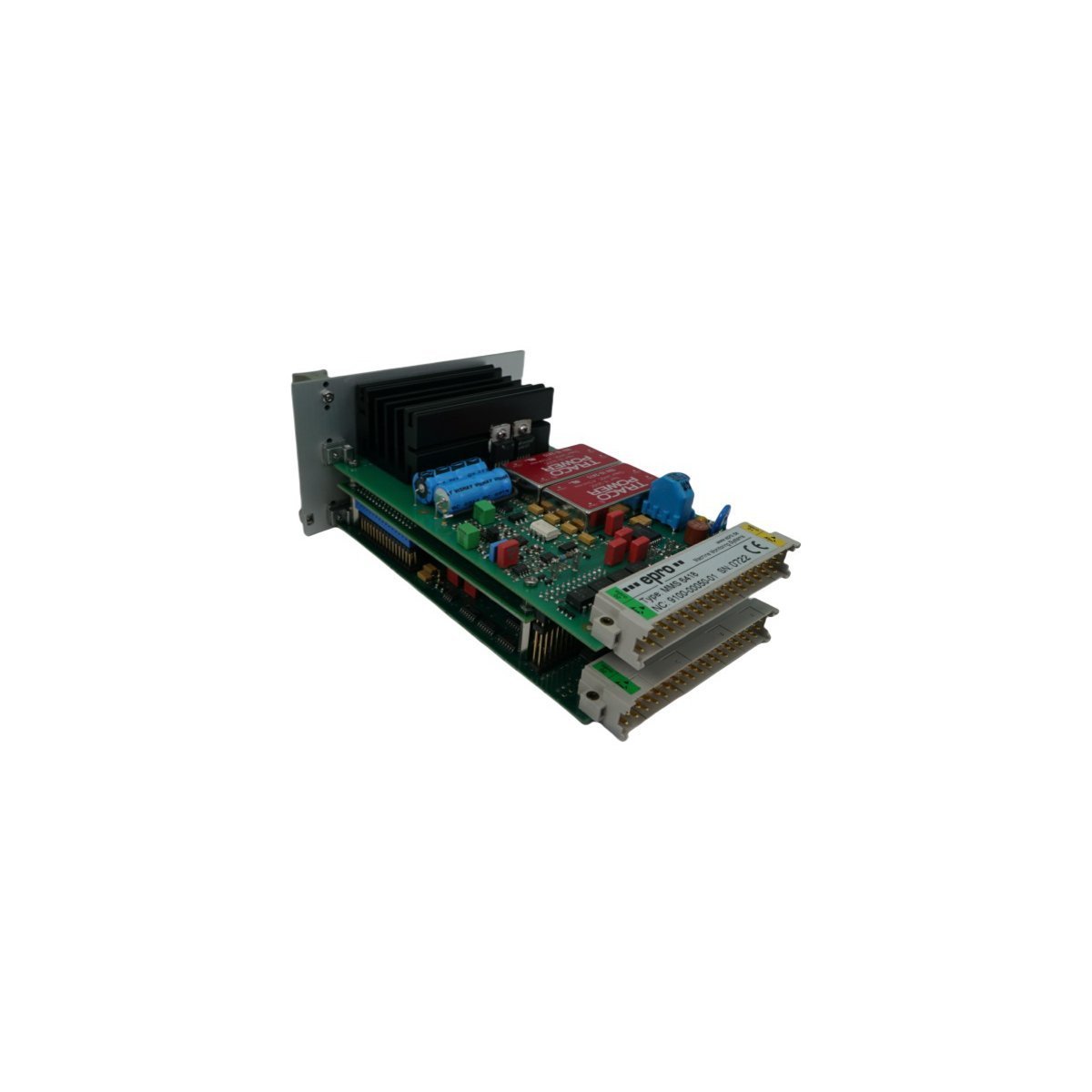
The Emerson PR6423/000-131 CON041, also cataloged as the PR6423/000-131 Eddy Current Sensor, operates as a dedicated hardware component for non-contact shaft displacement and vibration measurement within EPRO machine monitoring systems.
Hardware Specifications
| Parameter | Specification |
|---|---|
| Model | PR6423/000-131 CON041 |
| Brand | Emerson |
| Product Range | EPRO |
| Module Type | Eddy Current Sensor |
| Origin | USA |
| Weight | 0.24 kg |
| Dimensions | 2 x 15 x 15 cm |
| Operating Temp | -35 to 180 deg C |
| Power Consumption | Passive sensor coil (driven by transmitter) |
| HS Code | 8537101190 |
| Status | Discontinued (Dec 31, 2018) |
Process Control and DCS Characteristics
- Generates high-frequency electromagnetic fields to detect micrometer-scale gap variations against target metallic shaft surfaces.
- Transmits raw high-frequency signal outputs to signal converters or 4-20 mA HART loop protocol transmitters for system logging.
- Provides high linearity and channel-to-channel isolation across multi-channel turbomachinery monitoring racks.
- Accepts integration with field junction boxes, utilizing cold junction compensation routines where ambient temperature shifts affect signal conditioning hardware.
Frequently Asked Questions
Q: What signal conditioning unit is required to drive the PR6423/000-131 probe?A: The sensor coil requires a matching CON041 transmitter or signal converter to supply the excitation frequency and process raw impedance changes into normalized voltage signals.Q: How does cable length affect calibration on this eddy current sensor?A: System calibration depends on the total electrical length of the probe and extension cable assembly; cable substitutions alter system tuning and impedance scaling.Field Installation Guidelines
- Verify mechanical target clearance to prevent physical impact between the probe tip and rotating shaft during machine startup.
- Route sensor lead cables through grounded metallic conduit to suppress ambient electromagnetic interference.
- Maintain a minimum cable bending radius of 30 mm to avoid damaging internal coaxial conductors.