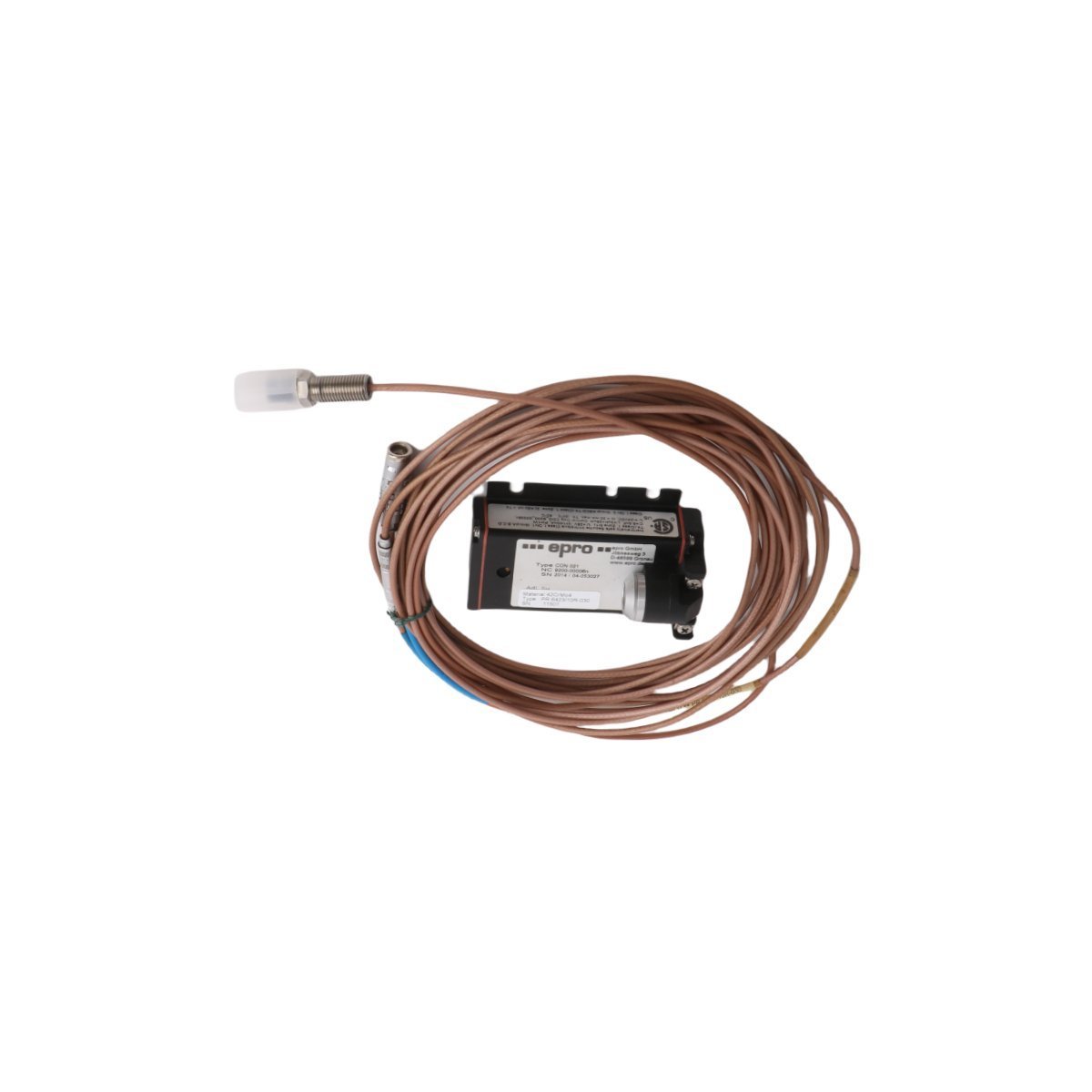
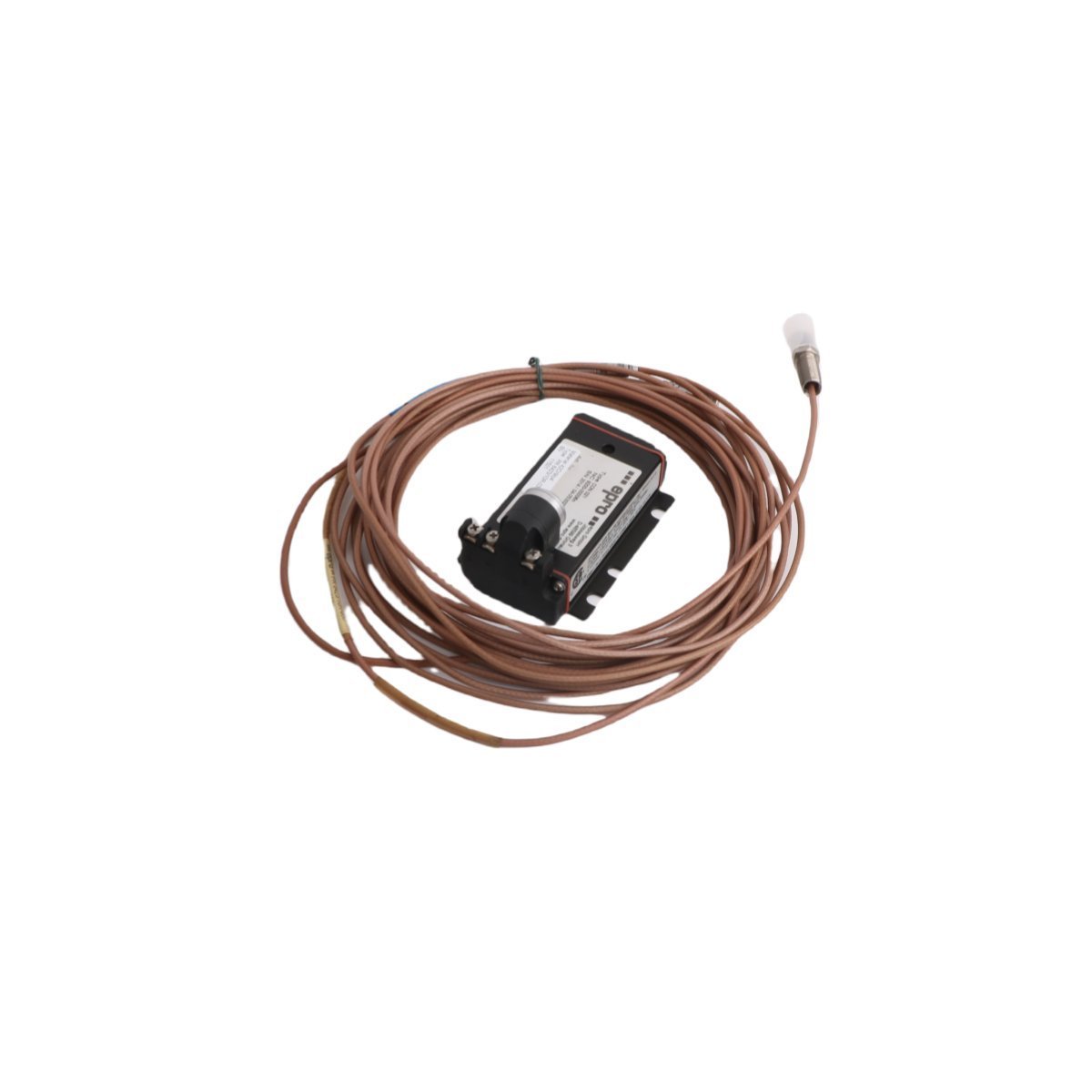
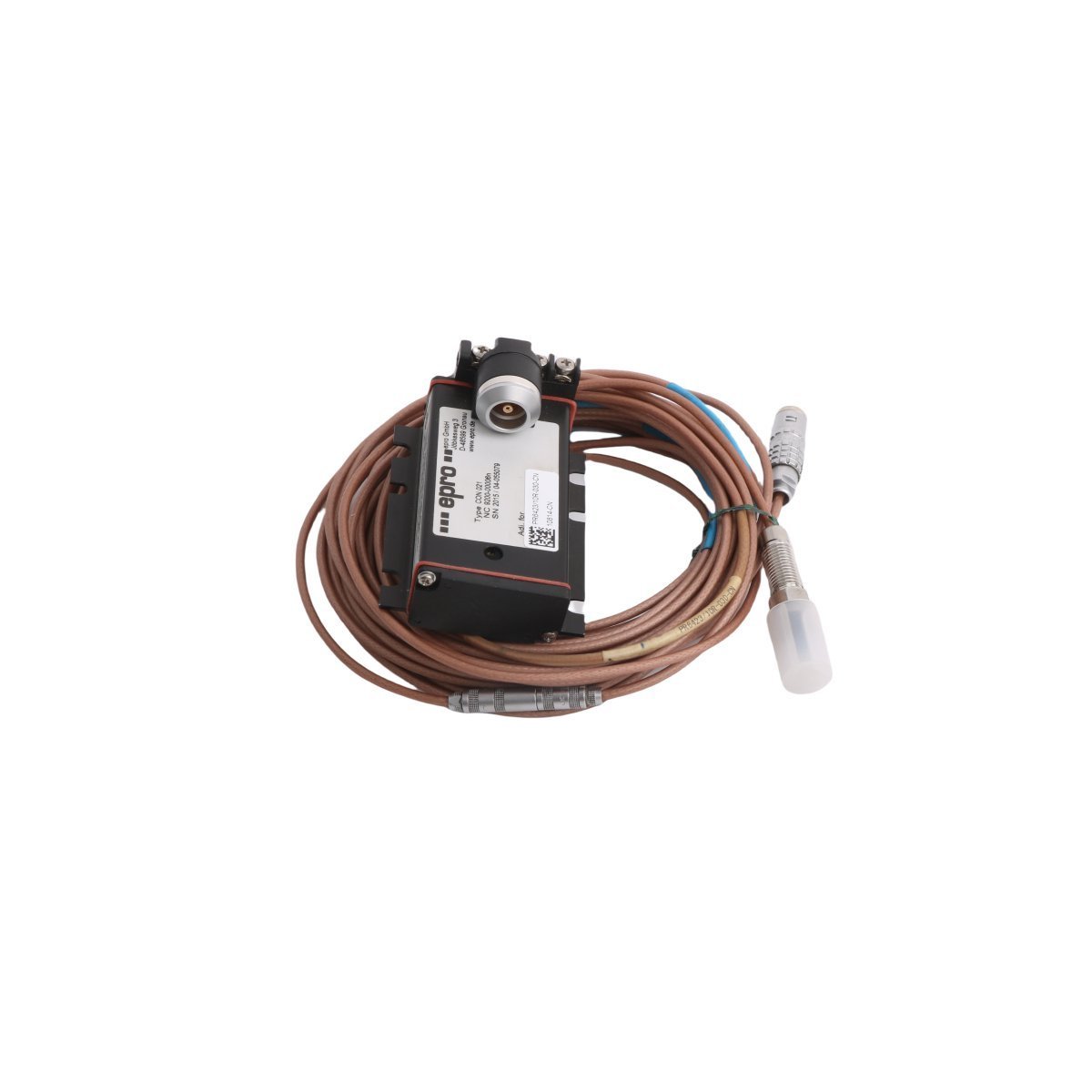
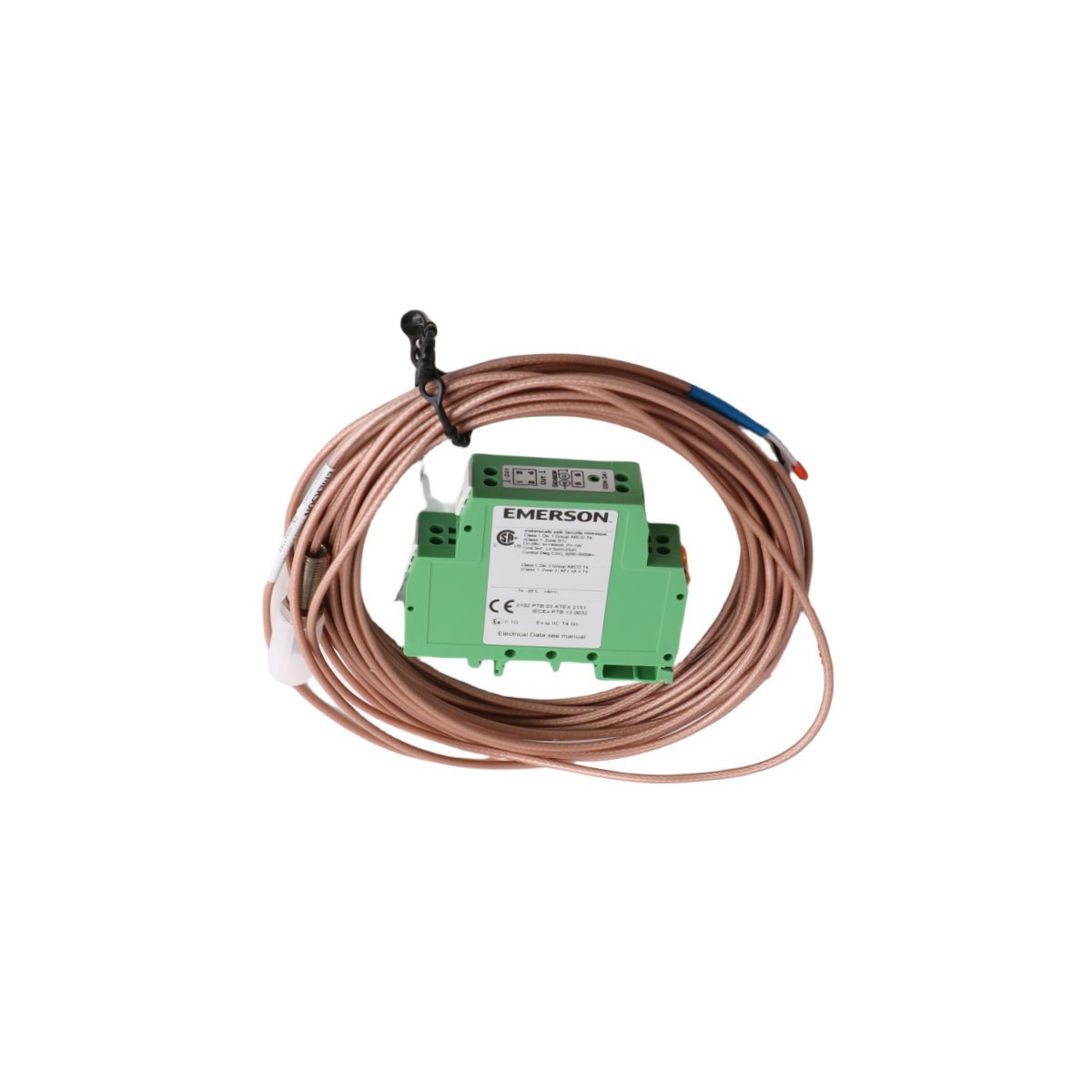
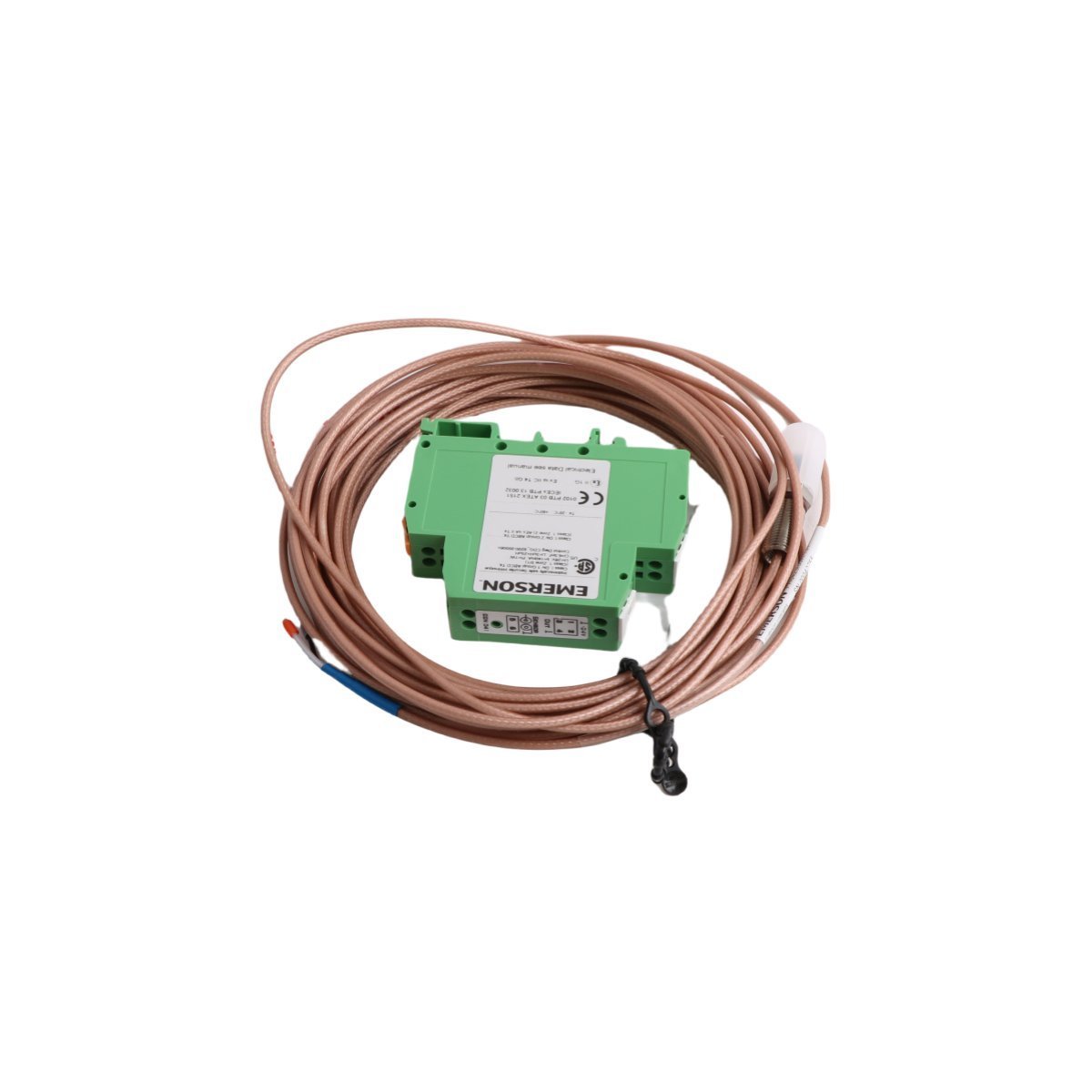
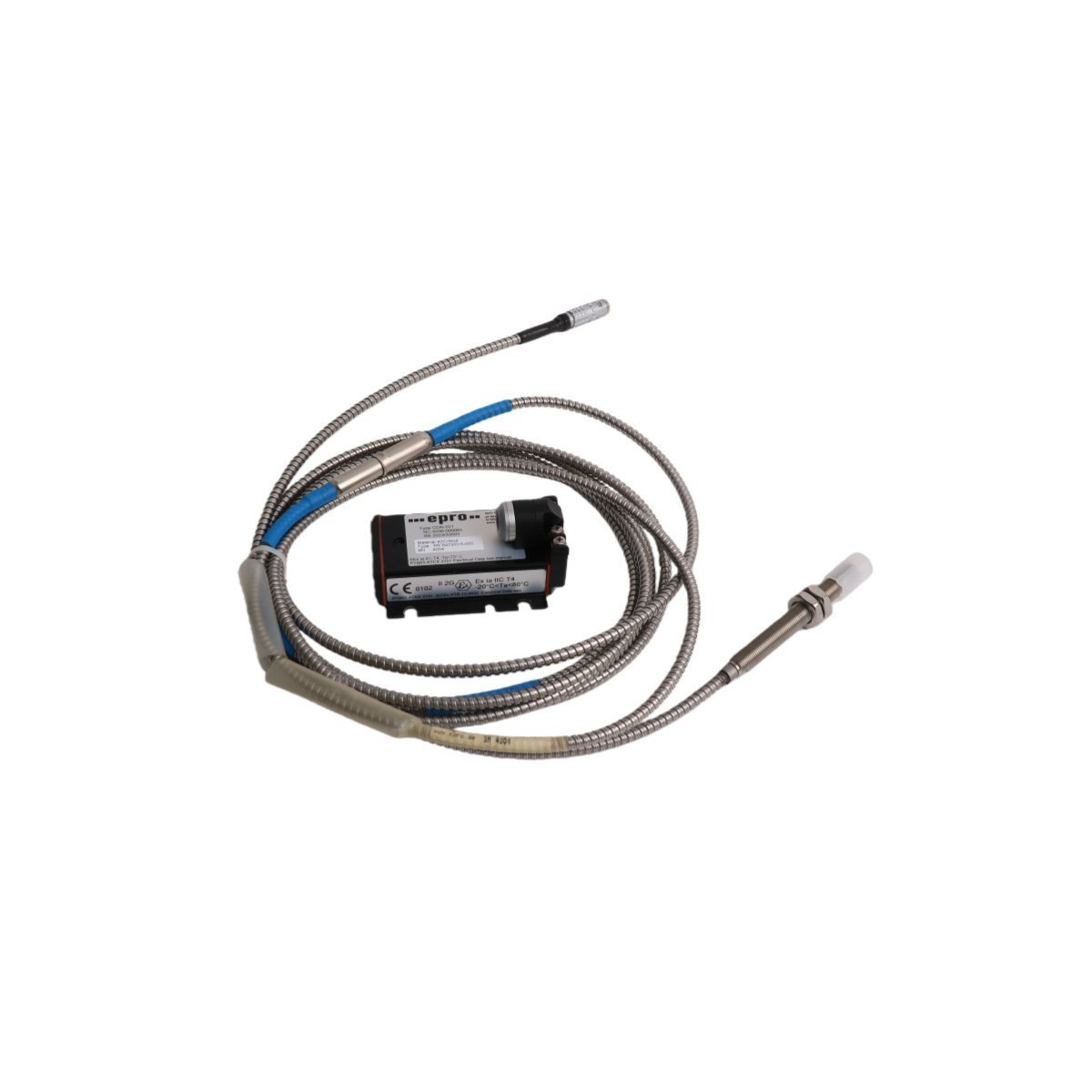
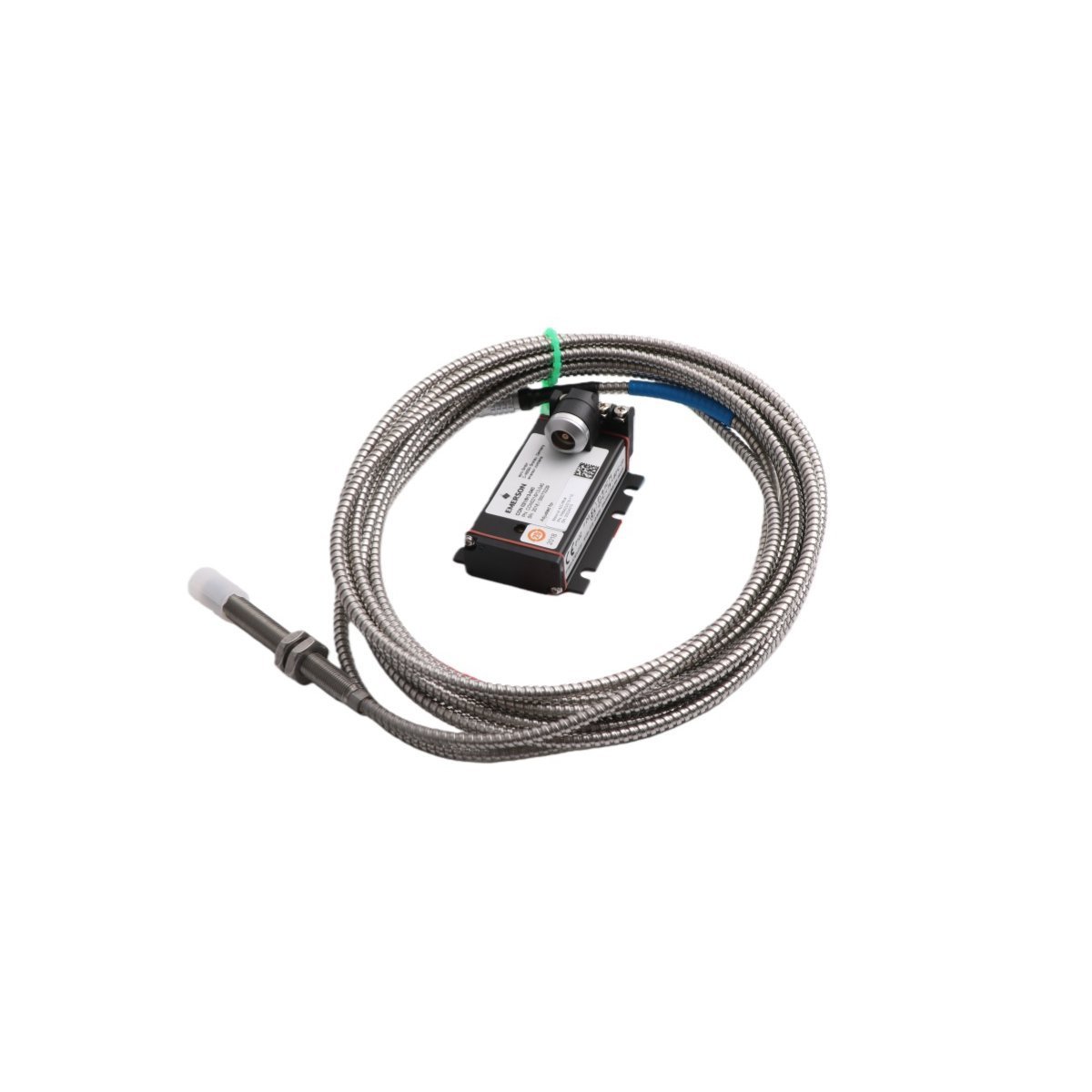
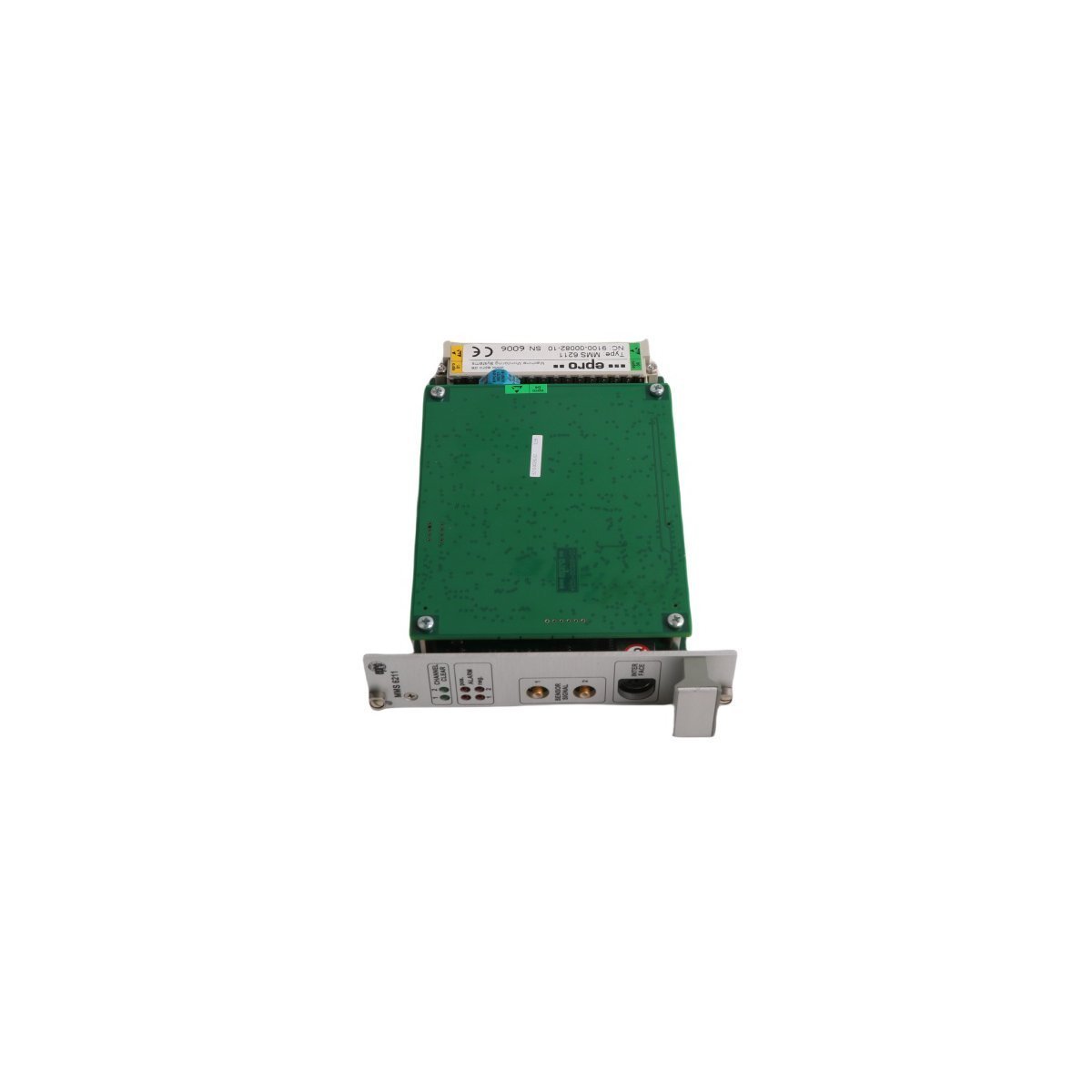
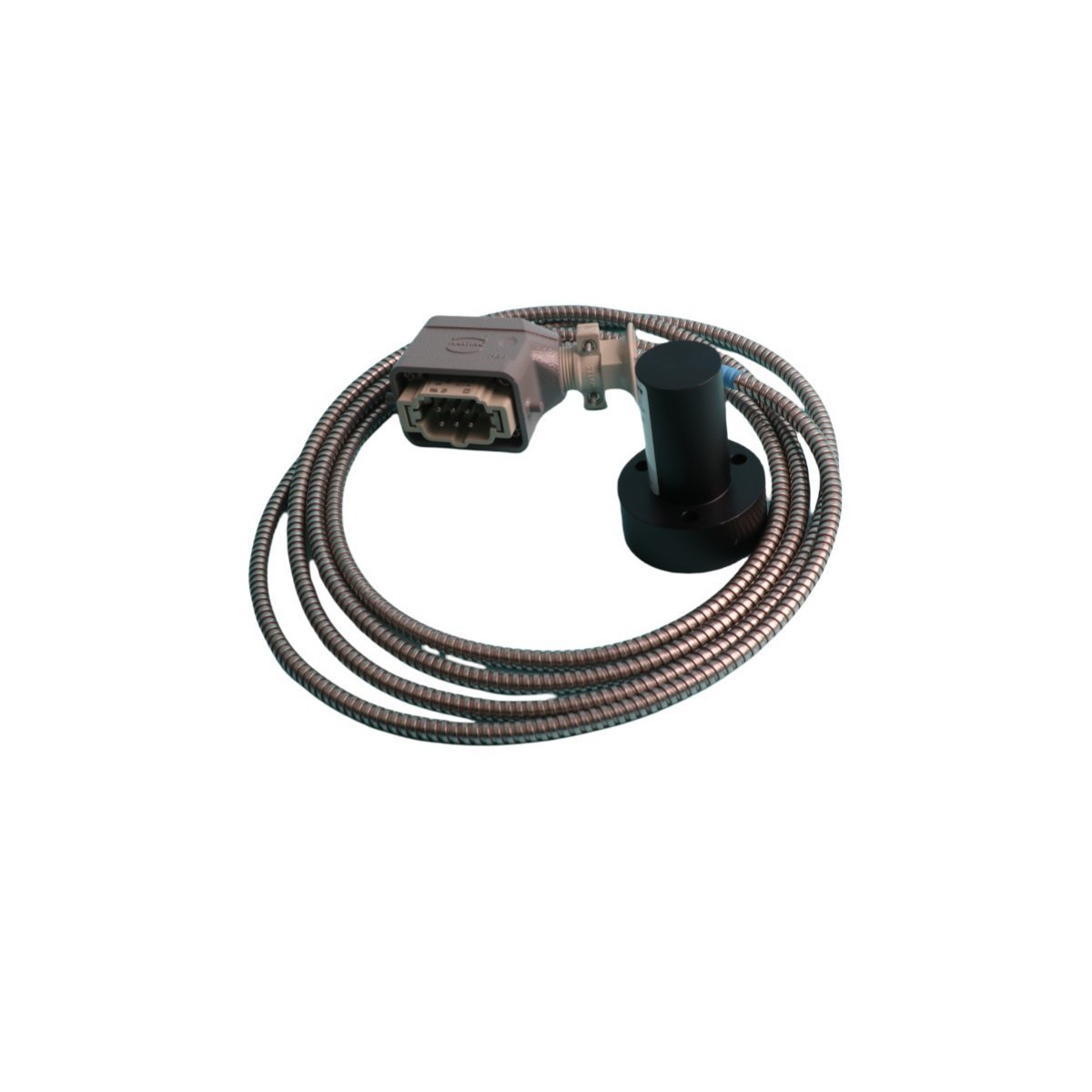
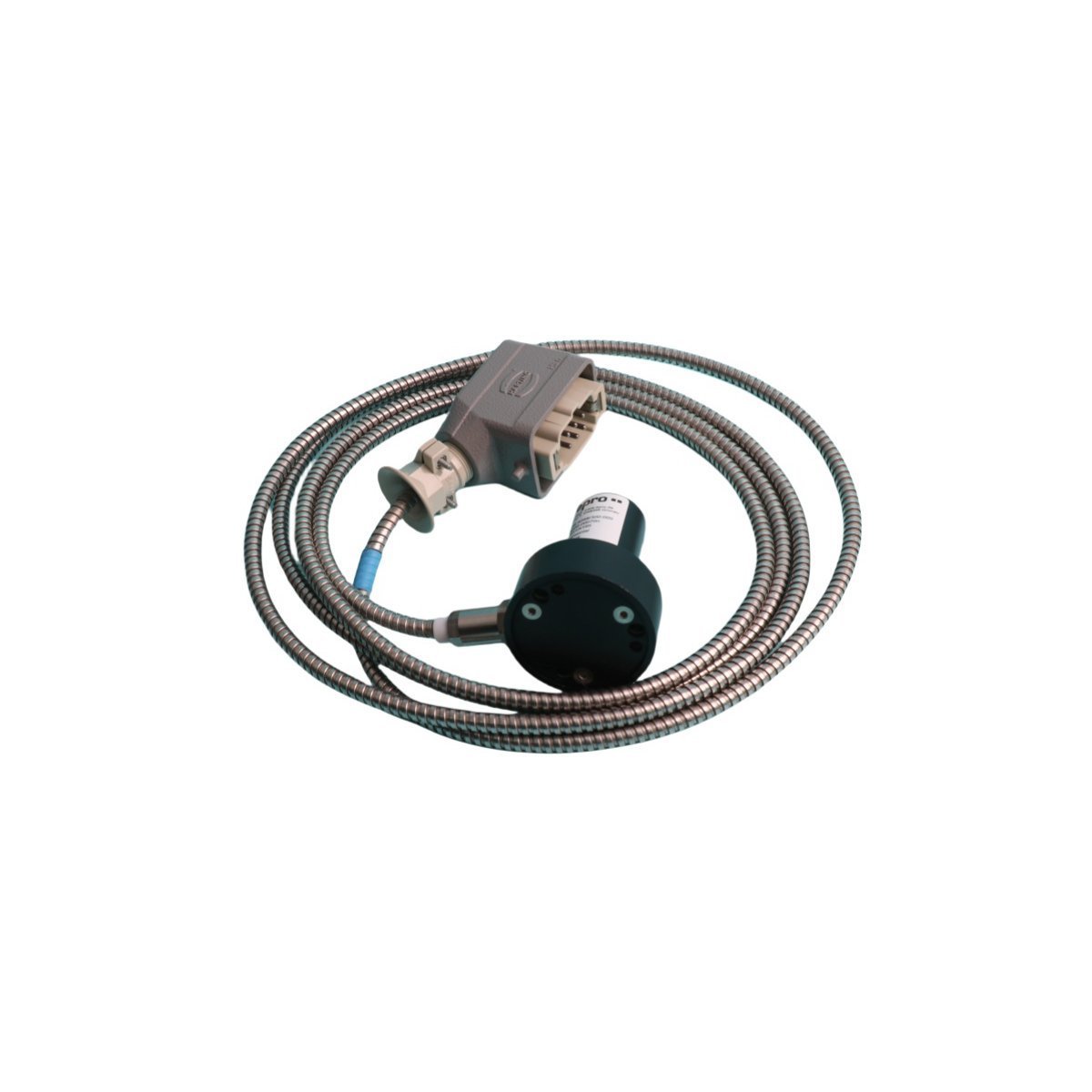
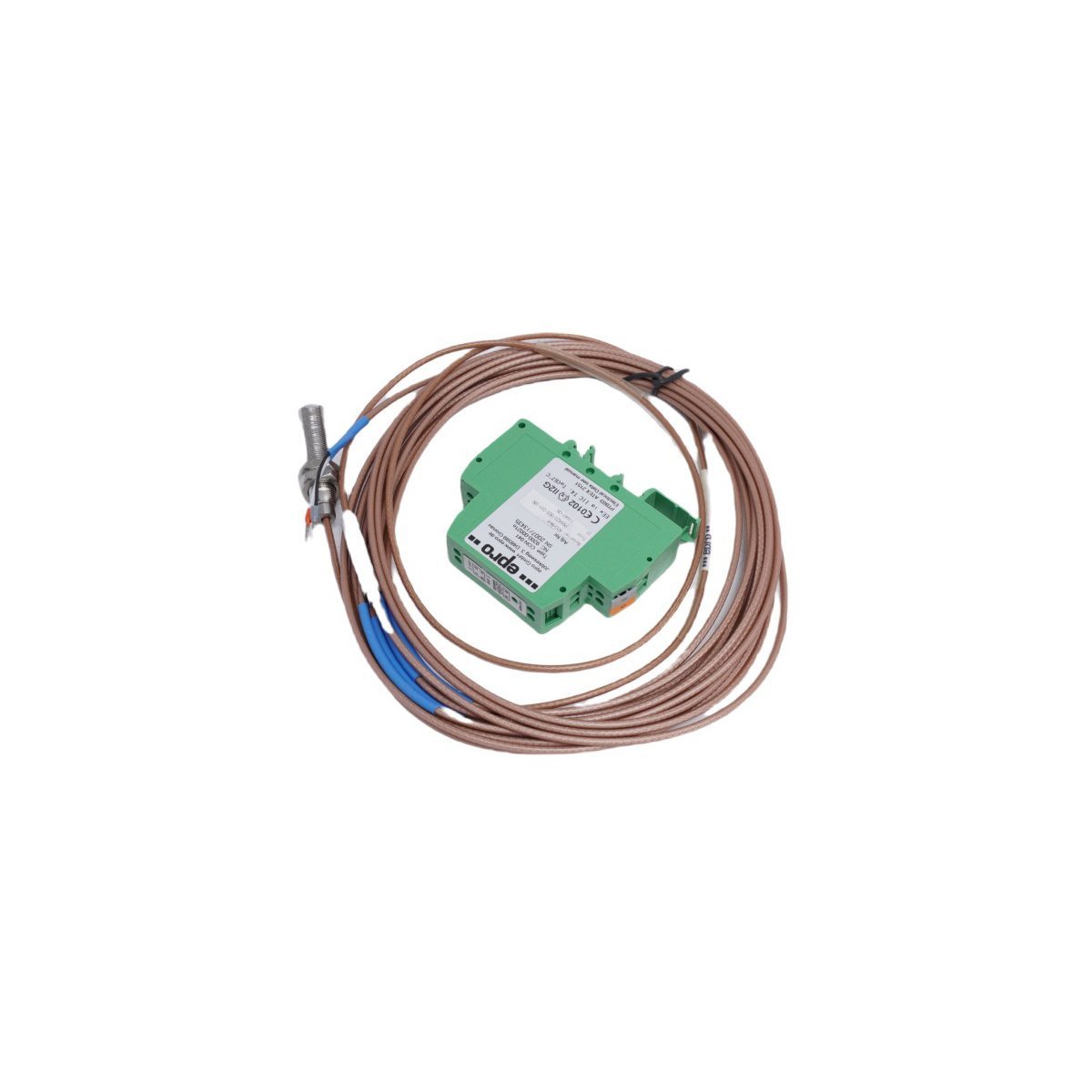
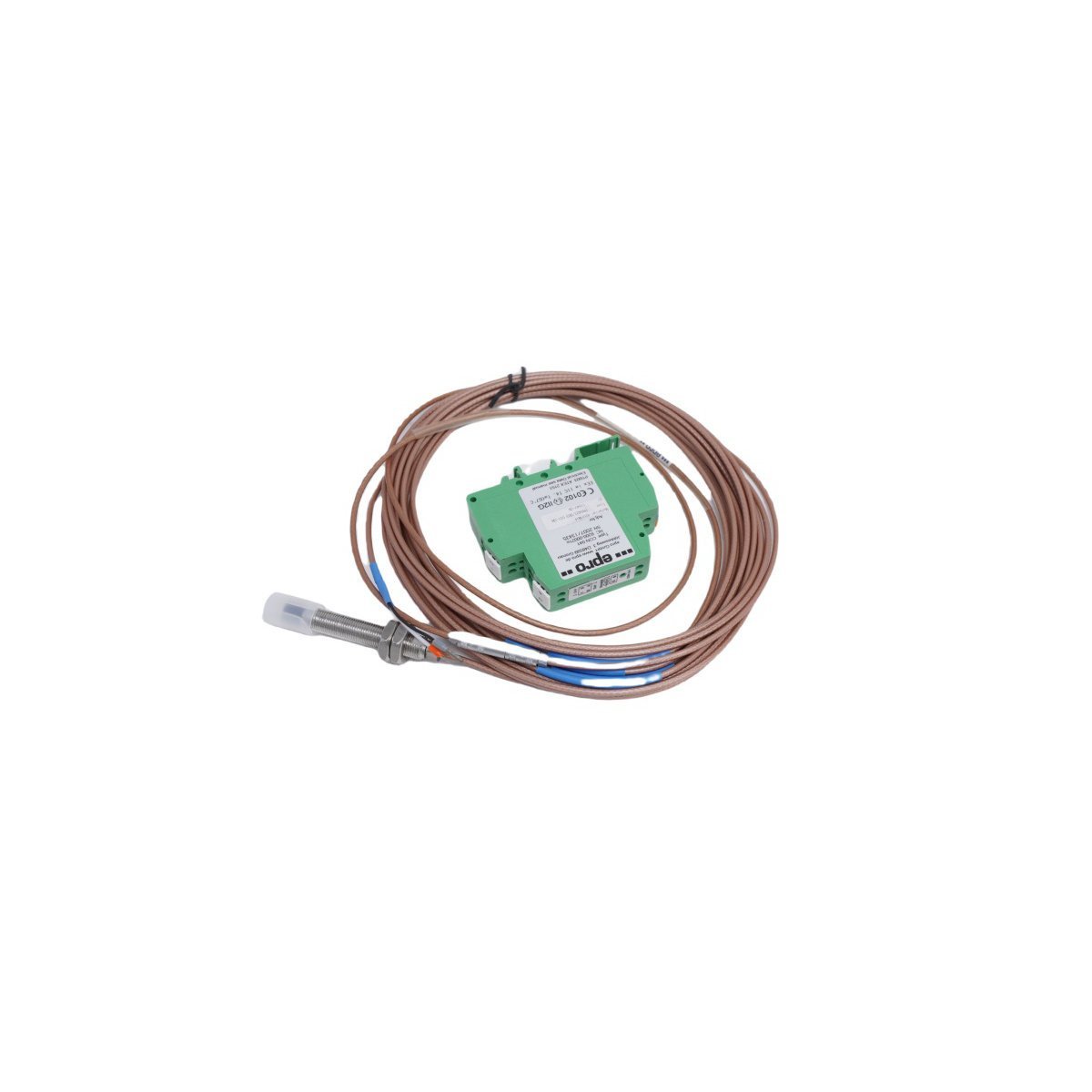
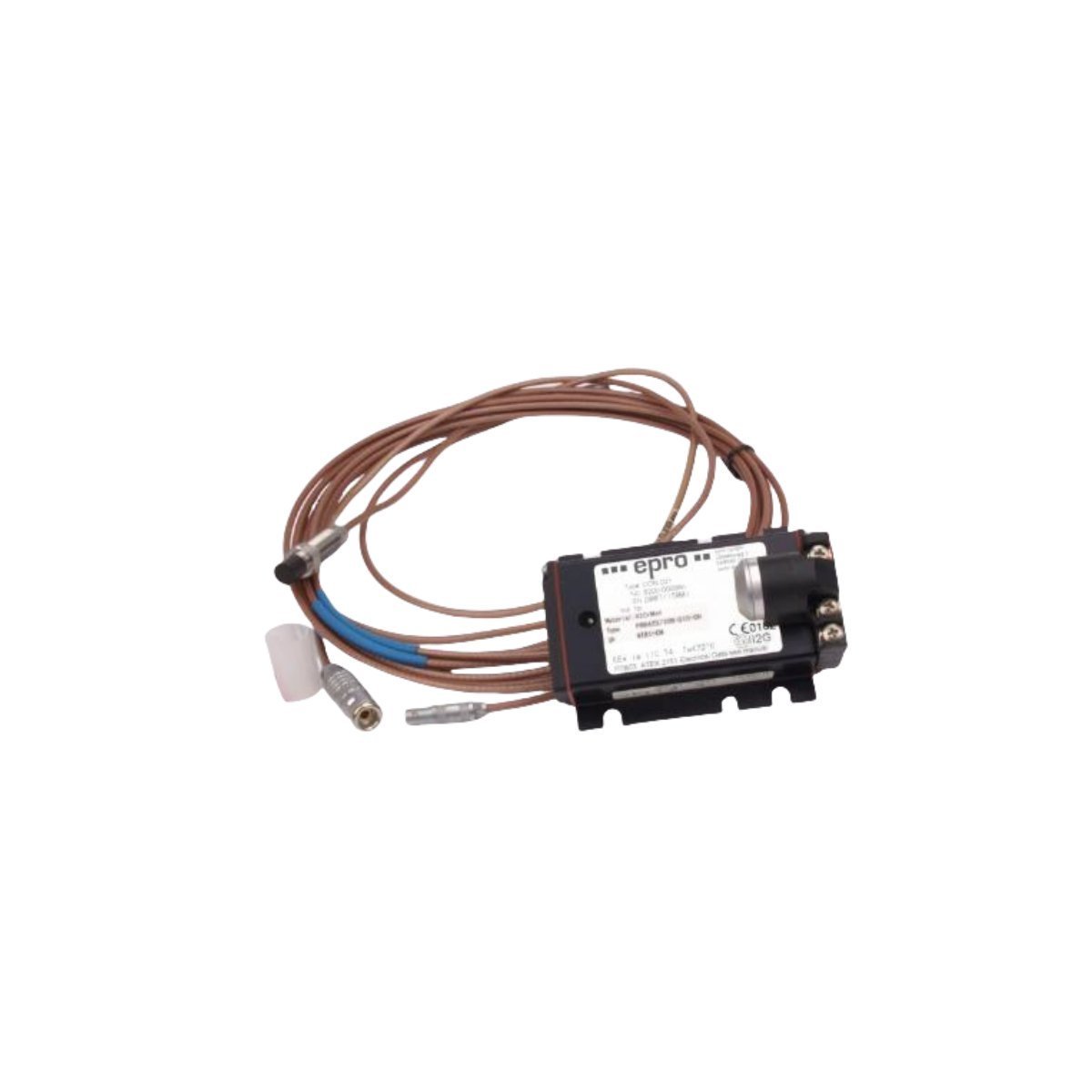
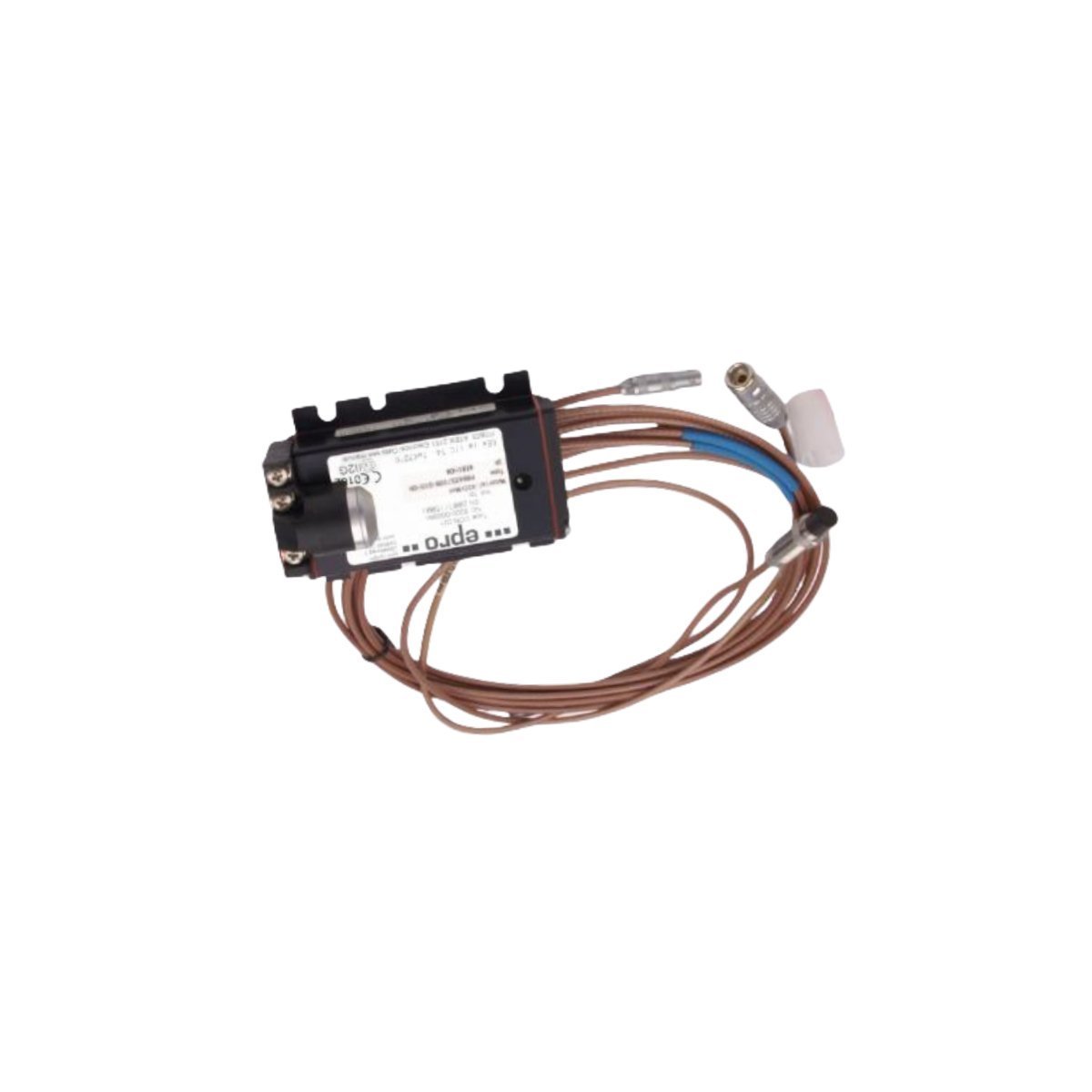
Configured for non-contact shaft vibration and axial displacement measurement in EPRO machinery monitoring systems, the Emerson PR6423/01R-040 CON021 (PR6423/01R-040 Eddy Current Sensor) provides direct physical signal conditioning for rotating element health monitoring.
Hardware Specifications
Parameter
Specification
Model
PR6423/01R-040 CON021
Brand
Emerson
Product Range
EPRO
Module Type
Eddy Current Sensor
Origin
USA
Weight
0.28 kg
Dimensions
20 x 20 x 4 cm
Operating Temp
-35 to 180 deg C
Power Consumption
Passive sensor coil (driven by signal converter)
HS Code
8537101190
Lifecycle Status
Discontinued (Dec 31, 2018)
Process Control and DCS Characteristics
Converts magnetic field impedance changes into high-frequency voltage proportional to metallic target distance.
Integrates with 4-20 mA HART loop protocol transmitters and DCS analog channels for signal transmission.
Provides channel-to-channel isolation to prevent loop interference across adjacent turbomachinery measurement channels.
Maintains measurement accuracy during temperature variations using cold junction compensation (CJC) circuits in the matching CON021 signal conditioning unit.
Frequently Asked Questions
Q: How does the CON021 signal converter interact with the PR6423/01R-040 probe?
A: The CON021 converter supplies the high-frequency excitation voltage to the probe tip coil and converts raw impedance variations into standardized proportional voltage signals.
Q: What mounting precautions prevent signal distortion on this eddy current probe?
A: Maintain a clear unthreaded side clearance area around the probe tip to prevent adjacent structural metals from skewing the calibrated inductance field.
Field Installation Guidelines
Verify mechanical clearance between the probe tip and target shaft face prior to power up to prevent physical impact damage.
Run coaxial interconnect cabling through grounded steel conduit to isolate signal lines from high-voltage motor conductors.
Observe a minimum 30 mm cable bend radius during routing to protect internal conductor shielding.
The EMERSON PR6423/00R-131 CON041 is a factory-original eddy current signal converter designed for high-accuracy displacement monitoring. Acquire this brand new, original stock component with secure worldwide shipping options and guaranteed hardware verification. Contact our technical team today to finalize your industrial replacement requirements.
The EMERSON PR9268/017-100 is an electrodynamic seismic velocity sensor. Available as Brand New, Original Stock, with Global Shipping for asset protection.
The Emerson PR6423/002-131 CON041 is a new EPRO series Eddy Current Sensor designed for non-contact vibration and displacement monitoring in industrial TSI systems.
The Emerson PR6423/010-020-CN is an 8mm EPRO eddy current sensor. It provides non-contact shaft vibration and displacement monitoring for industrial DCS and turbomachinery.
The Emerson PR6423/10R-040 is an 8mm EPRO eddy current sensor designed for non-contact shaft vibration and displacement monitoring. Built for harsh environments, this high-precision transducer ensures stable performance in turbines, compressors, and pumps.
The Emerson PR6424/000-030 CON021 is an 8mm eddy current sensor for non-contact displacement and vibration monitoring. It provides high-precision shaft measurements for turbines and compressors. This rugged sensor supports multiple protocols to ensure machine safety and reliability.
The Emerson EPRO PR6423/10R-141 CON031 is a professional 8mm non-contact eddy current sensor designed for industrial vibration and displacement monitoring. It offers high-precision measurement for rotating machinery, ensuring operational safety and enabling predictive maintenance in harsh environments.
The Emerson PR6423/100-141 is a precision non-contact eddy current sensor for displacement and vibration monitoring. Includes the CON041 signal converter for seamless integration into DCS and PLC systems.
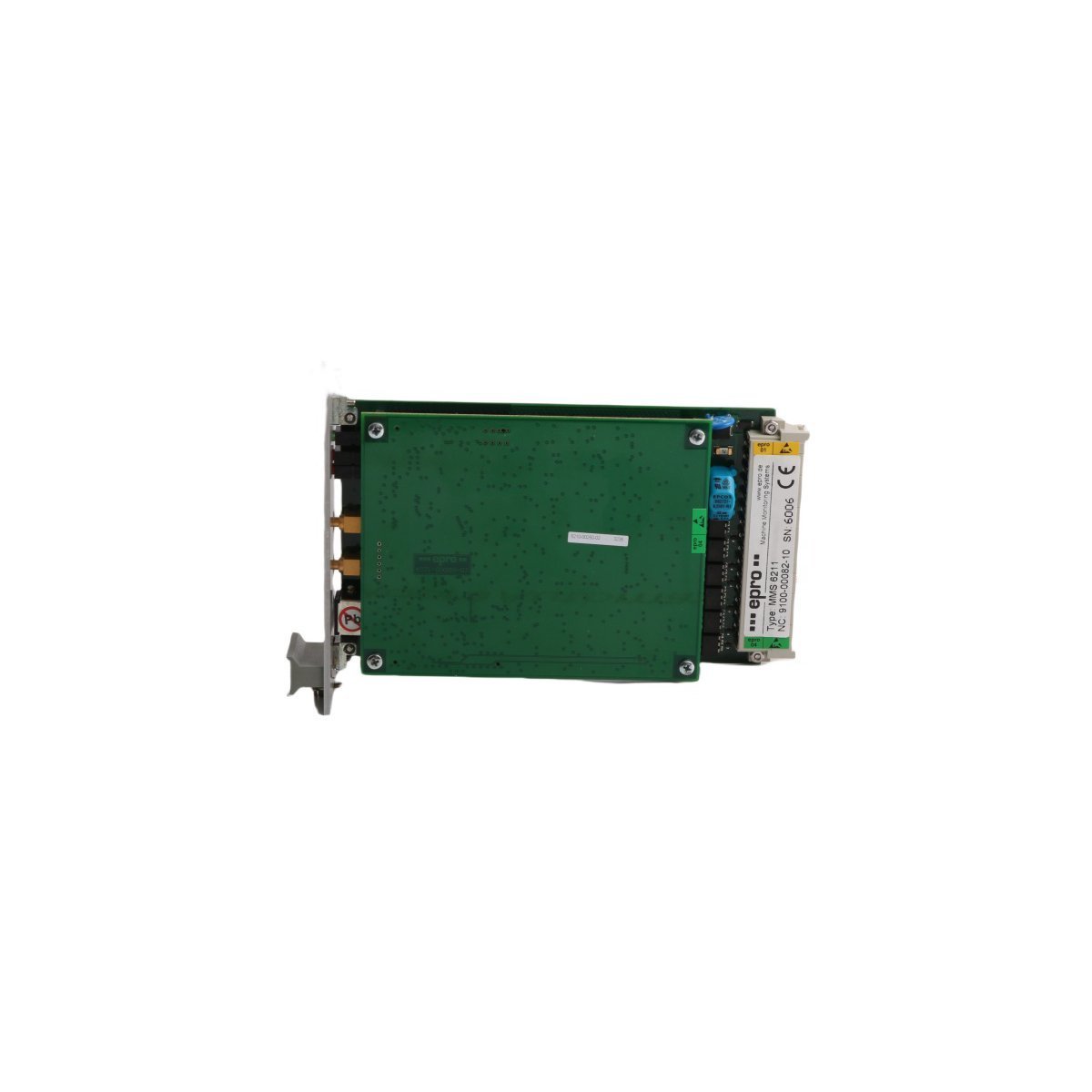
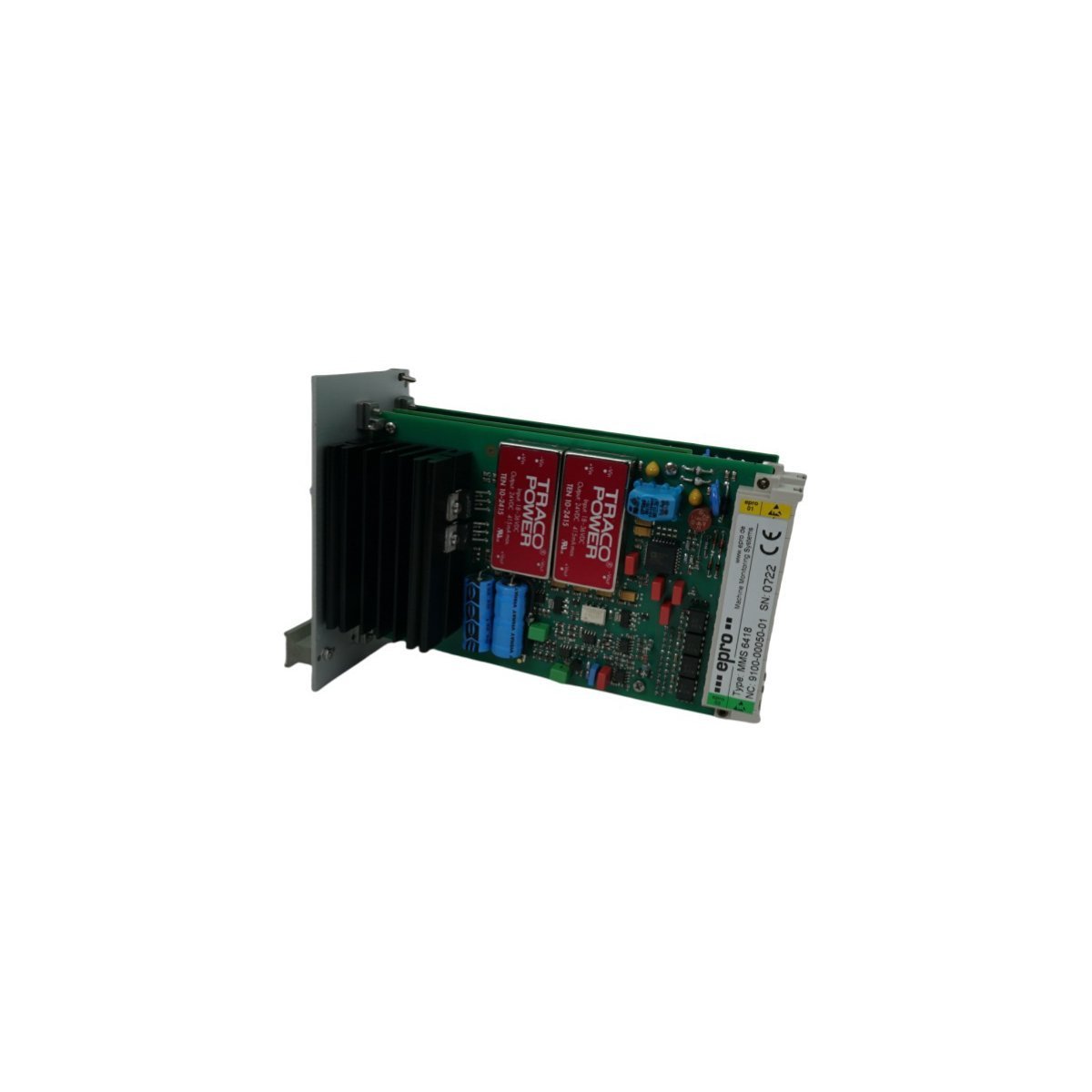
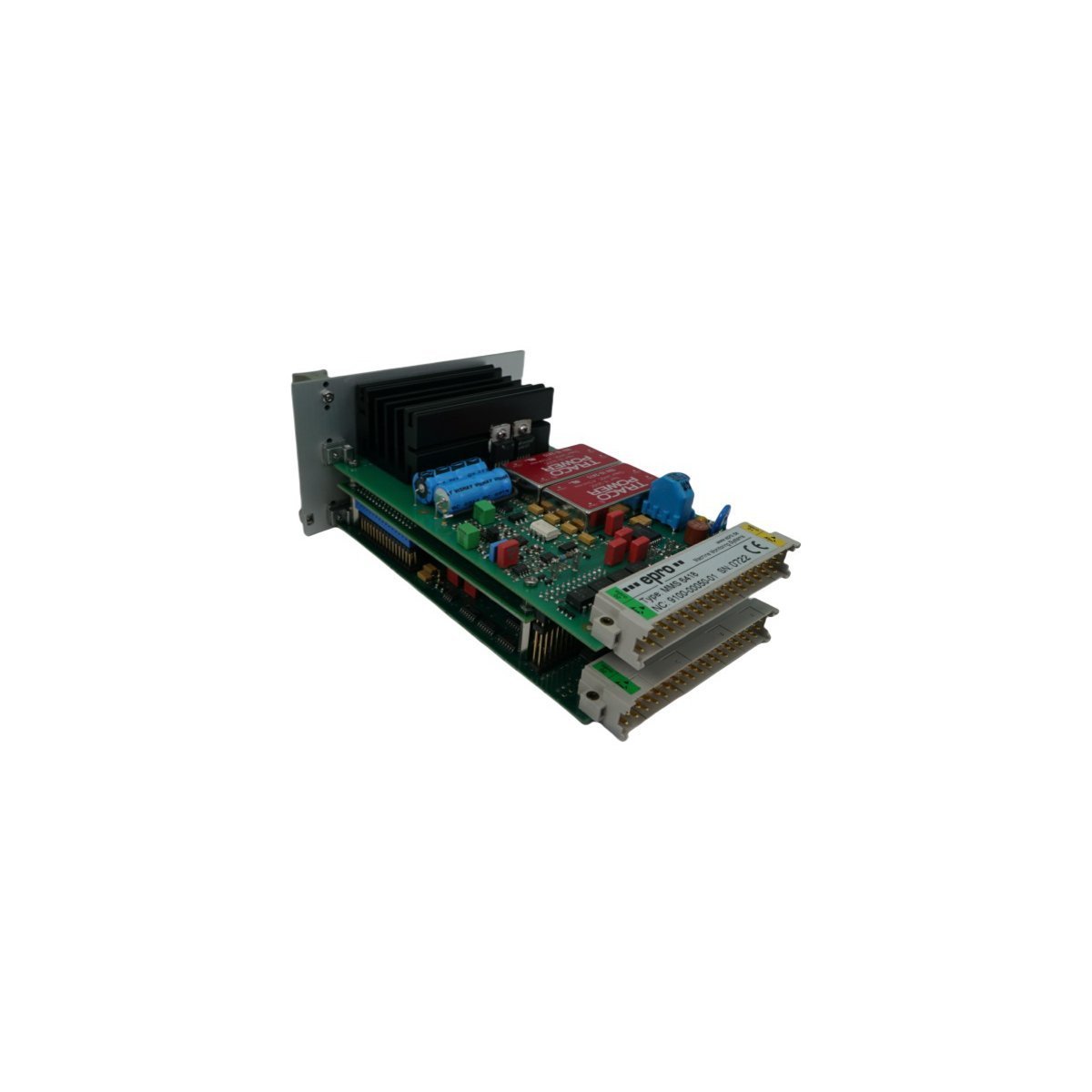
The Emerson MMS6418 is a professional Epro interface card designed for dual-channel shaft displacement and position monitoring. Integrated into the MMS6000 system, it provides high-accuracy vibration data and alarm protection for critical rotating assets like turbines and compressors.
The Emerson Epro PR6423/10R-010 is a non-contact 8mm eddy current sensor featuring a 2mm linear range and a 10-meter integrated cable. Engineered for high-precision turbine and shaft vibration monitoring, it provides IP68-rated protection and high-temperature resistance for mission-critical industrial assets.
We are committed to protecting your privacy. The information collected here is strictly used to provide the requested quotes, technical support, and relevant industrial automation solutions.