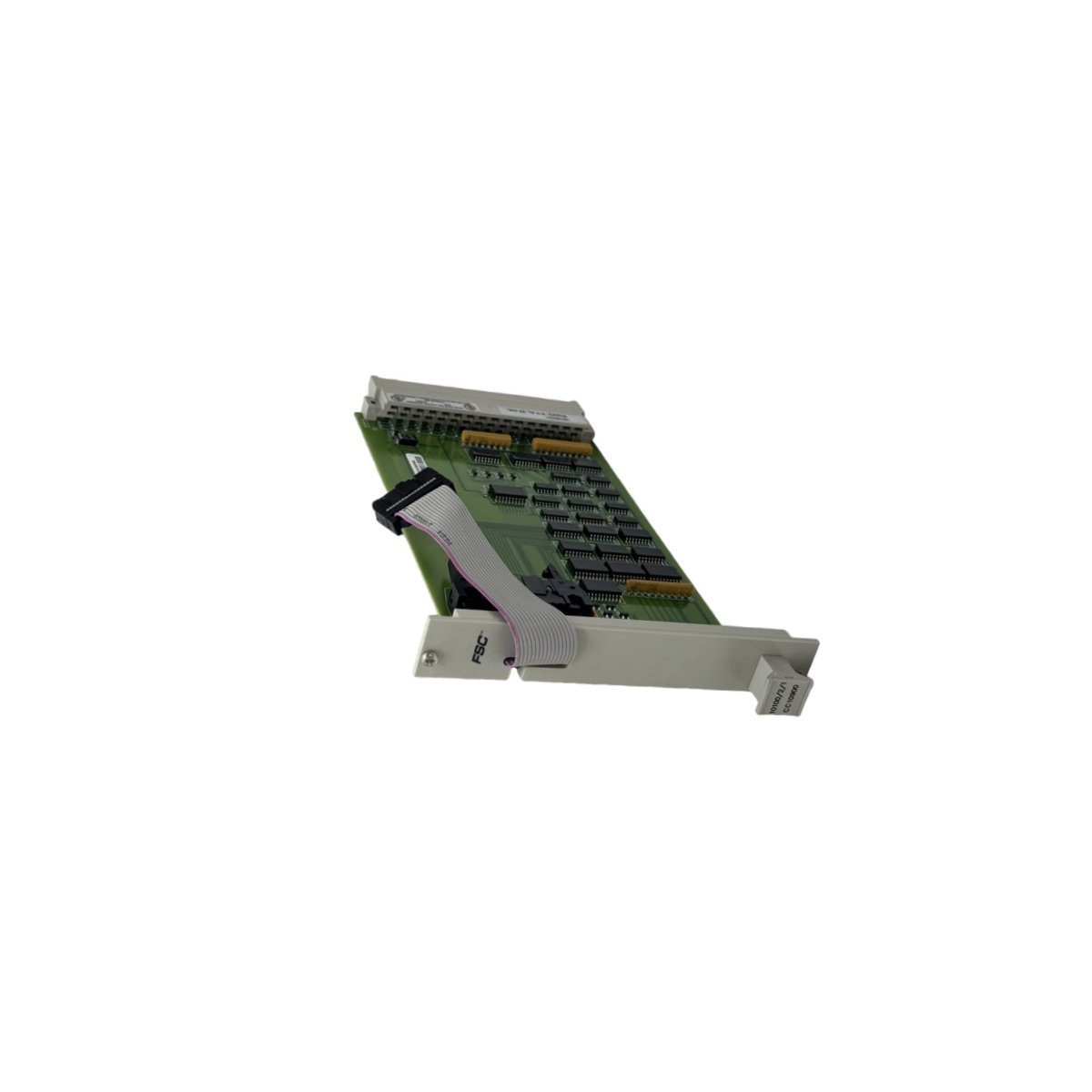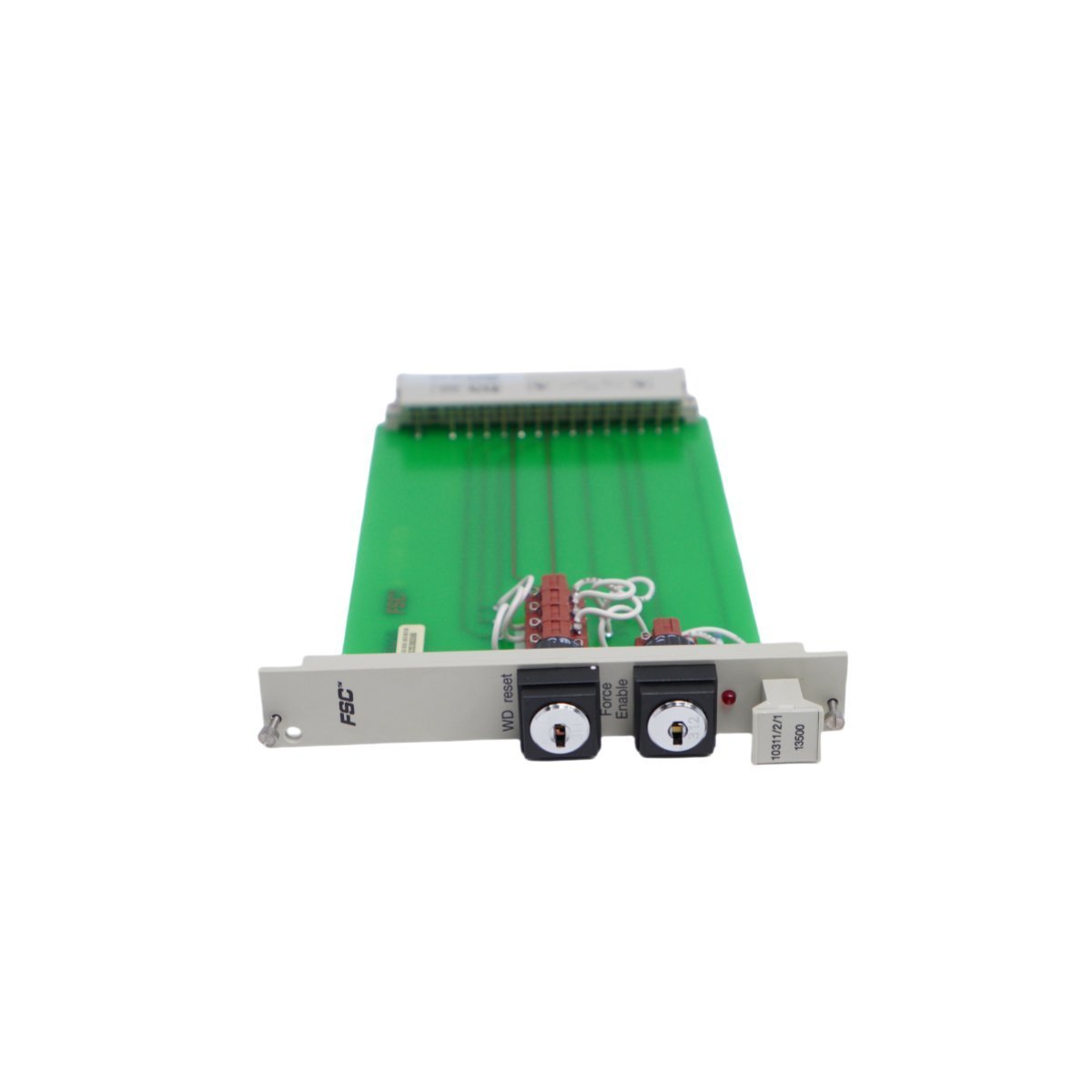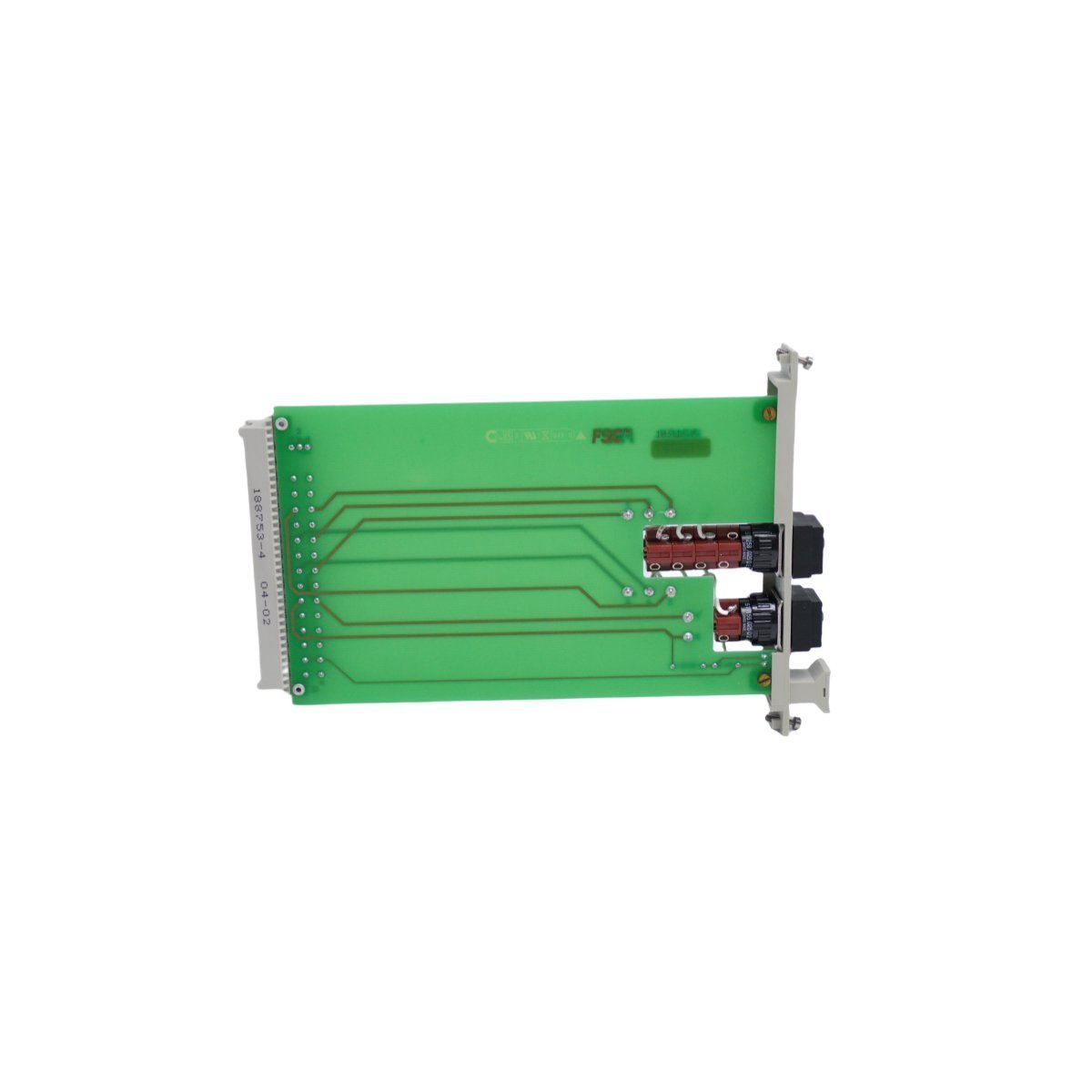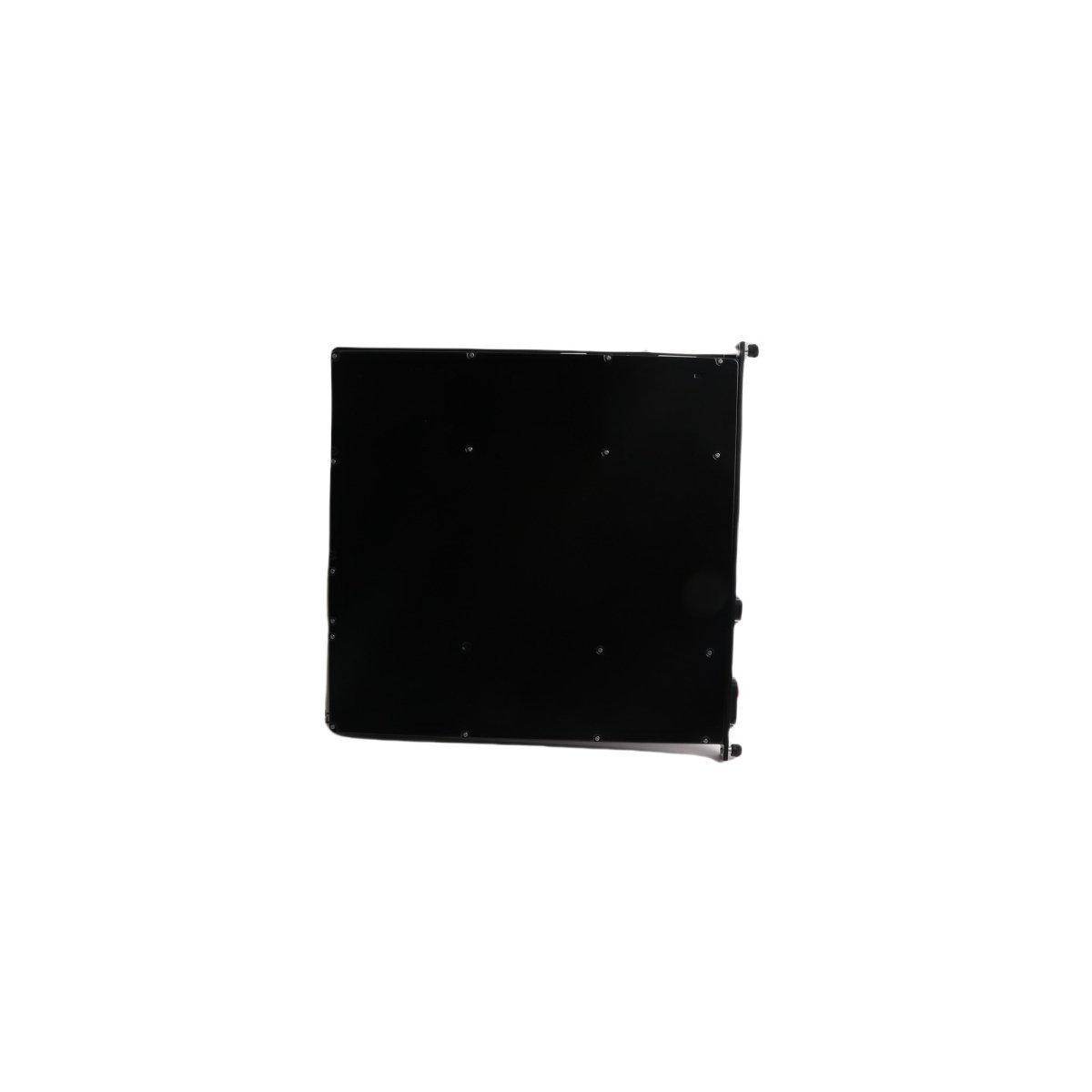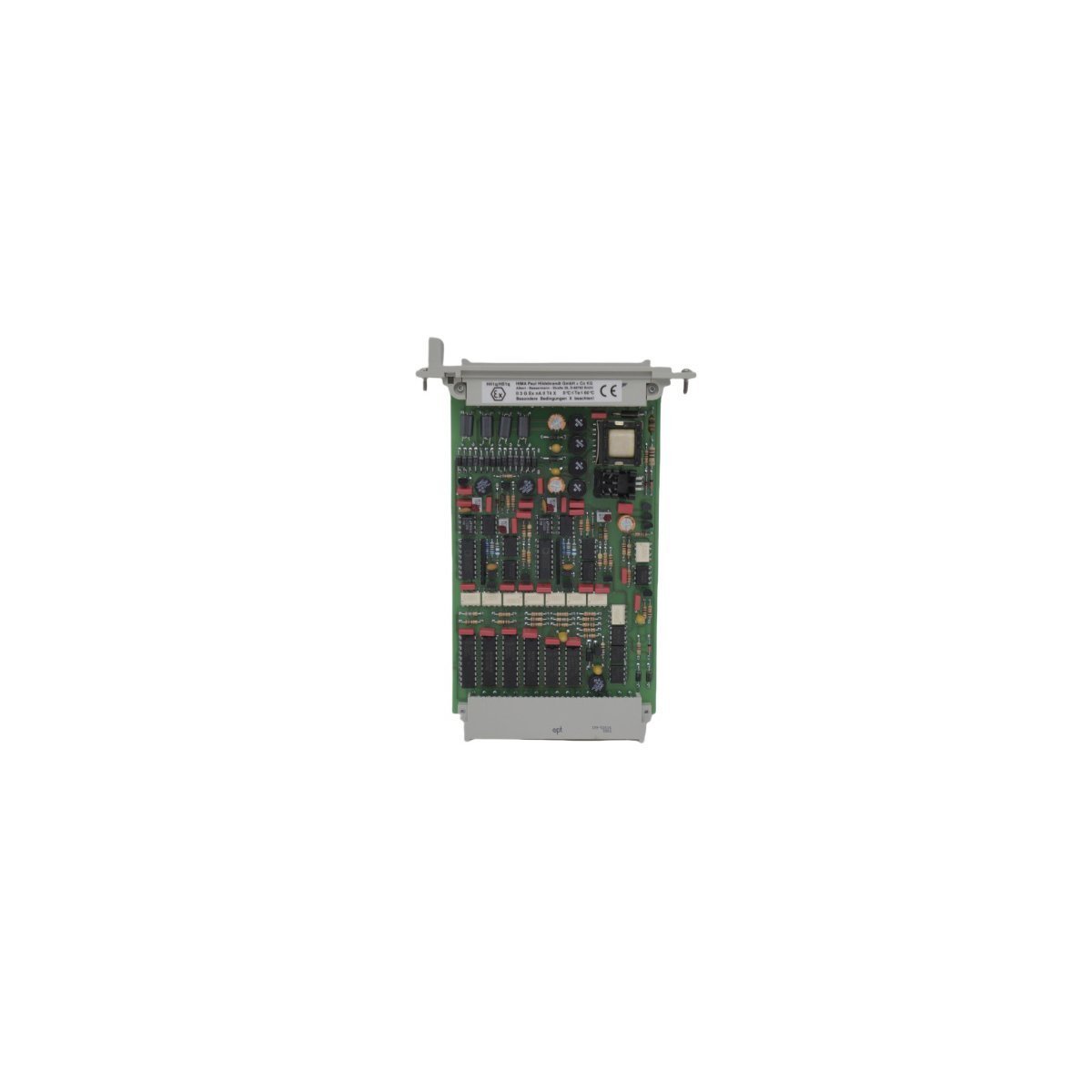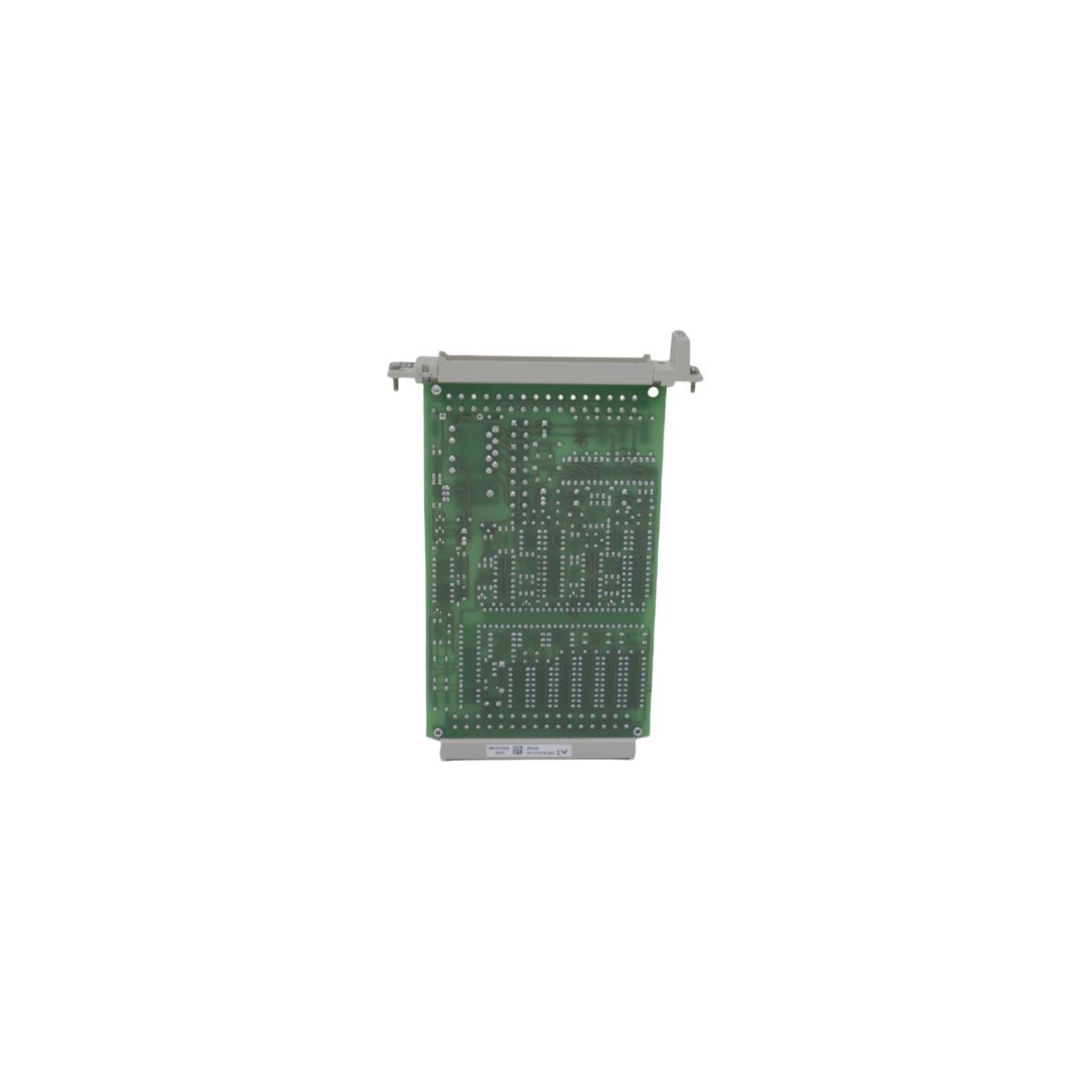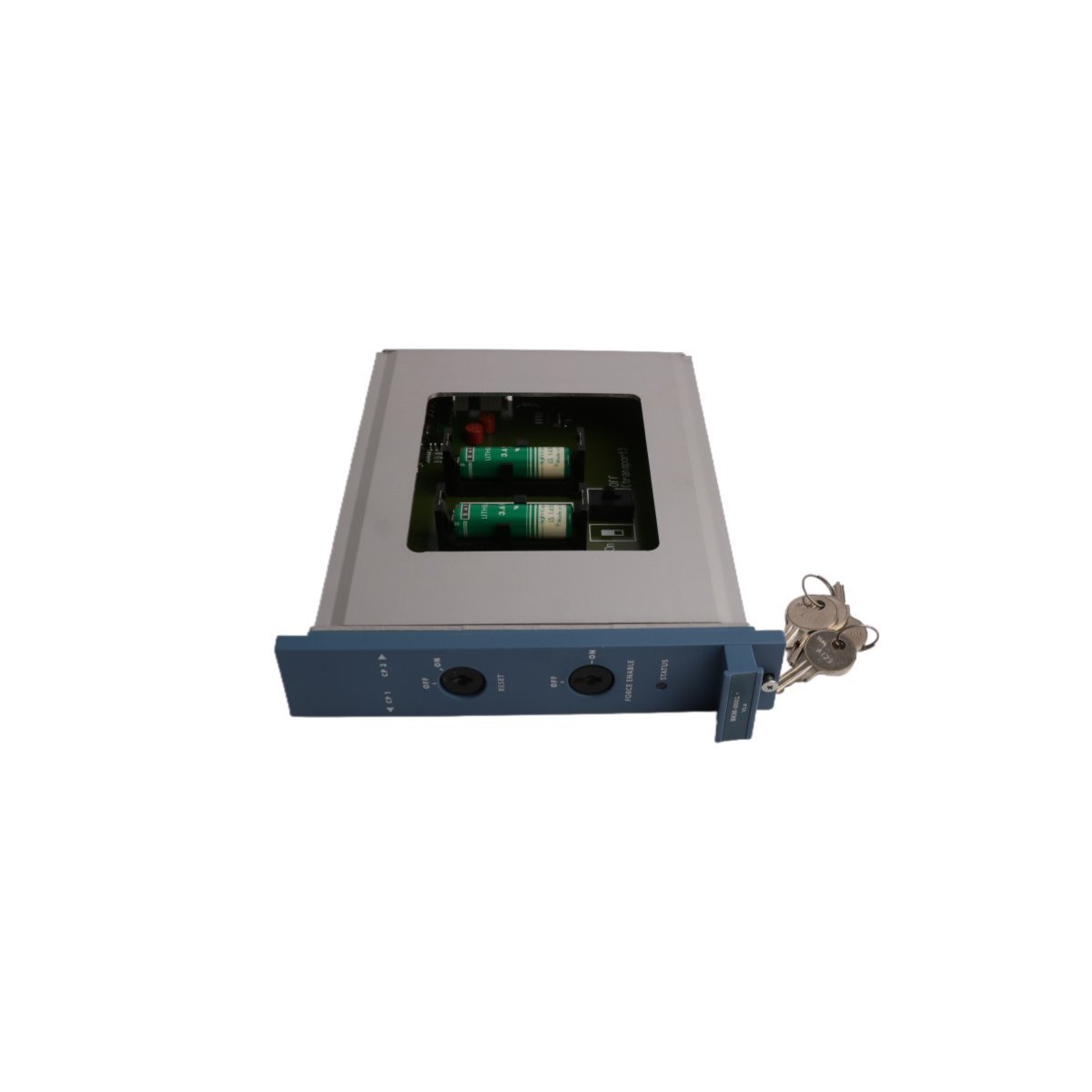
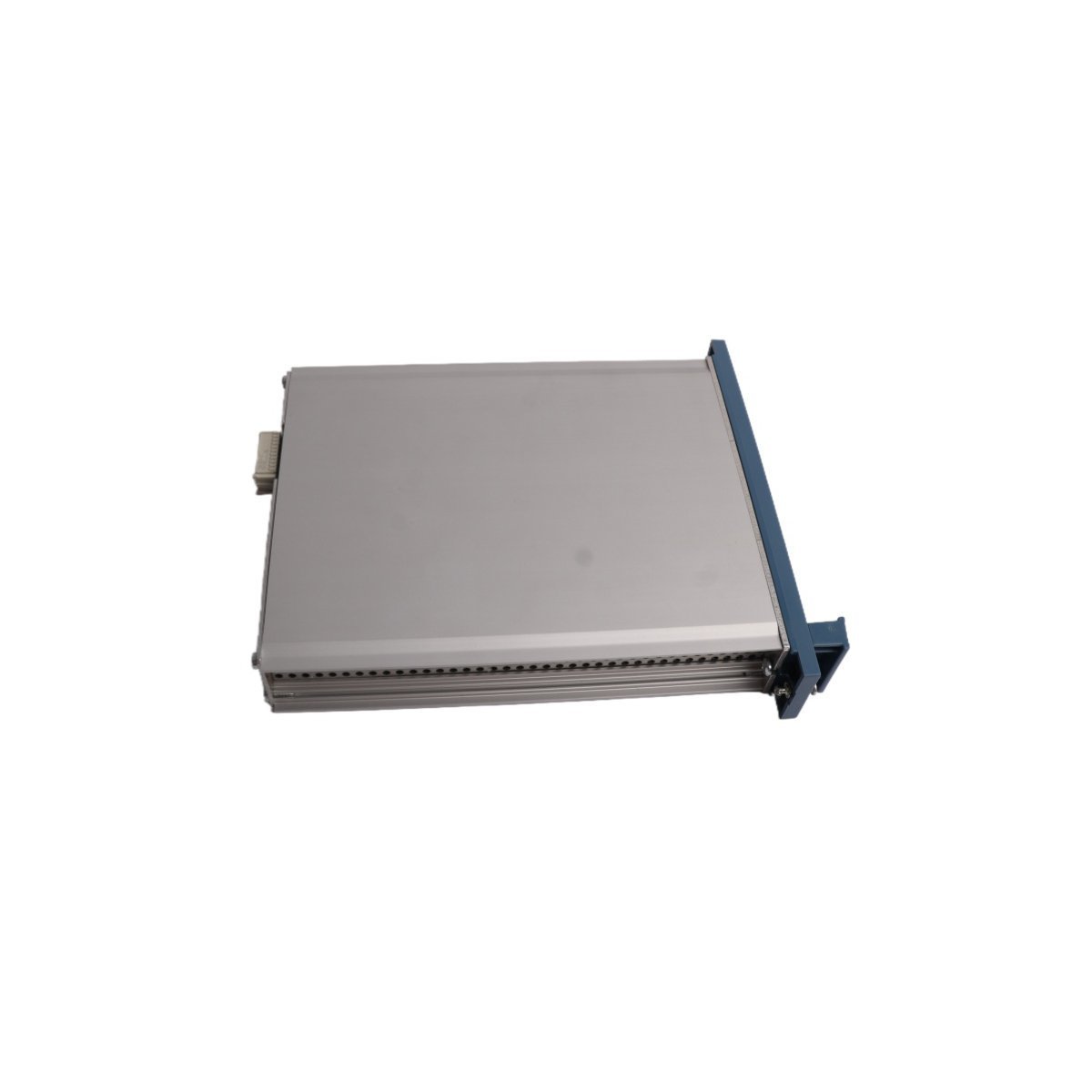
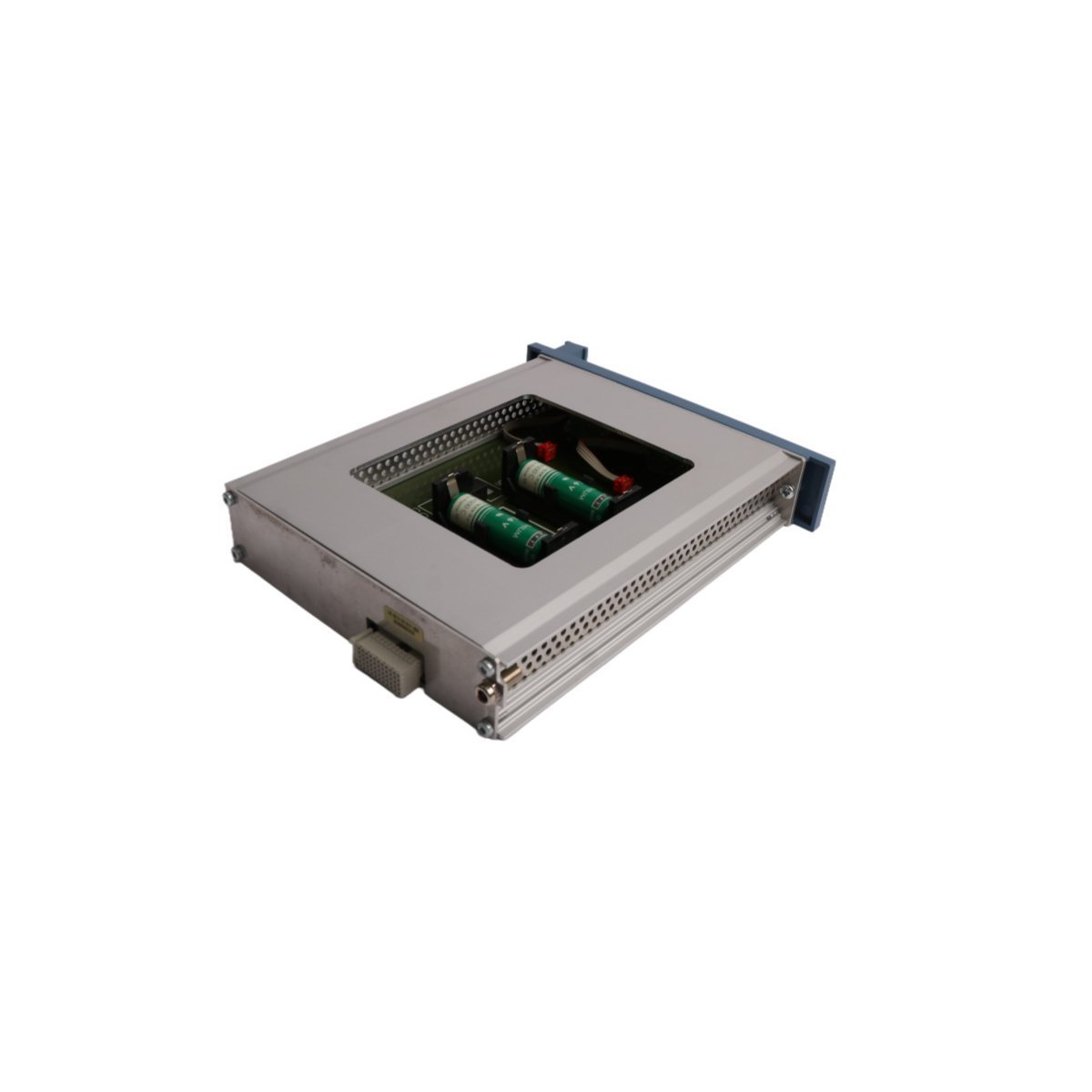
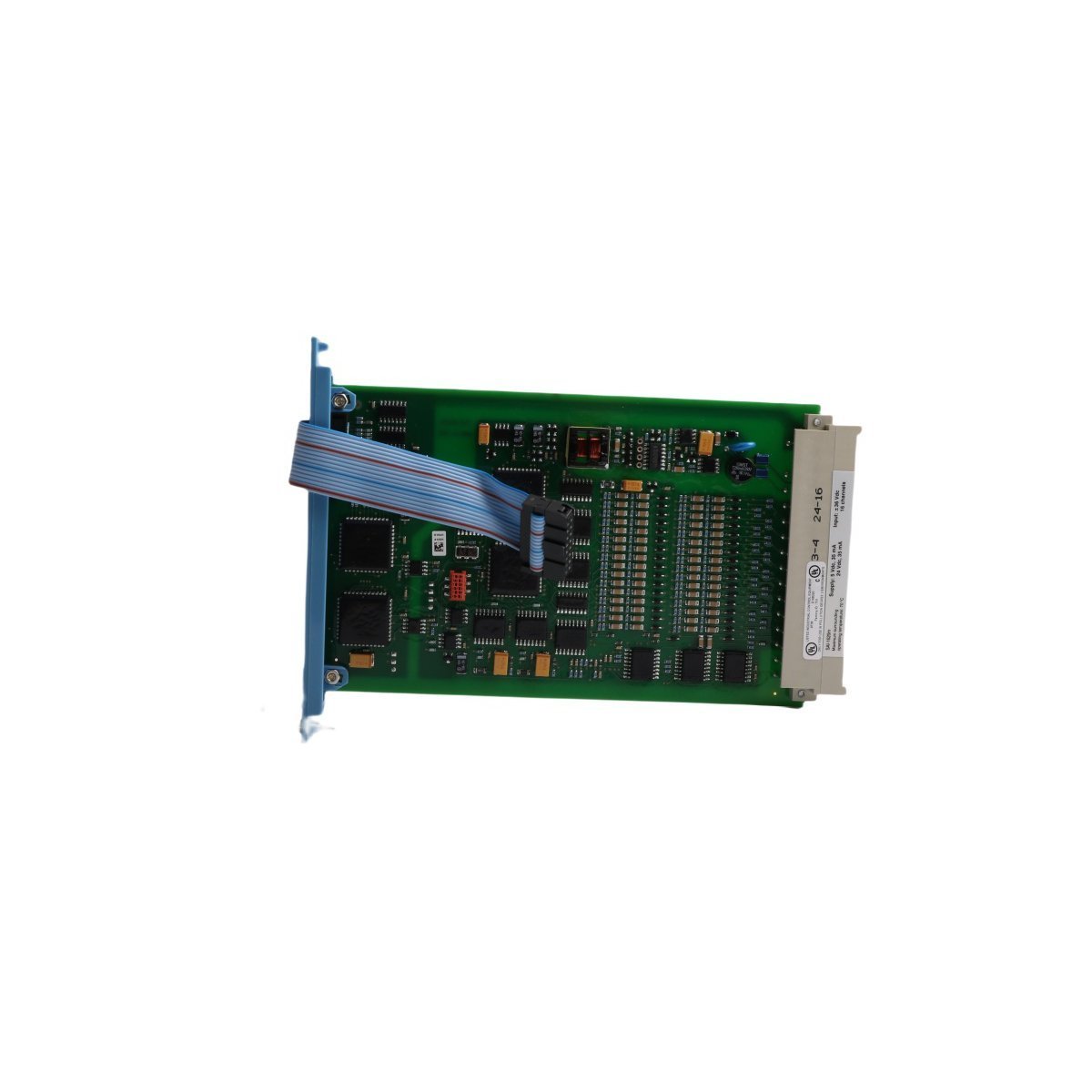
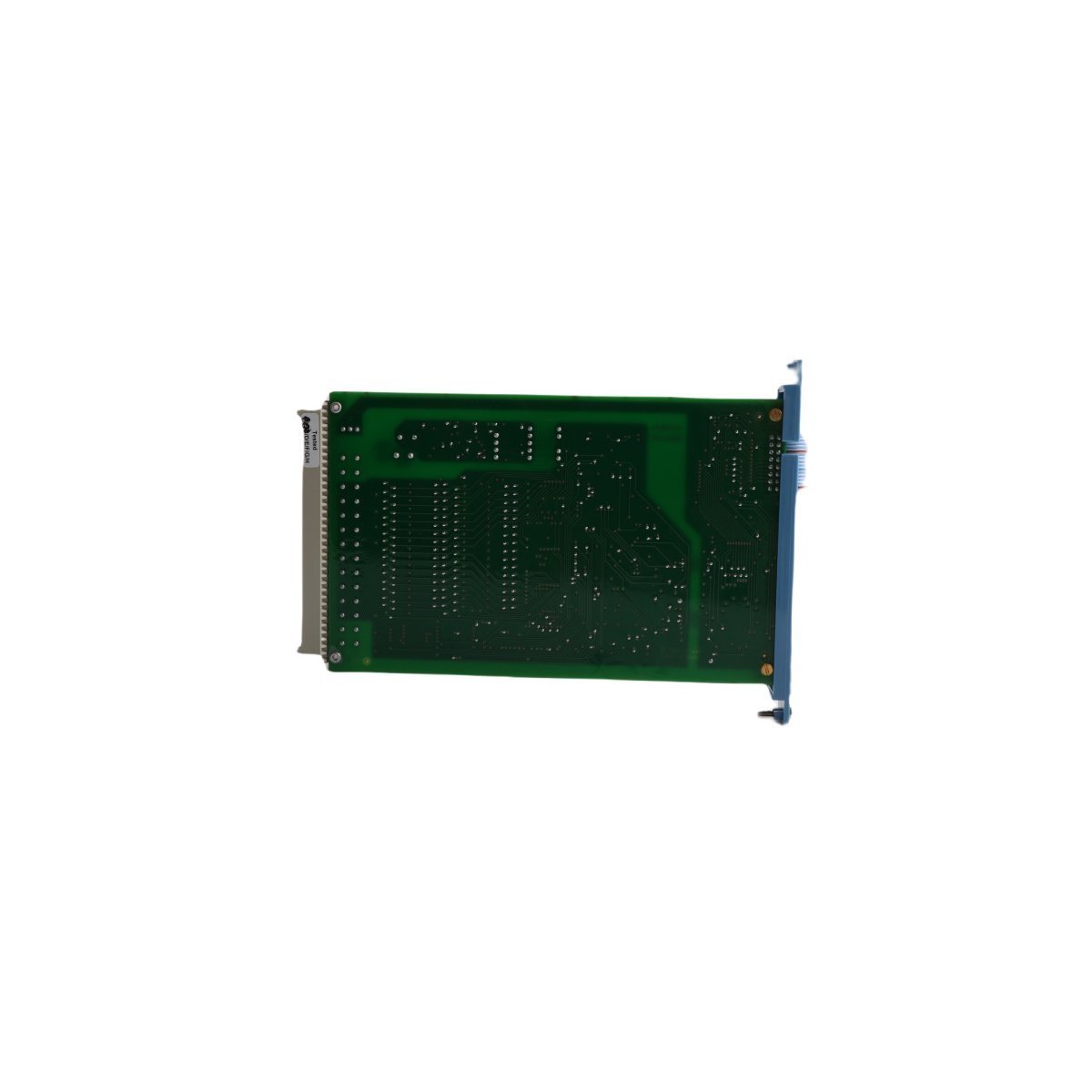
Genuine Honeywell FS-BLIND-CHA4HE structural blanking coverplate for Safety Manager and FSC chassis slots. Passively seals empty pockets to maintain proper air cooling and seal out dirt.
The Honeywell FS-BLIND-CHA4HE functions as a blanking module / slot cover (often categorized under terminal plug/cable accessories) within the Honeywell Safety Manager and Fail Safe Control (FSC) system architectures. Despite “Blind Control Cable” appearing in generic commercial indexing, this hardware component acts as a non-electrical Blank Channel Coverplate. It is physically engineered to seal empty, unpopulated I/O slots or cable connection channels within a high-density chassis. Sealing these gaps maintains optimal thermal management (cooling airflow routing) and blocks airborne contaminants from settling onto exposed backplane pin matrices.
In industrial safety environments, the Honeywell FS-BLIND-CHA4HE plays a protective role in cabinet infrastructure. Leaving an active Safety Manager chassis rack unsealed creates low-resistance air pathways that disrupt the forced-convection cooling required by adjacent, heat-generating processing modules.
Installing this blank cover ensures that airflow is forced directly across neighboring 4-20 mA HART loop protocol interface boards, communication processors, and power rails. Additionally, its physical barrier blocks particulate matter, humidity, and electrostatic discharge (ESD) tracking from compromising nearby discrete circuits.
Frequently Asked Questions
Q: Does the FS-BLIND-CHA4HE contain any active internal circuitry, PCBs, or diagnostic LEDs?
A: No. The FS-BLIND-CHA4HE is entirely passive. It contains no internal printed circuit boards, electronic logic, or software components, meaning it does not register a loop address in the DCS database.
Q: Can this coverplate be installed or removed while the rest of the safety rack is powered up?
A: Yes. Because it is completely non-electrical, it can be attached or detached online at any time without risking bus faults, short-circuits, or safety loop dropouts.
Q: Why does the vendor datasheet categorize this as an “Ethernet router” communication service type?
A: This is a misclassification in surplus inventory tables. The item is physically a structural plastic/metal frame plate designed exclusively for chassis slot enclosure and possesses no networking capabilities.
Field Installation Guidelines
Slide Guide Tracking: Align the integrated nylon guide tracks of the blanking plate evenly with the upper and lower slot runners of the empty chassis pocket.
Insertion Pressure Check: Slide the module backward firmly until its front faceplate sits perfectly flush against the neighboring active safety cards. Do not force insertion if resistance is felt.
Captive Screw Engagement: Fully tighten the captive thumbscrews on the faceplate to secure the plate against heavy facility vibrations and complete the cabinet’s structural shell.
The HONEYWELL FC-SAI-160M, also cataloged as the FC-SAI-160M Safety Manager System Module, operates as a dedicated hardware component for safe analog signal acquisition and conditioning within Honeywell Safety Manager DCS networks.
Hardware Specifications
Parameter
Specification
Model
FC-SAI-160M
Brand
HONEYWELL
Origin
USA
Weight
0.14 kg
Dimensions
2 x 19 x 12.8 cm
Operating Temp
0 to 60 deg C
Power Consumption
Standard Backplane Bus Drain
Product Series
Safety Manager
Module Type
Safety Manager System Module
System
DCS
Status
Active
HS Code
8537101190
Analog Signal Conditioning and HART Protocol Interface
The FC-SAI-160M converts analog field sensor currents into high-integrity digital representations for central safety processor evaluation. Supporting standard 4-20 mA HART loop protocol connectivity, the module passes digital field device diagnostics transparently to host maintenance software while maintaining real-time safety function loop speed.To safeguard system backplane logic from process-side electrical anomalies, each input path incorporates channel-to-channel isolation barriers. Integrated cold junction compensation (CJC) algorithms ensure analog voltage and current scaling remain within strict accuracy limits across ambient temperature fluctuations inside control cabinets.
Frequently Asked Questions
Q: Can the FC-SAI-160M module be replaced while the safety rack remains energized?A: Module insertion or removal under power is subject to local system hot-swap limits and enclosure safety rules; ESD grounding precautions must be maintained throughout the procedure.Q: How does the module handle signal line surge transients from field transmitters?A: Galvanic channel-to-channel isolation and internal suppression circuits divert transient voltage spikes away from sensitive backplane microprocessors.
Field Installation Guidelines
First and foremost, disconnect main electrical feeds and verify zero-voltage status inside the control cabinet prior to inserting or removing module hardware.
Next, align the FC-SAI-160M circuit board edge with the rack chassis guides, sliding the assembly inward until backplane connectors seat firmly.
Subsequently, torque all top and bottom retaining screws to secure mechanical bonding and establish a solid ground bond with the system chassis.
Following hardware securing, route field analog loop cables through dedicated raceways, maintaining physical separation from high-voltage AC conductors.
Finally, energize the rack power supply while observing front-panel status LEDs to confirm successful self-test execution and active controller communication.
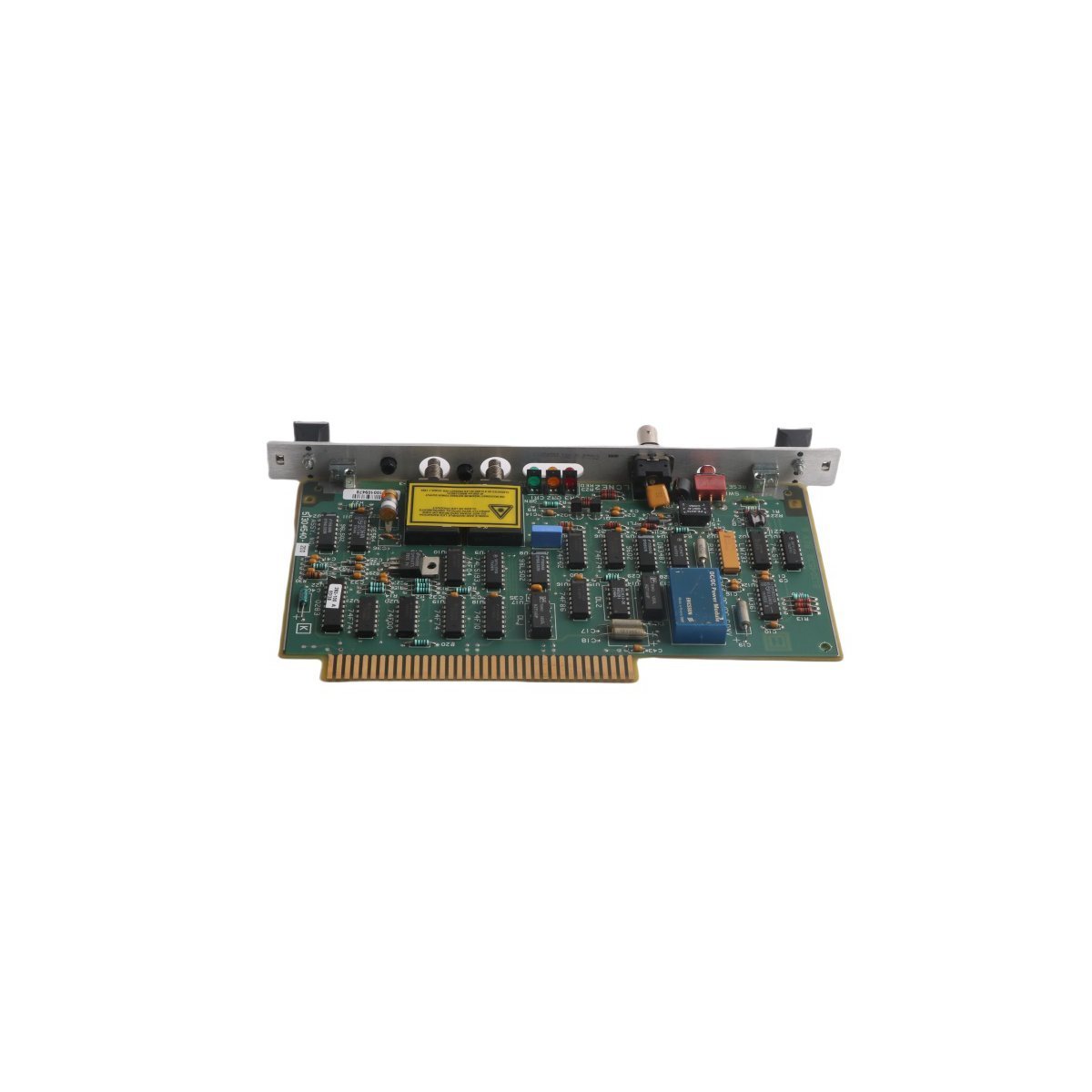
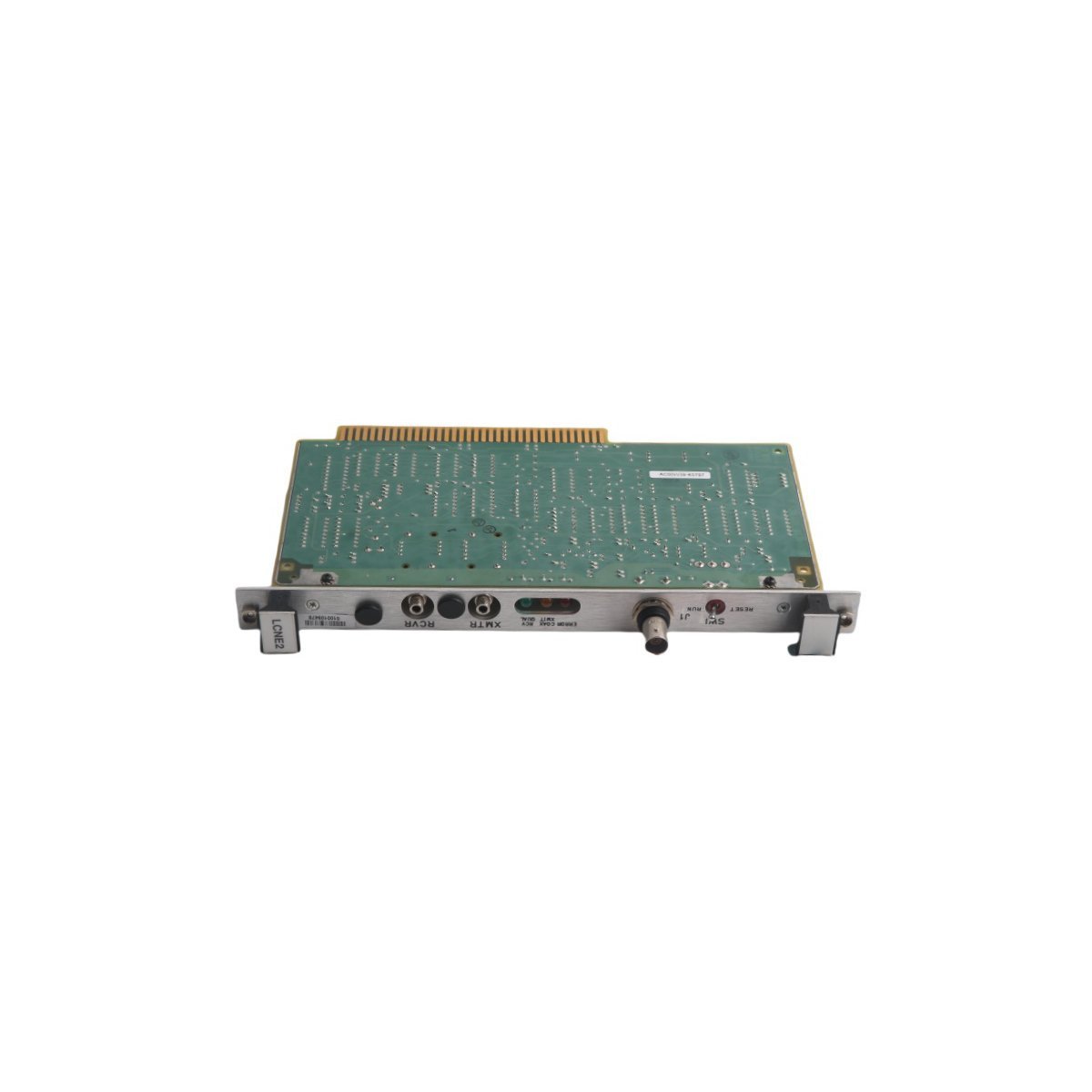
Configured for high-speed signal transmission and process data routing within TDC 3000 DCS platforms, the Honeywell 51304540-100 (51304540-100 Safety Manager Module) provides direct physical electrical execution for data acquisition and control command distribution.
Hardware Specifications
Parameter
Specification
Model
51304540-100
Brand
Honeywell
Origin
USA
Weight
0.24 kg
Dimensions
2 x 13.5 x 23.8 cm
Operating Temp
Industrial standard
Power Consumption
System-bus dependent
Module Type
Safety Manager Module
Process Control & Signal Characteristics
The 51304540-100 module operates as a primary interface within the Universal Control Network (UCN), where it manages data conversion and transmission via optical or electrical mediums.
The module utilizes channel-to-channel isolation to maintain signal integrity, which effectively prevents the propagation of ground loops or common-mode noise across the control network.
The architecture incorporates advanced conditioning logic to support real-time data throughput and ensures deterministic communication latency.
Furthermore, the module facilitates cold junction compensation (CJC) for integrated thermocouple inputs and maintains measurement accuracy across varying ambient thermal conditions in the cabinet.
Frequently Asked Questions (FAQ)
Q: Can this module be hot-swapped while the TDC 3000 rack is powered?A: The 51304540-100 is designed for operation in powered racks; however, users should consult the specific revision of the system installation manual to confirm firmware-level support for hot-insertion in the current cabinet configuration.Q: What are the primary grounding requirements for this module's interface?A: High-frequency signal shields must be terminated directly to the cabinet ground bus via a low-impedance path to ensure maximum noise immunity and protection against transient surges.Q: How is synchronization maintained during redundant module operations?A: Synchronization is managed by the backplane bus interface, which handles heartbeat signaling and state-machine alignment between the primary and secondary modules to ensure transparent failover.
Field Installation Guidelines
First, verify that the module keying is correctly aligned with the I/O carrier rails to prevent potential pin damage during insertion.
Subsequently, confirm the backplane power is at a zero-energy state prior to module seating to prevent electrical arcing on the edge connectors.
Meanwhile, tighten the captive faceplate fasteners to the specified torque to ensure proper chassis ground contact and mechanical stability.
Furthermore, ensure all optical or electrical cabling is routed through designated cable management ducts to minimize mechanical strain on the module ports.
Finally, perform a cold-start diagnostic sequence via the local control station to verify successful node communication and database integration.
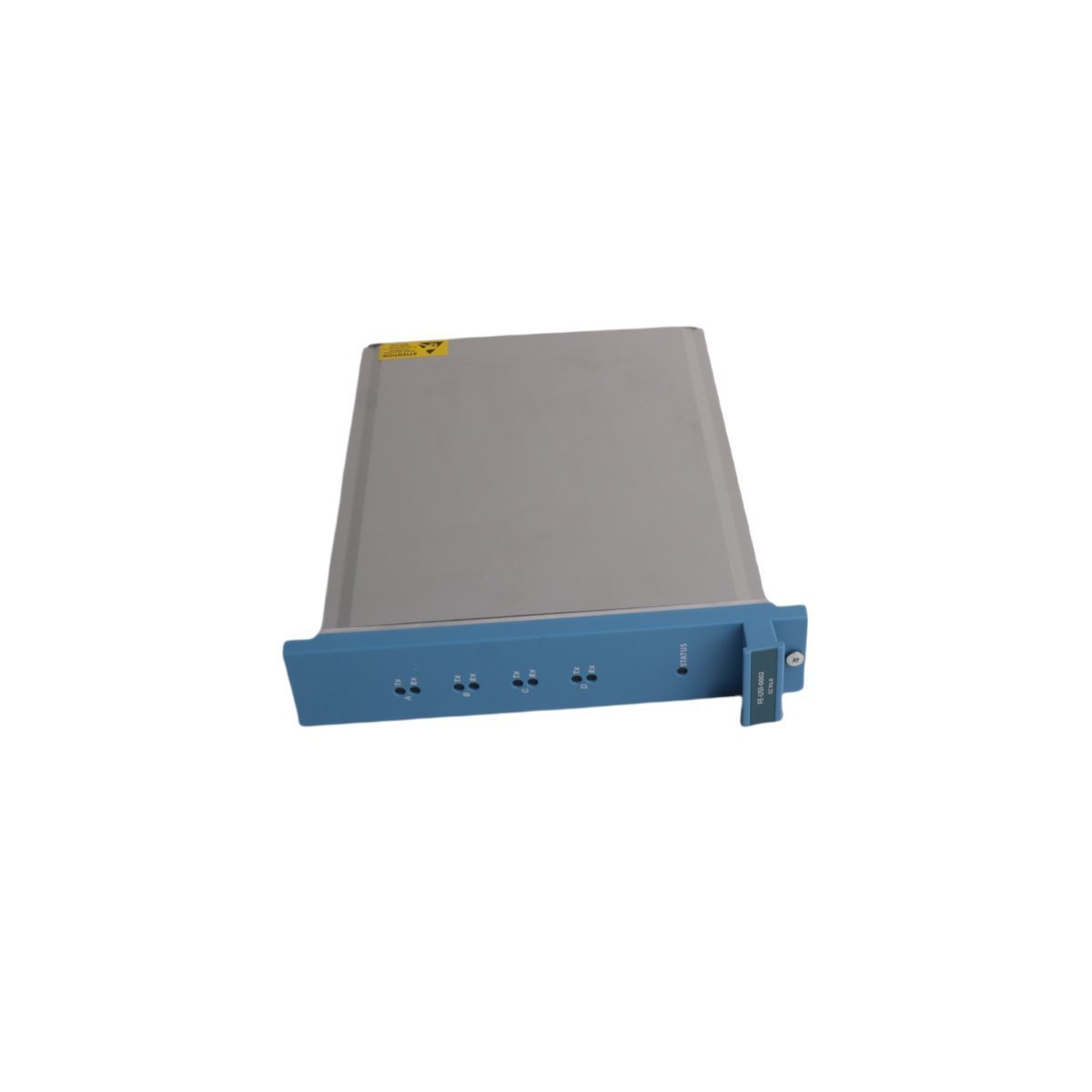
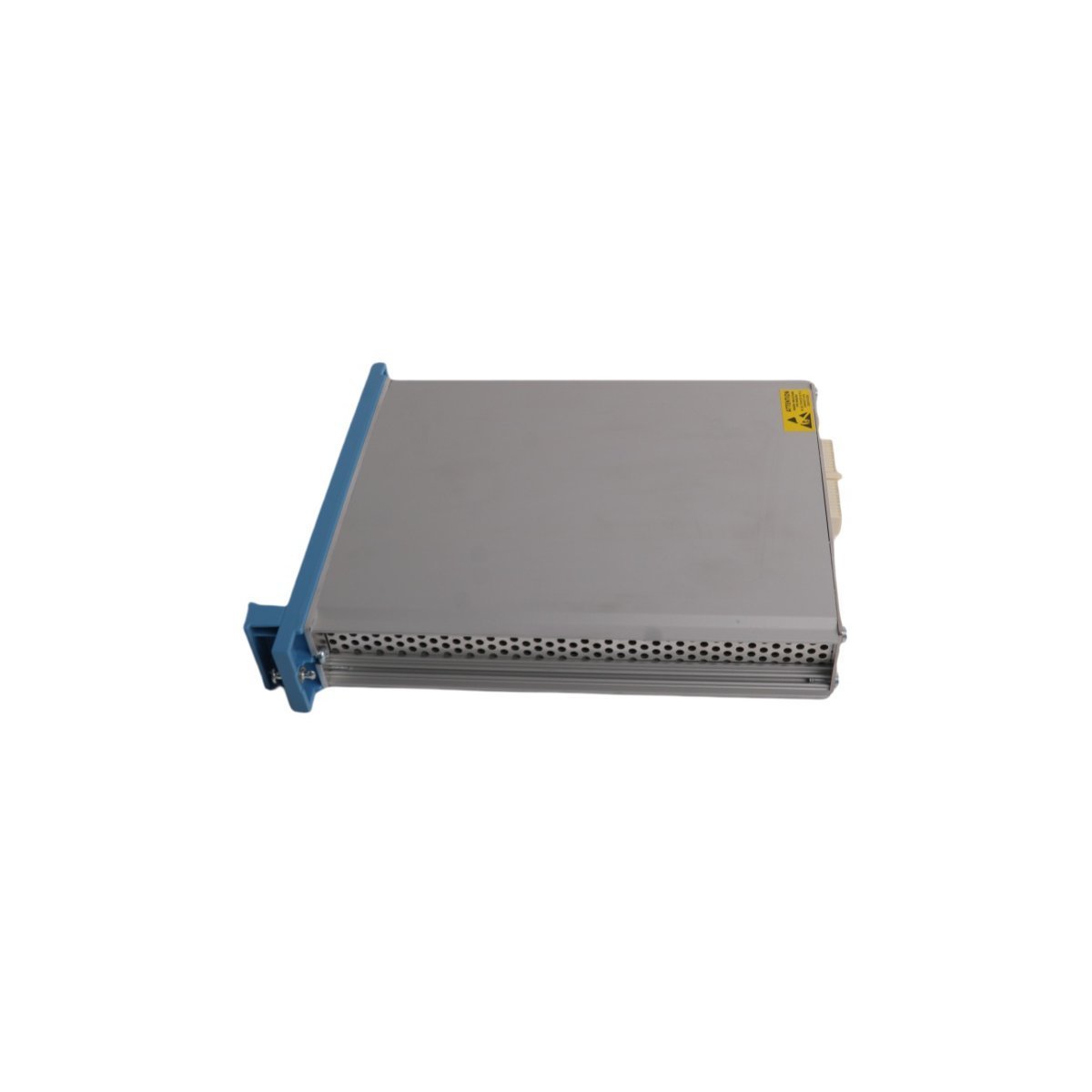
Configured for high-integrity safety instrumented functions in Experion PKS platforms, the Honeywell FE-USI-0002 V1.0 (FE-USI-0002 V1.0 Safety Manager System Module) provides direct physical electrical execution for safety-critical logic and I/O interface tasks.
Hardware Specifications
Parameter
Specification
Model
FE-USI-0002 V1.0
Brand
Honeywell
Origin
USA
Weight
0.35 kg
Dimensions
23.3 x 18.3 x 5.3 cm
Operating Temp
Industrial standard
Power Consumption
System-bus dependent
Module Type
Safety Manager System Module
Process Control & Signal Characteristics
The module operates as a Universal Safety Interface (USI) within the Safety Manager architecture, managing data exchange and safety-logic execution. It employs channel-to-channel isolation to prevent electrical fault propagation and ensure loop integrity. For field-level signal processing, the module supports 4-20 mA HART loop protocol connectivity, allowing for integrated diagnostics and process variable monitoring. The module architecture facilitates cold junction compensation (CJC) for integrated thermocouple inputs, ensuring measurement accuracy across fluctuating cabinet temperatures. Deterministic communication is maintained via the EUCN network, with firmware-level diagnostics enabling continuous monitoring of certificate validity and network node status.
Frequently Asked Questions (FAQ)
Q: What action should be taken if diagnostic code EC75 is triggered?A: Diagnostic code EC75 indicates a certificate-related communication loss, often caused by version mismatches between the module configuration and the Safety Manager release. Verify that the module firmware and Safety Manager software release are compatible (R130.1 or later recommended for EUCN authentication).Q: Can this module be interchanged between Safety Manager releases?A: Interchanging modules across releases R16x and below R130.1 requires caution. Modules configured with EUCN authentication in R16x may lose certificates when installed in older systems, resulting in communication failure with the ENIM node.Q: How does the module handle signal degradation in high-noise environments?A: The module uses integrated channel-to-channel isolation to mitigate the effects of ground loops and common-mode noise, maintaining signal signal-to-noise ratios required for safety-critical operations.
Field Installation Guidelines
First, inspect the module backplane connector and safety I/O carrier for pin alignment and oxidation before installation.
Subsequently, verify that the Safety Manager system firmware release is compatible with the module version (V1.0) to prevent certificate authentication faults.
Meanwhile, slide the module into the designated carrier slot, ensuring the backplane connector seats firmly without excessive mechanical force.
Furthermore, tighten the faceplate mounting screws to establish a low-impedance ground path to the system cabinet chassis.
Finally, perform a cold-start diagnostic sequence via the engineering station to confirm successful node initialization, communication link establishment, and database synchronization.
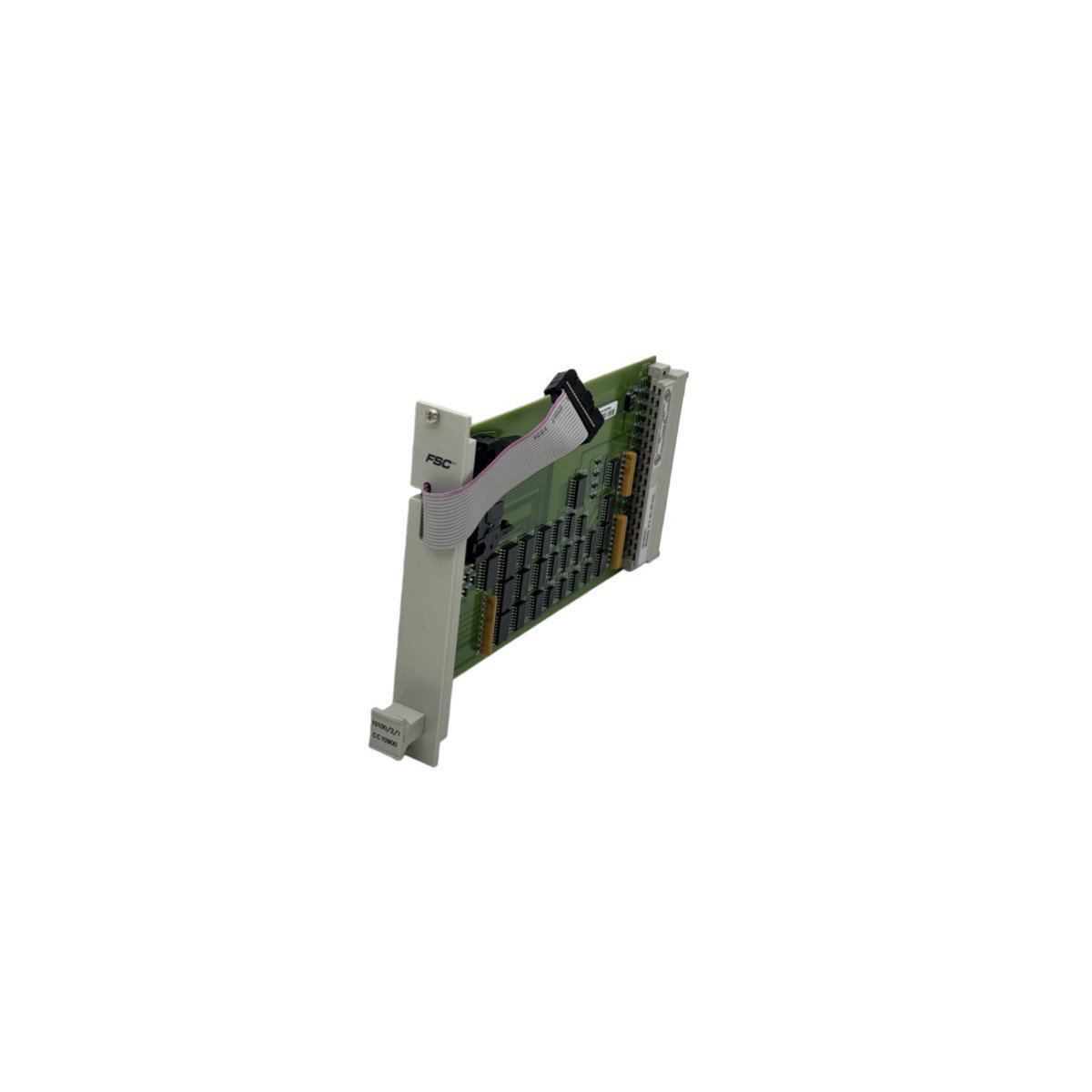
The Honeywell 10100/2/1CC10900 is a 4TE/3HE Horizontal Bus Driver (HBD) module engineered for the FSC safety platform. Coordinates data routing over non-redundant (A1) and redundant (A21/A22) configurations. Original factory-new surplus units are in stock and ready to ship globally. Secure your safety system integrity today.
The Honeywell 10311/2/1 is a high-integrity FSC Control Module designed for safety-critical logic solver applications. It provides real-time diagnostics and reliable process monitoring for Emergency Shutdown (ESD) systems.
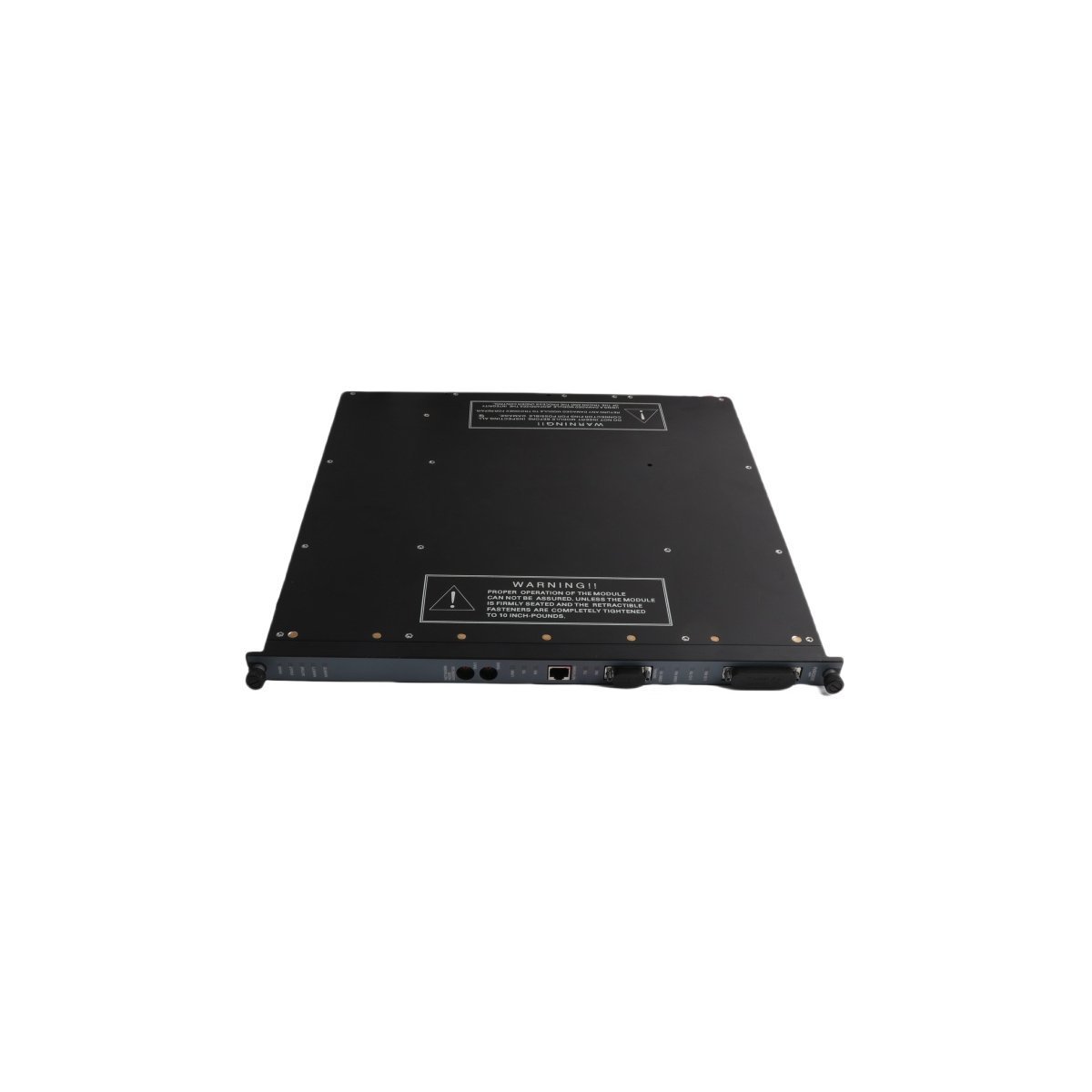
The Triconex 4201N is a rugged Remote Extender Module engineered to expand I/O bus distances for Tricon Safety Systems. Supporting high-speed, interference-resistant communication via fiber optics, it ensures reliable data transmission between central controllers and remote chassis in mission-critical industrial applications.
The GE 8709-CA-08 is a 64-slot capable module carrier for SafetyNet and MTL8000 series I/O systems. This robust, passive mounting base distributes Railbus signals and Bussed Field Power while providing integrated grounding bars and flexible DIN-rail installation for critical industrial safety applications.
The HIMA F3417A is a high-performance Fail-Safe Relay Amplifier designed for the Planar F series. It features 8 independent channels and supports SIL 3 safety loops in hazardous environments. This German-made module ensures reliable signal amplification and mechanical isolation for critical industrial safety systems.
The Triconex 4409 SMM is a high-availability Safety Manager Module designed for Triple Modular Redundant (TMR) safety systems. Certified for SIL 3 and SIL 4 applications, it offers rapid 100k instruction/sec processing, 256MB memory, and robust communication via Ethernet, RS-232, and RS-485 to ensure maximum protection in hazardous industrial environments.
The HIMA F2DO801 is a safety-related remote output module featuring 8 relay outputs and safeethernet connectivity. Certified for SIL 3 and SIL 4 applications, it provides high-integrity switching for HIMax and HIMatrix safety systems.
The HIMA F6705 is a high-integrity 2-channel analog output module designed for H41q and H51q safety systems. It provides precise D/A conversion and supports output loads up to 500 mA, ensuring reliable control of valves and actuators in mission-critical industrial applications.
We are committed to protecting your privacy. The information collected here is strictly used to provide the requested quotes, technical support, and relevant industrial automation solutions.