Sale!
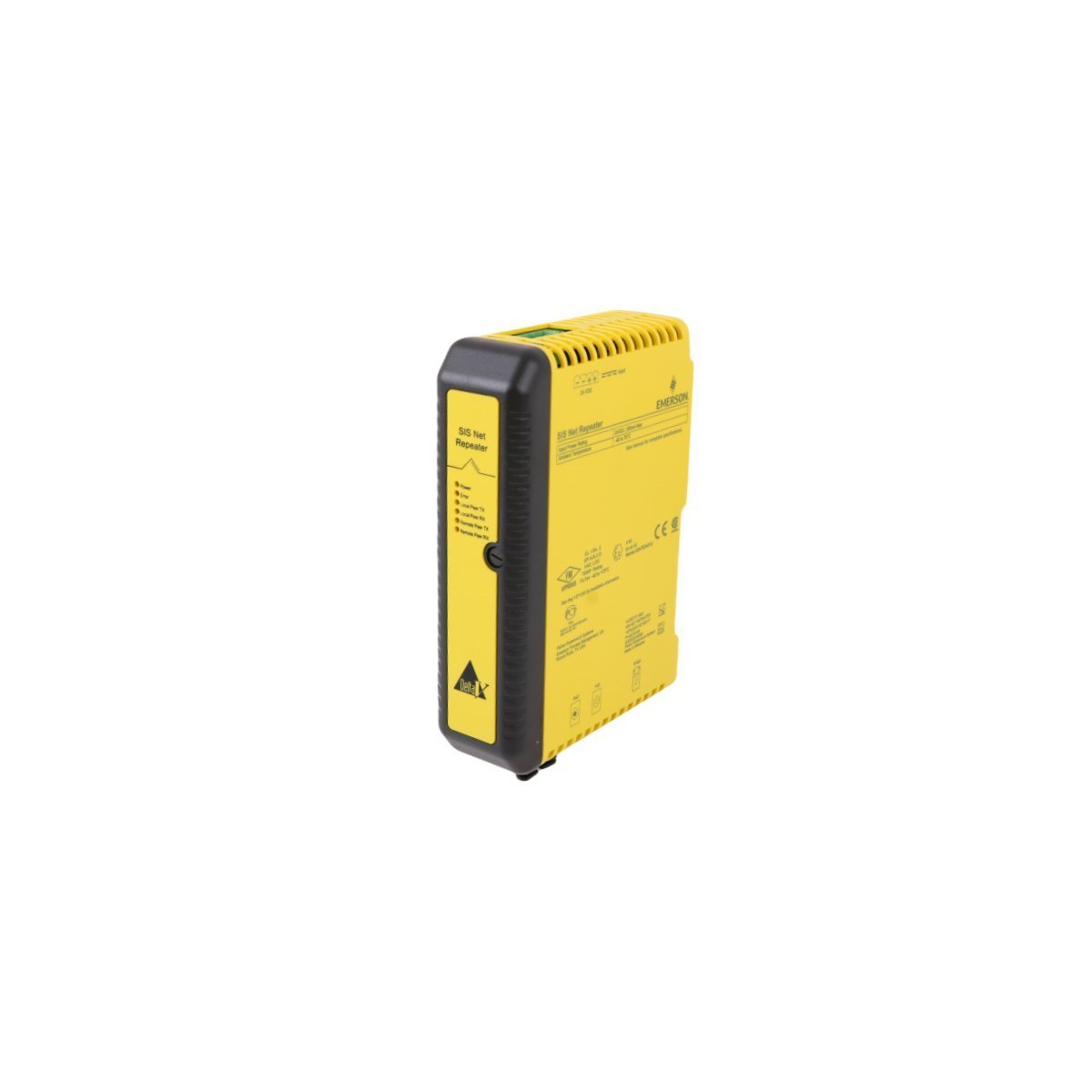
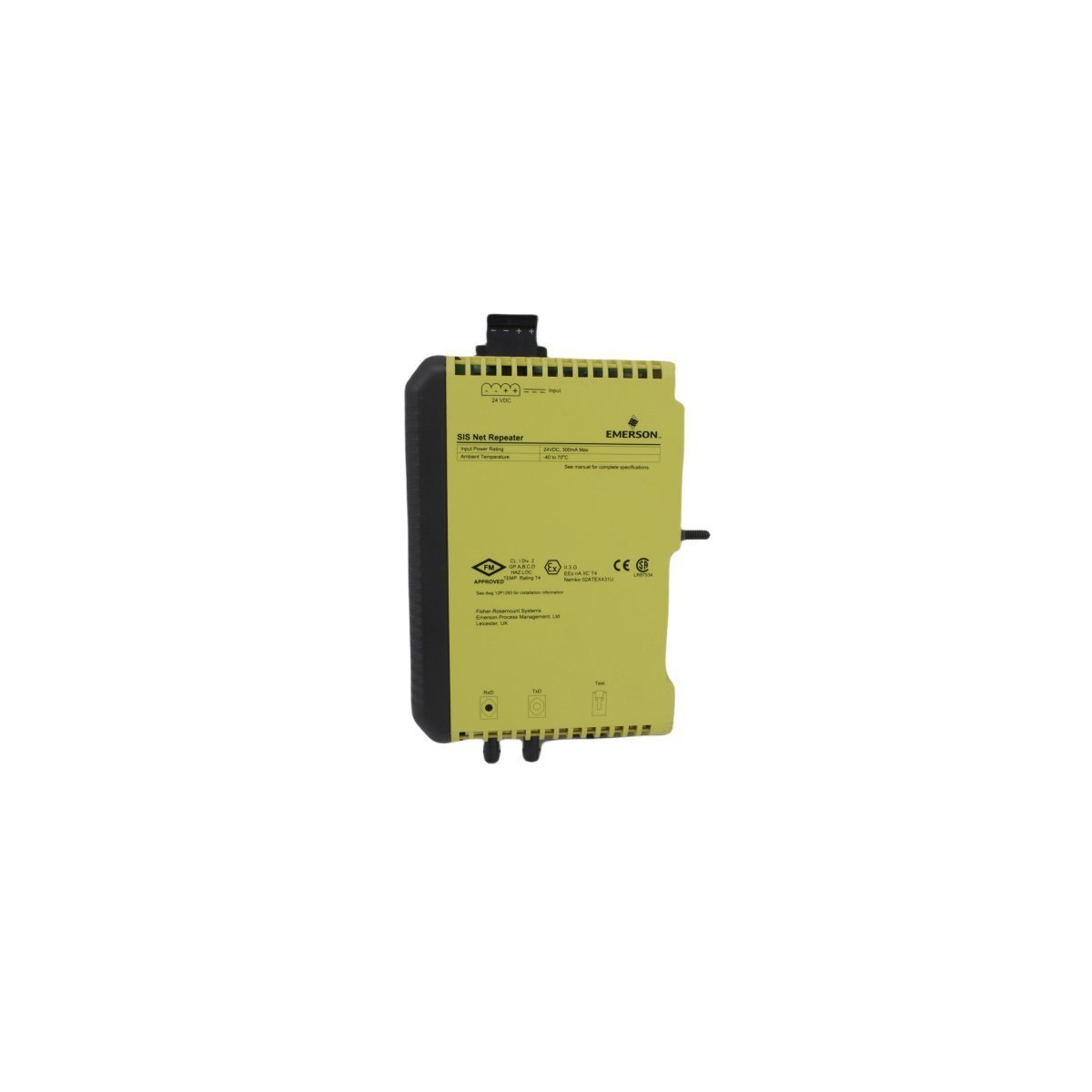
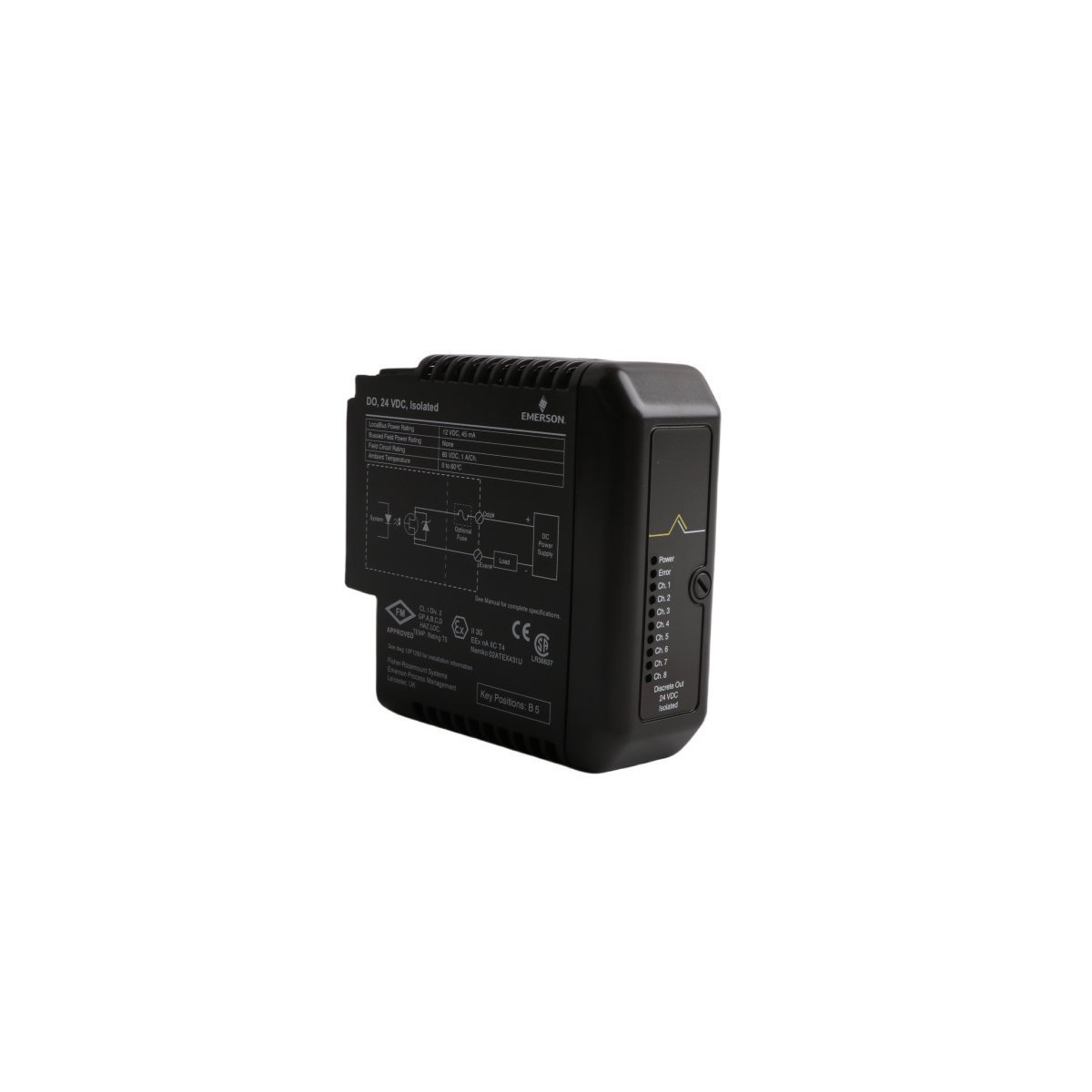
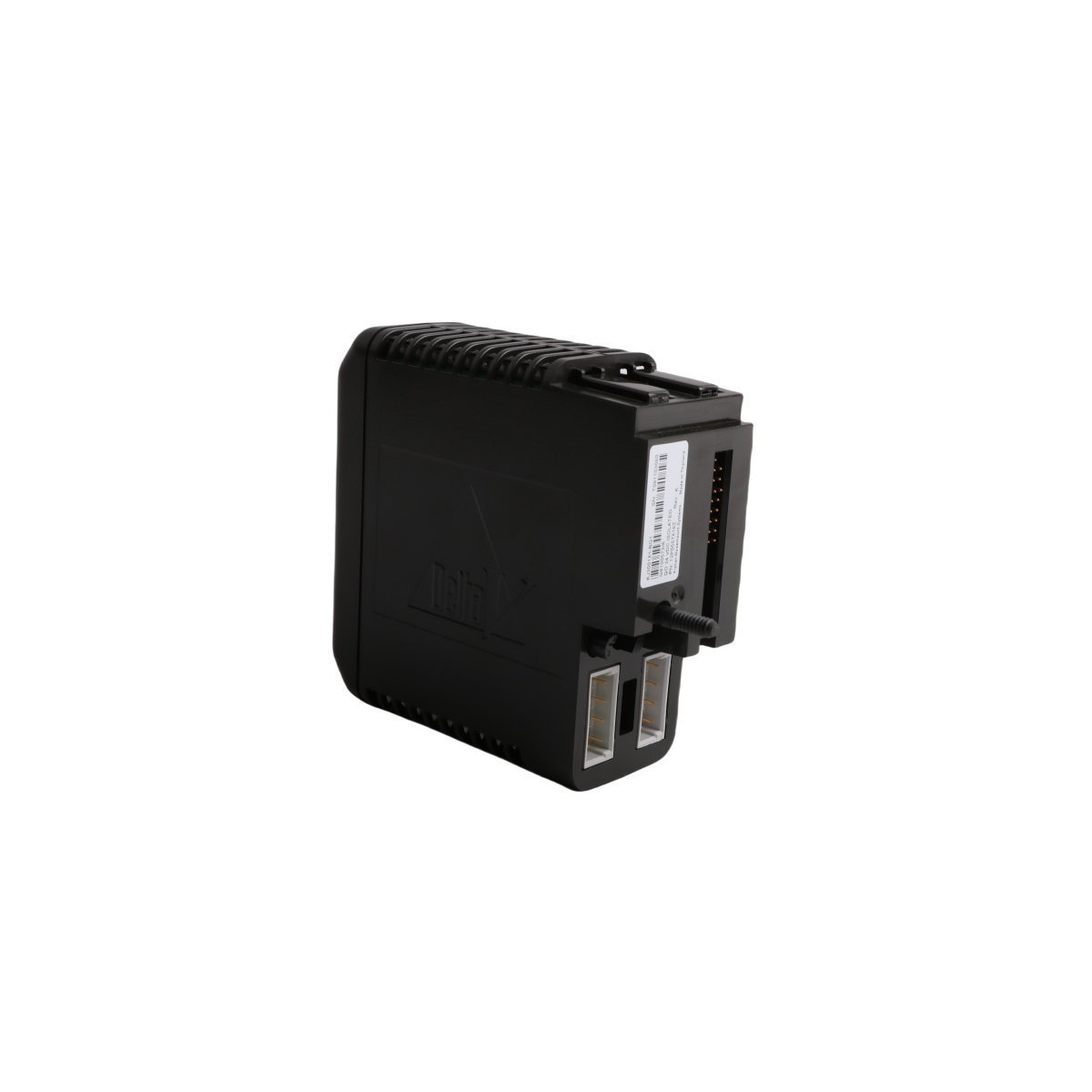
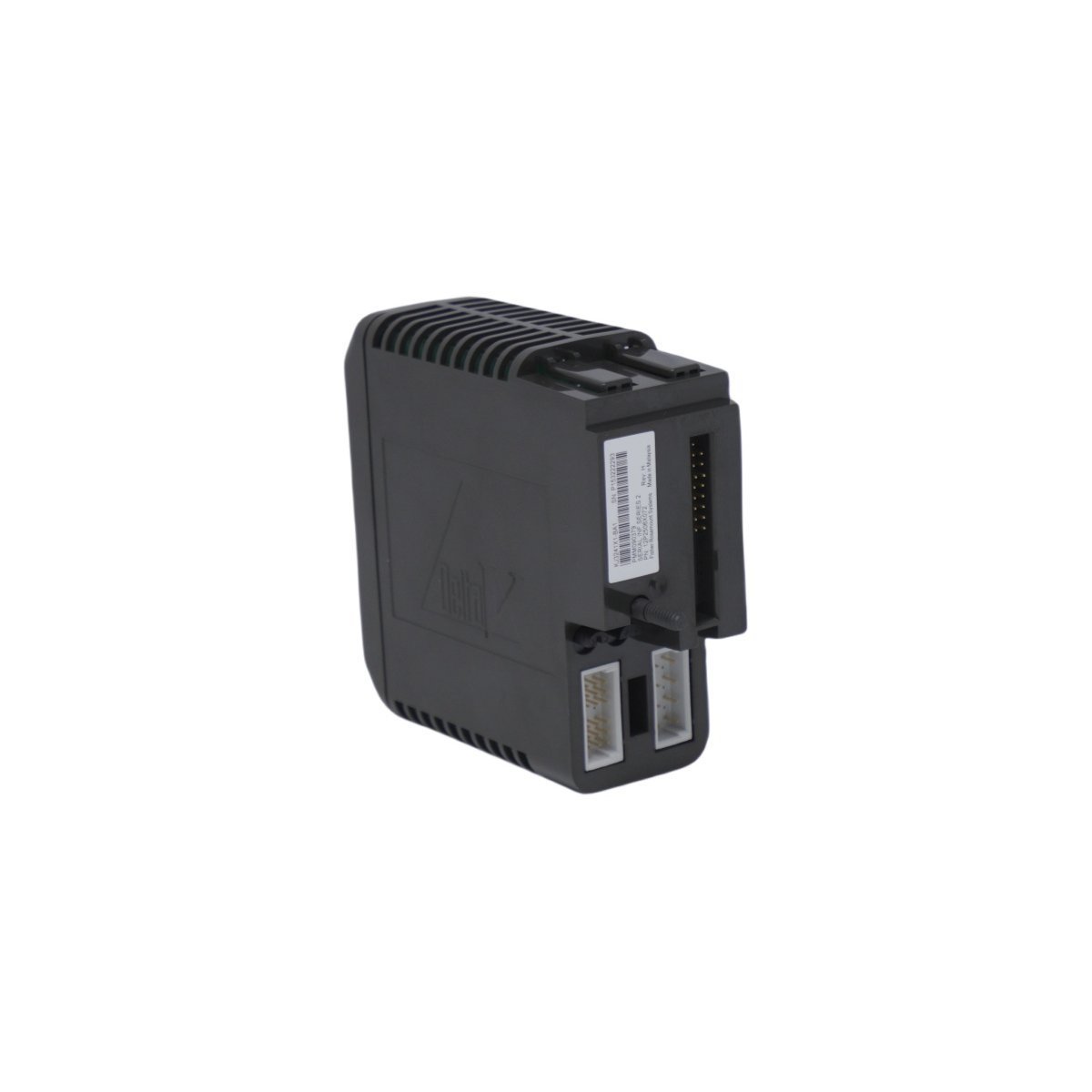
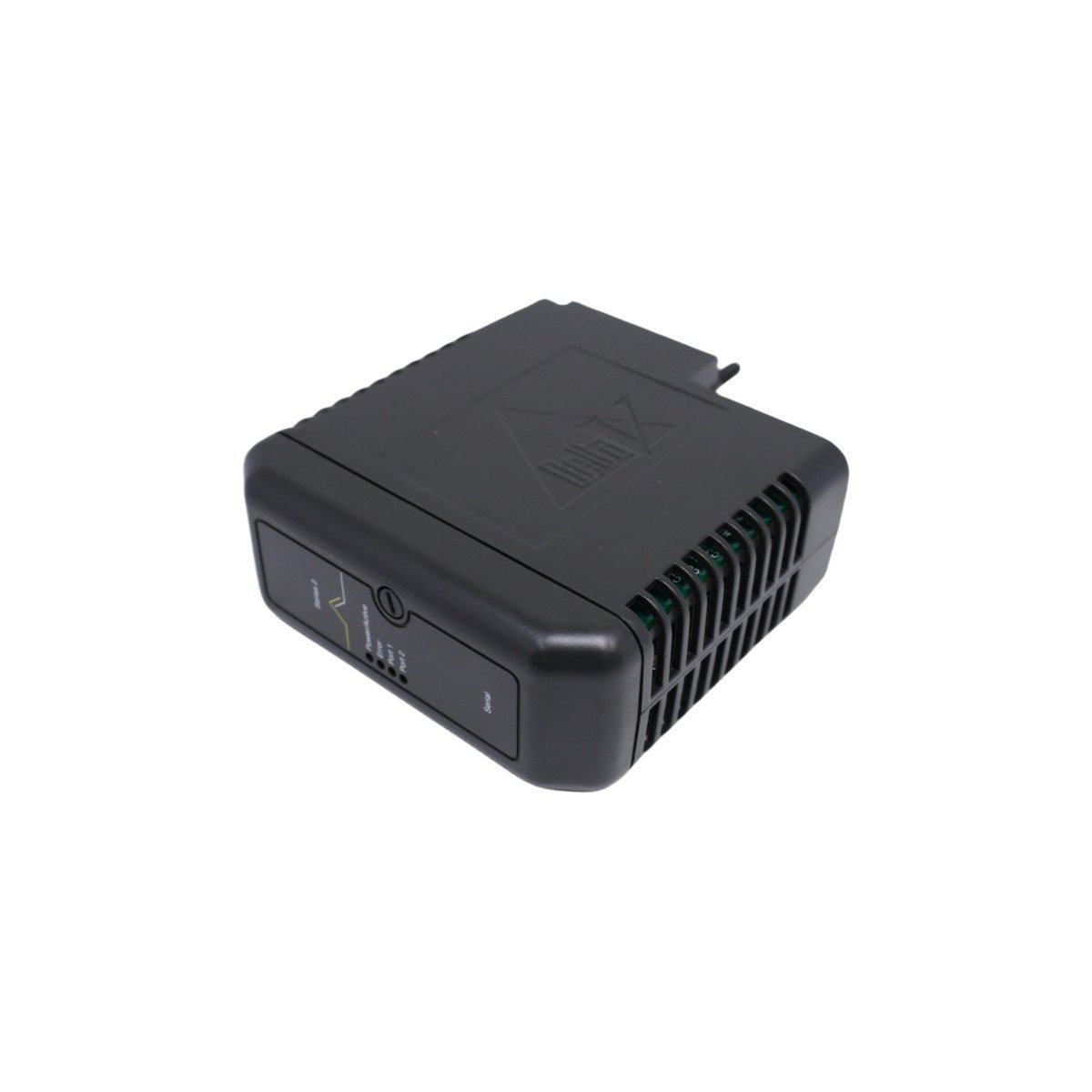
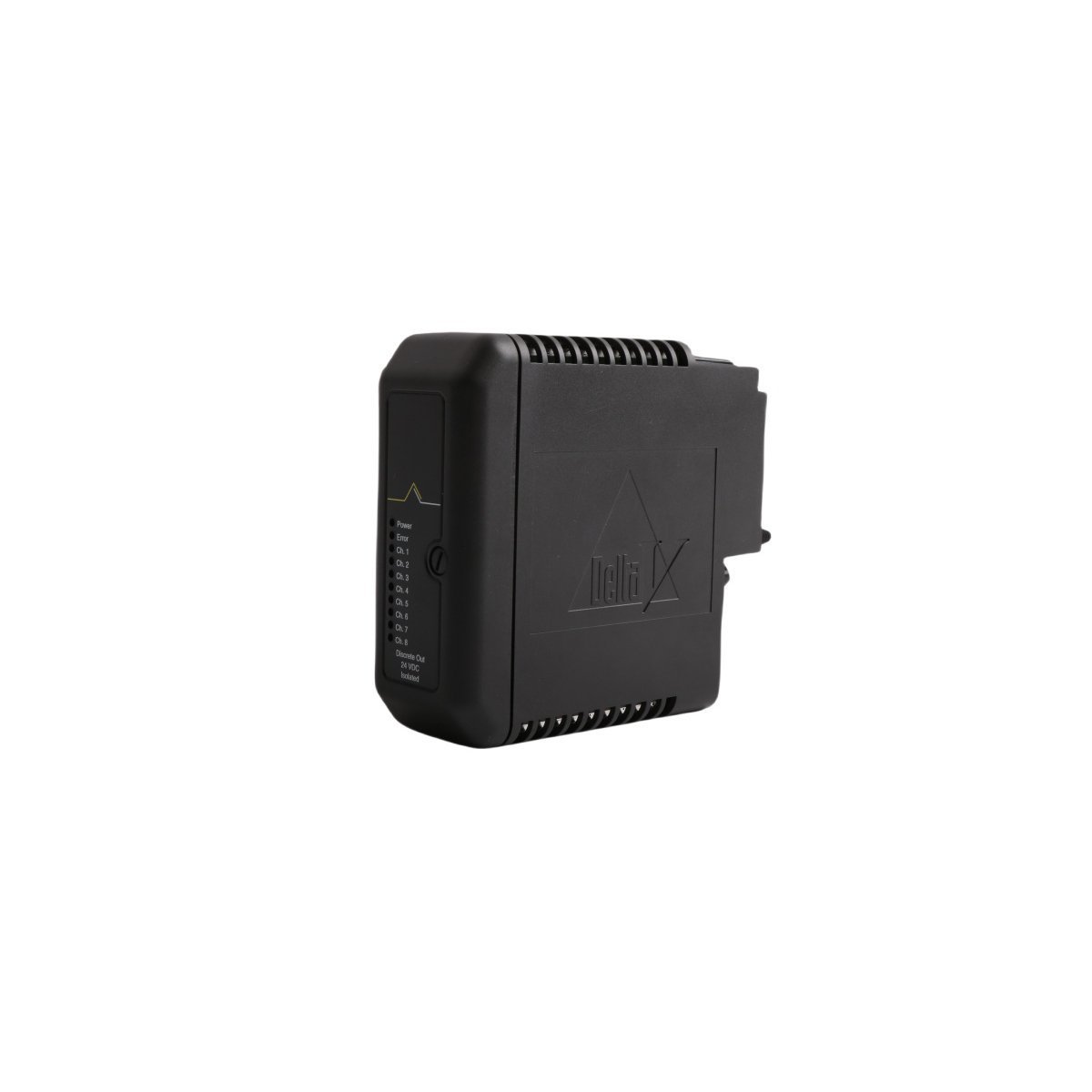
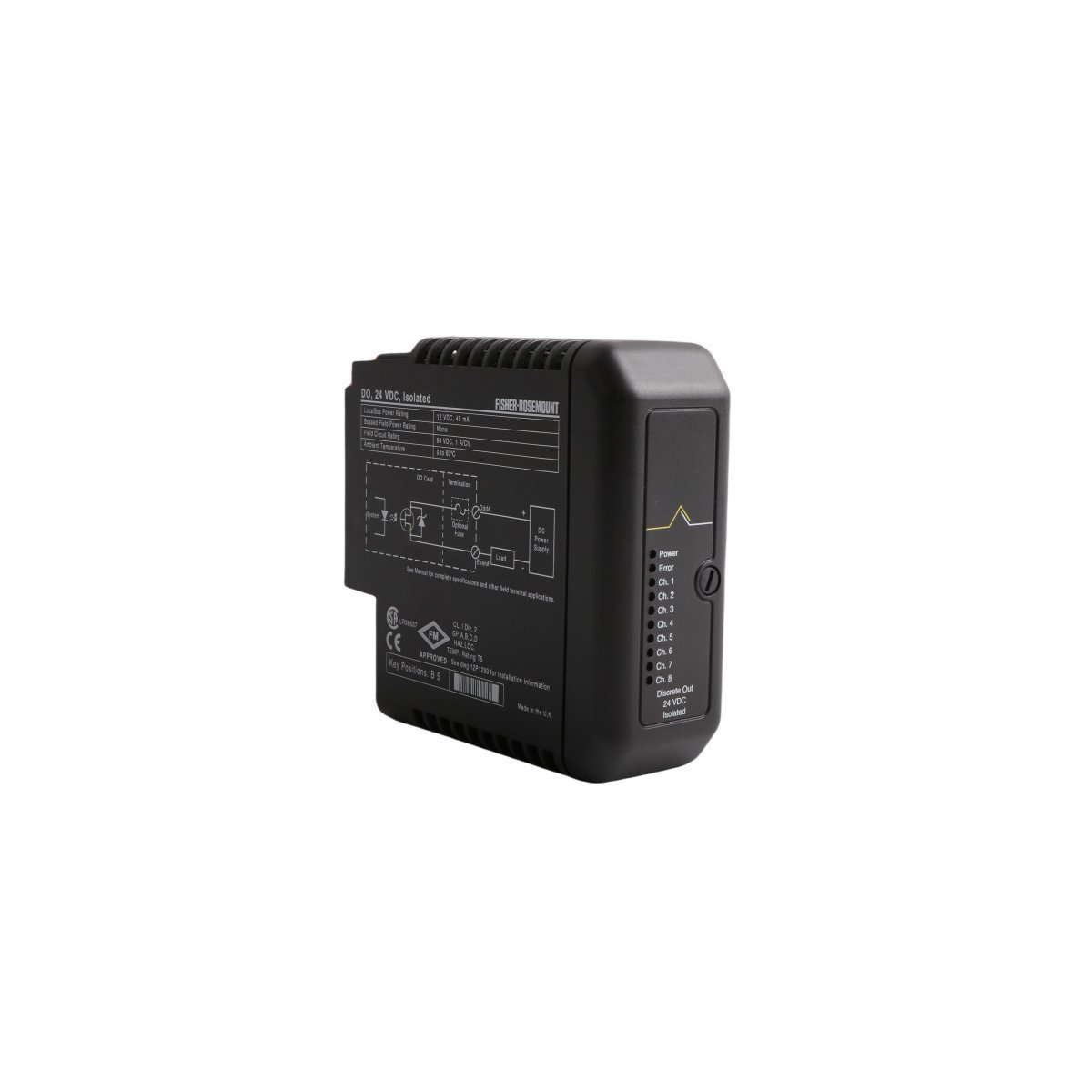
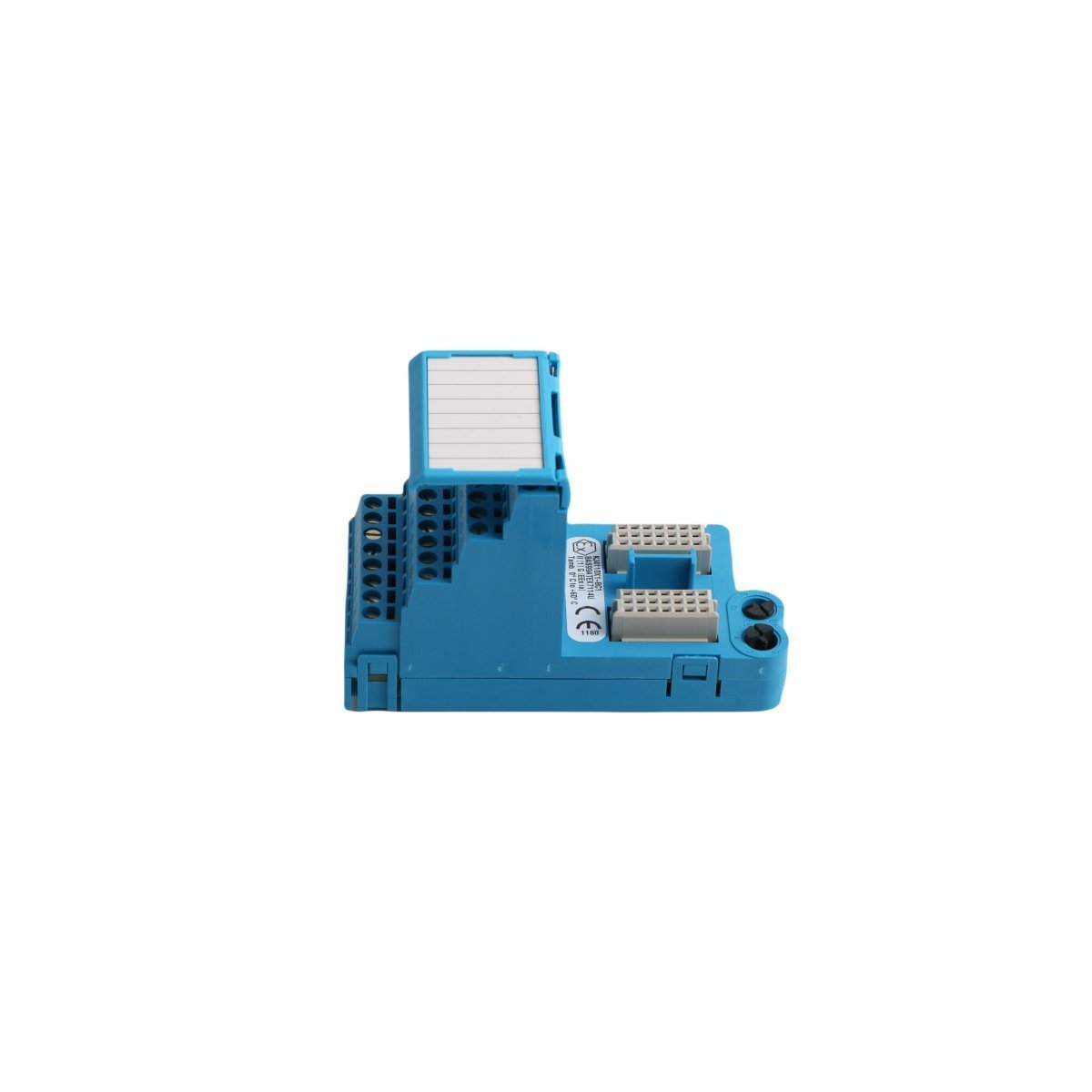
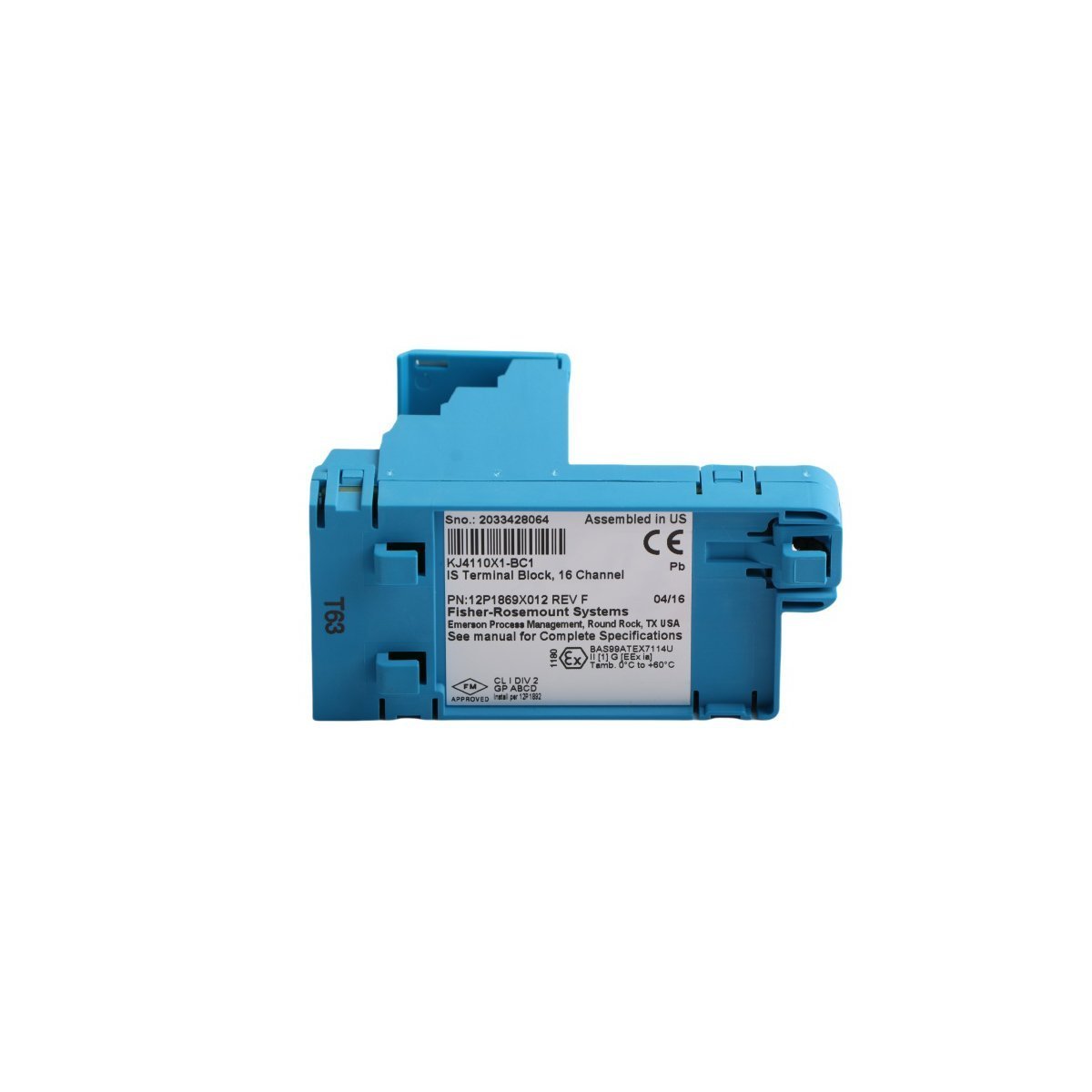
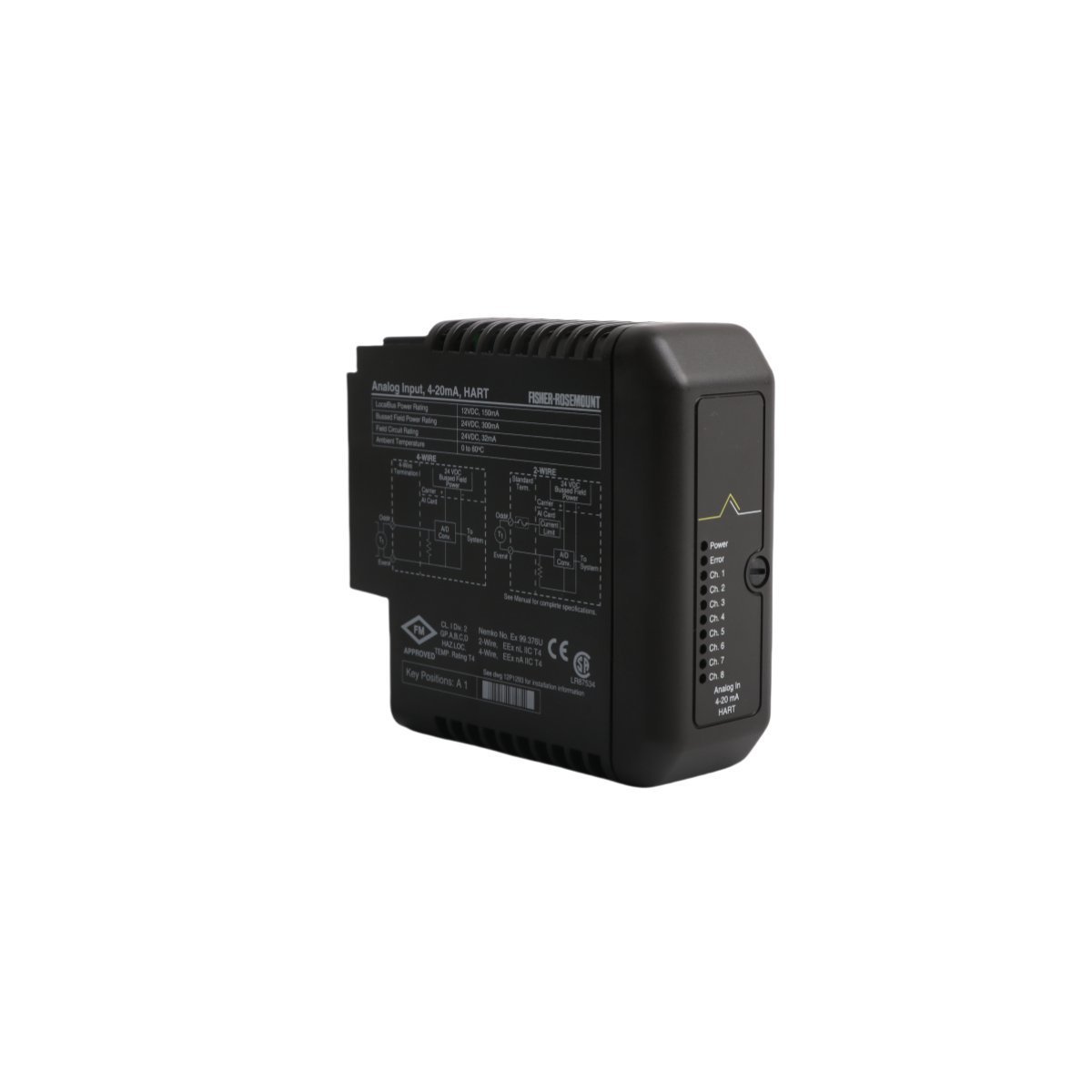
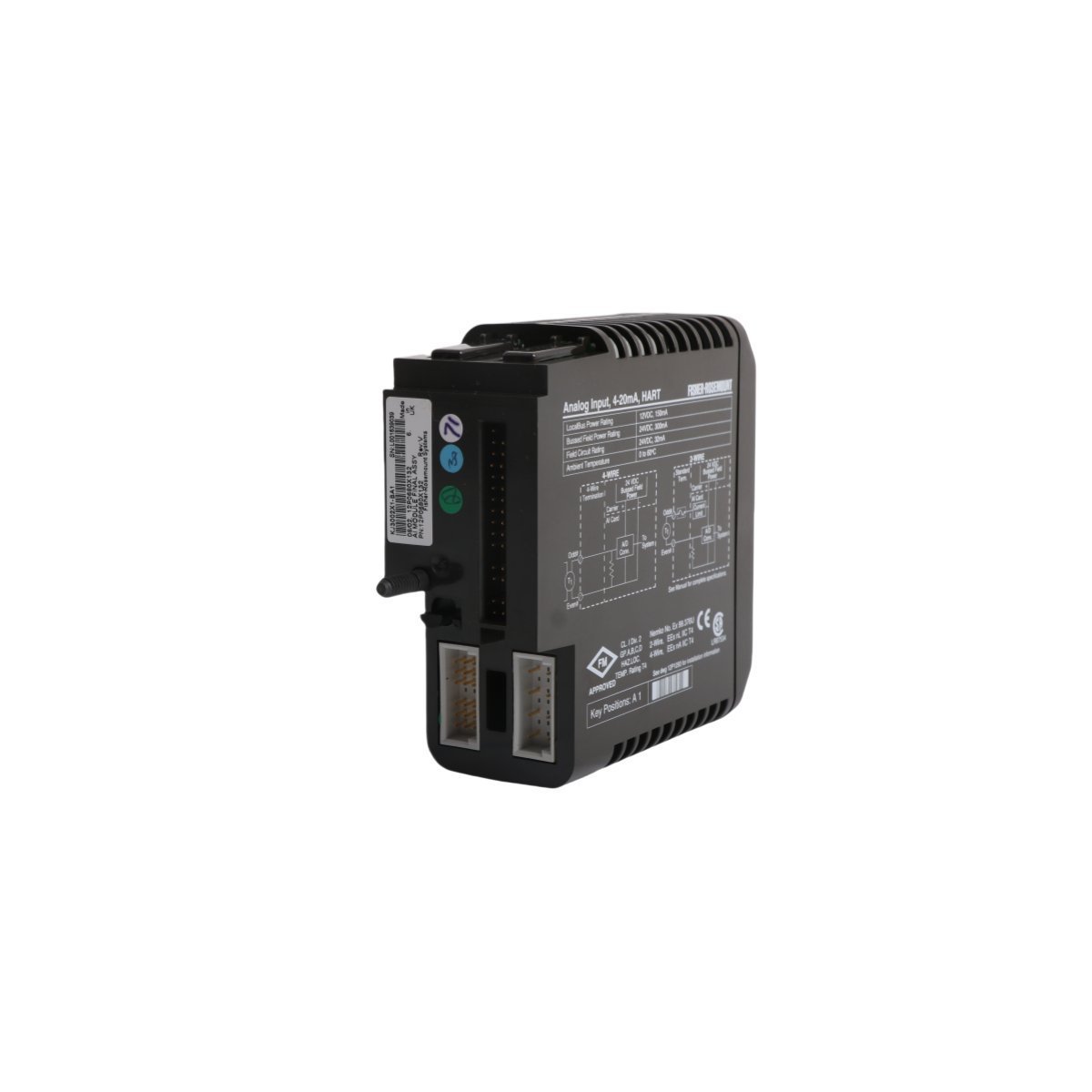
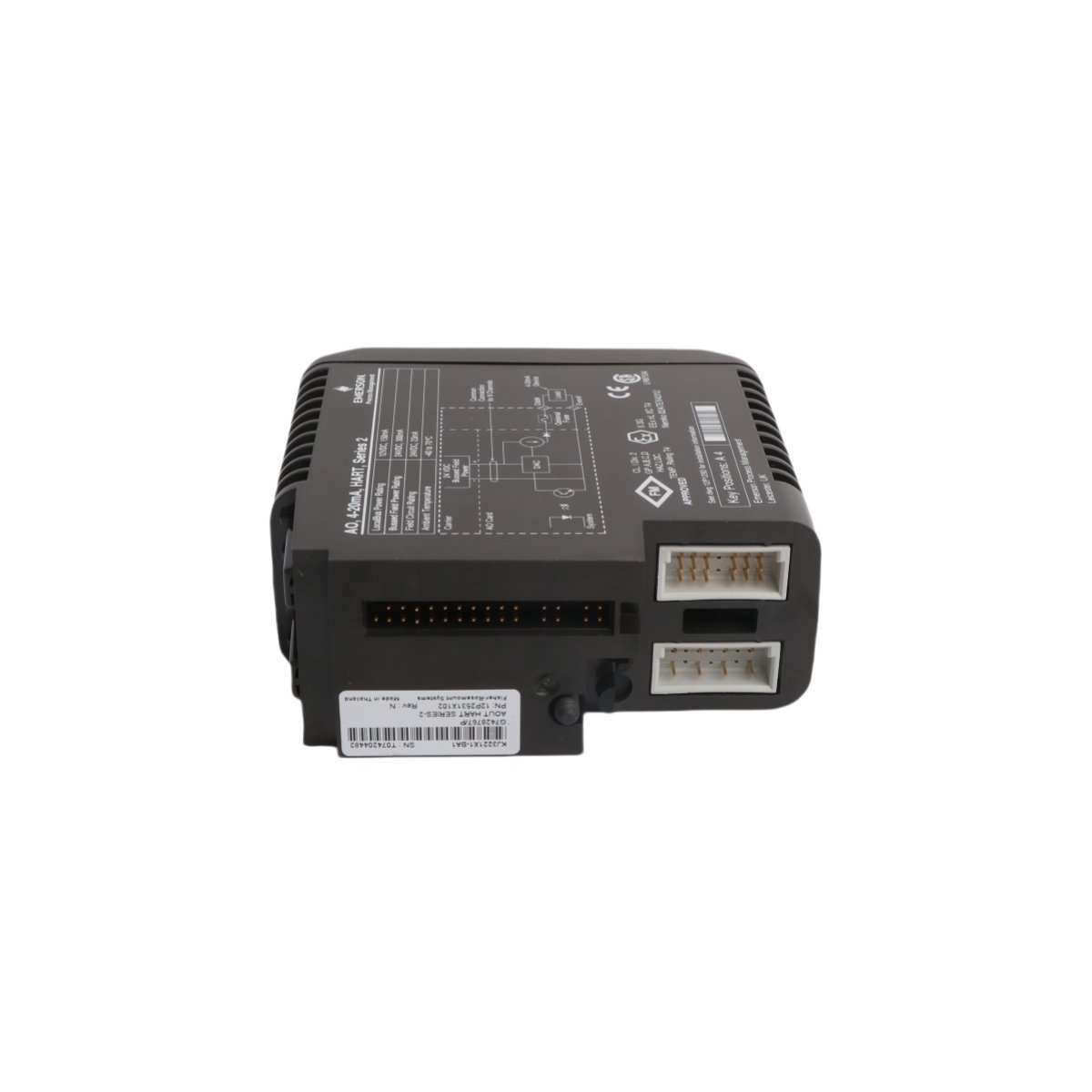
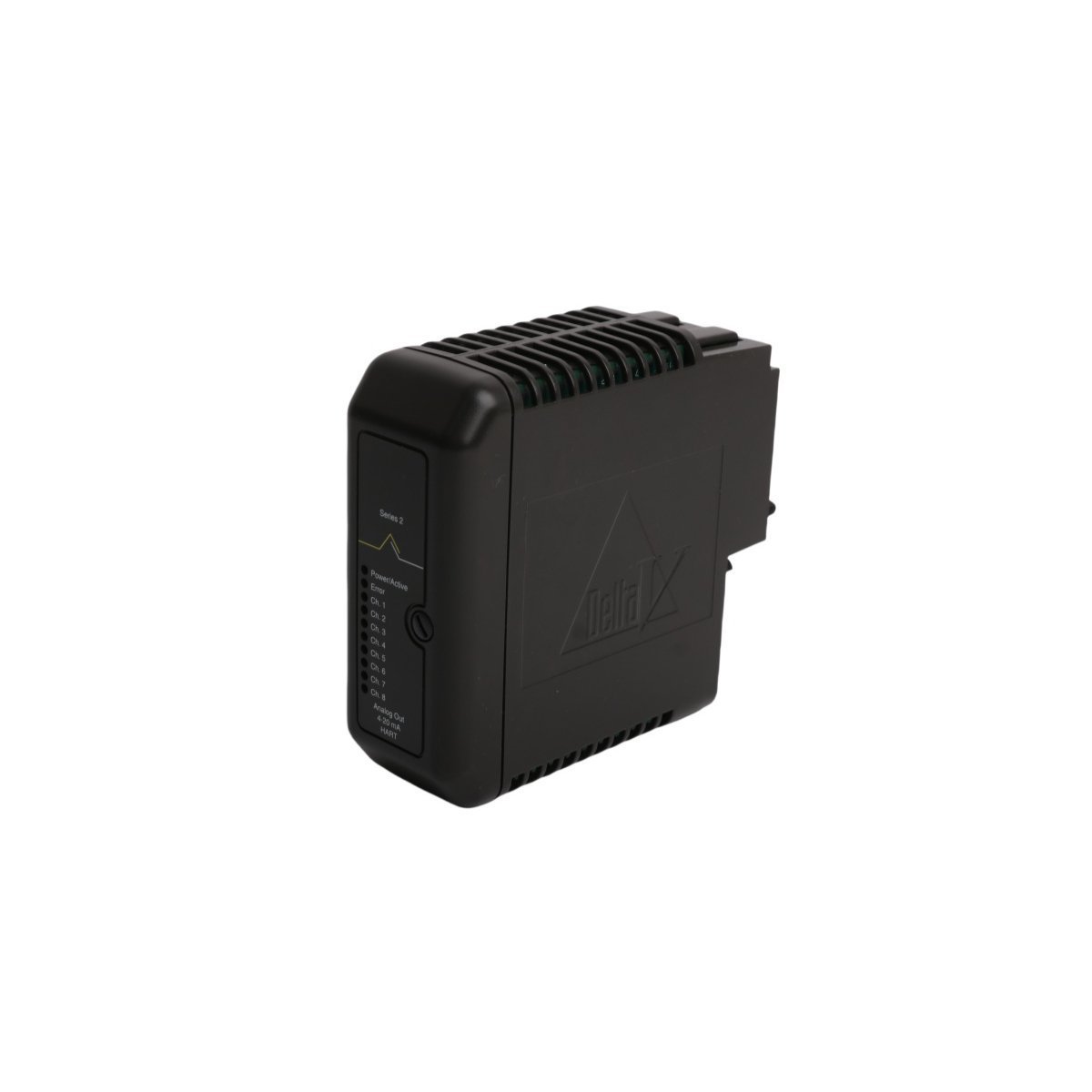
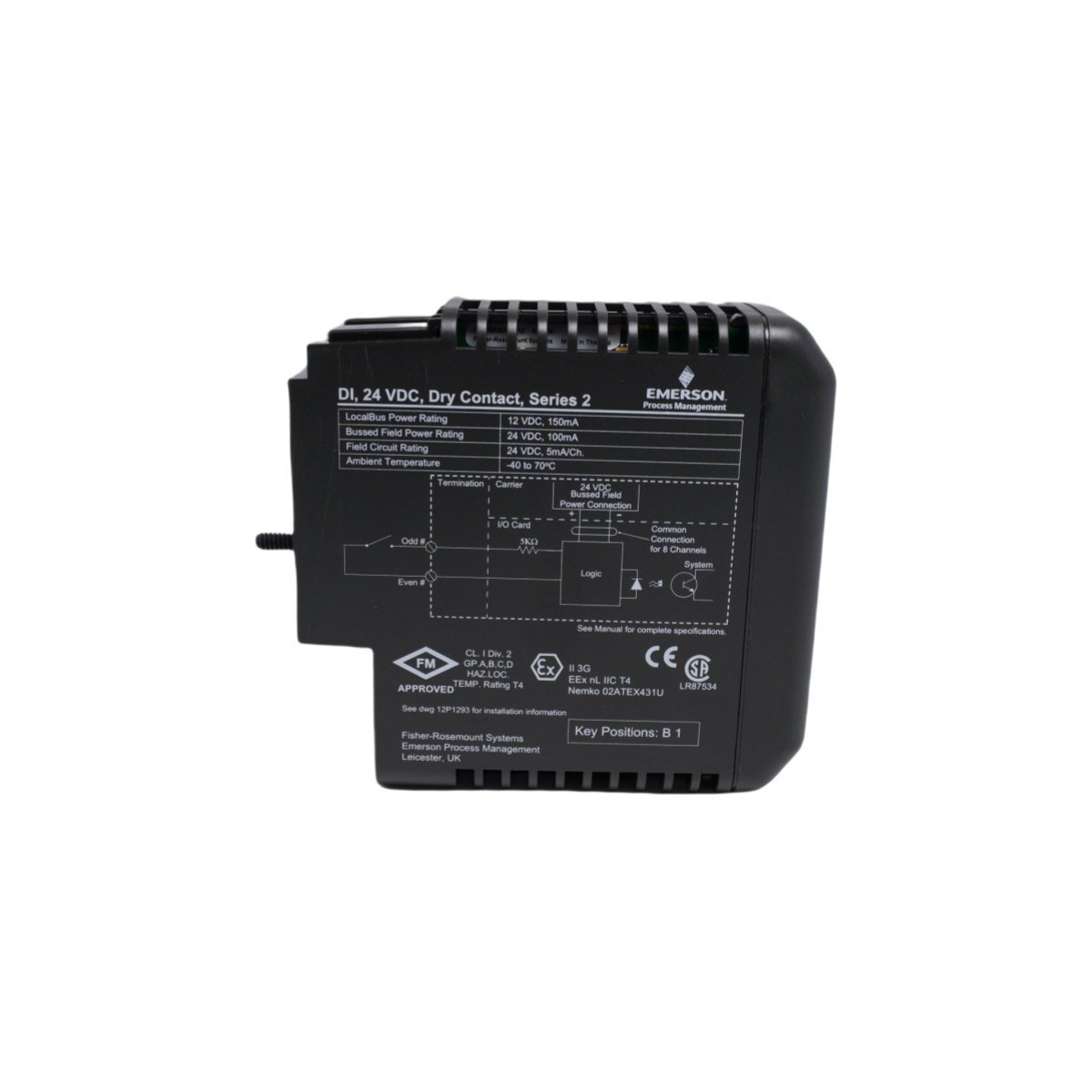
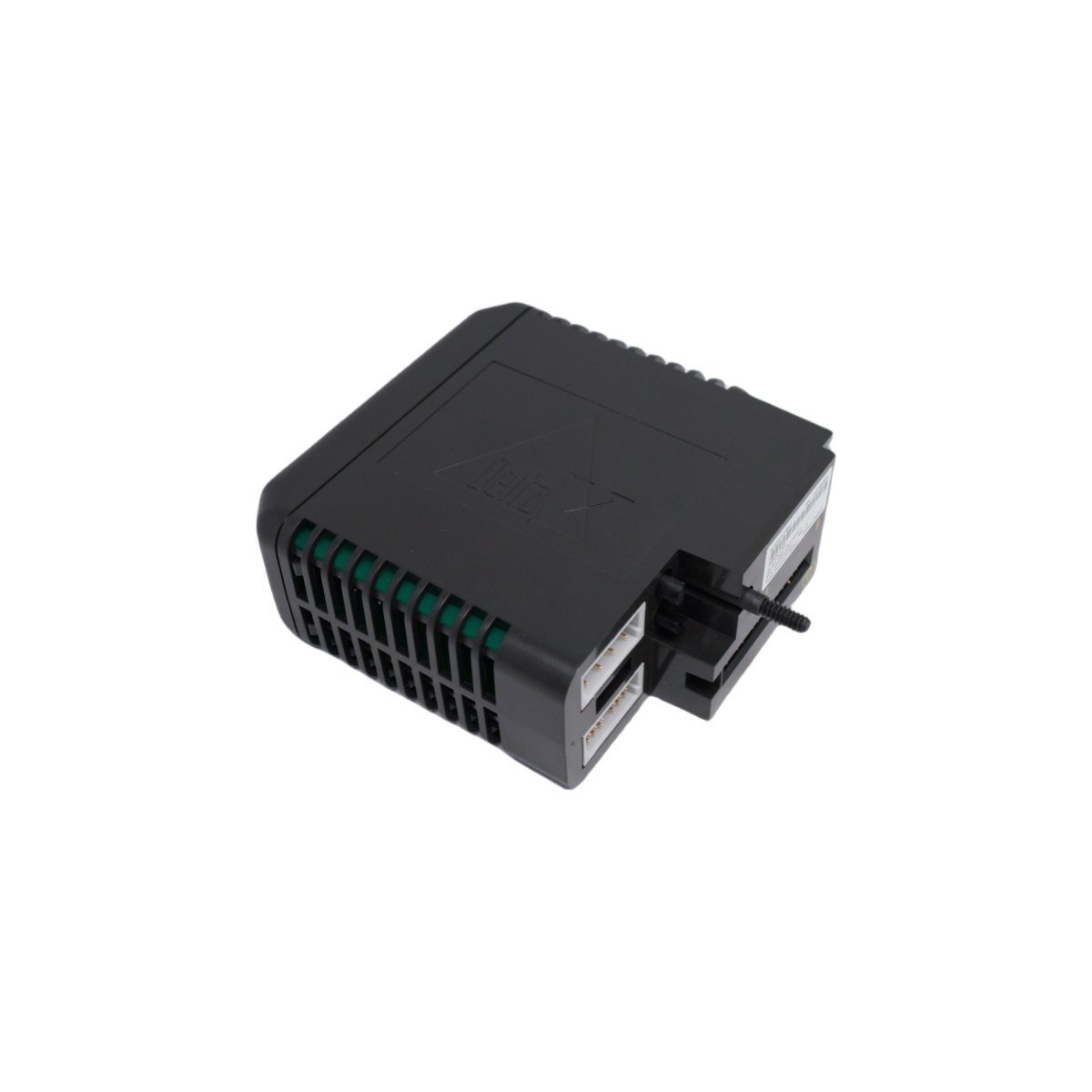
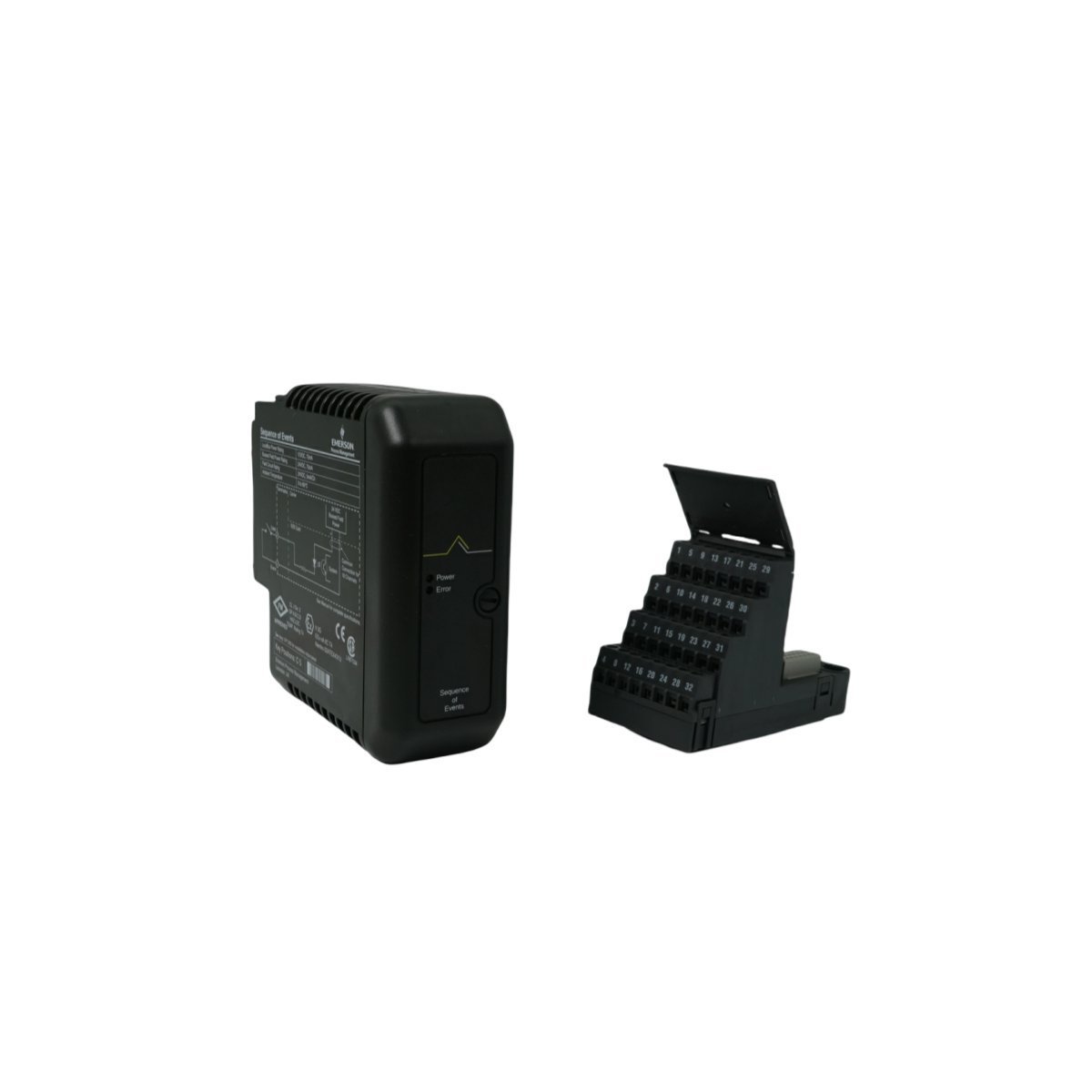
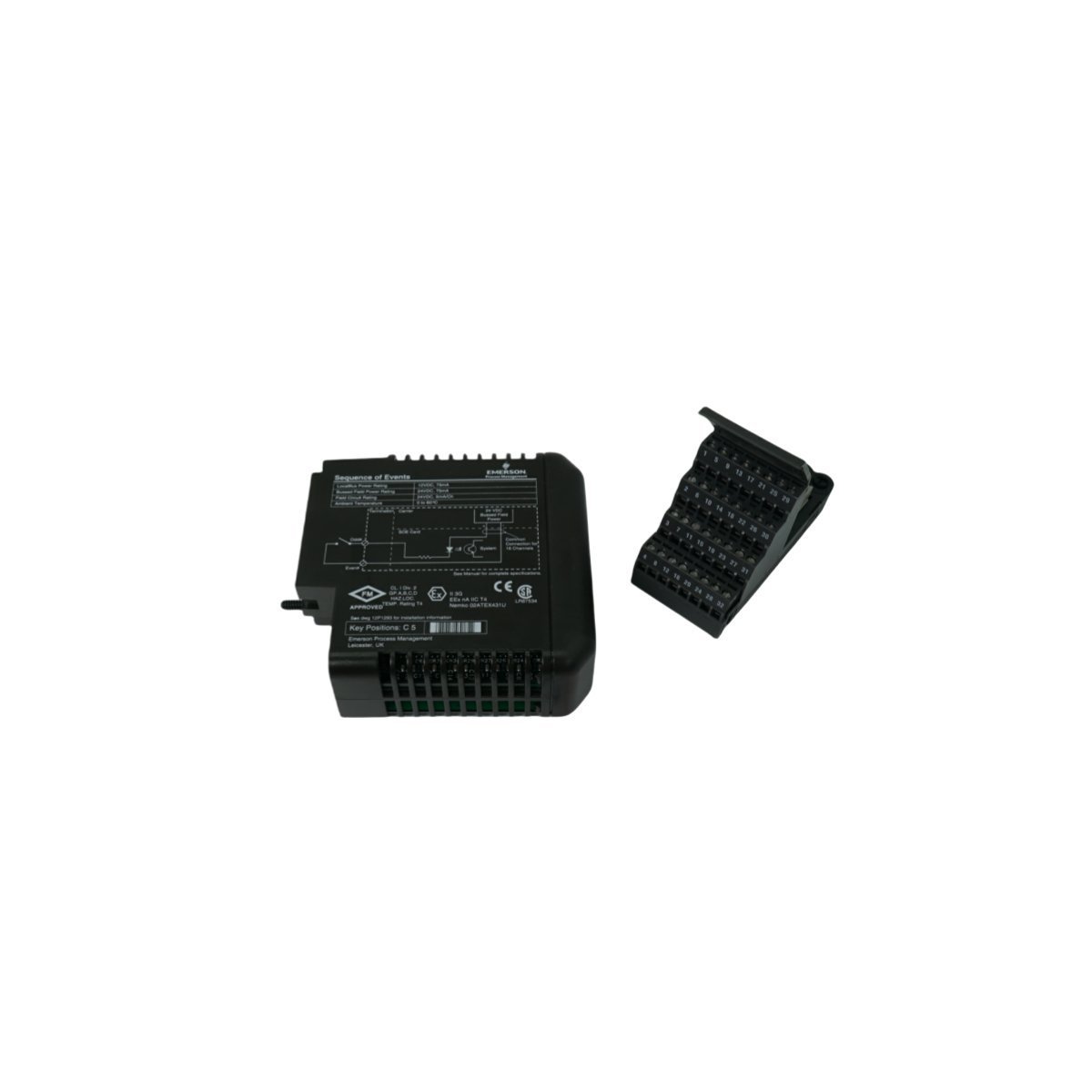
EMERSON KJ2221X1-BA1 DeltaV SISNet Repeater Module
The EMERSON KJ2221X1-BA1 (associated part numbers 12P3232X112 and VS6002) is a dedicated SISNet Repeater Module designed for the DeltaV Safety Instrumented System (SIS). Its primary engineering function is to extend the physical distance and maintain the integrity of the peer-to-peer safety network (SISNet) that links localized logic solvers and safety controllers across expansive industrial complexes.
Hardware Specifications
| Parameter | Specification |
|---|---|
| Model / Catalog No. | KJ2221X1-BA1 |
| Alternative Part Numbers | 12P3232X112 / VS6002 |
| Manufacturer | EMERSON (DeltaV Product Line) |
| Origin | USA |
| Weight | 0.32 kg |
| Dimensions | 4.1 x 12.5 x 19.0 cm |
| Module Type | SISNet Repeater Module / Network Extender |
| System Platform | DeltaV SIS Process Safety System (DCS) |
| Discontinued Date | December 31, 2018 (Legacy status) |
SISNet Architecture & Fail-Safe Redundancy
The SISNet is a dedicated, deterministic control network independent of the standard plant control traffic, built specifically to carry time-critical safety interlock variables. The KJ2221X1-BA1 module functions at the physical layer to reconstruct and retransmit data packets across optical or copper media links without introducing variable propagation delays.To satisfy Safety Integrity Level (SIL) requirements up to SIL 3, these repeaters are deployed in redundant pairs. If a fiber optic link breaks or a companion node experiences a hardware failure, the system instantly switches traffic to the alternative path. This architecture ensures real-time communication between logic solvers, preventing spurious trips or unmanaged process shutdowns.Frequently Asked Questions
Q: Can the KJ2221X1-BA1 module be replaced while the safety system is online?A: Yes, assuming the system is designed with active, redundant SISNet channels. The module supports hot-swapping on a live carrier assembly; however, maintenance procedures must be coordinated carefully to ensure the backup channel remains stable during replacement.Q: How does this repeater handle electromagnetic or radio frequency interference (EMI/RFI)?A: The internal circuitry is shielded inside a metallic housing, and signal paths are isolated to prevent ground loops and high-frequency electrical noise from corrupting the underlying safety bus communication data.Field Installation Guidelines
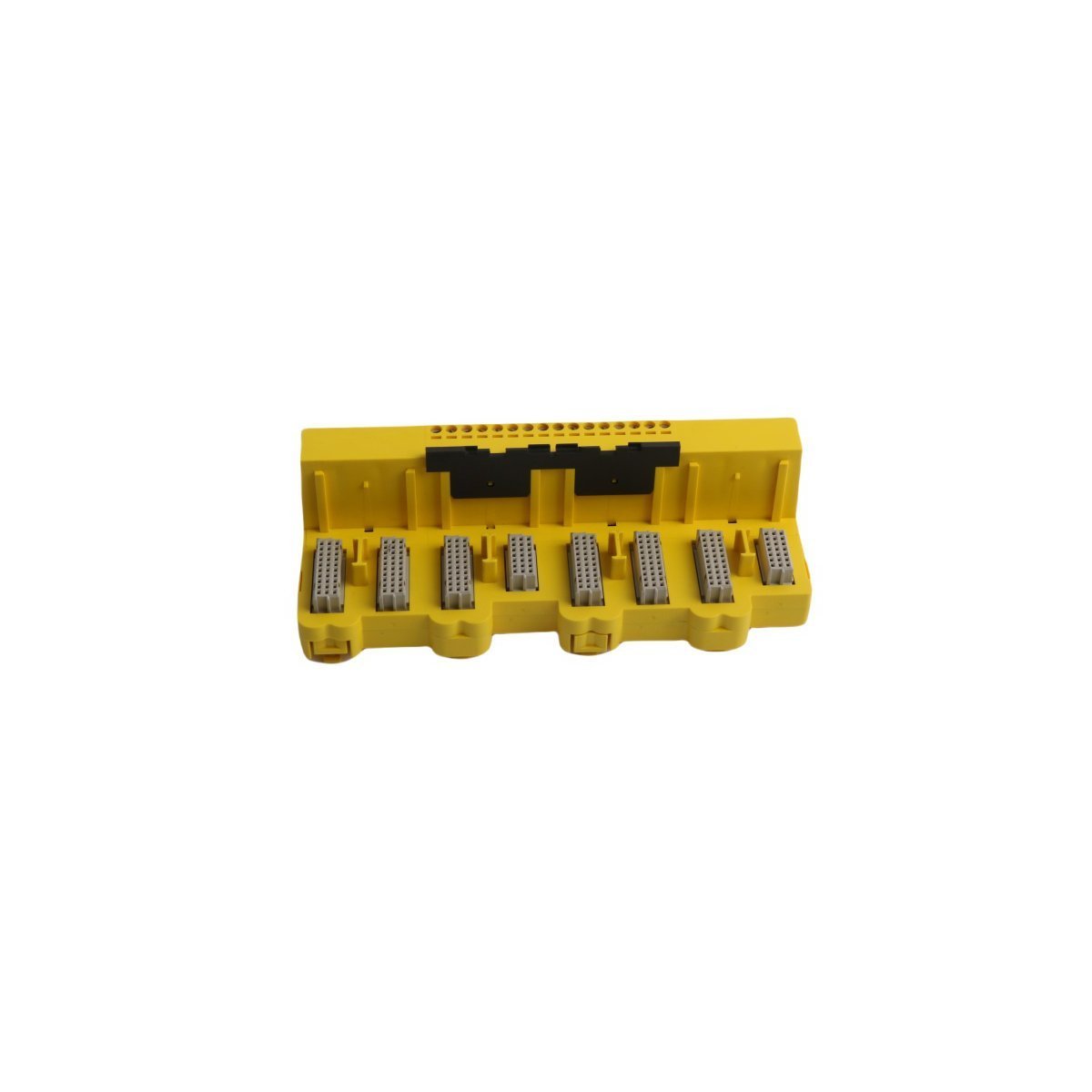
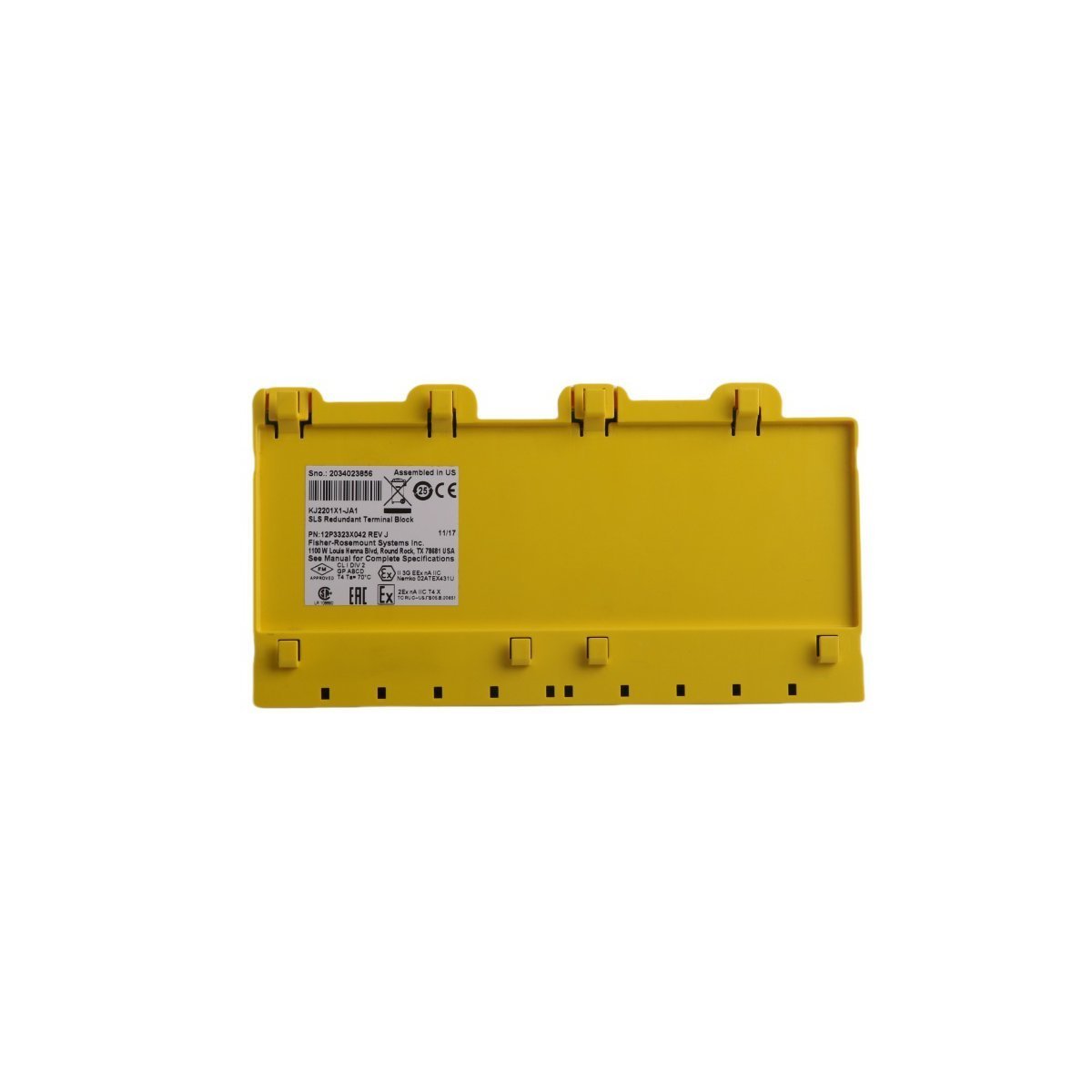
- Carrier Assembly Seating: Align the module pins carefully with the dedicated slot on the DeltaV terminal block carrier. Press firmly until the top and bottom latching mechanisms snap into place, securing electrical connection to the backplane.
- Fiber Optic Cleaning Protocols: If using fiber optic media converters alongside the repeater, ensure all ST/SC connectors are thoroughly cleaned with lint-free wipes and alcohol before insertion to minimize signal attenuation.
- Environmental Enclosure Upkeep: Maintain proper fan filtration and cabinet ventilation. While ruggedized, keeping ambient temperatures well below the maximum operating thresholds prevents premature electronic component degradation.