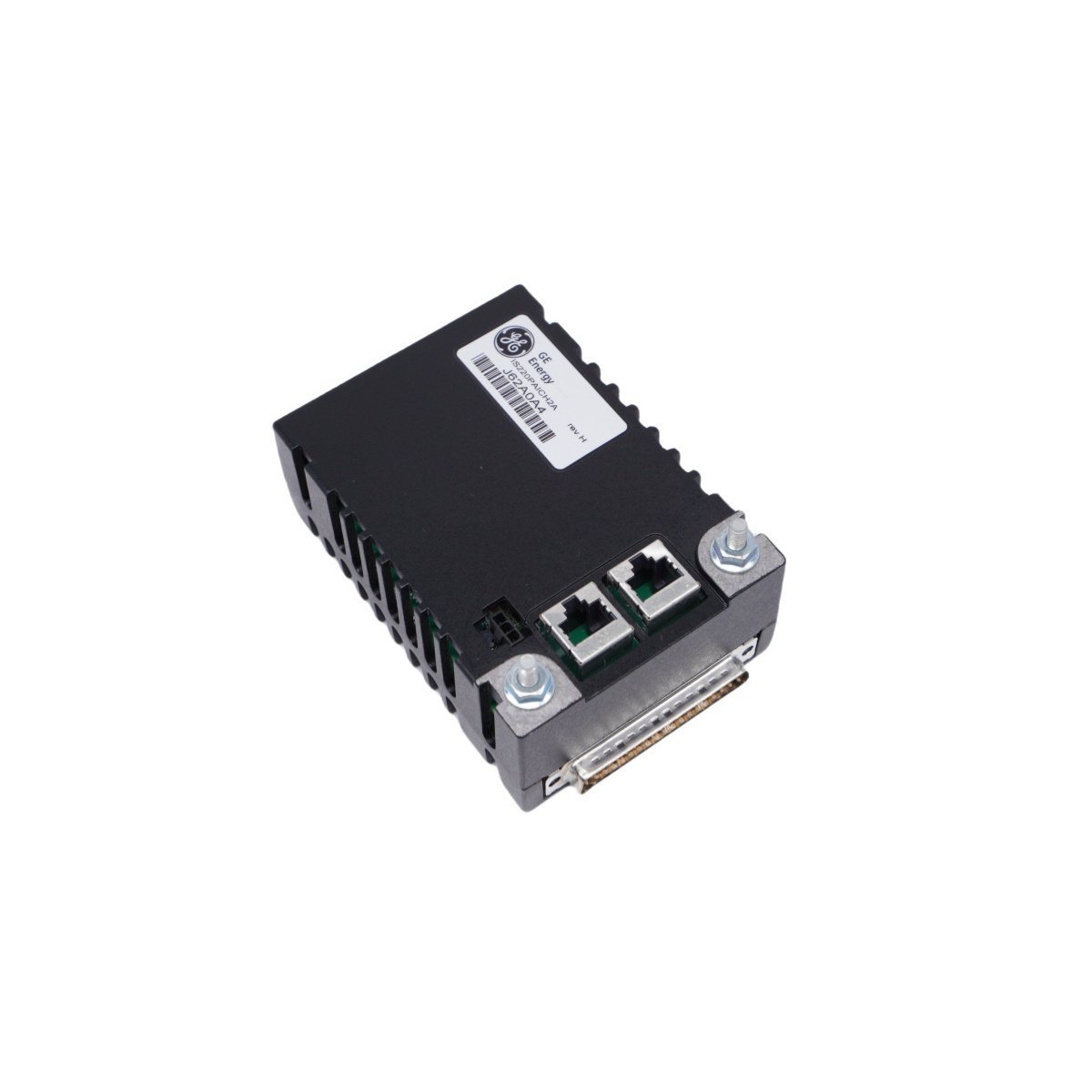
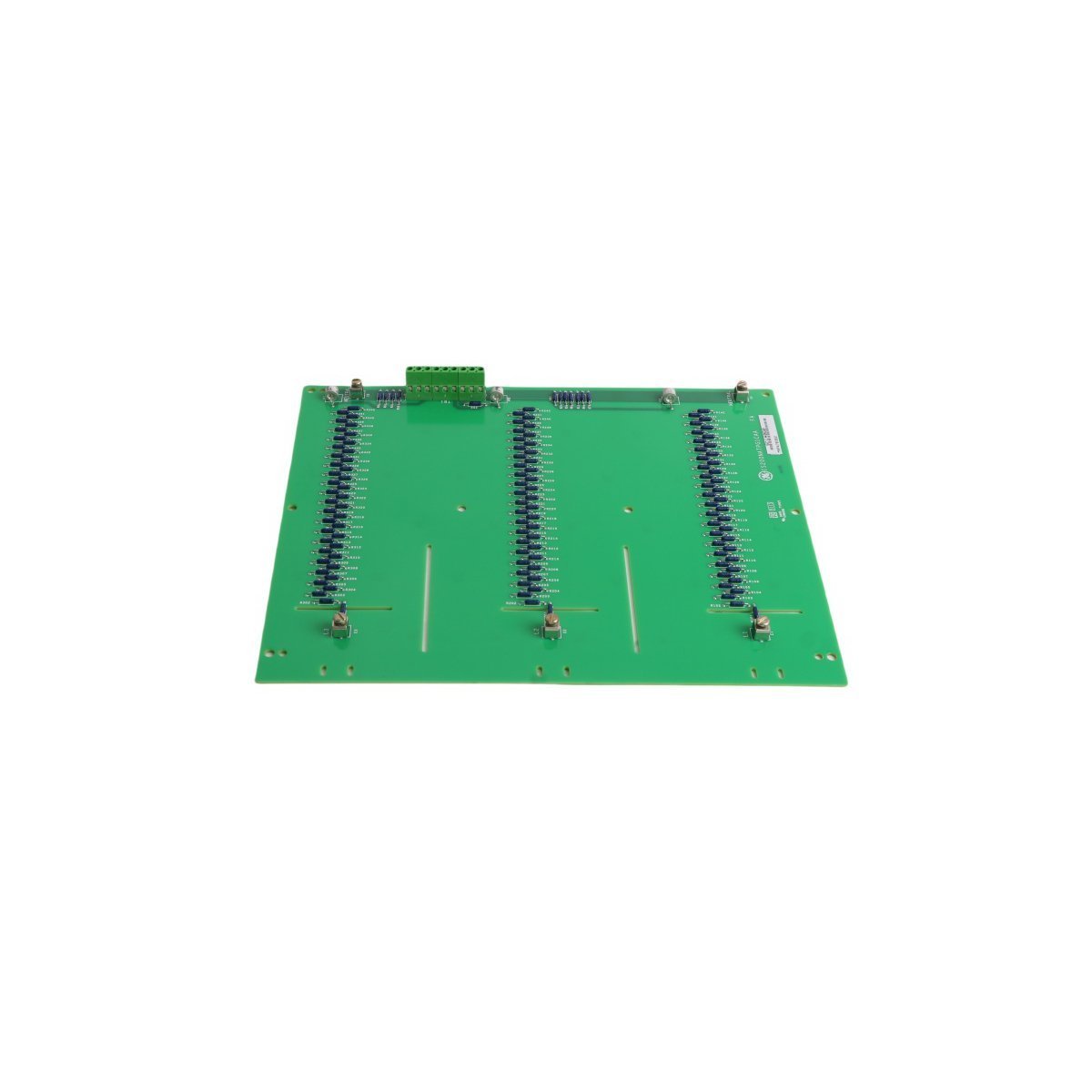
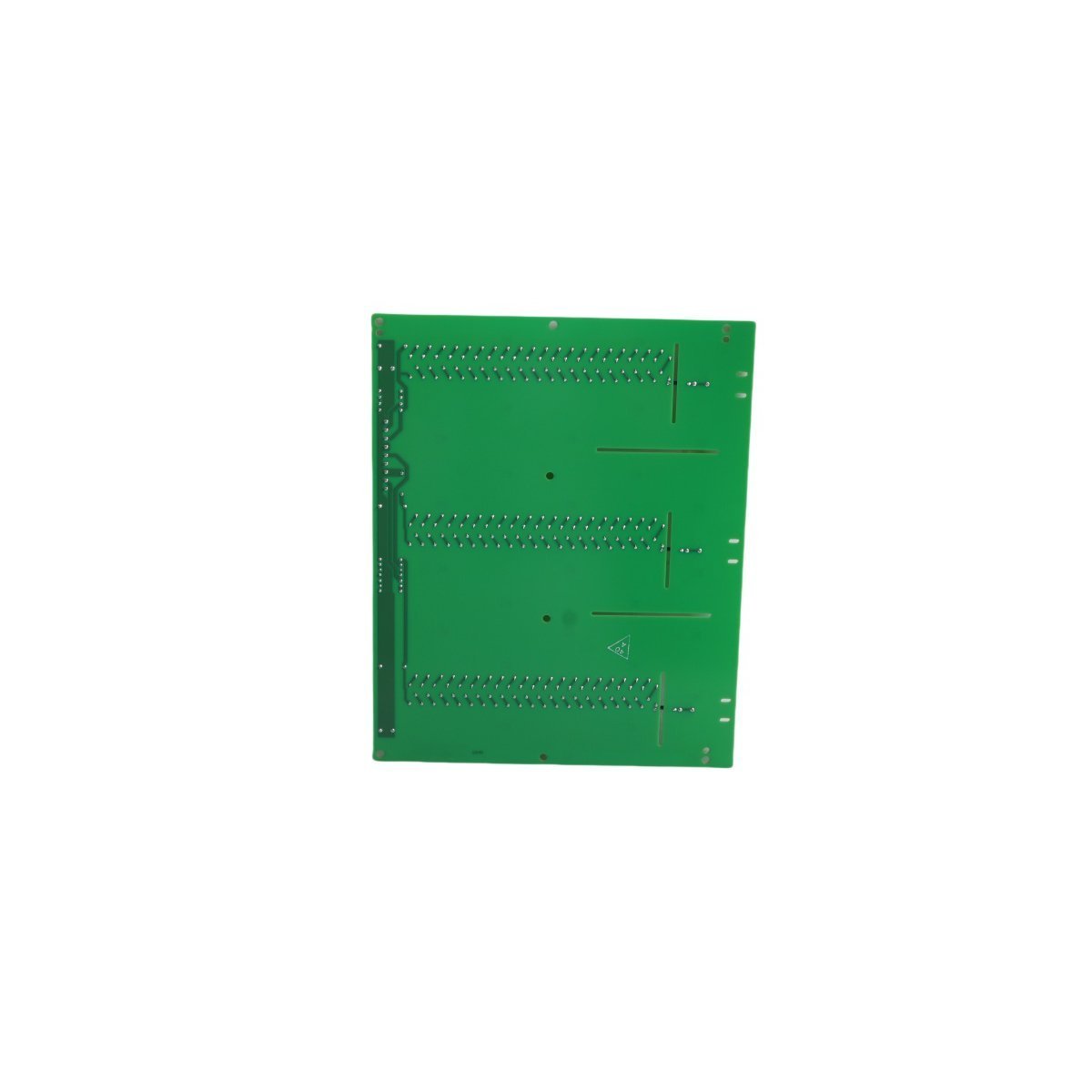
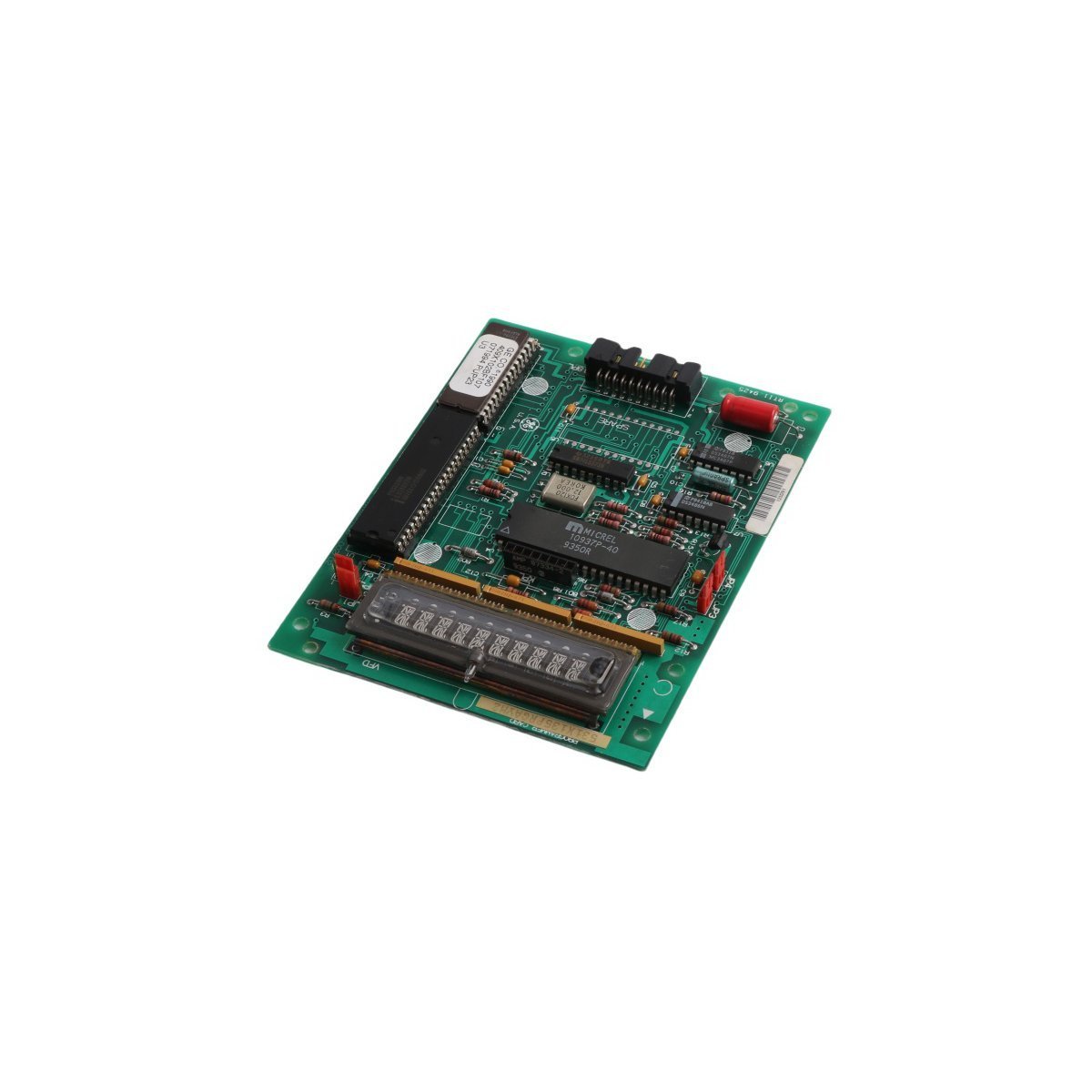
GE IS200TDBSH2A Mark VI Discrete Simplex Terminal Board
Product Overview
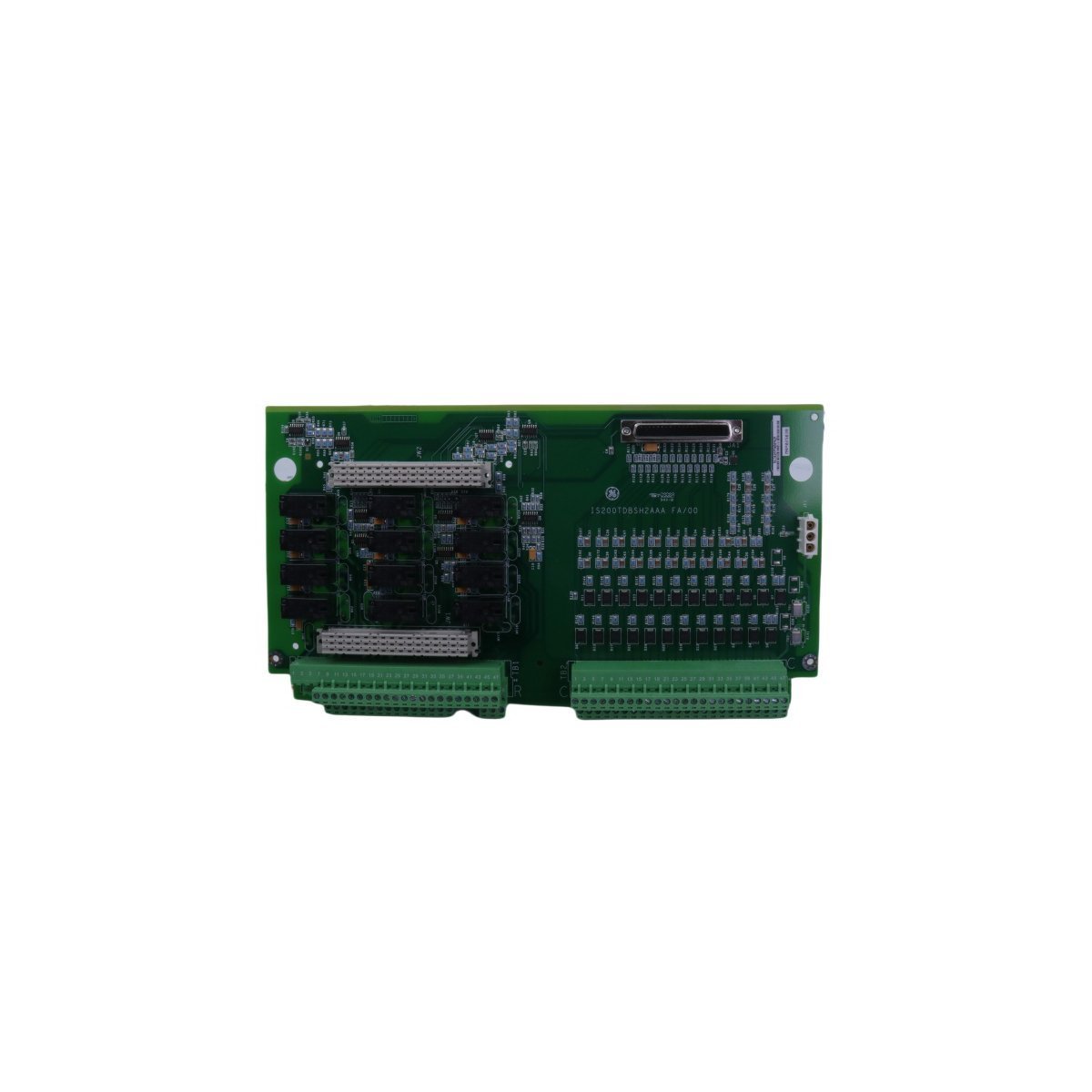
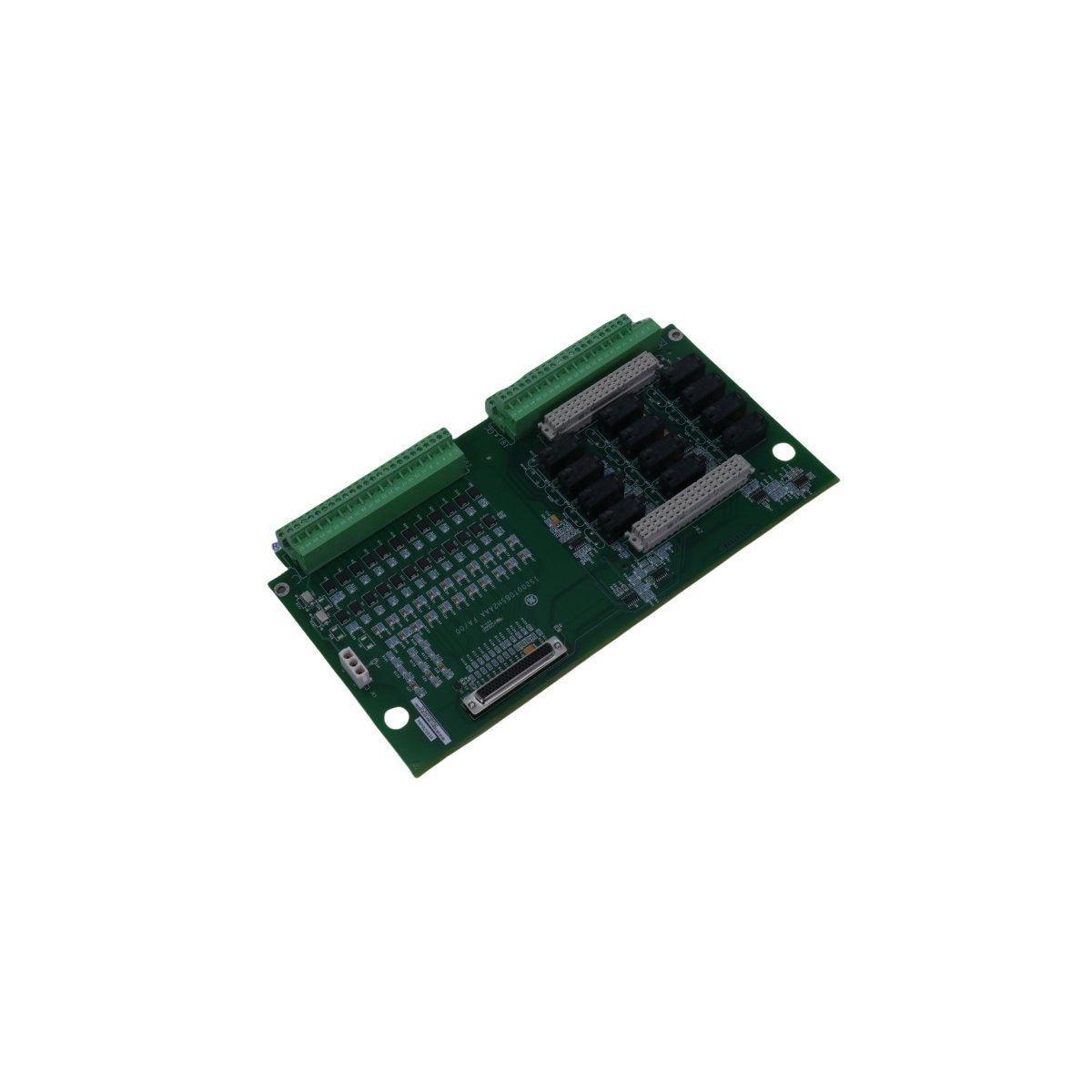
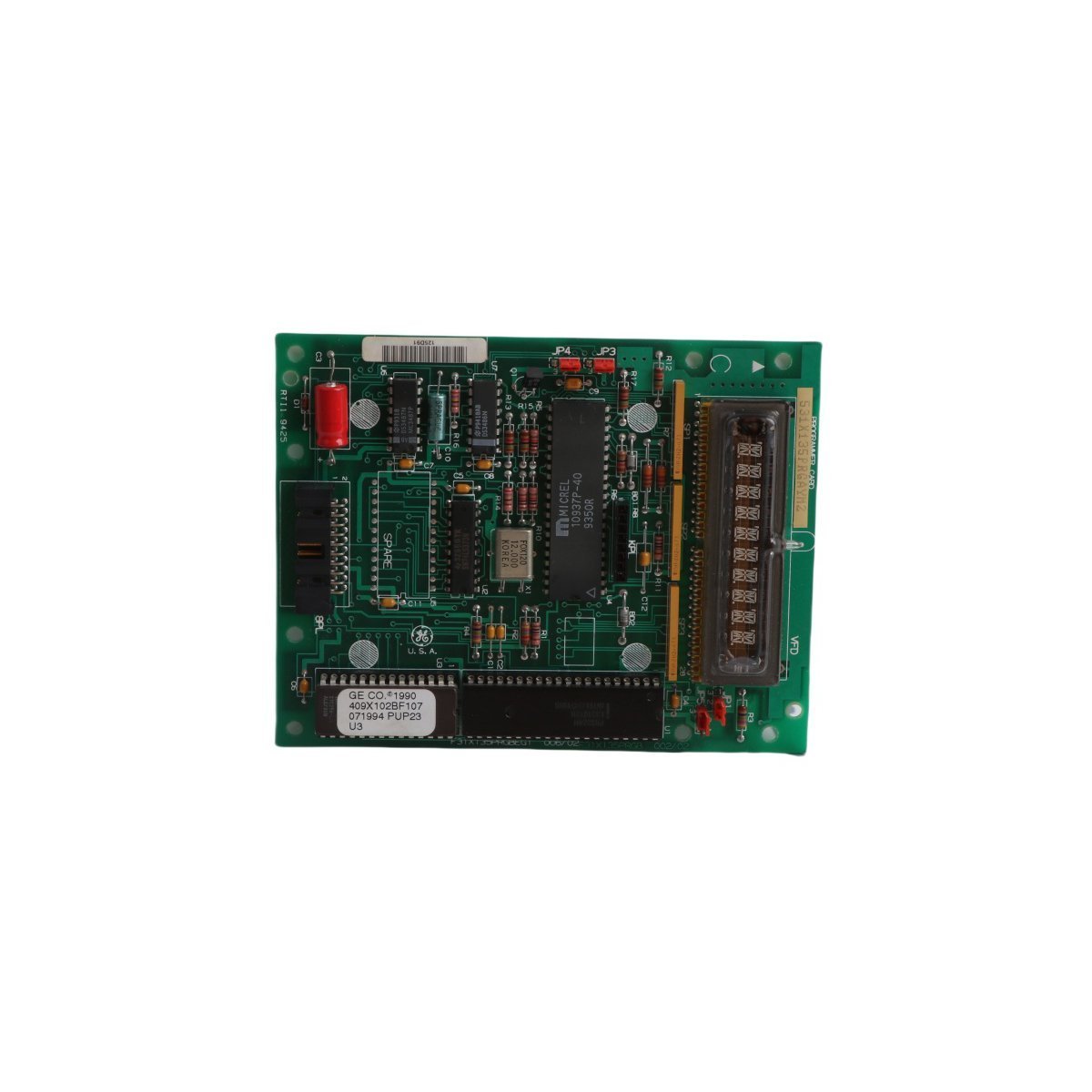
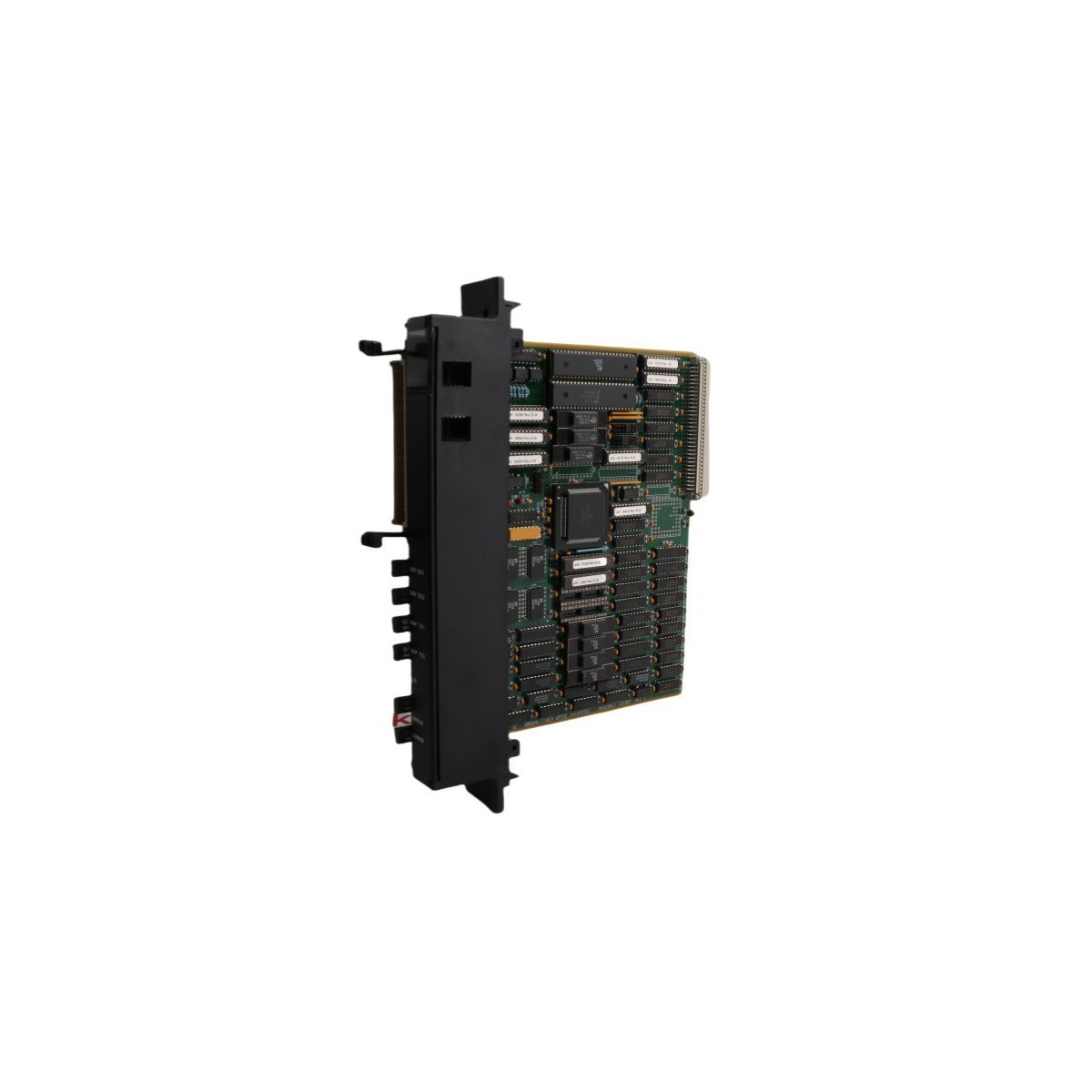
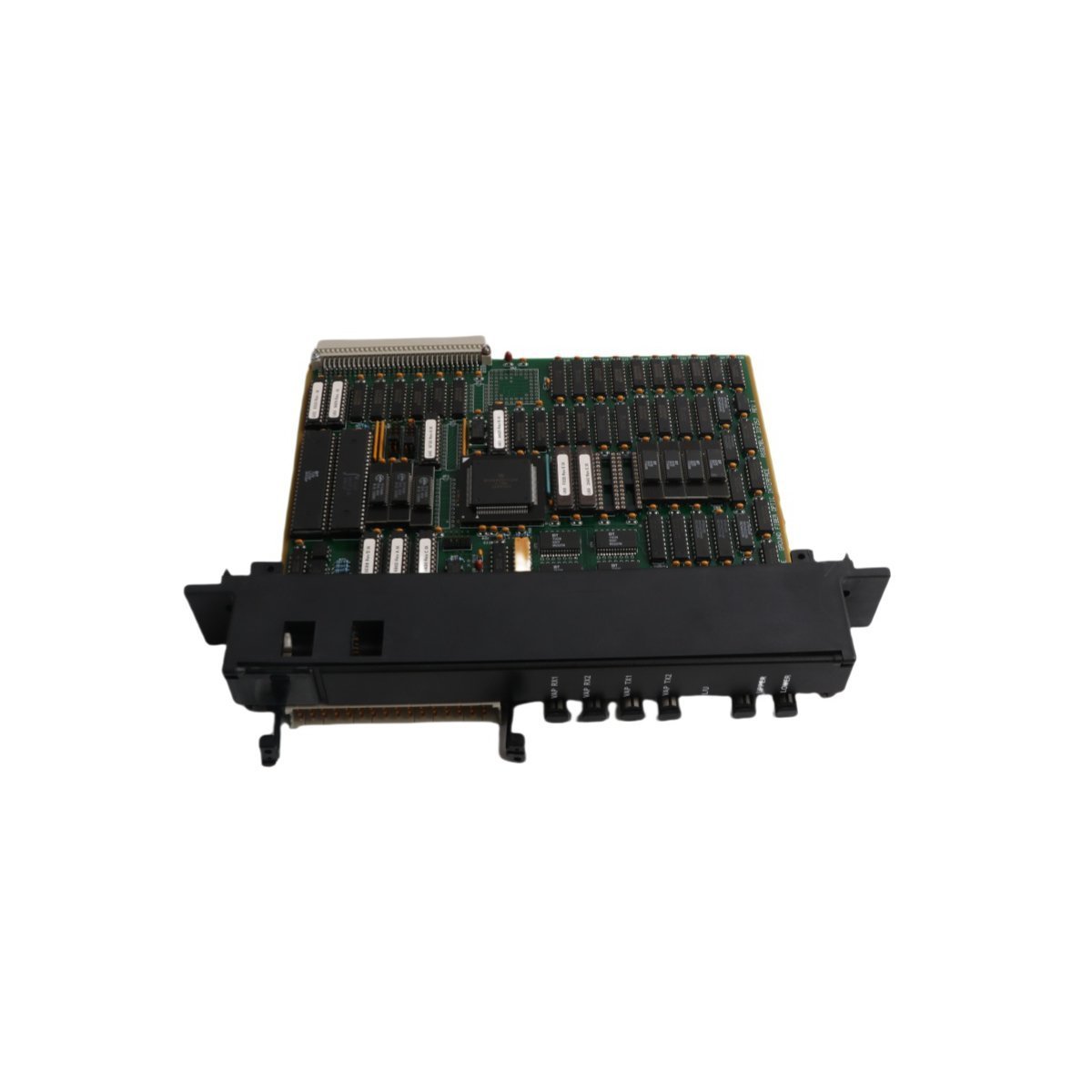
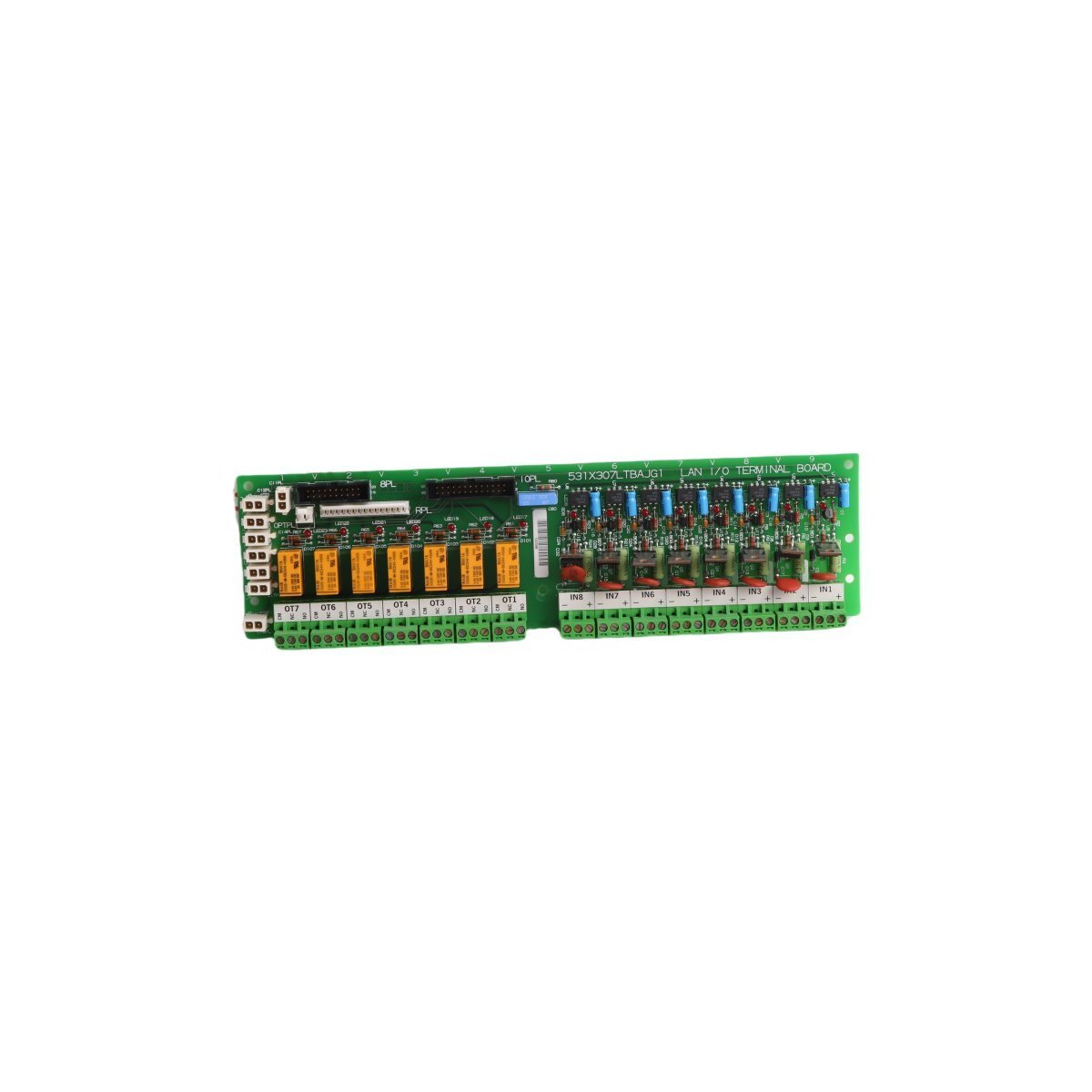
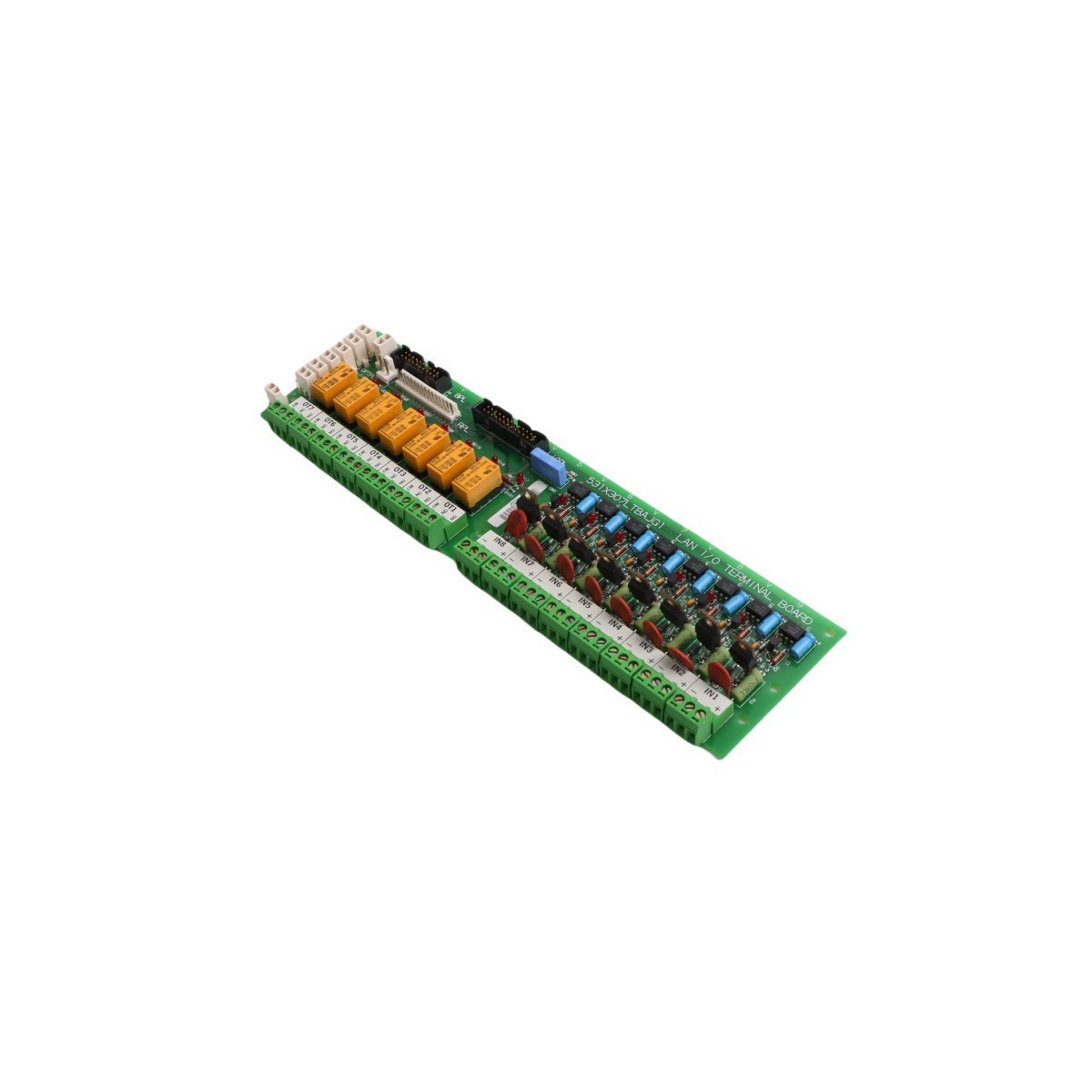
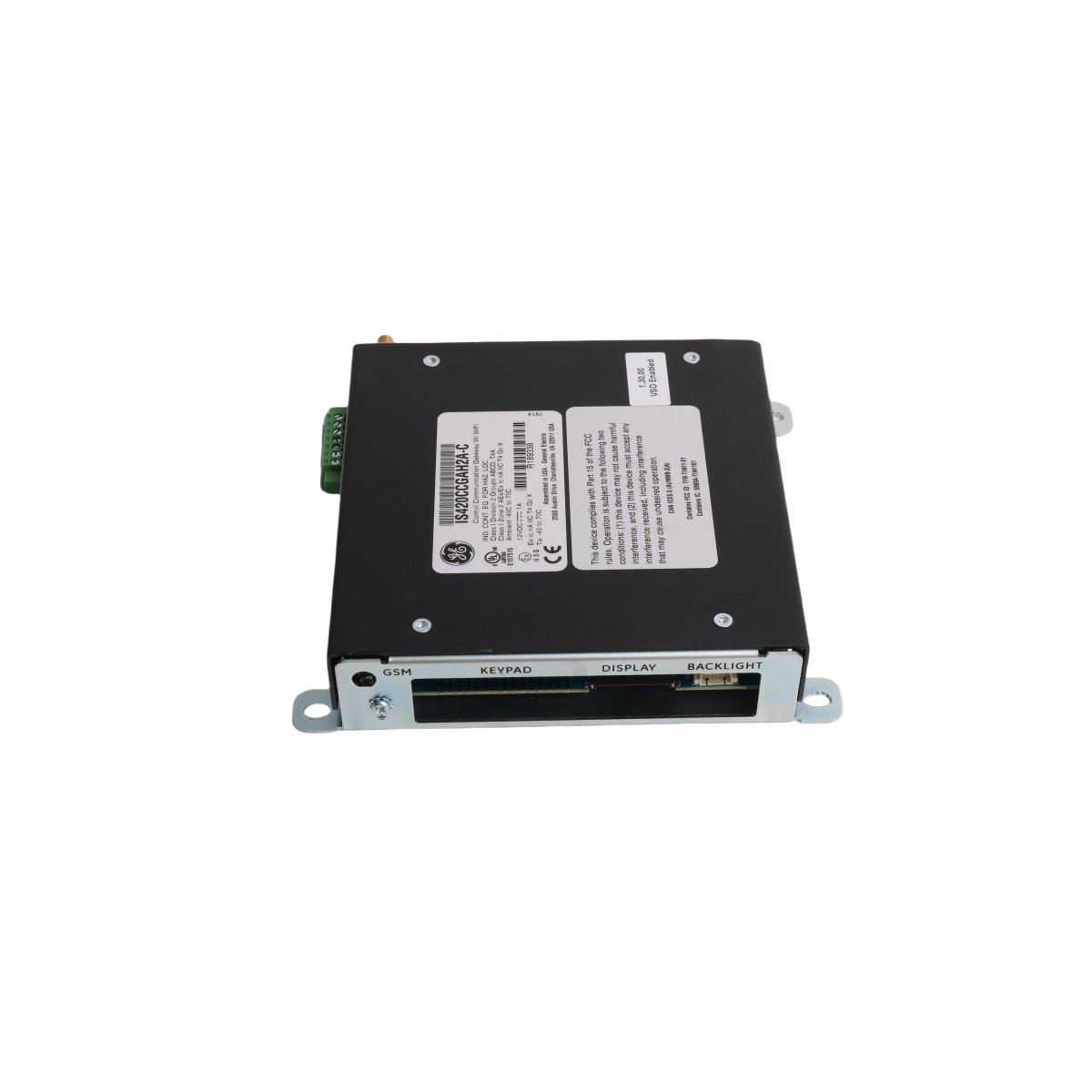
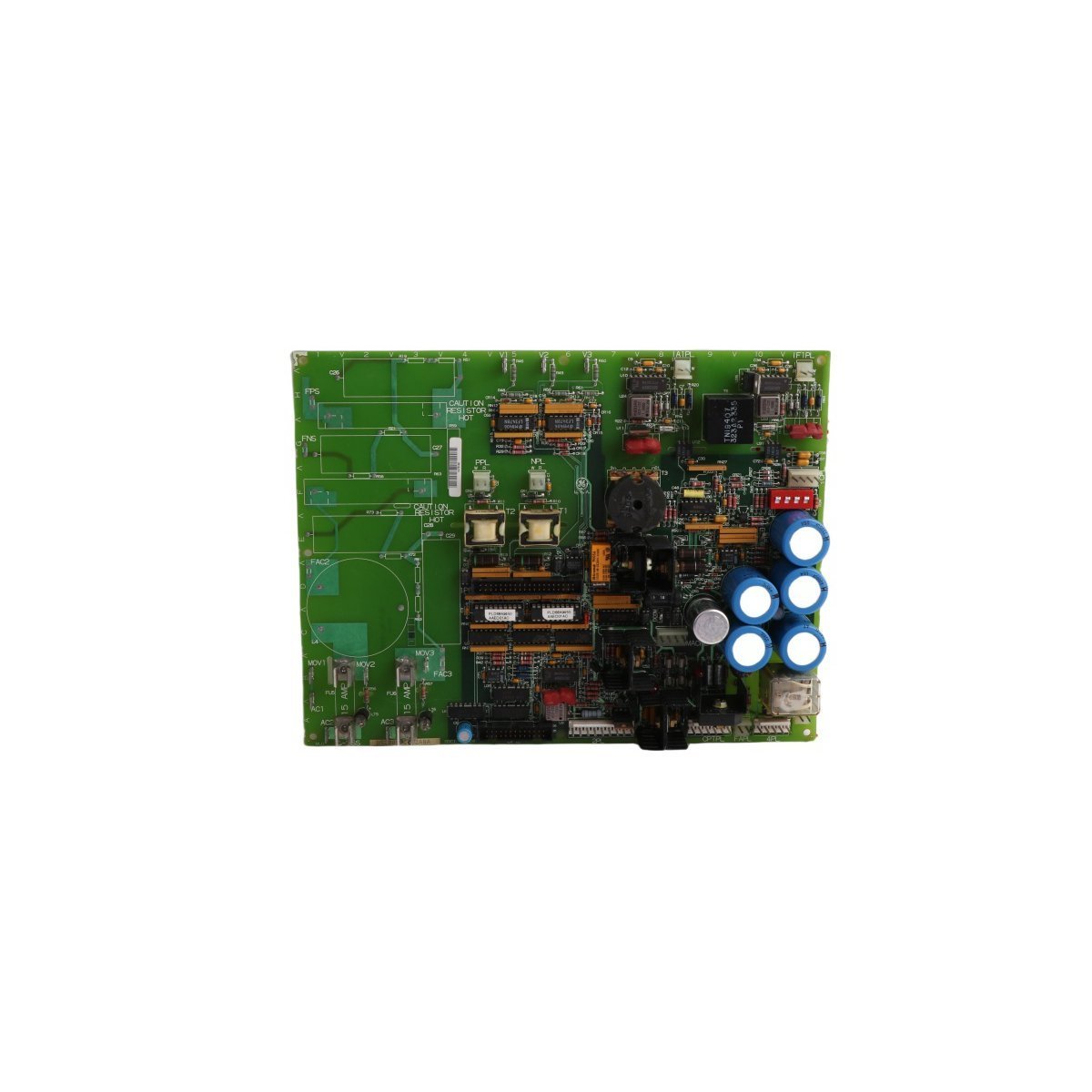
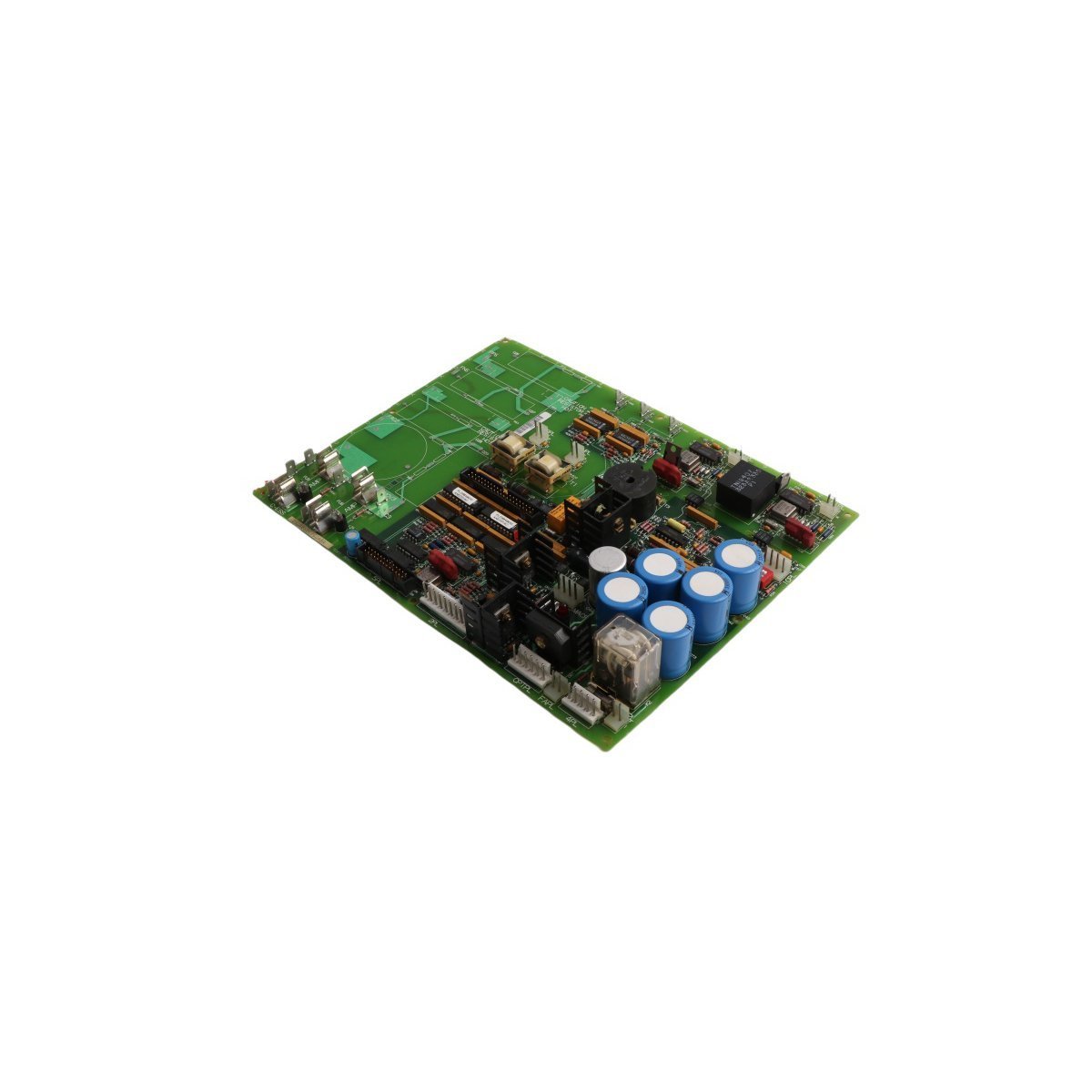
The General Electric IS200TDBSH2A functions as a specialized terminal board within the Mark VI control architecture. Engineers designed this module to serve as a critical interface for discrete input and output signals in gas and steam turbine management systems. By providing a secure and organized physical connection point, the board ensures signal integrity between field instrumentation and the primary turbine control system.
Technical Specifications
- Model Number: IS200TDBSH2A
- Manufacturer: General Electric (GE)
- Series: Mark VI
- Module Category: Discrete Simplex Terminal Board
- Input/Output Interfaces: Two 48-terminal blocks (TB1 and TB2)
- Power Requirements: 24V DC
- Operating Temperature: -40°C to +70°C
- Dimensions: 2.1 cm x 18.6 cm x 26.3 cm
- Weight: 0.22 kg
Functional Characteristics
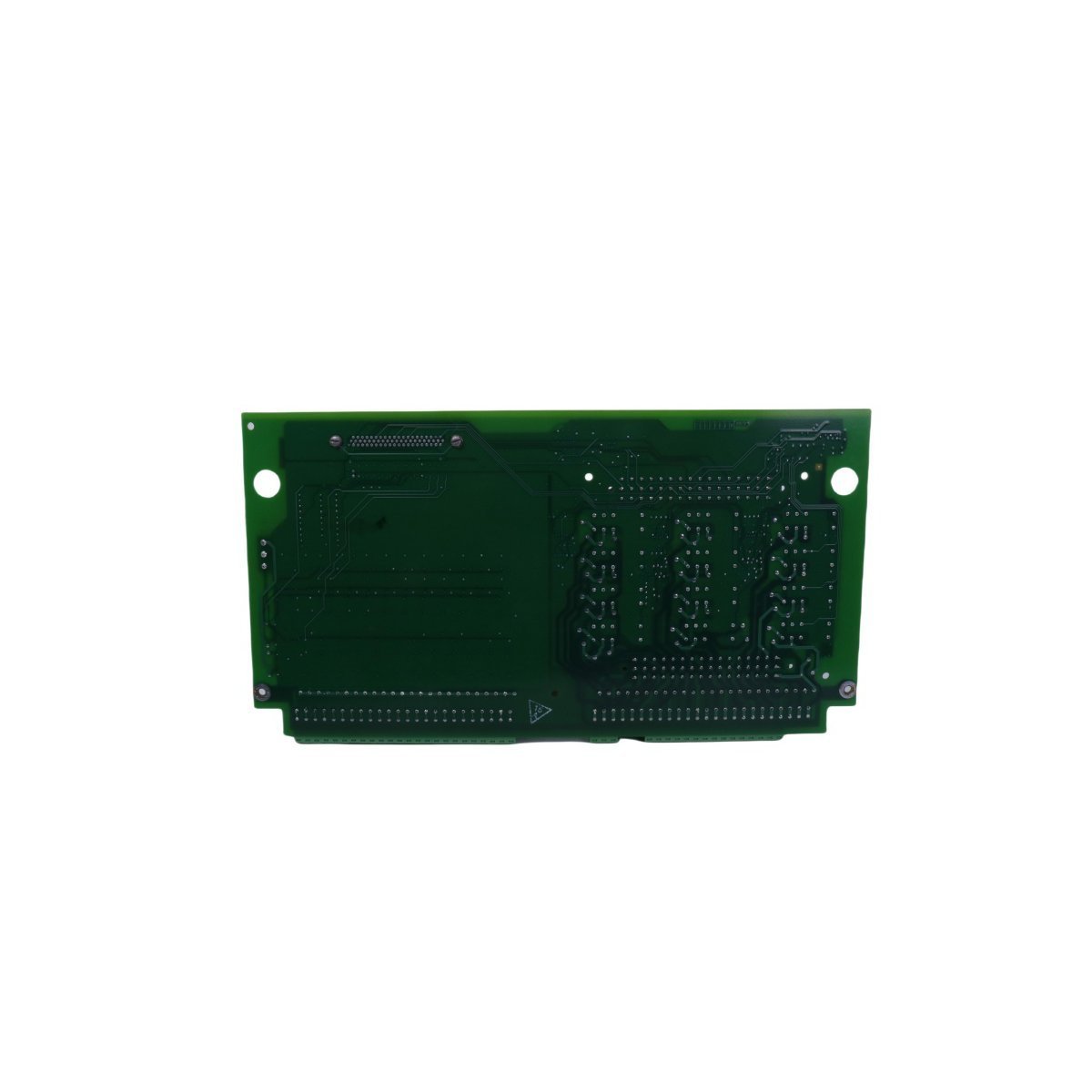
This terminal board optimizes signal distribution through its highly structured layout. The two vertically aligned terminal blocks, TB1 and TB2, allow technicians to terminate up to 96 individual signal wires; this feature effectively reduces cabinet congestion. Furthermore, the board incorporates a dedicated interface connector, which facilitates rapid data exchange between the terminal layer and the associated control processor. Moreover, the PCB construction provides inherent resistance to the thermal fluctuations and industrial vibration common in turbine enclosures. Consequently, the unit maintains consistent communication paths for essential control loops, which supports the overall reliability of the excitation and turbine control systems.
Industrial Applications
Maintenance teams rely on the IS200TDBSH2A for its seamless integration into GE Speedtronic and EX2100 control platforms. Its primary utility involves the collection and distribution of discrete status signals, such as limit switches, relay states, and emergency shutdown triggers. Since the board handles high-density I/O requirements in a compact footprint, facility managers select this component for modernizing existing turbine control cabinets. Additionally, by ensuring stable electrical connections, the module helps operators maintain continuous, safe production cycles. Ultimately, this integration prevents data degradation, which remains vital in complex, high-stakes industrial automation environments.