You are here:
SKU: CAI20 P72122-4-0788722

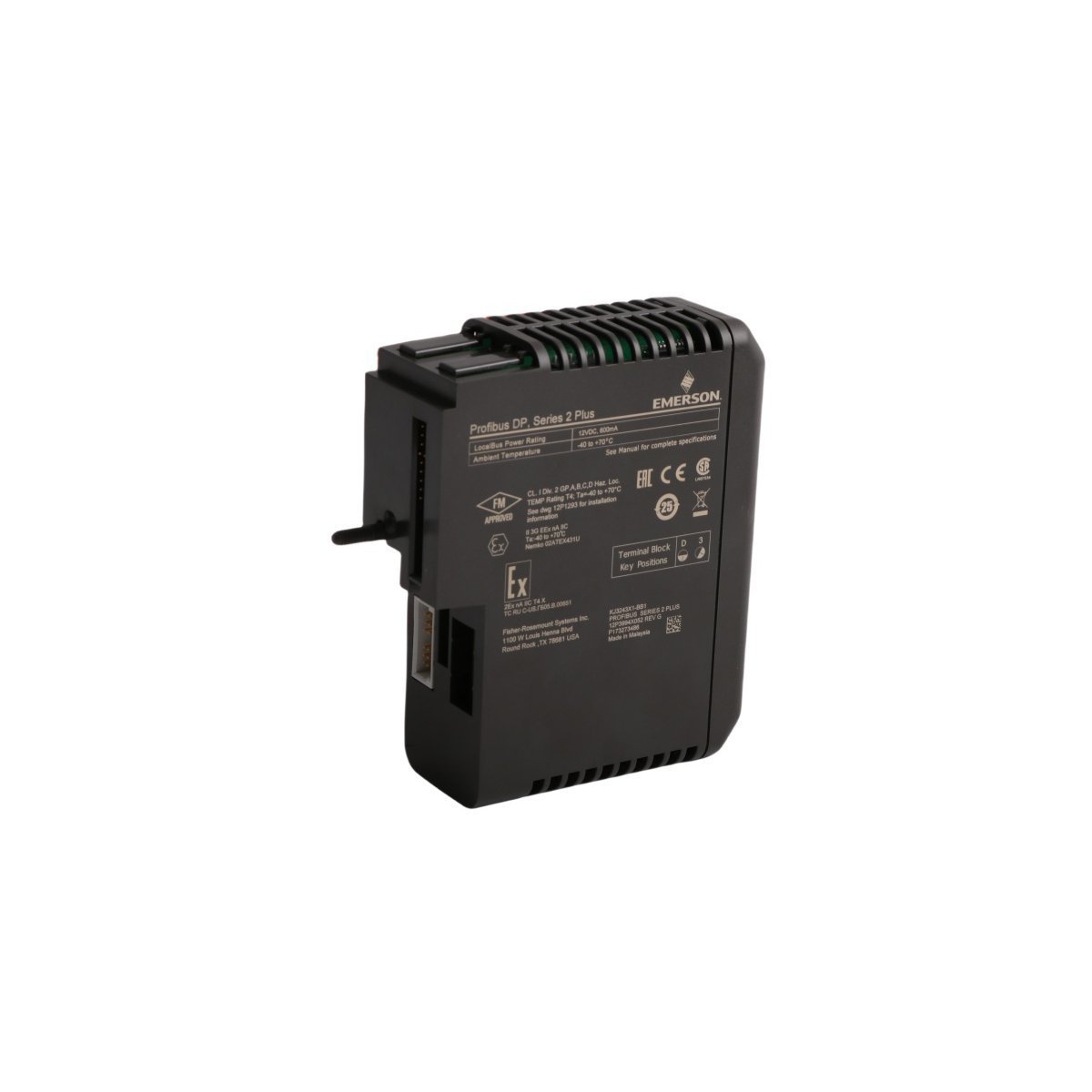
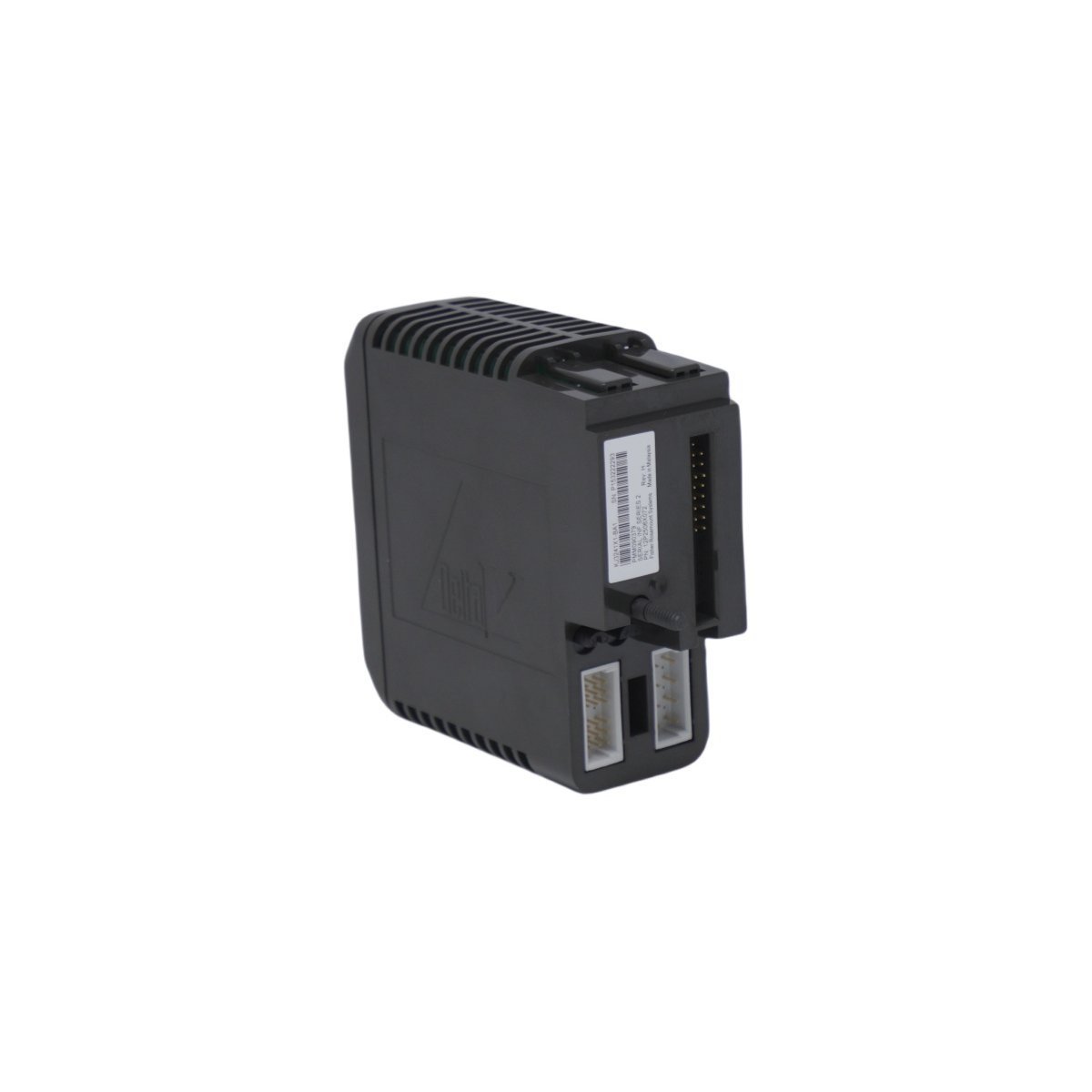
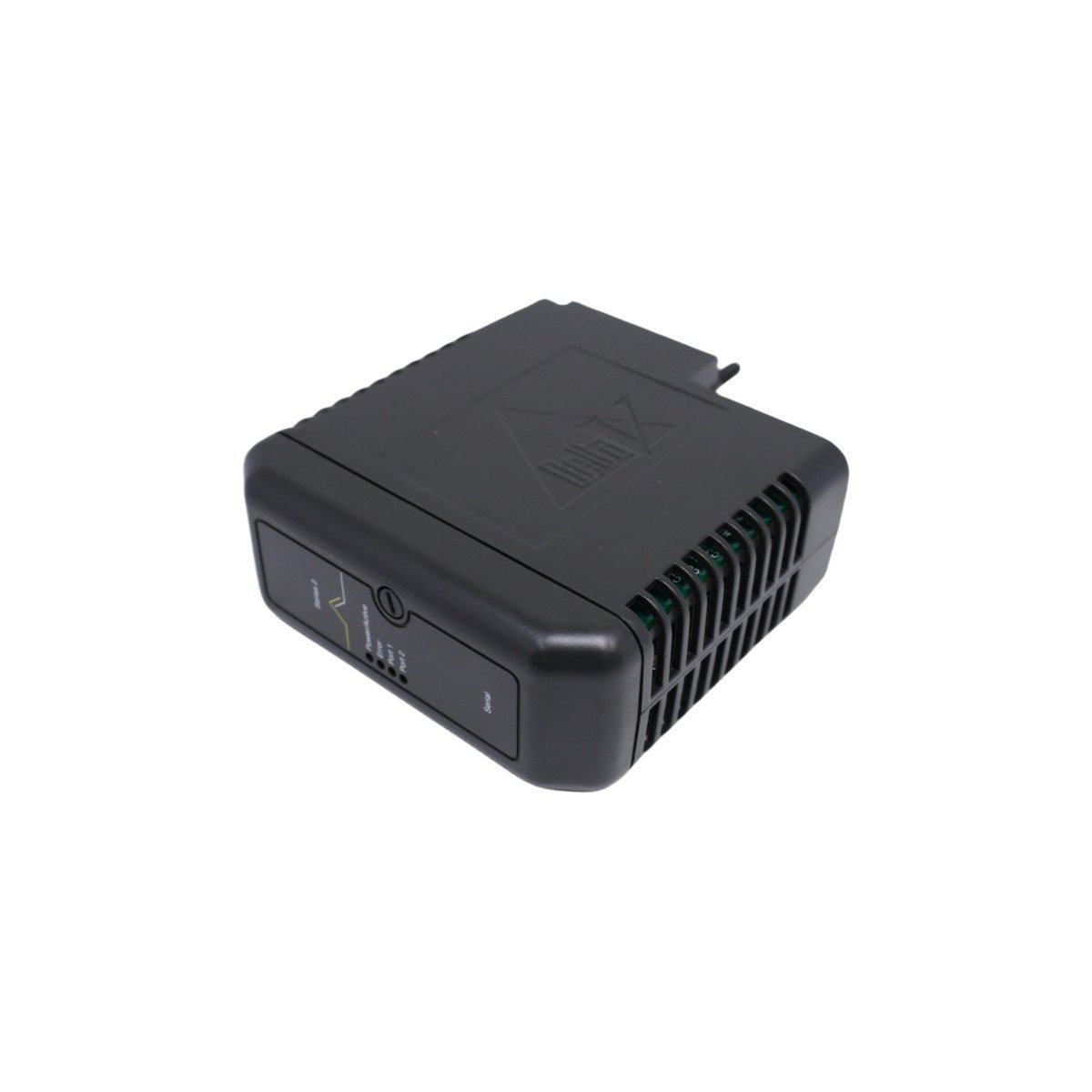
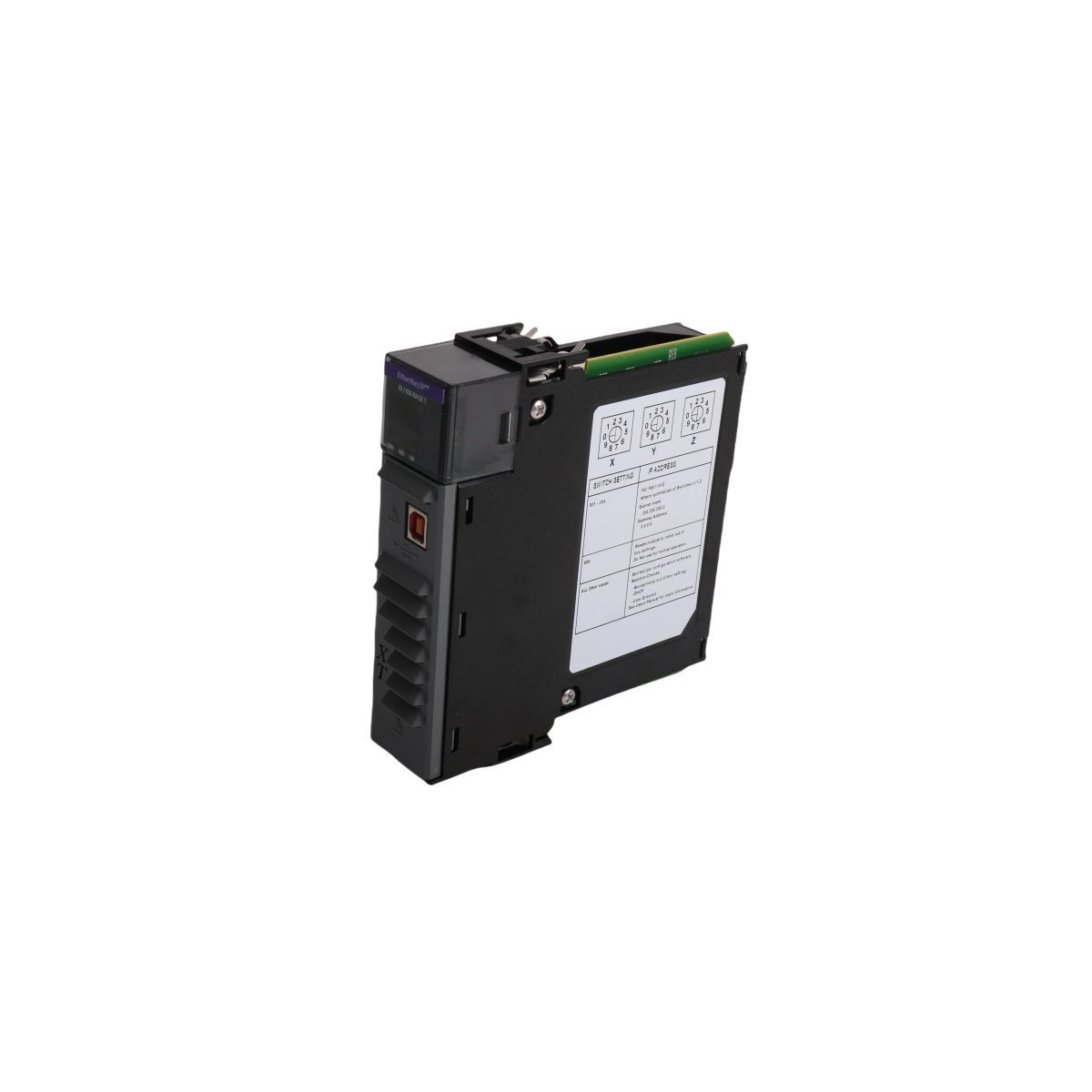
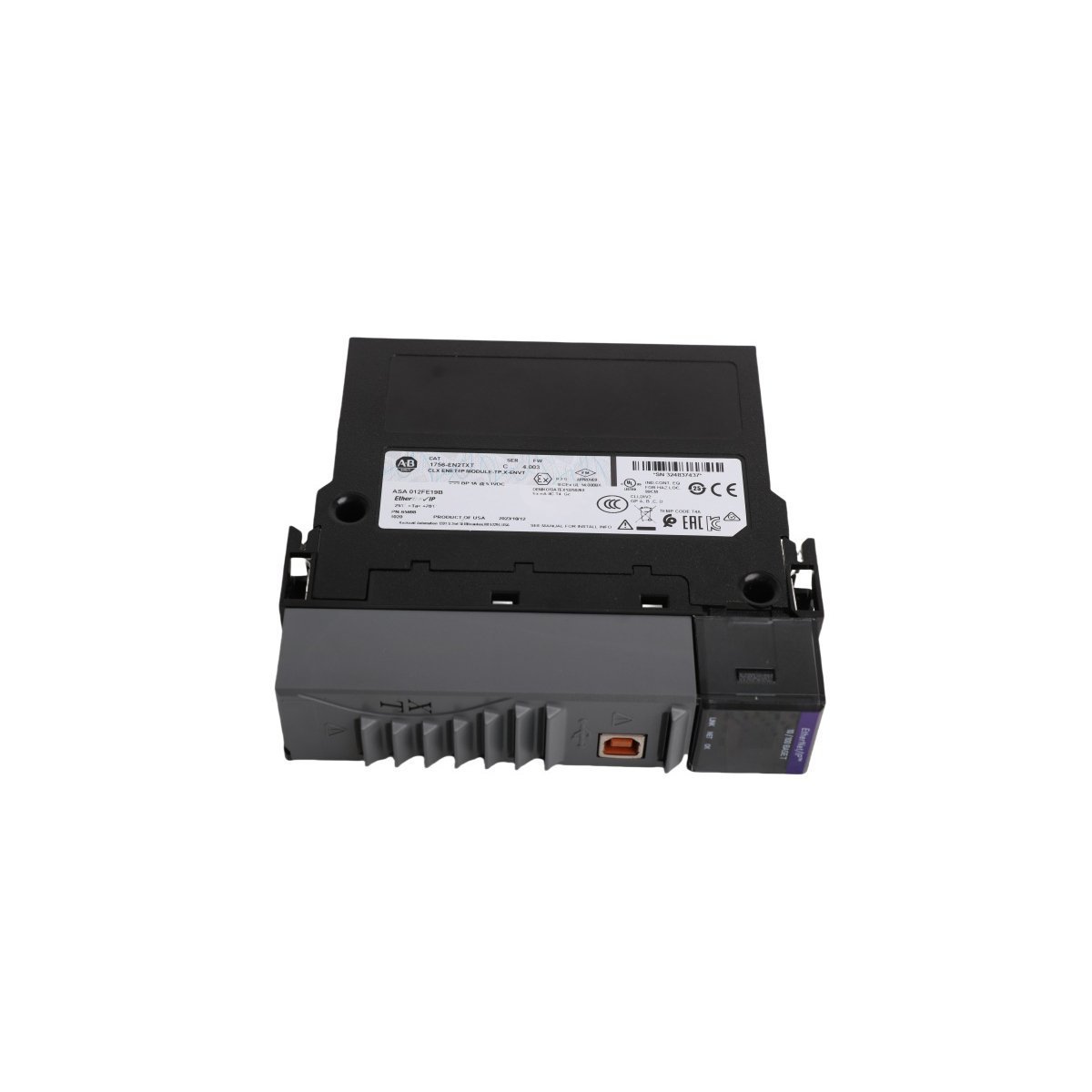
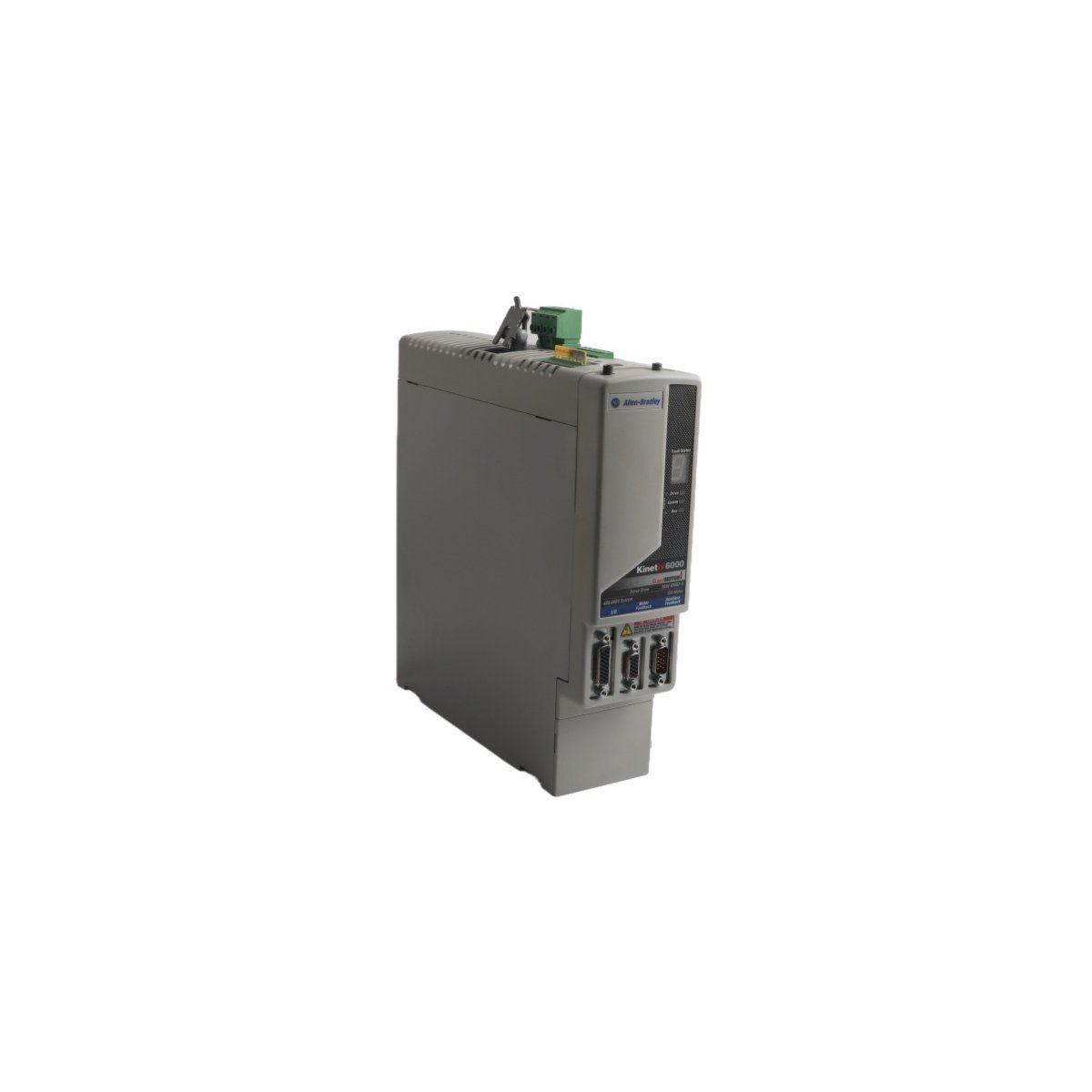
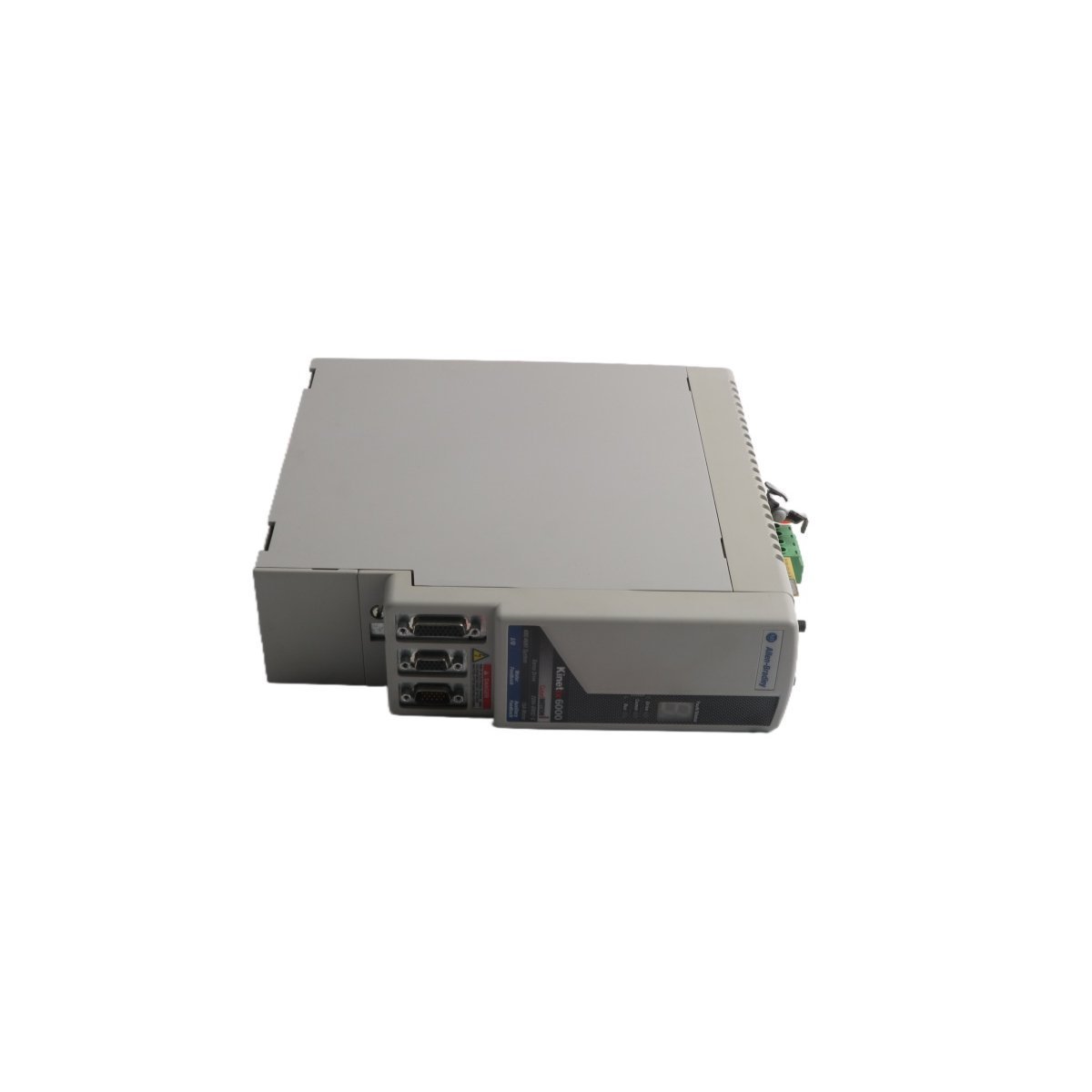
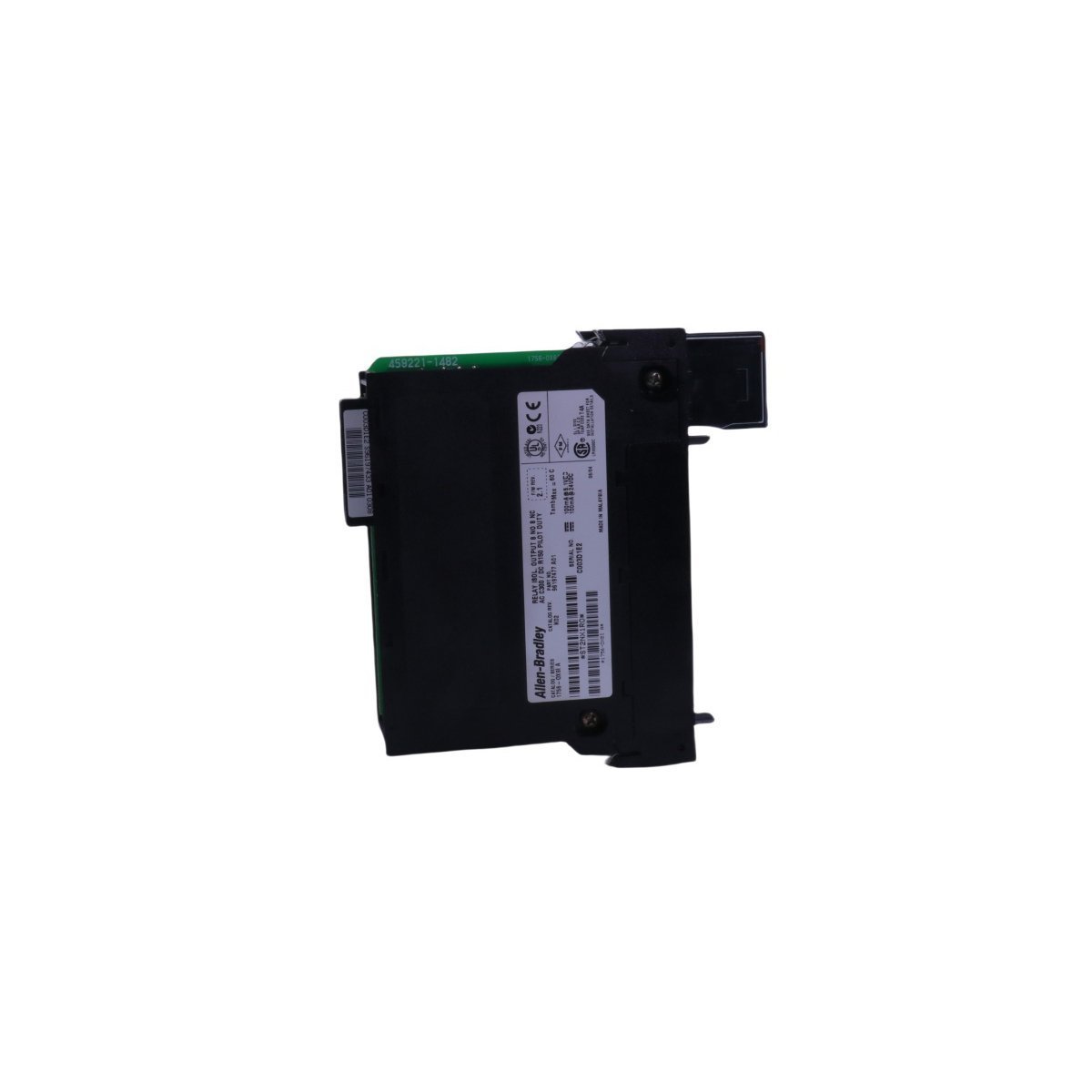
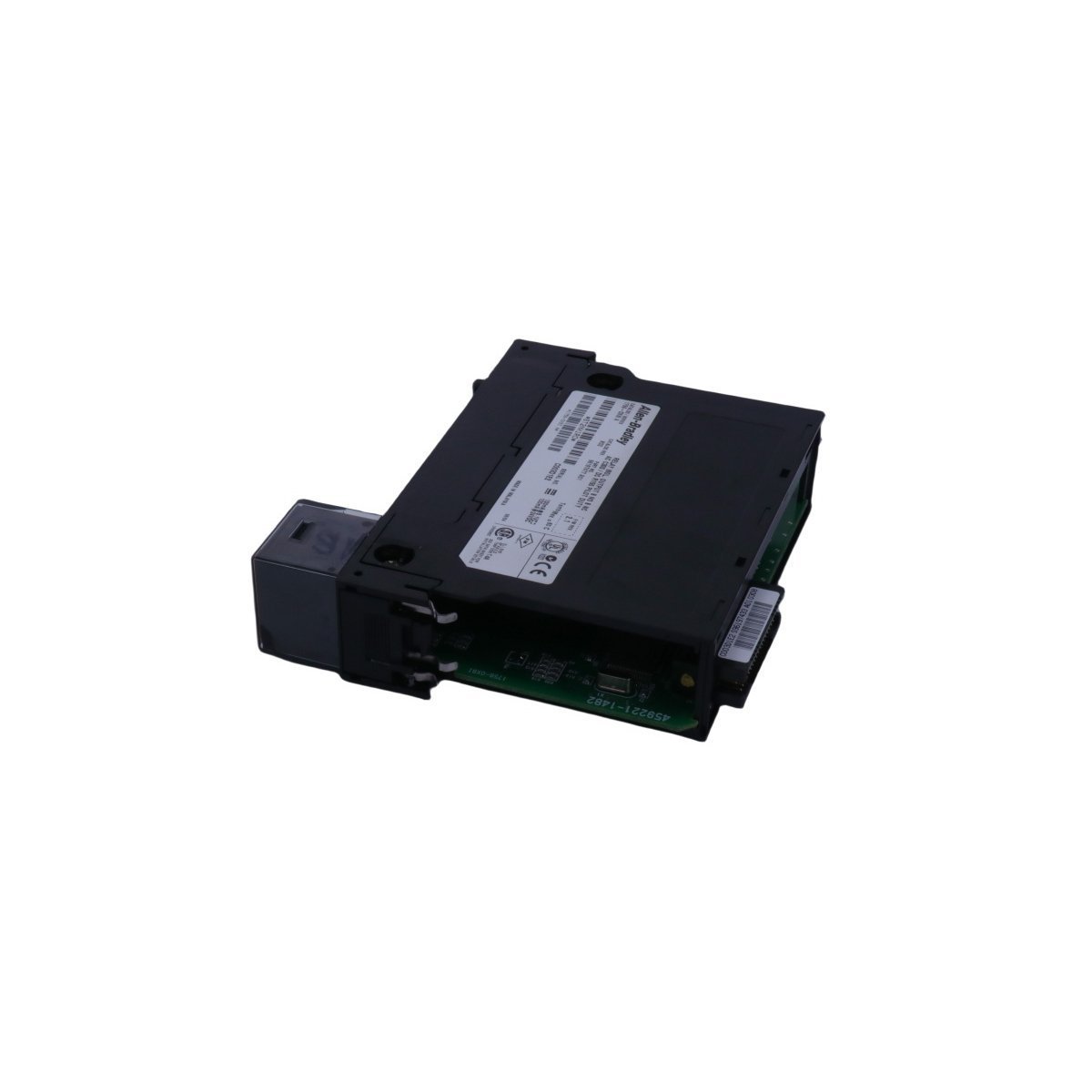
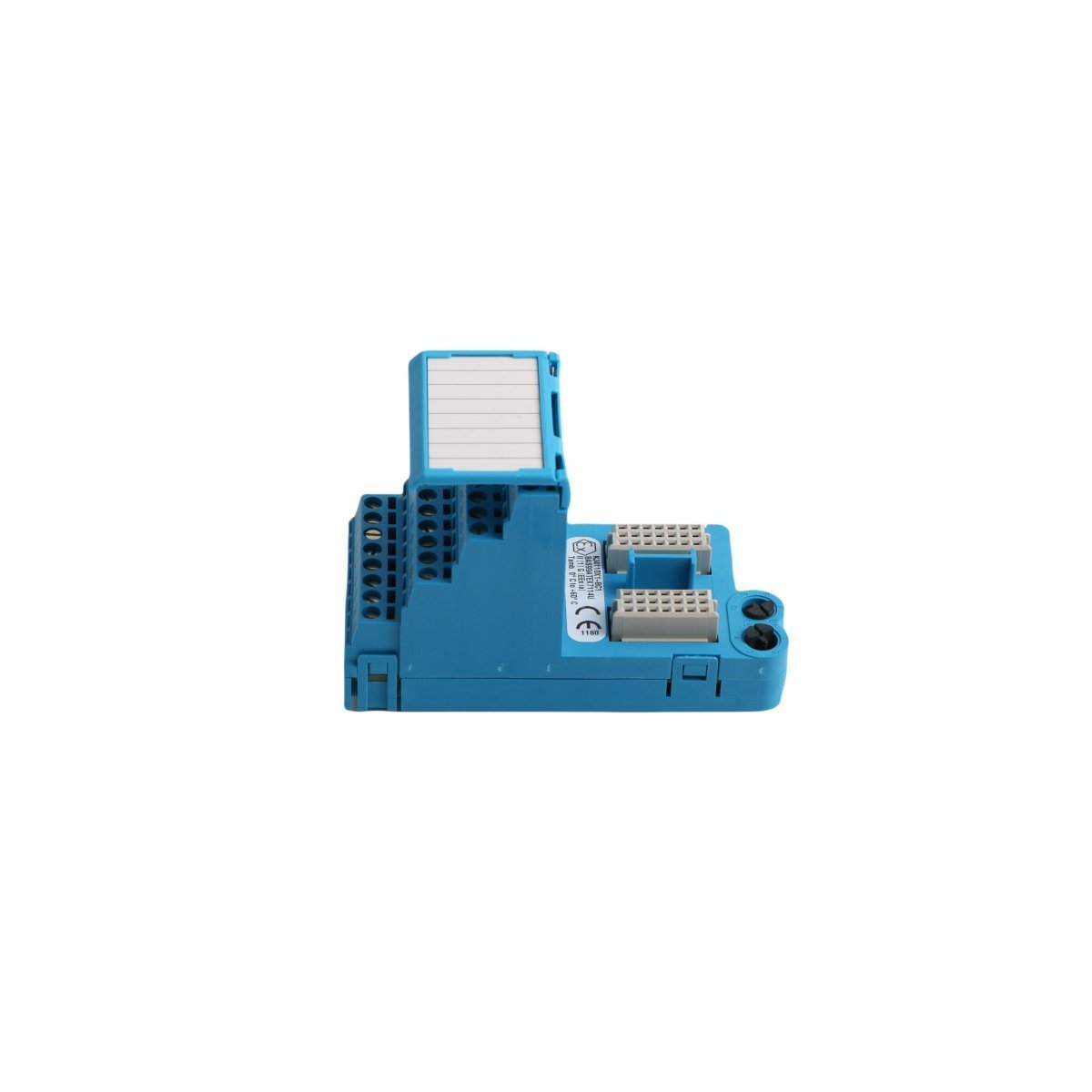
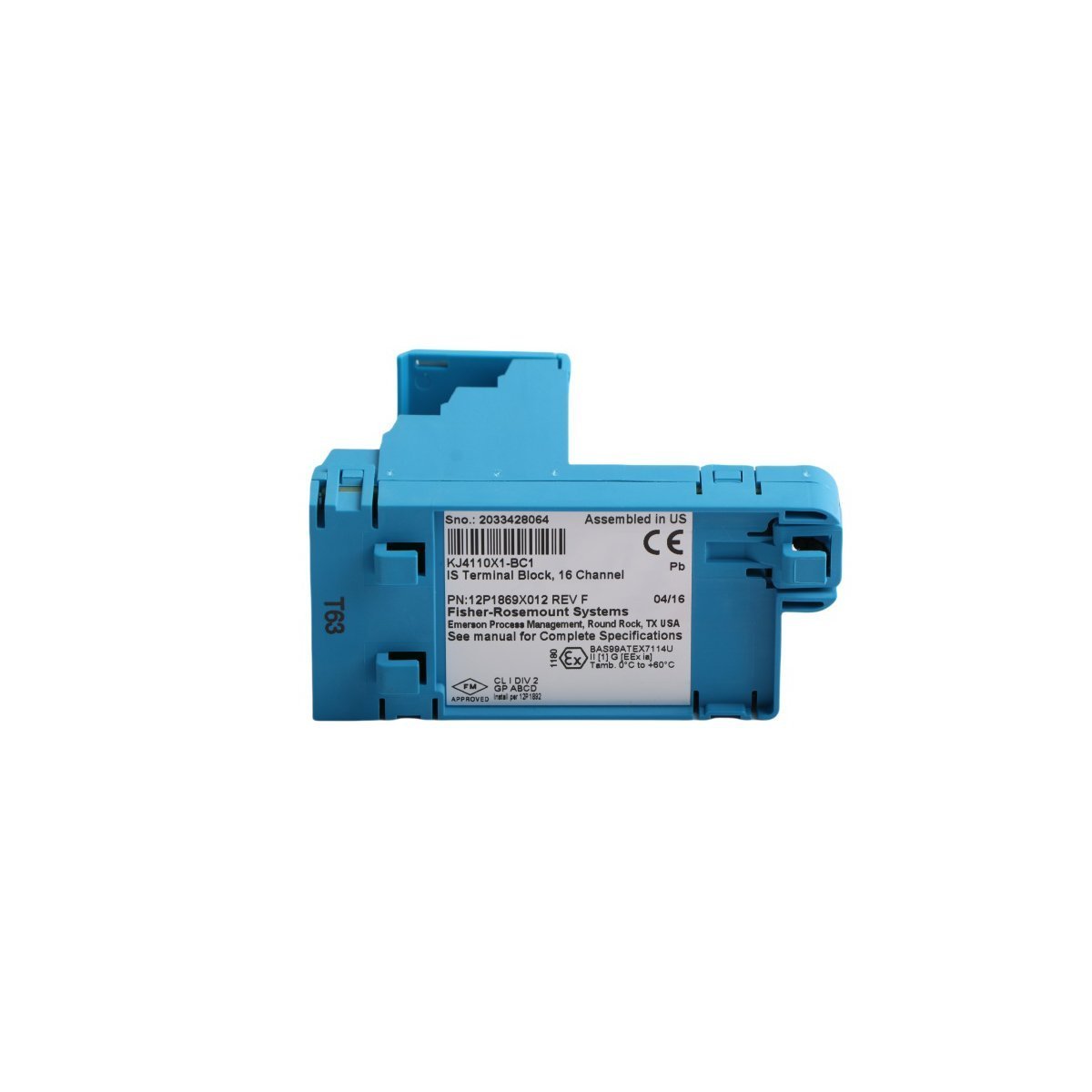
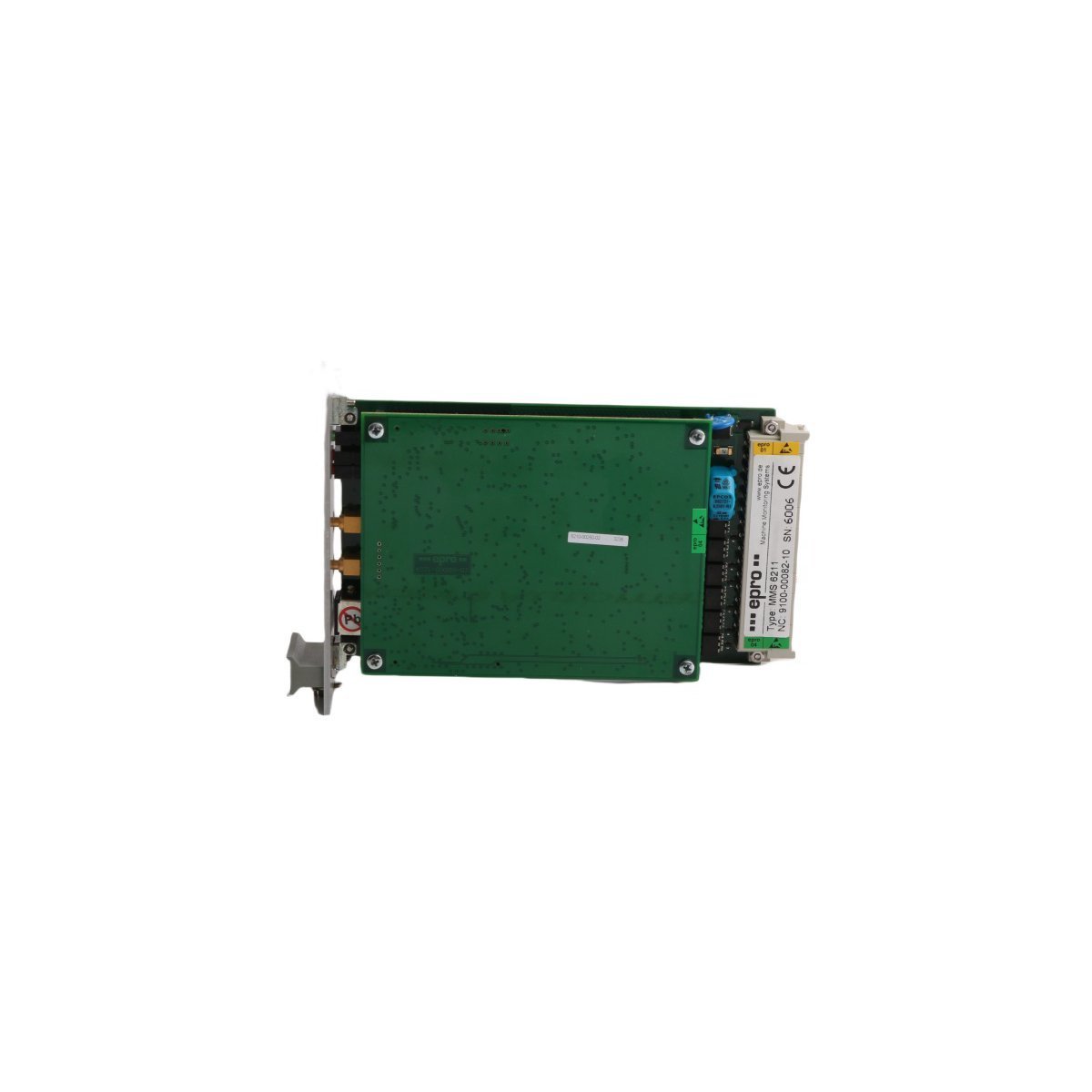
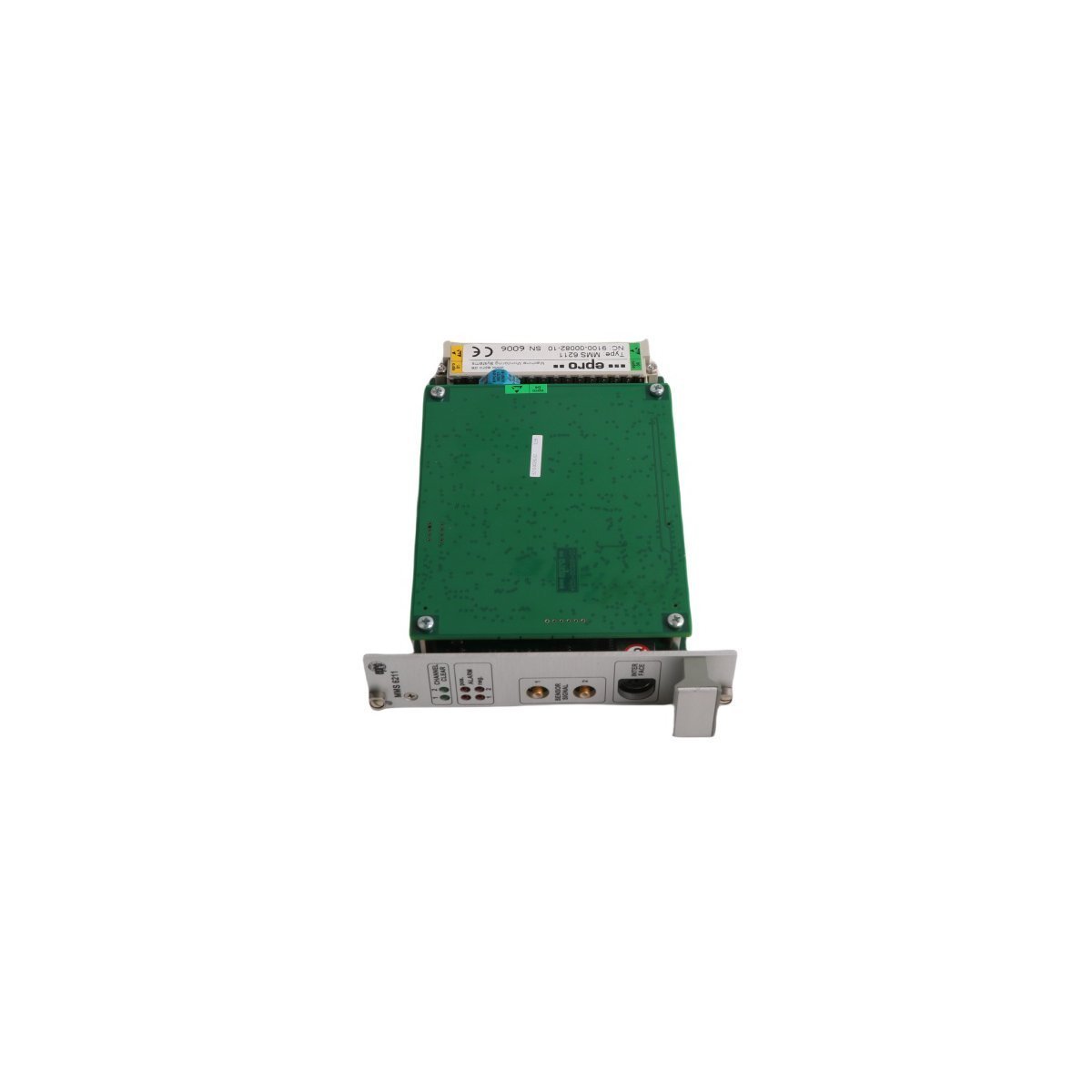
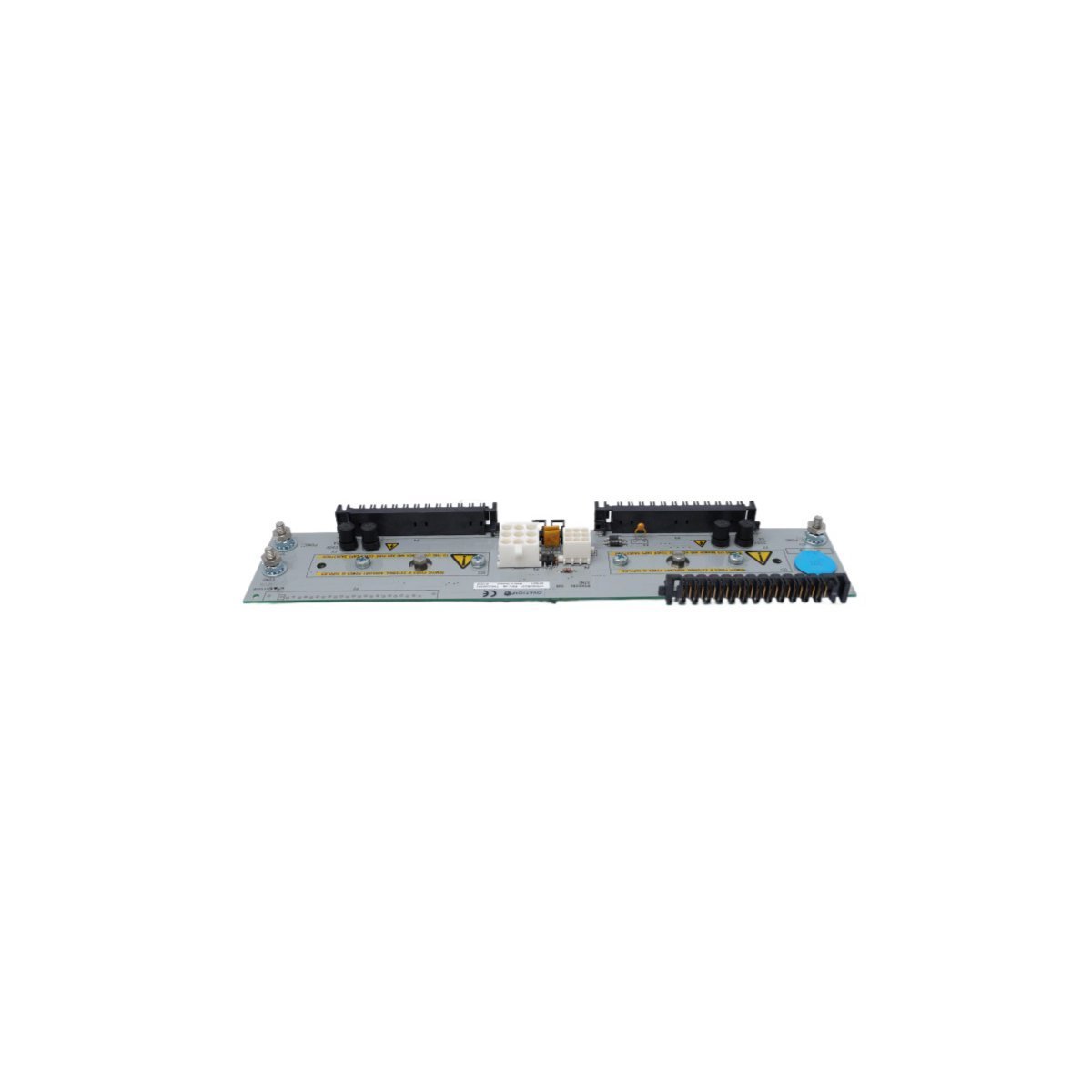
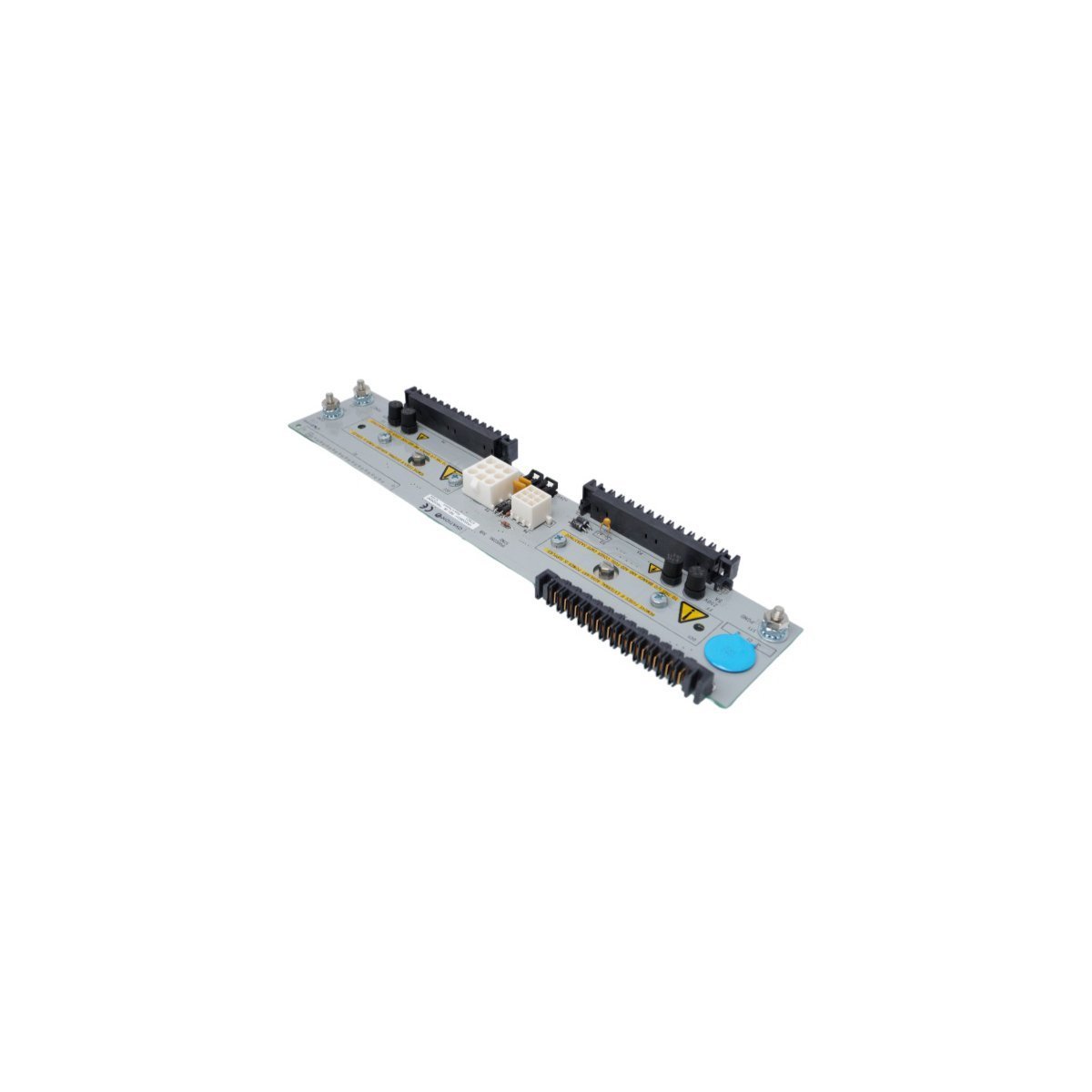
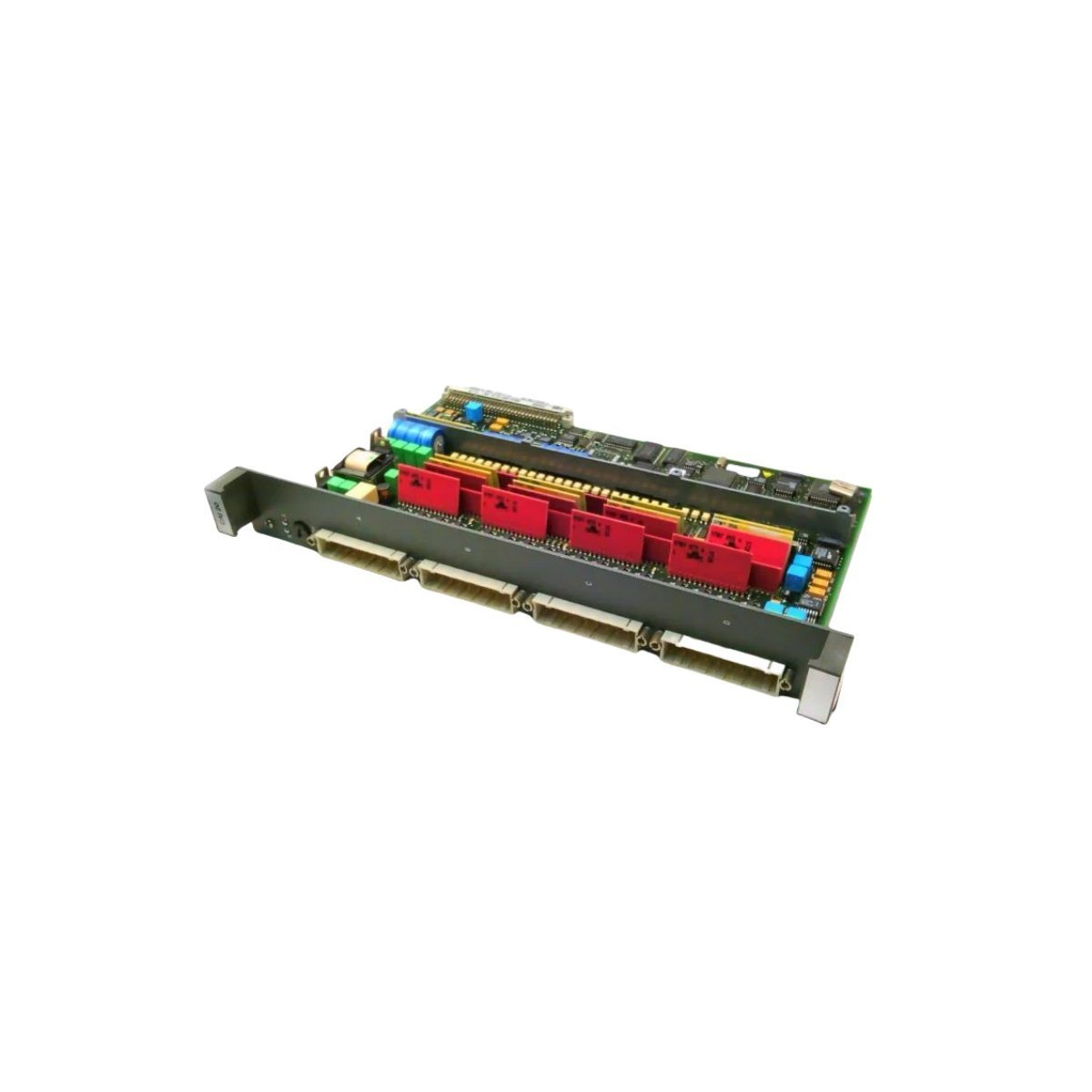
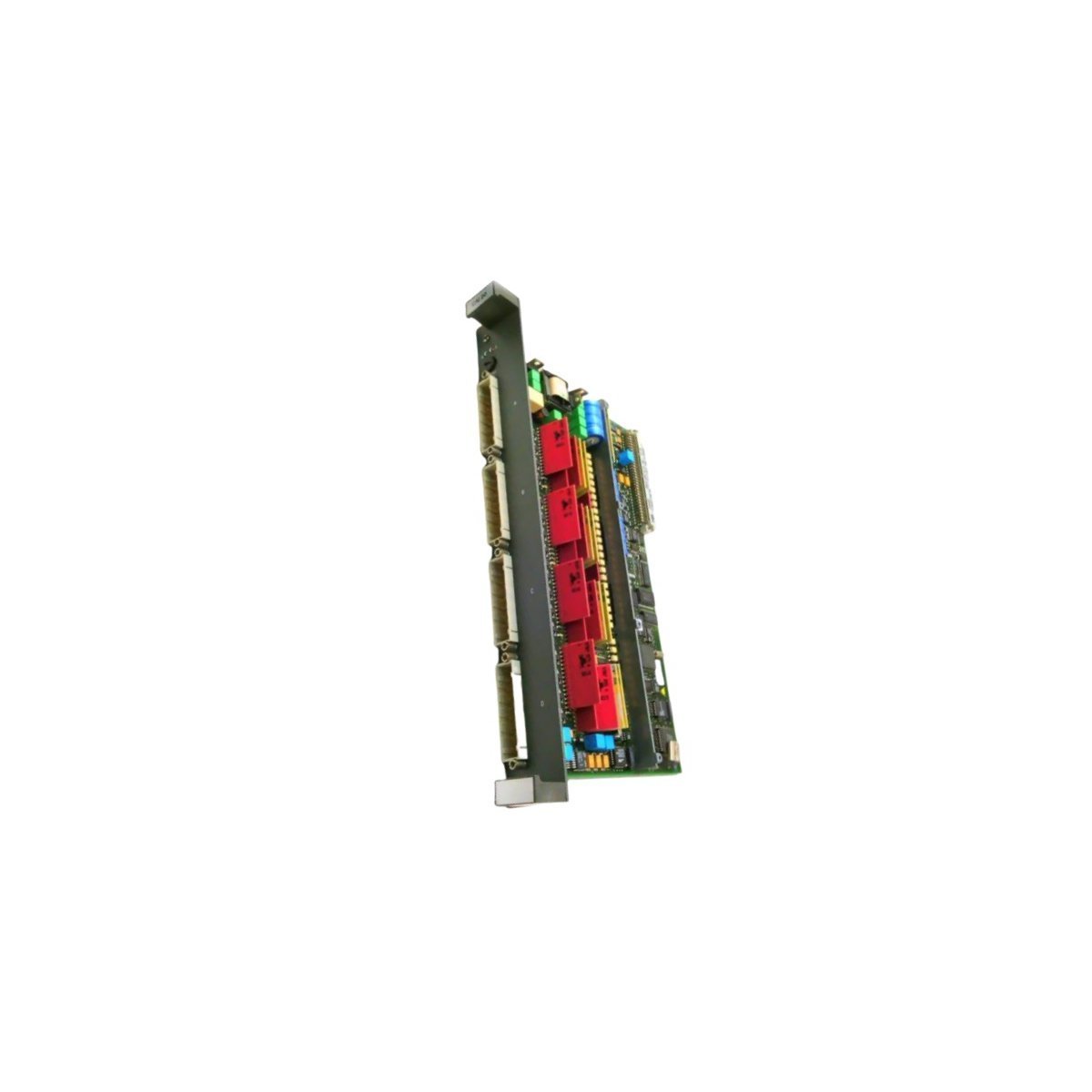
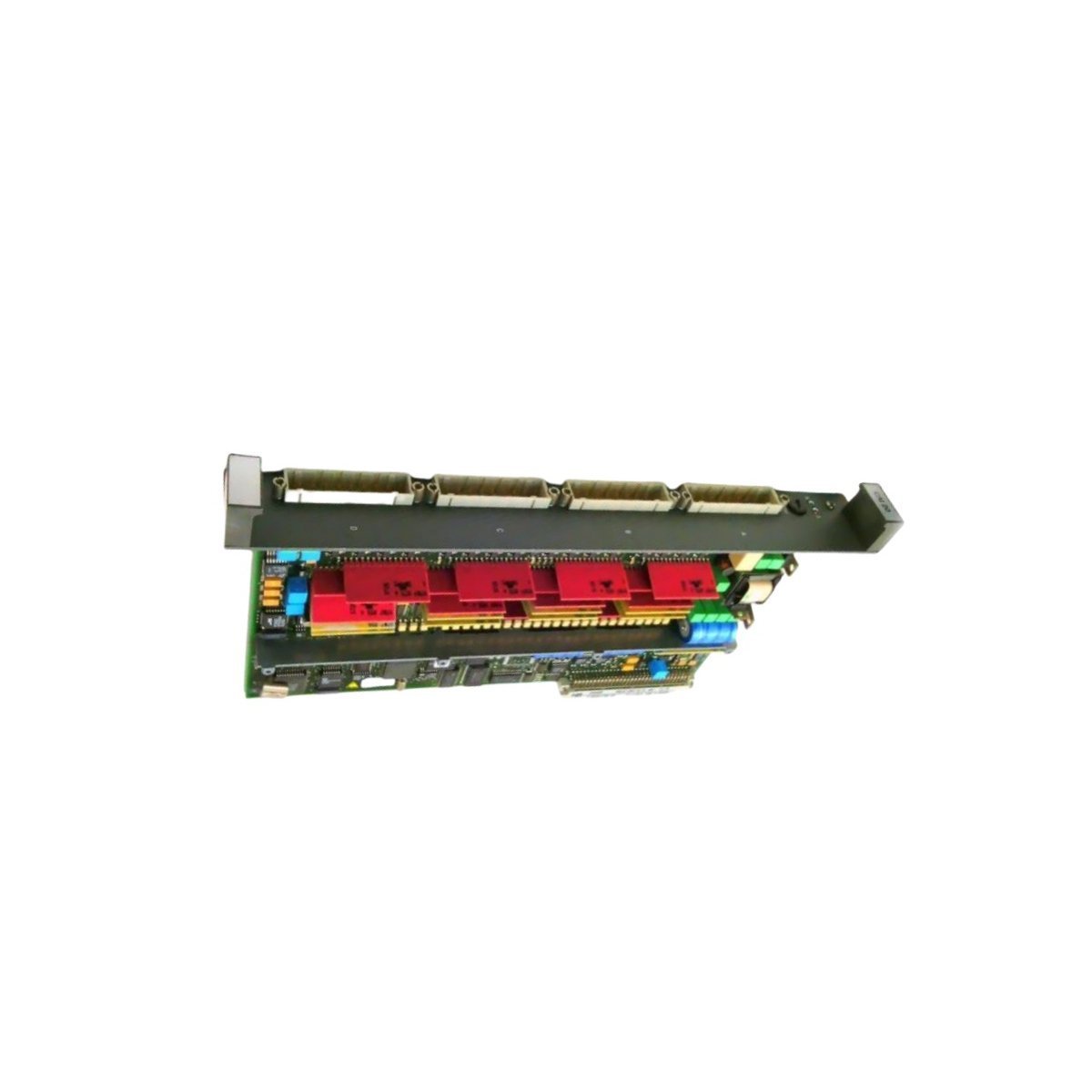
ABB CAI20 P72122-4-0788722 Board PLC

Procure the ABB CAI20 P72122-4-0788722 Board PLC module, engineered for high-density 32-channel current monitoring up to 20 A. Certified original surplus item with comprehensive replacement warranty. Place your industrial automation order online now.

The ABB CAI20 P72122-4-0788722, also cataloged as the CAI20 Board PLC, operates as a dedicated hardware component for 32-channel analog current monitoring within distributed control systems and motor drive configurations. The hardware executes multi-point AC/DC current acquisition up to a 0-20 A range across its physical terminals, transforming measured values into standardized linear representations. Utilizing an internal backplane data link, the module functions as a fieldbus-mapped network component, transferring digitized channel values directly to central processors via industrial Ethernet sub-tracks to eliminate local processing delay or signal skews.

Hardware Specifications

ParameterSpecification
ModelCAI20 P72122-4-0788722
BrandABB
OriginSweden
Weight1.4 kg
Dimensions40 mm x 260 mm x 272 mm
Operating Temp0 to +55 deg C
Power Consumption<= 15 W (Typical Backplane Load)
Module TypeBoard PLC / Analog Input Card
Channel Density32 Independent Analog Inputs
Measurement Range0-20 A AC/DC
System IntegrationDCS / Legacy Drive Bus
Communication ServiceEthernet router / Backplane mapping
Measurement Accuracyplus/minus 0.5% full scale
Electrical Isolation2.5 kV DC channel-to-backplane
Enclosure RatingIP20

Industrial Control Determinism and Backplane Performance

The ABB CAI20 P72122-4-0788722 utilizes specialized backplane bus communication velocity licences to handle synchronous multi-channel scanning without degrading critical execution timeframes. The 32-channel analog architecture integrates hardware-level processing sub-routines that guarantee fixed bus updates across deterministic networks like EtherNet/IP or Profinet frameworks. To preserve accuracy under peak plant electrical noise, the module routes field instrumentation lines through dedicated filtering components prior to analog-to-digital conversion stages. The integrated firmware flash compatibility ensures uniform calibration parameters are maintained throughout long-term operations, preventing scan cycle latency degradation regardless of active channel density.

Frequently Asked Questions

Q: How does the module maintain internal safety if a single field loop encounters a major short circuit?

A: The module architecture relies on a 2.5 kV galvanic isolation barrier separating the channel circuitry from the primary logic backplane. A localized catastrophic fault remains constrained within the specific terminal group, shielding the master DCS rack from voltage spikes.

Q: Are there hardware limits when hot-swapping this module under active system operations?

A: No, live extraction of this card from the active communication sub-rack is prohibited while backplane data transfer is occurring. To prevent communication disruptions across shared network nodes, system lines must be powered down before extraction.

Q: What triggers a channel mismatch fault during baseline initialization procedures?

A: Channel verification errors typically stem from a mismatch between the configured sensor ranges and physical field terminations. If an unconfigured channel senses current exceeding baseline thresholds, the module flags a hardware mismatch alert via the backplane status word.


Field Installation Guidelines

  • Mount the module inside an IP54 or higher industrial enclosure to prevent airborne conductive contaminants from breaching the IP20-rated circuit card card cage.
  • Route all current-carrying input wires completely separated from high-voltage AC motor lines. Maintain a minimum physical distance of 100 mm within the control trunking to mitigate inductive signal interference.
  • Shielding wire from the 0-20 A loops must terminate directly at the cabinet single-point ground plate. Never connect signal shields to the module’s sub-frame or create local ground loops.
  • Tighten terminal block fastening elements to the specified torque limits to minimize terminal terminal degradation and prevent high-impedance joints under high-vibration cabinet environments.