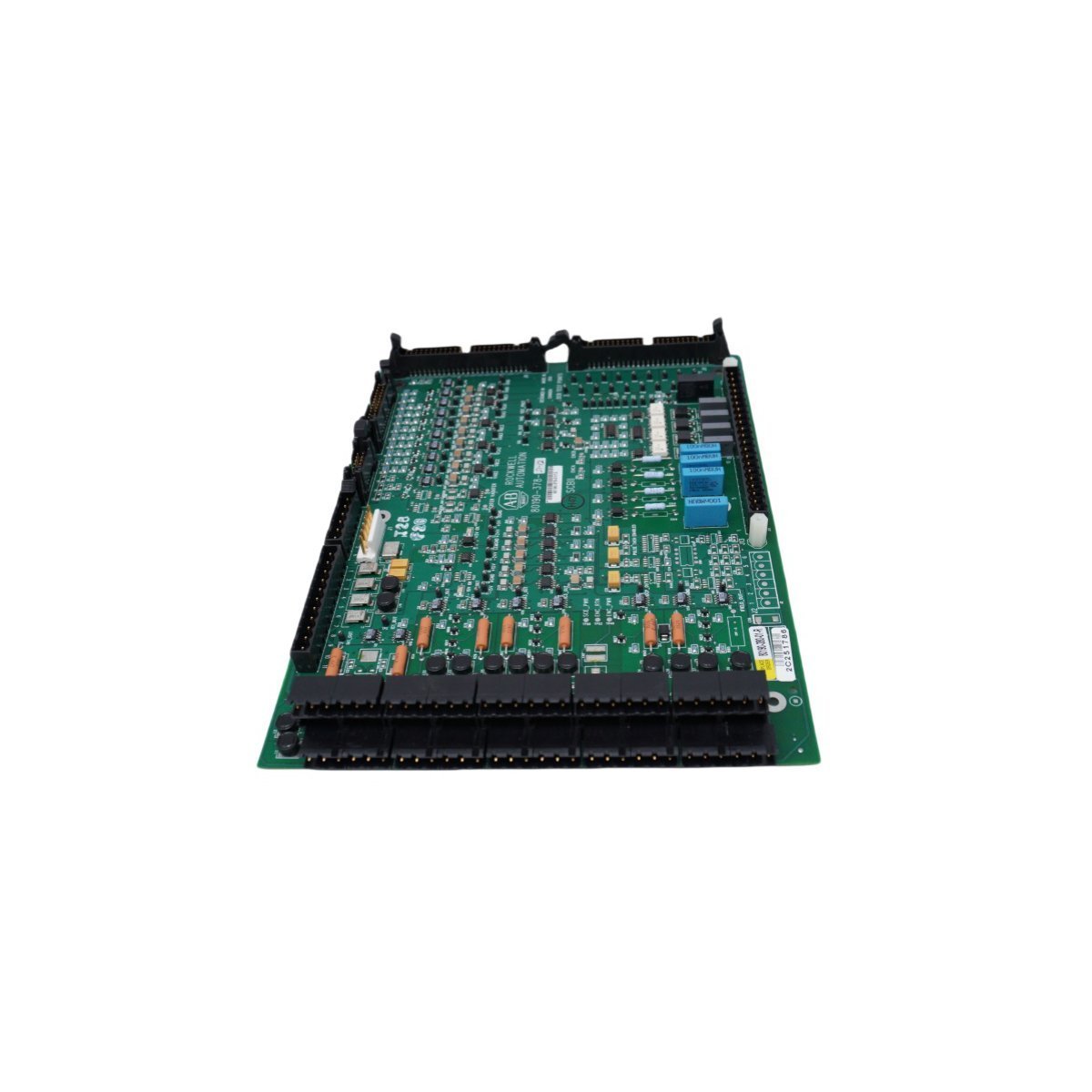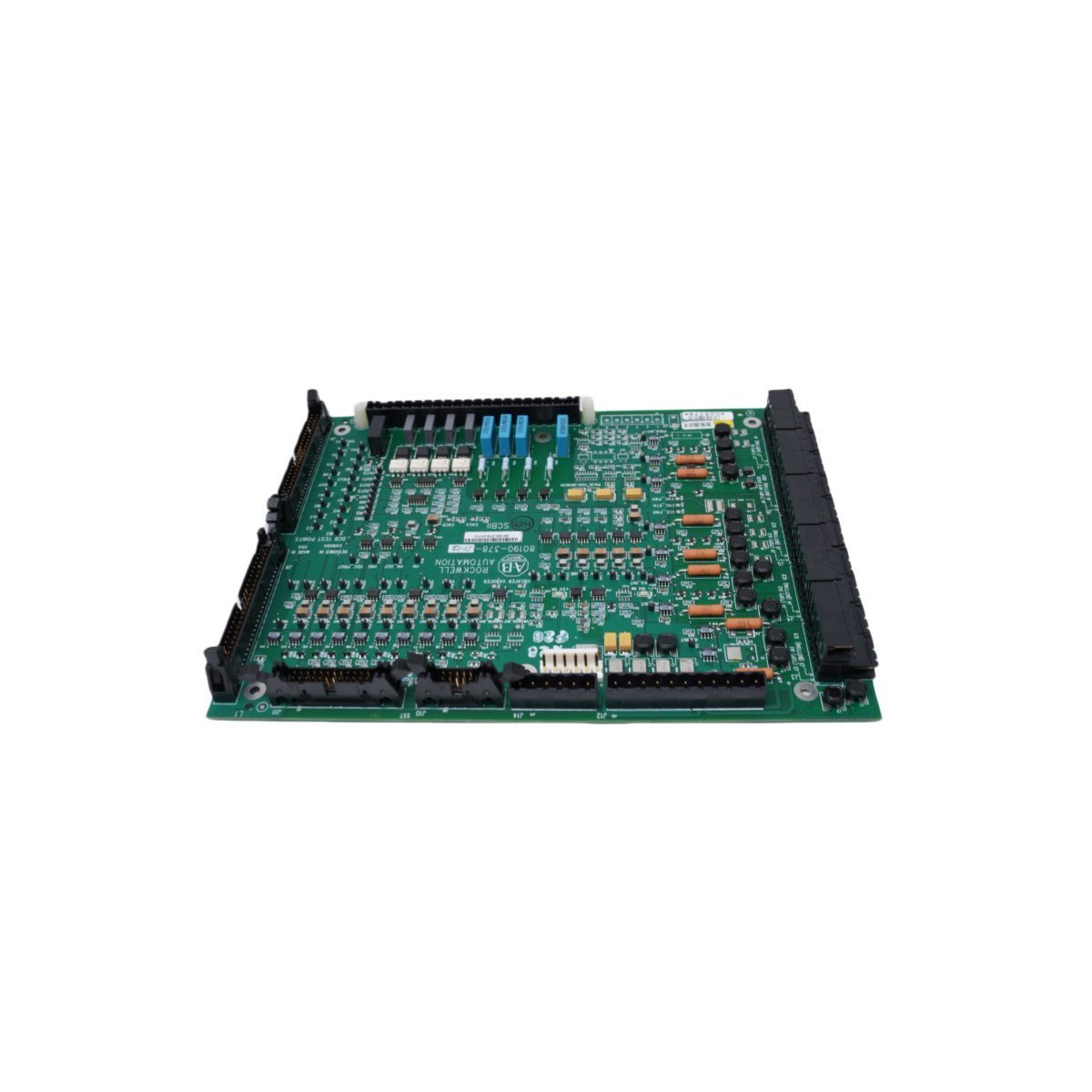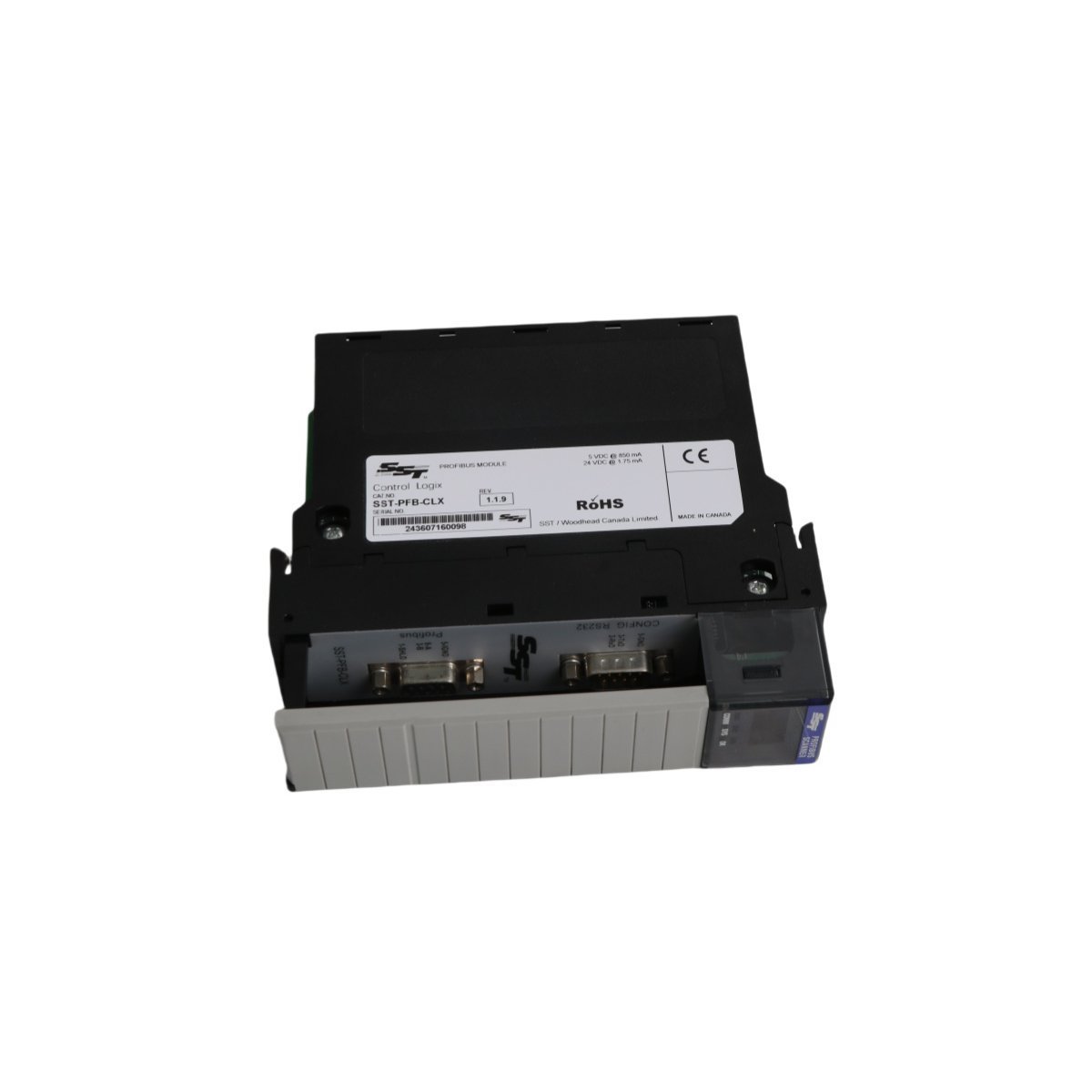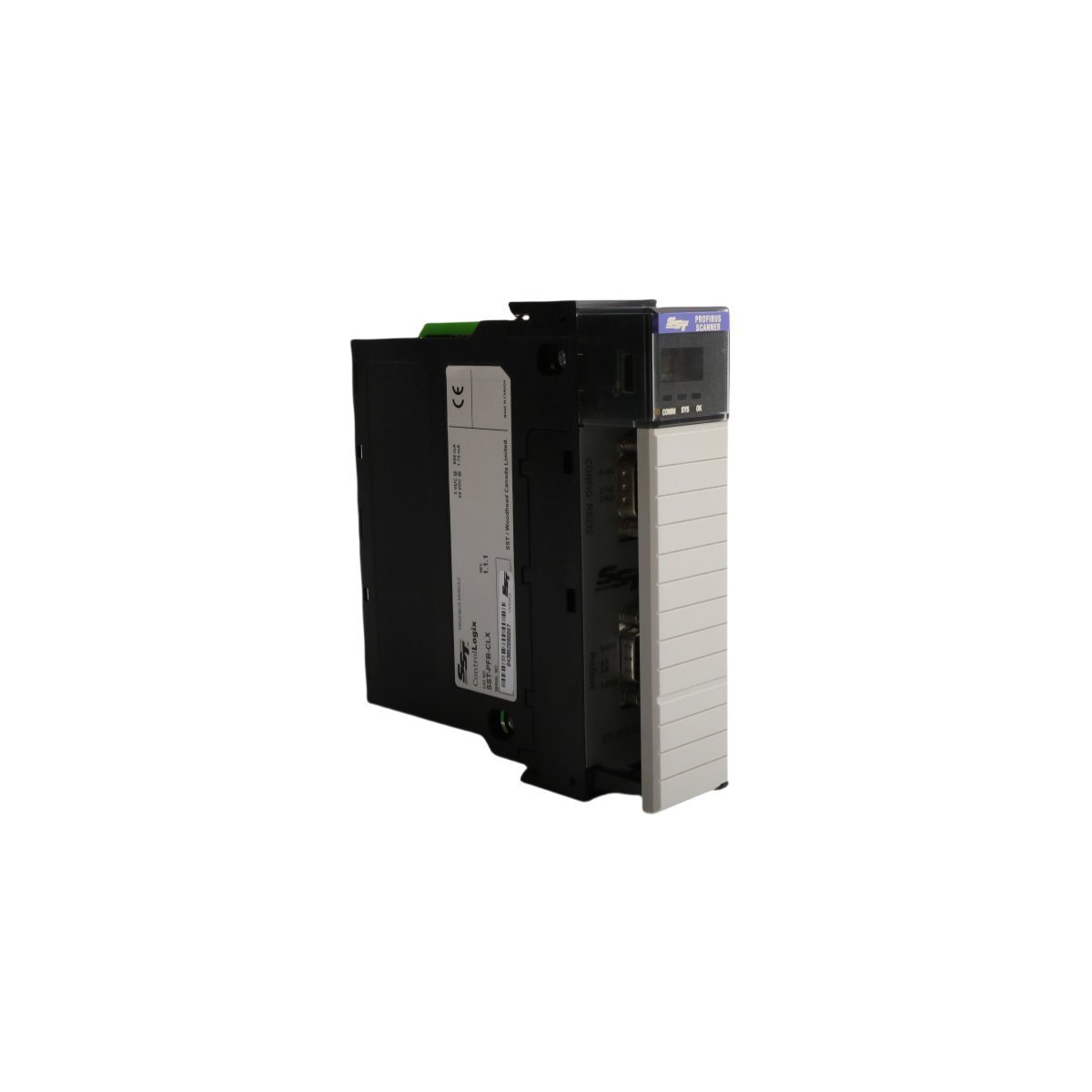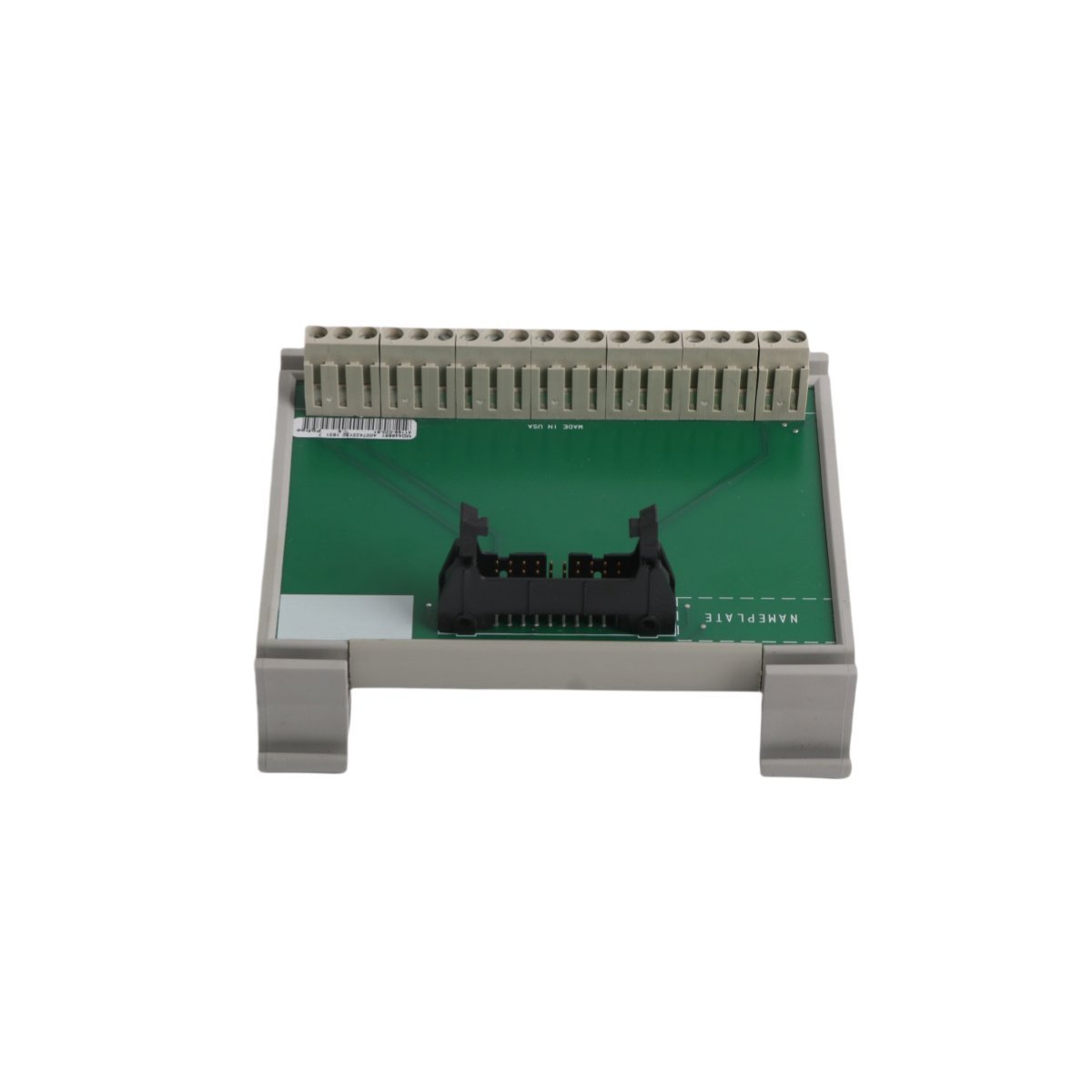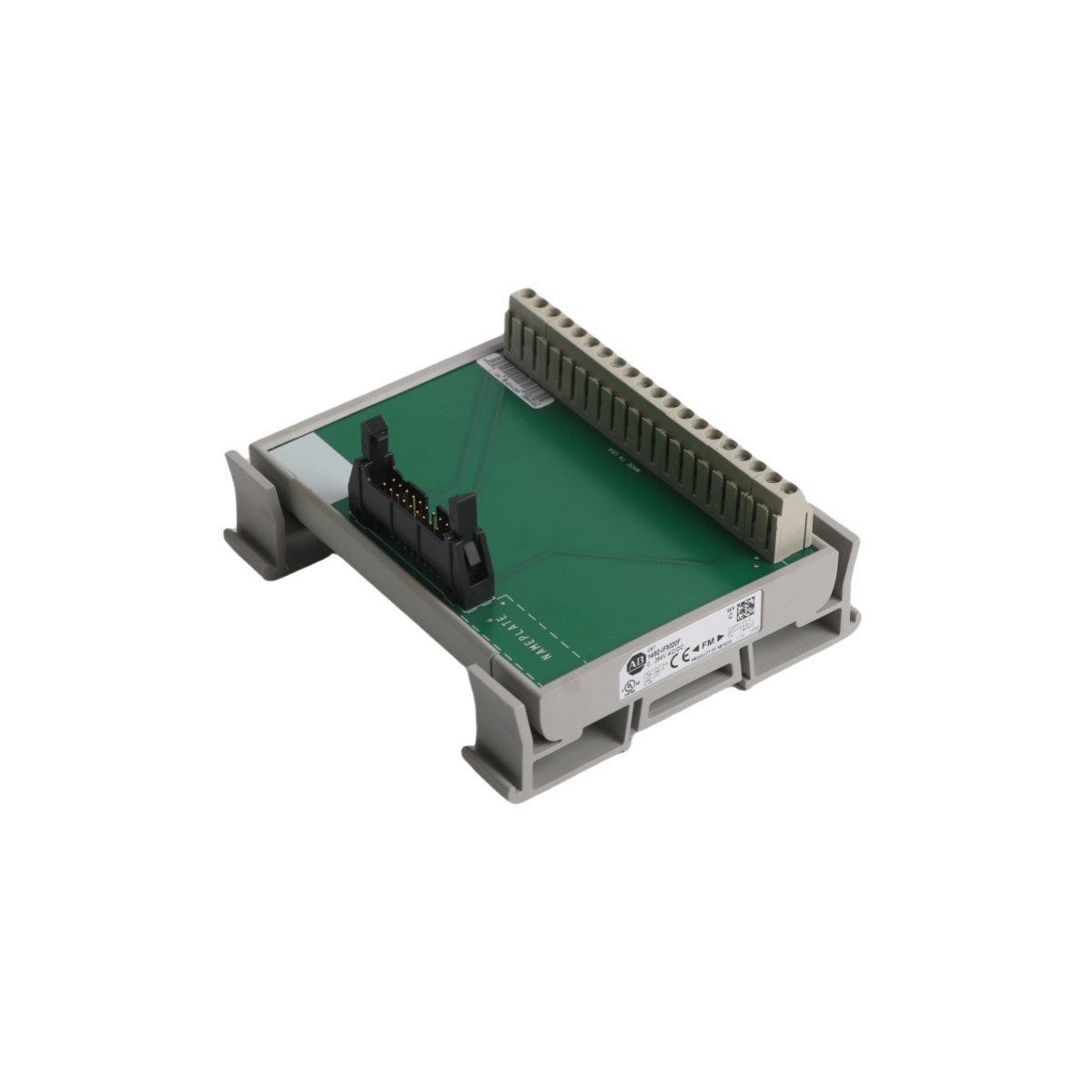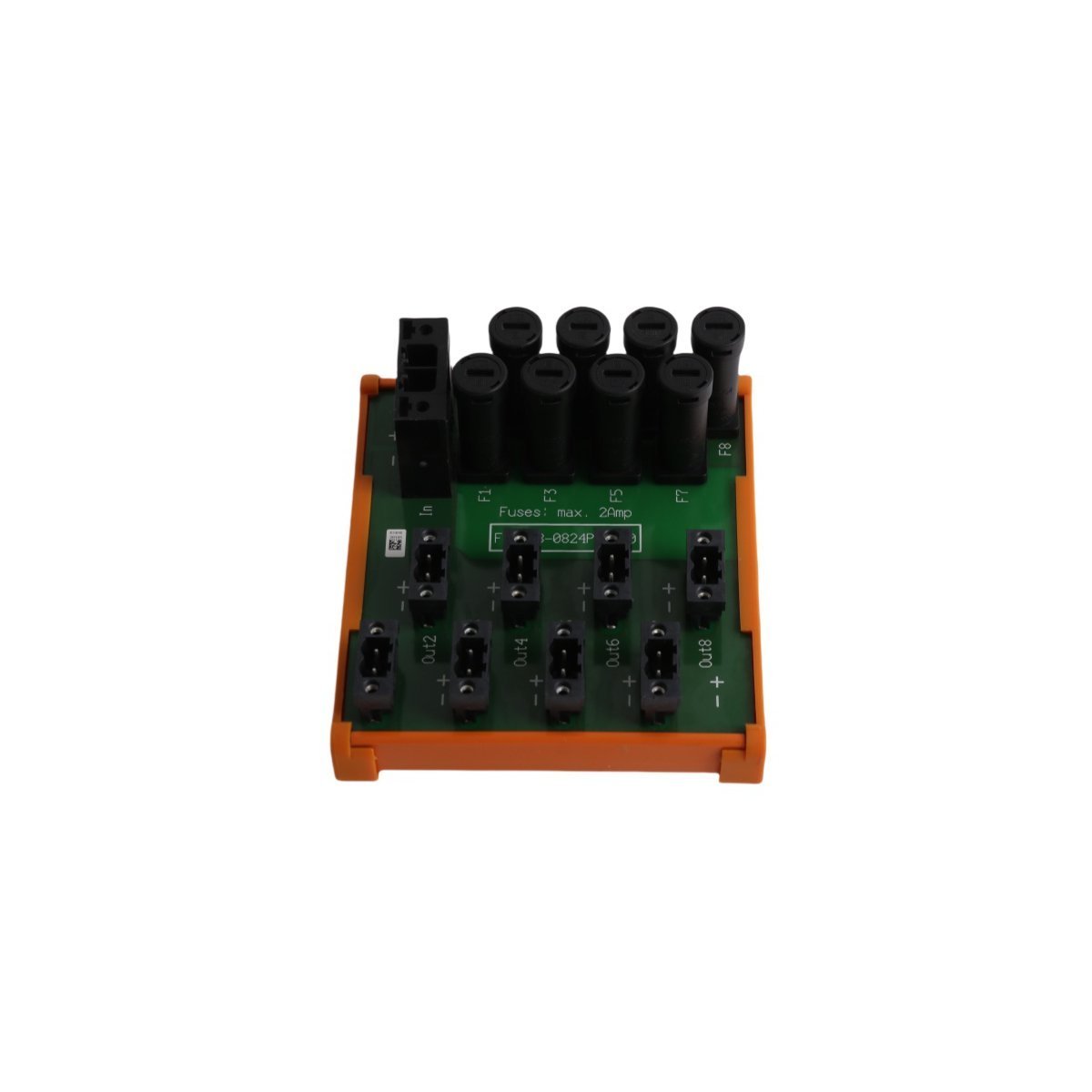
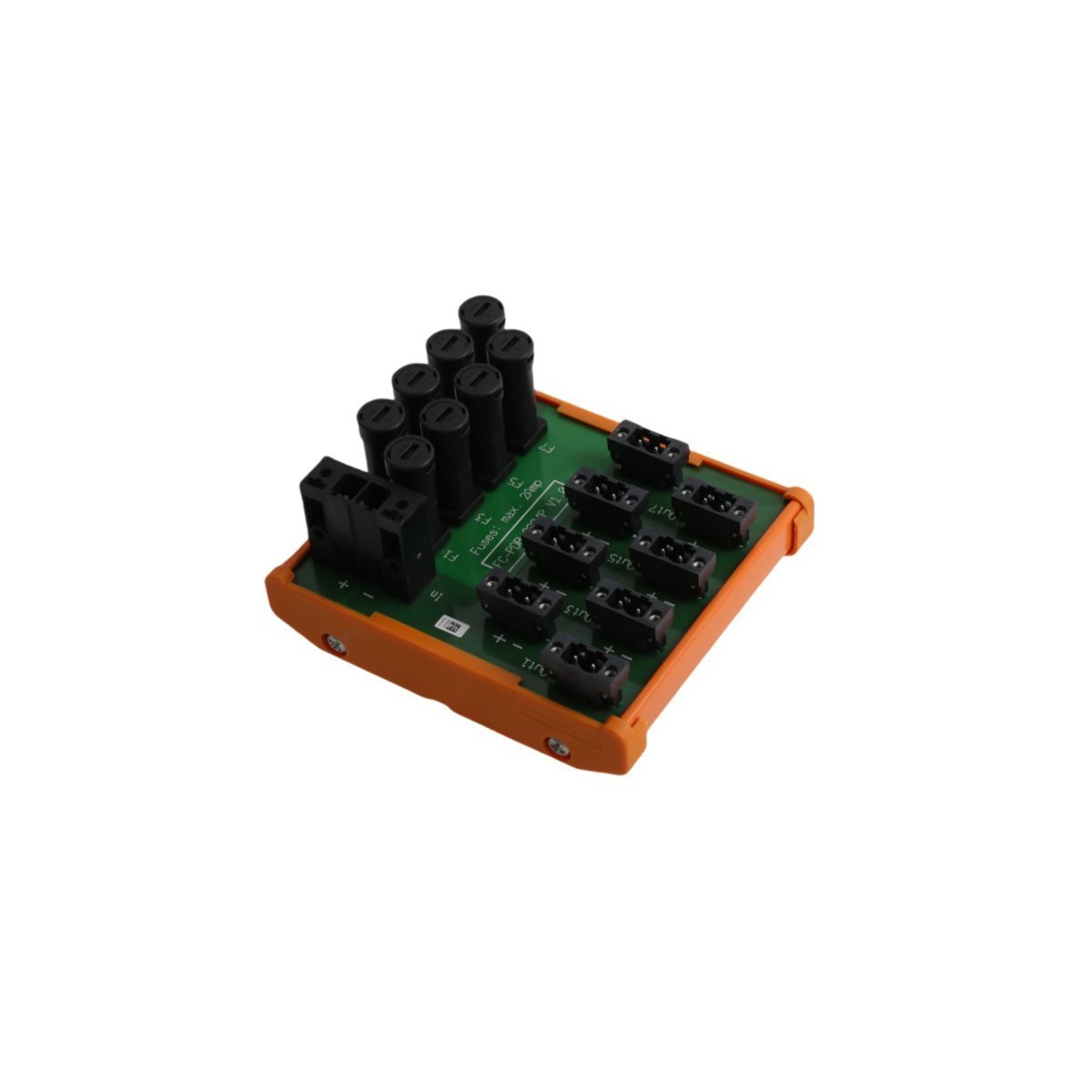
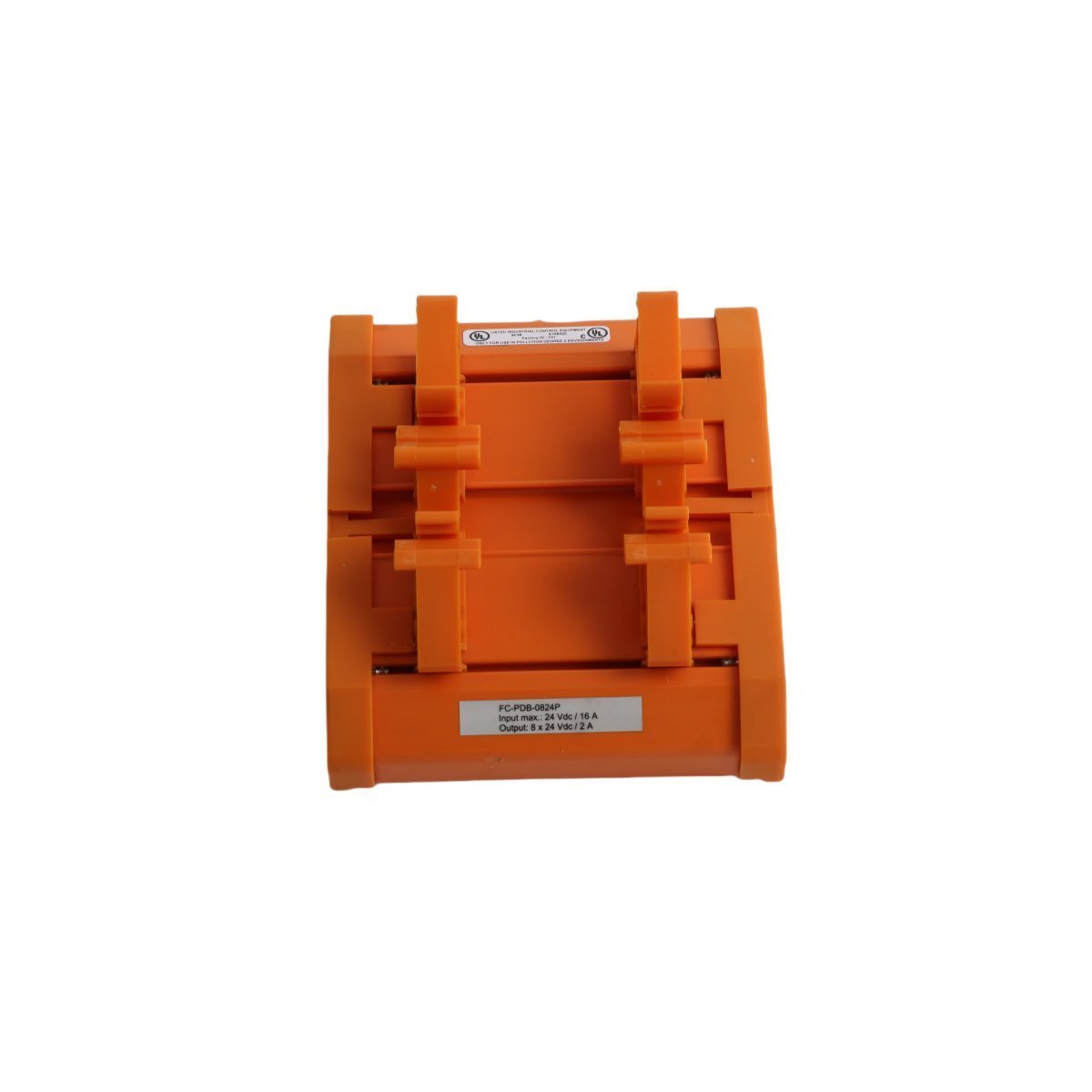
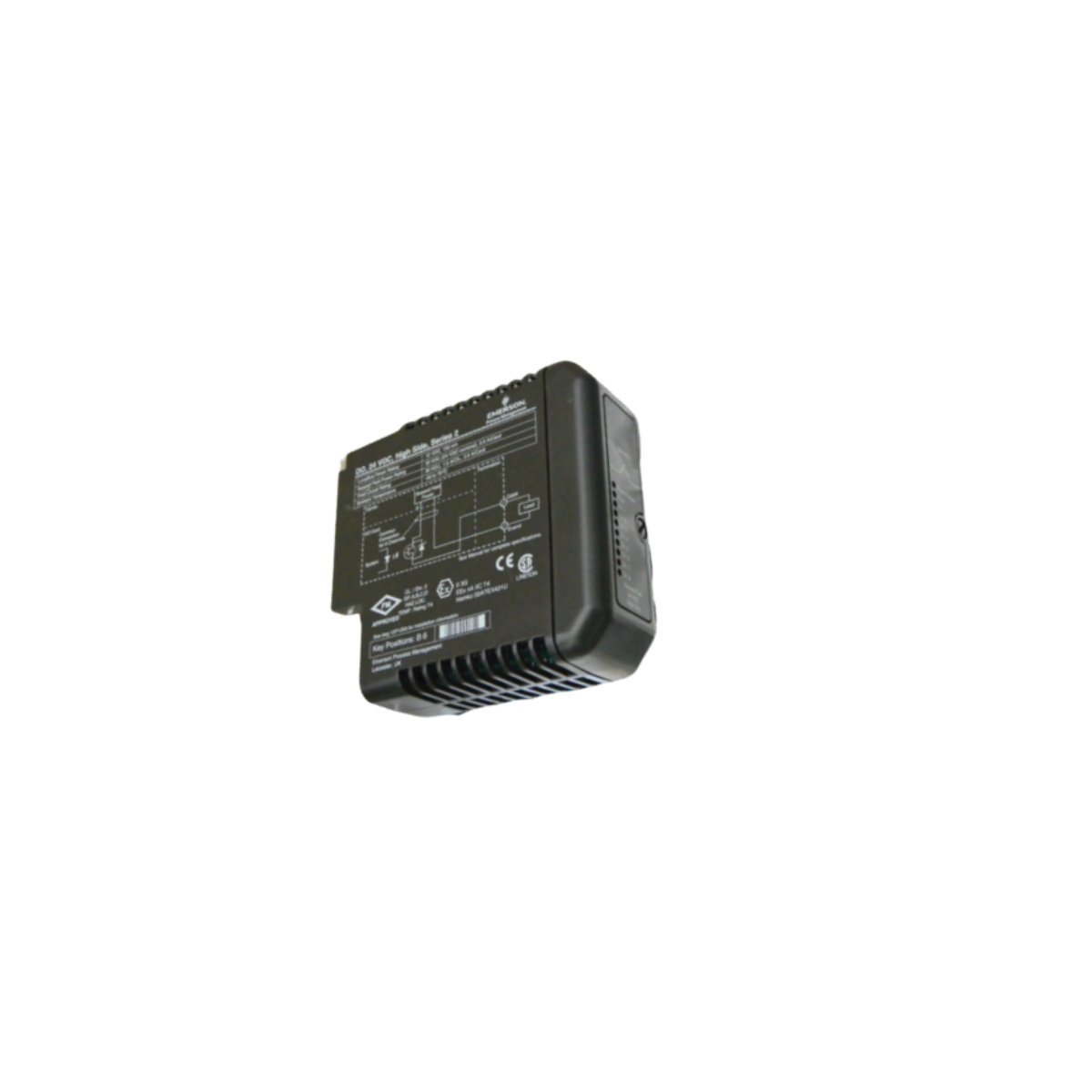
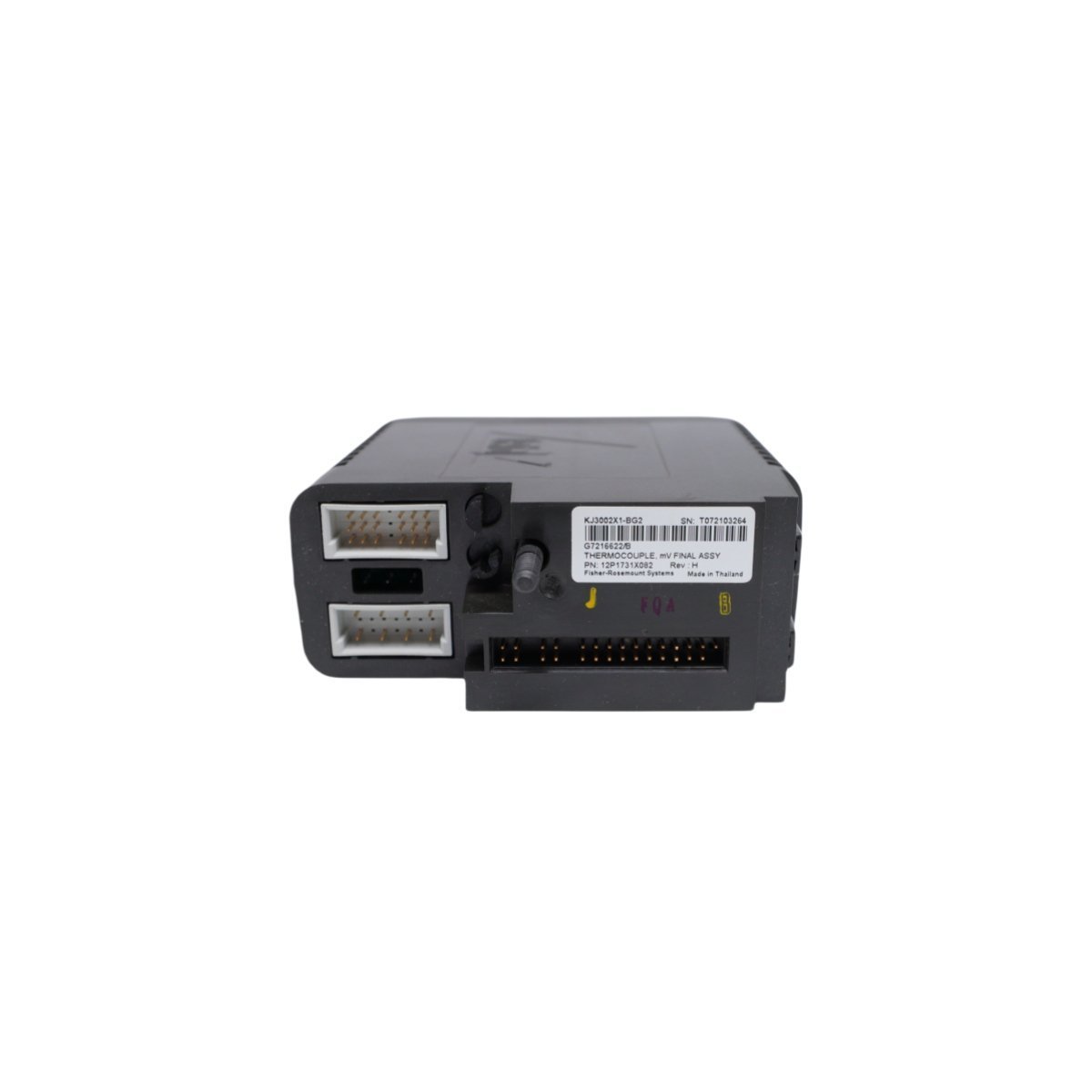
Honeywell FC-PDB-IO05 Power Distribution Board. Brand New, Original Stock. Global Shipping. Safety Manager DCS power module. Order now for immediate dispatch.
The Honeywell FC-PDB-IO05, also cataloged as the FC-PDB-IO05 Power Distribution Board, operates as a dedicated hardware component for power routing within Safety Manager DCS platforms.
Hardware Specifications
Parameter
Specification
Model
FC-PDB-IO05
Brand
Honeywell
Origin
USA
Weight
0.45 kg
Dimensions
24 x 18.8 x 6.5 cm
Operating Temp
Standard industrial range (consult manual)
Power Consumption
Standard backplane draw
Module Type
Power Distribution Board
System
DCS
Condition
Brand New
4-20 mA HART Loop Protocol Connectivity
This power distribution board supplies regulated power to I/O modules that interface with 4-20 mA HART loop protocol field devices. The board ensures stable power delivery to maintain signal integrity across analog and digital input/output channels. Channel-to-channel isolation is supported through the connected I/O subsystems to prevent ground loop interference. Cold junction compensation (CJC) circuits on connected thermocouple input modules receive stable reference power from this distribution board.
Frequently Asked Questions (FAQ)
Q: What is the maximum current output per channel on the FC-PDB-IO05? A: The maximum current output per channel is specified in the Honeywell Safety Manager hardware reference manual. Exceeding the rated current per channel may trigger overcurrent protection circuits.
Q: Is the FC-PDB-IO05 hot-swappable during live system operation? A: Hot-swap capability for power distribution boards is not recommended. Power distribution board replacement should only be performed during scheduled maintenance windows with proper system shutdown procedures.
Q: Does this board support redundant power input configurations? A: Redundant power input support depends on the Safety Manager chassis configuration. Consult the system integration documentation for dual-power supply wiring requirements and redundancy switching specifications.
Field Installation Guidelines
1. Verify the target chassis slot is designated for a power distribution board and confirm all system power is de-energized before installation.
2. Align the board guides with the backplane connectors and apply even pressure until the module seats fully without excessive force.
3. Secure the board using the specified retaining hardware to ensure proper grounding through the chassis and vibration resistance.
4. Connect all power input cables to the designated terminals, verifying correct polarity and torque specifications.
5. Inspect all wiring connections for proper termination and verify no loose conductors before applying system power.
The Emerson KJ3008X1-BA1 12P2293X052, also cataloged as the KJ3008X1-BA1 Sequence Events Module, operates as a dedicated hardware component for high-resolution discrete event timestamping and digital state acquisition within Emerson DeltaV M-series I/O Subsystem platforms.
Hardware Specifications
Parameter
Specification
Model
KJ3008X1-BA1 12P2293X052
Brand
Emerson
Product Range
DeltaV M-series I/O Subsystem
Module Type
Sequence Events Module
Origin
USA
Weight
0.28 kg
Dimensions
4.3 x 12.5 x 10.5 cm
Operating Temp
-40 to 70 deg C
Power Consumption
12 VDC at 150 mA (local bus)
HS Code
8537101190
Lifecycle Status
Discontinued (Dec 31, 2018)
Process Control and DCS Characteristics
Interfaces directly with 4-20 mA HART loop protocol architectures and discrete field contacts via DeltaV I/O carrier backplanes.
Features integrated channel-to-channel isolation to prevent ground loop noise propagation across adjacent signal paths.
Leverages hardware-level cold junction compensation (CJC) algorithms across paired terminal blocks during thermal transients.
Executes millisecond-accurate sequence-of-events logging to capture contact state transitions before transferring data to DeltaV controllers.
Frequently Asked Questions
Q: Does the KJ3008X1-BA1 module support removal under power within a DeltaV I/O carrier?A: Yes, the module supports Removal and Insertion Under Power (RIUP) without disrupting communications or field wiring on adjacent I/O cards.Q: How is time synchronization maintained across multiple Sequence Events Modules?A: Time synchronization is maintained via the DeltaV M-series local bus backplane driver, which aligns module event counters with the system master clock.
Field Installation Guidelines
Secure the module onto the dedicated DeltaV M-series I/O carrier terminal block slot until the retention latch locks fully.
Ground all field cable shields at the carrier earth bus bar using short, low-impedance conductor connections.
Maintain separation between low-voltage field contact signal lines and high-voltage power conduits inside the enclosure.
The Emerson KJ3221X1-BA1 12P2531X102, also cataloged as the KJ3221X1-BA1 12P2531X102 Terminal Block, operates as a dedicated hardware component for field signal termination and loop distribution within distributed control platform architectures.
Hardware Specifications
Parameter
Specification
Model
KJ3221X1-BA1 12P2531X102
Brand
Emerson
Origin
USA
Weight
0.2 kg
Dimensions
8.1 x 7.9 x 8.8 cm
Operating Temp
0 deg C to 60 deg C
Power Consumption
Passive termination block
Process Loop Integration and Signal Isolation
The terminal block routes analog and discrete field wiring directly to corresponding I/O card connection points while maintaining channel-to-channel isolation to prevent electrical interference across loops. The internal pin configuration supports 4-20 mA HART loop protocol routing for remote transmitter communication and diagnostic polling. Cold junction compensation (CJC) interfaces and FOUNDATION Fieldbus or Profibus PA signal paths maintain transmission integrity without inducing loop attenuation or signal degradation.
Frequently Asked Questions
Q: Can the terminal block be wired while system power is active on the DeltaV subsystem?A: Field wiring changes should follow standard safety procedures, ensuring that loop power is isolated before torquing terminal screws to prevent accidental short circuits.Q: How does the module handle high-frequency electromagnetic noise from nearby power lines?A: Grounding lugs and integrated shielding paths drain induced noise currents away from signal conductors to protect sensitive control loop data.
Field Installation Guidelines
Mount the unit securely onto the standard DIN rail or carrier assembly within the enclosure, ensuring that all field wiring shields connect to the designated ground bar. Check terminal screw torque values to maintain low-resistance electrical contact under high-vibration industrial conditions.
The Emerson PR9376/010-001, also cataloged as the PR9376/010-001 EPRO Module New, operates as a dedicated hardware component for analog process signal conditioning and control loop execution within distributed control platforms.
Hardware Specifications
Parameter
Specification
Model
PR9376/010-001
Brand
Emerson
Origin
USA
Weight
0.66 kg
Dimensions
4.4 x 17.8 x 11.4 cm
Operating Temp
0 deg C to 60 deg C
Power Consumption
24 VDC nominal
Process Loop Integration and Signal Isolation
The module processes analog inputs through dedicated signal conversion channels while maintaining channel-to-channel isolation to prevent electrical interference across loops. The internal circuitry supports 4-20 mA HART loop protocol integration for remote transmitter calibration and real-time diagnostic polling. Cold junction compensation (CJC) maintains thermocouple measurement accuracy across ambient temperature shifts, while FOUNDATION Fieldbus communication layers execute deterministic field device updates without loop degradation.
Frequently Asked Questions
Q: Does the module support live insertion and removal under power?A: System backplane specifications dictate whether hot-swapping is permitted; verify rack-level power status before extracting the module to prevent backplane bus faults.Q: How are field wiring errors isolated from internal processor components?A: Channel-to-channel galvanic isolation circuits prevent transient overvoltages from propagating across adjacent analog input channels or damaging internal logic planes.
Field Installation Guidelines
Mount the unit securely within designated enclosure slots, ensuring that shielded twisted-pair cables terminate at the proper grounding bars to minimize electromagnetic interference. Verify loop supply voltage levels prior to terminal block connection to protect analog input stages against overvoltage conditions.
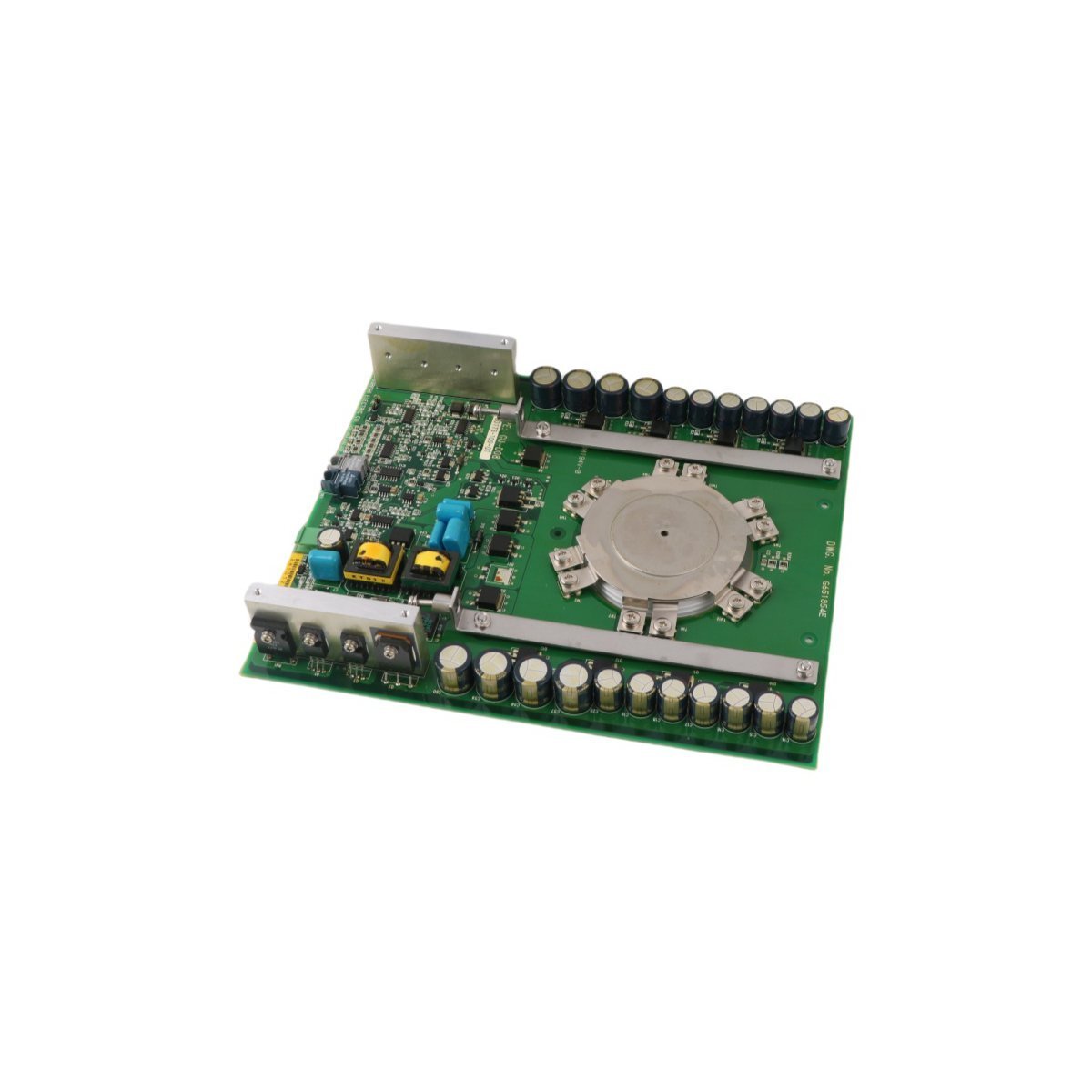
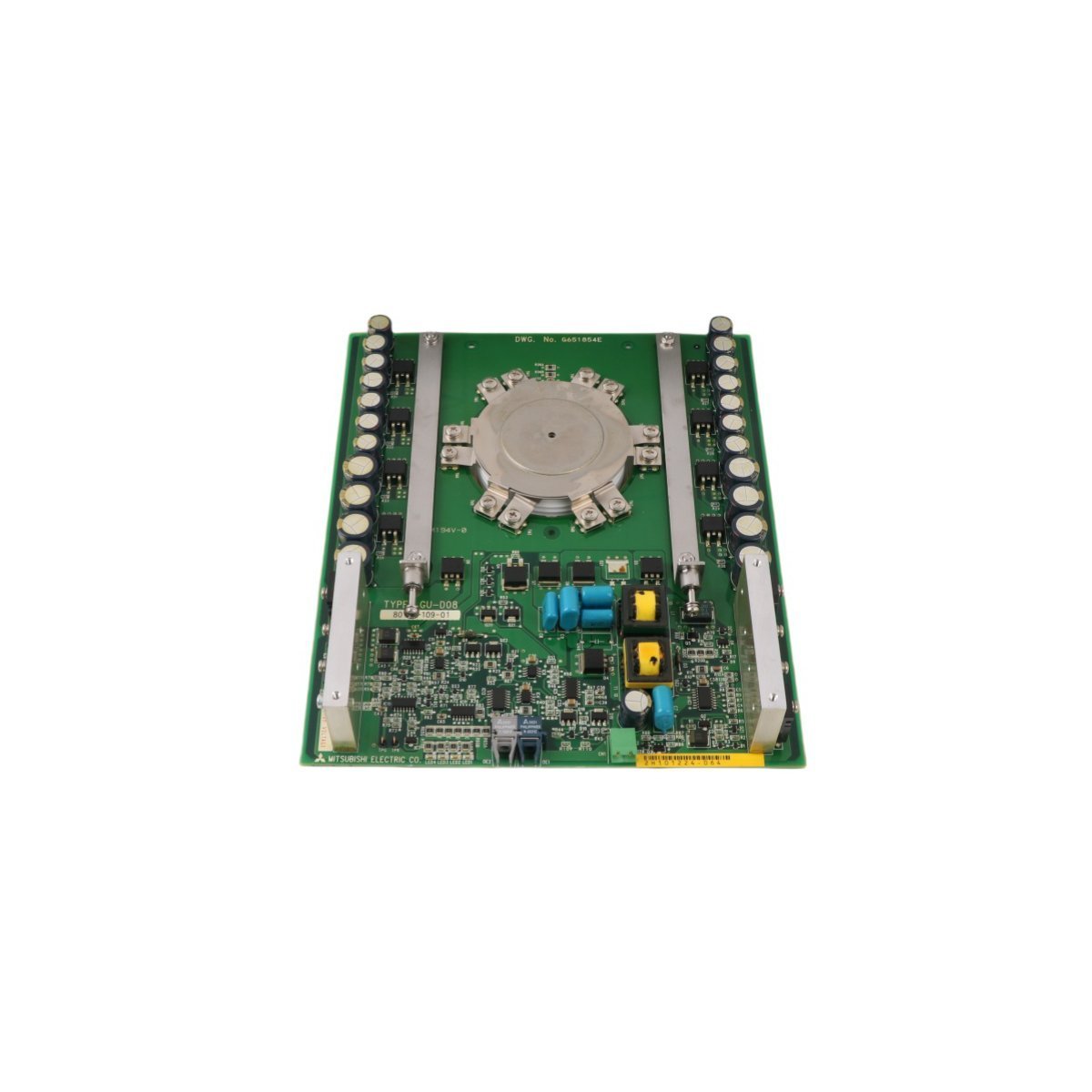
The Allen Bradley 81001-450-52-R Power Block Drive, also cataloged as the 81001-450-52-R Power Block Drive, operates as a dedicated hardware component for power distribution and conversion within PLC platform networks.
Hardware Specifications
Parameter
Specification
Model
81001-450-52-R
Brand
Allen Bradley
Origin
USA
Weight
1.14 kg
Dimensions
25 x 20.7 x 5.5 cm
Operating Temp
Standard Industrial Range
Power Consumption
System Dependent
Module Type
Power Block Drive
PLC Deterministic Network Integration
The Allen Bradley 81001-450-52-R utilizes backplane bus communication protocols designed for integration with PLC control architectures. The module supports deterministic network timing, ensuring low-latency power state feedback and synchronization within complex I/O density configurations. Compatibility with field-programmable firmware allows for flash updates to align with evolving backplane bus communication velocity requirements, maintaining bus traffic integrity and reducing collision potential in high-speed control loops.
Frequently Asked Questions
Q: What are the restrictions regarding the installation of the 81001-450-52-R in a redundant power rack?A: Ensure that the backplane bus address is correctly configured to prevent signal collisions. Redundant power configurations must be verified for voltage matching before closing the primary disconnect.Q: Is this module capable of firmware field-upgrades?A: Yes, the unit supports firmware flash compatibility via the primary control bus. Consult the PLC backplane interface documentation for current revision requirements.
Field Installation Guidelines
Mount the module onto a standard metal DIN-rail. Ensure the rail is bonded to the cabinet chassis ground to minimize EMI.
Maintain a minimum clearance of 50 mm above and below the unit to allow for passive thermal heat dissipation.
All power input cabling must utilize shielded twisted-pair conductors to prevent common-mode noise injection into the PLC backplane.
Verify that the 24 VDC output load does not exceed the continuous current rating specified for the associated PLC power bus segment.
Ensure the connector interface is fully seated until a tactile lock is achieved to prevent intermittent contact resistance.
Configured for signal distribution in DeltaV M-series I/O subsystems, the Emerson KJ3222X1-BA1 (KJ3222X1-BA1 Redundant Terminal Block) provides direct physical and electrical execution of field wiring termination for redundant I/O configurations.
Hardware Specifications
Parameter
Specification
Model
KJ3222X1-BA1
Brand
Emerson
Origin
USA
Weight
0.2 kg
Dimensions
4.1 x 12.5 x 10.5 cm
Operating Temp
Standard Industrial Range
Power Consumption
Passive Component
Compatibility
DeltaV M-series I/O
DeltaV DCS Process Control Characteristics
The terminal block facilitates the implementation of 4-20 mA HART loop protocol architectures by providing physical connection points for redundant I/O card pairs. It maintains channel-to-channel isolation through optimized PCB routing, preventing cross-talk between high-density loops. The mechanical design ensures cold junction compensation (CJC) stability when integrated with thermocouple input channels. By utilizing the redundant terminal architecture, the system maintains continuous signal integrity for critical control loops, allowing for maintenance operations on one I/O module without disrupting the current loop of the secondary redundant partner.
Frequently Asked Questions
Q: Does the KJ3222X1-BA1 support active electronic components?A: No, this is a passive terminal block. It serves as an interface between field wiring and the DeltaV I/O carrier, routing signals to the redundant I/O module pair.Q: Can this terminal block be used for non-redundant I/O configurations?A: While designed for redundancy, the terminal block provides the physical interface required for specific DeltaV M-series modules. Compatibility must be verified against the specific I/O module part number (VE4033S2B1) to ensure pin mapping alignment.
Field Installation Guidelines
Prior to wiring, verify that the I/O carrier power is disconnected to prevent accidental contact with energized field circuits.
During installation, align the terminal block with the mating connectors on the DeltaV I/O carrier, ensuring the guide pins are fully seated before tightening the retention screws.
When connecting field devices, ensure that shielded, twisted-pair cabling is utilized for all 4-20 mA loops to mitigate electromagnetic interference.
Upon securing the wiring, verify the continuity of the redundant paths using a digital multimeter at the terminal points before initiating loop commissioning.
Maintain appropriate physical separation between the terminal block wiring and any high-voltage AC lines to prevent induced noise on the analog signal loops.
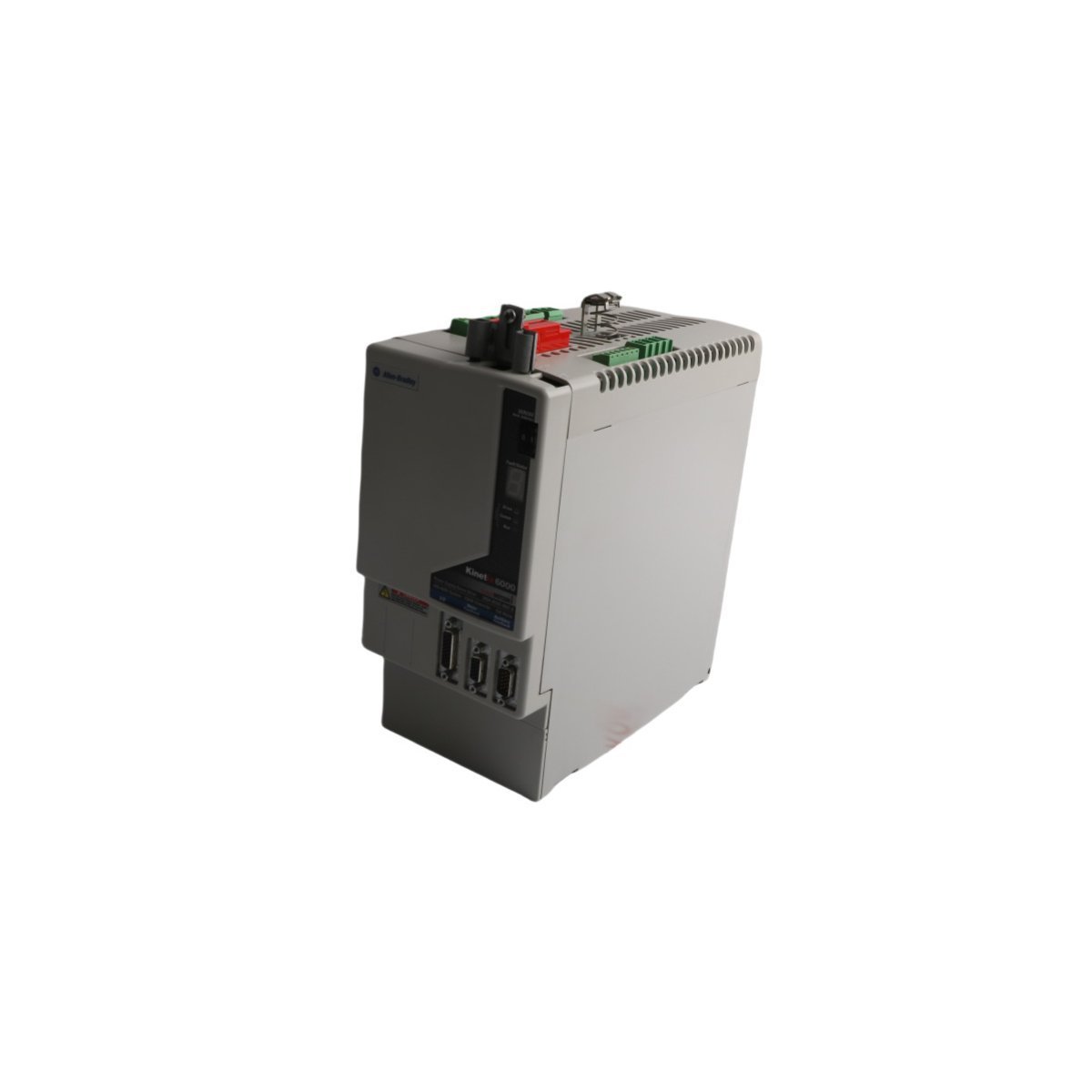
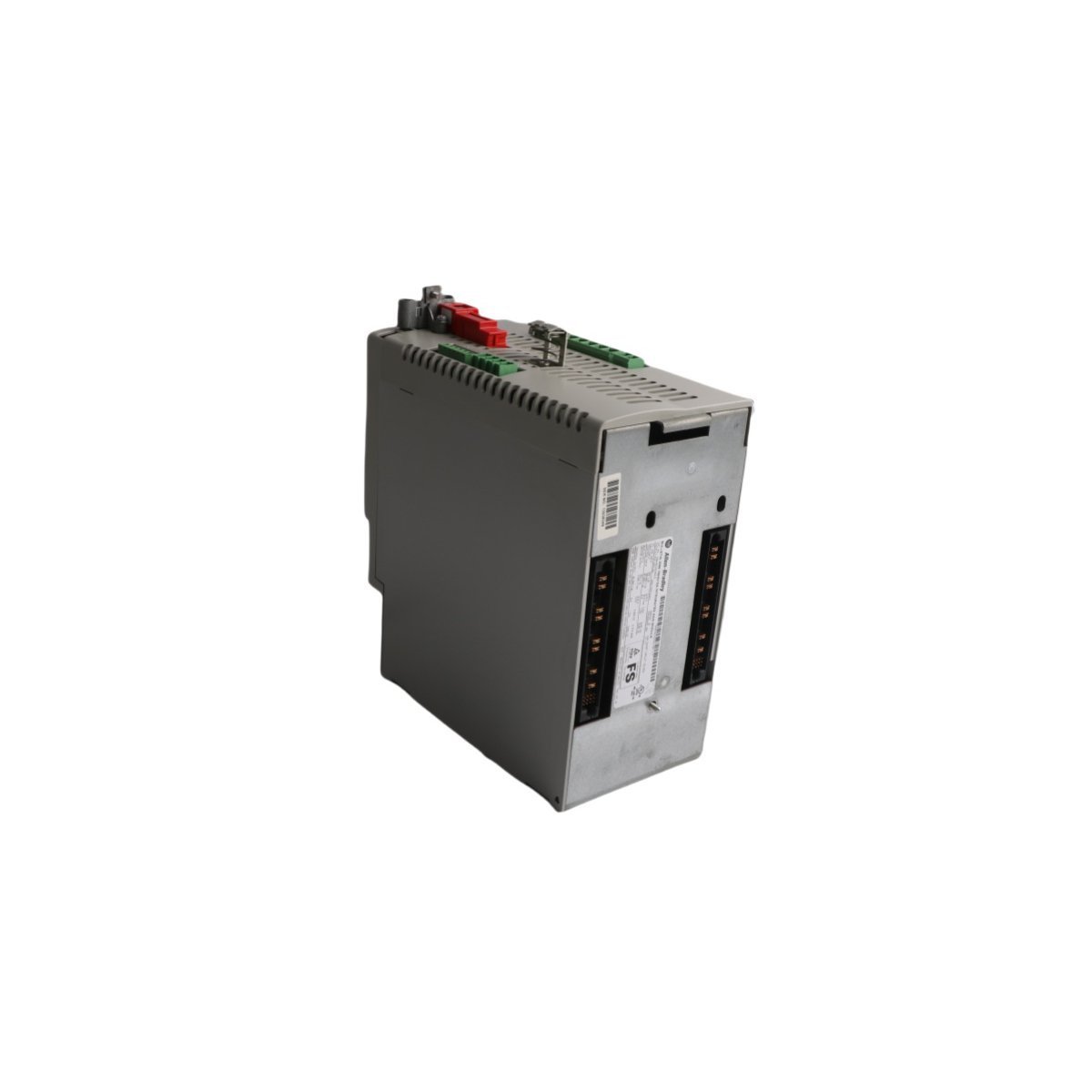
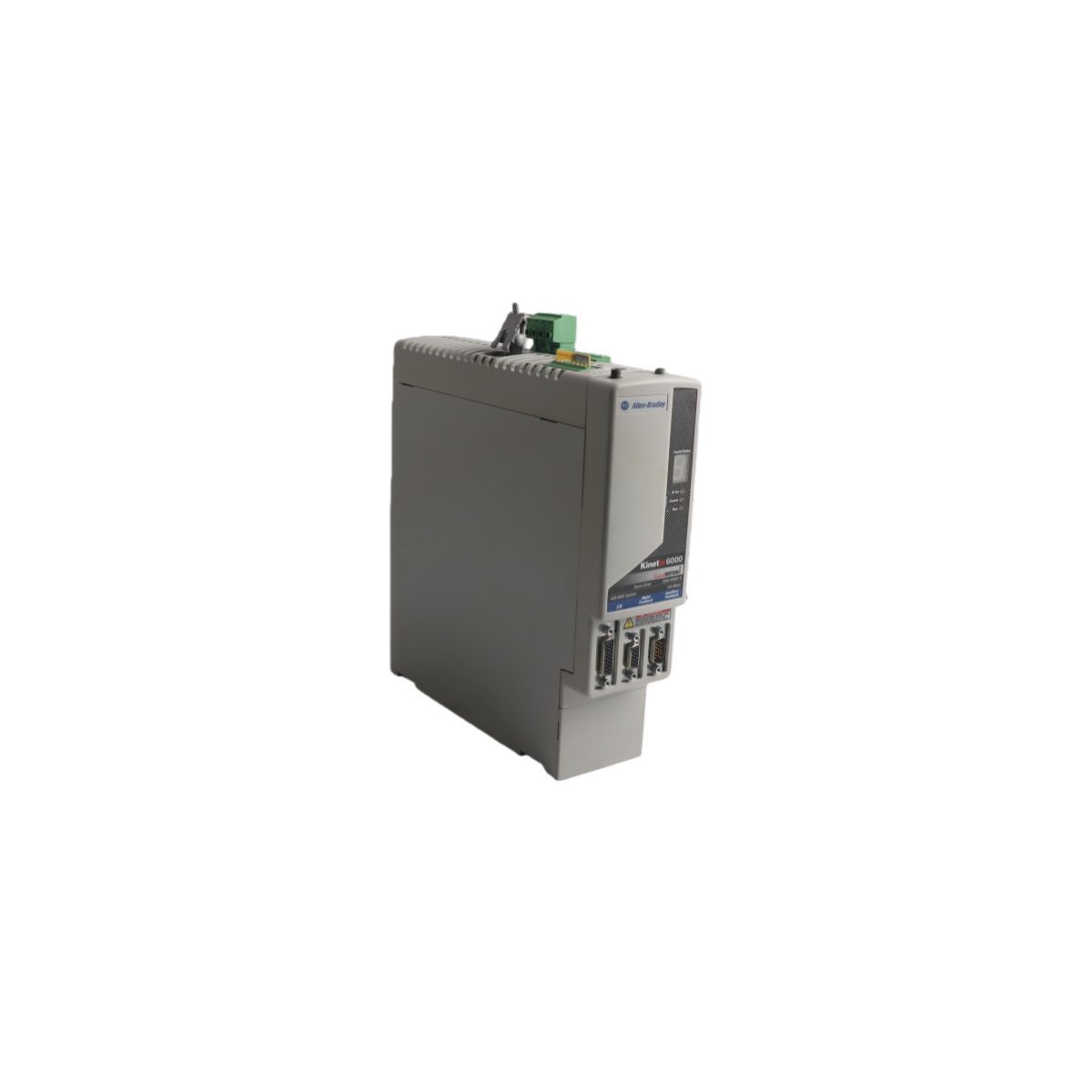
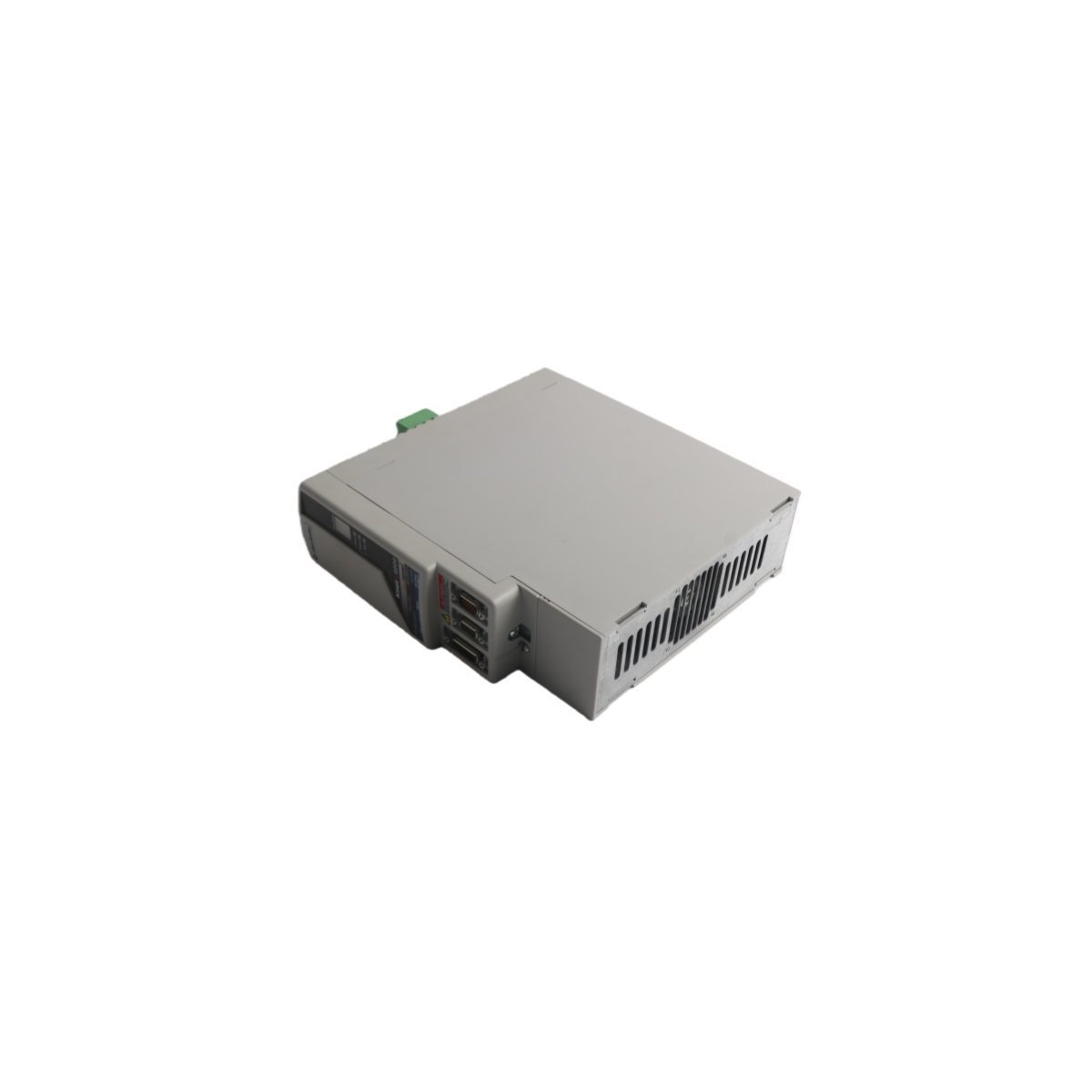
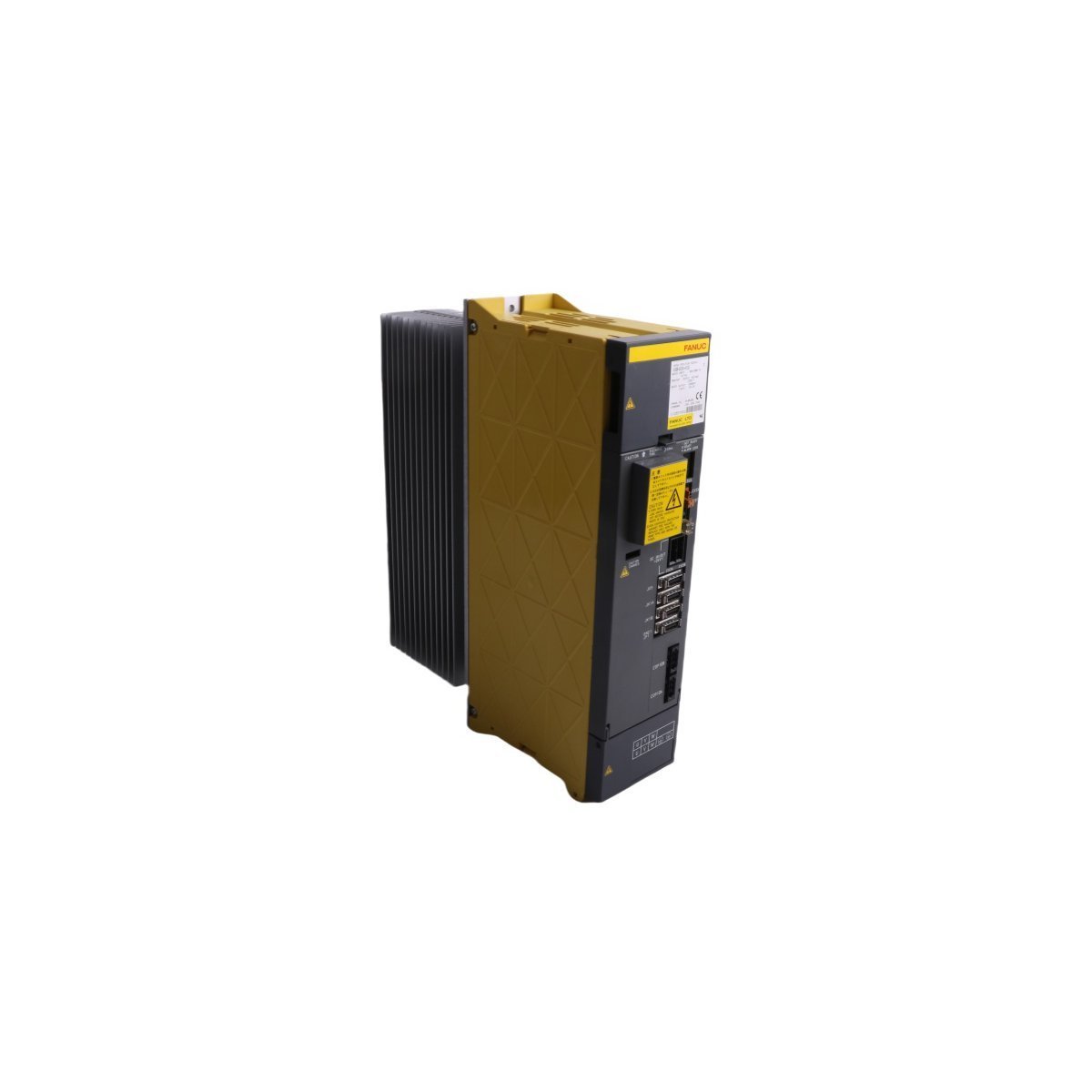
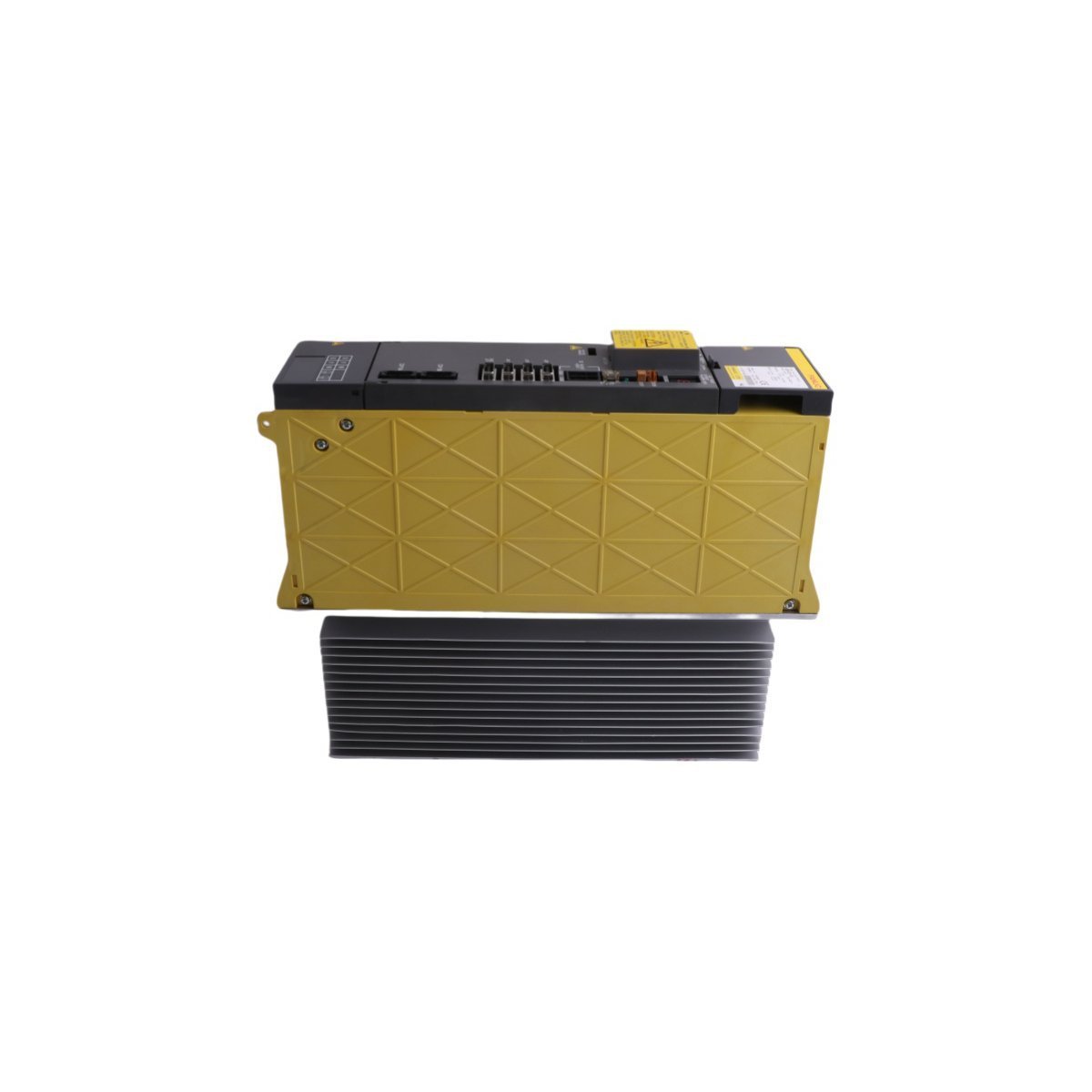
The Allen-Bradley 2094-BC01-M01-S, also cataloged as the 2094-BC01-M01-S Integrated Axis Module, operates as a dedicated hardware component for high-speed motion control and power regulation within Kinetix 6000 multi-axis drive platforms.
Hardware Specifications
Parameter
Specification
Model
2094-BC01-M01-S
Brand
Allen-Bradley
Origin
USA
Weight
0.9 kg
Dimensions
3.5 cm x 13 cm x 14.5 cm
Operating Temp
Standard industrial range
Power Consumption
3.9 kW (Total)
Inverter Current
9 A
Input Voltage
360-480 V AC
PLC and Drive Control Characteristics
The 2094-BC01-M01-S incorporates backplane bus communication velocity protocols, enabling deterministic synchronization between the converter and inverter stages. The architecture facilitates I/O density scaling within the drive cabinet, allowing for coordinated power distribution across multiple integrated axes. Furthermore, the module supports firmware flash compatibility, which ensures that internal logic remains aligned with system-wide motion control requirements. This design enables precise control over power threshold excursions and maintains stable torque output during transient loading conditions.
Frequently Asked Questions (FAQ)
Q: What are the primary communication requirements for the SERCOS interface on this module?A: The SERCOS interface requires fiber optic media configured in either linear or ring topologies; ensure that the fiber ends are polished and properly seated in the transceivers to maintain signal integrity and avoid communication latency.Q: Can the Safe Torque Off (STO) function be bypassed if not required by the application?A: The STO circuit must remain closed via the designated safety input terminals to enable drive operation; if the safety function is not utilized, you must jumper these inputs according to the installation manual to permit the pulse-width modulation (PWM) output to the motor.
Field Installation Guidelines
To begin with, ensure all primary power is disconnected and the DC bus capacitors have reached a discharge state before you mount the module onto the power rail;Â subsequently, verify that the rear-facing power connectors align correctly to prevent pin deformation.
Furthermore, terminate all motor feedback cables using the appropriate shielded connectors;Â in addition, ensure the shield drain wire connects to the designated ground lug to minimize electromagnetic interference (EMI).
When configuring the SERCOS ring, route fiber optic cables with a sufficient bend radius to prevent signal attenuation;Â meanwhile, label each fiber connection to identify the transmit (Tx) and receive (Rx) paths clearly.
Finally, verify the input voltage range (360-480 V AC) matches the site supply before you apply power;Â by doing so, you ensure the internal power conversion stage functions within rated limits.
Configured for high-speed motion synchronization in ControlLogix systems, the Allen-Bradley 1756-M16SE (1756-M16SE SERCOS interface Module) provides direct physical and electrical execution for multi-axis servo drive command distribution.
Hardware Specifications
Parameter
Specification
Model
1756-M16SE
Brand
Allen-Bradley
Origin
USA
Weight
0.22 kg
Dimensions
3.5 cm x 14 cm x 14.5 cm
Operating Temp
Standard industrial range
Power Consumption
Backplane dependent
Data Rate
4 Mbps or 8 Mbps
Axis Capacity
16 axes per module
PLC Control and Communication Characteristics
The 1756-M16SE utilizes high-speed backplane bus communication velocity to manage deterministic data exchange between the ControlLogix CPU and remote servo drive nodes. By leveraging digital fiber-optic SERCOS interfaces, the module achieves I/O density scaling that minimizes signal propagation latency across 16 managed axes. Furthermore, the module supports firmware flash compatibility, which allows for site-specific motion algorithm updates without physical hardware replacement. This deterministic network structure ensures that position, velocity, and torque command loops maintain sub-millisecond synchronization even in high-density drive configurations.
Frequently Asked Questions (FAQ)
Q: What are the primary limitations when configuring the SERCOS ring topology for the 1756-M16SE?A: The ring topology is limited by the physical length of the fiber-optic cabling and the total number of connected nodes; you must ensure the total loop latency does not exceed the configured cycle time (0.5 ms or 1.0 ms) to maintain deterministic operation.Q: Is the 1756-M16SE module capable of hot-swapping within an active ControlLogix chassis?A: The module supports standard ControlLogix hot-swap procedures; however, removing the module will immediately drop the SERCOS ring communication, causing all connected servo drives to transition to their programmed fault state.
Field Installation Guidelines
To begin with, confirm the ControlLogix chassis backplane is powered down; subsequently, insert the 1756-M16SE into a designated slot and secure it using the integrated module locking screws to ensure proper backplane contact.
In addition, route the SERCOS fiber-optic cables following the ring or linear topology requirements;Â meanwhile, maintain the minimum bend radius of the fiber to prevent micro-fractures that induce signal loss.
Furthermore, ensure all fiber-optic connectors are clean and free of contaminants before insertion into the module transceivers;Â consequently, this prevents optical attenuation that could lead to intermittent link failures.
Finally, configure the module addressing and axis scaling within the control software;Â by doing so, you ensure the controller can successfully establish the SERCOS communication cycle with the downstream Kinetix drives.
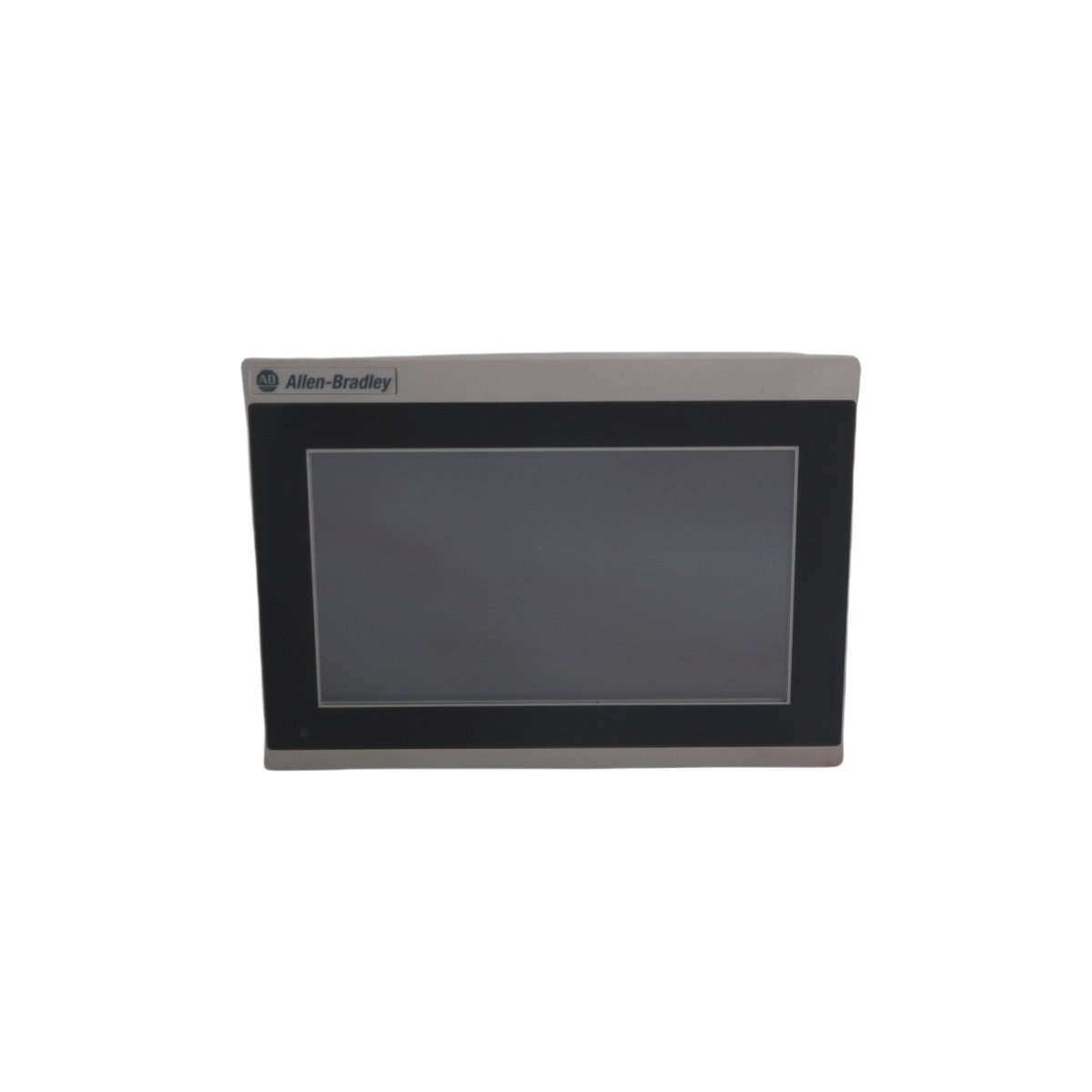
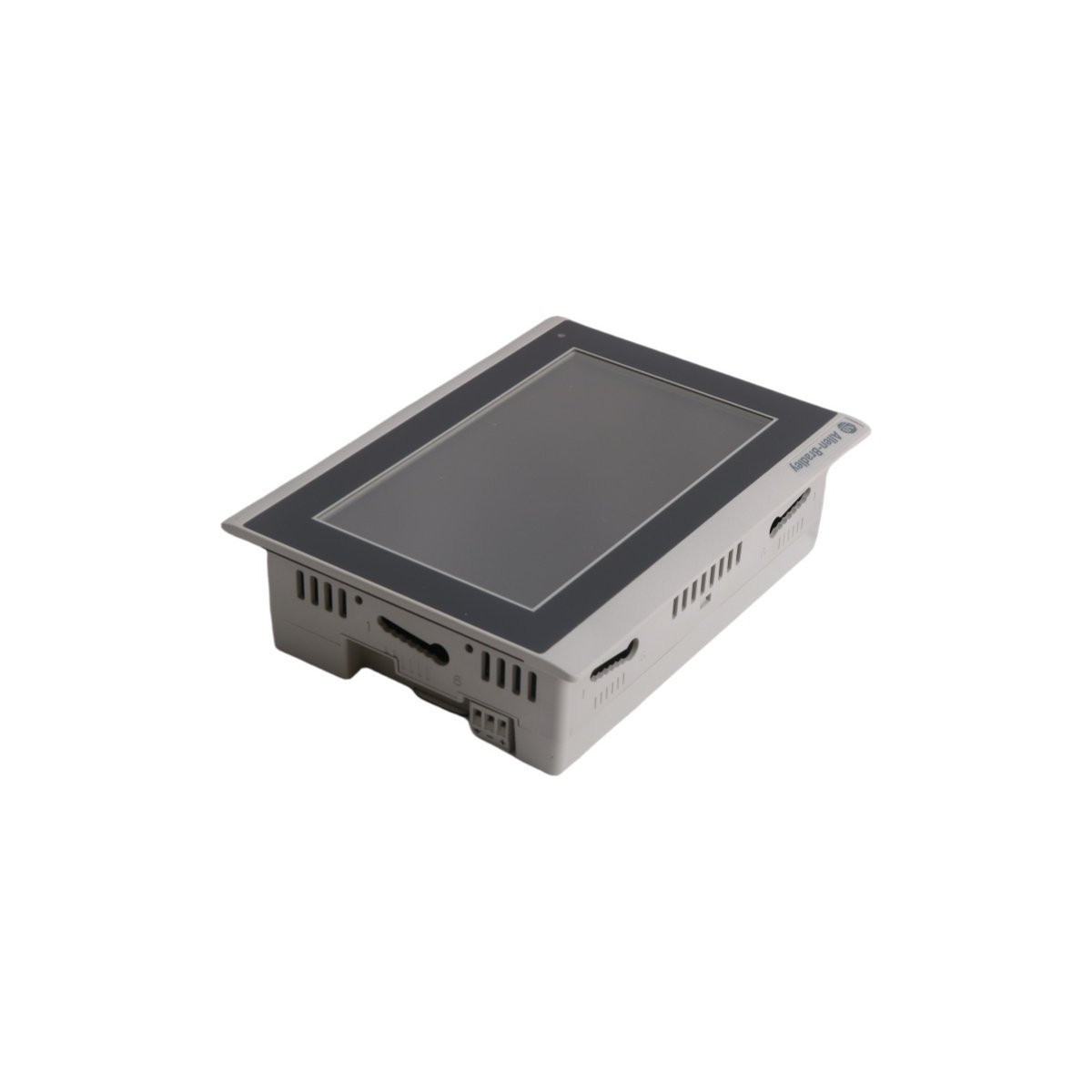
The Allen-Bradley 2711R-T7T is a 7-inch PanelView 800 HMI featuring a high-resolution touchscreen, extensive protocol support, and robust integration for industrial control systems.
The Allen Bradley 80190-440-02-R interface board provides reliable signal management and logic control for SMC Flex soft starter motor protection systems.
The Allen-Bradley 1756-HSC is a high-speed counter module for the ControlLogix platform, designed to provide accurate signal tracking and reliable pulse input processing.
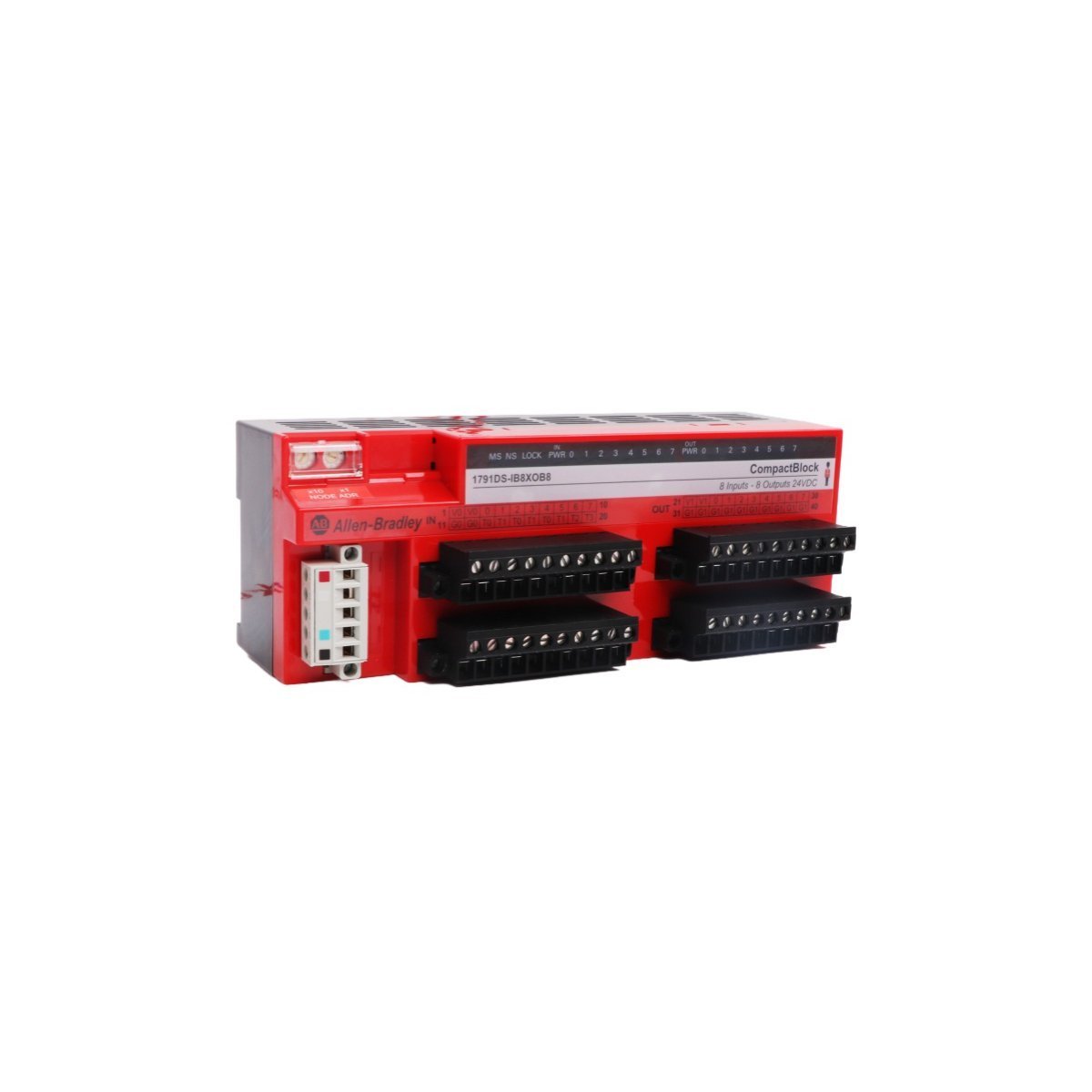
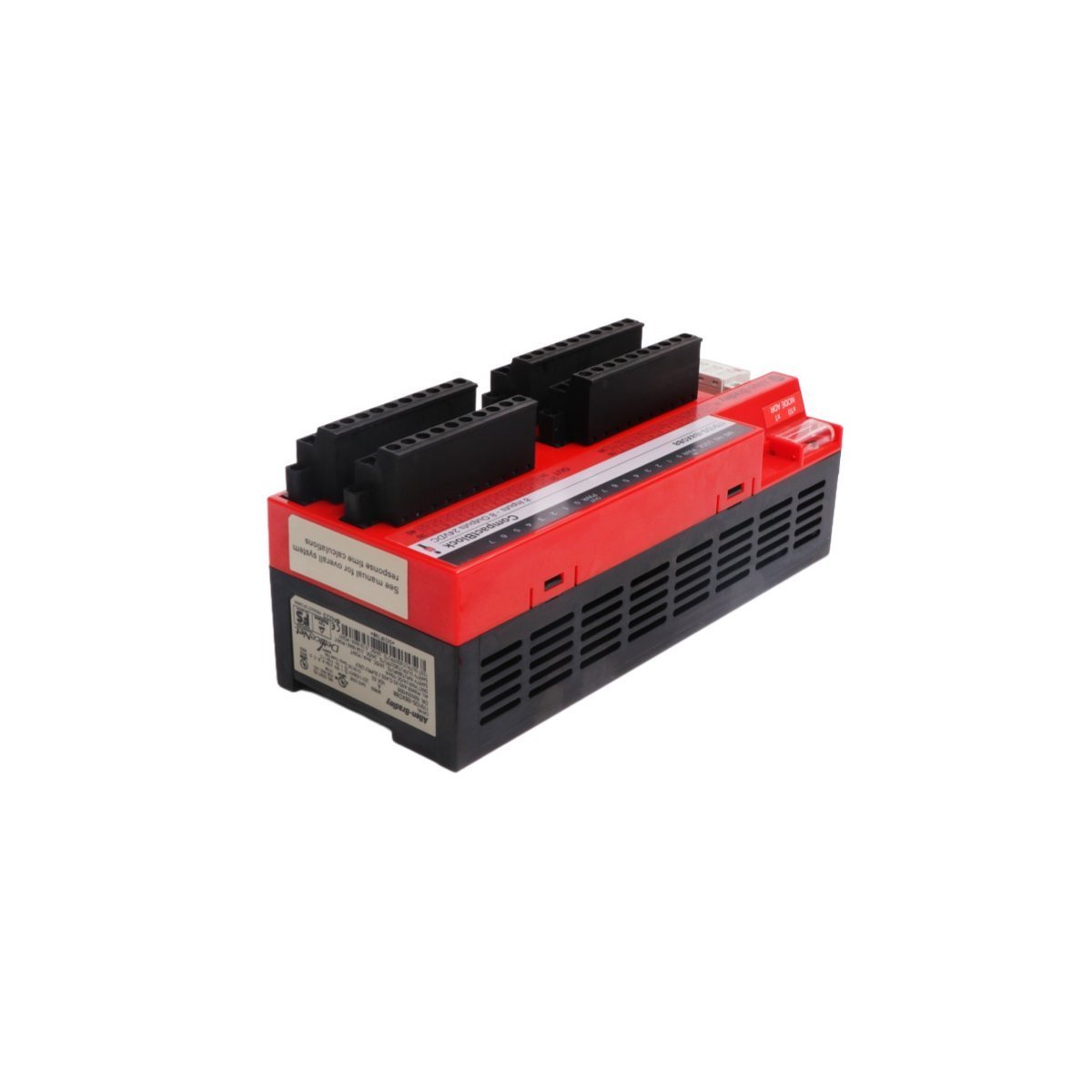
The Allen-Bradley 1791DS-IB8XOB8 is a 16-point Guard I/O safety combination block for DeviceNet networks. Featuring 8 safety inputs, 8 solid-state sourcing safety outputs, and 4 test outputs, this compact DIN-rail module delivers SIL 3 / Category 4 protection with onboard cross-fault diagnostics for machine safety applications.
We are committed to protecting your privacy. The information collected here is strictly used to provide the requested quotes, technical support, and relevant industrial automation solutions.