Sale!
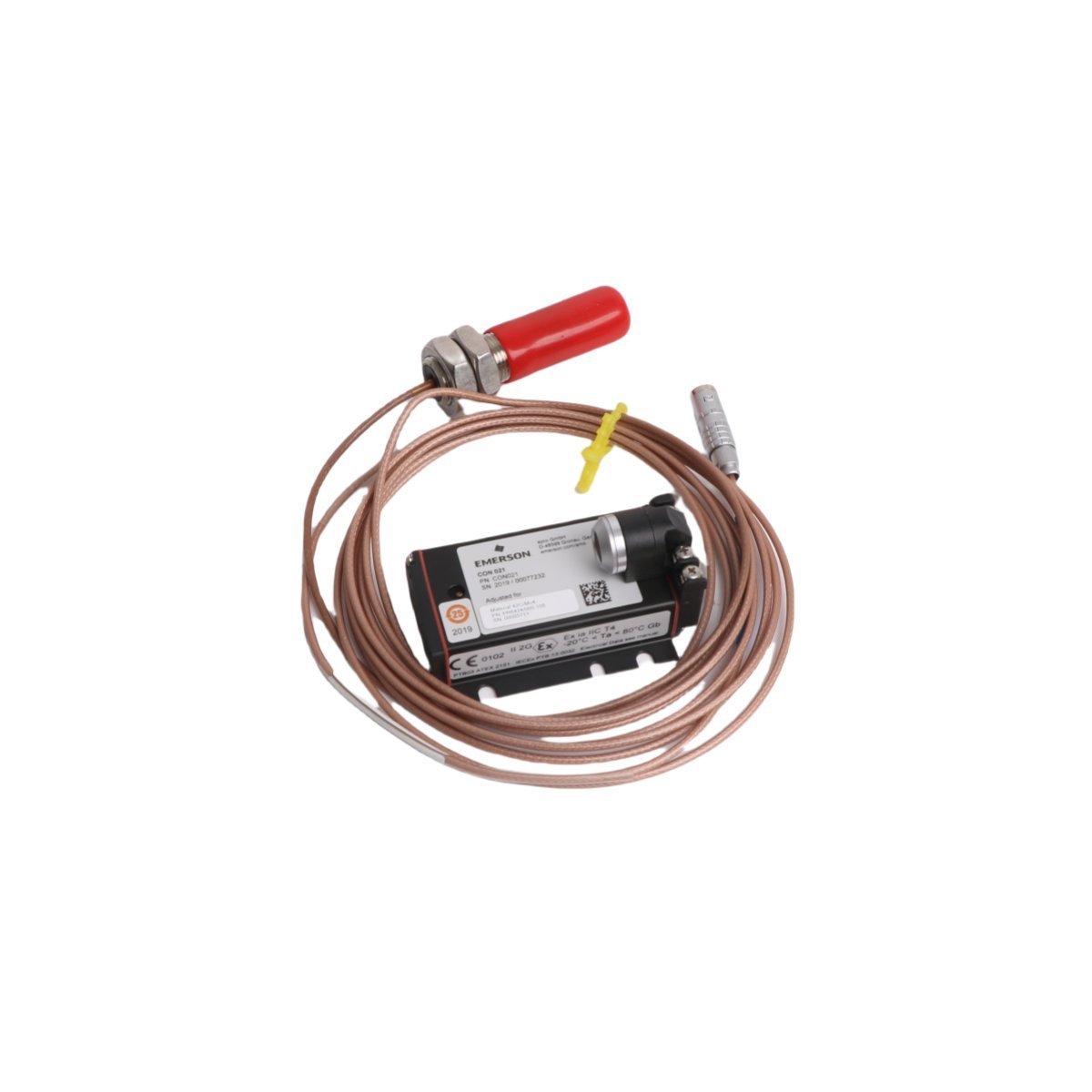
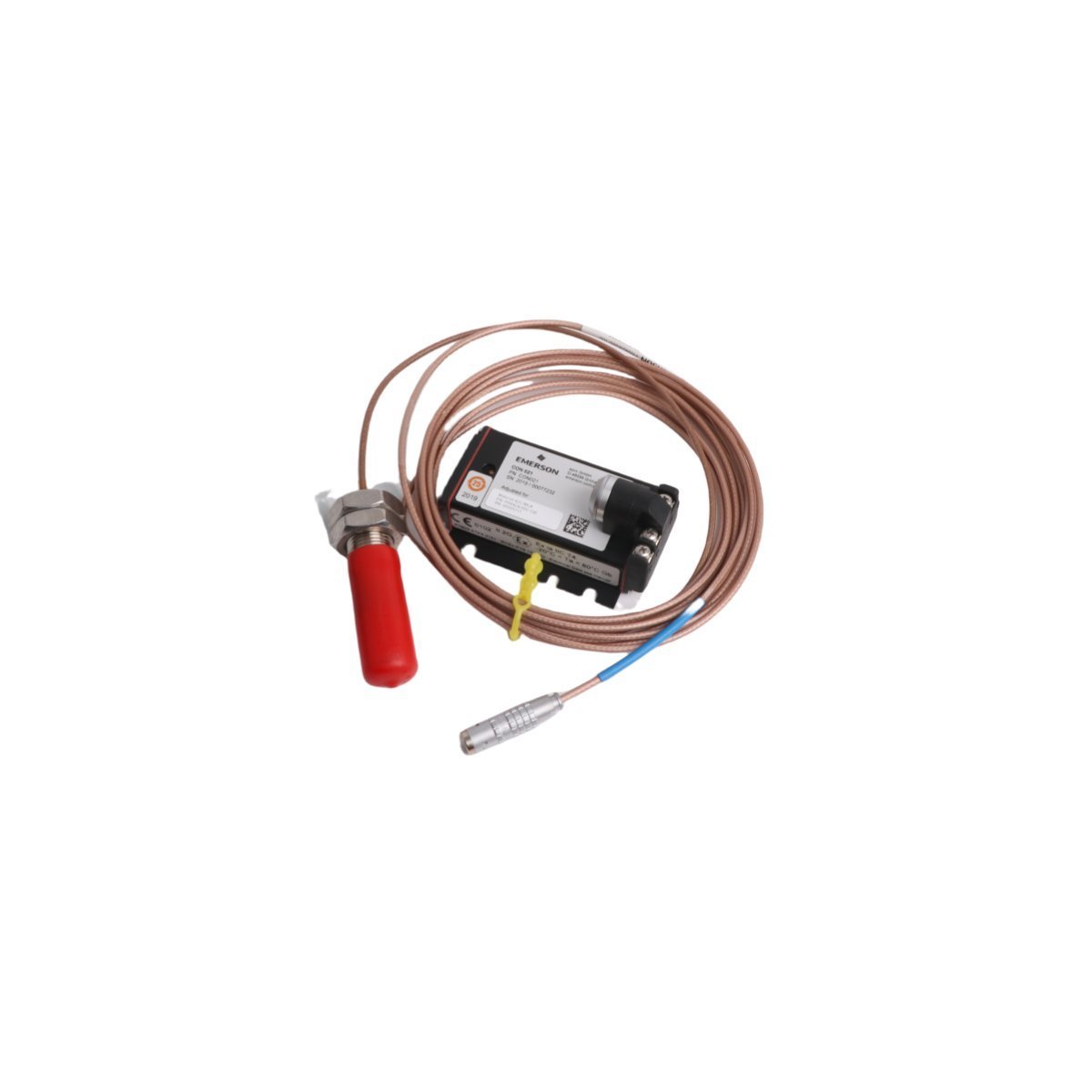
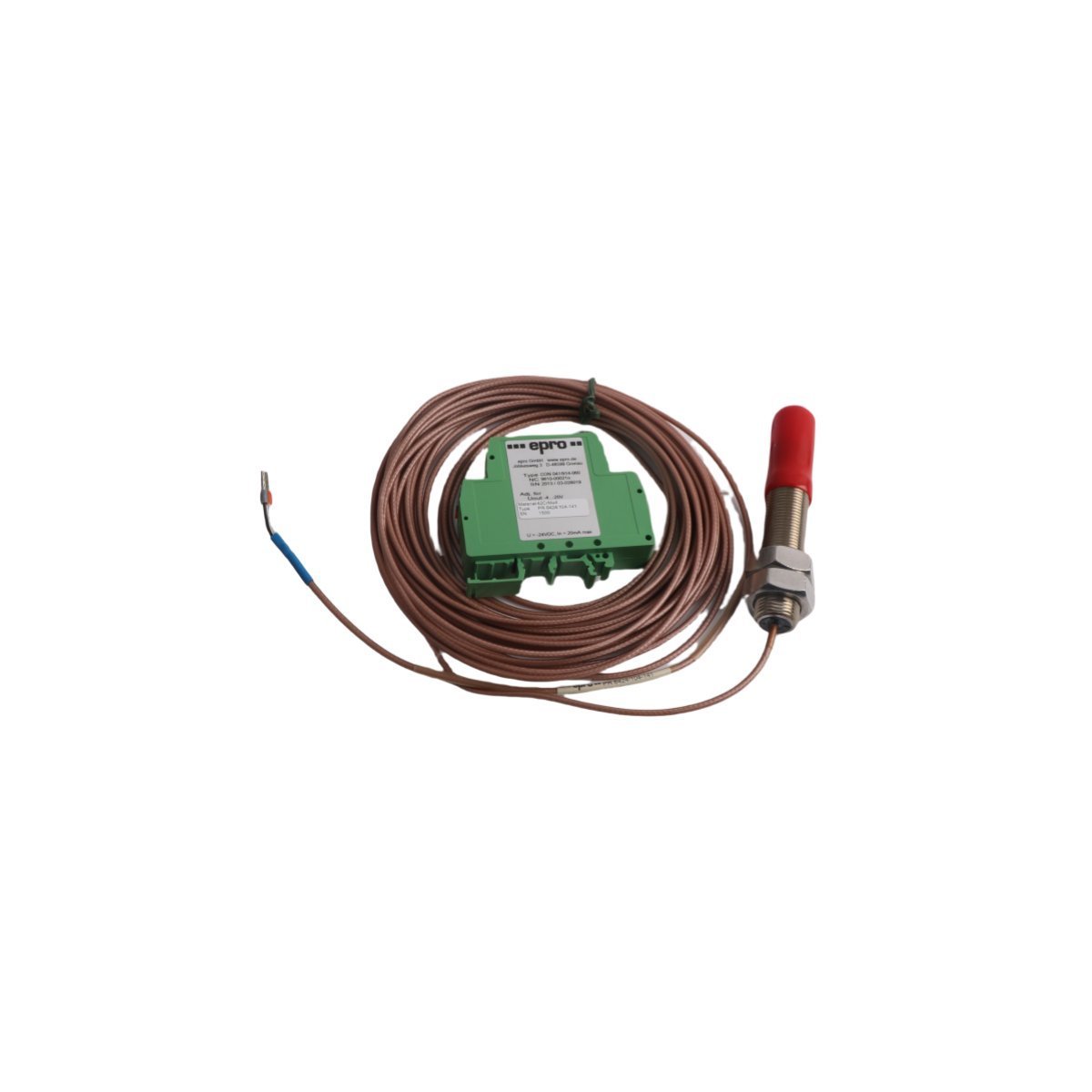
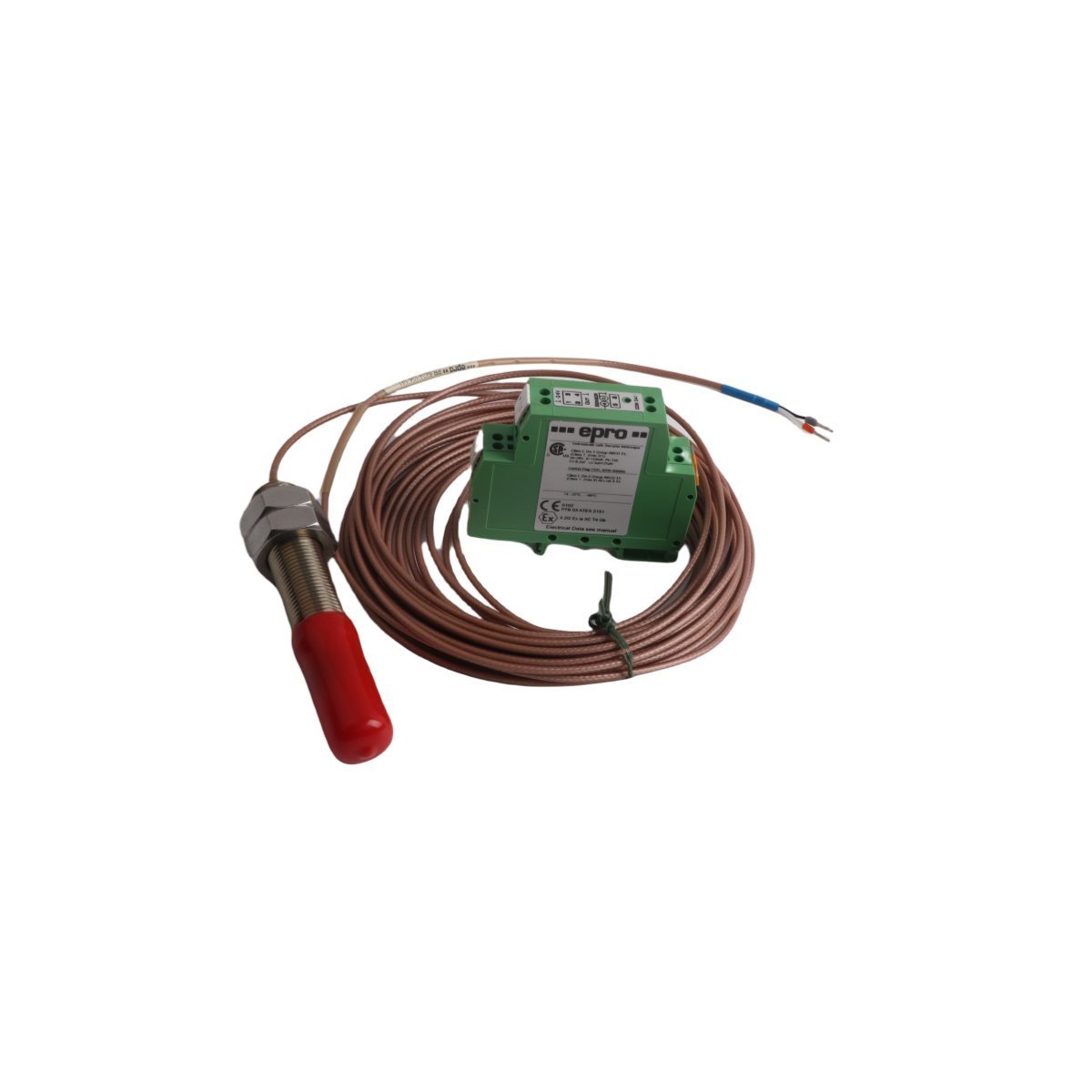
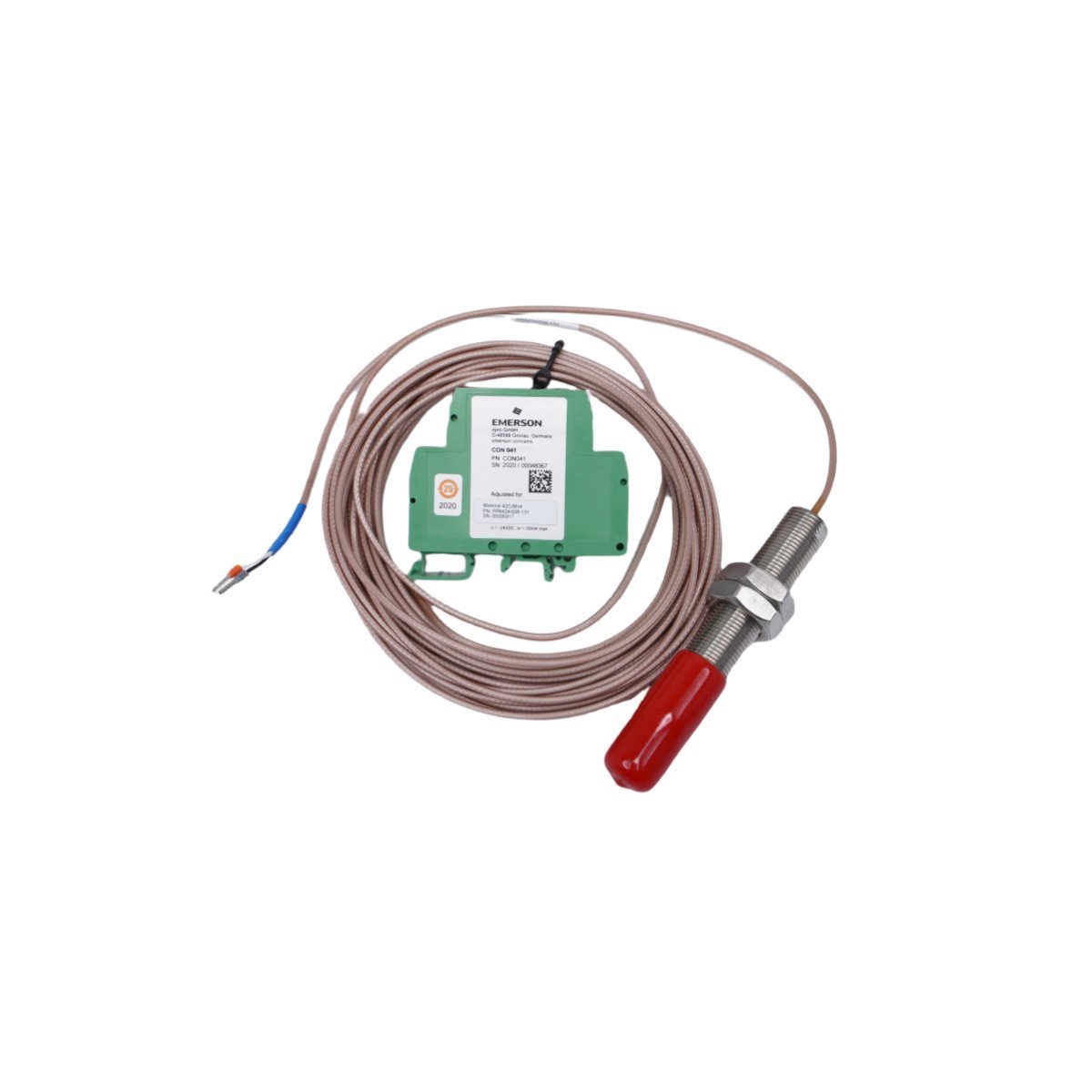
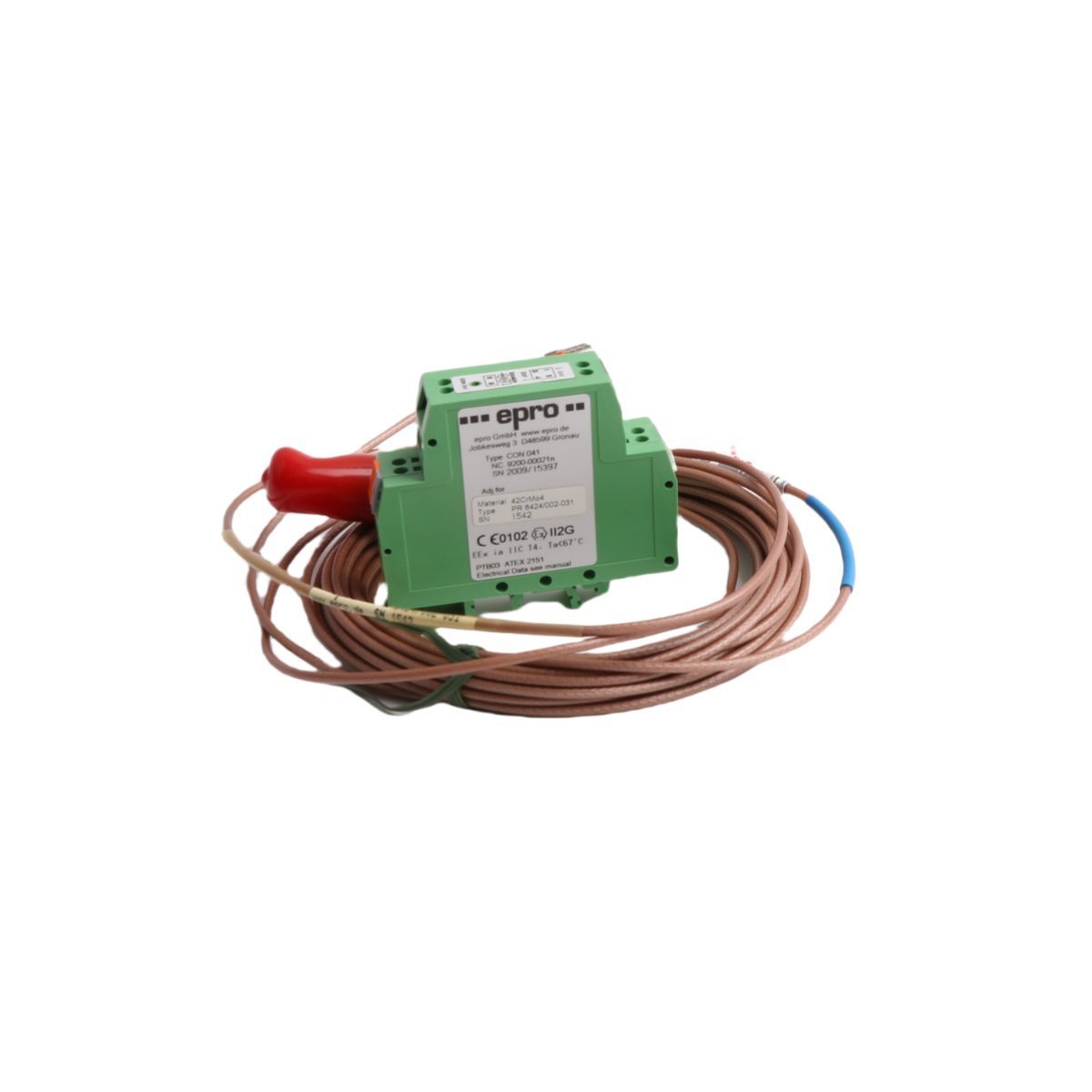
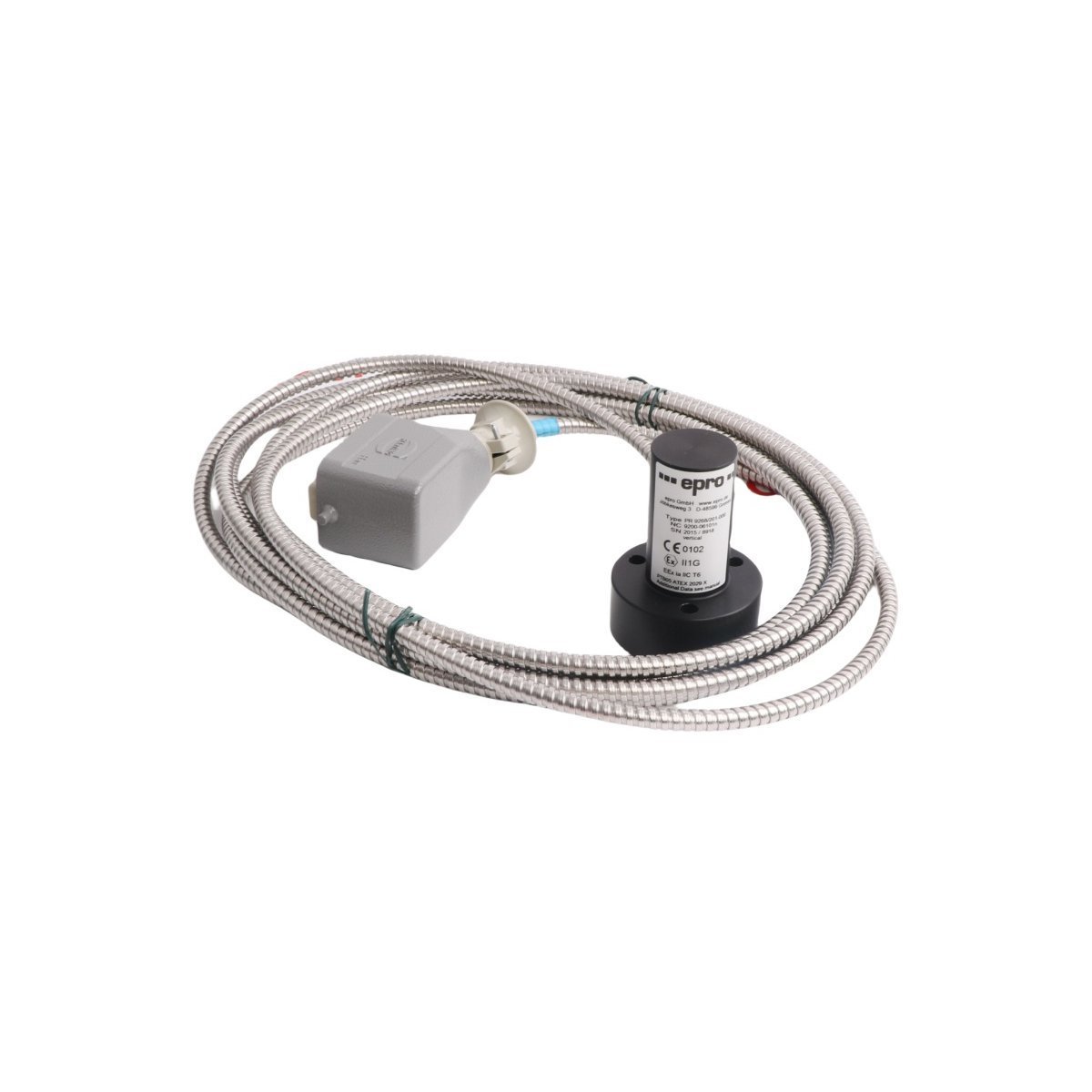
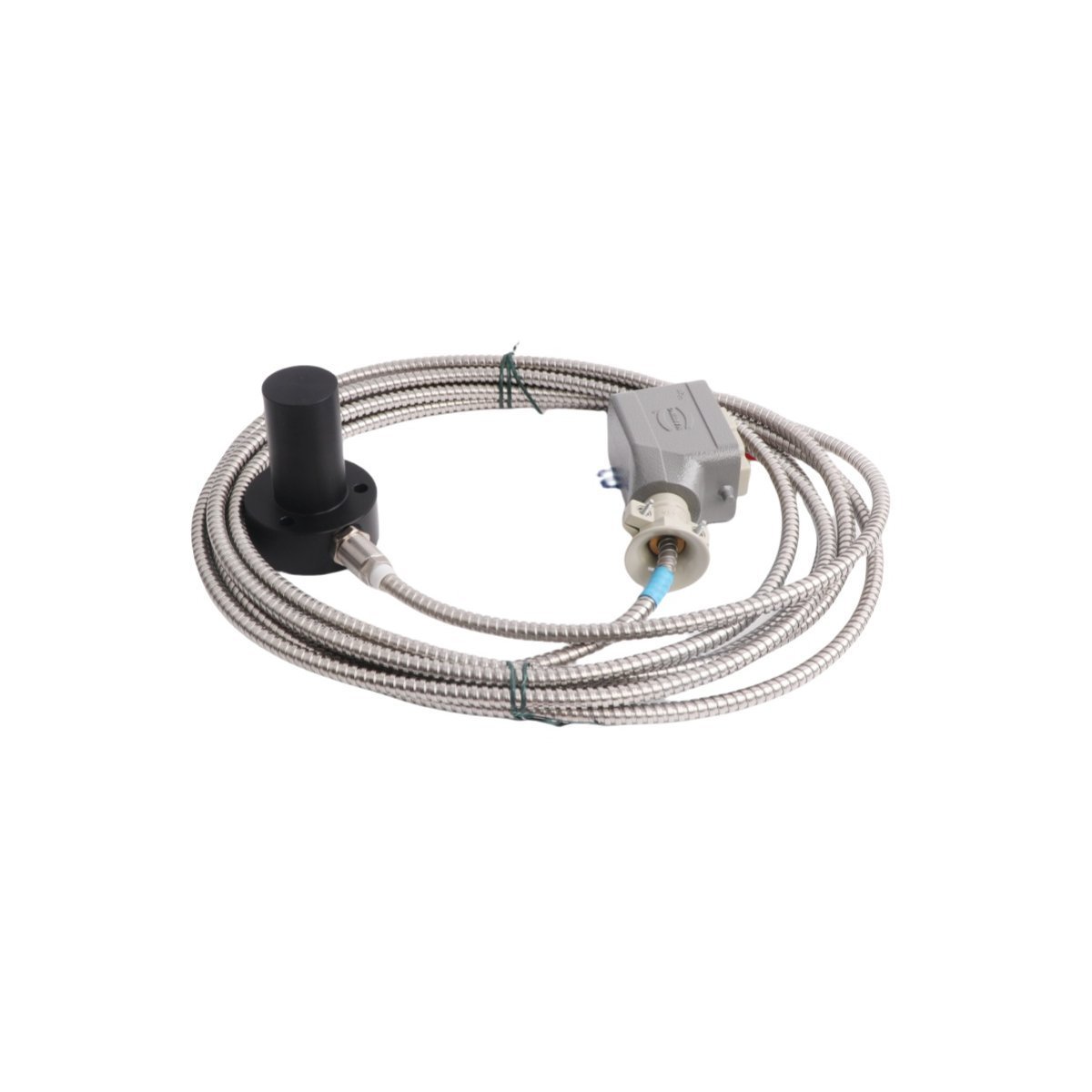
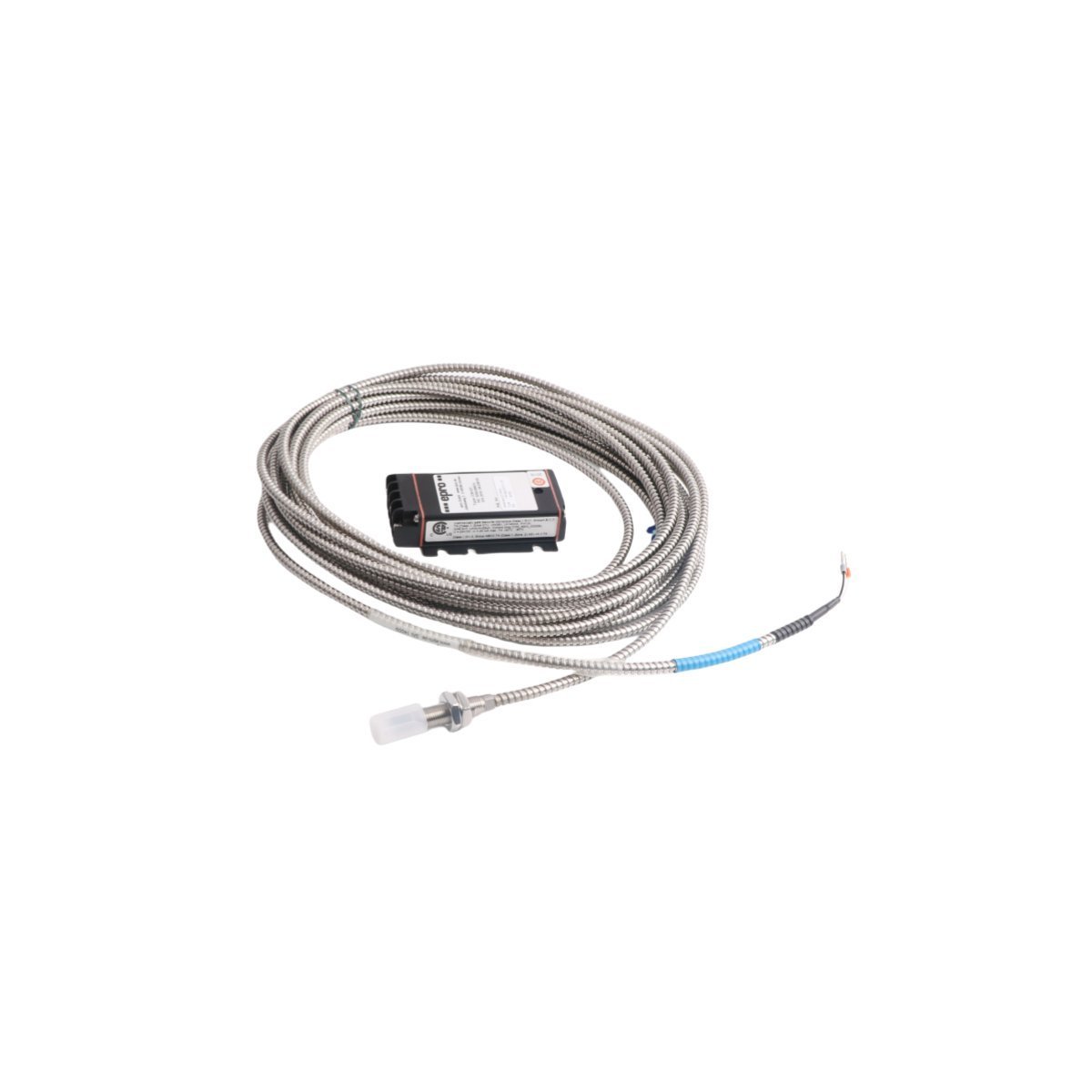
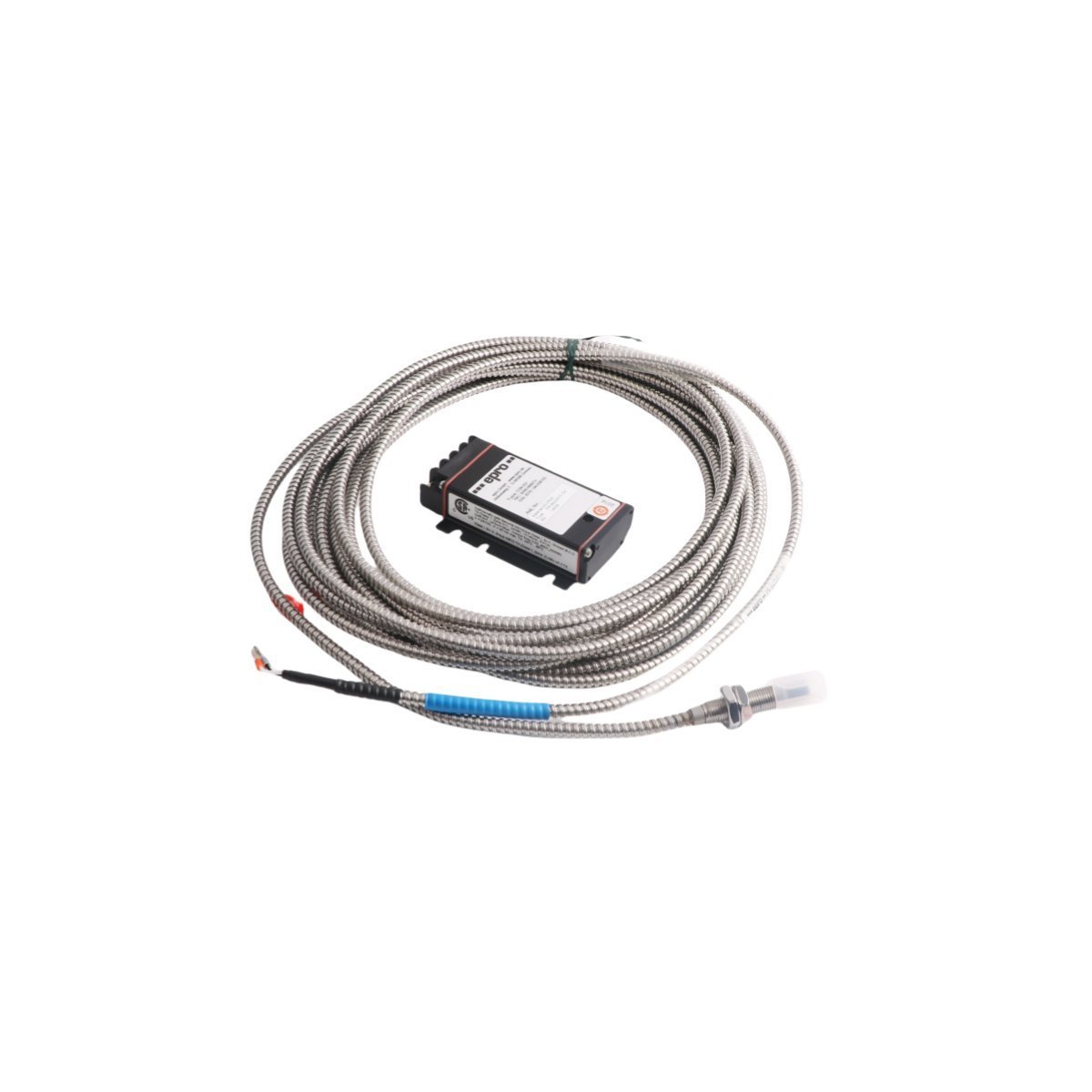
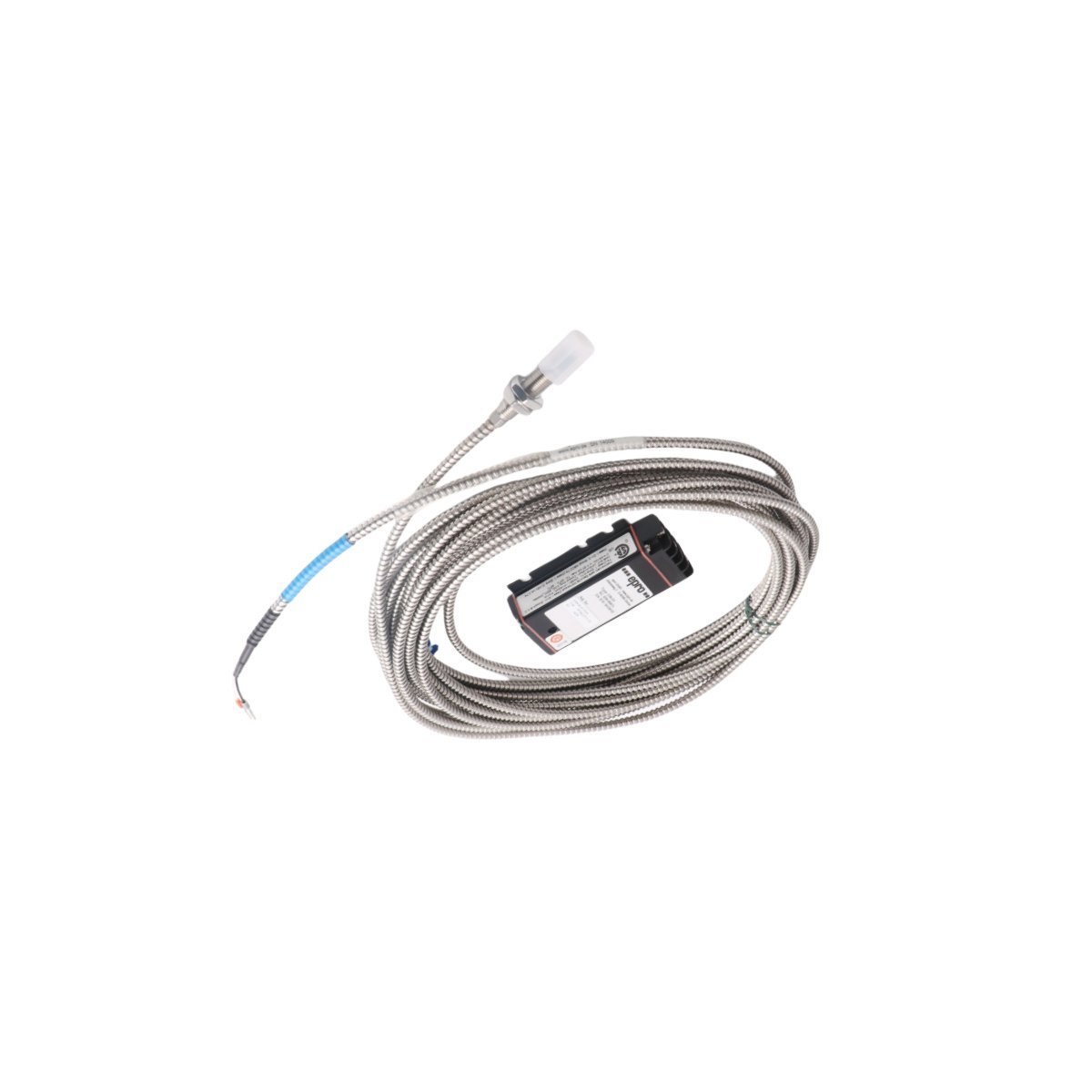
Emerson PR6424/000-100 CON021 Displacement Sensor
Configured for high-precision displacement measurement in rotating machinery, the Emerson PR6424/000-100 CON021 (PR6424/000-100 Eddy Current Sensor) provides direct physical monitoring of shaft position and vibration.
Hardware Specifications
| Parameter | Specification |
|---|---|
| Model | PR6424/000-100 CON021 |
| Brand | Emerson |
| Origin | USA |
| Weight | 0.28 kg |
| Dimensions | 15.5 x 17.5 x 4 cm |
| Operating Temp | Standard Industrial Specification |
| Power Consumption | System-Dependent |
| System | DCS (EPRO) |
Mechanical Monitoring & TSI Characteristics
The sensor system employs eddy-current probe scaling to convert target surface proximity into linear output voltage. Technicians must perform gap voltage validation, targeting a -10 VDC nominal offset to ensure linear response across the operational range. Proper installation requires adherence to rotor dynamics specifications, utilizing shielding to achieve cross-talk suppression in multi-channel monitoring arrays.Frequently Asked Questions
Q: What is the recommended procedure for verifying the sensor gap voltage?A: You must position the probe at the specified distance from the rotor surface and adjust the axial mounting until the output voltage aligns with the -10 VDC target, ensuring the measurement remains within the linear sensing zone.Q: How do you prevent signal interference in proximity measurements?A: You must maintain the manufacturer-specified minimum spacing between adjacent probes and ensure proper grounding of the coaxial signal cable shield to mitigate electromagnetic coupling and noise.Field Installation Guidelines
- Probe Mounting: You must install the sensor in a rigid, vibration-resistant bracket. You must ensure the probe tip maintains a clear, concentric path relative to the rotating shaft without contacting the target surface.
- Calibration Verification: You must perform a static gap adjustment using a calibrated feeler gauge during cold standby conditions. You should verify that the transducer output matches the -10 VDC baseline before confirming the system is operational.
- Cabling and Routing: You must route the coaxial signal lines through dedicated, shielded conduits, keeping them physically isolated from high-voltage AC lines to prevent inductive signal corruption.
- Shielding Continuity: You must terminate the cable shield at a single, dedicated instrumentation ground point within the terminal cabinet. You should conduct a resistance check to confirm shield continuity, which minimizes ground-loop-induced noise in the vibration monitoring signal.