You are here:
SKU: 330881-16-05-035-01-02

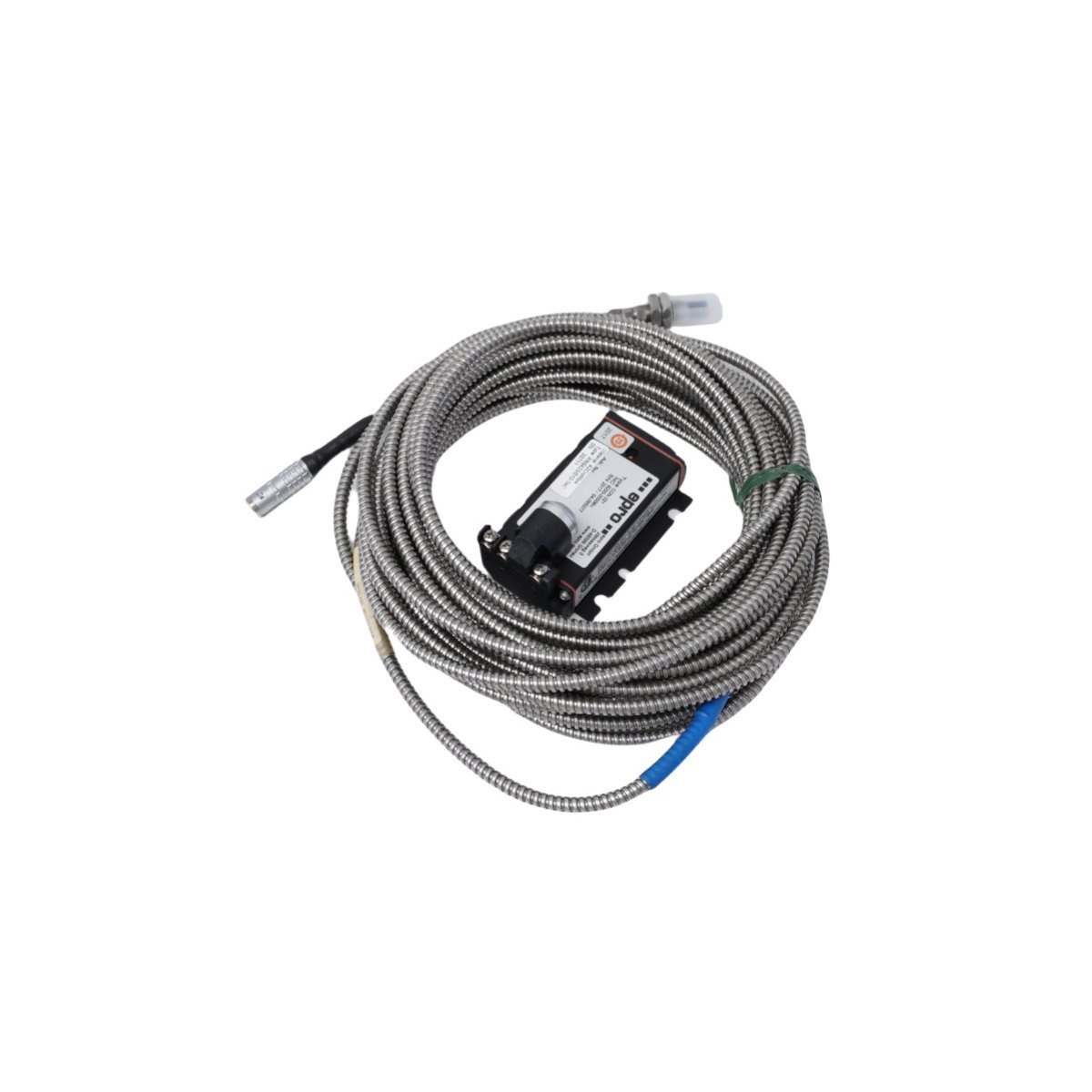
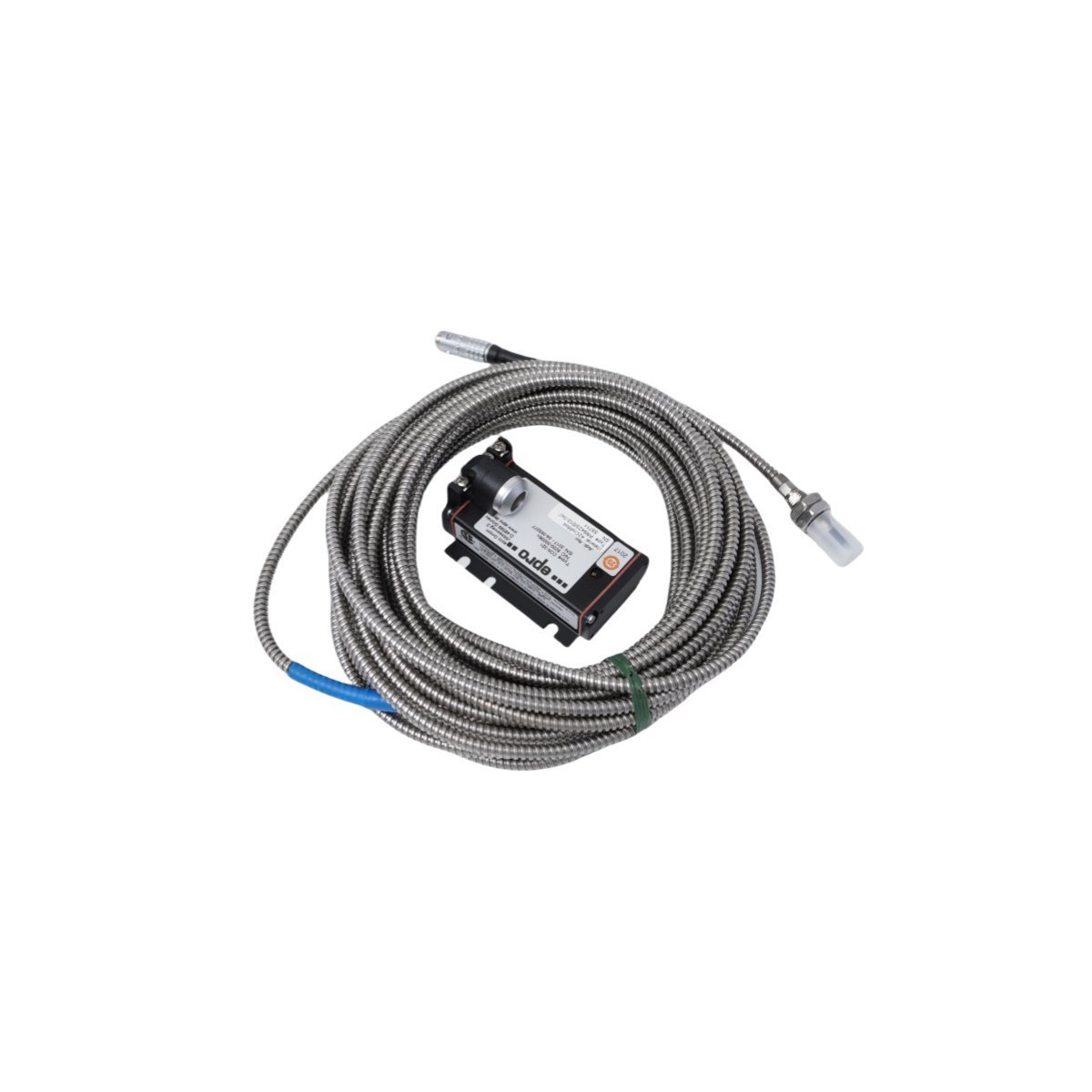
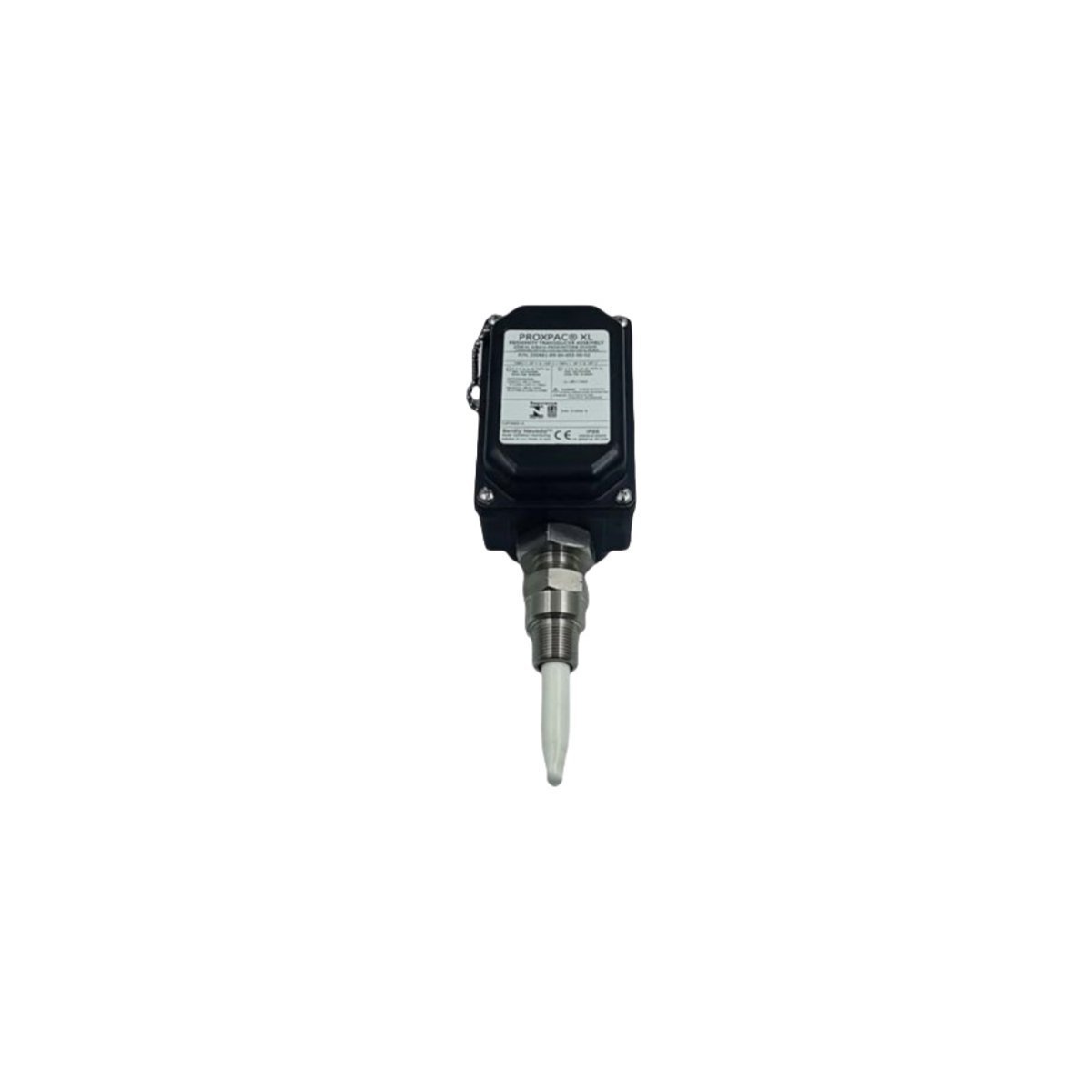
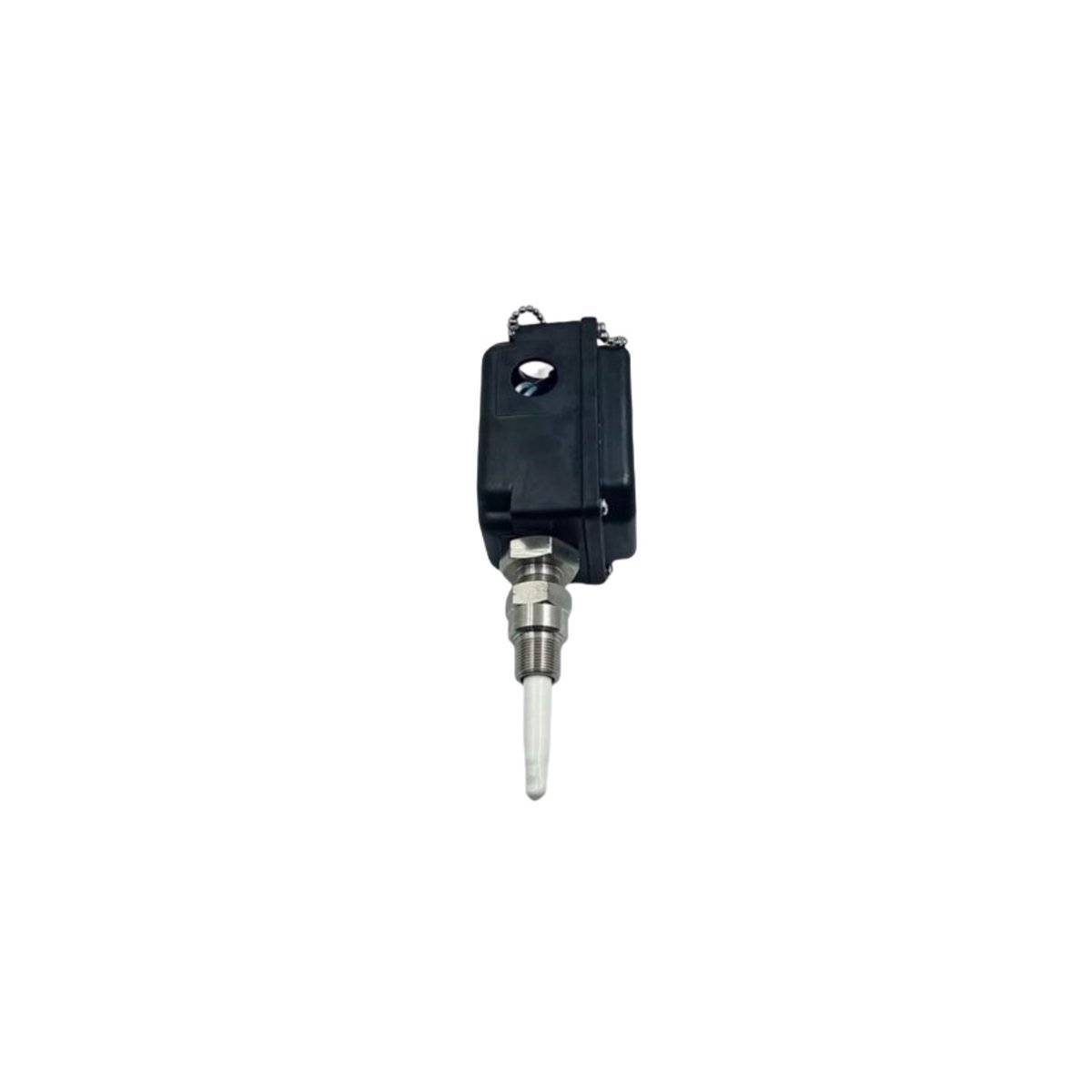
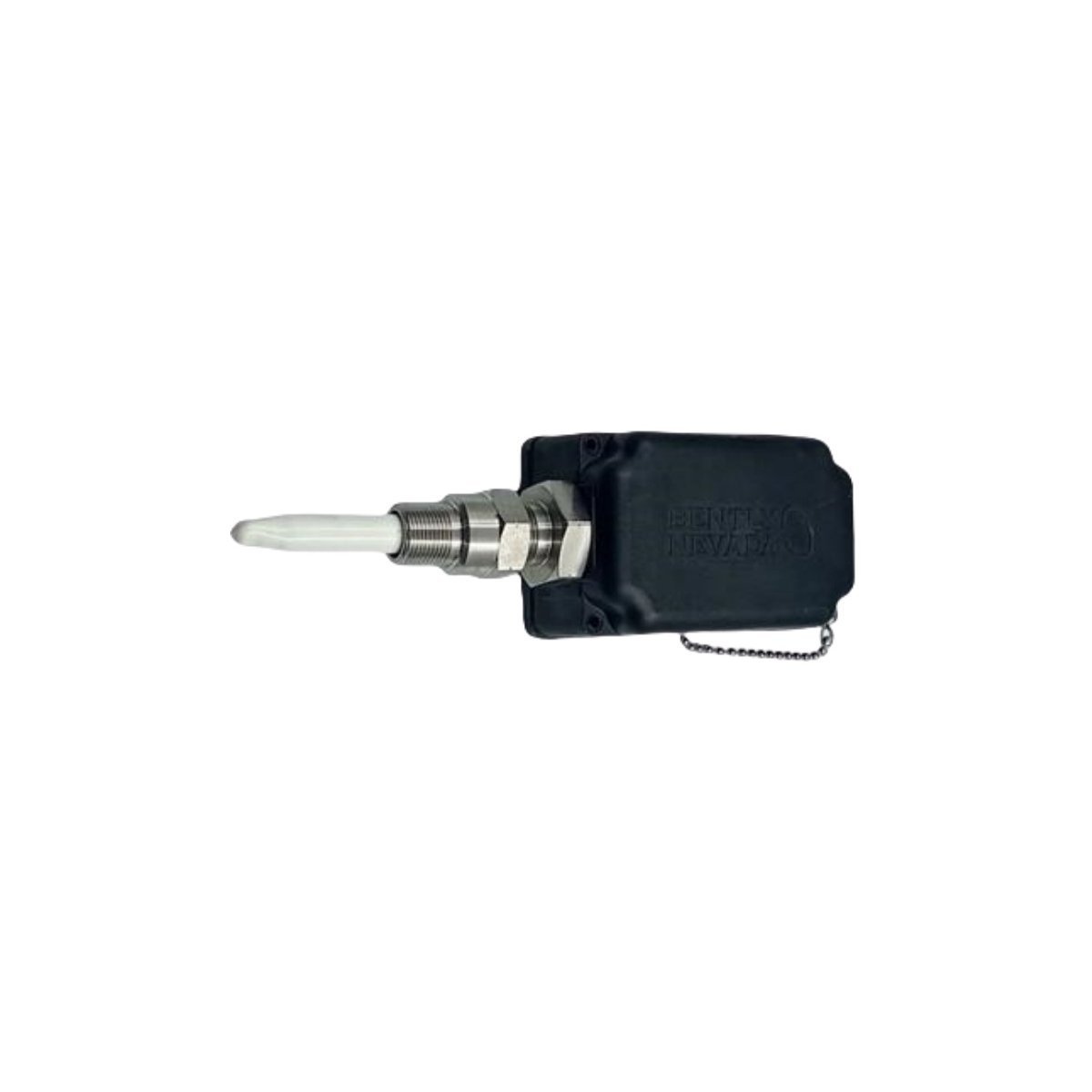
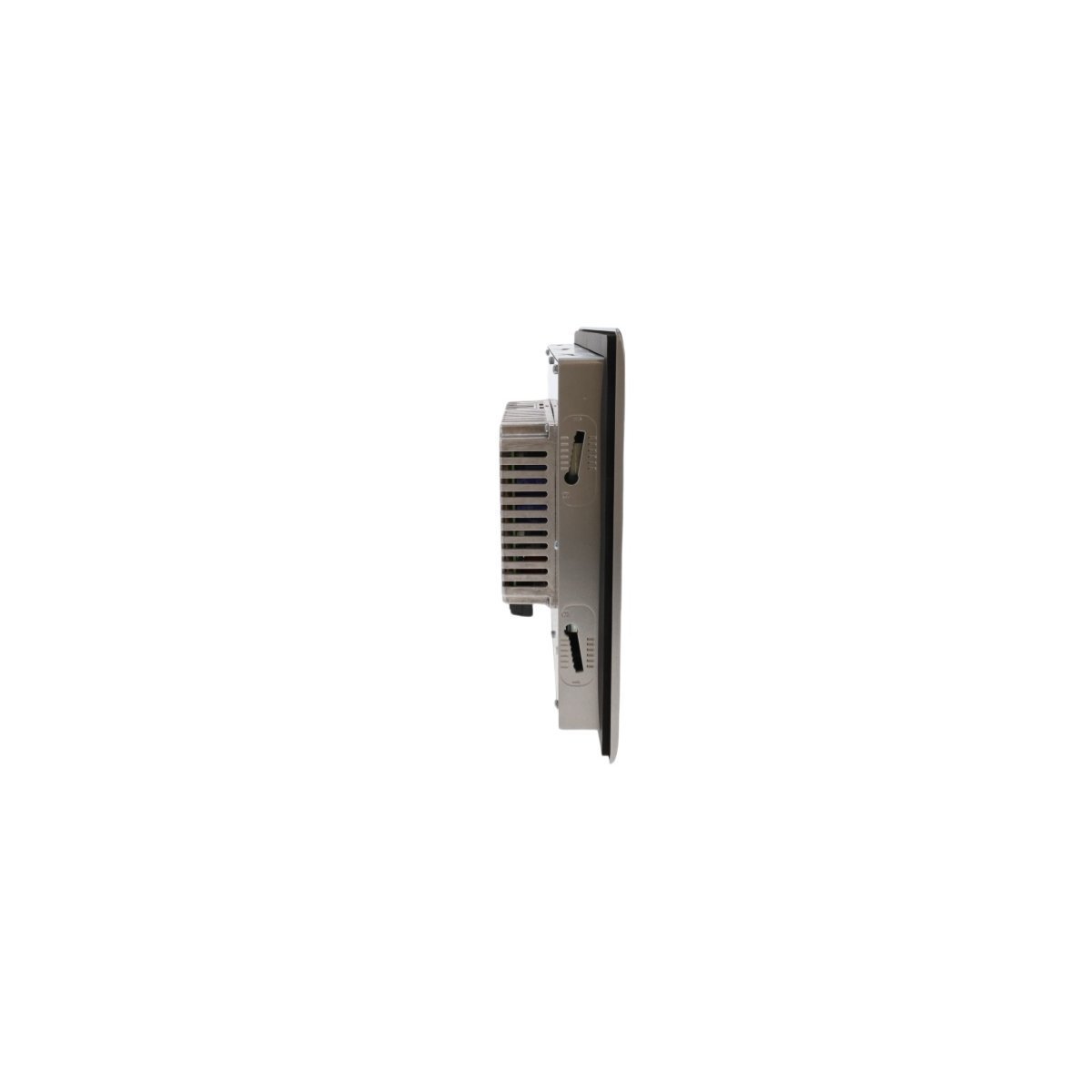
Bently Nevada 330881-16-05-035-01-02 PROXPAC XL Proximity Transducer

Order the Bently Nevada 330881-16-05-035-01-02 PROXPAC XL Transducer directly from our warehouse. Factory unit featuring robust PPS composite housing, IP66 rating, and full technical documentation. Contact us for global shipping options and quotes.

The Bently Nevada 330881-16-05-035-01-02, also cataloged as the 330881 PROXPAC XL Proximity Transducer, serves as the primary 330881 PROXPAC XL Proximity Transducer utilized to execute mechanical vibration sensing and eddy-current displacement monitoring across TSI platforms. This specific integrated hardware assembly contains both the proximity probe element and the localized conditioning circuitry within a single ruggedized enclosure to register shaft dynamics on rotating machinery.

Hardware Specifications

ParameterSpecification
Model330881-16-05-035-01-02
BrandBently Nevada
OriginUSA
Weight1.44 kg
Dimensions30.02 x 12.00 x 9.14 cm
Operating TempStandard industrial limits (Type 4X and IP66 rated enclosure)
Power ConsumptionDetermined by the loop monitor interface
Enclosure MaterialPolyphenylene Sulfide (PPS) with glass and conductive fibers
Product TypePROXPAC XL Proximity Transducer

Eddy-Current Probe Scaling & Gap Voltage Validation

Configured directly into the Polyphenylene Sulfide (PPS) composite frame, the internal sensor core of the Bently Nevada 330881-16-05-035-01-02 depends on strict mechanical alignment to achieve precise eddy-current probe scaling. During field installation, the probe tip distance relative to the rotating target shaft must be adjusted to establish a specific calibrated baseline. Technicians check the transducer loop performance through active gap voltage validation across the output pins, targeting a static value of -10 VDC nominal. This bias voltage ensures that the integrated sensor functions strictly within its linear measurement window for tracking real-time rotor dynamics. Furthermore, the specialized glass-filled conductive thermoplastic housing provides native isolation properties, ensuring high cross-talk suppression against adjacent magnetic fields generated by surrounding machine instrumentation.

Frequently Asked Questions

Q: What is the primary physical function of the Polyphenylene Sulfide (PPS) housing material?

A: The composite PPS material replaces standard metallic sensor housings, incorporating glass and conductive fibers to increase structural load capacity while safely dissipating local electrostatic charges in harsh process environments.

Q: Do the numbers within the suffix string dictate the exact hardware dimensions?

A: Yes. The suffix matrices (such as -16, -05, and -035) specify specific physical parameters, including probe thread orientations, internal sleeve depths, total probe penetration length, and specific agency approvals assigned to the integrated assembly.


Field Installation Guidelines

  • Enclosure Sealing & Thread Engagement: For compliance with Type 4X and IP66 environmental protocols, all conduit entries require tight thread engagement. Apply approved industrial thread compounds to all NPT fittings, ensuring a minimum of 5 full threads are engaged to seal against dust, humidity, and corrosive vapors.
  • Shield Grounding Protocol: The sensor signal transmission cable must follow standard industrial grounding rules. Ensure that the outer braided shield layer is isolated from the physical machinery casing and is linked to ground solely at the receiver rack or monitor terminal end.
  • Electrostatic Charge Mitigation: When mounting the non-metallic PPS assembly to the machine chassis, check that the mounting face is clean of thick paints or debris. Direct, flat mechanical coupling must be maintained to enable proper dissipation of electrostatic fields via the conductive housing fibers.