You are here:
SKU: Allen Bradley 80190-380-01-R

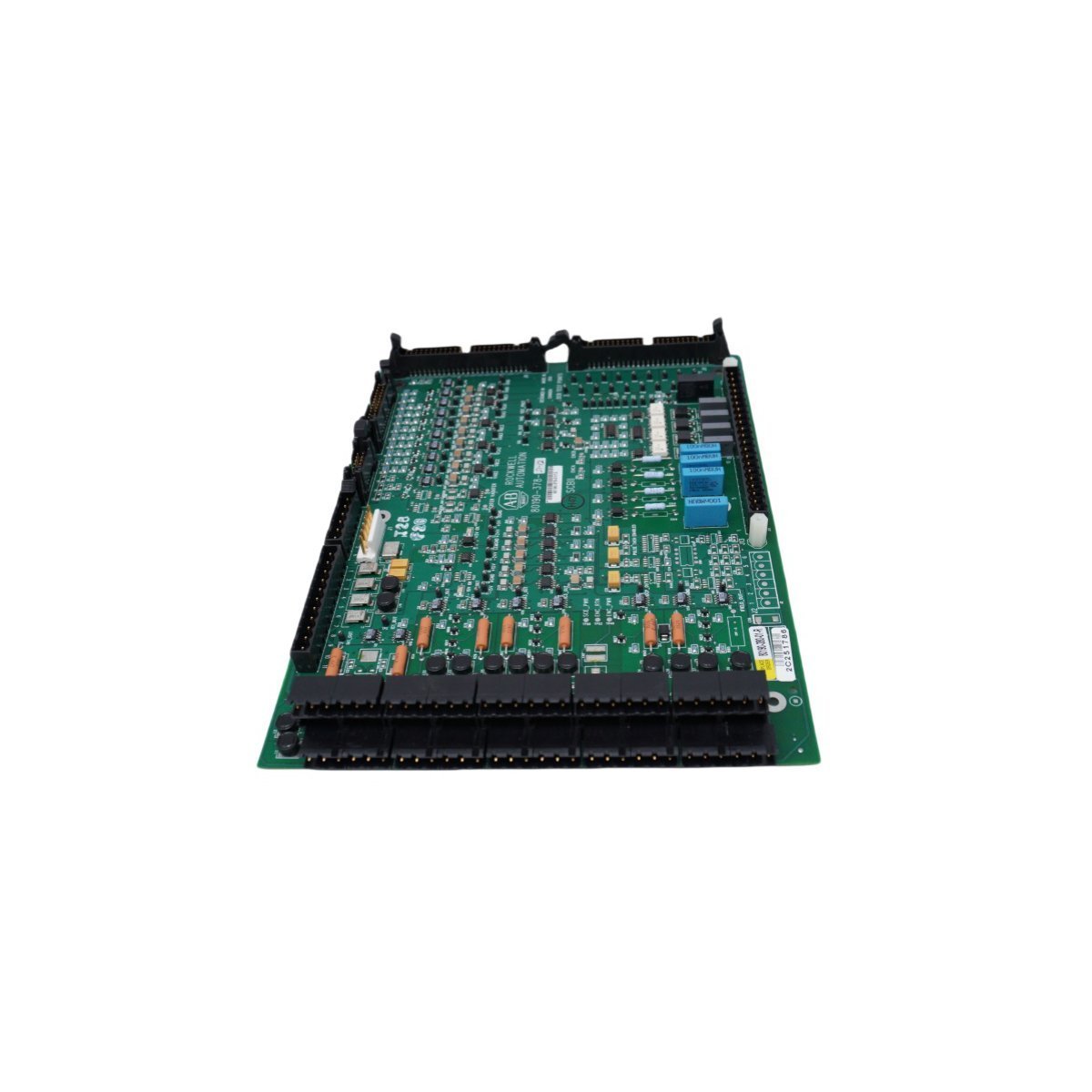
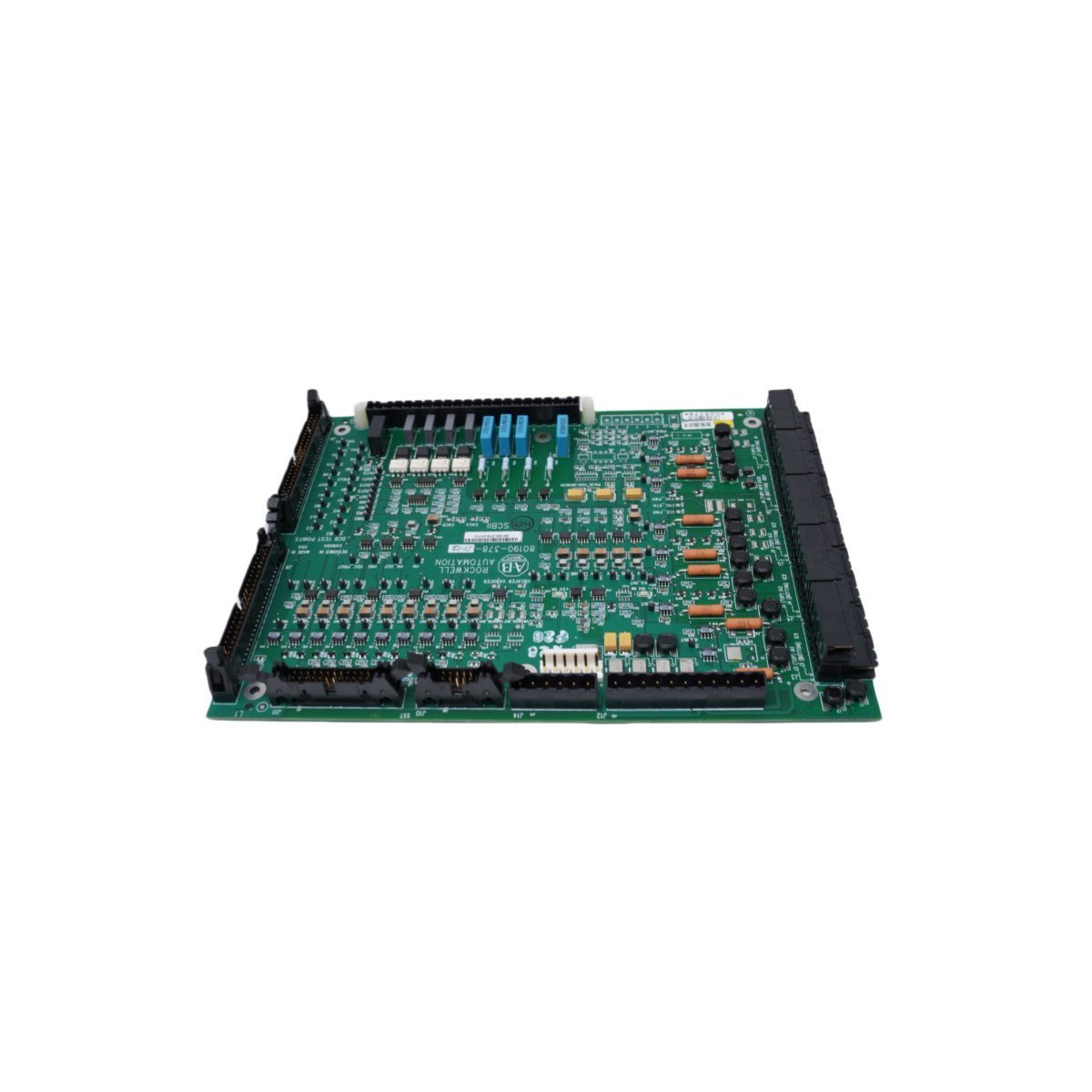
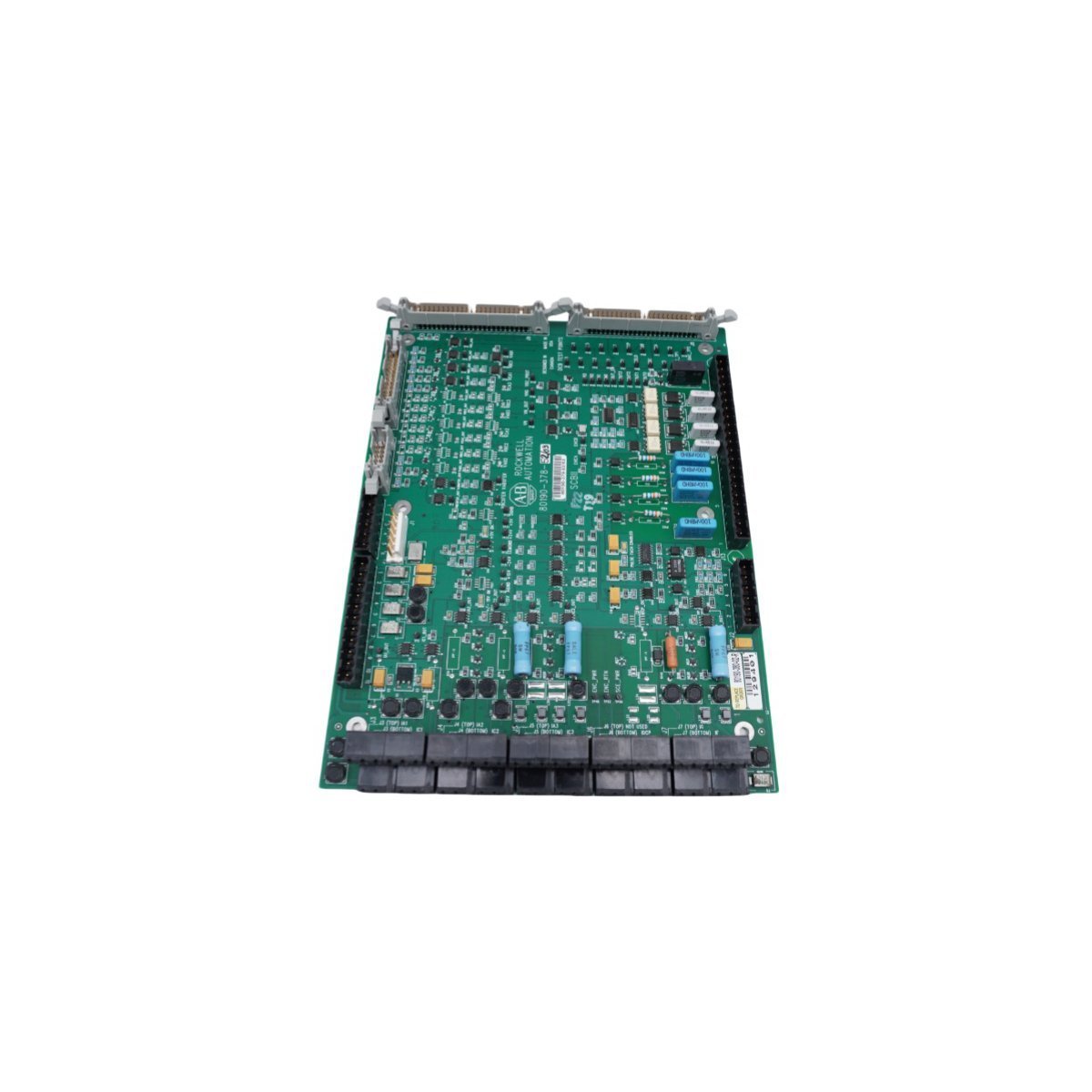
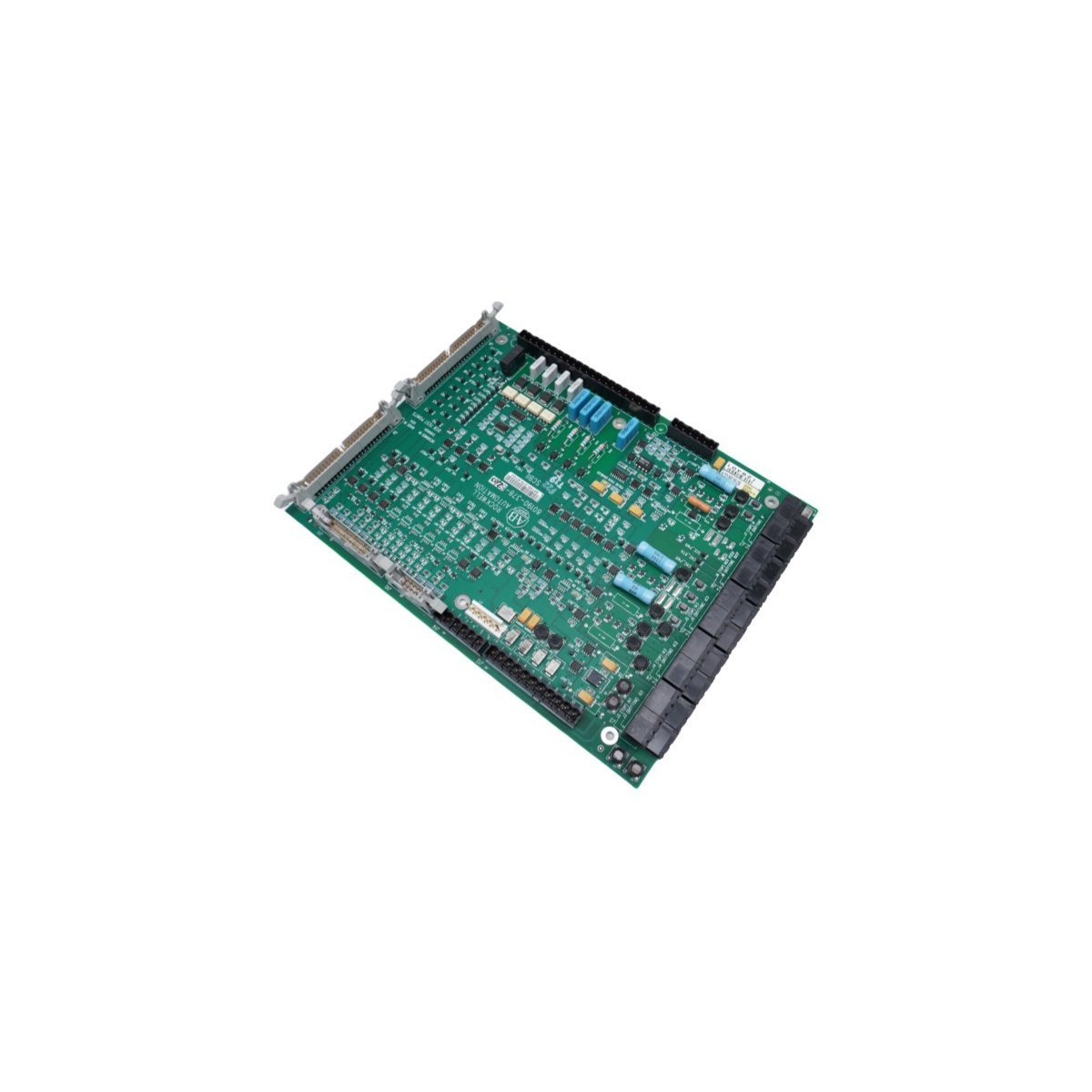
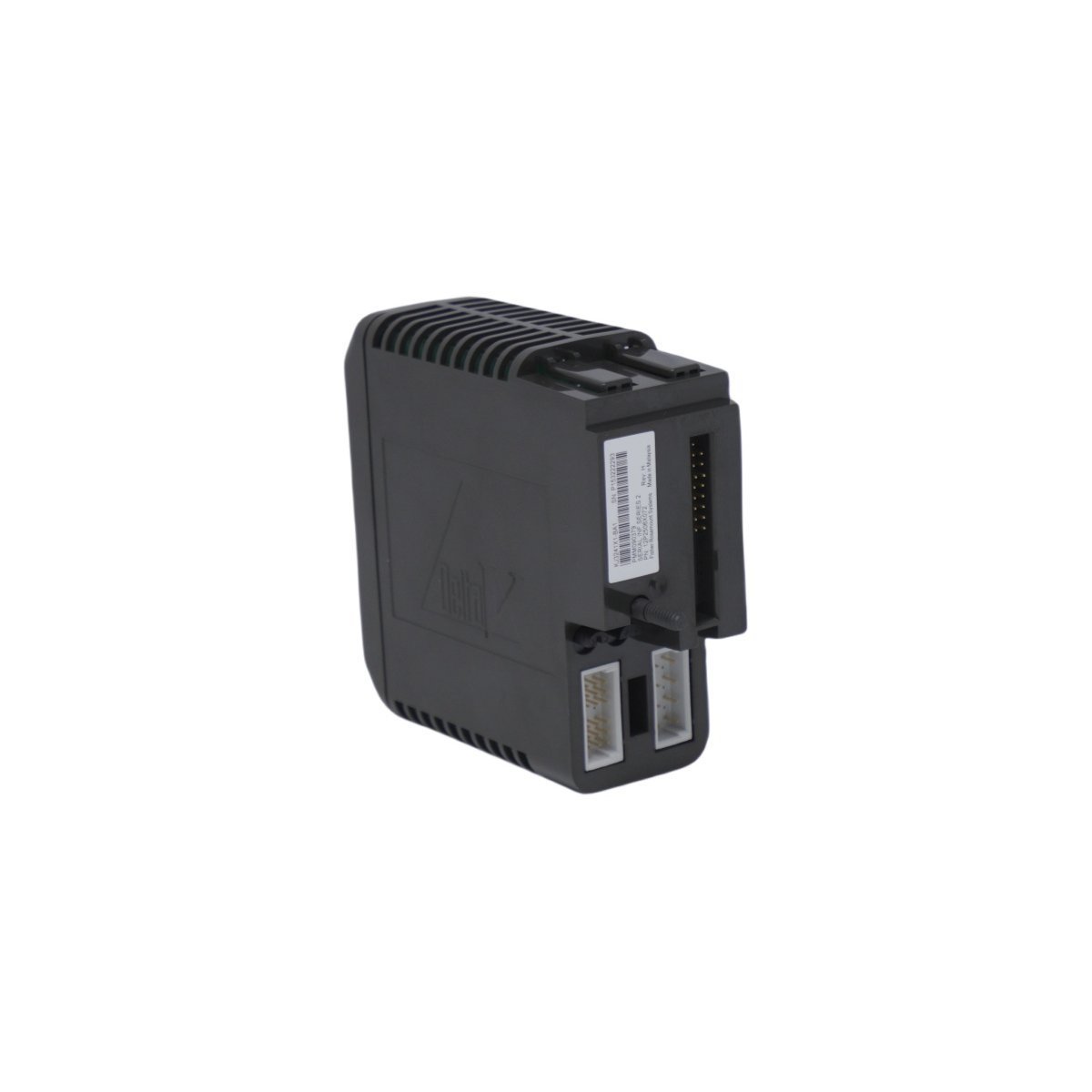
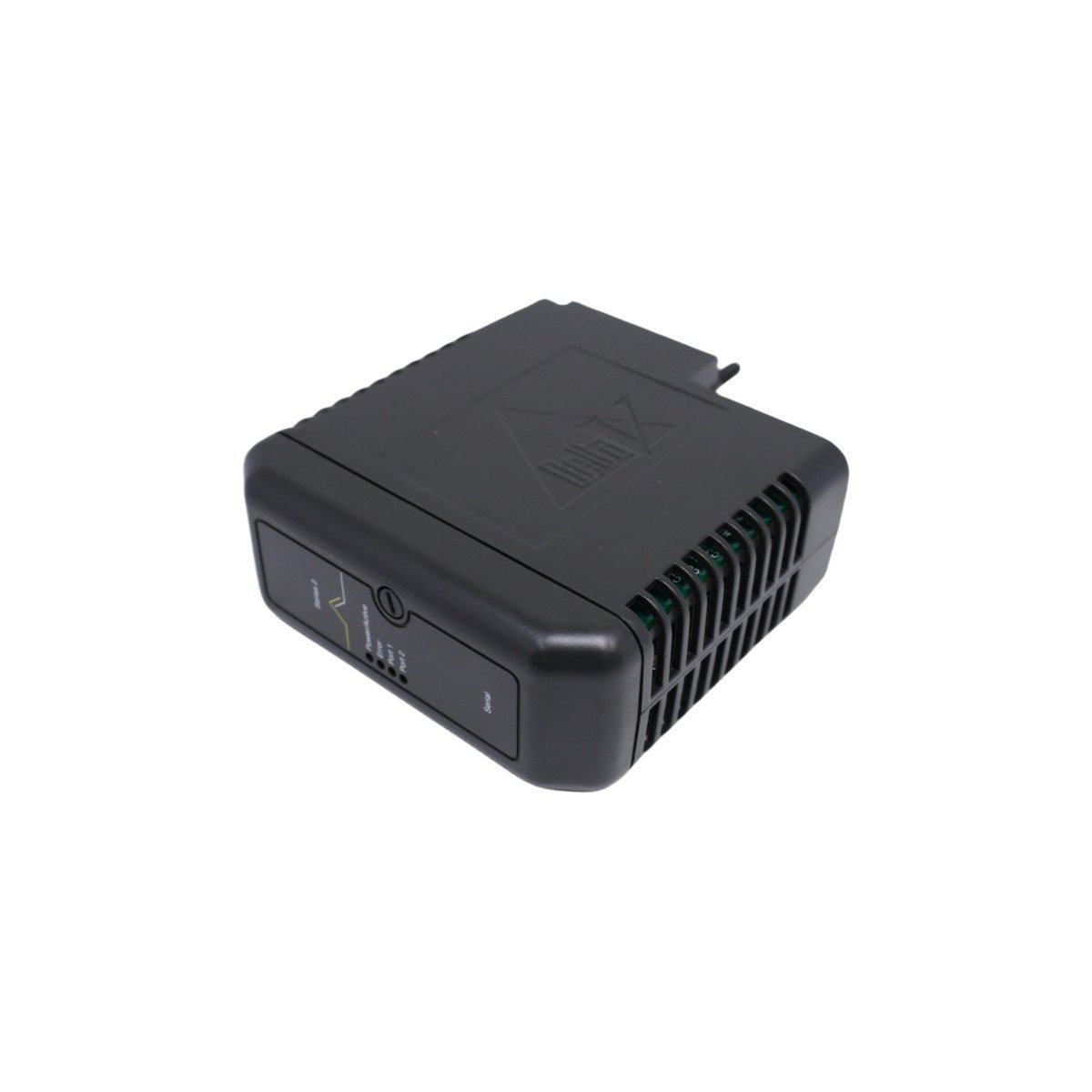
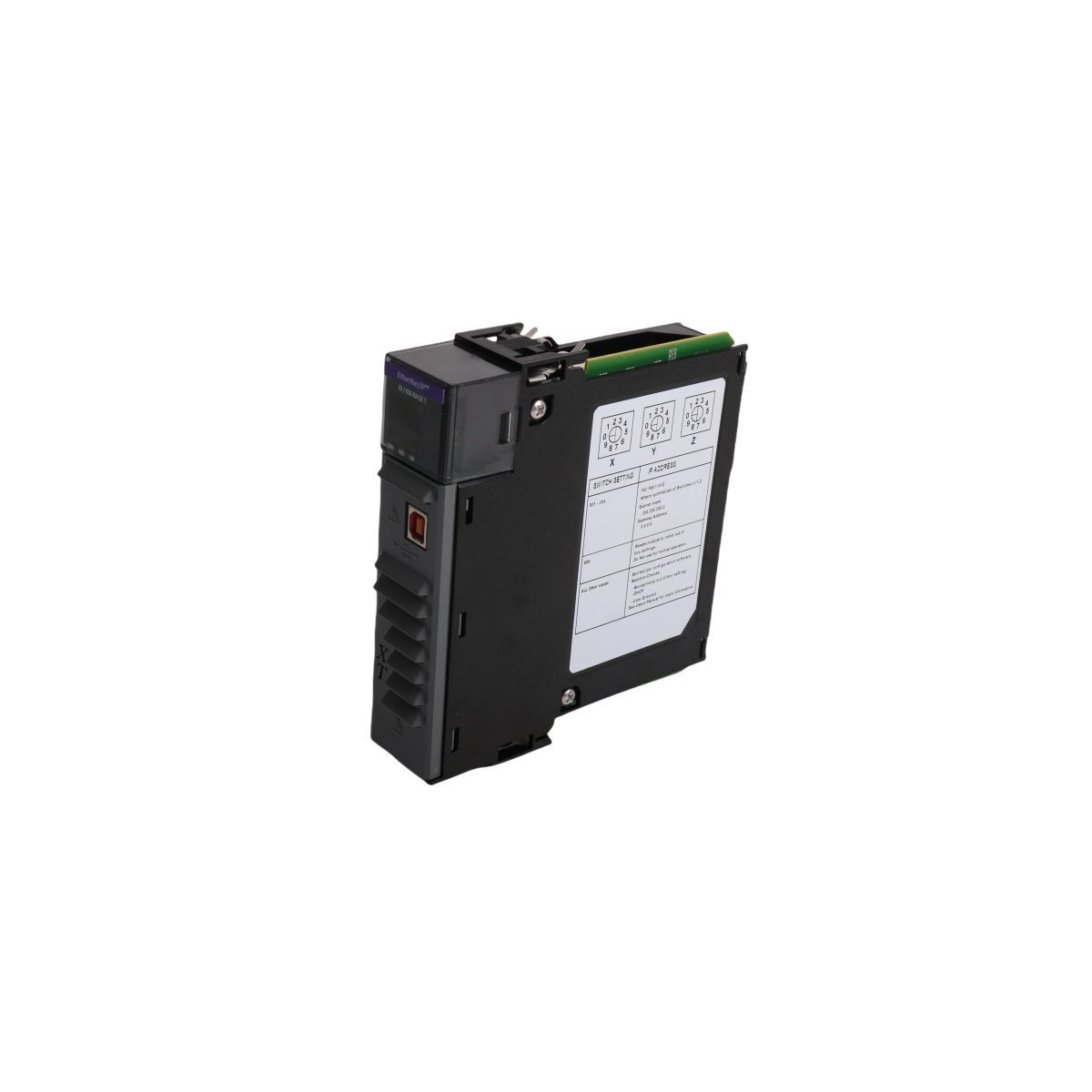
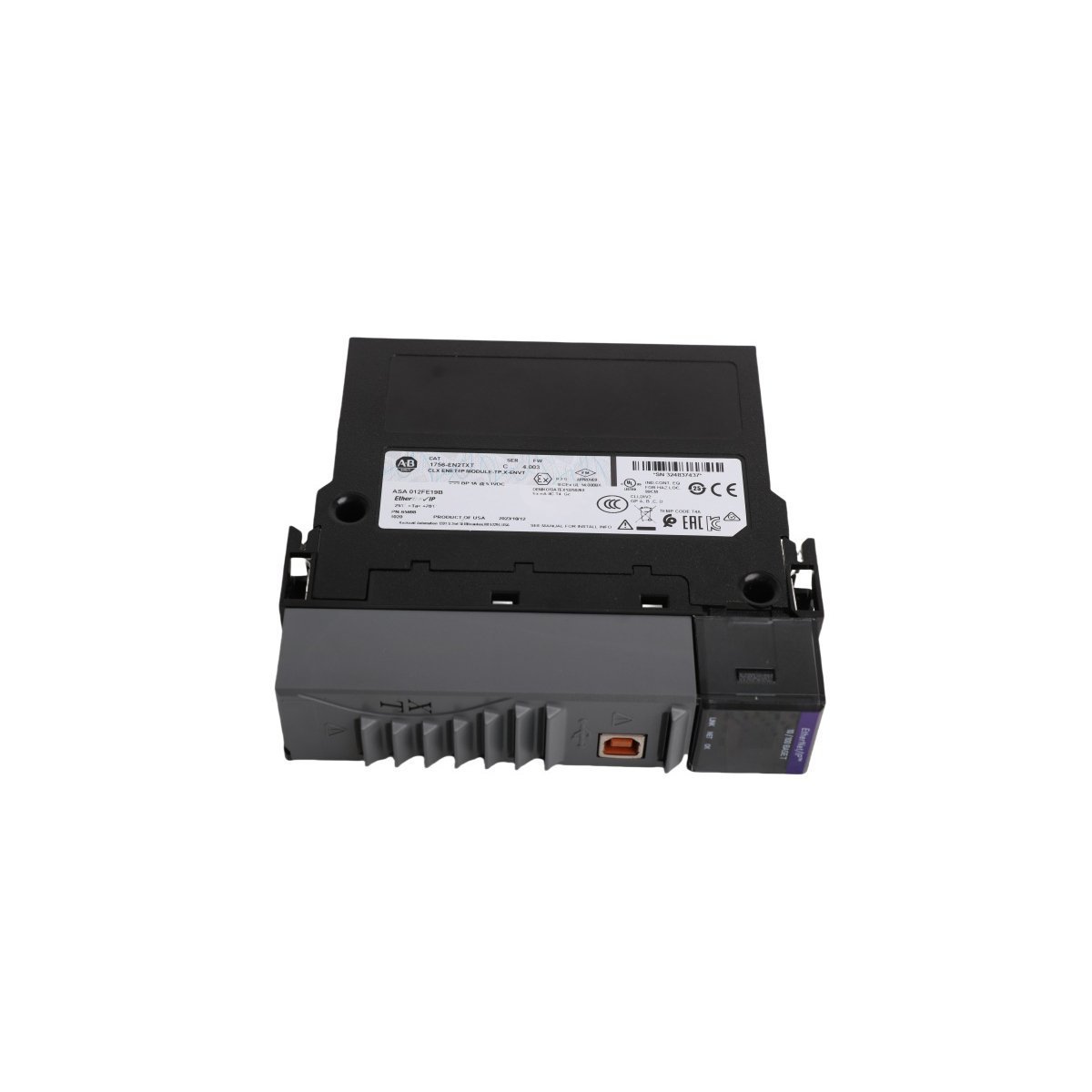
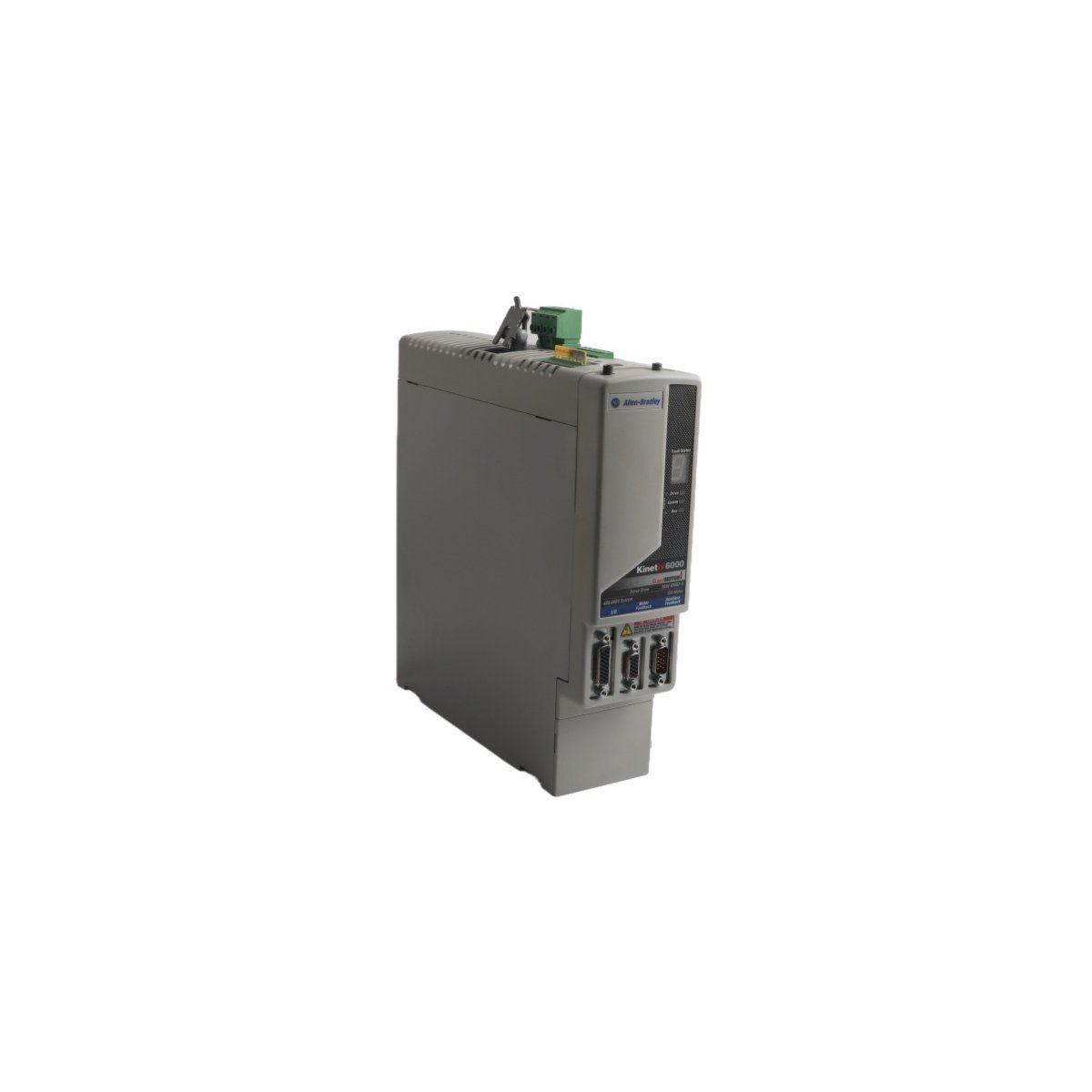
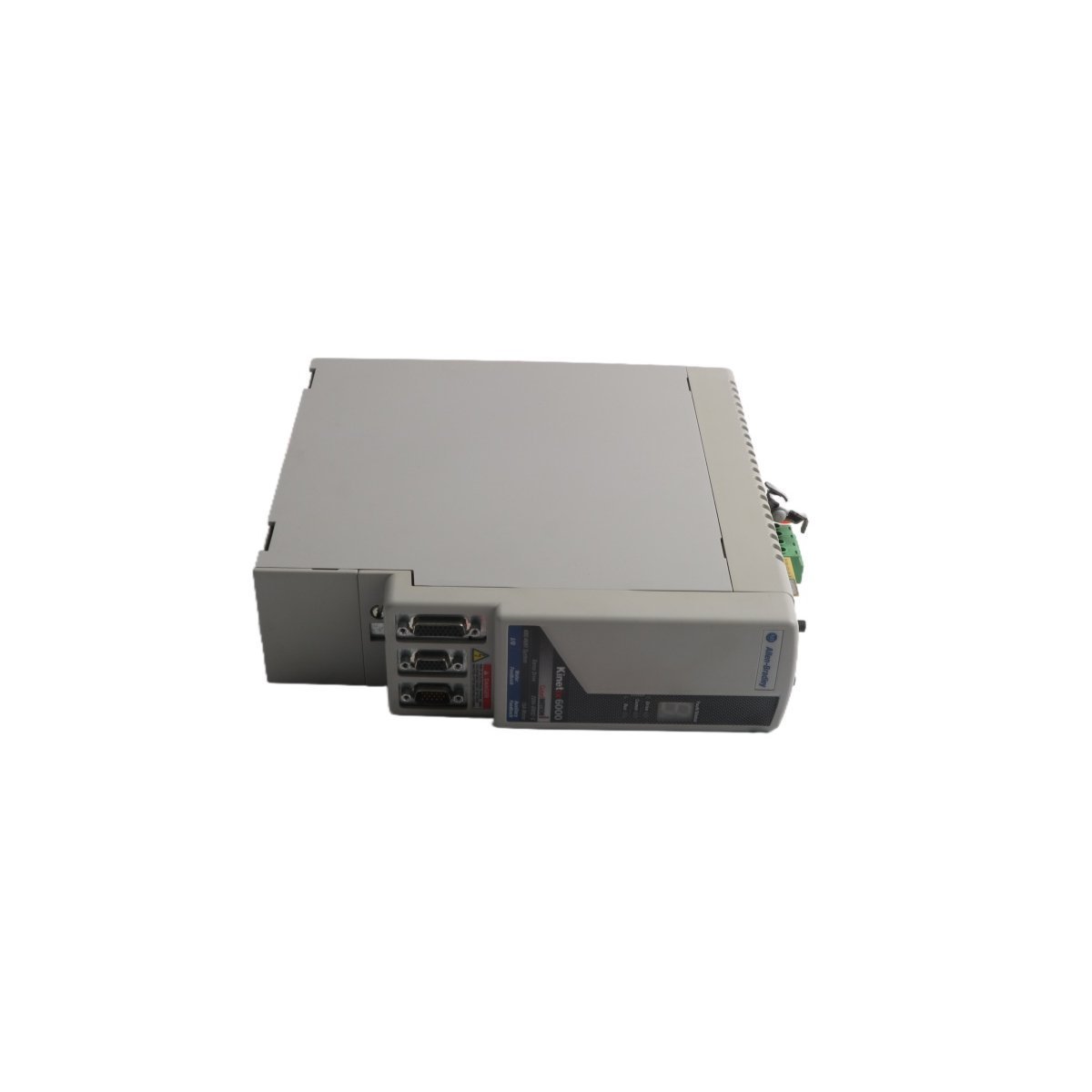
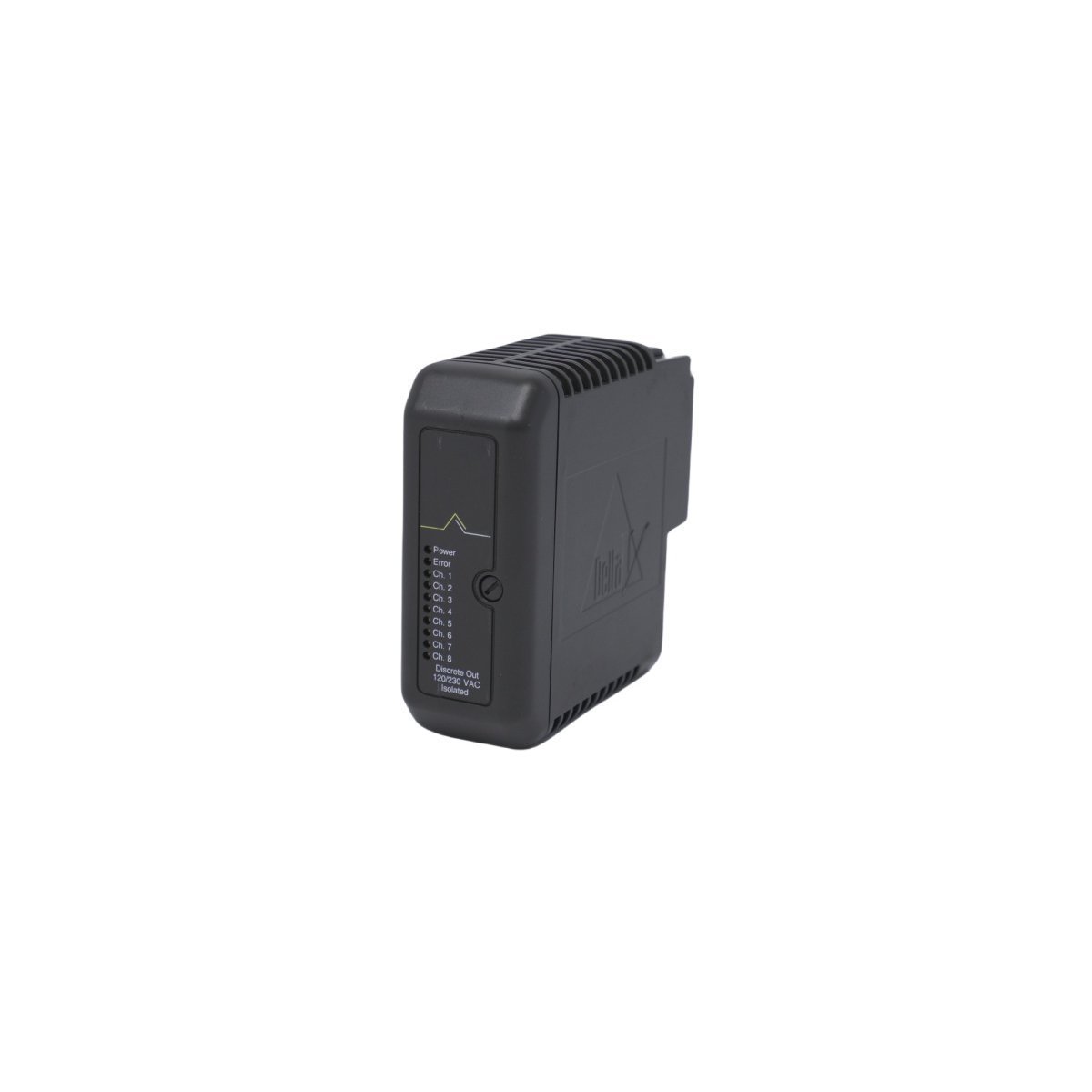
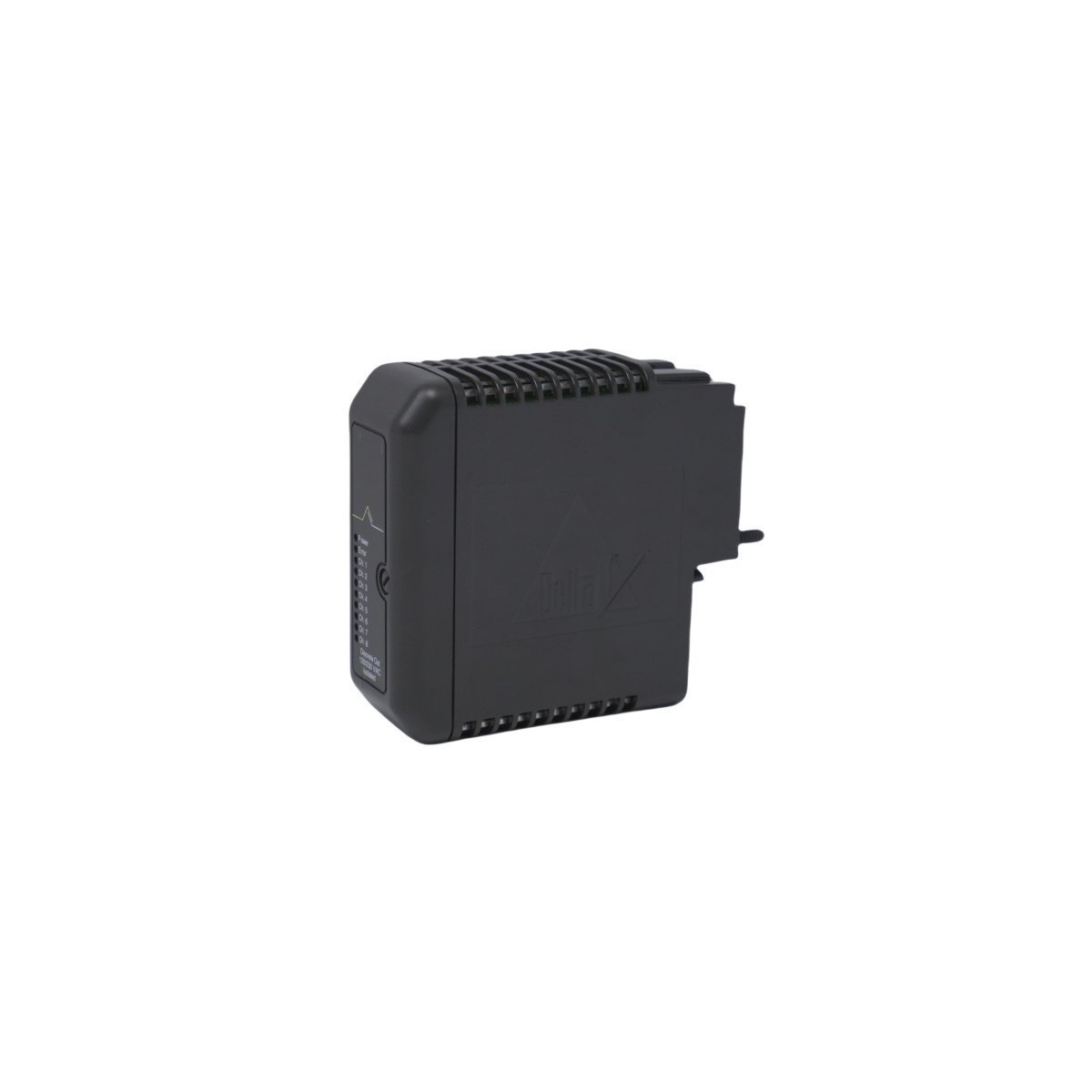
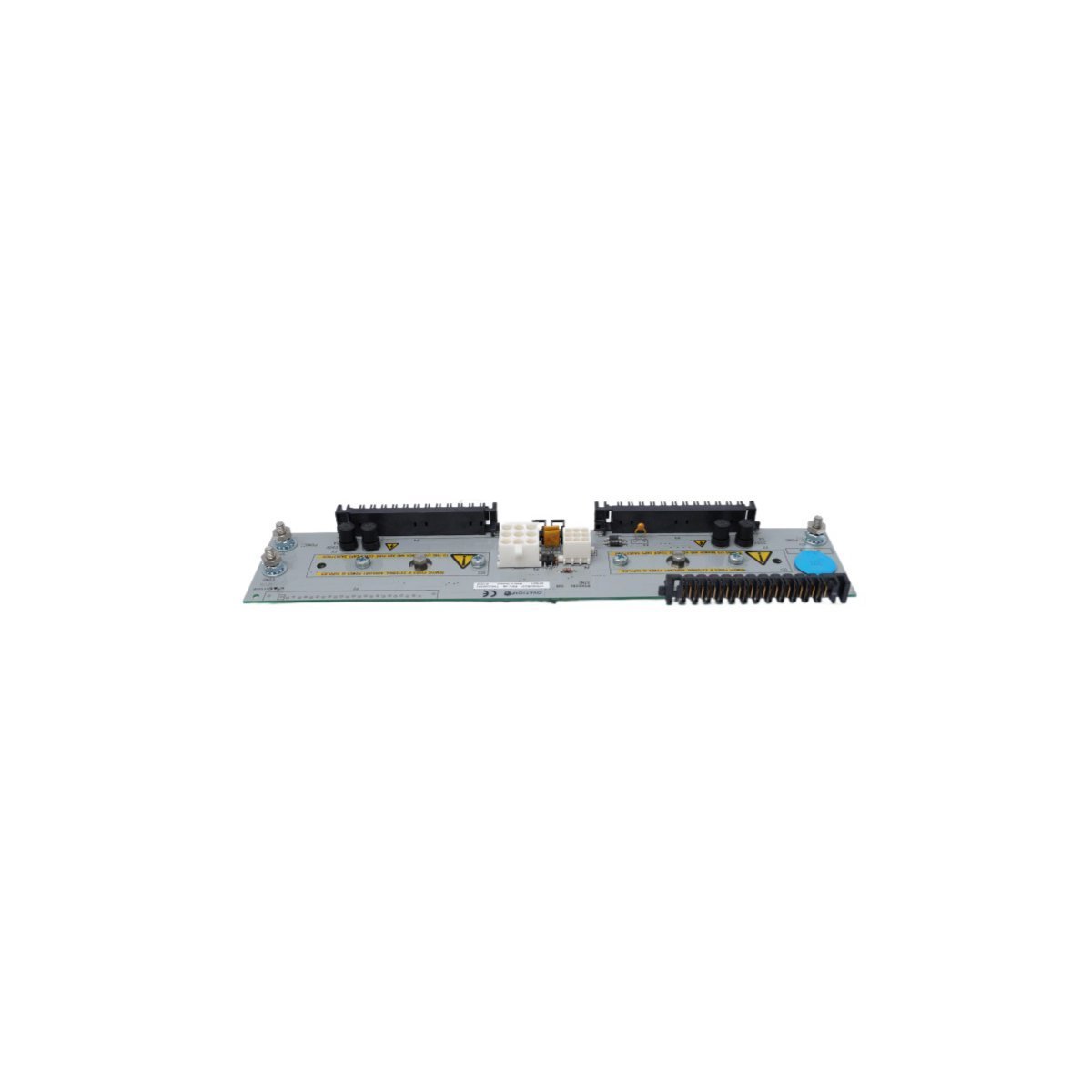
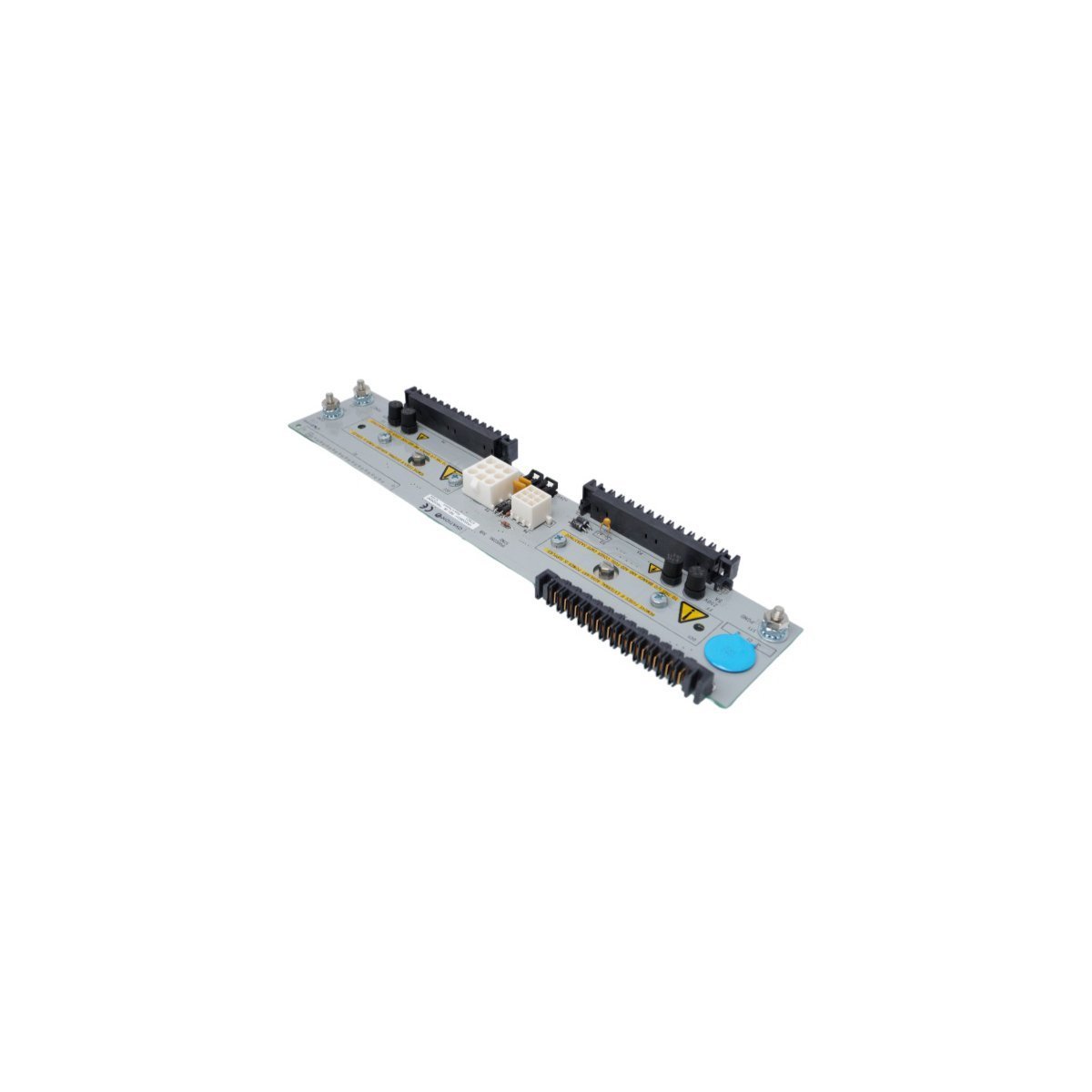
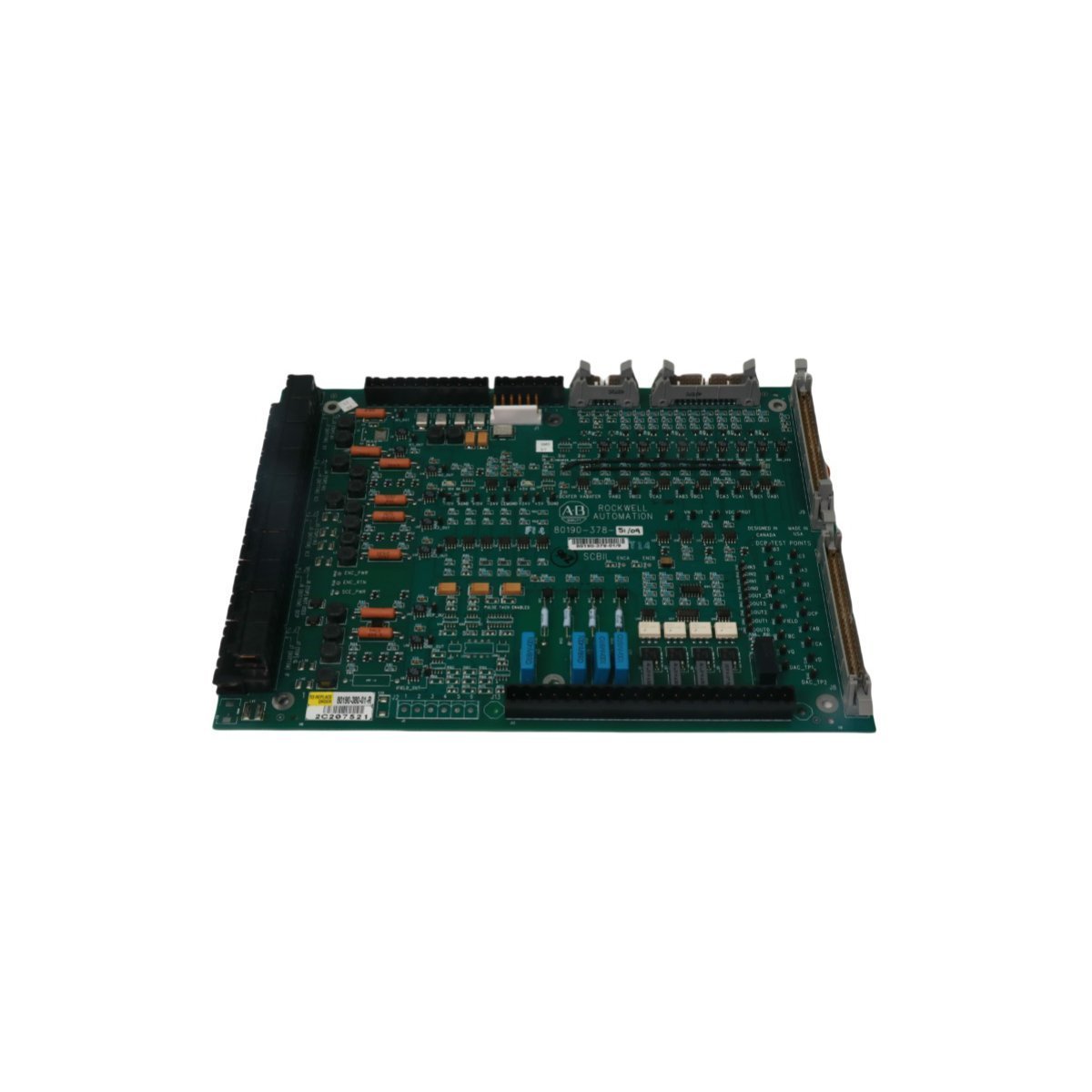
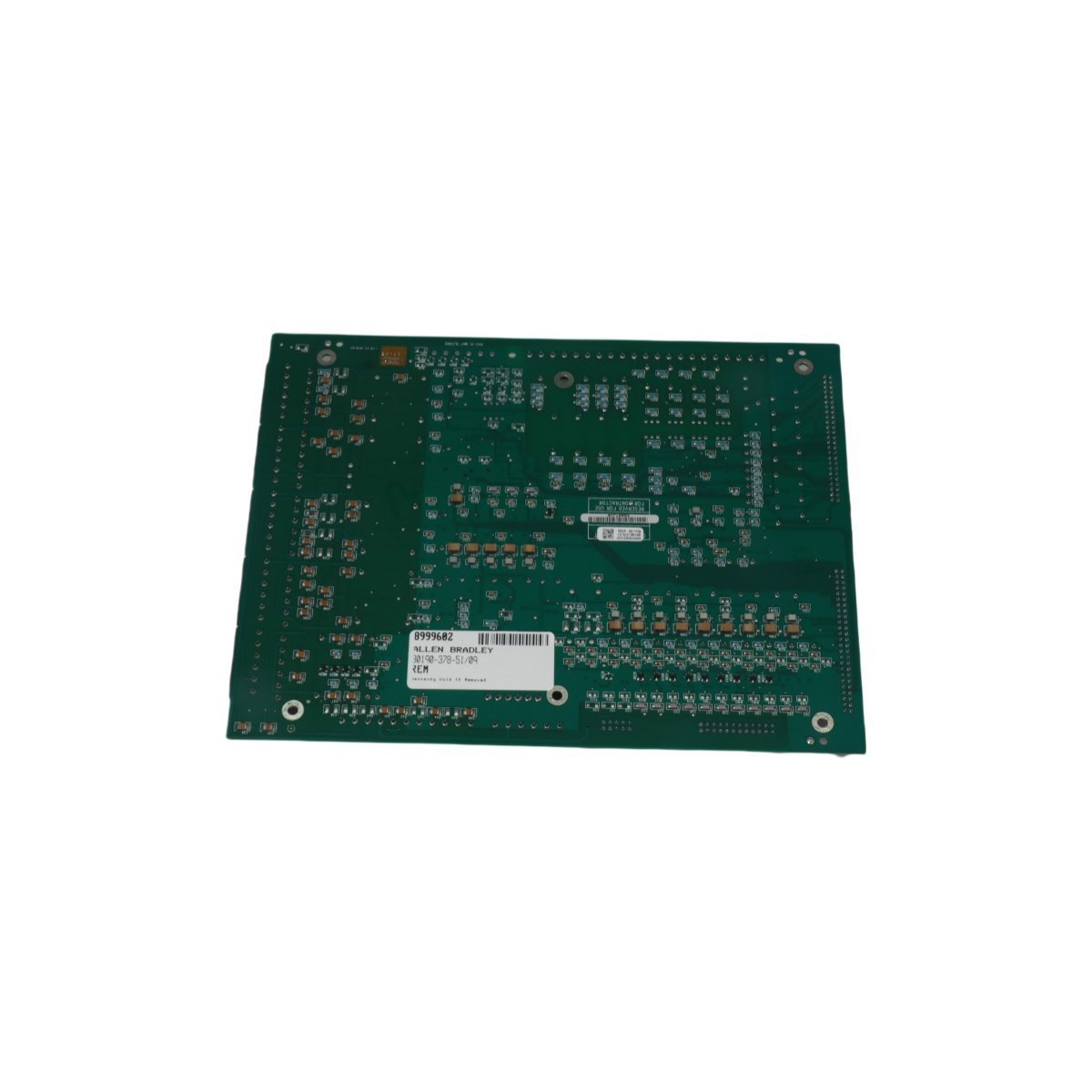
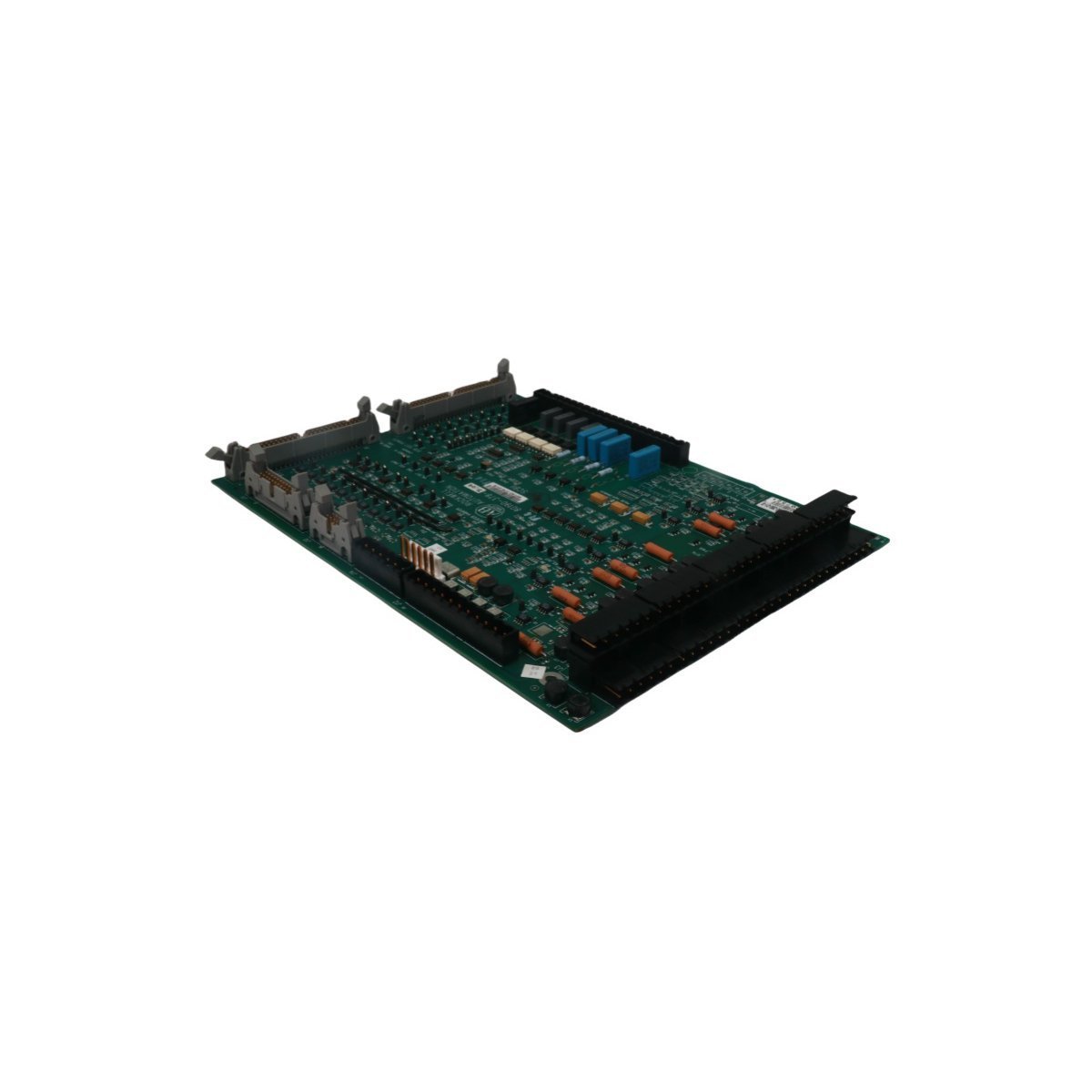
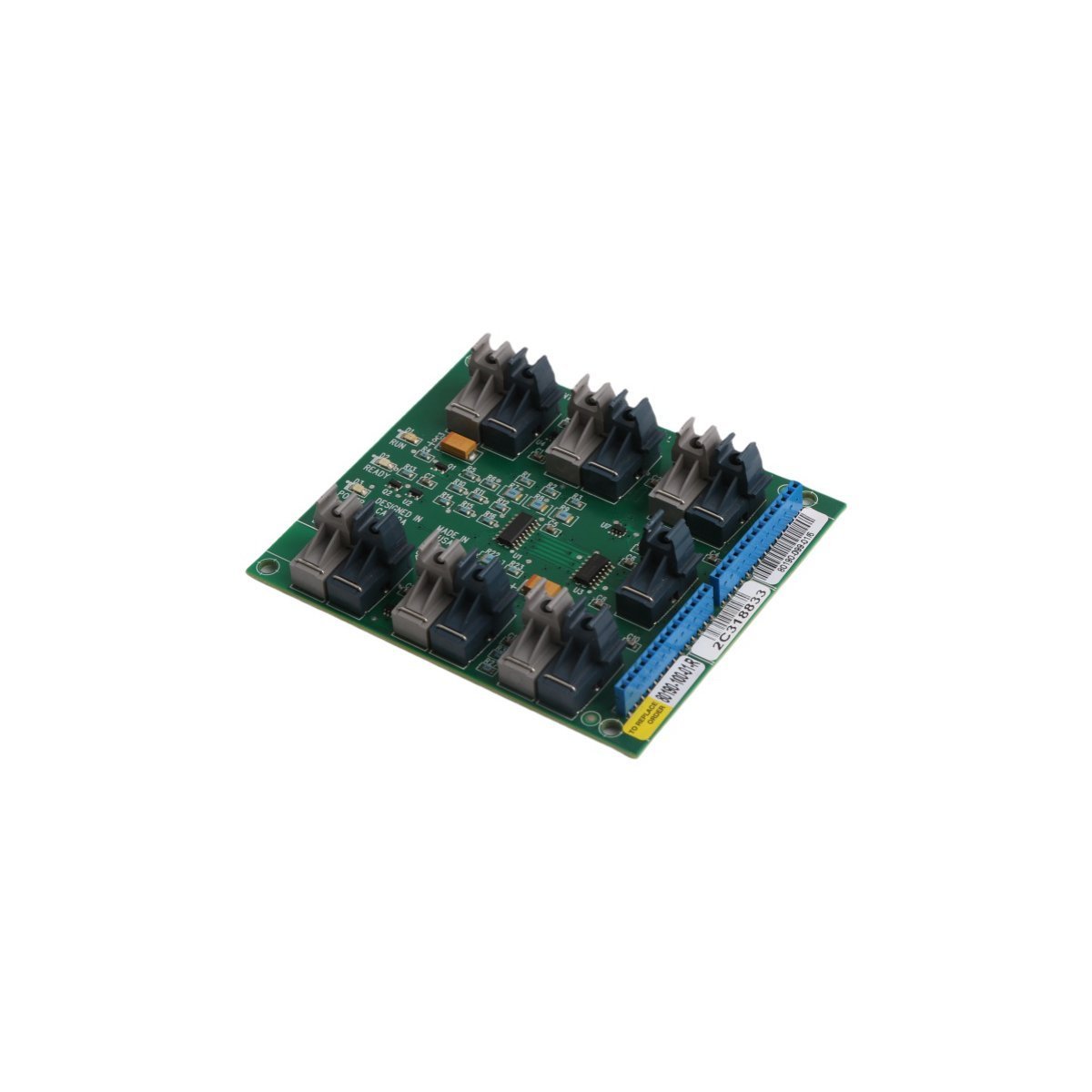
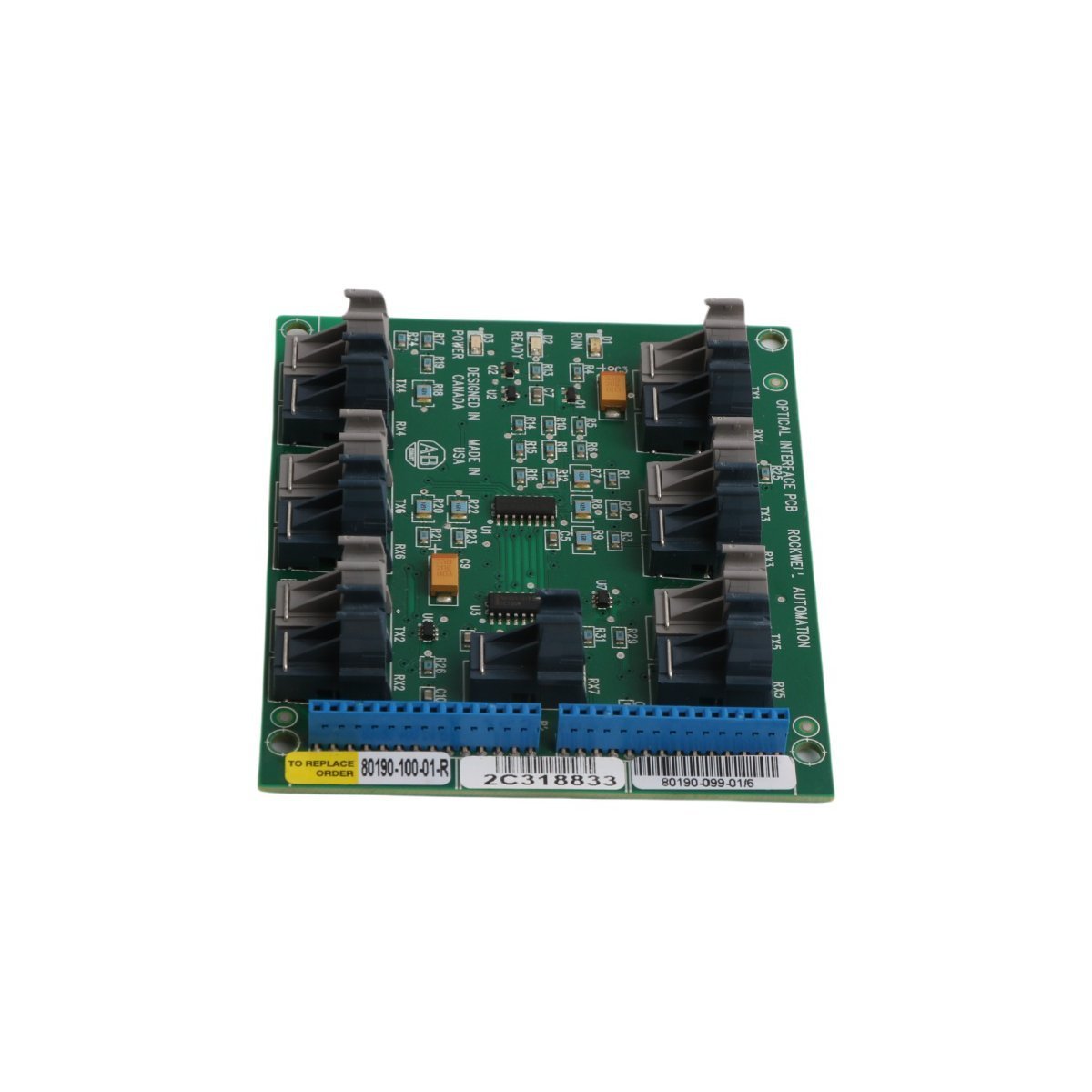
Allen-Bradley 80190-380-01-R PLC-5 Module

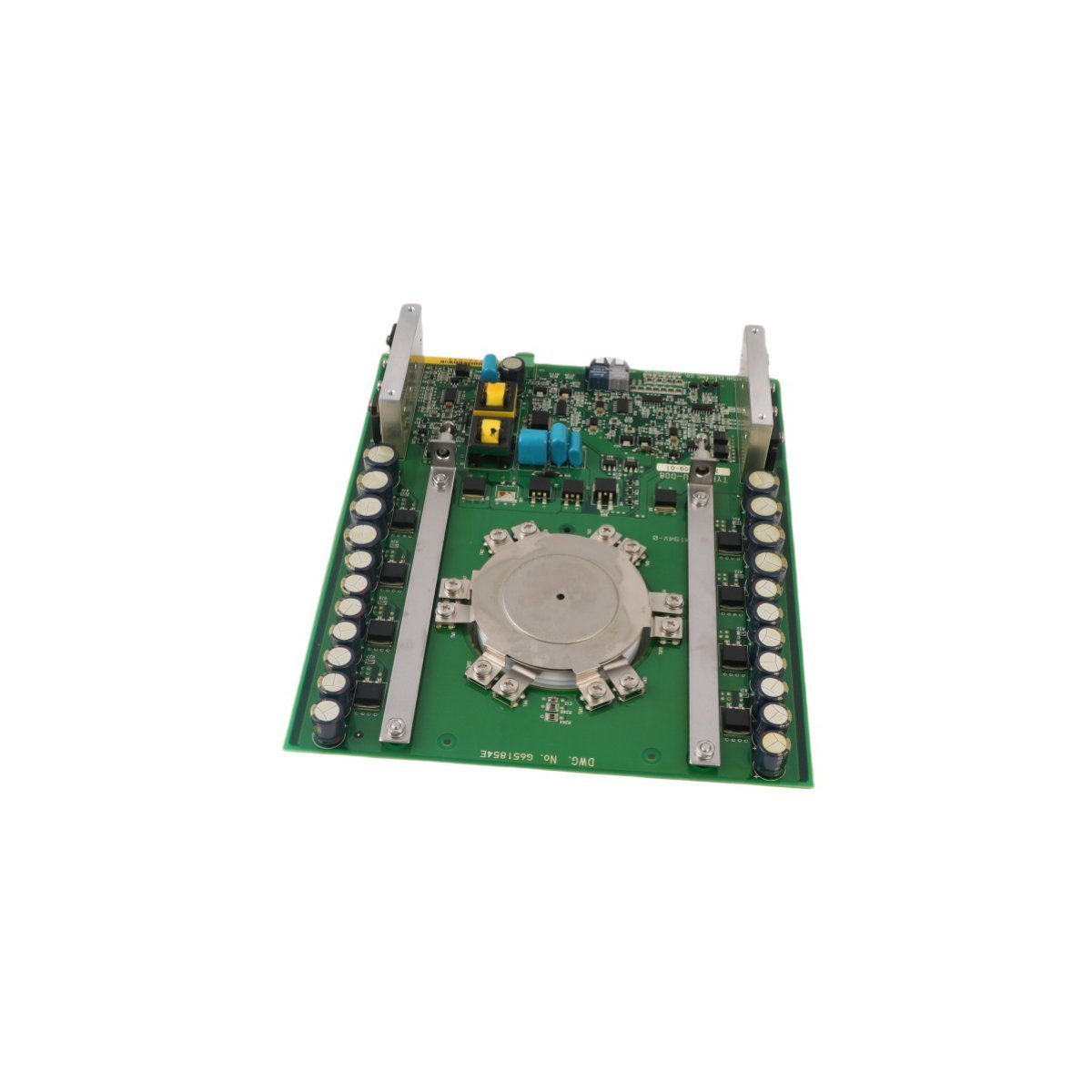
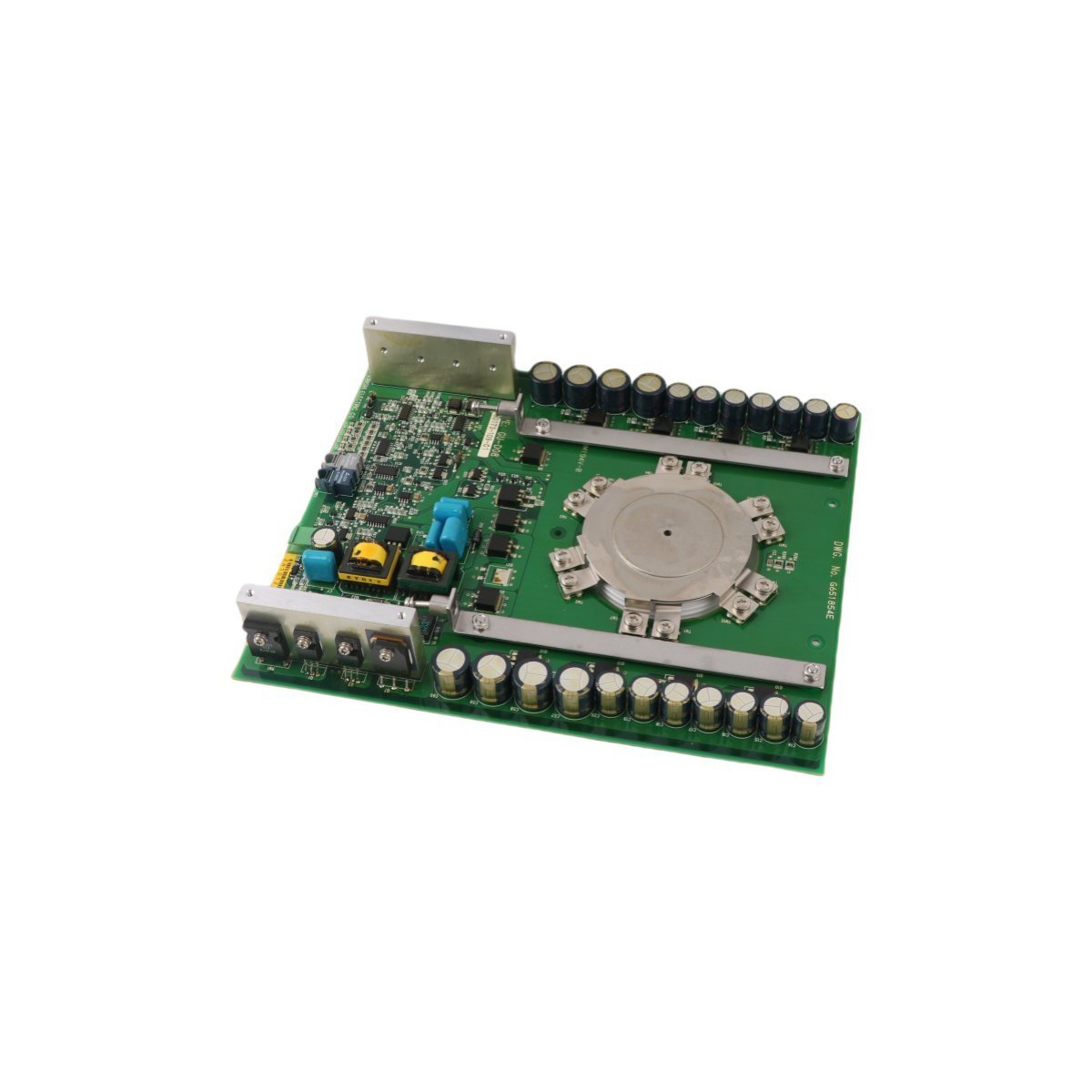
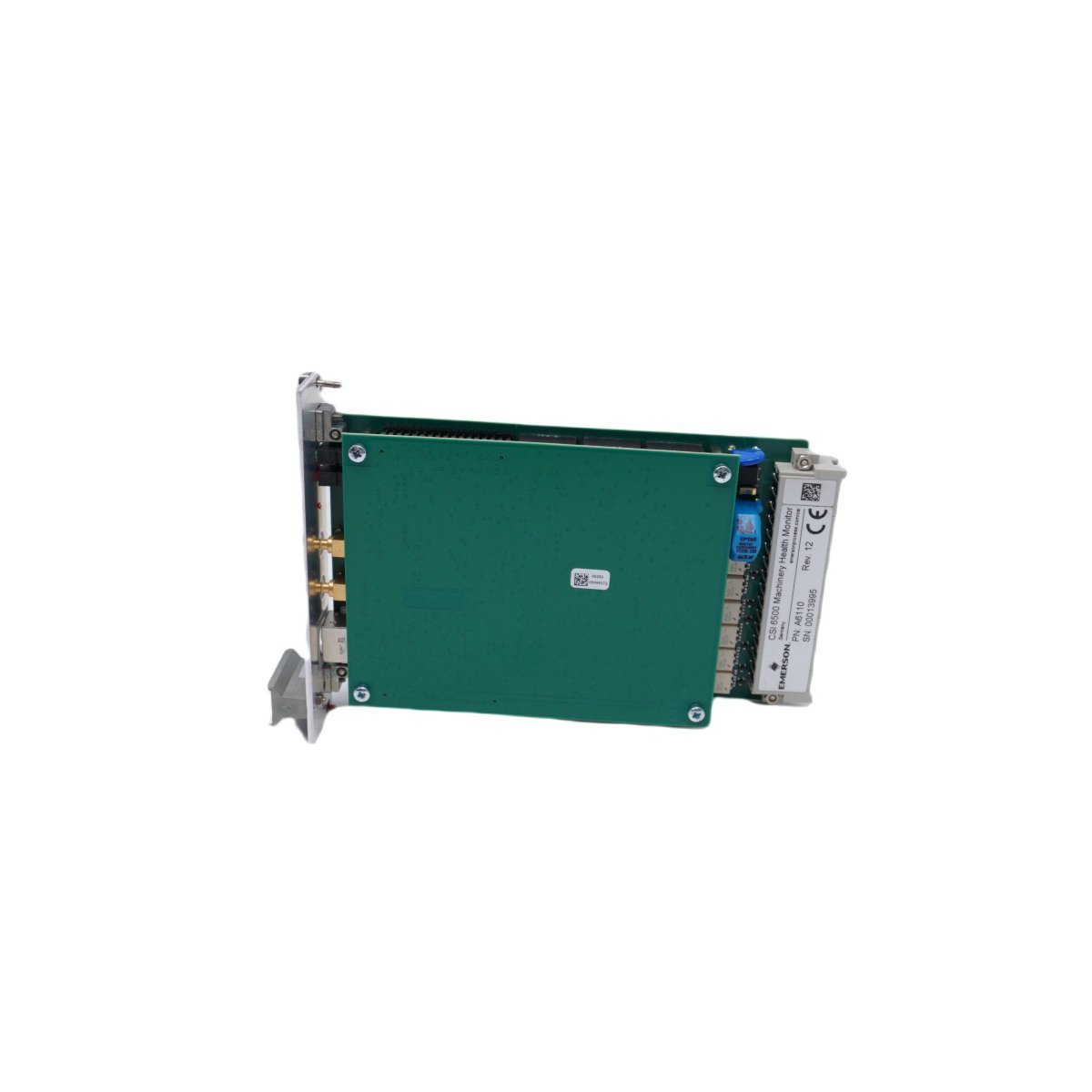
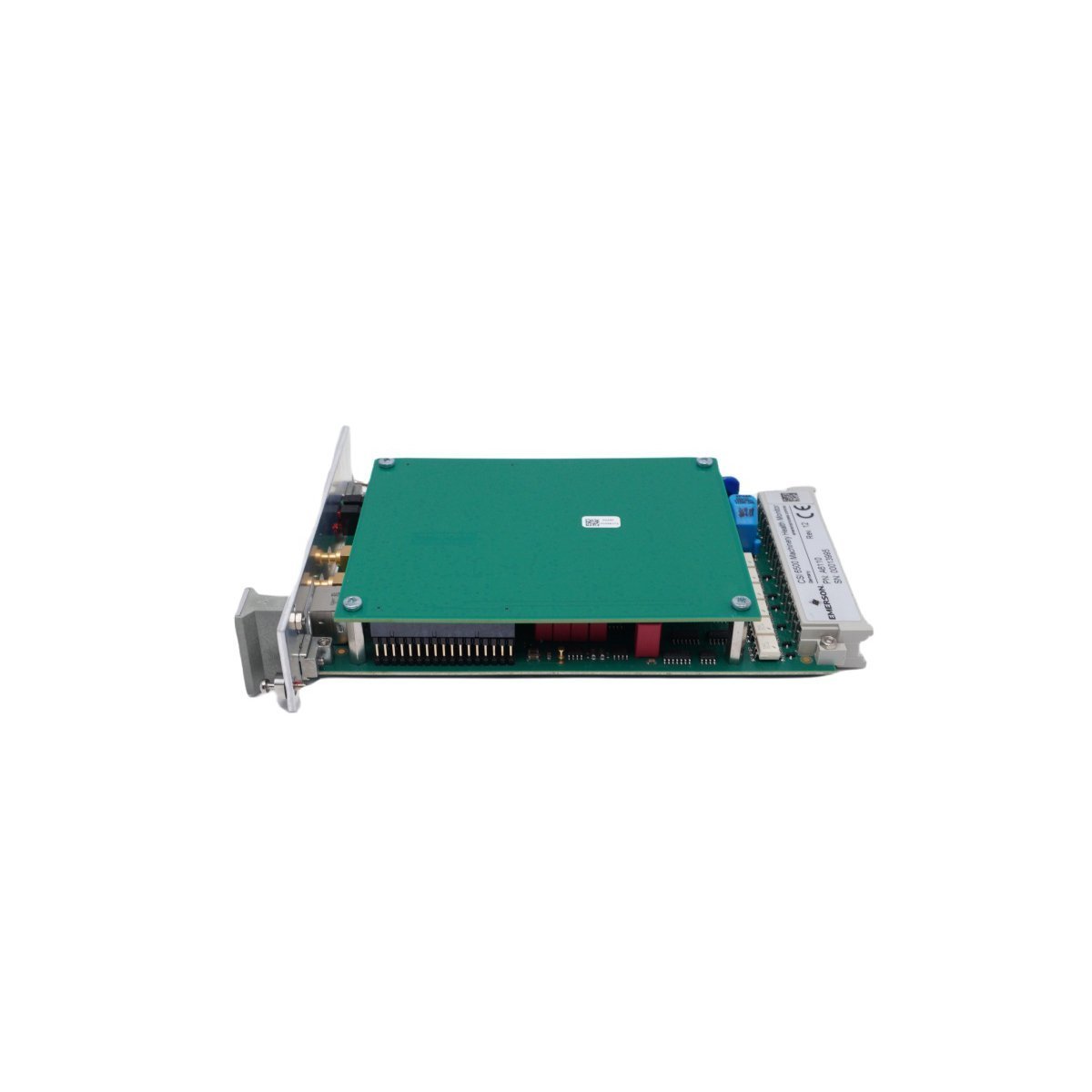
The Allen-Bradley 80190-380-01-R is a PLC-5 system analog control board module for precision manufacturing automation. Brand New and Original Stock available for Global Shipping.

The Allen-Bradley 80190-380-01-R serves as the primary 80190-380-01-R PLC Module utilized to execute real-time monitoring and control of complex automation sequences across PLC-5 platforms. Operating as an internal analog control board assembly, this hardware establishes direct physical execution of analog signal conversion and loop processing from the chassis backplane. It manages processing routines within dedicated rack environments, interfacing directly with remote or local I/O chassis without introducing peripheral communication delays.

Hardware Specifications

ParameterSpecification
Model80190-380-01-R
BrandAllen-Bradley
OriginUSA
Weight0.32 kg
Dimensions25.2 x 19 x 2.7 cm
Operating Temp0 to +60 deg C (Standard Industrial Range)
Power ConsumptionBackplane-driven nominal current load
Module TypePLC Module (Analog Control Board Assembly)
Product RangePLC-5 System
System ClassificationIndustrial PLC Control
I/O Density ScalingFixed backplane address allocation
Firmware Flash CompatibilityStandard PLC-5 processor instruction sets

Industrial Control & Deterministic Driving Network

The Allen-Bradley 80190-380-01-R interfaces directly with the host controller through high-velocity backplane bus communication channels. This architectural integration guarantees deterministic execution of logic cycles, allowing the hardware to maintain synchronization with high-speed assembly and manufacturing processes. Built with industrial-grade component configurations, the board manages input-to-output latency mapping while maintaining high electrical noise immunity under extreme electromagnetic fields. Its firmware structure provides continuous channel diagnostics, allowing the upstream PLC-5 CPU to scan internal register flags for data validation, fault mapping, and sensor open-circuit detection.

Frequently Asked Questions

Q: What are the backplane insertion limits and constraints during live system runtime?

A: This module must not be extracted or inserted while the PLC-5 chassis backplane is energized. Performing a hot-swap action risks inducing electrical arcs across the gold-plated logic pins, which can corrupt the active memory registers of adjacent processor or communications modules.

Q: How is the physical address assigned for this specific board assembly?

A: Address mapping is governed by the physical slot placement within the PLC-5 I/O chassis and the configuration software setup (1-slot, 2-slot, or 1/2-slot addressing modes). The hardware occupies standard word allocations in the processor input/output image tables.

Q: What steps should be taken if a backplane communication error fault is indicated?

A: Inspect the rear gold-plated connector tracks for surface contamination or bent pins. Verify that the chassis power supply outputs stable 5 VDC logic rails and that the aggregate backplane current draw does not exceed the power supply capacity rating.

Field Installation Guidelines

  • Static Dissipation Guarding: Handle the board assembly exclusively by its plastic edge retainers or faceplate. Use a grounded wrist strap attached to an unpainted metal surface on the enclosure panel during installation to prevent electrostatic discharge (ESD) damage to internal logic chips.
  • Chassis Alignment and Insertion: Align the circuit board edges carefully with the top and bottom card guides of the target slot. Slide the module backward smoothly until the rear interface connector seats firmly into the backplane receptacle. Do not apply excessive force.
  • Terminal Wiring Separation: Route high-power AC lines and motor control conductors completely away from the low-voltage analog signal wires connected to this assembly to prevent inductive or capacitive cross-talk.
  • Grounding Continuum: Ensure the master PLC-5 chassis is bonded to the main enclosure backpanel ground via a low-impedance copper braid. This step ensures proper functioning of the internal line filters embedded on the board assembly.