You are here:
- Home
- Product
- Others / Spares
- ABB 3BHE014023R0101 UFC789 AE101 FSCD Board
SKU: 3BHE014023R0101Â UFC789Â AE101
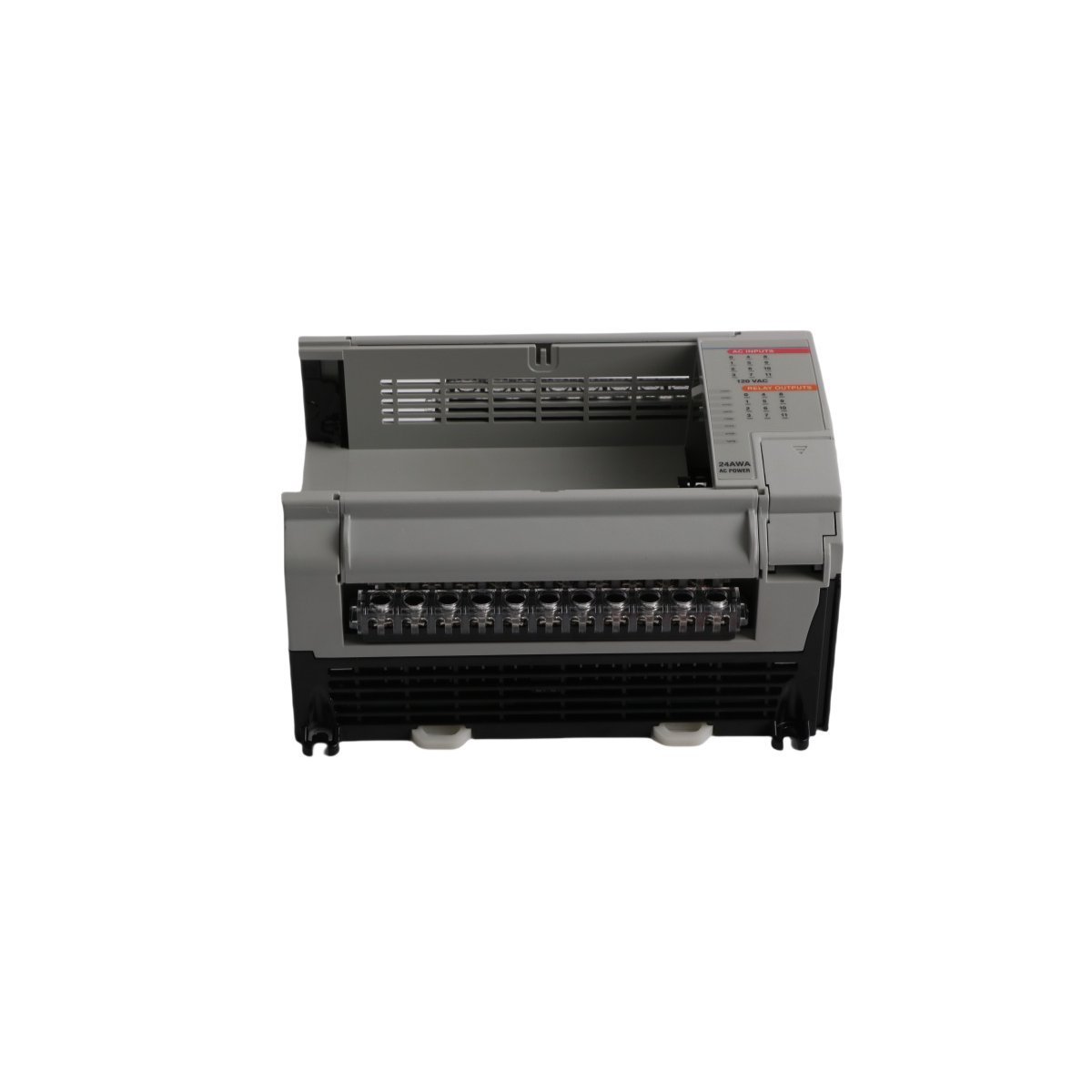
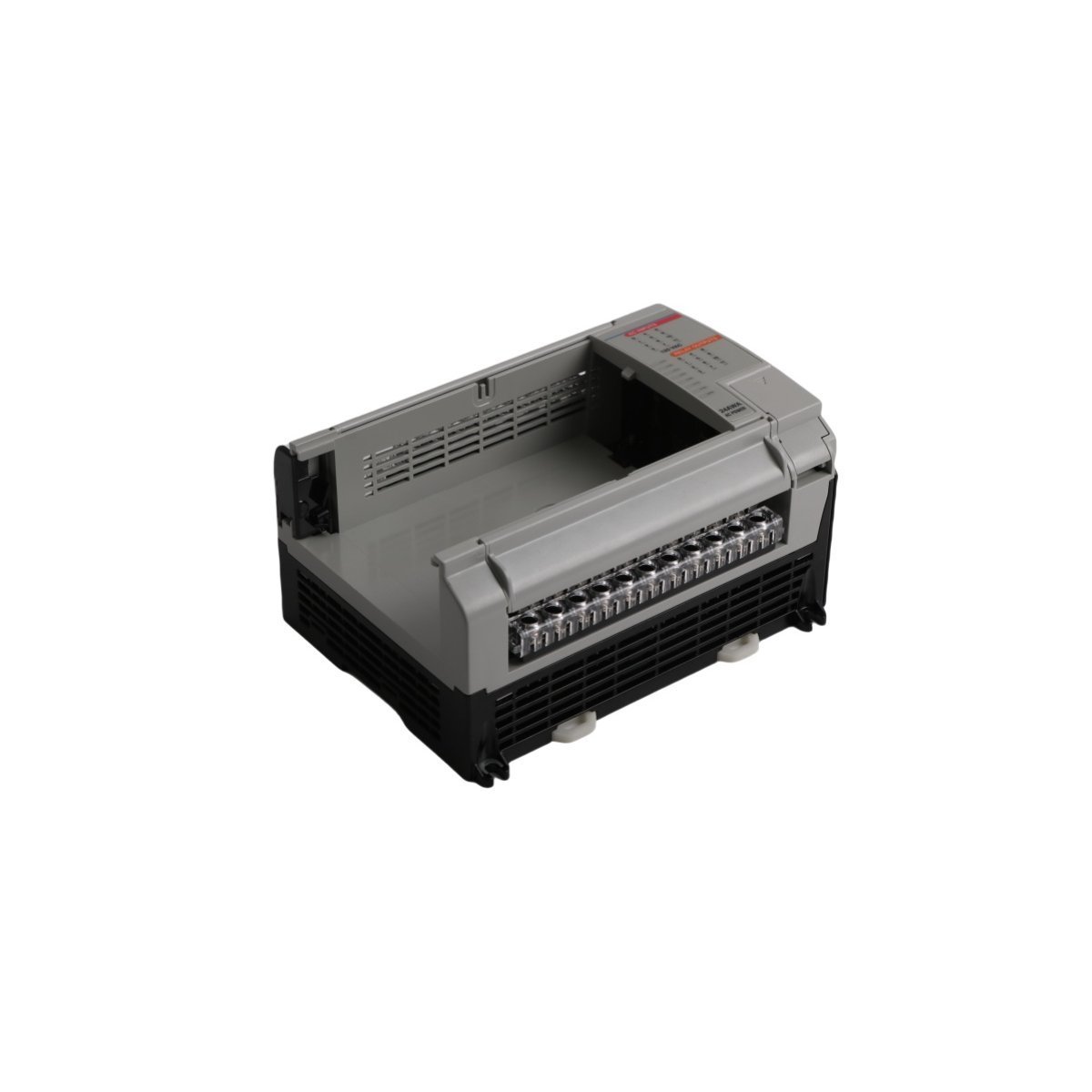
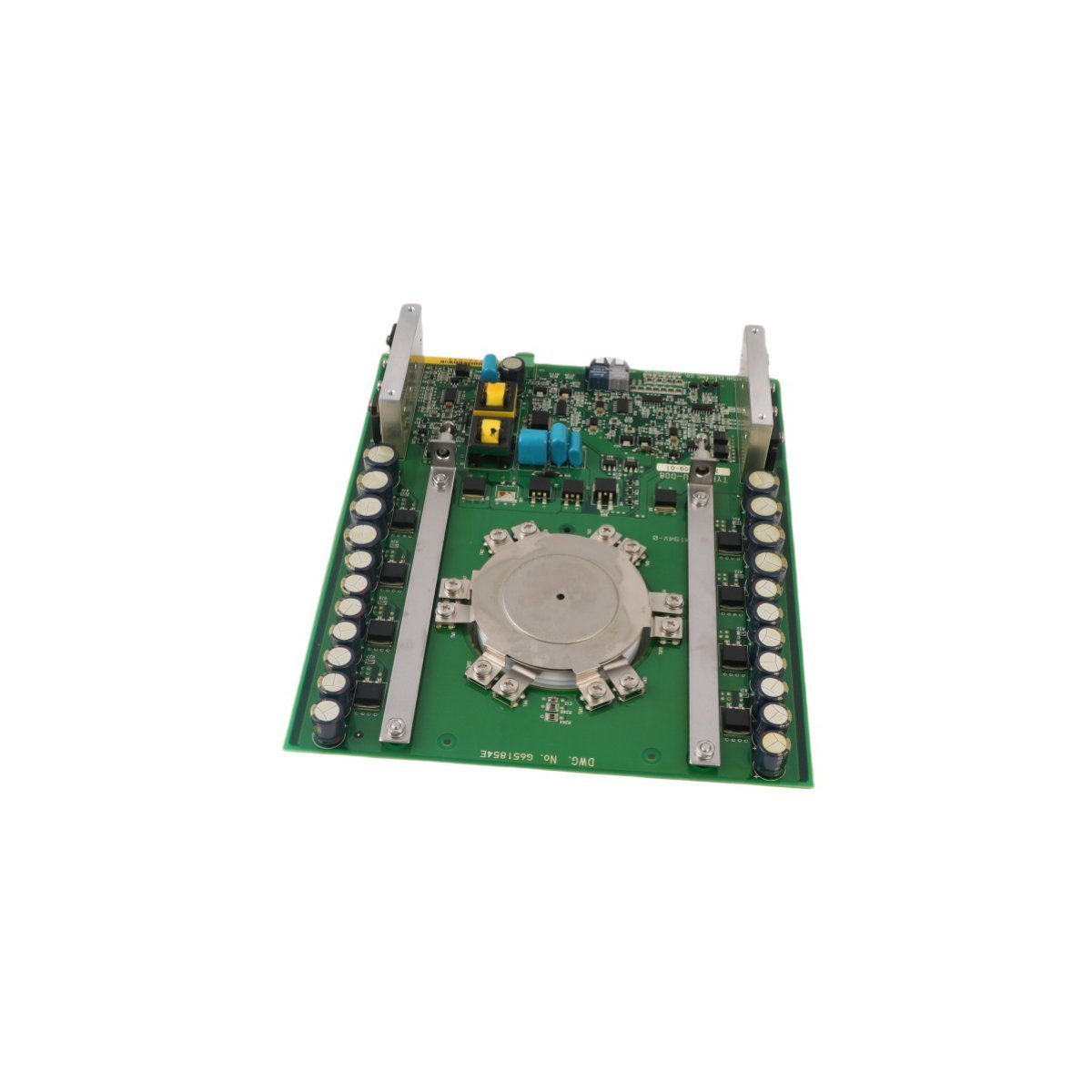
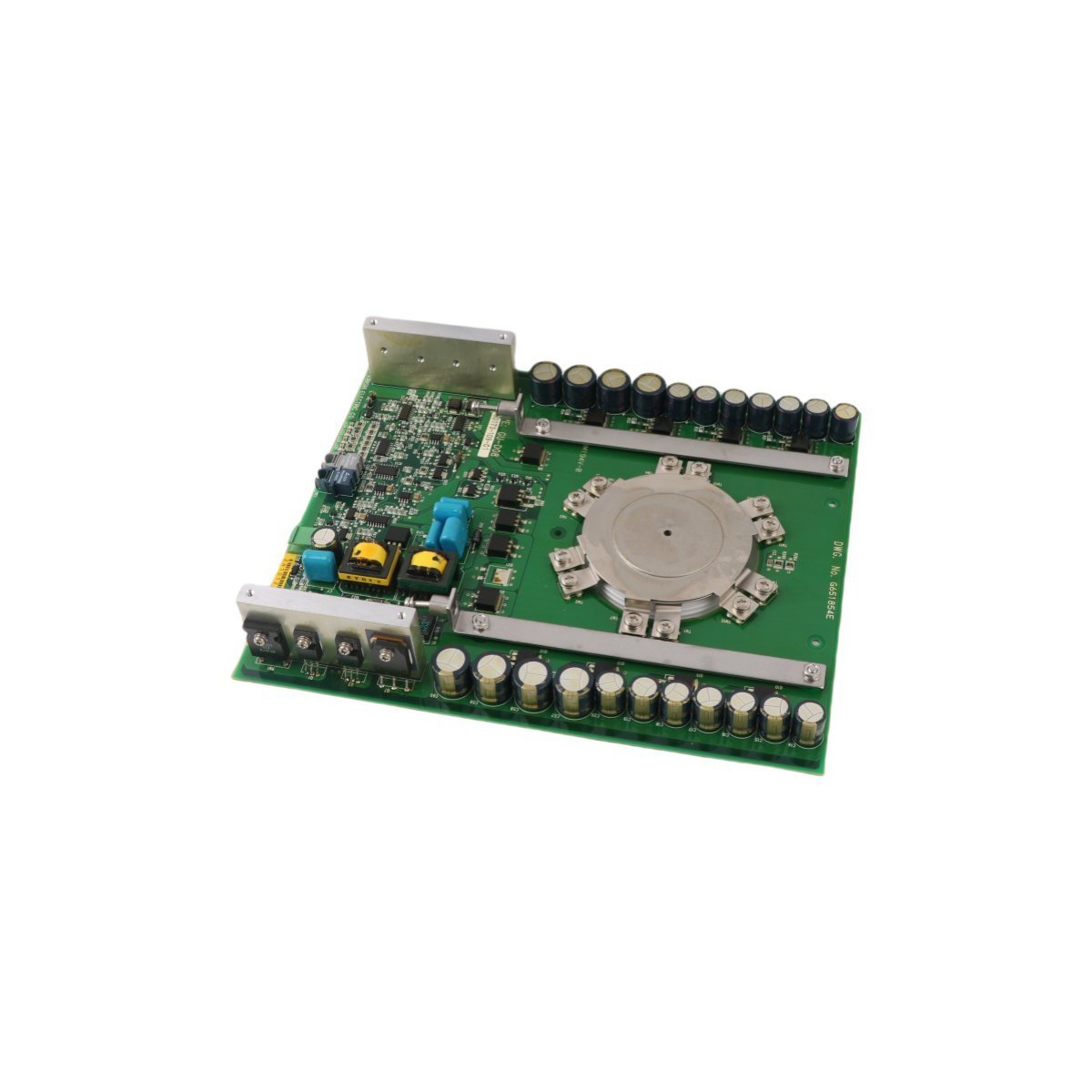
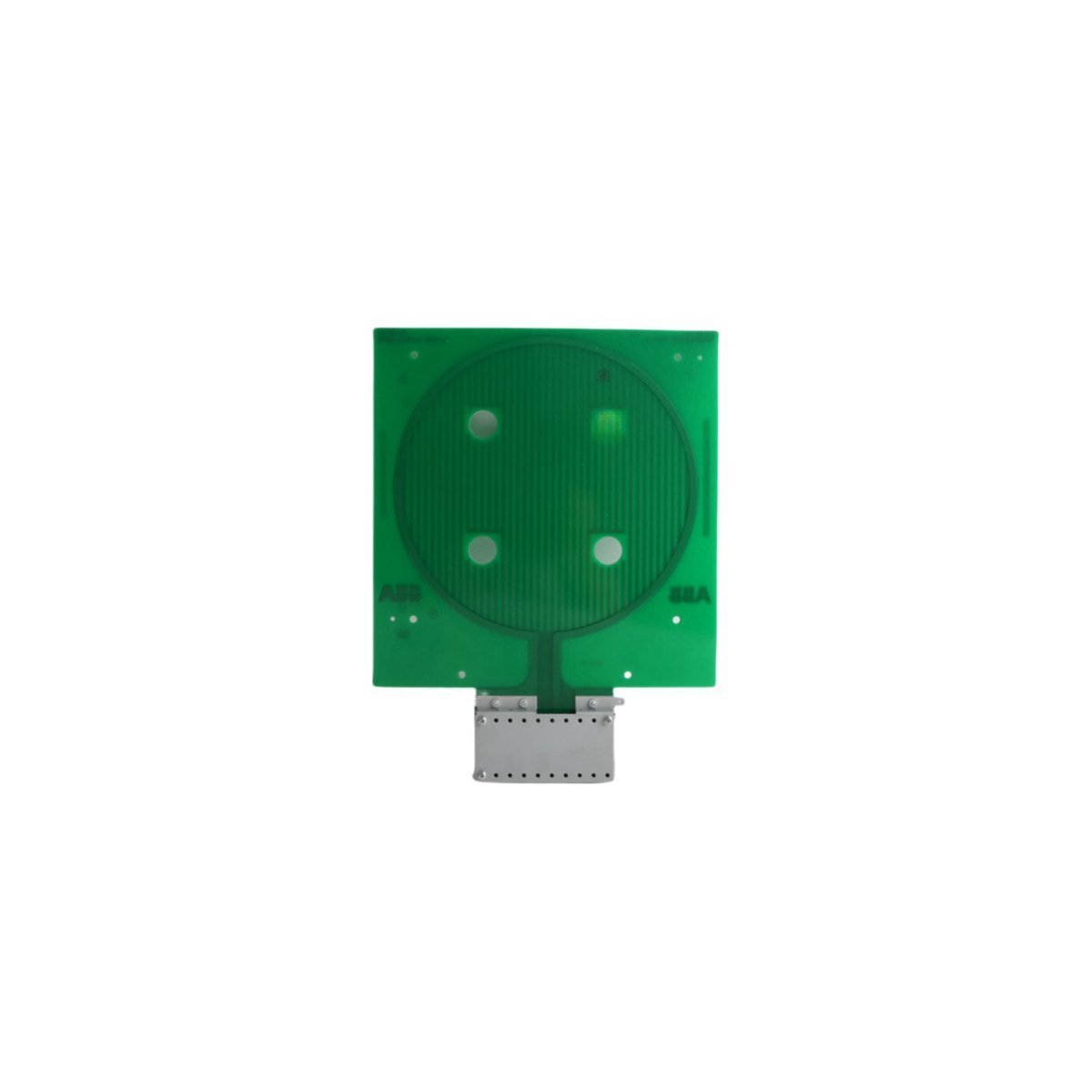
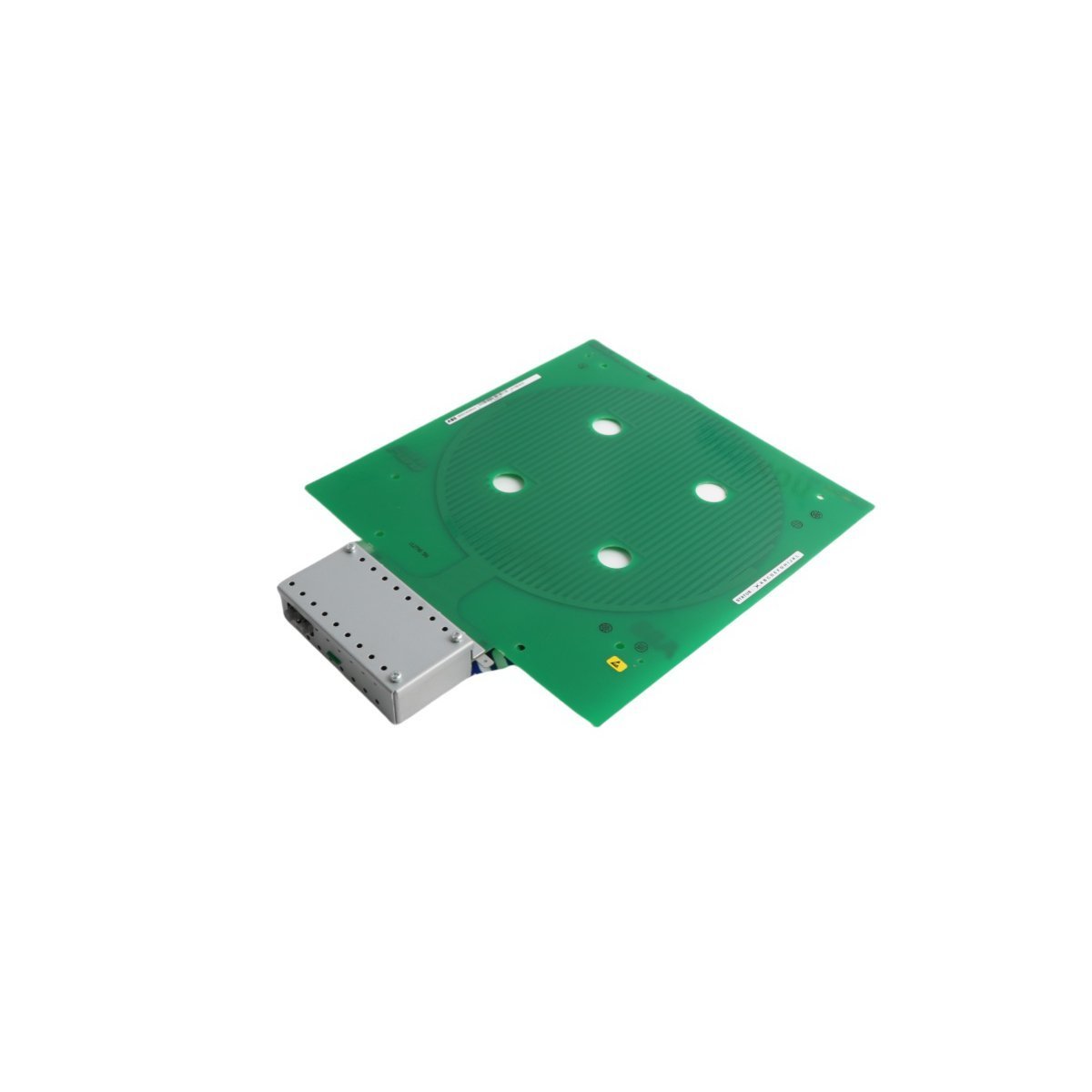
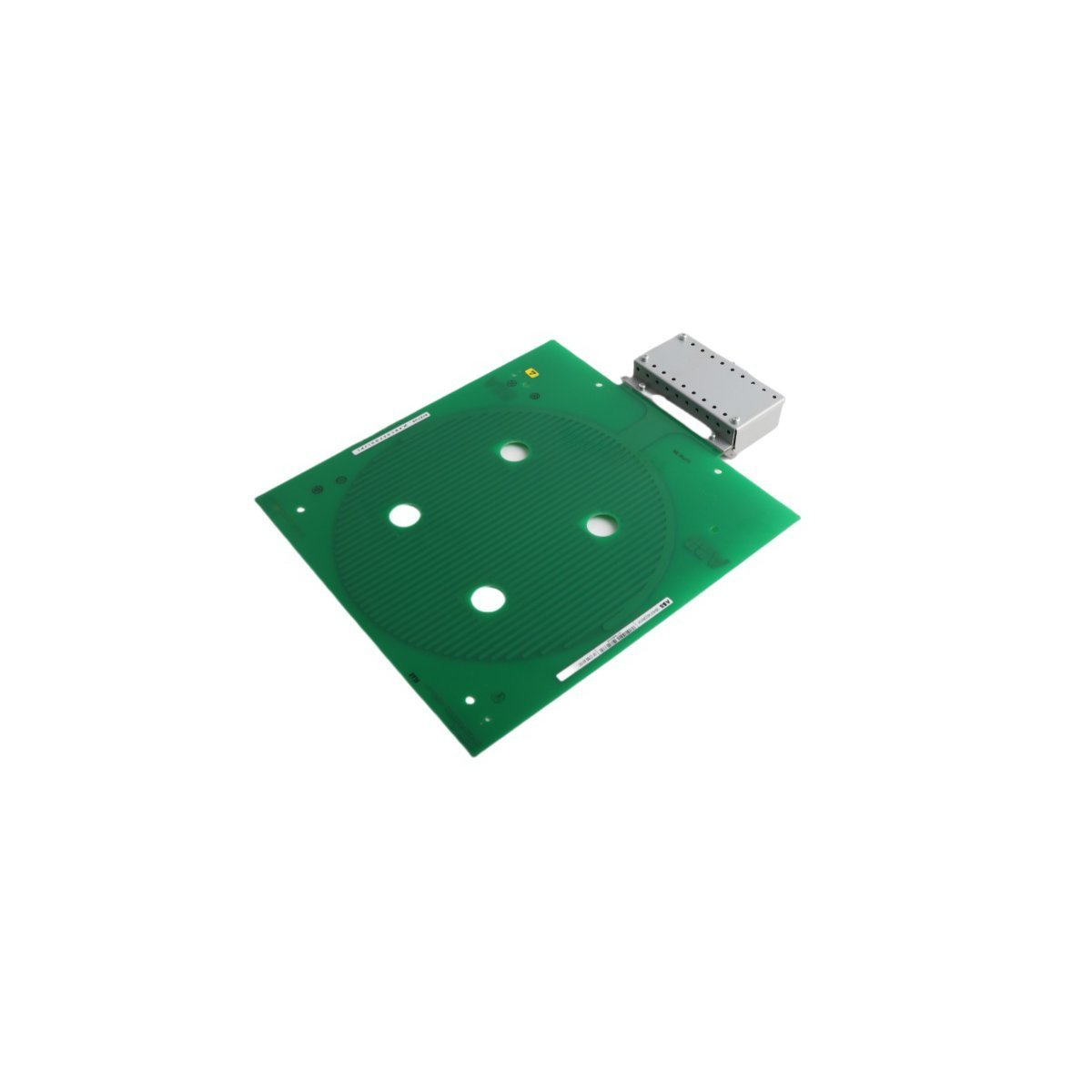
ABB 3BHE014023R0101 UFC789 AE101 FSCD Board
The ABB 3BHE014023R0101 UFC789 AE101 is a high-performance FSCD board for UNITROL systems. It features SIL 3 safety compliance, 1000Hz frequency control, and Modbus/CANopen support
High-Precision Excitation Control
The ABB 3BHE014023R0101 UFC789 AE101 FSCD Board drives critical performance within UNITROL excitation systems. This board manages frequency control across a massive range from 0.01Hz to 1000Hz, allowing it to support diverse and complex industrial processes. By executing high-speed logic, the board ensures your generators and motors maintain precise synchronization and voltage regulation, which directly impacts the stability of your power output.
Seamless Data Exchange and Safety
The UFC789 AE101 integrates advanced communication interfaces, including Modbus TCP/IP and CANopen, to facilitate real-time data exchange across your automation network. This connectivity allows the board to interact seamlessly with other DCS components, providing operators with granular insights into system health. Furthermore, ABB engineered this board to meet the highest safety benchmarks, complying with IEC 61508 SIL 3 standards. These certifications guarantee that the board performs reliably even in high-risk environments where safety and security are non-negotiable.
Compact and Durable Engineering
ABB optimized the FSCD board for space-constrained installations without sacrificing power or durability. While the core PCB assembly is lightweight at approximately 0.36kg (total unit weight varies by housing), its rugged construction withstands the harsh conditions common in power plants and heavy industrial sites. The board’s compact dimensions (33.2 x 25 x 3.5 cm) allow for effortless mounting in standard control cabinets, simplifying both initial installation and long-term maintenance cycles.
Technical Specifications (List Format)
- Manufacturer:Â ABB
- Model Number:Â 3BHE014023R0101
- Part Code:Â UFC789 AE101
- Product Range:Â UNITROL Excitation Systems
- Module Type:Â FSCD Board (Frequency Signal Control & Distribution)
- Frequency Range:Â 0.01Hz to 1000Hz
- Communication Protocols:Â Modbus TCP/IP, CANopen
- Safety Certifications:Â IEC 61508 SIL 3, IEC 61850
- Dimensions:Â 33.2 x 25 x 3.5 cm
- Weight:Â 0.36 kg
Tags: FSCD Board
You may also like
The Allen-Bradley 80190-380-01-R is a PLC-5 system analog control board module for precision manufacturing automation. Brand New and Original Stock available for Global Shipping.
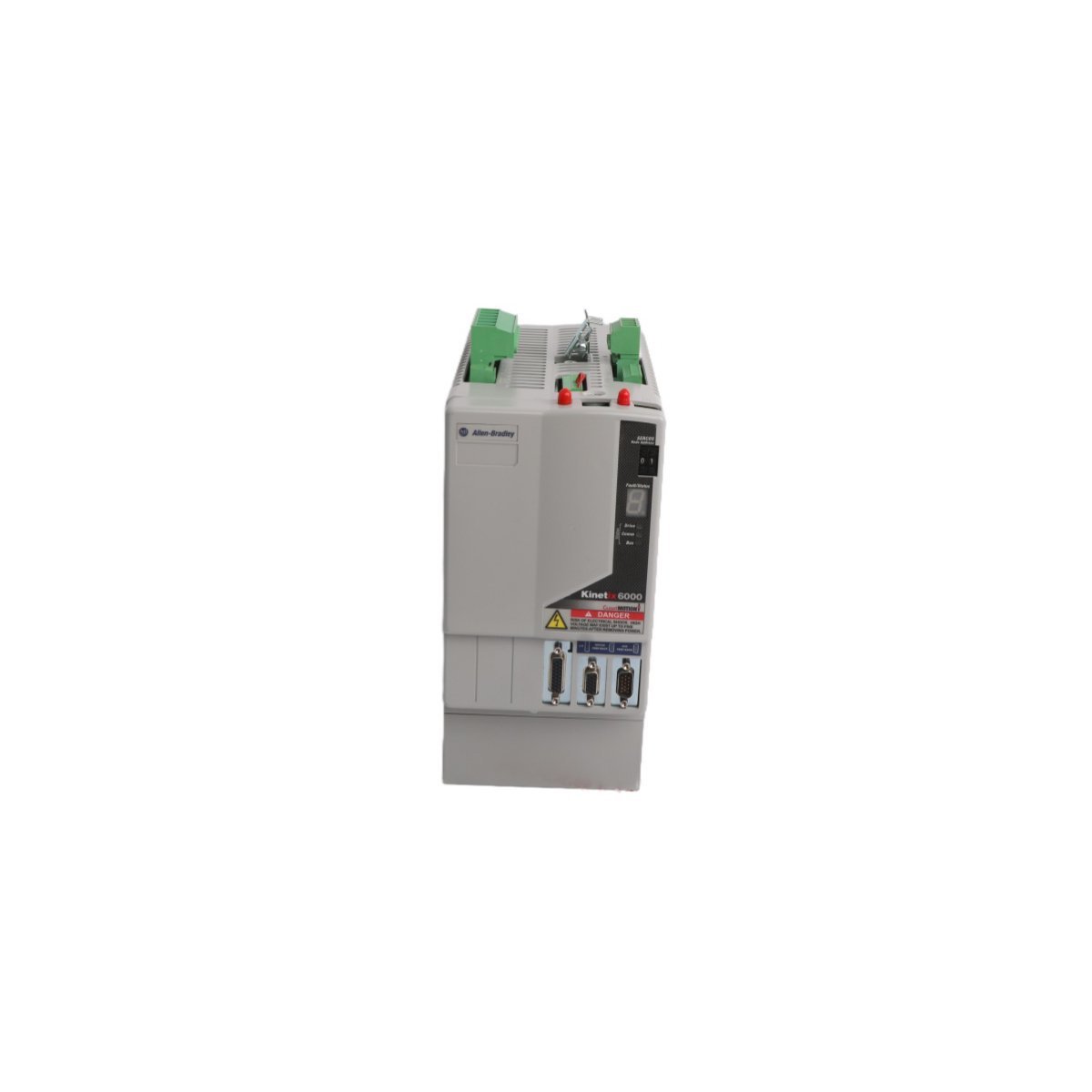
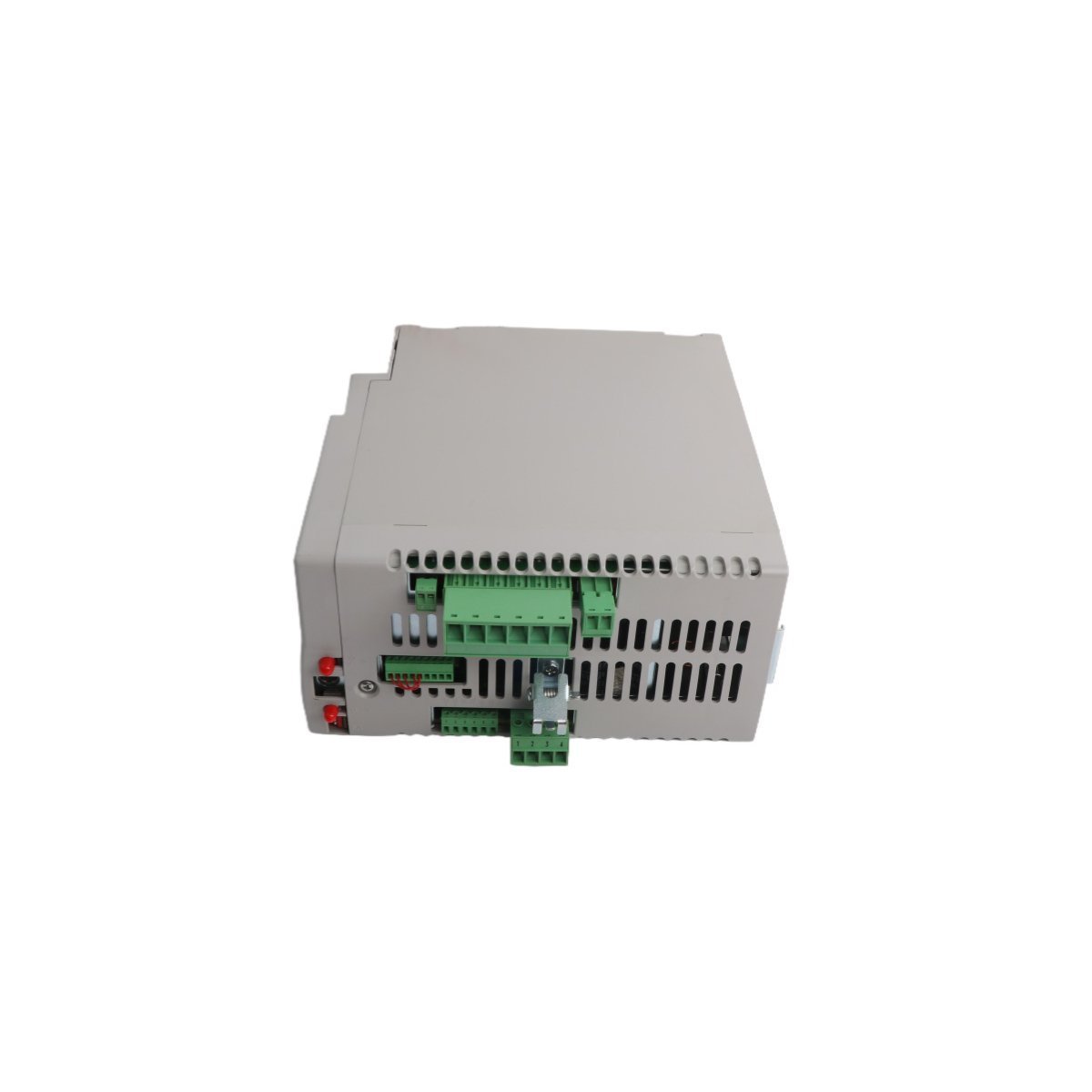
Allen-Bradley 2094-BM02-S Servo Drive Axis Module
The Allen-Bradley 2094-BM02-S, also cataloged as the 2094-BM02-S Servo Drive, operates as a dedicated hardware component for multi-axis motion control execution within ControlLogix platforms. The hardware acts as a modular inverter node mounted directly onto a shared integrated power rail system. It modulates raw DC link energy into high-frequency pulse-width modulation (PWM) power vectors to regulate the angular positioning, velocity, and torque outputs of synchronized permanent magnet synchronous motors.
Hardware Specifications
| Parameter | Specification |
|---|---|
| Model | 2094-BM02-S |
| Brand | Allen-Bradley |
| Origin | USA |
| Weight | 0.9 kg |
| Dimensions | 3.5 x 13 x 14.5 cm |
| Operating Temp | 0 to +50 deg C (Standard Industrial Range) |
| Power Consumption | 650 VDC nominal input / 115 Ohm internal shunt resistor |
| Module Type | Servo Drive (Axis Module) |
| Product Range | ControlLogix / Kinetix 6000 |
| System Classification | PLC Motion Control |
| Continuous Current | 10.3 A (RMS), 14.6 A (Sine Peak) |
| Velocity Loop Bandwidth | 500 Hz |
| Current Loop Frequency | 1300 Hz |
| Efficiency Rating | 98% |
Industrial Control & Deterministic Driving Network
The Allen-Bradley 2094-BM02-S interacts directly over backplane bus communication velocity networks to achieve microsecond-level synchronization across adjacent drive modules. The hardware features deterministic network compatibility, letting control processors command motion trajectories with minimal jitter. It supports peak enhancement technology, scaling the nominal inverter output profile from a standard 150% threshold up to 250% during peak torque demands. This scaling permits rapid rotor acceleration and deceleration profiles without triggering overcurrent trips. Integrated Safe-Torque Off (STO) hardware circuits provide independent physical galvanic control paths, disabling gating signals to the output power transistors to prevent unexpected motor rotation during active maintenance states.Frequently Asked Questions
Q: What are the backplane current and configuration limits when expanding axis modules on a single rail?A: The module must be inserted into an authorized Kinetix 6000 power rail, supporting up to seven axis modules alongside one master power module. The cumulative peak current draw must not exceed the structural rating of the shared copper backplane link.Q: Is this hardware compatible with live hot-swapping procedures?A: No. The shared 650 VDC bus lines pose arc-flash and component damage hazards. System DC bus voltage must be entirely drained and verified below safe thresholds before seating or unseating the module from the rail structure.Q: Can the internal 115 Ohm shunt resistor handle high-inertia braking loads?A: The internal shunt resistor is designed for short-duration thermal dissipation. High-inertia or cyclic deceleration applications require an external, isolated shunt module to prevent DC bus overvoltage faults.Field Installation Guidelines
- Enclosure Clearance & Thermal Profile: Maintain a minimum enclosure installation depth of 10.7 inches. Ensure unimpeded vertical ventilation spacing above and below the module chassis to prevent heat sink thermal saturation.
- Cable Separation Architecture: Physically isolate unshielded high-voltage power cables, including motor leads and shunt resistor lines, from low-level digital feedback encoder loops and communication wires to suppress cross-talk.
- Shielding and Ground Boundary: Terminate all motor cable shields at the designated grounding clamp on the power rail base. Maintain a low-impedance ground plane across the entire mounting subpanel.
- Overcurrent Protection: Install specified circuit breakers or high-speed semiconductor fuses upstream of the main power distribution block to guard the internal solid-state components against phase-to-phase short circuits.
Allen Bradley GCU08CB-130 Board Module
Allen Bradley GCU08CB-130-13080173-109-01-3 GCT Gate Driver Interface Board Module. Brand New factory stock with worldwide tracking logistics.
EMERSON A6110 AMS 6500 Series Shaft Relative Vibration Monitor
Discover technical details for the EMERSON A6110 module. Brand New, Original Stock, available with Global Shipping.
Allen-Bradley 1769-L36ERM CompactLogix 5370 Controller
The Allen-Bradley 1769-L36ERM is a CompactLogix 5370 PAC processor featuring 3 MB user memory and 16-axis motion control. Brand New, Original Stock, ready for worldwide distribution.
Emerson DeltaV SISâ„¢ KJ3001X1-BH1 12P0558X152 Isolated Card
The Emerson DeltaV SISâ„¢ KJ3001X1-BH1 (12P0558X152) is a legacy, high-performance isolated I/O interface card engineered for critical process safety and Distributed Control Systems (DCS). Providing robust electrical isolation to prevent ground loops and voltage spikes, this module features a field circuit rating of 60 VDC at 1 A per channel, a LocalBus power draw of 150 mA at 12 VDC, and a specialized B5 mechanical terminal block keying system to prevent incorrect field installation. Built to withstand punishing industrial conditions, its IP20-rated assembly is certified to ISA-S71.04-1985 Class G3 corrosion resistance standards, ensuring stable, interference-free safety loop communication in harsh, highly corrosive processing environments.
Emerson Ovation 1P00028G01 Remote Node Transition Panel
The Emerson Ovation 1P00028G01 Remote Node Transition Panel provides robust signal routing and high-integrity electrical isolation for legacy Ovation Distributed Control Systems (DCS). Operating at 220V AC across an ultra-wide temperature range of -40°C to +85°C, this compact transition panel eliminates field line noise and ensures reliable, deterministic peer-to-peer communication between remote I/O nodes and central controllers in demanding industrial environments.
Allen-Bradley 1791DS-IB8XOB8 Guard I/O DeviceNet 16-Point Safety Digital Combination Module
The Allen-Bradley 1791DS-IB8XOB8 is a 16-point Guard I/O safety combination block for DeviceNet networks. Featuring 8 safety inputs, 8 solid-state sourcing safety outputs, and 4 test outputs, this compact DIN-rail module delivers SIL 3 / Category 4 protection with onboard cross-fault diagnostics for machine safety applications.
Allen-Bradley CompactLogix 1769-ECR Right End Cap Bus Terminator
The Allen-Bradley 1769-ECR is a right-side bus termination end cap for CompactLogix and MicroLogix 1500 systems. It terminates the integrated FlexBus backplane to ensure signal integrity, prevent communication packet reflection, and maintain stable PLC operations.
Allen-Bradley 1794-IR8 FLEX I/O RTD Input Module
The Allen-Bradley 1794-IR8 is an 8-channel RTD input module for the FLEX I/O platform. It features 16-bit resolution, support for Platinum/Nickel/Copper sensors, and high-performance noise rejection for precise temperature monitoring in industrial PLC and DCS environments.
Allen-Bradley 1756-TBCH ControlLogix 36-Pin Cage-Clamp Removable Terminal Block
The Allen-Bradley 1756-TBCH is a 36-pin cage-clamp Removable Terminal Block (RTB) for the ControlLogix system. It provides a secure, vibration-resistant interface for 1756 I/O modules, supporting 22–14 AWG wiring and ensuring fast, tool-free module replacement without disturbing field connections.
Allen-Bradley 2094-PRS4 Kinetix 6000 Slim Power Rail
The Allen-Bradley 2094-PRS4 is a 4-slot slim power rail for Kinetix 6000 servo drives. It supports 230V/460V systems, providing a centralized DC bus and logic power distribution for up to four modules to simplify cabinet wiring and improve system reliability.