You are here:
SKU: PR6426/010-140

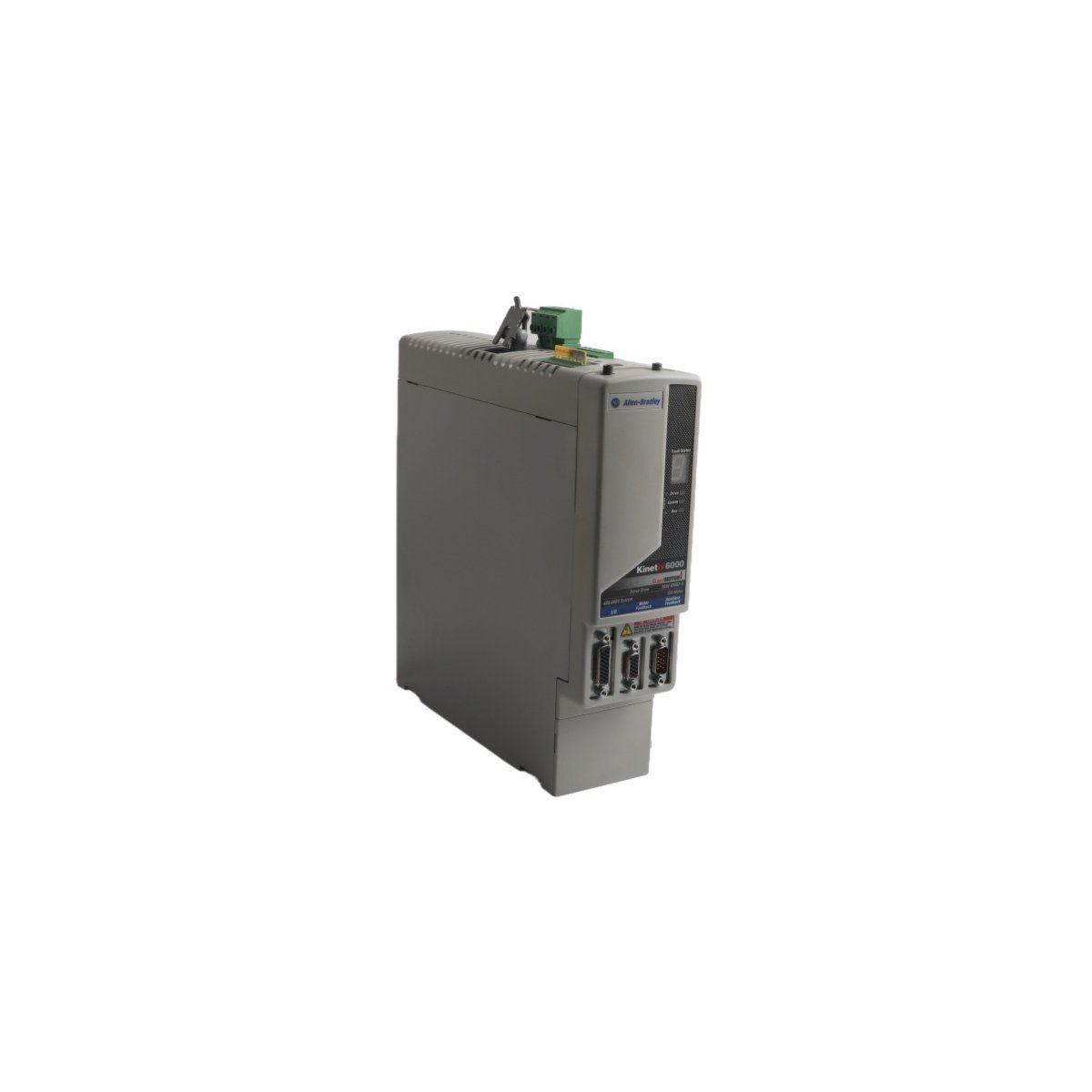
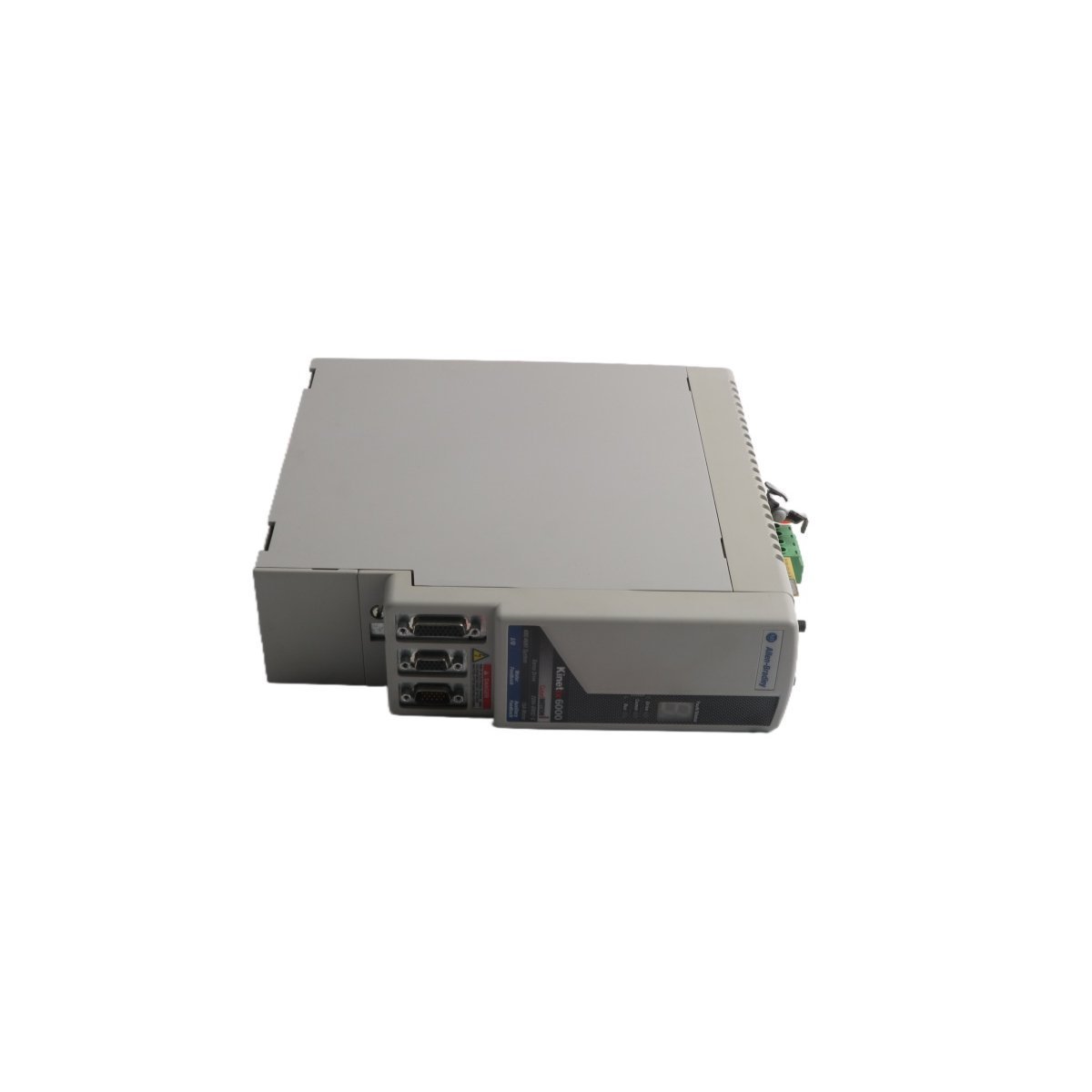
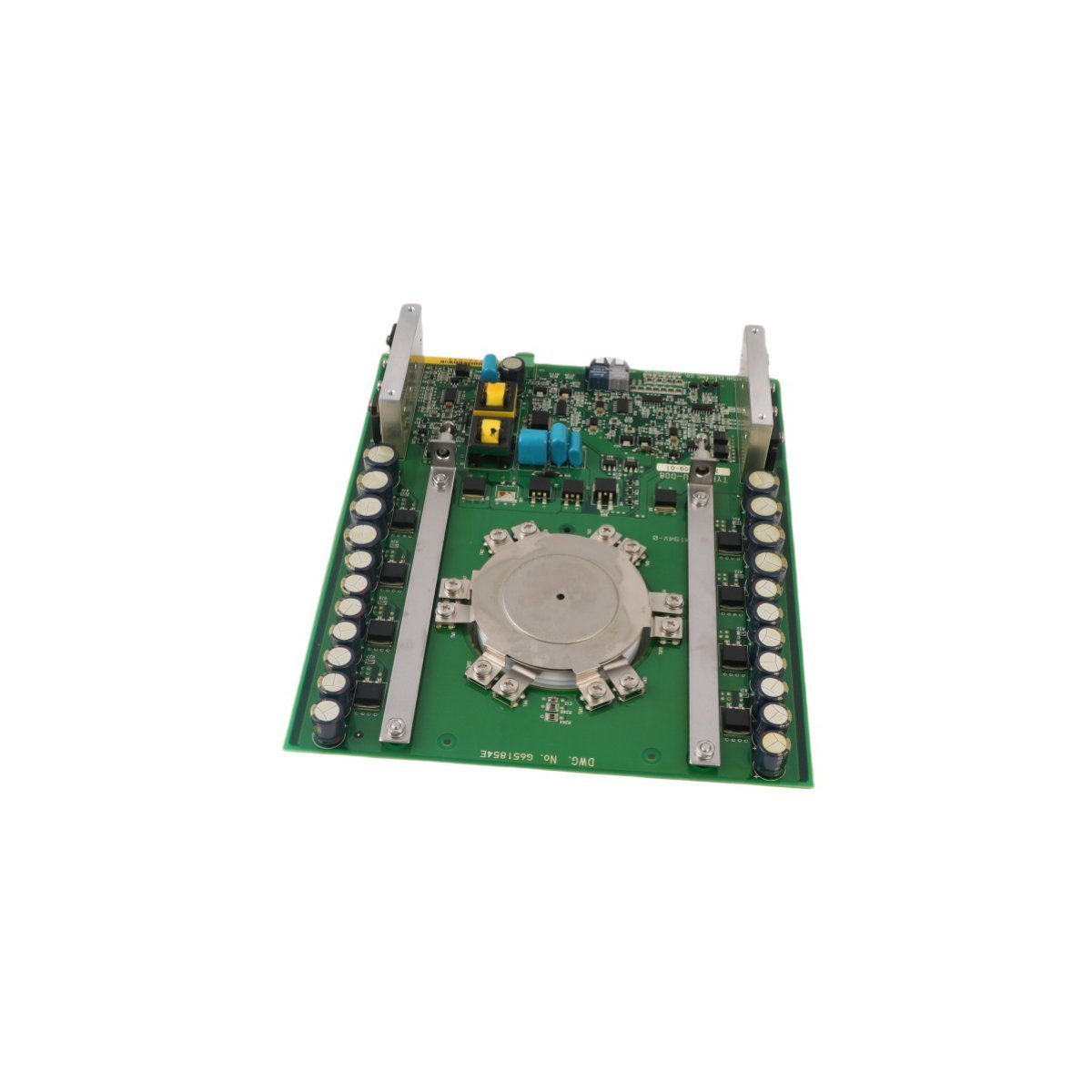
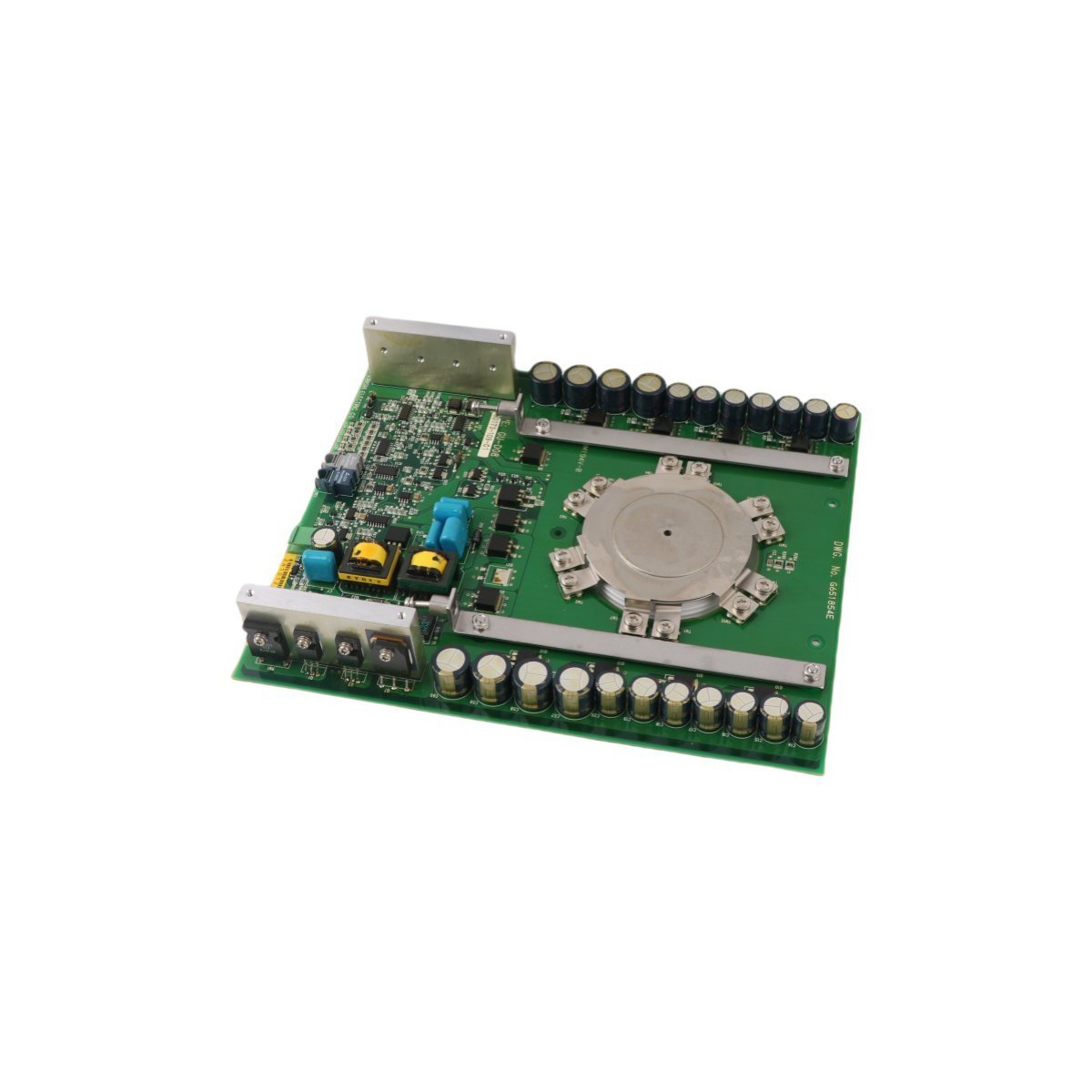
EMERSON PR6426/010-140 EPRO Series

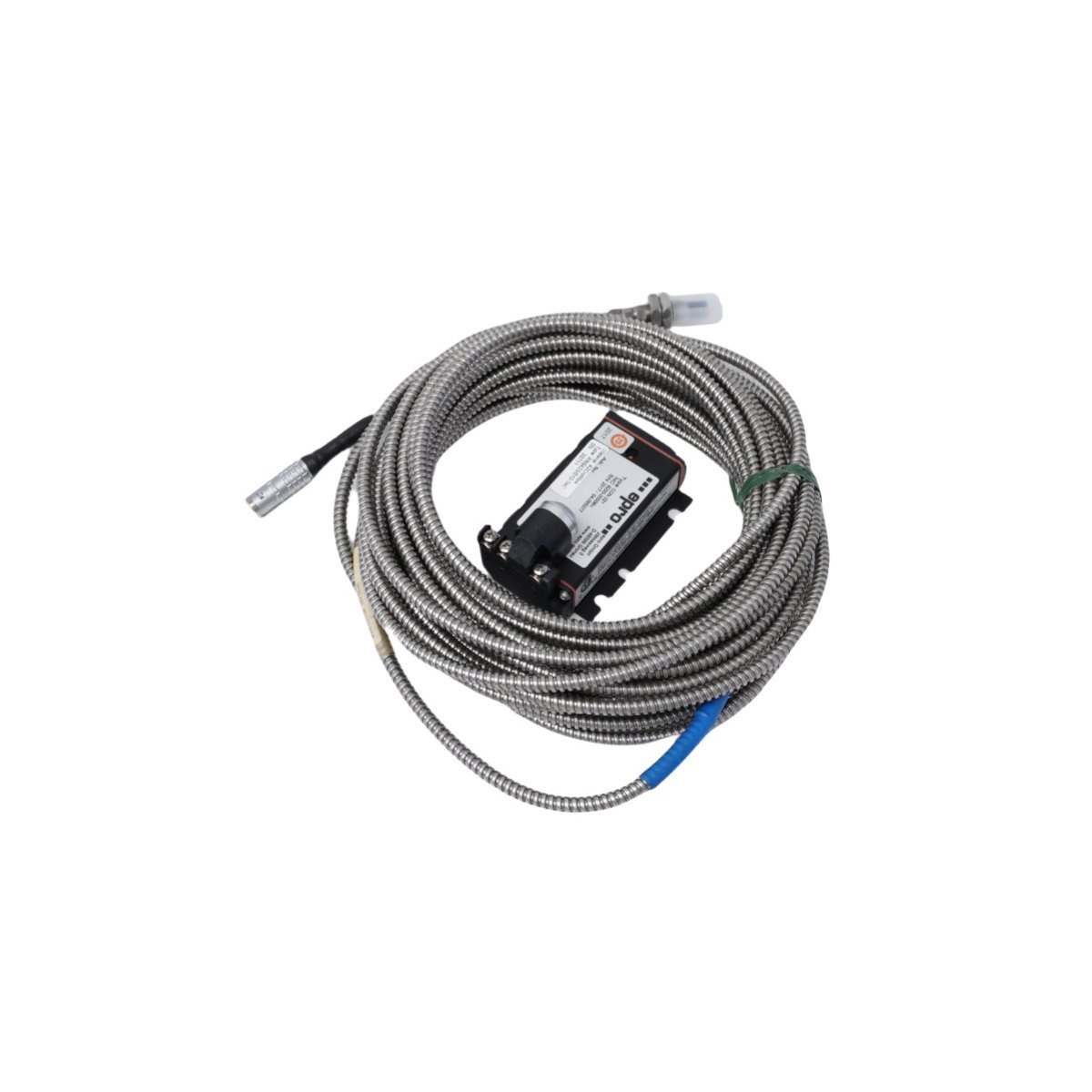
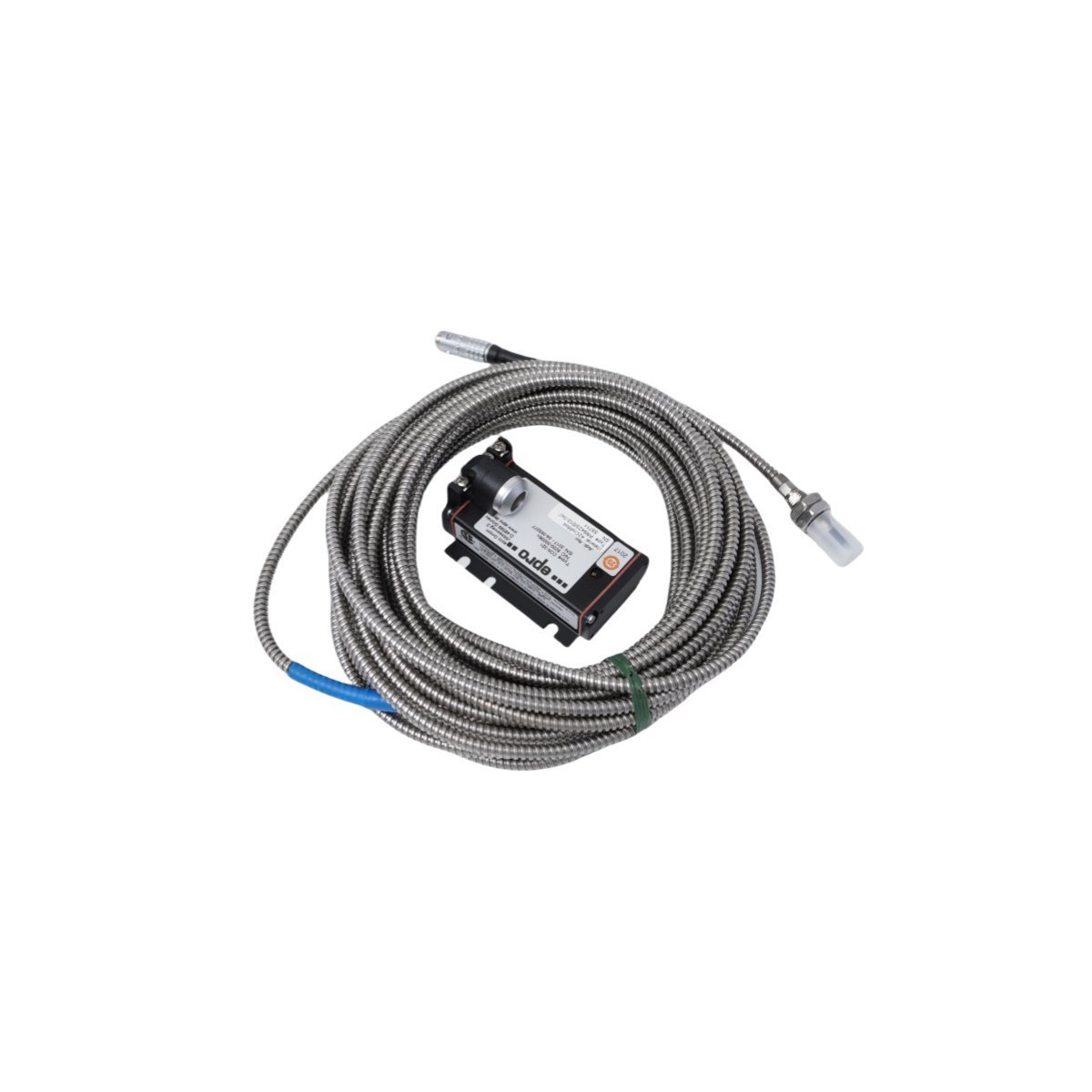
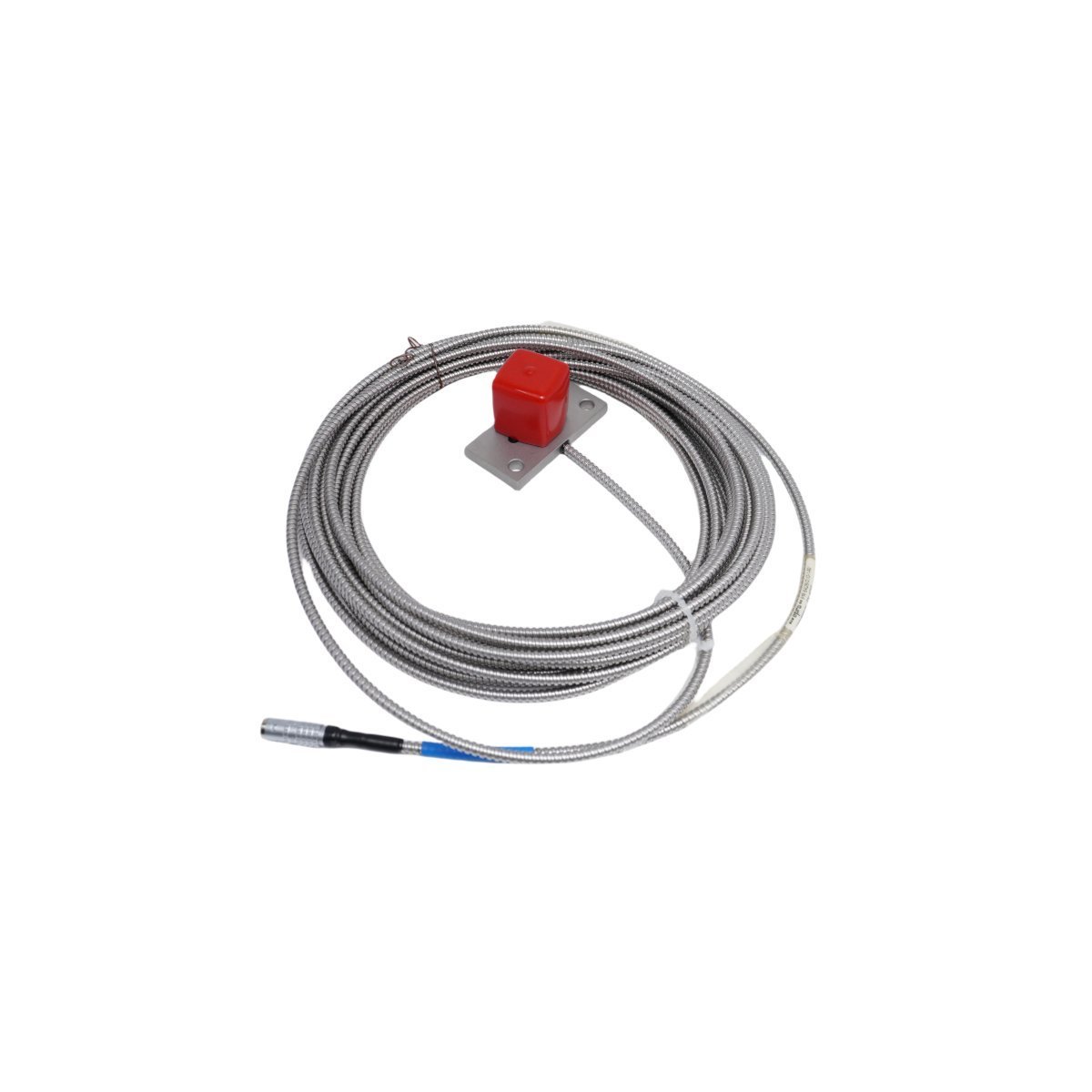
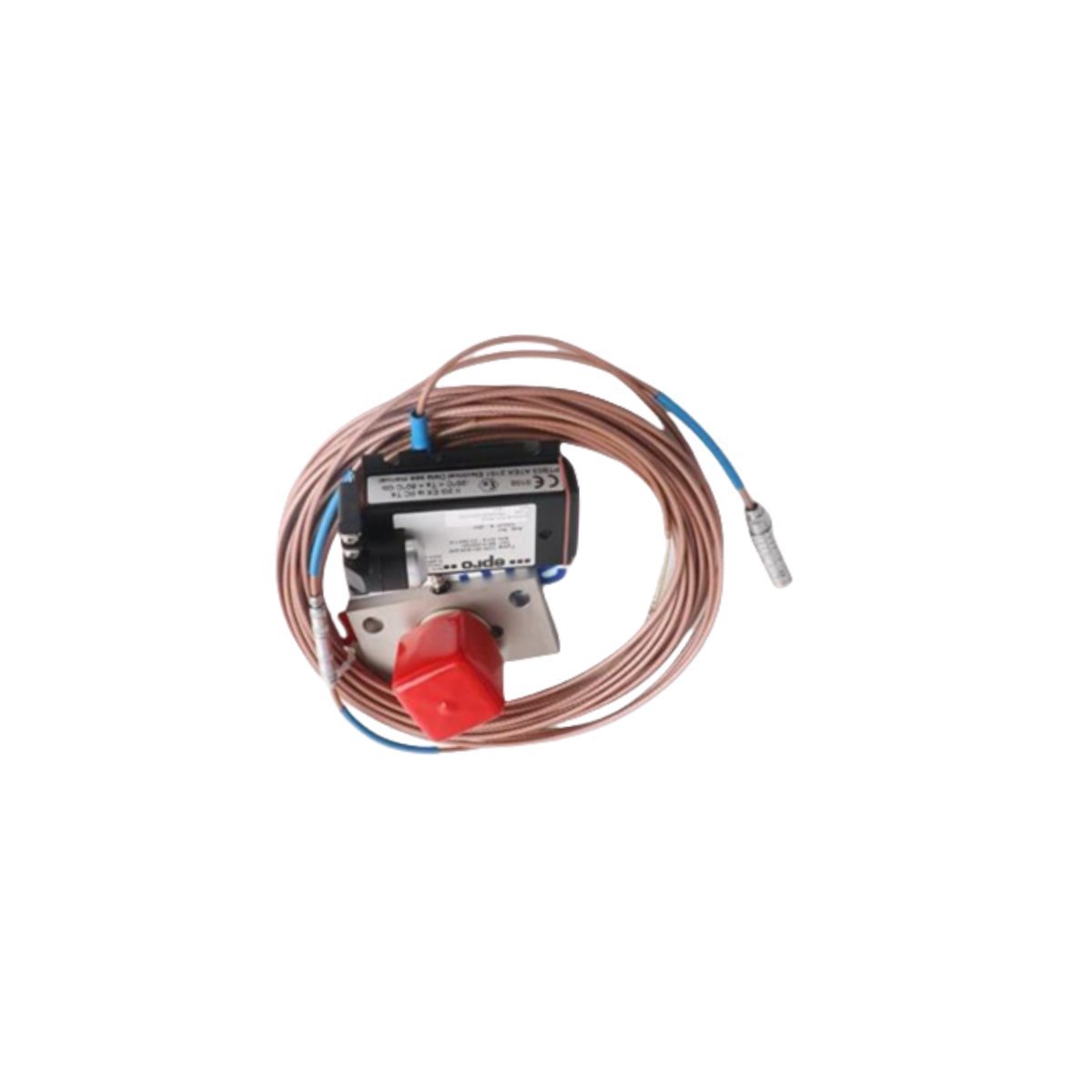
The EMERSON PR6426/010-140 is a high-precision 32mm EPRO eddy current displacement sensor designed for machinery relative vibration tracking. This genuine surplus component provides robust condition monitoring for industrial turbomachinery. Purchase this discontinued spare part with fast worldwide shipping.

The EMERSON PR6426/010-140, a critical model within the high-performance PR6426 series, is an industrial-grade Eddy Current Displacement Sensor engineered for non-contact relative shaft vibration and displacement measurements. Operating as a critical sensing element within predictive machinery protection systems, it detects physical micro-deviations in high-speed rotating equipment. By generating an advanced high-frequency electromagnetic field, the probe captures precision dynamic metrics from turbomachinery components, ensuring faults are flagged long before operational limits are breached.

Hardware Specifications

ParameterSpecification
ModelPR6426/010-140
BrandEMERSON (EPRO Series)
OriginUSA
Weight0.40 kg
Dimensions24 x 17 x 6.5 cm
Operating Temp-35 to +150°C (sensor tip area)
Module TypeEddy Current Proximity Transducer / Displacement Sensor
Life Cycle StatusDiscontinued (Dec 31, 2018)
Platform IntegrationMMS 3000 / MMS 6000 Machinery Protection Subsystems & DCS
Minimum Order Qty1
HS Code8537101190

Process Control & Machinery Protection Characteristics

The PR6426/010-140 functions seamlessly inside closed-loop condition monitoring environments by coupling with an external driver/oscillator unit. The 32mm sensor configuration provides high sensitivity paired with a widened linear measurement window, rendering it ideal for tracking large-scale axial thrust variations or heavy structural relative vibration. The internal coil is tightly compensated against thermal expansion effects, allowing high-resolution data capture across extreme temperature and pressure shifts common to power generation turbine housings and large compressors.

Frequently Asked Questions

Q: What specific physical properties do the “010-140” suffix options denote?

A: These designators specify the precise case layout configurations, which include mechanical case threading parameters, overall body length, and length configurations of the ruggedized cable jacket.

Q: Is field splicing or shortening of the integrated sensor cable permissible?

A: No. The internal electrical properties and signal calibration curves are strictly tied to the exact physical length of the factory coax cable. Cutting or splicing the cable unbalances the tuned impedance circuit, invalidating measurement data.

Q: Can this sensor be deployed within high-contamination or oily environments?

A: Yes. The hermetically sealed sensor tip is structurally impervious to hot lubricating oil, steam, water ingress, and non-corrosive chemical exposure inside machine frames.


Field Installation Guidelines

  • Static Gap Optimization: Thread the sensor body carefully into its mounting bracket at machine standstill. Measure the raw DC gap voltage at the transmitter test points and secure the locknut once the gap matches the target linear midpoint specification.
  • Cable Strain and Bend Radii: Secure the integrated armored cable along dedicated structural runs. Ensure the path maintains physical separation from high-power AC lines to block EMI and adheres to minimum bend radius parameters.
  • Connector Isolation: Enclose the terminal connection points in oil-tight, self-amalgamating insulation or protective heat-shrink boots to safeguard the coaxial signal path from secondary paths to earth or liquid ingress.
  • Target Material Calibration: Ensure the target shaft surface is uniform and matched to the probe calibration profile. Surface imperfections, material inconsistencies, or shaft magnetic runout will introduce false readings into the analog vibration signal.