Technical Functionality
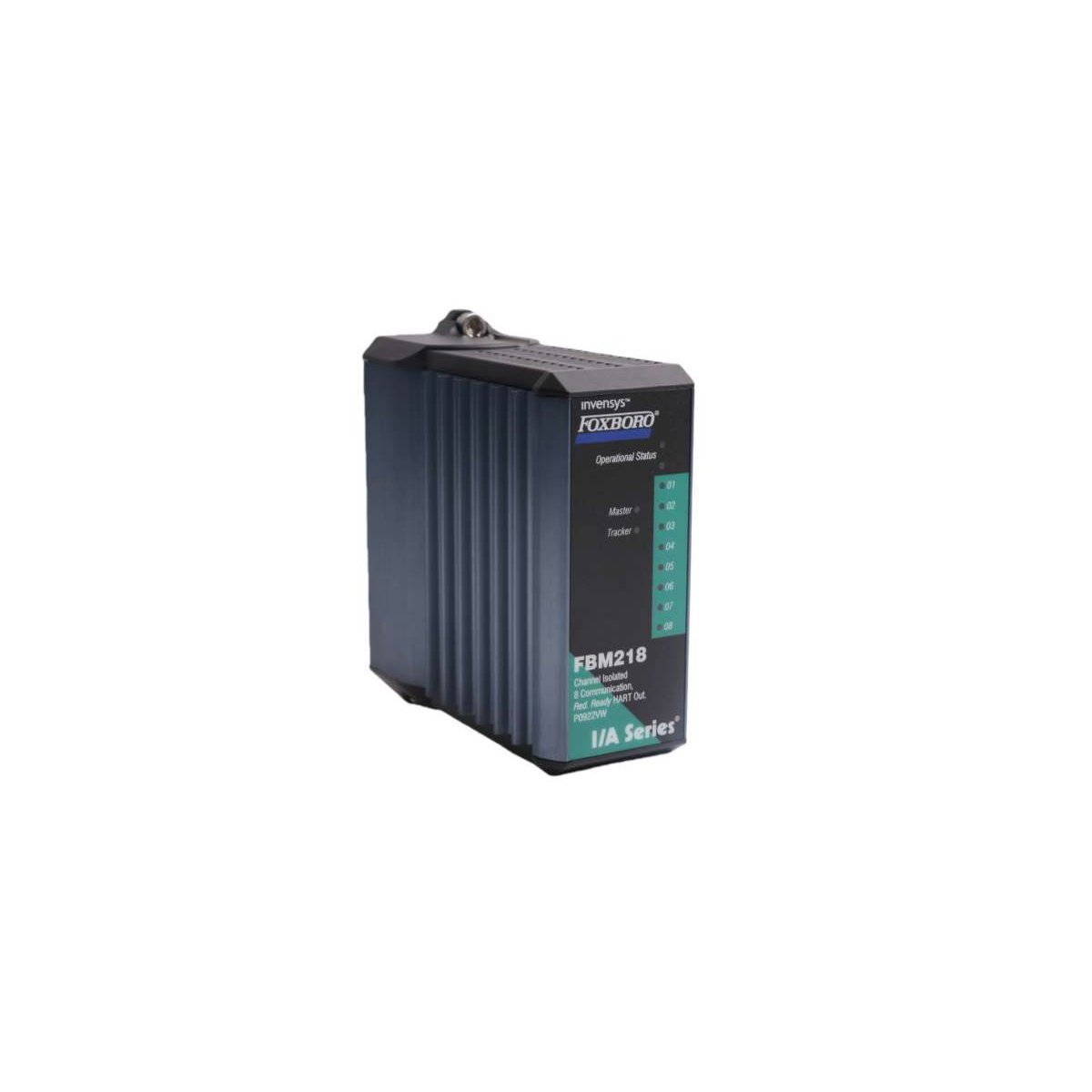
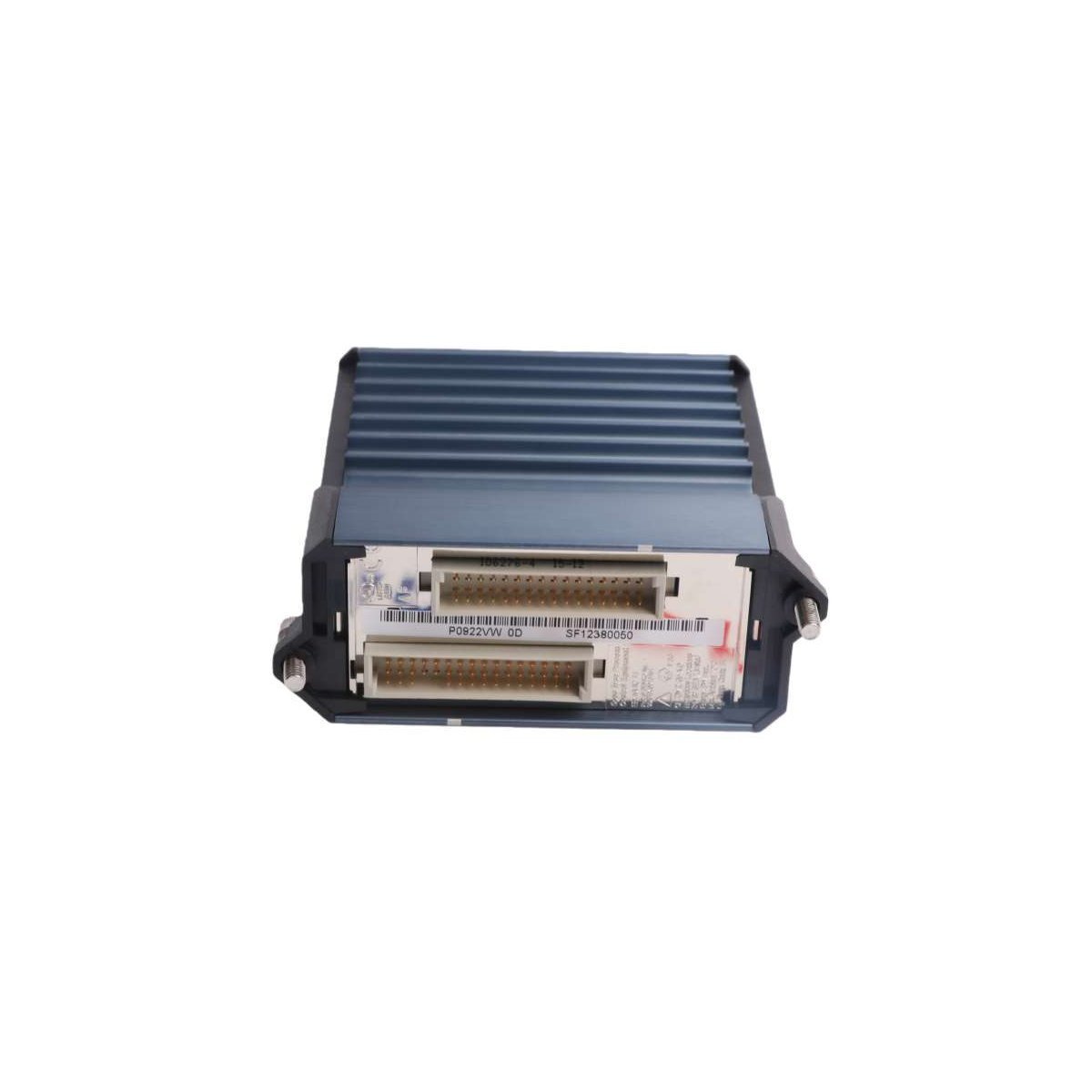
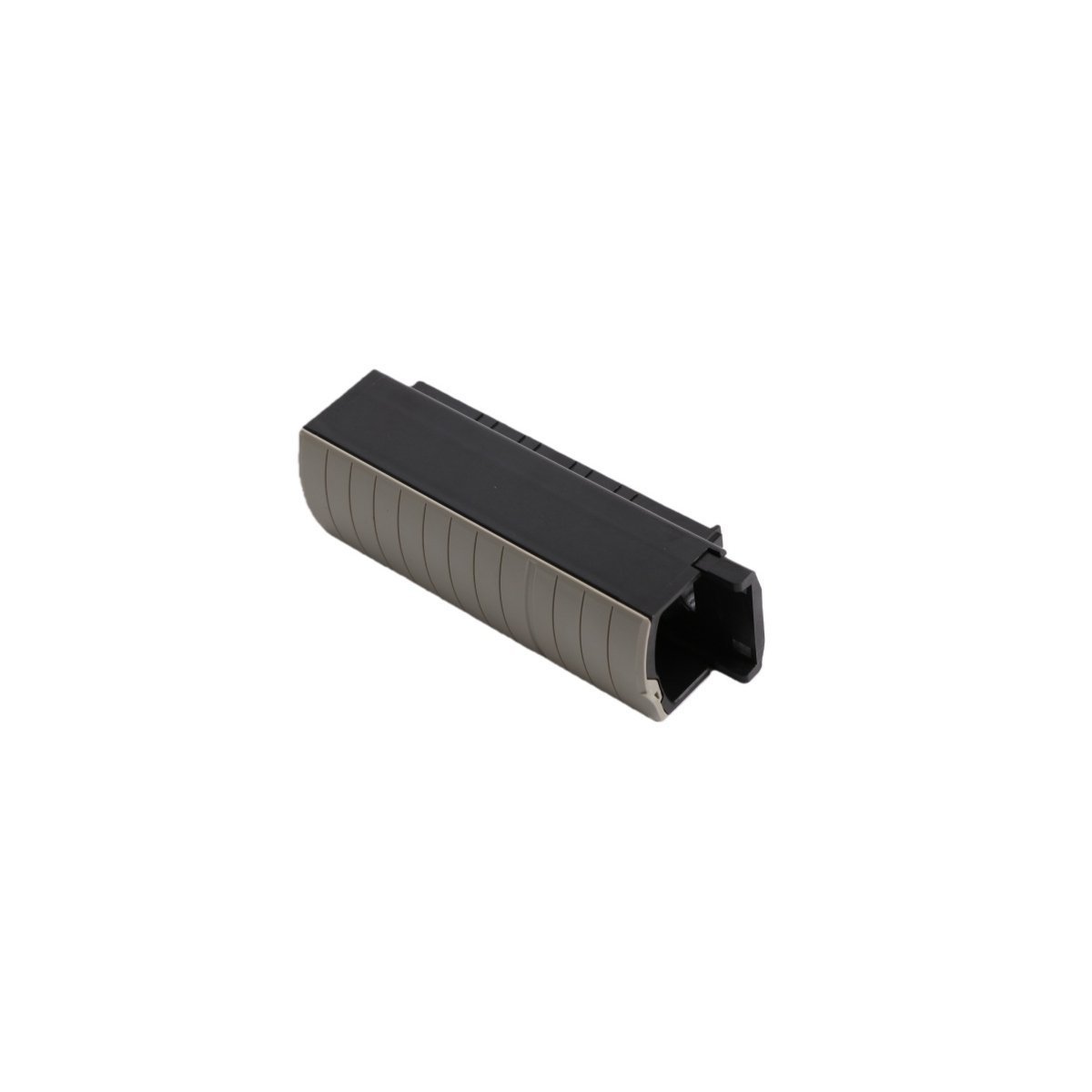
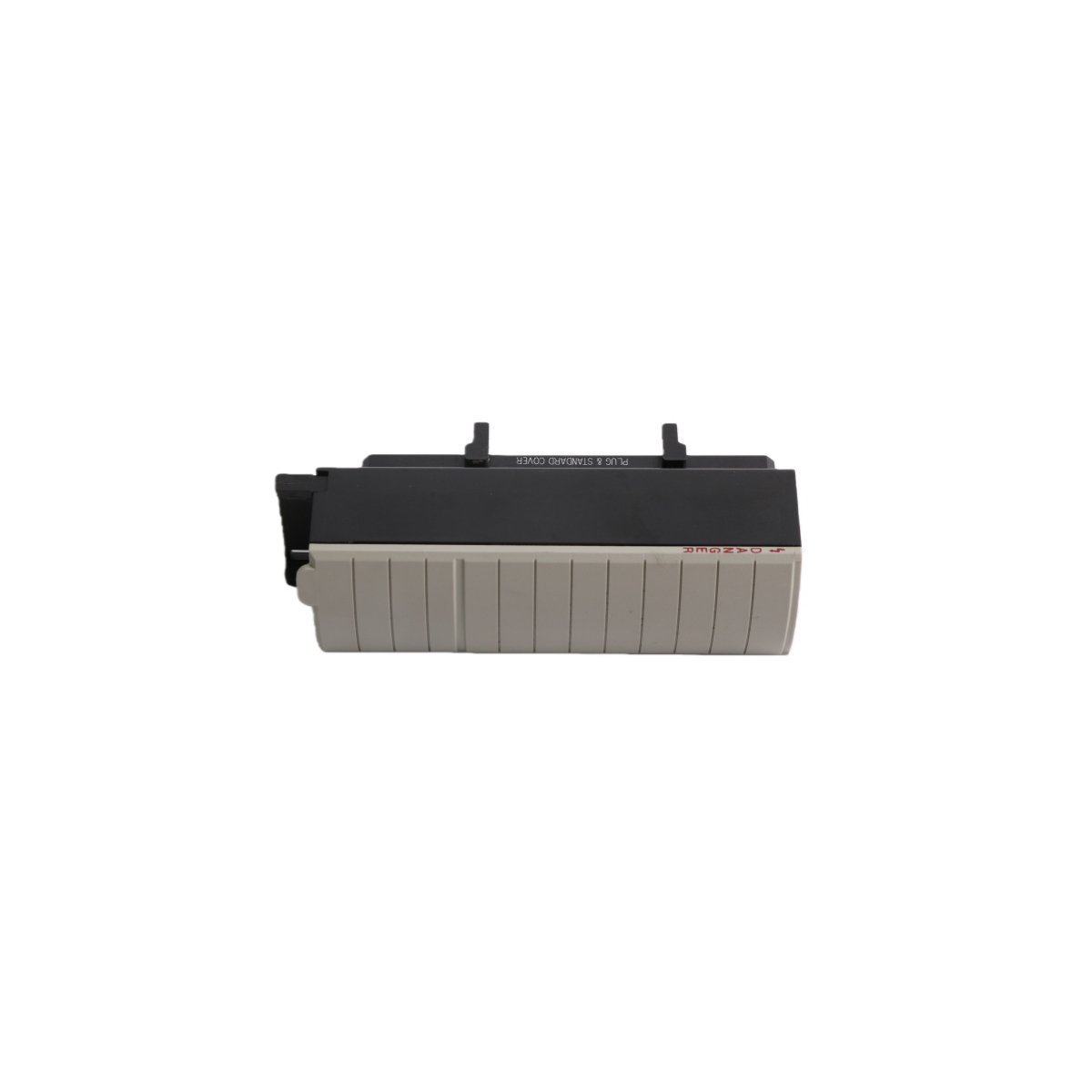
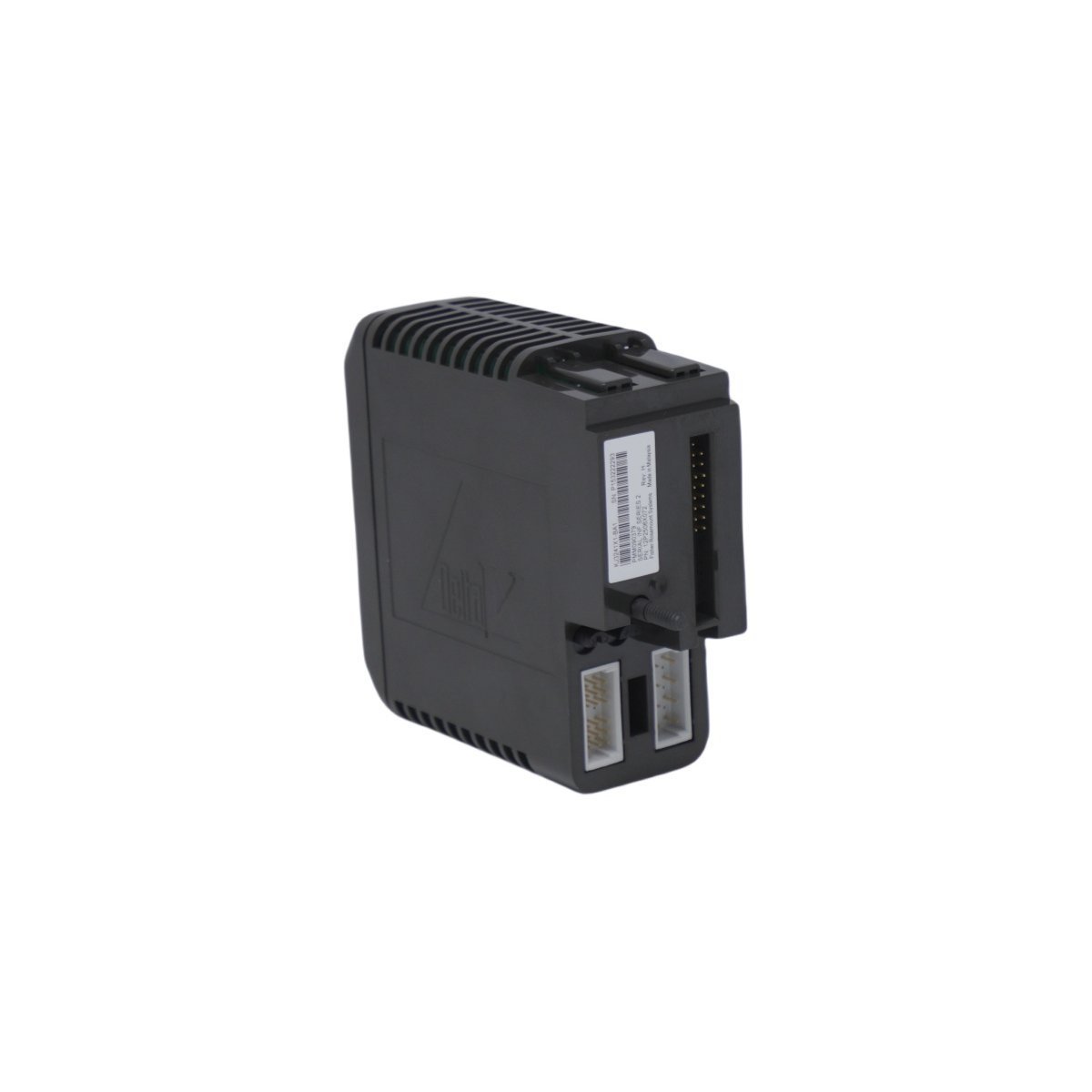
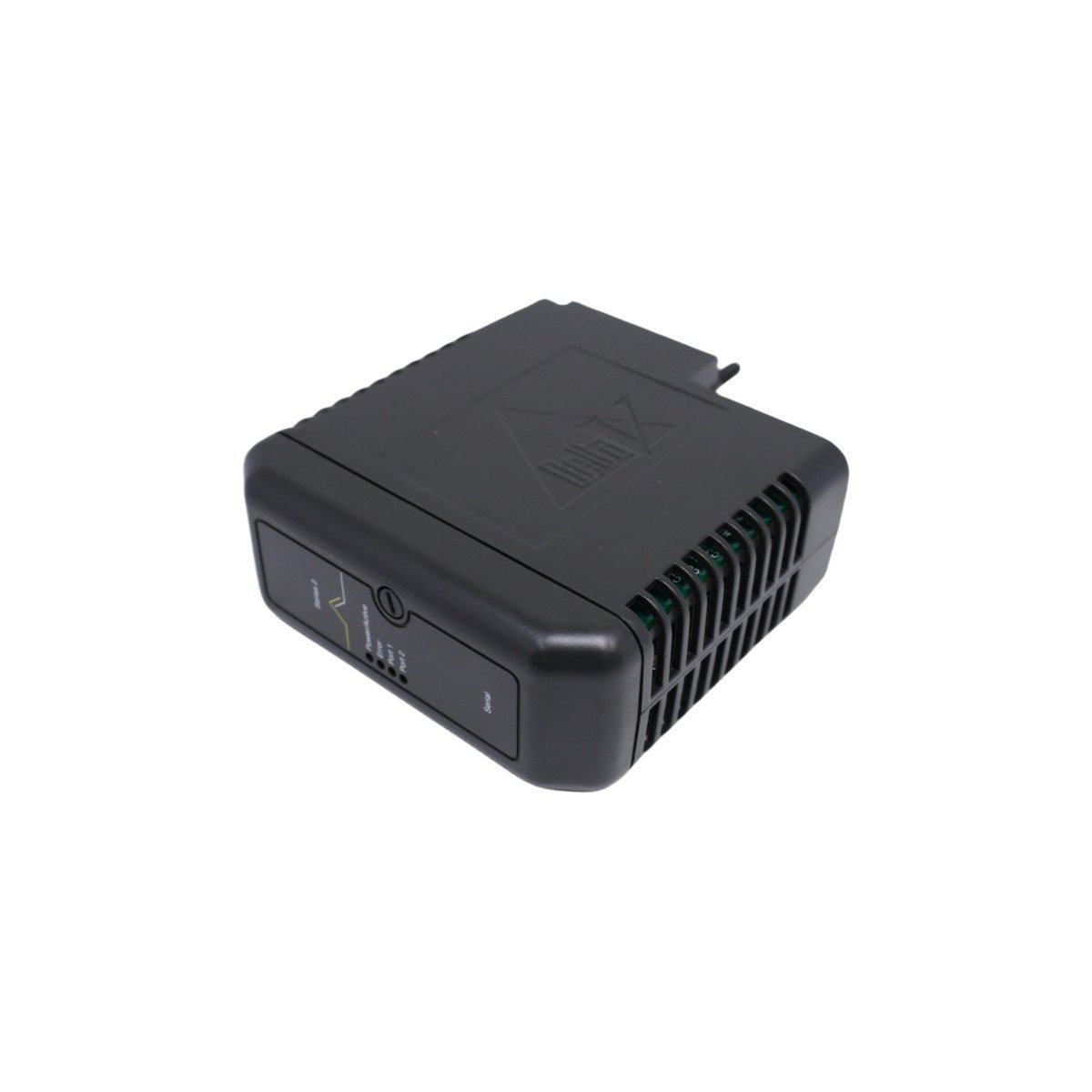
The Foxboro FBM218, identified by part number P0922VW, operates as a high-reliability discrete output interface for the I/A Series and Foxboro Evo Distributed Control Systems (DCS). This module manages 32 discrete output channels, which it uses to drive field-side actuators, motor starters, and solenoid valves. Because the FBM218 supports full hardware redundancy, it ensures that critical control actions remain active even if one module in the redundant pair fails. Consequently, it provides the high availability required for emergency shutdown systems and continuous process interlocks.
Operational Performance
This module executes rapid output transitions and maintains current state integrity through continuous back-read monitoring. When configured in a redundant pair, the modules synchronize their output states across the system backplane, allowing for a bumpless transfer during a hardware fault. Furthermore, the FBM218 features comprehensive internal self-diagnostics that verify the health of the output drivers and communication circuits. By utilizing an integrated microprocessor, the module also supports advanced fail-safe configurations, ensuring that outputs revert to a known safe state (on, off, or hold) if communication with the DCS controller is lost.
Key Technical Characteristics
- 32 Output Channels: Provides high-density discrete control in a single compact module.
- Redundancy Logic: Supports 1-out-of-2 (1oo2) redundant pairing for mission-critical reliability.
- Voltage Flexibility: Interfaces with various Termination Assemblies (TAs) to switch 24 V DC, 120 V AC, or 240 V AC loads.
- Output Protection: Includes current-limiting and short-circuit protection to safeguard internal electronics from field faults.
- Ruggedized Enclosure: Features an extruded aluminum housing with G3 conformal coating for resistance to corrosive gases.
- Status Indication: Incorporates front-panel LEDs to provide immediate visual confirmation of module health and bus communication status.
Primary Industrial Applications
- Emergency Shutdown (ESD): Driving critical isolation valves that must move to a safe position during a process trip.
- Motor Control Centers (MCC): Providing the start/stop signals for large industrial motors and pumps.
- Burner Management Systems (BMS): Managing the ignition and fuel safety shut-off valves for industrial boilers.
- Chemical Batching: Controlling the precise timing of ingredient feed valves in automated production lines.
Technical Specifications
- Manufacturer: Foxboro (by Schneider Electric)
- Model: FBM218
- Part Number: P0922VW (RH922VW)
- Output Type: Discrete (External Sourced)
- Number of Channels: 32
- Operating Temperature: -20°C to +70°C
- Power Consumption: 3.5 W
- Weight: 284 g (10 oz)